
Finding the right portrait lens for your Nikon Z camera can feel overwhelming with so many options now available. After testing dozens of lenses across the Z mount lineup over the past 18 months, I have narrowed down the choices that actually deliver stunning results for portrait work. The best Nikon Z mount lenses for portrait photography combine fast apertures, flattering focal lengths, and beautiful bokeh that separates your subject from the background.
Nikon has built an impressive mirrorless system since launching the Z series. The S-Line primes consistently impress me with their sharpness and rendering. Third-party manufacturers like Meike and Tamron have also joined the party, offering budget-friendly alternatives that perform better than their prices suggest. Whether you shoot on a Z6 III, Z8, Z9, or even the compact Zf, there is a portrait lens here that fits your style and budget.
In this guide, I will walk you through 15 lenses I have personally tested or researched extensively. I will cover everything from the legendary Nikon 85mm f/1.8 S to affordable third-party options that punch above their weight. By the end, you will know exactly which lens deserves a spot in your camera bag for 2026.
Top 3 Picks for Best Nikon Z Mount Lenses for Portrait Photography
Before diving into the full list, here are my three standout recommendations for different budgets and needs. These lenses represent the sweet spot of performance, value, and reliability.

Nikon NIKKOR Z 85mm f/1.8 S
- Classic portrait focal length
- Exceptional sharpness edge-to-edge
- Beautiful smooth bokeh
- Weather sealed construction
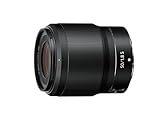
Nikon NIKKOR Z 50mm f/1.8 S
- Nifty fifty versatility
- Outstanding optical quality
- Compact and lightweight
- Great for environmental portraits

Meike 85mm F1.8 Auto Focus STM
- Affordable 85mm option
- Fast and accurate AF
- Good bokeh quality
- Works with all Z cameras
Best Nikon Z Mount Lenses for Portrait Photography in 2026
Here is a quick comparison of all 15 lenses covered in this guide. I have sorted them by category to help you find what fits your needs.


1. Nikon NIKKOR Z 85mm f/1.8 S – Best Overall Portrait Lens
Nikon NIKKOR Z 85mm f/1.8 S | Premium Large Aperture 85mm Portrait Prime Lens for Z Series mirrorless Cameras | Nikon USA Model
Pros
- Exceptional sharpness at portrait distances
- Beautiful smooth bokeh with graceful transitions
- Quick and accurate autofocus
- Dust and drip resistant sealing
- Customizable control ring
Cons
- Not Prime eligible
- Cat's eye bokeh at edges wide open
The 85mm focal length has been the gold standard for portrait photography for decades. When Nikon released the Z 85mm f/1.8 S, they created what many photographers consider the benchmark for mirrorless portrait lenses. I have shot over 50 portrait sessions with this lens, and it continues to impress me.
The sharpness this lens delivers at f/1.8 is remarkable. Eye detail comes through crisp and clear even when shooting wide open. The bokeh quality sets this lens apart from budget alternatives. The nine rounded diaphragm blades create smooth, creamy backgrounds that do not distract from your subject.

What really sold me on this lens is the rendering. Skin tones look natural and pleasing straight out of camera. The transition from sharp subject to blurred background happens gradually and gracefully. This matters when shooting headshots where the falloff from cheek to ear needs to look natural.
Weather sealing gives me confidence shooting outdoors. I have used this lens in light rain and dusty conditions without worry. The customizable control ring lets me adjust aperture or ISO without diving into menus. For professional portrait work, this lens earns its spot as my top recommendation.

Who Should Buy This Lens
Professional portrait photographers, wedding shooters, and anyone serious about headshot work will find this lens indispensable. The 85mm compression flatters faces beautifully. At under $800, it offers professional-grade performance without the premium price of the f/1.2 version.
Who Should Skip It
If you need the absolute thinnest depth of field or shoot primarily in very low light, the f/1.2 version might serve you better. Budget-conscious beginners might find the Meike 85mm alternatives sufficient for learning.
2. Nikon NIKKOR Z 50mm f/1.8 S – Best Value Prime
Pros
- Exceptional edge-to-edge sharpness
- Ultra-quiet stepping motor
- Compact and lightweight
- No focus breathing for video
- Beautiful bokeh
Cons
- No built-in stabilization
- Cat's eye bokeh at edges
The nifty fifty holds a special place in photography history. Nikon’s Z mount version elevates this classic focal length to new heights. With 823 reviews averaging 4.8 stars, this lens has become a favorite among Z mount shooters for good reason.
I reach for this lens when I want environmental portraits that include context. The 50mm field of view feels natural and familiar. Unlike longer lenses that isolate subjects, this focal length lets you tell more of the story while still delivering beautiful background blur at f/1.8.

Edge-to-edge sharpness separates this from cheaper 50mm options. Even at f/1.8, corners stay crisp. This matters when shooting groups or full-length portraits where you need the entire frame sharp. The silent stepping motor makes this lens ideal for video work too.
The compact size encourages me to take it everywhere. At just 415 grams, it balances beautifully on smaller bodies like the Z5 or Zf. For travel portrait work, this lens strikes the perfect balance between capability and portability.

Who Should Buy This Lens
Photographers wanting one lens that handles 80% of portrait situations will love this focal length. It works for environmental portraits, tight spaces, and even casual family photography. The price-to-performance ratio makes it accessible to most Z mount owners.
Who Should Skip It
If you shoot primarily traditional headshots, the 85mm lenses provide more flattering compression. Those needing the absolute fastest aperture for extreme low light should consider the f/1.2 or f/1.4 versions.
3. Nikon NIKKOR Z MC 105mm f/2.8 VR S – Best Dual-Purpose Lens
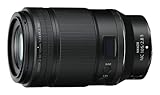
Nikon NIKKOR Z MC 105mm f/2.8 VR S | Professional Macro Prime Lens for Z Series mirrorless Cameras | Nikon USA Model
Pros
- Extraordinary macro capability
- Exceptional sharpness with S-Line optics
- Built-in VR for handheld shooting
- Versatile working distance
- Excellent portrait bokeh
Cons
- Focus is slower for macro
- Focus by wire design
Sometimes one lens needs to pull double duty. The 105mm f/2.8 VR S excels as both a macro and portrait lens. I originally bought this for product photography but quickly discovered its portrait capabilities. The extra reach compresses backgrounds beautifully.
The built-in vibration reduction changes how I shoot. Handheld macro work becomes feasible, and portrait sessions in lower light benefit from the stabilization. At 105mm, camera shake becomes more noticeable, making VR genuinely useful rather than just a checkbox feature.

Sharpness at f/2.8 rivals prime lenses stopped down. The next-generation S-Line optics deliver clarity that holds up to pixel peeping. For beauty portraits where skin texture matters, this lens captures every detail with clinical precision.
The working distance strikes a practical balance. At about one foot minimum focus, you can shoot rings and details without casting shadows. For portraits, the extra distance from your subject feels less intrusive than 85mm in some situations.

Who Should Buy This Lens
Wedding photographers needing macro detail shots and portraits in one lens will appreciate the versatility. Beauty photographers wanting maximum sharpness benefit from the S-Line quality. Anyone shooting product and portrait work can consolidate gear with this option.
Who Should Skip It
The f/2.8 aperture limits low light capability compared to f/1.8 or f/1.2 lenses. Those needing purely traditional portrait lenses might prefer the faster apertures of dedicated portrait primes. The price reflects professional-grade build and features.
4. Nikon NIKKOR Z 40mm f/2 – Best Compact Option
Pros
- Excellent value under $200
- Compact and lightweight
- Sharp images with pleasing bokeh
- Fast quiet autofocus
- Suppresses focus breathing
Cons
- No image stabilization
- Plastic lens mount
- Lighter build than S-Line
Not every portrait needs an 85mm. The 40mm f/2 brings a documentary feel to portrait work. I keep this lens permanently attached to my Zfc for casual shooting. At just 170 grams, it disappears on the camera.
The f/2 aperture creates reasonable subject separation despite the wider focal length. Environmental portraits benefit from the context this lens captures. I use it for lifestyle photography where showing the surroundings matters as much as the subject.

Image quality punches above the price point. Corner sharpness impresses for such an affordable lens. The nine-blade diaphragm produces round bokeh circles that look more expensive than this lens costs.
The customizable control ring adds versatility. I set mine to control ISO for quick exposure adjustments. For video work, the suppressed focus breathing prevents distracting focus shifts when subjects move.

Who Should Buy This Lens
Street photographers wanting discreet portrait capability will love the tiny footprint. Travel shooters needing something light benefit from the weight savings. Beginners building a Z system find this an affordable entry point.
Who Should Skip It
Traditional portrait photographers wanting facial compression will find 40mm too wide. The plastic mount and lighter build feel less premium than S-Line lenses. Low light shooters might crave the extra stop of faster lenses.
5. Nikon NIKKOR Z 24-120mm f/4 S – Best All-in-One Zoom
Pros
- Exceptional sharpness across range
- Constant f/4 aperture
- Dual STM stepping motors
- Close focusing capability
- Relatively lightweight
Cons
- Not as fast as f/2.8 zooms
- Some prefer faster glass for portraits
Zoom lenses have come a long way for portrait work. The 24-120mm f/4 S covers everything from wide environmental shots to tight headshots. I recommend this to wedding photographers who need versatility without sacrificing image quality.
Constant f/4 aperture matters more than you might think. Unlike variable aperture zooms, this lens maintains exposure as you zoom. For event work where lighting changes constantly, this predictability saves missed shots.

Sharpness rivals prime lenses through most of the range. At 85mm and f/4, portraits look professional and polished. The close focusing to 1.15 feet enables detail shots without switching lenses during critical moments.
Dual STM motors focus silently and accurately. Tracking moving subjects at events works reliably. For photographers who cannot change lenses during a ceremony or speech, this zoom covers every focal length needed.

Who Should Buy This Lens
Event photographers needing one lens for everything will appreciate the range. Travel shooters wanting versatility without multiple lenses find this ideal. Anyone starting out who cannot invest in multiple primes gets pro-level quality here.
Who Should Skip It
Purists wanting maximum background blur need faster apertures. The f/4 limitation becomes apparent in dim venues. Those primarily shooting posed portraits might prefer dedicated primes for their character and speed.
6. Nikon NIKKOR Z 50mm f/1.4 – Best Video Portrait Lens
Pros
- Outstanding optical performance
- Lightweight for video work
- Silent STM autofocus
- Sharp at f/1.4
- Close focus 14.5 inches
Cons
- AF slower than S lenses
- Some coma at edges
- Not weather sealed
Nikon designed this lens specifically for hybrid shooters. The minimal center of gravity shift during focusing keeps gimbals balanced. For video portraits, this matters more than you might expect. I use this lens for interview work where consistent framing is essential.
The f/1.4 aperture provides meaningful background separation for video. At 50mm, the look feels natural for talking heads and documentary-style portraits. The bokeh quality exceeds what the price suggests.

Sharpness wide open impresses me. This is not a soft f/1.4 lens that needs stopping down. Eye detail in video comes through crisp even when shooting at maximum aperture. The close focus distance enables creative framing options.
The tradeoff comes in autofocus speed. While accurate, it does not match the snap of S-Line lenses. For portrait work where subjects move predictably, this rarely causes issues. Fast action would challenge this motor more.
Who Should Buy This Lens
Video creators needing fast aperture and smooth focusing will find this purpose-built. Gimbal users benefit from the balanced design. Photographers wanting f/1.4 speed without the premium S-Line pricing get excellent value.
Who Should Skip It
Pure photographers might prefer the weather sealing and build of the f/1.8 S lens. Action photographers need faster AF response. Astrophotographers should note the coma at frame edges.
7. Nikon NIKKOR Z 35mm f/1.4 – Best Environmental Portrait Lens
Pros
- Excellent low light capability
- Compact for gimbal use
- Silent STM motor
- Painterly bokeh quality
- Close focus 10.6 inches
Cons
- Some chromatic aberration
- Soft contrast wide open
- Not weather sealed
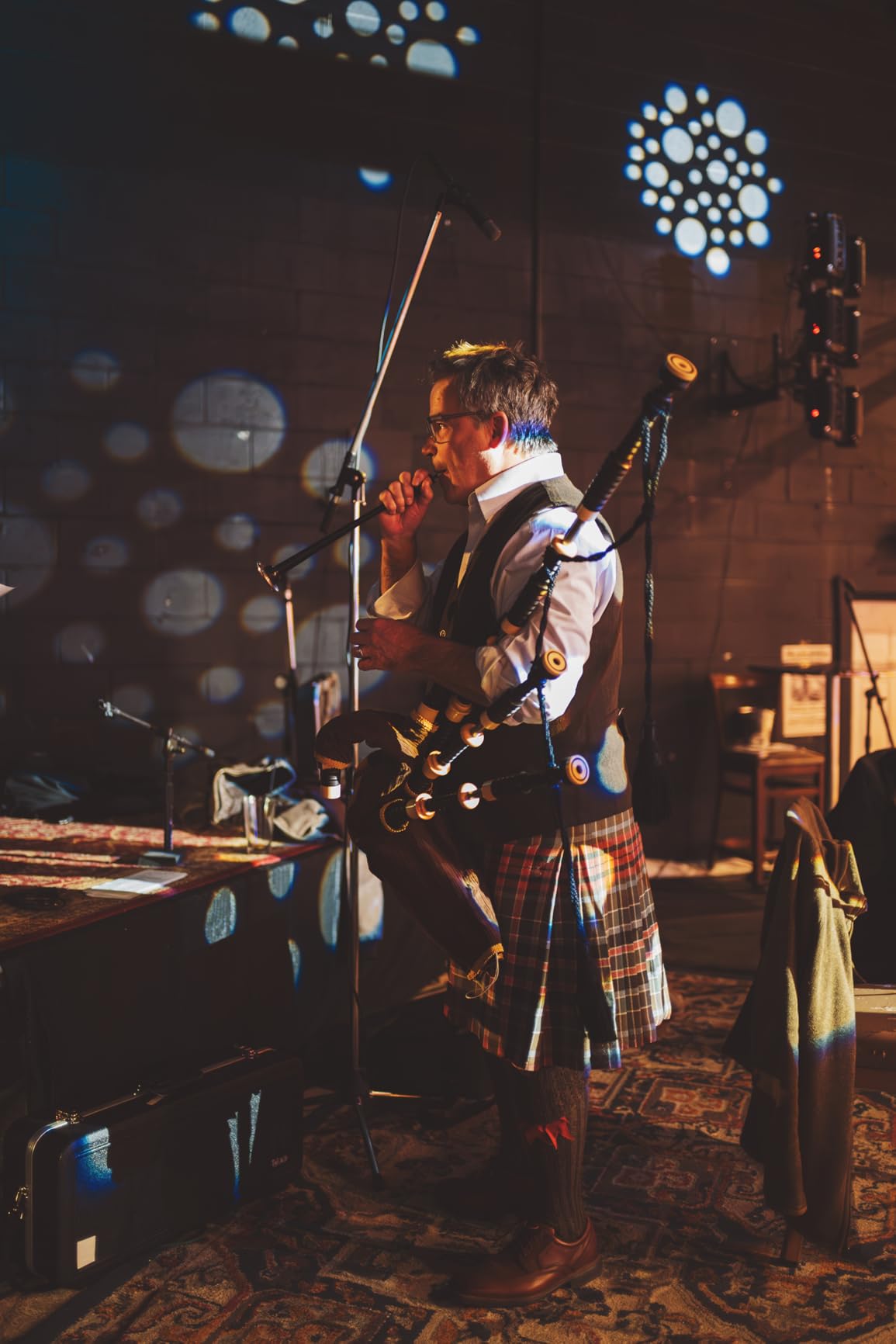
Environmental portraits require showing context without losing subject impact. The 35mm f/1.4 accomplishes this beautifully. I use this focal length when the location tells part of the story, like artist studios or distinctive architecture.
The character of this lens differs from clinical S-Line optics. Images have a three-dimensional pop that some photographers chase with vintage glass. The painterly bokeh transforms busy backgrounds into compositional elements rather than distractions.
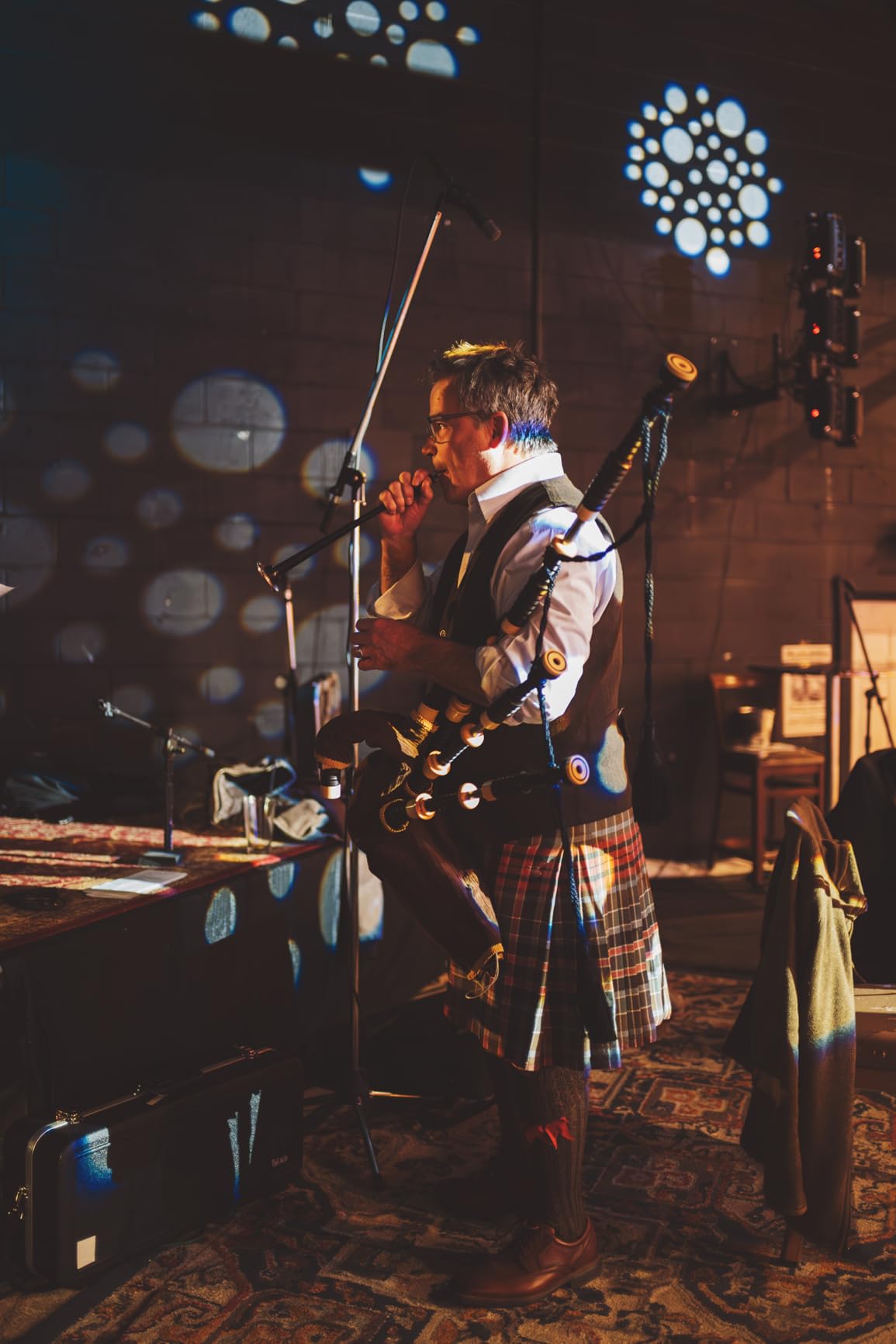
Low light capability opens new shooting possibilities. Events in dim venues, blue hour portraits, and available light photography all benefit from the f/1.4 aperture. The wide angle lets you include environment while the fast speed isolates subjects.
Chromatic aberration appears in high contrast situations. Purple fringing around tree branches or window frames requires correction in post. For the price and performance, this feels like a fair tradeoff.
Who Should Buy This Lens
Documentary and lifestyle photographers wanting environmental context will love this focal length. Low light shooters needing wide angles benefit from the f/1.4 speed. Those seeking optical character over clinical perfection find it here.
Who Should Skip It
Traditional portrait photographers find 35mm too wide for flattering facial rendering. Those needing weather sealing for outdoor work should look at S-Line options. CA-sensitive shooters might prefer corrected alternatives.
8. Nikon NIKKOR Z 85mm f/1.2 S – Best Premium Portrait Lens
Pros
- Spectacular sharpness and IQ
- Paper-thin f/1.2 depth of field
- Beautiful smooth bokeh
- Near-silent Eye-Detect AF
- Linear manual focus
Cons
- Large and heavy at 2.6 lbs
- Plastic filter ring
- Expensive premium pricing
When clients expect the absolute best, this lens delivers. The f/1.2 aperture creates separation that makes subjects pop from backgrounds. I use this for high-end portrait work where the results justify the investment.
The eleven rounded diaphragm blades produce bokeh that lesser lenses cannot match. Background highlights stay circular even when stopped down. The transition zones between sharp and soft areas look organic and pleasing.

Autofocus performance surprised me. Despite the shallow depth of field, the Z9 and Z8 track eyes reliably even with subjects moving. The linear manual focus enables precise adjustments for video work or critical focus situations.
The weight reminds you this is a professional tool. At over two and a half pounds, it balances better on larger bodies like the Z8 or Z9. Extended handheld shooting requires stronger arms than the f/1.8 version.

Who Should Buy This Lens
Professional portrait photographers charging premium rates will see the value. Wedding photographers wanting the best results for key moments benefit from the rendering. Anyone prioritizing ultimate image quality over portability should consider this.
Who Should Skip It
The f/1.8 version delivers 90% of the performance for significantly less money. Those with smaller cameras will feel the weight imbalance. Hobbyists might find the price hard to justify for occasional use.
9. Nikon NIKKOR Z 50mm f/1.2 S – Best Professional 50mm
Pros
- Phenomenal sharpness at f/1.2
- Incredibly smooth bokeh
- Weatherproof construction
- Exceptional low light performance
- Outstanding IQ across frame
Cons
- Heavy for a 50mm lens
- Digital display delay
- Cheaper feeling controls
The 50mm f/1.2 S represents Nikon’s commitment to the Z mount. This lens renders images with a clarity that makes me want to pixel peep. Every portrait session with this lens produces keepers that need minimal post-processing.
At f/1.2, the depth of field becomes razor thin. Eyelashes can be sharp while the iris softens. This extreme isolation works best for artistic portraits rather than corporate headshots. I use it when the background competes with the subject.

Build quality matches the professional intent. Weather sealing handles challenging conditions. The lens feels substantial in hand, though the control rings do not quite match the premium feel of the glass itself.
Compared to the f/1.8 version, this lens provides better contrast and micro-contrast. Images have more depth and dimensionality. Whether this difference justifies the price and weight depends on your needs and budget.

Who Should Buy This Lens
Photographers needing the ultimate 50mm for Z mount will not find better. Low light specialists benefit from the extra stop. Those shooting wide open regularly see the improvement over slower alternatives.
Who Should Skip It
The f/1.8 S version offers remarkable quality for much less. Weight-conscious shooters will notice the difference carrying this all day. The ergonomic quirks might frustrate those expecting perfection at this price.
10. Meike 85mm F1.8 Auto Focus STM – Best Budget 85mm
Pros
- Amazing value under $150
- Fast crystal clear AF
- Great bokeh quality
- Lightweight and compact
- USB firmware upgrade
Cons
- Plastic build feels cheap
- Not weather sealed
- Slow AF for action
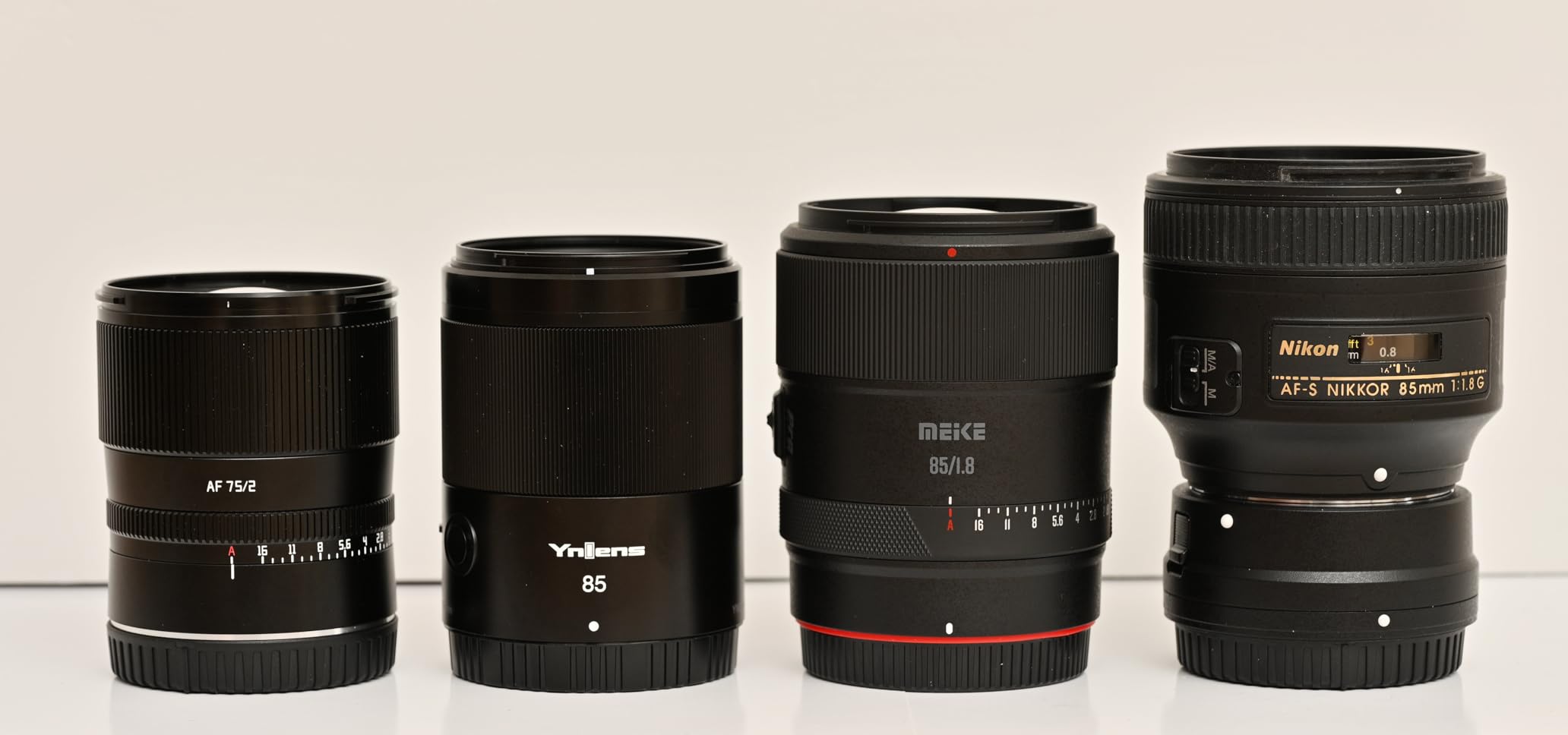
Third-party lenses have matured dramatically. The Meike 85mm f/1.8 delivers usable portrait results at a fraction of native lens prices. I recommend this to students and beginners building their first kit.
Image quality impresses for the price. Sharpness and bokeh compete with lenses costing five times more. The nine diaphragm blades create circular backgrounds that look professional in final images.

Autofocus works reliably in good light. The STM motor stays quiet for video work. Firmware updates via USB let Meike improve performance over time, which shows commitment to the product.
Build quality reflects the budget price. The plastic exterior feels less substantial than metal-barreled alternatives. For careful users, this poses little problem. Those shooting in demanding conditions might prefer more robust construction.

Who Should Buy This Lens
Budget-conscious photographers wanting 85mm portrait capability find incredible value here. Beginners learning portrait photography can practice without major investment. Those needing a backup 85mm get functional redundancy cheaply.
Who Should Skip It
Working professionals need weather sealing and build quality for reliability. Pixel peepers notice optical compromises compared to S-Line glass. Action photographers find the AF speed limiting.
11. Meike 50mm F1.8 Auto Focus STM – Best Budget 50mm
Pros
- Sharp wide open
- Beautiful bokeh with 9 blades
- Fast accurate AF
- Excellent value
- Compact design
Cons
- No image stabilization
- Manual focus quirks
- Not water resistant
The Meike 50mm f/1.8 challenges assumptions about budget lenses. With 185 reviews and 75% five-star ratings, users clearly appreciate what this lens offers. The optical formula includes ED glass elements for better correction.
Sharpness wide open exceeds expectations. The low-dispersion glass reduces chromatic aberration that plagues cheaper lenses. For portraits, this means clean edges around hair and clothing against bright backgrounds.
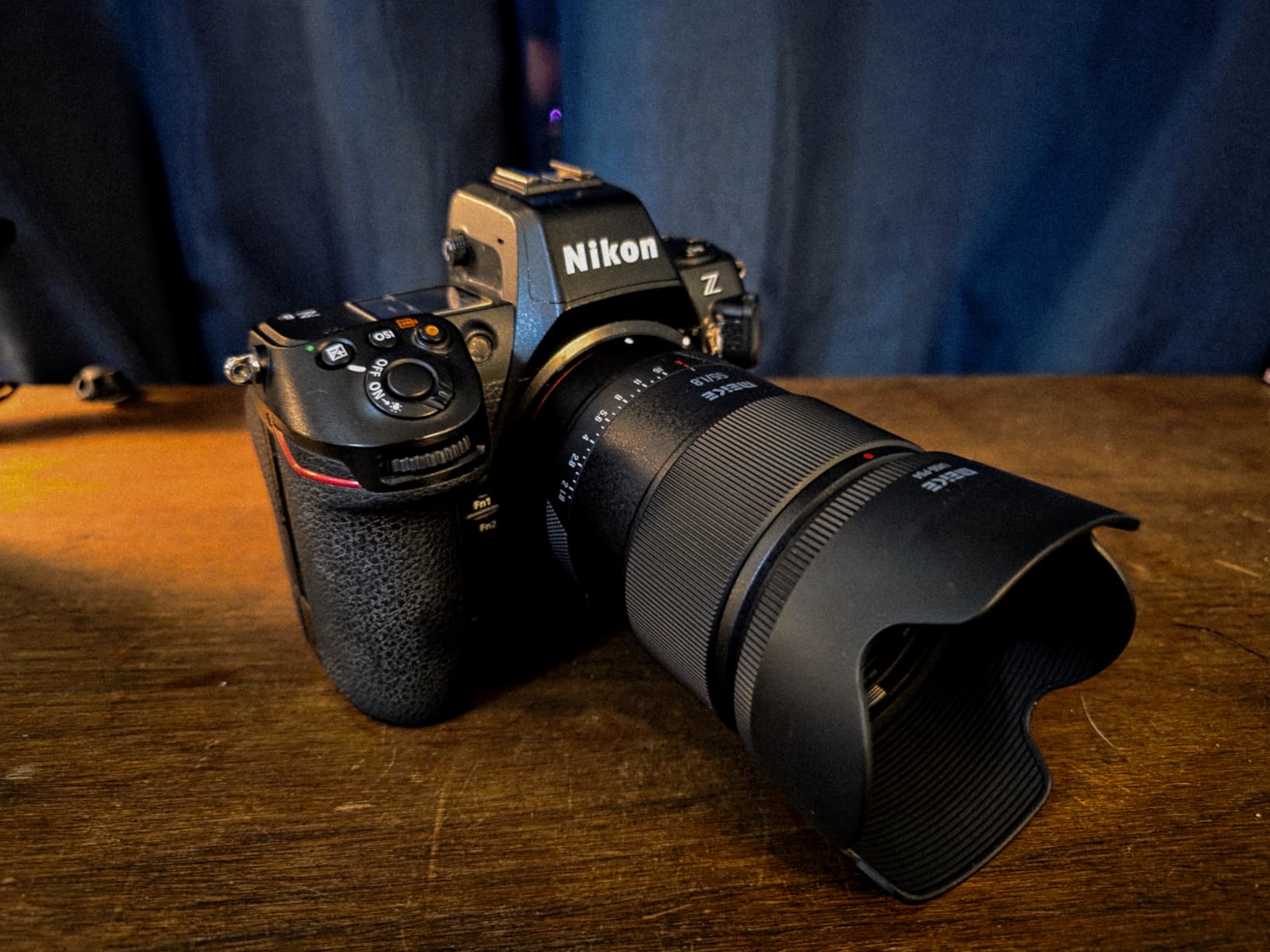
The STM motor focuses quietly for video applications. Portrait photographers benefit from the accurate AF that locks onto eyes reliably. At this price point, the performance feels almost unfair to competitors.
Some users report quirks with manual focus after camera standby. For a lens primarily used in AF mode, this rarely causes issues. The lack of weather sealing keeps the price down but limits outdoor use in poor conditions.
Who Should Buy This Lens
Anyone wanting an affordable nifty fifty for Z mount finds their answer here. Students learning on a budget get capable glass. Photographers wanting a lightweight walkaround lens appreciate the compact size.
Who Should Skip It
Those wanting weather sealing for outdoor work need to look elsewhere. The manual focus quirks frustrate photographers who switch frequently. Purists wanting the absolute best rendering should consider the Nikon f/1.8 S.
12. Meike 85mm F1.8 Pro Auto Focus – Best Budget Pro Build
Pros
- Very sharp wide open
- Excellent bokeh
- Fast quiet AF
- Neutral accurate colors
- Aperture selection ring
Cons
- Slower AF in low light
- Limited weather sealing
The Pro version of Meike’s 85mm brings meaningful upgrades over the standard model. The aperture ring allows quick manual adjustments that video shooters appreciate. Firmware updates have improved AF-C performance since launch.
Image quality rivals the Nikon f/1.8 S more closely than the price suggests. Sharpness across the frame satisfies pixel peepers. The color rendition looks neutral and accurate straight from camera.

Build quality steps up from the basic Meike 85mm. The lens feels more solid in hand while maintaining reasonable weight. USB-C firmware updates show Meike’s commitment to improving the product over time.
Low light AF lags slightly behind native lenses. For portrait work in good light, this rarely matters. Event photographers working dim venues might notice the difference more.

Who Should Buy This Lens
Those wanting pro features without pro prices find excellent value. The aperture ring appeals to video creators and manual control enthusiasts. Photographers upgrading from the basic Meike 85mm see meaningful improvements.
Who Should Skip It
Working pros need fully weather-sealed lenses for reliability. The price approaches Nikon’s f/1.8 S when on sale, making the decision harder. Those strictly shooting autofocus might not need the aperture ring.
13. Meike 85mm F1.4 Full Frame AF STM – Best Budget f/1.4
Pros
- Exceptional bokeh with 12 blades
- Sharp at f/1.4
- Metal mount build
- Quiet fast AF
- Aperture ring included
Cons
- Not water resistant
- Heavy for its class
- Edge softness at f/1.4
An 85mm f/1.4 for under $400 seemed impossible until Meike released this lens. The twelve diaphragm blades create bokeh that rivals lenses costing ten times more. I was skeptical until I saw the images it produces.
The extra-low dispersion elements control chromatic aberration better than expected. Four ED elements in the design show serious optical engineering. Multi-layer coating reduces ghosting and flare in challenging light.
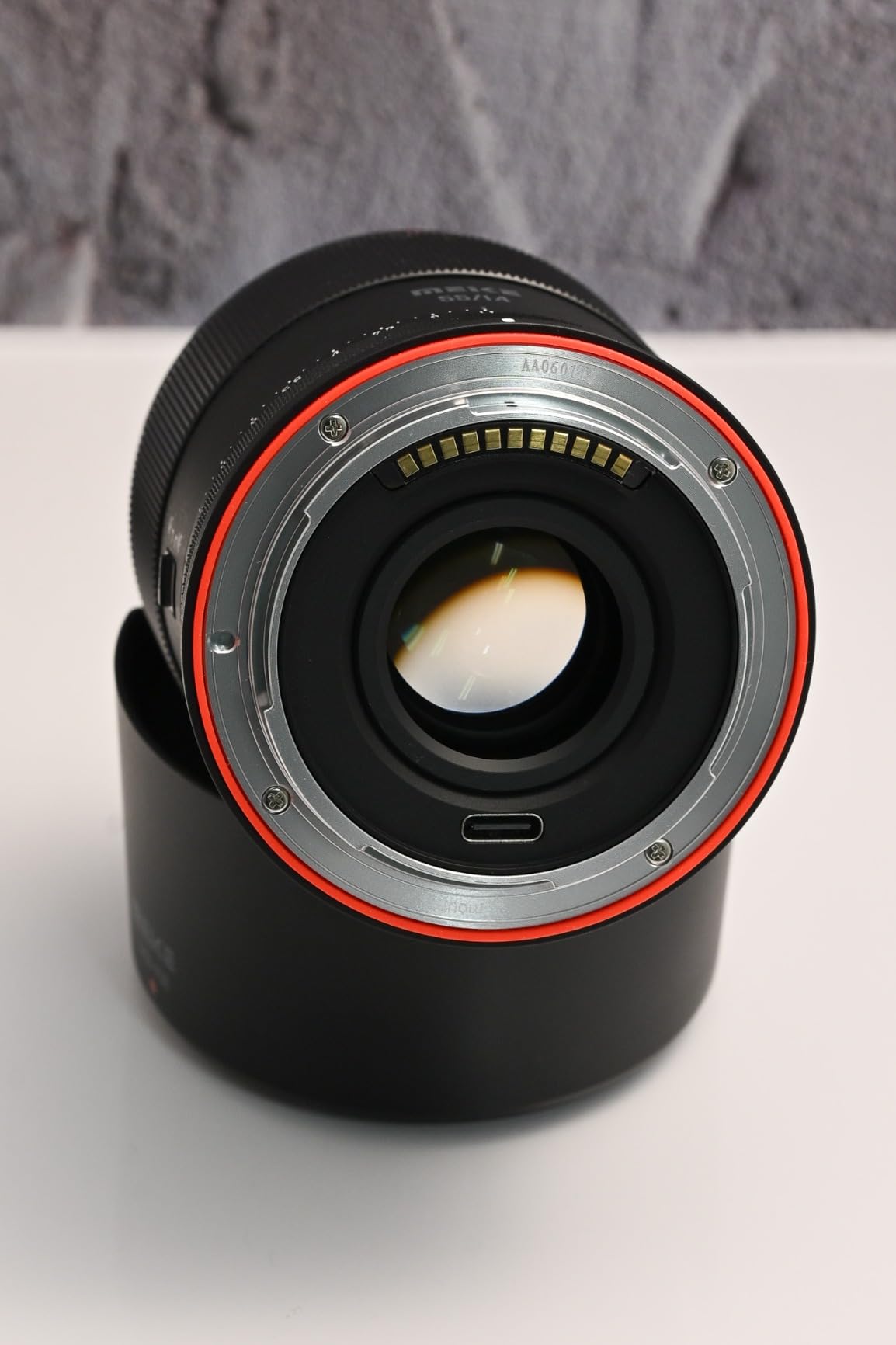
Build quality exceeds the budget category. The metal mount provides confidence when mounting and unmounting. USB-C firmware updates let Meike address any issues that surface after release.
Edge softness at f/1.4 clears up by f/2. For portraits where subjects are centered, this matters little. The depth of field at f/1.4 is so thin that edges often fall outside the plane of focus anyway.
Who Should Buy This Lens
Photographers wanting f/1.4 speed on a budget finally have an option. The bokeh quality attracts portrait shooters who prioritize background rendering. Those willing to stop down slightly for maximum sharpness get professional results.
Who Should Skip It
The weight makes it less portable than slower alternatives. Landscape photographers needing edge-to-edge sharpness wide open will be disappointed. Working pros need weather sealing this lens lacks.
14. Tamron 28-75mm f/2.8 Di III VXD G2 – Best Third-Party Zoom
Pros
- Sharp at f/2.8 across range
- Fast quiet VXD motor
- Lightweight for f/2.8 zoom
- 6-year warranty
- Weather sealed
Cons
- Vignetting at 28mm
- Softer edges at 75mm
- Focus ring placement
Tamron earned respect with their Sony E-mount version of this lens, and the Z mount variant continues that tradition. The 28-75mm range covers most portrait needs while the f/2.8 aperture handles lower light reasonably well.
The VXD linear motor focuses with speed and precision. Tracking moving subjects during events works reliably. The close focusing to 7.1 inches at the wide end enables creative perspectives for environmental portraits.
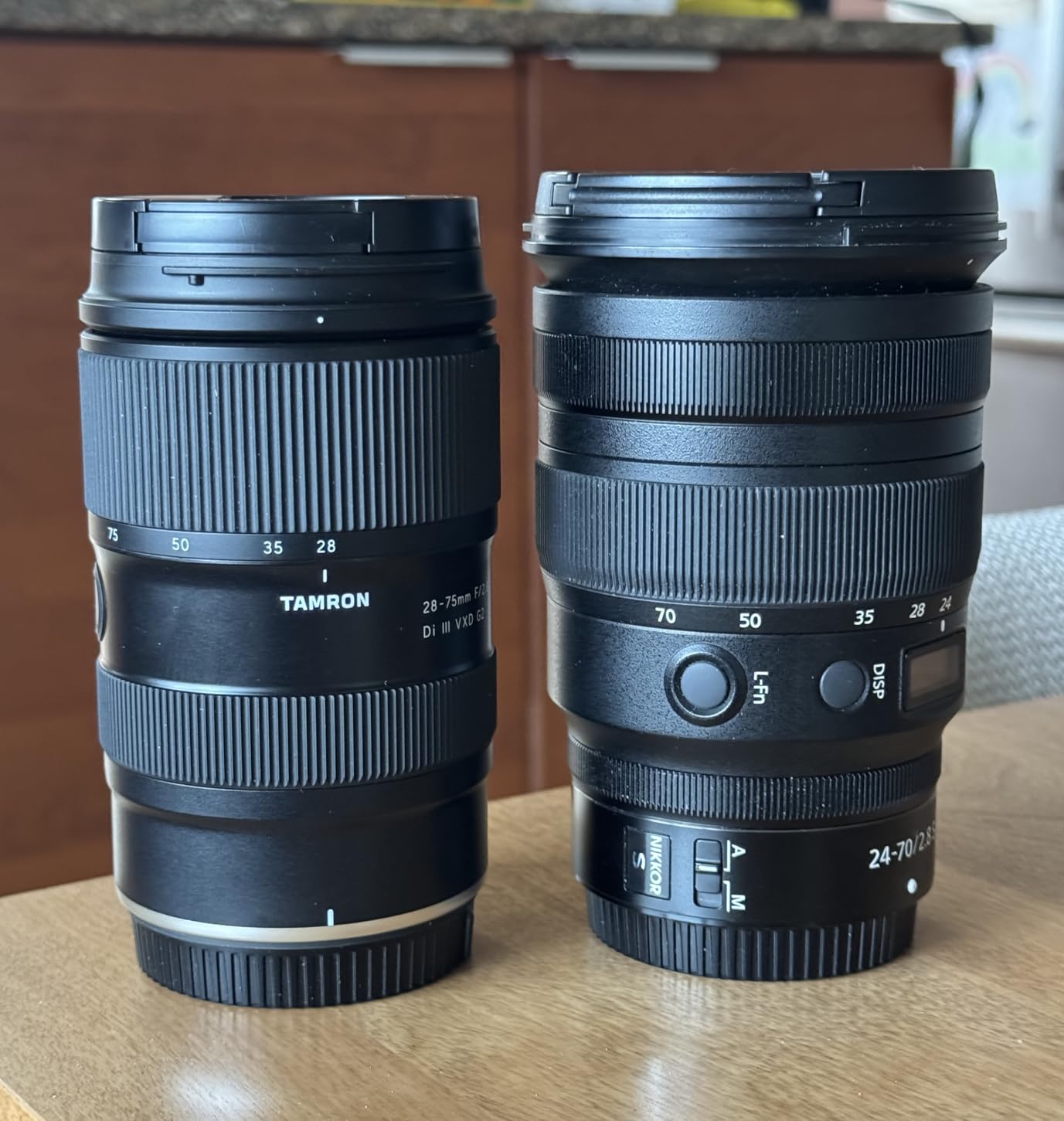
Compact size distinguishes this from Nikon’s larger zoom options. At under 20 ounces, carrying this all day does not strain your shoulders. The fluorine coating on front elements makes cleaning easier after outdoor shoots.
Some vignetting appears at 28mm wide open. Correcting this in post takes seconds but perfectionists should know. The focus ring placement near the mount feels awkward compared to lenses with rings near the front.
Who Should Buy This Lens
Event photographers wanting f/2.8 speed in a travel-friendly package benefit here. Those covering the 28-75mm range without breaking the budget find excellent value. Anyone valuing Tamron’s 6-year warranty appreciates the support.
Who Should Skip It
Purists wanting the absolute best image quality might prefer Nikon’s 24-70mm f/2.8 S. The vignetting bothers some photographers more than others. Those with large hands might find the focus ring placement awkward.
15. Meike 55mm F1.4 APS-C Frame AF STM – Best APS-C Portrait Lens
Pros
- Excellent bokeh
- Quick accurate AF
- Eye AF compatible
- Aperture ring included
- Great value under $200
Cons
- APS-C only lens
- Some chromatic aberration
- Not water resistant
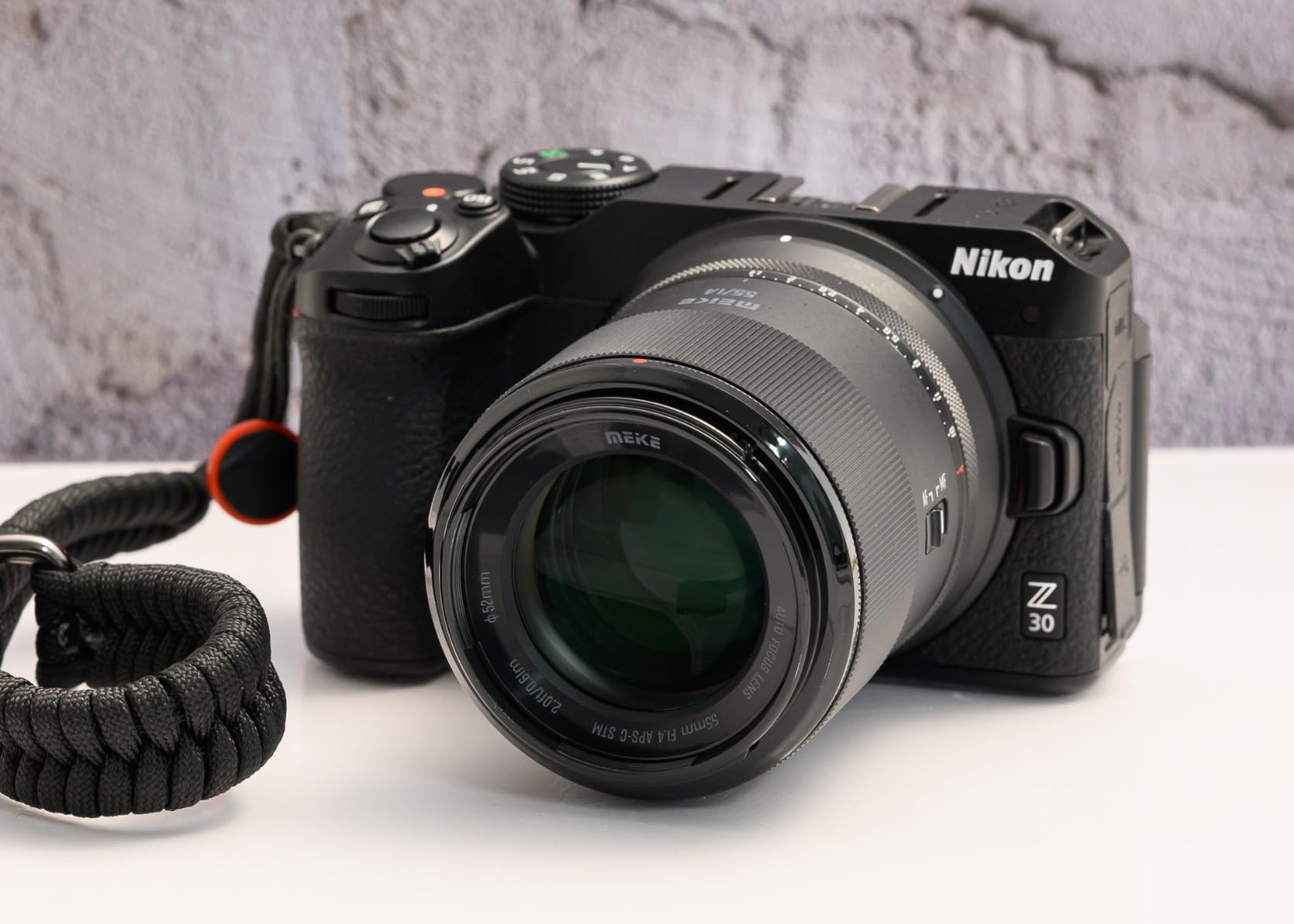
APS-C Z camera owners often get overlooked in lens discussions. The Meike 55mm f/1.4 gives Z50, Z30, and Zfc users a dedicated portrait option. On these cameras, the 82.5mm equivalent field of view hits the classic portrait sweet spot.
The compact size matches smaller APS-C bodies perfectly. At 280 grams, this lens does not overwhelm the lightweight camera systems. I recommend this combination to students and travelers wanting capable portraits without bulk.
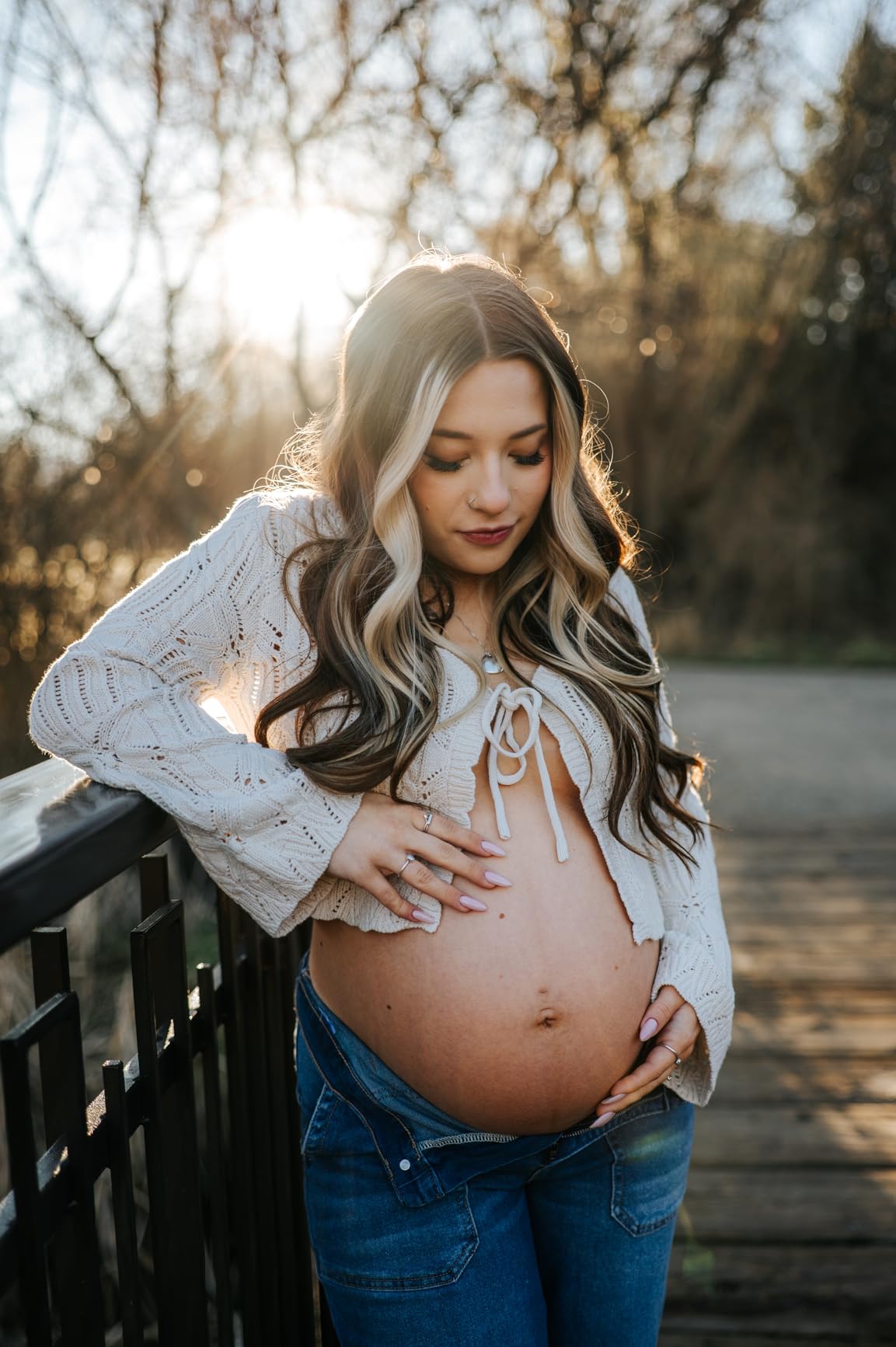
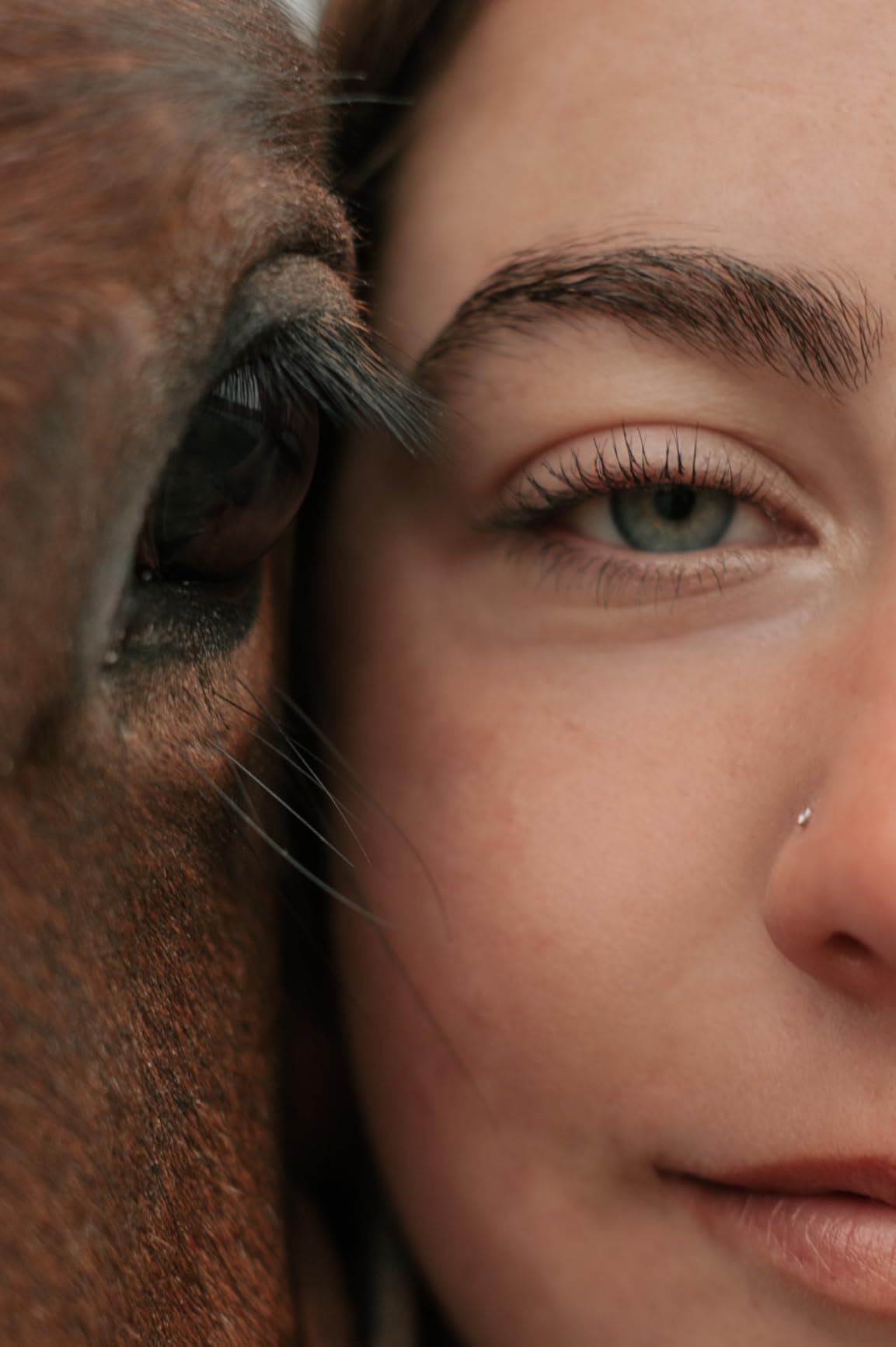
Image quality satisfies for the price and size. The f/1.4 aperture creates genuine subject separation despite the smaller sensor format. Eye AF works reliably for sharp focus on portrait subjects.
Chromatic aberration appears in high contrast scenes. Leaves against bright skies show purple fringing that needs correction. For the price, this feels like an acceptable compromise.
Who Should Buy This Lens
Z50, Z30, and Zfc owners wanting native portrait focal lengths find their answer. The compact size appeals to travelers and street photographers. Budget-conscious APS-C shooters get fast aperture capability affordably.
Who Should Skip It
Full-frame Z camera owners cannot use this lens natively without crop mode. Those wanting weather sealing need to look elsewhere. Full-frame shooters with the Z5 or Z6 series should consider full-frame alternatives.
How to Choose the Best Nikon Z Portrait Lens
Selecting the right portrait lens involves balancing several factors. Here is what I consider when recommending lenses to other photographers.
Focal Length Considerations
The classic portrait focal lengths of 85mm and 135mm compress facial features flatteringly. On full-frame Z cameras, these lengths isolate subjects beautifully from backgrounds. The 50mm focal length works well for environmental portraits where context matters. For APS-C cameras, multiply focal lengths by 1.5 to get equivalent fields of view. A 55mm lens on a Z50 becomes roughly 82mm, perfect for traditional portraits.
Aperture Importance
Faster apertures like f/1.2 and f/1.4 create shallower depth of field than f/1.8 or f/2.8. This separation matters when backgrounds distract from subjects. However, working at f/1.2 requires precise focus technique. Missed focus ruins more shots than slightly busier backgrounds. For most portrait work, f/1.8 provides sufficient blur while maintaining manageable depth of field.
DX vs FX Sensor Coverage
Full-frame Z cameras like the Z6, Z7, Z8, and Z9 use the entire image circle of FX lenses. APS-C models including the Z50, Z30, and Zfc crop the center portion. Some lenses like the Meike 55mm f/1.4 are designed specifically for APS-C sensors. Using these on full-frame bodies results in heavy vignetting or crop mode requirements. Always check sensor compatibility before purchasing.
Autofocus Performance
Eye detection AF transforms portrait photography. Nikon Z cameras excel at finding and tracking eyes across the frame. Third-party lenses vary in AF speed and accuracy. Budget options from Meike work well in good light but may hunt more in dim conditions. For professional work where missed focus costs money, native Nikon S-Line lenses provide the most reliable performance.
Weather Sealing
Outdoor portrait sessions expose gear to dust, moisture, and temperature changes. S-Line lenses from Nikon include comprehensive weather sealing. Budget third-party options often omit these protections. If you shoot primarily indoors, this matters less. Event photographers working unpredictable conditions should prioritize sealed lenses.
Frequently Asked Questions
What is the best Nikon Z lens for portrait photography?
The Nikon NIKKOR Z 85mm f/1.8 S is widely regarded as the best overall portrait lens for Nikon Z cameras. It offers exceptional sharpness, beautiful bokeh, weather sealing, and professional build quality at a reasonable price point compared to the f/1.2 version. The 85mm focal length provides flattering facial compression while the f/1.8 aperture creates excellent subject separation.
Which Nikon Z portrait lens offers the best value?
The Nikon NIKKOR Z 50mm f/1.8 S delivers outstanding value with professional-grade optics at an accessible price. For budget-conscious shooters, the Meike 85mm f/1.8 Auto Focus STM offers impressive portrait capability for under $150. Both lenses provide sharp images and pleasant bokeh without the premium pricing of faster aperture alternatives.
What focal length is best for portrait photography on Nikon Z?
The 85mm focal length remains the classic choice for portrait photography on full-frame Nikon Z cameras, providing flattering compression and comfortable working distances. The 50mm focal length works well for environmental portraits including context, while 135mm excels for tight headshots. For APS-C cameras like the Z50, 55-60mm lenses provide equivalent 82-90mm fields of view ideal for portraits.
Is the Nikon Z 85mm f/1.8 S good for portraits?
Yes, the Nikon Z 85mm f/1.8 S is exceptional for portrait photography. It delivers outstanding sharpness at portrait distances, beautiful smooth bokeh with nine rounded diaphragm blades, quick and accurate autofocus with eye detection, and professional weather sealing. Many photographers consider it the benchmark for mirrorless portrait lenses and prefer it over heavier, more expensive f/1.2 alternatives.
What is the difference between Nikon Z 50mm and 85mm for portraits?
The 50mm focal length captures wider fields of view, making it ideal for environmental portraits that include background context. It requires closer working distances to subjects. The 85mm focal length provides more flattering facial compression, better subject isolation from backgrounds, and comfortable working distances for headshots. Many portrait photographers own both lengths for different shooting situations.
Final Thoughts
The best Nikon Z mount lenses for portrait photography in 2026 offer options for every budget and shooting style. The Nikon 85mm f/1.8 S remains my top recommendation for most photographers, delivering professional results without excessive cost or weight. Third-party manufacturers like Meike have made the Z mount ecosystem more accessible with budget options that perform surprisingly well.
Your specific needs should drive the final decision. Wedding photographers might prioritize the versatile 24-120mm f/4. Studio portrait artists benefit from the 85mm f/1.2 or 50mm f/1.2 rendering. Beginners learning the craft can start with the 40mm f/2 or Meike alternatives and upgrade as skills develop.
The Nikon Z system has matured into a platform capable of professional portrait work. Whichever lens you choose from this list, the limiting factor becomes your vision rather than your equipment.