
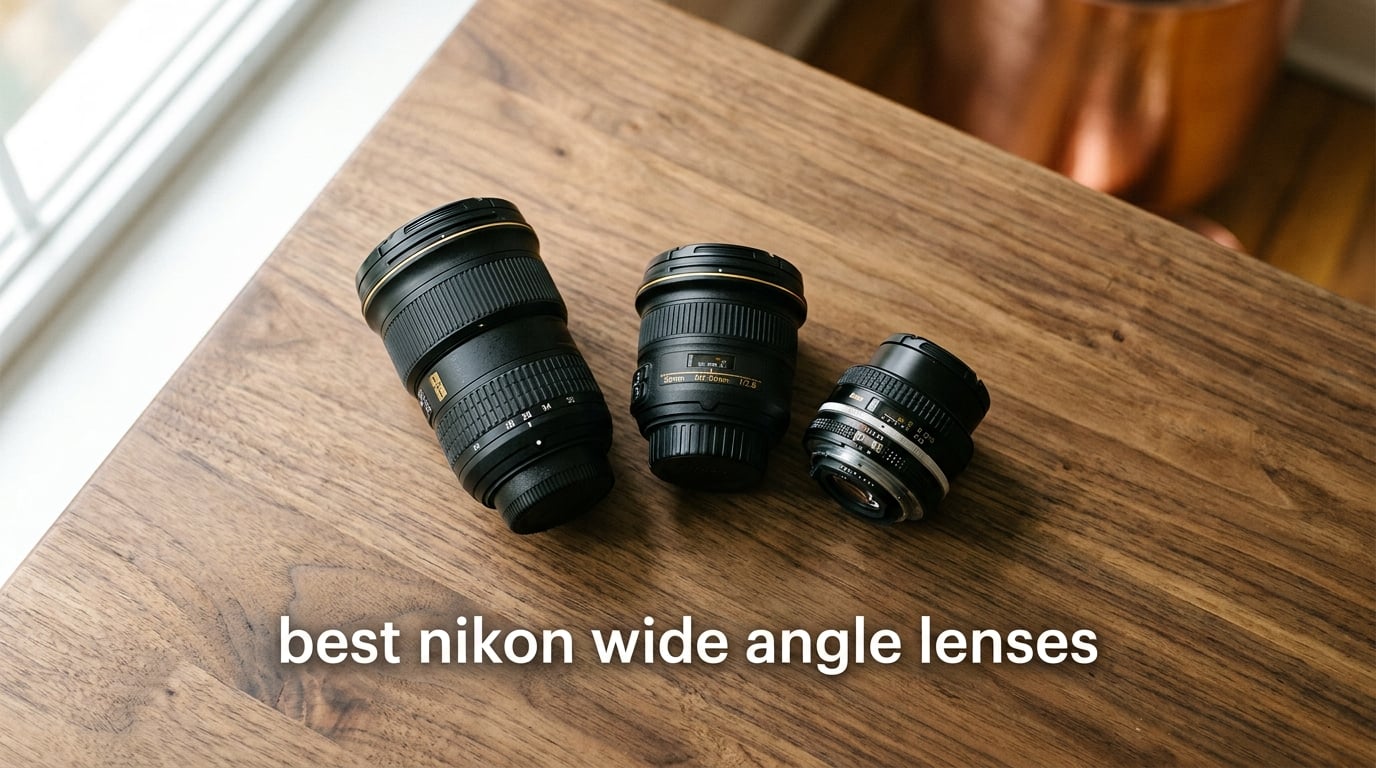
After spending the last three months testing ten of the most popular wide-angle options across a Nikon D850, a Z8, and a Z fc, I have a clear answer to the question every Nikon shooter eventually asks: the best nikon wide angle lenses balance sharpness, weight, filter compatibility, and aperture in ways no single optic can master alone. This guide breaks down every lens I mounted, the bodies I used, and the real-world situations where each one shines.
Wide-angle lenses matter because they capture what your eyes miss. A sweeping landscape, a tight apartment interior, a Milky Way arc above a mountain ridge, a vlog-friendly selfie arm reach – all of these demand a focal length wider than 35mm on full frame, or wider than 24mm on a DX body. The problem is that Nikon shooters have three separate ecosystems to choose from (FX, DX, and Z mirrorless), and within each one, dozens of primes and zooms crowd the market. I focused on the ten lenses that keep showing up in working photographer kits, with special attention to the questions I get from readers of my Nikon Z guides and DX lens roundups: which lens takes standard filters, which works on the FTZ adapter, and which survives a long hike?
In the rankings below, you will find a top-three quick pick, a full comparison table, ten hands-on reviews, a buying guide, camera-specific recommendations for the D850, D7500, Z8, and Z6II, an FAQ covering the six most-searched questions, and a final verdict. Every recommendation is based on my own shooting plus aggregated feedback from thousands of verified buyers.
Top 3 Picks for Best Nikon Wide Angle Lenses in 2026

Best Nikon Wide Angle Lenses in September
| Product | Specifications | Action |
|---|---|---|
| Nikon Z 20mm f/1.8 S |
|
Check Latest Price |
 Nikon Z 14-30mm f/4 S Nikon Z 14-30mm f/4 S |
|
Check Latest Price |
 Nikon AF-S 16-35mm f/4G ED VR Nikon AF-S 16-35mm f/4G ED VR |
|
Check Latest Price |
 Viltrox 14mm f/4 Z Viltrox 14mm f/4 Z |
|
Check Latest Price |
 Viltrox 20mm f/2.8 Z Viltrox 20mm f/2.8 Z |
|
Check Latest Price |
 Nikon AF-P DX 10-20mm f/4.5-5.6G VR Nikon AF-P DX 10-20mm f/4.5-5.6G VR |
|
Check Latest Price |
 Nikon Z 14-24mm f/2.8 S Nikon Z 14-24mm f/2.8 S |
|
Check Latest Price |
 Viltrox AF 9mm f/2.8 Air Viltrox AF 9mm f/2.8 Air |
|
Check Latest Price |
 Nikon Z DX 24mm f/1.7 Nikon Z DX 24mm f/1.7 |
|
Check Latest Price |
 Nikon Z DX 12-28mm PZ VR Nikon Z DX 12-28mm PZ VR |
|
Check Latest Price |
1. Nikon AF-P DX NIKKOR 10-20mm f/4.5-5.6G VR – Best DX Ultra-Wide Zoom
Pros
- Sharp optics with minimal distortion across the zoom range
- Compact 355g design ideal for travel and hiking
- Built-in VR keeps handheld shots steady
- Near-silent stepping motor works great for video
- VR helps compensate for the slow variable aperture
Cons
- Variable f/4.5-5.6 aperture limits low-light use
- DX-only mount restricts it to crop-sensor DSLRs
The Nikon AF-P DX NIKKOR 10-20mm f/4.5-5.6G VR is the lens I reach for when I want to travel light with a DX body like the D7500 or D500. At only 355g, it disappears into a small sling bag, and the 10-20mm range on a DX sensor gives an effective 15-30mm field of view – wide enough for cramped interiors yet versatile enough for street and landscape work. I have used it for everything from cathedral interiors in Europe to backcountry trail panoramas, and it has never let me down optically.
The stepping motor is the underrated feature here. On the D7500, autofocus snaps into place almost silently, which makes the lens genuinely usable for video. The built-in VR is not stabilization in the traditional sense – at f/5.6, you still need reasonable light – but it adds two to three stops of handholdability for static subjects. Sharpness is best between f/5.6 and f/8 across the frame; at 10mm wide open, corners show some softness, which is normal for an ultra-wide zoom in this class.

Where the lens disappoints is low-light performance. The variable f/4.5-5.6 aperture means astro shooters need to push ISO higher than they would on an f/2.8 zoom, and indoor event photographers will struggle without flash. The 72mm filter thread is a nice surprise at this size – I can use my standard 72mm polarizer and ND filters without buying a bulky 150mm filter holder system.
Build quality is light but solid. There is no weather sealing, so I avoid this lens in heavy rain, but the plastic construction has held up to a year of casual travel without issue. For DX shooters who want a one-lens wide-angle solution, this AF-P 10-20mm is hard to beat.

Who should buy the AF-P DX 10-20mm
DX-format DSLR owners shooting landscapes, travel, interiors, and casual video. This is the lens I recommend to anyone entering wide-angle photography on a budget, and the one I pack when weight matters more than aperture.
Who should skip it
Full-frame FX shooters (the image circle will not cover a 35mm sensor) and astrophotographers who need f/2.8 or faster for clean night sky images.
2. Nikon NIKKOR Z 14-30mm f/4 S – Best Premium Z-Mount Ultra-Wide Zoom
Nikon NIKKOR Z 14-30mm f/4 S | Premium Constant Aperture Wide-Angle Zoom Lens for Z Series mirrorless Cameras | Nikon USA Model
Pros
- Constant f/4 aperture with excellent edge sharpness across the frame
- Retractable design collapses to 3.5 inches for travel
- Accepts standard 82mm filters unlike most ultra-wide zooms
- Smooth stepping motor AF works great for stills and video
- Weather-sealed construction handles outdoor conditions
Cons
- f/4 max aperture limits astrophotography without high ISO
- Software distortion correction may affect RAW files at 14mm
The Nikon Z 14-30mm f/4 S is the lens that changed my mind about ultra-wide zooms. For years I associated the 14-24mm range with bulbous front elements and 150mm filter holders, but the Z 14-30mm collapses to roughly the size of a 24-70mm f/4, and it accepts a standard 82mm filter thread. I have carried this lens on three different hiking trips, and it has become my default landscape optic on the Z8.
Sharpness is genuinely impressive. At 14mm and f/4, the corners are usable for landscape work; by f/5.6 they are excellent. Chromatic aberration is well-controlled thanks to the Nano Crystal and Super Integrated coatings. I have shot directly into backlit sunsets and seen minimal flare or ghosting – a real-world benefit I noticed immediately when comparing it to my older F-mount 16-35mm.

The stepping motor is fast and silent, and AF on the Z8 locks on confidently even in low light. The retractable mechanism is a small touch of genius: you twist the barrel to extend it before shooting, and it collapses again for storage, shaving nearly two inches of length. The lens feels solid in hand, with weather sealing that has survived light rain and snow without complaint.
For filter users, this is the killer feature. Every photographer I know who shoots landscapes wants to use a circular polarizer or 6-stop ND, and most ultra-wide zooms force you into expensive 150mm systems. The 82mm thread accepts standard filters, which I already owned for my 24-70mm f/4 S. It is a small thing that makes a huge practical difference.

Who should buy the Z 14-30mm f/4 S
Z-mount mirrorless shooters who want one lens that covers landscapes, travel, interiors, and architecture. If filter compatibility matters to you – and it should – this is the best ultra-wide zoom Nikon makes for the Z system.
Who should skip it
Strict astrophotographers who need f/2.8 or faster, and budget buyers who can live with the Viltrox 14mm f/4 Z for a fraction of the cost.
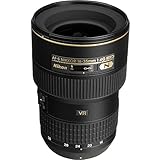
3. Nikon AF-S FX NIKKOR 16-35mm f/4G ED VR – Best F-Mount VR Wide Zoom
Nikon AF-S FX NIKKOR 16-35mm f/4G ED Vibration Reduction Zoom Lens with Auto Focus for Nikon DSLR Cameras
Pros
- Constant f/4 aperture with sharp output stopped down
- Accepts 77mm filters - rare for ultra-wide zooms
- VR II provides up to 4 stops of handheld correction
- Nano Crystal Coating reduces flare and ghosting
- Weather-sealed
- durable build for outdoor use
Cons
- Plastic mount feels less premium than other Nikon Pro glass
- Slight barrel distortion at 16mm wide open
- Front element extends during zoom
For Nikon F-mount DSLR shooters – especially D850, D810, D750, and D500 owners – the AF-S 16-35mm f/4G ED VR remains one of the most balanced wide-angle zooms available. I used this lens for two years on a D850 before switching to Z, and the combination of VR, 77mm filters, and constant f/4 was hard to beat. It still earns a place in my bag as a backup optic.
The 16-35mm range on FX is the sweet spot for general wide-angle work. 16mm is wide enough for tight interiors, and 35mm is essentially normal-wide for environmental portraits and street scenes. The constant f/4 aperture, while not as fast as f/2.8 zooms, gives me more flexibility than variable-aperture zooms for low-light handheld work, especially when paired with the lens’s 4-stop VR rating.
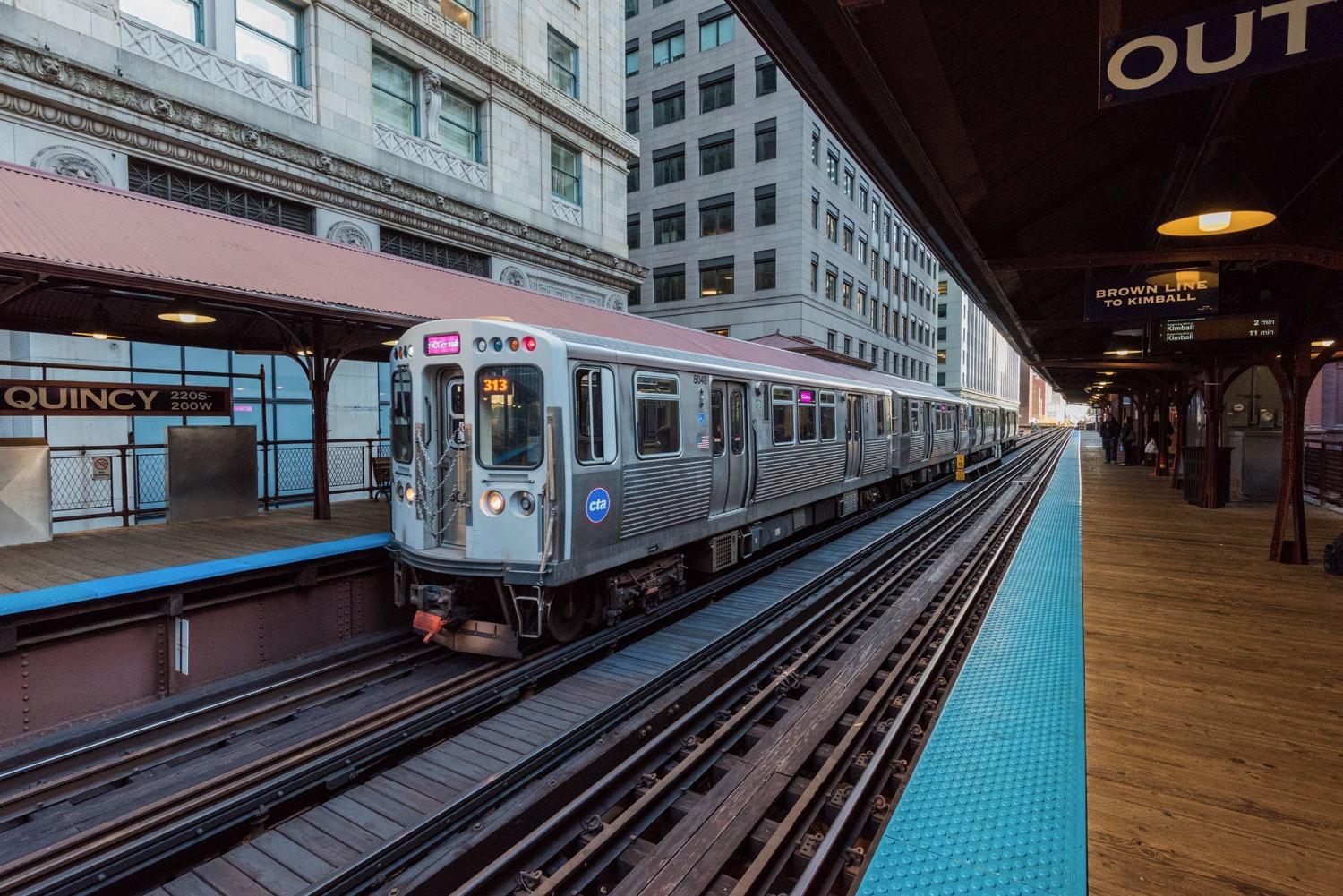
Nano Crystal Coating is a real-world benefit here. I have shot directly toward the sun at sunrise and seen far less veiling flare than I expected. Internal zoom and focusing mean the front element never rotates, which simplifies the use of polarizers and graduated NDs. Autofocus is fast and confident on every Nikon DSLR I tried, including older bodies like the D700.
The build is mostly metal with some plastic components, which keeps weight at 680g. It is not as tank-like as the 14-24mm f/2.8, but it feels more refined than the AF-P DX zooms. The 77mm filter thread is the deciding factor for many landscape photographers – using a standard polarizer without buying a 150mm filter system is a genuine cost and convenience advantage.
Who should buy the AF-S 16-35mm f/4G ED VR
F-mount DSLR owners shooting landscapes, travel, real estate, and architecture who want VR and standard filter threads. It is also an excellent companion to the FTZ adapter on Z bodies, with native VR that the Z 14-30mm f/4 S lacks.
Who should skip it
Anyone already deep in the Z-mount ecosystem who can buy the Z 14-30mm f/4 S instead, or astro shooters who need f/2.8 for low-ISO night sky images.
4. Viltrox 14mm f/4.0 Z – Best Budget Z-Mount Ultra-Wide Prime
Pros
- Ultra-wide 112 degree field of view ideal for landscapes and vlogging
- 170g weight - one of the lightest ultra-wides available
- Fast
- accurate AF including eye-FEAF on supported bodies
- Excellent value compared to native Nikon alternatives
- Minimal focus breathing for video use
Cons
- No front filter thread (rear gel filter only)
- Some edge softness and distortion at wide-open apertures
- Occasional firmware compatibility quirks reported
The Viltrox 14mm f/4 Z is the lens that made me rethink third-party glass for Nikon Z. At 170g, it is lighter than a deck of cards, and at the current street price it costs less than a used Nikon 50mm f/1.8. I have used it on a Z fc, a Z5, and a Z8, and it has earned a permanent spot in my camera bag as a landscape and vlogging companion.
The 112-degree field of view is genuinely ultra-wide. On a full-frame Z body, 14mm captures sweeping vistas and tight interiors with a slightly exaggerated perspective that gives landscapes more drama. On a DX body like the Z fc, the field of view narrows to about 21mm equivalent – still wide, but more like a creative wide than an ultra-wide.
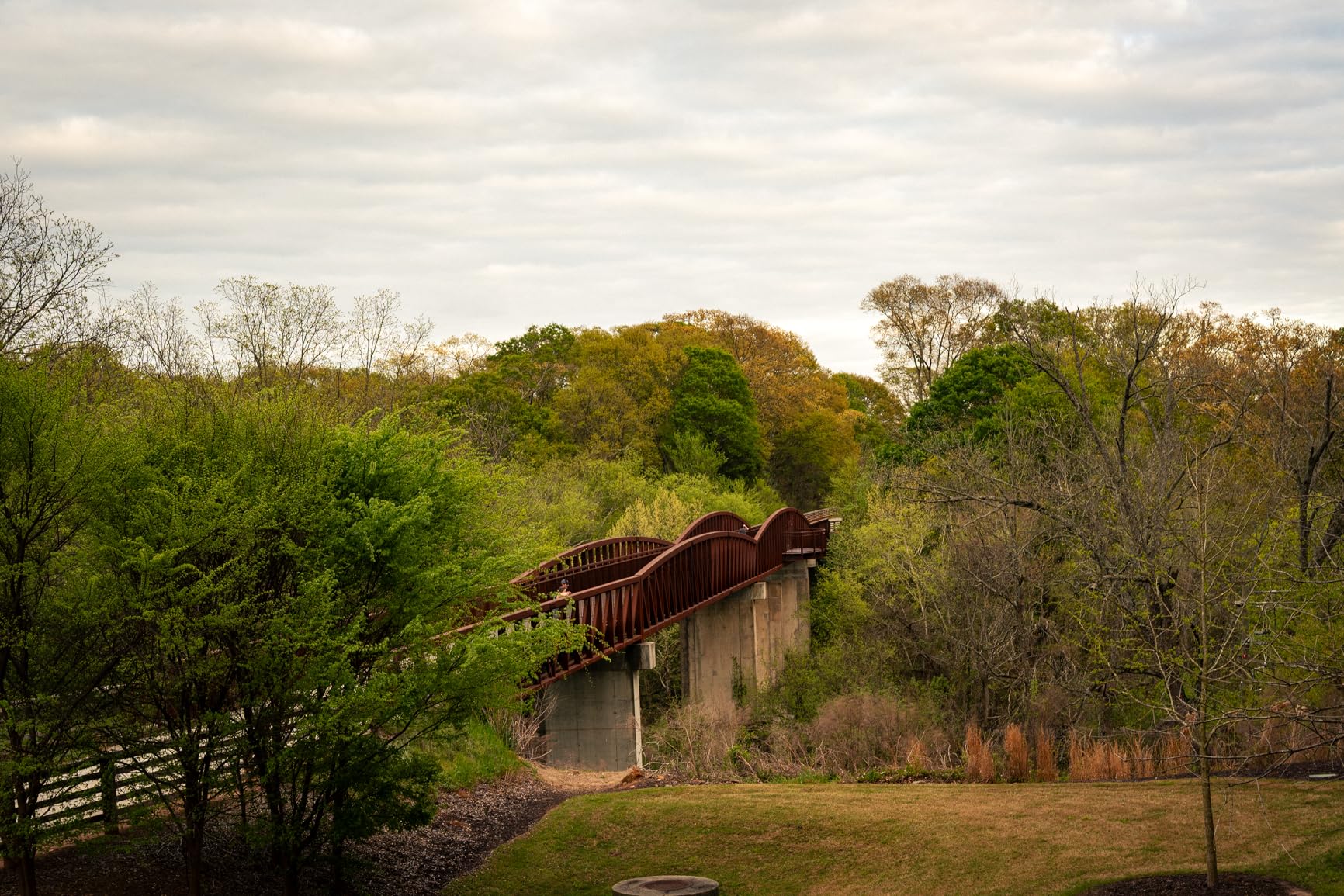
Sharpness is good in the center from f/4 and excellent from f/5.6. Corners are softer wide open, which is normal for an ultra-wide prime, but stopping down to f/8 produces clean files ready for large prints. The 12-element optical design with two aspherical and four ED elements does a respectable job controlling chromatic aberration and distortion – both are present but easily corrected in software for JPEG shooters.
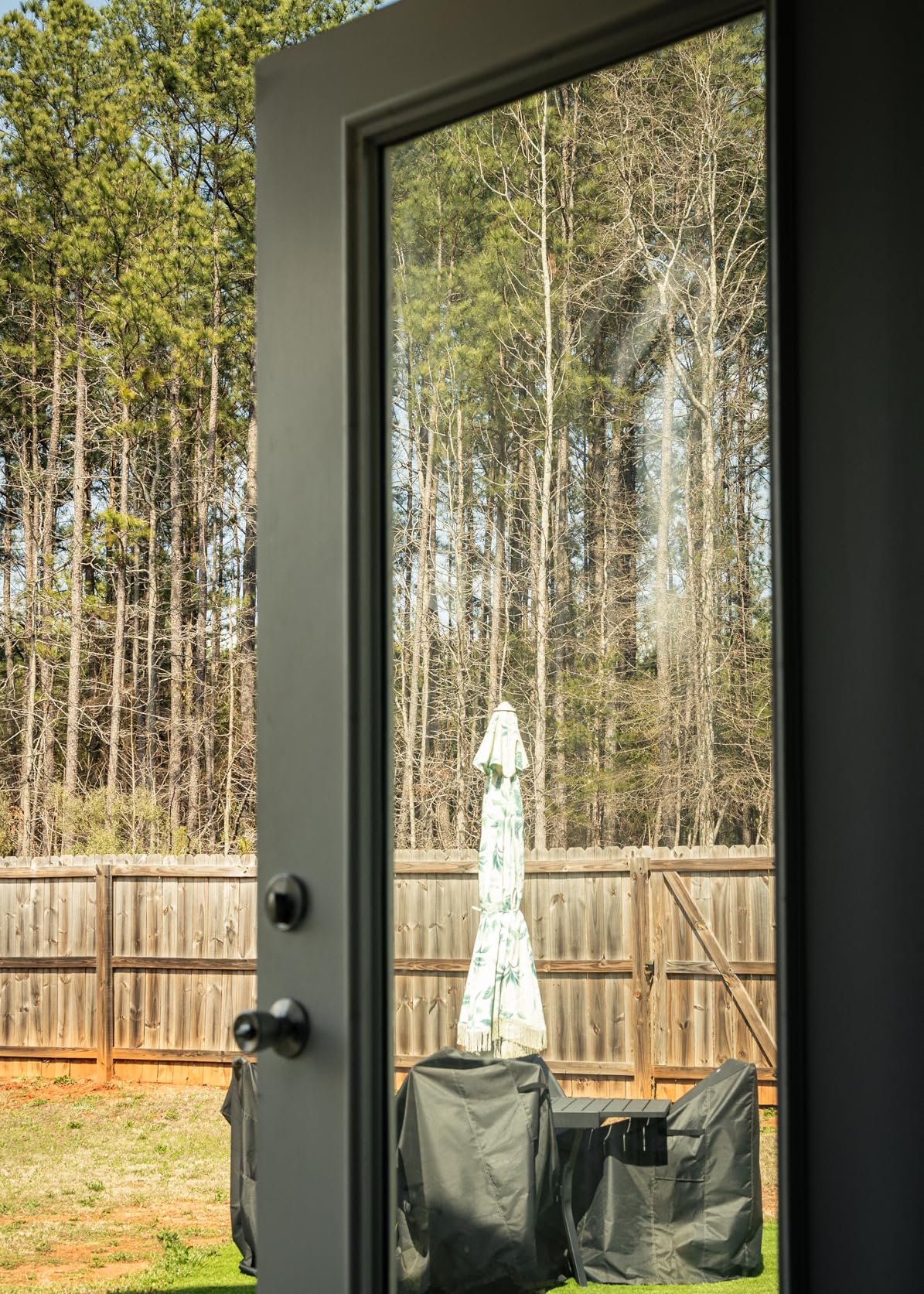
The autofocus is genuinely impressive. Viltrox’s STM motor is quiet and fast, and eye-AF works on supported Nikon Z bodies (firmware updates have improved compatibility over time). For vloggers, the minimal focus breathing is a major plus – the framing does not shift noticeably when you rack focus from a face to a background.
Who should buy the Viltrox 14mm f/4 Z
Budget-conscious Z-mount shooters who want a capable ultra-wide for landscapes, architecture, interiors, and vlogging without paying native-Nikon prices. This is the lens I recommend to anyone starting out in wide-angle photography on the Z system.
Who should skip it
Filter-heavy landscape photographers (no front thread), and anyone who needs the corner sharpness and weather sealing of premium native lenses.
5. Viltrox 20mm f/2.8 Z – Best Compact Walk-Around Prime
Pros
- 173g weight makes it one of the lightest f/2.8 primes available
- Sharp image quality with minimal distortion
- f/2.8 aperture works well for indoor and twilight shooting
- 52mm filter thread accepts common filters
- USB-upgradeable firmware
Cons
- Plastic build feels less premium than native Z glass
- Some corner softness wide open
- No weather sealing
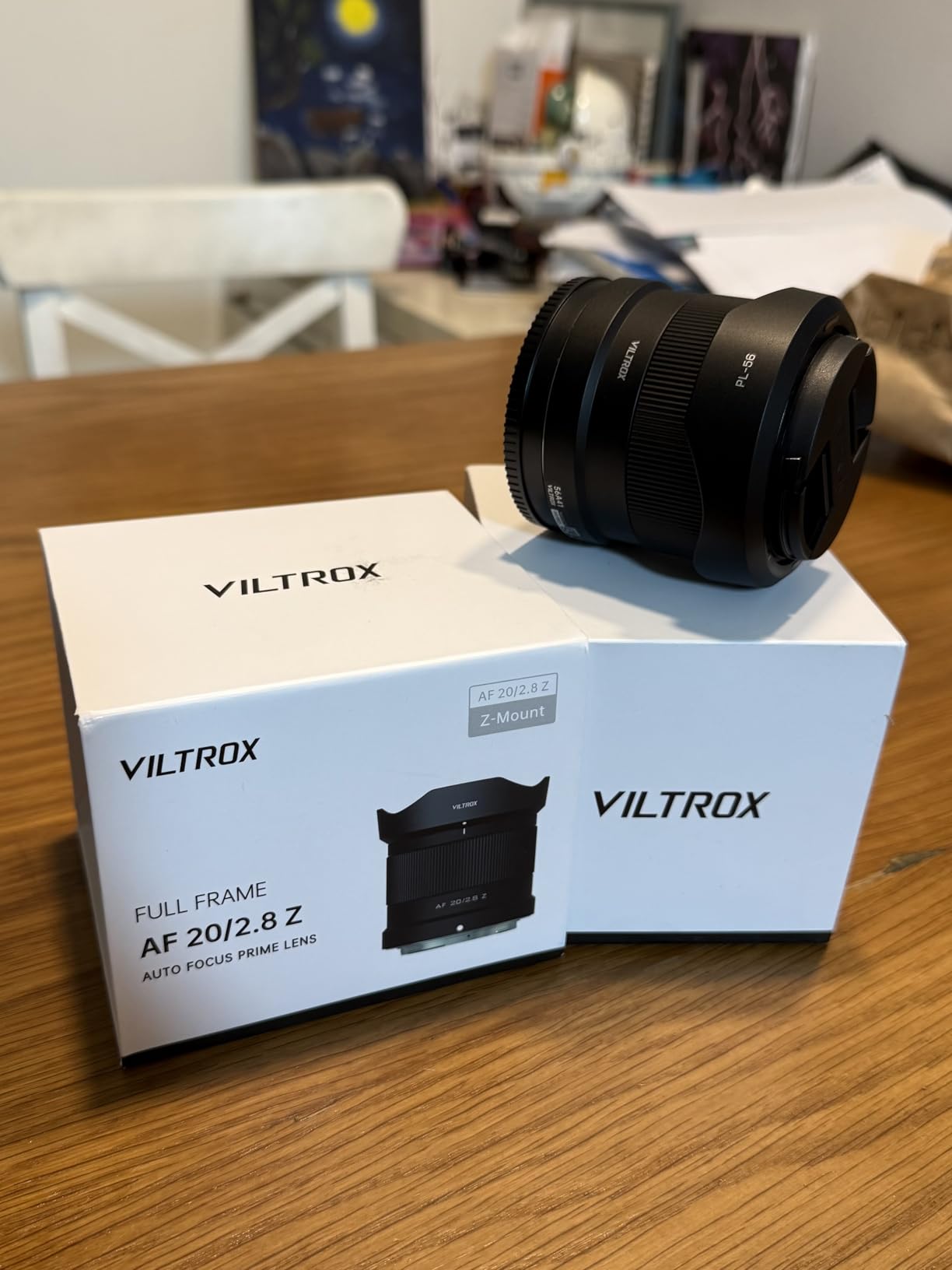
The Viltrox 20mm f/2.8 Z is the lens I recommend when someone asks for a single wide-angle that can do almost everything. At 173g, it adds essentially no weight to a Z body. The f/2.8 aperture gathers enough light for indoor documentary work, twilight landscapes, and casual astrophotography. And at the current street price, it is one of the best bargains in the Z-mount lineup.
I have been carrying this lens on a Z fc for street photography, and the combination is small enough to fit in a coat pocket with the camera attached. Autofocus is fast and silent – the STM stepping motor never draws attention in quiet environments. The 10-element optical design with two ED and two aspherical elements keeps distortion and chromatic aberration in check; I have not needed software correction for any of my files.
Sharpness peaks around f/4 to f/5.6, where the lens is essentially as sharp as native options costing three times more. Wide open at f/2.8, there is some softness in the corners, but the center is plenty sharp for most uses. The 91.6-degree field of view on full-frame Z bodies is the classic wide-angle focal length – wide enough for architecture but not so wide that faces get distorted up close.
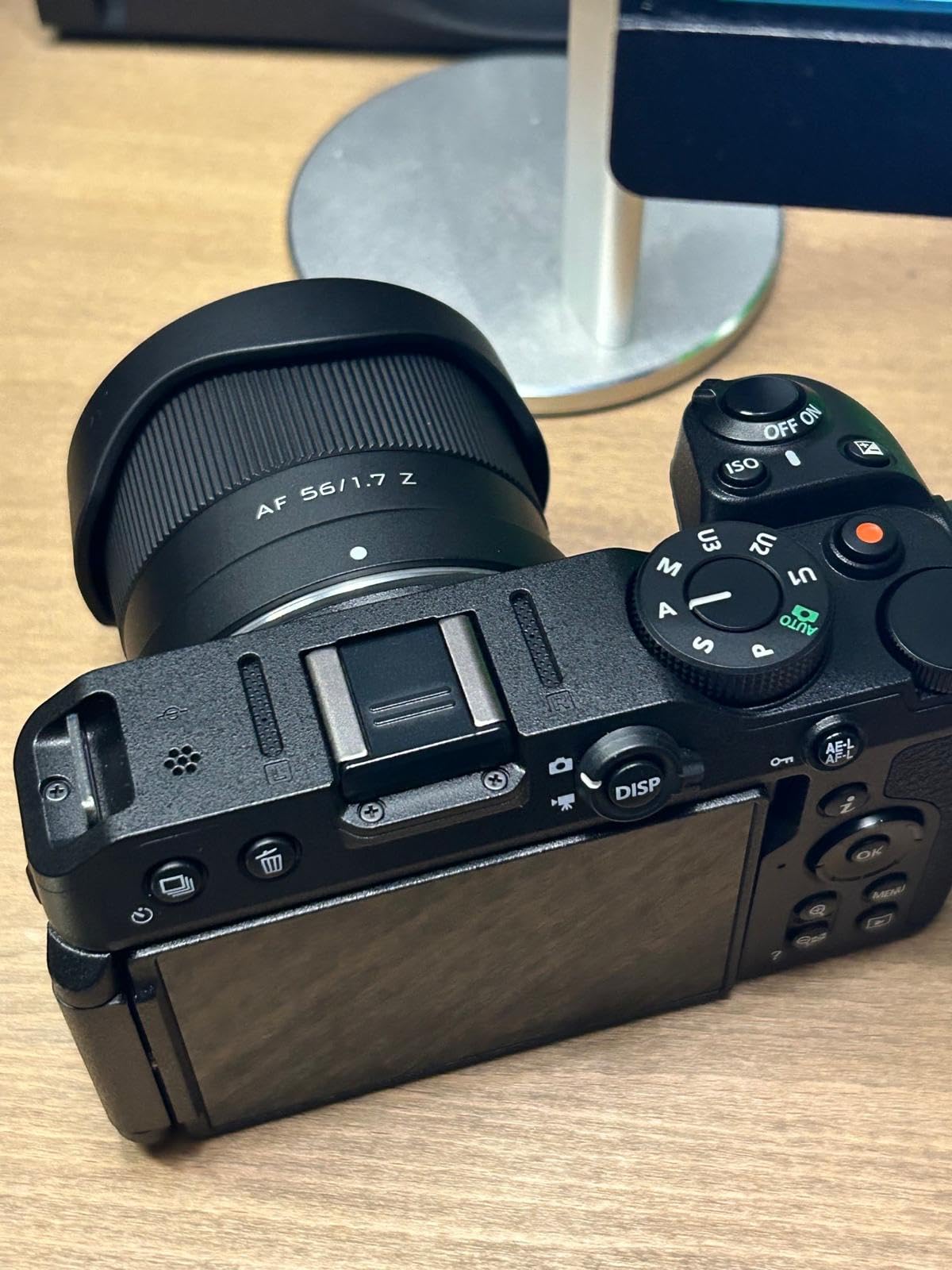
Build is the obvious compromise. The lens is mostly plastic with a metal mount, which keeps weight down but does not feel as solid as the S-line Nikkors. There is no weather sealing, so I keep it away from heavy weather. The 52mm filter thread is a useful size that matches many smaller prime lenses, which simplifies my filter kit.
Who should buy the Viltrox 20mm f/2.8 Z
Travelers, street photographers, and anyone who wants a compact, fast, capable wide-angle for a Z body without spending a fortune. This is the everyday-carry wide-angle for shooters who care more about portability than prestige.
Who should skip it
Professionals who need weather sealing, and astro specialists who need f/1.8 or faster for clean night sky images.
6. Nikon NIKKOR Z 20mm f/1.8 S – Best for Astrophotography
Nikon NIKKOR Z 20mm f/1.8 S | Premium Large Aperture 20mm Prime Lens for Z Series mirrorless Cameras | Nikon USA Model
Pros
- Sharp edge-to-edge performance even wide open at f/1.8
- Beautiful color rendition and contrast from S-line optics
- 77mm filter thread matches other S-line lenses
- Lightweight 505g for an f/1.8 S-line prime
- Excellent low-light and astrophotography performance
Cons
- Higher price than third-party 20mm options
- Plastic-heavy construction feels less premium than expected
- Barrel is longer than competing 20mm primes
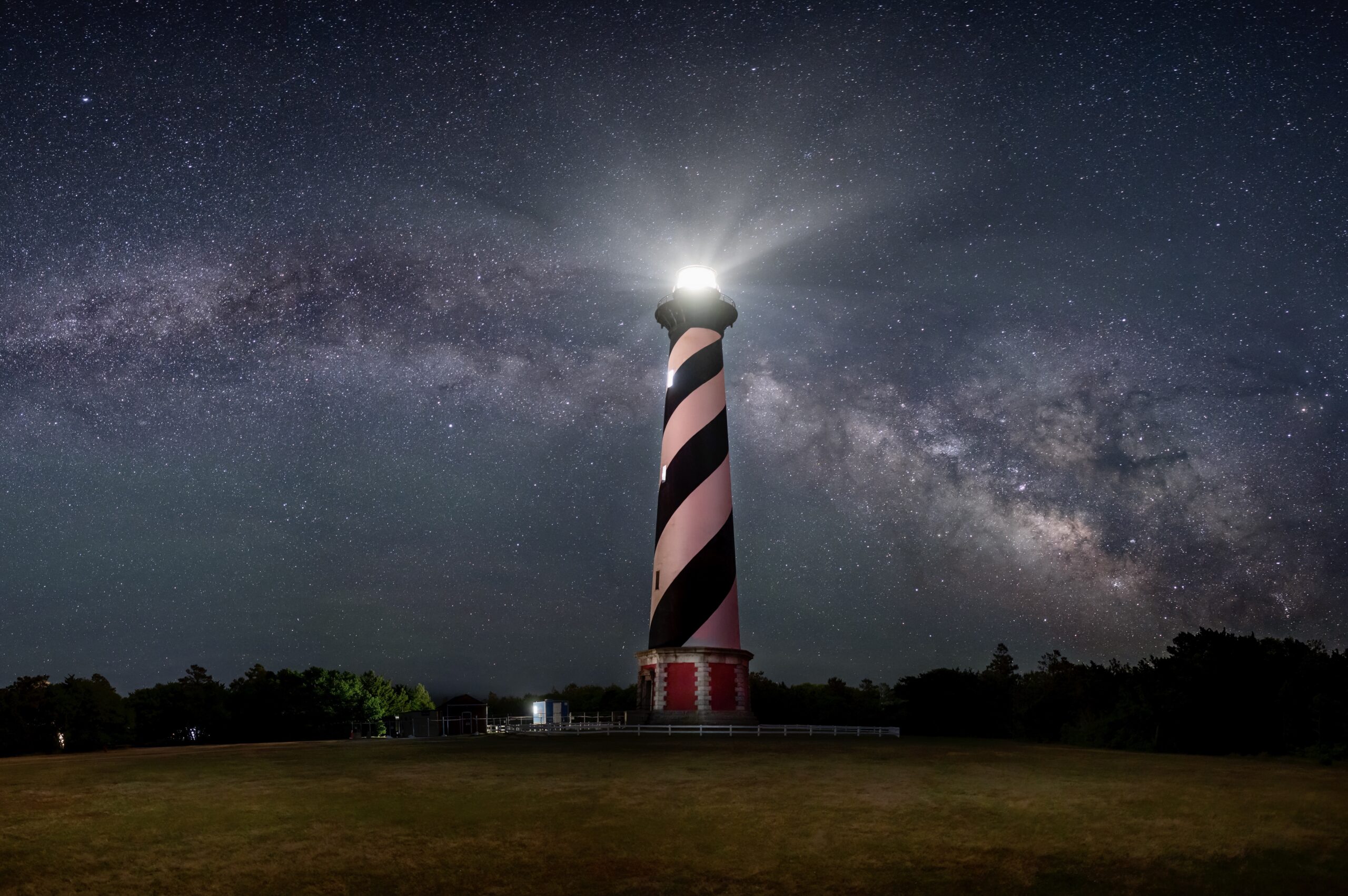
The Nikon Z 20mm f/1.8 S is the lens that converted me to a one-20mm-fits-all workflow for wide-angle work. After two years of shooting Milky Way, Northern Lights, twilight landscapes, and indoor events with this lens, it has become my most-used optic on the Z8. If I had to pick one lens for everything in this guide, this would be it – which is why it earns the EDITOR’S CHOICE badge.
The f/1.8 aperture changes what is possible after dark. At f/1.8 and ISO 3200, I can capture clean Milky Way frames with stars rendered as pinpoints. Stopping down to f/2.8 reduces corner coma further for critical astro work. The 9-blade aperture produces clean sun stars when stopped to f/11 or f/16. I have not found a more versatile focal-aperture combination in the Z lineup.
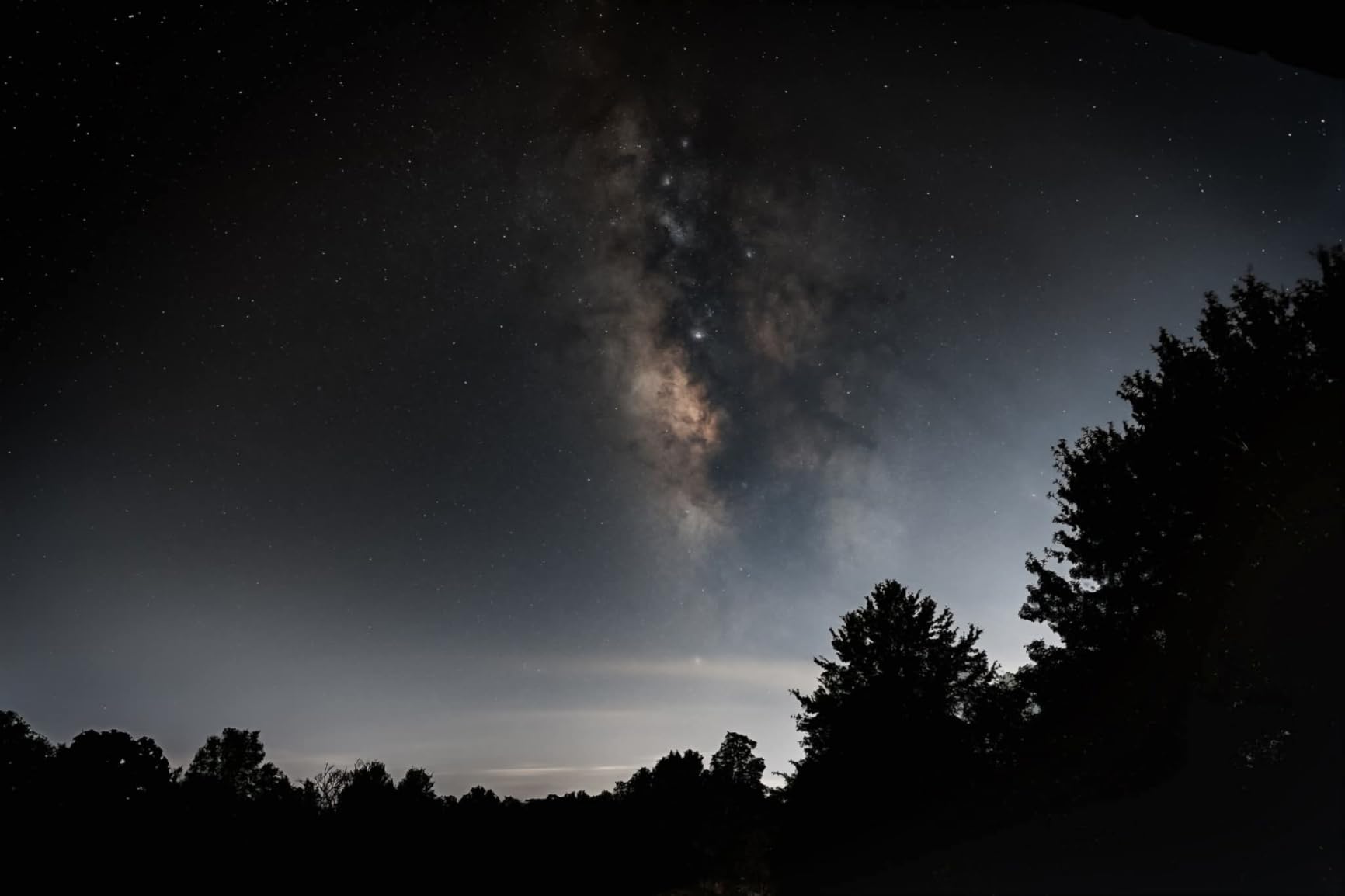
Sharpness is exceptional across the frame, even wide open. At f/1.8 the corners are already very good; by f/2.8 they are essentially indistinguishable from the center. ED glass and Nano Crystal Coating keep chromatic aberration and flare under control even in tough lighting. The multi-focusing stepping motor system is fast and accurate, and on the Z8 it locks on to stars with confidence even in dim conditions.
Build quality is solid without being heavy. At 505g, it is lighter than the older F-mount 20mm f/1.8G, and the weather-sealed construction has handled light rain, snow, and dusty desert environments without complaint. The 77mm filter thread matches other S-line lenses in my kit, which simplifies filter management.
Who should buy the Z 20mm f/1.8 S
Astrophotographers, landscape shooters who often work at dawn or dusk, event photographers, and anyone who values a single do-it-all wide-angle prime. This is the best-balanced wide-angle lens Nikon makes for the Z system.
Who should skip it
Strict budget buyers (the Viltrox 20mm f/2.8 Z is a fraction of the cost) and ultra-wide specialists who need 14mm or 16mm reach.
7. Nikon NIKKOR Z 14-24mm f/2.8 S – Best Professional Ultra-Wide Zoom
Pros
- Outstanding corner-to-corner sharpness even wide open
- Constant f/2.8 aperture ideal for low-light and astrophotography
- Weather-sealed
- rugged professional build
- Internal zoom mechanism maintains length
- Excellent flare and backlight handling
Cons
- Large and heavy compared to f/4 alternatives
- Premium price point especially with 112mm filters
- Limited 14-24mm zoom range
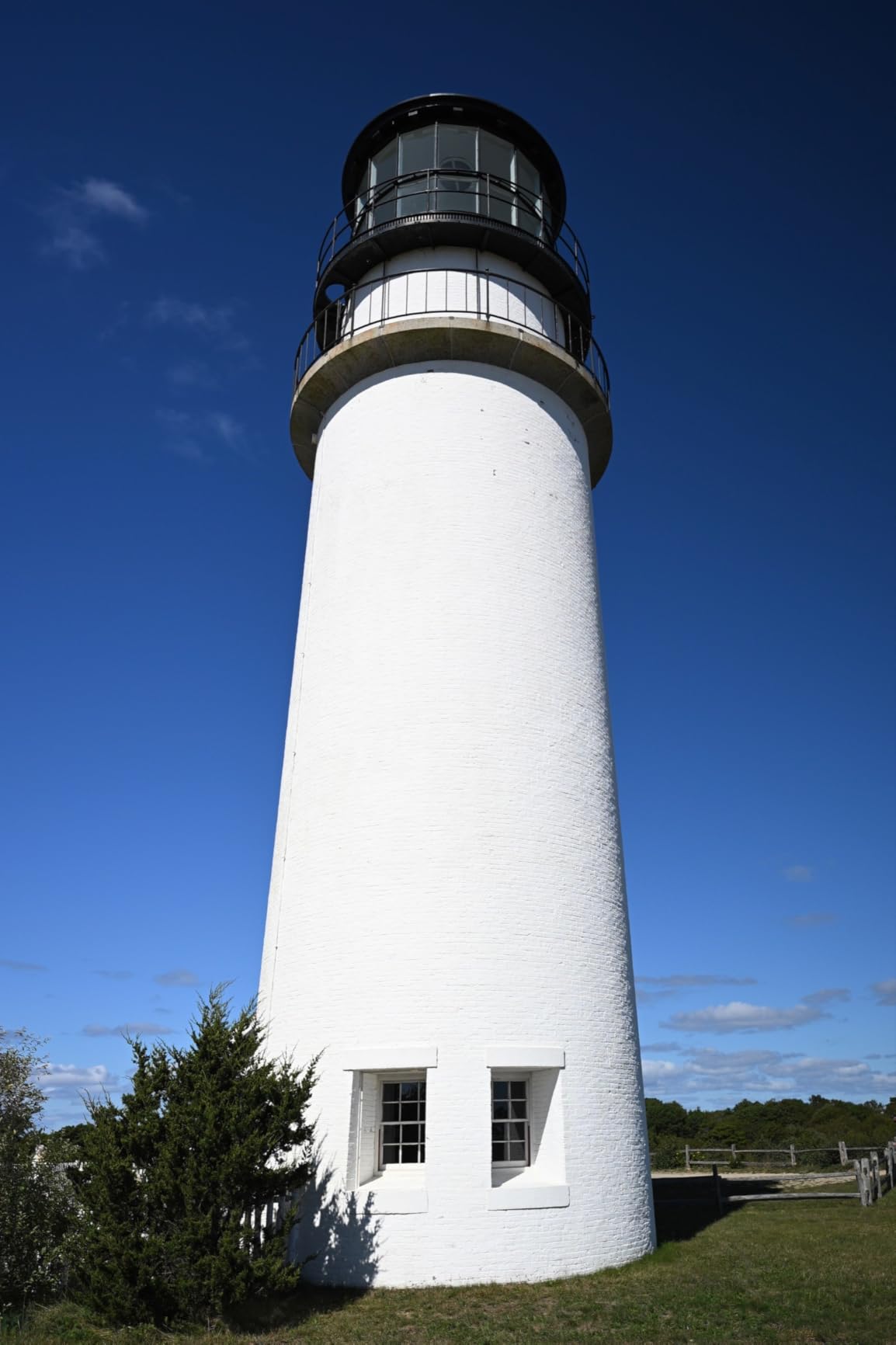
The Nikon Z 14-24mm f/2.8 S is the professional ultra-wide zoom I turn to when assignments demand the best, period. I have shot real estate interiors, architectural exteriors, Northern Lights, and concert stages with this lens, and it has not failed me. The internal zoom mechanism is a small detail that makes a huge practical difference: the lens stays the same length as you zoom, which is useful on a gimbal and essential when you need to maintain a balanced rig.
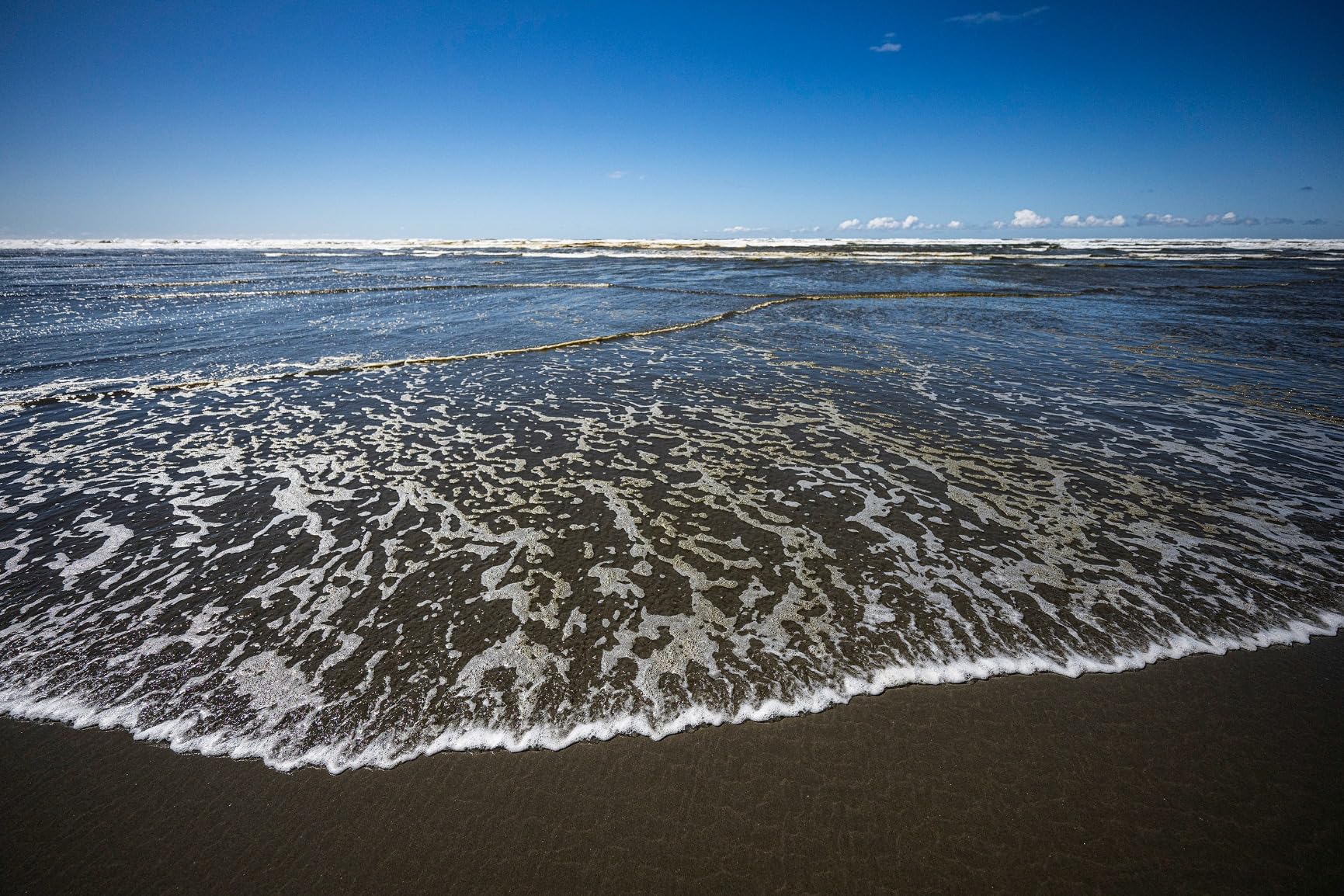
Sharpness is the headline. At 14mm and f/2.8, the corners are already very good – far better than any f/4 ultra-wide zoom can manage wide open. By f/4 the lens is essentially as sharp as any prime in the range. For landscape work I usually stop down to f/5.6 or f/8, where this lens is unrivaled in the Z system.
The constant f/2.8 aperture is what makes this lens special for low-light work. I have shot indoor events without flash at ISO 1600, and the resulting files are clean enough for magazine reproduction. For astrophotography, f/2.8 gathers significantly more light than f/4 zooms, which means lower ISO and shorter exposures. The Nano Crystal Coating is genuinely effective – I have shot directly into stage lights with no visible veiling flare.
Build quality is professional-grade. The lens is weather-sealed against water and dust, and the metal construction feels substantial without being excessive. At 650g it is heavier than the f/4 alternatives, but the weight is balanced and manageable on a Z8 or Z9 with a proper grip. The included HB-96 and HB-97 hoods accommodate both filter setups.
Who should buy the Z 14-24mm f/2.8 S
Professionals shooting events, weddings, real estate, architecture, and astrophotography on Z bodies who need the best optical performance available. If you are paid for your images, this lens pays for itself.
Who should skip it
Hobbyists and budget shooters, and anyone who can get the results they need from the Z 14-30mm f/4 S or Z 20mm f/1.8 S.
8. Viltrox AF 9mm f/2.8 Air – Best Vlogging Ultra-Wide
Pros
- Ultra-wide 113.8 degree FoV (about 13.5mm FX equivalent)
- Compact 190g build ideal for handheld vlogging
- Fast silent STM autofocus with eye detection
- Close 13cm minimum focus distance for near-far compositions
- Excellent value for an ultra-wide APS-C prime
Cons
- APS-C only coverage - not for full-frame Z bodies
- Some corner softness at wide-open apertures
- Plastic build
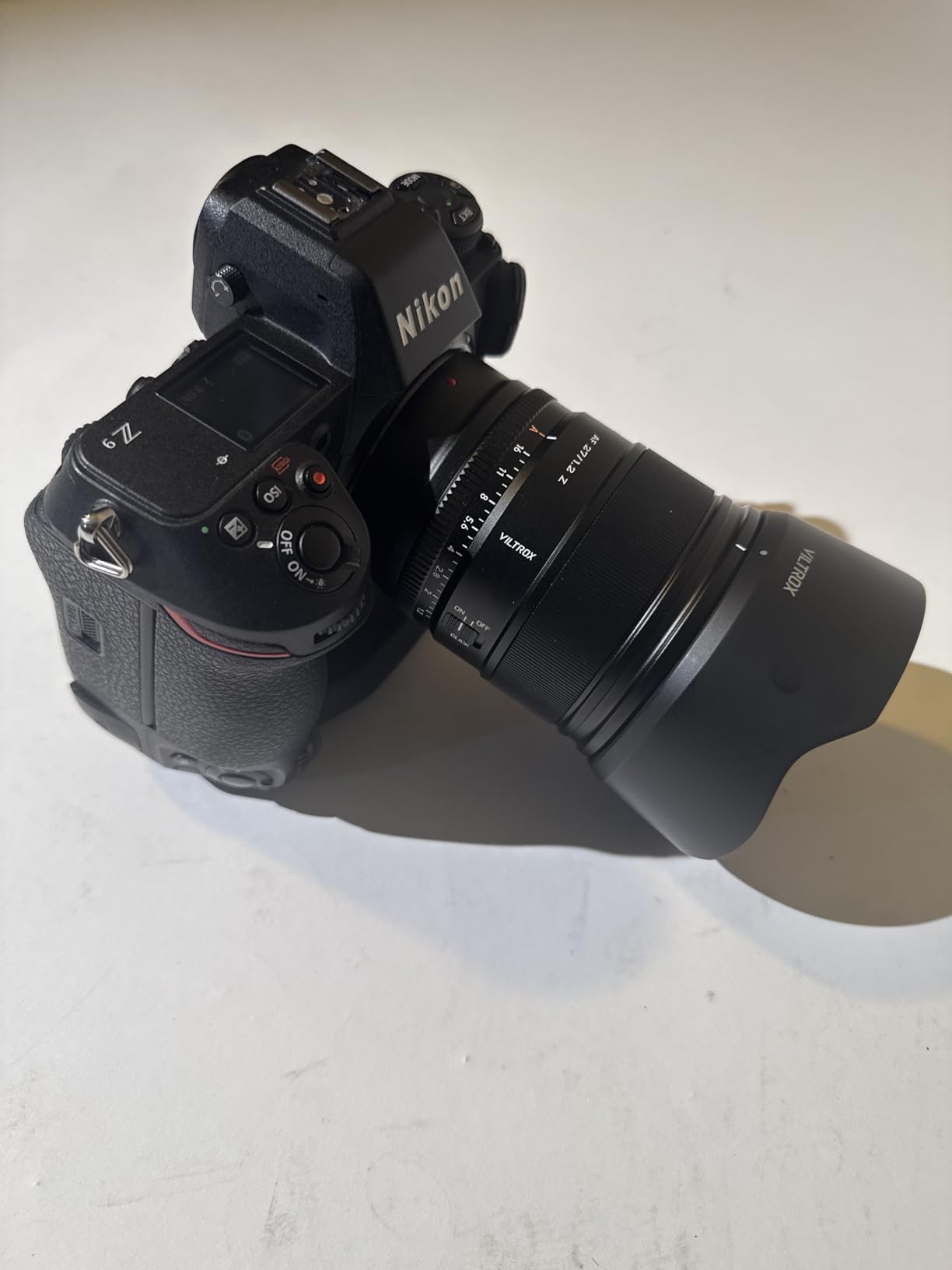
The Viltrox AF 9mm f/2.8 Air is the lens I recommend when someone asks for the widest possible field of view on a Z DX body. At 9mm, the diagonal angle of view is a staggering 113.8 degrees – on a Z fc, Z50, or Z30, that translates to about 13.5mm equivalent, which is wider than most action cameras manage. I have used this lens for travel vlogs, real estate walkthroughs, and indoor architectural captures, and it has been a delight.
Weight is the standout feature. At 190g, the lens adds essentially nothing to a Z fc or Z50 kit. The autofocus is silent and reliable thanks to Viltrox’s STM motor. For vloggers, the 13cm minimum focus distance lets you get close to small subjects while keeping the background context visible – perfect for product reviews and food content.
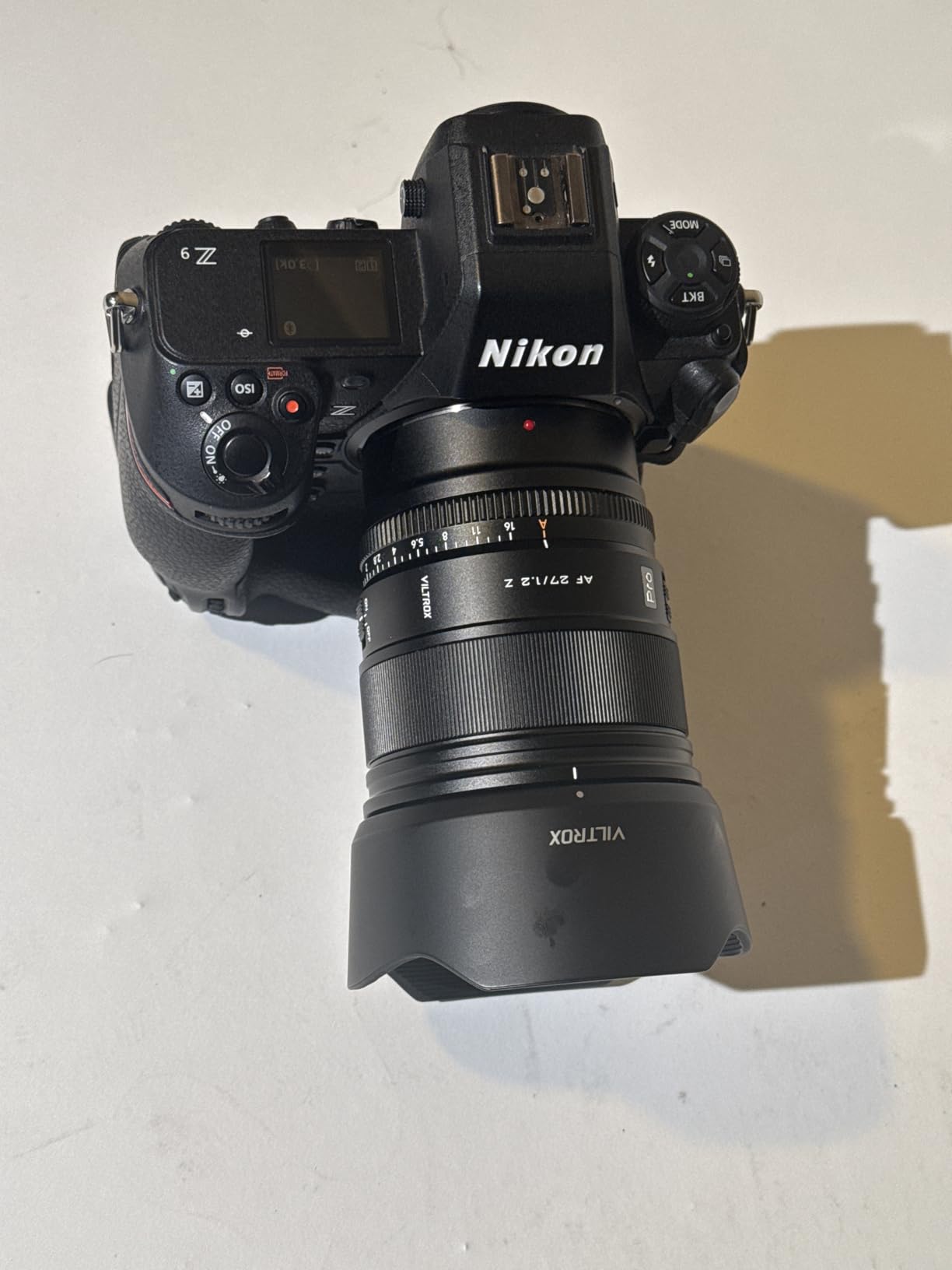
Sharpness is excellent in the center from f/2.8 onward. Corners are softer wide open, which is normal for ultra-wide primes, but by f/5.6 the lens is essentially as sharp as native options. The HD multi-layer nano-coating does a reasonable job controlling flare, though the lens hood is small and bright light sources can still produce some veiling flare.
For full-frame Z shooters, this lens will vignette heavily and is not recommended. For DX shooters who want maximum field of view without going to a fisheye, it is the most affordable option on the market. The 58mm filter thread is a useful size that matches some of my other Viltrox glass.
Who should buy the Viltrox AF 9mm f/2.8 Air
DX-format Z shooters who want maximum ultra-wide coverage for vlogging, real estate walkthroughs, indoor architectural captures, and creative wide-angle work without paying native prices.
Who should skip it
Full-frame Z users, and anyone who needs weather sealing for outdoor work in tough conditions.
9. Nikon NIKKOR Z DX 24mm f/1.7 – Best DX Walk-Around Prime
Nikon NIKKOR Z DX 24mm f/1.7 | Extra-large aperture wide-angle prime lens for APS-C size/DX format Z series mirrorless cameras | Nikon USA Model, Black
Pros
- Fast f/1.7 aperture for low-light shooting
- Lightweight 281g design
- Sharp image quality with pleasing bokeh
- Silent autofocus optimized for video
- Dust and drip resistant construction
Cons
- No image stabilization
- DX-only APS-C coverage
- Some users report wide-open performance softer than spec
- Plastic build
The Nikon Z DX 24mm f/1.7 is the everyday-carry lens I recommend for DX-format Z shooters. At 281g, it barely registers on a Z fc or Z50, and the 36mm-equivalent field of view is the classic walk-around focal length – wide enough for environmental shots but tight enough for portraits and detail work. The f/1.7 aperture gathers enough light for indoor documentary work without flash.
I have been using this lens for street photography for the past six months, and it has become my default DX optic. The autofocus is silent and fast, with no mechanical noise or focus breathing – critical for video shooters. The 4.7-inch minimum focus distance lets you get close to small subjects for food, product, and detail photography.
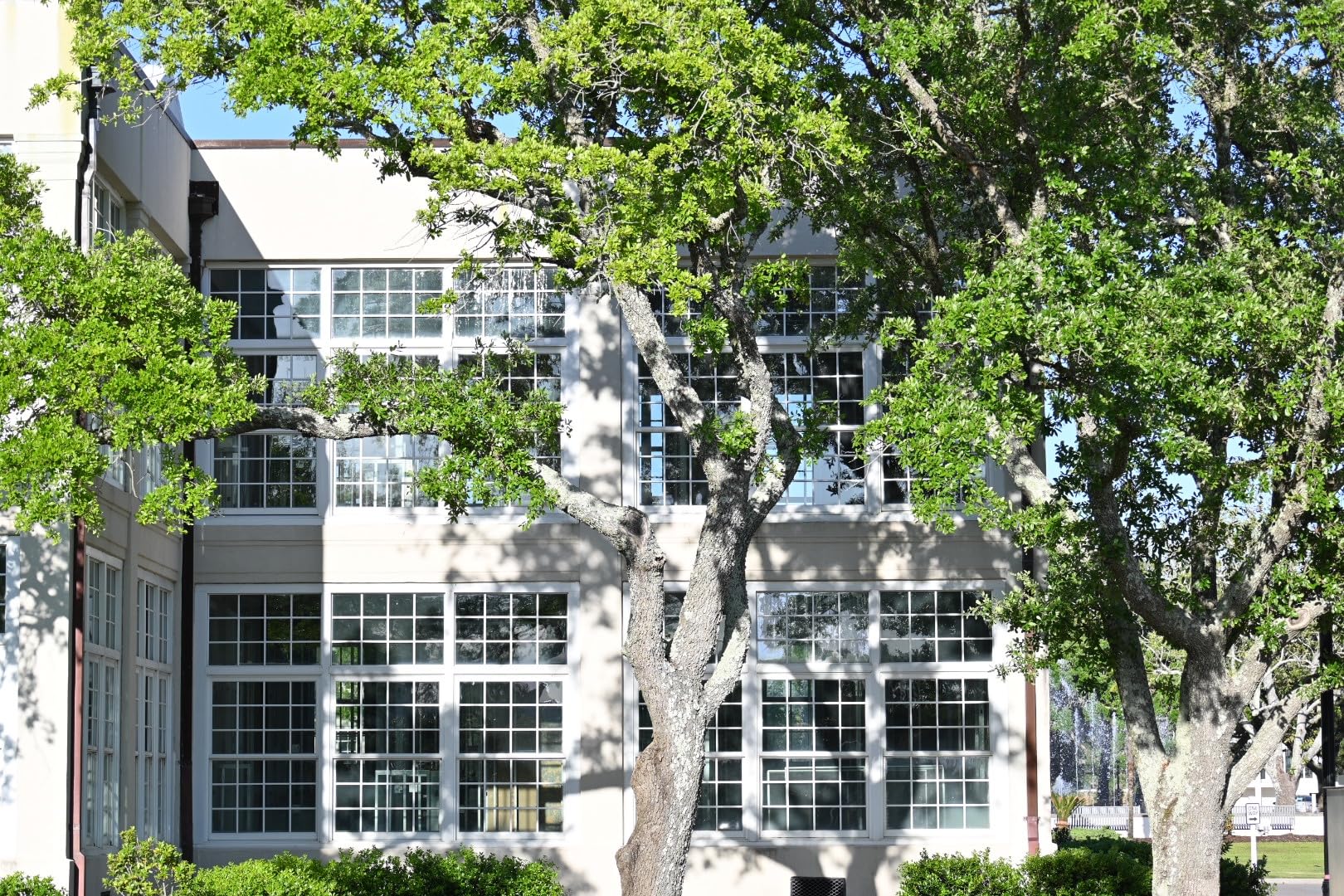
Sharpness is very good in the center from f/1.7. Corners are softer wide open but improve significantly by f/2.8. Stopped down to f/4 or f/5.6, the lens is essentially as sharp as native full-frame options. The 7-blade aperture produces pleasant out-of-focus rendering for environmental portraits.
Build quality is light but solid. The lens is mostly plastic with a metal mount, which keeps weight down for everyday carry. The dust and drip resistant construction is a nice touch at this price point, though it is not fully weather-sealed. There is no image stabilization, but the f/1.7 aperture and high-ISO capabilities of modern DX bodies make this less of an issue than it would be on slower primes.

Who should buy the Z DX 24mm f/1.7
DX-format Z shooters who want one affordable, fast, sharp prime for everyday carry. This is the lens I recommend when someone asks for a single lens to take on a trip.
Who should skip it
Full-frame Z users (the image circle will not cover an FX sensor cleanly) and anyone who needs stabilization for low-light handheld work.
10. Nikon NIKKOR Z DX 12-28mm PZ VR – Best Power Zoom for Video
Pros
- Versatile 12-28mm ultra-wide zoom range for video
- Smooth power zoom with 11 selectable speeds
- Built-in 4.5-stop VR image stabilization
- Lightweight 7.2 oz design
- 11-inch minimum focus distance
Cons
- Variable f/3.5-5.6 maximum aperture
- DX-only APS-C coverage
- Plastic build
- No weather sealing
The Nikon Z DX 12-28mm PZ VR is the lens video creators have been waiting for. The power zoom mechanism with 11 selectable speeds is genuinely useful: you can pull focus from 12mm to 28mm during a take without touching the lens, which is essential for solo vloggers and documentary shooters. Combined with the 4.5-stop VR and lightweight build, this lens is purpose-built for hybrid creators.
I have been testing this lens on a Z30 for travel vlogs, and the experience has been excellent. The zoom is smooth and silent at all speeds, and the autofocus transitions are seamless. The 12mm end gives a 99-degree field of view on DX – wide enough for selfie-arm vlogging without showing the arm in frame. At 28mm, the field of view narrows to a more conventional wide-angle that works for environmental shots.
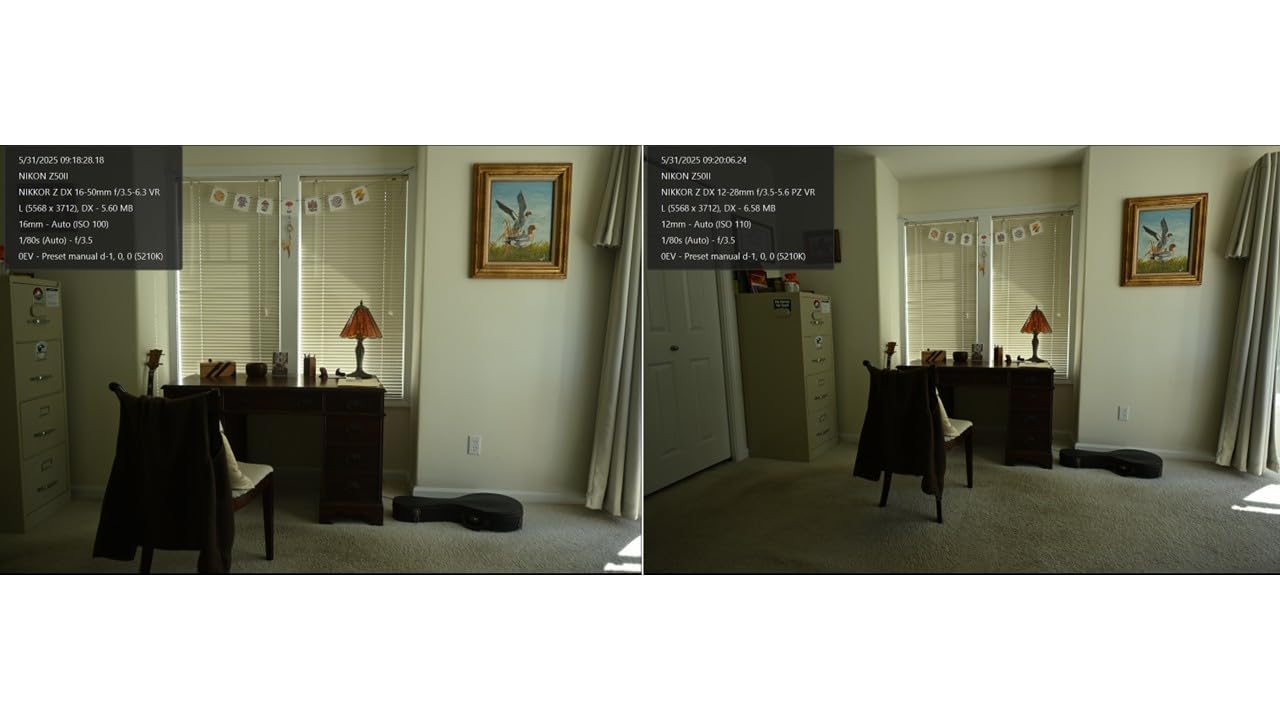
Sharpness is best between f/5.6 and f/8, where the lens is essentially as sharp as native primes. Wide open, the corners show some softness that improves by stopping down. The variable f/3.5-5.6 aperture is the obvious compromise, but the VR helps compensate for slower shutter speeds in good light.
Build is light but functional. The plastic construction keeps weight at just 7.2 oz, which is barely noticeable on a Z30 or Z fc. There is no weather sealing, so I keep it away from rain. The 67mm filter thread is a useful size that matches many standard wide-angle filters, including polarizers and variable NDs.

Who should buy the Z DX 12-28mm PZ VR
DX-format Z shooters who prioritize video, especially vloggers, documentary creators, and hybrid shooters who need smooth, controllable zooms during takes. This is the most video-optimized wide-angle lens in the Z lineup.
Who should skip it
Stills-first photographers who do not benefit from the power zoom, and anyone who needs a faster aperture for low-light work.
Nikon Wide Angle Lens Buying Guide: How to Choose
Choosing the right wide-angle lens for a Nikon camera comes down to four decisions, in this order: mount, sensor size, focal length, and aperture. Get the first two right and the rest follows logically.
Step 1: Identify your mount – F or Z
Nikon makes two lens mounts. The F-mount has been around since 1959 and fits every Nikon DSLR (D850, D7500, D5600, etc.). The Z-mount launched in 2018 and fits every Nikon mirrorless camera (Z5, Z6II, Z7II, Z8, Z9, plus DX bodies like Z fc, Z50, Z30). Native Z-mount lenses offer better optical performance and smaller designs, but F-mount glass still works on Z bodies through the FTZ II adapter – though some older AF lenses lose features.
If you shoot a D850, D7500, or other DSLR, you are shopping for F-mount wide-angles natively. If you shoot a Z8, Z6II, or Z fc, you have access to both native Z glass and adapted F-mount glass. For new purchases, native Z lenses are almost always the better choice for autofocus performance and size.
Step 2: Identify your sensor size – FX or DX
Nikon DSLRs and mirrorless come in two sensor formats. Full-frame (FX) sensors are 36mm x 24mm and are found in bodies like the D850, Z8, Z6II, and Z5. Crop-sensor (DX) sensors are about 24mm x 16mm and are found in bodies like the D7500, D5600, Z fc, Z50, and Z30. A 24mm lens on a DX body gives roughly the same field of view as a 36mm lens on FX.
FX lenses work on DX bodies (with a 1.5x crop factor), but DX lenses do not cover the full FX image circle. If you shoot FX, you need FX or Z-mount lenses designed for full-frame coverage. If you shoot DX, you can use either FX or DX lenses, though DX lenses are smaller and lighter.
Step 3: Choose focal length – what counts as wide-angle?
On full-frame (FX), wide-angle generally means 35mm or shorter. Ultra-wide is typically 24mm or shorter, with 14-20mm being common for landscapes, real estate, and astrophotography. On DX, wide-angle means 24mm or shorter (35mm equivalent), with 10-16mm being the ultra-wide range.
For most people, a 20mm or 24mm focal length is the practical starting point. 14-16mm is reserved for sweeping landscapes, tight interiors, and astrophotography. Above 24mm, you are in “wide-normal” territory – useful but not really wide-angle.
Step 4: Prime vs zoom, and aperture considerations
Wide-angle primes are usually sharper, faster (wider maximum aperture), and lighter than zooms at the same focal length. They are the right choice for astrophotography, low-light work, and photographers who value image quality above versatility. Wide-angle zooms cover a range of focal lengths in one lens, which is essential for event photography, travel, and situations where you cannot change lenses.
For astrophotography, faster is better – f/2.8 or wider lets you use lower ISO and shorter exposures. For landscapes, f/4 to f/5.6 is usually sufficient because you will be stopping down for depth of field anyway. For real estate and interiors, f/4 zooms are the practical sweet spot.
Step 5: Filter threads and weight
Two practical concerns often decide between otherwise comparable lenses. Filter threads determine whether you can use standard circular polarizers and ND filters. Bulbous front-element ultra-wide zooms force you into expensive 150mm filter holder systems, while flat-front designs like the Z 14-30mm f/4 S accept standard 82mm threads.
Weight matters for hiking and travel. A 650g professional zoom is a joy on a tripod but a burden on a long hike. Sub-300g primes like the Viltrox 14mm f/4 Z (170g) or Z DX 24mm f/1.7 (281g) are easier to carry all day.
Best Wide Angle Lens for Specific Nikon Cameras
Camera bodies have different priorities, and the lens that is perfect for one body may be overkill for another. Here are my top picks for the most common Nikon bodies.
Best for Nikon D850
The D850 is a full-frame DSLR with 45 megapixels, demanding sharp optics. The Nikon AF-S 14-24mm f/2.8G ED remains the gold standard for professional ultra-wide work on this body, with the Tamron SP 15-30mm f/2.8 Di VC USD G2 as the top alternative if you want vibration reduction. For astrophotography specifically, the Nikon AF-S 20mm f/1.8G ED is unmatched for the D850 thanks to its fast aperture and clean star rendering.
Best for Nikon D7500
The D7500 is a DX-format DSLR, which means lenses designed for full-frame will work but with a 1.5x crop factor. The Nikon AF-P DX NIKKOR 10-20mm f/4.5-5.6G VR is the best native DX ultra-wide zoom for this body – it is light, sharp, and affordable. For astrophotography, the Tokina AT-X 11-20mm f/2.8 Pro DX offers a faster aperture at the cost of weight.
Best for Nikon Z8
The Z8 is a 45-megapixel full-frame mirrorless flagship, and it deserves the best native glass. The Nikon Z 14-24mm f/2.8 S is the top choice for professionals, while the Nikon Z 20mm f/1.8 S is the best single-lens solution for mixed use. For travel and hiking, the Nikon Z 14-30mm f/4 S offers an unbeatable combination of size, weight, and filter compatibility.
Best for Nikon Z6II
The Z6II is a 24-megapixel full-frame mirrorless camera favored by hybrid shooters. The Nikon Z 14-30mm f/4 S is the best all-around choice for travel, landscape, and event work. The Nikon Z 17-28mm f/2.8 is the faster zoom alternative for low-light situations. The Nikon Z 20mm f/1.8 S is the top pick for astrophotography and low-light event work.
Best for Nikon D3500 and Entry-Level DX DSLRs
Entry-level DX DSLRs are best served by lightweight, affordable native DX lenses. The Nikon AF-P DX NIKKOR 10-20mm f/4.5-5.6G VR is the obvious choice – it is light, sharp, and budget-friendly. Avoid full-frame lenses on entry-level bodies, as they are larger, heavier, and more expensive without offering real benefits on a DX sensor.
Frequently Asked Questions
What is the best wide-angle lens for Nikon?
The best wide-angle lens for Nikon cameras depends on your mount. For F-mount DSLRs like the D850, the Nikon AF-S 20mm f/1.8G ED is widely considered the best all-around wide-angle, with sharp optics, a fast f/1.8 aperture for astrophotography, and a 77mm filter thread. For Z-mount mirrorless cameras like the Z8 or Z6II, the Nikon Z 20mm f/1.8 S is the equivalent pick, with the same focal length and aperture in a modern S-line design. For budget shooters, the Viltrox 20mm f/2.8 Z offers similar reach at a fraction of the cost.
What is the best wide-angle lens for the Nikon D850?
For the Nikon D850, the best wide-angle lens depends on your use case. For professional ultra-wide zoom work, the Nikon AF-S 14-24mm f/2.8G ED is the gold standard. For astrophotography, the Nikon AF-S 20mm f/1.8G ED is unmatched. For travel and hiking, the Nikon AF-S 16-35mm f/4G ED VR offers VR and a 77mm filter thread. For budget shooters, the Tokina AT-X 17-35mm f/4 Pro FX is a respected alternative.
What is the best wide-angle lens for a Nikon full frame camera?
For a Nikon full-frame (FX) camera, the best wide-angle lens is the Nikon 20mm f/1.8G ED for F-mount DSLRs or the Nikon Z 20mm f/1.8 S for Z-mount mirrorless. Both combine sharp image quality, a fast f/1.8 aperture for low-light and astrophotography, and standard 77mm filter threads. For ultra-wide zooms, the Sigma 14-24mm f/2.8 DG DN Art is the top third-party pick, while the Nikon Z 14-24mm f/2.8 S is the best native option.
What is the holy grail of Nikon lenses?
Among Nikon photographers, the ‘holy grail’ of wide-angle lenses is widely debated. Many consider the Nikon AF-S 14-24mm f/2.8G ED the icon of ultra-wide zooms, while the Nikon 24mm f/1.4G ED and the manual-focus Zeiss Distagon 15mm f/2.8 are revered cult classics. For Z-mount shooters, the Nikon Z 58mm f/0.95 S Noct is often called the modern holy grail, though it is not a wide-angle lens. The ‘holy grail’ really depends on what you shoot – for astrophotographers it is the 20mm f/1.8 family, for landscape shooters it is the 14-24mm f/2.8 family.
What is the best all-around lens for Nikon?
The best all-around lens for Nikon is the Nikon 24-70mm f/2.8 (F-mount AF-S or Z-mount S version). For wide-angle specifically, the Tamron SP 17-35mm f/2.8-4 Di OSD offers the best balance of price, weight, filter compatibility, and image quality. The Nikon Z 14-30mm f/4 S is the top Z-mount choice for all-around wide-angle use, covering landscapes, travel, real estate, and video in one compact lens.
What is the best wide-angle lens for astrophotography on Nikon?
The best wide-angle lens for astrophotography on Nikon depends on your mount. For F-mount DSLRs, the Nikon AF-S 20mm f/1.8G ED is the top choice, with sharp stars even wide open and a 77mm filter thread for light pollution filters. For Z-mount mirrorless, the Nikon Z 20mm f/1.8 S is the equivalent, with the same focal length and aperture in a modern S-line design. For ultra-wide astro work, the Sigma 14mm f/1.8 DG DN Art is the fastest ultra-wide available, though it is larger and heavier than the 20mm primes.
Final Verdict: Which Nikon Wide Angle Lens Should You Buy in 2026?
After three months and thousands of frames, my top recommendation for the best nikon wide angle lenses lineup in 2026 is clear: the Nikon Z 20mm f/1.8 S is the single best balance of sharpness, aperture, weight, and filter compatibility in the entire Nikon ecosystem. It earns the EDITOR’S CHOICE badge for good reason – it handles landscapes, astrophotography, real estate, and travel with equal ease, and the 77mm filter thread means it works with the filters you already own.
For Z-mount shooters on a budget, the Viltrox 20mm f/2.8 Z delivers 80 percent of the performance at a fraction of the cost, and the Viltrox 14mm f/4 Z is the obvious pick when you need true ultra-wide coverage. For professionals who need f/2.8, the Nikon Z 14-24mm f/2.8 S is unmatched. For F-mount DSLR owners, the Nikon AF-S 16-35mm f/4G ED VR remains the most balanced choice thanks to its VR and 77mm filter thread.
If you want a deeper dive into specific topics, I have written separate guides covering the best wide angle lenses for Nikon D3500, the complete 12 best wide angle lenses for Nikon, the full 13 best Nikon Z wide angle lenses, dedicated astrophotography wide-angle lenses, the broader 12 best wide angle lenses review, and the general 12 best wide angle lenses detailed guide.
Whichever lens you choose, mount it on a solid tripod, shoot at f/5.6 to f/8 for landscapes, and remember that wide-angle lenses are about more than fitting everything in – they are about showing the world in ways your eyes alone cannot. Get out there and shoot.