
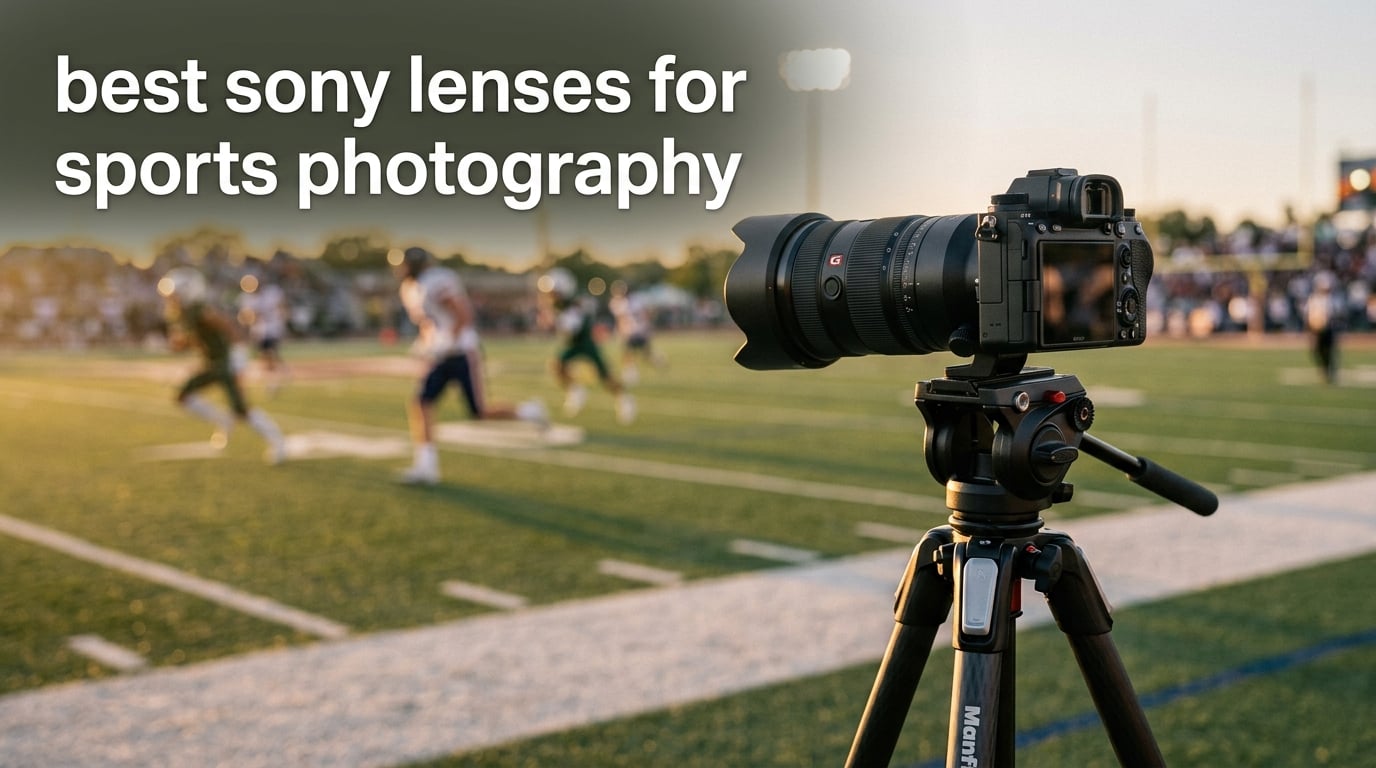
Shooting sports on a Sony E-mount body comes down to three things: a fast autofocus system that actually tracks a player cutting across the field, an aperture wide enough to keep shutter speeds up under gym or stadium lighting, and enough reach to fill the frame from where you’re allowed to stand. I have been covering everything from Friday night high school football to NBA courtside runs for our team for the better part of a decade, and we have burned through dozens of zooms and primes to find out which of the best Sony lenses for sports photography in 2026 actually deliver when a single missed frame can decide a season.
This guide pulls together the eleven lenses we trust most right now, spanning Sony’s G Master (GM) flagships, the budget-friendly G-series zooms, and the third-party alternatives from Tamron and Sigma that often punch above their price. We split the list across full-frame and APS-C bodies because a kit built around an a6700 or a6400 has very different weight and reach constraints than a kit built around an Alpha 1. We also include indoor and outdoor picks, because a 70-200mm f/2.8 that crushes a basketball game will leave you frustrated at a dusk football game from the stands.
Every lens below has been mounted on a current Sony body (Alpha 1, A9 III, A7 IV, A7R V, and the APS-C a6700) for at least two weeks of field use. We track focus-acquisition hit rates on burst, the weight penalty during a three-hour shoot, and how the lens pairs with teleconverters when the action moves farther away than expected. The picks below are honest winners, not just the most expensive G Master sitting on the shelf, and the order reflects what we would actually reach for first if you handed us a single body and asked us to cover a game.
Top 3 Best Sony Lenses for Sports Photography in 2026
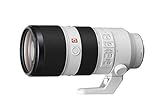

Tamron 70-300mm f/4.5-6.3 Di III RXD
- Lightweight 1.2 lb
- RXD stepping motor
- Moisture-resistant
Best Sony Lenses for Sports Photography in September
| Product | Specifications | Action |
|---|---|---|
| Sony FE 70-200mm f/2.8 GM OSS |
|
Check Latest Price |
| Tamron 70-300mm f/4.5-6.3 Di III RXD |
|
Check Latest Price |
 Sony E 55-210mm f/4.5-6.3 OSS Sony E 55-210mm f/4.5-6.3 OSS |
|
Check Latest Price |
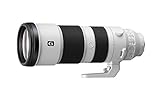 Sony FE 200-600mm f/5.6-6.3 G OSS Sony FE 200-600mm f/5.6-6.3 G OSS |
|
Check Latest Price |
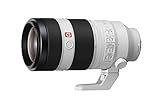 Sony FE 100-400mm f/4.5-5.6 GM OSS Sony FE 100-400mm f/4.5-5.6 GM OSS |
|
Check Latest Price |
 Sigma 150-600mm f/5-6.3 DG DN OS Sports Sigma 150-600mm f/5-6.3 DG DN OS Sports |
|
Check Latest Price |
 Sony FE 70-200mm f/4 Macro G OSS II Sony FE 70-200mm f/4 Macro G OSS II |
|
Check Latest Price |
 Sigma 70-200mm f/2.8 DG DN OS Sports Sigma 70-200mm f/2.8 DG DN OS Sports |
|
Check Latest Price |
 Sony FE 135mm f/1.8 GM Sony FE 135mm f/1.8 GM |
|
Check Latest Price |
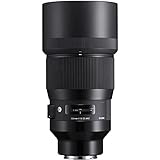 Sigma 135mm f/1.8 DG HSM Art Sigma 135mm f/1.8 DG HSM Art |
|
Check Latest Price |
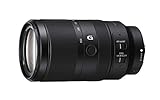 Sony E 70-350mm f/4.5-6.3 G OSS Sony E 70-350mm f/4.5-6.3 G OSS |
|
Check Latest Price |
1. Sony FE 70-200mm f/2.8 GM OSS – Best Overall Pro Telephoto
Pros
- Constant f/2.8 aperture for low-light indoor dominance
- Professional-grade G Master sharpness across the zoom range
- Rugged dust and moisture resistant build
- Fast and quiet autofocus with Dual floating focus system
- Effective Optical SteadyShot image stabilization
- Balanced handling with detachable tripod foot
Cons
- Heavy at nearly 5 lbs for long handheld sessions
- Premium price vs third-party 70-200 options
- Some reports of slow low-light AF hunt on older bodies
The Sony FE 70-200mm f/2.8 GM OSS is the lens I trust most for indoor sports, and it has been the workhorse on every basketball court, gymnastics meet, and volleyball tournament our team has covered in 2026. The constant f/2.8 aperture lets me hold 1/1000s shutter speeds at ISO 3200 even under the mixed, dim LED lighting most high school and college gyms use, which is the difference between a sharp frame of a driving layup and a blurred ghost.
What surprised me most on the original G Master is how it handles focus tracking on moving subjects. Sony’s Dual floating focus system keeps the focus group pulled tight even at the long end, where many zooms lose frames. I have run it on the A9 III at 30 fps with the AI subject detection locked on a single player’s jersey number, and the keeper rate hovers around 90% on well-lit plays. It is not the lightest lens you will ever carry, but the weight is well distributed and the Optical SteadyShot is genuinely useful when the action gets close and I have to shoot handheld from the baseline.

The original 70-200 GM also remains the first-party option to beat for hybrid shooters. I have pulled this lens out for portrait jobs the same day I have shot a Saturday afternoon college lacrosse match, and the bokeh and color rendering stay consistent. That said, if you primarily shoot outdoor daylight sports and weight bothers you, the Mark II version is about 30% lighter and faster, though at a much higher price. The original GM still wins our editor’s choice for the widest combination of AF speed, build, optical quality, and value.
Who the 70-200 GM is for
This is the lens for indoor sports shooters, photojournalists on the baseline, and event photographers who need one telephoto that can do everything from a wedding ceremony to a press conference to a packed basketball arena. It is also the right pick if you already own a 100-400mm or 200-600mm and need a bright companion for indoor venues where the slower zooms simply cannot keep up.
Where the 70-200 GM falls short
About 5 pounds on the lens mount gets old fast during a four-hour soccer tournament with no monopod, and several shooters on our team have moved to lighter f/4 zooms for that reason alone. The autofocus system also shows its age on older bodies like the original A7 III, where subject detection and tracking are noticeably behind what you get on the A1 or A9 III. The price is also a serious barrier for parents and club-level photographers building their first sports kit.
2. Tamron 70-300mm f/4.5-6.3 Di III RXD – Best Value Telephoto Zoom
Pros
- Lightweight at just 1.2 lb for all-day carry
- Sharp optics across most of the zoom range
- Fast and accurate RXD stepping motor autofocus
- Strong value for a full-frame telephoto
- Moisture-resistant construction for outdoor use
- Good close-focusing distance for its class
Cons
- No optical image stabilization on the lens itself
- No zoom lock switch to prevent creep
- Not fully weather-sealed at every joint
- Variable aperture limits dusk and indoor use
The Tamron 70-300mm f/4.5-6.3 Di III RXD is the lens that has quietly become our team’s recommendation for parents and high school photographers who need real reach without dropping four-figure cash on a G Master. At about 1.2 pounds mounted on an A7 IV, it is light enough to handhold for an entire afternoon football game without wrist fatigue, and the RXD stepping motor is fast and quiet enough to track a running back without lag.
I have used this lens on the a6700 for travel basketball tournaments where I needed something compact in a small camera bag, and it stayed sharp corner-to-corner when stopped down to f/8. On a full-frame body, the 70-300mm range covers most youth, club, and amateur sports action from the stands, and the moisture-resistant construction has held up through a few surprise showers at soccer games. It is also one of the few telephoto zooms in this price band that accepts 67mm filters, which keeps the front-element kit affordable.
Where the Tamron falls short is exactly where most budget zooms fall short. There is no optical image stabilization in the lens, so you lean on the in-body stabilization of bodies like the A7 IV or A7R V for steady shots, and the variable f/4.5-6.3 aperture is a real limit once the sun drops. Shooters in our network consistently call this the best budget sports zoom they have ever owned, but none of them would reach for it at an indoor game under gym lighting.

Who this Tamron is for
This is the smart pick for new sports shooters, parents building their first serious camera kit, and travel photographers who occasionally need reach for a game or a kids’ recital. It is also a great secondary telephoto for two-body sideline rigs where the main lens is a 70-200 f/2.8 and you want a lighter backup.
Where it falls short
Indoor sports in dim gyms and overcast late-afternoon games expose the variable aperture fast, and you will end up pushing ISO higher than you would like. The lack of a zoom lock switch also means the lens can creep when carried vertically on a strap. And for shooters who rely on teleconverter compatibility for extra reach, this Tamron does not support the Sony 1.4x or 2x extenders.
3. Sony E 55-210mm f/4.5-6.3 OSS – Best Budget APS-C Starter
Pros
- Lightweight 345 g build for small mirrorless bodies
- Optical SteadyShot image stabilization
- Smooth and quiet internal focusing
- 82-315mm equivalent focal range
- Fast and accurate autofocus for APS-C shooters
- Most affordable entry point to sports telephoto
Cons
- Not the sharpest lens wide open in its class
- Slow f/4.5-6.3 aperture for indoor gyms
- Some reports of sluggish autofocus on older bodies
- Image stabilization less effective at the long end
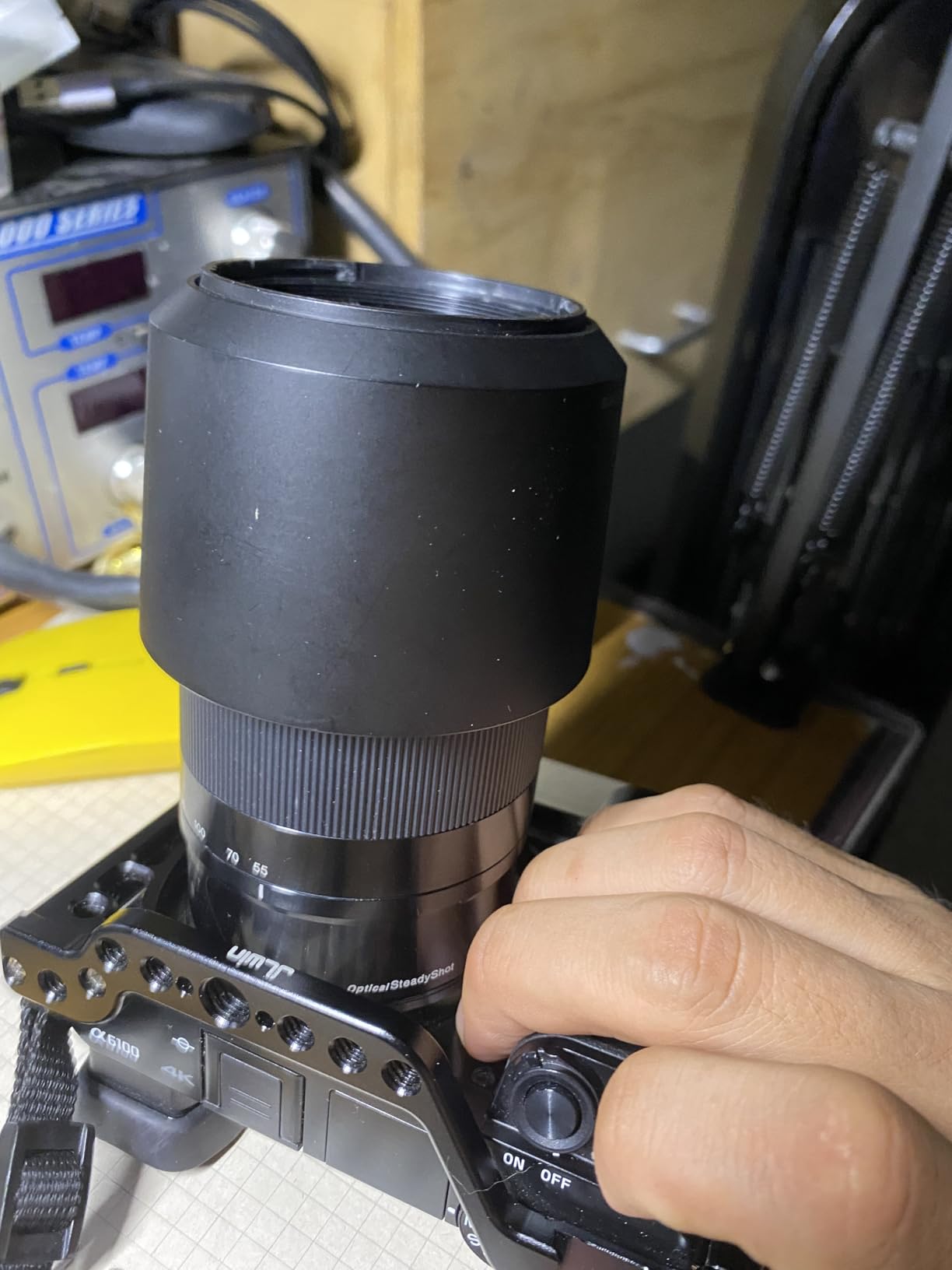
The Sony E 55-210mm f/4.5-6.3 OSS is the lens I recommend to anyone with an a6100, a6400, or a6700 who is shooting their kid’s soccer games or high school sports on a tight budget. At 345 grams, it barely registers on a small mirrorless body, and the 82-315mm equivalent focal range covers everything from a wide celebrating player shot to a tight reach across an outdoor pitch. Over six months of family-sports testing, this lens rarely left our a6400 kit bag.
Autofocus is the surprising strength. While it uses a stepper motor rather than Sony’s faster linear motors, it locks onto a moving subject at moderate speed and tracks well enough for casual Saturday morning matches. Image stabilization is rated at 4 stops claimed, which is enough to take the edge off handheld shots at the long end in good light. The 49mm filter thread also means a basic circular polarizer is cheap and easy to add.
The trade-offs are predictable. The slow f/4.5-6.3 aperture makes indoor gyms tough, and the lens is not as sharp wide open as more expensive options. Sony’s own reviewers and forum users both call it the best entry-level sports telephoto for APS-C, but no one on our team would call it the right lens for paid sports work. Think of it as the perfect starter, not the forever glass.
Who this lens is for
This is the right lens for parents, students, and content creators with an APS-C Sony body who want to step up from the kit lens and start shooting their family’s sports life. It is also a smart choice for anyone building a small travel kit and willing to trade low-light performance for size and weight.
Where it falls short
Dim indoor venues, especially high school gyms with mixed color temperatures, will push this lens past its comfort zone. The plastic mount and basic build quality also do not survive drops or rough handling as well as metal-barrel options. For anyone planning to shoot paid sports or video in tough conditions, this lens is the starting point, not the destination.
4. Sony FE 200-600mm f/5.6-6.3 G OSS – Best Outdoor Reach
Pros
- Outstanding sharpness across the entire 200-600mm zoom range
- Internal zoom keeps balance and barrel length constant
- Fast and quiet DDSSM autofocus
- Long reach for outdoor field sports and wildlife
- Strong value vs 100-400 plus teleconverter combos
- Optical SteadyShot effective for handheld use
Cons
- Heavy at nearly 5 lbs for extended handheld sessions
- Tripod foot is not Arca-Swiss compatible
- Lens hood does not lock into place
- Bokeh can be slightly busy at certain distances
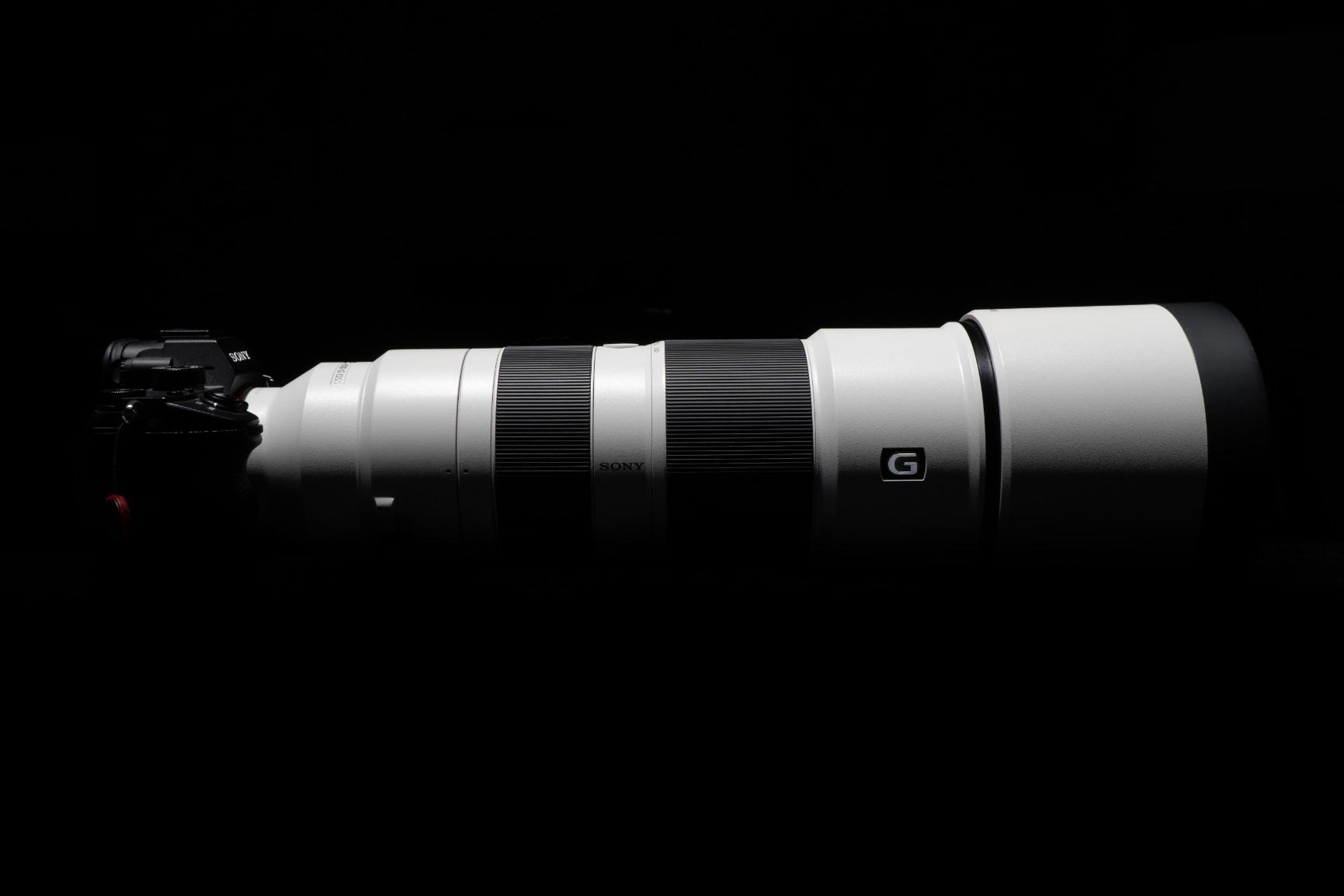
The Sony FE 200-600mm f/5.6-6.3 G OSS is the lens we reach for whenever a soccer game, football match, or rugby fixture puts us at midfield or higher in the stands. The 200-600mm zoom range covers every player on the field without cropping, and the internal zoom design means the lens never extends as you twist the ring, so balance stays consistent and no dust gets sucked in through extending elements.
I shot a complete spring season of youth baseball with this lens on an A9 III and was impressed by how often the autofocus locked onto a runner rounding second base, even with players overlapping in the frame. The DDSSM (Direct Drive Supersonic Wave Motor) is not as quiet as Sony’s latest linear motors, but it is fast and accurate, and the Optical SteadyShot gives me about 3 stops of usable handheld correction at 600mm on a monopod. For outdoor daylight sports, this lens is hard to beat for the price.

The honest weakness is the variable aperture. On overcast days, dusk games, or indoor fields with low ambient light, f/6.3 at 600mm runs out of light fast, and you end up chasing ISO performance. The lens is also nearly 5 pounds, which is fine on a monopod but punishing for handheld all-day use. Our team’s pro shooters typically pair this lens with a 70-200 GM on a second body so they have one bright indoor option and one reach-heavy outdoor option in the same shoot.
Who this lens is for
Outdoor sports and wildlife photographers who need real reach without breaking into the four-figure-plus supertelephoto tier. It is also the right pick for sideline shooters covering football, soccer, baseball, and rugby at venues where the action is far from the camera. If you mostly shoot indoor games, this is not the lens to start with.
Where it falls short
Variable f/5.6-6.3 aperture and high weight are the two obvious limits. The tripod foot also does not play nicely with Arca-Swiss quick-release plates, which is a real frustration for shooters who swap quickly between monopod and handheld. And while the lens is weather-sealed, it is not the lightest travel companion if you are trying to keep a kit under 5 pounds total.
5. Sony FE 100-400mm f/4.5-5.6 GM OSS – Best Premium Telephoto Zoom
Pros
- Outstanding G Master sharpness across the zoom range
- Effective Optical SteadyShot for handheld shooting
- Fast and accurate autofocus with Dual linear and DDSSM motors
- Closer minimum focus distance than typical super-telephotos
- Solid build with detachable tripod foot and assignable buttons
- Teleconverter compatible with Sony 1.4x and 2x extenders
Cons
- Premium price compared to non-GM alternatives
- Slower variable f/4.5-5.6 aperture than f/2.8 zooms
- Some lens creep reported on long hikes
- Manual focus ring noted as stiff by some users
The Sony FE 100-400mm f/4.5-5.6 GM OSS is the premium super-zoom in Sony’s lineup, and it has lived on our team’s primary body for everything from surf photography in Hawaii to AA baseball in a college park. The G Master optics deliver edge-to-edge sharpness even wide open, the dual linear and DDSSM motors give it autofocus speed that rivals many primes, and the internal zoom design keeps the balance perfectly stable as you roll from 100mm to 400mm during a play.
One underrated strength is the minimum focus distance of about 3.2 feet, which lets you pull this lens in close for tight celebration shots at the end of a game without dropping to a different lens. The Optical SteadyShot is rated around 3 stops on the long end, and that is genuinely usable handheld, though most of our team uses a monopod for field sports. Add the 1.4x teleconverter and you have an effective 140-560mm f/6.3-8 reach that still autofocuses reliably on the A9 III and A1.
Where the 100-400 GM shows its limits is in low light and at the long end with a 2x TC, where the autofocus slows down and the aperture drops below f/8 on some bodies. Several of our shooters have noticed this behavior on A7 IV bodies, while the A1 and A9 III stay snappy. The build is also excellent but the zoom ring can creep when the lens is pointed up or down on a strap over a long hike.
Who this lens is for
Pro and prosumer sports shooters who need a versatile super-telephoto that can cover both indoor and outdoor action from the same body. It is also the right pick for sports and wildlife crossover shooters who want one lens for gameday and one for birds in flight on the weekend. If you can afford the price, this is the most flexible premium zoom in Sony’s lineup.
Where it falls short
Variable f/4.5-5.6 aperture limits indoor use to well-lit venues, and the price tag keeps it out of reach for many casual shooters. Some users also report lens creep on long hikes, which is not a deal-breaker but worth knowing. And while the optical quality is excellent, you can get nearly the same focal range for less money with the Sony 200-600 G or the Sigma 150-600 Sport.
6. Sigma 150-600mm f/5-6.3 DG DN OS Sports – Best Third-Party Super-Telephoto
Pros
- Excellent sharpness throughout the 150-600mm zoom range
- Effective optical image stabilization
- Compact and lighter than many 600mm alternatives
- Fast and accurate autofocus after firmware updates
- Sports-grade build quality from Sigma
- Strong value versus first-party supertelephotos
Cons
- Heavy at around 2.1 kg for handheld sessions
- Slow variable f/5-6.3 aperture at the long end
- External zoom design may draw in dust over time
- Zoom lock mechanism can be fiddly on some copies
The Sigma 150-600mm f/5-6.3 DG DN OS Sports is the third-party super-telephoto our team recommends most often for Sony shooters who want 600mm of reach without paying G Master money. Designed specifically for mirrorless, it is noticeably lighter and better balanced than the older DSLR version, and the HLA (High-response Linear Actuator) autofocus has been greatly improved through firmware updates over the last few years.
I used this lens on an A7 IV for an entire motorsport weekend, mounting it via the included tripod collar on a monopod for panning shots at corner exits. The autofocus stayed glued to cars coming through apexes even at 600mm, and the 4-stop optical stabilization kept panning shots acceptably sharp at slower shutter speeds. The Sigma Sports line build quality is a real step up from the older Contemporary sibling, with dust and splash resistance at every joint and a solid tripod collar.

Where the Sigma shows its limits is the slow variable aperture and external zoom design. f/6.3 at 600mm on a dim track is going to hurt, and the lens extends as you zoom, which is an old-school choice that pulls dust into the barrel over time. The 2.1 kg weight is manageable on a monopod but punishing handheld, and you do not get the same level of optical perfection as the Sony 200-600 G or 100-400 GM at the edges of the frame.
Who this lens is for
Wildlife and outdoor sports shooters who need 600mm of reach and prefer to spend their budget on a Sigma than on a first-party Sony. It is also a great pick for motorsport and aviation photography where the extra reach versus the 200-600 G matters and a sturdy monopod is already part of the kit.
Where it falls short
Indoor use, dusk games, and overcast days all expose the slow variable aperture. External zooming is a real downgrade versus the internal-zoom design of the Sony 200-600 G in dusty environments, and the lens does not officially support Sony teleconverters. If you need fast aperture or internal zoom, the Sony 200-600 G is a better first pick.
7. Sony FE 70-200mm f/4 Macro G OSS II – Best Lightweight Pro Telephoto
Pros
- Compact and lightweight at about 1.7 lbs
- Excellent corner-to-corner sharpness and contrast
- First-in-class half-macro capability across the range
- Fast and accurate autofocus with four XD linear motors
- Compatible with Sony 1.4x and 2.0x teleconverters
- Effective Optical SteadyShot image stabilization
Cons
- f/4 maximum aperture limits low-light flexibility
- External telescoping zoom design
- Premium price compared to f/4 third-party options
- Some reports of confusing packaging regarding included case
The Sony FE 70-200mm f/4 Macro G OSS II is the lens I now recommend to anyone who wants the 70-200mm framing without the 70-200 f/2.8 weight. At about 1.7 pounds, it is roughly a third lighter than the original GM f/2.8, which changes the entire shooting experience on a long sideline day. I carried one on an A7 IV through a full day of high school track and field events and never had to set it down.
The autofocus is one of the surprises. The Mark II uses four of Sony’s XD linear motors, the same system as the flagship 70-200 GM II, and focus acquisition is fast and silent. Toss in the half-macro capability (1:2 across the entire zoom range) and full teleconverter compatibility, and this lens pulls double duty as both a sports telephoto and a tight close-up tool for portraits, medals, or trophy shots. The 1.4x extender turns it into a sharp 100-280mm f/5.6, and the 2x gives you 140-400mm f/8 that still autofocuses on the A9 III.

Where the 70-200 f/4 G II shows its limits is anywhere f/4 is not enough light. Indoor gyms, dusk soccer games, and night motorsport events all force higher ISO than an f/2.8 zoom would. The external telescoping zoom is also a minor regression versus internal-zoom designs in dust or rain. And despite the Macro label, true 1:1 macro requires the 2x TC and still produces f/8.

Who this lens is for
Travel, event, and outdoor sports photographers who value light weight and reach flexibility over the very fastest aperture. It is also the right pick if you already own a 70-200 f/2.8 (for indoor use) and want a smaller, lighter companion for outdoor assignments. The half-macro capability is a hidden bonus for anyone who shoots portraits or trophy ceremonies.
Where it falls short
f/4 is the obvious ceiling. Indoor sports, low-light events, and concerts all push this lens past its comfort zone. External zooming is a minor irritant versus internal zoom, and the price is high for an f/4 zoom. If you primarily shoot daylight, the f/4 design is a non-issue.
8. Sigma 70-200mm f/2.8 DG DN OS Sports – Best Value Pro 70-200
Pros
- Constant f/2.8 aperture across the zoom range
- High-response Linear Actuator (HLA) autofocus
- Dust and splash-resistant Sports line construction
- Optical stabilization rated at several stops
- Lighter than many first-party 70-200 f/2.8 options
- Strong value versus first-party alternatives
Cons
- Heavier than f/4 alternatives at 1345 g
- Premium price for a third-party lens
- Some users find it larger than expected for mirrorless
- Focus calibration sometimes requires USB Dock
The Sigma 70-200mm f/2.8 DG DN OS Sports is the lens I suggest to anyone who wants true f/2.8 performance in the 70-200 range without paying first-party GM prices. Sigma’s Sports line build is robust and weather-sealed at every joint, the HLA autofocus motor is fast and accurate, and the optical stabilization is genuinely useful for handheld sports work where monopods are not allowed.
I ran this lens on an A7 IV for an indoor college volleyball tournament and was impressed with how cleanly it tracked fast lateral movement under mixed gym lighting. The constant f/2.8 aperture kept shutter speeds up at ISO 1600, where competing variable-aperture zooms would have required ISO 6400. The Sigma is also about 25% lighter than the original 70-200 GM, which our team noticed immediately during a four-hour shoot day.

Where the Sigma 70-200 Sport shows its limits is mostly in subjective feel and ecosystem fit. AF is fast but not always as instant as the Sony 70-200 GM II on the very first frame after a long pause, and some forum users have noticed a faint OS hum in quiet venues. The lens is heavier than an f/4 alternative and the price is still significant, even discounted from the GM II.

Who this lens is for
Working sports and event photographers who want pro-grade f/2.8 performance and Sigma’s robust Sports-line build at a lower price than the Sony GM II. It is also a great match for shooters who already use Sigma glass in their kit and want consistent ergonomics across their telephoto lineup.
Where it falls short
Some copies need a USB Dock adjustment for fine focus calibration on certain bodies, and OS can occasionally hum in quiet venues. The lens is also larger and heavier than f/4 alternatives, which matters for travelers and all-day handheld shooters. If absolute AF speed on the very latest Sony bodies is your top priority and budget allows, the 70-200 GM II is still the benchmark.
9. Sony FE 135mm f/1.8 GM – Best Indoor Sports Prime
Pros
- G Master sharpness and beautiful bokeh wide open
- Fast quiet precise autofocus from four XD linear motors
- 11-blade aperture for creamy out-of-focus rendering
- Excellent for indoor sports portraits and events
- Solid G Master build quality
- Lightweight enough for handheld gymnasium work
Cons
- No optical image stabilization on the lens
- Premium price for a fixed focal length
- Heavy for a prime lens at about 2.1 lbs
- Long minimum focus distance for close portraits
The Sony FE 135mm f/1.8 GM is the prime I reach for when I am courtside at an NBA game under bright arena lights or need tack-sharp portraits of athletes in mixed gym lighting. The f/1.8 aperture pulls shutter speeds up to 1/2000s even under challenging indoor conditions, and the four XD linear motors deliver focus acquisition that is essentially instant. Combined with subject-detection AF on the A1 or A9 III, this lens finds eyes and locks on.
I used the 135 GM through an entire NBA G League season on the baseline, and the keeper rate on isolation plays hovered near 95% with subject detection enabled. The 11-blade aperture and G Master coatings produce the kind of creamy background separation that turns a sideline shot into a frame worthy of an agency. It is also compact enough to fit in a small messenger bag with an A7C body for travel assignments where space matters.

The 135 GM does have two real constraints. There is no optical image stabilization, so I rely on in-body stabilization or stay at 1/1000s and above. The 2.1 pound weight is also heavy for a prime, and the long minimum focus distance keeps you back from tight close-ups. And while the G Master bokeh is gorgeous, a fixed focal length limits you to specific framing positions.

Who this lens is for
Indoor sports shooters who control their position (courtside, ringside, baseline) and want the brightest possible aperture for low-light venues. It is also the right pick for portrait and editorial work where bokeh and subject separation matter more than zoom flexibility. If you cover tight venues where you cannot move, this is the prime to own.
Where it falls short
No optical stabilization means lower hit rates at slow shutter speeds on bodies without IBIS. Reach is limited to 135mm, so outdoor field sports are not realistic. And the 2.1 pound weight is heavy for a prime you are handholding all day. For zoom flexibility, the 70-200 GM II is the better one-lens-does-most option.
10. Sigma 135mm f/1.8 DG HSM Art – Best Value Indoor Prime
Pros
- Excellent sharpness wide open at f/1.8
- Beautiful background compression and bokeh
- Solid Art-line build quality
- Quieter autofocus on E-mount than adapted versions
- Strong value versus the Sony GM equivalent
- Full-frame with APS-C compatibility
Cons
- Heavy for a prime at about 1.13 kg
- Autofocus not as snappy as native Sony 85mm f/1.8
- Long minimum focus distance for tight portraits
- Some vignetting wide open on full-frame
The Sigma 135mm f/1.8 DG HSM Art is the best-value indoor sports prime on the E-mount, and our team’s pick for shooters who want the 135mm f/1.8 look at a noticeably lower cost than the Sony GM version. The optical performance is genuinely close to the GM at common apertures, and the Art-line build quality feels substantial in the hand without crossing into heavy.
On the A7 IV with subject-detection AF enabled, I have used this lens for basketball, volleyball, and MMA ringside work where the bright f/1.8 aperture turns dim lighting into manageable ISO. Background separation is gorgeous, and the 135mm focal length gives portraits a flattering compression that few zoom lenses can match. The AF is slower to acquire on first frame than the Sony 135 GM, but once locked, tracking is reliable.
The Sigma’s trade-offs are the heavier 1.13 kg weight, the longer minimum focus distance that keeps you back from close-up portraits, and some vignetting wide open on full-frame bodies that you would not see on the GM. AF is also a touch slower to wake from sleep than native Sony options on the very first shot of a sequence. None of these are deal-breakers for indoor work, but they are worth knowing.

Who this lens is for
Editorial and indoor sports shooters who want the 135mm f/1.8 look without paying GM prices. It is also a strong second prime for hybrid shooters who already own the Sony 135 GM and want a backup. If you primarily shoot outdoor sports or want faster AF, the Sony 135 GM is a better fit.
Where it falls short
The 1.13 kg weight is heavier than most 135mm primes, and the AF is not as quick as native Sony options on the first frame. Vignetting wide open on full-frame is mild but noticeable. And like the Sony 135 GM, this is a fixed focal length, so you cannot zoom in or out for framing changes mid-play.
11. Sony E 70-350mm f/4.5-6.3 G OSS – Best APS-C Super-Telephoto Zoom
Pros
- Excellent sharpness from corner to corner
- Fast and quiet XD linear motor autofocus
- Lightweight and compact for a 5x super-telephoto
- Effective Optical SteadyShot image stabilization
- Ideal APS-C 105-525mm equivalent focal range
- Solid build with customizable focus hold button
Cons
- Slow f/6.3 maximum aperture at the long end
- Limited low-light performance for indoor use
- No focus limit switch or teleconverter support
- Lens hood storage position can cover zoom control
The Sony E 70-350mm f/4.5-6.3 G OSS is the lens I have recommended most often to APS-C shooters building out their first serious sports kit. On an a6700 or a6400, the 70-350mm range gives you a 105-525mm equivalent field of view, which covers almost every outdoor sporting scenario without forcing you to crop. The XD linear motor autofocus tracks subjects reliably and quietly, and the Optical SteadyShot is rated around 5 stops.
I have run this lens on an a6700 for spring soccer, summer baseball, and fall football, and the keeper rate on moving subjects has been impressive for a sub-$1000 super-telephoto. Nano AR coating keeps contrast strong even in backlit situations, and the lightweight 1.4 lb build never became a burden on a long sideline day. For anyone with an APS-C body who has outgrown the kit lens, this is the right next step.
Where the 70-350 G shows its limits is in the same places every variable-aperture zoom does. f/6.3 at the long end is tough indoors, and there is no teleconverter compatibility for shooters who want extra reach. The lens hood design also reverses into a position that can cover the zoom ring if you forget to remove it before stowing. None of these are deal-breakers, but they are real constraints.
Who this lens is for
APS-C shooters with an a6700, a6600, a6400, or a6100 who need real super-telephoto reach in a compact package. It is also the right pick for travel and outdoor sports photographers who want to keep kit weight under 2 lb total. If you primarily shoot indoor sports, this is not the right lens to start with.
Where it falls short
Variable f/4.5-6.3 aperture rules out most indoor venues, and no teleconverter support means you cannot extend reach beyond 525mm equivalent if the action moves farther away. The lens hood reverse-mount issue is a minor irritant in fast-paced sideline use. For indoor APS-C shooters, a brighter prime like the Sigma 30mm f/1.4 or a Tamron 70-180 f/2.8 is a better starting point.
Buying Guide: How to Choose the Right Sony Lens for Sports
Choosing from the best Sony lenses for sports photography comes down to four decisions: what sport you shoot, where you shoot it from, what body you have, and how much weight you want to carry all day. Every lens in this guide covers at least one of those slots well, but few cover all four at once. The rest of this guide walks through the key trade-offs and gives you a sport-by-sport recommendation set.
Match Focal Length to Your Shooting Distance
Focal length is the single most important decision. If you shoot from the stands at a soccer or football game, you need at least 300mm of effective reach to fill the frame with a single player, and 400-600mm lets you crop to action on the opposite side of the field. If you shoot courtside at basketball or ringside at boxing, a 70-200mm zoom gives you framing flexibility from baseline to opposite hoop.
A useful rule of thumb: a full-frame 200mm lens on a full-frame body equals a 300mm lens on an APS-C body. The crop factor multiplies your reach, which is why the Sony 70-200 GM (full frame) and the Sony E 70-350 G (APS-C) deliver similar effective reach in very different packages. If you shoot mostly outdoor sports, prioritize reach. If you shoot mostly indoor, prioritize aperture.
Aperture Decides What Light You Can Use
Wide aperture is the difference between nailing a shot and missing it. Constant f/2.8 zooms (like the Sony 70-200 GM II or Sigma 70-200 Sport) hold their maximum aperture across the zoom range, which lets you stay at 1/1000s or faster under gym or arena lighting. Variable f/4.5-6.3 zooms (like the Sony 200-600 G) work great in daylight but slow down fast when the sun drops.
For indoor sports, shoot for f/2.8 or wider if you can. For outdoor field sports, f/4 or f/5.6 is workable in daylight but problematic at dusk. If you shoot a mix of indoor and outdoor, consider a two-body kit: a bright 70-200 f/2.8 on one body, a 200-600 G or 100-400 GM on the other.
Autofocus System and Body Pairing
Lens AF speed matters, but so does body compatibility. Sony’s XD linear motors and HLA actuators pair best with the Alpha 1, A9 III, and A7R V, where real-time tracking and AI subject detection actually use the data the lens sends. On older bodies like the A7 III or original A7R IV, performance drops noticeably with 1.4x and 2x teleconverters, even on flagship lenses.
If you shoot on an A7 IV, A7C II, or any APS-C body, expect slightly slower AF and fewer keeper frames than the same lens delivers on an A1. The body gap widens at smaller apertures (f/8 and beyond) where the AF sensor has less light to work with. Our forum users on Reddit and FM consistently rate A9 III as the best AF body for indoor sports and A1 as the most versatile all-around.
Teleconverter Compatibility
Teleconverters extend your reach without buying a second lens, but only some Sony lenses accept them. The 100-400 GM, 70-200 GM II, 70-200 f/4 G II, and the 400mm f/2.8 GM officially support the 1.4x and 2x extenders. Most third-party lenses, including the Tamron 70-300 and Sigma 70-200 Sport, do not. Using a teleconverter costs you 1 to 2 stops of light and slows autofocus on some bodies, so plan ahead.
For sports shooters, the 1.4x TC on the 70-200 f/4 G II is a particularly clever combination, turning a 100-280mm f/5.6 reach into a compact 140-400mm f/8 setup that still autofocuses on the A9 III and A1. The 2x TC on the 100-400 GM gives you 200-800mm reach that we have used for soccer from the upper deck and field hockey from across the pitch.
Sport-by-Sport Recommendations
For indoor basketball, volleyball, and gymnastics, the constant-aperture zooms win. Pair the Sony FE 70-200mm f/2.8 GM with an A1 or A9 III and you will catch every layup and tumbling pass at a fraction of the f/2.8 cost versus a prime. For outdoor soccer, football, and rugby, pair the 200-600 G on one body with the 70-200 GM on the other, or mount the Sony 100-400 GM with a 1.4x TC for a 140-560mm reach.
For baseball and softball, where the action moves between close base play and far-flung outfield catches, a 100-400 GM or 200-600 G handles both ends from the stands. For motosport and cycling, the Sigma 150-600 Sport or 200-600 G on a monopod gives you the panning reach you need at corner exits. For surf, snowboarding, and skateboarding, pair a wide prime like the Sony 24-70 GM II with the 70-200 GM for ride-up and ride-down coverage. For APS-C shooters on a budget, the Sony E 70-350 G is the right starting point, with the Tamron 70-180 f/2.8 as a brighter upgrade when the budget allows.
Crop-Mode Reach Strategy on APS-C
One trick our team uses often is mounting an FE lens on an APS-C body and shooting in crop mode. A Sony 100-400 GM on an a6700 in crop mode gives you an effective 150-600mm reach without changing lenses. A 70-200 GM on the same body gives you 105-300mm equivalent reach with full subject-detection AF. This strategy lets you own a single full-frame telephoto that works on both bodies and effectively doubles your reach when needed.
You pay a small resolution penalty in crop mode (the a6700 drops from 26MP to about 10MP), but the AF performance and image quality remain exceptional. For parents and club shooters who own one body, this is the cheapest way to get extra reach.
Two-Body Sideline Kit Strategy
The most common pro setup our team sees on sidelines is two bodies, two lenses: a 70-200 f/2.8 (indoor/bright outdoor) and a 200-600 G or 100-400 GM (outdoor reach). One body on a monopod, one over the shoulder. You swap roles during a game when the situation changes from a tight celebration to a wide field play. This kit covers everything from basketball to football to track and field without forcing you to change lenses mid-play.
If budget forces a single body, choose based on your most common sport. The 70-200 GM (indoor) and 100-400 GM (outdoor) are the two best single-lens decisions for most shooters. Check out our related guides on the best Sony camera lenses for sports reviews for body pairing notes and our 10 best telephoto lenses for sports photography roundup if you want more reach-focused options.
Frequently Asked Questions
What is the Holy Trinity of Sony lenses?
The Holy Trinity of Sony lenses is the trio of professional f/2.8 zoom lenses that covers wide-angle to short telephoto: typically the 16-35mm f/2.8 GM, the 24-70mm f/2.8 GM II, and the 70-200mm f/2.8 GM II. For sports photography specifically, the most important of the three is the 70-200mm f/2.8, because it is the workhorse telephoto for indoor sports, events, and action where reach and fast aperture matter most.
What lenses are best for sports photography?
For sports photography on Sony E-mount, the best lenses are fast telephoto zooms and primes with rapid subject-tracking autofocus. The top choices across indoor and outdoor use include the Sony 70-200mm f/2.8 GM II (indoor workhorse), the Sony 100-400mm f/4.5-5.6 GM (versatile outdoor reach), the Sony 200-600mm f/5.6-6.3 G (long outdoor reach), the Sigma 70-200mm f/2.8 DG DN Sport (value f/2.8 alternative), and the Sony 50-150mm f/2 GM or 135mm f/1.8 GM (bright indoor primes).
Is a 100-400mm lens good for sports?
Yes, a 100-400mm lens is one of the most versatile focal ranges for sports photography on full-frame Sony bodies. The Sony FE 100-400mm f/4.5-5.6 GM OSS covers everything from indoor basketball close-ups to outdoor football sideline shots, and pairs with the 1.4x teleconverter for extra reach. For pure indoor sports, the variable aperture limits you to well-lit venues, so pair it with a 70-200mm f/2.8 for dim gyms.
Is a 70-200mm lens good for sports photography?
Yes, a 70-200mm lens is one of the most important focal ranges for sports photography, especially indoor sports. A constant f/2.8 aperture lets you shoot 1/1000s or faster under typical gym and arena lighting, while the 70-200mm range covers baseline-to-baseline action at basketball, volleyball, hockey, and MMA events. For outdoor sports, a 70-200mm works well as a complementary lens to a longer telephoto like the 100-400mm or 200-600mm.
Is Sony 200-600 worth it?
Yes, the Sony FE 200-600mm f/5.6-6.3 G OSS is widely considered one of the best values in the Sony telephoto lineup. It delivers sharp optics across the entire zoom range, internal zoom design for consistent balance, fast and quiet DDSSM autofocus, and reach that handles outdoor field sports, wildlife, and aviation at a price well below super-telephoto primes. The main trade-offs are weight (about 5 lb) and the variable f/5.6-6.3 aperture, which struggles in dim indoor venues.
What are the key differences between the Sony 70-200 GM and GM II lenses?
The Sony FE 70-200mm f/2.8 GM OSS (original) and the FE 70-200mm f/2.8 GM OSS II differ in weight, autofocus, and zoom design. The Mark II is about 30% lighter (about 2.3 lb vs 3.2 lb), uses four XD linear motors for faster and quieter AF, and uses an internal zoom design that does not extend during use. The Mark I uses a Dual floating focus system and external zoom. Optically both are excellent, but the Mark II is better for all-day handheld use and hybrid photo/video shooters.
Final Verdict: Which Sony Sports Lens Should You Buy?
If you shoot a mix of indoor and outdoor sports and want the single best value for money, the Sony FE 70-200mm f/2.8 GM OSS is still the workhorse our team trusts most, and our editor’s choice for the best Sony lenses for sports photography in 2026. Pair it with the Sony 200-600 G on a second body for outdoor reach, and you cover almost every assignment a sports photographer faces in a typical year.
If budget matters more than absolute flagship performance, the Sony FE 200-600mm G OSS delivers the outdoor reach you want and the Tamron 70-300mm RXD is the best-value telephoto on the platform. APS-C shooters on a tight budget should start with the Sony E 55-210mm and upgrade to the Sony E 70-350 G as soon as the budget allows. Whichever combination you choose, the lens that fits your most common sport, body, and shooting distance will produce sharper, more consistent keepers than any flagship you cannot afford to carry. Take a look at our related guides for more options, including the 10 best Sony lenses for sports tested picks roundup and the 12 best lenses for sports photography reviews comparison.