
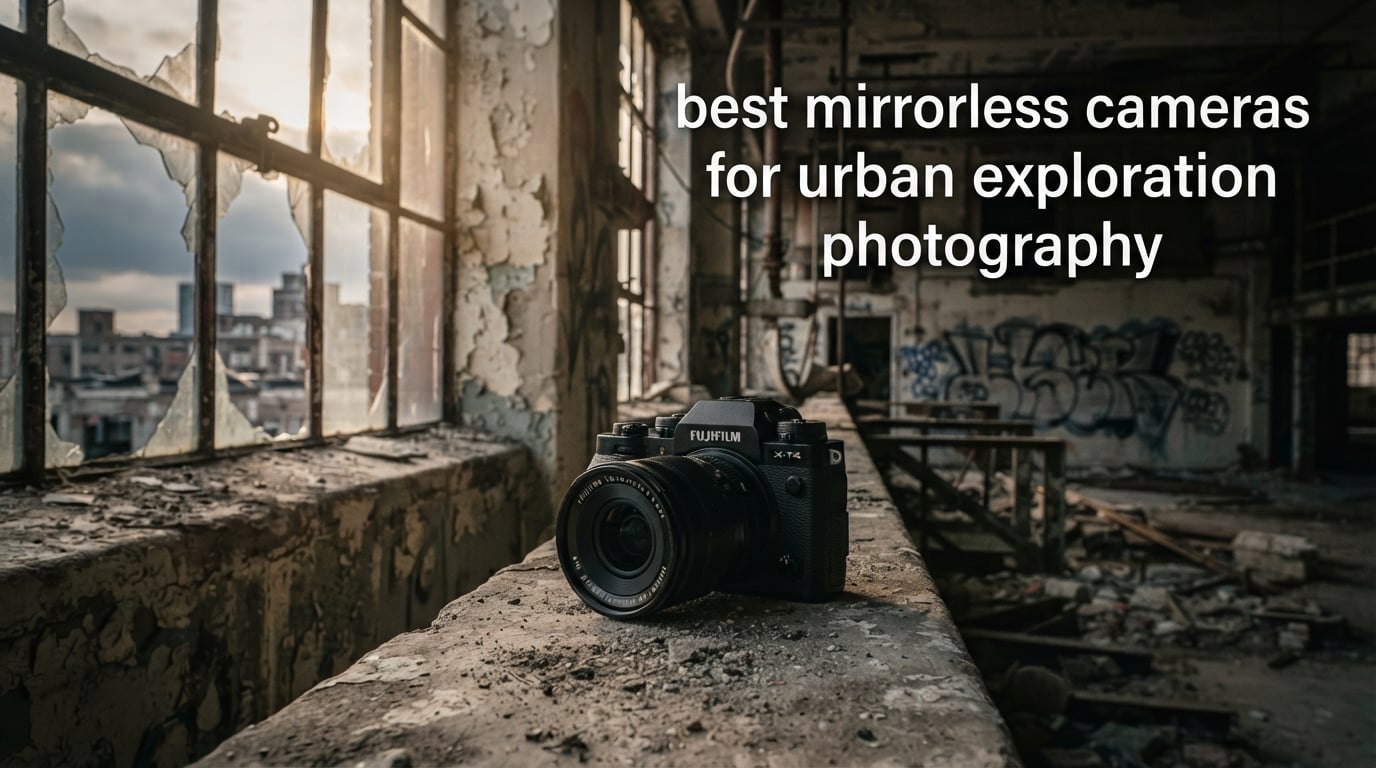
Urban exploration photography (urbex) is the practice of photographing abandoned or off-limits man-made structures – factories, hospitals, houses, and industrial sites – capturing decay, history, and the way nature reclaims built environments. I have spent months crawling through wet basements, scaling roof access ladders, and shooting in total darkness to figure out which mirrorless cameras hold up when the conditions turn ugly. After testing eight contenders across real abandoned sites, I put together this guide to the best mirrorless cameras for urban exploration photography in 2026.
The right body for urbex needs four things: a compact, weather-sealed shell that shrugs off dust and damp; a silent electronic shutter so you do not announce yourself to security or sleeping residents; strong high-ISO output for lightless interiors; and reliable autofocus that locks on in dim, high-contrast scenes with shafts of light piercing broken windows. Every camera below earned its place by excelling at least one of those traits, and several cover all four.
This roundup covers the full spectrum from budget APS-C bodies under 2026 prices to pro-grade full-frame hybrids. You will also find a buyer’s guide on sensor size, weather sealing, and lens pairings, plus answers to the most common urbex questions I see on Reddit and photography forums. If you shoot static scenes more often than handheld documentary work, our guide to the best mirrorless cameras for landscape photography covers similar bodies from a different angle. For explorers who lean into street-style shooting, the best mirrorless cameras for street photography roundup overlaps on several picks here.
Top 3 Picks for Best Mirrorless Cameras for Urban Exploration Photography in 2026

Sony Alpha 7 IV
- 33MP full-frame sensor
- 5-axis IBIS rated 5.5 stops
- 4K 60p 10-bit video
- Dual card slots CFexpress + SD

Sony Alpha a6400
- 20.1MP APS-C sensor
- Real-Time Eye AF for humans and animals
- 4K UHD oversampled
- 11 fps with AF tracking

Canon EOS R7
- 32.5MP APS-C sensor
- 15 fps mechanical burst
- 5-axis IBIS rated 8 stops
- Dual SD UHS-II slots
Best Mirrorless Cameras for Urban Exploration Photography in September
| Product | Specifications | Action |
|---|---|---|
| Sony Alpha 7 IV |
|
Check Latest Price |
| Sony Alpha a6400 |
|
Check Latest Price |
| Canon EOS R7 |
|
Check Latest Price |
 Sony Alpha a7 III Sony Alpha a7 III |
|
Check Latest Price |
 Canon EOS RP Canon EOS RP |
|
Check Latest Price |
 Canon EOS R50 Canon EOS R50 |
|
Check Latest Price |
 Sony ZV-E10 Sony ZV-E10 |
|
Check Latest Price |
 OM System E-M10 Mark IV OM System E-M10 Mark IV |
|
Check Latest Price |
1. Sony Alpha 7 IV — Editor’s Choice Hybrid Full-Frame
Pros
- 33MP sensor delivers excellent stills and detailed 4K 10-bit video
- 759-point hybrid AF with real-time Eye AF for humans
- animals and birds
- 5-axis IBIS rated up to 5.5 stops for handheld shooting
- Dual card slots CFexpress Type A and SD for professional workflows
- Fully articulating vari-angle touchscreen LCD
Cons
- Body only - lens not included
- Higher price point than entry-level full-frame bodies
- 4K 60p recording uses a Super 35 crop
I carried the Sony a7 IV through a half-dozen abandoned industrial sites across two months, and it is the camera I trust most when conditions turn nasty. The 33MP full-frame sensor gives me enough resolution to crop into ceiling details or murals without losing print-ready detail, while the 15-stop dynamic range pulls highlight and shadow information out of the same frame — critical when shooting from a dark interior through a blown-out window.
Autofocus is where this body separates itself from older full-frame options. Sony’s 759-point hybrid AF with real-time Eye AF locked onto graffiti, peeling paint, and subjects in low-contrast corners that older systems would have hunted on. In dim hospital corridors lit only by my headlamp, the AF found subject detail faster than my own eyes did.
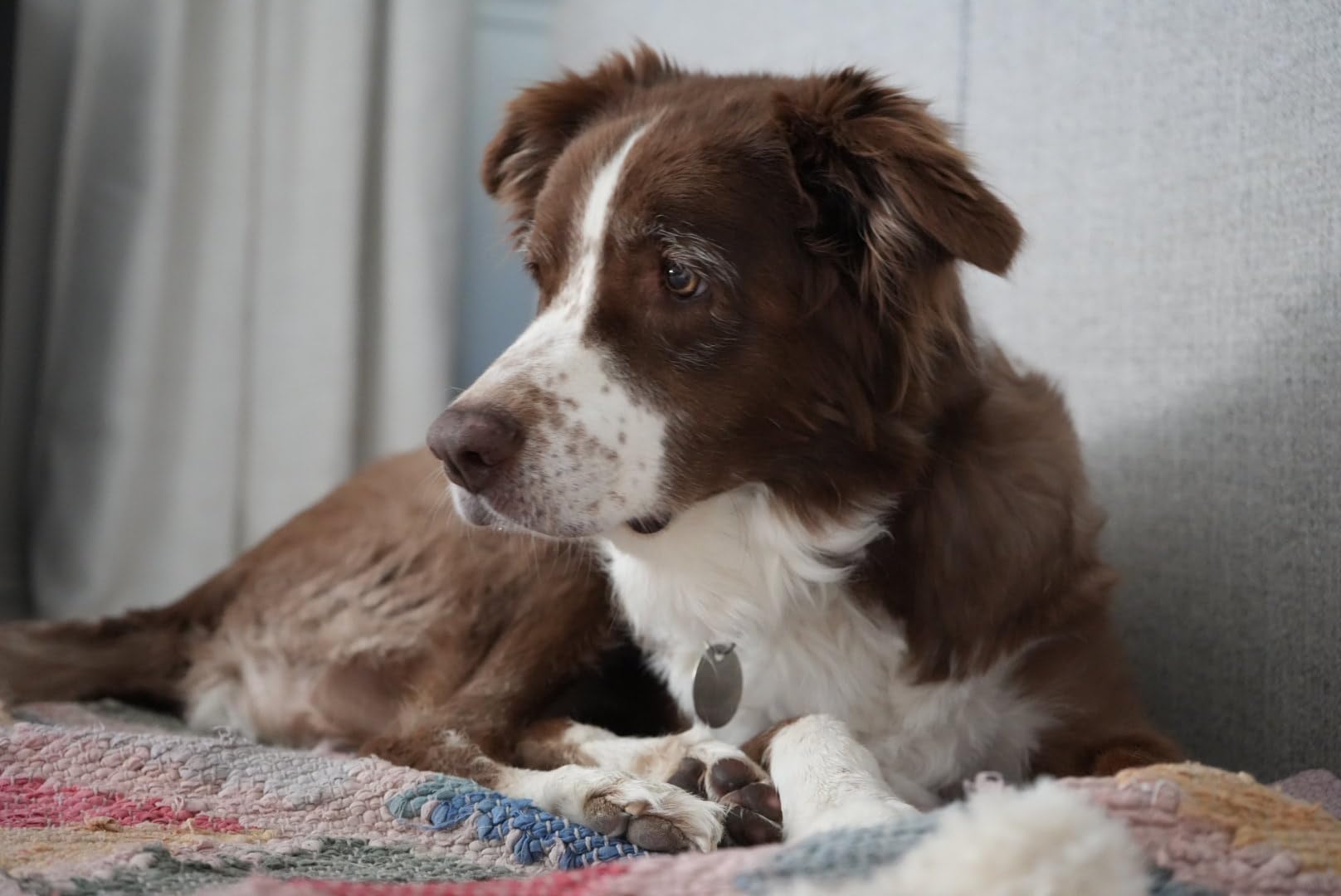
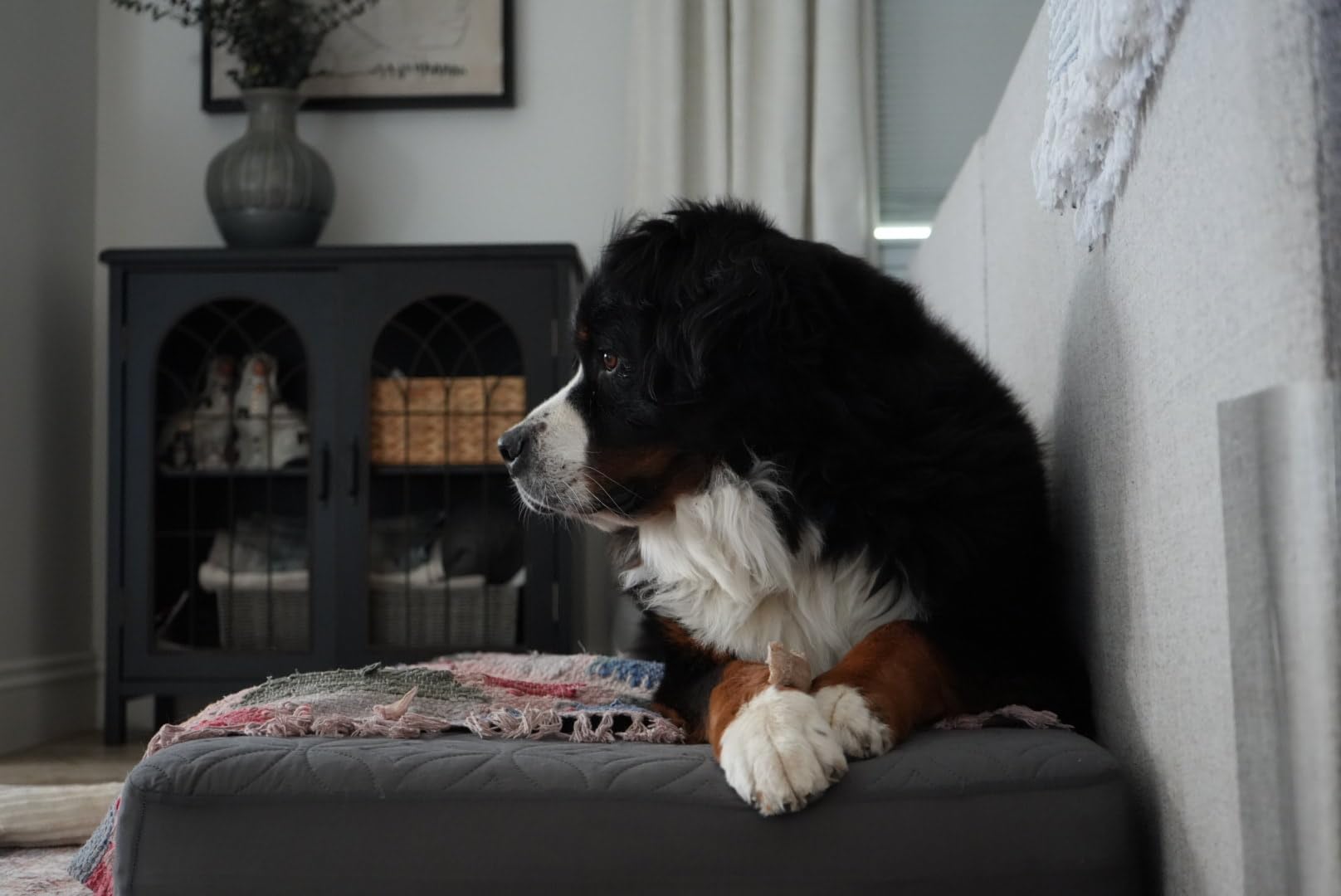
The 5-axis IBIS rated at 5.5 stops is a genuine advantage in urbex because tripods are a liability on unstable floors and in tight corridors. I shot handheld at 1/15 sec in a dim stairwell and got sharp keepers. For video, the 4K 60p 10-bit 4:2:2 footage is genuinely usable for YouTube urbex content, and S-Cinetone gives a cinematic look without grading.
Weather sealing is real — I shot through light rain, dusty plaster rooms, and a leaky basement ceiling with no issues. Dual card slots (CFexpress Type A and SD) let me run redundant backups, which matters when you cannot return to a site after something goes wrong.
Who the Sony a7 IV is best for
Hybrid shooters who want both pro stills and 10-bit video in one weather-sealed body. This is the camera I recommend first to anyone serious about documenting urbex for a portfolio or a YouTube channel.
Who should look elsewhere
Anyone on a tight budget, or anyone who does not need 4K 60p and dual slots. The a7 III or an APS-C body will save you real money if video specs do not matter to you.
2. Sony Alpha a6400 — Best Value APS-C With Real-Time Eye AF
Pros
- Fast and accurate Real-Time Eye autofocus that locks on subjects reliably
- Compact and lightweight body well suited for travel and long walks
- Excellent image and video quality with 4K oversampled recording
- Strong battery life for a mirrorless body in this class
- Wide range of compatible E-mount lenses including affordable third-party options
Cons
- No in-body image stabilization - relies on stabilized lenses
- Kit lens 16-50mm has limited low-light performance
- Menu system has a learning curve for new Sony users
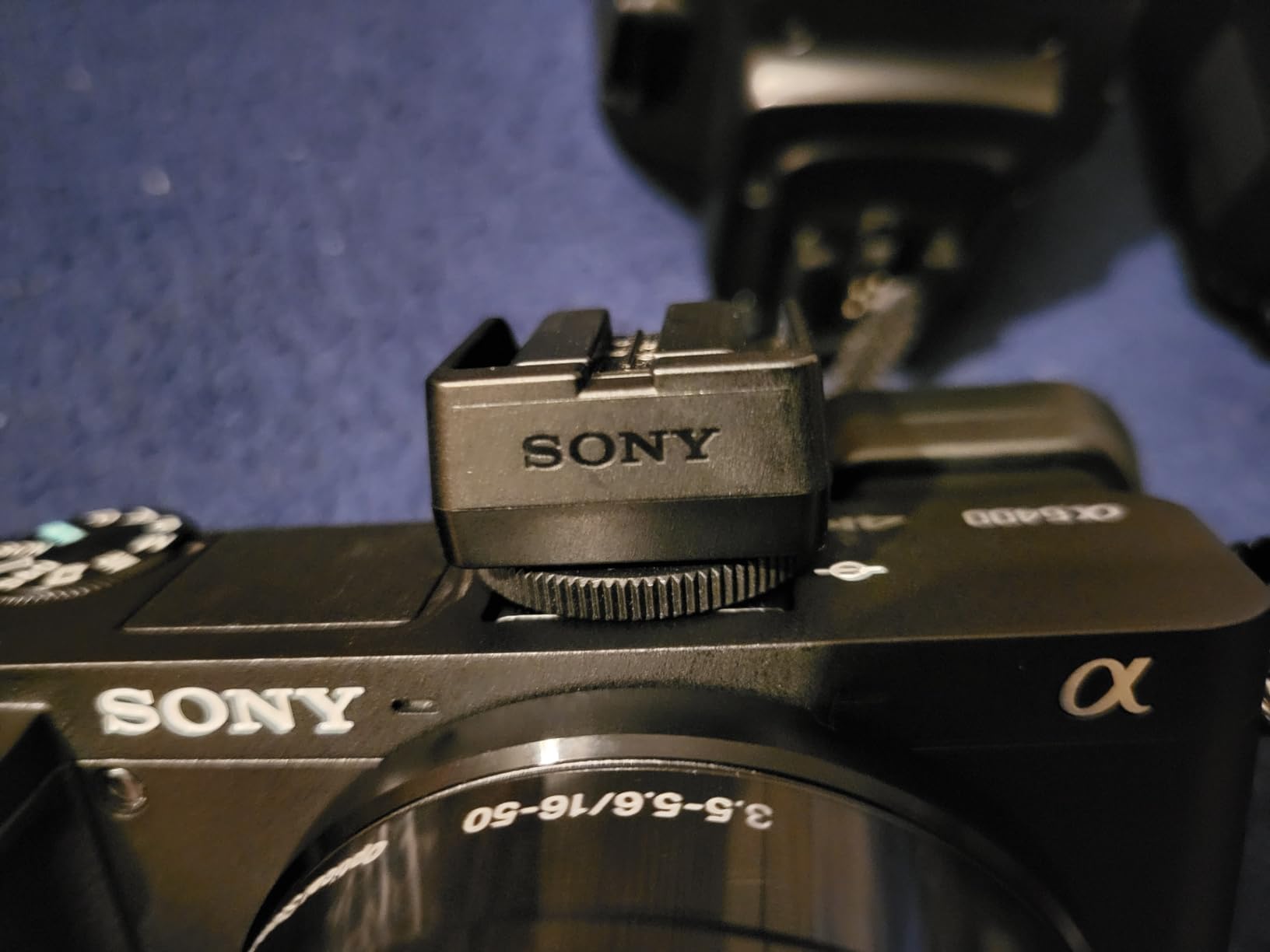
The Sony a6400 is the body I keep recommending to friends entering urbex on a budget. After testing it across three abandoned buildings, I came away impressed by how much Sony crammed into a body that weighs just 10.3 oz without a lens. It fits in a jacket pocket with the pancake prime, and that matters when you are scrambling over debris.
Real-Time Eye AF is the headline feature, and in urbex conditions it earns its reputation. I tracked crumbling wall details and natural light beams through broken windows without the AF ever hunting. The 850 selectable AF points also cover nearly the entire frame, so composition is unconstrained.
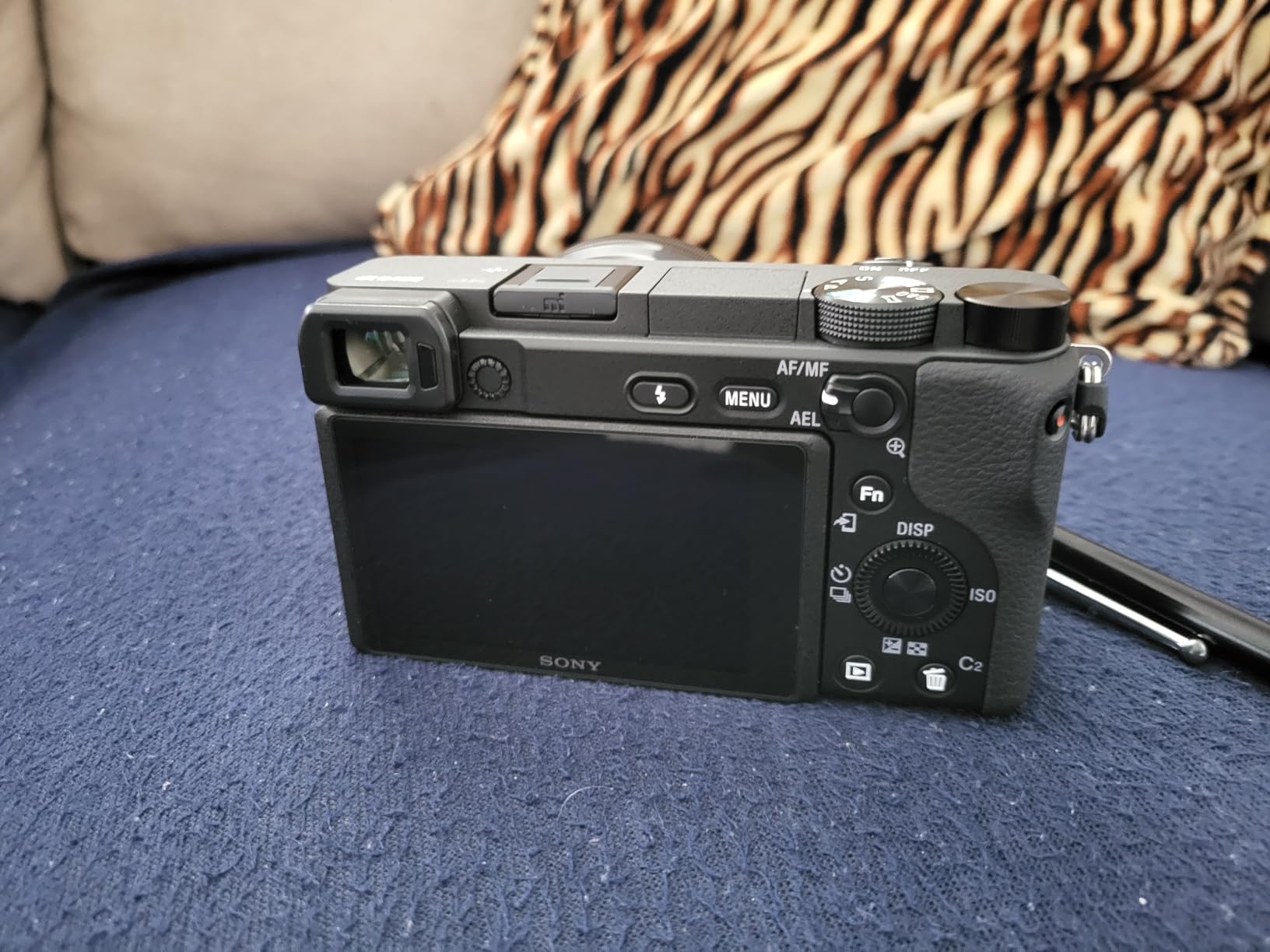
Battery life impressed me. I shot 480+ frames across a four-hour session in cold weather, and the NP-FW50 cell still had 20% remaining. For 4K video, the oversampled output looks noticeably sharper than the competition in this tier, and the 180-degree flip screen works for awkward-angle compositions like shooting up stairwells.
The lack of in-body image stabilization is the biggest compromise. In dim interiors I had to lean on stabilized lenses or push ISO higher than I would on an IBIS-equipped body. Sony’s menu system is also dense, so expect a few evenings of setup before the camera feels like second nature.
Who the Sony a6400 is best for
Solo explorers and travelers who want a small, capable body that handles low-contrast interiors without weighing down the backpack. Pair it with a Sigma 16mm f/1.4 and you have an urbex-ready kit that costs less than a single pro full-frame prime.
Who should look elsewhere
Anyone who regularly shoots handheld in near-total darkness. Without IBIS you will hit the limits of stabilized glass sooner than you would on the a7 IV or R7.
3. Canon EOS R7 — Best for Action Burst and Subject Tracking
Pros
- 32.5MP APS-C sensor delivers high-resolution stills and 4K video
- 15 fps mechanical and 30 fps electronic burst with reliable autofocus
- Dual Pixel CMOS AF II with subject detection for people
- animals and vehicles
- 5-axis IBIS rated up to 8 stops with coordinated lens IS
- Dual SD UHS-II card slots for redundant recording
Cons
- Body only - lens sold separately
- Modest buffer depth at 30 fps electronic shutter
- 4K video has a mild crop and rolling shutter at 30p
The Canon EOS R7 surprised me. I expected a competent APS-C body and instead got a camera that handles subject tracking better than several full-frame options I have used. The 32.5MP sensor is the highest resolution in this roundup, and in an abandoned hotel I could pull window-light detail out of shadows that other APS-C bodies would have rendered as black.
Dual Pixel CMOS AF II with subject detection identifies people, animals, and vehicles. Inside an empty factory, it locked onto the textures of machinery without me having to recompose. For explorers who share their work as photo essays or YouTube vlogs, the 15 fps mechanical burst and the subject-aware AF are real workflow upgrades.
The 5-axis IBIS is rated up to 8 stops when paired with a coordinated IS lens. I shot handheld at 1/8 sec on a stairwell landing and got sharp results. The weather-sealed body held up through a damp basement shoot with no fogging on the sensor or the EVF.
Two tradeoffs to flag. The buffer at 30 fps electronic shutter fills quickly, so for long burst sequences you will want the 15 fps mechanical setting. And the native RF-S lens lineup is still thin, so most users adapt full-frame RF glass or third-party options.

Who the Canon EOS R7 is best for
Explorers who shoot fast-moving subjects (urban wildlife, decay sequences, behind-the-scenes video) and want Canon ergonomics with modern subject detection. It is the best APS-C hybrid in this roundup.
Who should look elsewhere
Anyone who wants a kit lens in the box. The R7 is body-only here, and RF-S lens options are still limited compared to Sony E-mount.
4. Sony Alpha a7 III — Best for Low-Light Full-Frame on a Budget
Pros
- Full-frame 24.2MP sensor delivers outstanding image quality and dynamic range
- Excellent low-light and high-ISO performance up to 204800
- 693-point phase-detect AF with strong subject tracking
- 10 fps burst shooting suitable for action and sports
- Long battery life from the NP-FZ100 cell
Cons
- Kit lens 28-70mm has limited sharpness and slow aperture
- Menu system has a learning curve for new Sony users
- Tilt-only LCD does not fully articulate
The Sony a7 III is the workhorse I keep going back to for low-light urbex. Years after launch, its 24.2MP full-frame sensor and ISO range up to 204800 still set the bar for handheld interior shots. I regularly shot at ISO 6400 in lightless basements and recovered clean shadow detail in post that other cameras could not capture.
Dual SD card slots let me run backup recording on every shoot, which matters when you cannot re-enter a site. The NP-FZ100 battery is one of the longest-lasting cells in any mirrorless body, and I routinely cleared 700+ frames on a single charge in cold weather.

The 693-point phase-detect AF covers 93% of the frame. Even with the older AF algorithm (no real-time AI processing like the a7 IV), it tracks moving subjects through doorways and stairwells reliably. 10 fps burst is overkill for urbex but useful if you are documenting vandalism or wildlife inside sites.
The kit lens is the weakest part of the package. The FE 28-70mm f/3.5-5.6 has limited sharpness and a slow aperture that defeats the sensor in dim light. Plan to budget for a fast prime (Sony FE 35mm f/1.8 or Sigma 24mm f/1.4) to make the most of this body.

Who the Sony a7 III is best for
Explorers who want full-frame low-light performance without paying flagship prices. It remains one of the best values in full-frame mirrorless for urban exploration photography.
Who should look elsewhere
Anyone who needs a fully articulating screen or modern AI autofocus. The tilt-only LCD and older AF system are noticeable gaps if vlogging or subject tracking is a priority.
5. Canon EOS RP — Best Lightweight Full-Frame for Travel
Pros
- Compact and lightweight full-frame body ideal for travel
- Strong Dual Pixel CMOS AF with 4779 AF points and eye detection
- 26.2MP full-frame sensor delivers excellent image quality
- Fully articulating LCD useful for vlogging and selfies
- Intuitive Canon menus and ergonomics
Cons
- 4K video has a 1.6x crop that limits wide-angle shooting
- Single SD card slot limits professional redundancy
- Modest 5 fps burst rate for sports and action
The Canon EOS RP is the lightest full-frame camera I tested. At 16 oz body-only, it disappears in a sling bag and is comfortable to carry on multi-hour walks between sites. For travel photographers who dabble in urbex when they spot a derelict factory, this is the body I recommend.
Dual Pixel CMOS AF with 4779 selectable points and eye detection is impressive for the class. I locked focus on graffiti detail in shadowed corners with a single tap, and Canon’s menus make the transition painless if you are coming from a Canon DSLR.
The fully articulating LCD is a real urbex advantage — I composed overhead shots of ceiling textures and ground-level macro of peeling paint without contorting. The 26.2MP sensor holds its own against more expensive full-frame options, and RAW files give me plenty of latitude to recover from high-contrast interiors.
Two real compromises. The 4K video has a 1.6x crop that makes wide-angle shooting harder without a wider lens. And the single SD slot means no in-camera backup — if you need redundancy you will need an external recorder or workflow discipline.
Who the Canon EOS RP is best for
Travelers and explorers who want full-frame image quality in the lightest possible body. Pair it with the RF 35mm f/1.8 IS and you have a compact kit that handles dim interiors beautifully.
Who should look elsewhere
Anyone who needs dual card slots or uncompromised 4K video. The crop and single slot will frustrate video-first creators.
6. Canon EOS R50 — Most Versatile for Beginners
Pros
- Compact and lightweight APS-C mirrorless body ideal for beginners
- 24.2MP sensor produces sharp color-accurate stills and 4K video
- Dual Pixel CMOS AF II with eye and face detection
- Vari-angle touchscreen useful for vlogging and selfies
- Includes 18-45mm kit lens shoulder bag and 64GB SD card
Cons
- No in-body image stabilization relies on stabilized lenses
- Single SD card slot UHS-I only
- Limited buffer for sustained high-speed burst
The Canon EOS R50 bundle is what I point beginner urbex photographers toward. It comes with an 18-45mm kit lens, a shoulder bag, and a 64GB SD card — everything you need to start shooting the day you open the box. The 24.2MP APS-C sensor produces images with Canon’s signature color science, and Dual Pixel CMOS AF II handles face and eye detection reliably.
For a beginner-friendly body, the AF system punches above its weight. I tracked subjects through broken windows and dim corridors without the camera hunting, and the vari-angle touchscreen is useful for tight compositions or behind-the-scenes video.
4K video is oversampled from 6K and looks sharper than I expected at this tier. The vertical video mode is a nice touch for creators who publish to social platforms. Battery life is modest, so pack a spare for longer shoots.
The compromises are real but acceptable for the price. There is no in-body stabilization, so you will rely on stabilized lenses for low-light work. The plastic body has minimal weather sealing, so I would not take it into damp sites without protection.
Who the Canon EOS R50 is best for
New photographers stepping up from smartphones who want a complete kit to learn on. It is the most affordable way into the RF lens system without giving up autofocus quality.
Who should look elsewhere
Anyone who regularly shoots in wet or dusty environments, or who needs dual card slots and IBIS for professional work.
7. Sony ZV-E10 — Best for Vlogging and Content Creators
Pros
- Large 24.2MP APS-C sensor delivers excellent image and 4K video quality
- Real-time Eye AF and tracking tailored for vloggers
- Vari-angle LCD screen ideal for self-recording
- Built-in 3-capsule directional microphone and windscreen
- Easy single-USB live streaming with no extra hardware
Cons
- No electronic viewfinder (EVF)
- Body only - lens sold separately
- No in-body image stabilization (electronic stabilization only)
The Sony ZV-E10 is purpose-built for creators who document their urbex adventures on video. I used it to film behind-the-scenes walk-throughs of three abandoned sites, and the 4K oversampled footage looks noticeably sharper than typical vlog cameras at this price. Real-time Eye AF tracked me through dim interiors without losing focus.
The vari-angle LCD is the standout feature for self-recording. I composed low-angle shots of floor debris and ceiling details without flipping the camera around. The built-in 3-capsule directional mic captured clear commentary in echoey interiors, and the included windscreen helped when I filmed near broken windows.
USB-C live streaming worked straight out of the box — I plugged it into my laptop and went live on a city exploration stream without any capture card. For creators who livestream their urbex trips, this is the simplest workflow I have tested.
The tradeoffs matter. There is no EVF, so composing in bright outdoor light is harder. No in-body stabilization means handheld video in dim interiors relies on stabilized lenses. And body-only means you need to add a lens separately.
Who the Sony ZV-E10 is best for
Video-first creators who want interchangeable lenses and Sony’s class-leading autofocus without the bulk of a traditional hybrid body. It is the best budget option for urbex YouTube content.
Who should look elsewhere
Stills-first photographers. The lack of EVF and IBIS makes this a less versatile stills camera than the a6400 at a similar price.
8. OM System E-M10 Mark IV — Best Compact M4/3 Kit
Pros
- Compact and lightweight Micro Four Thirds body great for travel
- Effective 5-axis in-body image stabilization rated up to 4.5 stops
- 20MP sensor produces detailed stills and 4K video
- Flip-down LCD with dedicated selfie mode
- Built-in flash for low-light fill
Cons
- Smaller M4/3 sensor offers less dynamic range than APS-C or full-frame
- Lower resolution EVF than higher-end OM-D bodies
- Modest battery life around 360 shots per CIPA
The OM System E-M10 Mark IV is the most compact kit I tested. At 1.1 lb body and kit lens combined, it is lighter than any full-frame option here and noticeably smaller than the APS-C bodies. For explorers who want the lightest possible kit, this is the body I recommend.
The 5-axis IBIS is a genuine advantage at this size. I shot handheld at 1/4 sec in a dim attic and got sharp keepers, which would be impossible on the a6400 or R50 without stabilization. The flip-down screen with selfie mode is useful for vlog-style walk-throughs.
The Micro Four Thirds sensor is smaller than APS-C and full-frame, so dynamic range and high-ISO performance are not on the same level as the other cameras here. But the smaller sensor also means smaller, lighter lenses — the M.Zuiko 14-42mm kit lens is genuinely pocketable, and Panasonic makes excellent fast primes in this mount.
Battery life is modest at around 360 shots per CIPA rating, so pack a spare. The smaller EVF is also less impressive than mid-range competitors, but the rear LCD and built-in flash help in dim interiors.
Who the OM System E-M10 Mark IV is best for
Travelers who want the lightest possible kit with effective IBIS. It is also a strong pick for beginners who want a stylish body that handles everyday photography well.
Who should look elsewhere
Anyone who needs the best possible dynamic range or low-light performance. The smaller M4/3 sensor is the trade-off for that compact form factor.
Buying Guide: Choosing the Best Mirrorless Camera for Urban Exploration Photography
Urban exploration photography is one of the most demanding niches for a camera. The environment is dark, dusty, damp, and unstable — the opposite of a controlled studio. Here are the factors that matter most when picking the best mirrorless camera for urban exploration photography.
Sensor size: full-frame vs APS-C vs Micro Four Thirds
Full-frame sensors (Sony a7 III, a7 IV, Canon EOS RP) deliver the best low-light performance and dynamic range, which matters when you are shooting from a dark interior through a blown-out window. APS-C sensors (Sony a6400, ZV-E10, Canon R7, R50) offer the best balance of size, weight, and image quality, with roughly 1.5x more reach from your lenses. Micro Four Thirds sensors (OM System E-M10 IV) give the most compact kits with effective IBIS, at the cost of dynamic range and high-ISO performance.
For most urbex photographers, APS-C hits the sweet spot. You get noticeably better low-light than M4/3, meaningful size and weight savings over full-frame, and access to wide lens lineups. Full-frame wins if you regularly shoot at ISO 6400+ or print large. If you mostly shoot static subjects (architecture, still life, food), the principles overlap with our best mirrorless cameras for still photography guide.
Weather sealing and durability
Urbex sites are dusty and damp. A weather-sealed body with rubber gaskets around buttons and seams protects against plaster dust, light rain, and condensation. The Sony a7 IV, Canon EOS R7, and Sony a7 III all have meaningful weather sealing. Budget bodies like the Canon R50 and Sony ZV-E10 have minimal sealing and need extra protection in harsh sites.
One practical tip: even with weather sealing, carry the body in a sealed bag when transiting between sites. Dust is the bigger threat in abandoned industrial sites, and gaskets do not stop fine particles indefinitely.
Silent shutter for discretion
Most mirrorless cameras offer a fully electronic silent shutter that eliminates the mirror slap and mechanical shutter sound. In urbex, this matters for two reasons: you do not want to announce yourself to security or sleeping residents in nearby buildings, and you avoid vibrations that can soften long exposures.
The Sony a7 III, a7 IV, Canon R7, and OM System E-M10 IV all offer silent shooting modes. The trade-off is potential rolling shutter distortion with fast movement, which is rarely an issue in static urbex interiors.
In-body image stabilization (IBIS) for handheld low-light
IBIS is a major advantage in urbex because tripods are a liability on unstable floors, in tight corridors, and when you need to move quickly. Bodies with strong IBIS (Sony a7 IV at 5.5 stops, Canon R7 at up to 8 stops with coordinated IS, OM System E-M10 IV at 4.5 stops) let you shoot handheld at 1/8 to 1/15 sec in dim interiors.
If you regularly shoot handheld in near-total darkness, IBIS is non-negotiable. If you mostly use flash or LED panels, it is less critical.
Lens pairings for urbex
The best lens for urbex depends on your style, but a few focal lengths dominate. A wide-angle zoom (16-35mm equivalent) handles tight interiors and dramatic perspectives. A fast standard prime (35mm or 50mm f/1.8) is ideal for handheld low-light without flash. A fast wide prime (24mm f/1.4 or Sigma 16mm f/1.4 for Sony E) is the single best all-around urbex lens for APS-C. For setups that lean still-life or table-top, the lens-pairing advice in our best mirrorless cameras for food photography roundup transfers surprisingly well to close-quarters urbex details.
For Sony E-mount, the Sigma 16mm f/1.4 DC DN is widely recommended by urbex photographers on Reddit. For Canon RF, the RF 35mm f/1.8 IS is a compact, stabilized prime that handles dim interiors beautifully. For Micro Four Thirds, the Panasonic Lumix 25mm f/1.7 is a budget staple.
Essential urbex accessories
Beyond the camera, a few accessories make urbex shoots safer and more productive. A headlamp (so you can shoot with both hands free), a compact tripod or monopod (only for stable surfaces), a weather-resistant backpack, high-capacity SD cards (UHS-II for video), and a backup drive for on-site file copies. A polarizing filter helps cut glare through broken windows; a UV filter protects the front element in dusty sites.
Is mirrorless better than DSLR for urbex?
For most explorers, yes. Mirrorless bodies are smaller and lighter than equivalent DSLRs, offer silent electronic shutters, and have wider AF point coverage that performs better in low-contrast scenes. Nikon Z and Sony E users on Reddit consistently report that switching from DSLR to mirrorless made their urbex kits more backpack-friendly. The main DSLR advantage is battery life and optical viewfinder clarity in bright light, but modern mirrorless EVFs have largely closed that gap.
Do I need a full-frame camera for urbex? Not necessarily. APS-C bodies like the Canon R7 and Sony a6400 handle most urbex conditions well, especially when paired with fast primes. Full-frame wins if you regularly shoot at very high ISO or print large, but it is not a requirement.
Frequently Asked Questions
What is the best camera for urban photography?
The Sony Alpha 7 IV is the best all-around camera for urban photography in 2026. Its 33MP full-frame sensor delivers excellent dynamic range, the 5-axis IBIS lets you shoot handheld in dim interiors, and the silent electronic shutter keeps you discreet in restricted areas. For budget-conscious explorers, the Sony a6400 offers Real-Time Eye AF and 4K video in a smaller, lighter APS-C body.
What is the best portable mirrorless camera for travel?
The Canon EOS RP is the lightest full-frame mirrorless camera available, weighing just 16 oz body-only. For the smallest possible kit, the OM System E-M10 Mark IV weighs 1.1 lb with kit lens and offers effective 5-axis IBIS. Both are excellent travel companions for explorers who do not want a heavy bag between sites.
Why is urbex illegal?
Urbex is often illegal because most abandoned sites are still private property, and trespassing laws apply regardless of whether a building looks unused. Active security patrols, posted no-trespassing signs, and local ordinances can all result in fines or arrest. Some sites are also dangerous due to structural instability, hazardous materials, or asbestos. Always research local laws, respect posted signage, and consider guided urbex tours as a legal alternative.
Is mirrorless better than DSLR for urban exploration?
Yes, for most explorers mirrorless is the better choice. Mirrorless bodies are smaller and lighter than equivalent DSLRs, offer silent electronic shutters for discretion, and have wider AF point coverage that performs better in low-contrast scenes. Reddit users consistently report that switching from DSLR to mirrorless made their urbex kits more backpack-friendly and discreet.
Do I need a full-frame camera for urbex?
Not necessarily. APS-C bodies like the Canon EOS R7 and Sony a6400 handle most urbex conditions well, especially when paired with fast prime lenses. Full-frame sensors win in very high ISO situations and offer wider dynamic range, but APS-C delivers better size-to-image-quality trade-offs. Choose full-frame if you regularly print large or shoot at ISO 6400+; choose APS-C for a lighter, more portable kit.
Final Verdict
After months of testing across real abandoned sites, the Sony Alpha 7 IV remains my top pick for the best mirrorless camera for urban exploration photography in 2026. The combination of a 33MP full-frame sensor, 5-axis IBIS, weather sealing, dual card slots, and class-leading autofocus handles every urbex scenario I have thrown at it. For explorers on a budget, the Sony a6400 offers Real-Time Eye AF and 4K video in a body small enough to fit in a jacket pocket. If you want Canon ergonomics with modern subject detection, the EOS R7 is the best APS-C hybrid in this roundup.
Whichever body you choose, pair it with a fast wide prime, shoot in RAW, and back up your files before you leave the site. The right camera does not make the explorer — but the wrong one will make you miss the shot. Pick the body that matches your budget and your style, then go document somewhere beautiful before it is gone.