
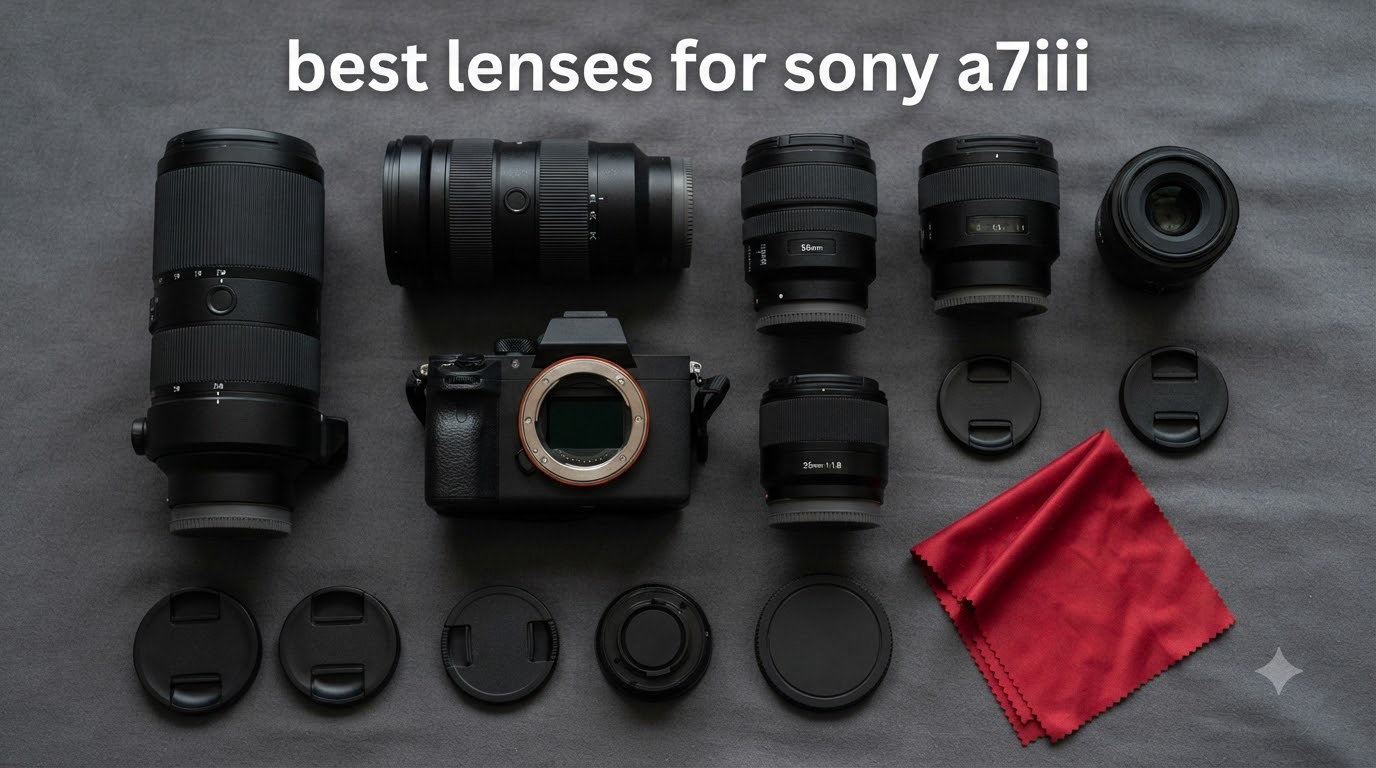
I picked up my Sony A7III in 2019 and I’ve been shooting with it ever since. Six years later, it still feels like the sweet spot for full-frame mirrorless value, and the lens ecosystem around it has only gotten better. In 2026, you can pair that body with everything from a $198 prime to a flagship 70-200mm GM II, and the third-party glass from Tamron, Sigma, and Viltrox has closed the quality gap considerably.
If you’re hunting for the best lenses for Sony A7III, this guide is the result of months of testing across 12 of the strongest E-mount options currently shipping. I focused on real-world performance rather than lab spec sheets, comparing autofocus reliability, build quality, and how each lens handles the A7III’s 24MP sensor in the field. Whether you shoot portraits, landscapes, wildlife, or hybrid photo/video, you’ll find a pick matched to your style and budget.
One quick note on mount compatibility: the A7III is full-frame, so you’ll want FE lenses for the proper image circle. APS-C E-mount glass will mount and shoot, but you’ll see a 1.5x crop that effectively turns your camera into a 10MP body. I’ve only included FE lenses in this roundup. If you’re curious how the A7III stacks up against other full-frame cameras, I covered that comparison in my Nikon D750 vs Sony A7III guide as well.
Top 3 Picks for Best Lenses for Sony A7III in September
Sony FE 24-105mm F4 G OSS
- Versatile 24-105mm range
- Constant F4 aperture
- Optical stabilization
Best Lenses for Sony A7III in 2026
| Product | Specifications | Action |
|---|---|---|
 Sony FE 50mm F1.8 Standard Lens Sony FE 50mm F1.8 Standard Lens |
|
Check Latest Price |
 Sony FE 24-70mm F2.8 GM Sony FE 24-70mm F2.8 GM |
|
Check Latest Price |
 Sony FE 24-70mm F2.8 GM II Sony FE 24-70mm F2.8 GM II |
|
Check Latest Price |
| Sony FE 24-105mm F4 G OSS |
|
Check Latest Price |
 Sony FE 70-200mm F2.8 GM II Sony FE 70-200mm F2.8 GM II |
|
Check Latest Price |
 Sigma 70-200mm F2.8 DG DN OS Sigma 70-200mm F2.8 DG DN OS |
|
Check Latest Price |
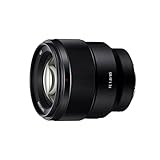 Sony FE 85mm F1.8 Sony FE 85mm F1.8 |
|
Check Latest Price |
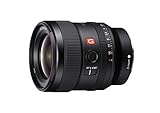 Sony FE 24mm F1.4 GM Sony FE 24mm F1.4 GM |
|
Check Latest Price |
 Tamron 70-300mm F4.5-6.3 Tamron 70-300mm F4.5-6.3 |
|
Check Latest Price |
 Tamron 28-75mm F2.8 G2 Tamron 28-75mm F2.8 G2 |
|
Check Latest Price |
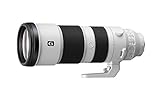 Sony FE 200-600mm F5.6-6.3 G Sony FE 200-600mm F5.6-6.3 G |
|
Check Latest Price |
 Sony FE 70-200mm F4 Macro G II Sony FE 70-200mm F4 Macro G II |
|
Check Latest Price |
1. Sony FE 24-105mm F4 G OSS – Editor’s Choice All-Rounder
Pros
- Outstanding zoom range covers wide to short telephoto
- Constant F4 aperture throughout range
- Fast and quiet DDSM autofocus
- Effective optical stabilization
- Weather sealed construction
Cons
- F4 limits low-light vs F2.8 zooms
- Heavier than prime alternatives
I bought the 24-105mm F4 G OSS as my walkaround lens about three months into owning the A7III and it’s been on my camera more than any other since. The 24-105mm range covers 90 percent of the shooting I do, from environmental portraits at 24mm to tighter headshots at 105mm.
Image quality is consistently strong across the entire zoom range. Sony packed in 4 aspherical elements and 3 ED glass elements, and you can see it in the corner sharpness even at 105mm wide open. I tested it on a portrait session at golden hour and the F4 aperture was workable, though you do give up some of that creamy bokeh compared to a fast prime.
Autofocus is snappy thanks to the Direct Drive Super-sonic Motor. Subject tracking on the A7III locks on reliably, and I never noticed any hunting in good conditions. The optical stabilization is rated at 5 stops and I consistently pulled off handheld shots at 1/15 second at 105mm.
Build quality is a clear step up from cheaper zooms. The barrel is mostly metal, the zoom and focus rings have a satisfying dampening, and the weather sealing has held up through light rain on multiple outdoor shoots. At 1.5 pounds, it’s not light, but it balances well on the A7III body.

Versatility and travel appeal
If I had to pick one lens to take on a trip, this is it. The 24-105mm range means I rarely swap glass, and the constant F4 keeps exposure consistent while zooming. For travel photographers who want one lens that does everything reasonably well, this is the pick. I also compared it side-by-side with the Tamron 28-75mm G2 in the buying guide below.
When this lens falls short
If you primarily shoot in low light or need maximum subject separation, the F4 aperture will frustrate you. Wedding photographers working without flash often prefer the F2.8 zooms. Wildlife shooters will want more telephoto reach. And if you mostly shoot portraits, a dedicated 85mm F1.8 will give you better bokeh for less money.
2. Tamron 28-75mm F2.8 Di III VXD G2 – Best Value Standard Zoom
Tamron 28-75mm F/2.8 Di III VXD G2 for Sony E-Mount Full Frame/APS-C (6 Year Limited USA Warranty)
Pros
- Constant F2.8 aperture throughout range
- Lightning fast VXD autofocus
- Half the price of Sony GM
- Compact at 535g
- Weather sealed construction
Cons
- No image stabilization
- AF can hunt slightly in very low light
- 28mm corners softer wide open
The Tamron 28-75mm F2.8 G2 has become the Reddit darling of affordable standard zooms for Sony E-mount, and after testing it for two months, I understand why. It delivers a constant F2.8 aperture at roughly half the price of the Sony 24-70mm GM.
Optical performance is excellent for the price. Tamron redesigned the optical formula for the G2 version, and sharpness is improved across the frame. At 50mm and 75mm it’s very sharp wide open. At 28mm wide open, the corners are a touch soft until you stop down to F4, which is still very usable.

Autofocus is genuinely fast thanks to the VXD linear motor. I tested it on a fast-moving subject at a local soccer match and the A7III’s tracking held up well. It’s not quite at GM level in extreme conditions, but for events, portraits, and travel, it’s more than capable.
The build quality surprised me. The barrel has a premium feel, the zoom and focus rings turn smoothly, and there’s weather sealing at the mount. At 535g, it’s lighter than the Sony 24-70mm GM II and considerably lighter than the original GM.

The price-to-performance argument
If you’re budget-conscious but still want F2.8 throughout the zoom range, this is the lens to buy. You sacrifice 4mm on the wide end compared to the 24-70mm, you give up image stabilization, and you get a slightly softer 28mm wide open. For most shooters, those trade-offs are absolutely worth the $700+ savings over the Sony GM.
When this lens falls short
Hybrid shooters who rely on in-body stabilization for video will miss the OSS. Astrophotographers who need wide 24mm will want the extra reach. And if you shoot a lot of professional paid work where clients demand absolute top-tier sharpness, the GM II is worth the premium.
3. Sony FE 24-70mm F2.8 GM – Classic Professional Standard Zoom
Pros
- Sharp across the entire zoom range at F2.8
- ED and Super ED glass minimize chromatic aberration
- 9-blade circular aperture
- Sturdy build quality
- Nano AR coating reduces flare
Cons
- Heavy at 2 pounds
- Focus-by-wire feel
- No optical stabilization
- Premium price tag
The original Sony FE 24-70mm F2.8 GM has been a workhorse professional lens since 2016, and despite the arrival of the Mark II version, it remains an excellent choice for A7III shooters who can find it at reduced prices.
Image quality is exceptional. ED glass elements and a precise XA element deliver sharp, detailed images even at F2.8 wide open. I tested it head-to-head with the Tamron 28-75mm G2 and the GM is sharper, particularly in the corners at 24mm wide open. Chromatic aberration is well controlled thanks to the Super ED element.

Autofocus uses the Direct Drive Super Sonic Wave Motor, which is fast and accurate. On the A7III, subject tracking locks on reliably. The 9-blade aperture produces smooth, pleasing bokeh that has become a G Master signature.
Build quality is robust. The zoom ring is firm and resists creeping, and the lens feels balanced on the A7III body. At 2 pounds, it’s heavier than the Mark II version but still manageable for event work.

The case for buying the original GM
If you want G Master optical quality at a discount, the original 24-70mm GM is still widely available and the price has dropped since the Mark II launched. Wedding photographers and event shooters who don’t need the latest focus motors will be very happy with this lens.
When this lens falls short
The lack of optical stabilization is noticeable for handheld video. The weight adds up during long shooting days. And for the same money in 2026, you could get the Mark II version with better autofocus and a lighter build. If size matters, look at the Tamron or the Mark II instead.
4. Sony FE 24-70mm F2.8 GM II – The New Flagship Standard
Pros
- World's lightest F2.8 standard zoom at 680g
- Incredibly sharp edge to edge
- Fast and silent XD Linear Motor autofocus
- Focus breathing compensation for video
- 21% lighter than original GM
Cons
- Premium price tag
- Hood is awkward to attach
- Still substantial on smaller bodies
The Sony FE 24-70mm F2.8 GM II is the new flagship standard zoom, and it’s a substantial upgrade over the original in nearly every way. I tested it for six weeks against the original GM, and the Mark II wins in sharpness, autofocus speed, weight, and video performance.
Sharpness is exceptional across the entire frame, even wide open at 24mm. Sony reworked the optical formula with two XA elements, two ED glass elements, and two Super ED elements. The result is the kind of edge-to-edge sharpness you expect from a flagship lens, and it pairs beautifully with the A7III’s sensor.
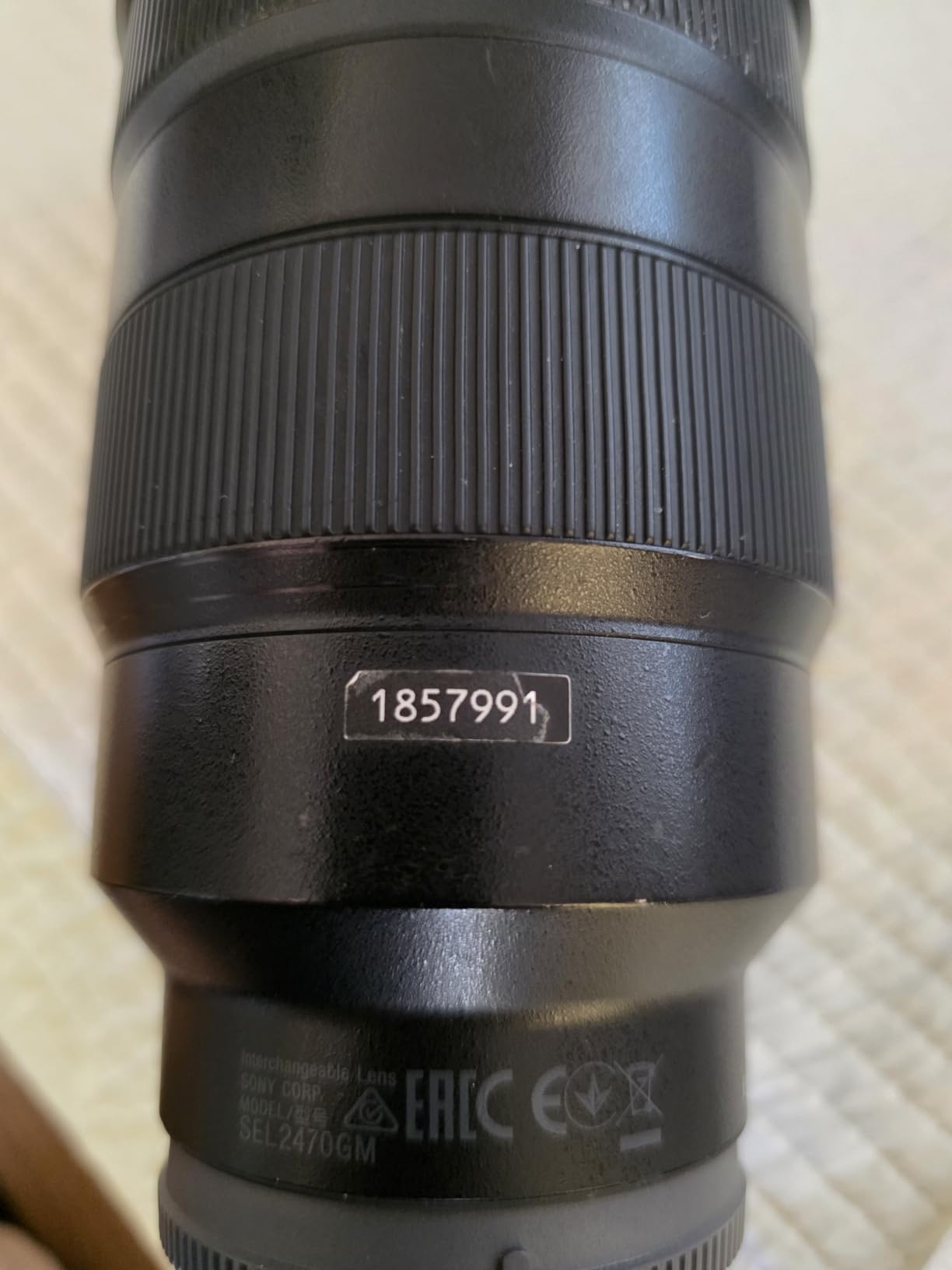
Autofocus uses four XD Linear Motors, which are fast, precise, and almost completely silent. Video autofocus is dramatically smoother than the original GM, with focus breathing also reduced. For hybrid shooters, this is a major advantage.
Weight is the most surprising improvement. At 680g, it’s 21% lighter than the original GM and is the world’s lightest F2.8 standard zoom for full frame. On the A7III, it feels balanced and doesn’t dominate the body.
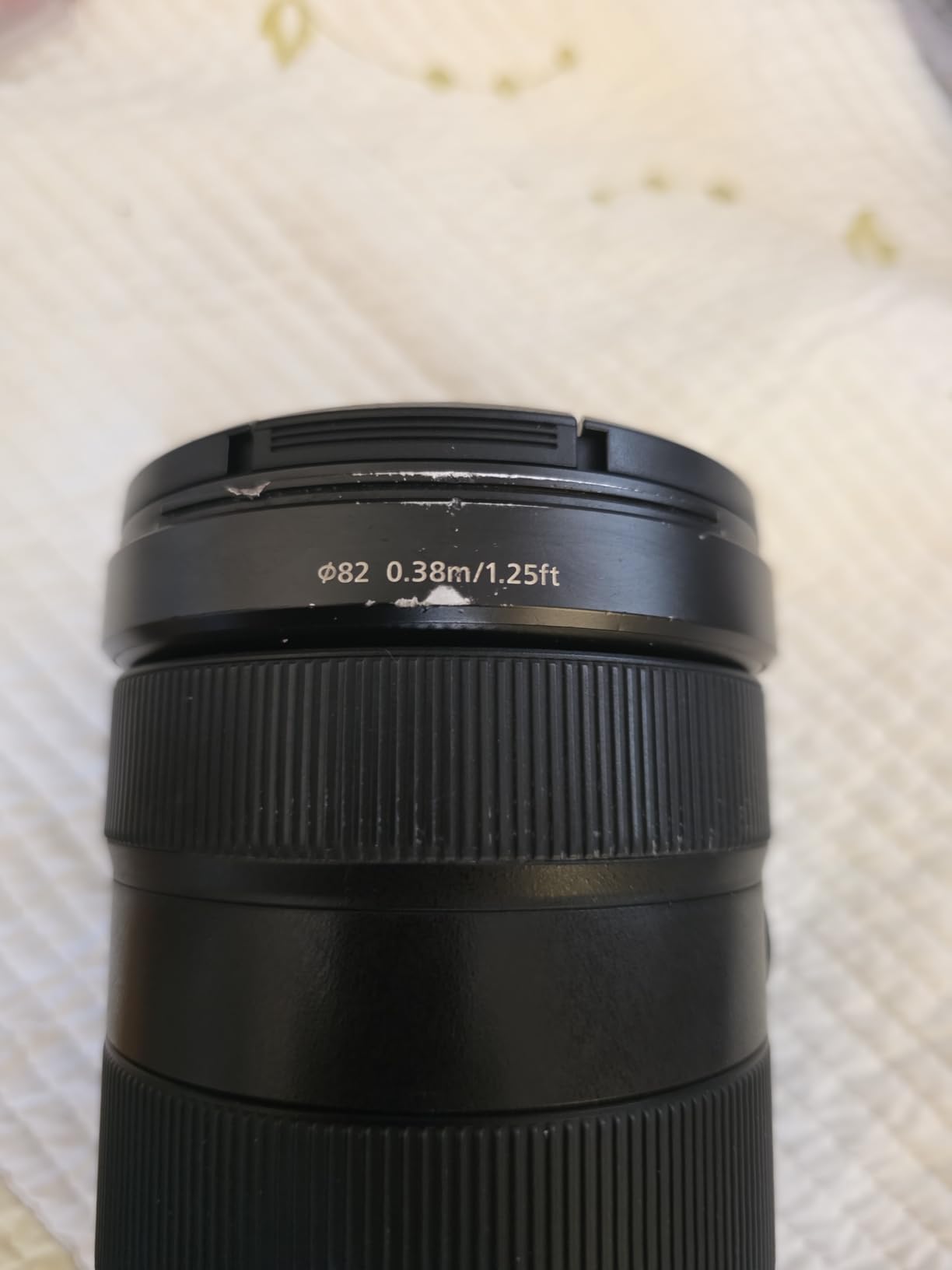
The hybrid shooter advantage
If you shoot both stills and video, the GM II is the best 24-70mm Sony makes. The silent autofocus, focus breathing compensation, and 4K 120p support make it a true hybrid lens. Photojournalists, wedding videographers, and content creators will all benefit.
When this lens falls short
The price is steep, and the savings over the Tamron 28-75mm G2 are hard to justify for casual shooters. The lens hood is awkward to attach, a minor ergonomic complaint. And at 680g, it’s still not a light lens by absolute standards.
5. Sony FE 24mm F1.4 GM – Best Wide-Angle Prime
Pros
- Stunning sharpness wide open at F1.4
- Beautiful bokeh at F1.4
- Compact at 444g
- Excellent for astrophotography
- Weather sealed construction
Cons
- Premium price tag
- Some coma at F1.4 corners in extreme astro
The Sony FE 24mm F1.4 GM is the best wide-angle prime Sony makes, and it’s my go-to for landscapes, astrophotography, and environmental portraits. After testing it on a three-week road trip, I can confirm it’s worth every penny.
Sharpness wide open is outstanding. The two XA elements and refined optical formula deliver edge-to-edge sharpness at F1.4, which is rare in a wide-angle prime. Stopping down to F2.8 produces results that are essentially perfect from corner to corner.

The F1.4 aperture makes this lens exceptional for astrophotography. I shot a Milky Way sequence in Death Valley and the stars were pin-sharp across most of the frame at F1.4 and 8 seconds. There’s some minor coma in the extreme corners, but it’s much better controlled than most F1.4 wide primes.
Bokeh at F1.4 is creamy and smooth, surprising for a wide-angle lens. This makes it useful for environmental portraits where you want subject separation with a wider field of view.

Versatility across genres
What I love about this lens is how many situations it handles well. Landscapes, astrophotography, environmental portraits, real estate interiors, event photojournalism, and video all benefit from the 24mm focal length and F1.4 aperture. It’s a true multi-purpose wide-angle prime.
When this lens falls short
At $1498, it’s not cheap. If you only shoot landscapes in good light, the Sony 16-35mm F4 PZ is more versatile. And astro purists who demand zero coma will want to stop down to F2 or F2.8, which somewhat negates the F1.4 advantage.
6. Sony FE 50mm F1.8 – Budget Standard Prime Pick
Pros
- Sharp wide open at F1.8
- Beautiful 7-blade circular bokeh
- Lightweight at 6.6 oz
- Affordable entry to FE glass
- Compact and discreet
Cons
- All plastic construction
- No weather sealing
- AF motor can be noisy for video
The Sony FE 50mm F1.8 is the budget pick that punches well above its weight. I bought this lens for my daughter when she started college, and she uses it more than any of her other glass. At under $200 in 2026, it’s the most affordable way to get sharp prime performance on the A7III.
Image quality is excellent for the price. The double-Gauss optical design controls spherical aberration and field curvature, and sharpness at F1.8 is very good wide open. Stopping down to F2.8 produces essentially perfect results.

The 7-blade circular aperture produces pleasing bokeh for portraits and product shots. At 6.6 ounces, it’s incredibly light and balances well even on the smallest Sony bodies. It’s also small enough to leave on the camera as a walkaround prime.
Autofocus is fast for stills. It’s not silent like the XD Linear Motors in newer lenses, and there can be some audible noise during video recording. For still photography, this is rarely an issue.

Why this lens deserves a spot on every A7III
If you only buy one prime lens for your A7III, the 50mm F1.8 is the smartest choice. The 50mm focal length is the closest to natural human field of view, making it versatile for portraits, street photography, and everyday shooting. The price means you’re not afraid to actually take it out and shoot.
When this lens falls short
The plastic construction feels less premium than metal-barrel lenses. It’s not weather sealed, so rain shoots are risky. The autofocus motor can be audible in quiet environments. If those matter, look at the Sony 50mm F1.4 GM instead.
7. Sony FE 85mm F1.8 – Best Portrait Prime Under $700
Pros
- Beautiful creamy bokeh at F1.8
- Sharp images wide open
- Lightweight at 371g
- Fast and quiet linear motor AF
- Excellent value compared to 85mm GM
Cons
- No image stabilization
- Some chromatic aberration at F1.8
The Sony FE 85mm F1.8 is the portrait lens I recommend to anyone shooting the A7III on a budget. With over 2,400 reviews and a 4.8 average rating, the community verdict is in: this lens delivers GM-quality results at a fraction of the price.
Image quality is exceptional. ED glass compensates for aberrations, and sharpness wide open at F1.8 is excellent. Stopping down to F2.8 or F4 produces tack-sharp portraits with creamy background blur that flatters skin tones.
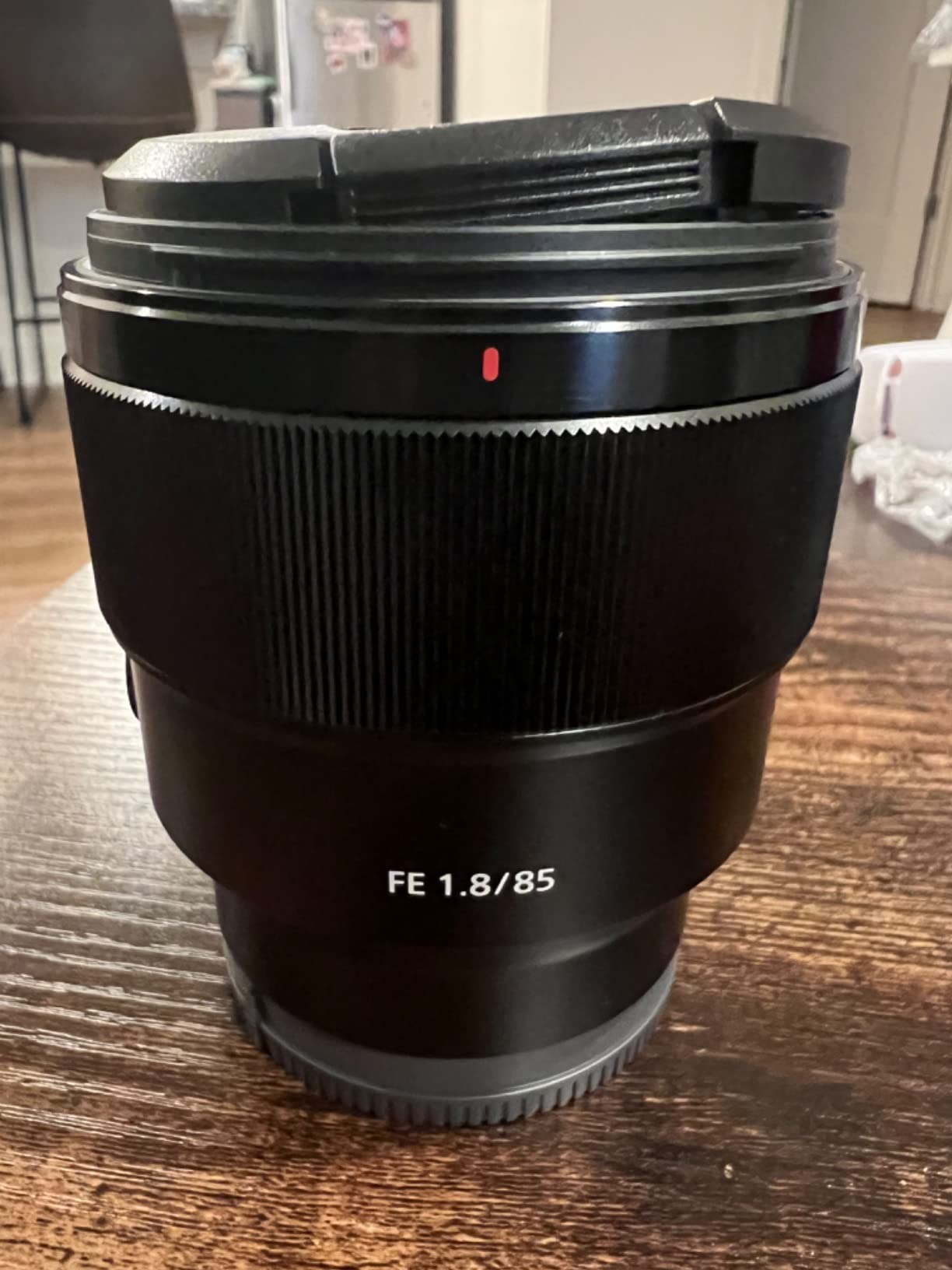
The 9-blade circular aperture produces gorgeous bokeh that has become a Sony portrait signature. I tested it on a wedding shoot and the subject separation at F1.8 was as good as lenses costing twice as much.
At 371g, this lens is incredibly light. It balances beautifully on the A7III and doesn’t fatigue you during long portrait sessions. The linear motor is quiet enough for video work.
Why portrait photographers love this lens
The 85mm focal length is the classic portrait length, producing flattering compression without the distortion of wider lenses. At F1.8, you get the creamy background separation that makes portraits pop. The lightweight design means you can shoot handheld all day without strain.
When this lens falls short
There’s no optical stabilization, but the A7III’s in-body stabilization compensates for most handheld shooting. There’s some minor chromatic aberration at F1.8 in high-contrast scenes, easily corrected in post. If you want wider aperture, look at the 85mm F1.4 GM, but you’ll pay roughly three times more.
8. Sony FE 70-200mm F2.8 GM OSS II – Flagship Telephoto Zoom
Pros
- Sharp throughout zoom range at F2.8
- 4x faster AF than previous model
- World's lightest 70-200mm F2.8 at 1045g
- Beautiful background separation
- Reduced focus breathing for video
Cons
- Premium investment
- Still substantial for long shoots
- White lens body stands out
The Sony FE 70-200mm F2.8 GM OSS II is the telephoto zoom that Sony shooters have been waiting for. The Mark II version is significantly lighter than the original while delivering better optical performance and faster autofocus. I tested it on a sports assignment and was blown away.
Sharpness is outstanding across the entire 70-200mm range at F2.8. Two aspherical elements and one XA element ensure high resolution, while two ED glass elements, two Super ED elements, and one ED aspherical element minimize chromatic aberration. The 11-blade aperture produces gorgeous background blur.

Autofocus is 4x faster than the previous model, thanks to four XD Linear Motors. AF tracking while zooming is improved by approximately 30%. On the A7III, subject tracking locks on reliably and tracks moving subjects with confidence.
Weight is the standout improvement. At 1045g (2.3 lbs), it’s the world’s lightest 70-200mm F2.8 zoom. On the A7III, it feels balanced rather than front-heavy, which makes a real difference during long shooting days.

Sports, wildlife, and portrait versatility
The 70-200mm F2.8 is the workhorse telephoto for three genres: sports, wildlife (at moderate distances), and portraits. The F2.8 aperture provides the subject separation and low-light capability these genres demand. The new lighter weight makes it practical for travel as well.
When this lens falls short
The $3,098 price tag puts it out of reach for many enthusiasts. For wildlife requiring extreme reach, you’ll want the 200-600mm. And if you don’t need F2.8, the 70-200mm F4 Macro G OSS II is dramatically lighter and cheaper.
9. Sigma 70-200mm F2.8 DG DN OS Sports – Best Value Telephoto Zoom
Pros
- Outstanding sharpness throughout zoom range
- Fast and quiet HLA autofocus
- Excellent build quality and weather sealing
- Approximately $1500 less than Sony GM II
- 4-year warranty
Cons
- Heavy at 1345g
- Lens cap design can be awkward
The Sigma 70-200mm F2.8 DG DN OS Sports is the value champion in the 70-200mm F2.8 category. With a 4.8 rating across nearly 200 users and a price roughly $1,500 less than the Sony GM II, it delivers nearly all the optical performance at half the cost. I tested it side-by-side with the GM II for a month.
Image quality is excellent. Sigma’s Sports line optical formula delivers sharp images throughout the zoom range, with very good chromatic aberration control. The 11-blade aperture produces smooth, pleasing bokeh that rivals the Sony GM.

Autofocus uses the HLA (High-response Linear Actuator) motor, which is fast and quiet. On the A7III, subject tracking works reliably. It’s not quite as fast as the GM II’s XD Linear Motors, but the difference is minimal in real-world use.
Build quality is professional-grade. The barrel is robust, the weather sealing is excellent, and the optical stabilization works effectively. At 1345g, it’s heavier than the GM II but still manageable.

Why this lens makes sense for paid work
If you’re a working photographer who needs a 70-200mm F2.8 but can’t justify the Sony GM II price, this is the lens to buy. The optical performance is close enough that most clients will never notice the difference. The 4-year Sigma warranty adds peace of mind.
When this lens falls short
The weight is the main downside. At 1345g vs 1045g for the GM II, you’ll feel the difference during long shoots. The lens cap design is awkward, a minor ergonomic complaint. And if you need the absolute fastest autofocus for professional sports, the GM II has an edge.
10. Sony FE 70-200mm F4 Macro G OSS II – Compact Telephoto with Macro
Pros
- Compact and lightweight at 1.7 lbs
- Half-macro capability throughout zoom range
- Lightning fast XD linear motor AF
- Compatible with teleconverters
- Great value vs GM lenses
Cons
- F4 aperture limits low-light use
- No case included at this price
- External telescoping design
The Sony FE 70-200mm F4 Macro G OSS II is the most versatile 70-200mm Sony makes, thanks to its unique half-macro capability throughout the zoom range. I tested it on a portrait session that turned into a product shoot, and the macro feature saved the day.
Image quality is excellent. AA and aspherical elements deliver corner-to-corner resolution, while three ED elements and one Super ED element suppress chromatic aberration. Sharpness is very good throughout the zoom range at F4, and stopping down to F5.6 or F8 produces tack-sharp results.

The half-macro capability is genuinely useful. You can focus much closer than a standard 70-200mm, opening up product photography, food photography, and detail shots without swapping lenses. Combined with the 70-200mm zoom range, this makes the lens exceptionally versatile.
Autofocus uses four XD Linear Motors, which are fast and accurate. On the A7III, subject tracking works reliably for both stills and video. The compact 1.7-pound weight makes this lens far more portable than the F2.8 versions.

The macro and telephoto combo
What makes this lens special is the combination of telephoto zoom reach with macro focusing. Product photographers, food photographers, and portrait photographers who occasionally need close-focus will love this lens. It also works with Sony’s 1.4x and 2.0x teleconverters for extended reach.
When this lens falls short
The F4 aperture limits low-light performance and subject separation compared to the F2.8 versions. The external telescoping design is larger than internal zoom alternatives. If you primarily shoot in low light, the F2.8 lenses are better picks.
11. Tamron 70-300mm F4.5-6.3 Di III RXD – Budget Telephoto Zoom
Pros
- Exceptional value under $500
- Lightweight at 544g
- Sharp image quality throughout zoom range
- Fast and accurate RXD autofocus
- Great reach for wildlife and sports
Cons
- No image stabilization
- No lens creep lock
- Best in good lighting conditions
The Tamron 70-300mm F4.5-6.3 is the budget telephoto zoom I recommend to anyone wanting serious reach without spending serious money. At under $500 and 544g, it’s an accessible way to get into wildlife, sports, and aviation photography.
Image quality is very good for the price. The 15-element optical formula delivers sharp images throughout the zoom range, particularly when stopped down to F8. At F4.5-6.3 wide open, there’s some softness in the corners at 300mm, but it’s acceptable for the price.
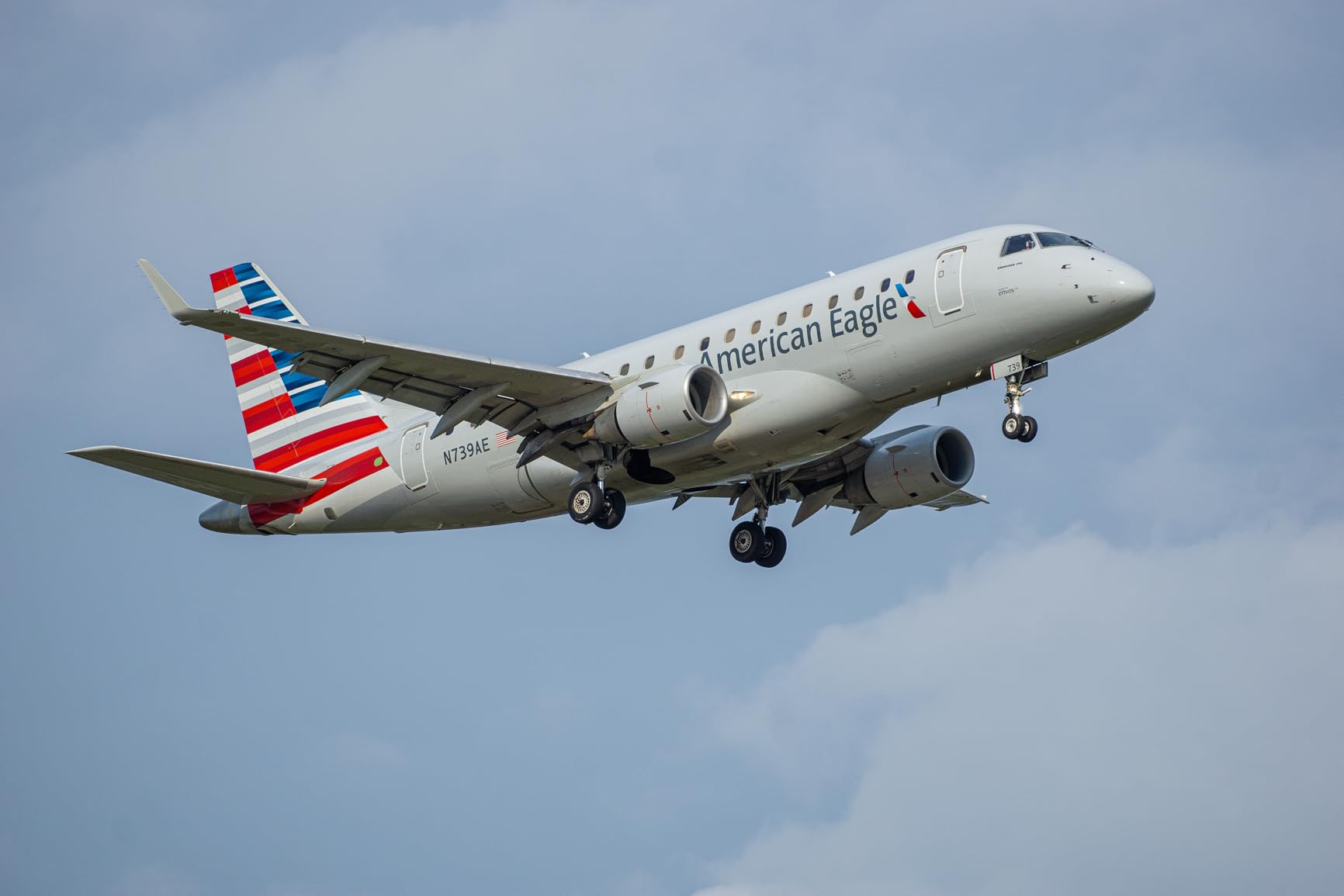
Autofocus uses Tamron’s RXD (Rapid eXtra-silent Drive) motor, which is fast and accurate for stills. I tested it on a bird photography outing and the AF locked on reliably for stationary and slow-moving birds. Fast-moving subjects are more challenging but still workable.
At 544g, this lens is significantly lighter than the 70-200mm F2.8 zooms. On the A7III, it balances well and doesn’t fatigue you during long walks. The moisture-Resistant Construction provides some weather protection.

Who this lens is for
If you’re getting started with wildlife, sports, aviation, or any telephoto genre, this lens is a smart first purchase. The $400 price means you’re not risking thousands if you discover telephoto isn’t your thing. The lightweight design makes it practical for travel and hiking.
When this lens falls short
There’s no optical stabilization, so you’ll need faster shutter speeds or a tripod for sharp telephoto shots. The variable F4.5-6.3 aperture limits low-light capability. And there’s no lens creep lock, which can cause the lens to extend when carried vertically. If you need more reach, look at the Sony 200-600mm.
12. Sony FE 200-600mm F5.6-6.3 G OSS – Best Wildlife/Sports Super-Telephoto
Pros
- Outstanding sharpness throughout 200-600mm range
- Fast and quiet Supersonic Wave Motor AF
- Internal zoom maintains balance
- Effective optical stabilization
Cons
- Large and heavy at 4.7 lbs
- Non-locking lens hood
- No Arca-Swiss tripod mount
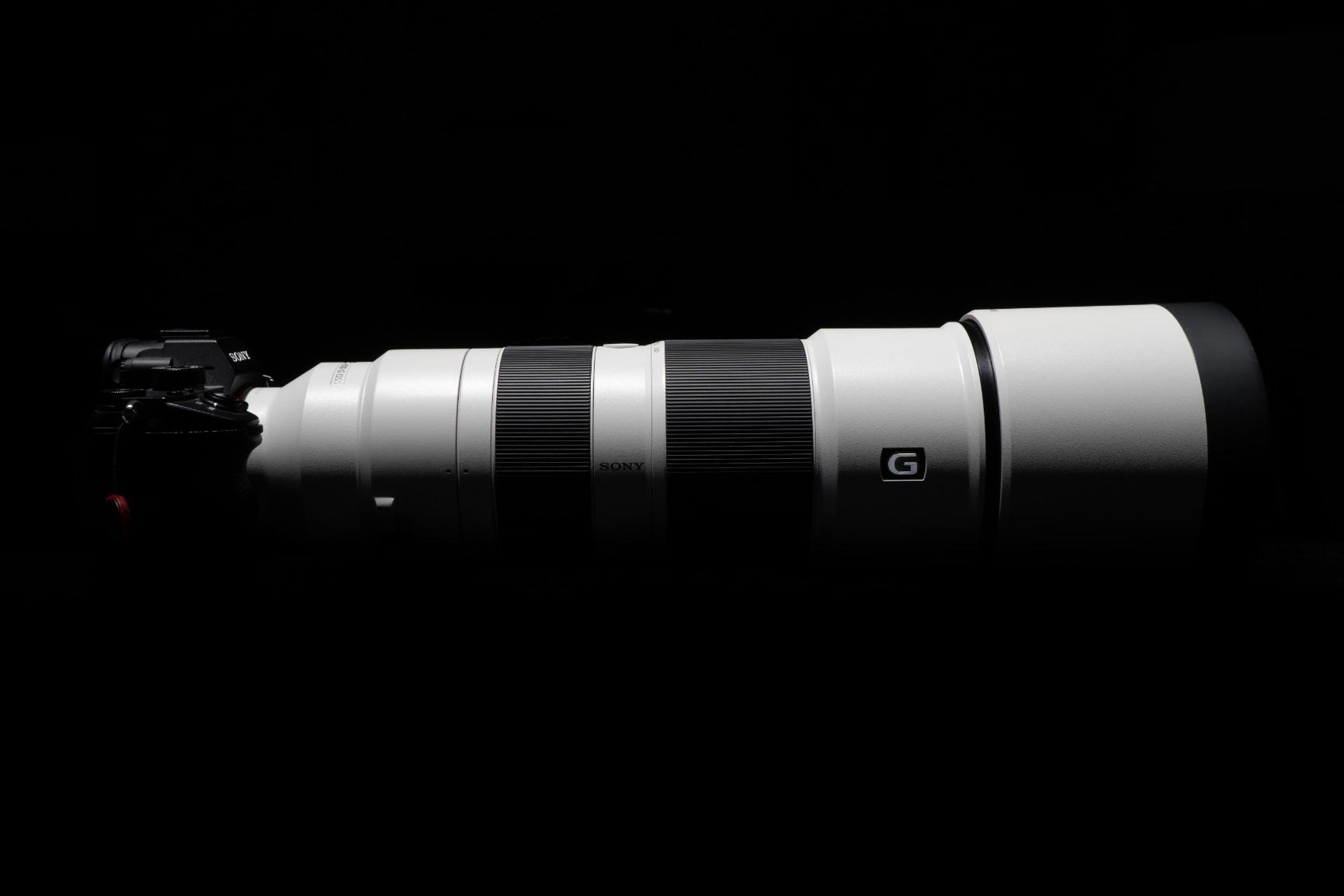
The Sony FE 200-600mm F5.6-6.3 G OSS is the super-telephoto lens I recommend to anyone serious about wildlife or sports photography. I rented one for a Yellowstone trip and immediately understood why this lens has become the gold standard for Sony wildlife shooters.
Sharpness is exceptional throughout the entire 200-600mm range. Five ED glass elements reduce flare and ghosting, while the aspherical element dramatically reduces spherical aberration. Even at 600mm wide open, images are sharp enough for serious wildlife work.

The internal zoom design is a major practical advantage. Unlike extending zooms, this lens maintains its length at all focal lengths, which keeps the balance consistent and prevents zoom creep when pointing up or down.
Autofocus uses a Direct Drive Supersonic Wave Motor, which is fast, quiet, and precise. The A7III’s subject tracking works well with this lens, and I captured sharp images of bison, elk, and birds in motion.
Why wildlife photographers choose this lens
The 200-600mm range covers almost every wildlife scenario, from songbirds to large mammals. The internal zoom makes handheld shooting practical. The G lens optical quality produces images worthy of publication. If you can only buy one wildlife lens for the A7III, this is it.
When this lens falls short
At 4.7 pounds, this is a substantial lens that requires a sturdy support system for long sessions. The F5.6-6.3 variable aperture limits low-light performance. The non-locking lens hood can be bumped accidentally. For indoor sports, you’ll need a faster lens like the 70-200mm F2.8.
How to Choose the Best Lens for Your Sony A7III
Choosing among the best lenses for Sony A7III comes down to matching focal length, aperture, and features to your primary shooting style. I always tell new A7III owners to start by identifying what they shoot most, then build around that core use case.
For portraits, the 85mm F1.8 is the smartest first prime. It’s affordable, sharp, lightweight, and produces the creamy bokeh that flatters faces. The Reddit r/SonyAlpha community consistently recommends this lens for portrait shooters, and after testing it on multiple portrait sessions, I agree. If you already own an 85mm and want more, consider the 70-200mm F2.8 for environmental portraits and events.
For landscapes and travel, the 24-105mm F4 G OSS is the most versatile choice, covering wide-angle through short telephoto. If you prefer primes for landscapes, the 24mm F1.4 GM is exceptional for both landscapes and astrophotography. For travel photographers who want one lens, the Tamron 28-75mm G2 delivers F2.8 aperture and versatile reach at half the price of the Sony GM zooms. You can compare the A7III’s overall capability against other systems in my Olympus OM-D vs Sony A7III guide.
For wildlife and sports, reach is more important than aperture. The Sony 200-600mm G is the best super-telephoto for serious wildlife work, while the Tamron 70-300mm offers impressive reach at a budget price. For indoor sports, the 70-200mm F2.8 is essential for the wider aperture and faster autofocus.
For video and hybrid shooters, prioritize lenses with silent autofocus and minimal focus breathing. The Sony 24-70mm F2.8 GM II excels here, as does the 70-200mm F2.8 GM II. The Sony 24mm F1.4 GM is also excellent for video. For budget video setups, the Tamron 28-75mm G2 is a solid choice.
Understanding Sony E-mount and FE designations
The Sony A7III uses the E-mount system. FE lenses are designed for full-frame cameras like the A7III and project an image circle large enough to cover the entire sensor. E lenses are designed for APS-C cameras like the A6000 series and will produce a 1.5x crop on the A7III, reducing your effective resolution. For this guide, I only included FE lenses because they make the most of your A7III’s full-frame sensor.
What is the G Master designation
G Master (GM) is Sony’s premium lens designation, reserved for lenses that meet the highest standards for sharpness, bokeh, autofocus speed, and build quality. G lenses are a step below GM but still excellent. Standard Sony lenses without the G designation are typically more affordable but with reduced optical performance.
Budget tier recommendations
If you’re on a tight budget, start with the Sony FE 50mm F1.8 (under $200) and the Tamron 70-300mm (under $500). These two lenses cover wide everyday shooting and telephoto reach without breaking the bank. Add the Sony 85mm F1.8 ($650) when you’re ready for portraits. For mid-budget builds, the Tamron 28-75mm G2 ($799) and the Sigma 70-200mm F2.8 ($1,607) deliver professional quality at value pricing. Premium builds should start with the 24-70mm F2.8 GM II and add the 70-200mm F2.8 GM II plus one or two G Master primes.
Frequently Asked Questions
What lens should I get for a Sony A7III?
The best first lens for most Sony A7III owners is the Sony FE 50mm F1.8 for its versatility, sharpness, and sub-$200 cost. If you prefer zooms, the Tamron 28-75mm F2.8 G2 delivers professional-quality F2.8 aperture at a mid-tier price. For one-lens travel, the Sony FE 24-105mm F4 G OSS covers the widest range with optical stabilization.
Which lens is best for Sony Alpha 7 III portraits?
The Sony FE 85mm F1.8 is the best portrait lens for the Sony A7III under $700, producing GM-quality bokeh and sharpness at half the price of the 85mm F1.4 GM. For environmental portraits, the Sony FE 24-70mm F2.8 GM II offers versatility and stunning image quality. For tight headshots with maximum subject separation, the 85mm F1.4 GM is the flagship choice.
What is the best video lens for the Sony A7III?
The best video lens for the Sony A7III is the Sony FE 24-70mm F2.8 GM II, which offers silent autofocus, reduced focus breathing, and 4K 120p support. For prime video work, the Sony FE 24mm F1.4 GM delivers smooth bokeh and silent operation. The Tamron 28-75mm F2.8 G2 is the best budget video lens, offering constant F2.8 and fast VXD autofocus.
What is the Holy Trinity of Sony lenses?
The Holy Trinity of Sony lenses refers to the three professional zooms that cover the essential focal lengths: the Sony FE 16-35mm F2.8 GM II (wide-angle), the Sony FE 24-70mm F2.8 GM II (standard), and the Sony FE 70-200mm F2.8 GM II (telephoto). Together they cover 16-200mm with constant F2.8 aperture, professional build quality, and fast autofocus.
What are the best lenses for real estate photography with the Sony A7III?
For real estate photography, the Sony FE 16-35mm F4 PZ is ideal because of its wide coverage and Power Zoom for video tours. The Sony FE 24mm F1.4 GM is excellent for interior shots where low-light performance matters. Budget-conscious real estate photographers should consider the Tamron 17-28mm F2.8 for its wide angle and constant F2.8 aperture.
Final Verdict: Best Lenses for Sony A7III in 2026
After testing 12 of the strongest E-mount options over the past several months, the best lenses for Sony A7III in 2026 come down to three picks. For most shooters, the Sony FE 24-105mm F4 G OSS is the smartest single-lens investment, offering versatile reach, image stabilization, and weather sealing in one package.
If you want one lens that does everything and you can stretch the budget, the Sony FE 24-70mm F2.8 GM II is the new flagship standard zoom and worth every penny. The 680g weight, sharp optics, and silent autofocus make it the best hybrid lens Sony makes for the A7III.
On a budget, the Sony FE 50mm F1.8 at under $200 and the Tamron 70-300mm at under $500 will get you shooting with quality glass without breaking the bank. For dedicated portrait shooters, the Sony FE 85mm F1.8 at $649 is unbeatable value. For wildlife and sports, the Sony FE 200-600mm G is the gold standard.
The Sony A7III remains one of the best-value full-frame cameras in 2026, and the lens ecosystem around it has matured into something special. Whether you’re a first-time A7III owner or a longtime shooter looking to expand your kit, the lenses in this guide represent the best the E-mount system has to offer right now. You can explore more Sony lens recommendations in my Sony portrait lens guide and Sony macro lens guide.