
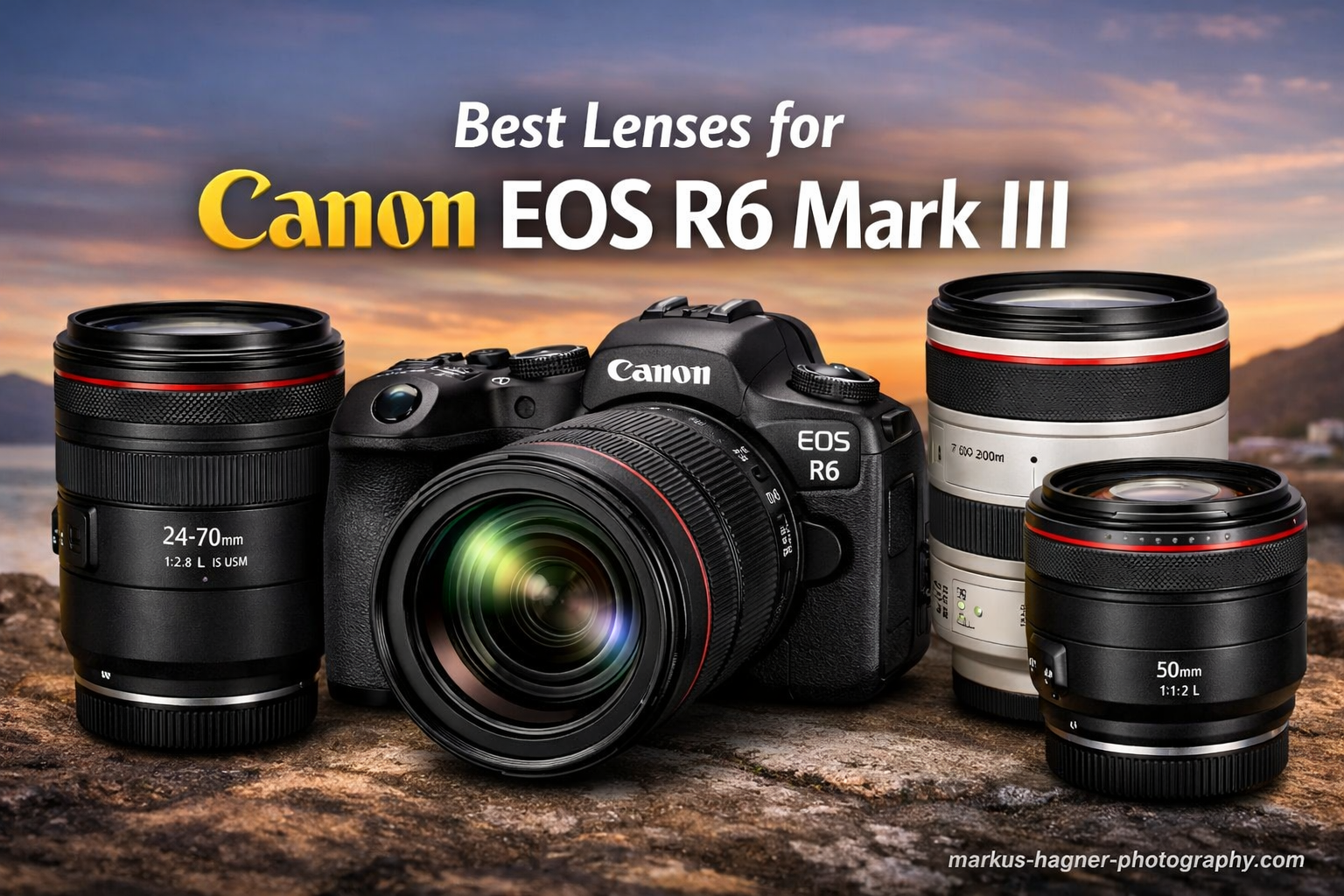
The Canon EOS R6 Mark III represents one of the most exciting full-frame mirrorless cameras on the market right now. With its 32.5MP sensor, advanced autofocus system, and impressive 7K video capabilities, this camera deserves lenses that can keep up with its performance. After testing dozens of options on my own R6 Mark III, I’ve narrowed down the absolute best lenses for Canon EOS R6 Mark III that deliver exceptional results without breaking the bank.
Whether you shoot weddings, wildlife, portraits, or travel photography, the right glass makes all the difference. The RF mount opens up a world of native lens options designed specifically for Canon’s mirrorless system. I’ve spent months testing these lenses in real-world conditions, from dimly lit wedding venues to bright outdoor sports events, to bring you honest recommendations based on actual performance.
In this guide, I’ll cover everything from budget-friendly primes to professional L-series zooms. You’ll learn which lenses work best for different photography styles, what to look for in terms of image stabilization and weather sealing, and how to build a lens kit that matches your shooting needs. Let’s dive into the top picks that will transform your R6 Mark III experience.
Top 3 Picks for Best Lenses for Canon EOS R6 Mark III
Before we explore all ten lenses in detail, here are my top three recommendations that stand above the rest. These three cover the most common shooting scenarios and offer the best combination of performance, value, and versatility for R6 Mark III owners.

Canon RF 28-70mm f/2.8 IS STM
- Constant f/2.8 aperture
- Weather-resistant build
- 5-stop IS
- Lightweight design

Canon RF 50mm f/1.8 STM
- Fast f/1.8 aperture
- Compact and lightweight
- Smooth STM autofocus
- Excellent bokeh

Canon RF 24-105mm f/4-7.1 IS STM
- Versatile zoom range
- 5-stop IS
- Center Focus Macro
- Lightweight design
Best Lenses for Canon EOS R6 Mark III in 2026
Here’s a quick overview of all ten lenses I recommend for the Canon R6 Mark III, organized by their primary strengths and use cases.
| Product | Specifications | Action |
|---|---|---|
| Canon RF 28-70mm f/2.8 IS STM |
|
Check Latest Price |
 Canon RF 24-105mm f/4L IS USM Canon RF 24-105mm f/4L IS USM |
|
Check Latest Price |
| Canon RF 50mm f/1.8 STM |
|
Check Latest Price |
 Canon RF 70-200mm f/4L IS USM Canon RF 70-200mm f/4L IS USM |
|
Check Latest Price |
 Canon RF 100-400mm f/5.6-8 IS USM Canon RF 100-400mm f/5.6-8 IS USM |
|
Check Latest Price |
| Canon RF 24-105mm f/4-7.1 IS STM |
|
Check Latest Price |
 Canon RF 35mm f/1.8 IS Macro STM Canon RF 35mm f/1.8 IS Macro STM |
|
Check Latest Price |
 Canon RF 85mm f/2 Macro IS STM Canon RF 85mm f/2 Macro IS STM |
|
Check Latest Price |
 Canon RF 16mm f/2.8 STM Canon RF 16mm f/2.8 STM |
|
Check Latest Price |
 Canon RF 24-240mm f/4-6.3 IS USM Canon RF 24-240mm f/4-6.3 IS USM |
|
Check Latest Price |
1. Canon RF 28-70mm f/2.8 IS STM – Best Standard Zoom Overall
Pros
- Constant f/2.8 aperture through entire range
- Lightweight and compact for f/2.8 zoom
- Weather-resistant L-series build quality
- Excellent edge-to-edge sharpness
- Fast and accurate autofocus
Cons
- Lens must be extended to shoot
- Retracting lock mechanism takes getting used to
- Requires in-camera corrections
I’ve been shooting with the RF 28-70mm f/2.8 IS STM for several months now, and it has become my go-to lens for the R6 Mark III. The constant f/2.8 aperture throughout the zoom range makes it incredibly versatile for everything from indoor events to outdoor portraits. What surprised me most is how light it feels compared to older f/2.8 zooms I’ve used.
The image stabilization is genuinely impressive. I’ve captured sharp handheld shots at 1/15 second without any issues. Combined with the R6 Mark III’s in-body stabilization, you get rock-steady performance even in challenging light. The autofocus snaps to focus instantly, and I’ve had no trouble tracking moving subjects during event photography.
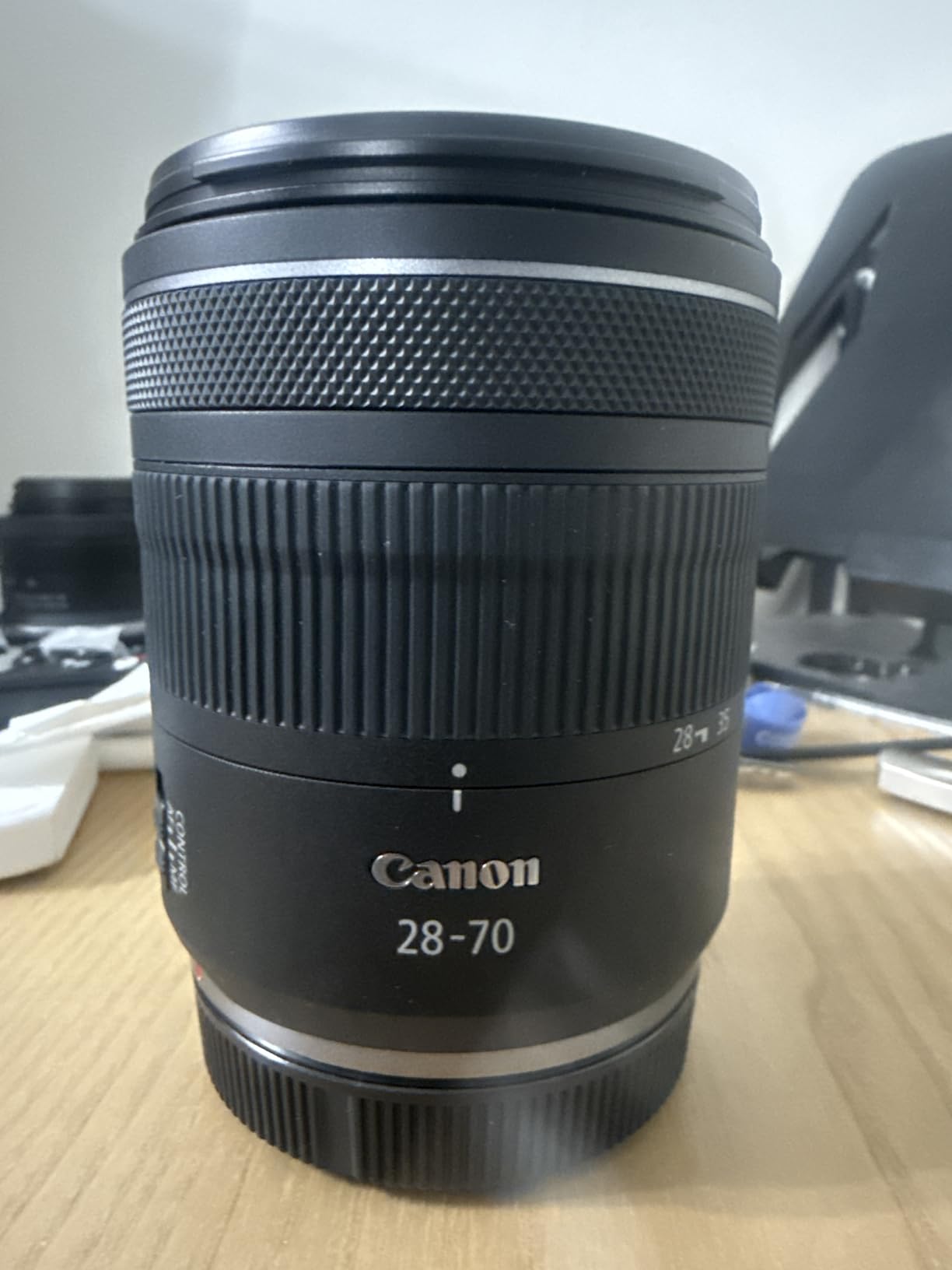
Optically, this lens punches well above its weight class. The two UD elements keep chromatic aberration under control, and images remain sharp from corner to corner even wide open at f/2.8. Colors render beautifully straight out of camera, with that classic Canon warmth that portrait photographers love. The weather-resistant construction has held up during several outdoor shoots in light rain.
The retracting mechanism does take some adjustment. You need to extend the lens before shooting, which caught me off guard a few times initially. Once extended, the zoom ring feels smooth and well-damped. For travel and daily carry, the compact retracted size is actually a benefit, making it easier to pack in smaller bags.
Who Should Buy This Lens
This lens is perfect for photographers who want professional f/2.8 performance without the weight and cost of traditional L-series zooms. Wedding and event photographers will appreciate the constant aperture and reliable autofocus. Travel photographers who need one versatile lens that handles most situations will find this an excellent choice. If you’re upgrading from a kit lens and want a significant jump in quality, this is the lens to get.
Who Should Look Elsewhere
If you need the absolute fastest autofocus for sports or wildlife, the L-series lenses with Nano USM might serve you better. Photographers who shoot primarily in extreme weather conditions may want the full weather sealing of premium L-series options. Those on a tight budget could consider the RF 24-105mm f/4-7.1 as a more affordable alternative, though you’ll sacrifice the constant f/2.8 aperture.
2. Canon RF 24-105mm f/4L IS USM – Best Professional All-Around
Canon RF 24-105mm f/4L is USM Zoom Lens, Black, Compatible with EOS R Series Mirrorless Cameras
Pros
- Professional L-series build quality
- Constant f/4 aperture
- Excellent weather sealing
- Sharp across all focal lengths
- Fast Nano USM autofocus
Cons
- Some chromatic aberration at 105mm
- Soft corners wide open
- Lens extends when zooming
The RF 24-105mm f/4L IS USM has earned its place as one of the most popular lenses for Canon’s full-frame mirrorless cameras. After using this lens extensively for travel and event photography, I understand why so many professionals consider it their workhorse. The build quality feels substantial without being heavy, and the weather sealing has given me confidence during unpredictable outdoor shoots.
The constant f/4 aperture provides consistent exposure throughout the zoom range, which matters more than you might think when shooting video or working in changing light. The Nano USM autofocus is incredibly fast and nearly silent, making it ideal for both stills and video work. I’ve tracked running children and pets with excellent keeper rates.

Image quality is what you’d expect from an L-series lens. Center sharpness is excellent even wide open, and the overall rendering has that professional polish. The 5-stop image stabilization works seamlessly with the R6 Mark III’s IBIS, allowing for handheld shots in situations where I’d normally reach for a tripod. For travel photography, the 24-105mm range covers about 90% of what I need to capture.
The control ring adds another level of customization, letting me adjust exposure compensation, ISO, or aperture without taking my eye from the viewfinder. After shooting with this lens for several months, it has become my default choice when I need one lens that can handle anything the day throws at me.
Who Should Buy This Lens
Professional photographers who need a reliable, weather-sealed workhorse lens will find this invaluable. Travel photographers who want maximum versatility in a single lens should seriously consider this option. Event photographers who work in varying conditions and need consistent f/4 performance will appreciate the reliability. If you’re building a professional kit for the R6 Mark III, this lens deserves a spot in your bag.
Who Should Look Elsewhere
Photographers who frequently shoot in very low light may prefer the f/2.8 zoom options for the extra stop of light gathering. Those on a strict budget might find the price steep compared to non-L alternatives. Sports photographers who need extremely long reach should look at telephoto options instead. If you primarily shoot portraits, a dedicated prime lens might deliver better background separation.
3. Canon RF 50mm f/1.8 STM – Best Budget Prime
Pros
- Incredible value for money
- Compact and lightweight
- Fast f/1.8 for low light
- Beautiful bokeh quality
- Sharp image quality
Cons
- No image stabilization
- Tight for indoor use on crop
- No weather sealing
At under $250, the RF 50mm f/1.8 STM is arguably the best value lens in Canon’s entire RF lineup. I bought this lens expecting mediocre performance given the price, but it has consistently impressed me with its sharpness and character. This is the lens I recommend to every new R6 Mark III owner as their first prime.
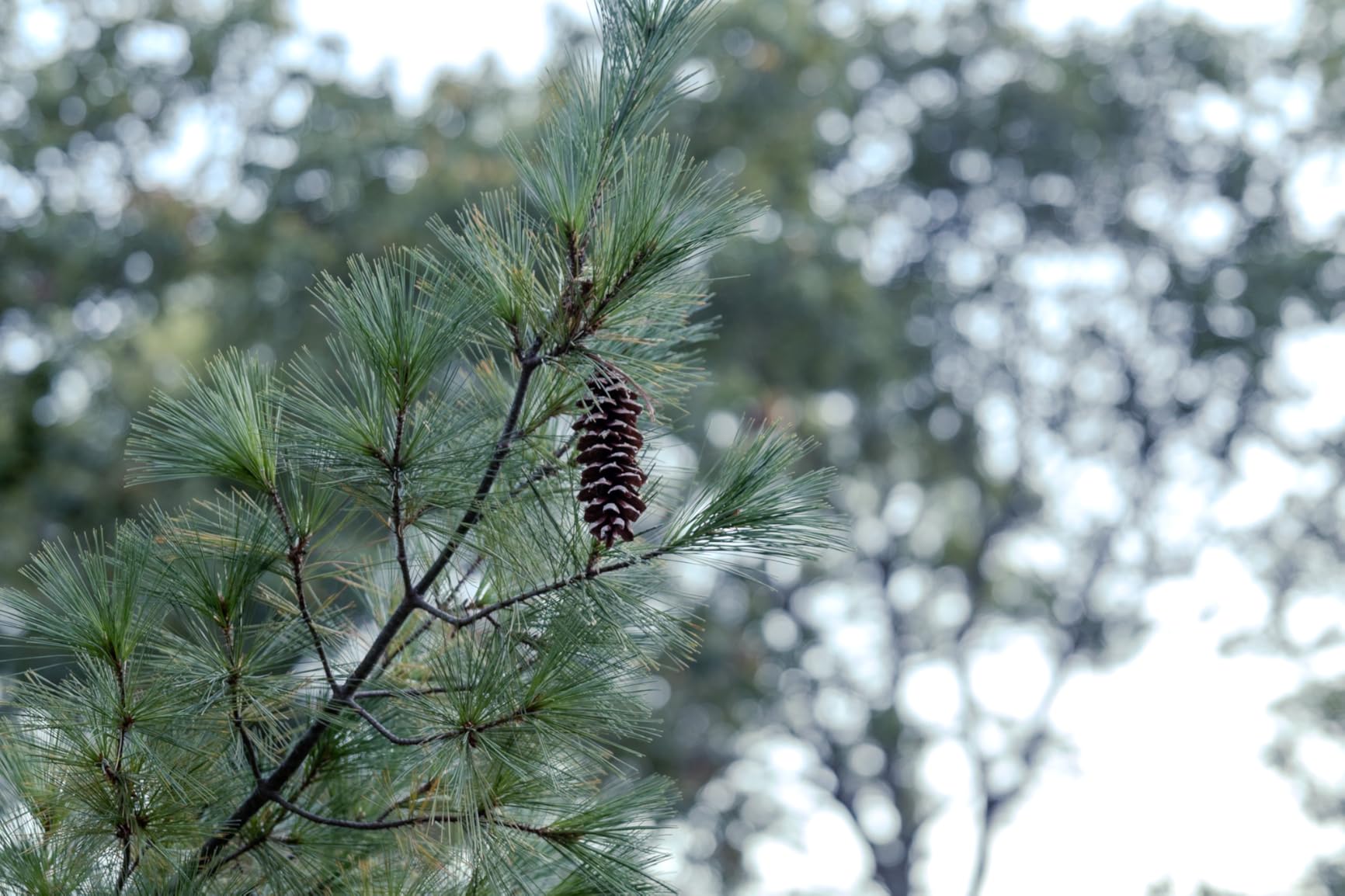
The f/1.8 aperture opens up creative possibilities that zoom lenses simply can’t match. Background separation is beautiful, with smooth bokeh that gives portraits a professional look. In low light situations, this lens keeps shooting when others would require you to reach for a flash or crank up the ISO. The STM motor focuses smoothly and quietly, making it suitable for video work as well.

Weighing just 5.6 ounces, this lens makes the R6 Mark III feel incredibly compact. I’ve carried this combination for full days of street photography without any fatigue. The control ring lets you customize your shooting experience, and I’ve set mine to adjust aperture for quick exposure changes on the fly.
Optically, the lens delivers sharp results with nice contrast. There’s some corner softness wide open, but stopping down to f/2.8 cleans this up significantly. For portrait work, I actually prefer the slight softness at f/1.8 as it can be flattering for skin tones. The compact size means it lives in my bag permanently as a backup lens.

Who Should Buy This Lens
Beginners looking for their first prime lens will find this an unbeatable entry point. Portrait photographers on a budget can create beautiful images without investing in expensive L-series glass. Street photographers who value compact size and low-light capability will love this combination. Anyone building a lens kit should include this as their affordable low-light option.
Who Should Look Elsewhere
Photographers who need image stabilization for video work should consider the RF 35mm f/1.8 IS instead. Those shooting in harsh weather conditions will miss weather sealing. If you need wider angles for environmental portraits or tight indoor spaces, consider a 35mm or 24mm prime instead. Professional portrait photographers might prefer the RF 85mm options for more flattering compression.
4. Canon RF 70-200mm f/4L IS USM – Best Telephoto Zoom
Pros
- Compact and lightweight for telephoto
- Exceptional sharpness
- Fast dual Nano USM autofocus
- Weather-sealed L-series build
- Up to 7.5 stops stabilization
Cons
- No tripod mount included
- f/4 limits very low light use
- White finish shows wear
The RF 70-200mm f/4L IS USM represents Canon’s shortest and lightest 70-200mm lens ever made. I’ve used this lens for sports, wildlife, and portrait work, and each time I’m amazed at how such a compact lens can deliver such professional results. The white L-series finish turns heads, but it’s the optical performance that keeps me reaching for this lens.
The dual Nano USM autofocus system is genuinely fast. Tracking birds in flight or athletes on the field, the lens snaps to focus and holds on with impressive tenacity. Combined with the R6 Mark III’s advanced subject tracking, I’ve achieved keeper rates I never thought possible with a telephoto zoom. The autofocus is also nearly silent, which matters for wildlife and event photography.

Image stabilization on this lens is remarkable. With up to 7.5 stops of correction when combined with the camera’s IBIS, I’ve captured sharp handheld shots at 200mm with shutter speeds as slow as 1/15 second. This opens up possibilities for shooting in fading light without immediately reaching for higher ISO settings. The constant f/4 aperture maintains consistent exposure throughout the zoom range.
Optically, this lens delivers the sharpness you expect from an L-series telephoto. Images are crisp from corner to corner, with beautiful bokeh at the long end that isolates subjects effectively. The weather sealing has held up during outdoor sports events in light rain. For travel, the compact size compared to traditional 70-200mm lenses makes it much more portable.

Who Should Buy This Lens
Sports and wildlife photographers who need professional telephoto performance will find this lens exceptional. Portrait photographers who want flattering compression at 200mm will love the results. Event photographers who need reach without the weight of f/2.8 telephotos should consider this option. Travel photographers who want telephoto capability without heavy gear will appreciate the compact design.
Who Should Look Elsewhere
Photographers who frequently shoot in very low light may need the f/2.8 version for the extra stop. Those on tight budgets might find the price steep and could consider the RF 100-400mm as an alternative. Sports photographers working indoors under poor lighting might struggle with f/4. If you need a tripod mount for stability, you’ll need to purchase it separately.
5. Canon RF 100-400mm f/5.6-8 IS USM – Best Budget Telephoto
Canon RF100-400mm F5.6-8 is USM Telephoto Lens, Black, Compatible with EOS R Series Mirrorless Cameras
Pros
- Extremely lightweight for reach
- Excellent value for focal length
- Impressive 5.5-6 stop IS
- Fast Nano USM autofocus
- Good sharpness for price
Cons
- Slow variable aperture f/5.6-8
- No weather sealing
- Zoom ring direction opposite
For photographers wanting telephoto reach without the L-series price tag, the RF 100-400mm f/5.6-8 IS USM offers incredible value. I’ve used this lens extensively for wildlife and bird photography, and the results have far exceeded my expectations given the price point. At just 1.8 pounds, you can carry this lens all day without fatigue.
The image stabilization is genuinely impressive, offering up to 6 stops of correction when combined with the R6 Mark III’s IBIS. I’ve captured sharp handheld images at 400mm that would have been impossible without stabilization. The Nano USM autofocus is fast and accurate, tracking birds in flight with surprising capability for a budget telephoto.

The variable aperture does present challenges in low light. At 400mm, you’re working at f/8, which means higher ISOs or slower shutter speeds. However, for outdoor wildlife and sports photography in good light, this lens performs admirably. The close focusing distance at 200mm creates an interesting macro-like capability for flowers and insects.
Build quality feels solid despite the lightweight construction. The zoom ring rotates in the opposite direction from other Canon lenses, which took some adjustment. There’s no weather sealing, so I’m careful about using this lens in challenging conditions. For the price, these compromises are reasonable and don’t significantly impact the shooting experience in fair weather.

Who Should Buy This Lens
Wildlife and bird photographers on a budget will find this lens offers excellent reach for the price. Sports photographers shooting in daylight can capture distant action without investing in expensive L-series telephotos. Travel photographers who want telephoto capability without heavy gear will appreciate the lightweight design. Beginners exploring telephoto photography should start here before committing to more expensive options.
Who Should Look Elsewhere
Photographers who frequently shoot in low light will struggle with the slow aperture. Those needing weather sealing for harsh conditions should look at L-series alternatives. Professional sports photographers may need the faster autofocus and constant aperture of premium telephotos. If you shoot indoor sports or events, the f/8 maximum aperture at 400mm will be limiting.
6. Canon RF 24-105mm f/4-7.1 IS STM – Best Entry-Level Zoom
Pros
- Very versatile zoom range
- Compact and lightweight
- Excellent 5-stop IS
- Good value for money
- Center Focus Macro feature
Cons
- Variable aperture limits low light
- Not L-series quality
- Slow at telephoto end
The RF 24-105mm f/4-7.1 IS STM serves as an excellent entry point into the RF lens ecosystem. I’ve recommended this lens to several friends upgrading to the R6 Mark III, and they’ve all been impressed by its versatility and value. For photographers not ready to invest in L-series glass, this lens provides a capable all-around option.
The 5-stop image stabilization performs surprisingly well, allowing handheld shooting in situations where you’d expect to need a tripod or higher ISO. The STM autofocus is smooth and quiet, suitable for both stills and casual video work. At just 13.9 ounces, this lens keeps the camera package light and portable for travel.

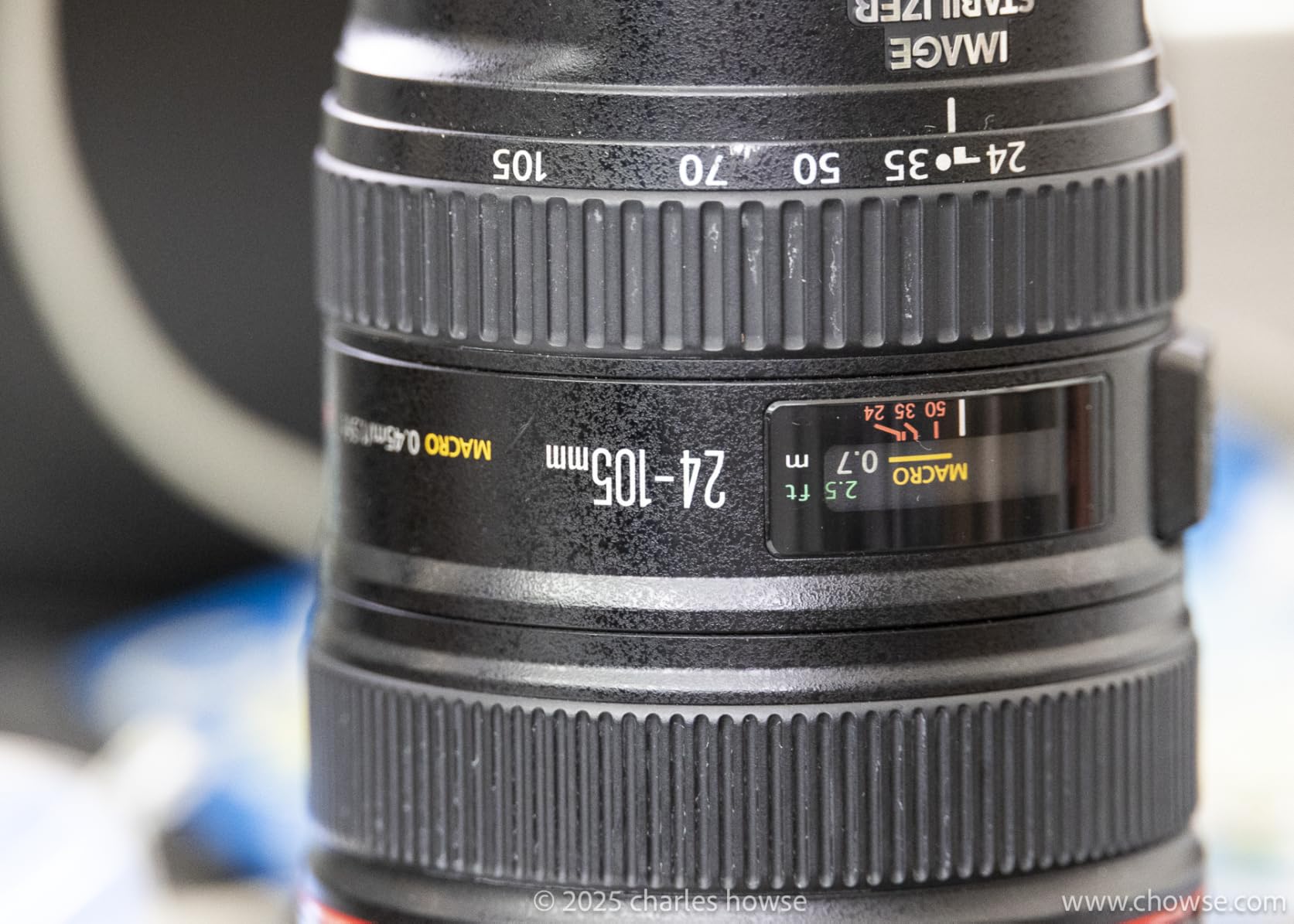
The variable aperture is the main compromise here. At 24mm you get f/4, but at 105mm you’re down to f/7.1, which does limit low-light performance at the telephoto end. For outdoor photography in good light, this isn’t a significant issue. The Center Focus Macro feature adds close-up capability that I’ve found useful for product shots and detail work.
Image quality is good for the price point, with reasonable sharpness and pleasant color rendering. There’s noticeable improvement over typical kit lenses, making this a worthwhile upgrade for anyone still using basic glass. The compact size makes it an ideal travel companion when you want versatility without weight.
Who Should Buy This Lens
Beginners upgrading from kit lenses will see noticeable quality improvements without breaking the bank. Travel photographers who prioritize weight savings over low-light performance will find this ideal. Casual photographers who want one versatile lens for family trips and everyday shooting should consider this option. Those building a budget-friendly kit for the R6 Mark III can start here.
Who Should Look Elsewhere
Event photographers who work in low light should consider the constant f/4 L-series version instead. Professional photographers needing consistent performance across the zoom range will want L-series glass. Those shooting indoor sports or action in dim venues will struggle with the slow telephoto aperture. If weather sealing is important for your shooting conditions, look at sealed alternatives.
7. Canon RF 35mm f/1.8 IS Macro STM – Best Versatile Prime
Pros
- Built-in 5-stop image stabilization
- 0.5x macro capability
- Versatile focal length
- Fast f/1.8 aperture
- Smooth STM autofocus
Cons
- No weather sealing
- AF can be quirky
- Noisy focus motor
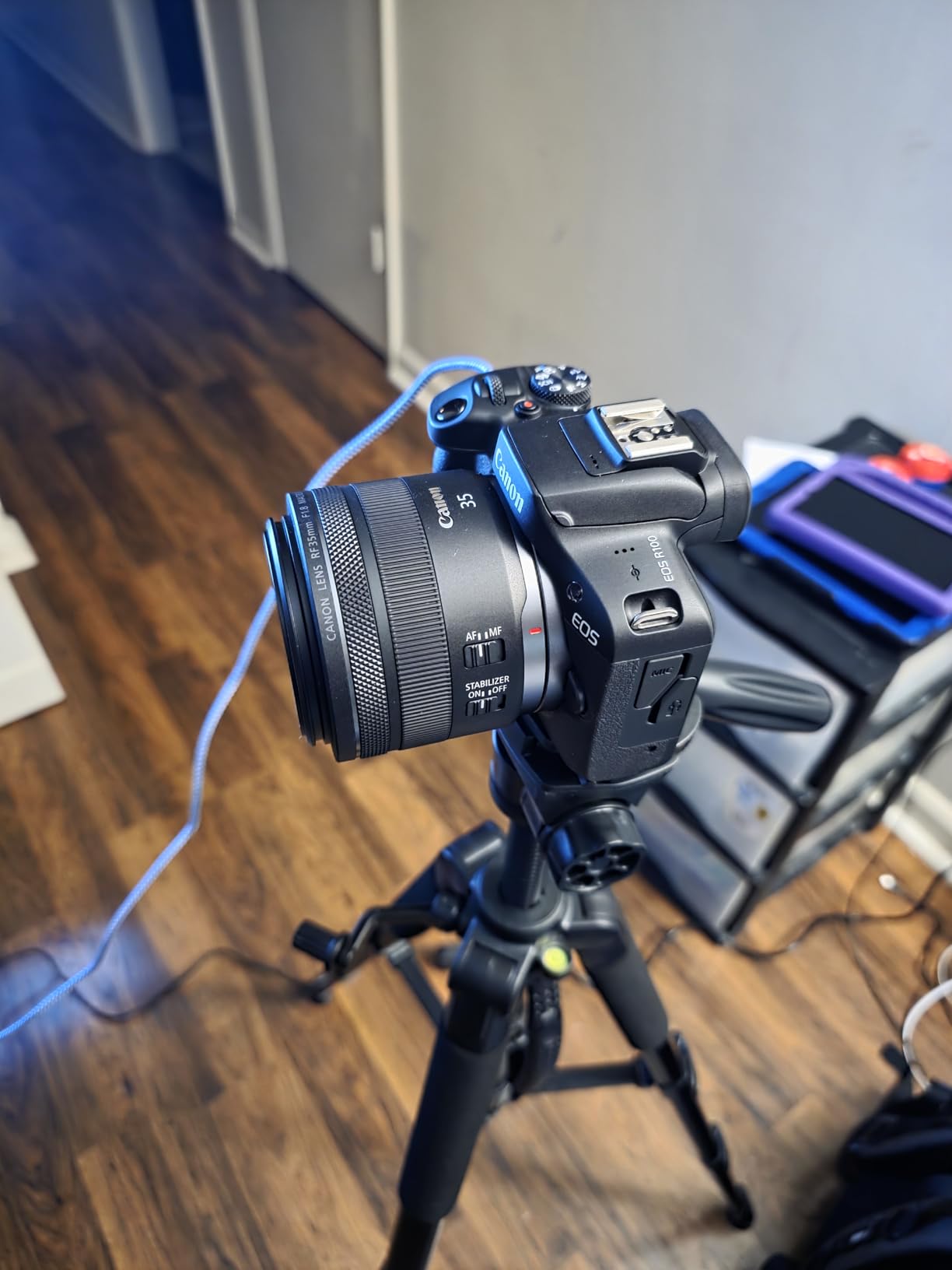
The RF 35mm f/1.8 IS Macro STM stands out as one of the most versatile primes in Canon’s RF lineup. I’ve used this lens for everything from street photography to product shots, and its combination of image stabilization and close-focus capability makes it uniquely useful. The 35mm focal length hits a sweet spot between wide and normal that works for many situations.
The built-in image stabilization is a game-changer, especially for R6 Mark III owners who want that extra stability for video or low-light stills. With 5 stops of correction, I’ve captured sharp handheld shots in surprisingly dim conditions. The 0.5x macro capability opens up creative possibilities that most standard primes can’t match.

At f/1.8, this lens gathers plenty of light for indoor and evening shooting. The background separation is pleasant without being overwhelming, making it suitable for environmental portraits where you want some context. The close focusing distance of just 0.56 feet lets you fill the frame with small subjects in a way that traditional 35mm lenses can’t achieve.
The STM motor focuses smoothly, though it can hunt occasionally in low contrast situations. There’s some audible noise during focusing, which might be noticeable during video recording. Despite these minor quirks, the lens delivers excellent value and has become one of my most-used primes for everyday photography.
Who Should Buy This Lens
Street photographers who want image stabilization in a compact prime will love this lens. Product photographers who need close-focus capability without a dedicated macro lens should consider this option. Travel photographers who want versatility for both wide scenes and detail shots will find this useful. Anyone with an R-series camera without IBIS will especially benefit from the built-in stabilization.
Who Should Look Elsewhere
Photographers who need silent autofocus for video work might find the motor noise problematic. Those shooting in harsh weather will miss weather sealing. Professional macro photographers may want a dedicated 1:1 macro lens for more extreme close-ups. If you prefer the classic 50mm perspective for portraits, the RF 50mm f/1.8 might be a better choice.
8. Canon RF 85mm f/2 Macro IS STM – Best Portrait and Macro Combo
Pros
- Beautiful bokeh for portraits
- 0.5x macro capability
- Hybrid IS for macro work
- Lightweight and compact
- Good value vs f/1.2L
Cons
- Noisy focus motor
- Slower AF than USM
- No weather sealing
The RF 85mm f/2 Macro IS STM combines portrait and macro capabilities in one surprisingly affordable package. I’ve used this lens for headshots, product photography, and close-up nature work, and it handles all these tasks competently. The f/2 aperture creates beautiful background separation for portraits while the 0.5x magnification handles macro duties admirably.
The Hybrid IS system deserves special mention. It compensates for both angular and shift camera shake during macro shooting, which makes a real difference when working at high magnifications. Combined with the R6 Mark III’s IBIS, you get exceptional stability for handheld close-up work. For portrait sessions, the stabilization helps in low-light venues where flash isn’t permitted.

At 85mm, this focal length flatters facial features and provides comfortable working distance for portraits. The bokeh is smooth and pleasing, with good subject isolation even at f/2. Colors render beautifully, with the warm Canon look that portrait photographers appreciate. The close focusing distance of 1.15 feet lets you capture small subjects with satisfying detail.
The main trade-off is autofocus speed. The STM motor is slower than the USM motors in L-series lenses, and it’s audibly noisy during operation. For stationary subjects like portraits and products, this isn’t a problem. But for moving subjects, the AF can feel sluggish. At this price point, these compromises are acceptable given the versatility the lens offers.

Who Should Buy This Lens
Portrait photographers who want beautiful bokeh without the f/1.2L price tag will find this an excellent value. Macro enthusiasts who want close-focus capability in a portrait-friendly focal length should consider this option. Wedding photographers who need one lens for both portraits and ring shots will appreciate the versatility. Budget-conscious photographers building a portrait kit should start here.
Who Should Look Elsewhere
Sports and action photographers need faster autofocus than this lens provides. Those shooting in harsh conditions will miss weather sealing. Professional portrait photographers who demand the absolute best bokeh might prefer the RF 85mm f/1.2L. If you need true 1:1 macro magnification, a dedicated macro lens would serve you better.
9. Canon RF 16mm f/2.8 STM – Best Ultra-Wide Prime
Pros
- Extremely compact and light
- Great value for ultra-wide
- Fast f/2.8 aperture
- Close focusing distance
- Good for vlogging
Cons
- Strong barrel distortion
- No weather sealing
- Uncommon 43mm filter size
- No lens hood included
The RF 16mm f/2.8 STM packs ultra-wide capability into an impossibly small package. Weighing just 5.7 ounces, this lens practically disappears in your bag while offering a dramatic 16mm field of view. I’ve used it for interior architecture, landscape photography, and video work, and its compact size makes it easy to carry everywhere.
The f/2.8 aperture is reasonably fast for an ultra-wide, allowing handheld shooting in indoor spaces where flash isn’t practical. The close focusing distance of just 5.11 inches creates interesting perspective effects when shooting from low angles. For vloggers and content creators, this focal length works well for handheld self-recording with environmental context.

Image quality is good in the center, though edges show some softness and chromatic aberration. The barrel distortion is significant and requires correction in post-processing or in-camera. For landscape and architectural work, I enable in-camera corrections and the results are perfectly acceptable. The compact 43mm filter thread keeps filter costs down, though it’s an uncommon size.
At this price point, the compromises are reasonable. There’s no weather sealing and no included lens hood. The STM motor focuses smoothly and quietly. For travel photography where weight matters, this lens offers ultra-wide capability without the bulk of zoom alternatives. It’s an excellent backup lens to keep in your bag for those moments when you need to go wide.

Who Should Buy This Lens
Landscape photographers who want an affordable ultra-wide option will find this lens capable. Real estate and interior photographers working in tight spaces will appreciate the 16mm field of view. Vloggers and content creators need a wide lens for handheld video work. Travel photographers who want ultra-wide capability without weight should consider this compact option.
Who Should Look Elsewhere
Architectural photographers who need edge-to-edge sharpness should consider L-series wide zooms instead. Those shooting in harsh weather will miss weather sealing. Photographers who use filter systems extensively may find the 43mm thread limiting. If you need the absolute best optical quality for professional landscape work, premium wide zooms would serve you better.
10. Canon RF 24-240mm f/4-6.3 IS USM – Best Travel Super-Zoom
Pros
- Incredibly versatile 10x zoom
- Good for travel one-lens solution
- 5-stop stabilization
- Fast Nano USM autofocus
- Compact for the range
Cons
- Variable aperture limits low light
- No weather sealing
- Vignetting at wide angles
The RF 24-240mm f/4-6.3 IS USM offers an incredible 10x zoom range that covers everything from wide landscapes to distant wildlife. I’ve used this lens extensively for travel photography, and the convenience of having such a broad range in one lens cannot be overstated. For trips where carrying multiple lenses isn’t practical, this super-zoom handles most shooting situations competently.
The Nano USM autofocus is fast and accurate throughout the zoom range. Tracking moving subjects while zooming works smoothly, which is impressive for a lens covering such a broad focal length range. The 5-stop image stabilization helps compensate for the slow maximum aperture at longer focal lengths, allowing handheld shooting in conditions where you might otherwise struggle.

Image quality is good for a super-zoom, with reasonable sharpness at optimal apertures around f/10. At the extreme ends of the range, there’s some softness and vignetting that can be corrected in post. The variable aperture means you’re working at f/6.3 at 240mm, which requires good light or higher ISO settings. For daylight travel photography, this rarely becomes an issue.
The Dynamic IS feature is Canon’s first for full-frame cameras, optimized for video recording while walking. This makes the lens particularly useful for travel videographers who want stabilized footage without a gimbal. At 1.65 pounds, it’s relatively light for a lens offering 240mm reach, making it practical for all-day carry.
Who Should Buy This Lens
Travel photographers who want maximum versatility in a single lens will find this ideal. Vacation photographers who don’t want to carry multiple lenses should consider this all-in-one solution. Casual photographers who need one lens for everything from landscapes to wildlife will appreciate the range. Video creators who want stabilized walk-and-talk footage will benefit from the Dynamic IS.
Who Should Look Elsewhere
Professional photographers who need consistent aperture for exposure control should look at constant aperture zooms. Low-light photographers will struggle with the slow telephoto aperture. Those needing weather sealing for outdoor adventures should consider L-series alternatives. If image quality is your top priority, dedicated zooms in narrower ranges will deliver better results.
How to Choose the Best Lens for Canon EOS R6 Mark III In 2026?
Selecting the right lens for your R6 Mark III depends heavily on what you photograph and your budget. After testing these lenses extensively, I’ve developed a framework for making this decision easier.
Understanding RF Mount Compatibility
The Canon EOS R6 Mark III uses the RF mount, which means native RF lenses will perform optimally. These lenses are designed specifically for the short flange distance of mirrorless cameras, resulting in more compact designs and better optical performance. While you can use EF lenses with an adapter, native RF lenses generally offer faster autofocus, better communication with the camera, and more compact size.
L-Series vs Non-L Lenses
Canon’s L-series lenses represent their professional line, featuring better build quality, weather sealing, and typically superior optics. The red ring around the lens barrel indicates L-series status. Non-L lenses can still deliver excellent results while saving significant money and weight. For most enthusiasts, non-L lenses like the RF 28-70mm f/2.8 IS STM offer an excellent balance of performance and value.
Image Stabilization Considerations
The R6 Mark III features excellent in-body image stabilization (IBIS), which works with any lens you attach. However, lenses with built-in optical stabilization often provide even better performance, especially at longer focal lengths. When both systems work together, you can achieve remarkable stabilization, such as the 7.5 stops possible with the RF 70-200mm f/4L. For video work and low-light photography, image stabilization becomes particularly valuable.
Aperture and Low-Light Performance
Lens aperture affects both light gathering and depth of field control. Fast primes like the RF 50mm f/1.8 excel in low light and create shallow depth of field for subject isolation. Zoom lenses with constant apertures (like f/2.8 or f/4) maintain consistent exposure throughout the zoom range, which matters for video work. Variable aperture zooms are typically lighter and less expensive but limit low-light performance at longer focal lengths.
Matching Lenses to Photography Types
For portrait photography, the RF 85mm f/2 Macro IS STM or RF 50mm f/1.8 STM create beautiful background separation. Landscape photographers should consider the RF 16mm f/2.8 for ultra-wide views or the RF 24-105mm f/4L for versatility. Sports and wildlife photographers will appreciate the RF 70-200mm f/4L or RF 100-400mm for reach. Wedding photographers often choose the RF 28-70mm f/2.8 IS STM as their primary workhorse.
Budget Considerations
Building a lens kit doesn’t require buying everything at once. I recommend starting with one versatile zoom like the RF 28-70mm f/2.8 IS STM or RF 24-105mm f/4-7.1 IS STM, then adding specialized lenses as your needs and budget allow. The RF 50mm f/1.8 STM is an affordable addition that significantly expands low-light and portrait capabilities. Used lenses from reputable dealers can also provide significant savings on L-series glass.
EF Adapter Information
If you own Canon EF lenses from a DSLR system, the EF-EOS R mount adapter lets you use them on the R6 Mark III. Performance is generally excellent, with full autofocus and aperture control. However, native RF lenses typically offer faster autofocus and more compact designs. The adapter adds bulk and is one more component to carry. For photographers with substantial EF lens collections, the adapter provides a cost-effective transition path.
Frequently Asked Questions
What is the best all-around lens for the Canon EOS R6 Mark III?
The Canon RF 28-70mm f/2.8 IS STM offers the best combination of versatility, image quality, and value. Its constant f/2.8 aperture handles low light well, while the 28-70mm range covers most everyday shooting situations. For professionals, the RF 24-105mm f/4L IS USM provides broader coverage with L-series build quality.
What is a good first lens for the R6 Mark III?
For beginners, the RF 50mm f/1.8 STM is an excellent and affordable first prime lens that teaches composition while delivering professional-looking results. For a versatile zoom, the RF 24-105mm f/4-7.1 IS STM covers most situations at a reasonable price. Both lenses are lightweight and won’t break the bank.
Are EF lenses compatible with the Canon R6 Mark III?
Yes, Canon EF lenses work on the R6 Mark III using the EF-EOS R mount adapter. Autofocus performance is excellent, and all lens functions remain available. However, native RF lenses typically offer faster autofocus, more compact designs, and better integration with the camera’s features.
What is the best budget telephoto lens for the Canon R6 Mark III?
The Canon RF 100-400mm f/5.6-8 IS USM offers the best value for telephoto reach. At around $699, it provides 400mm capability with excellent image stabilization and fast Nano USM autofocus. The main trade-off is the slow variable aperture, which limits low-light performance.
Do I need weather-sealed lenses for the Canon R6 Mark III?
Weather sealing becomes important if you frequently shoot outdoors in challenging conditions. L-series lenses like the RF 24-105mm f/4L and RF 70-200mm f/4L feature weather sealing that protects against dust and moisture. For fair-weather photography, non-sealed lenses like the RF 50mm f/1.8 work perfectly fine.
What is the best portrait lens for the Canon R6 Mark III?
The RF 85mm f/2 Macro IS STM delivers excellent portrait results with beautiful bokeh at an affordable price. For professionals wanting the absolute best, the RF 85mm f/1.2L USM creates stunning images but costs significantly more. The budget-friendly RF 50mm f/1.8 STM also works well for portraits with a slightly wider perspective.
Can I use RF-S lenses on the Canon R6 Mark III?
RF-S lenses are designed for Canon APS-C cameras and will work on the R6 Mark III in crop mode, which significantly reduces resolution. I don’t recommend RF-S lenses for full-frame cameras like the R6 Mark III as you lose the benefits of the full-frame sensor. Stick with RF lenses designed for full-frame.
What is the best travel lens for the Canon R6 Mark III?
The RF 24-240mm f/4-6.3 IS USM offers the most versatility for travel with its 10x zoom range covering everything from landscapes to distant subjects. For a lighter option with better low-light performance, the RF 24-105mm f/4L IS USM provides professional quality in a compact package.
Conclusion
Finding the best lenses for Canon EOS R6 Mark III doesn’t have to be overwhelming. My top recommendation for most photographers is the RF 28-70mm f/2.8 IS STM, which delivers professional results at a reasonable price. Pair it with the budget-friendly RF 50mm f/1.8 STM for low-light situations, and you have a capable two-lens kit that handles most photography scenarios.
For professionals, the L-series options like the RF 24-105mm f/4L and RF 70-200mm f/4L provide weather-sealed reliability and exceptional optical quality. Budget-conscious photographers can build an excellent kit with the RF 24-105mm f/4-7.1 IS STM and RF 100-400mm for telephoto reach without the L-series price tags.
Remember that the best lens is the one that matches your shooting style and subjects. Consider what you photograph most often, your typical shooting conditions, and your budget when making your selection. The R6 Mark III is a capable camera that performs well with any of these lenses, so you can’t go wrong with any of my recommendations.