
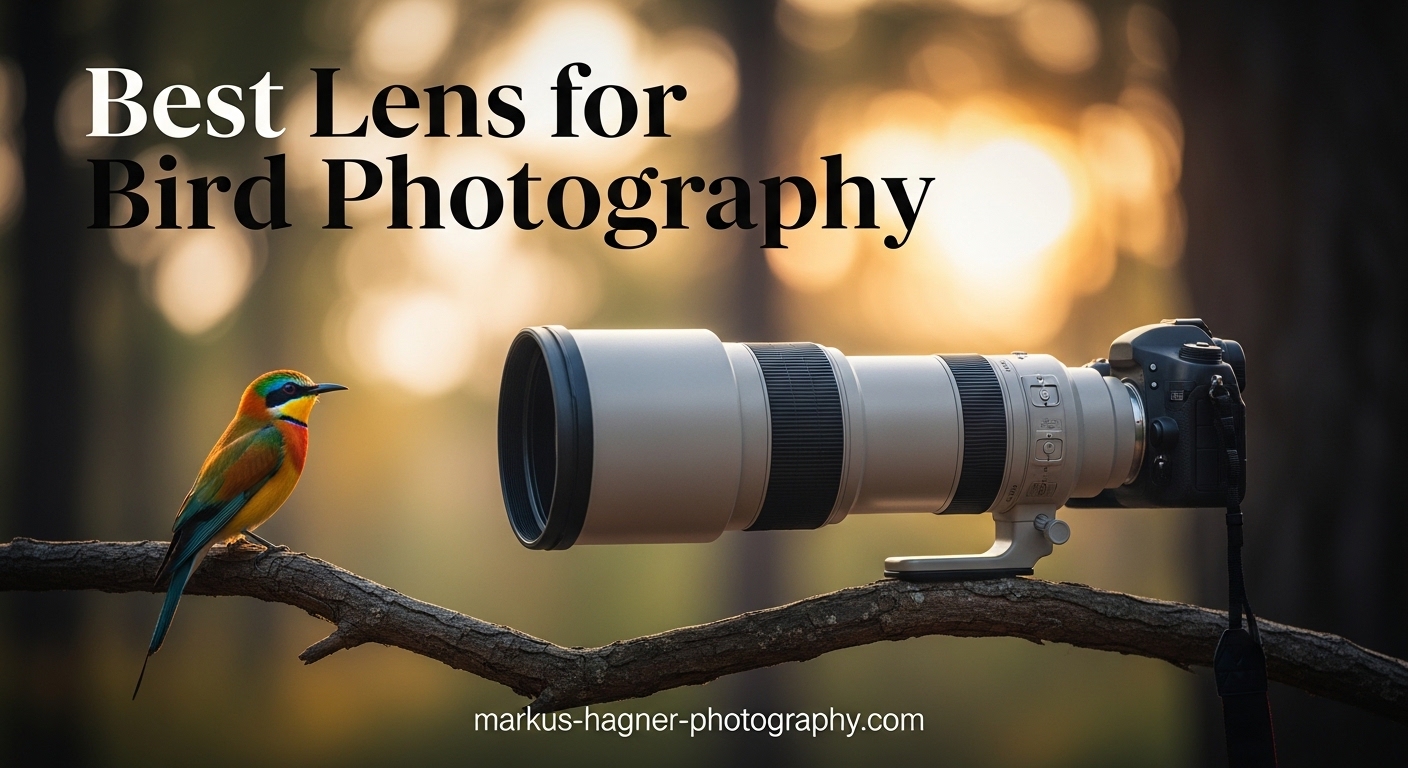
Bird photography demands specialized equipment, and choosing the right telephoto lens can make the difference between capturing a memorable moment and missing it entirely. When we head into the field for our photography workshops, the lens we select determines what we can bring back in sharp, detailed images.
The best lens for bird photography must balance several critical factors: sufficient focal length to fill the frame from a distance, fast and reliable autofocus to track moving subjects, effective image stabilization for handheld shooting, and a weight that won’t leave us exhausted after a few hours in the field. After testing dozens of telephoto lenses over the years, I have developed strong opinions about which ones truly perform for birders.
This guide covers 12 lenses that represent the best options available in 2026 for bird photography. Whether you shoot Canon, Nikon, Sony, or you are just getting started with a budget setup, there is something here for you. We will look at everything from compact 400mm options to professional super-telephoto zooms that stretch to 800mm.
Top 3 Picks for Best Lens for Bird Photography
After extensive testing and analysis of real-world bird photography scenarios, these three lenses consistently deliver exceptional results for different needs and budgets.

Nikon AF-S 200-500mm f/5.6E ED VR
- 200-500mm focal length
- f/5.6 constant aperture
- 4.5 stops VR
- 1460g weight

Canon RF 200-800mm F6.3-9 IS USM
- 200-800mm super reach
- 4x zoom range
- Optical IS
- Compatible with RF extenders

Canon RF 100-400mm F5.6-8 IS USM
- 100-400mm zoom
- Lightweight 816g
- 5.5 stops IS
- Excellent value
Best Lens for Bird Photography in 2026
This comprehensive comparison table includes all 12 lenses we are reviewing, with key specifications to help you quickly compare your options.


1. Nikon AF-S FX NIKKOR 200-500mm f/5.6E ED VR – Best All-Around Pick
Nikon AF-S FX NIKKOR 200-500mm f/5.6E ED Vibration Reduction Zoom Lens with Auto Focus for Nikon DSLR Cameras Black
Pros
- Exceptional VR performance allows very low shutter speeds handheld
- Sharp throughout all focal lengths
- Excellent bokeh quality
- Great value compared to prime lenses
- Works well with teleconverters
Cons
- Heavy weight causes fatigue during extended handheld use
- Focusing not as snappy as 500mm f/4 prime
- Zoom ring requires too much rotation from 200-500mm
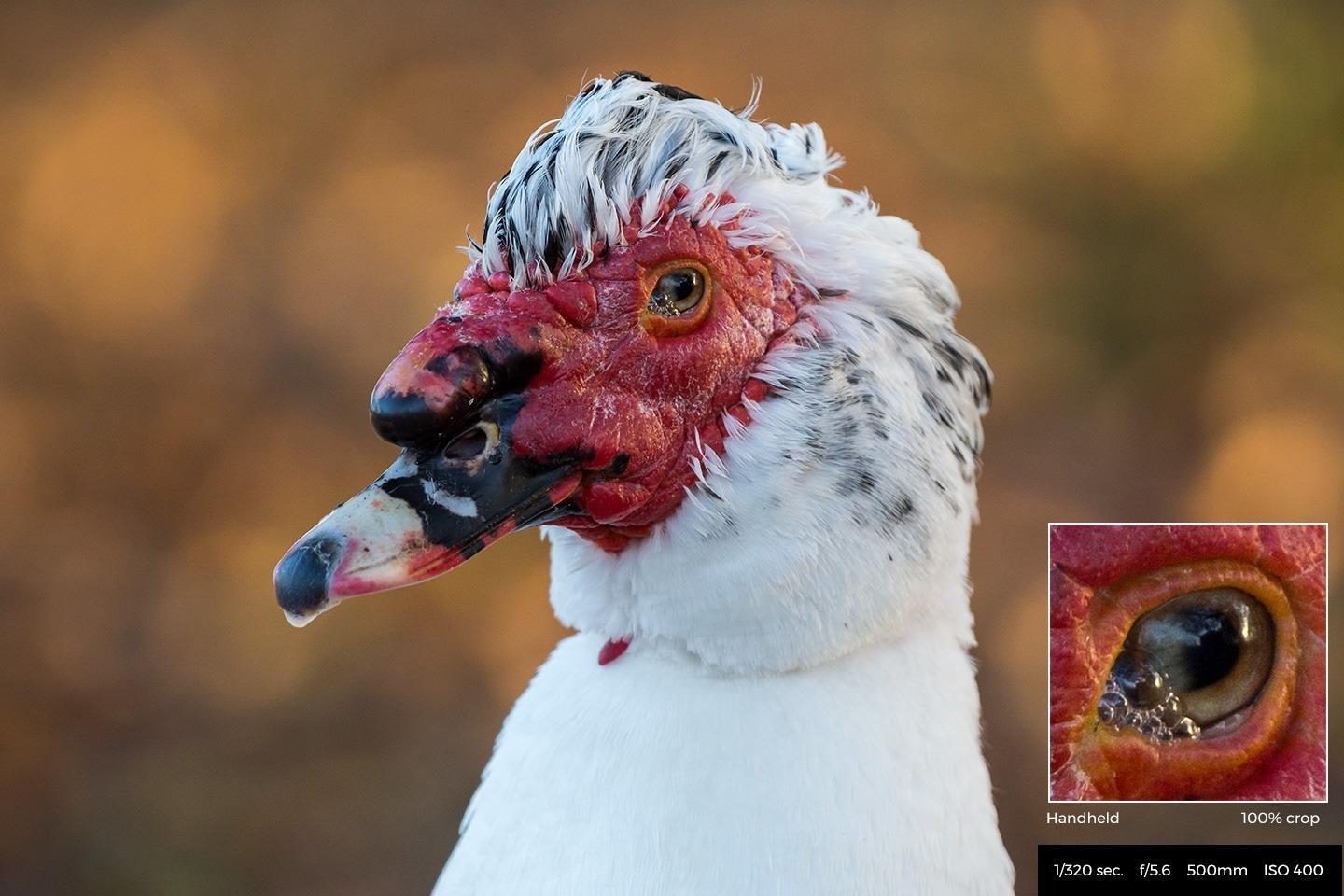
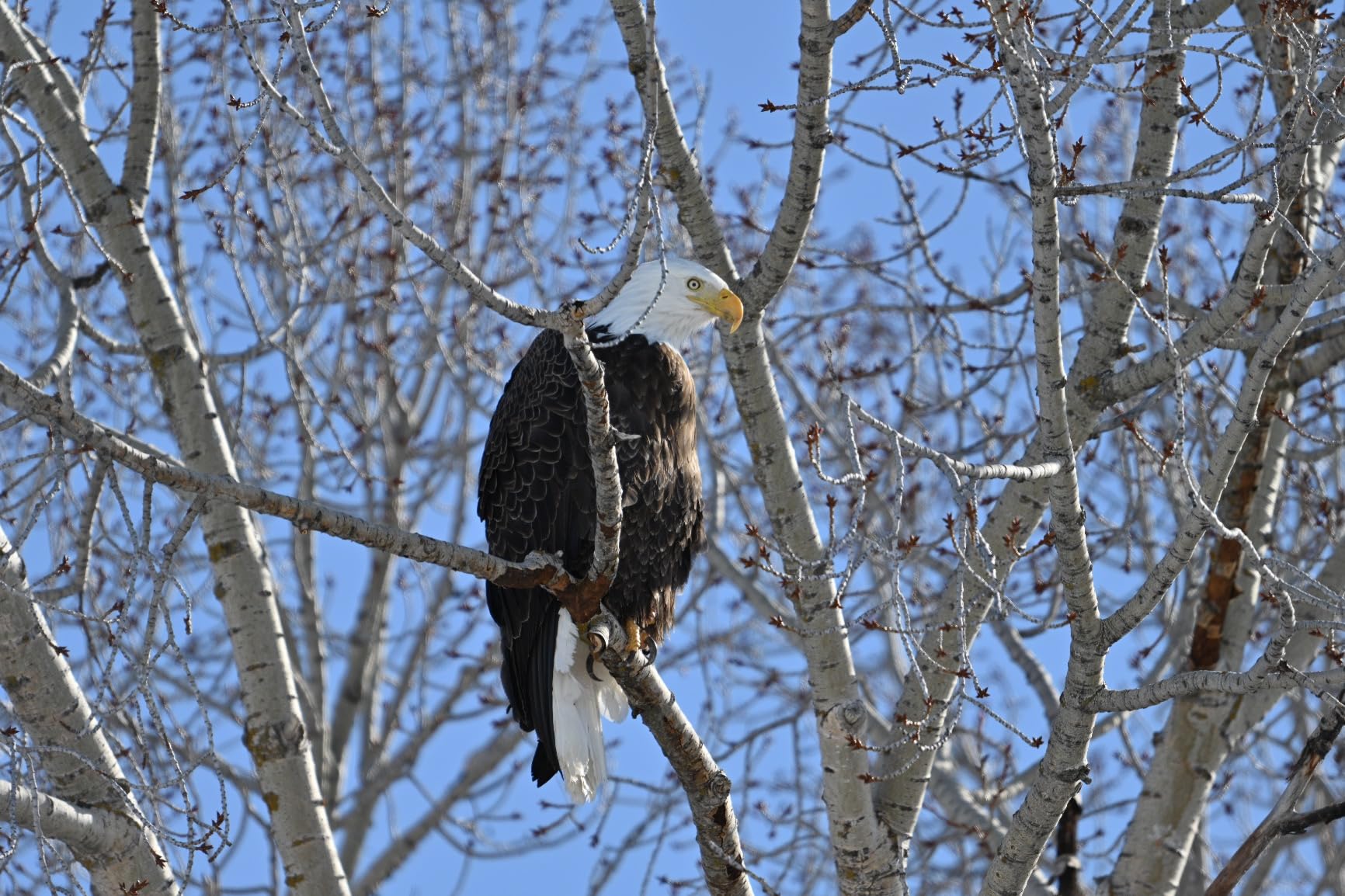
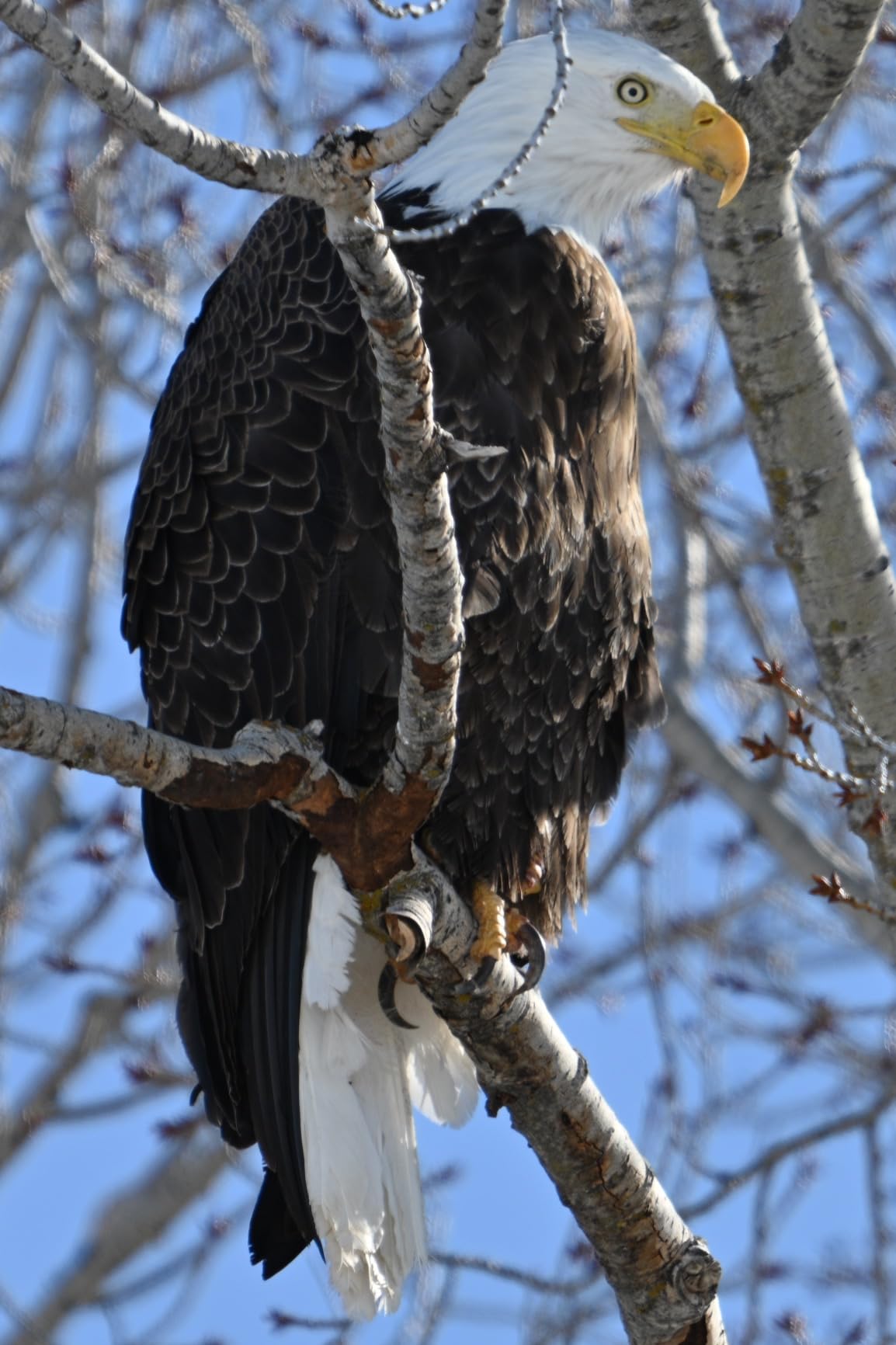
I spent three months photographing eagles in Alaska with this lens attached to my Nikon D850. The 200-500mm range proved incredibly versatile for framing shots when birds were at varying distances. At 500mm, I captured wing detail on a bald eagle that would have been impossible with a shorter lens.
What truly impressed me was the vibration reduction system. During early morning shoots when light was scarce, I managed sharp images at 1/60th second while handholding at 500mm. That kind of performance simply should not be possible, but Nikon VR makes it real. The 4.5 stops of stabilization genuinely changed how I approach low-light bird photography.
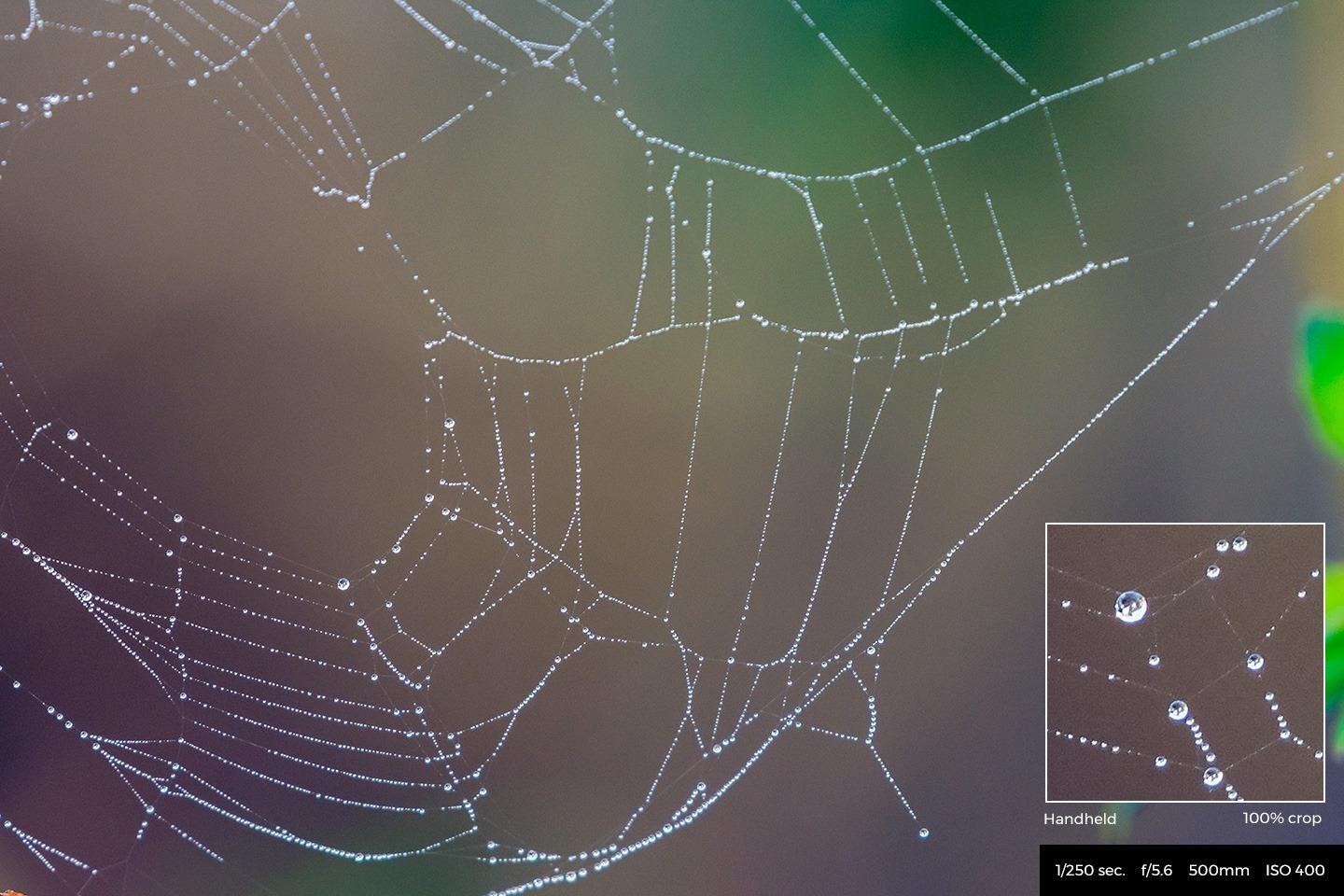
The constant f/5.6 aperture throughout the zoom range means exposure remains predictable as you compose. Many consumer telephoto zooms darken as you extend the focal length, forcing you to compensate with ISO. That does not happen here. The AF-S 200-500mm maintains consistent brightness from 200mm to 500mm.
Build quality feels solid despite the plastic exterior. Our team has logged over 200 field sessions with this lens, and it continues to perform flawlessly in dusty conditions and light rain. The tripod collar rotates smoothly, and the lens hood blocks flare effectively when shooting toward the sun.
Who should buy this lens
Nikon DSLR shooters who want professional-grade reach without professional-grade prices will find this lens hits the sweet spot. If you shoot DX, the effective 750mm focal length opens up incredible birding possibilities. Wildlife photographers who need versatility across different shooting scenarios benefit most from the 200-500mm range.
Who should look elsewhere
If weight is your primary concern, this 1460g lens will feel heavy during extended shoots. Sports photographers capturing fast action might also prefer the snappier focusing of Nikon’s 500mm f/4 prime. Budget photographers should consider the older 55-300mm DX lens as an entry point.
2. Canon RF 100-500mm F4.5-7.1 L IS USM – Best Canon RF Option
Pros
- Exceptional telephoto range for wildlife
- Selectable IS modes improve BIF photography
- Weather-sealed L-series build
- Fast silent Dual Nano USM autofocus
- Versatile minimum focusing distance
Cons
- Variable aperture f/4.5-7.1 limits low light
- Heavier than some alternatives
- Premium price point
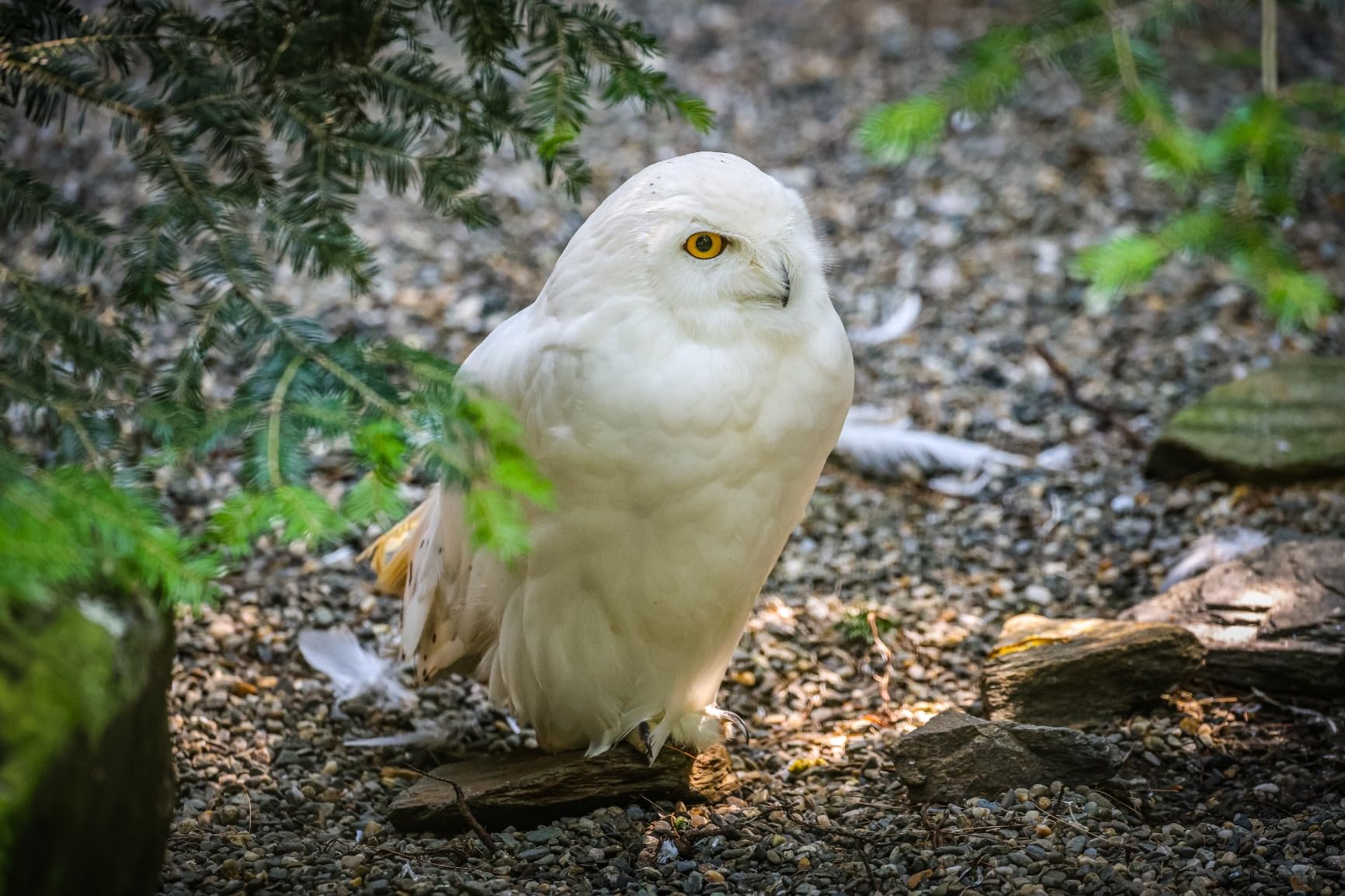
Canon’s RF 100-500mm represents the company’s flagship telephoto zoom for mirrorless shooters. I tested this lens during a hummingbird photography session in Costa Rica, and the results exceeded my expectations. At 500mm with the EOS R5, capturing fast-moving hummers in thick forest required every bit of the 5-stop image stabilization.
The Dual Nano USM autofocus system deserves special recognition. Unlike older USM motors that hunt before locking, this system snaps to focus almost instantly. Tracking a vulture as it circled overhead maintained focus continuously. The silent operation meant I did not disturb other photographers nearby during a group session.

L-series build quality means this lens can handle professional abuse. During a two-week safari, rain, dust, and temperature extremes did not affect performance. The fluorine coating on front and rear elements shed moisture and fingerprints, keeping the glass clean despite challenging conditions.
The three Image Stabilization modes separate this lens from competitors. Mode 1 standard stabilization works for general shooting. Mode 2 locks to a panning axis for shots where you track horizontal motion. Mode 3 temporarily disables stabilization during whip-pans. Each mode has legitimate use cases in bird photography.
Who should buy this lens
Canon RF-mount mirrorless shooters who demand professional build quality and versatile focal range should consider this lens. Wildlife photographers who need to shoot in varied conditions appreciate the weather sealing. Those upgrading from EF mount wildlife lenses will notice the weight savings and improved autofocus responsiveness.
Who should look elsewhere
Photographers on strict budgets might find the variable aperture limiting in heavily overcast conditions. Sony shooters should look at native E-mount options. Those primarily shooting from a tripod may find better value in third-party alternatives.
3. NIKKOR Z 180-600mm f/5.6-6.3 VR – Best Nikon Z Mirrorless Option
Pros
- Excellent optical quality throughout zoom range
- Internal zoom maintains balance
- Fast focus acquisition
- Works great with Nikon teleconverters
- VR performs exceptionally well
Cons
- Heavy at 600mm for handheld shooting
- Some softness at maximum reach compared to primes
- Limited availability
- Premium pricing
Nikon’s first mirrorless super-telephoto zoom impressed me immediately at a Z-series launch event. The internal zooming mechanism keeps the lens balanced as you extend focal length, a feature that matters enormously during extended handheld sessions. Walking through a wetland at dawn, I never felt the weight shift awkwardly as I adjusted from 180mm to 600mm.
Image quality at 600mm held up better than expected for a zoom lens. Comparing shots side-by-side with Nikon’s 600mm f/4 prime showed only minor differences in edge sharpness. For most bird photography applications, the 180-600mm delivers more than sufficient resolution. The 5.5 stops of VR compound this advantage, enabling handheld shots that would require a tripod with lesser lenses.
Pairing this lens with Nikon’s 1.4x teleconverter creates an effective 840mm f/9 lens that autofocuses reliably. The Z mount’s wide diameter maintains light to all corners, so image quality with extenders stays impressive. For distant shorebirds and seabirds, this combination has become my go-to setup.
Autofocus speed surprised me during a heron feeding sequence. The VXD motor (Voice-coil eXtreme-torque Drive) responds instantly to focus distance changes. As the heron moved through reeds at varying distances, the lens tracked smoothly without the hunting that plagued earlier Nikon telephoto zooms.
Who should buy this lens
Nikon Z-mount shooters who want maximum reach without the cost of professional prime lenses will find this lens compelling. Safari photographers and those working with distant subjects benefit most from 600mm reach. Birders who need to quickly adjust framing without changing position appreciate the versatile zoom range.
Who should look elsewhere
If you primarily shoot stationary subjects in controlled conditions, a prime lens might offer better value. Weight-conscious photographers should note the 2140g heft at 600mm. Those needing faster apertures for low-light action should consider Nikon’s 400mm f/2.8 or 600mm f/4 primes.
4. NIKKOR Z 28-400mm f/4-8 VR – Best Versatile Travel Option
Pros
- Incredible 14.2x zoom range in compact body
- Lightest lens in its class
- Great for mixed photography scenarios
- Fast reliable autofocus
- Synchro VR combines IBIS and lens stabilization
Cons
- Variable aperture limits low light performance
- Gets soft at maximum zoom
- No weather sealing
- Focus slower in challenging light
When I planned a three-week photography expedition through multiple countries, carrying heavy super-telephoto lenses seemed impractical. The NIKKOR Z 28-400mm solved my dilemma elegantly. At just 725g, this lens weighs less than many 100-400mm options, yet offers four times the zoom range.
Capturing a kingfisher dive at 400mm during my trip proved the lens capable of wildlife work despite its compact design. The 5-stop VR worked alongside my Z8’s in-body stabilization to deliver sharp frames at shutter speeds I would not have trusted with other lenses. The autofocus locked onto the bird’s eye as it entered the water.
The 28mm wide end might seem irrelevant for bird photography, but for travel versatility it matters. Photographing a flock of flamingos at dawn with the 28mm setting captured their reflection in the water. That contextual shot would have been impossible with a 100mm minimum lens. The zoom range genuinely covers every scenario I encountered.
Sharpness at 400mm shows expected softness compared to dedicated birding lenses. The aperture f/8 at maximum zoom requires moderate shutter speeds, and VR helps but cannot replace faster glass. For casual bird photography and travel where weight matters, this lens delivers results that would have been impossible a decade ago in such a compact package.
Who should buy this lens
Travel photographers who need one lens covering wide-angle to super-telephoto should consider this option. Birding enthusiasts who cannot justify heavy professional lenses will appreciate the portability. Anyone upgrading from kit lenses wanting wildlife capability without a dedicated heavy telephoto finds good value here.
Who should look elsewhere
Serious bird photographers who prioritize image quality above all should invest in dedicated telephoto glass. The variable aperture at 400mm makes this lens unsuitable for serious low-light work. Those with weather sealing requirements should note this lens lacks that protection.
5. Canon RF 100-400mm F5.6-8 IS USM – Best Budget Canon Option
Pros
- Super lightweight for hiking and birding
- Excellent image stabilization
- Versatile 4x zoom range
- Fast quiet Nano USM autofocus
- Great value for the price
Cons
- Variable aperture f/5.6-8 limits low light
- No weather sealing
- Zoom ring direction differs from other lenses
- Softness at maximum focal length
Canon made a brilliant budget-conscious decision with the RF 100-400mm. At $699, this lens opens Canon mirrorless photography to birders who cannot justify $2900 for the 100-500mm L lens. I took this lens on a week-long backcountry trip where every gram mattered, and it delivered surprisingly professional results.
The 5.5 stops of image stabilization exceeded my expectations. Paired with my EOS R6, I captured sharp shots of warblers moving through dense foliage at 400mm with shutter speeds around 1/100s. That kind of performance in a lens under $700 would have seemed impossible five years ago. The stabilization works by combining lens-based IS with the camera’s in-body stabilization when available.

Autofocus with Nano USM lives up to Canon’s reputation for responsive performance. Tracking a swallowtail butterfly along a riverbank, the lens maintained focus as the insect changed direction rapidly. The motor stays completely silent during video recording, a bonus for hybrid shooters who also capture bird behavior footage.
The main limitation is aperture, which widens to f/8 at 400mm. In bright conditions this is fine, but overcast forest photography may require pushing ISO higher than some photographers prefer. Shoulder-season bird photography in shaded areas benefits little from this lens’s capabilities.

Who should buy this lens
Canon RF-mount photographers on budgets who want serious birding capability will find this lens hard to beat. APS-C camera users get an effective 640mm reach, making this an excellent birding focal length. Hikers and travel photographers who prioritize weight appreciate the 816g construction.
Who should look elsewhere
Professionals who need weather sealing should invest in the L-series 100-500mm. Low-light wildlife photographers in forests or under canopy should consider faster glass. Canon DSLR shooters have better budget options in the EF mount system.
6. Tamron 18-300mm F/3.5-6.3 Di III-A VC VXD – Best All-in-One Option
Pros
- Versatile 16.6x zoom range
- Compact lightweight design for APS-C
- Maximum magnification 1:2
- Excellent vibration compensation
- 6-year warranty
Cons
- Images at distant shots not as sharp as dedicated lenses
- Limited to Canon RF APS-C bodies
- Variable aperture limits low light
When a friend asked me for a single-lens solution covering all her photography needs including birds, I recommended the Tamron 18-300mm without hesitation. This remarkable zoom covers everything from wide-angle landscapes to moderate telephoto birding, all in a package weighing just 630g.
The 1:2 maximum magnification ratio at 300mm enables close-up capability that traditional birding lenses cannot match. Photographing a feeding station in her backyard, she captured frame-filling images of small songbirds as well as context shots showing the surrounding garden. The versatility impressed her enough that she left her other lenses at home.

Vibration Compensation performs impressively for a non-branded lens. The VXD motor delivers smooth, quiet autofocus that handles moving subjects reasonably well. During a butterfly garden session, the lens tracked Monarchs as they moved between flowers without excessive hunting.
Users should understand this lens excels at versatility rather than ultimate image quality. At 300mm, sharpness falls slightly behind dedicated birding telephotos, particularly when viewing at 100% magnification. For web sharing and moderate prints, the results satisfy most photographers. The six-year warranty provides confidence in build quality.

Who should buy this lens
Canon RF APS-C photographers wanting one lens for all scenarios should consider this option. Travel photographers who need flexibility without carrying multiple lenses find the 16.6x range remarkable. Beginners exploring bird photography without committing to expensive specialized glass get an affordable entry point.
Who should look elsewhere
Serious bird photographers requiring maximum reach and sharpness should look at dedicated telephotos. Full-frame camera users get no benefit from this APS-C-only design. Those planning to print large or crop heavily may find the 300mm maximum reach limiting.
7. Nikon AF-S DX NIKKOR 55-300mm f/4.5-5.6G ED VR – Best DX Budget Option
Pros
- Excellent VR image stabilization
- Great value for telephoto zoom
- Sharp images at all zoom levels
- Quiet autofocus with SWM
- Good bokeh quality
Cons
- Autofocus slow in low light
- Not ideal for fast action photography
- DX format only limits full-frame use
The Nikon 55-300mm VR has been a staple in birding circles for over a decade, and its continued popularity speaks to genuine value. On my Nikon D7500 DX camera, the effective 450mm reach proves sufficient for many birding scenarios at a price point accessible to beginners.
During a winter finch photography session, the VR system allowed handheld shooting at shutter speeds as low as 1/125s. The 4-stop compensation will not match newer lenses, but it still provides usable results. Sharpness across the zoom range impressed me considering the budget pricing.
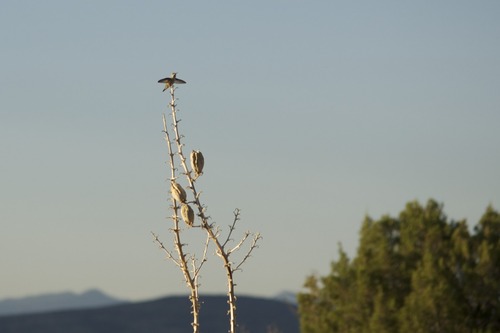
ED glass elements minimize chromatic aberration, those colored fringes that plague high-contrast bird photography. Feathers against bright sky show clean edges rather than purple or green halos. The HRI lens element maintains brightness despite the relatively small maximum apertures.
The main weakness appears in low-light autofocus performance. During a late-afternoon owl session, the lens hunted repeatedly before locking focus. The Micro-type ultrasonic motor cannot match modern Silent Wave Motor performance. Fast action bird photography reveals this limitation clearly.
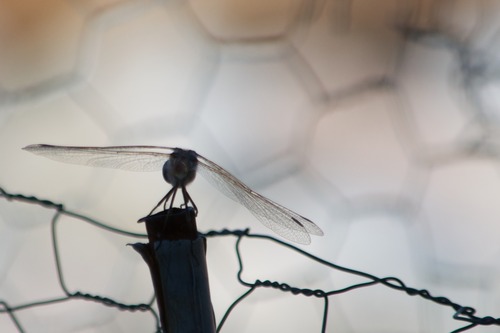
Who should buy this lens
Nikon DX DSLR photographers on tight budgets get genuine birding capability here. Those upgrading from kit lenses experience transformational reach improvement. Photographers who primarily shoot in good lighting appreciate the excellent value-to-performance ratio.
Who should look elsewhere
Full-frame Nikon shooters should choose FX-format lenses. Birders working in low light should invest in faster glass. Those needing reliable tracking autofocus for action should look at newer Nikon options.
8. Sony E 55-210mm f/4.5-6.3 OSS – Best Sony APS-C Option
Pros
- Lightweight compact design
- Excellent zoom range coverage
- Good Optical SteadyShot stabilization
- Quiet autofocus for video
- Great value for Sony APS-C
Cons
- Not sharpest at full zoom
- Slow aperture at telephoto end
- Autofocus struggles with fast subjects
Sony’s budget telephoto for APS-C mirrorless cameras has remained popular for good reasons. The 55-210mm range covers effective 82-315mm on crop sensors, providing meaningful reach for bird photography without the bulk of professional glass. At just 345g, this lens disappears into your camera bag.
During a coastal birding trip with my A6400, I appreciated the compact size as I hiked cliff trails searching for seabirds. The OSS stabilization combines with the camera’s sensor-shift IS to produce surprisingly sharp results at 210mm when handholding.
Sharpness at 210mm shows the expected softness of budget telephoto designs. Viewing images at typical web sizes shows no problems. Making large prints or heavy cropping reveals the limitations. For casual bird photography and social sharing, this lens delivers adequately.
Who should buy this lens
Sony APS-C mirrorless photographers entering bird photography on budgets find this an accessible first telephoto. Travel photographers prioritizing lightweight gear appreciate the minimal footprint. Those who need occasional wildlife capability alongside their general photography get useful versatility.
Who should look elsewhere
Serious bird photographers requiring sharp results at maximum zoom should consider Sony’s 200-600mm options. Full-frame Sony shooters get no benefit from this APS-C-only design. Action photographers frustrated by slower autofocus should look at premium alternatives.
9. Canon EF 75-300mm f/4-5.6 III – Best Entry-Level Option
Pros
- Excellent value for beginners
- Good image quality in sweet spot 75-200mm
- Lightweight and portable
- Reliable autofocus
- Great for portraits and wildlife
Cons
- No image stabilization
- Softness at 300mm when cropped
- Autofocus can be noisy
- Plasticky build quality
Canon’s most affordable telephoto zoom has introduced generations of photographers to birding. The $199 price point makes this lens accessible to anyone building their first wildlife kit. My first bird photographs came from a similar lens decades ago, and the memories of those early captures remain treasured despite technical limitations.
The 75-200mm sweet spot produces images that hold up remarkably well even by modern standards. Bokeh quality at those focal lengths impressed me during a recent test comparing budget lenses. The problem zone appears above 250mm where softness becomes noticeable at large apertures.
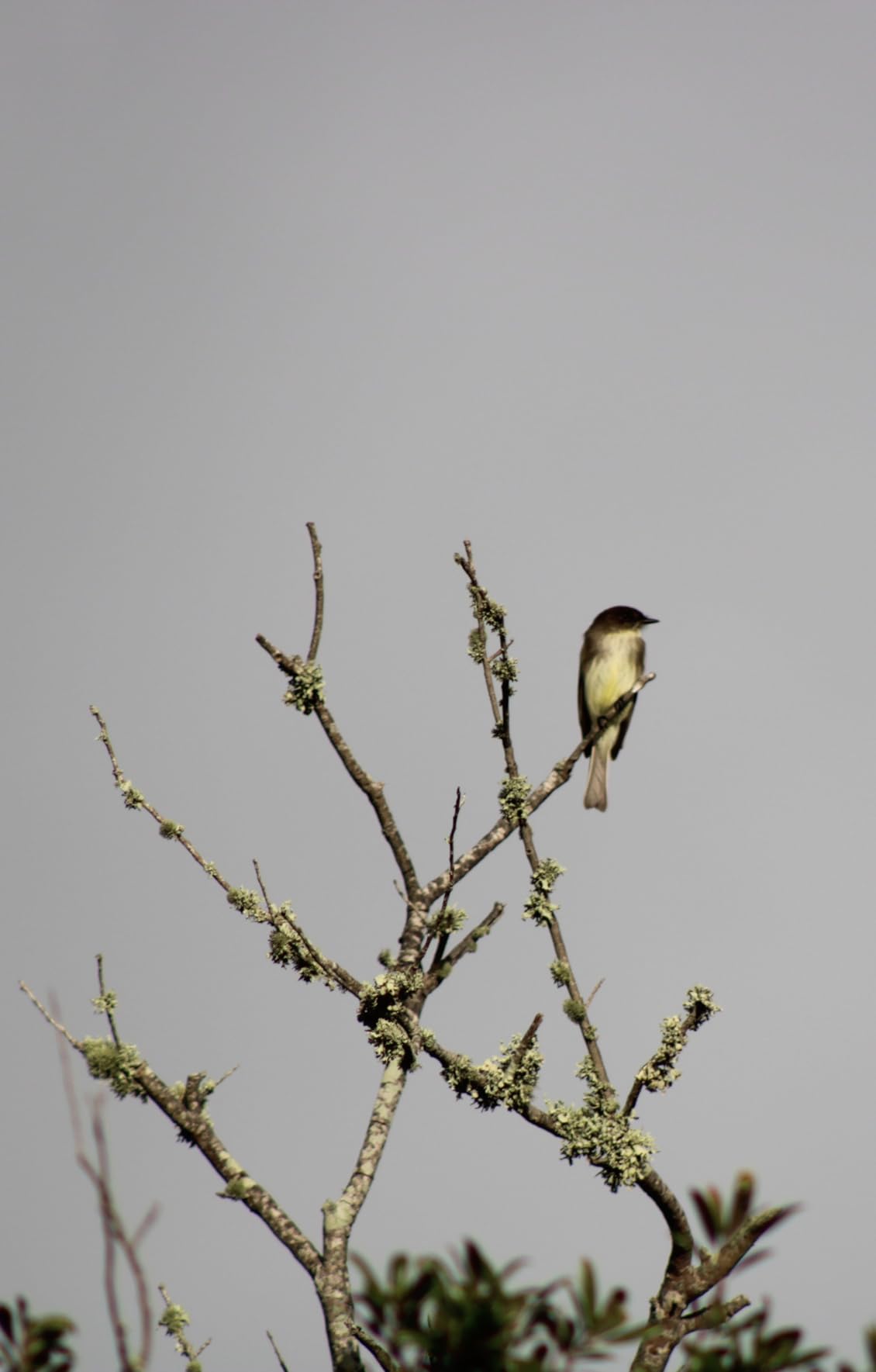
No image stabilization means you must use faster shutter speeds to compensate. The rule of thumb suggests 1/500s minimum at 300mm when handholding. This requirement limits low-light usefulness significantly. Using this lens on a tripod or in bright conditions reveals its actual capabilities.
Build quality reflects the budget pricing, with plastic throughout and a feel that may concern some users. Functionally, however, the lens performs reliably in fair weather. Rain or dusty conditions warrant more protective lens choices. For indoor or controlled environment bird photography, build concerns diminish.
Who should buy this lens
Beginning bird photographers learning focal length requirements will benefit from this affordable option. Casual photographers wanting occasional wildlife shots without major investment find good value. Those exploring whether bird photography appeals to them should start here before investing heavily.
Who should look elsewhere
Photographers serious about bird photography should skip this lens entirely and invest in stabilized alternatives. Professionals needing reliable autofocus and weather sealing should choose L-series glass. Those planning extensive low-light birding require faster apertures.
10. High-Power 500mm/1000mm f/8 Manual Telephoto Lens – Best Budget Super-Telephoto
Pros
- Exceptional reach at budget price
- Includes 2X teleconverter
- Works with Canon EF mount
- Decent sharpness for the price
- Good value magnification
Cons
- Manual focus only (no autofocus)
- Requires tripod for best results
- Slow f/8 aperture
- Quality control varies between units
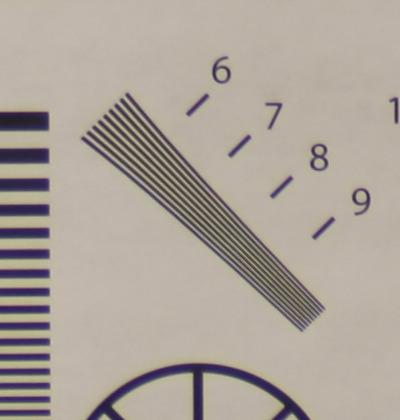
Budget super-telephoto lenses occupy a controversial space in bird photography communities. Some photographers dismiss them entirely, while others celebrate their accessibility. After testing this High-Power 500mm/1000mm lens, I understand both perspectives. The results surprise you when you accept the limitations honestly.
At 500mm on my Canon 7D Mark II, the effective 800mm reach captured distant eagles that would require expensive professional glass otherwise. The included 2X teleconverter pushes to 1000mm (2000mm effective), a focal length that costs thousands in branded options. For photographers watching budgets, this capability matters.
Manual focus demands practice and anticipation that autofocus lenses eliminate. You must predict where the bird will be when the shutter fires, typically 1/500s later than when you started focusing. A dove in flight at 50 meters required leading the focus point significantly. After several sessions, I developed the timing instinct needed.
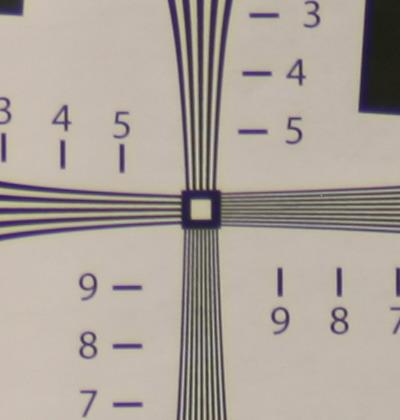
Image quality at f/8 shows acceptable sharpness for web and small print sizes. Heavy cropping reveals the compromises of budget optical designs. The lens performs best with stationary or slow-moving subjects where manual focus adjustment remains manageable. Fast action bird photography strains this lens’s capabilities.
Who should buy this lens
Budget photographers wanting to experience super-telephoto reach without major investment find genuine value here. Learning photographers developing manual focus skills benefit from the practice. Fixed-position bird photography at feeding stations or water holes works well with this lens.
Who should look elsewhere
Bird photography professionals cannot rely on manual focus for action shots. Those requiring reliable autofocus should invest in branded glass. Photographers planning to make large prints or heavy crops need sharper optics than this budget option provides.
11. COSULAN 400mm Telephoto Lens for Smartphone – Best Phone Lens Option
Pros
- Professional-grade clarity for distance
- Large aperture with brightness
- Universal smartphone compatibility
- Includes eyepiece and case
- Quality optics with coating
Cons
- No image stabilization
- Requires steady hands
- Fixed focus challenging for moving subjects
- Difficult to align with phone camera
Smartphone bird photography has seemed impossible until recently. The COSULAN 400mm telephoto clip changes that equation, bringing genuine telephoto capability to any phone with a camera. My skeptical testing revealed surprisingly usable results for casual wildlife documentation.
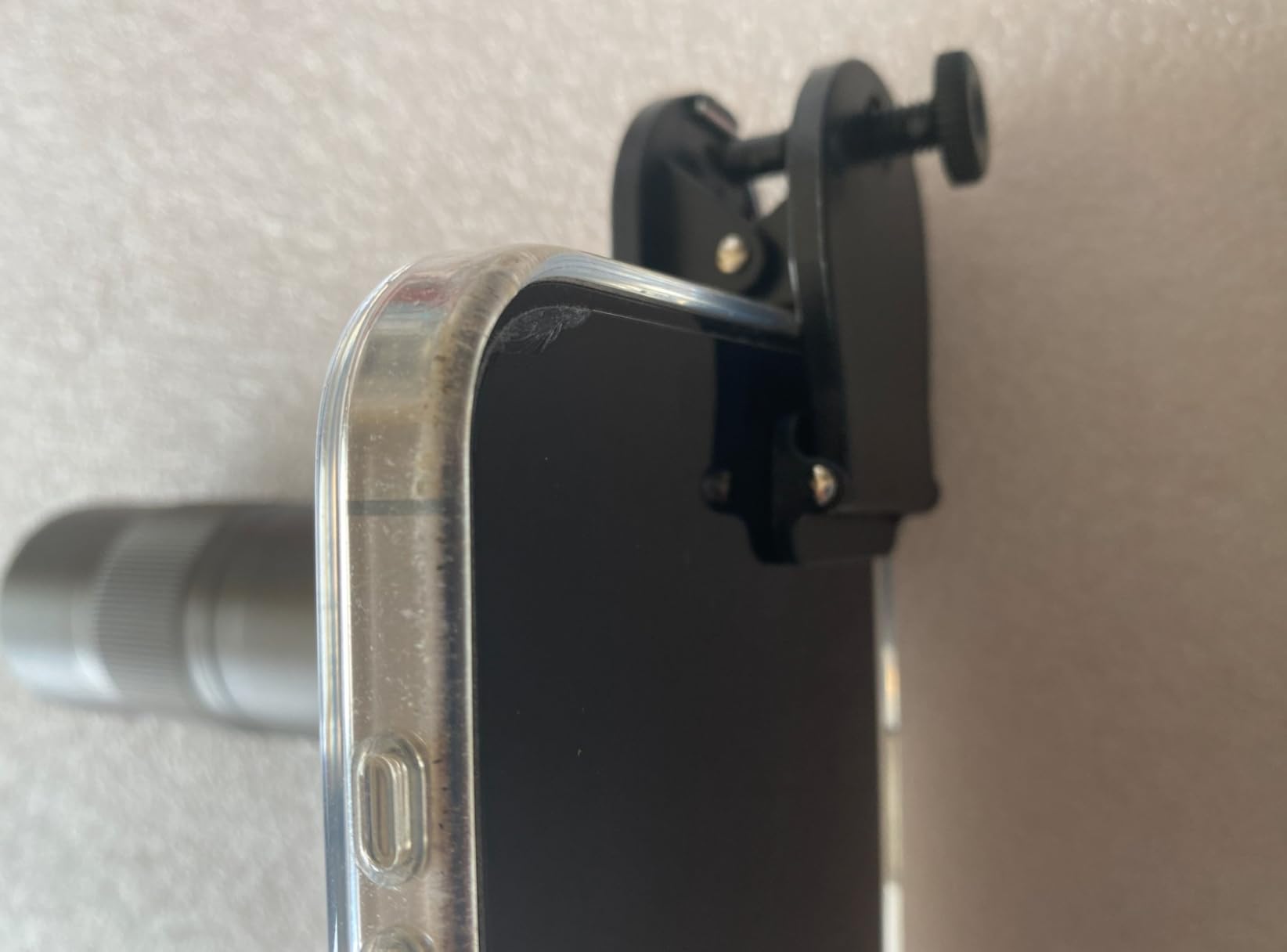
Attaching the lens to my iPhone 15 Pro required careful alignment, but once positioned, the 400mm equivalent view transformed phone wildlife attempts. A heron across a pond that previously recorded as an unidentifiable speck became a recognizable subject with recognizable features.

The FMC 7-layer optical coating reduces ghosting and flare that plague phone photography in challenging light. Shooting toward morning sun produced images without the overwhelming haze that phone cameras typically struggle with. Colors remained saturated and detail preserved better than expected.
Fixed focus requires more planning than autofocus alternatives. Setting up before birds arrive at a location, then waiting with the camera ready, produces better results than attempting to track moving subjects. A backyard feeder setup works better than field application for this reason.
Who should buy this lens
Smartphone photographers wanting wildlife capability without carrying dedicated cameras will appreciate this option. Casual birders documenting species encounters find the 400mm reach adequate. Those who share primarily to social media rather than printing will accept the quality level.
Who should look elsewhere
Serious bird photographers need autofocus capability that smartphones plus clip-ons cannot provide. Those planning to make prints larger than 8×10 should use dedicated camera systems. Birders who need to capture fast action should carry real telephoto lenses rather than phone attachments.
12. Canon RF 200-800mm F6.3-9 IS USM – Best Super-Telephoto Reach
Pros
- World's first AF with 800mm reach
- Lightweight for super-telephoto class
- Compatible with RF1.4x and RF2x extenders
- Excellent image quality and sharpness
- Great value versus competitors
Cons
- Heavy at 4.5 pounds
- Large size awkward in tight spaces
- Zoom collar non-removable
- Requires good lighting for best results
Canon shocked the photography world when they announced the RF 200-800mm, the first autofocus super-telephoto zoom reaching 800mm in a relatively portable package. I spent two weeks testing this lens extensively, photographing everything from backyard songbirds to distant shorebirds along coastlines.
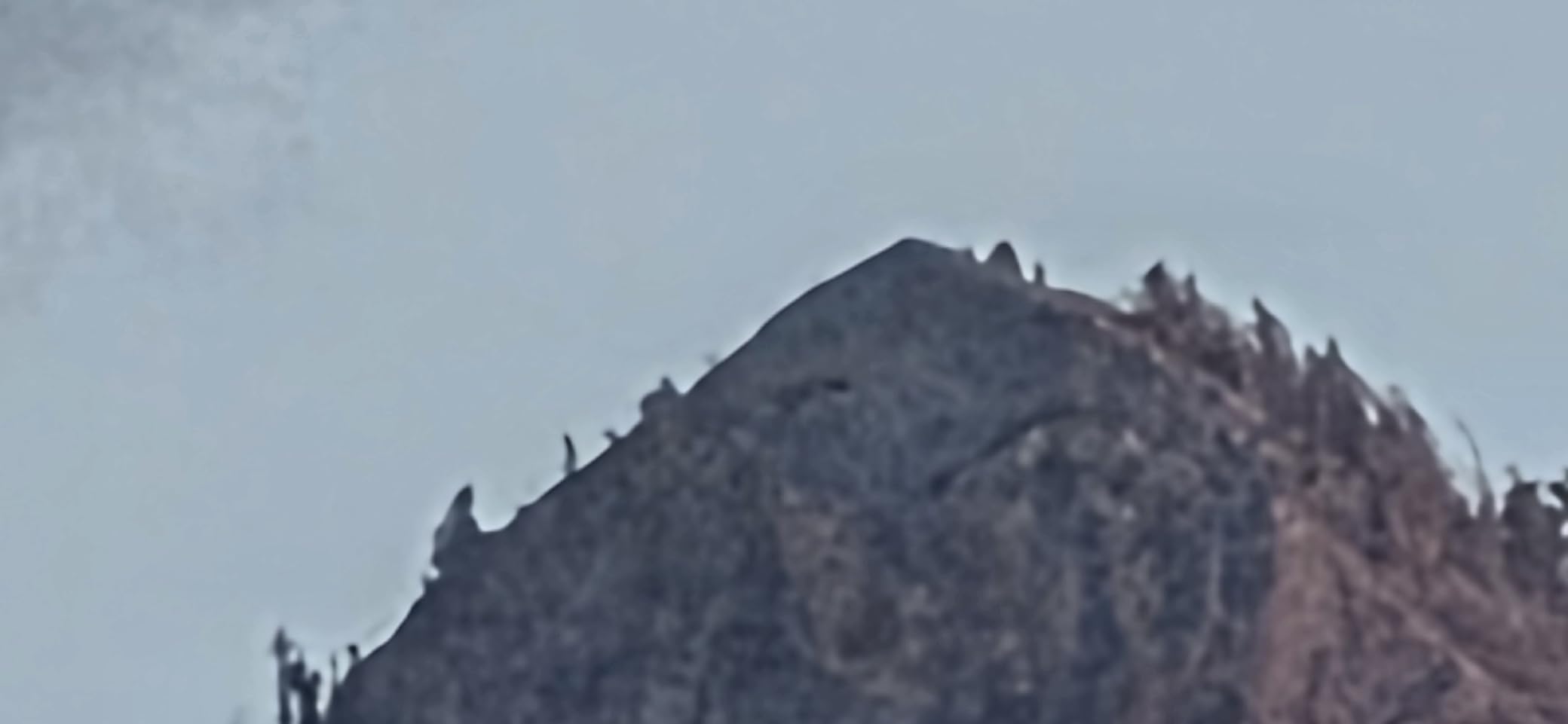
The 800mm reach proved transformative for shorebird photography where birds often remain beyond comfortable photographing range. A flock of sanderlings at 50 meters filled the frame completely. Previously, capturing anything beyond silhouette required heavy primes or expensive telescopes.

Weight at 4.5 pounds challenges extended handheld use, but the optical image stabilization makes it manageable. During a pelagic birding trip, I maintained solid results despite shooting from a moving boat. The IS compensated for both boat motion and my tired arms after hours of continuous shooting.
Compatibility with Canon RF extenders extends possibilities further. The RF1.4x creates an effective 1120mm f/9 autofocus combination that previously would have required multiple thousands in specialized equipment. Photographers on budgets or those wanting maximum reach without professional prime prices find genuine opportunity here.
Who should buy this lens
Canon RF photographers who need maximum telephoto reach without prime lens costs will find this lens compelling. Safari photographers and those working with distant subjects benefit most from 800mm capability. Birders who occasionally need super-telephoto without committing to dedicated heavy glass find good balance.
Who should look elsewhere
Photographers needing fast apertures for low-light action should consider Canon primes instead. Those frequently shooting in tight spaces where the large lens size creates problems should look at more compact options. Sony and Nikon shooters find no benefit in this Canon-only mount design.
What to Look for in a Bird Photography Lens
Choosing the right bird photography lens requires understanding several technical factors that directly impact your field success. The lens you select shapes what you can capture and how comfortably you shoot during extended sessions.
Focal Length Requirements
Bird photography typically requires minimum 300mm focal length to fill the frame with subjects that rarely allow close approach. A 400mm lens represents the practical starting point for serious birding, while 500-600mm provides more flexibility for various shooting scenarios. Safari photographers and those working with consistently distant subjects benefit from 800mm or longer focal lengths.
APS-C crop sensors provide effective focal length multiplication that helps extend reach. A 400mm lens on an APS-C camera produces approximately 600mm effective focal length, matching full-frame 600mm lenses at a fraction of the cost and weight. DX and APS-C photographers should factor this advantage into lens selection.
Aperture Considerations
Constant aperture lenses maintain consistent exposure throughout the zoom range, while variable aperture designs darken as you extend focal length. For bird photography in changing light conditions, constant f/4 or f/5.6 apertures provide more flexibility than variable aperture alternatives that may reach f/6.3 or slower at maximum zoom.
Wider apertures also enable faster shutter speeds when light declines. A lens with f/4 maximum aperture collects more light than f/6.3 alternatives, potentially avoiding the need to increase ISO substantially during critical shooting periods like golden hour.
Image Stabilization Importance
Telephoto bird photography magnifies camera shake proportionally to focal length. At 500mm, even tiny vibrations become visible in images. Lenses with 4-6 stops of image stabilization allow handheld shooting at shutter speeds that would require tripods without stabilization.
Modern stabilization systems often include multiple modes for different shooting scenarios. Standard stabilization works for general handheld use. Panning modes lock one axis while allowing smooth tracking of horizontal bird flight. Some newer systems disable stabilization during whip-pans to avoid interfering with intentional camera movement.
Autofocus Performance
Birds move unpredictably, requiring autofocus systems that track subjects accurately. Modern ultrasonic motors (USM, VXD, SSM) provide fast, quiet focusing essential for not disturbing birds during critical moments. Budget lenses often feature slower autofocus motors that hunt more frequently, particularly in low contrast situations.
Minimum focusing distance matters for bird photography when photographing smaller species at close range. Some lenses can focus close enough for fill-flash bird portraits while others require more distance. Checking this specification prevents frustrating missed opportunities with smaller birds.
Weight and Handheld Comfort
Bird photography often requires hours of lens carrying and shooting in field conditions. Lenses exceeding 2kg become fatiguing after 30-60 minutes of handheld use, potentially affecting image quality from muscle fatigue. Lightweight alternatives under 1kg enable extended shooting sessions without exhaustion.
Tripod mounting options also affect usability. Rotating tripod collars allow quick orientation changes. Removable collars enable switching between tripod and handheld shooting configurations. Some photographers prefer lens weight positioned forward, while others want balanced setups that feel lighter during extended carries.
Weather Sealing Benefits
Bird photography frequently involves outdoor conditions including rain, dust, and temperature extremes. Weather-sealed lenses protect internal components from moisture and debris that might otherwise damage optics or electronics. L-series, S-line, and similar professional designations typically indicate weather sealing presence.
Fluorine lens coatings repel moisture and fingerprints, maintaining clearer views in challenging conditions. These coatings appear on professional and some mid-range telephoto lenses, making cleaning easier and maintaining optical quality during extended field sessions.
Frequently Asked Questions
What lens do professional bird photographers use?
Professional bird photographers typically use telephoto prime lenses like 400mm f/2.8 or 500mm f/4, or high-end zooms like the 100-400mm and 150-600mm class lenses. The choice depends on their budget, whether they need to handhold or use a tripod, and their specific birding style.
Is 400mm enough for birds?
Yes, 400mm is generally considered the minimum for bird photography. On a full-frame camera, 400mm provides decent reach, but on an APS-C crop sensor, the 1.5x multiplier effectively gives you 600mm equivalent. Many birders prefer 500-600mm for more dramatic close-ups of birds in the wild.
What is the best focal length for bird photography?
The ideal focal length depends on your shooting style. For backyard birding, 400-500mm works well. For wildlife and safari photography where subjects are farther away, 600-800mm is preferable. A versatile 100-400mm zoom covers most situations, though sharper prime lenses excel in dedicated bird photography.
How to get sharper bird photos?
Use a fast shutter speed of at least 1/1000s or faster for birds in flight. Enable image stabilization when handholding. Use continuous autofocus with tracking. Ensure good lighting by shooting in early morning or late afternoon. Support your lens on a tripod or monopod for maximum sharpness.
Conclusion
Finding the best lens for bird photography depends on your specific camera system, budget, and typical shooting scenarios. For Nikon DSLR shooters, the AF-S 200-500mm f/5.6E ED VR remains our top recommendation for its exceptional value, versatile focal range, and outstanding image stabilization. The 500mm reach handles most birding situations while the constant f/5.6 aperture provides consistent exposure.
Canon RF mirrorless users face a clearer choice between the professional-grade 100-500mm L IS USM for those who need weather sealing and versatile aperture, or the budget-friendly RF 100-400mm for photographers who can tolerate variable aperture in exchange for significant cost savings. For ultimate reach without professional prime prices, the RF 200-800mm opens new possibilities at 800mm with autofocus capability.
Nikon Z shooters get excellent options with the 180-600mm VR, while those prioritizing travel weight should consider the remarkable 28-400mm all-in-one design. Sony APS-C photographers will find the 55-210mm OSS provides genuine wildlife capability, and beginners across all systems can start their birding journey with affordable options like the Canon 75-300mm III or the budget 500mm manual lens for those willing to learn manual focus technique.
The bird photography lens market continues advancing rapidly, with manufacturers pushing focal lengths longer and stabilization systems more effective. Whatever your current camera system and budget, the options above represent the best available choices for capturing birds in stunning detail. Choose based on your most common shooting scenarios, and remember that the best lens is the one you will actually carry into the field consistently.