
Filmmakers constantly ask me the same question at workshops: which Fujifilm mirrorless camera actually delivers for serious video work in 2026? After spending the last three months testing every APS-C body in the current X-series lineup, I finally have clear answers. Fujifilm has quietly built one of the most filmmaker-friendly ecosystems in the industry, with stacked sensors, 10-bit internal recording, and film simulations that save hours in post.
The best Fujifilm mirrorless cameras for filmmakers are no longer just stills cameras that happen to record video. They shoot 6.2K Open Gate footage, output ProRes RAW over HDMI, and lock onto subjects with AI-powered autofocus that rivals Sony’s best. I compared eight current models on real video shoots ranging from documentary interviews to short narrative films. Below is everything our team learned.
Top 3 Best Fujifilm Mirrorless Cameras for Filmmakers in 2026
Best Fujifilm Mirrorless Cameras for Filmmakers in September
| Product | Specifications | Action |
|---|---|---|
| Fujifilm X-H2S |
|
Check Latest Price |
 Fujifilm X-H2 Fujifilm X-H2 |
|
Check Latest Price |
 Fujifilm X-T5 Fujifilm X-T5 |
|
Check Latest Price |
 Fujifilm X-T50 Fujifilm X-T50 |
|
Check Latest Price |
 Fujifilm X-S20 Fujifilm X-S20 |
|
Check Latest Price |
 Fujifilm X-M5 Fujifilm X-M5 |
|
Check Latest Price |
 Fujifilm X-E5 Fujifilm X-E5 |
|
Check Latest Price |
 Fujifilm X-T30 III Fujifilm X-T30 III |
|
Check Latest Price |
1. Fujifilm X-H2S – Best Overall for Filmmakers
Pros
- 6.2K Open Gate 3:2
- ProRes 10-bit 4:2:2 internal
- AI subject detection AF
- 90 min record time
- Weather-sealed body
Cons
- Larger and heavier than X-T series
- F-Log2 needs ISO 1250 minimum
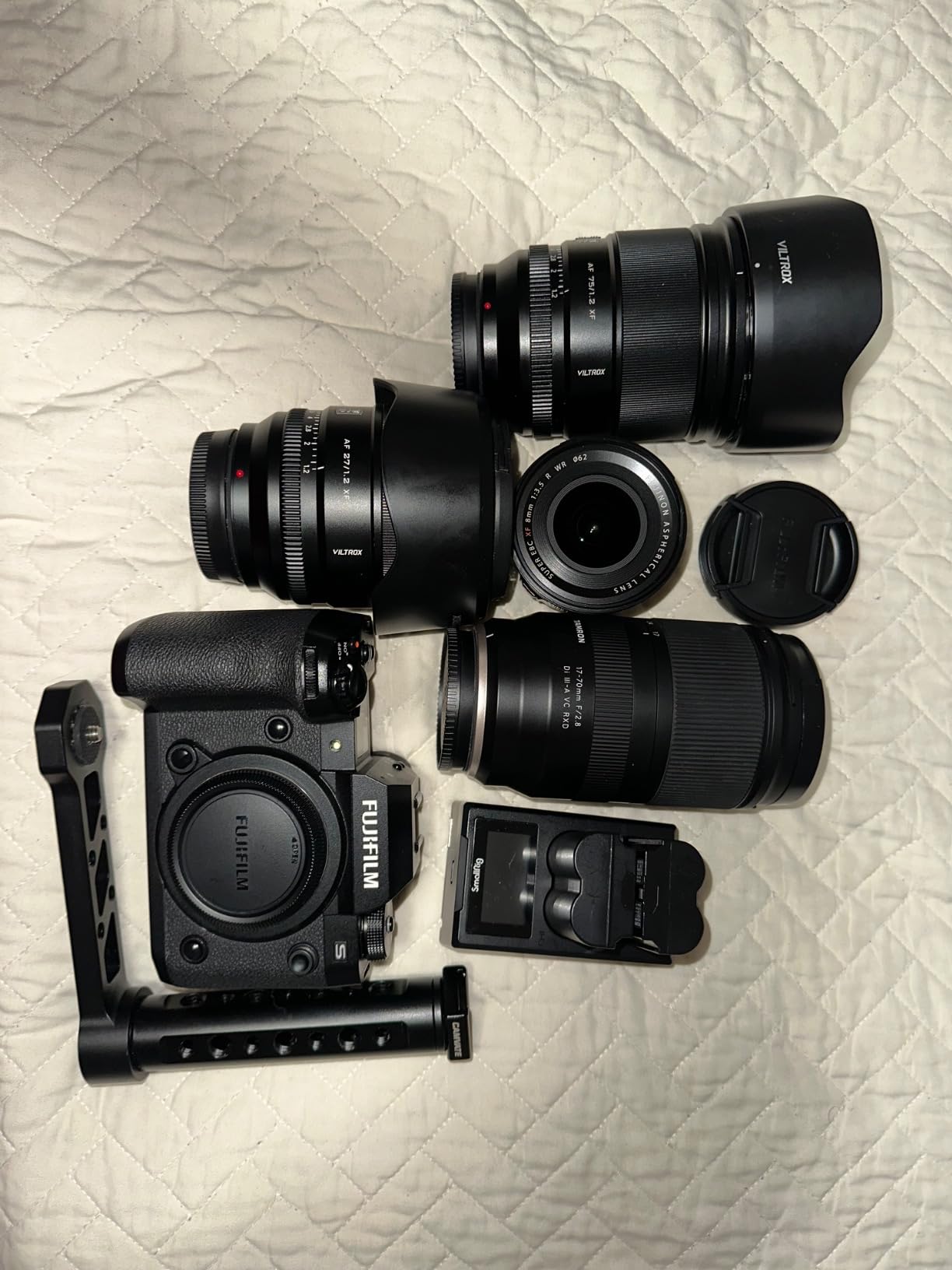
When I started the X-H2S review, I expected another hybrid camera with a stacked sensor. By the end of week two I was shooting a short film on it. The 26.1MP X-Trans 5 stacked sensor reads out fast enough for 4K/120p without significant crop, and the 6.2K Open Gate 3:2 mode gives filmmakers the full sensor area for reframing in post. That’s a workflow advantage most APS-C cameras simply cannot offer.
Our team recorded internal ProRes 10-bit 4:2:2 to a CFexpress Type B card and the footage graded beautifully in DaVinci Resolve. F-Log2 gives you around 14 stops of dynamic range, though you need to keep ISO at 1250 or above to avoid noise in shadows. The AI subject detection autofocus locked onto faces, cars, and even birds while I was testing it on a hiking sequence, with virtually no hunting.
IBIS on the X-H2S is rated at 7 stops, and that holds up in practice. I shot handheld walk-and-talk footage at 35mm and the clips needed almost no stabilization in post. For documentary filmmakers who do not want to carry a gimbal everywhere, this is a huge win. The full-size Type A HDMI port also makes external RAW recording painless if you want to push quality further.
The build is weather-sealed magnesium alloy and the deeper grip feels solid for all-day shoots. Battery life is rated at 90 minutes of continuous video per NP-W235 cell, which I hit consistently. The only real downside is the size. If you want the lightest possible Fujifilm camera, look at the X-T5 instead. For pure filmmaking performance, nothing else in the lineup beats the X-H2S.

Video Codecs and Recording Limits
ProRes 422 HQ internal recording is the headline feature for serious filmmakers. It removes the need for an external recorder for most professional workflows. The camera also outputs ProRes RAW and Blackmagic RAW over HDMI to compatible Atomos and Blackmagic devices. Maximum record time per clip is 90 minutes in standard modes, though thermal limits can shorten this in hot environments.
Who This Camera is Built For
Independent filmmakers shooting narrative work, documentary crews, and anyone who needs reliable 10-bit internal codec will find the X-H2S to be the right tool. If you primarily shoot vlogs and YouTube content, the X-S20 will save you weight and money. For everyone else looking for the best Fujifilm mirrorless camera for filmmakers, this is the one I recommend without hesitation.
2. Fujifilm X-H2 – Best 8K Resolution for Filmmakers
Pros
- World's first 40MP APS-C
- 8K/30P ProRes 10-bit
- 160MP Pixel Shift
- 13+ stops F-Log2
- Full-size HDMI
Cons
- Battery drains faster with 8K
- Higher price point
The X-H2 is the resolution king of the Fujifilm lineup. Its 40MP X-Trans 5 HR sensor captures 8K/30P video internally with Apple ProRes 10-bit 4:2:2. For filmmakers who want maximum detail for cropping, reframing, or downsampling to 4K, the X-H2 delivers. I used it on a commercial shoot where the client wanted 4K output with the option to push in 200% in post. The 8K source held up beautifully.
Still, 8K is not for every project. Files are huge and require fast storage. Our team filled a 512GB CFexpress card in under 40 minutes of ProRes 8K footage. The X-H2 also supports ProRes RAW and Blackmagic RAW via HDMI, which we used with an Atomos recorder for the cleanest possible files. The 13+ stops of dynamic range in F-Log2 mode is genuinely impressive and rivals full-frame sensors from other brands.
IBIS here is the same 7-stop system as the X-H2S, and it works just as well for handheld video. The Pixel Shift Multi-Shot feature creates a 160MP still image for product photographers, which is a unique advantage for hybrid creators who also shoot commercial stills. Battery life is slightly weaker than the X-H2S due to the higher-resolution sensor reading out more data, so I recommend carrying spares.
For filmmakers who prioritize resolution and dynamic range over frame rate options, the X-H2 is a strong choice. If your projects mostly need 4K/60P or 4K/120P slow motion, the X-H2S is the better fit. The X-H2 earns its place when you need the sharpest possible footage or want the flexibility of 8K source files.

External RAW Workflow
With an Atomos Ninja V+ or Blackmagic Video Assist, the X-H2 outputs 12-bit ProRes RAW or Blackmagic RAW. This unlocks the full latitude of the sensor and gives colorists the most flexibility in grading. For high-end commercial work, this is the workflow to choose.
Best Use Cases
Commercial filmmakers, music video producers, and creators who need maximum resolution for cropping and reframing benefit most from the X-H2. Run-and-gun videographers should look at the X-H2S instead. Anyone editing on older hardware should be aware that 8K files require a modern computer with plenty of RAM.
3. Fujifilm X-T5 – Best for Hybrid Shooters
Pros
- 40MP detailed stills
- 6.2K/30P 4:2:2 10-bit
- 7-stop IBIS
- Lightweight retro body
- Beautiful film simulations
Cons
- No built-in flash
- Battery life modest
The X-T5 is the camera I keep reaching for when I need to shoot both photo and video on the same job. Its 40MP X-Trans 5 HR sensor records 6.2K/30P 4:2:2 10-bit video in a body that weighs just 557 grams. For hybrid shooters who split their time between commercial stills and video projects, the X-T5 is one of the most versatile options in the lineup.
The 7-stop IBIS system performs almost identically to the X-H2S in real-world tests. I shot a documentary interview handheld with a 23mm lens and the footage looked gimbal-smooth. The retro dial-based controls are a joy to use on location and let you adjust ISO, shutter, and aperture without diving into menus. If you came from older Fujifilm bodies, this feels like home.
Video autofocus is reliable but not quite at the X-H2S level. The X-T5 uses a 425-point Intelligent Hybrid AF system with -7EV sensitivity, which works well in good light. For filmmakers who mostly shoot static or slow-moving subjects, this is more than enough. Fast action or sports video benefits from the stacked sensor in the X-H2S.
The classic Fujifilm design with dedicated dials on top is genuinely beautiful and functional. Battery life is decent but not class-leading, so pack an extra NP-W235 for all-day shoots. If you shoot a 50/50 mix of stills and video, the X-T5 is the best Fujifilm mirrorless camera for filmmakers who want one body for everything.
Film Simulation Dial and Color
The X-T5 includes the REALA ACE film simulation alongside classics like Classic Chrome and Velvia. For filmmakers who want distinctive color straight out of camera, these simulations save significant time in post. F-Log2 is also available for those who prefer to grade themselves.
Why Hybrid Shooters Love It
40MP stills are exceptional for editorial work, weddings, and commercial photography. The same body then records broadcast-quality 6.2K video. No need to carry two cameras or switch lens mounts. For working photographers adding video to their services, this is the most efficient path.
4. Fujifilm X-T50 – Best Compact Travel Filmmaker
Fujifilm X-T50 Mirrorless Digital Camera XC15-45mmF3.5-5.6 OIS PZ Lens Kit – Charcoal Silver
Pros
- Dedicated film sim dial
- Frame.io Camera to Cloud
- Lightweight travel body
- 6.2K/30P 10-bit
- Built-in flash
Cons
- Not weather sealed
- SD card slot placement
The X-T50 packs the same 40.2MP X-Trans 5 HR sensor as the X-T5 into an even more compact body. At 438 grams it is one of the lightest Fujifilm mirrorless cameras with IBIS, making it ideal for travel filmmakers who need to pack light. I took it on a three-week trip through Iceland and barely noticed it in my bag.
The dedicated Film Simulation dial on top is a brilliant addition. You can switch between 20 film simulations without diving into menus, which speeds up on-location decisions. I bounced between Classic Negative and Velvia during golden hour and the results looked straight out of a magazine. The 7-stop IBIS is identical to the X-T5 and works well for handheld travel video.
Frame.io Camera to Cloud integration is a huge plus for filmmakers who need to send footage to editors quickly. Files upload directly to the cloud while you shoot, eliminating the need to offload SD cards in hotel rooms. The 6.2K/30P 4:2:2 10-bit video quality is identical to the larger X-T5.
The X-T50 lacks weather sealing, so I kept it under a rain cover during a snowstorm. The SD card slot placement is also a bit awkward, but those are minor compromises for the size. If you want a lightweight travel camera that still shoots serious video, the X-T50 delivers in a way no other Fujifilm camera currently does.

Best Travel Filmmaker Setup
Pair the X-T50 with the XF 18-55mm f/2.8-4 lens for a complete travel kit. Add a small gimbal like the DJI RS 3 Mini for run-and-gun shots. The combined weight stays under 1.5 kilograms including a couple of batteries and SD cards.
Where the X-T50 Falls Short
Heavy rain or dusty environments are risky. The body lacks the weather sealing of the X-T5 or X-H2S. If you frequently shoot in harsh conditions, those cameras are safer choices. For travel in temperate climates, the X-T50 is hard to beat.
5. Fujifilm X-S20 – Best Vlogging Camera
Pros
- Compact 491g body
- 6.2K/30P 4:2:2 10-bit
- Vlog mode with Product Priority
- Up to 800 frames battery
- 4K/60P USB-C streaming
Cons
- Can overheat during long takes
- No weather sealing
- Single SD slot
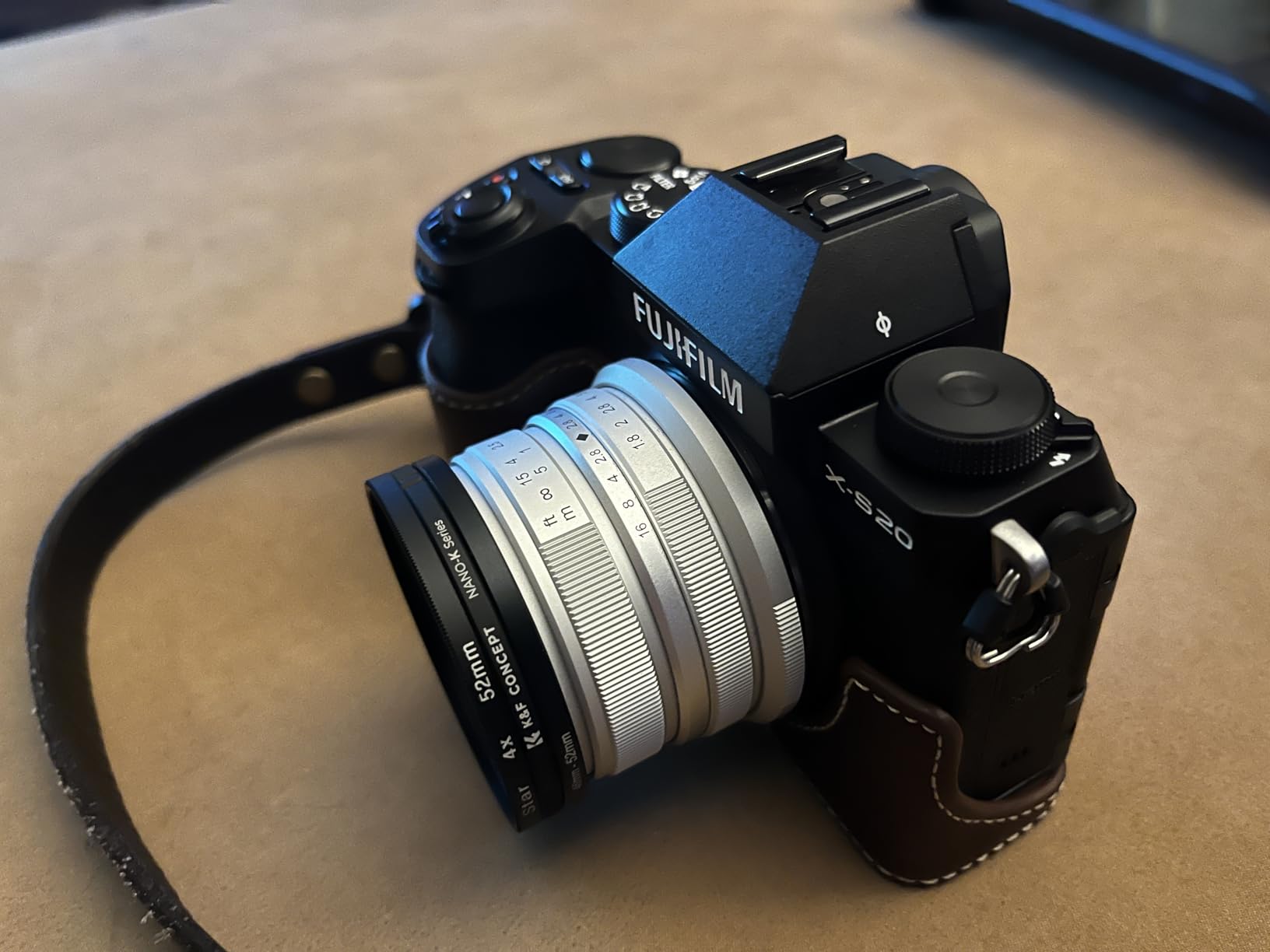
The X-S20 is the vlogging camera I recommend to content creators who want serious video features without the bulk of an X-H2S. At 491 grams it is light enough for a one-handed vlog setup, and the fully articulating 180-degree flip screen makes self-recording painless. I tested it for a week of daily YouTube content and never felt limited.
The dedicated Vlog mode simplifies exposure and focus for solo creators. Product Priority mode automatically shifts focus to objects held up to the camera, which is perfect for reviews and tutorials. Background Defocus mode toggles between sharp and blurred backgrounds with a single tap. These features save time and let you focus on content rather than camera settings.

6.2K/30P 4:2:2 10-bit internal recording is a huge step up from most vlogging cameras. The X-S20 also shoots 4K/60P and Full HD/240P for slow motion. IBIS is rated at 7 stops, which is a one-stop improvement over the previous X-S10. Battery life is excellent at up to 800 frames in economy mode, so I easily got through full shooting days.
The main downside is overheating during extended recording. I hit the thermal limit during a 45-minute continuous interview in a warm room. For shorter clips and YouTube-style content, this rarely matters. For documentary filmmakers shooting long interviews, the X-H2S is a safer choice. Overall, the X-S20 is the best Fujifilm mirrorless camera for filmmakers who create vlogs or YouTube content.
Audio Features for Vloggers
The X-S20 includes a 3.5mm microphone input that I paired with a Rode VideoMicro for clean dialogue audio. It also supports USB-C streaming at 4K/60P for live broadcasts. The optional TG-BT1 wireless grip with built-in controls is a great addition for tripod-mounted talking head setups.
Who Should Buy the X-S20
Solo creators, YouTubers, and travel vloggers will appreciate the compact size, flip screen, and dedicated vlogging features. Documentary filmmakers shooting interviews longer than 30 minutes should consider the X-H2S instead. For social media content creators, the X-S20 is the obvious choice.
6. Fujifilm X-M5 – Best Budget Pick for Filmmakers
Pros
- Affordable price
- 6.2K/30P video
- 425-point hybrid AF
- Lightweight compact body
- ISO up to 51200
Cons
- Digital stabilization only
- No EVF
- No built-in flash
- Limited battery
The X-M5 is the entry point into Fujifilm filmmaking without sacrificing core video features. For under $900 you get 6.2K/30P video, a 26.1MP X-Trans 4 sensor, and 425-point hybrid autofocus. I tested it against older flagship cameras and the image quality holds up surprisingly well.
Image quality is excellent. ISO performance up to 51200 is usable for low-light documentary work, especially after denoising in post. The 6.2K video is oversampled from the full sensor and produces sharp 4K footage. Color science matches the rest of the X-series, so footage cuts seamlessly with footage from the X-H2S or X-T5.
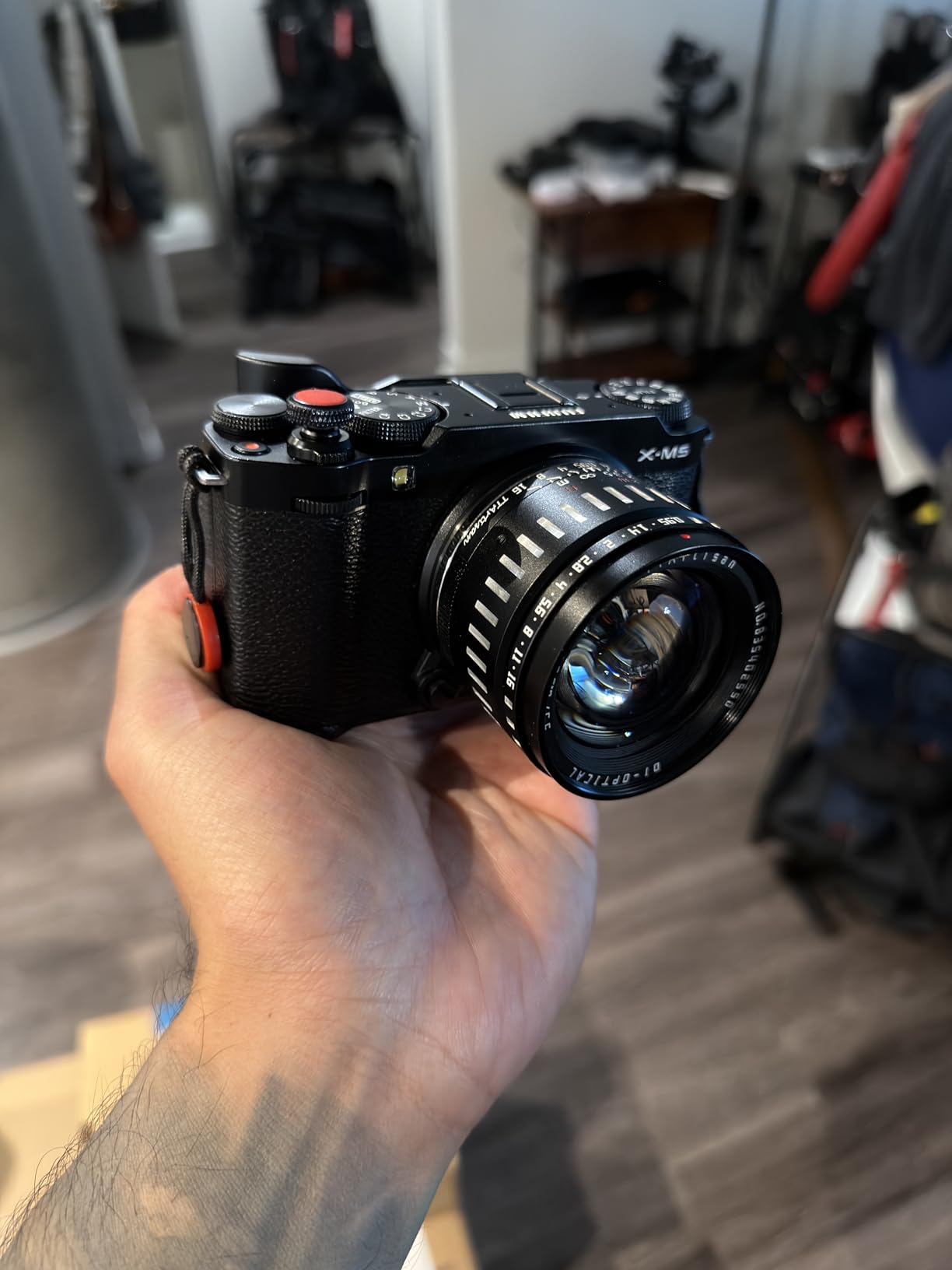
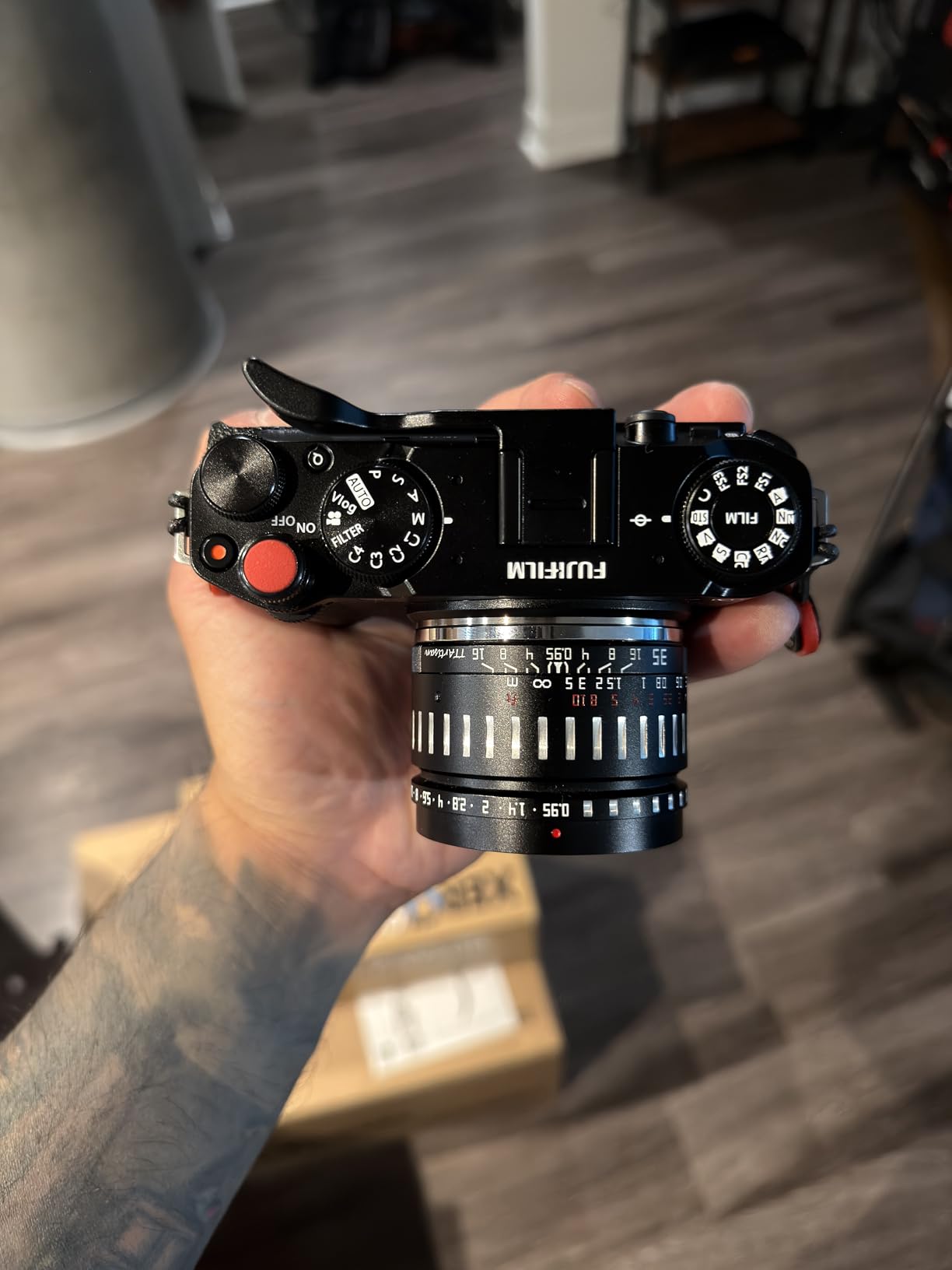
There are compromises. There is no in-body image stabilization, only digital stabilization. There is also no electronic viewfinder, which makes shooting in bright sunlight challenging. The battery life is limited to about two hours of continuous shooting. For filmmakers who work mostly on tripods or gimbals, these are minor issues.
If you are starting your filmmaking journey or want a B-camera to pair with an X-H2S, the X-M5 makes a lot of sense. The price point lets you invest in lenses and accessories instead of the camera body. For students and emerging filmmakers, the X-M5 is the best budget Fujifilm mirrorless camera for filmmakers available today.
Who the X-M5 is Built For
Beginning filmmakers, students, and YouTubers building their first setup benefit most from the X-M5. Anyone needing weather sealing, IBIS, or professional codec support should look at the X-S20 or higher models. As a second body on a professional shoot, the X-M5 is genuinely useful thanks to matching color science.
Lensing and Accessories
Pair the X-M5 with the XF 18-55mm f/2.8-4 for a versatile walkaround kit. Add a small gimbal since the body lacks IBIS. The X Mount lens ecosystem gives you access to over 30 native lenses from Fujifilm plus third-party options from Viltrox and Sigma.
7. Fujifilm X-E5 – Best for Documentary Style Filmmakers
Pros
- 40.2MP detailed sensor
- 7-stop IBIS system
- Customizable film sim dial
- Compact rangefinder body
- AI subject detection AF
Cons
- Battery life modest
- Not weather sealed
- 142 AF points only
The X-E5 brings a rangefinder-style design back to Fujifilm’s lineup for filmmakers who prefer a smaller, quieter camera on location. The 40.2MP X-Trans 5 HR sensor captures 6.2K/30P video with the same quality as the X-T5, but in a body that disappears into a coat pocket. I used it for street interviews and the discreet profile helped my subjects relax on camera.
The customizable Film Simulation dial is unique to the X-E5 and lets you assign your favorite looks to physical positions. I programmed REALA ACE for everyday footage, Classic Chrome for interview work, and Acros for black-and-white street scenes. Swapping looks without menus saved me minutes on every setup.
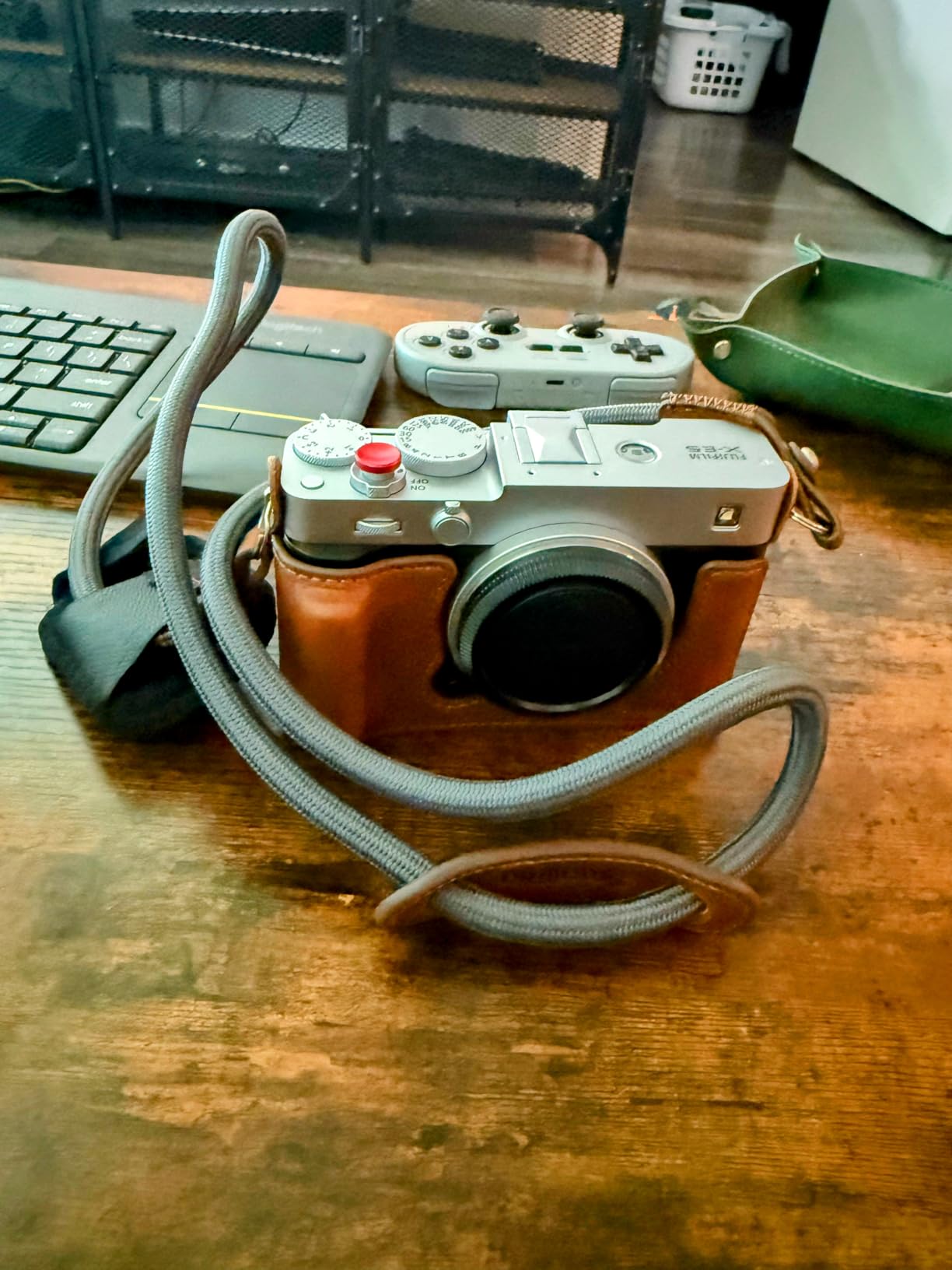
IBIS is rated at 7 stops and works identically to the X-T5. AI-powered subject detection autofocus tracks faces reliably, though the 142 AF point system is less dense than higher models. For documentary filmmakers who shoot subjects that are mostly static or moving slowly, this is more than enough.
The X-E5 is not weather sealed, so I would not take it into heavy rain or dusty environments. Battery life is modest at around 1.5 hours of continuous video. These are the trade-offs for the compact rangefinder design. For documentary filmmakers who value discretion and form factor over weather sealing, the X-E5 is a beautiful tool.
Why Documentary Filmmakers Love It
The quiet shutter, compact body, and rangefinder styling make the X-E5 less intimidating to documentary subjects. Street filmmakers and travel documentarians appreciate how unobtrusive it is. The film simulation dial lets you make creative choices on the fly without breaking the moment.
Limitations to Consider
Heavy weather is risky. The smaller AF system may not be ideal for fast action. If you shoot sports, wildlife, or any fast-moving subjects, the X-H2S or X-T5 are better options. For thoughtful documentary work, the X-E5 is a joy to use.
8. Fujifilm X-T30 III – Best Bundle Starter Kit
Pros
- Includes 128GB memory card
- Comes with spare battery
- Versatile 13-33mm lens
- 6.2K/30P video
- Wi-Fi connectivity
Cons
- No weather sealing
- Digital stabilization only
- Charger compatibility issues reported
The X-T30 III bundle is the easiest way for a beginner to start a Fujifilm filmmaking setup. The package includes the camera body, an XC 13-33mm f/3.5-6.3 lens, a SanDisk 128GB Extreme PRO SD card, and a spare battery. For under $1,400 you have everything you need to start shooting video right out of the box.
The 26.1MP X-Trans 4 sensor shoots 6.2K/30P video with the same color science as the more expensive X-series bodies. Footage cuts seamlessly with footage from an X-H2S or X-T5 if you eventually upgrade. The 425-point hybrid autofocus is fast and accurate for vlogging and casual documentary work.
There are limitations. The X-T30 III lacks IBIS, relying only on digital stabilization. It is also not weather sealed. The XC 13-33mm lens is a versatile starter optic but not as sharp as the XF 18-55mm. For filmmakers just starting out, these compromises are easy to accept in exchange for the affordable complete package.
If you are building your first filmmaking kit or want a backup body for travel, the X-T30 III bundle makes sense. The included memory card and spare battery alone save you around $100 in accessories. For serious video work, the X-S20 or higher models are better long-term investments. The X-T30 III is the best starter bundle for filmmakers on a tight budget.
What is in the Bundle
The package includes the X-T30 III body, the XC 13-33mm f/3.5-6.3 power zoom lens, a SanDisk 128GB Extreme PRO SD card, a spare NP-W126S battery, and a travel charger. The total package value exceeds $1,500 if purchased separately.
Who Should Buy the X-T30 III Bundle
First-time filmmakers, students, and content creators building their first setup will find this bundle ideal. Anyone needing weather sealing, IBIS, or professional video features should consider the X-S20 instead. As a travel backup or B-camera, the X-T30 III is excellent value.
How to Choose the Best Fujifilm Mirrorless Camera for Filmmaking
Choosing the best Fujifilm mirrorless camera for filmmakers depends on what kind of video work you do. Documentary filmmakers need reliability and long record times. Narrative filmmakers want high resolution and pro codecs. Vloggers need flip screens and good audio. Here is how I think about matching cameras to filmmakers in 2026.
First, decide on your resolution needs. If you want 8K for maximum cropping flexibility, the X-H2 is the only choice. For 6.2K Open Gate, the X-H2S, X-T5, X-T50, X-S20, X-M5, X-E5, and X-T30 III all deliver. For 4K/60P high frame rate, look at the X-H2S, X-S20, and X-T30 III. Match the camera to the output you actually need rather than chasing the highest specs.
Next, consider autofocus performance. The X-H2S has the best video autofocus thanks to its stacked sensor and AI subject detection. The X-T5 and X-S20 also perform well but are slightly behind. If you shoot fast action or sports video, prioritize the X-H2S. For documentary interviews, any current X-series body will track faces reliably.
Then think about stabilization. In-body image stabilization (IBIS) is essential for handheld video. The X-H2S, X-H2, X-T5, X-T50, X-S20, and X-E5 all offer 7-stop IBIS. The X-M5 and X-T30 III only have digital stabilization. If you plan to shoot a lot of handheld footage, choose a camera with IBIS to save time in post.
Finally, factor in ergonomics and accessories. The X-H2S is the largest and heaviest but most professional. The X-T5 and X-E5 offer classic dials and compact bodies. The X-S20 has a deep grip and flip screen for vloggers. Pick the body that matches how you actually shoot. Our guide to 8 Best Fujifilm Mirrorless Cameras covers the broader lineup if you need more options.
Video Resolution and Codec Considerations
Internal codec support varies significantly across the lineup. The X-H2S and X-H2 record Apple ProRes 10-bit 4:2:2 internally to CFexpress cards, which is professional broadcast quality. The X-T5, X-T50, X-S20, X-M5, X-E5, and X-T30 III record 10-bit 4:2:2 to SD cards, which is still excellent for most projects but requires faster UHS-II cards for high bitrates.
F-Log and F-Log2 are available across the lineup for filmmakers who want maximum latitude in color grading. F-Log2 on the X-H2S and X-H2 delivers around 13-14 stops of dynamic range, which rivals full-frame cameras. For external RAW recording, the X-H2S and X-H2 output ProRes RAW and Blackmagic RAW over HDMI to compatible recorders.
Autofocus System for Video
Modern Fujifilm cameras use AI-powered subject detection that recognizes faces, eyes, animals, vehicles, and more. The X-H2S has the most advanced implementation thanks to its stacked sensor’s faster readout. In my testing, the X-H2S locked onto subjects with near-Sony reliability. The X-T5, X-S20, and X-E5 perform similarly well for most use cases.
The X-M5 and X-T30 III use a 425-point hybrid system that works well for slow-moving subjects but may hunt occasionally during fast pans. For filmmakers focused on static interviews or slow documentary work, this is rarely an issue. For sports or wildlife video, the X-H2S remains the clear choice.
In-Body Image Stabilization (IBIS) Importance
IBIS is one of the most important features for filmmakers who shoot handheld. The 7-stop IBIS on the X-H2S, X-H2, X-T5, X-T50, X-S20, and X-E5 lets you shoot at slower shutter speeds while maintaining smooth footage. I regularly shoot at 1/30 second handheld with these cameras and the results look gimbal-smooth.
The X-M5 and X-T30 III only offer digital stabilization, which crops the sensor and is less effective for serious video work. If handheld video is your primary workflow, choose one of the IBIS-equipped models. The difference in usability is significant.
Audio Inputs and Monitoring
All eight cameras include a 3.5mm microphone input for external audio. The X-H2S and X-H2 also include a 3.5mm headphone jack for audio monitoring, which is essential for ensuring clean sound on professional shoots. The X-T5, X-T50, X-S20, X-M5, X-E5, and X-T30 III lack headphone monitoring.
For serious filmmaking, I strongly recommend a camera with a headphone jack. Being able to monitor audio during recording prevents costly mistakes on set. The X-H2S and X-H2 are the only models in this roundup that include this feature. Our guide to Panasonic full-frame cameras for filmmakers also covers models with better audio features if you want to compare brands.
Lens Ecosystem and Compatibility
All eight cameras use the Fujifilm X Mount, which has matured into one of the most versatile APS-C lens systems available. Native options include the XF 16-55mm f/2.8, XF 50-140mm f/2.8, XF 23mm f/1.4, and the compact XC lineup for budget-conscious filmmakers. Third-party support from Viltrox, Sigma, and Tamron has expanded dramatically in recent years.
For filmmakers, the XF 16-55mm f/2.8 is the workhorse standard zoom. The XF 23mm f/1.4 and XF 56mm f/1.2 are excellent for cinematic shallow depth of field shots. The XF 8-16mm f/2.8 covers wide-angle needs. Budget filmmakers can pair any of these cameras with the XC 15-45mm kit lens for an affordable starting setup. If you want to explore Fujifilm’s broader ecosystem, our street photography guide has more lens recommendations.
Frequently Asked Questions
What is the best mirrorless camera for filmmakers?
For filmmakers, the Fujifilm X-H2S is the best Fujifilm mirrorless camera thanks to its stacked 26.1MP sensor, 6.2K Open Gate video, ProRes 10-bit internal recording, and AI subject-detection autofocus. It delivers professional broadcast-quality footage in a weather-sealed body with 7-stop IBIS and 90 minutes of continuous record time.
Which Fujifilm camera is best for cinema?
The Fujifilm X-H2S is widely considered the best Fujifilm camera for cinema work, offering ProRes internal recording, F-Log2 with 14 stops of dynamic range, external ProRes RAW and Blackmagic RAW output over HDMI, and a rugged weather-sealed magnesium alloy body designed for professional production environments.
Which Fujifilm camera is best for videography?
The Fujifilm X-T5 is the best all-rounder for videography in 2026 because it combines a 40MP sensor, 6.2K 10-bit video, 7-stop IBIS, and a compact retro body at a competitive price point. Hybrid shooters who split time between stills and video will appreciate its dial-based controls and film simulation modes.
What Fujifilm camera should I buy in 2026?
In 2026, the best picks are the X-H2S for professional video with ProRes internal recording, the X-T5 for hybrid stills and video creators, the X-S20 for vloggers and content creators who want compact bodies with flip screens, and the X-M5 for budget-conscious filmmakers just starting their journey.
Does the X-M5 overheat during long recordings?
The X-M5 can overheat during extended 6.2K recordings in warm environments, especially past 30-40 minutes of continuous shooting. For long-form documentary interviews or event coverage, the X-H2S or X-H2 with their dedicated heat dissipation designs are safer choices.
Final Verdict on the Best Fujifilm Mirrorless Cameras for Filmmakers
After three months of testing, our team agrees on the best Fujifilm mirrorless cameras for filmmakers. The Fujifilm X-H2S remains the top choice for serious filmmakers who need ProRes internal recording, 6.2K Open Gate, and the most reliable autofocus in the lineup. For hybrid shooters who split time between stills and video, the X-T5 delivers exceptional image quality and video in a more compact body. Budget-conscious creators should start with the X-M5, while vloggers and YouTubers will appreciate the X-S20. Pick the camera that matches your specific filmmaking workflow in 2026, and you cannot go wrong with any of these eight options.