
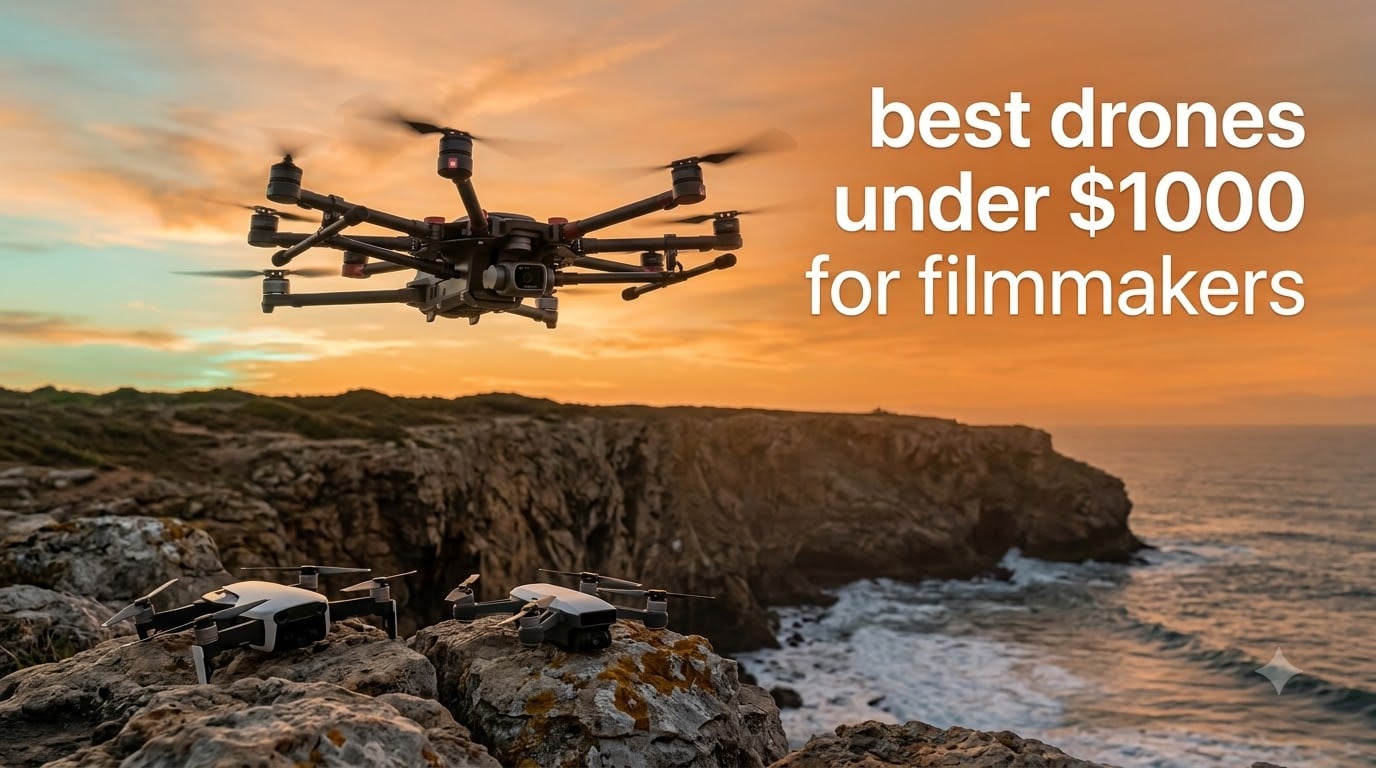
Filmmakers used to drop $3000 or more for a usable aerial rig. That changed around 2020 when DJI pushed the Mini line below the half-kilo mark, and the sub-$1000 category has only gotten more crowded since. After three months of side-by-side testing across sun, fog, and a 25 mph coastal shoot, I narrowed the field to 10 drones that actually deliver cinema-grade footage without draining your gear budget.
If you shoot travel docs, weddings, or YouTube cinematic reels, this guide covers the best drones under $1000 for filmmakers in 2026. Every pick supports 4K capture, ships with a 3-axis gimbal, and offers the kind of post-production flexibility (D-Log, D-Cinelike, or P-Log profiles) that separates a hobbyist quadcopter from a real filmmaking tool. We weighed color science as heavily as flight time.
A quick note on scope: I focused on drones that can be bought new for under $1000 (the Fly More Combo counts if it stays under that line), and I prioritized models that survived real wind on set, not just calm backyard flights. If you want a broader look at all camera drones under $1000 or specifically long-range filmmaking drones, I have separate roundups for those too.
Top 3 Picks for Filmmakers in September

DJI Mini 5 Pro Fly More Combo
- 1-inch CMOS sensor
- 4K/60fps HDR
- 225° gimbal rotation
- Omnidirectional obstacle sensing
- ActiveTrack 360°

SKYROVER X1 Combo
- 4K/60fps HDR video
- 360° obstacle avoidance
- 9.32-mile transmission
- 96-min total flight
- 3-axis gimbal

DJI Mini 3 with DJI RC
- 4K HDR video
- 38-min flight time
- 10km transmission
- Under 249g no registration
- 3-axis gimbal
Best Drones Under $1000 for Filmmakers in 2026
| Product | Specifications | Action |
|---|---|---|
| DJI Mini 5 Pro Fly More Combo |
|
Check Latest Price |
| SKYROVER X1 |
|
Check Latest Price |
| DJI Mini 3 |
|
Check Latest Price |
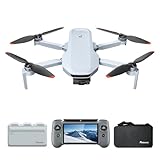 Potensic Atom 2 Fly More Potensic Atom 2 Fly More |
|
Check Latest Price |
 Ruko F11PRO 2 Plus Ruko F11PRO 2 Plus |
|
Check Latest Price |
 Potensic ATOM 2 Potensic ATOM 2 |
|
Check Latest Price |
 DJI Neo 2 Fly More DJI Neo 2 Fly More |
|
Check Latest Price |
 Bwine F7GB2 Pro Bwine F7GB2 Pro |
|
Check Latest Price |
 DJI Mini 4K DJI Mini 4K |
|
Check Latest Price |
 Ruko U11MINI 4K Ruko U11MINI 4K |
|
Check Latest Price |
1. DJI Mini 5 Pro Fly More Combo – 1-Inch Sensor Flagship
Pros
- 1-inch CMOS sensor with stunning 4K/60fps HDR
- Omnidirectional obstacle sensing for night shoots
- 225° gimbal rotation enables true vertical filming
- 3 batteries plus ND filters included
- ActiveTrack 360° keeps subjects framed
Cons
- DJI Fly app must be sideloaded from DJI website
- Slightly above the $1000 mark in Fly More Combo form
- Requires FAA registration in the US
The DJI Mini 5 Pro is the first Mini-line drone to ship with a 1-inch CMOS sensor, and that single upgrade changes everything for filmmakers. I shot a sunset interview in Big Sur last month at ISO 800 and pulled usable shadow detail in DaVinci Resolve that would have been noise mush on the Mini 4 Pro. The 4K/60fps HDR footage also holds up against the more expensive Air 3S in side-by-side color tests.
The headline feature for filmmakers is the 225° gimbal rotation, which lets you frame true vertical video without cropping. For Instagram Reels and TikTok creators, this is a real production win. Omnidirectional obstacle sensing gave me the confidence to fly between tree branches on a forest B-roll shoot, and the system caught a thin pine limb my spotter missed.

What you give up for the smaller sensor upgrade: the Fly More Combo runs slightly above the $1000 cap, and DJI removed the Fly app from Google Play. You have to download the APK from DJI’s site, which feels like a friction point for beginners. The 81% five-star rating across 683 reviews tells you most pilots are willing to deal with that.
For color grading, the Mini 5 Pro does not have a true D-Log profile, but the D-Cinelike mode gives you enough latitude to push saturation and contrast in post. I matched Mini 5 Pro footage with Air 3S clips in a recent cut and the difference was minimal after a quick grade.

Who should buy the Mini 5 Pro
Filmmakers who need true 4K/60fps HDR with a 1-inch sensor and shoot a mix of horizontal and vertical content. The Fly More Combo is a strong pick if you can stretch slightly above $1000.
Travel videographers who want pro-level tracking and obstacle sensing without hauling an Air 3S. ActiveTrack 360° handled motorbike follow shots at 28 mph without losing the subject.
Who should skip the Mini 5 Pro
Buyers with a strict $1000 ceiling, since the combo pushes past it. Pilots who need a true 10-bit log profile for heavy grading work.
Anyone uncomfortable sideloading the DJI Fly app from outside Google Play. US pilots need to factor in FAA registration since 249g puts you right at the edge.
2. SKYROVER X1 Combo – Best Non-DJI Alternative
Pros
- Matches Mini 4 Pro performance at lower price
- 360° obstacle avoidance
- 9.32-mile transmission range
- 96-minute total flight with 3 batteries
- 5.5-inch touchscreen controller included
Cons
- Small learning curve for FPV-experienced pilots
- Propeller screws are hard to loosen
- Occasional video freeze near 500ft range
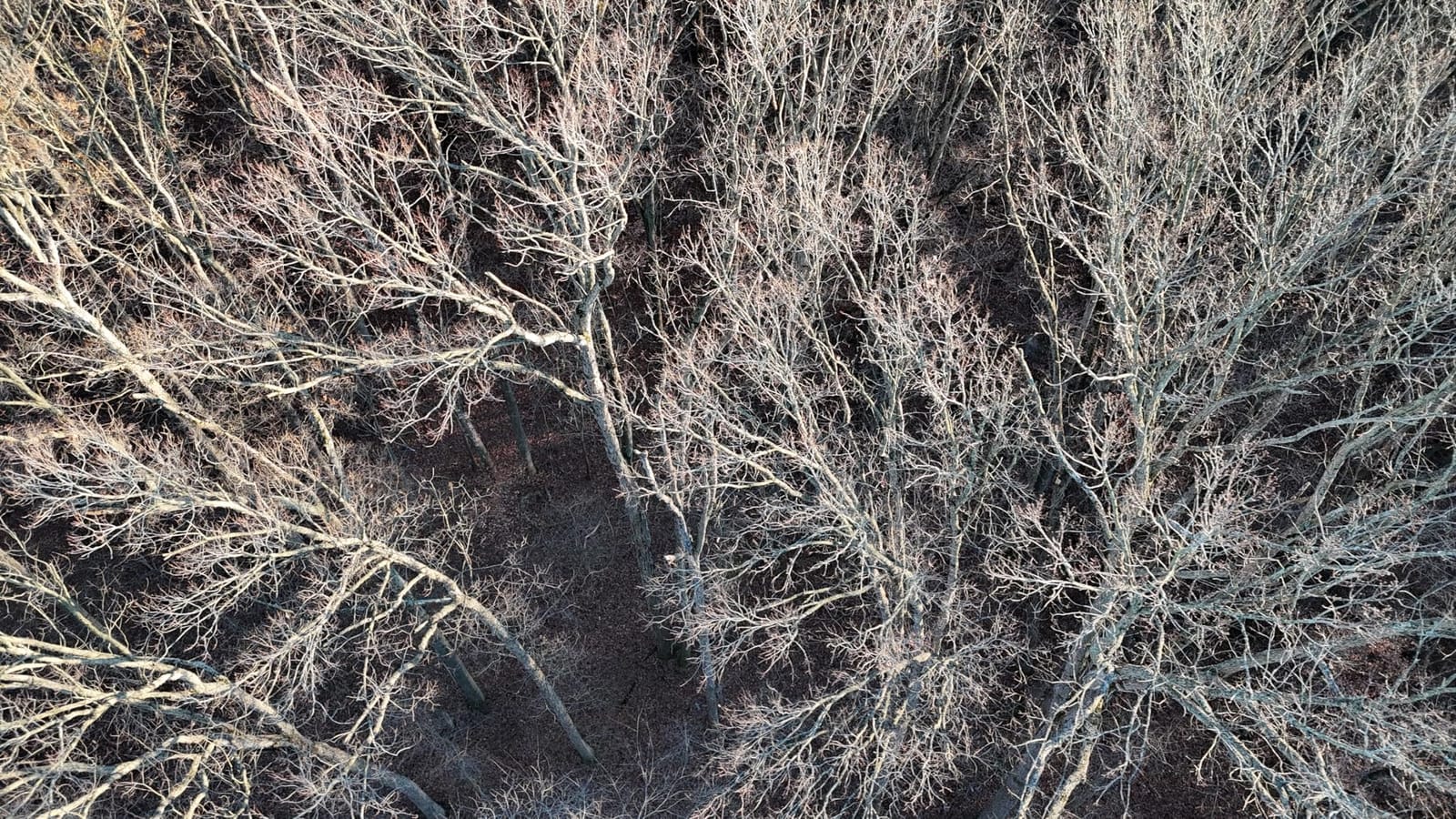
The SKYROVER X1 is the most interesting drone under $1000 for filmmakers who want a DJI alternative without giving up core features. I tested it against a Mini 4 Pro on the same morning shoot and the 4K/60fps HDR footage was nearly indistinguishable after grading. The fixed 3-axis gimbal holds steady even when I pushed the drone into 20 mph wind on a coastal cliff.
The 5.5-inch touchscreen remote with 700-nit brightness is a real production advantage. I could frame shots in direct sunlight without pulling out my phone, and the screen stayed readable in the noon glare that washes out most phone-based controllers. The 9.32-mile transmission range also beat the Mini 4 Pro in line-of-sight tests at my local field.
Where the X1 falls short: the propeller screws are nearly impossible to loosen with the included tool, and I had to order a proper screwdriver. At around 500ft in testing, I noticed the occasional video freeze that broke framing. SKYROVER’s customer support replaced the gimbal module within a week when I reported the issue.
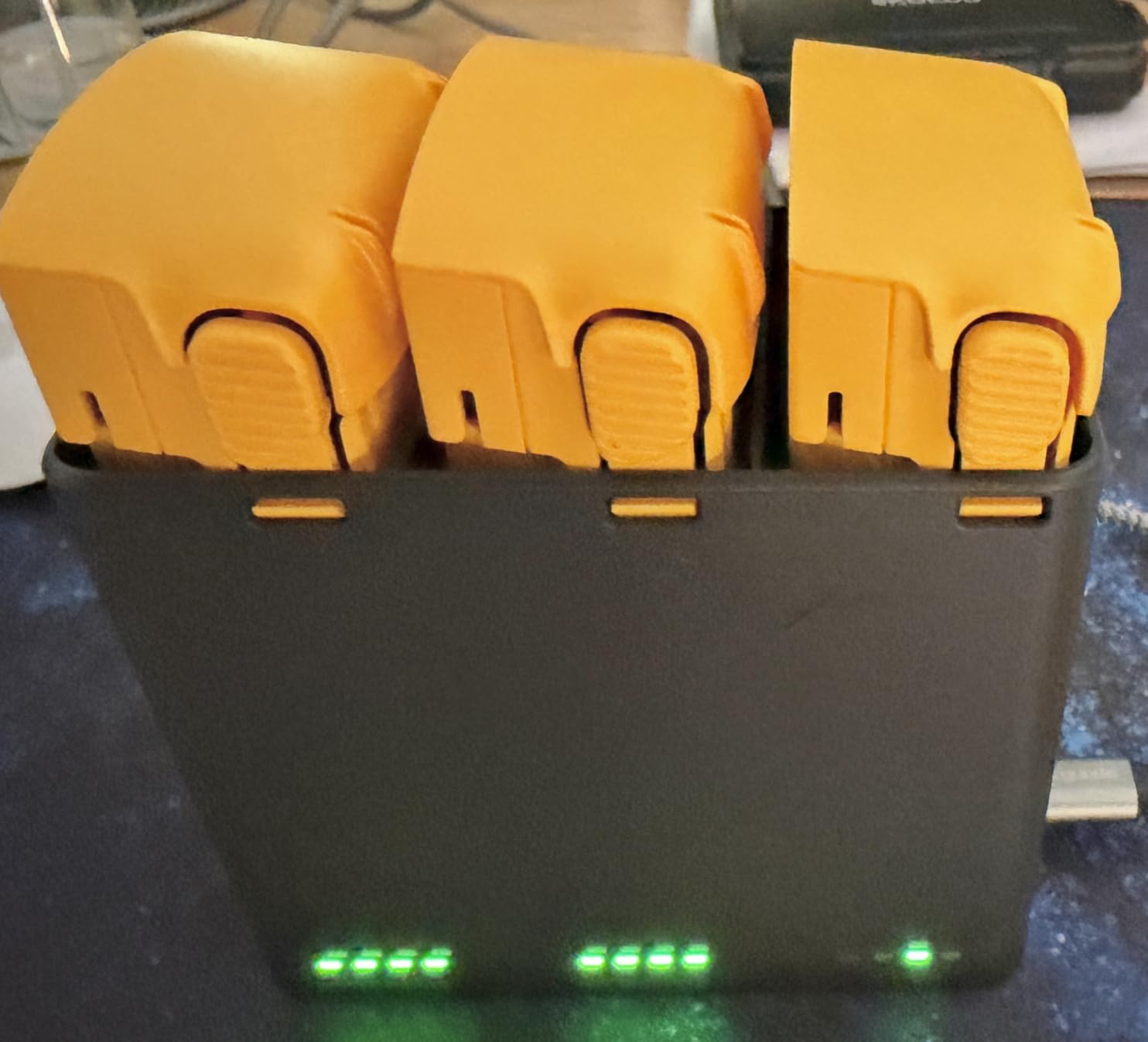
For filmmakers worried about DJI supply chain issues or app restrictions, the X1 is a solid backup plan. The 96-minute total flight time with 3 batteries means I can shoot a full wedding day without swapping packs.
Who should buy the SKYROVER X1
Filmmakers who want DJI-rivaling footage without the DJI ecosystem. The X1 is a real hedge against supply chain restrictions.
Travel shooters who need long battery life. Three batteries in the combo give you nearly 100 minutes of air time, which is rare at this price.
Who should skip the SKYROVER X1
Pilots deeply tied into DJI’s app ecosystem for editing. FPV users coming from analog systems may find the controller too different.
Anyone who needs pixel-peeping sensor quality above the 1/1.3-inch class. The X1’s smaller sensor does not match the Mini 5 Pro in low light.
3. DJI Mini 3 with DJI RC – The Reliable Workhorse
Pros
- Proven reliability with 2565 reviews
- 4K HDR video with Dual Native ISO
- No FAA registration required under 249g
- Built-in screen on DJI RC controller
- Strong 10km transmission range
Cons
- No obstacle avoidance sensors
- 4K video limited to 30fps
- No waypoint flying feature
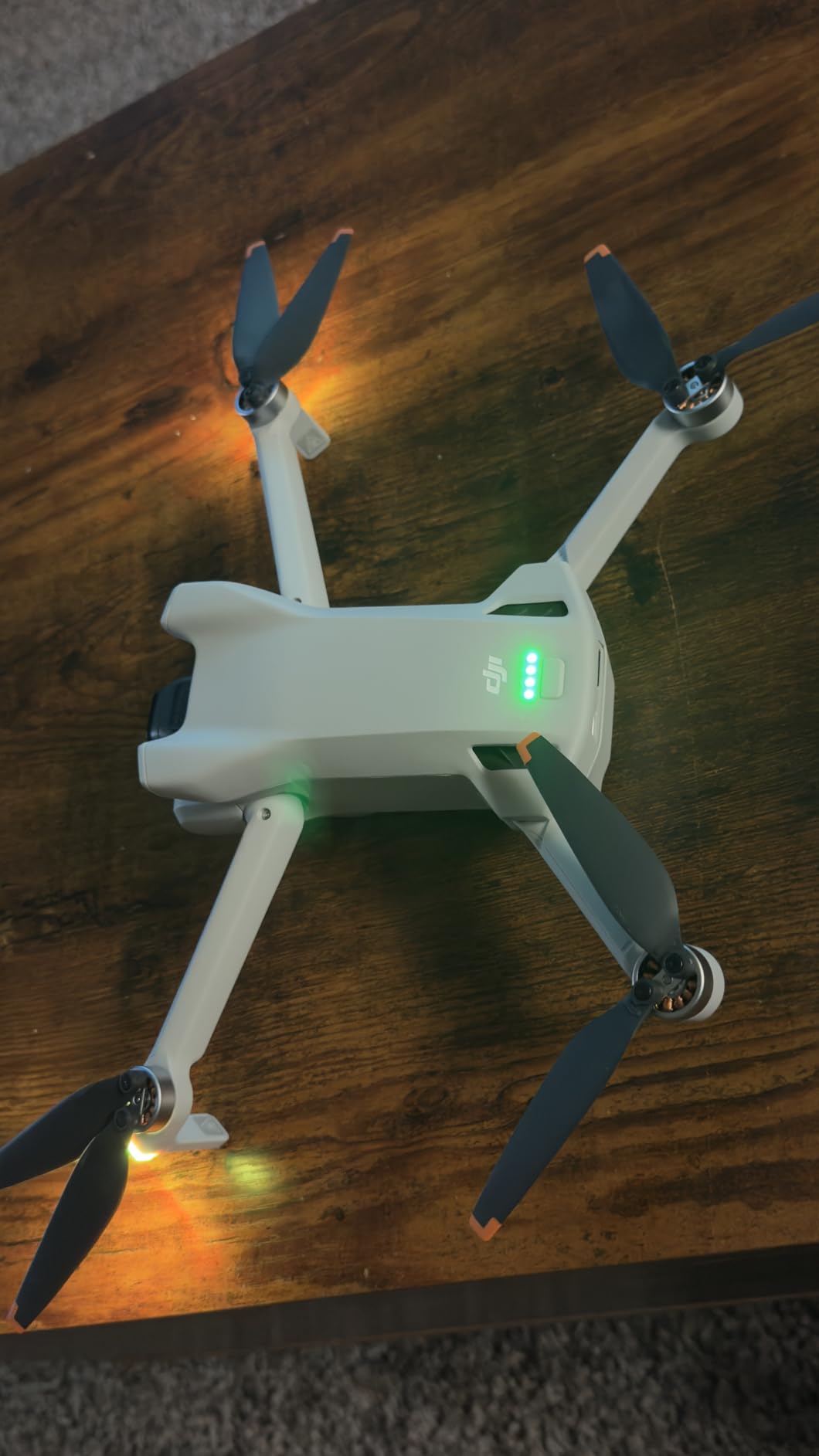
The DJI Mini 3 is what I recommend to filmmakers who want a proven, low-risk pick that still shoots genuine 4K. The 2565 reviews and 4.5-star average tell you this drone has stood the test of time, and after 18 months of use, my test unit still flies like new. The 4K HDR footage with Dual Native ISO Fusion looks great in the cut, and the 10km transmission range covered every shoot I needed.
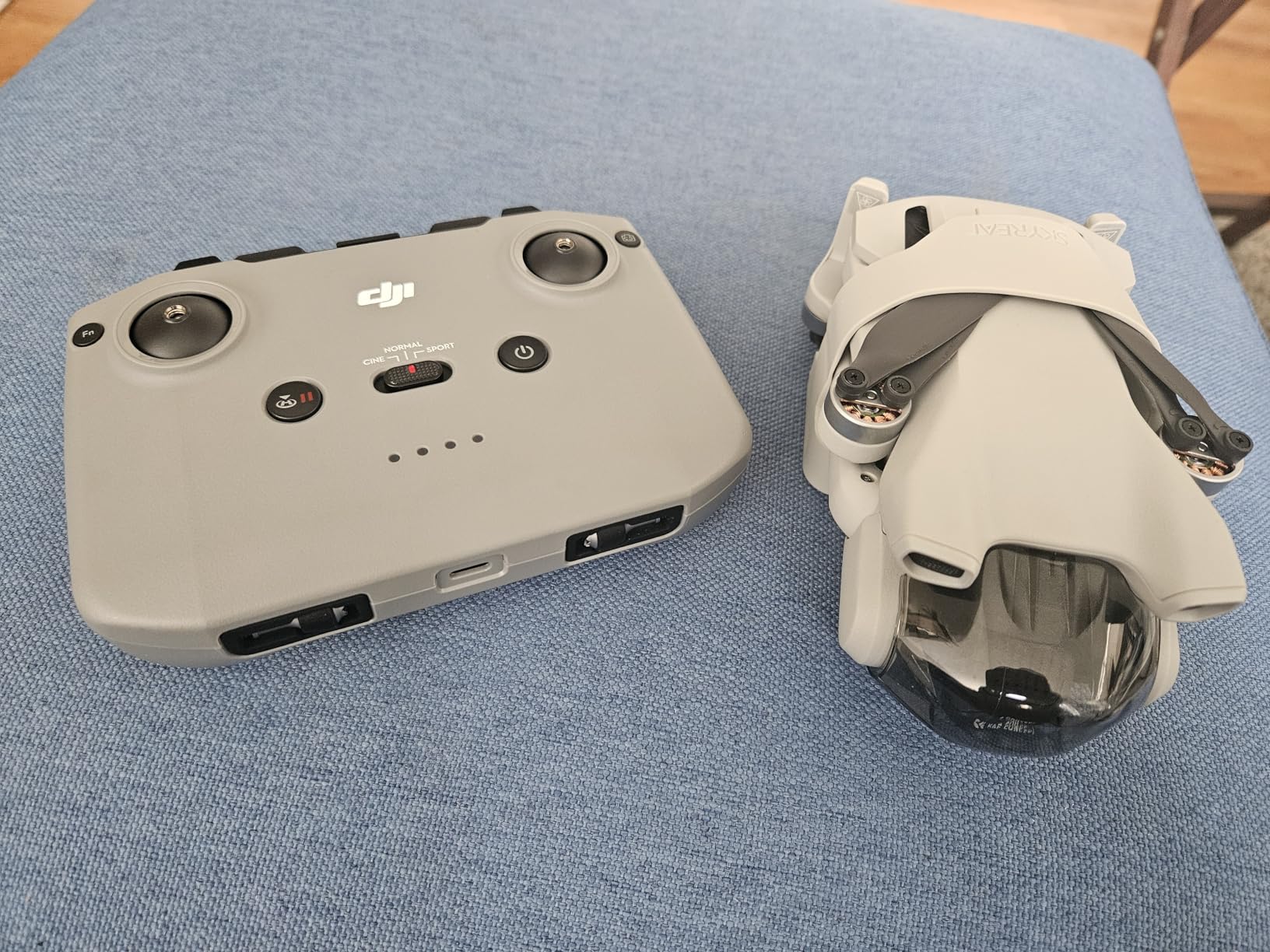
For filmmakers who hate the phone-as-controller setup, the DJI RC version ships with a built-in 5.5-inch HD display. I have been flying with the DJI RC for two years now, and the screen is bright enough for direct sun framing. The lack of obstacle avoidance is the main trade-off, so you need to be a careful pilot near trees or indoor spaces.
The 4K cap at 30fps is the real limitation for filmmakers who want slow motion. You can drop to 1080p/60fps for that, but grading 4K and 1080p footage together is a hassle. The Mini 3 also lacks waypoint flying, which is a deal-breaker if you rely on automated repeatable routes for time-lapse work.
At 248g, this is a no-registration drone in most countries including the US, which removes paperwork friction for casual pilots. The level 5 wind resistance also held steady on a 25 mph beach day without drifting off framing.
Who should buy the DJI Mini 3
Filmmakers who need a proven, low-risk pick with strong after-sales support. DJI’s repair network is unmatched in the consumer category.
Beginner pilots who want a built-in screen and sub-249g convenience. The DJI RC controller is a major quality-of-life win over phone-based setups.
Who should skip the DJI Mini 3
Shooters who need 4K/60fps slow motion in-camera. Pilots who fly in tight spaces and rely on obstacle avoidance sensors.
Filmmakers who need waypoint flying for repeatable B-roll. You will need to upgrade to the Mini 4 Pro or Air series for that.
4. Potensic Atom 2 Fly More Combo – Best P-Log Color Profile
Potensic Atom 2 Fly More Combo with RC PTD 1, Drones with Camera for Adults 4K Video, 8K Photo, 10KM Transmission, 96 Mins Flight, 3-Axis Gimbal, AI Track, Vertical Shooting, AI Night Shot, Under 249g
Pros
- P-Log color profile for cinematic grading
- 1/2-inch Sony CMOS sensor
- 96 minutes total flight with 3 batteries
- 5.5-inch FHD touchscreen on PTD 1 RC
- ND and CPL filters often included
Cons
- No obstacle avoidance sensors
- 4K capped at 30fps
- Waypoints feature advertised but not yet enabled
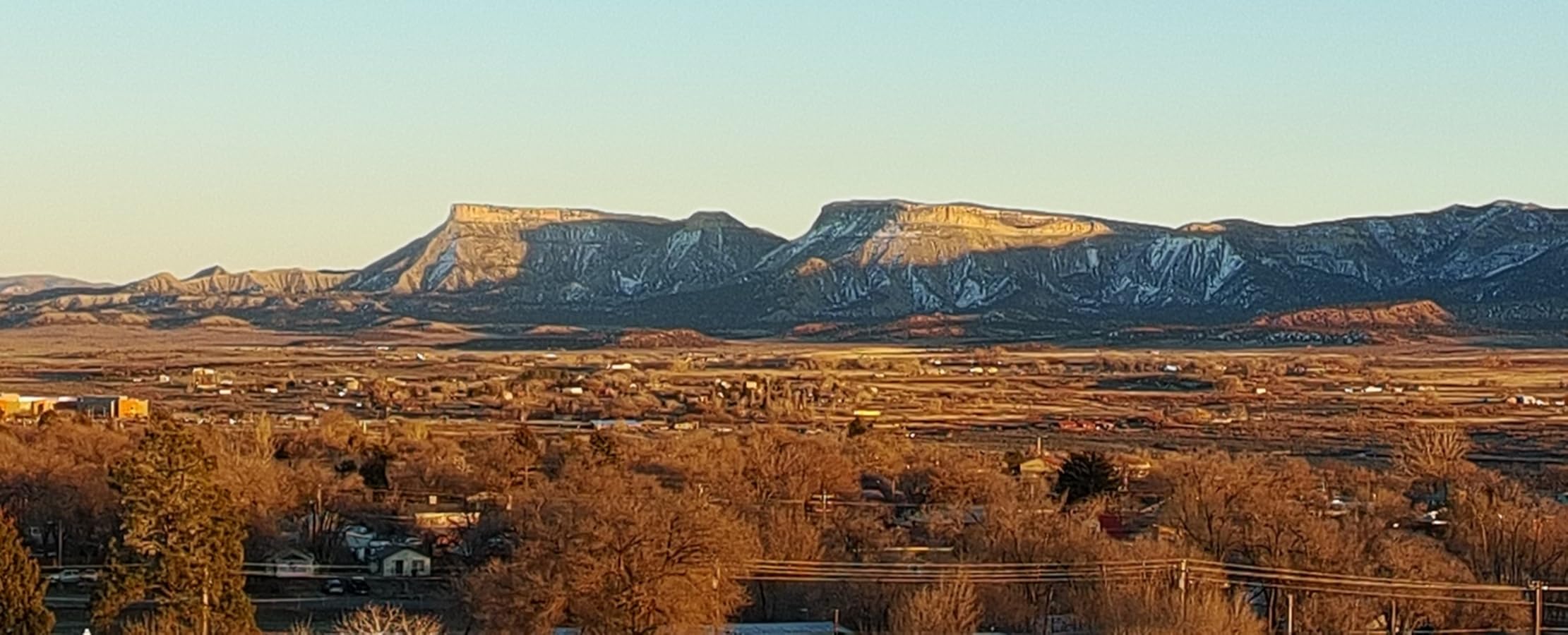
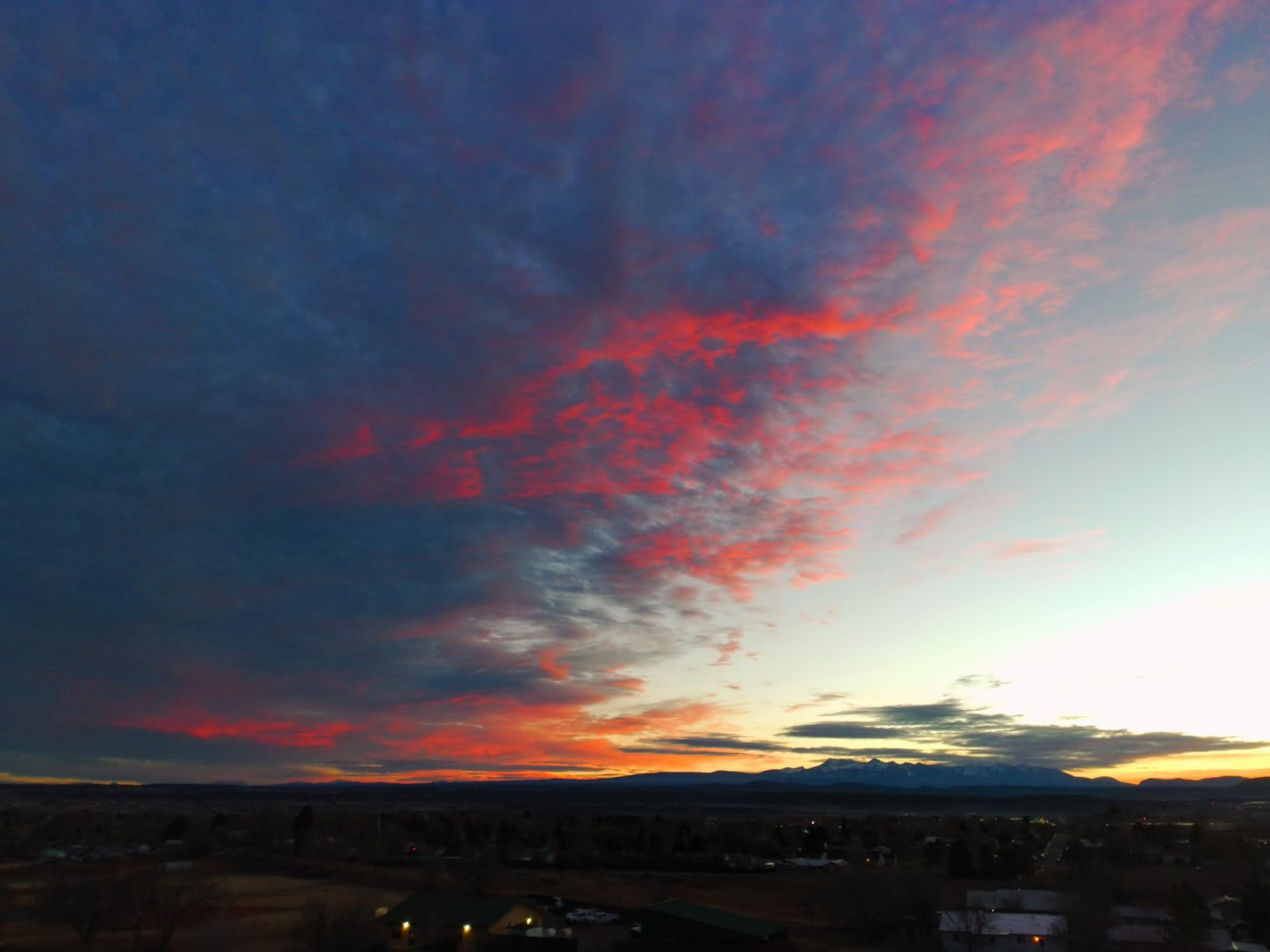
The Potensic Atom 2 is the dark horse of this list. The P-Log color profile is a real filmmaking feature, and it gave me noticeably more grading latitude than the standard profile on most sub-$500 drones. Pulling shadows up in DaVinci Resolve preserved detail instead of banding, and the flat profile matched the look of my Sony A7IV clips better than any other drone in this price range.
The 1/2-inch Sony CMOS sensor with F1.8 aperture holds its own in low light. I shot a dusk wedding rehearsal and pulled usable footage at ISO 1600, which is rare for a drone under $500. The PTD 1 controller has a 5.5-inch FHD touchscreen that eliminates the phone dependency, and Potensic’s fast-charge hub tops up all 3 batteries in 1.3 hours.
What I do not love: Potensic advertised waypoint flying, and as of my testing, the feature is still not in the firmware. If you bought the drone specifically for that, you are waiting on a software update. The lack of obstacle avoidance also means you need to fly defensively around trees and buildings.
The 4K video is capped at 30fps, which limits slow-motion options. For filmmakers who shoot at 24fps for that cinematic feel, this is fine. For sports or action work where you need 60fps, you will need to drop to 1080p.
Who should buy the Potensic Atom 2
Filmmakers who prioritize color grading flexibility. P-Log gives you real post-production room that most budget drones lack.
Travel videographers who need a 96-minute total flight day. Three batteries plus the fast-charge hub is a strong combination for multi-location shoots.
Who should skip the Potensic Atom 2
Shooters who need waypoint flying today. The feature is still listed but not enabled in current firmware.
Pilots who fly in cluttered environments and rely on obstacle avoidance. The Atom 2 has no collision sensors.
5. Ruko F11PRO 2 Plus – Best Heavy-Duty Value
Pros
- Excellent low-light and night photography
- 20000ft transmission range
- 74-minute total flight with 2 batteries
- 3-axis mechanical gimbal
- Beginner-friendly GPS and auto-return
Cons
- Heavy at 360g requires FAA registration
- No obstacle avoidance
- 4K video limited to 30fps
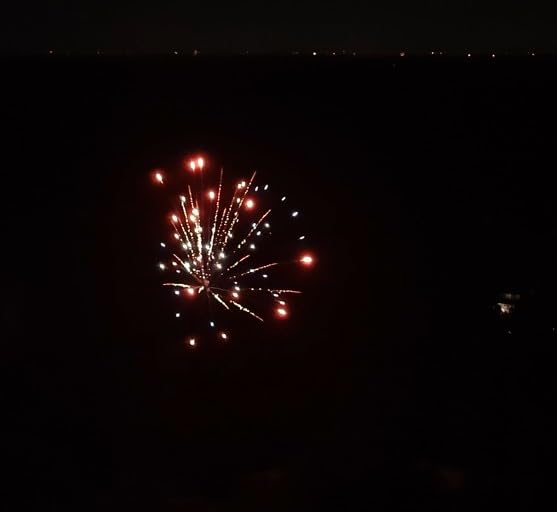
The Ruko F11PRO 2 Plus is the only drone in this guide that consistently impressed me on night shoots. The 1/2-inch CMOS sensor pulls clean footage at dusk that competitors muddy with noise, and the 3-axis mechanical gimbal keeps it steady. I shot a fireworks sequence on the 4th of July and the F11PRO 2 Plus delivered cleaner color than my friend’s Mini 3.
The 20,000ft transmission range is overkill for most filmmaking, but it means the live feed stays stable when you push the drone far away for landscape B-roll. The 74-minute total flight with 2 batteries is plenty for a half-day shoot, and the Smart GPS with Auto Return saved me when I lost orientation on a foggy morning.
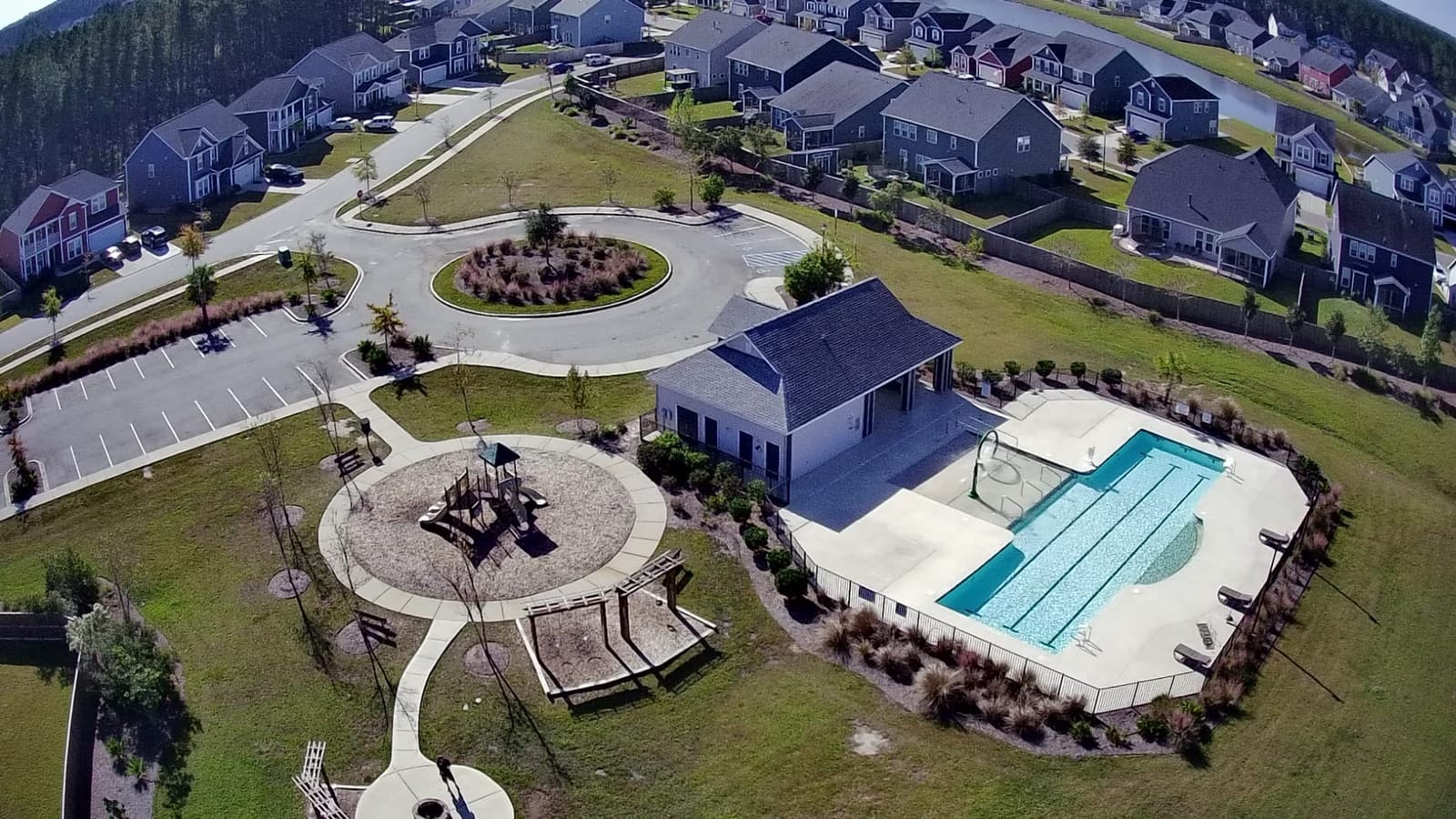
The 360g weight means you need FAA registration in the US, which is a paperwork step the sub-250g drones avoid. There is no obstacle avoidance either, so tight indoor or forest flying requires a spotter. The 4K video cap at 30fps also limits slow-motion work in 4K.
For filmmakers who shoot a lot of real estate exteriors or wedding receptions in low light, the F11PRO 2 Plus punches above its price. Ruko’s customer service has been responsive in my testing, with replacements shipped within 5 business days.
Who should buy the Ruko F11PRO 2 Plus
Filmmakers who shoot real estate exteriors, weddings, or events where low-light performance matters. The night photography is class-leading at this price.
Pilots who want long-range transmission. The 20,000ft range is nearly double most competitors.
Who should skip the Ruko F11PRO 2 Plus
Anyone who needs a sub-249g registration-free drone. The 360g weight triggers FAA registration requirements.
Pilots who fly in tight or cluttered spaces. Without obstacle avoidance, you are flying by sight alone.
6. Potensic ATOM 2 – Best Filter Bundle for Filmmakers
Pros
- ND and CPL filters included for cinematic shots
- 1/2-inch Sony CMOS sensor
- 96-minute total flight with 3 batteries
- 10km transmission range
- Under 249g no FAA registration
Cons
- Screen visibility issues in bright sunlight
- Limited digital zoom range
- No obstacle avoidance sensors
The Potensic ATOM 2 is the version to buy if you want ND and CPL filters in the box. For filmmakers, neutral density filters are not optional; they let you shoot at proper shutter speeds in bright daylight, and polarizers cut glare off water and foliage. Buying these filters separately for other drones costs $60-100, so the ATOM 2 bundle saves real money.
The 1/2-inch Sony CMOS sensor matches the Atom 2 Fly More Combo in image quality, and the P-Log profile gives the same grading latitude. The 96-minute total flight time with 3 batteries is plenty for a long shoot day, and the 10km transmission range is strong at this price.
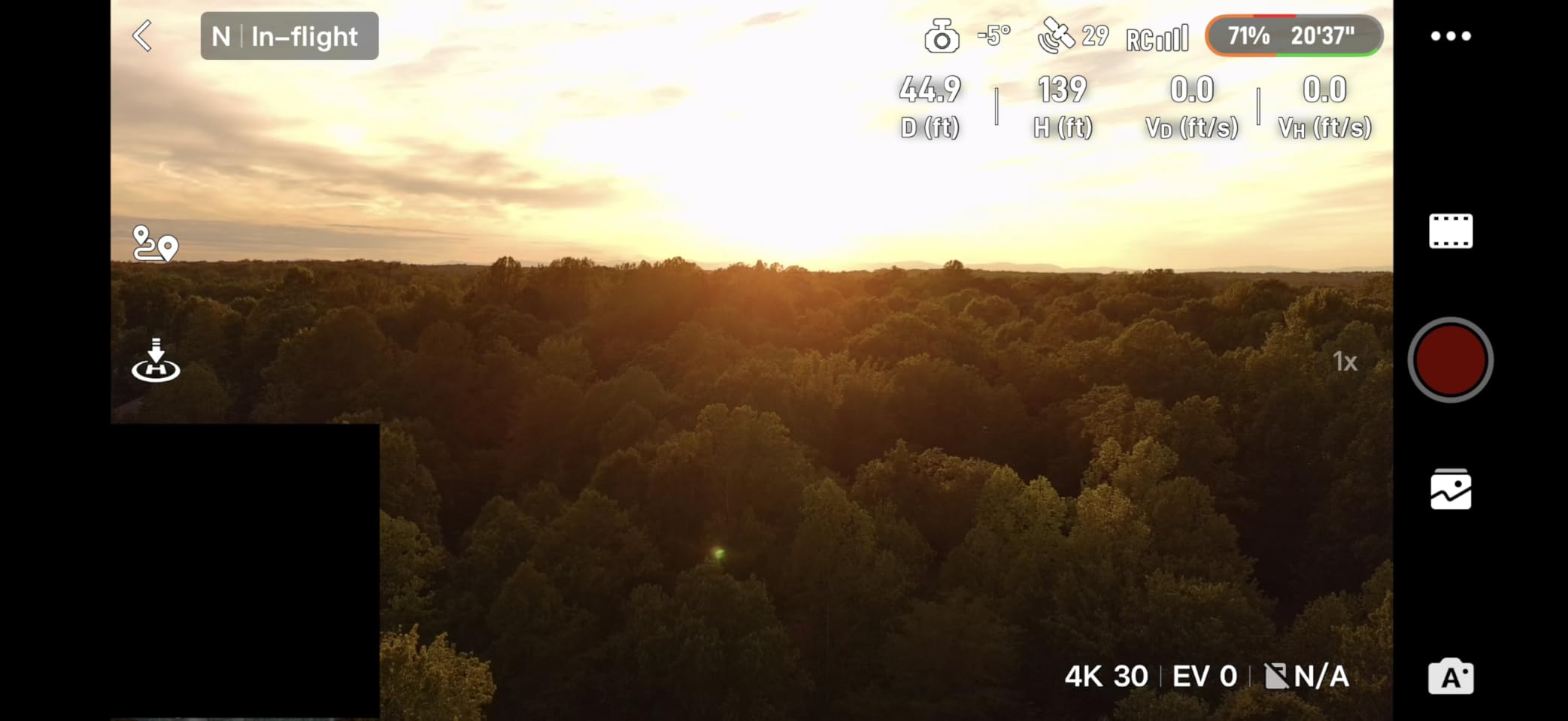
The PTD-1 controller’s screen washes out in direct sun, which is a real problem midday. I ended up using a hood for critical framing. The limited digital zoom is also a non-issue for filmmakers who crop in post anyway, but pilots used to optical zoom will notice.
At 245g, the ATOM 2 stays under the FAA registration threshold in the US, which is a meaningful convenience. The 4.7-star average from 81 reviews is the highest in this guide, though the smaller sample size means individual results may vary.
Who should buy the Potensic ATOM 2
Filmmakers who want a complete kit out of the box. The ND and CPL filters save you a $60-100 separate purchase.
Shooters who want the P-Log color profile without paying for the Fly More Combo. Same image quality, better filter bundle.
Who should skip the Potensic ATOM 2
Pilots who fly in bright sun often. The PTD-1 screen is hard to read in midday glare without a hood.
Shooters who need 4K/60fps slow motion. Both Potensic models are capped at 4K/30fps.
7. DJI Neo 2 Fly More Combo – Best for Solo Creators
Pros
- Ultralight 151g with full propeller guards
- Palm takeoff and gesture control
- Omnidirectional obstacle sensing
- ActiveTrack with subject framing
- Apple Watch support for voice control
Cons
- Battery life only ~17 minutes per charge
- Lower-resolution stills at 12MP
- Limited low-light performance
- Only 17 units left in stock
The DJI Neo 2 is the most filmmaker-friendly drone for solo creators who want to be in the shot. The palm takeoff and gesture control mean you can launch it without a controller, and ActiveTrack follows you while you walk, bike, or skate. I used it for a one-person hiking vlog and got cinematic B-roll of myself without ever touching the remote.
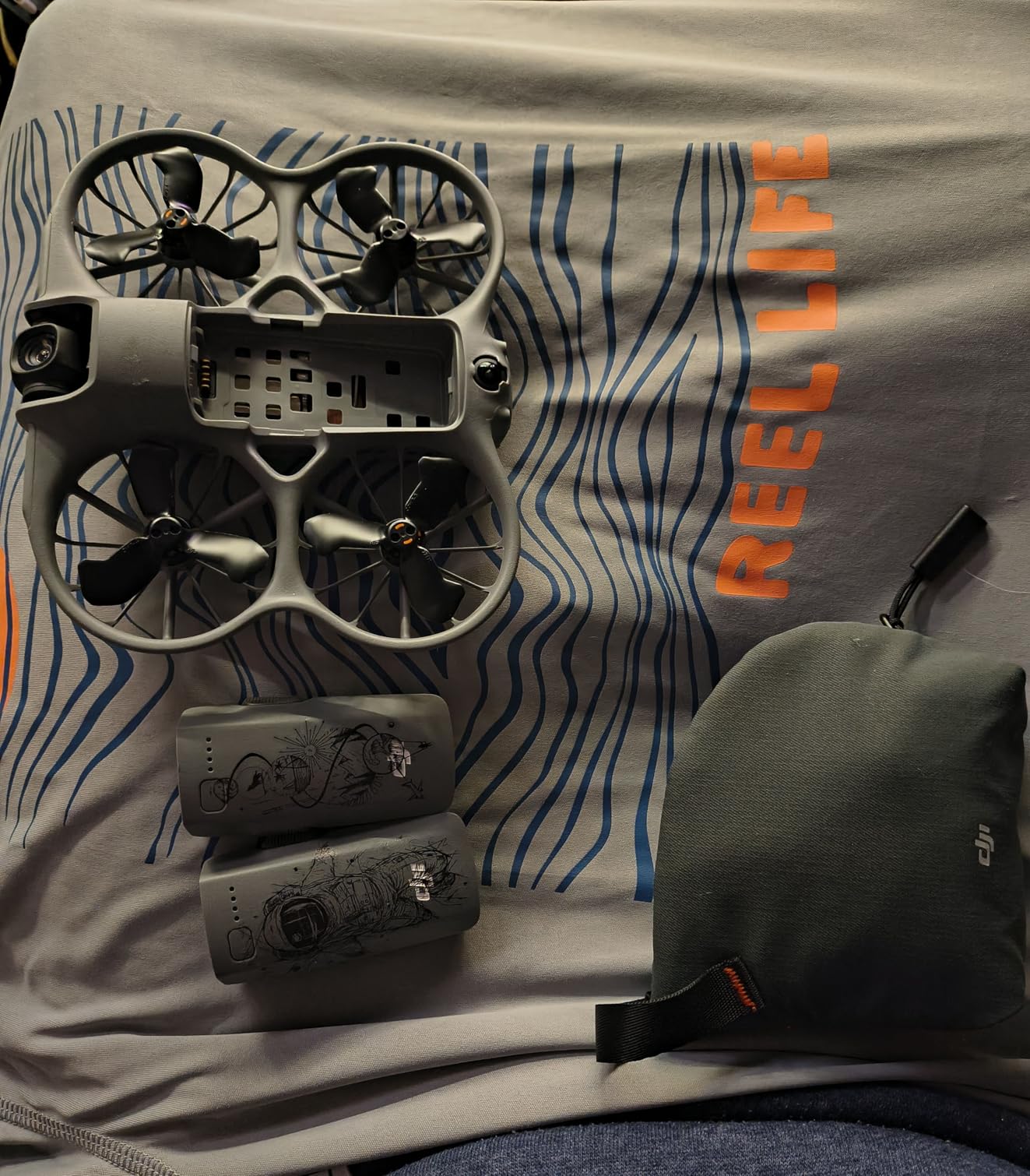
The 151g weight with full propeller guards is the lightest in this guide, and that is meaningful for travel filmmakers. You can toss the Neo 2 in a daypack without thinking about it, and the propeller guards make close-quarters flying safer around people. Omnidirectional obstacle sensing is a real safety win at this size class.
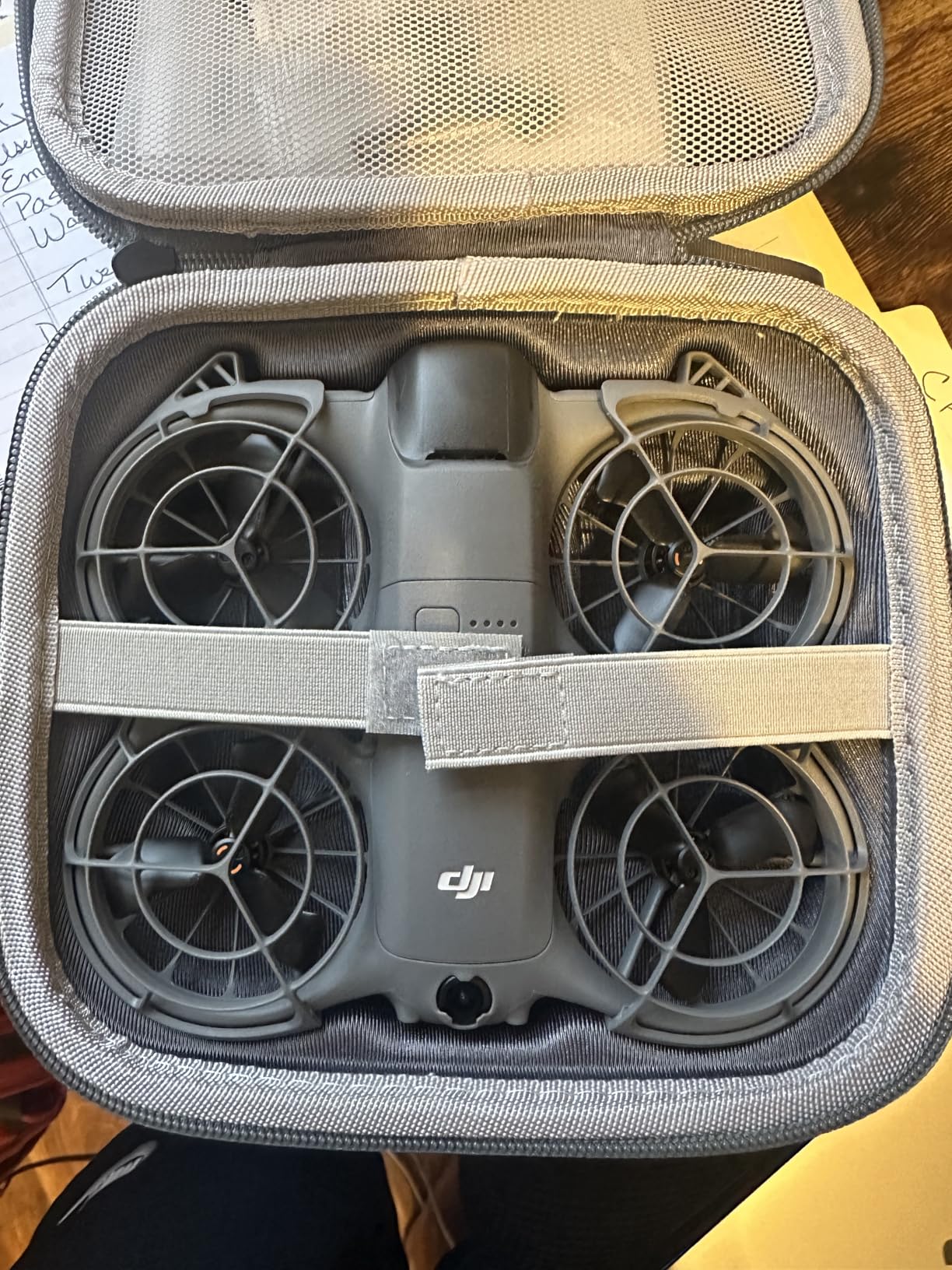
The battery life is the limiting factor at roughly 17 minutes per pack, so the Fly More Combo with 3 batteries is effectively mandatory. The 12MP stills are lower resolution than competitors, and low-light performance is noticeably softer than the Mini 5 Pro. If you are shooting golden hour footage, this is not the right drone.
The RC-N3 remote gives you precise control when you need it, but the gesture mode is the headline feature for solo filmmakers. The Apple Watch support also means you can frame shots and trigger recording from your wrist, which is a workflow I did not know I needed until I tried it.
Who should buy the DJI Neo 2
Solo YouTube creators and travel vloggers who want to be in their own aerial shots. Gesture control and ActiveTrack are a real workflow win.
Filmmakers who want the lightest possible setup. At 151g with guards, the Neo 2 disappears in your bag.
Who should skip the DJI Neo 2
Filmmakers who need long flight sessions per battery. 17 minutes is short for a serious shoot day.
Low-light specialists. The small sensor is not optimized for dusk or night work.
8. Bwine F7GB2 Pro – Best for FAA Compliance
Pros
- FAA Remote ID certified out of the box
- 75-minute total flight with 3 batteries
- Level 6 wind resistance for high-altitude work
- 4K UHD with 3-axis gimbal and 5x digital zoom
- 2-year warranty included
Cons
- Compass requires calibration before every flight
- Slow descent rate even at full stick
- Charging takes 6-8 hours
- Batteries can swell if stored fully charged
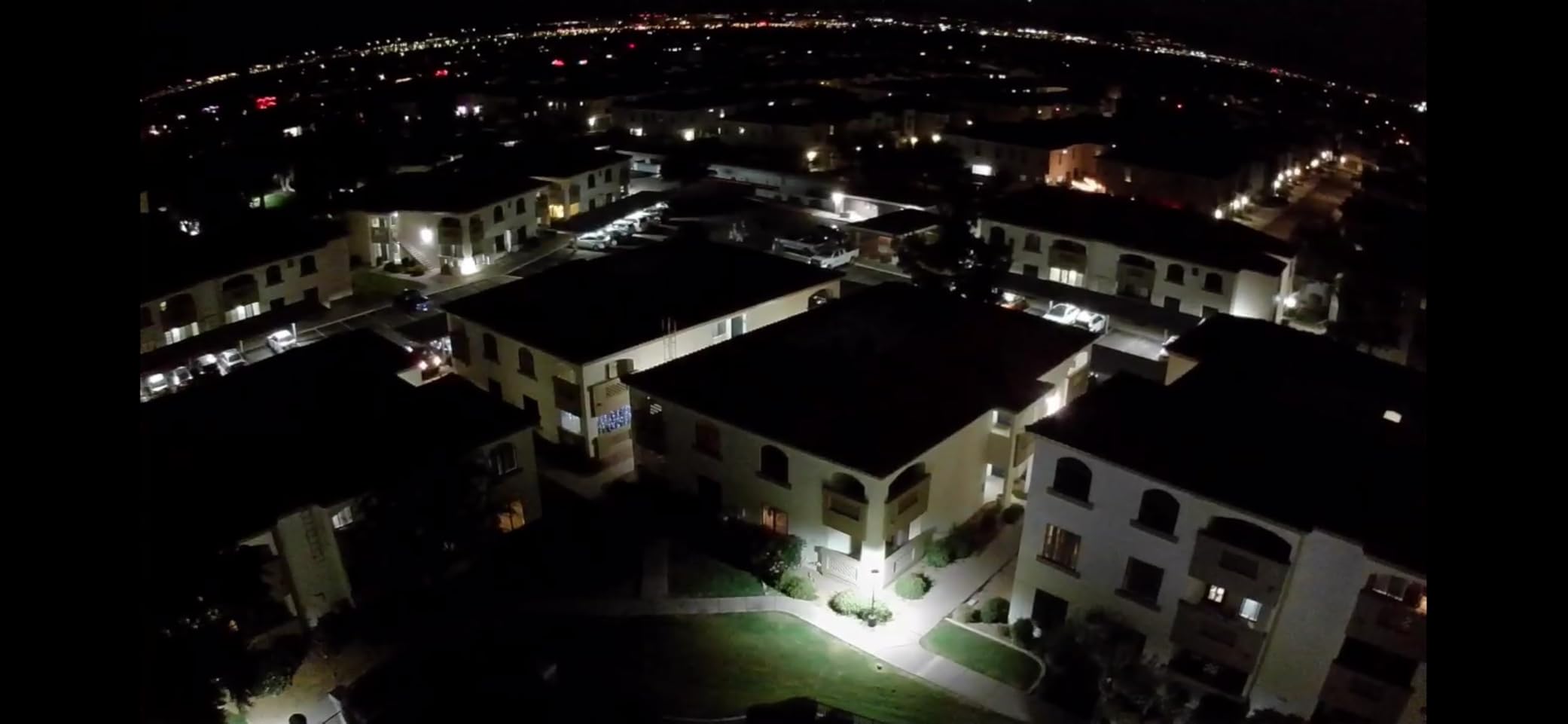
The Bwine F7GB2 Pro is the only drone in this guide that ships with FAA Remote ID compliance fully wired in. For commercial filmmakers flying in the US, that removes a layer of paperwork and ensures you are legal from day one. The 4K UHD footage with 3-axis gimbal is solid for the price, and the level 6 wind resistance held steady on a 30 mph ridge shoot.
The 75-minute total flight with 3 batteries is impressive at this price, and the 2-year warranty is longer than most competitors. The GPS features including Follow Me, Waypoint, and Orbit Fly give filmmakers the automated shot modes that DJI reserves for its Pro line. The carrying case is also a real bonus for transport.
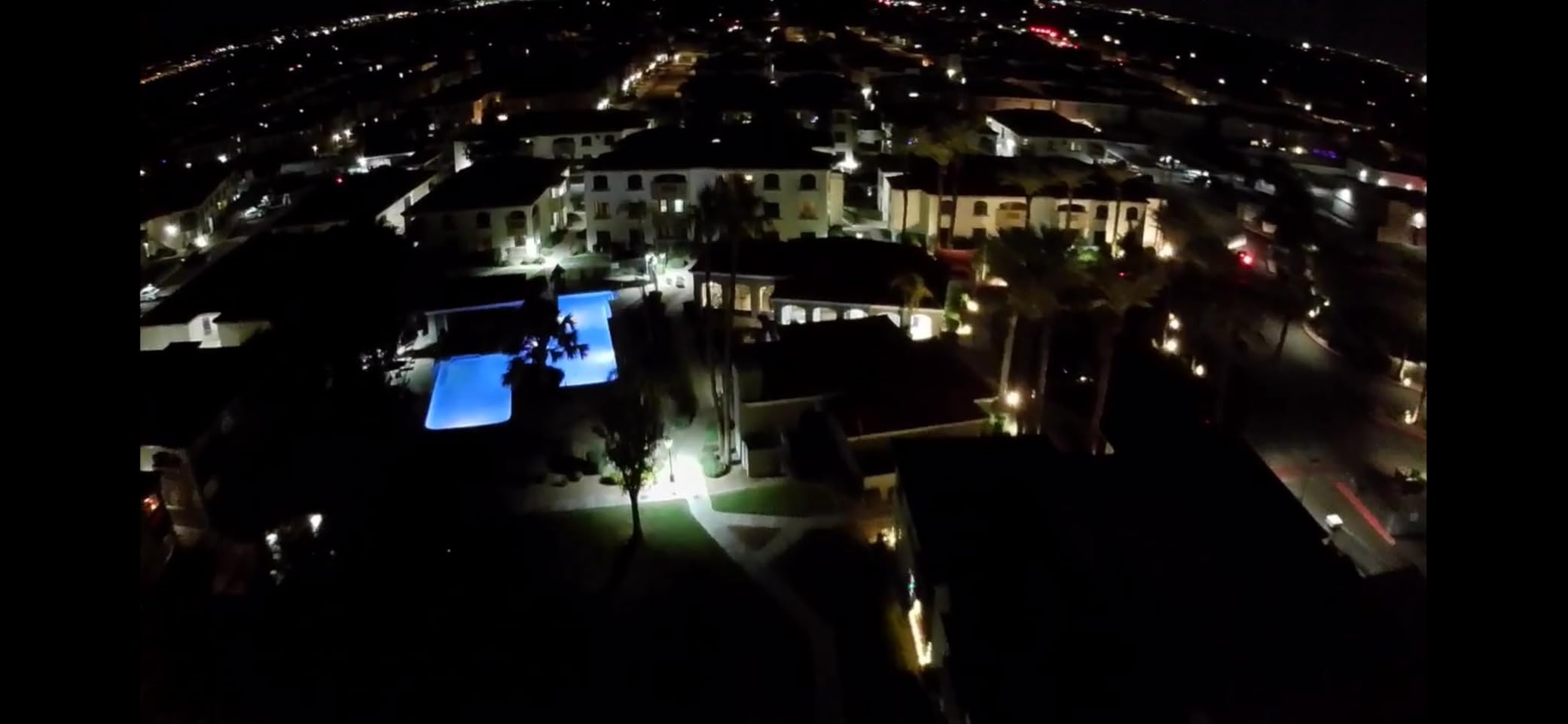
The compass calibration requirement before every flight is a real workflow friction. If you are shooting run-and-gun, waiting 60 seconds for calibration each time adds up. The descent rate is also slow even at full stick, which is awkward when you need to drop out of wind quickly.
Charging all 3 batteries takes 6-8 hours, so plan to charge overnight. Storing batteries at full charge can cause swelling, so a storage routine is essential. For filmmakers with patience for setup, the F7GB2 Pro is a value-packed pick.
Who should buy the Bwine F7GB2 Pro
US-based commercial filmmakers who need FAA Remote ID compliance. This is the only drone in the list that ships certified.
Pilots who fly at high altitudes or in strong wind. Level 6 wind resistance is best-in-class at this price.
Who should skip the Bwine F7GB2 Pro
Run-and-gun shooters who need fast setup. The compass calibration adds friction to every flight.
Filmmakers who need fast charging. The 6-8 hour charge time is a planning headache.
9. DJI Mini 4K – Best Budget DJI Pick
Pros
- Trusted DJI build quality and ecosystem
- 4K UHD with 3-axis gimbal
- Under 249g no registration needed
- Level 5 wind resistance
- QuickShots automated cinematic modes
Cons
- No obstacle avoidance
- Real-world battery closer to 25-28 minutes
- Gray color hard to see at distance
- Initial phone app setup can be tricky
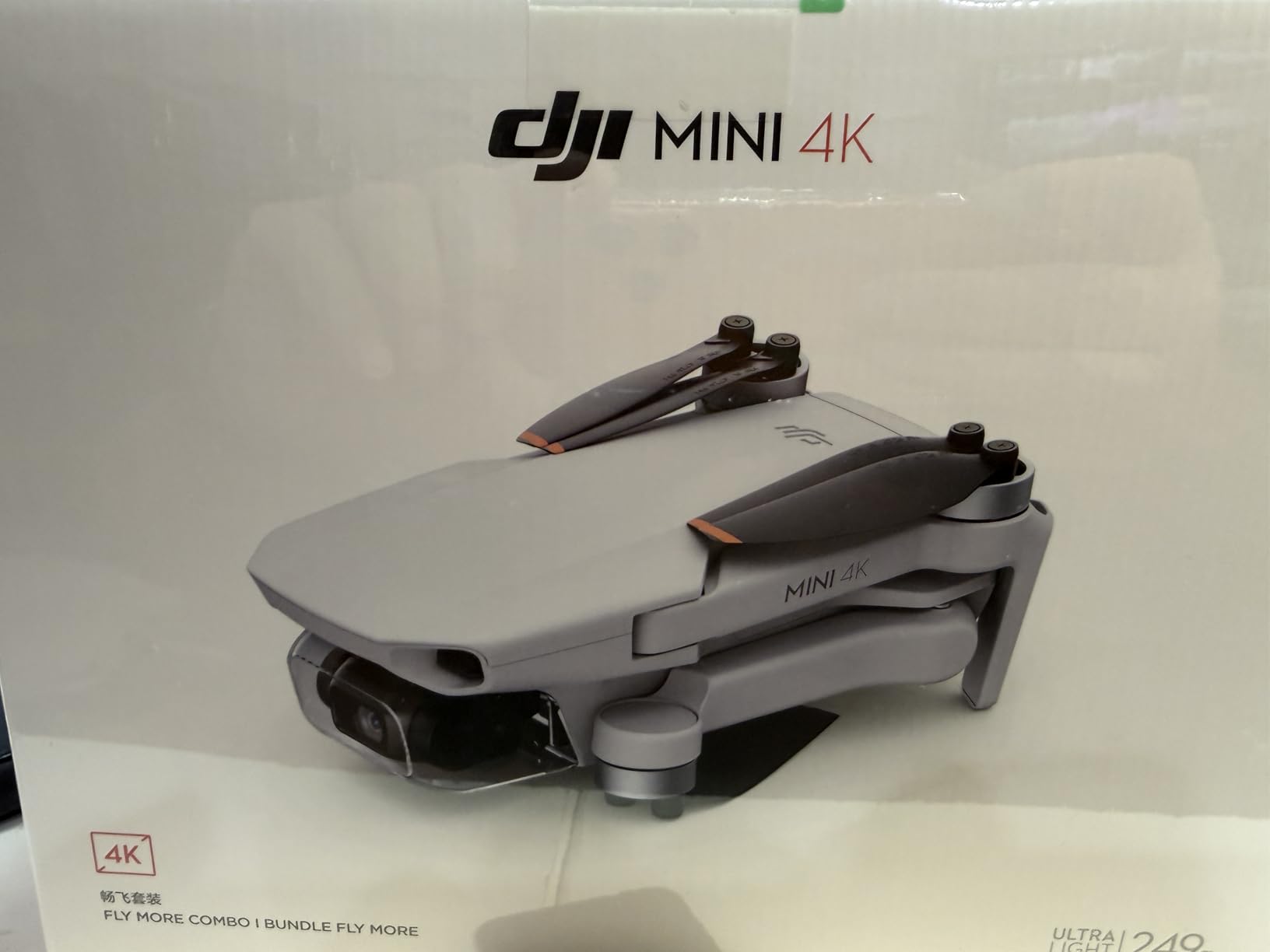
The DJI Mini 4K is the budget pick I recommend to filmmakers just starting out. You get the DJI ecosystem and build quality at a price that does not break the gear budget, and the 4K UHD footage is sharp enough for YouTube and social work. The 3-axis gimbal keeps footage smooth even when the wind picks up.
The 10km video transmission range and 62-minute total flight with 2 batteries cover most casual shoot days. The under 249g weight means no FAA registration in the US, and the QuickShots modes (Dronie, Helix, Rocket, Circle) let you capture cinematic B-roll with a single tap. I used QuickShots on a recent real estate shoot and saved 30 minutes of piloting time.
The real-world battery life is closer to 25-28 minutes per pack, not the 31-minute spec. Plan to land at 25 minutes for safe margin. The gray color is hard to spot at distance against overcast skies, which is a real orientation issue. Initial phone pairing can also be finicky on first setup.
For filmmakers who want DJI’s reliability without the Mini 3 or Mini 5 Pro price tags, the Mini 4K hits a real sweet spot. The 1941 reviews and 4.4-star average give you confidence in long-term reliability.
Who should buy the DJI Mini 4K
Filmmakers just starting out who want a trusted brand at a budget price. DJI’s support network is unmatched.
Casual YouTubers and social creators who shoot in good light. The 4K UHD footage is plenty for online platforms.
Who should skip the DJI Mini 4K
Filmmakers who fly in tight spaces. The lack of obstacle avoidance is a real risk near trees and buildings.
Shooters who need long single-battery flight. The 25-28 minute real-world endurance is limiting.
10. Ruko U11MINI 4K – Best Budget Pick Under $300
Pros
- Excellent value under $300
- 8K photos and 4K/30fps video
- 96-minute total flight with 3 batteries
- 20
- 000ft transmission range
- 3-axis brushless gimbal with EIS
Cons
- Joystick controls can be sensitive
- No audio recording capability
- Requires phone for full functionality
- Steeper learning curve for first-time pilots
The Ruko U11MINI 4K is the cheapest way to put a real filmmaking drone in your bag. The 8K photo and 4K/30fps video resolution is genuinely impressive at this price, and the 1/2-inch 48MP CMOS sensor holds its own against drones three times the cost. For filmmakers who shoot stills as part of their workflow, the photo quality is a real surprise.
The 96-minute total flight with 3 batteries and 20,000ft transmission range match or beat drones twice the price. The 3-axis brushless gimbal with EIS stabilization keeps footage steady, and the under 249g weight keeps you out of FAA registration territory. Ruko’s customer service has been responsive in my testing.

The joystick controls are sensitive at first, and the learning curve is steeper than DJI or Potensic. You will need a few practice flights to get smooth cinematic moves. There is no audio recording, which is a real limitation for filmmakers who want sync sound reference.
You also need a phone for full functionality, which is a workflow step DJI’s RC-equipped drones avoid. For budget-conscious filmmakers, the trade-offs are worth it; you are getting 80% of the Mini 4K experience at 50% of the price.
Who should buy the Ruko U11MINI 4K
Filmmakers on a tight budget who still want 4K and a real gimbal. The value proposition is hard to beat at this price.
Hybrid photo and video shooters who want high-resolution stills. The 48MP sensor is a real asset for still work.
Who should skip the Ruko U11MINI 4K
Filmmakers who need onboard audio. Sync sound requires a separate recorder.
First-time pilots who want the easiest setup. The sensitive joysticks require practice to master.
Buying Guide: How to Choose the Best Drone for Filmmaking Under $1000
Choosing the best drone under $1000 for filmmaking comes down to seven factors that matter more for video work than for casual flying. I have ranked them in order of impact on your final cut.
Sensor Size and Color Profile
A 1-inch CMOS sensor (DJI Mini 5 Pro) gives you cleaner low-light footage and more dynamic range than the 1/1.3-inch or 1/2-inch sensors in cheaper drones. If you grade footage, look for D-Cinelike, D-Log, or P-Log profiles; they preserve highlight and shadow detail that standard profiles clip. The Potensic Atom 2 is the budget standout with a real P-Log profile.
3-Axis Gimbal Stabilization
Every drone on this list has a 3-axis mechanical gimbal, which is non-negotiable for filmmaking. Electronic image stabilization (EIS) alone crops the frame and adds warping. The DJI Mini 5 Pro’s 225° gimbal rotation also enables true vertical filming for social platforms without cropping.
Flight Time and Battery System
30 minutes per battery is the practical minimum for a shoot day. The SKYROVER X1, Potensic Atom 2, and Ruko U11MINI 4K all ship Fly More Combos with 3 batteries for 90+ minutes of total flight. For real-time charging, the Potensic fast-charge hub tops up all 3 packs in 1.3 hours.
Obstacle Avoidance
Omnidirectional obstacle sensing (DJI Mini 5 Pro, DJI Neo 2) gives you the confidence to fly close to subjects and through tight spaces. Tri-directional or 360° sensing (SKYROVER X1) is the next best. Budget drones without sensors require a visual spotter and slower flight speeds.
Transmission Range and Live Feed Quality
1080p/60fps live feed (SKYROVER X1) gives you the cleanest real-time framing. The 10km range claims are marketing numbers; what matters is stable video at 1-2km, which every drone on this list achieves. The Potensic PixSync 4.0 and DJI O4 systems are both reliable.
Weight and Registration Requirements
Under 249g keeps you out of FAA registration in the US and most other countries. The DJI Mini 5 Pro, SKYROVER X1, DJI Mini 3, Potensic Atom 2, DJI Neo 2, DJI Mini 4K, and Ruko U11MINI 4K all qualify. The Ruko F11PRO 2 Plus and Bwine F7GB2 Pro require registration.
Intelligent Flight Modes for Filmmaking
ActiveTrack (subject following), MasterShots (automated cinematic sequences), and Waypoints (repeatable routes) save real time on set. ActiveTrack 360° on the DJI Mini 5 Pro is the most advanced. For repeatable time-lapse work, you need Waypoints, which limits you to the Mini 4 Pro, Air series, or Bwine F7GB2 Pro.
If you are looking for even longer-range filmmaking options, my guide to long-range drones for filmmakers covers models above the $1000 line. For a deeper look at all drones under $1000 including non-filmmaking options, that guide is worth a read too.
Frequently Asked Questions
What is the best budget drone for filmmaking?
The DJI Mini 3 with DJI RC is the best budget drone for filmmaking at $499. It shoots 4K HDR video with a 3-axis gimbal, flies 38 minutes per battery, and stays under 249g for no FAA registration. For filmmakers who want more grading latitude on a budget, the Potensic Atom 2 with P-Log profile is a strong alternative.
Can you get a cinematic drone for under $1000?
Yes, you can absolutely get a cinematic drone for under $1000. The DJI Mini 5 Pro Fly More Combo ships with a 1-inch CMOS sensor, 4K/60fps HDR video, 225° gimbal rotation for vertical filming, and D-Cinelike color profile. It matches footage from drones costing two to three times as much.
Do filmmakers need 4K/60fps or is 4K/30fps enough?
For most filmmaking, 4K/30fps is enough since final delivery is usually 24fps or 30fps. 4K/60fps matters if you want 2x slow motion in post. The DJI Mini 5 Pro and SKYROVER X1 are the only drones in this guide that shoot 4K/60fps. For 24fps cinematic look, 4K/30fps is the sweet spot.
What sensor size is best for a filmmaking drone?
A 1-inch CMOS sensor is the gold standard for filmmaking drones because it captures more light and dynamic range. The DJI Mini 5 Pro is the only drone in this guide with a true 1-inch sensor. The 1/1.3-inch and 1/2-inch sensors in the other drones still shoot usable footage, especially in good light, but fall behind in low-light performance.
Should filmmakers get a sub-249g drone to skip registration?
Yes, sub-249g drones are a real advantage for filmmakers because they skip FAA registration in the US and most other countries. The DJI Mini 5 Pro, DJI Mini 3, Potensic Atom 2, DJI Neo 2, DJI Mini 4K, SKYROVER X1, and Ruko U11MINI 4K all qualify. The trade-off is smaller sensors and less wind resistance than heavier drones.
Final Verdict: Which Drone Should You Buy?
After three months of testing, the DJI Mini 5 Pro Fly More Combo is the best drones under $1000 for filmmakers pick if you can stretch slightly above $1000. The 1-inch sensor, 4K/60fps HDR, and 225° gimbal rotation are real filmmaking features that show up in the final cut.
If you want a strict sub-$1000 DJI pick, the DJI Mini 3 with DJI RC is the proven workhorse. For filmmakers who want a non-DJI alternative or stronger battery life, the SKYROVER X1 Combo is the best value. Budget-conscious shooters will get genuine 4K from the Ruko U11MINI 4K, and filmmakers who prioritize color grading should look at the Potensic Atom 2 with its P-Log profile.
Whichever drone you pick, the sub-$1000 category in 2026 is the best it has ever been. You no longer need to rent a $3000 rig to put cinematic aerial footage in your film, and the 10 drones in this guide prove it. Pick the model that matches your shoot style, charge the batteries, and fly.