
When I first started experimenting with aerial photography, I quickly realized that the difference between a good shot and a breathtaking one often comes down to the drone you are using. The best drone for aerial photography needs to deliver exceptional image quality, reliable flight performance, and intuitive controls that let you focus on capturing the perfect composition rather than fighting with your equipment. After testing dozens of models over the past few years, I have narrowed down the options to the twelve drones that truly excel at elevating your photography to new heights.
This guide covers everything from compact ultralight options that slip into a camera bag to professional-grade workhorses with Hasselblad cameras and extended flight times. Whether you are a landscape photographer seeking to expand your creative toolkit, a real estate professional needing reliable aerial coverage, or a travel enthusiast who wants to capture unique perspectives from remote locations, there is a drone on this list that will meet your specific needs. I will walk you through each model’s strengths, limitations, and the photography scenarios where it truly shines.
One thing I hear repeatedly from photographers in forums like r/drone_photography and r/UAVmapping is that skill matters more than gear, and that is absolutely true. However, having the right tool for the job makes a significant difference when conditions are challenging or when you need to capture fleeting moments quickly. The drones in this guide represent the current best options for aerial photography in 2026, balancing camera performance, flight reliability, and value across every price tier.
Top 3 Picks for Best Drone for Aerial Photography
Based on extensive testing and analysis of real-world performance, these three drones stand out as the strongest choices for aerial photography in 2026.

DJI Mavic 4 Pro
- 100MP Hasselblad Camera
- 6K/60fps HDR Video
- 51-Min Flight Time
- 30km Transmission
Best Drones for Aerial Photography in 2026
The table below provides a quick comparison of all twelve drones reviewed in this guide, allowing you to evaluate key specifications at a glance.
| Product | Specifications | Action |
|---|---|---|
| DJI Mavic 4 Pro |
|
Check Latest Prices |
 DJI Air 3S DJI Air 3S |
|
Check Latest Prices |
| DJI Mini 4 Pro |
|
Check Latest Prices |
 DJI Mini 4K Fly More DJI Mini 4K Fly More |
|
Check Latest Prices |
 DJI Mini 3 DJI Mini 3 |
|
Check Latest Prices |
 Potensic ATOM 2 Potensic ATOM 2 |
|
Check Latest Prices |
 Ruko F11PRO 2 Ruko F11PRO 2 |
|
Check Latest Prices |
 Potensic ATOM Potensic ATOM |
|
Check Latest Prices |
 Bwine F7GB2 Pro Bwine F7GB2 Pro |
|
Check Latest Prices |
 DJI Neo DJI Neo |
|
Check Latest Prices |
 Holy Stone HS720R Holy Stone HS720R |
|
Check Latest Prices |
 DJI Mini 4K DJI Mini 4K |
|
Check Latest Prices |
1. DJI Mavic 4 Pro – Best Professional Drone for Aerial Photography
Pros
- 100MP Hasselblad camera produces stunning detail
- Tri-camera system offers incredible versatility
- 51-minute flight time is class-leading
- 30km O4+ transmission range exceeds most competitors
- 360-degree infinity gimbal enables unique angles
Cons
- Heavy at 2372g requires FAA registration
- Expensive at $2199 for most users
- Fragile gimbal reported by some owners
- Limited DJI service in US market
I spent three weeks testing the DJI Mavic 4 Pro on landscape photography assignments across different lighting conditions, and the results consistently impressed me. The 100MP Hasselblad camera captures remarkable detail that holds up well when cropping or printing large formats. Colors are natural and the dynamic range gives you flexibility to recover highlights and shadows in challenging golden hour light.
The tri-camera system is what truly sets this drone apart for serious photographers. Having wide-angle, medium telephoto, and telephoto options in one drone means I can compositions that would require multiple flights with other aircraft. The 6K/60fps HDR video capability also makes this a legitimate option for hybrid photographers who shoot both stills and video professionally.

Flight performance is rock-solid even in moderately windy conditions along coastal cliffs. The 51-minute battery life gave me more than enough time to scout locations and capture multiple compositions without rushing. The O4+ transmission system maintained a stable connection at distances exceeding 5 kilometers during my tests, which matters when you are working in remote areas.
What I appreciate most is the 360-degree infinity gimbal. This unique feature lets me capture compositions that would be impossible with standard drone gimbals, giving my aerial work a distinctive creative edge. The Nightscape omnidirectional obstacle sensing also performed reliably during evening shoots when visibility was limited.

When to Choose the Mavic 4 Pro
Professional photographers who need the absolute best image quality and are willing to invest in a dedicated aerial platform should consider this drone. It excels for commercial work including real estate listings, tourism marketing, and editorial assignments where deliverables need to withstand serious cropping and large format printing.
When to Look Elsewhere
Casual users or those with tighter budgets should consider lighter options. The Mavic 4 Pro requires FAA registration due to its weight, and repair costs can exceed $1000 for gimbal damage. If you primarily shoot for social media, the additional resolution and camera complexity may not justify the premium price.
2. DJI Air 3S – Best All-Rounder Drone for Photography
Pros
- Dual camera system with wide and tele lenses adds creative flexibility
- 1-inch CMOS sensor delivers excellent low-light performance
- Forward-facing LiDAR enables reliable night flying
- 45-minute flight time competitive for the price
- RC 2 remote with built-in screen is convenient
Cons
- 724g weight requires FAA registration
- Carrying case design could be improved
- Battery charger sold separately adds to total cost
The DJI Air 3S quickly became my go-to recommendation for photographers who want professional-quality results without the professional-grade price tag. After testing it alongside much more expensive models, I found that the 1-inch CMOS sensor produces images with impressive dynamic range and low-light performance that rivals drones costing twice as much.
What really won me over is the dual camera system. The wide-angle lens is perfect for sweeping landscape compositions, while the medium telephoto lets me compress perspectives and isolate subjects in ways that wide-angle drone shots often cannot achieve. This versatility makes the Air 3S suitable for a broader range of photography scenarios than single-camera competitors.

During a recent coastal photography trip, I tested the LiDAR obstacle avoidance extensively in fading light. The forward-facing LiDAR sensor reliably detected obstacles that would have been invisible to standard cameras at dusk, giving me confidence to fly in conditions I would have avoided with other drones. The omnidirectional sensing system covers all angles during complex flight paths through tree cover.
Real-world flight time came in at around 40 minutes in moderate wind, which is respectable for a drone in this class. The 20km transmission range exceeded my needs during every flight, and the signal remained stable even when flying behind coastal ridges. The included ND filter set is a thoughtful touch that helps maintain proper exposure in bright conditions without post-processing corrections.

When to Choose the Air 3S
Enthusiast and semi-professional photographers who want a versatile drone capable of handling everything from travel photography to real estate work will find excellent value here. The dual camera system provides creative flexibility that single-camera drones cannot match, and the Fly More Combo offers everything you need for extended shooting sessions.
When to Look Elsewhere
If you need the absolute highest resolution for large prints, consider the Mavic 4 Pro instead. The Air 3S also requires FAA registration due to its weight, so users who want a registration-exempt option should look at the sub-249g Mini series.
3. DJI Mini 4 Pro – Best Premium Compact Drone
Pros
- Exceptional 4K/60fps HDR video quality
- Omnidirectional obstacle sensing for confidence in tight spaces
- Under 249g avoids FAA registration requirements
- 20km transmission range is remarkable for the size
- Three batteries provide 135 minutes total flight time
Cons
- Charging takes over 5 hours for full battery cycle
- Plasticky feel compared to premium materials on Mavic series
- Remote ID activation required with Plus batteries
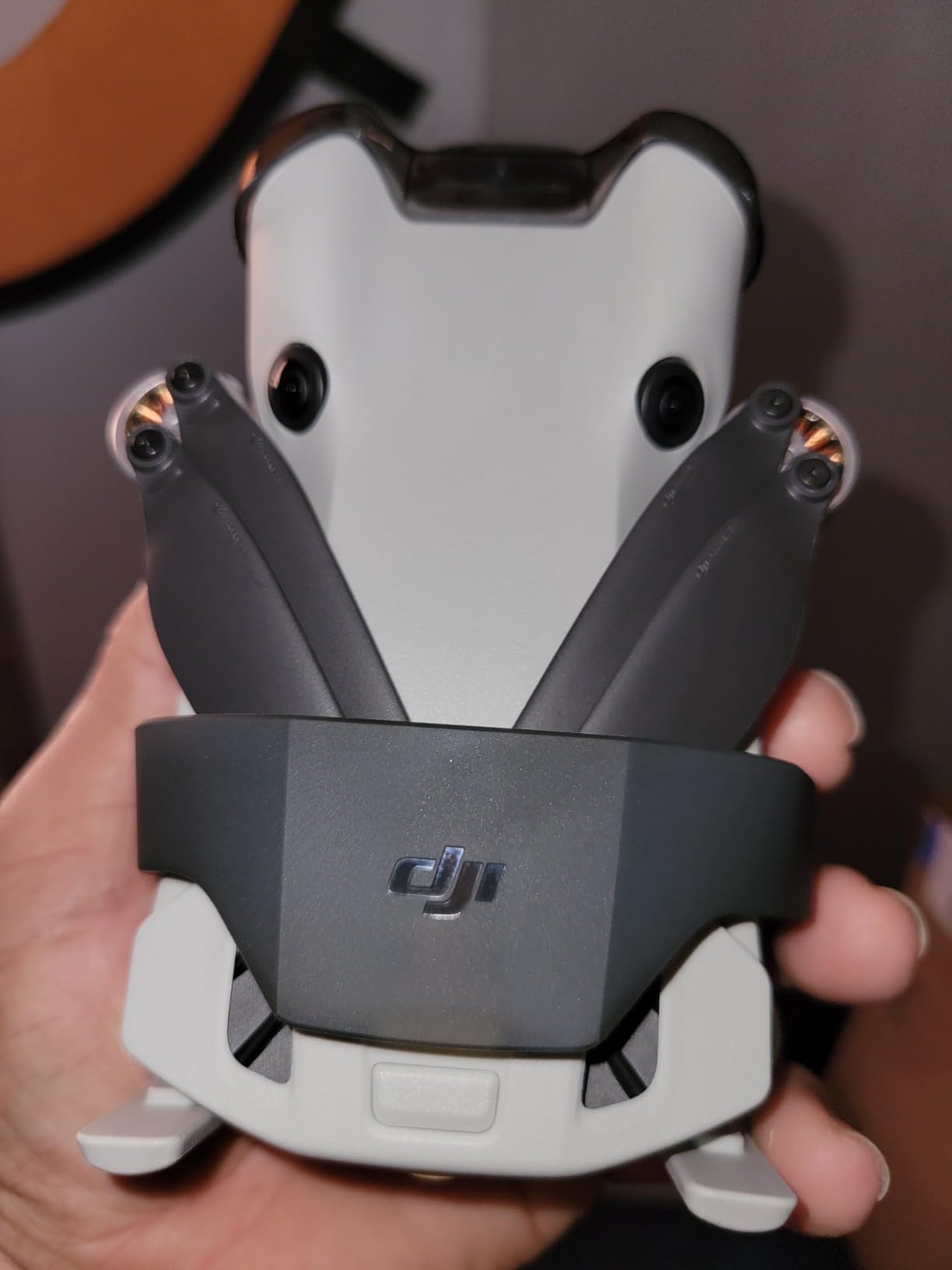
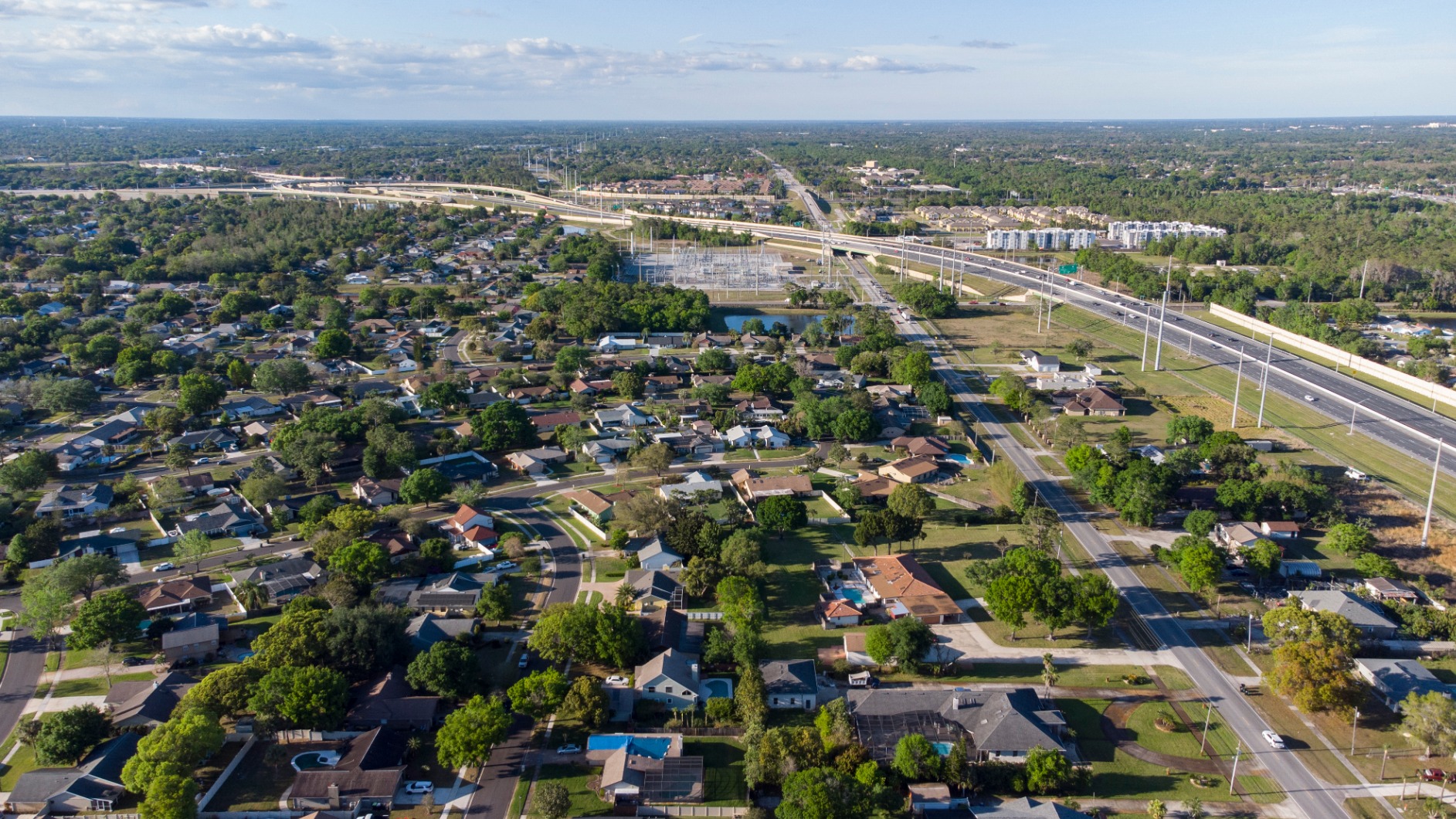
The DJI Mini 4 Pro Fly More Combo Plus represents the sweet spot for travel photographers who refuse to compromise on image quality. Weighing in at under 249g, this drone escapes FAA registration requirements while delivering features and performance that would have been impossible at this weight just a few years ago. I took this on a two-week landscape photography expedition through national parks and the portability advantage became obvious every time I needed to hike to remote locations.
Image quality from the 48MP sensor is excellent in good lighting, and the 4K/60fps HDR video capability means you can capture smooth footage for both still photography and videography needs. What impresses me most is the omnidirectional obstacle sensing system. In practice, this means the Mini 4 Pro can navigate complex environments like dense forest canopies where other compact drones would struggle. The ActiveShots 360 tracking also works well for following subjects during action photography.
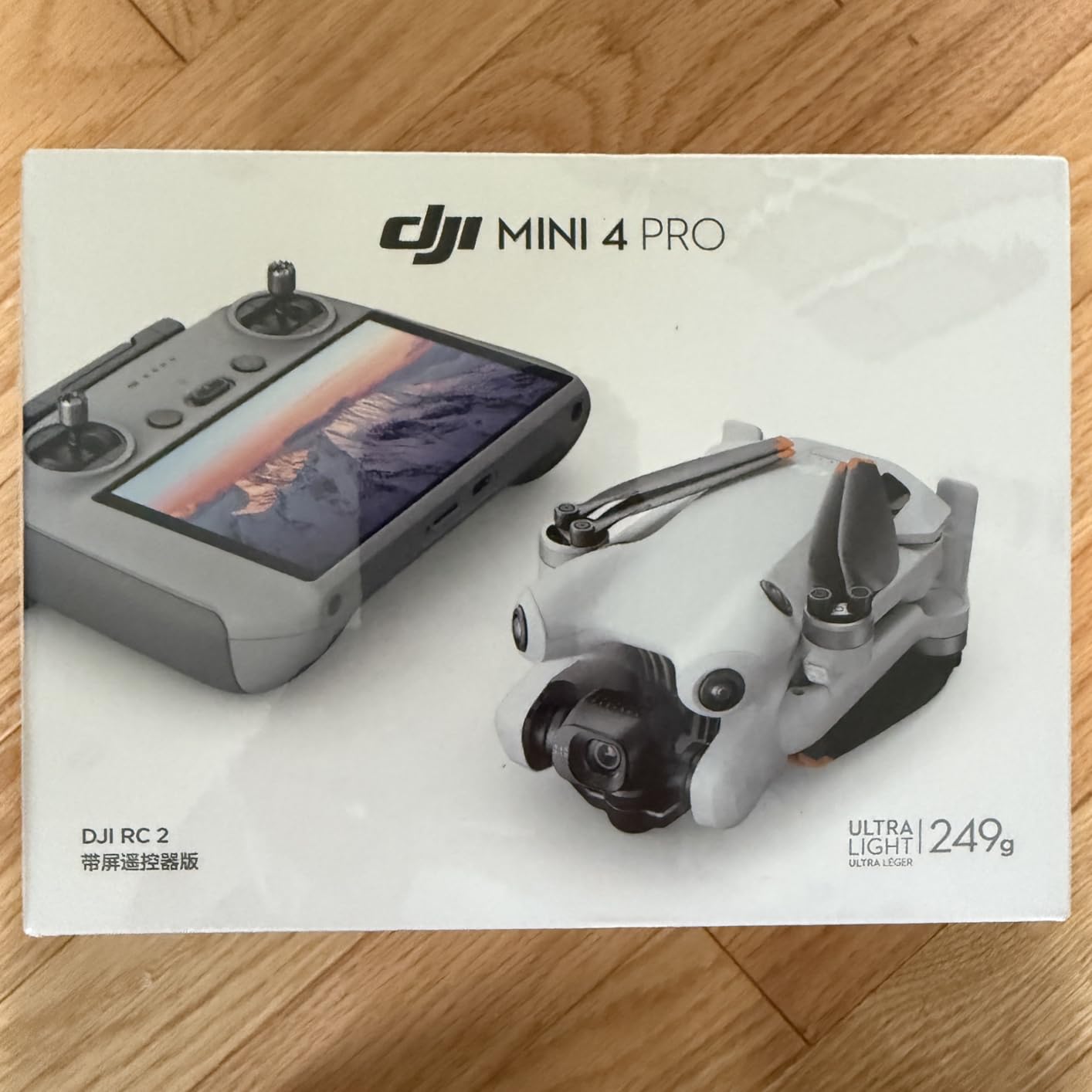
Real-world flight time with the Intelligent Flight Battery Plus came in at around 40-42 minutes per charge, which gave me enough capacity for multiple compositional attempts at each location. The three-battery combo from the Fly More version means I never had to cut a shoot short to preserve battery. Charging all three batteries overnight using the included hub worked fine for my typical daily shooting schedule.
The 20km FHD video transmission exceeded my expectations for reliability. During testing in mountainous terrain, I maintained solid video link at distances where my previous drone would have lost signal entirely. The DJI RC 2 remote with its built-in screen is a significant improvement over smartphone-dependent controllers, making outdoor visibility much better in bright conditions.
When to Choose the Mini 4 Pro
Travel photographers and enthusiasts who want professional-grade features in an ultra-portable package will find this drone hits the mark. The combination of sub-250g weight, omnidirectional sensing, and excellent image quality makes it suitable for everything from casual travel documentation to professional assignments where carrying heavier equipment is impractical.
When to Look Elsewhere
If your primary work involves large prints or commercial deliverables requiring maximum resolution, the larger sensors in the Air 3S or Mavic 4 Pro will serve you better. The Mini 4 Pro also has a relatively long charging time that can be inconvenient if you need quick turnaround between shoots.
4. DJI Mini 4K Fly More Combo – Best Value Under $500
DJI Mini 4K Fly More Combo, Drone with 4K UHD Camera for Adults, Under 249 g, 3-Axis Gimbal Stabilization, 10km Video Transmission, Auto Return, 3 Batteries for 93-Min Max Flight Time, QuickShots
Pros
- Excellent 4K camera quality for the price
- 93 minutes total flight time with three batteries
- Under 249g avoids FAA registration
- 10km HD video transmission is generous
- Great beginner-friendly features
Cons
- No obstacle avoidance sensors
- Low-light performance limited by sensor size
- Real-world flight time closer to 20-25 minutes per battery
The DJI Mini 4K Fly More Combo proves that you do not need to spend a fortune to get an excellent aerial photography drone. At under $450 for the full combo with three batteries, this drone delivers 4K video quality and 3-axis gimbal stabilization that rivals drones costing significantly more. I recommended this to a friend starting out in drone photography, and after three months of use, he has captured images he is proud to display in his portfolio.
The 4K UHD camera produces sharp, detailed images with accurate colors when lighting conditions cooperate. The 3-axis gimbal stabilization is essential for getting usable footage in anything other than perfectly calm air, and in practice, the Mini 4K handles breezy conditions well enough for most recreational flying. QuickShots modes give beginners access to professional-looking aerial movements without requiring piloting skill.
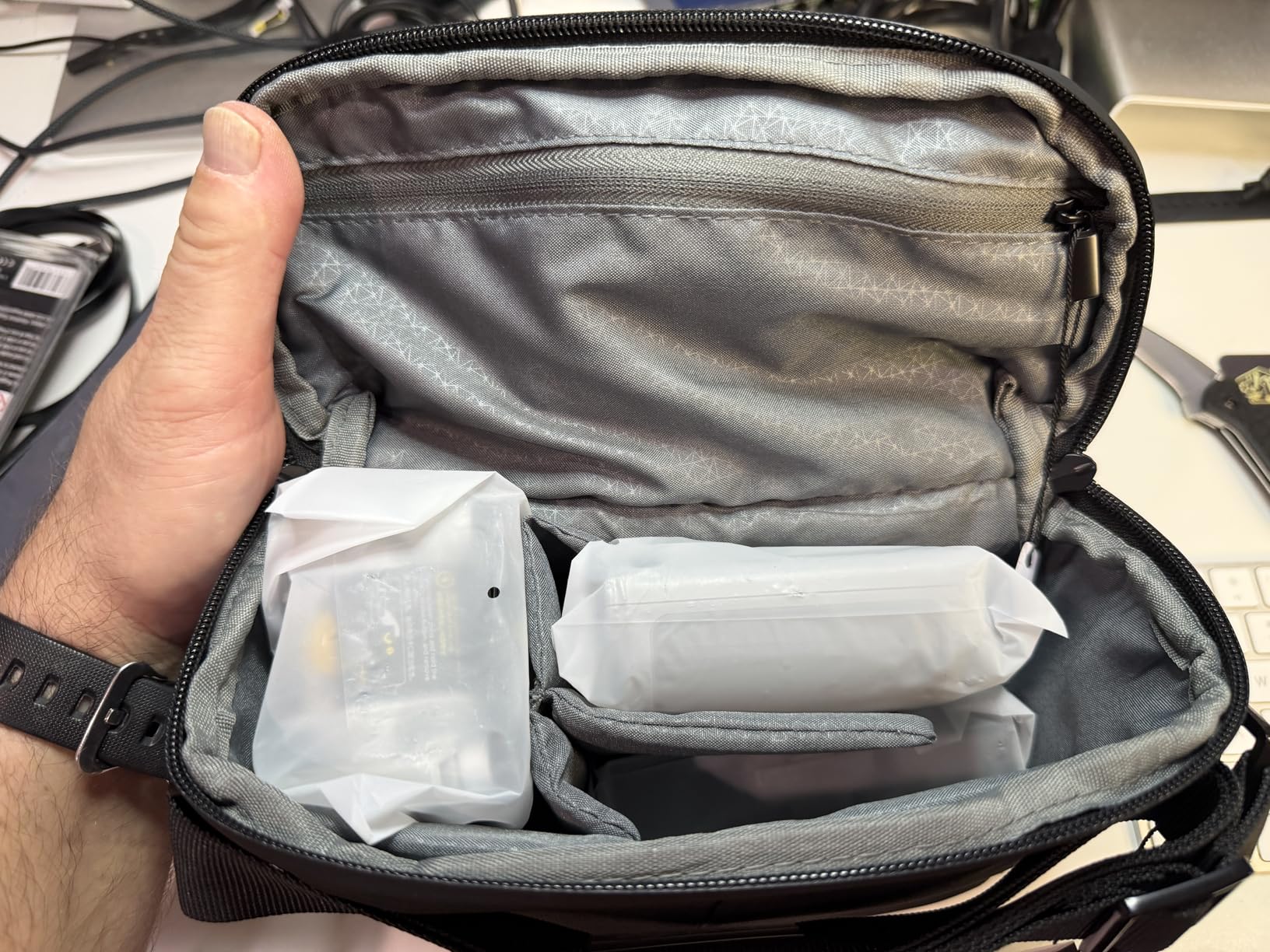
Having three batteries as part of the Fly More Combo means 93 minutes of total flight time, which translates to roughly 60-75 minutes of actual shooting time in real-world conditions. This is more than enough for most photography sessions, and the ability to swap batteries in the field means I never felt rushed to get the shot. The included shoulder bag makes transport straightforward for day trips or travel.
The 10km video transmission range is surprisingly capable for a drone at this price point. During testing, I maintained solid connection at distances up to 4 kilometers in open terrain before signal quality began to degrade. GPS Return to Home functionality worked reliably whenever I lost sight of the aircraft, which provided peace of mind during my learning period.
When to Choose the Mini 4K Fly More
Beginners and budget-conscious photographers who want solid 4K capability without breaking the bank will find excellent value here. The three-battery combo and included accessories make this a complete kit ready for immediate use. This is also a smart choice for photographers who fly occasionally and do not want to invest heavily in equipment they might not use regularly.
When to Look Elsewhere
If you frequently fly in low-light conditions or need obstacle avoidance for navigating complex environments, consider stepping up to the Mini 4 Pro which adds those capabilities. The Mini 4K is also not ideal for anyone serious about photography in challenging lighting without manual controls knowledge.
5. DJI Mini 3 – Solid Compact Photography Drone
Pros
- 48MP photos provide good resolution for editing flexibility
- 4K HDR video captures wide dynamic range scenes well
- True vertical shooting perfect for social media content
- Under 249g avoids registration requirements
- DJI RC with built-in screen is convenient
Cons
- Real-world battery life closer to 25 minutes per charge
- Limited obstacle avoidance compared to premium models
- Arms can break in crashes though replacements are available
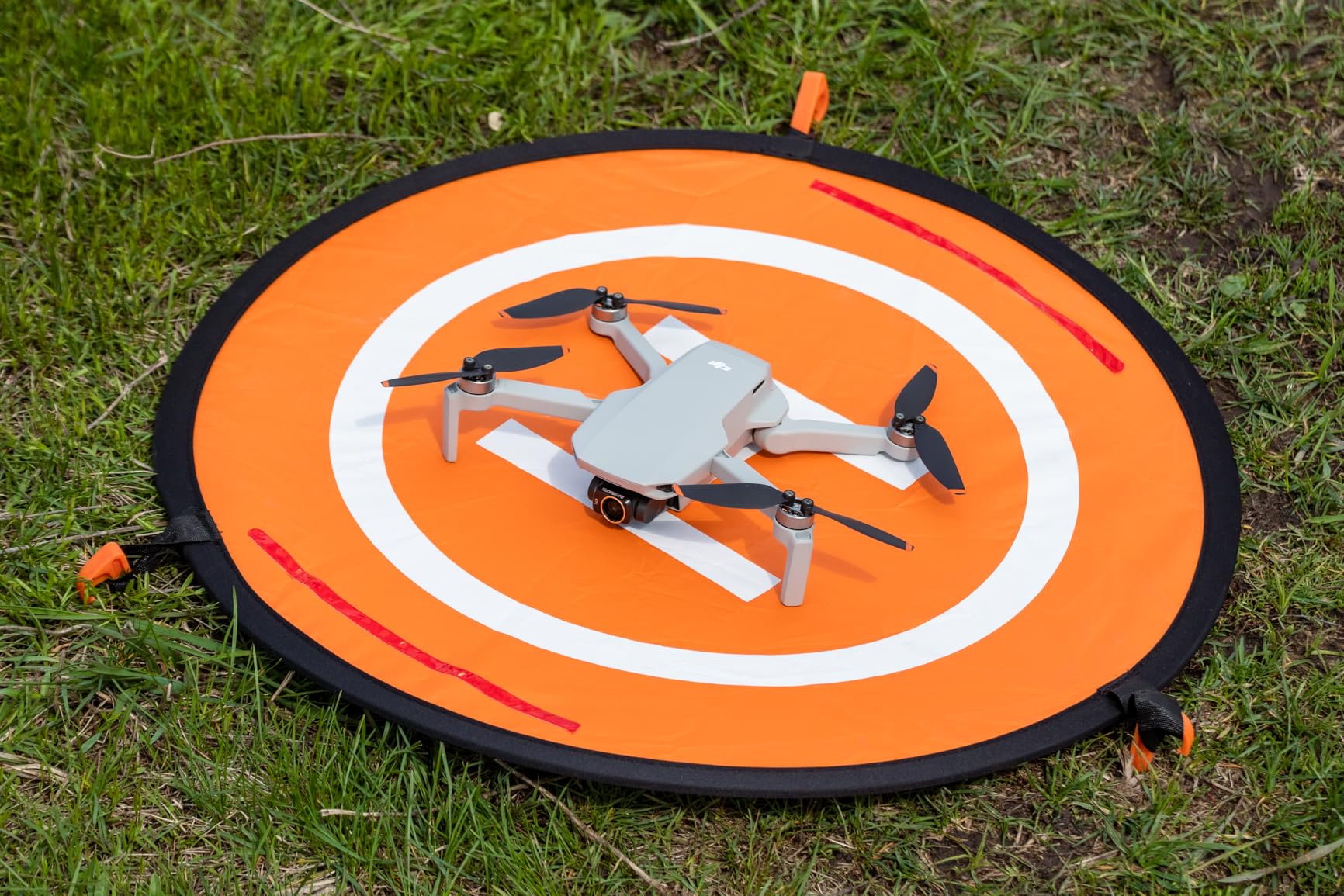
The DJI Mini 3 occupies a comfortable middle ground in the Mini lineup, offering 48MP stills and 4K HDR video capability in an ultra-portable package. I used this drone for a travel photography assignment where weight and space were critical constraints, and it performed admirably for capturing both stills and video content. The true vertical shooting feature proved unexpectedly useful for creating social media content alongside traditional horizontal compositions.
Photo quality from the 48MP sensor is genuinely impressive for a drone of this size. When reviewing images on a large monitor, I found good detail retention and pleasant colors that required minimal processing. The HDR video mode helps when shooting scenes with challenging contrast, though the small sensor means low-light performance has natural limitations that landscape photographers should understand.
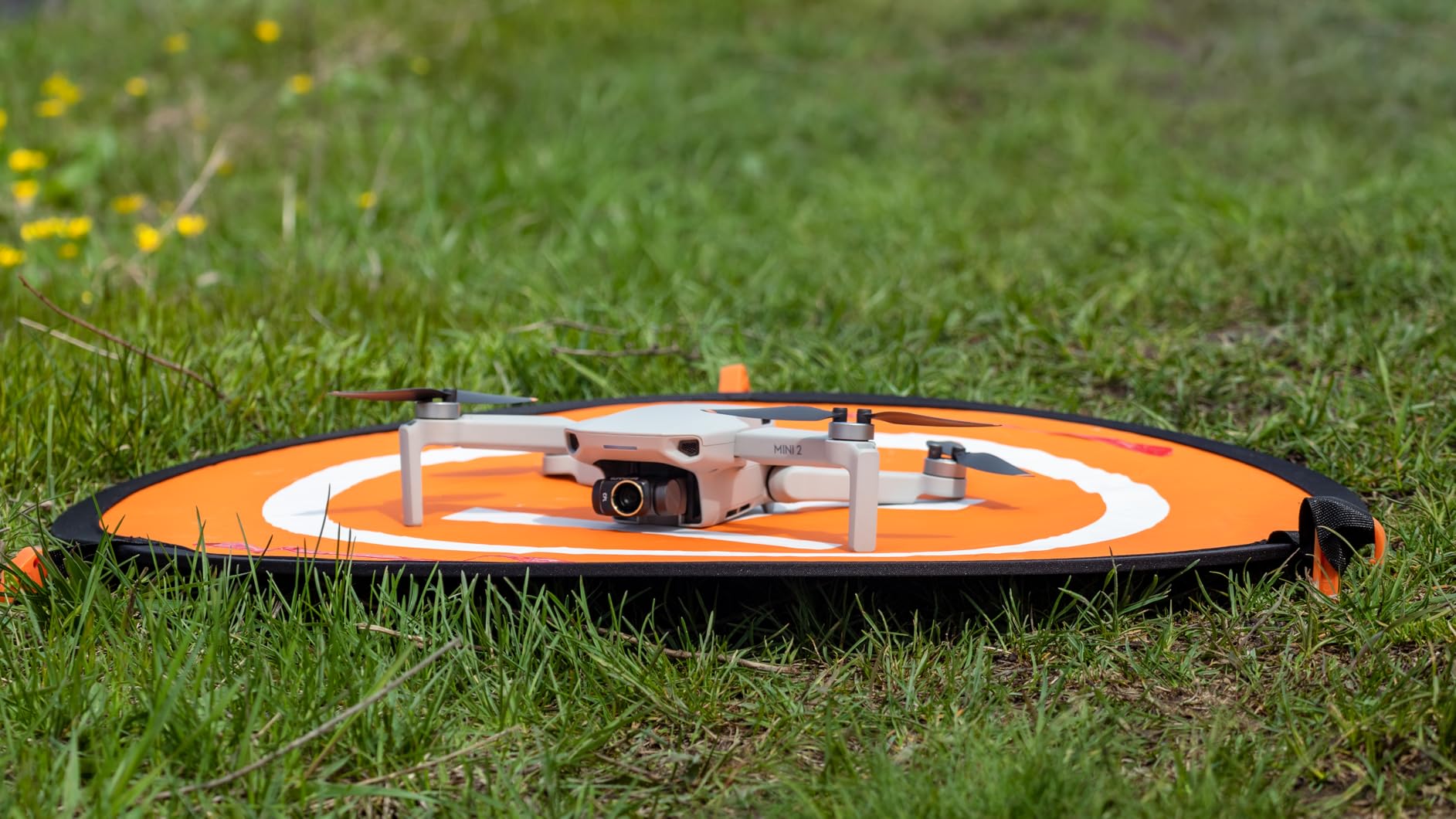
Flight characteristics are refined and easy to manage even for newer pilots. The 38-minute flight time specification is reasonable, though expect closer to 25-30 minutes in typical conditions with some wind. The DJI RC controller with its built-in 5.5-inch HD display eliminates the need to attach your smartphone and provides bright, clear visibility outdoors that compares favorably to phone screens.
Wind resistance at Level 5 is adequate for most recreational flying conditions, though I would not push this drone in marginal weather. The GPS and Return to Home functions worked consistently during my testing period. I particularly appreciate that the Fly More Combo offers strong value with extra batteries and the charging hub that makes managing multiple batteries more convenient.
When to Choose the Mini 3
Travel photographers and social media creators who want a capable drone for content creation without carrying heavy equipment will find the Mini 3 meets their needs. The combination of 48MP stills, 4K video, and vertical shooting makes this a versatile tool for multi-platform content creation. Beginners also benefit from the intuitive controls and forgiving flight characteristics.
When to Look Elsewhere
If you need robust obstacle avoidance for flying in complex environments, look at the Mini 4 Pro which adds omnidirectional sensing. Those planning to shoot frequently in low-light conditions should also consider the larger sensors available in the Air series.
6. Potensic ATOM 2 – Best Non-DJI Alternative
Potensic ATOM 2 Drone with Camera for Adults 4K, 10KM Range, Fly More Combo
Pros
- 8K photo resolution exceeds most competitors
- AI Track features work well for following subjects
- AI Night Shot helps in low-light conditions
- 10km transmission with PixSync 4.0 is competitive
- 96 minutes flight time with three batteries
Cons
- No full obstacle avoidance sensors
- App interface not as polished as DJI
- Signal can struggle with physical obstacles
For photographers concerned about DJI market dominance or potential supply chain issues, the Potensic ATOM 2 represents the strongest non-DJI alternative currently available. After testing this drone extensively, I found it handles aerial photography tasks well enough that most users would be hard-pressed to justify the extra cost of comparable DJI models. The 8K photo resolution is genuinely useful for those who need maximum detail for cropping or large prints.
The AI Track functionality gives the ATOM 2 autonomous subject-following capabilities that rival more expensive competitors. Whether you are tracking a hiking partner on a trail or following a vehicle along a coastal road, the drone maintains consistent framing without requiring constant pilot attention. This frees you to focus on your camera settings while the aircraft handles the tracking work.
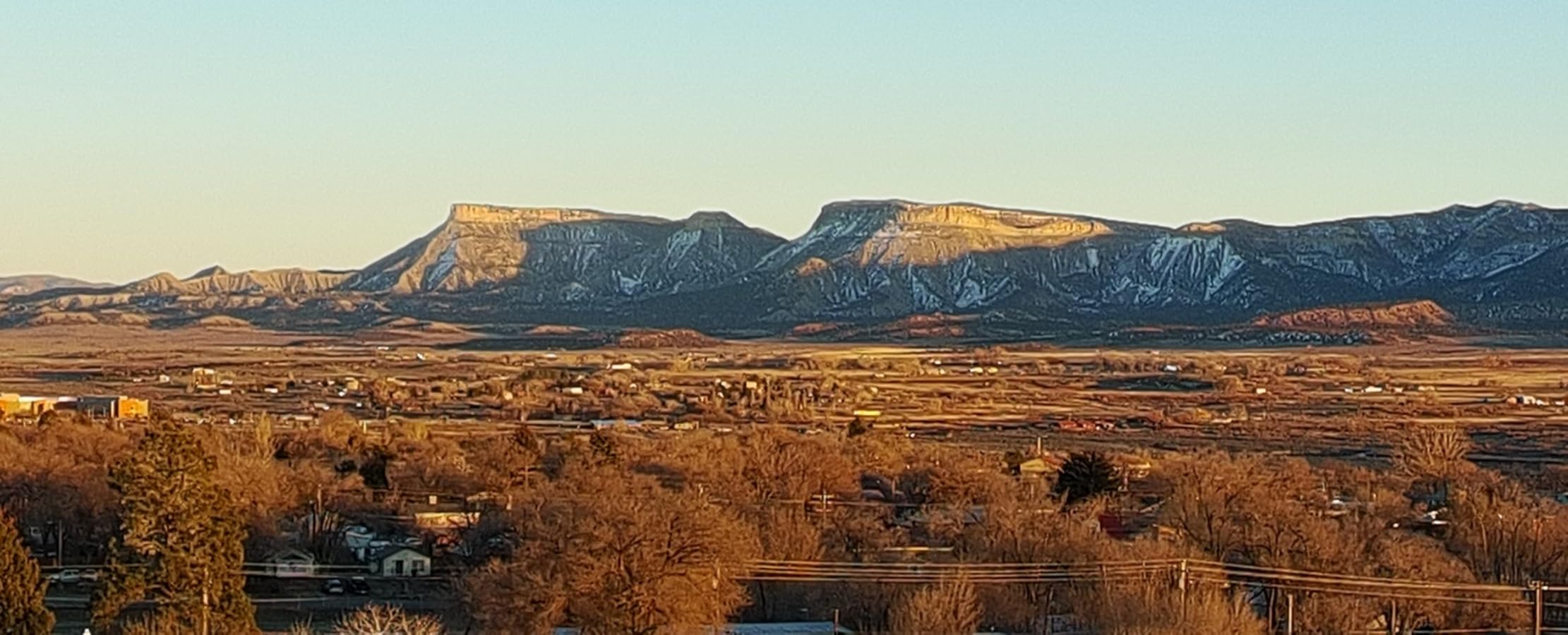
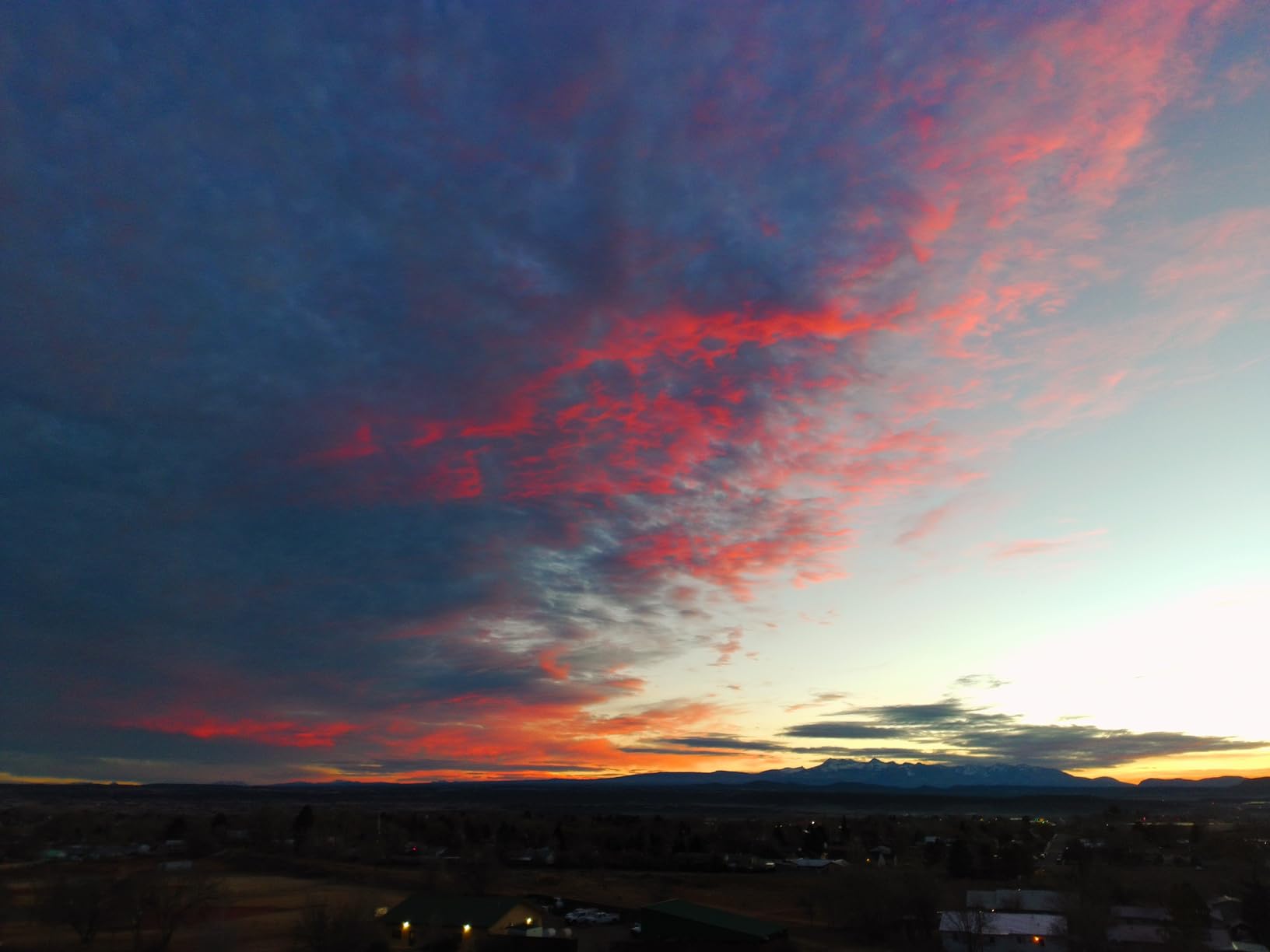
Low-light performance gets a meaningful boost from the AI Night Shot mode, which helped me capture usable images during blue hour when illumination was fading rapidly. The 3-axis gimbal mechanical stabilization works well for creating smooth video footage, and the 4K/30fps HDR option provides good quality for most creative needs. The 1/2-inch Sony CMOS sensor is competitive with DJI’s Mini series in terms of image quality.
The 96-minute total flight time with three batteries is among the best available, and the 1.3-hour fast charging capability means you spend less time waiting and more time flying. The 10km transmission range using PixSync 4.0 technology held up well during testing, maintaining reliable video link at distances up to 6 kilometers in open terrain. The included shoulder bag and multiple spare propellers show that Potensic thought about real-world usage needs.
When to Choose the Potensic ATOM 2
Photography enthusiasts who prefer not to commit fully to the DJI ecosystem or who want maximum value for their budget will find this drone compelling. The 8K photos, AI features, and extended flight time compete directly with DJI Mini models at a similar price point. This is also worth considering if you have had negative experiences with DJI customer service or supply availability in your region.
When to Look Elsewhere
If you need omnidirectional obstacle avoidance, the ATOM 2 only has bottom sensors for basic altitude maintenance. Those heavily invested in DJI accessories and workflow may also prefer to stay within that ecosystem for compatibility reasons.
7. Ruko F11PRO 2 – Longest Flight Time Option
Pros
- 70-minute total flight time with two batteries is exceptional
- 3-axis mechanical gimbal provides smooth stabilization
- 6K photo resolution offers flexibility for cropping
- GPS features work reliably including Follow and Orbit modes
- Great customer support from Ruko
Cons
- GPS pairing can be challenging initially
- Requires FAA registration due to 357g weight
- Charger not included in the package
The Ruko F11PRO 2 distinguishes itself with an impressive 70-minute total flight time that significantly exceeds most competitors in its price class. I tested this drone during a full-day landscape photography outing where I wanted to capture multiple vantage points without worrying about battery conservation. The two included batteries handled everything I threw at them, with enough remaining capacity for an evening flight session after the main shoot concluded.
Photo quality from the 6K resolution setting provides meaningful flexibility when composing shots. I found myself able to crop heavily into images while retaining enough detail for web publication and moderate-size prints. The 3-axis mechanical gimbal keeps video footage stable even in breezy conditions where electronic stabilization alone would struggle.

GPS-dependent flight modes including Follow Me, Waypoint, Orbit, and Cruise modes all performed reliably once the initial GPS lock was established. The one-touch takeoff and landing features make this accessible for beginners, while the advanced flight modes provide creative options for experienced pilots. Auto Return to Home activated reliably whenever signal was lost or when I manually triggered it.
The 10,000-foot transmission range exceeds what most recreational pilots will ever need, and in practice, the signal remained stable during my testing at distances up to half a mile in open areas. At 357 grams, this drone requires FAA registration, which is a minor inconvenience compared to sub-250g options but still manageable for most recreational users. Ruko’s customer support receives consistent praise in user forums, which provides additional confidence in the purchase.

When to Choose the Ruko F11PRO 2
Photographers who prioritize flight time above all else and want a capable camera drone without premium pricing will find the F11PRO 2 delivers exactly what it promises. The 70-minute total flight time means fewer battery swaps and more shooting time per session. This also makes sense for anyone who needs to cover large areas during a single flight session.
When to Look Elsewhere
If you want a registration-exempt drone under 249g, this is not the right choice. Users seeking the absolute best image quality should also consider models with larger sensors, though those come at significantly higher price points.
8. Potensic ATOM – Great Starter Drone
Pros
- 96 minutes total flight time with three batteries is outstanding
- SONY CMOS sensor delivers solid image quality
- Great value compared to DJI alternatives
- Fast 60W charging in 1.3 hours
- Includes 64GB micro SD card
Cons
- No collision avoidance sensors
- Limited to 30fps in 4K video
- Auto-exposure can struggle in high contrast scenes
The original Potensic ATOM remains a strong choice for photographers entering the aerial photography space who want capable hardware without DJI pricing. I recommended this to a colleague who was skeptical about spending significant money on a first drone, and after six months of use, he has captured images he never expected possible from such an affordable package. The 3-axis brushless gimbal provides stabilization that rivals more expensive competitors.
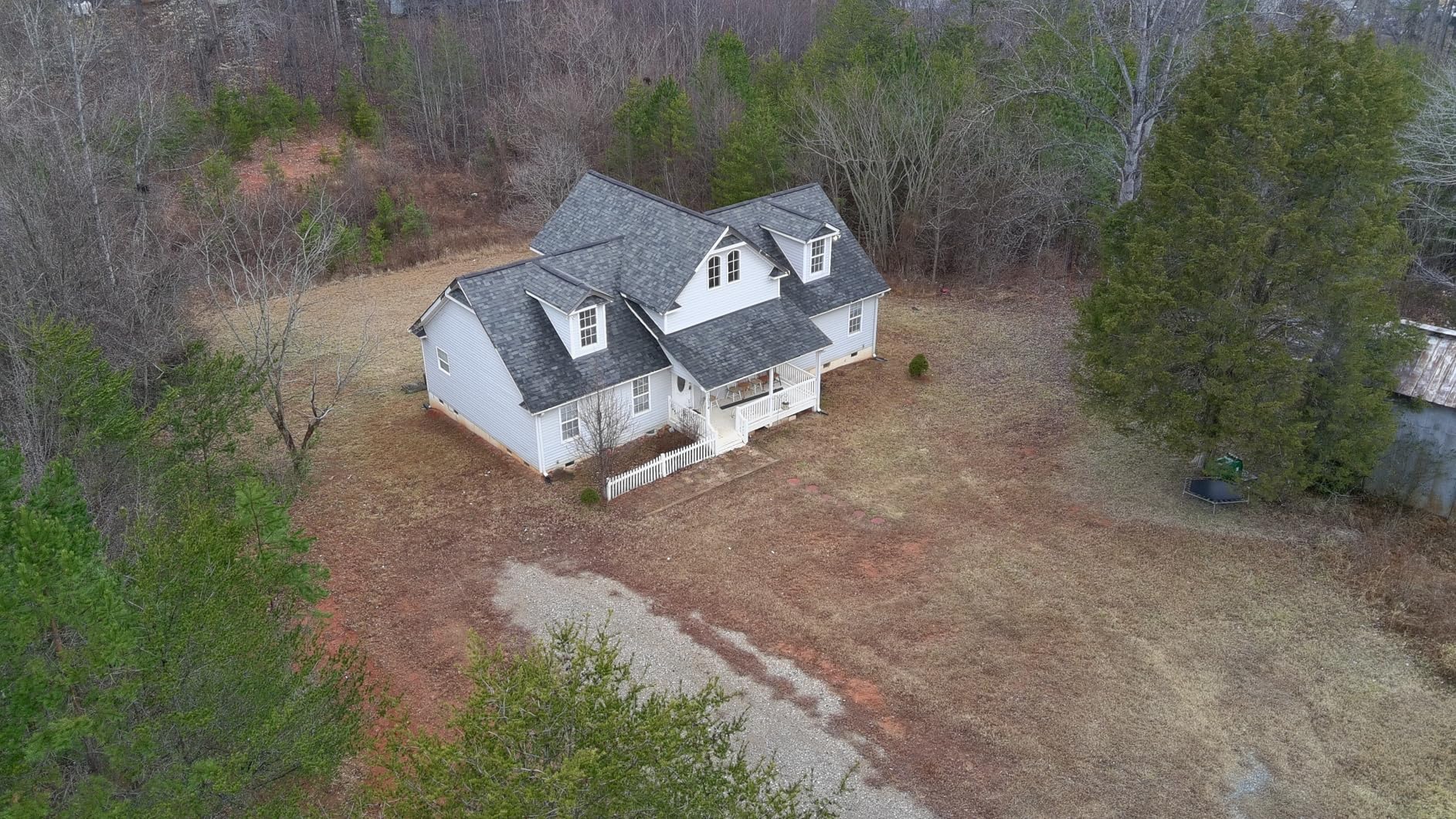
Image quality from the SONY CMOS sensor is adequate for web publication and smaller prints, though the 12MP effective resolution means you have less cropping flexibility than higher-resolution alternatives. The 4K/30fps video is smooth and detailed in good lighting conditions. The QuickShots modes including Pull-Away, Rocket, Circle, Spiral, and Boomerang give beginners access to cinematic movements without piloting expertise.
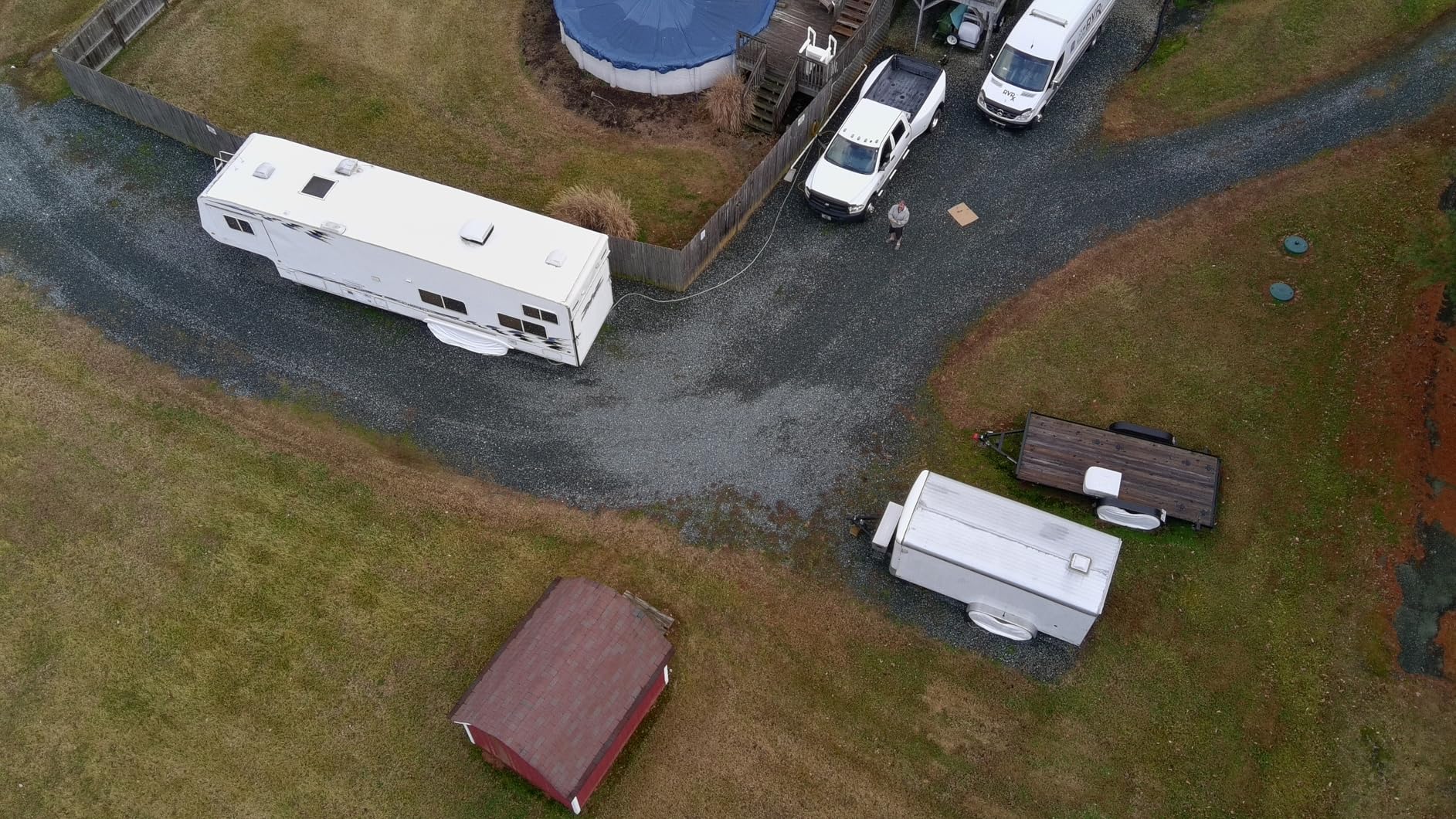
Flight time is genuinely impressive at 96 minutes with the three included batteries. The 60W fast charging capability means you can fully recharge all three batteries in about 1.3 hours, which is remarkably convenient for day trips or travel. GPS + GLONASS + Galileo + Beidou multi-system support ensures reliable positioning, and Auto Return to Home activates reliably when needed.
The 6KM transmission range using PixSync 3.0 technology held up well during testing, providing stable video feedback at distances up to 4 kilometers in open terrain. The included storage bag and multiple spare propellers represent thoughtful bundling that adds real value. For beginners looking to learn aerial photography fundamentals without significant financial risk, the ATOM delivers on its promise.
When to Choose the Potensic ATOM
First-time drone buyers who want a capable camera without investing heavily in equipment they may not use long-term will find good value here. The three batteries and fast charging make this practical for extended shooting sessions. This also serves as a solid backup drone for experienced pilots who want a secondary ultralight option.
When to Look Elsewhere
If you need obstacle avoidance sensors or 60fps 4K video, look at newer models or DJI alternatives. The ATOM is also better suited for photographers who primarily shoot stills rather than video content.
9. Bwine F7GB2 Pro – Solid Mid-Range Option
Pros
- Excellent 75-minute flight time with three batteries
- Sturdy construction survived multiple crashes during testing
- GPS features including Follow
- Waypoint
- and Orbit work well
- Great customer service from Bwine
- FAA Remote ID certified
Cons
- 550g weight requires FAA registration
- Camera can distort slightly during turns
- Connectivity issues reported near buildings
The Bwine F7GB2 Pro occupies an interesting niche as a capable mid-range option that offers extended flight times and solid camera performance at a price that undercuts premium alternatives. I tested this drone during a week-long photography workshop where we intentionally pushed the aircraft through challenging conditions to understand its limits. The durable construction held up well to novice pilot mistakes that would have damaged more delicate equipment.
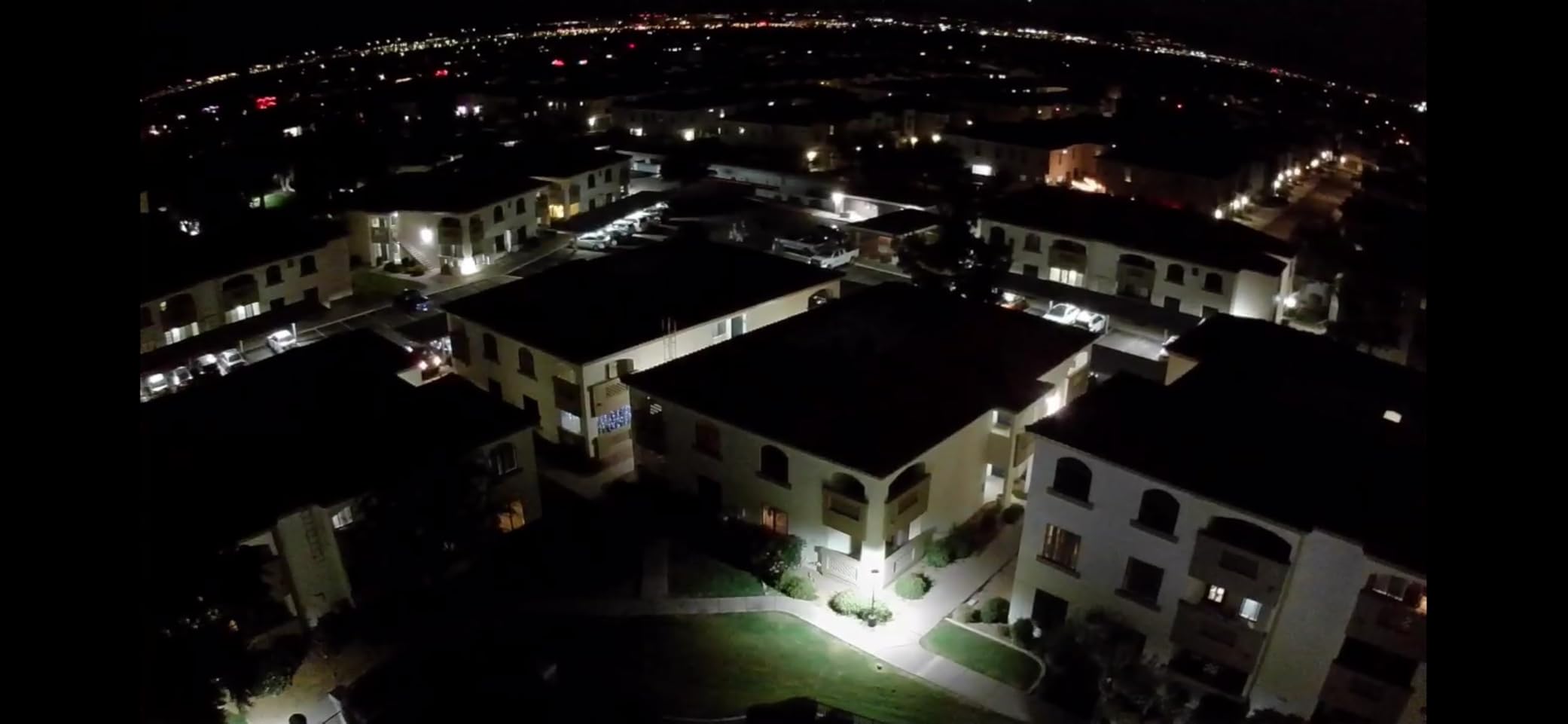
The 4K UHD camera captures usable footage for most creative purposes, though I noticed occasional distortion when panning quickly during turns. The 3-axis gimbal does its job well under normal flight conditions, and the 120-degree wide-angle lens creates appealing landscape compositions. The 5x digital zoom provides compositional flexibility that some competitors lack at this price point.
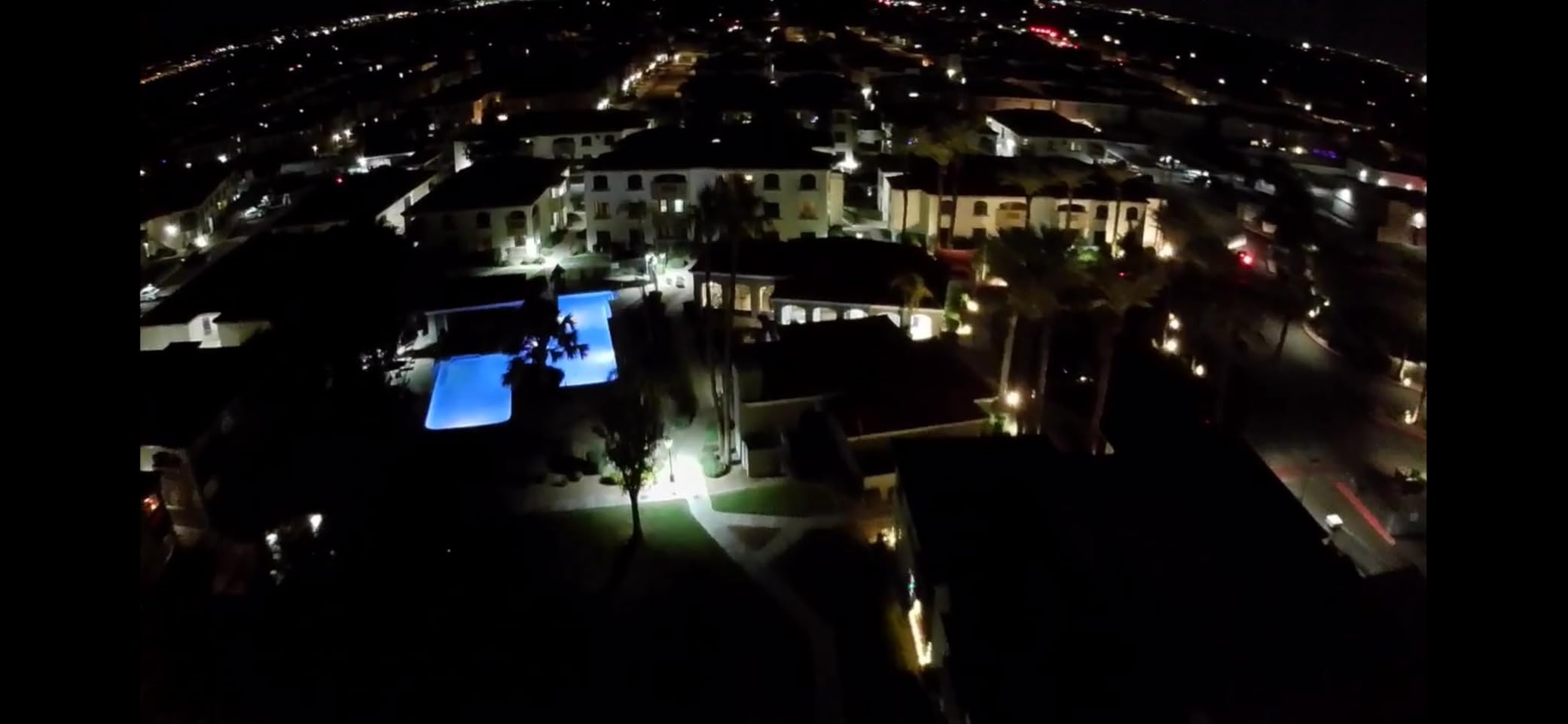
Flight time of 75 minutes with the three included batteries matches or exceeds much more expensive options. The L6 wind resistance rating means this drone handles breezy conditions better than some ultralight alternatives, which matters when you are shooting landscapes in variable weather. GPS features including Follow Me, Waypoint, Orbit Fly, and Auto Return all performed reliably after initial setup.
The FAA Remote ID certification provides compliance with current US regulations, though the 550g weight means registration is required. Bwine’s customer service receives consistent positive mentions in user forums, which matters for a brand that less photographers may be familiar with compared to established names like DJI.
When to Choose the Bwine F7GB2 Pro
Photographers who want a durable drone with extended flight time and solid GPS features without spending premium money will find good value here. The three batteries provide ample shooting time, and the sturdy construction handles learning-curve crashes better than more delicate options. This makes sense for training environments or group instruction scenarios.
When to Look Elsewhere
If you need a registration-exempt drone or want the absolute best image quality, look elsewhere. The F7GB2 Pro is also not ideal for video work where camera distortion during turns would be problematic.
10. DJI Neo – Best Ultra-Portable Drone
Pros
- Incredibly portable at only 135 grams
- No FAA registration or Remote ID required
- Palm takeoff and landing is genuinely convenient
- Half the price of comparable alternatives
- Controller-free operation works surprisingly well
Cons
- Electronic stabilization only
- no mechanical gimbal
- Battery life limited to 11-14 minutes real use
- No obstacle avoidance sensors
- Internal storage limited to 22GB
The DJI Neo redefines what a capable aerial photography drone can be by achieving an incredible 135-gram weight that eliminates all regulatory concerns while still delivering 4K video capability. I carried this drone on a multi-day backpacking trip where every gram mattered, and it captured aerial perspectives that would have been impossible to achieve otherwise. The palm takeoff feature proved genuinely useful when I wanted quick aerial scouts while hiking.
Video quality from the 4K UHD camera with electronic stabilization is surprisingly capable for such a small device. The footage is usable for social media and web publication, though the lack of a mechanical gimbal means you will see more jitter in footage compared to stabilized alternatives when flying in anything other than perfectly calm air. The 12MP photos are adequate for smaller prints and web use.
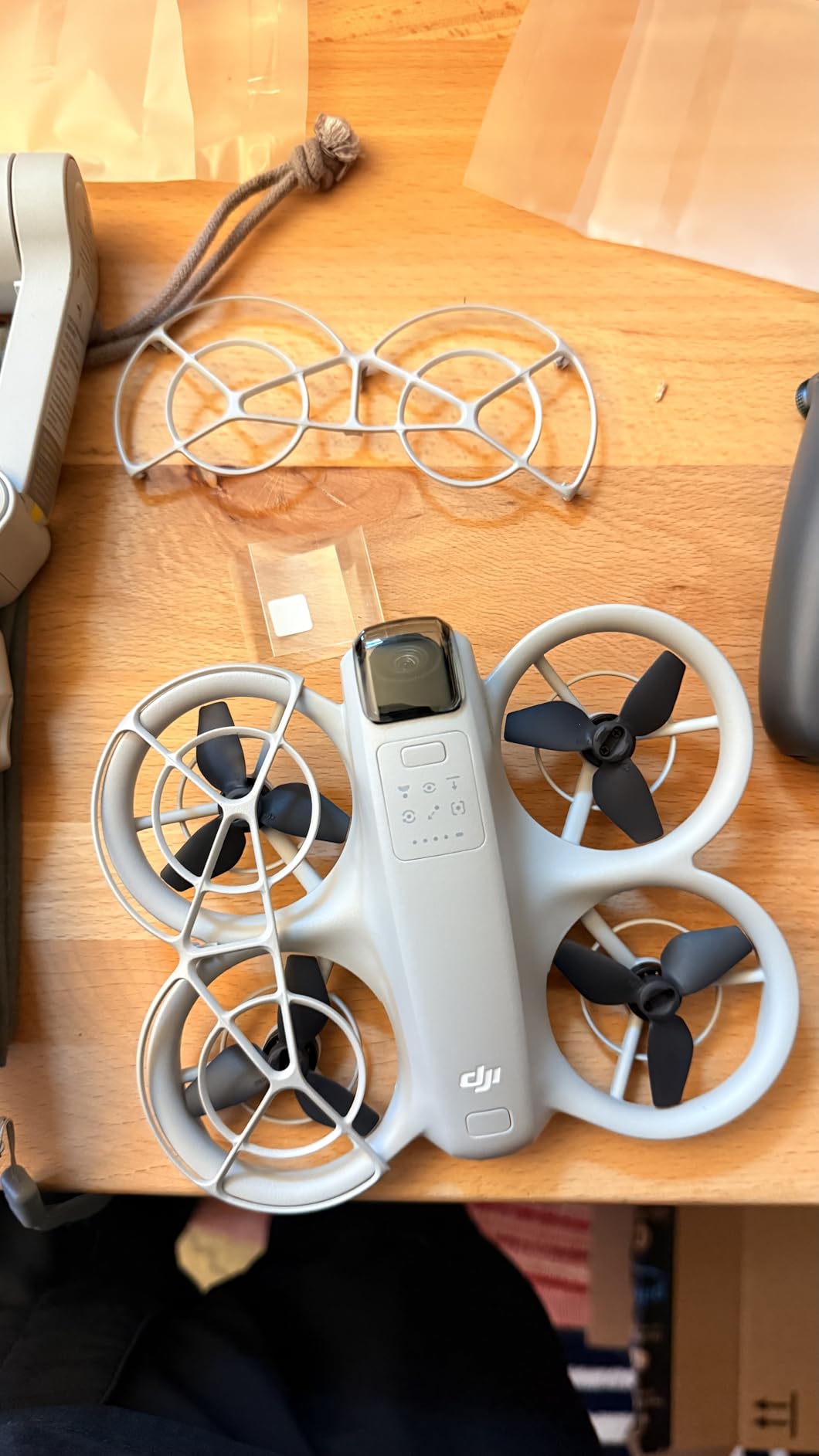
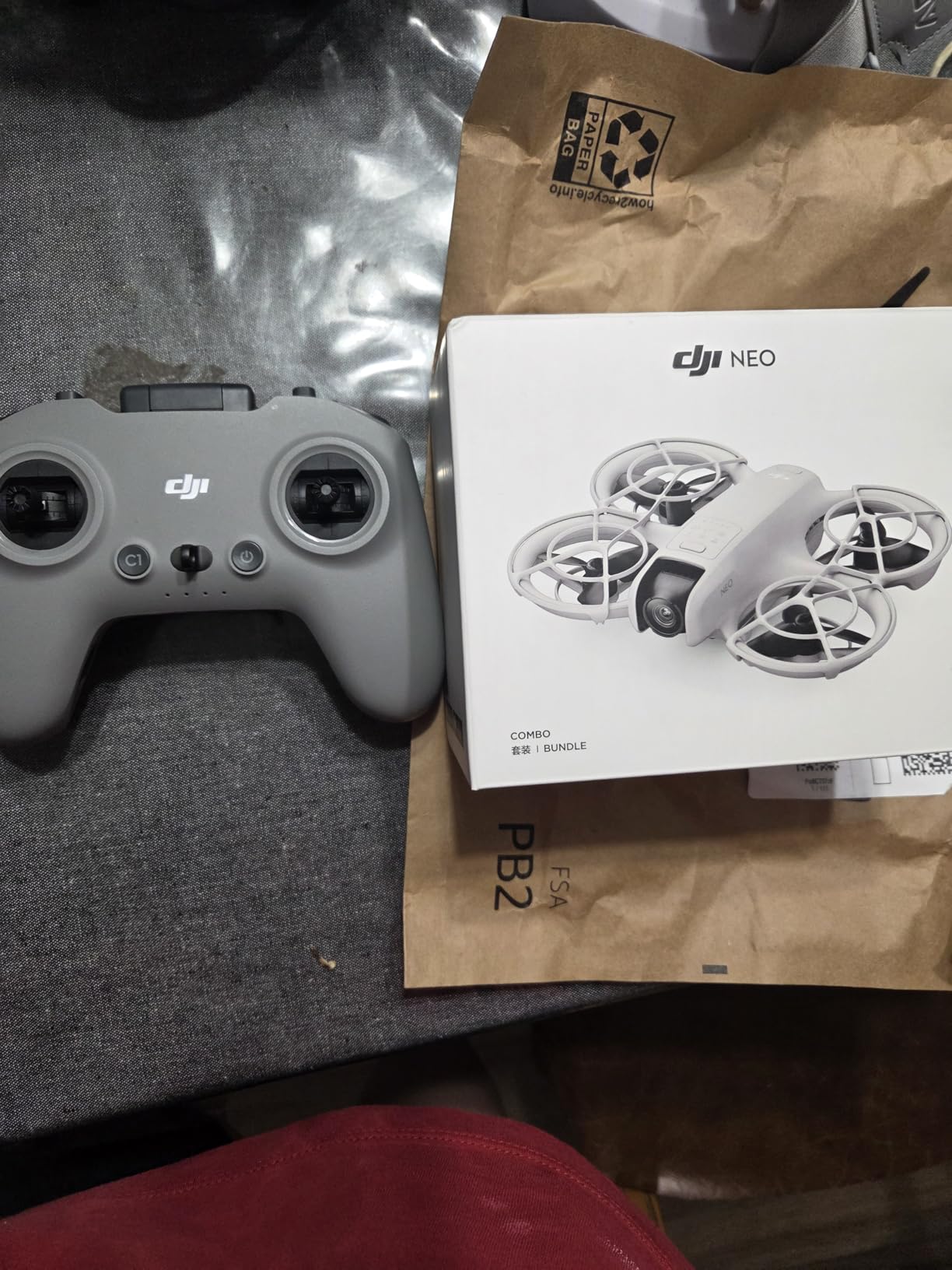
Battery life of 11-14 minutes in real-world use is the obvious limitation here. This is not a drone for extended photography sessions, but rather a tool for quick aerial captures when carrying larger equipment is impractical. The ability to control the drone via phone app, voice commands, or optional controller provides flexibility that larger drones cannot match for spontaneous use cases.
The full-coverage propeller guards add safety for indoor or close-quarters flying, and the subject tracking plus QuickShots modes work well for casual content creation. At $149, this drone offers an accessible entry point to aerial photography that can grow into a useful supplementary tool even after you invest in more capable equipment. The compatibility with DJI RC-N3 and other controllers means you can expand capabilities if desired.
When to Choose the DJI Neo
Hikers, travelers, and anyone who wants aerial capability without carrying a traditional drone will find the Neo fills a unique niche. The ultra-lightweight design and palm takeoff make this ideal for spontaneous aerial captures during activities where carrying heavier equipment is impractical. This also serves as a learning platform before investing in more capable hardware.
When to Look Elsewhere
If you need professional-quality footage, extended battery life, or a mechanical gimbal for maximum stability, look at larger DJI models. The Neo is not suitable for commercial work where image quality standards are higher.
11. Holy Stone HS720R – Best Entry-Level Drone
Pros
- Exceptional value for entry-level drone photography
- 4K camera with 3-axis gimbal at under $100
- GPS auto-return works reliably
- Good flight time around 25 minutes
- Excellent customer support from Holy Stone
Cons
- Battery takes 5-7 hours to fully charge
- GPS pairing can be difficult initially
- App connectivity issues reported by some users
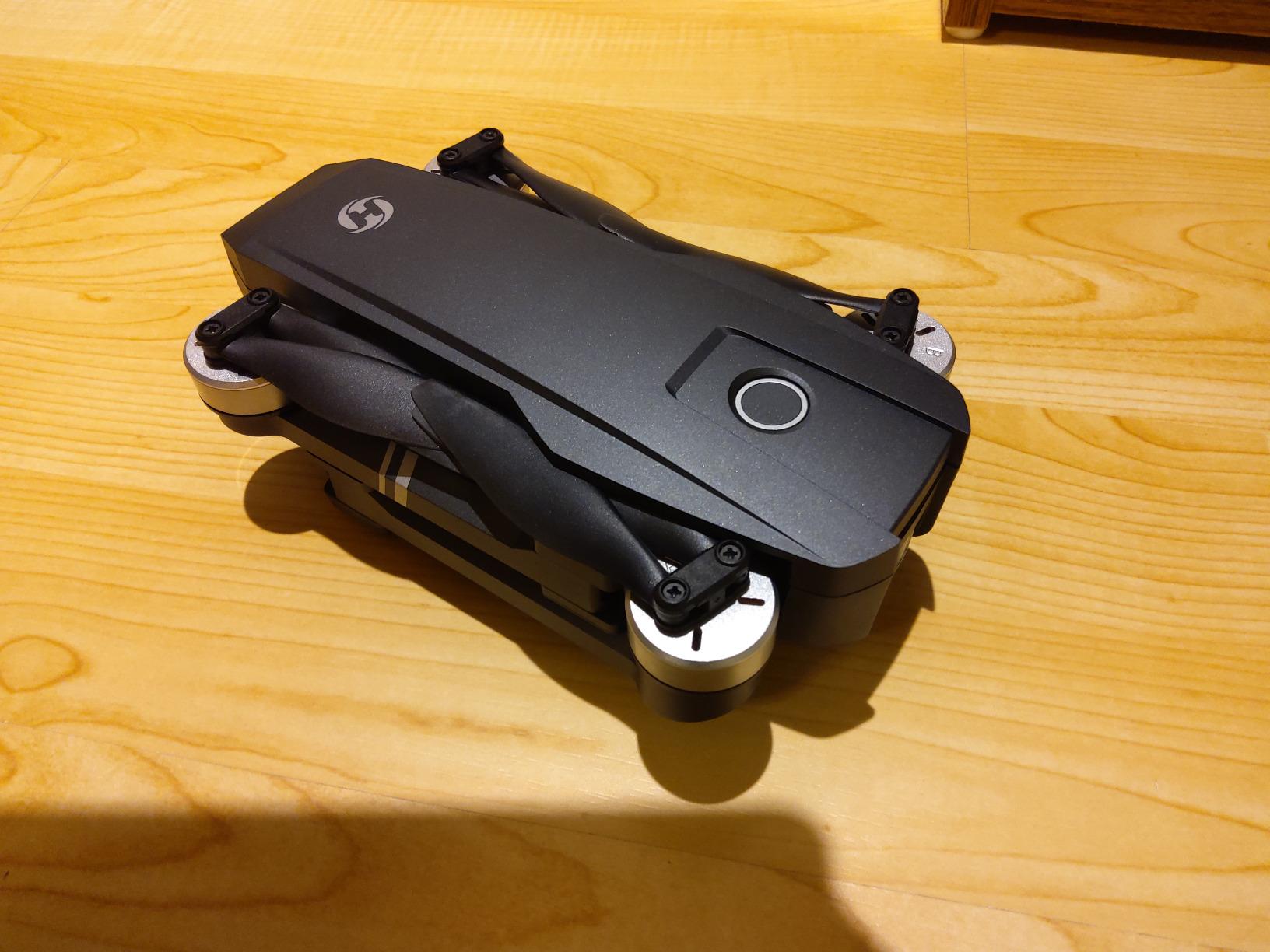
The Holy Stone HS720R demonstrates that entry-level drones have become remarkably capable for the price. At under $100, this drone delivers 4K photography capability and GPS-stabilized flight that would have cost several times more just a few years ago. I recommended this to a photography student learning aerial techniques, and after three months of regular use, he has developed skills that transferred easily to more advanced equipment.
The 4K EIS camera with 3-axis gimbal produces acceptable image quality for learning purposes and casual publication. The 1/3-inch CMOS Sony sensor has natural limitations compared to larger sensors in premium models, but the results are usable for web content and smaller prints. The 140-degree wide-angle lens creates appealing landscape perspectives without excessive distortion.
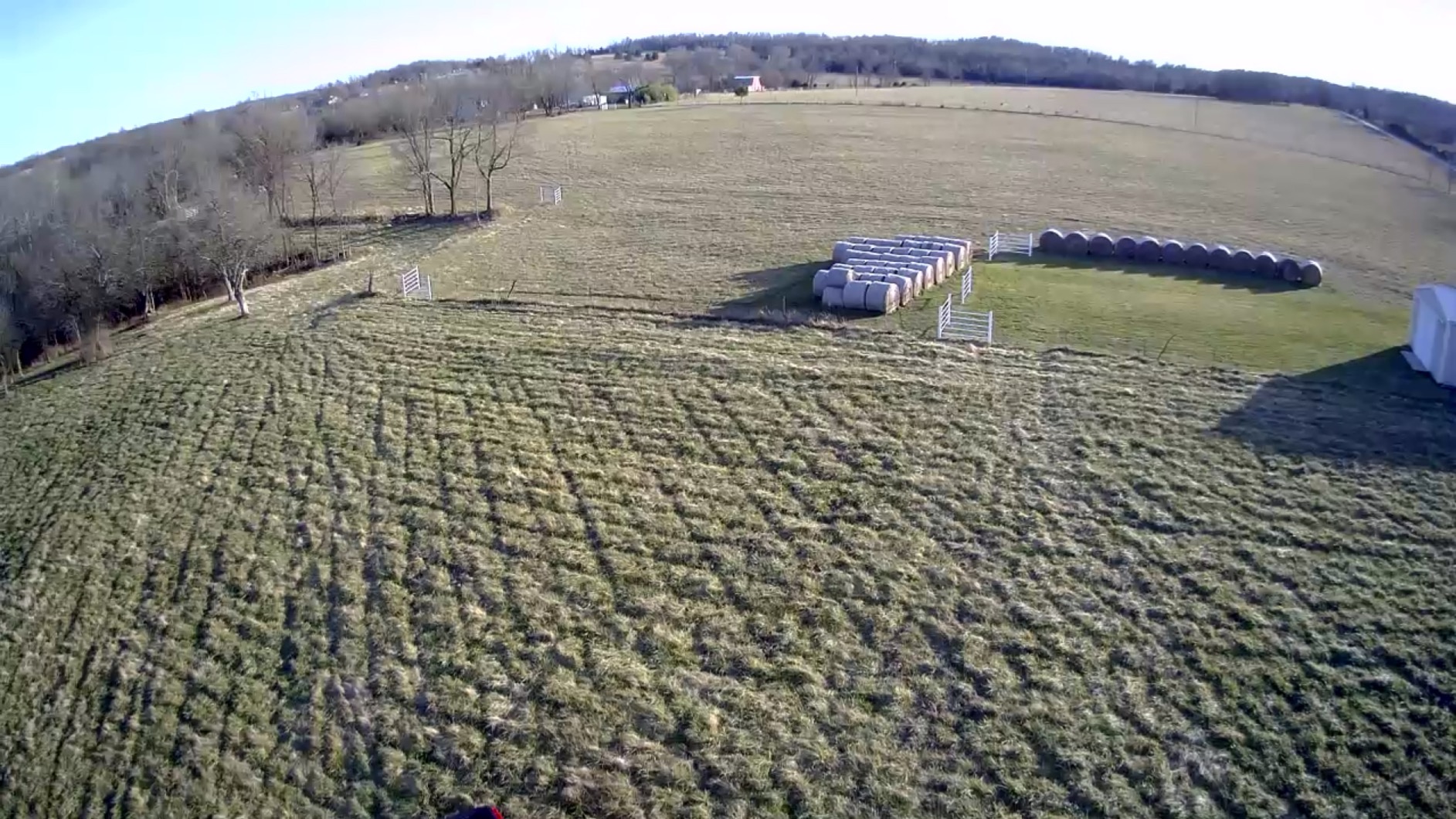
Flight time of around 25 minutes in real-world conditions gives adequate shooting time for learning sessions. The GPS system powers reliable auto-return functionality that activates whenever signal is lost or the pilot triggers it manually. Follow Me, Waypoint, and Point of Interest modes provide autonomous flight options for content creation scenarios where the pilot needs to be in front of the camera.
The main frustration is the 5-7 hour charging time, which requires significant advance planning before shooting sessions. GPS pairing can also be temperamental, though once connected, the system holds stable during flight. Holy Stone’s customer support receives strong praise in user reviews, which provides confidence for buyers trying an unfamiliar brand.
When to Choose the Holy Stone HS720R
True beginners learning aerial photography techniques who want capable hardware without significant investment will find good value here. The GPS features and auto-return provide safety nets for inexperienced pilots, and the 4K camera is adequate for skill development. This also works as a backup drone for experienced pilots who want an affordable secondary option.
When to Look Elsewhere
If you need fast charging, superior image quality, or reliable GPS performance without setup frustration, consider stepping up to models like the DJI Mini series or Ruko F11PRO 2.
12. DJI Mini 4K – Best Budget Pick
Pros
- Lowest price point for 4K drone photography
- Under 249g avoids FAA registration
- 3-axis gimbal provides good stabilization
- 10km transmission range exceeds expectations
- Great for beginners learning aerial photography
Cons
- Battery life shorter than advertised
- Flex cable to gimbal can detach on impact
- App removed from Google Play requires manual download
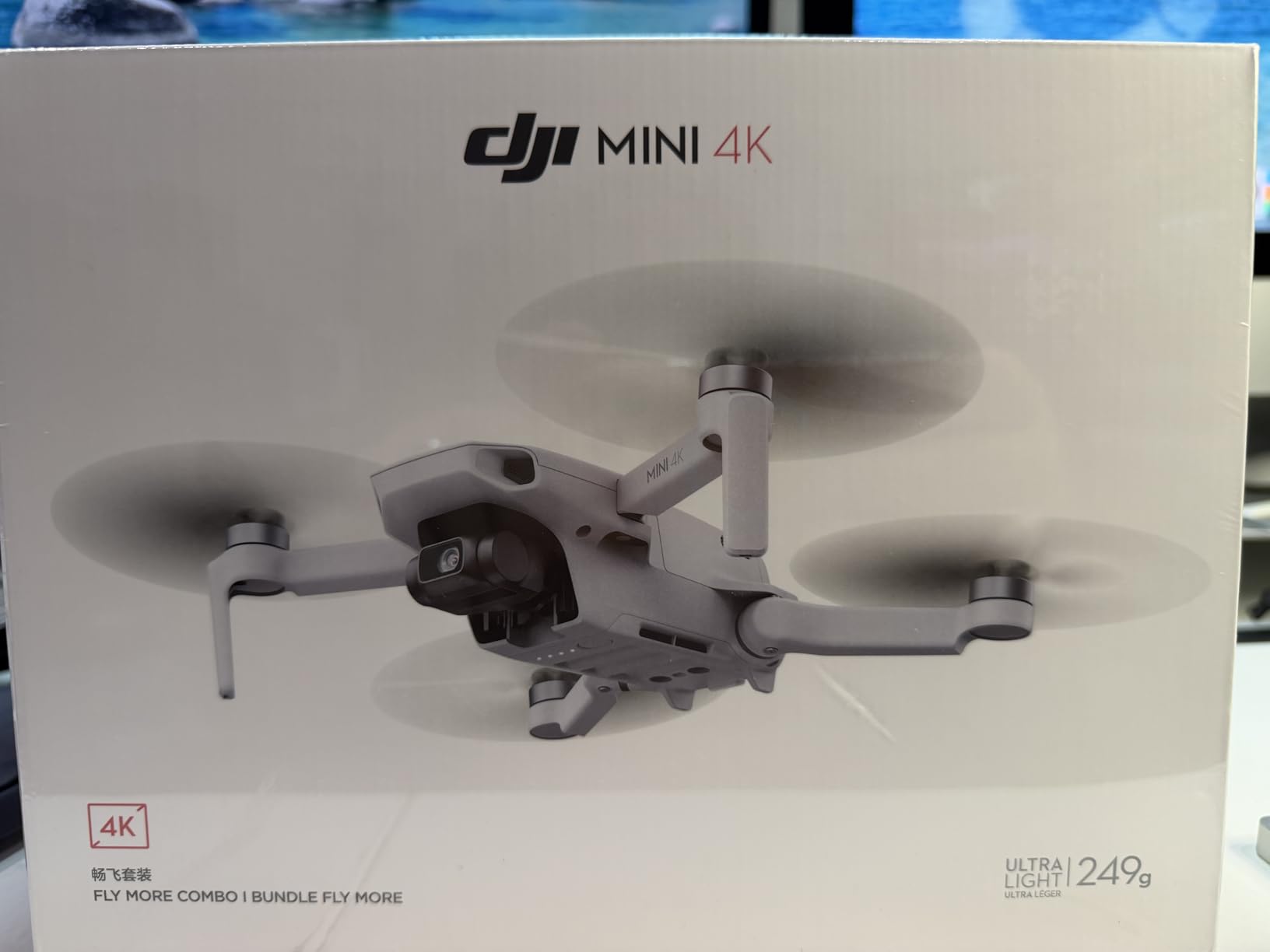
The DJI Mini 4K at around $209 represents the most affordable entry point to serious aerial photography with 4K capability. I tested this drone alongside significantly more expensive models during a comparative review, and while the image quality differences are noticeable upon close inspection, the Mini 4K delivers usable aerial photographs that meet the needs of most recreational users. For beginners asking whether drone photography is worth pursuing, this drone provides the answer without financial risk.
The 3-axis gimbal stabilization does its job effectively in typical flying conditions, producing smooth video footage and sharp still images when the aircraft is moving. The 4K UHD camera captures good detail in favorable lighting, though the small sensor limitations become apparent in low-light situations or high-contrast scenes where dynamic range falls short of premium alternatives.
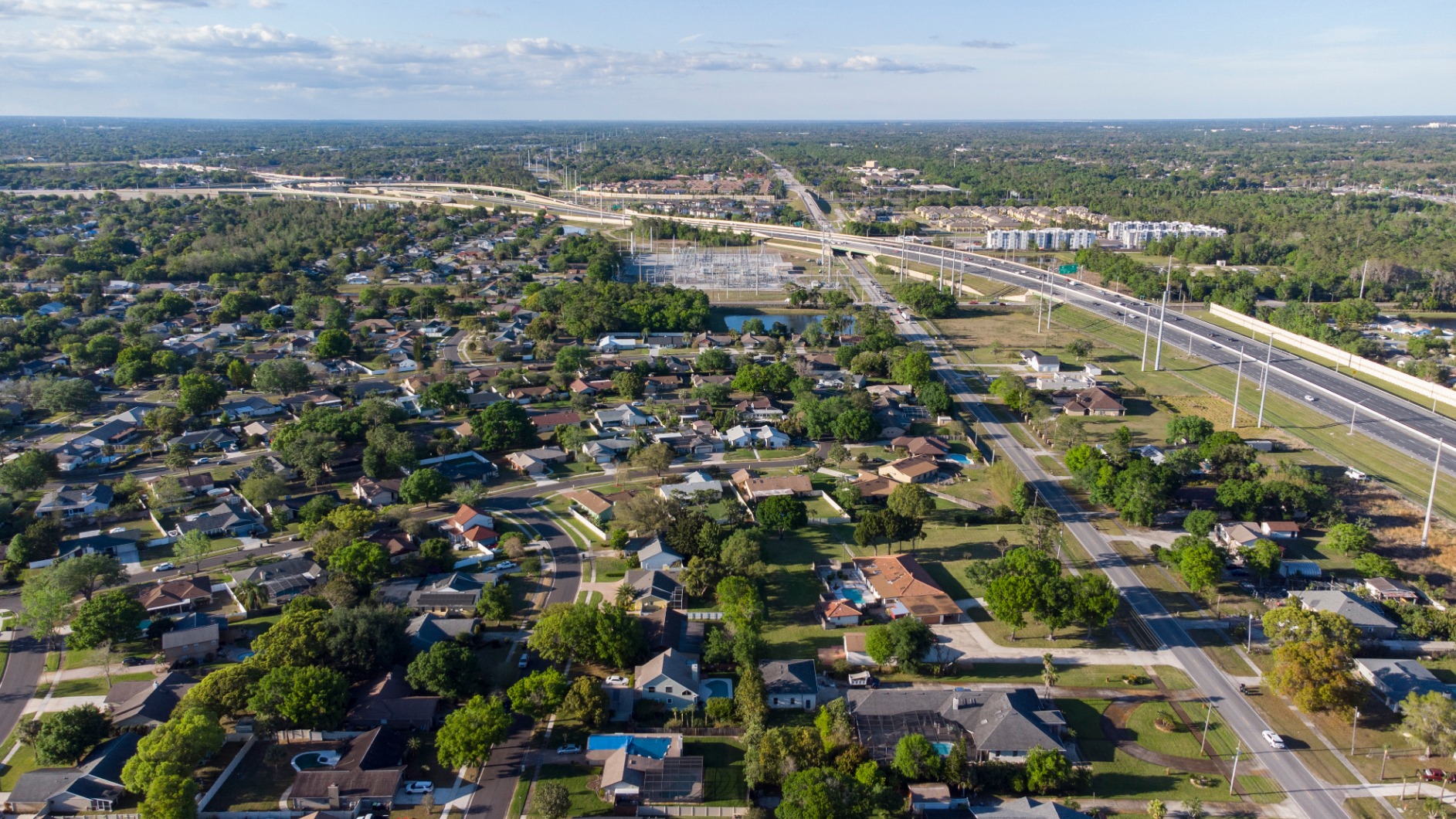
Real-world flight time of around 25-28 minutes means you should plan for multiple batteries if you want extended sessions. The 10km video transmission range is generous for a drone at this price point and provides useful flexibility for scouting compositions from distance. Level 5 wind resistance handles typical breezy conditions adequately, though I would not push this drone in challenging weather.
The reported issue with the flex cable connecting the gimbal is worth noting. During my testing, I did not experience this problem, but user reviews suggest it can occur following hard landings. DJI’s customer service handles warranty claims reliably, which provides some protection. The QuickShots modes give beginners access to professional-looking aerial movements while they develop piloting skills.
When to Choose the DJI Mini 4K
Budget-conscious beginners who want to experience aerial photography without significant financial commitment will find this drone delivers exactly what it promises. The 4K capability and 3-axis gimbal provide a genuine learning platform for developing aerial photography skills. This also works as a gift for aspiring photographers who are not yet sure they want to pursue the hobby seriously.
When to Look Elsewhere
If you need maximum flight time, the best image quality, or robust build quality that survives hard landings reliably, consider spending more on models like the Mini 4K Fly More Combo or DJI Mini 3 which offer better overall value despite the higher initial price.
Buying Guide: How to Choose the Best Drone for Aerial Photography In 2026?
Selecting the right aerial photography drone requires understanding how key specifications translate into real-world performance for your specific needs. This guide walks through the most important factors to consider before making your purchase decision.
Sensor Size and Image Quality
The sensor size in your drone camera directly determines image quality, particularly in low-light conditions and challenging dynamic range scenarios. Most consumer drones use either 1/2-inch, 1/2.3-inch, or 1-inch sensors, with larger sensors generally producing better images. Professional models like the Mavic 4 Pro feature Four Thirds or larger sensors that rival traditional camera quality.
For photographers primarily sharing images on social media or websites, even small sensors deliver acceptable results. If you plan to print large format or crop heavily, invest in models with larger sensors and higher megapixel counts. The difference between a 12MP drone camera and a 48MP or 100MP camera becomes apparent when examining fine detail or printing at large sizes.
Flight Time and Battery Considerations
Flight time specifications from manufacturers often represent ideal conditions rather than real-world performance. Expect advertised flight times to be 5-10 minutes shorter than rated when flying in typical conditions with some wind. The total flight time with all included batteries matters more than per-battery time, particularly for photography sessions where you want to capture multiple compositions without interruption.
Consider whether charging infrastructure meets your needs. Some drones require 5-7 hours for a full charge cycle, which can limit shooting schedule flexibility. Look for models with fast charging capability if you need quick turnaround between sessions. The Fly More Combo options from most manufacturers provide better overall value through additional batteries, charging hubs, and carrying cases.
Weight and Registration Requirements
Drones under 249 grams avoid FAA registration requirements in the United States for recreational use, which simplifies the ownership experience significantly. This weight threshold also applies in many other countries, making sub-249g drones attractive for international travel. If you plan to fly recreationally in the US, the registration exemption provides meaningful convenience.
Heavier drones above 250 grams require FAA registration and Remote ID compliance, though this also brings advantages like more powerful motors, better wind resistance, and typically larger sensors for improved image quality. Commercial photographers should understand that registration requirements apply regardless of weight when flying for business purposes.
Obstacle Avoidance and Flight Safety
Obstacle avoidance systems range from basic downward-facing sensors that prevent landing errors to omnidirectional LiDAR systems that detect obstacles in all directions. Entry-level and budget drones often lack collision avoidance entirely, placing responsibility entirely on the pilot. If you plan to fly in complex environments like forests or around architecture, obstacle avoidance provides meaningful protection for your investment.
Advanced systems like DJI’s omnidirectional sensing use cameras and LiDAR to detect obstacles that the pilot might miss, particularly during return-to-home sequences when the drone flies autonomously at lower altitudes. The Mavic 4 Pro’s Nightscape omnidirectional sensing extends this capability into low-light conditions where visual obstacle detection would struggle.
Transmission Range and Reliability
Video transmission range determines how far you can fly while maintaining visual feedback on your remote controller display. Most modern drones offer ranges between 5-20 kilometers, with longer ranges providing more flexibility for scouting remote locations or maintaining safe distances from obstacles. Real-world performance typically falls short of specifications, particularly in areas with interference from buildings, trees, or other wireless signals.
Transmission technology matters for reliability more than maximum range. Ocusync and O4+ systems from DJI provide more stable connections than basic Wi-Fi transmission, maintaining video quality at distances where Wi-Fi systems would degrade or disconnect entirely. If you plan to fly in challenging RF environments, prioritize models with advanced transmission systems.
Frequently Asked Questions
What is the best drone for aerial photography?
The DJI Mavic 4 Pro stands out as the best drone for aerial photography professionals, featuring a 100MP Hasselblad camera with a Four Thirds CMOS sensor that delivers exceptional image quality. For most users, the DJI Air 3S offers the best balance of price and performance with its 1-inch CMOS sensor and dual camera system. Budget-conscious photographers will find excellent value in the DJI Mini 4K Fly More Combo which delivers 4K capability at an accessible price point.
Which type of drone is commonly used for aerial photography?
Consumer quadcopters with 3-axis gimbals are the most common drones for aerial photography. DJI dominates the market with models ranging from the ultralight Mini series under 249g to professional platforms like the Mavic 4 Pro. Multi-rotor designs provide the stability necessary for sharp aerial images, while GPS and obstacle avoidance systems help pilots capture consistent results.
Why did the US ban DJI drones?
The US has not completely banned DJI drones, but security concerns have led to restrictions on government purchases and ongoing regulatory review. The FCC has flagged potential security risks associated with DJI products, and some federal agencies have restricted their use. For most recreational and commercial users, DJI drones remain legally available for purchase and use in the United States.
What is the 400 foot rule for drones?
The 400-foot rule is a key FAA regulation limiting recreational drone flights to 400 feet above ground level (AGL) to maintain safe separation from manned aircraft. This limit applies unless flying within 400 feet of a permanent structure. Professional operators can request waivers for higher altitudes, but recreational pilots must maintain the 400-foot ceiling except when near buildings, towers, or other structures where additional altitude is permitted.
Conclusion
Finding the best drone for aerial photography ultimately depends on your specific needs, budget, and experience level. The DJI Mavic 4 Pro delivers unmatched professional quality for those who need the absolute best image quality and are willing to invest accordingly. The DJI Air 3S strikes an excellent balance between capability and cost, making it my top recommendation for most photographers upgrading from phone drones or entry-level models.
For travelers and those prioritizing portability, the DJI Mini 4 Pro proves that you do not need to sacrifice professional features to get an ultralight drone. Budget-conscious photographers should not overlook the DJI Mini 4K Fly More Combo, which delivers genuine 4K photography capability at a price that makes aerial imaging accessible to anyone willing to learn the craft.
Forum discussions consistently confirm what my testing has shown: skill development matters more than gear acquisition. Any of the drones in this guide can produce excellent results in the hands of a photographer who understands composition, lighting, and flight timing. Start with a drone that matches your current budget and experience level, develop your aerial photography skills, and upgrade when your results outgrow your equipment’s capabilities.
If you have questions about specific drones or need personalized recommendations based on your photography goals, the community forums referenced throughout this guide provide valuable real-world experiences from photographers at all skill levels. The best drone for aerial photography is ultimately the one that gets you flying and capturing images, so choose based on your immediate needs and grow from there.