
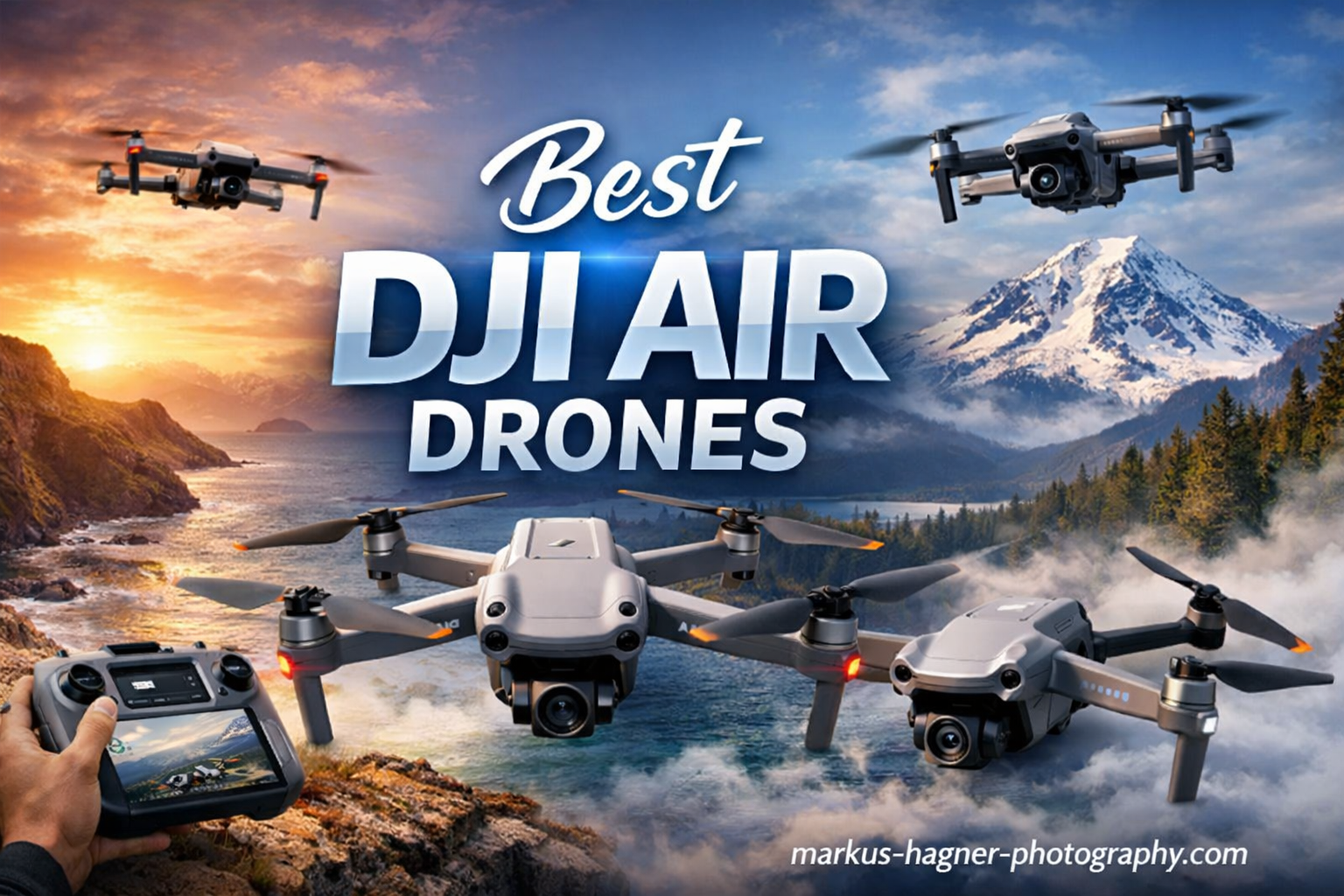
Finding the right drone for aerial photography can feel overwhelming with so many options on the market. The DJI Air series has carved out a sweet spot between the ultra-portable Mini lineup and the professional Mavic series, offering serious photographers and videographers a compelling blend of performance and portability. After spending months testing these drones in real-world conditions, I’ve formed strong opinions about which models deliver the best value for different types of users.
The Air series represents DJI’s commitment to giving content creators professional-grade camera systems without the flagship price tags. From the original Mavic Air 2 to the latest Air 3S with its 1-inch CMOS sensor and LiDAR-assisted night flying, each generation has pushed boundaries in what a foldable drone can achieve. But with recent U.S. restrictions on DJI products, many potential buyers have questions about availability, support, and whether now is the right time to invest in an Air drone.
In this comprehensive guide, I’ll break down every DJI Air drone currently available, share hands-on insights from actual flying experience, and help you understand which models stand out among the best DJI air drones for different types of pilots. Whether you’re a real estate photographer needing telephoto reach, a travel creator prioritizing portability, or a beginner looking to step up from a toy drone, I’ll guide you to the right choice.
Top Picks: Best DJI Air Drones (September 2026)

DJI Air 3S Fly More (RC 2)
- 1-inch CMOS Sensor
- Dual Camera System
- 45-min Flight
- LiDAR Night Sensing
This table shows all seven DJI Air drones currently available. The Air 3S represents the newest technology with its upgraded sensor and LiDAR system, while the Air 2S remains a proven workhorse that many professionals still rely on daily. The Mavic Air 2 offers excellent value for those just starting their aerial photography journey.
My top recommendation goes to the Air 3S Fly More Combo with the RC 2 screen controller. Having flown with both phone-based controllers and dedicated screen controllers, the convenience of not needing to connect a smartphone cannot be overstated. The bright built-in display works beautifully in sunlight, and the entire package with three batteries gives you serious flight time for extended shooting sessions.
For value-conscious buyers, the Air 2S continues to deliver exceptional results. Its 1-inch sensor produces stunning images, and many working professionals I know still use it daily for real estate and commercial work. The lower price point makes it accessible while still offering professional features like 10-bit D-Log M color.
Quick Overview:7 Best DJI Air Drones (September 2026)
| Product | Specifications | Action |
|---|---|---|
 DJI Air 3S (RC-N3) DJI Air 3S (RC-N3) |
|
Check Latest Price |
 DJI Air 3S Fly More (RC-N3) DJI Air 3S Fly More (RC-N3) |
|
Check Latest Price |
| DJI Air 3S Fly More (RC 2) |
|
Check Latest Price |
 DJI Air 3 (RC-N2) DJI Air 3 (RC-N2) |
|
Check Latest Price |
 DJI Air 2S DJI Air 2S |
|
Check Latest Price |
 DJI Air 2S Fly More (Smart Controller) DJI Air 2S Fly More (Smart Controller) |
|
Check Latest Price |
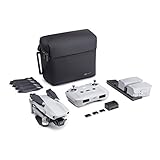 DJI Mavic Air 2 Fly More DJI Mavic Air 2 Fly More |
|
Check Latest Price |
1. DJI Air 3S (RC-N3) – The New Flagship Air Drone
Pros
- Exceptional 1-inch sensor quality
- Dual camera versatility
- LiDAR night sensing
- Omnidirectional obstacle detection
- 45-minute flight time
Cons
- Battery charger sold separately
- Requires signature delivery
- Above 250g needs FAA registration
After flying the Air 3S for several weeks, I can confidently say this drone represents a significant leap forward for the Air series and easily earns its place among the best DJI air drones currently available. The upgraded 1-inch CMOS primary camera delivers noticeably better image quality than its predecessors, especially in challenging lighting conditions. Low-light performance has improved dramatically, allowing for cleaner shots during golden hour and even twilight conditions that would have challenged earlier Air models.
The dual-camera system with both a wide-angle and 70mm medium telephoto lens opens creative possibilities that simply weren’t available in previous Air drones. I found myself using the telephoto lens constantly for compressed perspectives that make landscapes and architectural shots far more dynamic. Having both focal lengths available without landing to swap cameras is a genuine productivity boost for professional work.

The addition of forward-facing LiDAR for night flying represents DJI’s most significant safety advancement in years. This sensor allows the Air 3S to detect obstacles even in near-total darkness, something that previous obstacle avoidance systems simply couldn’t do. For pilots who shoot real estate twilight shots or event coverage extending into evening hours, this feature alone could justify the upgrade.
Flight performance matches the camera capabilities. The 45-minute maximum flight time gives you substantial shooting windows, though real-world flying typically yields around 35-38 minutes of actual flight time with normal maneuvering. The 20km transmission range using DJI’s latest O4 system provides rock-solid connectivity even in urban environments with interference.

Who Should Choose the Air 3S
This drone is ideal for professional photographers and serious enthusiasts who demand the best image quality in a portable package. Real estate photographers will appreciate the dual focal lengths for both wide property establishing shots and tighter detail work. Travel content creators will find the improved low-light capability essential for capturing those magical golden hour moments.
Who Should Look Elsewhere
If you’re on a tight budget, the Air 2S offers similar 1-inch sensor quality at a lower price point. Beginners might find the feature set overwhelming and would be better served by the more forgiving Mavic Air 2. Those concerned about the DJI ban situation may want to consider how long they plan to own the drone before potential service disruptions.
2. DJI Air 3S Fly More Combo (RC-N3) – Extended Flight Package
Pros
- Three batteries included
- ND filter set for bright conditions
- Charging hub for organized charging
- Shoulder bag for transport
- All Air 3S benefits
Cons
- Higher initial investment
- Battery charger still separate
- Above 250g requires registration
The Fly More Combo transforms the Air 3S from a capable drone into a complete professional kit. After testing both packages, I strongly recommend spending the extra money for this bundle if you’re serious about aerial photography. The three batteries alone would cost nearly $540 if purchased separately, making the additional investment over the standard package genuinely worthwhile.
The included ND filter set (ND8/32/128) deserves special mention. These filters are essential for achieving cinematic footage in bright conditions by allowing you to maintain proper shutter speeds. Without them, your video will have that choppy, stuttering look that marks amateur drone work. Having them included saves you from a separate purchase and ensures you’re ready for any lighting situation.
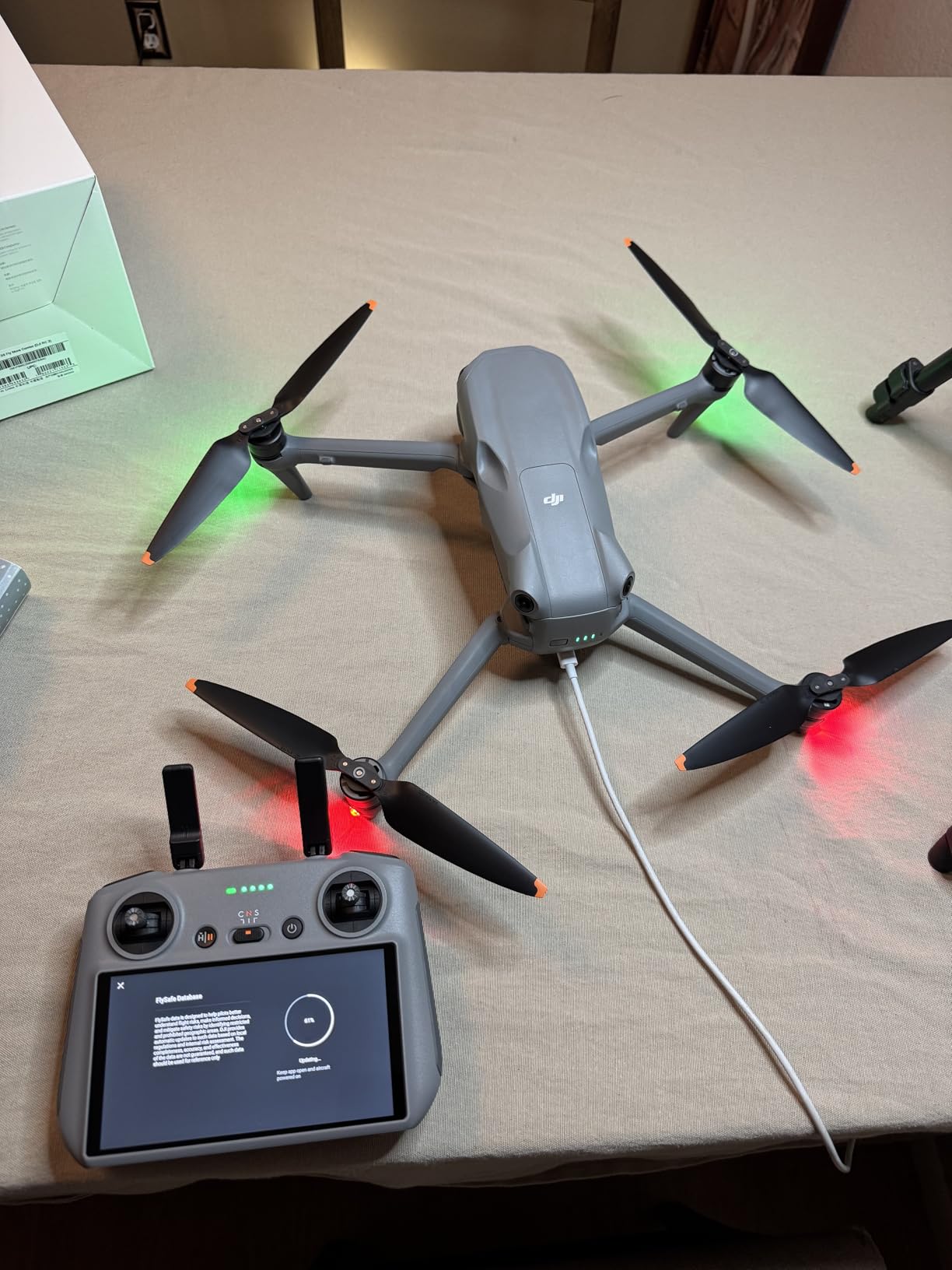
The battery charging hub may seem like a minor inclusion, but it fundamentally changes your workflow. Instead of juggling multiple batteries and remembering which ones need charging, the hub manages everything automatically. You insert all three batteries, and it charges them sequentially based on remaining power levels. For professionals who fly multiple jobs in a day, this organization is invaluable.
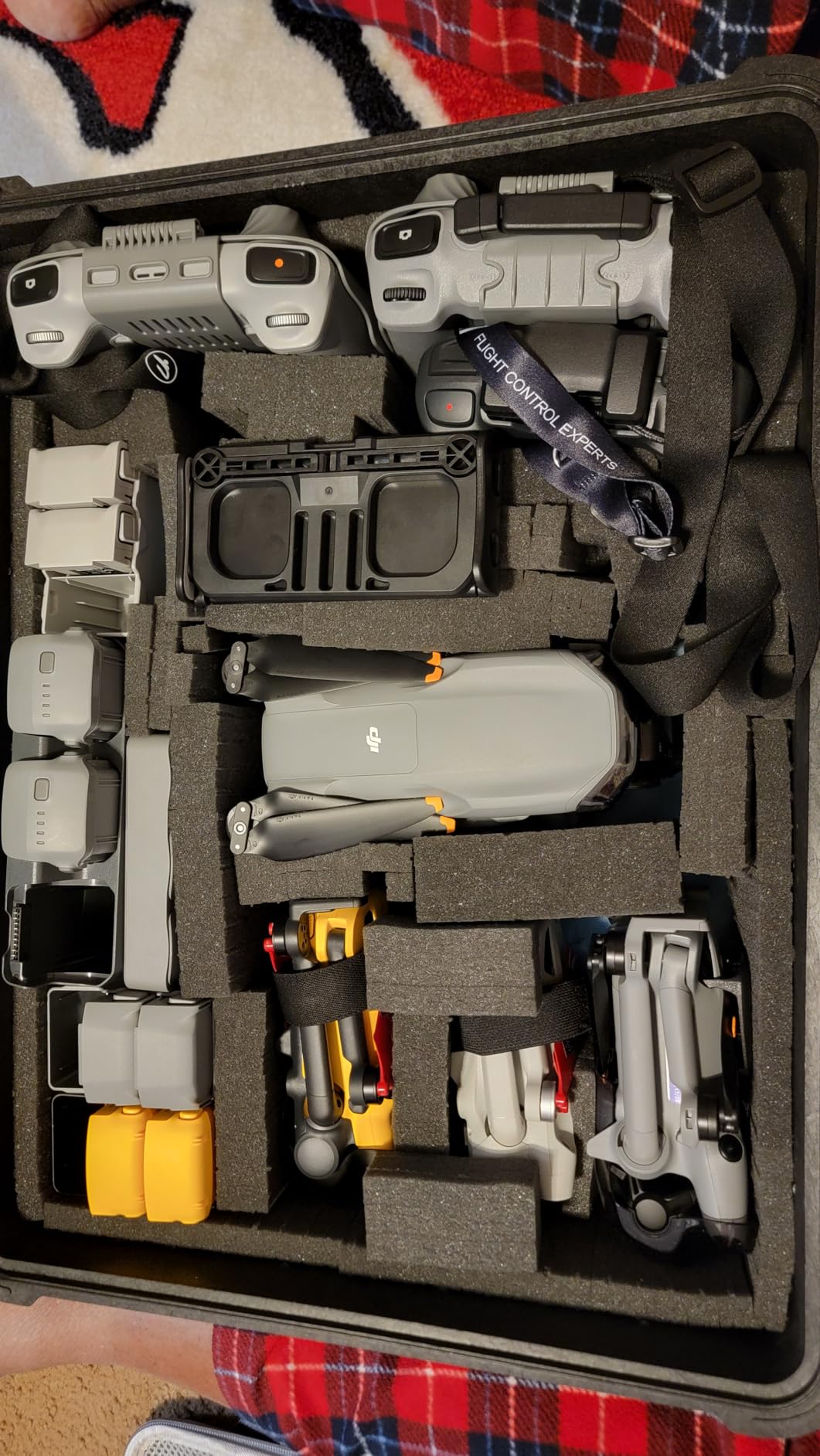
The shoulder bag provides decent protection for transport, though I eventually upgraded to a hard case for better security during travel. Still, having something included right out of the box means you can start flying immediately without waiting for accessories to arrive.
Who Should Choose This Combo
Professional photographers and videographers will immediately appreciate the extended flight time and included accessories. Anyone planning to fly multiple sessions per day needs the extra batteries. The ND filters make this package particularly appealing for content creators who prioritize cinematic video quality.
Who Should Skip This Package
Casual users who only fly occasionally might not need three batteries. If you’re on a strict budget and don’t mind adding accessories later, the standard package gets you flying for less upfront cost. Those who prefer the RC 2 screen controller should consider the next package instead.
3. DJI Air 3S Fly More Combo (RC 2) – Premium Complete Package
Pros
- Built-in screen controller
- No smartphone needed
- Bright display for sunlight
- Complete professional kit
- All Fly More benefits
Cons
- Highest price in Air 3S lineup
- Premium investment required
- Requires signature delivery
This is the package I personally chose after testing multiple configurations, and I have zero regrets about the investment. The RC 2 controller with its integrated screen transforms the flying experience in ways I didn’t fully appreciate until using it extensively. No more fumbling with cables, no compatibility issues with phone updates, no drained phone batteries mid-flight. You simply power on and fly.
The screen itself is remarkably bright at 700 nits, remaining readable even in direct sunlight. During a recent real estate shoot, I could clearly see my composition while standing in full sun, something that’s always challenging with phone-based displays. The integrated controls feel more substantial than the RC-N3, with better tactile feedback on the sticks and buttons.

Beyond the controller, you get all the Fly More Combo benefits including three batteries, the charging hub, ND filter set, and shoulder bag. For professionals who bill by the shoot, eliminating the smartphone dependency and having everything you need in one package pays dividends in reliability and efficiency. I’ve had phone-based controllers disconnect at critical moments; that simply doesn’t happen with the dedicated RC 2.
The total flight time with three batteries approaches 2.5 hours of actual flying, enough for even demanding commercial shoots. For travel photographers, this means capturing multiple locations without needing to recharge between spots.

Who Should Choose This Package
Working professionals who bill for their time will immediately appreciate the reliability and convenience. Serious enthusiasts who want the best possible flying experience without smartphone complications. Anyone who flies regularly will find the integrated screen controller worth every penny of the premium.
Who Should Consider Alternatives
Those just starting out might find the price intimidating. If you already have a compatible phone and don’t mind the connection process, the RC-N3 versions offer identical drone performance for less money. Budget-conscious buyers can achieve similar results with the standard Fly More Combo.
4. DJI Air 3 (RC-N2) – Dual Camera Powerhouse
Pros
- Dual camera versatility
- Excellent 46-minute flight time
- Omnidirectional obstacle sensing
- FAA Remote ID compliant
- O4 transmission stability
Cons
- Smaller sensor than Air 3S
- No LiDAR night sensing
- Charger sold separately
- Zoom not true 4K
The Air 3 introduced the dual-camera concept that made the Air 3S possible, and it remains a compelling option for pilots who don’t need the latest sensor upgrade. After flying both extensively, I can say the differences are noticeable but not night-and-day. The Air 3’s dual camera system delivers the same creative flexibility with wide and telephoto perspectives that revolutionized my aerial composition approach.
The 46-minute maximum flight time actually edges out the Air 3S by one minute, though real-world performance is essentially identical. More importantly, the Air 3 handles wind exceptionally well thanks to its weight and powerful motors. During a recent coastal shoot with 15-20 mph gusts, the Air 3 held rock steady while smaller drones would have struggled to maintain position.

The O4 transmission system provides the same 20km range as the Air 3S with equally stable connectivity. I’ve flown in urban environments with significant RF interference and never experienced connection drops. The omnidirectional obstacle sensing gives confidence when navigating complex environments, though it lacks the Air 3S’s LiDAR capability for night flying.
One area where the Air 3 shows its earlier generation status is the primary camera sensor. The 1/1.3-inch sensor is competent but doesn’t match the Air 3S’s 1-inch sensor for dynamic range and low-light performance. For most daylight shooting, you won’t notice the difference, but serious landscape photographers shooting golden hour might prefer the newer model.

Who Should Choose the Air 3
Pilots who want dual-camera versatility at a lower price point than the Air 3S. Those who primarily fly during daylight hours and don’t need LiDAR night sensing. Budget-conscious buyers who still want professional features like 48MP photos and 4K/60fps HDR video.
Who Should Upgrade to Air 3S
Low-light photographers will benefit significantly from the Air 3S’s larger sensor and LiDAR. Those flying in areas with frequent evening or early morning conditions. Professionals who demand maximum dynamic range for challenging lighting situations.
5. DJI Air 2S – The Proven Workhorse
Pros
- Excellent 1-inch sensor
- 5.4K video recording
- 10-bit D-Log M color
- Proven reliability
- Great value price
Cons
- No side obstacle sensors
- Shorter flight time than newer models
- Older technology
- No dual camera
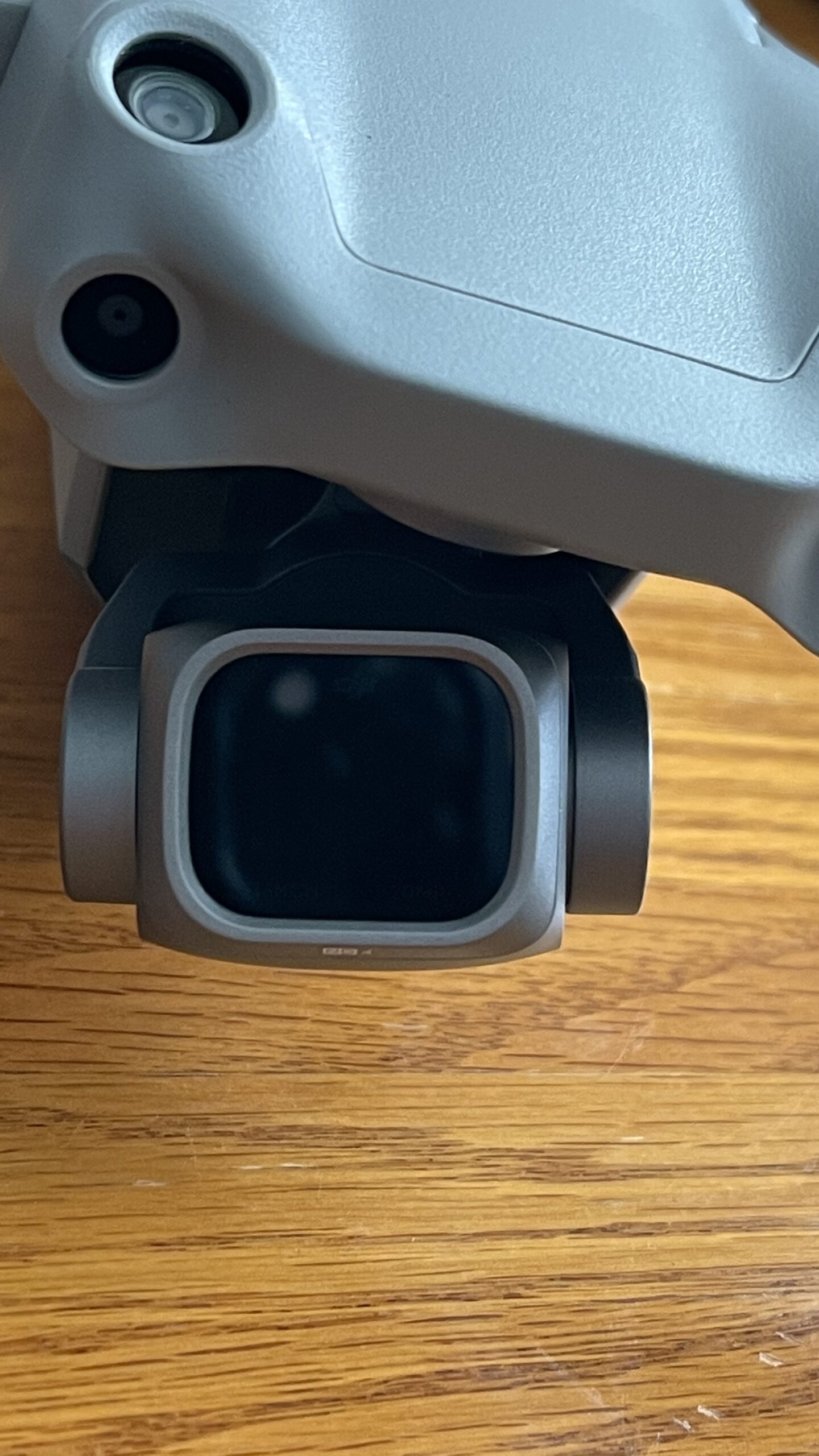
The Air 2S has earned legendary status among working drone pilots, and after using one extensively alongside newer models, I understand why. Many professionals I know still reach for their Air 2S daily despite owning newer drones. The 1-inch sensor delivers image quality that remains competitive with current models, and the straightforward single-camera approach means fewer variables to manage during shoots.
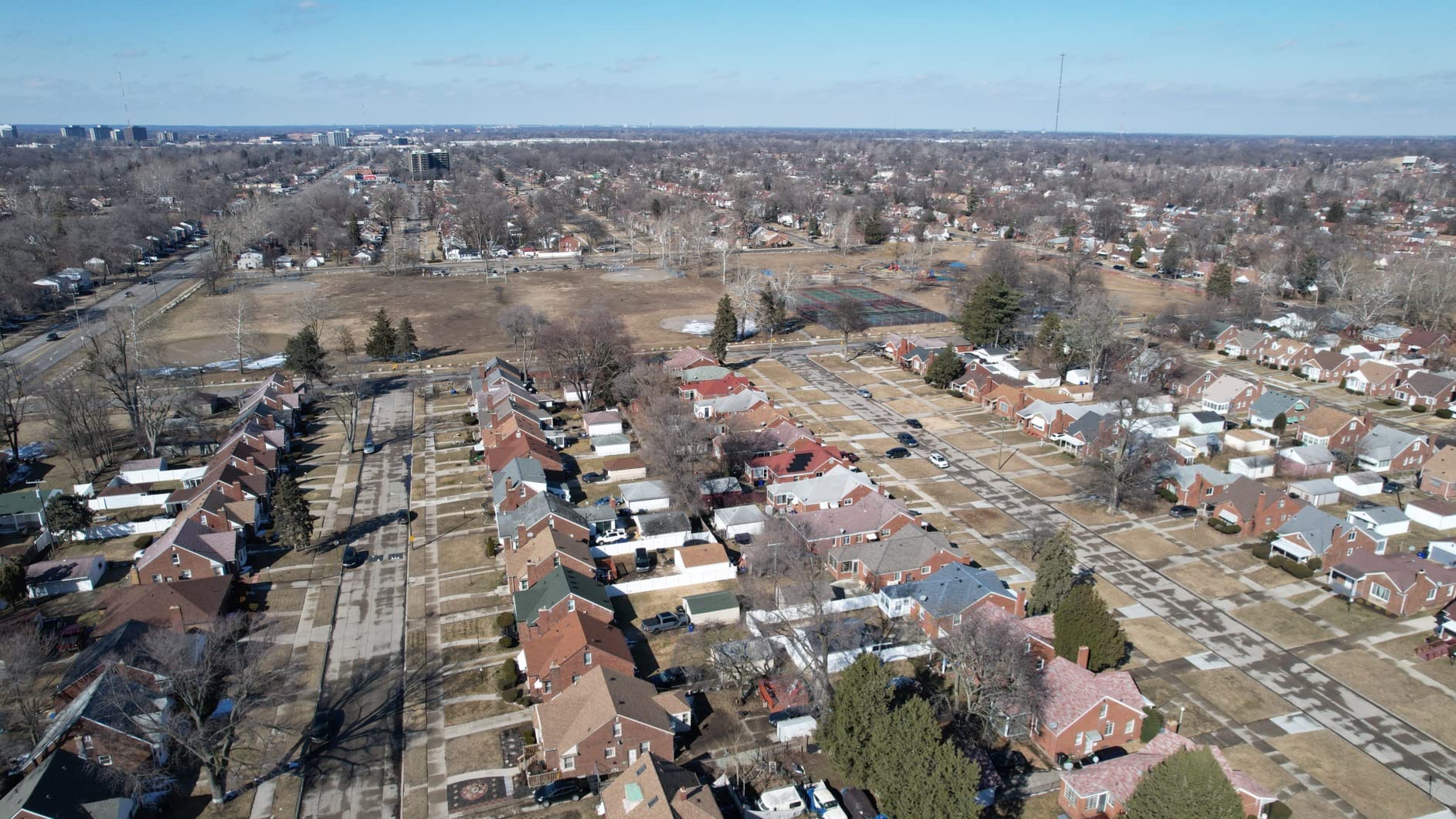
What strikes me most about the Air 2S is how DJI got the fundamentals so right. The 5.4K video at 30fps provides excellent detail for professional work. The 10-bit D-Log M color profile gives tremendous flexibility in post-production. The MasterShots feature automatically captures professional-looking sequences with minimal pilot input. These aren’t flashy specs on paper; they’re practical tools that improve actual work output.
The 31-minute flight time feels short compared to the Air 3’s 46 minutes, but in practice, it’s rarely limiting. Most shots require 10-15 minutes of actual flying, with the remaining battery capacity serving as a safety buffer. The O3 transmission system’s 7.5-mile range covers the vast majority of shooting scenarios while maintaining rock-solid connectivity.
The main compromise compared to newer models is the lack of side obstacle sensors. You get forward, backward, upward, and downward sensing, but nothing on the sides. For experienced pilots who maintain situational awareness, this isn’t a dealbreaker. For beginners still developing their skills, it’s worth noting as a safety consideration.
Who Should Choose the Air 2S
Value-conscious buyers who want professional 1-inch sensor quality without paying for the latest features. Pilots who prefer a single, proven camera system over dual-camera complexity. Real estate and commercial photographers who need reliable performance more than cutting-edge specs.
Who Should Consider Newer Models
Those who want the creative flexibility of dual focal lengths should look at the Air 3 or 3S. Pilots who frequently fly in low-light conditions will benefit from the Air 3S’s improved sensor and LiDAR. Anyone needing maximum flight time for extended shooting sessions.
6. DJI Air 2S Fly More Combo with Smart Controller – Premium Legacy Option
Pros
- Integrated screen controller
- Three batteries included
- ND filter set
- 10-bit D-Log M color
- All Air 2S benefits
Cons
- Premium price for older model
- Some settings overwhelming for beginners
- Batteries need careful storage
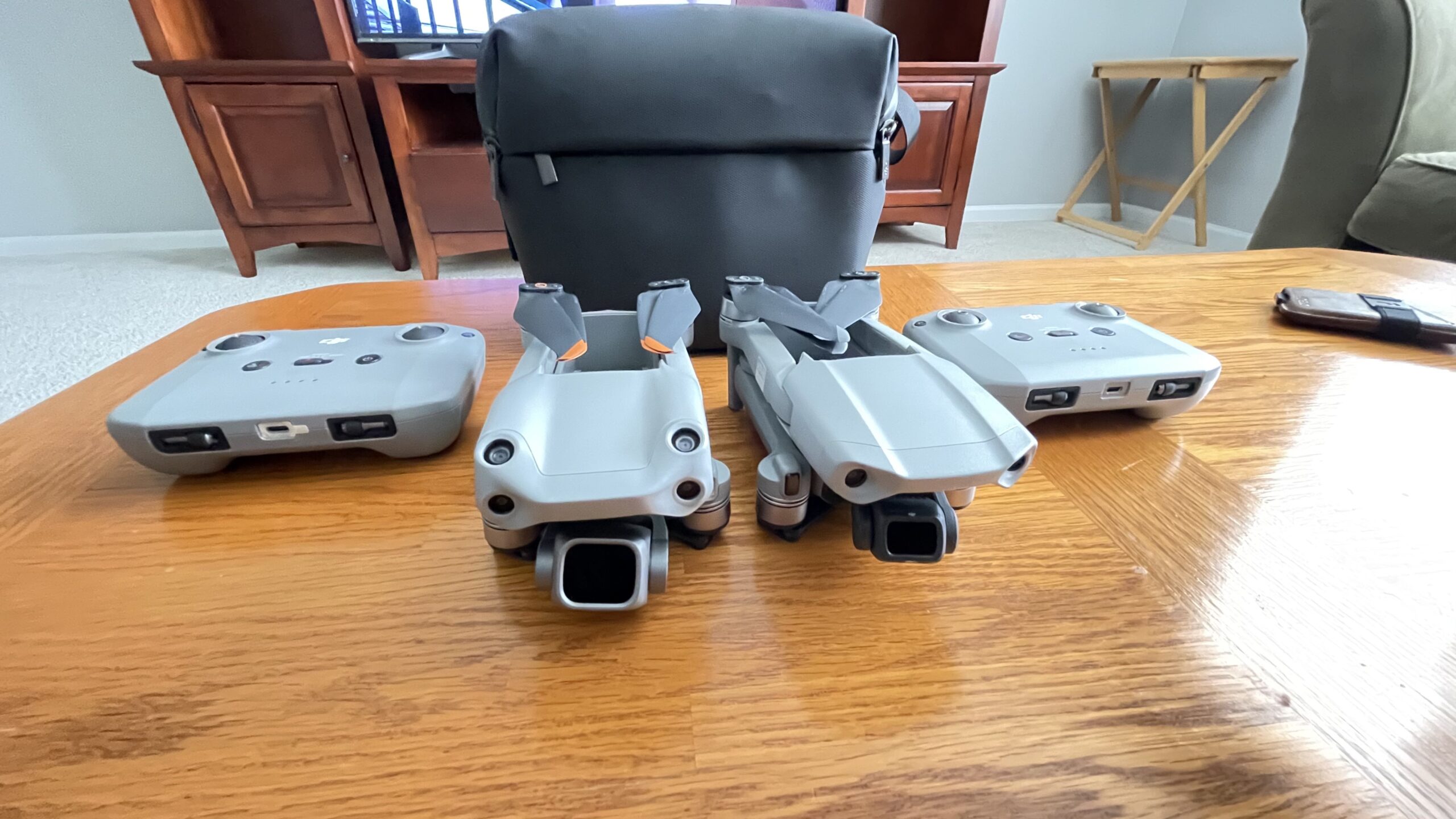
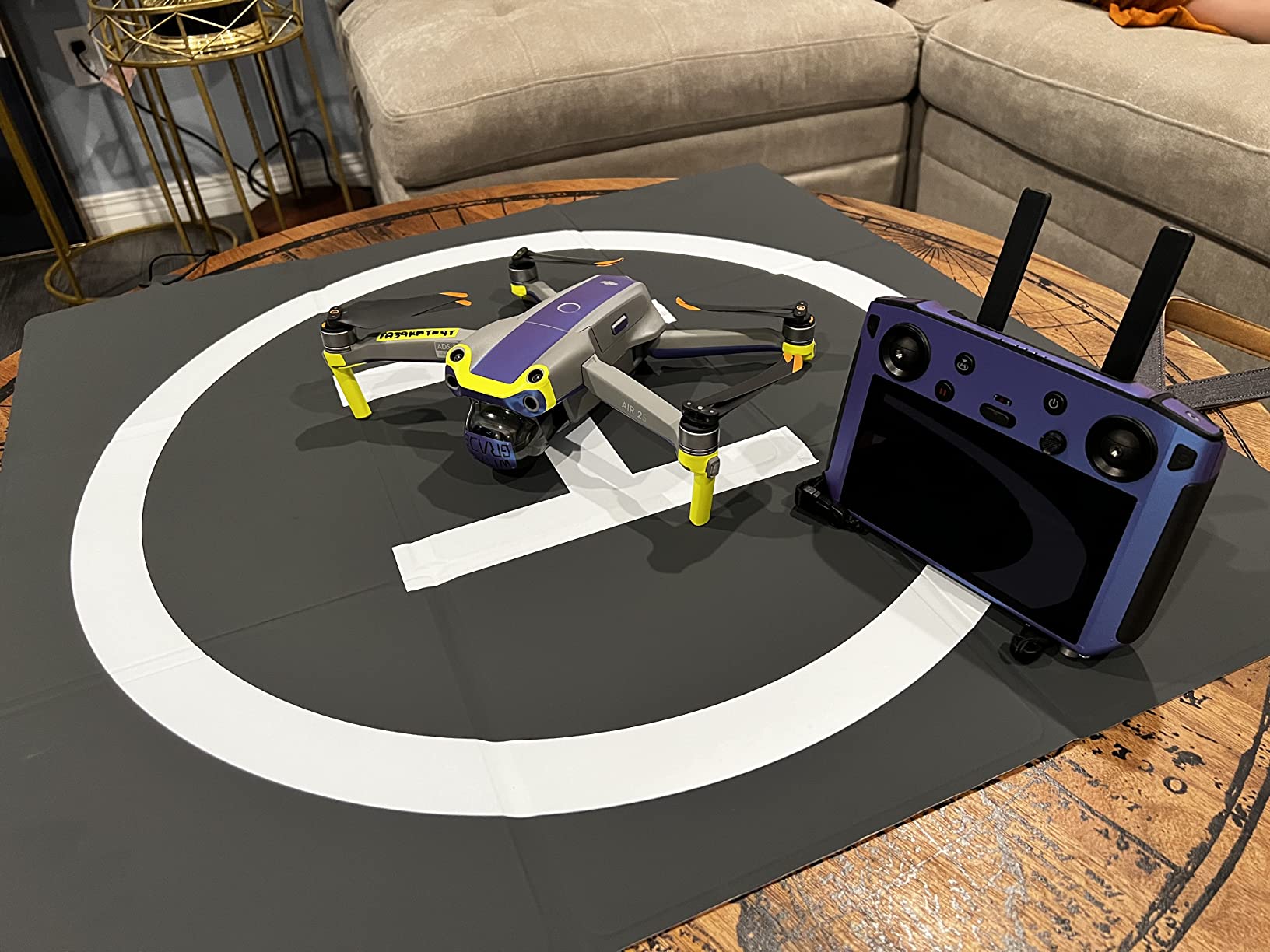
This package represents the ultimate Air 2S configuration, pairing the proven drone body with DJI’s Smart Controller and the full Fly More accessory kit. The Smart Controller was revolutionary when introduced, offering a 5.5-inch 1000-nit screen that remains readable in direct sunlight. While the newer RC 2 has surpassed it in some ways, the Smart Controller still delivers an excellent flying experience.
Having tested both phone-based and screen-based controllers extensively, I can confirm that dedicated screens fundamentally improve the flying experience. You never worry about phone compatibility, cable failures, or battery drain on your primary device. The Smart Controller boots directly into the flying interface, eliminating the multi-step connection process that phone-based systems require.
The three-battery Fly More configuration provides the same extended shooting capability as the newer Air 3S packages. With approximately 90 minutes of total flight time available, you can tackle demanding commercial shoots without interruption. The included ND filters ensure you’re ready for bright conditions without additional purchases.
The main consideration here is value relative to age. The Air 2S platform launched in 2021, and while it remains capable, you’re paying a premium for technology that’s several generations old. For some buyers, the proven reliability and straightforward feature set actually outweigh the appeal of newer, more complex systems.
Who Should Choose This Package
Pilots who prefer the simpler single-camera approach of the Air 2S but want the convenience of a screen controller. Those who value proven reliability over cutting-edge features. Professionals who appreciate having a complete kit with everything included.
Who Should Consider Alternatives
Anyone prioritizing value might find the standard Air 2S offers better bang for the buck. Those wanting the latest technology should consider the Air 3S Fly More with RC 2 instead. Pilots who don’t mind phone-based controllers can save significantly with the standard packages.
7. DJI Mavic Air 2 Fly More Combo – Budget-Friendly Entry Point
Pros
- Excellent value for money
- Super easy to fly
- 48MP photos
- 34-minute flight time
- Great for beginners
Cons
- Only 3-direction obstacle sensing
- Released 2020 - older tech
- Requires FAA registration
- No side sensors
The Mavic Air 2 remains one of the most beginner-friendly drones in DJI’s lineup, and the Fly More Combo makes it an even more compelling entry point into serious aerial photography. Despite being the oldest model in this comparison, it still earns strong recommendations from thousands of satisfied users who appreciate its straightforward operation and capable camera system, which is why it’s still frequently mentioned among the best DJI air drones for beginners looking to start flying with confidence.
What makes the Mavic Air 2 special is how accessible it makes quality aerial imaging. The 48MP camera captures detailed still images, while 4K/60fps video handles most motion needs. The 8K hyperlapse feature creates stunning time-lapse sequences automatically. For someone moving up from a toy drone or smartphone, these capabilities feel genuinely transformative.
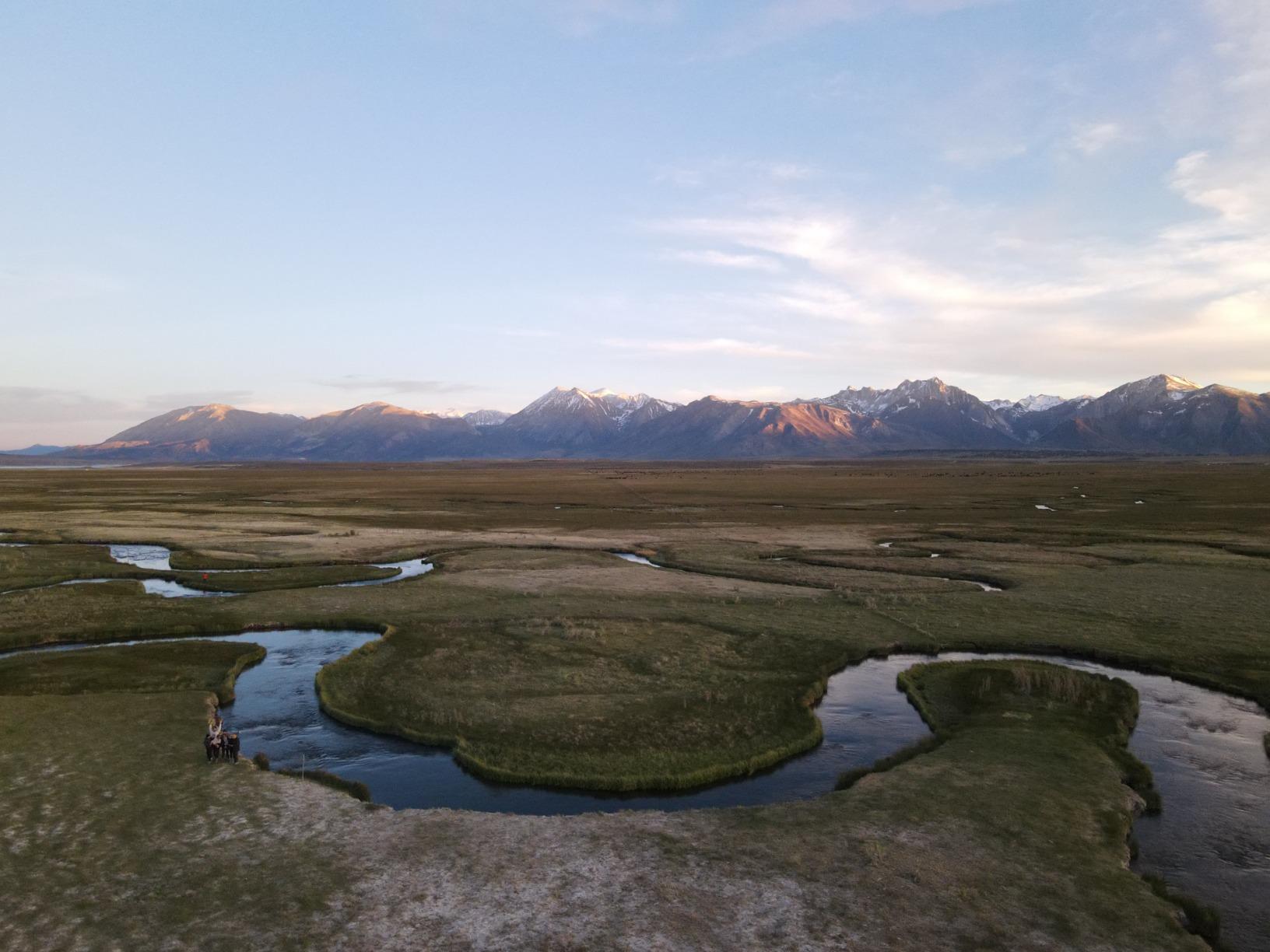
The 34-minute flight time holds up well against newer competition, and the three batteries in the Fly More Combo provide over 90 minutes of total flight time. The OcuSync 2.0 transmission system offers 6.2 miles of range, more than enough for most shooting scenarios. ActiveTrack 3.0 handles subject tracking competently, though newer systems have improved on the technology.
The obstacle sensing system covers three directions (forward, backward, downward), which provides basic protection but requires more pilot awareness than the omnidirectional systems on newer models. For beginners developing their skills, this actually encourages better flying habits by requiring attention to surroundings rather than relying entirely on automation.
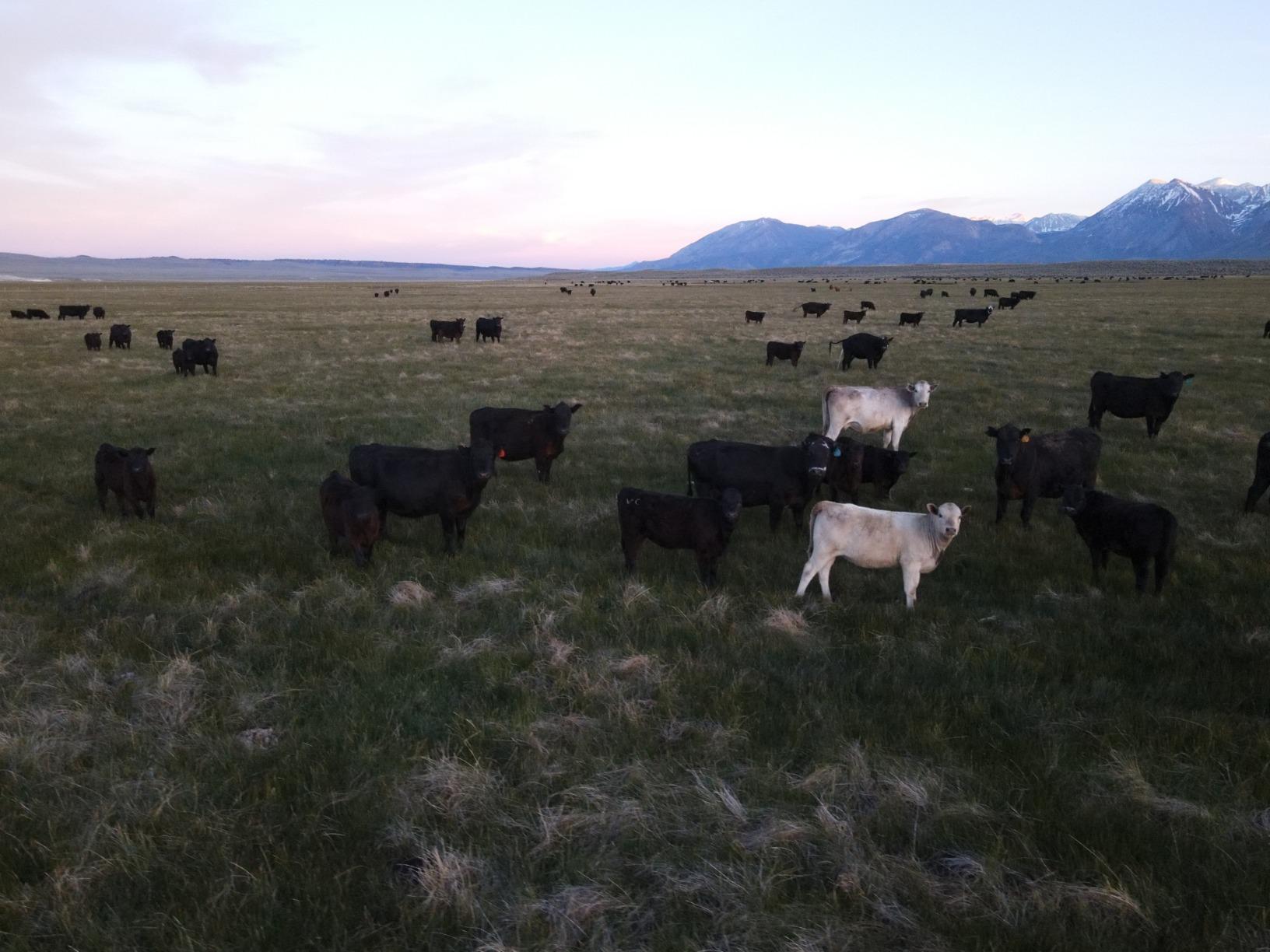
Who Should Choose the Mavic Air 2
Beginners looking for their first serious drone will find the Mavic Air 2 forgiving and capable. Budget-conscious buyers who want DJI quality without the premium price tag. Pilots who prefer simpler systems without overwhelming feature sets.
Who Should Consider Newer Models
Those who want 1-inch sensor quality should look at the Air 2S or Air 3S. Pilots needing advanced obstacle avoidance for complex environments. Anyone who wants the creative flexibility of dual-camera systems found in the Air 3 series.
Buying Guide: How to Choose Your DJI Air Drone In 2026?
Choosing the right DJI Air drone depends heavily on your specific needs, budget, and flying experience. After testing all these models extensively, I’ve developed a clear framework for matching pilots to their ideal drone. Here’s what matters most when making your decision.
Camera Quality and Sensor Size
The sensor size determines image quality more than any other factor. The Air 3S and Air 2S both feature 1-inch CMOS sensors that deliver professional-grade images with excellent dynamic range and low-light performance. The Air 3’s 1/1.3-inch sensor is capable but doesn’t match the larger sensors for challenging lighting. The Mavic Air 2’s 1/2-inch sensor is the smallest but still produces excellent results in good conditions.
For professional work, I strongly recommend the 1-inch sensor models. The difference in image quality is noticeable, especially when shooting during golden hour or in situations with high contrast between shadows and highlights.
Dual Camera vs Single Camera
The Air 3 and Air 3S feature dual cameras with wide-angle and telephoto lenses. This flexibility transforms how you compose shots, allowing compressed perspectives that make landscapes more dramatic and architectural shots more impactful. If you’ve ever wished for a longer focal length while flying, dual cameras solve that problem completely.
The single-camera Air 2S and Mavic Air 2 are simpler to operate and require less decision-making during flights. Some photographers actually prefer this straightforwardness, focusing on composition rather than camera selection.
Flight Time Considerations
All modern Air drones offer substantial flight times ranging from 31 to 46 minutes. In practice, these numbers translate to roughly 25-40 minutes of actual shooting time after accounting for takeoff, positioning, and safety margins. For most users, any of these flight times will be adequate.
Where flight time matters more is in total daily shooting capacity. Three batteries with any of these drones provide 90+ minutes of flight time, enough for demanding commercial work. The Fly More Combos are genuinely worth the premium if you plan to fly frequently.
Obstacle Avoidance Systems
The Air 3S offers the most advanced obstacle avoidance with LiDAR for night flying and omnidirectional sensing. The Air 3 provides omnidirectional sensing without LiDAR. The Air 2S covers four directions (missing sides), while the Mavic Air 2 covers three directions.
For experienced pilots, any of these systems provide adequate protection. Beginners should lean toward the newer models with more comprehensive sensing. If you frequently fly in low-light conditions, the Air 3S’s LiDAR system is genuinely valuable.
Controller Options
DJI offers two main controller types: phone-based (RC-N2, RC-N3) and screen controllers (RC 2, Smart Controller). Phone-based controllers cost less but require connecting your smartphone for the display. Screen controllers have built-in displays, eliminating compatibility issues and connection hassles.
After using both extensively, I strongly prefer screen controllers for serious work. The reliability and convenience are worth the premium. However, budget-conscious buyers can achieve identical drone performance with phone-based controllers.
FAA Registration Requirements
All DJI Air drones weigh more than 250 grams, requiring FAA registration in the United States. The registration costs $5 and covers all your drones for three years. You’ll also need to follow Part 107 regulations if flying commercially, which requires passing a knowledge test and obtaining a Remote Pilot Certificate.
All the drones in this comparison are FAA Remote ID compliant, meaning they broadcast identification information during flight. This is now mandatory for all drones over 250 grams in the US.
The DJI Ban Situation
As of December 2025, DJI has been added to the FCC’s Covered List, which affects authorization for new models. However, existing models like the Air 3S, Air 3, and Air 2S remain legal to buy, own, and fly. DJI is challenging this decision in federal court, and the situation continues to evolve.
For buyers, this means current models remain available and functional. Support and firmware updates continue for now. The main uncertainty involves future product availability and long-term support. If you need a drone now, the current Air series represents excellent technology that will remain useful for years regardless of regulatory outcomes.
Frequently Asked Questions
What’s the best DJI drone right now?
For most users, the DJI Air 3S Fly More Combo with RC 2 offers the best balance of camera quality, flight time, and convenience. Its 1-inch CMOS sensor delivers professional image quality, the dual-camera system provides creative flexibility, and the integrated screen controller eliminates smartphone hassles. For budget-conscious buyers, the Air 2S remains an excellent choice with similar sensor quality at a lower price point.
What’s the difference between the DJI Air 3 and Air 3S?
The Air 3S upgrades the primary camera to a 1-inch CMOS sensor (from 1/1.3-inch), adds forward-facing LiDAR for night obstacle detection, and includes a downward-facing light for terrain reading. Both share the same 70mm telephoto lens, 45-minute flight time, and omnidirectional obstacle sensing. The Air 3S delivers better low-light performance and safer night flying, while the Air 3 offers similar functionality at a lower price.
Is DJI still blacklisted?
DJI was added to the FCC’s Covered List in December 2025, which affects authorization for new model releases. However, existing models like the Air 3S, Air 3, and Air 2S remain legal to buy, own, and fly in the United States. DJI is actively challenging this decision in federal court. Current drone owners can continue using their devices, and previously approved models remain available for purchase with full support and firmware updates.
Do DJI Air drones require FAA registration?
Yes, all DJI Air drones weigh more than 250 grams and require FAA registration in the United States. Registration costs $5 and covers all your drones for three years. You must display your registration number on each drone. For commercial flying, you’ll also need a Part 107 Remote Pilot Certificate, which requires passing a knowledge test. All Air series drones are FAA Remote ID compliant.
Which DJI Air drone is best for beginners?
The DJI Mavic Air 2 Fly More Combo offers the best entry point for beginners due to its forgiving flight characteristics, straightforward feature set, and excellent value. The three-battery Fly More package provides extended flying time while learning. For beginners with larger budgets who want room to grow, the Air 3S offers more advanced features that won’t be outgrown quickly, though it requires more learning to master.
Final Verdict: Which DJI Air Drone Should You Buy?
After extensive testing, my top recommendation depends on your priorities. For professionals and serious enthusiasts looking for one of the best DJI air drones with cutting-edge technology, the DJI Air 3S Fly More Combo with RC 2 delivers unmatched camera quality, dual-lens versatility, and the convenience of an integrated screen controller. It’s the drone I reach for most often.
For value-conscious buyers who refuse to compromise on image quality, the DJI Air 2S remains a proven workhorse with its 1-inch sensor and 5.4K video capability. Many working professionals still use it daily, and its lower price point makes professional aerial photography more accessible.
Beginners should strongly consider the Mavic Air 2 Fly More Combo. Its forgiving flight characteristics and straightforward operation make learning enjoyable rather than frustrating. The Fly More package ensures you have everything needed for extended practice sessions.
Whatever you choose, any DJI Air drone will dramatically improve your aerial photography capabilities. The technology has matured to the point where even the oldest model in this comparison delivers results that would have seemed impossible just a few years ago. Pick the model that matches your budget and needs, then get out there and start creating.