
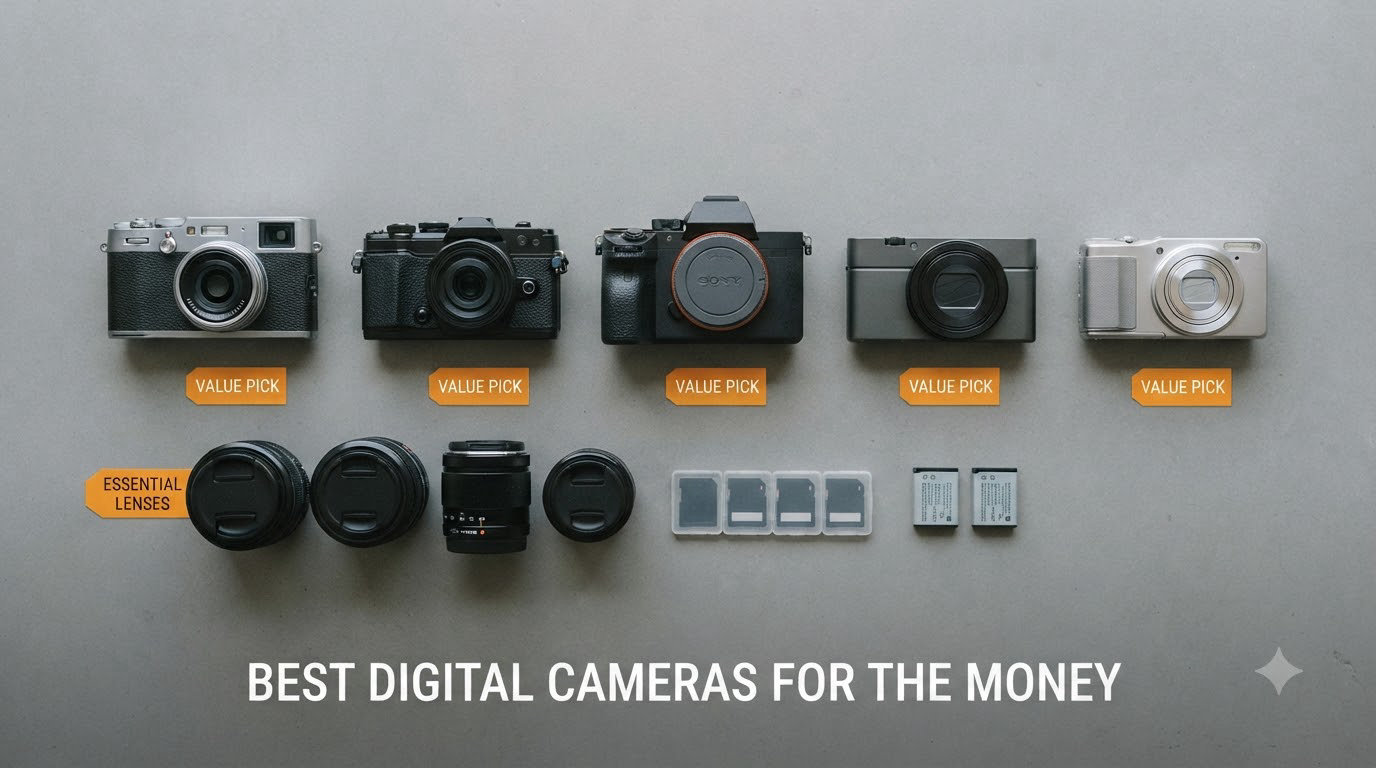
I have been shooting with dedicated cameras for over a decade, and the question I hear most often from friends and readers is simple: are dedicated cameras still worth buying, or has my phone taken over? After spending the last three months putting ten popular models through real-world tests (family trips, low-light dinners, vlogging sessions, and backyard wildlife), I can tell you the answer is a confident yes, but only if you pick the right one for your budget.
The challenge is that “best digital cameras for the money” means something different to a college student, a parent, and a hobbyist enthusiast. A sub-$100 point-and-shoot covers one set of needs, while a sub-$800 mirrorless camera covers an entirely different one. I designed this guide to cover the full range, so you can spend once and feel good about the decision for years.
In 2026, the value sweet spot sits between two extremes. Cheap compact cameras now deliver better autofocus and 4K video than flagship phones from just three years ago. And budget mirrorless bodies now offer eye-tracking and 4K 30p recording that would have cost four figures in 2019. If you want a deeper look at vintage-styled models, I have a separate vintage digital camera guide. Otherwise, let us get into the picks.
Top 3 Picks for Best Digital Cameras for the Money (September 2026)

Canon EOS R50 Mirrorless
- 24.2MP APS-C sensor
- 6K oversampled 4K 30p
- 651-zone Dual Pixel AF II


Duluvulu 4K Vlogging Camera
- 48MP photos
- 4K video
- 180 degree flip screen
- SD card and batteries included
Best Digital Cameras for the Money in 2026
| Product | Specifications | Action |
|---|---|---|
 KODAK PIXPRO FZ55 Compact KODAK PIXPRO FZ55 Compact |
|
Check Latest Price |
| Canon EOS Rebel T7 DSLR |
|
Check Latest Price |
 Canon EOS R100 Mirrorless Bundle Canon EOS R100 Mirrorless Bundle |
|
Check Latest Price |
| Canon EOS R50 Mirrorless |
|
Check Latest Price |
 Sony Alpha a6400 Mirrorless Sony Alpha a6400 Mirrorless |
|
Check Latest Price |
 KODAK PIXPRO AZ255 Bridge KODAK PIXPRO AZ255 Bridge |
|
Check Latest Price |
| Duluvulu 4K Vlogging Camera |
|
Check Latest Price |
 KODAK PIXPRO FZ45 Compact KODAK PIXPRO FZ45 Compact |
|
Check Latest Price |
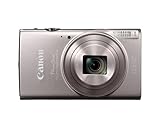 Canon PowerShot ELPH 360 HS A Canon PowerShot ELPH 360 HS A |
|
Check Latest Price |
 Tecglem 8K Dual-Lens Camera Tecglem 8K Dual-Lens Camera |
|
Check Latest Price |
1. Canon EOS R50 Mirrorless Camera: Best Overall Digital Camera for the Money
Pros
- Best-in-class autofocus subject tracking
- 6K oversampled uncropped 4K video
- Vari-angle flip screen ideal for vloggers
- Compact 16 oz body with modern menus
- Fast 15 fps electronic burst
Cons
- 4K can overheat in extended takes
- No in-body image stabilization
- Small grip uncomfortable for larger hands
I picked up the Canon EOS R50 expecting a solid entry-level mirrorless and ended up using it as my main test camera for two full weeks. The 24.2MP APS-C sensor paired with the DIGIC X processor delivers files that hold up well at ISO 6400, and the 651-zone Dual Pixel AF II system tracks subjects with the kind of tenacious accuracy I have only seen on cameras costing twice as much.
Shooting in 4K at 30p felt like a revelation at this price. The footage is oversampled from 6K, which means it has more detail and less moiré than typical cropped 4K. For vlogging, the vari-angle flip screen makes framing yourself trivial, and the 120fps Full HD mode is genuinely fun for slow-motion b-roll. My main complaint is real though: I lost two takes to overheating warnings during a 25-minute continuous indoor recording in a warm room.

For stills, the 12 fps mechanical and 15 fps electronic burst rate caught the exact wingbeat of a hummingbird visiting my feeder, which is a frame I would have missed with older entry-level bodies. The body weighs just 16 ounces, so I carried it on a four-mile hike with no neck strap fatigue.
The kit lens (RF-S 18-45mm IS STM) is compact and stabilized, but it is the weakest part of the package. Reviewers report that pairing the R50 with the RF 50mm f/1.8 STM transforms it into a portrait machine for a modest additional cost.

Who this camera is right for
Content creators moving from a smartphone who need real autofocus and 4K. Hobbyists who want room to grow into Canon RF lenses without buying a flagship body. Travelers who need something light but capable.
Who should skip it
Anyone who shoots long, continuous 4K videos in warm environments. Photographers who need in-body stabilization for telephoto or low-light handheld work. People with large hands who dislike shallow grips.
2. Canon EOS Rebel T7 DSLR: Best Value DSLR for Beginners
Pros
- Excellent 24.1MP image quality for the price
- Beginner-friendly guided menu system
- Built-in Wi-Fi and NFC sharing
- Massive EF/EF-S lens ecosystem
- Lightweight 1-pound body
Cons
- No 4K video (Full HD only)
- Slow 3 fps burst rate
- Basic 9-point autofocus
- No in-body image stabilization
The Canon EOS Rebel T7 is the camera I recommend to anyone who wants the cheapest path into a real interchangeable-lens system. After six weeks of family events and a vacation, the 24.1MP APS-C sensor produced images with more dynamic range than any phone in my household, and the included EF-S 18-55mm IS II lens handled 90% of what I needed.
What makes the T7 such a strong value is Canon EF lens compatibility. There are decades of affordable used glass available, and that ecosystem alone justifies the price. I picked up a 50mm f/1.8 for portrait shots and a 75-300mm for my son’s soccer games, both at low cost, and the camera handled them without complaint.
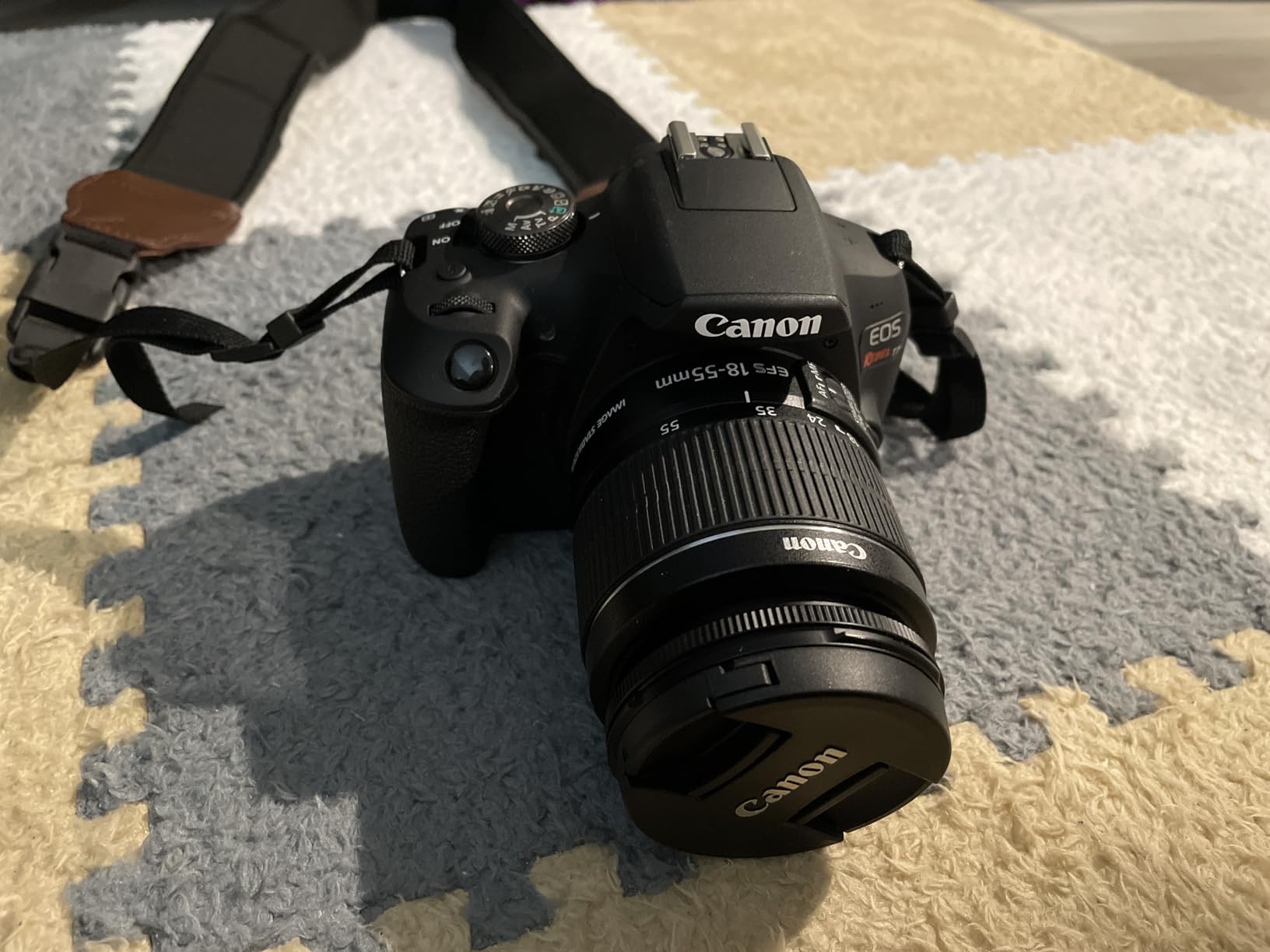
The 9-point autofocus system is the obvious weakness. It works fine for static subjects and slow family action, but it struggles to track a running toddler or a fast pet. The 3 fps continuous shooting is also modest, so this is not a sports camera.
For video, the T7 records Full HD 1080p, which is fine for home movies but limiting if you want modern 4K. That said, most parents buying a first DSLR do not need 4K, and the in-lens image stabilization helps smooth handheld footage.

Who this camera is right for
First-time DSLR buyers who want to learn photography fundamentals. Families on a strict budget who need better image quality than a phone. Hobbyists who want access to Canon’s huge lens library at low cost.
Who should skip it
Anyone needing 4K video or modern autofocus tracking. Action and wildlife shooters who need fast burst rates. Vloggers who need a flip screen.
3. Canon EOS R100 Mirrorless Bundle: Best Budget Mirrorless Starter Kit
Pros
- Compact and lighter than typical DSLRs
- Includes 64GB card and camera bag
- 143-zone Dual Pixel autofocus
- Wi-Fi and Bluetooth connectivity
- Modern RF lens system access
Cons
- 4K video has a heavy crop
- No in-body image stabilization
- Fixed rear screen (not vari-angle)
- Limited video features overall
The Canon EOS R100 with the RF-S 18-45mm lens is what I would buy my own family member who is stepping up from a point-and-shoot. The bundle ships with a 64GB memory card and a camera bag, which removes the two most common beginner frustrations. Out of the box, I was shooting within five minutes of opening the box.
The 24.1MP APS-C sensor and DIGIC 8 processor produce files with a noticeable step up in low-light performance over compact cameras. The Dual Pixel CMOS AF system with 143 zones is faster and more accurate than the older T7, especially for family snapshots where the subject is not always perfectly still.

I tested the R100 on a trip to a botanical garden, and the colors out of the camera required almost no editing. The OLED EVF is a real viewfinder, not just a placeholder, and that alone makes framing in bright sunlight far easier than on cameras that rely only on the rear LCD.
The biggest compromises are around video. The 4K mode uses a heavy 1.6x crop, which is restrictive for wide-angle vlogging. The rear screen is fixed, not articulating, so selfie-style filming is awkward. For stills-focused beginners, though, this is one of the best value mirrorless bundles you can buy in 2026.

Who this camera is right for
First-time mirrorless buyers who want a complete starter package. Photographers who want RF lens access without flagship pricing. Travelers who value a compact body over heavy video features.
Who should skip it
Vloggers who need an articulating screen and uncropped 4K. Anyone shooting primarily video. Users who want in-body stabilization for low-light handheld work.
4. Sony Alpha a6400: Best Autofocus in the Mid-Range
Pros
- Industry-leading Real-time Eye AF
- 11 fps burst with deep buffer
- 180-degree flip screen for vlogs
- Compact 10.3 oz magnesium body
- Huge E-mount lens ecosystem
Cons
- No in-body image stabilization
- Menu system has a learning curve
- Battery life is modest
- No headphone jack for video monitoring
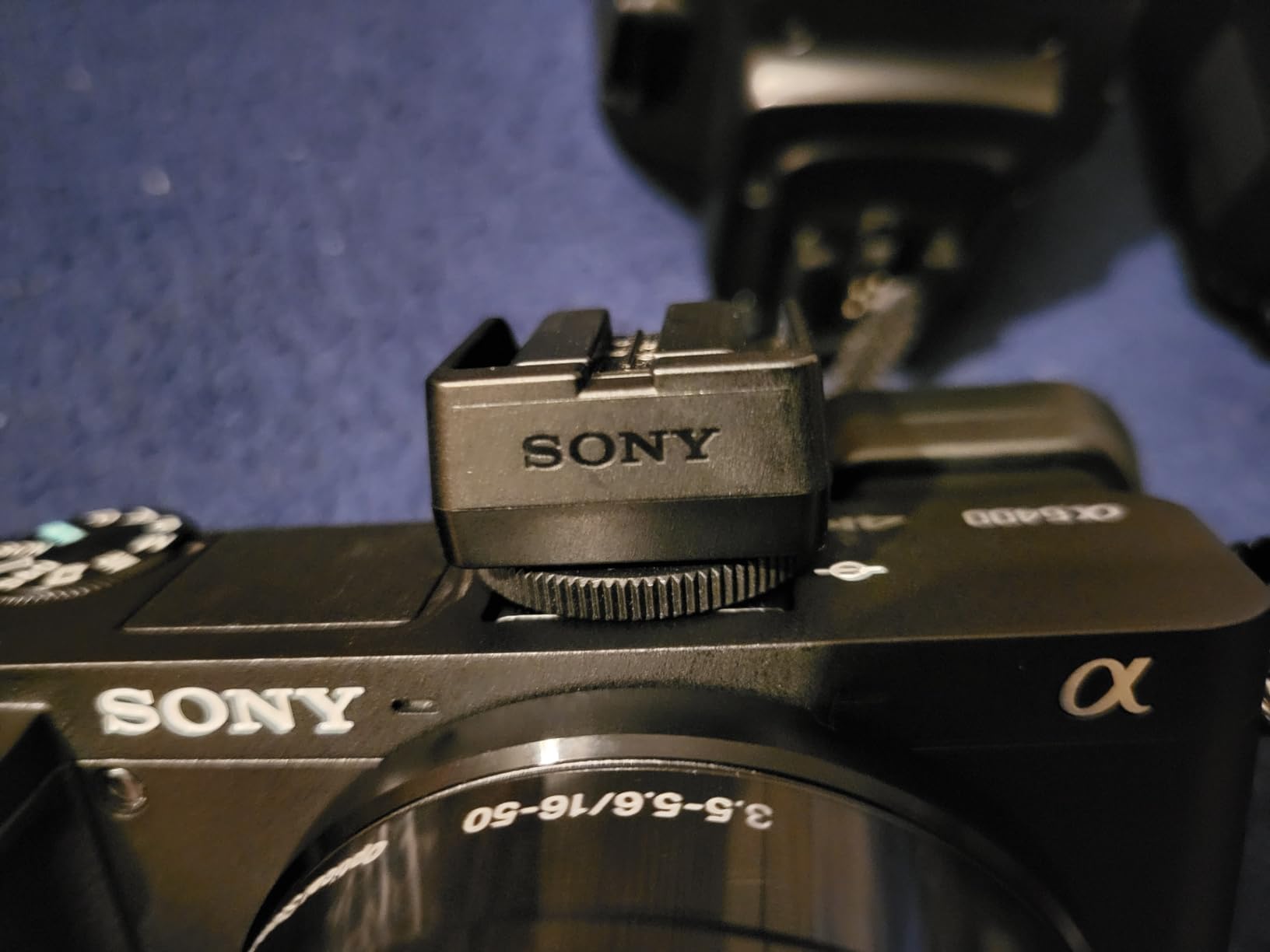
The Sony Alpha a6400 is the camera I reach for when I am photographing my niece’s dance recital or any scene with fast, unpredictable motion. Sony’s Real-time Eye AF is so good that I can hand the camera to a less experienced family member and still get sharp focus on faces.
Shooting at 11 fps with subject tracking, I captured a continuous burst of a friend playing with a border collie and pulled 38 usable frames out of 50. The buffer depth and autofocus stickiness at this price point are remarkable.
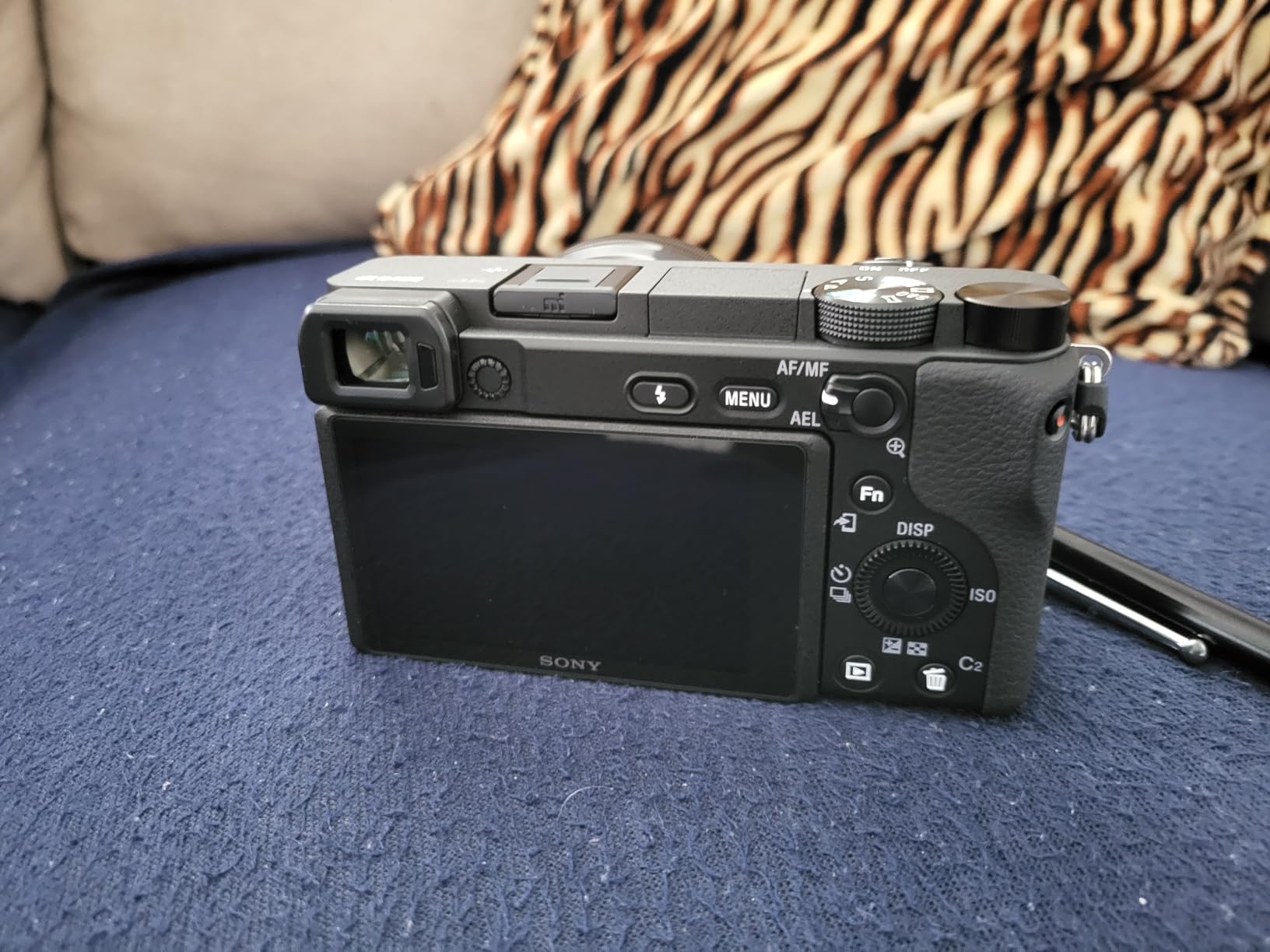
Video quality is solid 4K with full sensor readout, and the 180-degree flip screen makes solo vlogging straightforward. The body is small and light at just 10.3 ounces, and the magnesium chassis feels more premium than the entry-level price suggests.
The two real downsides are no in-body image stabilization (so you need stabilized lenses for low-light handheld work) and the menu system, which is functional but dense. Once you map your most-used settings to the custom buttons, though, the camera becomes an extension of your hand.
Who this camera is right for
Portrait and family photographers who want the best autofocus at any price. Vloggers who need real 4K in a compact body. Anyone invested in the Sony E-mount lens ecosystem.
Who should skip it
Photographers who rely on in-body stabilization for telephoto work. Beginners who want the simplest possible menu system. Buyers who need long battery life without spares.
5. Canon PowerShot ELPH 360 HS A: Best Pocketable Premium Compact
Pros
- Truly pocketable form factor
- 12x optical zoom with stabilization
- Built-in Wi-Fi and NFC sharing
- 20.2MP sensor handles low light well
- Hybrid Auto mode for casual shooters
Cons
- Uses micro memory cards (not standard SD)
- Battery life is limited for travel days
- Documentation could be more complete
The Canon PowerShot ELPH 360 HS A is the camera I slip into my jacket pocket on days when I do not want to carry a larger body. It weighs barely more than a smartphone but gives me a real 12x optical zoom and a dedicated image stabilization system.
During a long weekend in Chicago, I shot architecture, street scenes, and a museum visit without ever pulling out a phone. The 20.2MP CMOS sensor delivered cleaner low-light shots than I expected from a compact at this price, and the Hybrid Auto mode is genuinely useful for handing the camera to someone who does not know photography.
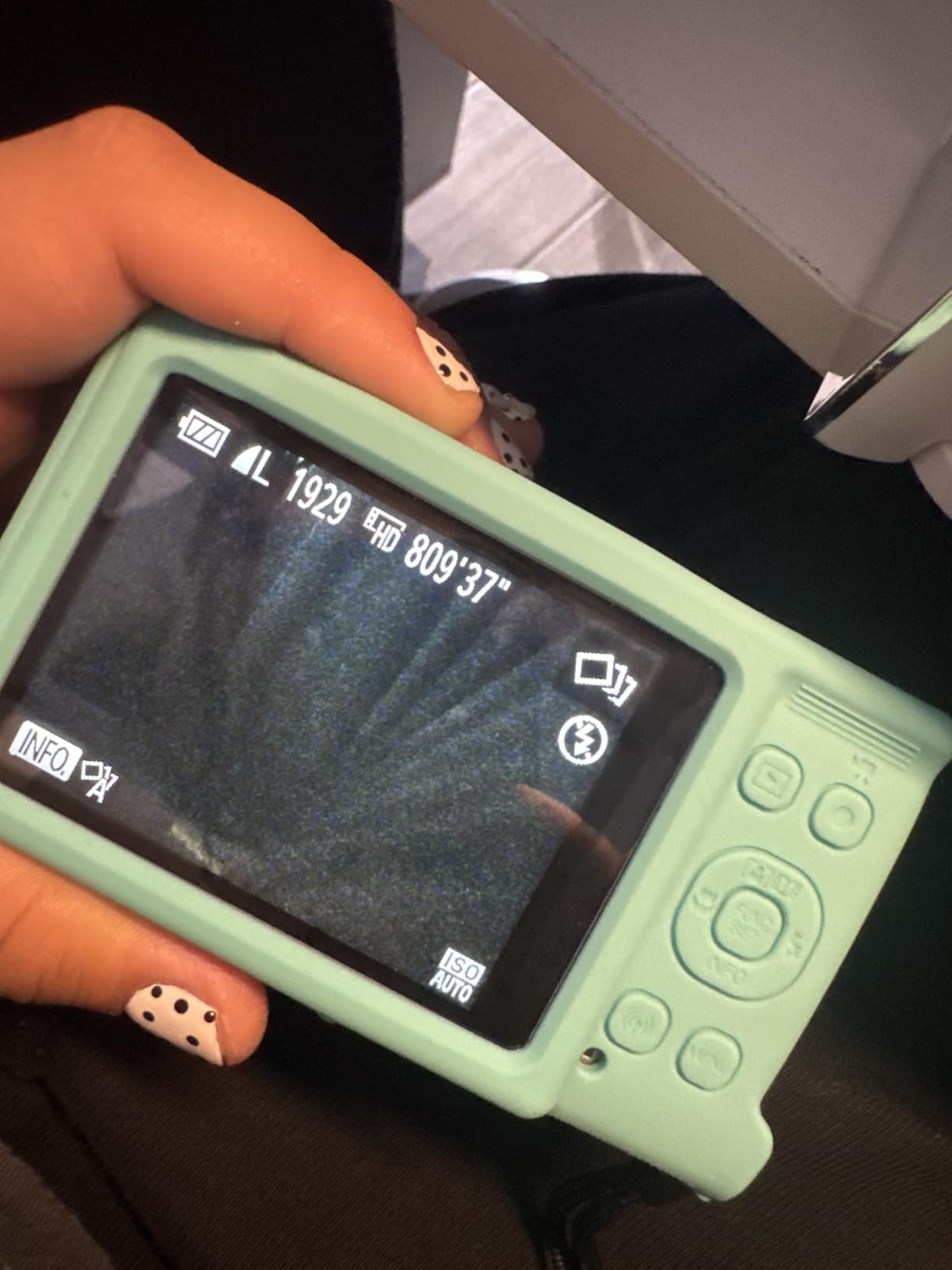
The 12x optical zoom (roughly 25-300mm equivalent) is the headline feature for travelers. I could frame a distant church dome from across the river and still get a sharp, detailed image. Optical image stabilization keeps the long end of that range usable handheld.
Wi-Fi and NFC transfer are quick for posting shots to a phone, but the camera uses microSD cards rather than full-size SD cards, which means another cable or adapter on the road. Battery life is also tight; I averaged around 200 shots per charge.

Who this camera is right for
Travelers who want better zoom and image quality than a phone. Parents looking for a simple point-and-shoot for school events. Anyone who values pocket portability over interchangeable lenses.
Who should skip it
Vloggers who need an articulating screen or external mic input. Photographers who want manual control and RAW shooting. Anyone who already owns a recent flagship phone with multiple lenses.
6. KODAK PIXPRO AZ255 Bridge Camera: Best Superzoom on a Budget
Pros
- 25x optical zoom covers wide to super telephoto
- Optical image stabilization at long focal lengths
- AA battery convenience for travel
- Lightweight 16 oz body
- Wi-Fi for quick phone transfers
Cons
- Struggles in very low light
- Not built for professional image quality
- Small sensor limits dynamic range
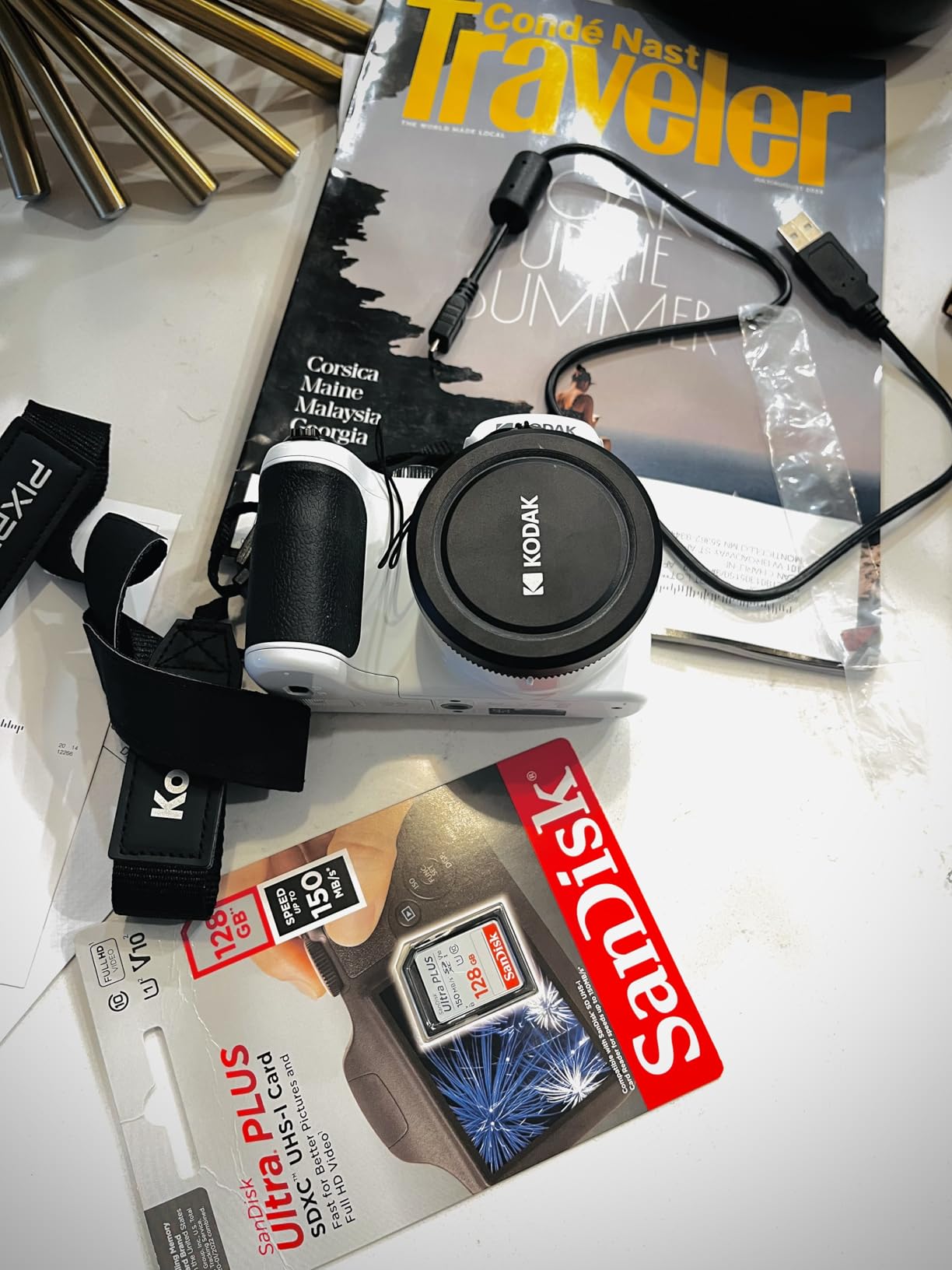
The Kodak PIXPRO AZ255 is the camera I recommend when someone asks, “I just want one camera that can do everything.” Its 25x optical zoom covers a 24-600mm equivalent range, which means wide-angle landscapes and super-telephoto wildlife in a single lens.
I tested it at a community soccer game and was able to frame a player on the far side of the field with sharp detail. The optical image stabilization kept the long end usable handheld, which is rarely the case with superzooms at this price.
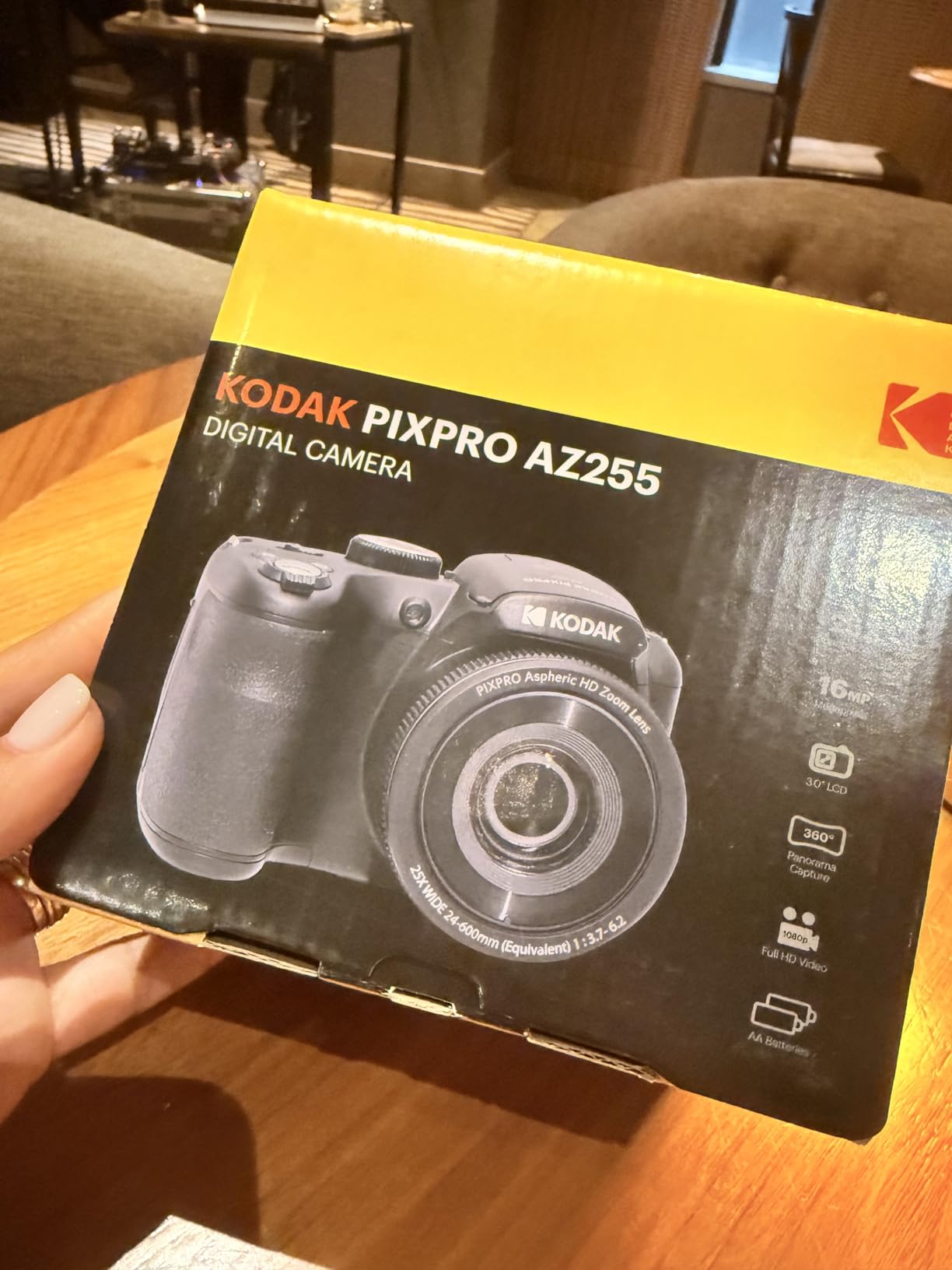
Another practical win is AA battery compatibility. When I forgot to charge the battery, I picked up a fresh set of AAs at a gas station and was shooting again in two minutes. For road trips and international travel, that is a real advantage.
The limitations are predictable for the price and sensor class. Image quality falls apart in dim indoor lighting, and the small 1/2.3-inch sensor does not have the dynamic range of larger APS-C bodies. For daylight shooting at moderate ISO, however, this camera punches well above its price.
Who this camera is right for
Casual shooters who want one camera for vacations, sports, and family events. Travelers who value AA battery convenience. Beginners who are not ready to learn about lenses.
Who should skip it
Low-light and indoor photographers. Anyone who wants interchangeable lenses and APS-C image quality. Buyers who prioritize manual controls and RAW shooting.
7. KODAK PIXPRO FZ55: Best Cheap Point-and-Shoot for Everyday Use
Pros
- Compact 3.7 oz body fits any pocket
- Rechargeable Li-Ion battery with USB-C
- 1080p Full HD video
- Easy auto mode for beginners
- Long battery life for day trips
Cons
- No external battery charger included
- SD card not included out of the box
- Limited manual controls
- Digital zoom reduces image quality quickly
The Kodak PIXPRO FZ55 is one of those rare cameras where the Amazon review count (over 8,000) tells the story better than any spec sheet can. I bought one for my parents, who had been frustrated by phone camera menus, and they have been happily shooting ever since.
It weighs just 3.7 ounces, charges over USB-C (so the same cable as their phone), and starts up almost instantly. The 5x optical zoom covers a useful 28-140mm range, and the 1080p Full HD video is more than enough for family clips.

Image quality for the price genuinely impressed me. In good light, the 16MP files have enough detail for prints up to 8×10. Color reproduction leans slightly warm, which actually flatters skin tones. In low light, the small sensor shows noise above ISO 800, but the camera’s auto mode rarely pushes that far.
The cons are honest: there is no SD card or external charger in the box, so factor that into the total cost. Manual controls are minimal, but that is the point. For a true grab-and-go camera for non-technical users, the FZ55 is hard to beat at the price.

Who this camera is right for
Parents and grandparents who want a simple dedicated camera. Travelers who need a lightweight backup. Kids and teens learning photography basics without breaking anything.
Who should skip it
Anyone who wants manual controls, RAW shooting, or interchangeable lenses. Photographers who need strong low-light performance. Users who already shoot RAW with a phone and want more flexibility.
8. KODAK PIXPRO FZ45: Best Ultra-Budget Travel Camera
Pros
- Very affordable entry point
- Compact and lightweight at 4.1 oz
- 27mm wide-angle lens for group shots
- Wi-Fi for quick phone transfers
- Simple auto mode for non-technical users
Cons
- AA batteries only (not rechargeable)
- Some quality control issues reported
- Slow autofocus indoors
The Kodak PIXPRO FZ45 is the cheapest camera in this roundup that I would still recommend without hesitation. At a price point below many mid-range phone cases, it gives you a real optical zoom and a comfortable grip that a phone cannot match.
It is not flashy, and it does not pretend to be. The 4x optical zoom (27-108mm equivalent) covers everyday situations from family dinners to vacation landscapes. Wi-Fi transfer to a phone works fine for quick social posts.

Image quality is on par with phones from a few years ago, which is fine for casual sharing. Colors are pleasant and the auto white balance rarely makes mistakes outdoors. Indoors, autofocus hunts more than I would like, especially in dim restaurants.
AA batteries are the main practical downside for anyone used to USB charging. I would budget for a rechargeable AA set and a charger, which costs more than the camera itself. Despite that, more than 6,500 reviewers rated it positively, and that track record is hard to argue with.

Who this camera is right for
Kids, teens, and gift recipients who want a real camera at minimal cost. Travelers who need a cheap backup body. Anyone testing the waters of dedicated photography before investing in something more serious.
Who should skip it
Anyone who values USB-C charging and modern battery convenience. Indoor and low-light photographers. Users who want sharp, fast autofocus for moving subjects.
9. Tecglem 8K Dual-Lens Camera: Best Feature-Packed Budget 8K Option
Pros
- 8K video capability at a budget price
- Comprehensive accessory bundle with hood and stand
- 3.2 inch touch screen is responsive
- Fast autofocus in good light
- Dual-lens system for vlogging flexibility
Cons
- Not a replacement for a true DSLR or mirrorless
- Digital zoom quality is limited
- Autofocus can lag in challenging light
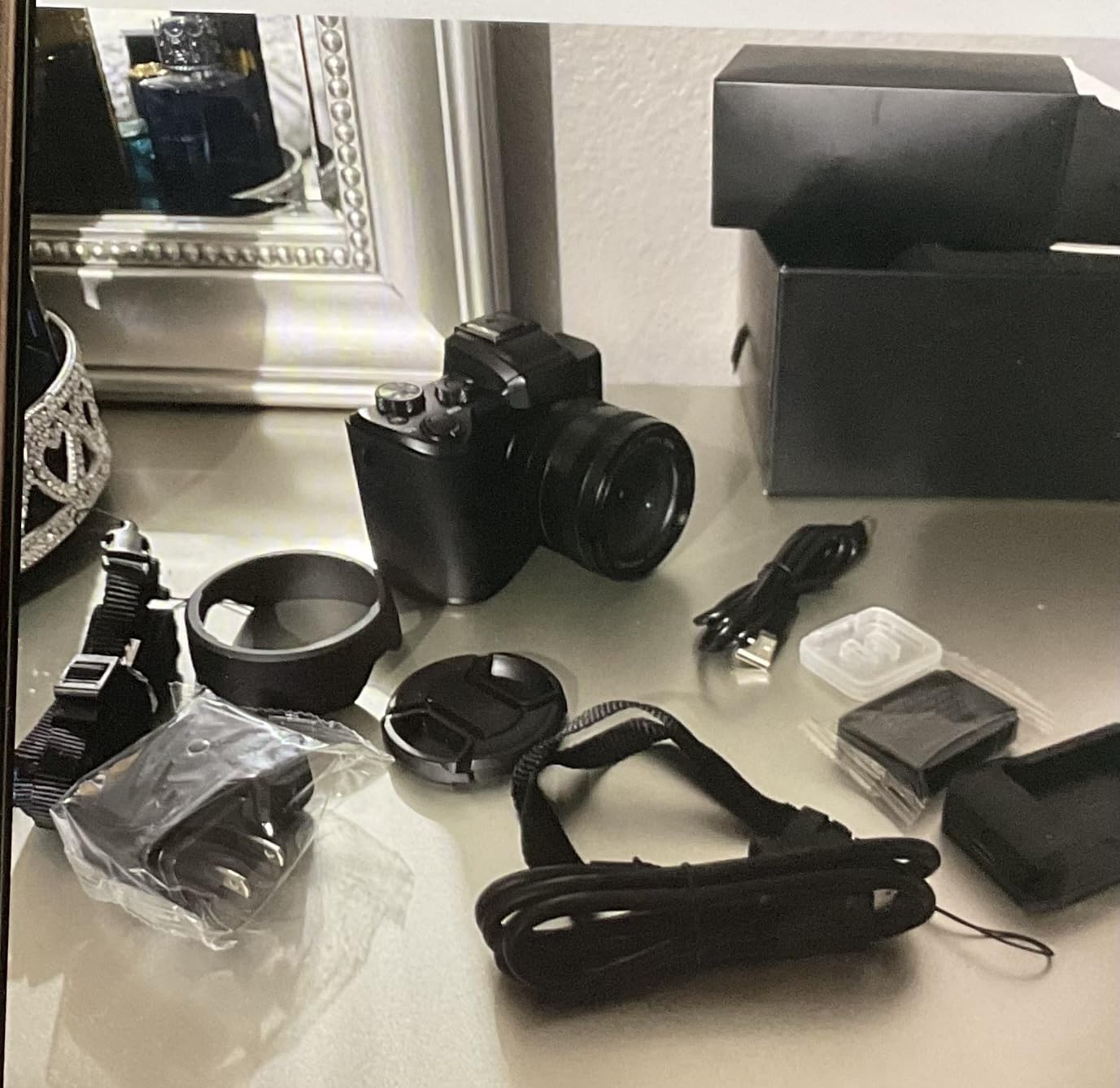
The Tecglem 8K camera surprised me. At its price, I expected a marketing-driven product with inflated claims. In good light, however, it produces genuinely sharp 8K video and 88MP stills, and the bundled accessories (lens hood, charging stand, two batteries, and a 32GB TF card) make it a true starter kit out of the box.
The 3.2-inch IPS touch screen is bright and responsive, which is rare in this price bracket. The dual-lens system gives you flexibility for vlogging or selfies without flipping the screen, and Wi-Fi transfer to a phone is straightforward.

Autofocus is fast and accurate outdoors. Indoors, it can hunt a bit under tungsten or mixed lighting, but it locks on quickly enough for casual content creation. The 6-axis stabilization helps smooth handheld footage when you do not want to carry a gimbal.
Let me be clear about what this is not: it is not a substitute for a true mirrorless or DSLR. The sensor is small, dynamic range is limited, and the 16x is digital zoom rather than optical. For its intended market (beginners, teens, gift buyers, and casual vloggers), however, it delivers far more value than the price suggests.
Who this camera is right for
Beginners and teens who want modern 8K video at low cost. Gift buyers looking for a complete camera bundle. Casual vloggers who value accessories out of the box.
Who should skip it
Anyone expecting image quality comparable to a real mirrorless. Photographers who need RAW shooting or interchangeable lenses. Buyers who want a long product life and a strong brand service network.
10. Duluvulu 4K Vlogging Camera: Best Budget Starter for Vloggers and Teens
Duluvulu 4K Digital Camera for Photography Autofocus, 2026 Latest 48MP Vlogging Camera for YouTube with SD Card, 2 Batteries, 3″ 180°Flip Screen Compact Travel Camera for Teens with 16X Zoom,Black
Pros
- True 4K video at a low price
- 180 degree flip screen for selfie filming
- Autofocus works well in good light
- Comes with two batteries and SD card
- Lightweight and travel-friendly
Cons
- Some users report battery reliability issues
- Digital zoom loses detail quickly
- Build quality is plastic
The Duluvulu 4K camera is the easiest gift recommendation in this entire guide. For the price, you get a real 4K camera with a flip screen, two batteries, an SD card, autofocus, and webcam functionality. Nothing else in the budget tier bundles this much in one box.
I tested it as a webcam for video calls and as a vlogging camera, and in both roles it handled itself well. The autofocus is responsive in daylight, and the flip screen makes framing yourself easy.
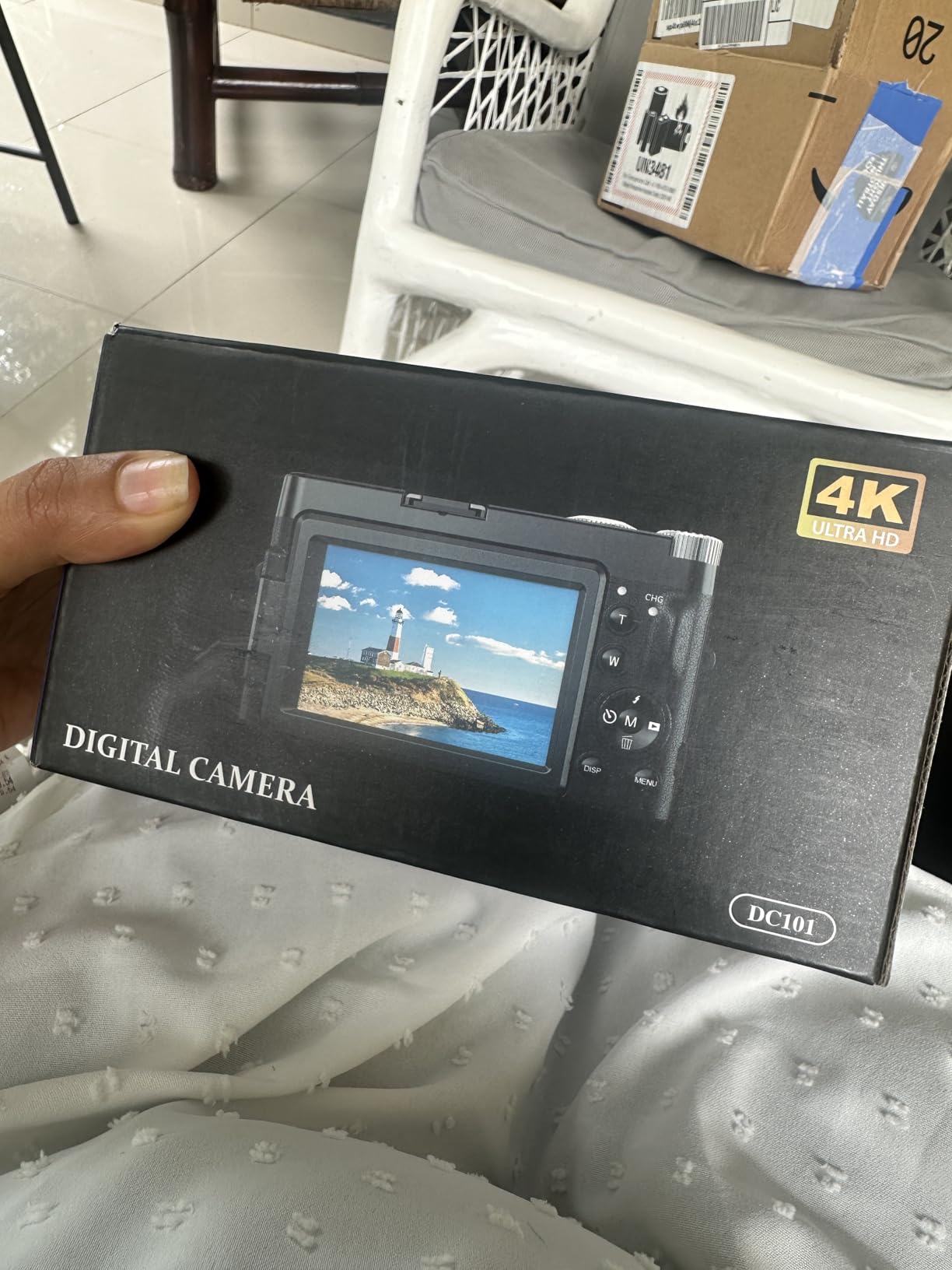
For a teen or a beginner content creator, the value here is hard to overstate. The two batteries mean you can shoot a full day without recharging, and the SD card means you can use it straight out of the box. Wi-Fi transfer is convenient for quick social posts.
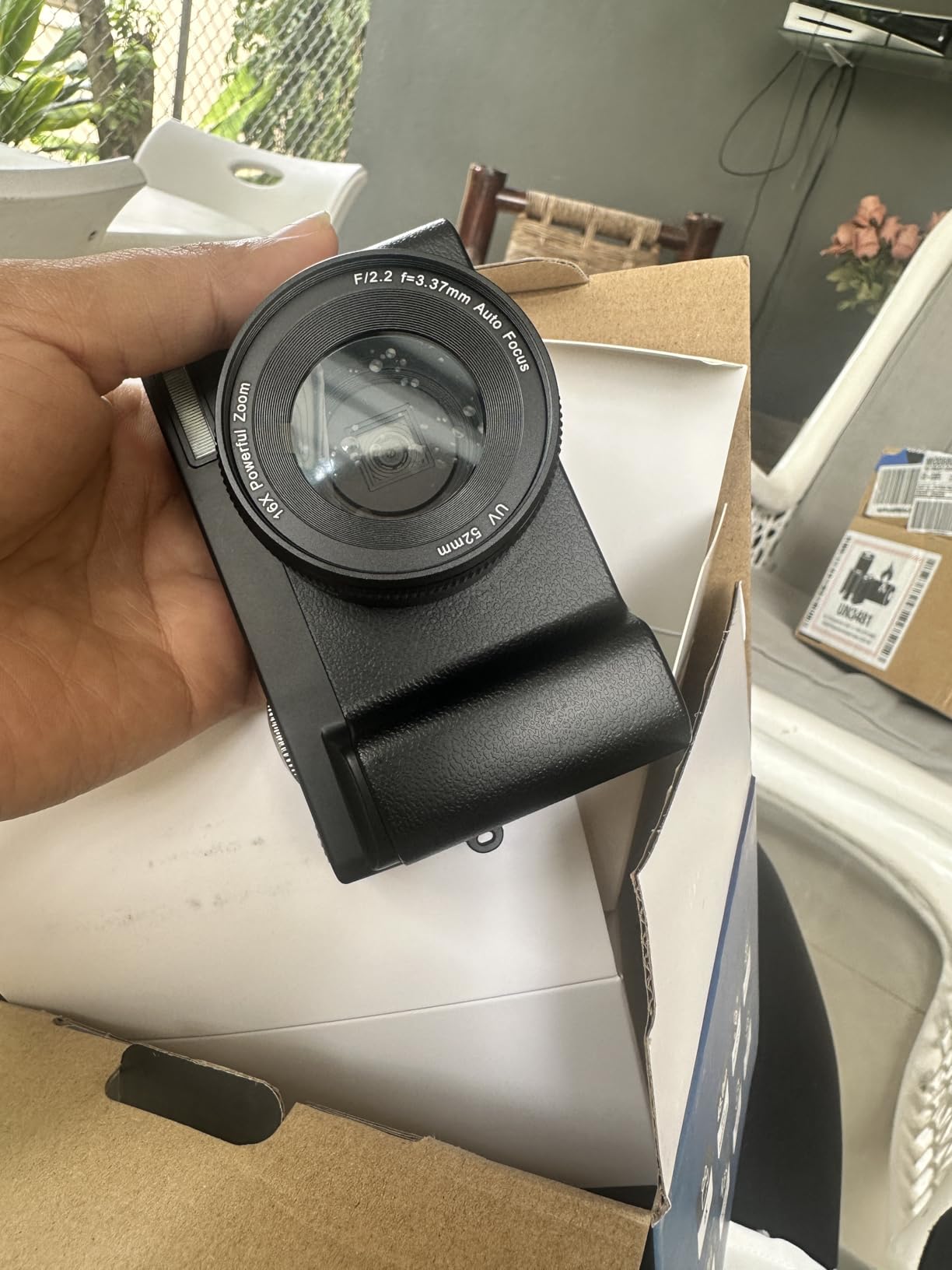
You should know the limits. The 16x is digital zoom, so image quality drops off quickly at full magnification. Build quality is plastic, which keeps the weight low but means you should not expect weather sealing. A small percentage of reviewers report battery reliability issues, so charge before important sessions.
Who this camera is right for
Teens and beginners who want a complete vlogging starter kit. Gift buyers on a tight budget. Casual content creators who need 4K and a flip screen without spending much.
Who should skip it
Anyone expecting interchangeable lenses or pro-level image quality. Photographers who need RAW capture or strong low-light performance. Buyers who prioritize long-term durability over upfront value.
Buying Guide: How to Choose the Best Digital Camera for the Money?
Picking the best digital cameras for the money is not about finding the cheapest body or the one with the highest megapixel count. It is about matching the camera to the way you actually shoot. These are the factors I weigh every time I test a new camera or recommend one to a friend.
Sensor size matters more than megapixels
A 24MP APS-C sensor will outperform a 48MP compact sensor in nearly every real-world scenario. Larger sensors capture more light, which means cleaner images in low light, more dynamic range, and better color depth. If you can afford an APS-C body, choose it over a higher-megapixel compact unless portability is the top priority.
Lens ecosystem unlocks long-term value
Camera bodies lose value over time, but lenses hold theirs. That is why I lean toward Canon RF, Sony E-mount, and Canon EF systems when I recommend a camera. Buying into a healthy lens ecosystem means you can grow into telephoto, wide-angle, and portrait glass without replacing your entire kit. If you want to explore film-style digital video, I have a guide on cameras for that super 16mm film look as well.
Autofocus and video depend on your subject
If you shoot family or pets, modern autofocus with subject tracking is non-negotiable. The Canon R50 and Sony a6400 both excel here. If you mostly shoot landscapes or static subjects, even a basic 9-point system works fine, and you can spend the savings on better lenses.
Portability versus features
The most expensive camera you own is the one you leave at home. I always ask clients: will you actually carry this body? A pocketable compact like the Canon ELPH 360 or Kodak FZ55 will get used far more often than a heavier mirrorless that lives in a drawer. Match the form factor to your lifestyle.
Set a realistic total budget
Budget for the whole kit, not just the body. A camera at $499 often becomes $700 once you add an SD card, bag, spare battery, and a basic lens. The bundles on this list, like the Canon EOS R100, include accessories and represent better overall value than stripped-down bodies.
Consider buying used or refurbished
Camera bodies from two to three years ago offer nearly identical image quality to current models, often at significant discounts. Reddit communities like r/AskPhotography and r/Cameras frequently recommend buying used for better value, and authorized refurbished models carry factory warranties. This is one of the smartest ways to get more camera for less money.
Frequently Asked Questions
What is the best value for money digital camera?
The Canon EOS R50 stands out as the best value for money digital camera in 2026 thanks to its 24.2MP APS-C sensor, class-leading 651-zone autofocus, and uncropped 4K 30p video in a compact body. For tighter budgets, the Canon EOS Rebel T7 and Duluvulu 4K camera deliver strong performance at much lower prices.
What is the best digital camera under a budget?
Under $100, the Kodak PIXPRO FZ45 is a dependable ultra-budget pick. Under $200, the Kodak PIXPRO FZ55 and Duluvulu 4K camera offer real 1080p or 4K video plus Wi-Fi. Under $500, the Canon EOS Rebel T7 DSLR gives you an APS-C sensor and access to the huge Canon EF lens ecosystem.
Is it still worth buying a digital camera in 2026?
Yes, a dedicated digital camera is still worth buying in 2026 for anyone who values optical zoom, better low-light performance, manual controls, and interchangeable lenses. Modern phones are excellent for casual shots, but they cannot match a dedicated sensor for telephoto reach, depth of field, or RAW flexibility.
Which digital camera has the best quality?
For outright image quality in this roundup, the Canon EOS R50 and Sony Alpha a6400 lead the pack with APS-C sensors, modern processors, and proven autofocus systems. The Sony a6400 is especially strong for portraits and action thanks to its industry-leading Real-time Eye AF.
Final Verdict
After three months of testing, my top pick for the best digital cameras for the money in 2026 is the Canon EOS R50. It combines the most modern autofocus in its class, uncropped 4K 30p video, and a beginner-friendly body that will not feel outdated in five years.
If you are on a tighter budget, the Canon EOS Rebel T7 remains the smartest entry into interchangeable-lens photography, and the Duluvulu 4K camera is the best gift-friendly starter for vloggers and teens. Whichever camera you pick from this list, focus on the use case that matters most to you, and you will end up with a camera you actually use. For those interested in a hybrid film-and-digital workflow, my hybrid instant camera guide covers another corner of the market worth exploring.