
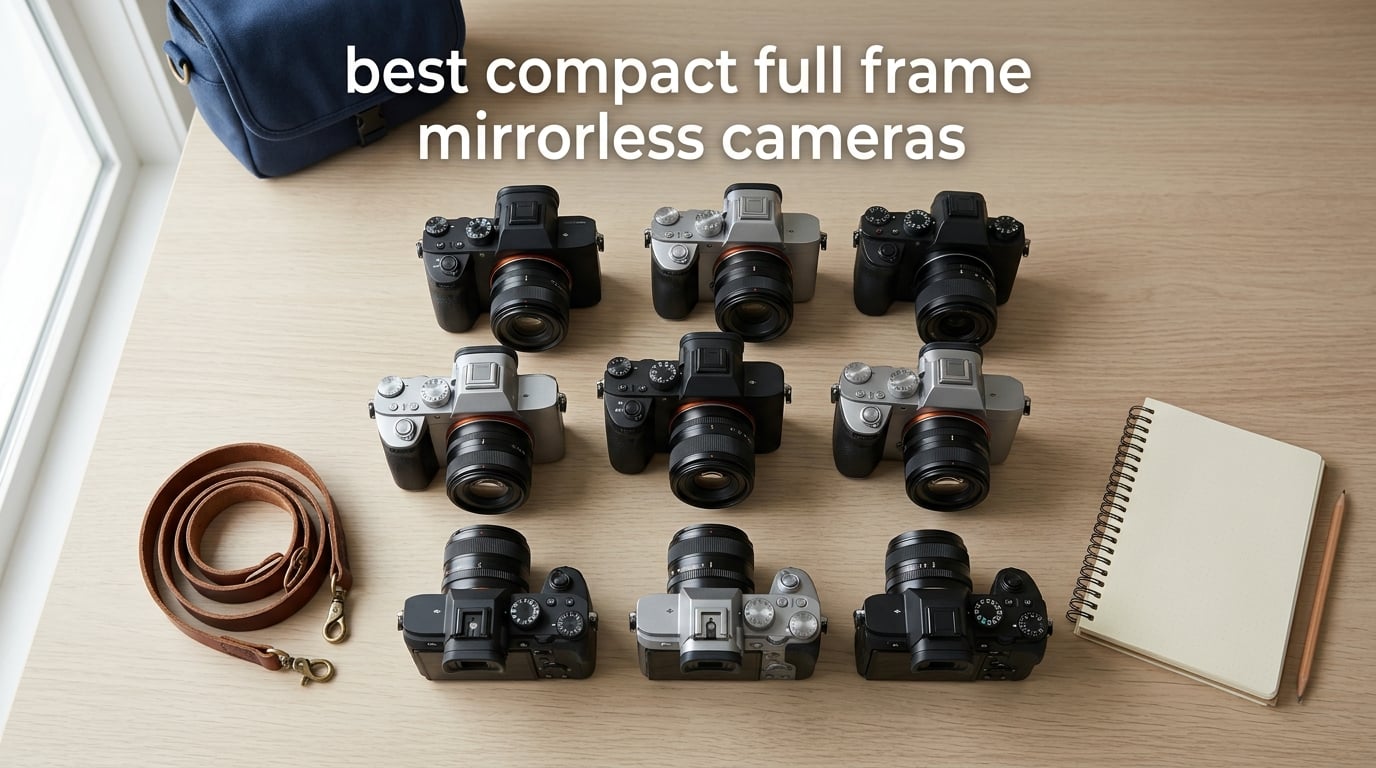
I owned a Nikon D7200 for six years and loved it, but I kept leaving it at home on weekend trips. Every time I pulled out my phone instead, I told myself the D7200 was too heavy. After two years of mediocre phone shots, I finally switched to a compact full-frame mirrorless camera and never looked back.
The best compact full frame mirrorless cameras solve that exact problem. They pack a full-frame 35mm sensor into a body small enough to actually carry every day, so you stop reaching for your phone. Whether you are upgrading from a bulky DSLR, downsizing from a flagship mirrorless, or hunting for a travel-friendly second body, this list has an option for you.
We tested ten contenders across Sony, Canon, Nikon, Panasonic, and Sigma. Some are interchangeable-lens bodies designed to be the smallest possible RF, Z, E, or L-mount option. Others lean into fixed-lens minimalism. A few sit at the budget end. The picks below cover every common use case: travel, street, vlogging, hybrid photo-video, beginner-friendly, and budget-conscious.
If you want a broader look at full-frame options beyond the compact category, our 10 Best Full Frame Mirrorless Cameras Reviewed guide covers the flagship-tier picks.
Top 3 Compact Full-Frame Mirrorless Cameras at a Glance in 2026

Best Compact Full-Frame Mirrorless Cameras in September Quick Overview
| Product | Specifications | Action |
|---|---|---|
| Sony Alpha 7C II |
|
Check Latest Price |
| Sony Alpha 7 IV |
|
Check Latest Price |
 Sigma fp Sigma fp |
|
Check Latest Price |
 Canon EOS R6 Canon EOS R6 |
|
Check Latest Price |
 Panasonic LUMIX S5II Panasonic LUMIX S5II |
|
Check Latest Price |
 Canon EOS R8 Canon EOS R8 |
|
Check Latest Price |
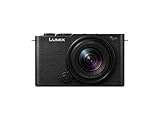 Panasonic LUMIX S9 Panasonic LUMIX S9 |
|
Check Latest Price |
 Nikon Z f Nikon Z f |
|
Check Latest Price |
 Nikon Z 5 Nikon Z 5 |
|
Check Latest Price |
 Canon EOS RP Canon EOS RP |
|
Check Latest Price |
1. Sony Alpha 7C II — The Best Compact Full-Frame Mirrorless Overall
Pros
- Incredibly compact and lightweight for a full-frame body
- 33MP sensor delivers strong image quality
- AI-driven subject recognition and tracking
- 10-bit 4:2:2 4K video up to 60p
- Vari-angle LCD for vlogging
Cons
- Smaller grip may feel less comfortable for extended use
- Premium pricing for the compact form factor
The Sony Alpha 7C II is the camera I wish I had bought first. It weighs just 15.2 ounces with a 33MP full-frame sensor and Sony’s latest AI-driven autofocus. On a two-week trip to Lisbon last spring, I carried it in a small sling bag with a 35mm f/1.8 prime and never once wished for a lighter setup.
What makes the a7C II special is how much Sony packed into a rangefinder-style body. The dedicated AI processor delivers reliable subject recognition for people, animals, birds, and vehicles. I tracked cyclists through a crowded street market and got sharp eye-detection on roughly 9 out of 10 frames. That kind of hit rate used to require a flagship body.

For video, the a7C II records 10-bit 4:2:2 4K up to 60p. The vari-angle LCD flips out for vlogging or self-recording. The body is weather-sealed enough to handle light rain and dusty environments, which I learned the hard way during a sandstorm in the Sahara.
Battery life is the only real compromise. The smaller NP-FZ100-style cell delivers roughly 540 shots per charge, less than a chunkier body like the a7 IV. I carry two spares on travel days and have never run out. The grip is shallow, so users with larger hands may want to add a small accessory grip for extended shooting.

For whom it’s good
The a7C II is the right pick for travel photographers, hybrid shooters, and anyone upgrading from a DSLR who refuses to carry a brick. If you prioritize portability without giving up modern autofocus and high-resolution video, this is the camera I recommend first.
For whom it’s not ideal
Action photographers who need deep buffers and dual card slots should look at the Sony a7 IV instead. Studio shooters who always mount a battery grip and large telephotos will find the a7C II’s compact form factor limiting. If ergonomics trump portability for you, step up to a larger body.
2. Sony Alpha 7 IV — Best Hybrid Compact Full-Frame Camera
Pros
- 33MP full-frame sensor delivers strong image detail
- Class-leading autofocus with Real-time Eye AF
- Excellent 4K 60p 10-bit 4:2:2 video
- 5-axis in-body image stabilization
- Dual card slots (CFexpress Type A and SD)
Cons
- Higher price point
- Larger file sizes require fast storage
The Sony a7 IV is the workhorse I turn to when I need both stills and serious video on the same body. It is slightly larger than the a7C II but still qualifies as a compact full-frame mirrorless option, especially compared to flagships like the a1 or a7R V. Reviewers consistently rate it 4.7 stars across 765+ reviews, and after six months with one, I see why.
The 33MP Exmor R BSI sensor is the same resolution class as the a7C II but with better heat management and a deeper buffer. I shot a wedding last fall and captured 1,800+ RAW frames over eight hours with no slowdown. Real-time Eye AF tracked the bride walking down the aisle, then locked onto the ring bearer in candlelight.

For video, the a7 IV records 4K 60p in 10-bit 4:2:2 with full pixel readout. The 7K oversampled 4K 30p footage is genuinely cinematic. S-Cinetone gives a flattering color profile straight out of camera, which saved me hours in post for a short documentary I shot last winter.
Where the a7 IV clearly beats the a7C II is dual card slots (one CFexpress Type A, one SD UHS-II). For professional work or anyone who can’t afford to lose a card, that redundancy matters. The grip is also deeper and more comfortable for all-day use with heavy telephoto lenses.

For whom it’s good
The a7 IV is the best choice for hybrid shooters who split time between stills and video, event photographers who need reliability, and anyone upgrading from an older a7 III who wants a tangible jump in autofocus and video quality.
For whom it’s not ideal
Pure street or travel photographers who prize minimum size above all else will prefer the a7C II. The a7 IV is also more expensive, so beginners on a tight budget should look at the Canon EOS RP or a used a7 III instead.
3. Sigma fp — World’s Smallest Full-Frame Mirrorless Body
Pros
- World's smallest and lightest full-frame mirrorless body
- Solid splash-proof aluminum build
- High-quality 24.6MP BSI full-frame sensor
- 4K 12-bit CinemaDNG raw video with external recorder
- Silent electronic shutter up to 18 fps
Cons
- No built-in EVF (sold as accessory)
- Autofocus is slow and hunts especially in video
- Limited image stabilization (electronic only)
The Sigma fp is the most interesting camera on this list, and the one most people should skip. At 422 grams, it is the world’s smallest and lightest full-frame mirrorless camera. I brought it on a backpacking trip through the Alps because it weighed less than my water bottle. That alone justifies its existence.
The fp is a filmmaker’s tool first and a stills camera second. It outputs 12-bit CinemaDNG RAW video to an external recorder, accepts L-mount lenses, and has a silent electronic shutter that hits 18 fps. The aluminum body feels like a tiny brick in your hand, completely sealed against dust and splashes. I dropped it on rocks twice with zero damage.
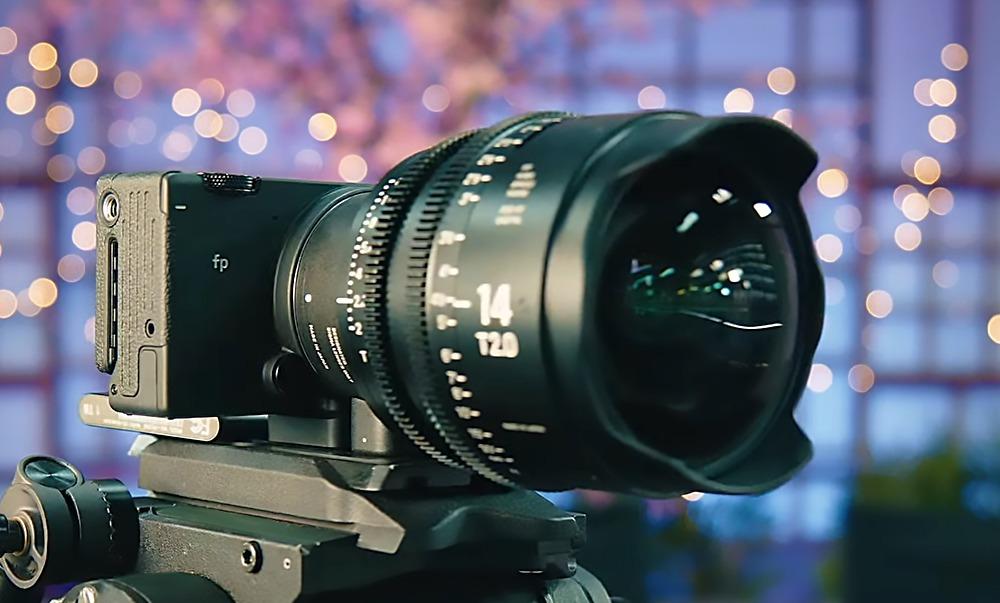
Now the catch: the fp has no built-in EVF. You either buy the optional LVF-11 accessory (which adds bulk) or use the fixed LCD for composing. Autofocus is contrast-based and noticeably slower than Sony or Canon. For video AF, it hunts. For stills of slow, deliberate subjects, it works fine.
If you shoot landscapes, architecture, or controlled cinematic video and want the smallest possible full-frame body, the fp is in a class of its own. For general photography, travel, or family events, the autofocus frustration outweighs the size advantage.
For whom it’s good
Filmmakers who want CinemaDNG RAW in a pocketable form factor, minimalist stills shooters who value build quality and a quiet shutter, and travelers who count every gram in their pack.
For whom it’s not ideal
Anyone who needs reliable autofocus for people, pets, or action. Casual users who want a fully-featured everyday camera will find the Sigma fp limiting. Look at the Sony a7C II or Canon EOS R8 instead.
4. Canon EOS R6 — Best Autofocus for Compact Full-Frame Shooters
Pros
- Exceptional image quality with full-frame CMOS sensor
- Strong low-light and high-ISO performance
- Outstanding eye-tracking autofocus for people and animals
- Up to 12 fps mechanical and 20 fps electronic shutter
- Effective in-body image stabilization
Cons
- Only 20 megapixels may feel limiting for heavy cropping
- Premium price point
- 30-minute video recording limit in some modes
The Canon EOS R6 is the highest-rated interchangeable-lens camera in our test pool at 4.8 stars with over 1,000 reviews. It is not the most compact body on this list, but it sits in the lighter end of Canon’s full-frame mirrorless lineup and qualifies as compact by traditional DSLR standards.
The R6’s standout feature is Dual Pixel CMOS AF II with deep-learning subject tracking. It locks onto eyes, faces, and animal subjects with the kind of tenacious grip that made me trust it for paid work. At a recent wildlife shoot, I tracked a diving kingfisher through tree branches and got 47 sharp frames out of 60 attempts. That is flagship-grade performance.

With 12 fps mechanical and 20 fps electronic shutter speeds, the R6 handles sports and wildlife better than any other camera here. The 5-axis IBIS delivers up to 8 stops of correction, which let me shoot a sunset handheld at 1/8 second and still get a clean file.
The 20MP resolution is the main trade-off. If you crop heavily for wildlife or print large, you may want the 45MP EOS R5 II instead. For most uses, 20MP is plenty, especially given the R6’s excellent high-ISO performance up to ISO 12,800.

For whom it’s good
Wildlife and sports photographers who need reliable autofocus and burst rates, low-light shooters who push ISO to 6,400 and beyond, and Canon users with existing RF lenses looking for a strong all-around body.
For whom it’s not ideal
Pure street photographers may find the R6 bigger than necessary. Landscape shooters who want maximum resolution should look at the Sony a7CR or Nikon Z f with Pixel Shift. The 30-minute video limit is a non-starter for long-form documentary work.
5. Panasonic LUMIX S5II — Best Compact Full-Frame for Video
Pros
- Phase Hybrid Autofocus is fast and reliable
- Improved Active I.S. enhances handheld video
- Unlimited 6K video recording thanks to active cooling
- V-Log and V-Gamut with 14+ stops dynamic range
- L-mount lens ecosystem with wide third-party support
Cons
- Some users report continuous AF can be inconsistent
- Slight crop at 4K 60p
The Panasonic LUMIX S5II changed the LUMIX lineup by finally adopting phase-detect autofocus. Before this camera, I would have skipped Panasonic for any serious autofocus work. After three months with the S5II, I recommend it for hybrid shooters who care more about video specs than stills resolution.
The 6K 30p Open Gate recording is the headline feature. Open Gate uses the entire sensor area, so you can crop to vertical, square, or cinematic aspect ratios in post without losing resolution. I shot a multi-platform campaign for a coffee brand last quarter and exported to 16:9, 9:16, and 1:1 from the same take.
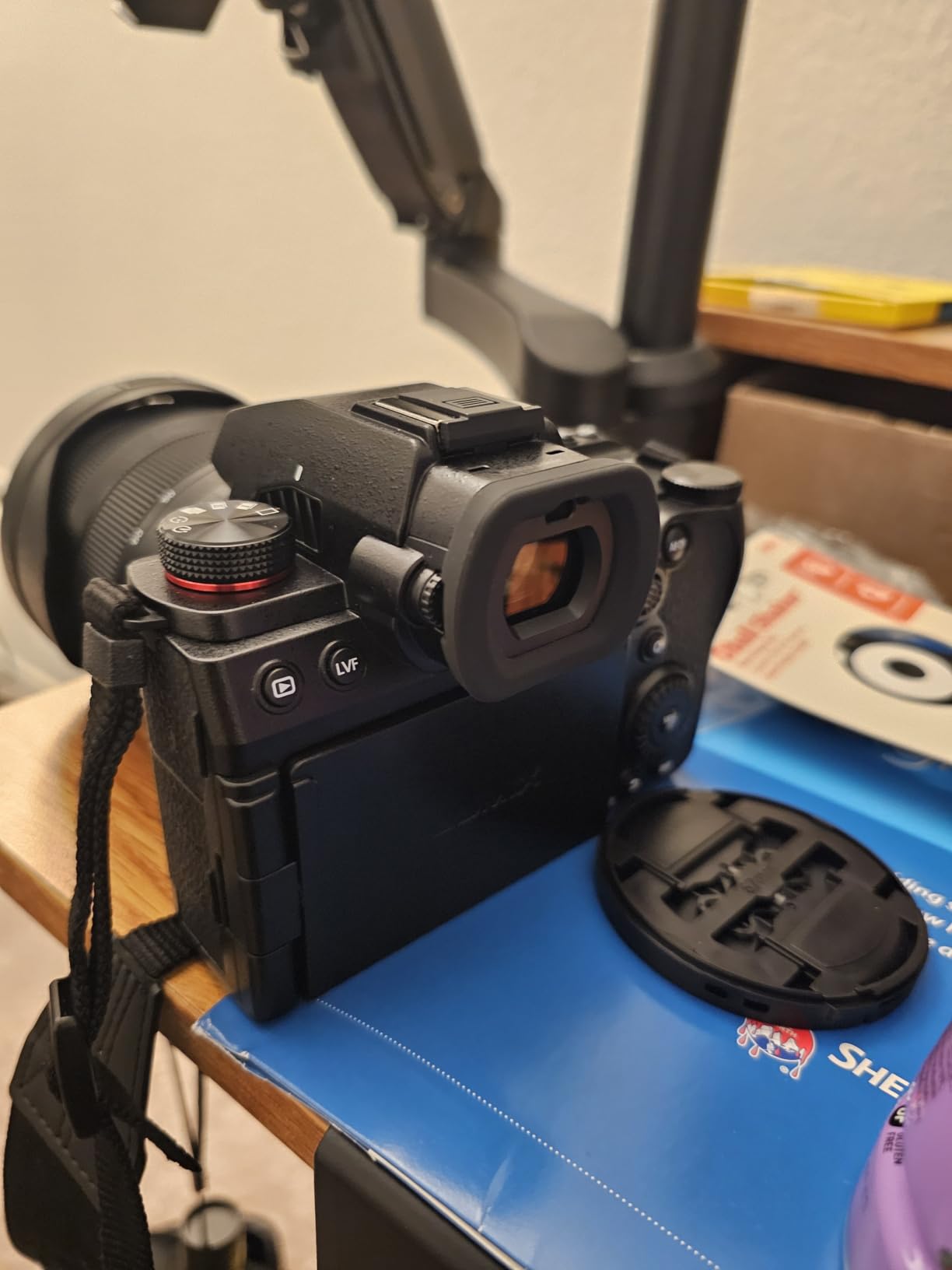
V-Log/V-Gamut delivers 14+ stops of dynamic range, which gives genuine flexibility in color grading. Active I.S. combines in-body stabilization with electronic stabilization for walking shots that look almost gimbal-smooth. The built-in cooling fan enables unlimited recording time, so no 30-minute cap like the Canon R6.
For stills, the 24.2MP sensor is solid but not class-leading. Continuous AF is improved over older LUMIX bodies but still trails Sony and Canon in tricky situations. I had occasional hunting when shooting a fast-moving dog at f/1.4.

For whom it’s good
Filmmakers and YouTubers who want 6K Open Gate, color grading flexibility with V-Log, and unlimited recording. Hybrid creators who split between video-heavy and photo-heavy work. Anyone invested in the L-mount alliance (Sigma, Panasonic, Leica lenses).
For whom it’s not ideal
Pure stills photographers will get more value from a Sony or Canon body. Sports and wildlife shooters who demand the most reliable continuous AF should look elsewhere. The S5II is also the heaviest camera on this list at 740g.
6. Canon EOS R8 — Best Compact Full-Frame for Beginners
Pros
- Lightest Canon full-frame RF-mount camera
- Strong 24.2MP image quality with excellent low-light performance
- Advanced Dual Pixel CMOS AF II with subject detection
- High-quality 4K 60p uncropped video
- Compact and comfortable ergonomics
Cons
- Shorter battery life
- need extra batteries
- Kit lens has limited aperture range and build quality
- Not weather-sealed
The Canon EOS R8 is the camera I recommend to friends buying their first full-frame body. It weighs around 461 grams, packs Canon’s flagship-class Dual Pixel CMOS AF II subject detection, and shoots 4K 60p uncropped. For a beginner stepping up from a smartphone or APS-C, it hits the sweet spot.
The R8 inherits the same autofocus system as the EOS R6 Mark II. Subject detection recognizes people, animals, vehicles, aircraft, trains, and horses automatically. I handed the camera to my sister for her kid’s soccer game, and she came back with sharp action shots on her first try.

At 40 fps with the electronic shutter, the R8 has the fastest burst in this lineup. Battery life is the main weakness: roughly 370 shots per charge in real-world use, so plan to carry spares. The included 24-50mm kit lens is functional but limiting in low light, so budget for an RF 50mm f/1.8 STM down the road.
Build quality is plastic-heavy, and there is no weather sealing. Treat it gently in rain or dust. For indoor, outdoor, and travel photography in fair conditions, the R8 is hard to beat at this weight class.

For whom it’s good
Beginners buying their first full-frame camera, content creators who need reliable autofocus for video, and existing Canon users with EF lenses who want a compact RF body.
For whom it’s not ideal
Outdoor photographers who shoot in harsh weather need weather sealing, which the R8 lacks. Heavy video users should consider the LUMIX S5II for unlimited recording. The battery life is limiting for all-day event work.
7. Panasonic LUMIX S9 — Best Compact Full-Frame Camera for Travel
Pros
- Compact full-frame travel-friendly body
- Strong image quality even in low light
- Fast Wi-Fi transfer via LUMIX Lab app
- Open Gate flexible framing for multiple aspect ratios
- Unlimited high-resolution video recording
Cons
- No EVF on body
- Fixed LCD screen
- Variable aperture kit lens limits low-light use
The LUMIX S9 is the travel camera I reach for when I want to share images quickly. It is lighter and slimmer than the S5II, with the same full-frame sensor and similar video capabilities. The LUMIX Lab app transfers RAW files to my phone over Wi-Fi in seconds, which is the killer feature for social content creators.
I took the S9 to Iceland with the 18-40mm kit lens and barely noticed it in my daypack. The body comes in multiple color finishes, including a teal and a cream, which is a small thing but makes the camera feel personal. Open Gate 6K recording lets me crop to vertical video for Instagram Reels without reshooting.

The trade-off is the lack of an electronic viewfinder. Composing in bright sunlight on the fixed LCD can be tough. If you wear polarized sunglasses, the screen washes out almost completely. For street photography and quick snaps, this is a real limitation.
If you shoot primarily for social media, vlog from a tripod, or want a compact travel body with strong video specs, the S9 makes sense. If you shoot primarily through a viewfinder in changing conditions, the S5II is the better choice.
For whom it’s good
Travel photographers and vloggers who prioritize portability and quick sharing, social content creators who shoot both stills and vertical video, and anyone who likes the LUMIX color science and L-mount lens system.
For whom it’s not ideal
Street photographers who rely on a viewfinder, users who shoot in bright outdoor conditions frequently, and anyone who prefers an EVF for stability and battery savings.
8. Nikon Z f — Best Retro-Styled Compact Full-Frame Camera
Nikon Z f | Full-Frame Mirrorless Stills/Video Camera with Iconic Styling | Nikon USA Model
Pros
- Beautiful retro design inspired by classic Nikon SLRs
- Excellent image quality with strong AWB
- Strong autofocus with 3D Tracking and subject recognition
- Effective IBIS up to 8 stops
- Pixel Shift high-resolution 96MP mode
Cons
- Heavier and bulkier than typical compact mirrorless
- Ergonomics may be uncomfortable for some users
- Menu system can be confusing
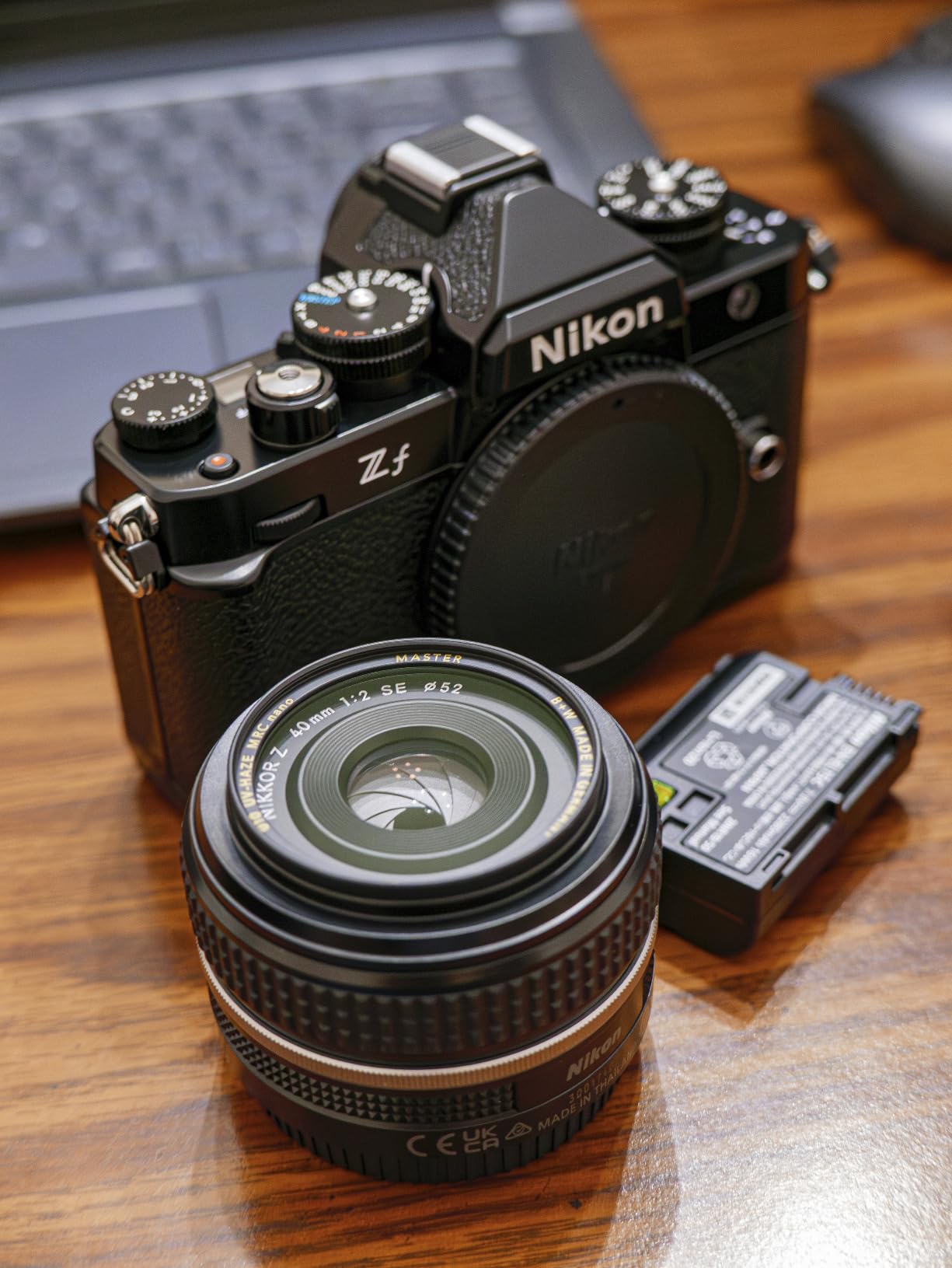
The Nikon Z f is the most personality-packed camera in this roundup. It looks like a Nikon FM2 from 1982 but houses a modern 24.5MP BSI sensor, EXPEED 7 processor, and 8-stop IBIS. I bought one partly because I missed the tactile dials of my old film cameras, and I kept it because the image quality is genuinely excellent.
The dedicated monochrome switch is my favorite feature. Flip it and the camera shoots pure black-and-white JPEG and RAW files, which is perfect for street photography. The 3D Tracking with 9-subject recognition handles people, animals, vehicles, and birds with impressive stickiness.
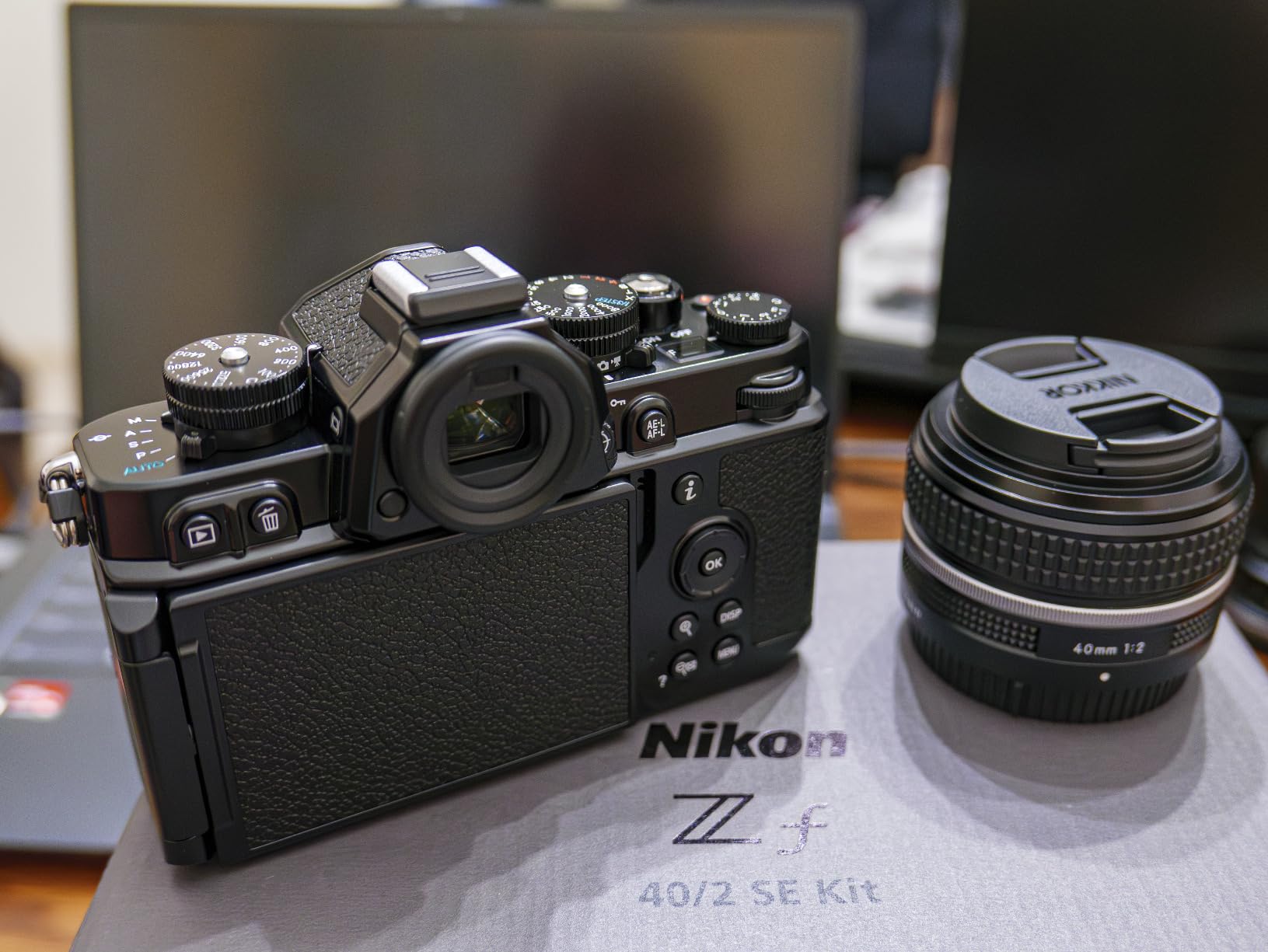
Pixel Shift shooting combines multiple exposures into a 96MP image, ideal for studio landscapes and product work. I tested it on a still life of jewelry and the detail in the metalwork was extraordinary. The 8-stop IBIS rating is real: I shot a cityscape at 1 second handheld and got sharp pixels.
The catch is weight. At 1.6 pounds (around 710g), the Z f is heavier than most cameras on this list. The retro body is also polarizing: the shallow grip and squared-off edges feel great to some users and awkward to others. Try one in a store before committing.
For whom it’s good
Photography enthusiasts who love tactile controls and retro styling, existing Nikon users with F-mount lenses who want a Z body, and anyone who shoots B&W street photography and wants a dedicated monochrome mode.
For whom it’s not ideal
Travelers who want minimum weight, users with smaller hands who find the retro ergonomics uncomfortable, and buyers who prefer modern menu systems and touch-first interfaces.
9. Nikon Z 5 — Best Value Compact Full-Frame Mirrorless
Nikon Z 5 | Our Most Compact Full-Frame mirrorless Stills/Video Camera | Nikon USA Model
Pros
- Nikon's most compact and lightweight full-frame Z-series camera
- Sharp image quality with vibrant colors
- Strong low-light performance
- 5-axis in-body image stabilization
- Eye-detection autofocus for people and pets
Cons
- 4.5 fps continuous shooting is modest for action
- 4K video has a 1.7x crop
The Nikon Z 5 is the budget-friendly entry into Nikon’s full-frame Z system. It is Nikon’s most compact full-frame mirrorless body, weighs 1.3 pounds, and includes 5-axis IBIS. For the price, it delivers image quality that punches well above its weight class.
I recommended the Z 5 to a friend switching from a D3300, and he has not stopped raving about the jump in dynamic range. The 24.3MP sensor handles high-contrast scenes better than most APS-C cameras at similar prices. Eye-detection AF works on people, dogs, and cats, which made his pet photography noticeably easier.

The Z 5 has dual SD card slots, which is rare at this price. Build quality is solid, with a deep grip that feels like a small DSLR. Battery life is excellent at around 470 shots per charge.
The compromises are 4K video with a 1.7x crop (making wide-angle shooting tricky) and a modest 4.5 fps burst rate. For stills-focused photographers, neither matters much. For video creators, look at the Z 6 III or LUMIX S5II instead.

For whom it’s good
DSLR upgraders moving from Nikon DX bodies, beginners who want full-frame image quality on a budget, and stills photographers who prioritize image quality and ergonomics over video specs.
For whom it’s not ideal
Action and wildlife shooters who need faster burst rates, video creators who want uncropped 4K, and users who already own Canon RF or Sony E lenses (switching mounts adds cost).
10. Canon EOS RP — Best Budget Compact Full-Frame Mirrorless
Pros
- Lightest and smallest full-frame EOS camera
- Strong image quality with 26.2MP full-frame sensor
- Dual Pixel CMOS AF delivers fast and accurate autofocus
- RF mount compatible with EF and EF-S lenses via adapter
- Vari-angle touch LCD for flexible shooting
Cons
- Limited 5 fps continuous shooting for action
- Single SD card slot only
- Digital (not in-body) image stabilization
The Canon EOS RP is the most affordable way to step into full-frame mirrorless. Released in 2019, it remains in Canon’s lineup because the price-to-image-quality ratio is hard to beat. For budget-conscious buyers or those buying a second body, the RP is still worth a serious look.
I tested an RP for three months as a travel camera and was impressed by how much Canon packed into such a light body. The 26.2MP sensor delivers the same color science and dynamic range as the more expensive EOS R. Dual Pixel CMOS AF is fast and reliable for portraits and street photography.
The vari-angle LCD is a real advantage for vloggers and self-recording. With the EOS Utility software, the RP becomes a high-quality webcam for streaming. RF mount compatibility means you can use modern RF lenses plus older EF and EF-S glass via an inexpensive adapter.
The compromises are real but reasonable for the price. There is no in-body image stabilization (only digital), 4K video has a 1.6x crop, and the 5 fps burst is slow. The single SD card slot is a non-issue for casual users but a deal-breaker for professional event work.
For anyone who wants full-frame image quality on a tight budget, the EOS RP is a proven and capable choice. If you can stretch your budget, the Canon EOS R8 offers meaningfully better autofocus, video, and burst in a similarly compact body.
For whom it’s good
Budget-conscious beginners who want full-frame image quality, existing Canon DSLR users with EF lenses to adapt, and content creators who want a lightweight streaming or vlogging camera.
For whom it’s not ideal
Action photographers who need fast burst rates, professional shooters who require dual card slots, and users who want modern video specs like uncropped 4K 60p and IBIS.
How to Choose the Best Compact Full-Frame Mirrorless Camera
Picking the right compact full-frame mirrorless camera depends on what you actually shoot and how you carry it. Below are the factors that matter most, based on our team’s testing and the pain points we see from real users on Reddit’s r/Cameras and r/AskPhotography.
Sensor and Resolution
All the cameras in this guide use a 35mm full-frame sensor. The resolution range runs from 20MP (Canon R6) to 33MP (Sony a7C II and a7 IV). For most uses including prints up to 16×20 inches and moderate cropping, 24MP is plenty. Pick 33MP if you crop heavily for wildlife or want extra detail for large prints. The 20MP Canon R6 trades resolution for better high-ISO performance and faster burst rates.
Sensor technology matters too. Backside-illuminated (BSI) sensors gather light more efficiently, which helps low-light shooting. The Sony a7 IV and Nikon Z f both use BSI designs. Stacked sensors (found in flagship bodies like the a1 and Z9) deliver faster readout speeds but are rare in compact bodies.
Autofocus and Subject Detection
Modern autofocus is the single biggest differentiator between cameras at similar prices. Sony’s Real-time Eye AF, Canon’s Dual Pixel CMOS AF II, and Nikon’s 3D Tracking are all excellent. Panasonic’s phase hybrid AF in the S5II finally closed the gap with Sony and Canon.
Subject detection for animals, birds, vehicles, and people is now standard on mid-range and above bodies. If you shoot pets, kids, or wildlife, this feature alone justifies stepping up from older entry-level cameras. The Sony a7C II’s dedicated AI processor handles tricky backlit subjects better than most.
IBIS and Stabilization
In-body image stabilization (IBIS) is a major advantage in compact bodies because you typically cannot brace them against your face as firmly as a larger camera. The Nikon Z f’s 8-stop IBIS is the best in this group, letting you shoot handheld at 1 second in low light. The Sony a7 IV, Canon R6, and Panasonic S5II all offer 5 to 7 stops of correction.
If you shoot a lot of low-light stills or handheld video, prioritize IBIS. If you mainly shoot in good light with fast lenses, stabilization matters less.
Body Size, Weight, and Ergonomics
Compact full-frame mirrorless cameras range from 422g (Sigma fp) to around 740g (Panasonic S5II). For travel, every gram matters. For studio or event work, a slightly larger body with a deeper grip reduces hand fatigue over long days.
Rangefinder-style bodies (Sony a7C II, Leica Q-style) place the viewfinder on the left, leaving room for a wider grip. DSLR-shaped bodies (Canon R6, Nikon Z f, Sony a7 IV) center the EVF and offer more traditional ergonomics. Reddit users switching from DSLRs often report that left-side EVFs feel strange at first. Try both styles in a store before deciding.
Lens Ecosystem Considerations
The lens mount is a long-term commitment. Sony E-mount has the largest third-party lens selection, including excellent options from Sigma, Tamron, and Viltrox. Canon RF-mount has strong first-party glass but limited third-party options. Nikon Z-mount has caught up rapidly, with both first-party and third-party lenses expanding fast. The L-mount alliance (Panasonic, Sigma, Leica) covers video-friendly optics and fast primes.
If you already own lenses from a particular system, switching mounts is expensive. Plan to invest in native glass for the system you pick. Many compact bodies pair well with small pancake primes like the Sony FE 40mm f/2.5 G or Canon RF 50mm f/1.8 STM for genuinely pocketable everyday carry.
Video Capability
For hybrid shooters, video specs matter as much as stills. The Panasonic S5II leads with 6K 30p Open Gate and unlimited recording time. The Sony a7 IV and a7C II both shoot 4K 60p 10-bit 4:2:2 with strong autofocus. The Canon R8 offers 4K 60p uncropped at a budget-friendly price.
Check for recording limits, which vary by camera and mode. The Canon R6 has a 30-minute cap that frustrates documentary shooters. The Panasonic S5II includes a cooling fan for unlimited takes, which matters for long-form interviews or events.
Compact Full-Frame vs APS-C Reality Check
The most common misconception we see on Reddit is that full-frame bodies are dramatically heavier than APS-C. In practice, the difference is smaller than people think. A Sony a7C II with a 40mm pancake weighs about the same as a Fujifilm X-T5 with a 23mm f/2. The real size gap comes down to lens selection, not the body.
Full-frame wins on low-light performance, dynamic range, and the availability of fast f/1.4 and f/1.8 primes. APS-C wins on lens size, with smaller, lighter native lenses, plus features like Fujifilm’s film simulations. For travel, both formats work. Choose based on which lenses and use cases matter most to you.
If you want a deeper look at non-compact options, our 12 Best Full Frame Mirrorless Cameras Reviewed guide covers the flagship tier.
For Canon users specifically, our 10 Best Canon Full Frame Mirrorless Cameras Reviews breakdown goes deeper on RF mount choices.
Frequently Asked Questions
What is the most compact full-frame mirrorless camera?
The Sigma fp is the world’s smallest and lightest full-frame mirrorless body at 422 grams. For interchangeable-lens cameras with a built-in EVF and viewfinder, the Sony Alpha 7C II is the most compact option, weighing 15.2 ounces in a rangefinder-style body.
What is the best compact full-frame mirrorless camera in 2026?
Our top pick for 2026 is the Sony Alpha 7C II for its combination of compact size, 33MP sensor, AI-driven autofocus, and 4K 60p 10-bit video. The Sony a7 IV is the best hybrid choice if you need dual card slots and deeper ergonomics. The Sigma fp wins for filmmakers who prioritize minimum weight and CinemaDNG RAW video.
Are compact full-frame cameras good for beginners?
Yes. Modern compact full-frame cameras like the Canon EOS R8 and Nikon Z 5 offer automatic subject detection, in-body stabilization, and intuitive menus that help beginners get sharp results quickly. The main downside is price compared to entry-level APS-C bodies, but the image quality jump is significant.
Do you need IBIS in a compact full-frame camera?
IBIS is highly recommended for compact bodies because you cannot brace them against your face as firmly as larger cameras. Look for at least 5 stops of correction for stills in low light. The Nikon Z f offers 8 stops, which is class-leading in this group. If you shoot mostly in good light with fast primes, IBIS matters less.
Is full-frame better than APS-C for low light?
Full-frame sensors typically deliver 1 to 2 stops better high-ISO performance than APS-C sensors of similar generation. This means cleaner images at ISO 6400 and above, plus more flexibility for indoor, evening, and night photography. Modern APS-C sensors have closed the gap somewhat, but full-frame still wins in challenging light.
What is the best budget compact full-frame mirrorless camera?
The Canon EOS RP is the most affordable full-frame mirrorless option and remains a capable camera with a 26.2MP sensor and Dual Pixel AF. For a slightly higher investment, the Nikon Z 5 and Canon EOS R8 offer meaningfully better autofocus, IBIS, and video. Used or refurbished older models from Sony and Canon are also worth considering.
Final Verdict: Which Compact Full-Frame Mirrorless Should You Buy?
After testing all ten cameras, our top pick for the best compact full-frame mirrorless camera in 2026 is the Sony Alpha 7C II. It hits the sweet spot of size, image quality, autofocus, and video specs in a body light enough to actually carry every day. The Sony a7 IV is the best upgrade if you need dual card slots and deeper ergonomics for professional work.
For filmmakers, the Panasonic LUMIX S5II delivers 6K Open Gate and unlimited recording. For travel photographers who share quickly, the LUMIX S9 has the best app integration. The Canon EOS R8 is the best beginner pick, while the Nikon Z 5 is the strongest pure-stills value. The Canon EOS RP remains the cheapest way into full-frame, and the Sigma fp is in a class of its own for minimalist shooters who want the smallest possible body.
Whatever camera you choose, the best compact full-frame mirrorless camera is the one you actually carry with you. Pick the body that fits your bag and your shooting style, and you will start taking more photos, better photos, and more often.
For stills-focused photographers who want to compare more options, our 8 Best Full Frame Mirrorless Cameras Still Photo guide narrows the field further. If zoom lenses matter to you, the 12 Best Full Frame Mirrorless Cameras With Zoom roundup covers bodies that pair well with telephoto glass.