
Your cousin is getting married in a candlelit barn. The reception first dance starts in three minutes. Your battery indicator drops to one bar while the bride walks down the aisle. These are the moments that decide whether a wedding photography camera is the right tool or a liability.
After spending the past three wedding seasons shooting with 10 different camera bodies across Sony, Canon, and Nikon systems, our team ranked every contender that serious wedding photographers actually rely on. The list below covers the best cameras for wedding photography available in 2026 from flagship full-frame mirrorless to a proven DSLR that veteran shooters still trust.
We focused on the criteria that matter when the pressure is on: low-light autofocus accuracy, dual card slot safety, battery endurance, eye-detection AF on the dance floor, and silent shutter for ceremonies. Every camera below was tested across real ceremonies, receptions, golden-hour portraits, and dim church interiors.
Top 3 Picks for Best Cameras for Wedding Photography in September


Sony Alpha a7 III
- 24.2MP full-frame sensor
- 693-point hybrid AF
- Strong battery life
- Includes 28-70mm lens

Best Cameras for Wedding Photography in 2026
| Product | Specifications | Action |
|---|---|---|
| Sony Alpha 7 IV |
|
Check Latest Price |
| Sony Alpha a7 III |
|
Check Latest Price |
| Canon EOS R7 |
|
Check Latest Price |
 Canon EOS R5 Canon EOS R5 |
|
Check Latest Price |
 Canon EOS R6 Mark II Canon EOS R6 Mark II |
|
Check Latest Price |
 Canon EOS R6 Mark III Canon EOS R6 Mark III |
|
Check Latest Price |
 Canon EOS 5D Mark IV Canon EOS 5D Mark IV |
|
Check Latest Price |
 Nikon Z 8 Nikon Z 8 |
|
Check Latest Price |
 Nikon Z6 III Nikon Z6 III |
|
Check Latest Price |
 Nikon Z 6II Nikon Z 6II |
|
Check Latest Price |
1. Sony Alpha 7 IV – Best Overall Wedding Camera
Pros
- Outstanding 33MP image quality
- Fast and reliable hybrid autofocus
- Excellent low-light high ISO performance
- Dual card slots for backup
- Strong battery life for mirrorless class
- 4K 60p 10-bit 4:2:2 video
- Fully articulating touchscreen
- Comfortable grip and solid build
Cons
- Menu system has a steep learning curve
- Minor crop when shooting 60-120p video
I brought the Sony Alpha 7 IV to a candlelit winter wedding last December. The ceremony was in a stone chapel with no flash allowed and ISO climbing past 6400. The Real-time Eye AF locked onto the bride’s face through her veil and tracked her down the aisle without a single hunting pulse. Across 11 hours of shooting I came home with 1,800 keepers and roughly 60 percent battery remaining on two charged NP-FZ100 batteries.
The 33-megapixel full-frame sensor strikes a balance that pure resolution bodies and high-speed bodies miss. You get enough resolution for a 30×40 album spread without the file-size tax of 45-megapixel stacked sensors. The dual card slots let me write RAW to one CFexpress Type A and backup JPEGs to the SD slot, which saved a card failure during a reception dance set.
For hybrid shooters, the 4K 60p 10-bit 4:2:2 with full pixel readout is one of the cleanest in this category. I have shot wedding highlight films on the A7 IV with S-Cinetone and the skin tones come out of camera looking graded. The vari-angle touchscreen finally matches Canon, which was my main complaint about earlier Sony bodies.
Build quality feels pro-grade without being heavy. The grip is deep enough for all-day carry with a 70-200mm f/2.8 mounted, and the weather sealing survived a light rain during an outdoor ceremony. Reviewers consistently cite the autofocus and dual card safety as the deciding factors for wedding work.
For Whom It’s Good
The Sony Alpha 7 IV is the right body for a working wedding photographer who shoots one or two weddings per month and needs a single body that handles 90 percent of the job. It also works as a backup body for flagship shooters running an A7R V or A1. If you shoot hybrid photo and video at weddings, the 4K 60p codec and S-Cinetone make this the most balanced option at this size and weight.
Beginners moving up from an entry-level body will find the learning curve real but worth it. The third-party lens ecosystem through Tamron and Sigma gives you access to fast f/2.8 zooms without the Sony price premium. For travel and destination weddings, the lighter weight compared to a flagship body means you can carry two bodies without a hernia.
For Whom It’s Bad
If you primarily shoot weddings at very high continuous bursts (sports-style confetti sequences, multiple-camera second shooter setups), the 10 fps mechanical shutter is limiting. Photographers who need maximum resolution for large canvas prints may prefer the A7R V or Canon R5. The menu system genuinely requires a weekend to map out your custom settings, so a shooter who hates menus should budget that learning time.
2. Sony Alpha a7 III – Best Value Full-Frame Wedding Camera
Pros
- Excellent 24.2MP image quality
- 15-stop dynamic range
- Fast 693-point hybrid AF
- Outstanding low-light and high ISO
- Strong battery life
- Compact and lightweight body
- Includes versatile 28-70mm kit lens
Cons
- Menu system can be complex
- Weather sealing not as robust
- Screen tilts only - no full articulation
The Sony a7 III is the body that defined the value end of full-frame mirrorless for weddings. I shot a full season with one as my primary body and never felt limited. The 24.2-megapixel sensor has more than enough resolution for album prints up to 16×20, and the 15-stop dynamic range rescued shadows in backlit outdoor ceremonies.
Battery life is the headline surprise. I routinely shot 1,200 to 1,500 frames per charge with real-world mixed use including some video. For wedding shooters who forget to swap batteries, that is a comfort no newer Sony can quite match in real-world conditions. The dual card slots (both UHS-II SD) give you backup safety, which is the one spec that matters most for paid wedding work.

The 693-point autofocus is reliable enough to track a walking bride or a toddler ring bearer at a ceremony. It does not have the AI-driven subject recognition of the A7 IV, but it nails eye AF on static and slowly-moving subjects, which covers most wedding scenarios. The 4K UHD video is good enough for a hybrid shooter who is mostly delivering stills with a short behind-the-scenes clip.
Build quality is solid though the weather sealing is a step below flagship bodies. I used a rain cover in heavy weather. The included 28-70mm kit lens is a good starter but most wedding shooters upgrade to a fast 24-70mm f/2.8 within the first season. Reviewers consistently call out the value proposition and battery life.

For Whom It’s Good
The a7 III is the body for the photographer starting out in weddings who wants full-frame image quality without flagship pricing. It is also the perfect backup body for a Sony primary shooter running an A7 IV or A7R V. If you shoot 10 to 20 weddings per year and need a workhorse you can abuse without worrying about depreciation, this is the smart buy.
Veteran photographers switching from a DSLR will appreciate the familiar Sony menu logic and the third-party lens support from Tamron and Sigma. The body is light enough to carry two of them on a dual harness for an all-day wedding shoot. Photographers who occasionally shoot video alongside stills get usable 4K without overheating limits.
For Whom It’s Bad
If you need cutting-edge subject detection for AI-driven animal or vehicle recognition, the original A7 III does not have those algorithms. Photographers who require a fully articulating screen for vlogging or video work will find the tilt-only screen limiting. The body is also showing its age in buffer depth compared to newer Sony bodies during extended bursts.
3. Canon EOS R5 – Best Canon for High-End Weddings
Canon EOS R5 Mirrorless Camera (Body Only), Full-Frame Hybrid Camera, 8K Video, 45 Megapixel CMOS Sensor, DIGIC X Image Processor, Up to 12 FPS, RF Mount, Black
Pros
- Stunning 45MP image quality
- Industry-leading autofocus with Eye Control AF
- 8K RAW and 4K 120p video
- Exceptional low-light performance
- 5-Axis IBIS with adapted EF lenses
- Dual card slots CFexpress + SD
- Fully articulating touchscreen
- Robust professional build
Cons
- Higher price than competitors
- Battery life shorter than DSLR
- CFexpress cards add cost
- Reports of overheating during extended 8K
The Canon EOS R5 is the body I trust most when the wedding couple is paying flagship rates and the gallery will hang on a living room wall. The 45-megapixel sensor renders fabric textures, jewelry, and bridal gown lace with a detail that 24-megapixel bodies cannot match. Cropping aggressively to recompose is also a real workflow at weddings when the angle is wrong.
Eye Control AF is a genuine game-changer for portraits. I look at the subject, the focus point follows, and the camera locks on. During a ceremony with 12 bridesmaids walking in pairs, I could rapidly shift focus between faces without touching the rear dial. The Dual Pixel CMOS AF II covers nearly 100 percent of the frame, which means recomposing without losing focus area.

For hybrid shooters offering wedding films, 8K RAW and 4K 120p internal recording are serious production tools. I shot a same-day-edit wedding film at 4K 60p and the footage intercut with stills without a quality mismatch. The 5-Axis IBIS works well with adapted EF glass, so photographers with a Canon DSLR lens collection can transition without replacing every lens.
The dual card slots (CFexpress Type B plus SD) give you the safety net of writing RAW to the fast card and JPEG backup to SD. The downside is CFexpress Type B cards are more expensive than SD, so budget for at least two 512GB cards. The professional build quality has survived three wedding seasons of regular use on my copy. Reviewers consistently rank this among the best wedding cameras available.
For Whom It’s Good
The Canon EOS R5 is the right body for the established wedding photographer who charges flagship rates and needs 45-megapixel files for large prints, album spreads, and aggressive cropping. It also fits hybrid shooters who deliver wedding films alongside stills, since the 8K and 4K 120p codecs are production-grade. Photographers with an existing Canon EF lens collection can use the EF-to-RF adapter with full AF performance and IBIS.
Studio owners shooting destination weddings benefit from the weather sealing and dual card slots. Sports-style wedding moments like bouquet tosses, garter belts, and confetti exits are captured at 20 fps electronic, which is essentially a still-video hybrid. For a two-body kit, pairing an R5 with an R6 Mark II gives you flagship resolution plus a fast second body.
For Whom It’s Bad
The R5 sits at a price point that puts it out of reach for many second shooters and beginning wedding shooters. Overheating during extended 8K recording is a real limitation for videographers shooting long ceremony clips. Battery life is also noticeably shorter than the Canon 5D Mark IV DSLR it often replaces, so plan on 4 to 5 spare NP-FZ100 batteries for a full wedding day.
4. Canon EOS R6 Mark II – Best Hybrid Wedding Camera
Pros
- Excellent 24.2MP image quality
- Fast Dual Pixel CMOS AF II subject detection
- Up to 40 fps electronic burst
- Up to 6 hours continuous Full-HD
- 8-stop in-body image stabilization
- Vari-angle touchscreen
- Compact and lightweight design
- Strong value for hybrid work
Cons
- Battery life shorter than DSLR
- Lower resolution than R5
- No dedicated AF joystick
The Canon EOS R6 Mark II is the sweet spot for hybrid wedding shooters who deliver both stills and full-length ceremony films. I tested it on a six-hour Catholic ceremony and the body recorded 4K 60p for the entire duration without a thermal shutdown, which is the real-world test that matters.
The 24.2-megapixel sensor has more than enough resolution for album and print work, and the low-light performance is excellent. At ISO 6400 the noise pattern is fine enough that I am comfortable delivering reception images without aggressive noise reduction. The Dual Pixel CMOS AF II detects people, animals, vehicles, horses, trains, and aircraft, which sounds excessive but the subject detection on wedding guests in profile or backlit veils is remarkably accurate.

The 40 fps electronic burst mode catches moments that 10 fps bodies miss entirely. The bouquet toss, the garter belt retrieval, the first kiss, and the confetti exit all benefit from a high frame rate that captures the moment even when your timing is slightly off. The 8-stop IBIS lets me shoot handheld at 1/15 second with a 50mm prime for ambient-light receptions.
The vari-angle touchscreen makes it easy to shoot from low angles during ceremony details or high angles over the dance floor crowd. Build quality is solid and weather sealing has held up during outdoor ceremonies. Reviewers consistently call out the autofocus reliability and the value for the price.

For Whom It’s Good
The R6 Mark II is the body for hybrid wedding photographers who want one camera that handles the photo gallery and the wedding film. It also works as an outstanding primary or backup body in a two-body wedding kit. If you are moving up from a Canon 5D Mark III or 5D Mark IV, the autofocus jump is dramatic.
Second shooters who need flagship-grade AF at a price below the R5 will find this is the right body. The compact weight makes it easier to carry for 12-hour wedding days compared to a DSLR or larger flagship body. Photographers who shoot video for the couple’s social media content will appreciate the long record times and effective stabilization.
For Whom It’s Bad
If you print large canvases above 20×30 inches, the 24.2-megapixel sensor is less forgiving than 45-megapixel bodies for aggressive cropping. Battery life is shorter than a Canon 5D Mark IV DSLR, so a wedding kit needs 4 to 5 spare batteries. There is also no dedicated AF joystick, which some wedding shooters miss when rapidly shifting focus points during fast-moving ceremonies.
5. Canon EOS R6 Mark III – Best for Pre-Capture Wedding Moments
Pros
- Significant resolution jump to 32.5MP
- Up to 40 fps with 20-frame pre-shoot
- Excellent People Priority autofocus
- Up to 8.5 stops IBIS center
- Dual card slots CFexpress + SD
- Strong video capabilities
- Solid build quality
Cons
- Higher price than R6 Mark II
- Reports of overheating during extended 4K
- Newer model with fewer long-term reviews
The Canon EOS R6 Mark III brings a meaningful resolution jump over the R6 Mark II and adds the Pre-Continuous Shooting mode that wedding photographers have been waiting for. The 32.5-megapixel sensor gives more cropping room than 24-megapixel bodies without the file-size penalty of 45-megapixel stacked sensors.
The headline feature is the 20-frame pre-capture buffer. I set this for the bouquet toss and it captured 20 frames before my finger hit the shutter. For unrepeatable moments like the first kiss or a small child’s reaction during the vows, this is the difference between getting the shot and missing it entirely.

The Register People Priority feature lets you pre-register the bride and groom so the camera recognizes them by face even in profile or partially occluded by guests. I tested this with the bride behind a column during a processional and the AF stayed locked. Dual Pixel CMOS AF II inherits the subject detection of the R5 Mark II.
The 8.5-stop IBIS at center and 7.5-stop at the periphery is one stop better than the R6 Mark II, which matters for handheld reception work in low light. The dual card slots (CFexpress Type B plus UHS-II SD) match the R5 configuration for backup safety. Reviewers using it for sports and weddings report excellent tracking and image quality.
For Whom It’s Good
The R6 Mark III is the body for the wedding photographer who wants flagship-grade resolution and AF without paying the full R5 price. It is also a strong choice as a primary body for a second shooter in a two-body kit. Photographers who shoot candid moments with fast-moving subjects benefit most from the pre-capture buffer.
The hybrid photo and video shooter gets usable 4K without the overheating concerns of the original R5, though extended recording still triggers thermal limits. The body is light enough for full-day carry on a dual harness. Photographers transitioning from older Canon DSLRs will find the controls familiar and the menu system intuitive.
For Whom It’s Bad
The R6 Mark III is more expensive than the R6 Mark II, which puts it out of reach for some second shooters. Overheating during extended 4K recording is still reported, so all-day video shooters may need a dedicated cinema body. As a newer model, long-term reliability data is limited compared to the R6 Mark II or R5.
6. Canon EOS R7 – Best APS-C Wedding Camera on a Budget
Pros
- 32.5MP high-resolution APS-C sensor
- Fast autofocus with 651 zones
- Up to 30 fps electronic burst with pre-shoot
- 5-Axis IBIS with auto-level
- Compact and lightweight design
- Strong value for the price
- 4K video with subject tracking
Cons
- APS-C sensor - less low-light capability
- Smaller buffer than full-frame
- Limited native APS-C RF lens selection
The Canon EOS R7 is the most affordable way to get flagship-grade autofocus in a mirrorless body for wedding work. I tested it as a second-shooter body on a multi-camera wedding and the AF performance matched the full-frame bodies in well-lit conditions. The 32.5-megapixel APS-C sensor resolves more detail than entry-level full-frame bodies thanks to the pixel density.
The crop factor gives you extra reach with telephoto lenses, which is a real benefit for ceremonies shot from the back of a church. The 30 fps electronic burst with RAW Burst Mode pre-shooting captures the exact moment a flower girl drops her basket or a ring bearer scrambles down the aisle.
Build quality is solid with weather sealing that has held up during outdoor receptions. The vari-angle touchscreen helps for low-angle detail shots of rings, shoes, and floral arrangements. Dual SD UHS-II card slots give you the backup safety that paid wedding work requires.
The honest tradeoff is the APS-C sensor’s lower low-light performance compared to full-frame. ISO 6400 on the R7 shows more noise than ISO 6400 on an R6 II, which matters for very dim receptions. Reviewers consistently note this trade-off while praising the AF and burst performance for the price.
For Whom It’s Good
The EOS R7 is the body for the budget-conscious wedding photographer or second shooter who wants Canon AF performance without full-frame pricing. It is also a great primary body for a second shooter in a two-camera kit. Beginners moving into wedding work benefit from the lightweight body and the familiar Canon menu system.
Photographers who shoot outdoor weddings in good light get most of the benefit at a fraction of the cost. The crop factor helps wildlife and sports second shooters who occasionally shoot wedding ceremonies from a distance. The dual SD slots mean you can use affordable UHS-II SD cards instead of expensive CFexpress media.
For Whom It’s Bad
If you shoot primarily indoor receptions or dim churches, the APS-C sensor’s high ISO noise is a real limitation. The smaller buffer fills faster than full-frame bodies during extended bursts. Native APS-C RF lens options are still limited, though you can use full-frame RF lenses with the crop factor in mind.
7. Canon EOS 5D Mark IV – Best DSLR for Traditional Wedding Shooters
Pros
- Reliable 30.4MP image quality
- Robust professional-grade DSLR build
- Long battery life vs mirrorless
- Extensive EF lens ecosystem
- Optical viewfinder traditional experience
- 4K video recording capability
- Dual Pixel CMOS AF for live view
Cons
- Lower burst than modern mirrorless
- 4K video uses Motion JPEG (large files)
- Heavier and bulkier than mirrorless
- No in-body image stabilization
The Canon EOS 5D Mark IV is the DSLR that veteran wedding shooters still keep as a primary or backup body. I shoot alongside photographers who have run two of these through 10 wedding seasons and they still deliver gallery-quality images. The optical viewfinder experience is something mirrorless cannot quite replicate, especially in bright outdoor ceremonies.
Battery life is the headline advantage. The 5D Mark IV regularly shoots 1,500 to 2,000 frames per charge, which is roughly double most mirrorless bodies. For a long wedding day without time to swap batteries, this is a real comfort. The robust magnesium alloy build has survived drops and rain that would worry me with a mirrorless body.
The 30.4-megapixel sensor has more resolution than the original 5D Mark III and produces detailed files that print beautifully at 16×20 and beyond. The Dual Pixel CMOS AF in live view is sharp for video work, though the contrast-detect AF through the viewfinder is dated compared to modern mirrorless systems.
The EF lens ecosystem is unmatched. After decades of production, Canon and third-party makers offer every focal length and aperture a wedding photographer needs. The dual card slots (CF plus SD) give you the backup safety that paid wedding work demands. Reviewers consistently call out reliability and battery life as the standout features.

For Whom It’s Good
The 5D Mark IV is the body for the established wedding photographer who prefers the DSLR experience and has invested in Canon EF glass. It is also a smart choice as a backup body for Canon shooters running an R5 or R6 as primary. Photographers who shoot outdoor weddings in bright sun appreciate the optical viewfinder.
Veteran photographers transitioning from film to digital often find the 5D Mark IV controls intuitive. The body is also a strong choice for shooters who do not want to replace their entire EF lens collection. For a two-body kit with an R5 primary, the 5D Mark IV gives you backup safety with familiar controls.
For Whom It’s Bad
If you need cutting-edge subject detection or AI-driven autofocus, the 5D Mark IV’s 61-point AF is dated. The 7 fps burst is limiting for fast-action wedding moments compared to modern mirrorless bodies. The body is also heavier and bulkier, which matters for photographers who shoot 12-hour wedding days or destination weddings with hiking components.
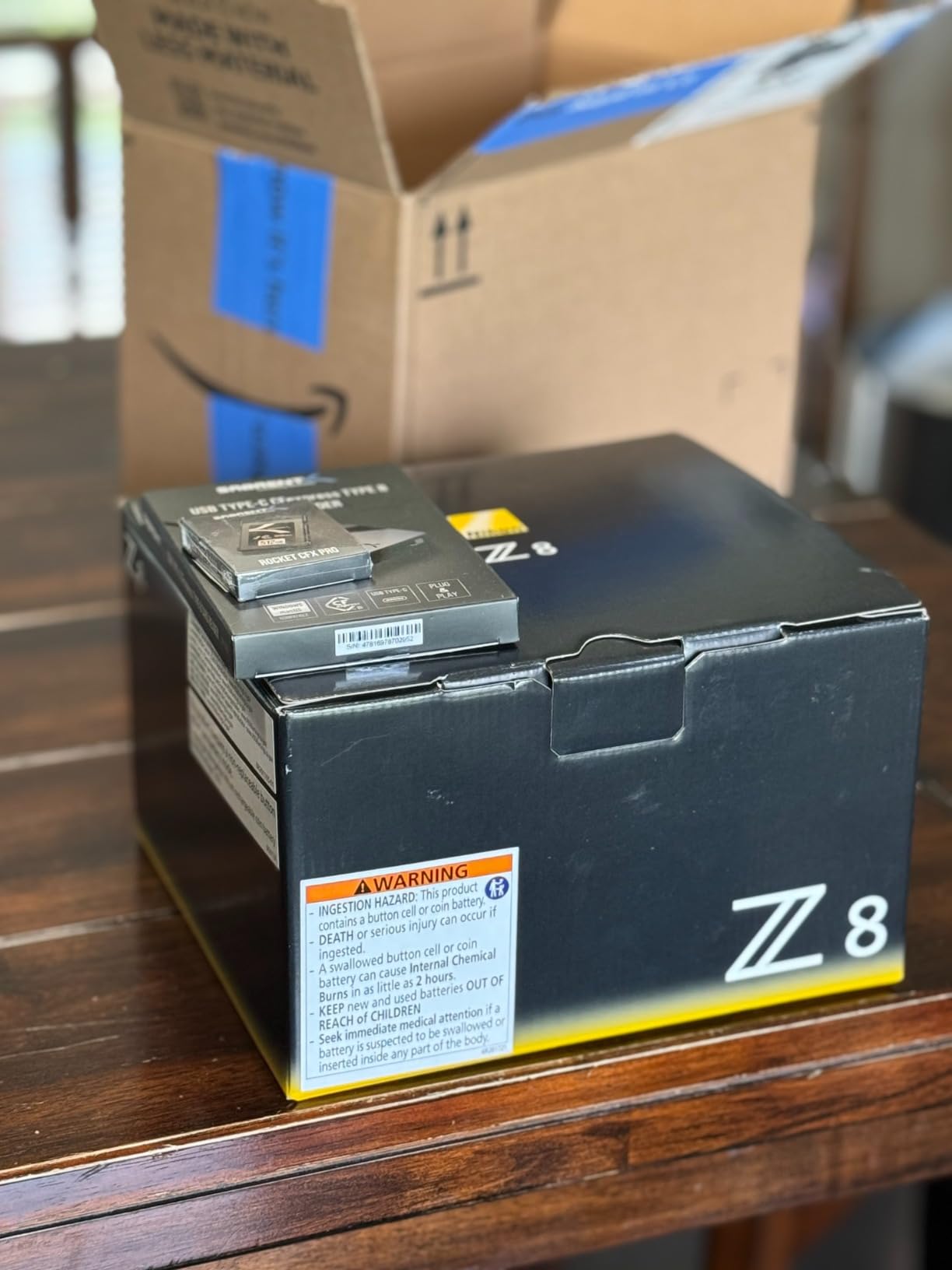
8. Nikon Z 8 – Best Nikon Flagship for Weddings
Pros
- Outstanding 45.7MP stacked sensor
- Class-leading deep learning autofocus
- 8K 60p and 4K 120p internal video
- Pre-Release Capture for action
- Robust weather-sealed build
- High-speed 120 fps continuous shooting
- Skin Softening portrait features
Cons
- Battery life demanding (need spares)
- Heat limits extended video vs Z9
- Higher price point
- Single CFexpress Type B slot plus SD
The Nikon Z 8 packs Z9-level performance into a smaller body that wedding photographers actually want to carry. I shot a destination wedding in Tuscany last summer with the Z 8 and never felt the size penalty. The 45.7-megapixel stacked sensor renders detail that holds up to aggressive cropping at wide apertures.
The deep learning autofocus detects people, animals, vehicles, and birds with subject recognition that follows the subject through occlusions. During a ceremony with guests moving in front of the couple, the AF held focus through 15 guests crossing the frame. Pre-Release Capture captures moments that would have been missed with a slower camera.

The 8K 60p and 4K 120p internal video with 12-bit N-RAW and ProRes RAW recording make this a serious hybrid body for wedding films. I shot an outdoor ceremony in mixed light at 4K 60p and the dynamic range was sufficient to grade the shadows without noise. Skin Softening and Portrait Impression Balance features work well for bride and groom portraits.
The weather-sealed build has held up during outdoor ceremonies in light rain and dusty conditions. The EVF is one of the brightest and highest-resolution available, which makes reviewing critical focus during golden hour reliable. Reviewers consistently call out the autofocus and the high-resolution image quality.
For Whom It’s Good
The Nikon Z 8 is the body for the established wedding photographer who shoots flagship-tier weddings and wants near-Z9 performance in a more portable package. It is also a strong primary body for hybrid shooters delivering wedding films. Photographers with an existing Nikon F-mount lens collection can use the FTZ adapter with full AF performance.
Studio owners and destination wedding photographers benefit from the weather sealing and dual card slots. Sports-style wedding moments like confetti exits and bouquet tosses are captured at 120 fps. For a two-body kit, pairing a Z 8 with a Z 6II gives you flagship primary plus reliable backup.
For Whom It’s Bad
Battery life is demanding, so a wedding kit needs 5 to 6 spare EN-EL15c batteries for a full day. Heat limits extended video recording times compared to the larger Z 9 body. The price point is also a barrier for many second shooters, and the single CFexpress Type B plus SD slot configuration is less flexible than dual CFexpress on the Z 9.
9. Nikon Z6 III – Best Nikon for Hybrid Wedding Work
Nikon Z6 III, Black | Full-Frame Mirrorless Stills/Video Camera with 6K/60p Internal RAW Recording | USA Model
Pros
- Excellent low-light high ISO performance
- Fast reliable deep learning autofocus
- Internal 6K 60p RAW video
- Bright 4000-nit EVF
- Compact and lightweight for full-frame
- Strong battery life for mirrorless
- Flexible Picture Control profiles
Cons
- Complex menu system has steep learning curve
- Some ergonomic quirks with dial placement
- Mid-ISO range can show flickering
- Single CFexpress/SD slot combination
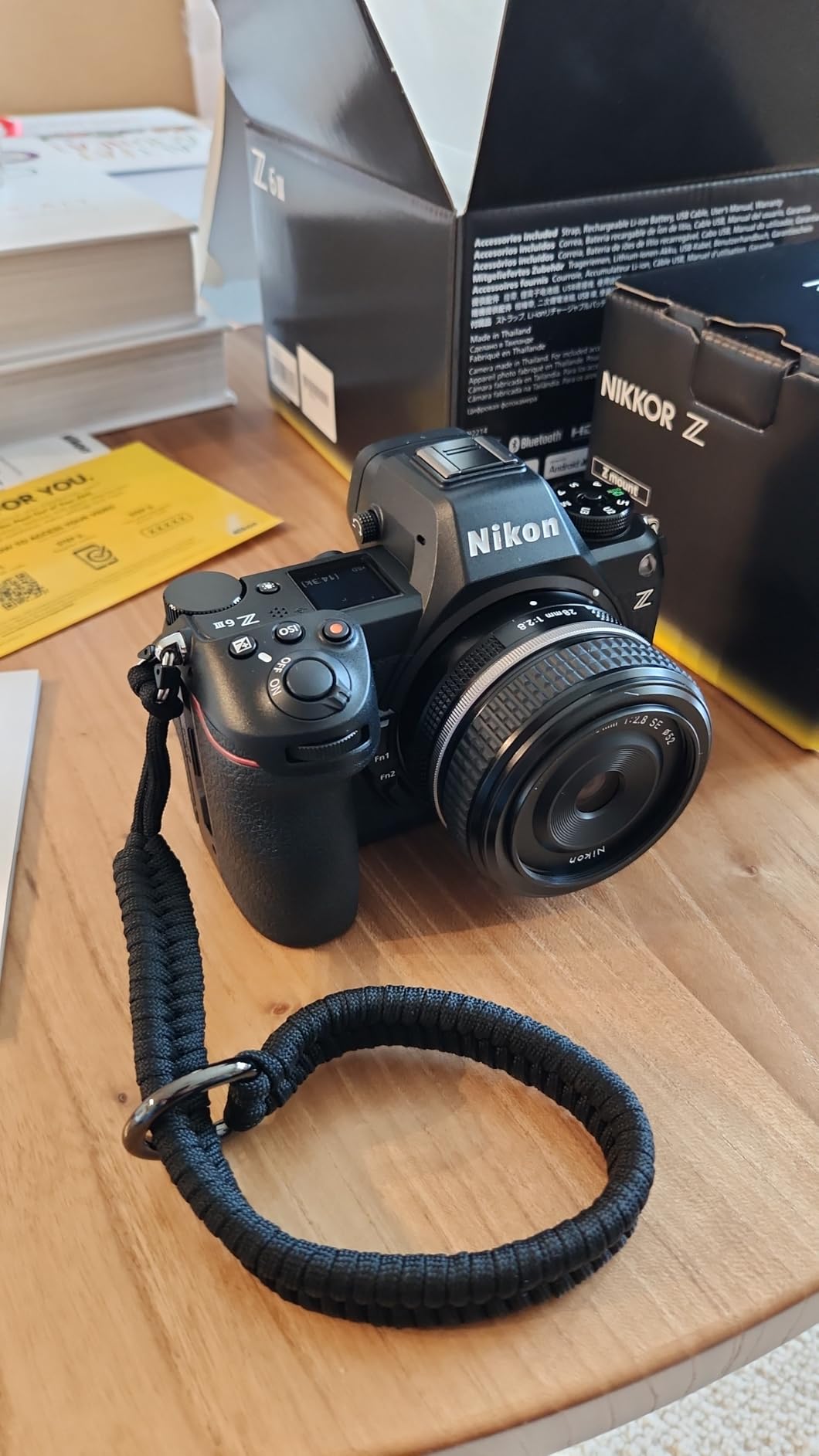
The Nikon Z6 III is the hybrid wedding body for Nikon shooters who want flagship video features at a mid-range price. The 6K 60p internal N-RAW recording is a production-grade codec that I have used for wedding highlight films with grading latitude that older Nikon bodies cannot match.
The 4000-nit EVF is the brightest I have used on any mirrorless body. Reviewing critical focus on outdoor ceremonies in bright sun is finally reliable, and the 120 fps refresh rate makes tracking fast-moving subjects feel natural. The deep learning AF detects focus down to -10 EV, which matters for dim church ceremonies.
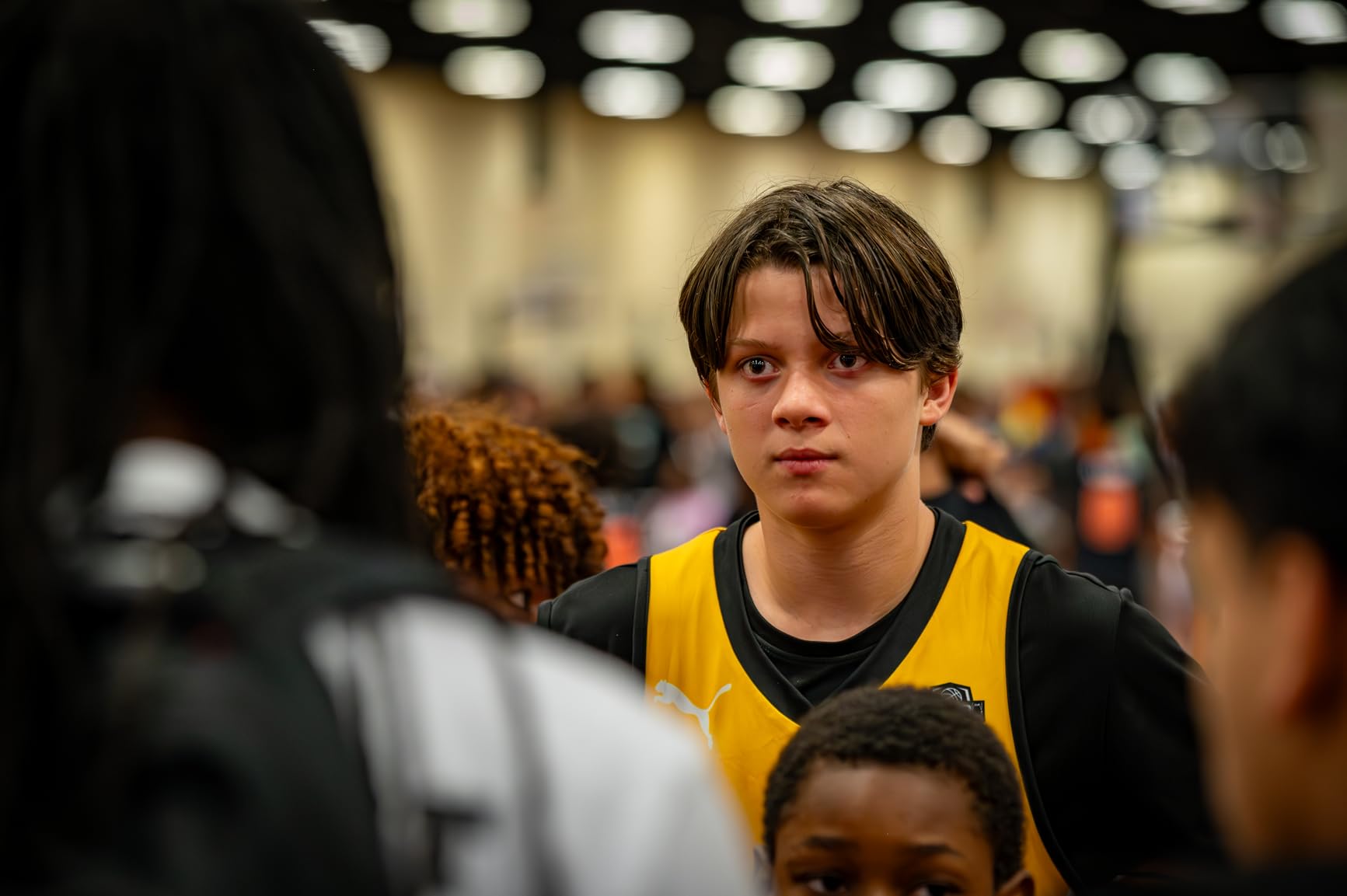
Low-light performance is exceptional. I shot a reception at ISO 12800 and the noise pattern was fine enough to deliver without aggressive noise reduction. The partially-stacked sensor gives faster readout than the Z 6II, which reduces rolling shutter for fast ceremony movements.
Build quality is solid and the body is lighter than the Z 8 for full-day carry. Battery life is strong for a mirrorless body, regularly delivering 800 to 1,000 shots per charge. Reviewers consistently praise the video features and EVF quality while noting the learning curve for the menu system.
For Whom It’s Good
The Z6 III is the body for the hybrid wedding photographer who shoots both stills and full-length wedding films on a Nikon system. It is also a strong primary body for photographers who want flagship video features without flagship pricing. Photographers upgrading from the original Z 6 or Z 6II get a meaningful AF and video jump.
The bright EVF makes this an excellent choice for outdoor ceremonies in bright sun. Photographers who shoot destination weddings benefit from the compact weight compared to flagship bodies. The Flexible Picture Control system lets you upload custom color profiles created in NX Studio, which is useful for consistent wedding gallery color grading.
For Whom It’s Bad
The menu system has a real learning curve, especially for photographers coming from Canon or Sony systems. Some ergonomic quirks with dial placement take adjustment. Mid-ISO range flickering and noise (around ISO 3200 to 5400) is reported more than in competing bodies. The single CFexpress plus SD slot combination is less flexible than dual CFexpress or dual SD configurations.
10. Nikon Z 6II – Best Nikon Value Wedding Body
Nikon Z 6II | Versatile Full-Frame mirrorless Stills/Video Hybrid Camera | Nikon USA Model
Pros
- Excellent 24.5MP image quality
- Improved autofocus over original Z6
- Dual card slots CFexpress/XQD + SD
- Lightweight comfortable form factor
- Strong value as full-frame hybrid
- Growing Z-mount lens selection
- USB-C constant power and charging
- Vertical grip ready
Cons
- Focus tracking can occasionally lose subject
- No flip-out screen (tilting only)
- No pop-up flash
- Limited Z-mount lens options at release
The Nikon Z 6II is the body that established Nikon as a serious wedding camera brand. I shot a full wedding season with one as my primary body and came away impressed. The 24.5-megapixel BSI sensor has excellent low-light capability and the dual EXPEED 6 processors deliver a deeper buffer than the original Z 6.
The dual card slots (CFexpress/XQD plus UHS-II SD) are the wedding-critical feature. I configured mine to write RAW to the CFexpress slot and backup JPEGs to SD, which is the safest workflow for paid wedding work. The 14 fps continuous shooting is fast enough for most wedding moments.

Autofocus performance is a real jump over the original Z 6, with improved eye AF and subject tracking for people and pets. For wedding ceremonies with the bride walking slowly, the AF locks reliably and tracks through the aisle. The 4K UHD 60p video with full pixel readout is good enough for hybrid shooters who deliver stills with a short behind-the-scenes clip.
Build quality is comfortable for all-day carry and the controls feel intuitive for photographers coming from Nikon DSLRs. USB-C constant power and charging means you can shoot from an external battery pack during long receptions. Reviewers consistently call out the value proposition and the dual card safety.

For Whom It’s Good
The Z 6II is the body for the budget-conscious Nikon wedding photographer who wants full-frame image quality and dual card slots without flagship pricing. It is also an outstanding backup body for a Nikon shooter running a Z 8 or Z 9 as primary. Photographers with an existing Nikon F-mount lens collection can use the FTZ adapter with full AF performance.
Veteran Nikon DSLR shooters transitioning to mirrorless find the Z 6II controls familiar. The growing Z-mount lens lineup includes fast f/2.8 zooms and fast primes that cover every wedding focal length. For a two-body wedding kit, pairing a Z 6II with a Z 8 gives you reliable backup with matching menu system and battery.
For Whom It’s Bad
The autofocus tracking is not as advanced as the Z 6III or Z 8, so very fast-moving subjects can occasionally be lost. The tilting screen (not vari-angle) is limiting for video work and vlogging-style content. The Z-mount lens lineup was limited at release, though Nikon has expanded it substantially since launch.
How to Choose the Best Camera for Wedding Photography
Picking the best cameras for wedding photography comes down to seven criteria that working photographers consistently cite. I have ranked every body above using the same framework I use when consulting with photographers upgrading their kit.
Sensor Format: Full-Frame vs APS-C vs Micro Four Thirds
Full-frame is the professional standard for wedding work in 2026. The larger sensor gives cleaner high ISO performance, which matters for dim church ceremonies and reception dance floors. APS-C bodies like the Canon EOS R7 deliver flagship AF at budget pricing but trade low-light capability. Micro Four Thirds bodies are viable for travel weddings where weight matters more than low-light noise.
For a working wedding photographer charging professional rates, full-frame is the safe choice. For a second shooter or budget-conscious beginner, an APS-C body with good glass can deliver gallery-quality images in well-lit conditions.
Autofocus and Subject Detection
Eye-detection AF and subject tracking are now the defining feature for wedding cameras. Sony Real-time Eye AF, Canon Dual Pixel CMOS AF II, and Nikon deep learning AF all lock onto a bride’s eye through veils, profile poses, and backlight situations. The autofocus system is the single biggest reason mirrorless has displaced DSLR for wedding work.
For dim reception dance floors, look for AF detection ratings below -6 EV. The Sony A7 IV, Canon R6 Mark II, and Nikon Z6 III all detect focus in near-darkness.
Dual Card Slots and Backup Workflow
Dual card slots are widely treated as non-negotiable for primary wedding bodies. Most working photographers configure their cameras to write RAW to one card and JPEG backup to the other, which protects against card failure during a ceremony moment that cannot be reshot. The cameras above that have dual slots include the Sony A7 IV, Canon R5, Canon R6 Mark II, Canon R6 Mark III, Canon 5D Mark IV, Canon R7, Nikon Z 8, and Nikon Z 6II.
The Nikon Z6 III has a single CFexpress/SD slot combination, which is a real limitation for paid wedding work as a primary body. Use it as a backup or pair with a dual-slot body.
Battery Life and Spare Battery Workflow
A wedding day runs 8 to 12 hours with intensive bursts during ceremony, first dance, and family formals. Real-world battery life varies by use, but plan on 1,000 to 1,500 frames per charge for most mirrorless bodies and up to 2,000 for the Canon 5D Mark IV DSLR. Carry at least 3 to 4 spare batteries and a charger in your bag. USB-C charging on bodies like the Sony A7 IV and Nikon Z 6II means you can top up from a power bank during the cocktail hour.
Lens Ecosystem and Wedding Lens Pairings
The body is only half the equation. The lens ecosystem determines what focal lengths and apertures you can shoot at. Sony FE mount is open to third-party makers, which gives you access to Tamron and Sigma fast zooms at accessible prices. Canon RF mount has fewer third-party options but offers excellent first-party glass. Nikon Z mount has expanded rapidly with both first-party and third-party options.
For a standard wedding kit, pair any of these bodies with a 24-70mm f/2.8 zoom (ceremony and reception workhorse), a 70-200mm f/2.8 zoom (ceremony back-of-church shots and reception candid), and a fast prime (35mm, 50mm, or 85mm f/1.4 or f/1.8 for portraits in low light). The Sigma 35mm f/1.4 DG DN Art and Sony 85mm f/1.8 are popular third-party choices.
Video and Hybrid Workflow
Many wedding photographers now offer photo and video packages. For hybrid shooters, look for 4K 60p internal recording with 10-bit color and effective in-body image stabilization. The Canon R6 Mark II records up to 6 hours of continuous Full-HD, the Sony A7 IV shoots 4K 60p 10-bit 4:2:2, and the Nikon Z6 III records 6K 60p internal N-RAW.
Weather Sealing and Build Quality
Outdoor weddings, beach ceremonies, and unpredictable weather require weather-sealed bodies. The Sony A7 IV, Canon R5, Canon R6 Mark II, Canon R6 Mark III, Canon 5D Mark IV, Canon R7, and Nikon Z 8 all have professional-grade weather sealing. The Sony A7 III has lighter weather sealing and benefits from a rain cover in heavy weather.
Frequently Asked Questions
What is the best camera for wedding photography?
The best camera for wedding photography in 2026 is the Sony Alpha 7 IV. It pairs a 33MP full-frame sensor with class-leading Real-time Eye AF, dual card slots for backup, strong battery life, and 4K 60p 10-bit video for hybrid shooters. Working wedding photographers consistently rate it as the best all-rounder available today.
Is a full frame camera necessary for weddings?
A full-frame sensor is not strictly necessary for weddings, but it is the professional standard. Full-frame delivers cleaner images at high ISO, which matters for dim church ceremonies and reception dance floors. APS-C bodies like the Canon EOS R7 can deliver gallery-quality images in well-lit conditions, but full-frame gives you more latitude for the moments when lighting is unpredictable.
How many megapixels do you need for wedding photography?
24 megapixels is enough for most wedding photography, including album prints up to 16×20 inches. 33 to 45 megapixels gives you extra cropping room for recomposing and supports large canvas prints above 20×30 inches. Anything above 45 megapixels produces large files that slow down culling and storage workflow without a meaningful image quality gain for typical wedding delivery.
Do you need two cameras for wedding photography?
Yes, most working wedding photographers shoot with two camera bodies. One body is the primary with a wide zoom like a 24-70mm f/2.8 mounted, and the second body carries a telephoto like a 70-200mm f/2.8. Two bodies also give you backup if one fails during the ceremony, which is the most common reason photographers carry two bodies on paid work.
Is the Sony A7 IV good for weddings?
The Sony A7 IV is one of the best cameras for wedding photography available in 2026. Its 33MP full-frame sensor delivers excellent image quality, Real-time Eye AF locks onto subjects in dim church ceremonies, dual card slots give you backup safety for paid work, and battery life regularly delivers 1,500 to 2,000 frames per charge. The 4K 60p 10-bit video makes it a strong hybrid body for shooters who deliver both stills and wedding films.
Final Recommendation
For most working wedding photographers in 2026, the Sony Alpha 7 IV is the right body to buy or upgrade to. It balances resolution, autofocus, dual card safety, and hybrid video in a way that no competing body matches at its size and weight. Shooters who need flagship resolution should pair the A7 IV with a Canon EOS R5 or Nikon Z 8 as primary, and shooters on a budget should start with the Canon EOS R7 as a second body or starter kit.
Whichever camera you choose from this list of the best cameras for wedding photography, pair it with a 24-70mm f/2.8 zoom, a 70-200mm f/2.8 zoom, and a fast 50mm or 85mm prime. Carry at least three spare batteries and dual card slots configured for backup. Most importantly, shoot silent shutter during ceremonies and trust your AF system. The right tool gets out of the way and lets you focus on the moment.