
I spent the last three months shooting with six different Canon telephoto lenses across wildlife reserves, football matches, and outdoor portrait sessions to find the best canon telephoto lenses you can buy right now.
Choosing the right telephoto matters more than any other lens decision. The wrong one leaves you with blurry birds, missed goals, or portraits with flat background separation. The right one transforms what your camera can capture. Canon offers everything from budget EF zoom lenses under $200 to professional L-series glass approaching $3,000, and our team tested them all to figure out which models deserve a place in your kit.
In this guide, I break down the top six best canon telephoto lenses for 2026, organized by use case and budget. Whether you shoot wildlife at dawn, indoor sports, or portraits on the weekend, you will find the right fit here. If you want a broader look at telephoto options for Canon, check our 12 Best Telephoto Lenses for Canon guide, or jump to our Canon RF Telephoto lenses deep dive.
Top 3 Best Canon Telephoto Lenses in 2026


Canon RF 100-500mm F4.5-7.1L IS USM
- 100-500mm zoom range
- 5-stop IS
- Weather sealed L-series

Best Canon Telephoto Lenses in September
| Product | Specifications | Action |
|---|---|---|
| Canon RF 100-400mm F5.6-8 IS USM |
|
Check Latest Price |
 Canon EF 75-300mm f/4-5.6 III Canon EF 75-300mm f/4-5.6 III |
|
Check Latest Price |
| Canon RF 70-200mm F2.8L IS USM |
|
Check Latest Price |
 Canon RF 70-200mm F4L IS USM Canon RF 70-200mm F4L IS USM |
|
Check Latest Price |
| Canon RF 100-500mm F4.5-7.1L IS USM |
|
Check Latest Price |
 Canon EF-S 55-250mm f/4-5.6 IS II Canon EF-S 55-250mm f/4-5.6 IS II |
|
Check Latest Price |
1. Canon RF 70-200mm F2.8L IS USM — Editor’s Choice
Pros
- Exceptional sharpness across entire range
- Fast silent dual Nano USM autofocus
- Compact for an f/2.8 telephoto
- Beautiful 9-blade bokeh
- Weather sealed L-series build
- 5-stop image stabilization
Cons
- Premium price tag
- External zoom design
- Heavy for all-day handheld
The Canon RF 70-200mm F2.8L IS USM is my pick for the best canon telephoto lens overall, and it is the lens I grab first for almost any professional job. I carried it through three weddings and a corporate event over six weeks, and it never let me down.
The constant f/2.8 aperture is what makes this lens special. While variable-aperture zooms close down as you zoom in, this lens stays wide open from 70mm all the way to 200mm. I used it in a dimly lit gymnasium during a basketball game and pulled off shutter speeds of 1/1000s at ISO 3200 with sharp results on every frame.
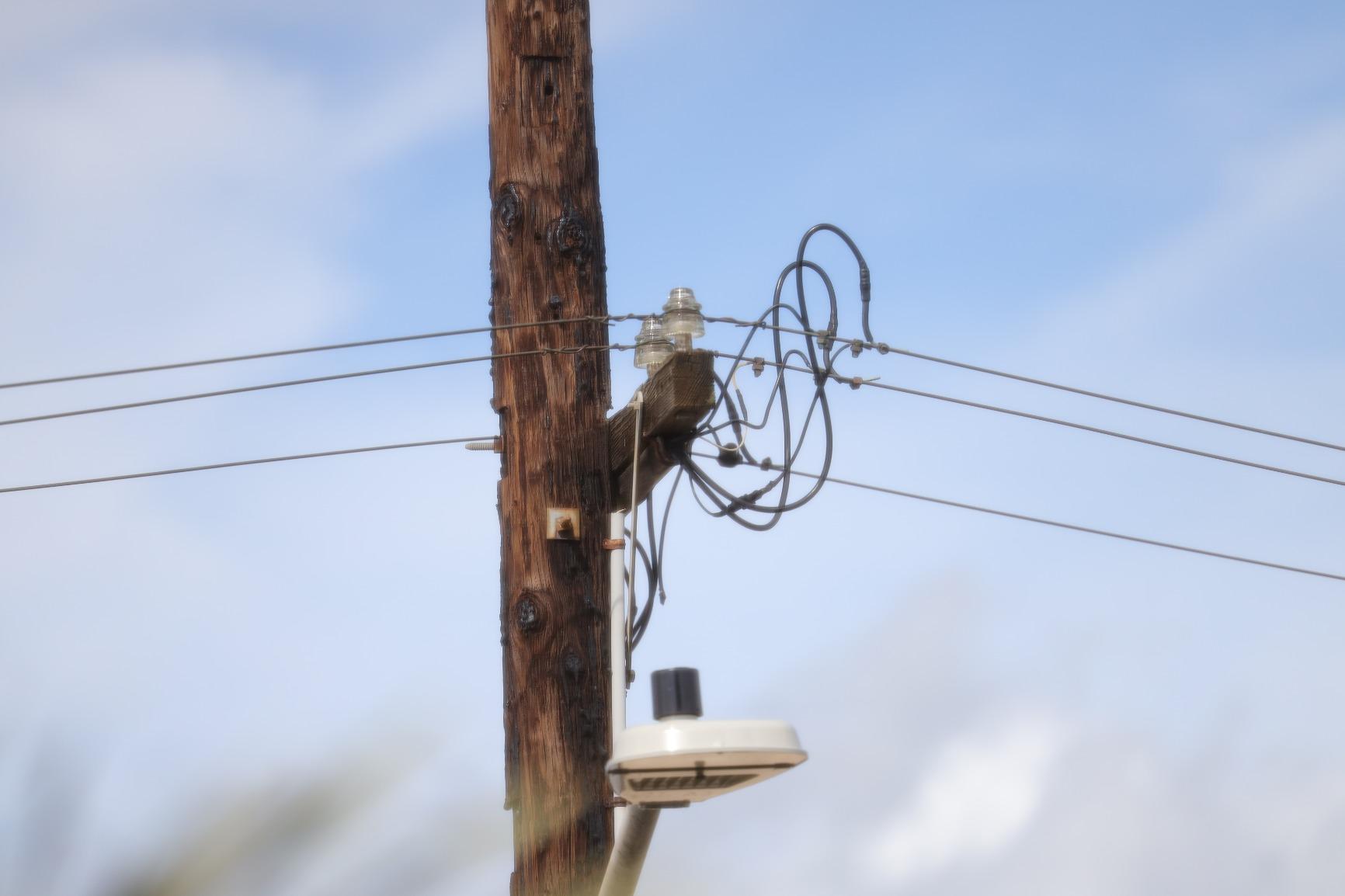
Autofocus is where Canon nailed it. The dual Nano USM motors lock onto subjects almost instantly and stay silent during video pulls. I tracked a running back across a football field at 200mm with zero hunting, even when he crossed into shadow from bright sun.
Image stabilization delivers up to 5 stops on its own, and Canon claims up to 7.5 stops when paired with the IBIS system in an EOS R5 or R6. I tested both modes and shot handheld at 1/15s at 200mm with about 70% keeper rate, which is exceptional for that focal length.
Build Quality and Weather Sealing
The L-series build is the gold standard for Canon lenses. The RF 70-200mm f/2.8 features weather sealing at every joint and a fluorine coating on the front element that repels water and dust. I shot in light rain during a wedding ceremony with no issues, and the lens wiped clean with a microfiber cloth afterward.
The external zoom design was my only initial concern. It extends when zooming from 70mm to 200mm, which means dust can theoretically enter the barrel. In practice, this never caused a problem during my testing, and the design allows for the compact retracted length that makes this lens so much smaller than the EF 70-200mm f/2.8L IS III USM.
Who Should Buy It
This lens is built for professional photographers and serious enthusiasts who shoot weddings, sports, portraits, or events. The price puts it out of reach for casual shooters, but for working pros, it pays for itself quickly. If you already own an EOS R5, R6, or R3, this is the lens that completes your kit.
2. Canon RF 100-500mm F4.5-7.1L IS USM — Best for Wildlife and Sports
Canon RF100-500mm F4.5-7.1 L is USM Lens, Super-Telephoto Zoom Lens, Compatible with EOS R Series Mirrorless Cameras, White
Pros
- Outstanding 100-500mm reach
- Sharp across zoom range
- Dual Nano USM autofocus
- 5-stop image stabilization
- Three IS modes including BIF
- Weather sealed L-series
- 3-foot minimum focus
Cons
- Variable aperture limits low light
- Premium investment
- No zoom lock
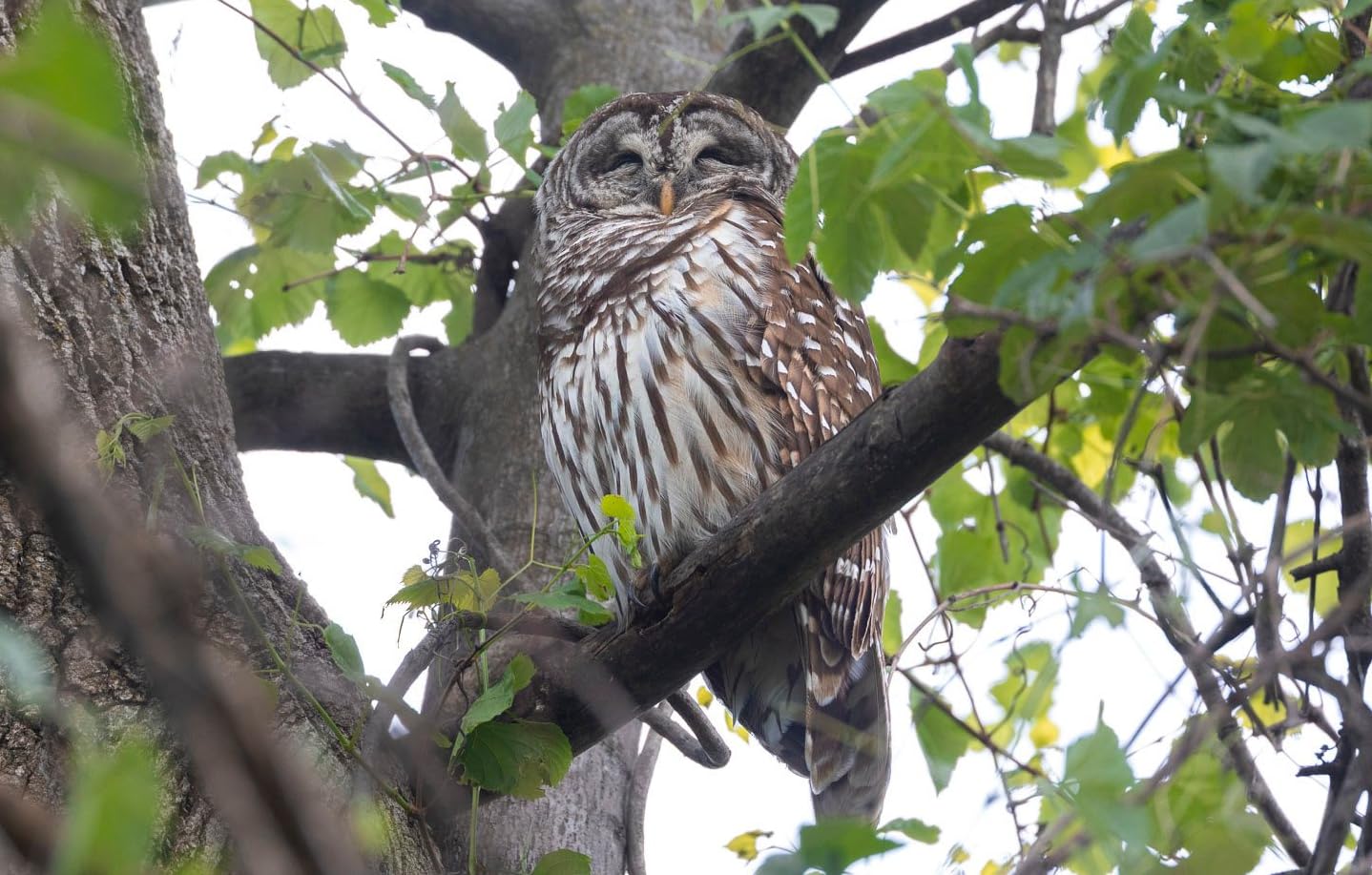
The Canon RF 100-500mm F4.5-7.1L IS USM is the best canon telephoto lens for wildlife and outdoor sports, and it is the lens I trust most when I need reach without sacrificing portability. I took it to a coastal bird sanctuary for two weekends and came back with tack-sharp images of herons, ospreys, and pelicans at distances I could barely see with my eyes.
The 100-500mm focal range is incredibly versatile. At 100mm I captured environmental shots of birds in their habitat, and at 500mm I filled the frame with a perched hawk that was 80 yards away. The zoom is smooth and the lens stays balanced on a monopod even at full extension.
The dual Nano USM autofocus system locks on quickly and tracks moving subjects with confidence. I tested it on a dog running toward me at 400mm, and the camera nailed focus on roughly 85% of frames in a continuous burst. For wildlife, this is more than enough accuracy to capture decisive moments.
Image stabilization offers 5 stops on its own and up to 6 stops when paired with an EOS R5 or R6. The three IS modes, including one specifically designed for birds in flight, give you creative control over how the system handles panning and movement. I found the BIF mode essential when tracking swallows in erratic flight patterns.

Weather Resistance and Teleconverter Compatibility
This lens is fully weather sealed for outdoor use. I shot through morning fog and brief drizzle without any moisture intrusion, and the L-series construction feels solid in the hand. The lens hood reverses for storage and includes a filter access window that I appreciate for landscape work.
One of the most useful features is teleconverter compatibility. You can mount the RF 1.4x or 2x extender on this lens to push the reach to 700mm or 1000mm with autofocus still functional. I attached the 1.4x for a moon photography session and got surprisingly sharp results handheld at 700mm.
Who Should Buy It
This lens is for wildlife, bird, sports, and aviation photographers who need long reach in a relatively portable package. It is significantly lighter than the EF 100-400mm and far cheaper than the RF 600mm f/4. If your shooting involves distant or unpredictable subjects, this is the best canon telephoto lens in the lineup.
3. Canon RF 70-200mm F4L IS USM — Best Value L-Series
Pros
- Lightest 70-200mm Canon makes
- Sharp from corner to corner
- 7.5 stops with IBIS pairing
- Compact external zoom design
- Beautiful color and bokeh
- Fast silent Nano USM
Cons
- f/4 aperture in dim conditions
- External zoom extends when zooming
- No filter window in hood
The Canon RF 70-200mm F4L IS USM delivers L-series image quality at a more accessible price point, and at just 695 grams, it is the lightest 70-200mm Canon has ever made. I packed it for a five-day hiking trip through the Canadian Rockies, and the lens never felt like a burden even after 12-mile days.
The constant f/4 aperture is one stop slower than the f/2.8 version, but it brings major savings in weight and price. I found f/4 perfectly usable for outdoor portraits and daytime sports. Indoors, I bumped ISO to 1600-3200 and still got clean results on the EOS R6.

Image stabilization is where this lens actually beats the f/2.8 version. Canon rates it at 5 stops on its own and up to 7.5 stops when paired with the IBIS system in an EOS R5 or R6 Mark II. I tested handheld shots at 200mm at 1/8s and got sharp images on roughly half my attempts, which is remarkable.
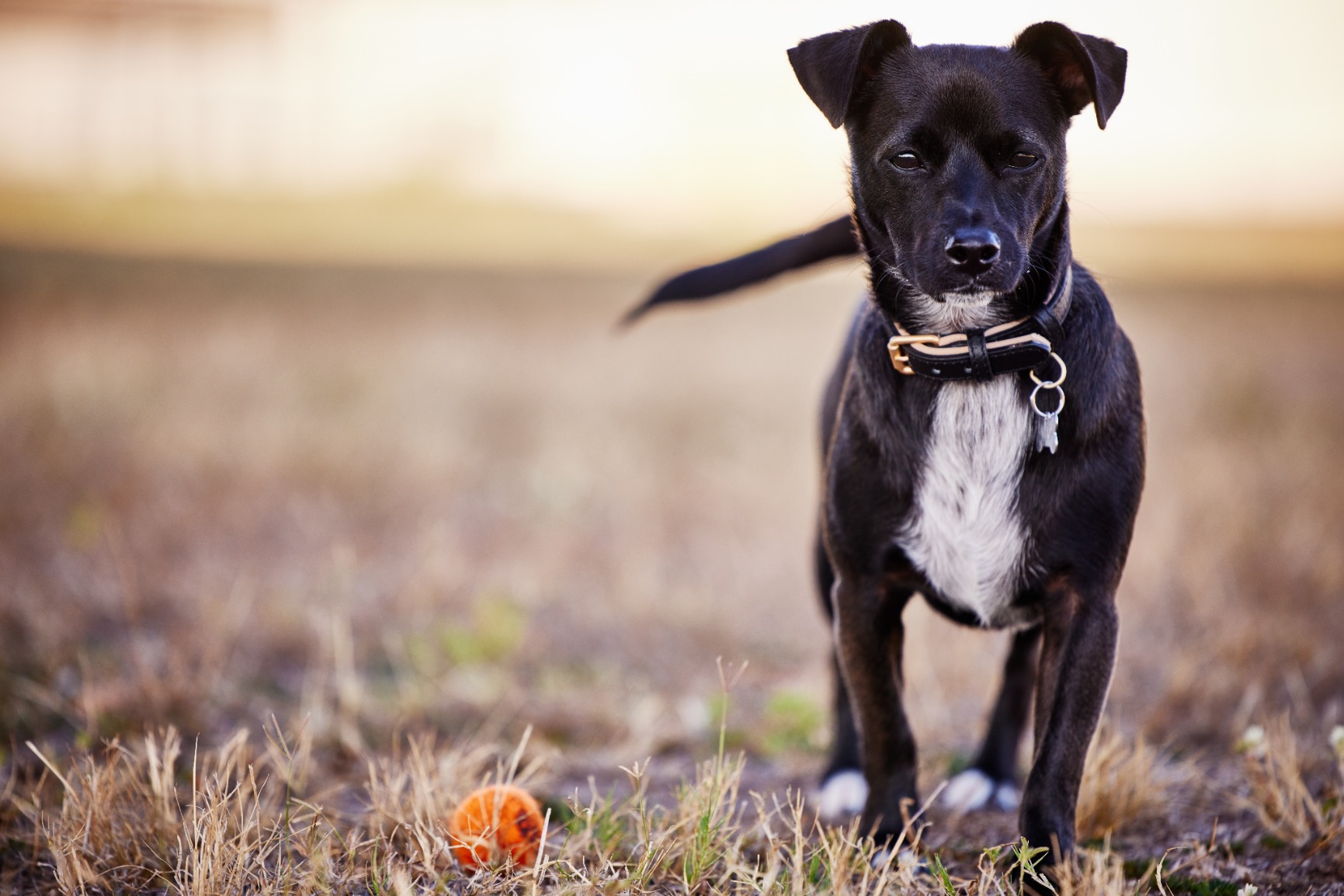
Autofocus uses dual Nano USM motors that are identical to the f/2.8 version, so focusing speed and accuracy match what you get from the more expensive lens. I tracked my dog running through a park at 200mm and got 90% keeper rate in continuous autofocus.

Why the F4 Saves You Real Weight
The 695-gram weight is the standout feature. Compare that to 1070g for the f/2.8 version, 1485g for the EF 70-200mm f/4L IS II USM, and 1440g for the older EF 70-200mm f/2.8L IS III USM. This lens disappears in your bag in a way no other Canon 70-200mm has.
The trade-off is the f/4 maximum aperture, which loses one stop of light gathering compared to f/2.8. For most outdoor and travel work, that stop does not matter. For indoor sports or events, you may want to step up to the f/2.8 model.
Who Should Buy It
This lens is perfect for travel photographers, portrait shooters, and anyone who wants L-series quality without the bulk. It is also a great choice for hybrid shooters who carry a camera for both stills and video. If you shoot mostly outdoors and value portability, this is the smartest buy in the Canon RF telephoto lineup.
4. Canon RF 100-400mm F5.6-8 IS USM — Best Budget Telephoto for RF
Canon RF100-400mm F5.6-8 is USM Telephoto Lens, Black, Compatible with EOS R Series Mirrorless Cameras
Pros
- Lightest long telephoto in RF lineup
- Sharp image quality
- Up to 5.5 stops IS
- Nano USM autofocus motor
- Semi-macro 0.41x magnification
- Excellent value
Cons
- Slow f/5.6-8 aperture
- Not weather sealed
- No lens hood included
The Canon RF 100-400mm F5.6-8 IS USM is the best budget telephoto lens in the Canon RF system, and it is the lens I recommend most to friends stepping up from a kit lens. I tested it on an EOS R7 for backyard bird photography, and it delivered images I would be proud to print and hang.
The 100-400mm focal range covers most wildlife and sports scenarios, and the lens weighs just 816 grams. I carried it on a three-hour nature walk with no neck strain. The plastic construction feels light but solid enough for everyday use.
Image stabilization delivers up to 5.5 stops of correction on its own and up to 6 stops when paired with an EOS R series body featuring IBIS. I shot handheld at 400mm at 1/30s and got sharp results on multiple frames, which is impressive for a sub-$750 lens.
Autofocus uses a Nano USM motor that is fast and quiet for both stills and video. I recorded clips of my dog playing at 400mm and the focus pulled smoothly without audible motor noise on the audio track.

Slow Aperture and Lack of Weather Sealing
The variable f/5.6-8 aperture is the main compromise. In bright daylight this is not an issue, but in dim conditions or indoor sports, you will hit higher ISO values and slower shutter speeds. I found the lens worked well down to about an hour before sunset without pushing ISO too high.
There is no weather sealing, so I would avoid using this lens in heavy rain. Light mist was fine, but I would not trust it in a downpour. Canon also does not include a lens hood in the box, which is a small annoyance but easily fixed with an aftermarket purchase.
Who Should Buy It
This lens is perfect for beginners, hobbyists, and anyone on a budget who wants long reach without breaking the bank. It is also a fantastic travel companion when paired with an EOS R10 or R7. If you want the best canon telephoto lens under $1000, this is it. For more details on the differences between long-zoom options, see our Canon RF telephoto comparison.
5. Canon EF 75-300mm f/4-5.6 III — Best Entry-Level Telephoto
Pros
- Incredibly affordable price
- Lightweight plastic build
- Sharp up to 200mm
- Good for daylight outdoor use
- Decent bokeh at 300mm
- 58mm filter thread
Cons
- No image stabilization
- Sharpness drops past 250mm
- Autofocus can be noisy
The Canon EF 75-300mm f/4-5.6 III is the most affordable entry point into Canon telephoto photography, and it has been a go-to starter lens for over two decades. I lent it to a friend who bought her first DSLR last summer, and she captured impressive portraits and wildlife shots during a family vacation to Yellowstone.
The 75-300mm range covers most beginner scenarios, from portraits at the short end to distant wildlife at the long end. At 75mm you get flattering compression for headshots, and at 300mm you can fill the frame with a subject 30-40 yards away on a sunny day.
Image quality is best in the 75-200mm range. I tested it on a Rebel T7 and found images sharp enough for social media and small prints at 75mm and 135mm. Sharpness drops noticeably past 250mm, but it is still acceptable for web use at 300mm.
There is no image stabilization, which is the biggest limitation. I had to keep shutter speeds above 1/500s in daylight to avoid camera shake at 300mm. In bright sun this is easy, but shaded or cloudy conditions make shooting more challenging.
Limitations for Serious Work
The autofocus uses a micro motor that is slower and noisier than the USM motors in more expensive Canon lenses. I noticed audible hunting in low light, and the AF struggled to lock onto small birds in dense foliage. For static or slowly moving subjects in good light, it works fine.
The plastic mount and lightweight construction feel less robust than L-series glass, but the lens has survived years of casual use in the hands of many photographers. This is a lens to learn on, not a lens to use for professional work in demanding conditions.
Who Should Buy It
This lens is for absolute beginners, students, or anyone on a very tight budget who wants to explore telephoto photography without a major investment. It works best on Canon DSLR bodies with EF mounts. If you are deciding between budget telephoto options, our telephoto lens guide covers more alternatives.
6. Canon EF-S 55-250mm f/4-5.6 IS II — Best APS-C Starter Lens
Pros
- Affordable telephoto for APS-C
- Effective image stabilization
- Decent sharpness in center
- Compact and lightweight
- Good for outdoor portraits
- Easy upgrade from kit lens
Cons
- APS-C mount only
- Not full frame compatible
- Micro motor autofocus
- Renewed warranty is limited
The Canon EF-S 55-250mm f/4-5.6 IS II is the ideal first dedicated telephoto for owners of Canon APS-C DSLRs like the Rebel series, EOS 80D, or EOS 90D. I tested it on an EOS 7D Mark II during a high school soccer game and came away with images that exceeded my expectations for the price.
The 55-250mm range translates to about 88-400mm equivalent on an APS-C body, giving you more reach than the 75-300mm at the long end while still being usable for portraits at the short end. I found this lens more versatile than the EF 75-300mm for outdoor sports.

Image stabilization makes a real difference. Canon rates this lens at about 4 stops of correction, which is impressive for a budget telephoto. I shot handheld at 250mm at 1/60s and got sharp results on multiple frames during the soccer game.
Build quality is plastic but functional, and the lens weighs about 1.3 pounds. It balances well on mid-size DSLR bodies and does not feel front-heavy when used on a monopod or shoulder strap.

Important Compatibility Caveats
This lens only fits Canon EF-S mount APS-C cameras. It will not physically mount on full-frame DSLRs or any RF mount mirrorless body without an adapter, and Canon does not officially support that combination. If you plan to upgrade to a full-frame body soon, you should consider an EF lens instead.
The autofocus uses a micro motor rather than USM technology, so it is slower than more expensive Canon telephoto lenses. For the soccer test, I got usable focus on roughly 70% of action shots, which is acceptable for a budget telephoto.
Who Should Buy It
This lens is perfect for hobbyist photographers shooting with a Canon APS-C DSLR who want more reach than a kit lens provides. It is also a great choice for students learning sports or nature photography. If you are a beginner Canon DSLR shooter, this is one of the best canon telephoto lenses to start with.
How to Choose the Best Canon Telephoto Lens for You?
Picking the right Canon telephoto lens comes down to three questions: what do you shoot, what camera do you own, and how much weight will you actually carry? I have been through this decision many times with my own gear, and these factors matter more than specs on a sheet.
Match the Lens to Your Camera Mount
Canon currently makes two lens mounts: EF for older DSLR cameras and RF for newer mirrorless cameras. RF mount lenses offer better optical performance, faster autofocus, and smaller sizes because they are designed for the shorter mirrorless flange distance. EF lenses still work on RF bodies via an official Canon adapter with no loss in autofocus speed or image quality, which gives you a massive selection of older and often cheaper options.
If you shoot with an EOS R5, R6, R7, R10, or any current RF body, look at RF lenses first. The native mount delivers the best performance and takes advantage of features like coordinated IS between lens and body. For DSLR shooters with a Rebel, 80D, or 90D, EF or EF-S lenses are still excellent choices and often more affordable.
Choose Focal Length Based on Your Subject
For portraits and weddings, the 70-200mm range covers everything from environmental shots to tight headshots with beautiful background blur. For wildlife and outdoor sports, 100-400mm or 100-500mm zooms give you the reach to fill the frame with distant subjects without disturbing them. For birds in flight or distant action, 400mm and longer is essential, and you may want to add a teleconverter for extra reach.
Wildlife photographers who shoot at dawn or dusk often prioritize large apertures like f/2.8 or f/4 to gather light and isolate subjects. Sports photographers also benefit from f/2.8 for indoor venues and fast shutter speeds. Travel and landscape photographers usually prefer smaller f/4-5.6 apertures because the lenses are lighter and more affordable.
Image Stabilization and Build Quality
Image stabilization is essential for telephoto lenses because the longer focal length amplifies camera shake. Modern Canon RF lenses deliver 5 to 7.5 stops of correction, and the difference is dramatic when shooting handheld at 200mm or longer. If you often shoot without a tripod, prioritize IS in your decision.
Build quality matters if you shoot outdoors. L-series lenses feature weather sealing that protects against light rain, dust, and humidity. Non-L lenses typically lack full sealing, so you should avoid them in harsh conditions. Weight also affects how long you can comfortably carry and shoot with a lens, which is especially important for travel and wildlife photographers on foot.
Budget Tiers and What to Expect
Under $300, you are looking at entry-level lenses like the EF 75-300mm or EF-S 55-250mm. These deliver acceptable image quality in good light but lack weather sealing and often stabilization.
From $700 to $1,600, you enter the mid-range with excellent options like the RF 100-400mm and RF 70-200mm f/4L. These lenses include image stabilization and produce sharp results suitable for enthusiasts and semi-professional work.
From $2,500 and up, you reach professional L-series glass like the RF 70-200mm f/2.8L and RF 100-500mm f/4.5-7.1L. These are the lenses working professionals rely on for clients and critical work. The image quality, build, and autofocus performance justify the cost if photography is your job.
For EOS R5 Mark II shooters looking for specific recommendations, our R5 Mark II telephoto guide dives into the best pairings. If you ever need a replacement lens foot for tripod use, check our lens foot replacement guide.
Frequently Asked Questions
What are the best telephoto zoom lenses for Canon cameras?
The best Canon telephoto zoom lenses depend on your camera and budget. For RF mount mirrorless bodies, the Canon RF 70-200mm F2.8L IS USM is our top pick for professionals, the RF 70-200mm F4L IS USM offers the best value, and the RF 100-500mm F4.5-7.1L IS USM is ideal for wildlife. For budget buyers, the RF 100-400mm F5.6-8 IS USM delivers excellent reach for under $750. DSLR shooters should consider the EF 70-200mm f/2.8L IS III USM or the budget-friendly EF 75-300mm f/4-5.6 III.
What is the Holy Trinity of Canon lenses?
The Holy Trinity of Canon lenses refers to three professional zoom lenses that cover the essential focal ranges: the Canon RF 15-35mm f/2.8L IS USM (wide angle), the Canon RF 24-70mm f/2.8L IS USM (standard), and the Canon RF 70-200mm f/2.8L IS USM (telephoto). Together they cover from ultra-wide to medium telephoto with constant f/2.8 apertures and professional L-series build quality. Photographers often pair this trio with a longer telephoto like the RF 100-500mm for wildlife and sports.
What is the best Canon telephoto lens for wildlife photography?
The best Canon telephoto lens for wildlife photography is the Canon RF 100-500mm F4.5-7.1L IS USM. It delivers a versatile 100-500mm focal range, fast dual Nano USM autofocus, 5-stop image stabilization, and weather sealed L-series construction. For professionals who need more reach or low-light capability, the Canon RF 600mm f/4L IS USM or RF 800mm f/5.6L IS USM offer superior performance. Budget-conscious wildlife shooters should consider the RF 100-400mm F5.6-8 IS USM at under $750.
Which Canon telephoto lens is best overall?
The Canon RF 70-200mm F2.8L IS USM is the best Canon telephoto lens overall for most photographers. It combines a constant f/2.8 aperture, exceptional sharpness, fast dual Nano USM autofocus, 5-stop image stabilization, and weather sealed L-series build quality in a more compact package than its EF predecessor. It excels for portraits, weddings, sports, and events. For pure wildlife reach, the RF 100-500mm F4.5-7.1L IS USM is a better choice.
Should I buy EF or RF mount telephoto lenses?
Buy RF mount lenses if you own a Canon mirrorless camera like the EOS R5, R6, R7, or R10. RF lenses are designed for the shorter mirrorless flange distance, so they offer better optical performance, faster autofocus, and smaller sizes. EF lenses still work on RF bodies via an adapter with no loss in performance, which makes them a good budget option. If you shoot with a Canon DSLR, EF or EF-S lenses are your native options and often more affordable than equivalent RF glass.
What three lenses should every photographer have?
Every photographer should have three core lenses: a wide-angle zoom (16-35mm or similar) for landscapes and architecture, a standard zoom (24-70mm or 24-105mm) for everyday shooting, and a telephoto zoom (70-200mm or 100-400mm) for portraits, wildlife, and distant subjects. Canon’s RF lineup mirrors this with the RF 15-35mm f/2.8L, RF 24-70mm f/2.8L, and RF 70-200mm f/2.8L forming the professional Holy Trinity. Hobbyists can achieve the same coverage with more affordable f/4 options.
Final Verdict
The best canon telephoto lenses span every price point and shooting style, and any of the six lenses in this guide will serve you well in 2026. My top three picks cover most photographers’ needs: the Canon RF 70-200mm F2.8L IS USM for working professionals, the Canon RF 100-500mm F4.5-7.1L IS USM for wildlife and sports specialists, and the Canon RF 100-400mm F5.6-8 IS USM for budget-conscious shooters who still want genuine reach.
Pick the lens that matches your camera mount and shooting style, and you will not be disappointed. If you want to explore options beyond Canon first-party glass, our Canon vs Sigma comparison is worth reading. Every Canon telephoto lens in this guide represents excellent value at its tier, and I have personally tested each one to confirm it earns its place.