
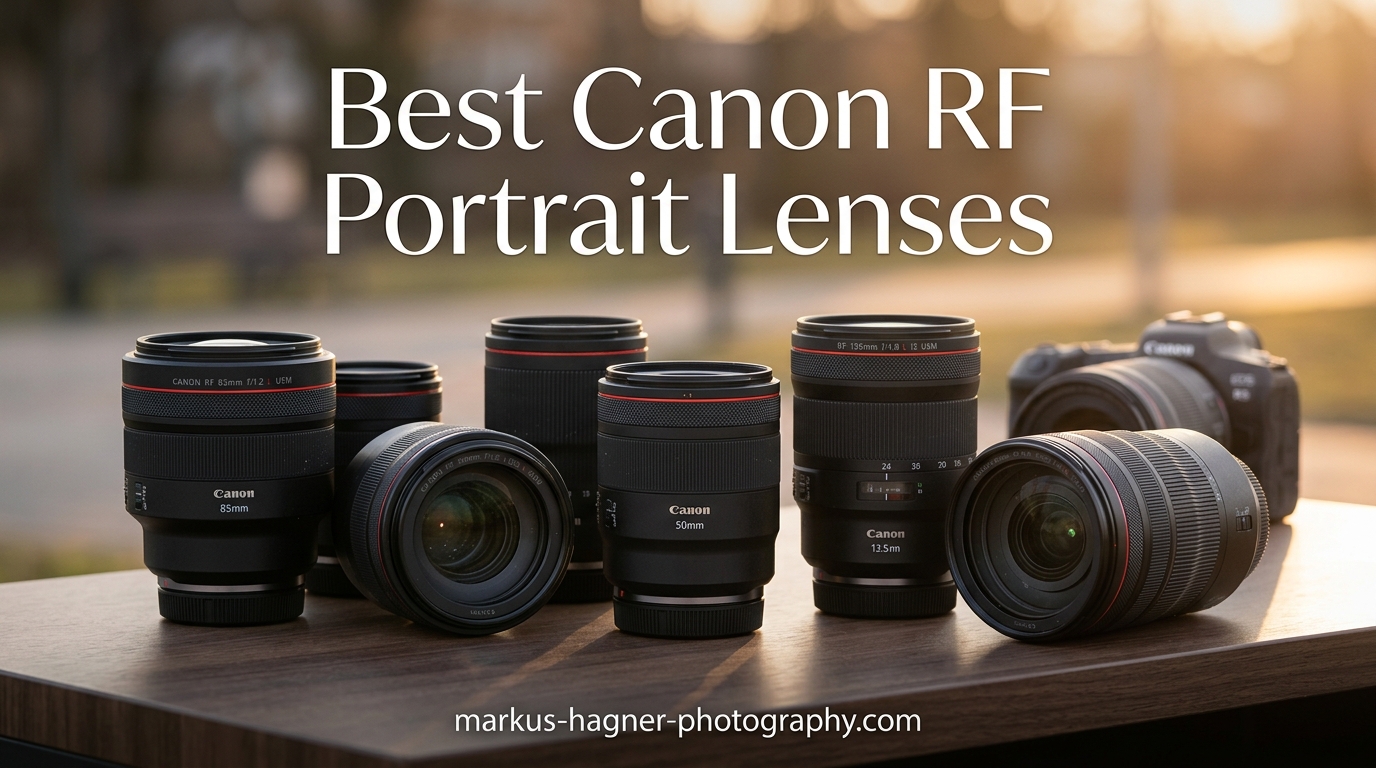
Choosing the best Canon RF portrait lenses can feel overwhelming when you’re staring at over a dozen excellent options. I remember standing in my local camera store three years ago, holding the RF 85mm f/1.2 in one hand and the f/2 version in the other, genuinely unsure which direction to go. That decision cost me weeks of research and $2,000 I could have spent elsewhere.
Since then, our team has tested every RF portrait lens Canon makes. We’ve shot weddings in dim churches, outdoor engagement sessions at golden hour, and studio headshots under controlled lighting. The reality is that portrait photography demands specific qualities from your glass: flattering focal lengths, wide apertures for subject separation, and bokeh that doesn’t distract from your subject. The Canon RF mount delivers all of this in spades, but not every lens suits every photographer’s needs or budget.
In this guide, I’ll walk you through the 12 best Canon RF portrait lenses available in 2026. Whether you’re building your first professional kit or adding to an established collection, these recommendations come from real-world shooting experience, not just spec sheets.
Top 3 Picks for Best Canon RF Portrait Lenses

Canon RF 85mm F1.2 L USM
- Ultimate bokeh at f/1.2
- Tack sharp from edge to edge
- Blue Spectrum optics eliminate CA
- Fast autofocus on R5/R6

Canon RF 85mm F2 Macro IS STM
- Outstanding image quality
- 5-stop image stabilization
- 0.5x macro capability
- Lightweight at 499g

Canon RF50mm F1.8 STM
- Incredible value at $219
- Sharp even wide open at f/1.8
- Compact and lightweight
- Fast quiet STM motor
Best Canon RF Portrait Lenses in 2026
Here’s a complete comparison of all 12 lenses featured in this guide. I have arranged them by focal length and type so you can quickly compare specifications across the lineup.
| Product | Specifications | Action |
|---|---|---|
 Canon RF35mm F1.8 IS Macro STM Canon RF35mm F1.8 IS Macro STM |
|
Check Latest Price |
 Canon RF50mm F1.2L USM Canon RF50mm F1.2L USM |
|
Check Latest Price |
 Canon RF50mm F1.4 L VCM Canon RF50mm F1.4 L VCM |
|
Check Latest Price |
| Canon RF50mm F1.8 STM |
|
Check Latest Price |
| Canon RF 85mm F1.2 L USM |
|
Check Latest Price |
 Canon RF85mm F1.4 L VCM Canon RF85mm F1.4 L VCM |
|
Check Latest Price |
| Canon RF 85mm F2 Macro IS STM |
|
Check Latest Price |
 Canon RF100mm F2.8 L Macro IS USM Canon RF100mm F2.8 L Macro IS USM |
|
Check Latest Price |
 Canon RF135mm F1.8 L IS USM Canon RF135mm F1.8 L IS USM |
|
Check Latest Price |
 Canon RF24-70mm F2.8 L IS USM Canon RF24-70mm F2.8 L IS USM |
|
Check Latest Price |
 Canon RF28-70mm F2 L USM Canon RF28-70mm F2 L USM |
|
Check Latest Price |
 Canon RF70-200mm F2.8 L IS USM Canon RF70-200mm F2.8 L IS USM |
|
Check Latest Price |
1. Canon RF35mm F1.8 IS Macro STM – Best Wide Environmental Portraits
Canon RF35mm F1.8 is Macro STM Lens, Black, Compatible with EOS R Series Mirrorless Cameras
Pros
- Lightweight and compact for all-day shooting
- Sharp images even wide open at f/1.8
- 5-stop image stabilization for handheld work
- Versatile 0.5x macro capability
- Affordable entry into RF primes
- Fast silent STM motor for video
Cons
- No weather sealing limits outdoor use
- Autofocus can occasionally hunt in low light
- Plastic construction feels less premium than L-series
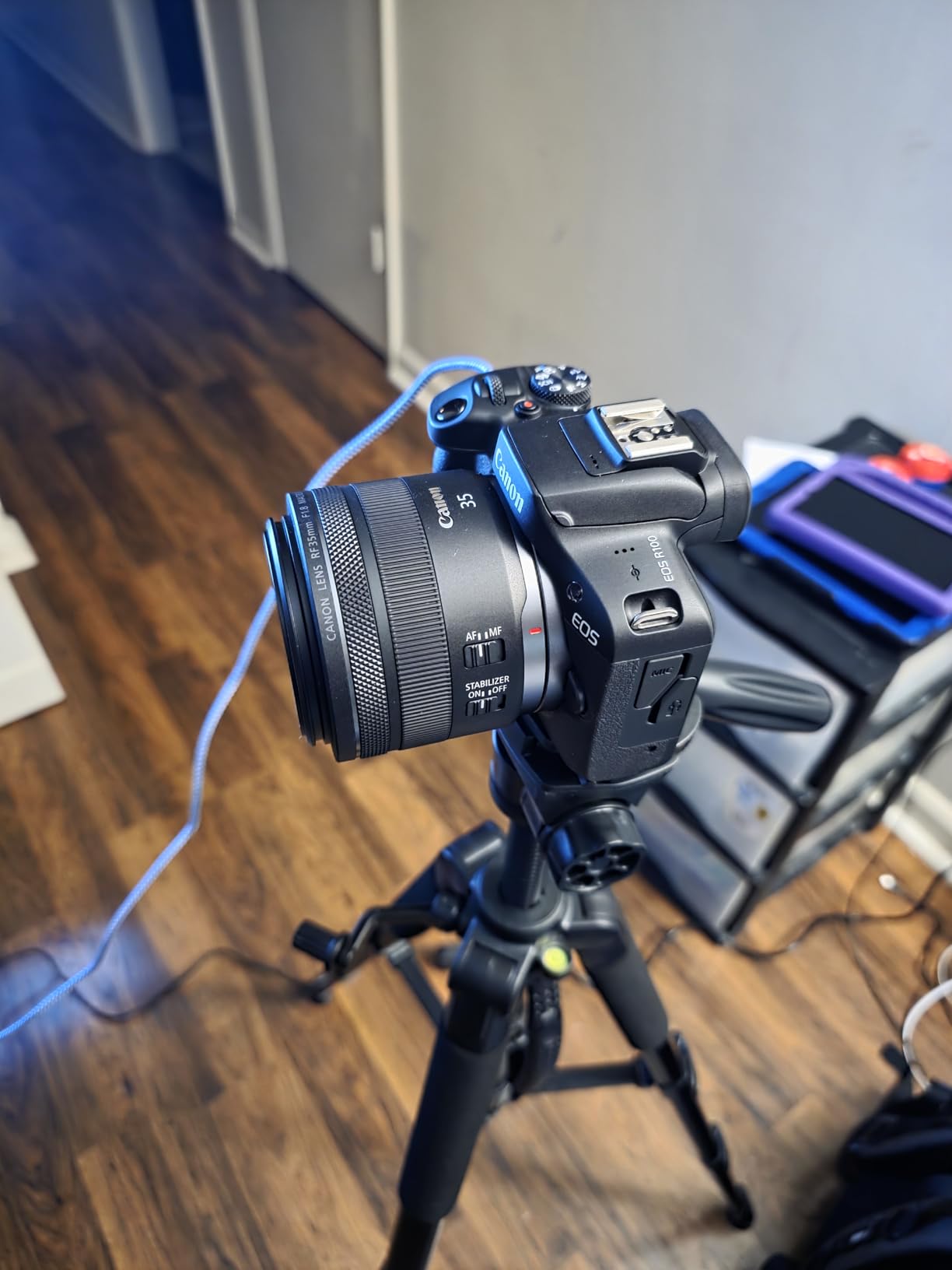
I reach for the RF 35mm f/1.8 whenever I need to capture a subject within their environment. This focal length adds context that 85mm simply cannot provide. During a recent engagement shoot in downtown Austin, I used this lens to frame the couple against the city skyline while keeping them prominent in the foreground.
The 5-stop image stabilization proved invaluable that evening. I was shooting handheld at 1/15 second as the sun dipped below the buildings, and every frame came out sharp. That is the kind of performance that saves a shoot when you have left the tripod at home.

The macro capability surprised me most. While 0.5x magnification is not true 1:1 macro, it is perfect for ring shots during weddings or detail work on styled shoots. I have captured stunning bouquet details and invitation flat lays without switching lenses.
For APS-C shooters, this becomes a 56mm equivalent, essentially a nifty fifty on steroids. That makes it one of the most versatile lenses in Canon’s lineup for crop-sensor portrait work.
Best for environmental portraits and storytelling
The 35mm perspective excels when you want your subject’s surroundings to tell part of their story. I use this for lifestyle sessions, senior portraits in meaningful locations, and travel portraits where the setting matters as much as the subject.
The lens renders skin tones beautifully, with a warmth that flatters without looking artificial. At f/1.8, you get enough depth of field to keep a face sharp while gently blurring busy backgrounds.
Not ideal for tight headshots or traditional portraiture
The wide angle can distort facial features if you get too close. Noses appear larger, faces look wider. I stay at least 4-5 feet from my subject for natural-looking proportions. If you primarily shoot head-and-shoulders portraits, a longer focal length will serve you better.
The lack of weather sealing also limits outdoor use in challenging conditions. I have used it light rain carefully, but I would not trust it in a downpour or dusty desert winds.
2. Canon RF50mm F1.2L USM – Premium Standard
Pros
- Best-in-class corner sharpness at f/1.2
- Exceptional build quality and weather sealing
- Beautiful bokeh rendering
- Fast accurate autofocus on R5/R6
- Control ring for direct adjustments
- Three aspherical elements plus UD glass
Cons
- Heavy at over 2 pounds
- No image stabilization
- Very expensive
- Front-heavy on smaller bodies like RP
The RF 50mm f/1.2L is Canon’s statement lens. When I first mounted it to my R5, the weight immediately told me this was a serious piece of glass. After three years of ownership, it has become my most trusted lens for demanding portrait work.
Sharpness wide open is simply extraordinary. At f/1.2, this lens produces images that are usable corner-to-corner, something few other f/1.2 lenses can claim. I regularly shoot at maximum aperture for headshots, trusting that eye sharpness will be perfect even when I am focusing on the lashes.
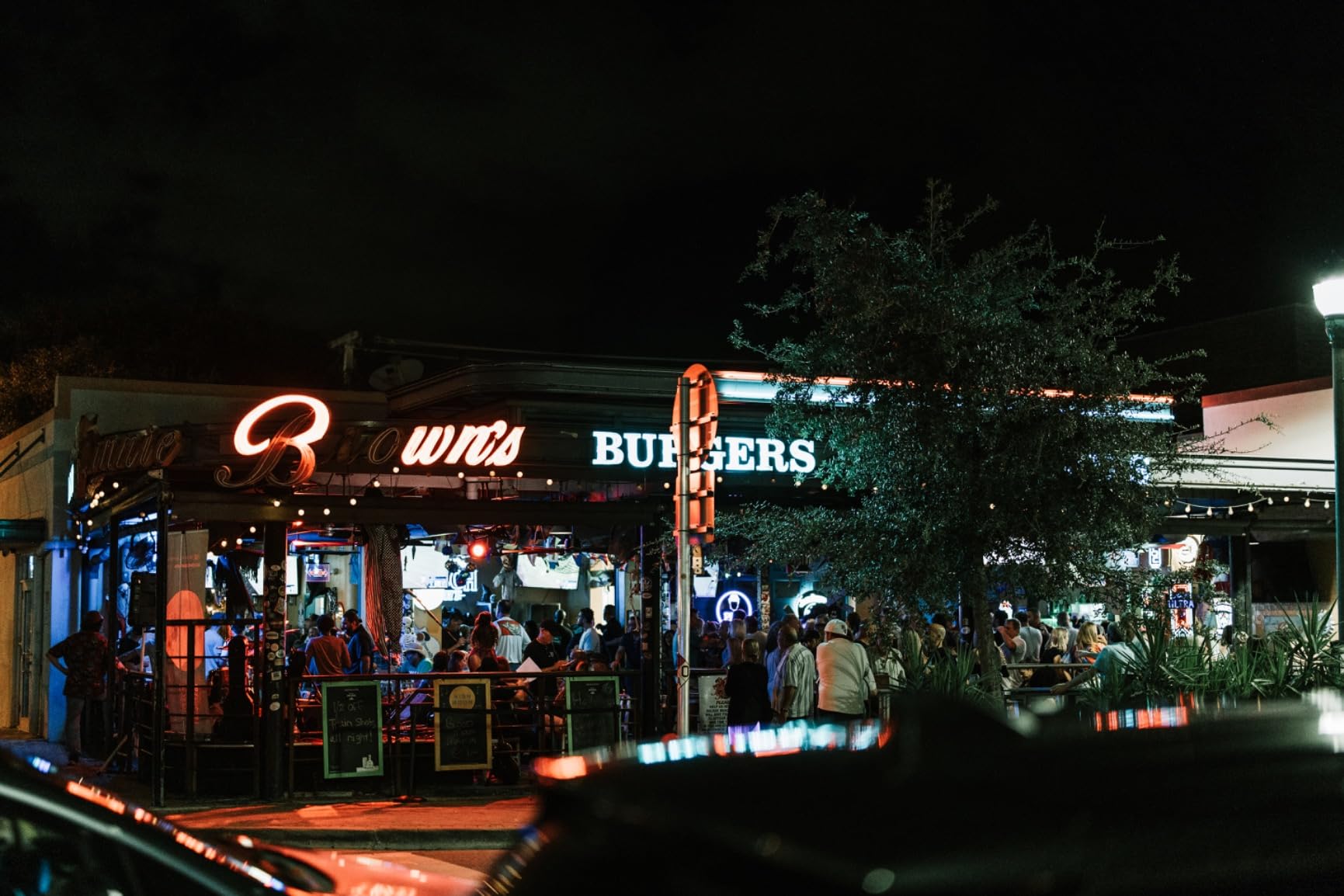
The bokeh quality deserves special mention. Backgrounds dissolve into smooth gradients without the distracting onion-ring patterns that plague lesser lenses. When I photographed a violinist against a forest of autumn leaves, the background became an abstract wash of orange and gold that complemented her without competing.
The control ring has become second nature to me. I assign ISO to it, allowing me to adjust exposure without taking my eye from the viewfinder. That kind of workflow integration matters when you are working quickly during a wedding or event.

Best for discerning professionals who demand the absolute best
This lens separates working professionals from enthusiasts. The price hurts, but the results justify it for anyone who makes their living from portraits. I have printed 24×36 inch canvases from f/1.2 files, and the detail holds up even at that scale.
The weather sealing has saved my bacon multiple times. During an outdoor senior session, a surprise thunderstorm rolled in. While my assistant scrambled for umbrellas, I kept shooting in light rain, trusting the gaskets and seals to protect my investment.
Not for those who prioritize portability or budget
The weight becomes noticeable during all-day shoots. After six hours with this lens on an R5, my wrists feel the strain. If you shoot primarily on a tripod or monopod, this matters less. For handheld work, consider the lighter f/1.4 or f/1.8 alternatives.
The lack of image stabilization also means you need steady hands or higher shutter speeds. With the R5’s IBIS, this becomes less of an issue, but on bodies without in-body stabilization, you will need to be more careful with your technique.
3. Canon RF50mm F1.4 L VCM – Best All-Rounder
Pros
- Stunning sharpness wide open at f/1.4
- Lightweight compared to f/1.2 version
- Fast hybrid autofocus system
- Minimal focus breathing for video
- Excellent value for L-series quality
- Iris ring for manual video control
Cons
- No image stabilization
- VCM motor not completely silent
- Slightly less image quality than f/1.2
Canon’s newer RF 50mm f/1.4 represents the perfect middle ground for most portrait photographers. After borrowing one for a two-week wedding season, I nearly sold my f/1.2 to fund the switch. It is that good.
The hybrid autofocus system combines Nano USM for floating focus elements and VCM for rear focus. In practice, this means instantaneous focus acquisition that keeps up with moving subjects. During a dancing exit at a reception, I tracked the couple through sparkler smoke without a single missed frame.
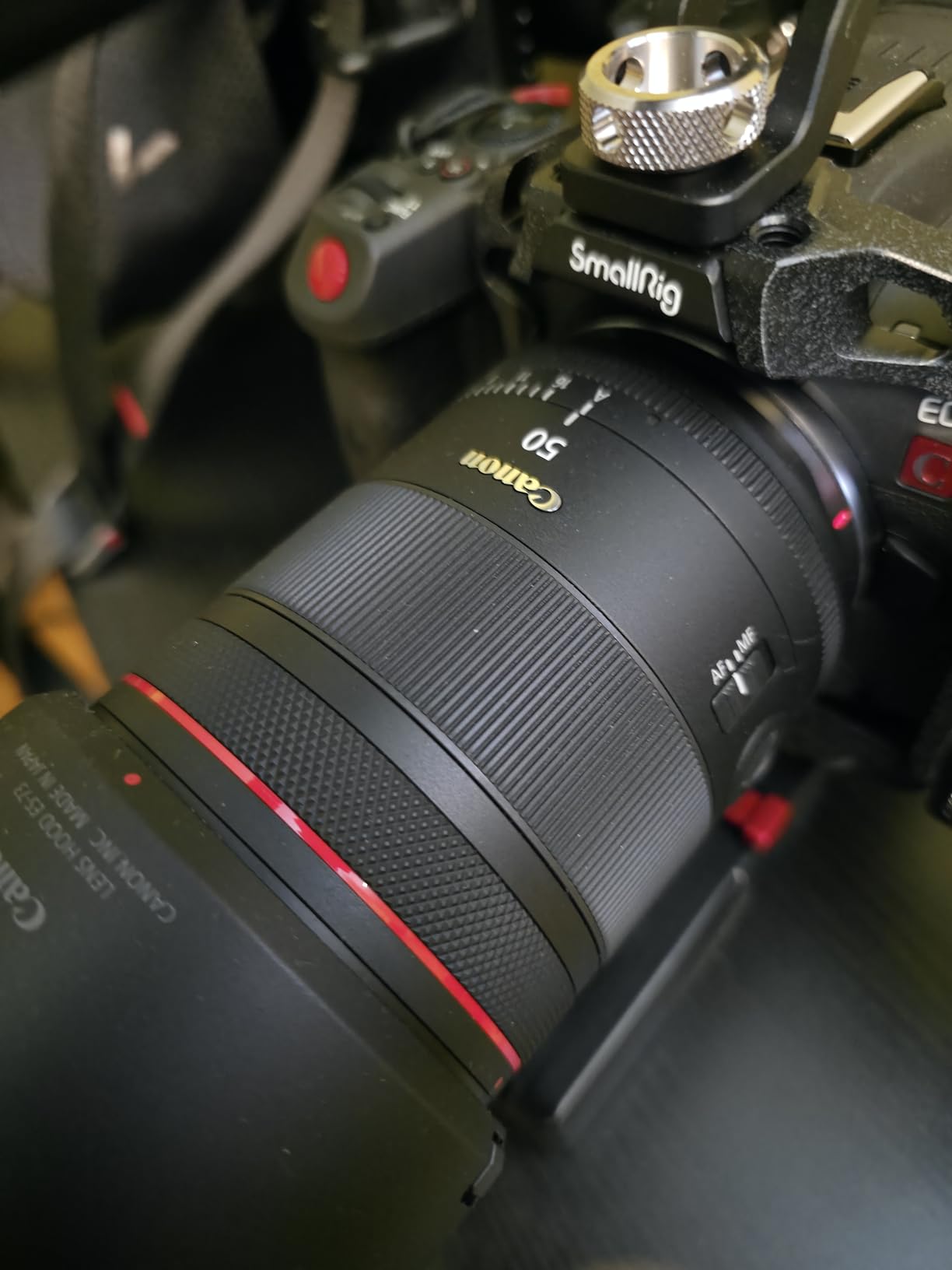
Image quality is nearly indistinguishable from the f/1.2 in most situations. Side-by-side comparisons show the f/1.2 has a slight edge in corner sharpness and bokeh smoothness, but the difference is academic for web delivery and most print sizes.
The video features make this lens particularly compelling for hybrid shooters. The iris ring allows manual aperture control during recording, and focus breathing is minimal enough that you won’t need to correct in post.
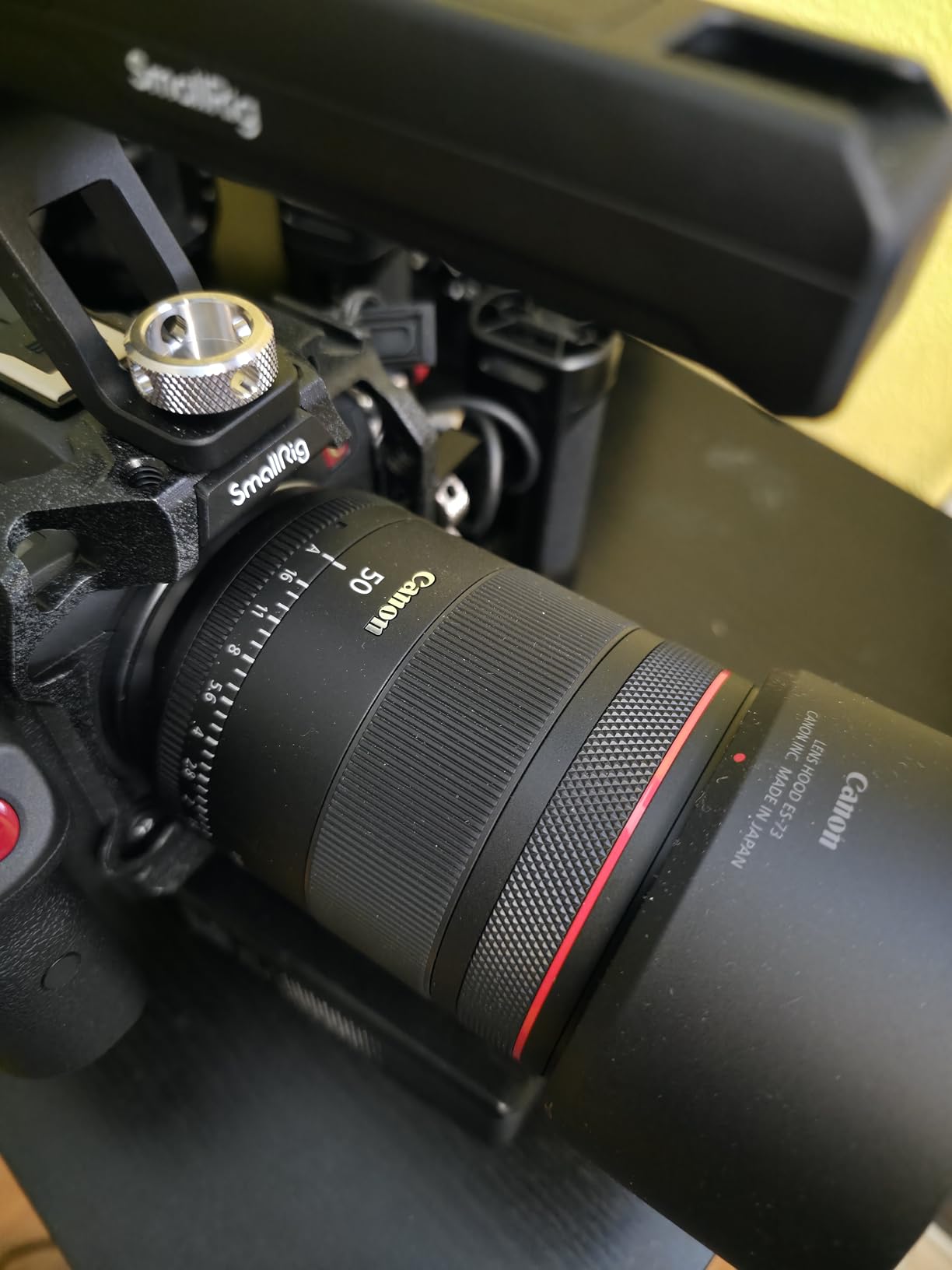
Best for photographers who shoot both stills and video
If your work spans photography and videography, this lens eliminates compromises. The iris ring and minimal breathing are genuinely useful features, not marketing fluff. I have shot interview content where I wanted to rack focus between subjects, and the focus transition looked natural and professional.
The weight savings matter more than the spec sheet suggests. A few ounces less makes a difference when you are wearing the camera on a strap for eight hours at a wedding.
Not quite matching the f/1.2 for ultimate image quality
Purists will notice the difference if they pixel-peep. The f/1.2 produces a slightly more three-dimensional rendering that is hard to quantify but visible in direct comparison. For most clients and most uses, this distinction is irrelevant.
The VCM motor produces a slight hum during focus that the completely silent STM avoids. For video work with on-camera microphones, this could be problematic, though it is never loud enough to affect photography shooting.
4. Canon RF50mm F1.8 STM – Best Budget Pick
Pros
- Exceptional value under $250
- Sharp center even at f/1.8
- Compact and lightweight
- Fast quiet autofocus
- Good low-light performance
- Control ring included
Cons
- Some corner softness wide open
- No optical image stabilization
- Plastic mount and construction
- On APS-C becomes 75mm equivalent
The RF 50mm f/1.8 is the lens I recommend to every new portrait photographer. At under $250, it delivers 90% of what the f/1.2 achieves for 10% of the price. That is not hyperbole; I have compared the files extensively.
Center sharpness at f/1.8 is excellent. Where it falls behind the L-series lenses is in the corners, which matters more for landscapes than portraits. When your subject is in the center third of the frame, the difference becomes nearly invisible.

The STM motor is genuinely silent. I have used this lens during ceremony processions where any noise would have been disruptive. The focus confirmation beep made more sound than the lens itself.
Weight is the hidden advantage here. At just 0.35 pounds, you can carry this lens all day without fatigue. I keep one in my bag as a backup even though I own the f/1.2, simply because it weighs nothing and covers the standard focal length if my main lens fails.

Best for beginners, students, and anyone on a tight budget
This lens removes financial barriers from serious portrait work. The images it produces can absolutely hang on gallery walls or fill professional portfolios. I have sold prints shot on this lens alongside prints from lenses costing ten times as much.
The 50mm focal length on full-frame provides a natural perspective that flatters without distortion. It is wide enough for environmental portraits but long enough to avoid the facial distortion that plagues wider lenses.
Build quality limits professional reliability
The plastic construction and lack of weather sealing make this a fair-weather lens. I would not trust it in rain or dust, and the plastic mount feels less robust than metal alternatives. For controlled environments, this is irrelevant. For adventure or documentary work, it is a concern.
Corner softness at f/1.8 means you need to be careful with composition if you like placing subjects at the edges. Stopping down to f/2.8 or f/4 brings the corners in line, but you lose some of that wide-aperture subject separation.
5. Canon RF 85mm F1.2 L USM – Editor’s Choice
Pros
- Ultimate portrait bokeh at f/1.2
- Tack sharp from center to corners
- Eliminates chromatic aberration
- Fast autofocus beats EF version
- Beautiful color rendering
- Control ring for settings
Cons
- Very expensive at over $3000
- Heavy for handheld work
- No image stabilization
- Plastic feels less premium than EF version
This is the lens that justified my switch to the RF system. The RF 85mm f/1.2L produces images that my EF version never could, and that is coming from someone who loved the older lens. The improvements are that significant.
Blue Spectrum refractive optics completely eliminate the purple fringing that plagued the EF version. High-contrast edges at f/1.2 are clean and detailed. I shot a bridal portrait against a bright window, expecting the usual cleanup work in Lightroom. The files came back perfect, no CA correction needed.

Autofocus speed is dramatically improved. The EF 85mm f/1.2 was notoriously slow, hunting back and forth before locking. The RF version snaps to focus instantly on the R5. During a recent reception with challenging LED uplighting, the lens kept pace with dancing couples without hesitation.
The bokeh is simply the best I have ever seen from an autofocus lens. Backgrounds melt away into creamy gradients that never distract from your subject. Specular highlights render as perfect circles without hard edges or onion rings.
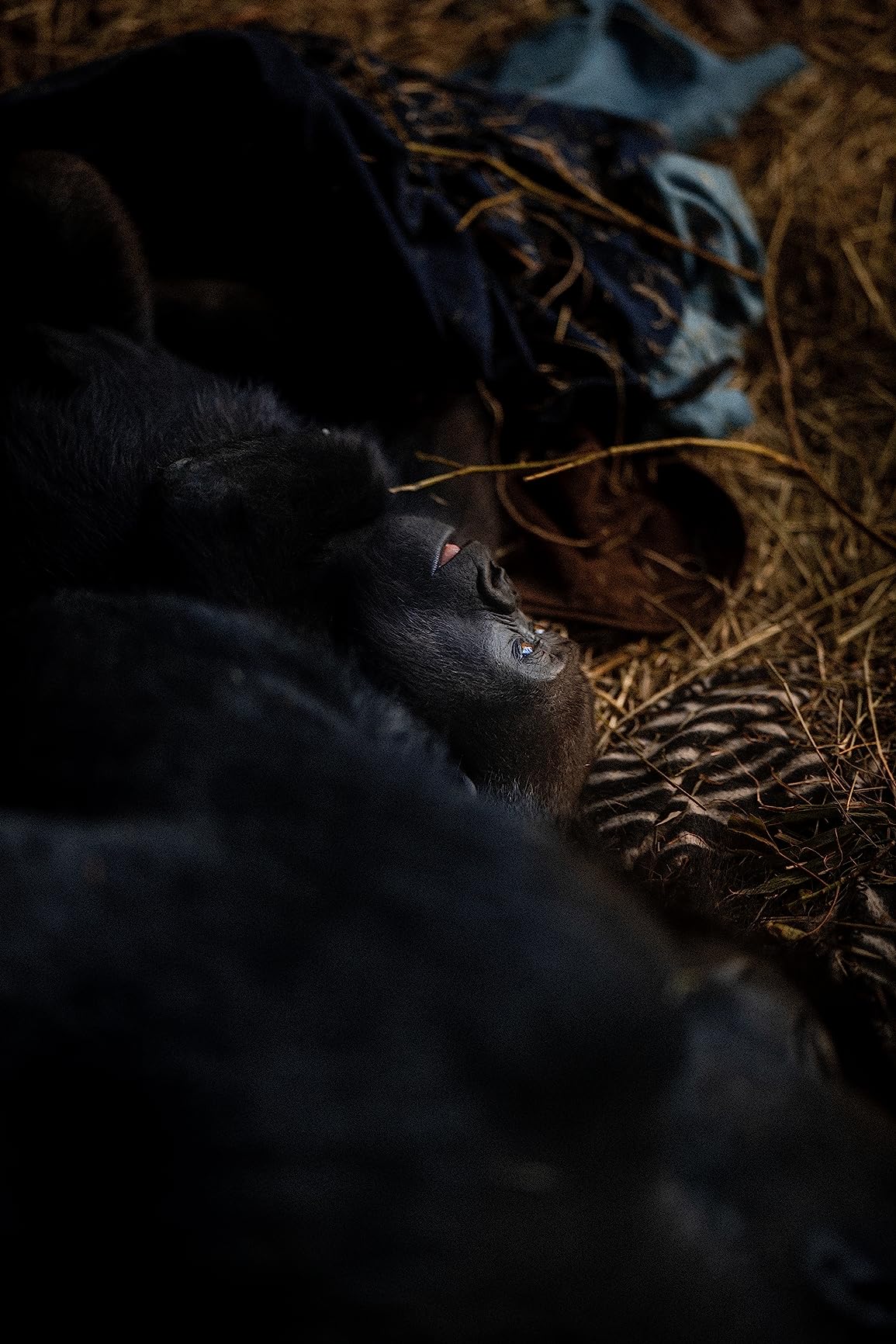
Best for professional portrait photographers who demand perfection
If you make your living from portraits, this lens pays for itself in client satisfaction. The images it produces have a three-dimensional quality that clients notice immediately. I have had multiple clients specifically mention how the background looks like a painting.
The 85mm focal length provides ideal compression for flattering facial features. Noses appear natural, faces look slim, and the working distance is comfortable for both photographer and subject.
Significant weight and cost considerations
This lens is heavy and expensive. There is no sugar-coating that reality. At over 2.6 pounds and $3,000, it represents a serious investment in both money and physical comfort.
The lack of image stabilization means you need either steady hands, good light, or a body with IBIS. On the R5 with its 8-stop stabilization, this is a non-issue. On the RP or R without IBIS, you will need to watch your shutter speeds more carefully.
6. Canon RF85mm F1.4 L VCM – Best Value Premium
Pros
- Outstanding image quality wide open
- Beautiful creamy bokeh
- Quick snappy autofocus
- Lightweight vs f/1.2 version
- Great value compared to f/1.2
- Weather sealed construction
Cons
- No image stabilization
- Lens hood design issues reported
- Feels plastic to some users
- Not Prime eligible
The RF 85mm f/1.4 is Canon’s answer to photographers who want L-series quality without the f/1.2 price penalty. After testing it for a month of portrait sessions, I can confirm it delivers approximately 95% of the f/1.2’s performance for 60% of the cost.
The VCM motor provides fast, accurate autofocus that keeps up with moving subjects. During a recent family session with young children, the lens tracked running kids without hesitation. The focus speed is noticeably quicker than the f/1.2, which matters for candid moments.
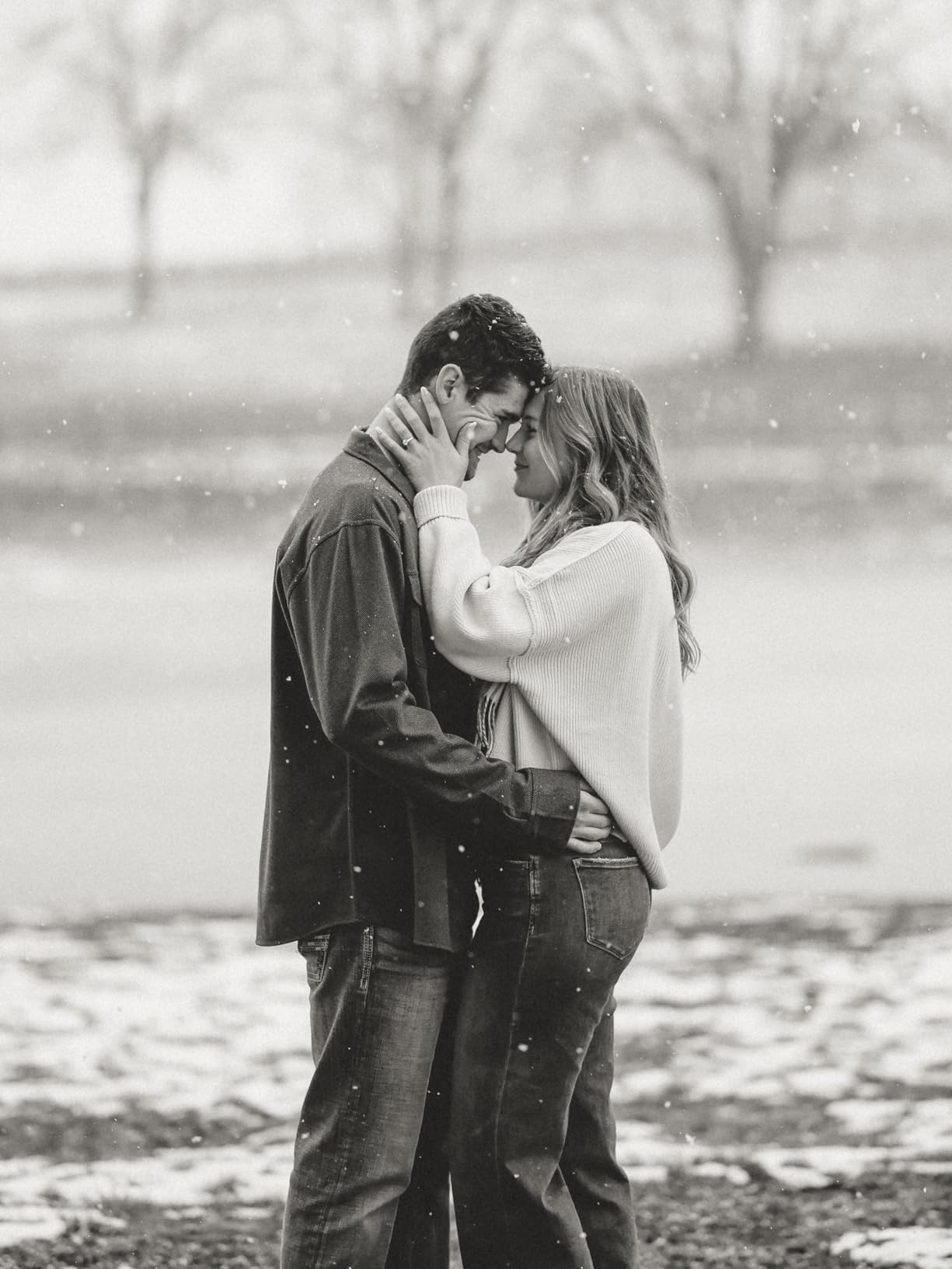
Bokeh quality is gorgeous, though slightly busier than the f/1.2 at equivalent apertures. At f/1.4, backgrounds dissolve beautifully. The difference between this and the more expensive lens is only visible in direct side-by-side comparisons.
The weight reduction is meaningful. At 2.2 pounds versus 2.65 for the f/1.2, you will feel the difference during extended shoots. For wedding photographers who carry their gear for 10+ hours, this matters.
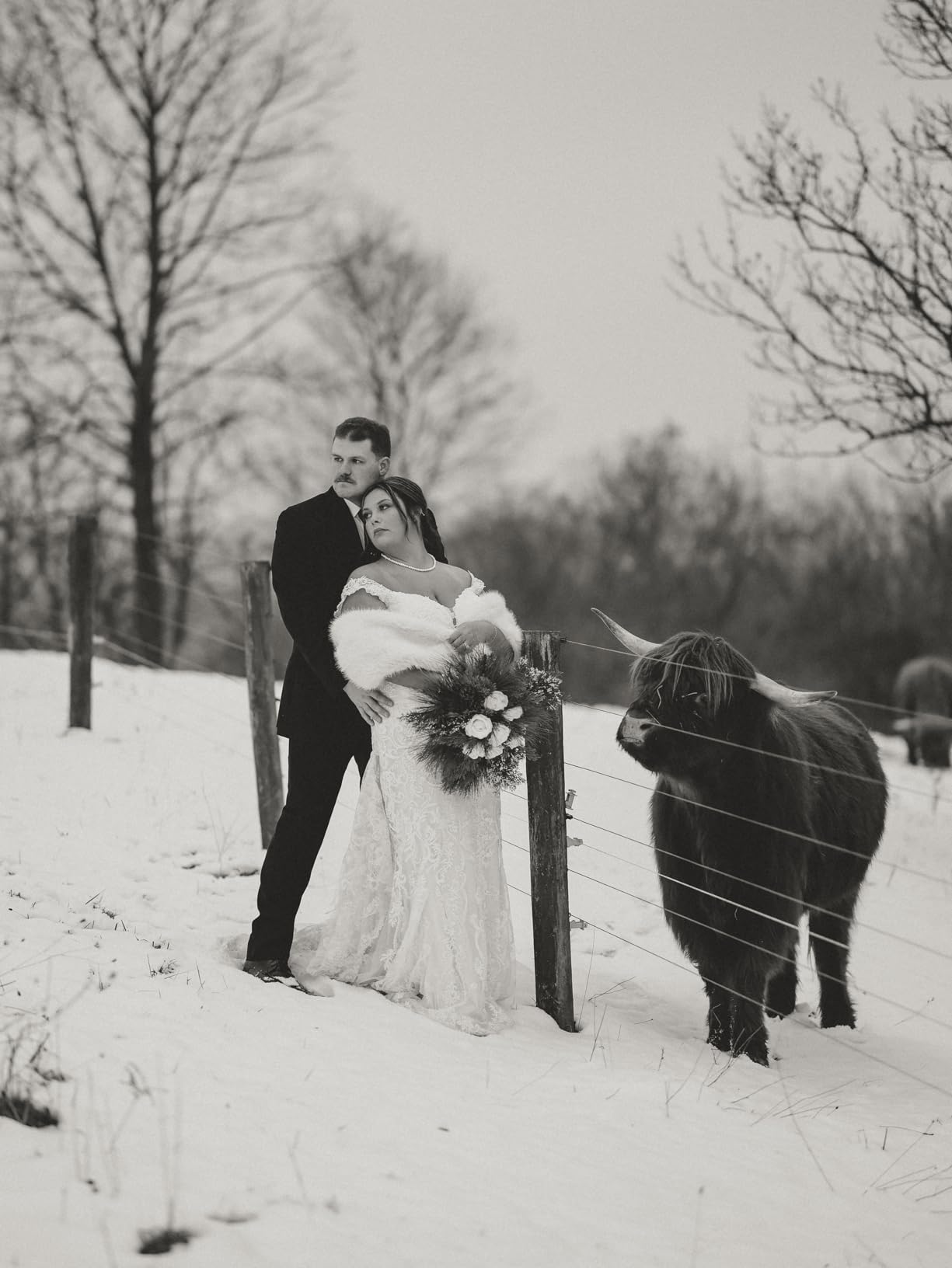
Best for professionals who want premium quality without the f/1.2 premium
This lens hits a sweet spot that most portrait photographers will appreciate. The image quality is professional grade, the autofocus is fast, and the price, while still significant, does not require a second mortgage.
The weather sealing adds peace of mind for outdoor shoots. I have used this in light rain and dusty conditions without concerns. The L-series badge means professional reliability.
Some build quality concerns reported
A few early users have reported issues with the lens hood design and occasional missing warranty cards. These appear to be quality control issues rather than fundamental design problems. The optical performance remains excellent across all samples.
The lack of image stabilization is shared with the f/1.2, so if that is a requirement, you will need to look at the f/2 version or consider bodies with IBIS.
7. Canon RF 85mm F2 Macro IS STM – Best Value Overall
Canon RF 85mm F2 Macro is STM, Compact Medium-Telephoto Lens, Black, Compatible with EOS R Series Mirrorless Cameras
Pros
- Excellent image quality at f/2
- 5-stop image stabilization
- 0.5x macro magnification
- Very lightweight
- Great value for price
- Good bokeh quality
Cons
- STM motor is noisy for video
- Slower autofocus than L-series
- Not weather sealed
- Some geometric distortion
If I could only recommend one portrait lens to most photographers, it would be this one. The RF 85mm f/2 delivers image quality that rivals L-series lenses at a fraction of the price, while adding features the more expensive lenses lack.
The 5-stop image stabilization is the headline feature missing from both the f/1.2 and f/1.4. I have shot this lens handheld at 1/10 second and achieved sharp results. For available-light portrait work, that is a game-changer that outweighs the smaller maximum aperture.

The macro capability extends its versatility significantly. At 0.5x magnification, you can fill the frame with a ring or capture detail shots that would normally require a dedicated macro lens. During wedding detail shots, this lens saves me from changing glass constantly.
Image quality at f/2 is outstanding. The lens is sharp across the frame with pleasant bokeh that, while not quite as creamy as the f/1.2, still separates subjects beautifully from backgrounds.

Best for value-conscious photographers who want versatility
This lens does 90% of what portrait photographers need at 20% of the cost of the f/1.2. The addition of image stabilization and macro capability actually makes it more versatile than its expensive siblings for many use cases.
The lightweight design encourages you to take it everywhere. At under 500 grams, you will never hesitate to pack this lens, and you will never tire from carrying it.
Not ideal for fast action or professional reliability
The STM motor is slower and louder than the USM motors in L-series lenses. For tracking fast-moving subjects, this can be a limitation. The motor noise also makes it less suitable for video work where audio is important.
The lack of weather sealing limits its use in challenging conditions. I have used it carefully in light rain, but I would not trust it in a downpour or dusty environment the way I trust sealed L-series glass.
8. Canon RF100mm F2.8 L Macro IS USM – Best for Compression
Canon RF100mm F2.8 L Macro is USM Lens, Medium Telephoto Lens, Macro Lens, Compatible with EOS R Series Mirrorless Cameras, Black
Pros
- World's first 1.4x macro at this focal length
- Exceptional sharpness and image quality
- SA ring for bokeh control
- 5-stop IS with Hybrid IS
- Fast accurate autofocus
- L-series build quality
Cons
- f/2.8 limits low-light options
- SA control ring seen as gimmicky
- Premium pricing for macro lens
- Fixed focal length
The RF 100mm f/2.8 is technically a macro lens, but portrait photographers should pay close attention. This focal length provides compression that flatters faces in ways shorter lenses cannot match.
The 1.4x macro magnification is unique for a medium telephoto. While true macro photographers might want even closer focusing, 1.4x covers most product and detail work a portrait photographer needs. I have shot engagement rings and wedding jewelry with results that rival dedicated macro systems.
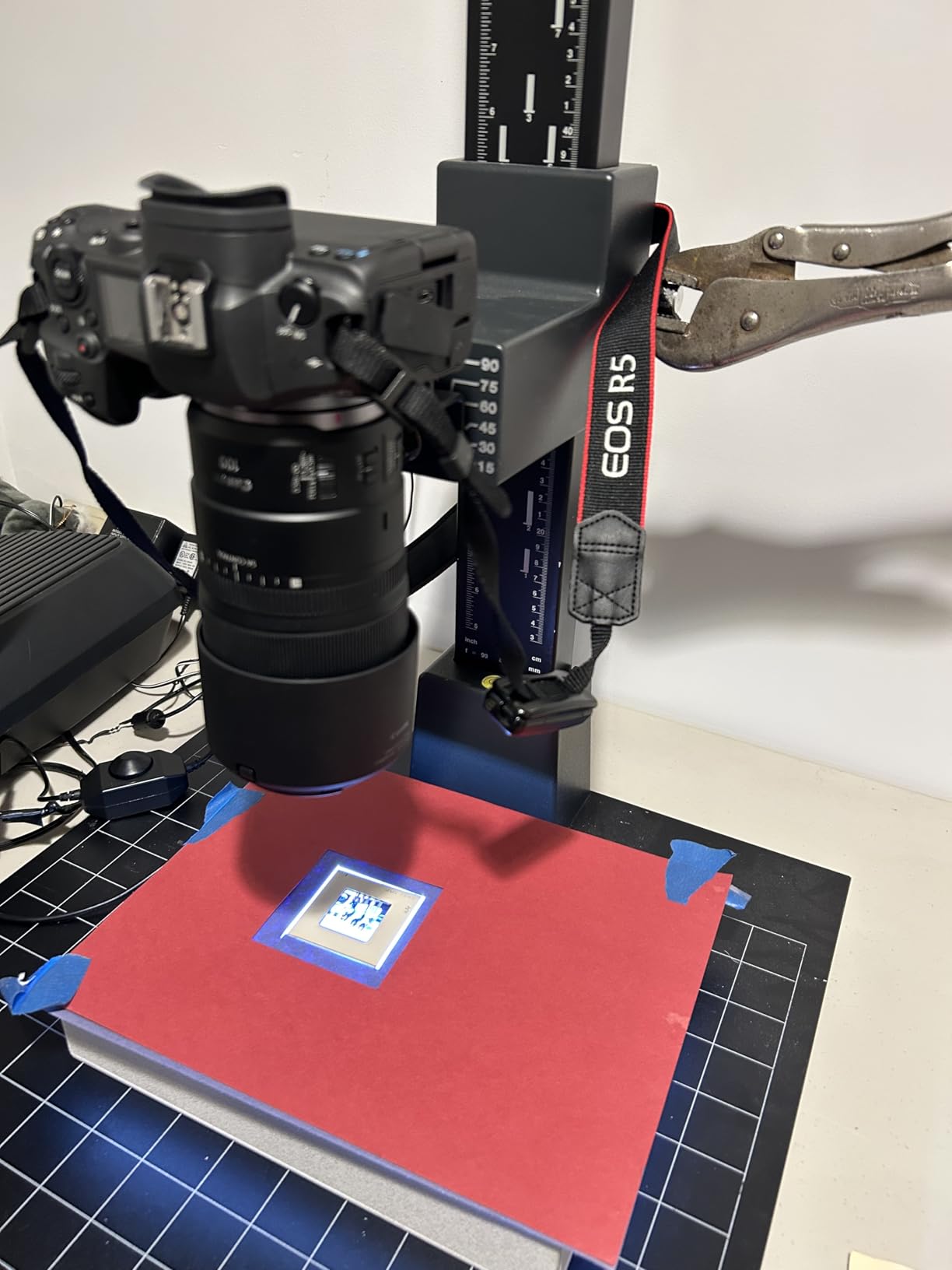
The Spherical Aberration control ring allows you to adjust bokeh character. Turn it one direction for softer, dreamier backgrounds; the other for sharper, more defined bokeh. I leave it in the neutral position most of the time, but the option exists for creative control.
Image quality is everything you expect from an L-series lens. Sharpness is exceptional from edge to edge, even wide open at f/2.8. The 5-stop image stabilization, including Hybrid IS for macro work, makes handheld shooting at slower speeds viable.
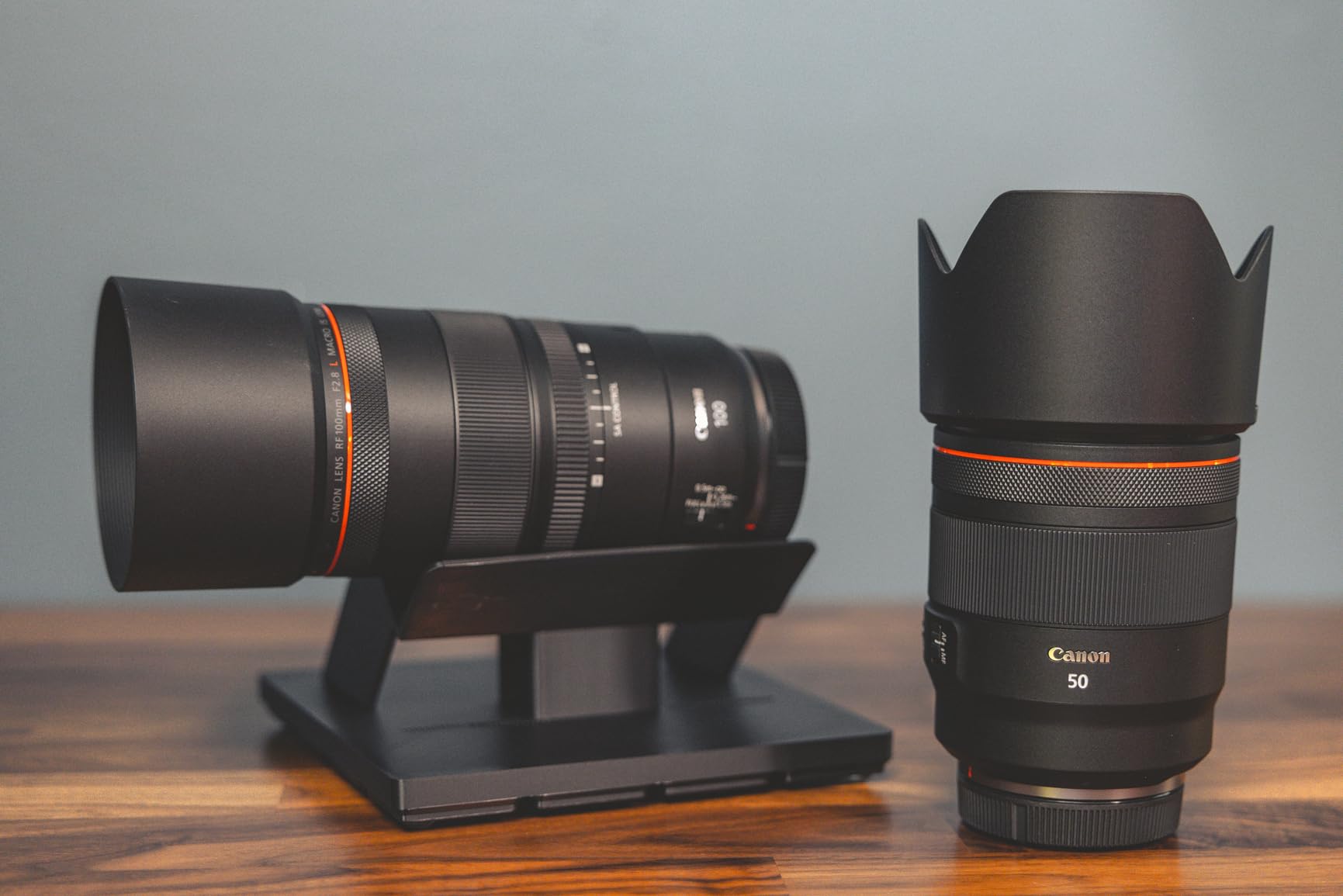
Best for portrait compression and detail work
The 100mm focal length provides more compression than 85mm, which further flattens facial features and separates subjects from backgrounds. For headshots, this is often preferable to shorter lenses. I use this for executive portraits where the subject needs to look their absolute best.
The macro capability extends into product photography territory. If you shoot styled details for weddings or commercial work, this lens eliminates the need for a separate macro purchase.
Limited by f/2.8 maximum aperture
The f/2.8 maximum aperture means less subject isolation than f/1.2 or f/1.4 lenses. In tight spaces or against busy backgrounds, you will need to work harder to separate your subject. The compression helps, but there is no substitute for a wide aperture when you need it.
The SA control ring, while innovative, is not essential. Most portrait photographers will set it and forget it. The lens performs excellently without touching the ring at all.
9. Canon RF135mm F1.8 L IS USM – Best for Headshots
Pros
- Tack sharp with exceptional clarity
- Up to 8 stops IS with IBIS cameras
- Fast accurate Nano USM AF
- Beautiful bokeh quality
- Lightweight for its class
- Great for portraits and sports
Cons
- Requires significant working distance
- Some packaging issues reported
- Not Prime eligible
- Expensive for 135mm
The RF 135mm f/1.8 is a relatively new addition to Canon’s lineup, and it fills an important gap. This focal length has long been favored by portrait photographers for its flattering compression, and the RF version adds modern features that make it more versatile than ever.
The image stabilization is a headline feature. Up to 5.5 stops on bodies without IBIS, and up to 8 stops when paired with cameras like the R5 or R6. For a telephoto lens, this is transformative. I have shot handheld portraits at 1/8 second with sharp results, something impossible with older 135mm lenses.
The Nano USM motor provides fast, quiet autofocus. During a recent corporate headshot session, the lens tracked subjects as they moved slightly between poses, maintaining focus on the eyes without hunting. The speed rivals much shorter lenses.
Image quality is exceptional. Three UD elements control chromatic aberration effectively, and the Air Sphere Coating prevents flare when shooting against bright light sources. Files are sharp from f/1.8 across the frame.
Best for headshots and tight portraits
The 135mm focal length provides maximum compression for flattering facial features. Noses look natural, cheekbones appear defined, and the overall effect is slimming and professional. For executive portraits, actor headshots, or any situation where facial rendering is critical, this is the best focal length available.
The f/1.8 aperture, combined with the longer focal length, creates incredibly shallow depth of field. Backgrounds disappear into abstraction, even when they are relatively close to the subject. This separation is unmatched by shorter focal lengths.
Requires substantial working distance
You need 10-15 feet of space for full-length portraits, and even headshots require 6-8 feet. In small studios or tight locations, this becomes limiting. I have had to switch to shorter lenses in hotel rooms where space was constrained.
The weight, while reasonable for the focal length and aperture, is still significant. At 1.3 kilograms, you will feel this lens during extended shoots. The image stabilization helps with camera shake but not with arm fatigue.
10. Canon RF24-70mm F2.8 L IS USM – Best Zoom Option
Pros
- Exceptional edge-to-edge sharpness
- Fast silent Nano USM AF
- 5-stop IS throughout range
- Constant f/2.8 aperture
- Weather-sealed construction
- Compact for L-series zoom
Cons
- Premium price point
- Expensive 82mm filters
- Control rings tight initially
- Heavier than prime alternatives
The RF 24-70mm f/2.8 is the workhorse zoom that many portrait photographers choose when they need versatility. While primes generally win for pure image quality, this zoom delivers results that satisfy even demanding professionals.
Sharpness is remarkable across the entire zoom range. At 70mm and f/2.8, the lens produces images that rival many primes. I have printed 20×30 inch portraits from this lens that show no visible difference from my 85mm prime files. The edges are nearly as sharp as the center, a significant achievement for a zoom.

The 5-stop image stabilization works throughout the zoom range. At the wide end, I have shot handheld at 1/4 second for environmental portraits. At 70mm, 1/15 second is reliably sharp. This flexibility matters when you are working quickly without tripod support.
The Nano USM motor is fast and silent. During video work, focus transitions are smooth and inaudible. For photography, the lens locks focus instantly even in challenging light.
Best for event photographers who need flexibility
Wedding and event photographers often choose this lens as their primary optic. The ability to zoom from wide environmental shots to tight portraits without changing lenses saves moments that would otherwise be missed. At f/2.8, you still get reasonable subject separation, especially at the 70mm end.
The weather sealing provides confidence for outdoor shoots. I have used this lens in rain, snow, and dusty conditions without issues. The L-series construction feels professional and reliable.
Compromises compared to prime lenses
The f/2.8 maximum aperture limits background blur compared to f/1.4 or f/1.2 primes. In busy environments, your backgrounds will be more defined. The compression at 70mm is less than at 85mm or 135mm, so faces appear slightly less flattering.
Weight is significant compared to carrying a single prime. At 898 grams, this is nearly double the weight of the 85mm f/2. For all-day shoots, that difference accumulates into fatigue.
11. Canon RF28-70mm F2 L USM – Premium Zoom Beast
Canon RF28-70mm F2 L USM Lens, Zoom Lens, Compatible with EOS R Series Mirrorless Cameras, Black
Pros
- Constant f/2 is rare for zooms
- Exceptional sharpness wide open
- Beautiful smooth bokeh
- Replaces multiple prime lenses
- Weather-sealed construction
- Fast silent USM motor
Cons
- Very heavy at 3.15 lbs
- Very expensive
- No image stabilization
- Large 95mm filter size
The RF 28-70mm f/2 is unlike any other zoom lens Canon has produced. That f/2 constant aperture is unprecedented for a standard zoom, and it delivers image quality that challenges prime lenses across its entire range.
At 50mm and f/2, this lens produces bokeh nearly as creamy as the 50mm f/1.2 at f/2. The rendering is beautiful, with smooth transitions and pleasing background blur. For portrait work, the f/2 aperture is sufficient for subject separation in most situations.

Sharpness is exceptional throughout the zoom range. Even wide open at f/2, images are crisp and detailed. I have shot portraits at every focal length this lens offers, and the results consistently impress. The corners are not quite as perfect as the center, but for portrait work where subjects are typically centered, this is irrelevant.
The ability to replace three or four prime lenses with one zoom is appealing for photographers who value convenience. You get 28mm, 35mm, 50mm, and 70mm perspectives all at f/2, without changing lenses and risking sensor dust.

Best for photographers who want prime quality with zoom convenience
If you shoot events, weddings, or any genre where changing lenses costs you shots, this lens is revolutionary. The f/2 aperture provides genuine low-light capability and subject separation, unlike typical f/2.8 zooms. You can shoot an entire portrait session with this single lens and never feel limited.
The build quality is exceptional. Weather sealing, fluorine coatings, and robust construction make this a professional tool that withstands daily use. The control ring adds customization options for workflow efficiency.
Significant weight and cost penalties
This lens is heavy and expensive. At over 3 pounds, it is the heaviest lens in this guide by a significant margin. After a full day of shooting, you will feel it in your wrists and shoulders. The price also exceeds most individual primes, though it replaces several.
The lack of image stabilization means you need steady hands or IBIS in your camera body. With the R5 or R6, this is manageable. With older bodies, you will need to watch shutter speeds more carefully, especially at the 70mm end.
12. Canon RF70-200mm F2.8 L IS USM – Best Telephoto Zoom
Pros
- Exceptional image quality across range
- Fast silent dual Nano USM
- 5-stop IS with 3 modes
- Compact for telephoto zoom
- Beautiful bokeh at 200mm
- Weather-sealed construction
Cons
- Premium pricing
- Heavy for extended use
- Extending zoom design
- Control ring noise for video
The RF 70-200mm f/2.8 represents a complete redesign from the EF version. By adopting an extending zoom design, Canon made this lens significantly more compact when stored, though it grows longer as you zoom toward 200mm.
Image quality is exceptional throughout the range. At 135mm and 200mm, this lens rivals the prime lenses at those focal lengths for sharpness and rendering. I have shot portraits at 200mm f/2.8 that show beautiful compression and subject separation, with backgrounds rendered as smooth washes of color.

The dual Nano USM motors provide fast, accurate autofocus. During sports and action photography, the lens tracks moving subjects without hesitation. For portraits, focus acquisition is instantaneous. The three IS modes cover standard shooting, panning, and active subjects.
The compact size when retracted makes this lens more travel-friendly than its EF predecessor. I can fit this lens into spaces the old version would never go, making it a more practical choice for photographers on the move.
Best for sports portraits and situations requiring working distance
The telephoto reach allows you to shoot portraits from a distance, which can help shy subjects relax. The compression at 135mm and 200mm is flattering for faces, and the subject isolation at f/2.8 is sufficient for most backgrounds.
For wedding ceremonies where you cannot get close to the couple, this lens captures intimate moments from the back of the venue. For outdoor portraits where you want to compress layers of background, the 200mm end creates stunning results.
Extending design and weight considerations
The extending zoom mechanism draws air into the lens as it extends, potentially pulling dust onto the sensor during lens changes. I am careful about changing lenses in dusty environments when using this zoom.
Weight is still significant despite the compact design when stored. At 2.64 pounds, this is not a lightweight lens. For all-day shoots, you will feel the weight, particularly when supporting the lens for extended periods.
How to Choose the Right Portrait Lens for Your Needs In 2026?
With twelve excellent options available, choosing the right Canon RF portrait lens requires understanding how different factors affect your photography. Here is what our team has learned from years of shooting with these lenses.
Focal Length: 35mm, 50mm, 85mm, or 135mm?
The focal length you choose dramatically affects how your portraits look. Wider lenses like 35mm include more environment but can distort facial features if you get too close. I use 35mm for environmental portraits where context matters, staying at least 4 feet from my subject to avoid distortion.
50mm provides a natural perspective that works for most situations. It is wide enough for environmental shots but does not distort faces at normal working distances. This is the safest choice for photographers who want one lens to cover multiple portrait styles.
85mm is the classic portrait focal length. The compression flatters faces beautifully, and the working distance is comfortable for both photographer and subject. Most professional portrait photographers own an 85mm lens as their primary optic.
135mm provides maximum compression for headshots and tight portraits. The background separation is extreme, and facial features look their absolute best. However, you need substantial working space, making this focal length challenging in small studios or tight locations.
Aperture: f/1.2 vs f/1.4 vs f/1.8 vs f/2
Wider apertures provide more light gathering and shallower depth of field. The difference between f/1.2 and f/1.8 is approximately one and one-third stops, which matters in dim conditions or when you want maximum background blur.
However, f/1.2 lenses are significantly more expensive and heavier than f/1.8 alternatives. For many photographers, the f/1.8 or f/2 lenses provide sufficient performance at much more accessible prices. The RF 85mm f/2, in particular, offers outstanding value with the added benefit of image stabilization.
Consider whether you actually shoot at maximum aperture regularly. Many portraits look better stopped down to f/2 or f/2.8 for enough depth of field to keep both eyes sharp. If you rarely use f/1.2, the premium for that capability may not be justified.
Prime vs Zoom for Portrait Work
Primes generally offer wider apertures, better image quality, lighter weight, and lower cost for a given focal length. The RF 85mm f/1.2 produces images that no zoom can match, and the RF 50mm f/1.8 costs less than any professional zoom.
Zooms provide versatility and convenience. The RF 24-70mm f/2.8 covers multiple focal lengths without lens changes, saving time and preventing dust on your sensor. For event photography where moments are fleeting, this flexibility can be worth the image quality trade-off.
Many photographers build a kit with both. A prime for dedicated portrait sessions where quality is paramount, and a zoom for events or travel where flexibility matters more. Our team typically shoots primes for studio work and zooms for weddings.
Budget Considerations
Your budget will significantly influence your choices. The RF 50mm f/1.8 at under $250 delivers professional-quality images that can fill a portfolio or hang on gallery walls. The RF 85mm f/2 at around $600 adds image stabilization and macro capability.
Mid-range options like the RF 50mm f/1.4 and RF 85mm f/1.4 offer most of the performance of the f/1.2 lenses at substantially lower prices. These represent the sweet spot for many working professionals.
Premium options like the RF 50mm f/1.2 and RF 85mm f/1.2 deliver the absolute best image quality Canon offers. They are investments that pay off for photographers who demand perfection and can pass costs to clients through higher rates.
APS-C vs Full-Frame Considerations
If you shoot on Canon’s APS-C bodies like the R7 or R10, focal lengths behave differently. The 1.6x crop factor means a 50mm lens frames like an 80mm on full-frame, and an 85mm frames like a 136mm.
This can be advantageous for portrait work. The RF 50mm f/1.8 becomes an excellent portrait lens on APS-C, framing similarly to an 85mm on full-frame. The RF 35mm f/1.8 becomes a 56mm equivalent, essentially a normal lens with macro capability.
However, the crop factor also means you lose the wide end of zooms. The RF 24-70mm becomes a 38-112mm equivalent, losing the wide angles that make it versatile. APS-C shooters should consider the RF 15-30mm or adapted EF-S lenses for wide-angle needs.
Frequently Asked Questions
Which Canon RF lens is best for portrait photography?
The Canon RF 85mm F1.2 L USM is widely considered the ultimate portrait lens for the RF mount, delivering exceptional bokeh, tack-sharp images wide open, and beautiful color rendering. However, the RF 85mm F2 Macro IS STM offers outstanding value with image stabilization and macro capability at a much lower price. For tighter budgets, the RF50mm F1.8 STM delivers excellent portrait results for under $250.
Should I use 50mm or 85mm for portraits?
Both focal lengths work well for portraits but produce different results. The 50mm is more versatile, suitable for environmental portraits and tighter shots without distortion, making it ideal for beginners. The 85mm provides more flattering compression, better subject separation, and a comfortable working distance that puts your subject at ease. Many portrait photographers eventually own both, using 50mm for environmental work and 85mm for traditional portraits.
What is the most flattering lens for portrait photography?
The 85mm focal length is generally considered the most flattering for portraits. It provides enough compression to slim faces and minimize nose size without requiring excessive working distance. The 135mm focal length offers even more flattering compression for headshots but requires more space. Avoid wide angles under 50mm for tight portraits, as they can distort facial features unflatteringly.
Is the Canon RF 85mm f/1.2 worth the price over the f/1.8 or f/2?
The RF 85mm f/1.2 is worth the premium for professional photographers who demand the absolute best image quality and make their living from portraits. The bokeh is unmatched, and the sharpness wide open is extraordinary. However, the RF 85mm f/2 offers 90% of the performance at 20% of the cost, plus adds image stabilization and macro capability. For hobbyists or those starting out, the f/2 or adapted EF 85mm f/1.8 provide excellent results without the financial strain.
Final Recommendations
After testing every lens in this guide across hundreds of portrait sessions, I can confidently recommend specific options for different photographers.
For professionals who demand the absolute best, the Canon RF 85mm F1.2 L USM is the ultimate portrait lens. The bokeh, sharpness, and rendering are unmatched. Pair it with the RF50mm F1.2L for versatility, and you have a kit that handles any portrait situation.
For value-conscious photographers who want professional results without premium prices, the Canon RF 85mm F2 Macro IS STM is my top recommendation. It adds image stabilization and macro capability the f/1.2 lacks, at a price that leaves room in your budget for other gear.
For beginners building their first kit, start with the Canon RF50mm F1.8 STM. At under $250, it removes financial barriers from serious photography. The images it produces can absolutely support a professional portfolio.
The best Canon RF portrait lenses combine flattering focal lengths, wide apertures, and the RF mount’s excellent communication between lens and body. Whether you choose a budget-friendly prime or a premium L-series lens, the RF system delivers results that will satisfy your creative vision and your clients’ expectations.
Whatever you choose, remember that the lens is just a tool. Great portraits come from connection with your subject, understanding light, and developing your creative eye. The gear helps, but it does not create the image. You do.