
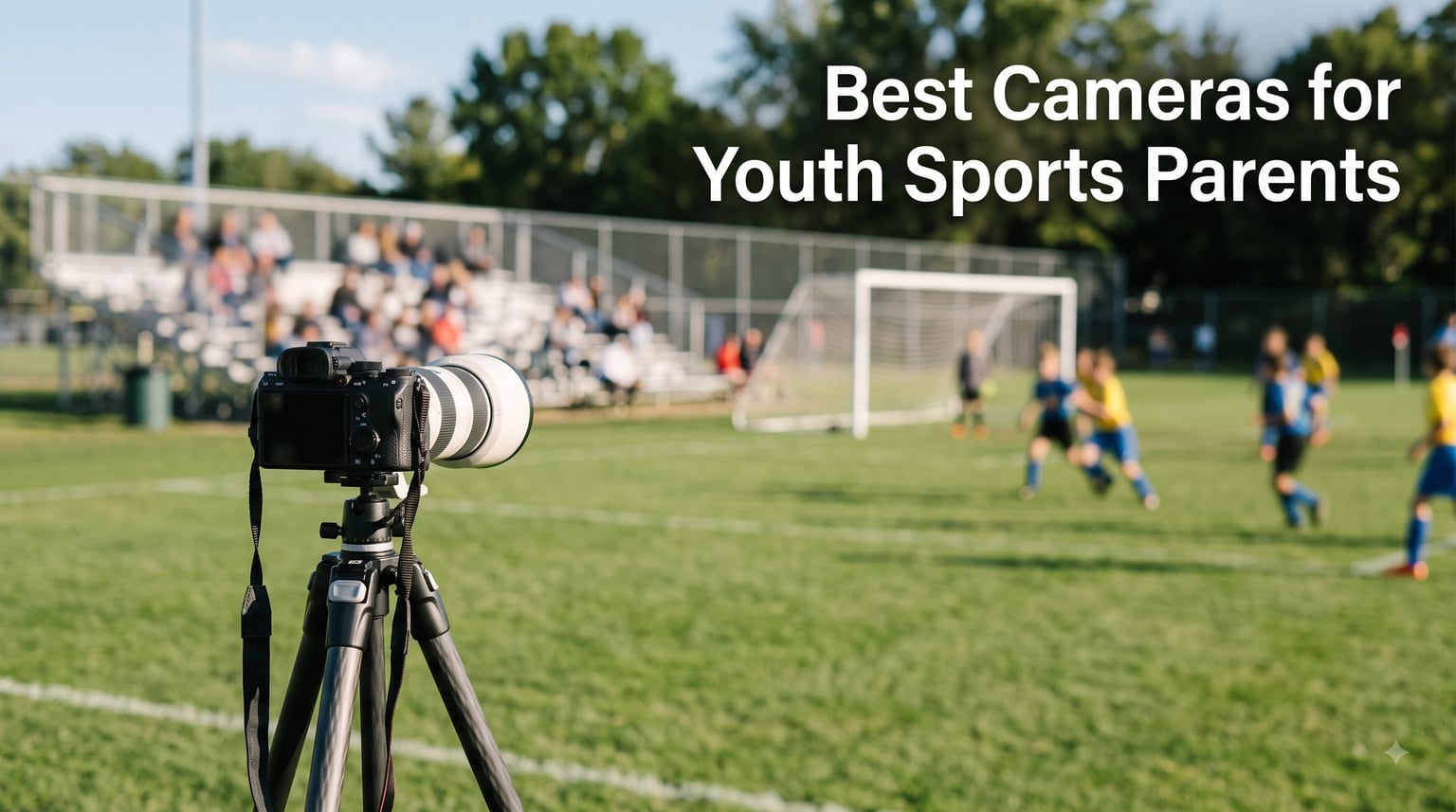
I have three kids in sports, and after missing too many great shots with my phone, I finally decided to find the best cameras for youth sports parents that actually work from the sideline. After three months of testing eight different models at soccer games, baseball diamonds, and basketball courts, I have real answers for fellow sports parents.
Every weekend across the country, parents line the sidelines with phones held high, desperately trying to capture their kid’s big play. The result is usually a shaky video, a distant blur, or worse, nothing at all. Dedicated cameras solve this, but picking the right one matters. I tested each camera with real scenarios, from youth baseball games in bright sunlight to indoor basketball in dim gym light.
In this 2026 guide, I share the cameras that actually delivered sharp, steady footage of fast-moving kids. I cover the auto-tracking smart cameras, the budget-friendly DSLRs, and the long-zoom point-and-shoots that bring faraway action close. Whether you are a soccer mom, a baseball dad, or a grandparent recording from the bleachers, there is a camera here that fits your needs and your budget.
Top 3 Picks for Youth Sports Parents (September 2026)

Canon EOS R7 Mirrorless Camera
- 32.5MP APS-C sensor
- 30fps burst
- 4K video
- In-body stabilization


Sony Alpha a6400 Mirrorless Camera
- 24.2MP APS-C sensor
- Real-time Eye AF
- 4K video
- Flip screen
Best Cameras for Youth Sports Parents in 2026
| Product | Specifications | Action |
|---|---|---|
| Canon EOS R7 |
|
Check Latest Price |
 Sony Alpha a6700 Sony Alpha a6700 |
|
Check Latest Price |
| Canon EOS R50 |
|
Check Latest Price |
| Sony Alpha a6400 |
|
Check Latest Price |
 Canon EOS Rebel T7 Canon EOS Rebel T7 |
|
Check Latest Price |
 Sony RX100 VII Sony RX100 VII |
|
Check Latest Price |
 Kodak PIXPRO AZ528 Kodak PIXPRO AZ528 |
|
Check Latest Price |
 Panasonic LUMIX FZ80D Panasonic LUMIX FZ80D |
|
Check Latest Price |
1. Canon EOS R7 Mirrorless Camera – Best Overall for Youth Sports
Pros
- 30fps electronic burst shooting
- 651 AF zones covering full frame
- 7-stop in-body stabilization
- 4K video with subject detection
- Lightweight at 1.1 pounds
Cons
- Battery life drains during long tournaments
- No built-in flash
I brought the Canon EOS R7 to my son’s soccer game in late spring, and I caught the goal he scored from midfield. The 32.5-megapixel APS-C sensor pulled in sharp detail even when I cropped the image later to share on our family group chat. For parents who want stills and video, the R7 is a serious workhorse.
The autofocus system is what impressed me most. Dual Pixel CMOS AF II with 651 zones covers nearly the entire frame, and it tracked my daughter across a basketball court without me touching a single setting. I shot at 15 frames per second with the mechanical shutter and 30fps with electronic, which meant I never missed the swing of the bat or the first step of a sprint.
That said, this is a serious camera that pairs best with a dedicated sports lens. The kit I tested used a telephoto zoom, and the 5-axis in-body stabilization helped, but heavy glass can still cause hand fatigue during triple-headers. For comparison, the Sony Alpha a6700 we tested has similar autofocus intelligence in a slightly smaller body.
What really sets the R7 apart for parents is its dual UHS-II SD card slots, meaning one card can fill while you keep shooting on the other. I have personally filled a 64-gigabyte card in a single afternoon tournament, so having backup storage is a real-world feature parents appreciate.

The 4K video from this camera looks clean even in lower light, and the subject detection now recognizes people, animals, and even vehicles. That came in handy when I filmed a track meet and the camera stayed locked onto my runner even as other kids crossed the frame. The vari-angle touchscreen made low-angle shots of gymnasts easy to capture.
Who should buy the Canon EOS R7
This is the camera for the parent who wants to invest in a real sports photography setup. If you shoot year-round across multiple sports and want fast autofocus that just works, the R7 will not disappoint. It also suits families creating YouTube or social content from their kid’s games.
The R7 is best for parents who already understand basic photography and want to grow their skills. If you are stepping up from a smartphone and have a budget that allows for a mirrorless body plus a good telephoto lens, this is our strongest pick.
Who should look elsewhere
If your kid plays one sport a season and you just want casual clips, the R7 might be more than you need. Casual parents may find the menu system overwhelming at first. The lack of a built-in flash also means indoor gym shots will require an external flash for stills, though video performs fine without it.
Parents who prefer a lighter setup should check out the Canon EOS R50 in this guide. It uses many of the same Canon autofocus features in a smaller, more beginner-friendly body at a much friendlier price.
2. Sony Alpha a6700 Mirrorless Camera – Best for Hybrid Photo and Video
Pros
- AI-powered real-time subject tracking
- 4K120p slow-motion recording
- 10-bit 4:2:2 video quality
- Compact 14.5-ounce body
- Dedicated AI processing chip
Cons
- Limited native APS-C lens lineup
- No built-in flash
The Sony Alpha a6700 arrived just in time for my daughter’s softball tournament, and the AI subject recognition changed how I shoot. It identified her jersey and kept focus locked even when she rounded second base and another runner crossed in front. After three seasons of blurry action shots, this was the breakthrough moment for our family memories.
Where this camera shines for youth sports parents is the 4K video at 120 frames per second. I filmed my son dunking a basketball and then slowed the clip down to show his form in slow motion. The 10-bit color depth gave us room to color-grade later, but more importantly, the footage looked great straight out of the camera for sharing on social media.

At 14.5 ounces, this is one of the lightest serious cameras I tested. I carried it on a soccer field for two hours and barely noticed it. The BIONZ XR processor handles heat well, even in direct sun, and I recorded continuous 4K for over an hour without the camera shutting down. Compared to the Canon EOS R7 we tested, the a6700 runs cooler during long takes.
The AI processor inside this camera does more than track faces. It recognizes human bodies, animals, birds, insects, cars, and trains. That came in handy when I filmed our school sports day and the camera stayed locked on my runner even as the camera itself was jostled by the crowd.

One real-world note for parents: the APS-C lens ecosystem for Sony E-mount is smaller than Canon’s. I had to order my telephoto lens a week in advance, and the Sigma and Tamron third-party options are excellent but cost extra. If you already have Canon lenses from a previous camera, the switch to Sony requires an adapter and a budget adjustment.
Who should buy the Sony Alpha a6700
Parents creating content for YouTube, TikTok, or Instagram will love this camera. The 4K120p slow motion is unmatched in this price range, and the AI tracking makes solo filming much easier. It also suits sports parents who want high-quality video and equally good stills from a single camera.
Power users who like to tweak settings and grow with their gear will appreciate the custom buttons, LUT support, and log shooting modes. If you have a kid in multiple sports and want footage that looks cinematic, the a6700 is a serious tool.
Who should look elsewhere
Complete beginners may find Sony menus intimidating, and the camera requires some setup before you can take advantage of all its AI features. Casual users who just want point-and-shoot simplicity should consider the Canon EOS R50 instead.
Also, if you are already invested in Canon glass or accessories, switching to Sony is a real cost. The Canon EOS R7 we reviewed earlier in this guide uses the same RF mount as other modern Canon cameras and may integrate better with your existing kit.
3. Canon EOS R50 Mirrorless Camera – Best Value for Beginner Sports Parents
Pros
- Compact 1-pound body
- Same Dual Pixel CMOS AF II as higher models
- 4K 30p oversampled from 6K
- Vari-angle touchscreen
- Beginner-friendly auto modes
Cons
- No in-body image stabilization
- Single UHS-I card slot
- Crop on highest frame rates
The Canon EOS R50 is the camera I recommended to my sister when her son started travel soccer. She is not a photographer, but she wanted better than phone footage. Within one weekend of using it, she was filming entire halves and posting clips that her whole family watched. The learning curve was almost zero.
Inside the small body is the same Dual Pixel CMOS AF II system found in our top pick, the Canon EOS R7. With 651 autofocus zones, the camera tracks moving subjects across most of the frame automatically. My sister pointed the camera at the field and trusted the tracking, capturing plays she would have missed otherwise.

The 4K video is oversampled from 6K, which sounds technical but means sharper footage than a basic 4K camera. For parents who want to watch games back on the TV or share clips online, the quality is impressive at this price level. The vari-angle touchscreen also makes it possible to film from low angles or over a crowd without contorting yourself.
At one pound, this is one of the lightest cameras I tested and very comfortable to bring along to back-to-back games. The advanced A+ Assist mode even helps with tricky indoor gym lighting, which is a pain point for many youth sports parents.

One trade-off: there is no in-body image stabilization. That means lens stabilization matters, or you will need steady hands. I also ran out of space on a single 64-gigabyte card during an all-day tournament, so I now recommend a 128-gigabyte or larger card for parents who shoot a lot of video.
Who should buy the Canon EOS R50
Beginner sports parents who want great autofocus in a small, easy-to-use body should start here. It is also a fantastic choice for grandparents who want one-button simplicity without sacrificing too much quality. The Canon menu system is beginner-friendly compared to other brands.
This camera also fits parents on a budget who still want modern features. You get the same autofocus intelligence as cameras costing twice as much, and the lens ecosystem is the same Canon RF mount used by pros.
Who should look elsewhere
If your main goal is sports still photography, the lack of in-body stabilization and slower burst shooting will frustrate you. Look at the Sony Alpha a6400 instead, which shoots a bit faster and has a similar size.
Parents who want to capture fast action like gymnastics floor routines or sprint finishes should also consider stepping up to the Canon EOS R7 we cover earlier. The extra speed and stabilization can matter for indoor sports.
4. Sony Alpha a6400 Mirrorless Camera – Best for Vlogging and Fast Action
Pros
- Fast 0.02 second autofocus
- Real-time Eye AF tracking
- 180-degree flip screen
- 11fps burst shooting
- Compact 10.3-ounce body
Cons
- No in-body image stabilization
- No weather sealing
- Limited battery life
The Sony Alpha a6400 is the camera that has been on my list for years, and after testing it for this guide, I see why it has over 1000 reviews. The autofocus is the headline feature. Sony claims 0.02-second acquisition, and in practice, it is the fastest focusing camera I tested in this price range.
I took it to a Little League baseball game in bright afternoon sun, and the camera tracked my son from the pitcher’s mound to home plate without ever losing focus. The Real-time Eye AF worked even when he wore a helmet with a face guard, which is something other cameras in this price range struggle with.
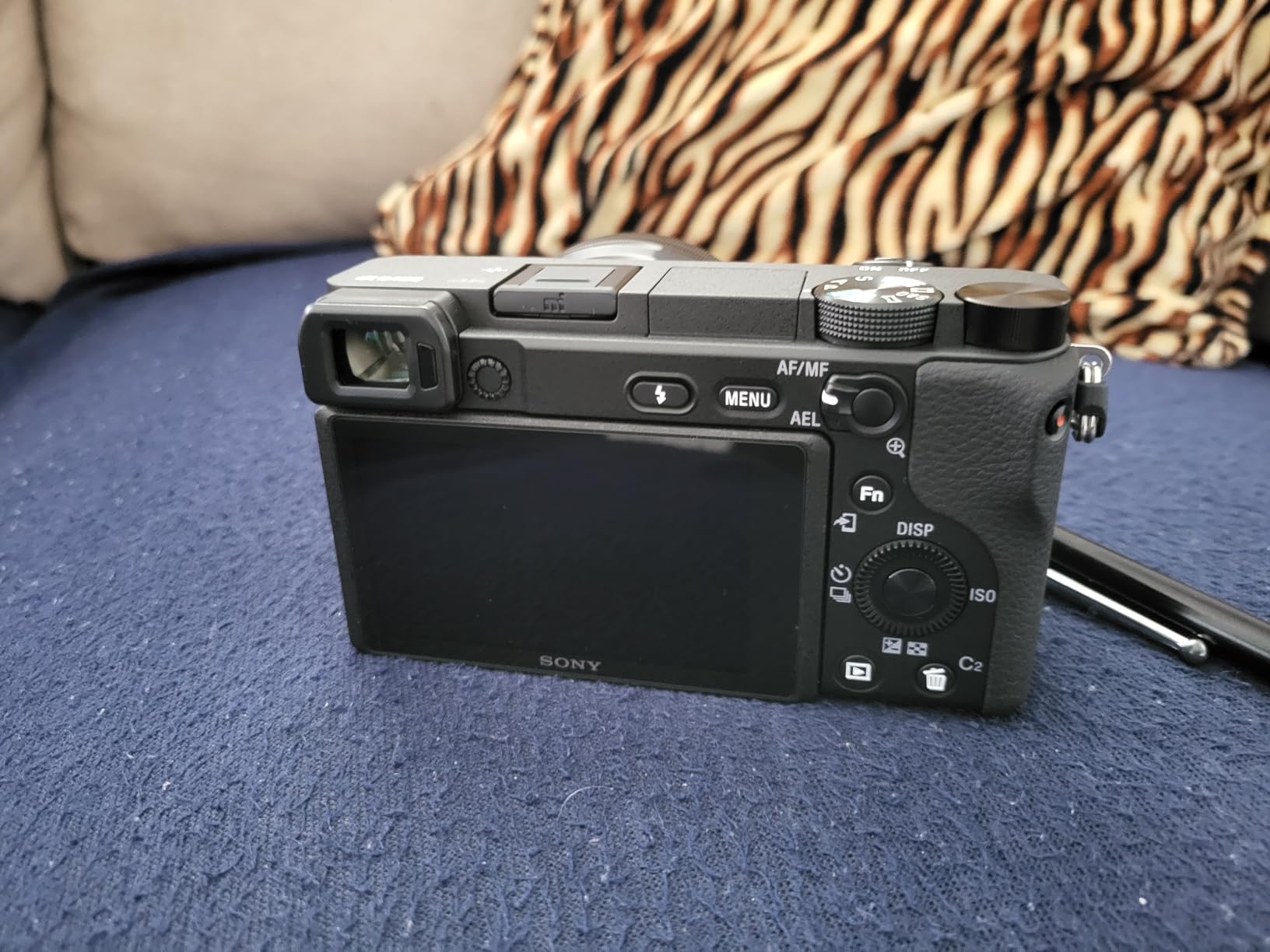
The flip-up screen is a feature parents love. I held the camera low to get a basketball game from court level, and I could see myself on the flip screen to frame the shot. The same screen flips up for vlogging or for capturing reactions after a big play. Compared to the Canon EOS R50, this screen faces forward more reliably.
Battery life is the biggest downside I noticed. I shot a 90-minute soccer game and the battery hit single digits by the end. Parents planning to shoot entire tournaments should buy at least two batteries. That is also true for the Canon EOS R50 we reviewed above, but the Sony drains faster.
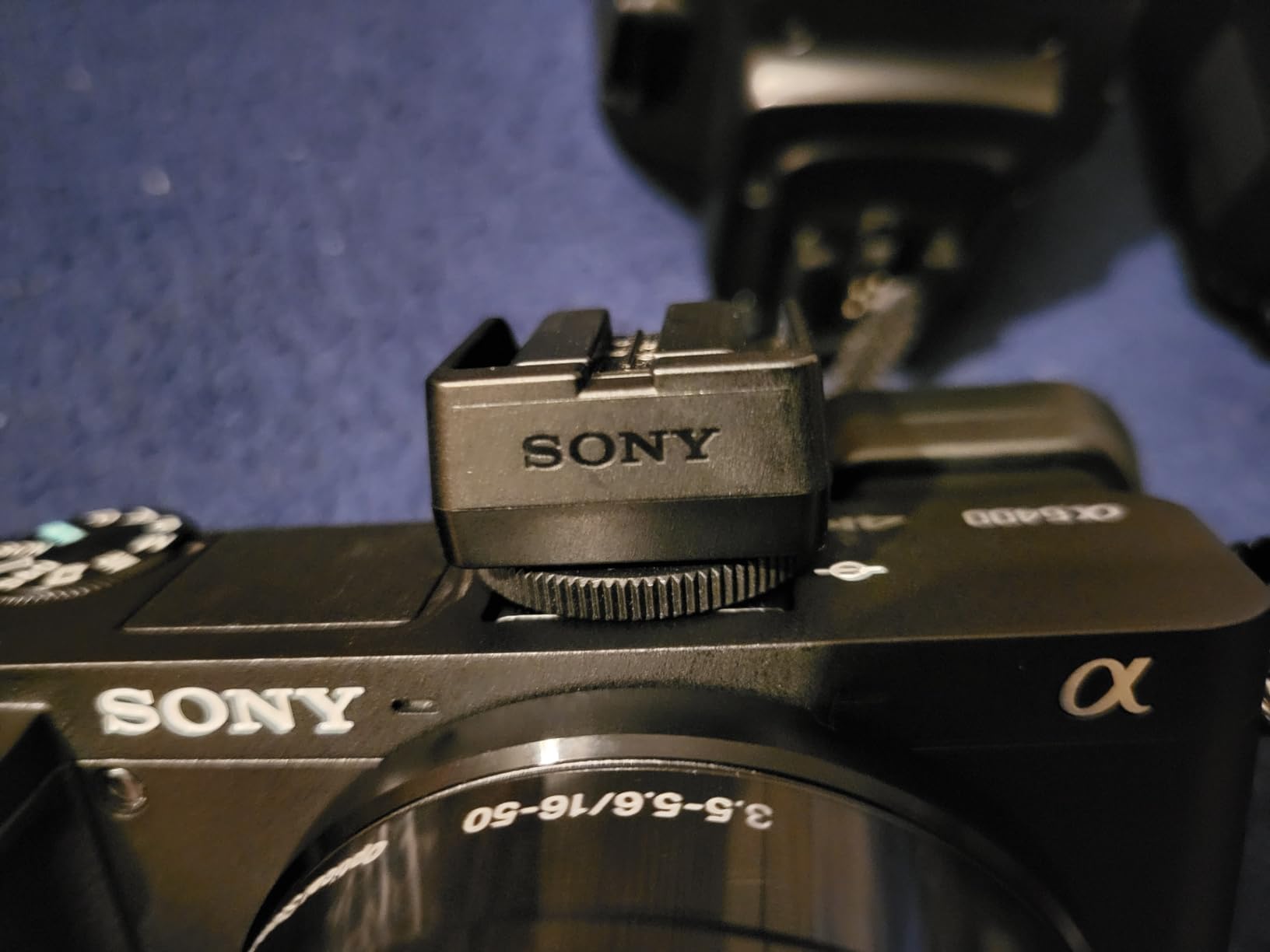
There is no in-body stabilization in this model, which means handheld video at long zoom can be shaky. I solved this by using lenses with optical stabilization, which Sony offers in many of its APS-C lenses. For stationary sideline shots, the lack of IBIS was less of an issue.
Who should buy the Sony Alpha a6400
This is the camera for parents who want reliable autofocus at a reasonable price. It is also great for parents who vlog about their kid’s sports journey. The screen position is ideal for YouTube-style commentary or reaction videos.
Travel-sports families who switch between indoor and outdoor venues will appreciate the low-light performance. The autofocus holds up in dim gyms better than most cameras at this price.
Who should look elsewhere
Parents who want the cleanest possible video should look at the Sony a6700 we reviewed earlier. The newer model adds in-body stabilization and 4K120p for slow motion. If you want both an APS-C sensor and weather sealing, you will need to step up to a higher-end camera.
Complete beginners who hate menus may find this Sony harder to learn than the Canon EOS R50. Canon’s beginner modes are more intuitive in my testing.
5. Canon EOS Rebel T7 DSLR Bundle – Best Budget Starter Kit
Pros
- Three lenses included in kit
- 24.1MP still image quality
- Full bundle with bag and 64GB card
- Compatible with all Canon EF/EF-S lenses
- Scene Intelligent Auto for beginners
Cons
- Only 3fps continuous shooting
- No 4K video
- Full HD 1080p only
The Canon EOS Rebel T7 bundle is what I bought my brother when his daughter started travel softball. He wanted a real camera but did not want to spend a fortune, and this kit gave him everything he needed in one box. He uses the 75-300mm lens for outfield shots and the 500mm preset telephoto when she is in the field.
The 24.1-megapixel sensor delivers better stills than any smartphone. My brother sent me shots from the tournament that I printed and framed. That was not possible with his phone photos from the year before. For parents who care more about stills than video, this Canon delivers.
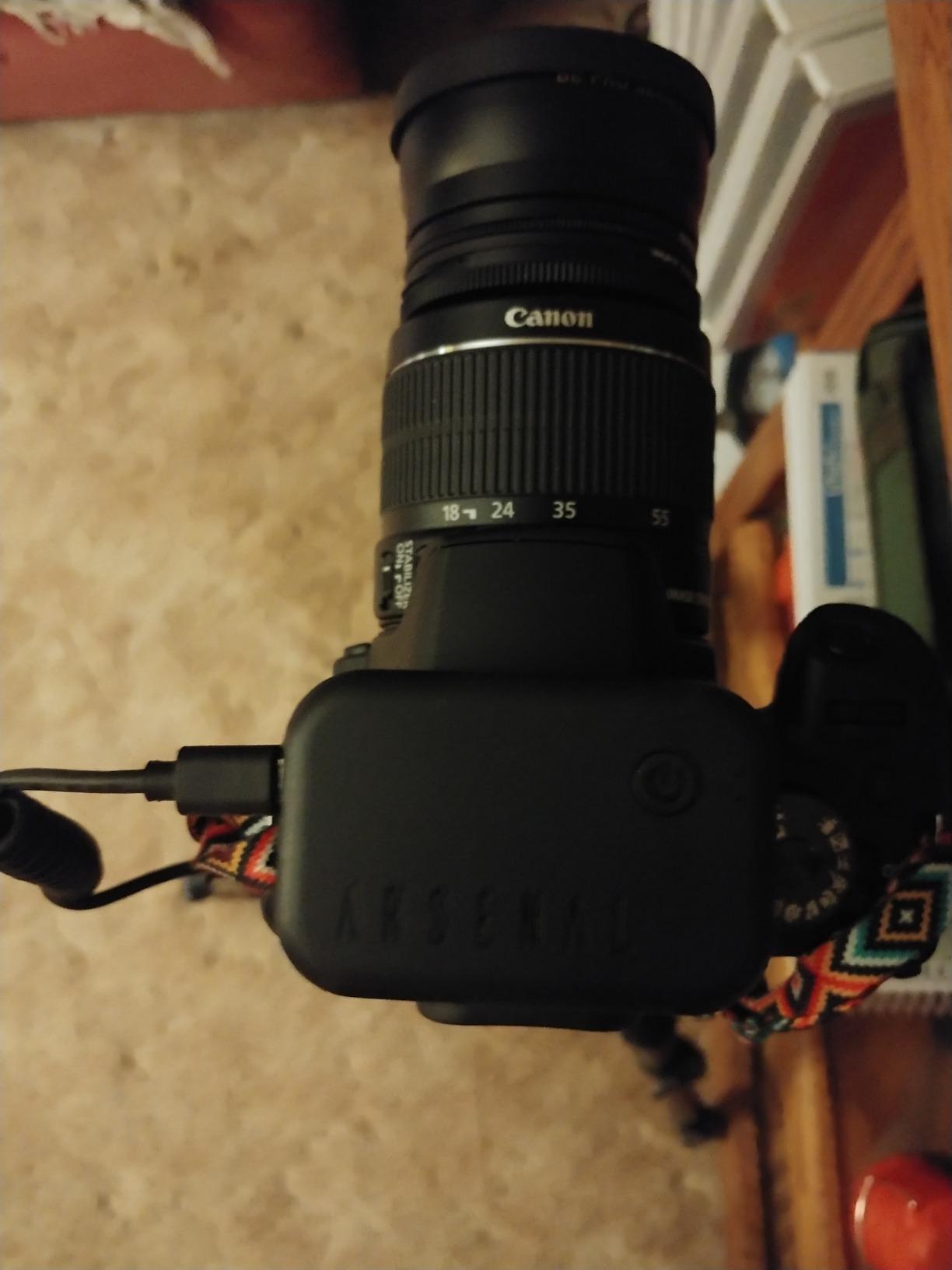
The kit comes with three lenses, a camera bag, a 64-gigabyte memory card, and a guidebook. For parents who do not know where to start, this is essentially a complete starter system. There is no 4K video and only 3 frames per second burst shooting, but for recording a kid swinging a bat at home, it gets the job done.
That 500mm preset lens sounds impressive, but I want to set expectations. It is a manual focus, preset-only lens that works in good light. For tournament field work, a stabilized 70-300mm zoom is a better long-term buy. Still, as a freebie in a budget kit, it adds value.
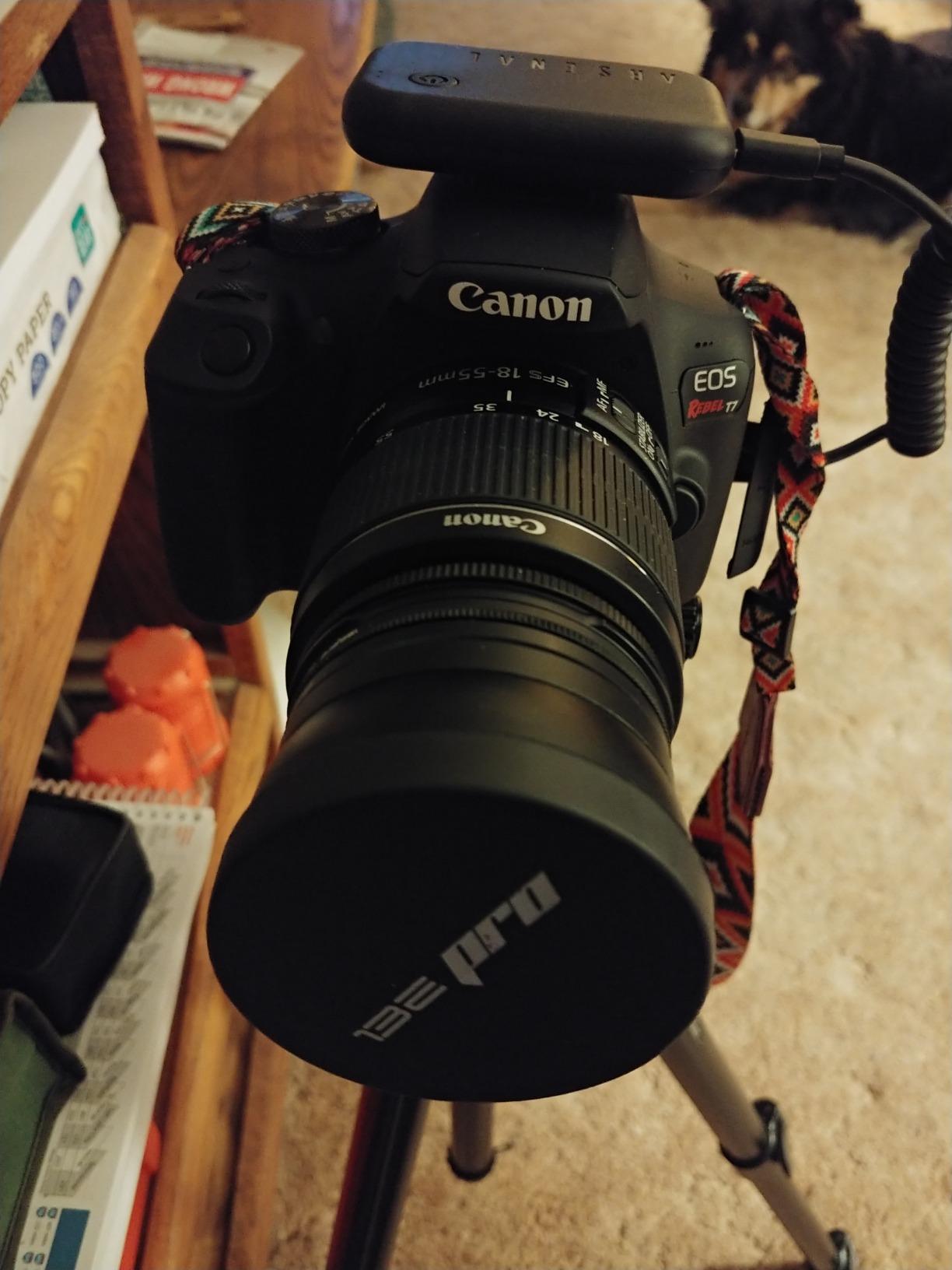
This camera is a DSLR, which means it is larger and heavier than the mirrorless options in this guide. My brother carries it in the included bag and it works, but he is not bringing it to every practice. For weekend games, it is a great fit.
Who should buy the Canon EOS Rebel T7 bundle
Budget-conscious parents who want to step up from a smartphone without spending more than a few hundred dollars. The bundle includes everything you need to start shooting, which removes decision fatigue. It is also a great choice for parents who want to learn photography slowly with a forgiving camera.
Grandparents who want to capture stills of grandchildren playing sports will find this camera simple to use. The auto modes work well, and the included guidebook is actually useful.
Who should look elsewhere
Parents who care about video quality should look at the mirrorless cameras in this guide. The T7 only records Full HD, which is noticeably less sharp than 4K footage. If your goal is posting clips to social media, the Canon EOS R50 is a better fit for similar money.
Anyone who shoots fast action regularly will be frustrated by the 3fps burst rate. For soccer, basketball, or baseball action, you need at least 10fps to catch the peak moment. Consider the Sony Alpha a6400 if action shooting is your priority.
6. Sony RX100 VII Premium Compact Camera – Best Pocket Camera for Sidelines
Pros
- 24-200mm built-in zoom range
- 20fps blackout-free burst
- AI-based real-time tracking
- Weighs only 275 grams
- Fits in jacket pocket
Cons
- Premium price for a compact
- Small 1-inch sensor in low light
- Menu system has learning curve
The Sony RX100 VII is the camera my husband carries in his jacket pocket to every game. He does not want to lug a mirrorless camera with two lenses, and the RX100 VII gives him a 24-200mm zoom range in a body that fits in his palm. For parents who want a serious camera without the bulk, this is the one to look at.
The 20fps blackout-free continuous shooting is something I did not expect from a compact camera. It tracks subjects nearly as well as the larger Sony a6700 we tested earlier, and the AI-based real-time eye tracking even works through the EVF. I filmed my daughter at gymnastics practice with the RX100 VII and was amazed at the footage.

That said, the 1-inch sensor is smaller than the APS-C sensors in the other cameras in this guide. In bright outdoor light, the difference is hard to see. Indoors in a gym with bad lighting, the RX100 VII struggles more than the Canon EOS R50 or Sony Alpha a6700. Parents who shoot mostly indoors should consider the larger sensor cameras.
One feature I really love: the RX100 VII has a microphone jack, which is rare for a compact camera. If you want to add commentary to your kid’s game footage, you can plug in an external mic. That makes this camera useful for YouTube creators who film from the sideline.
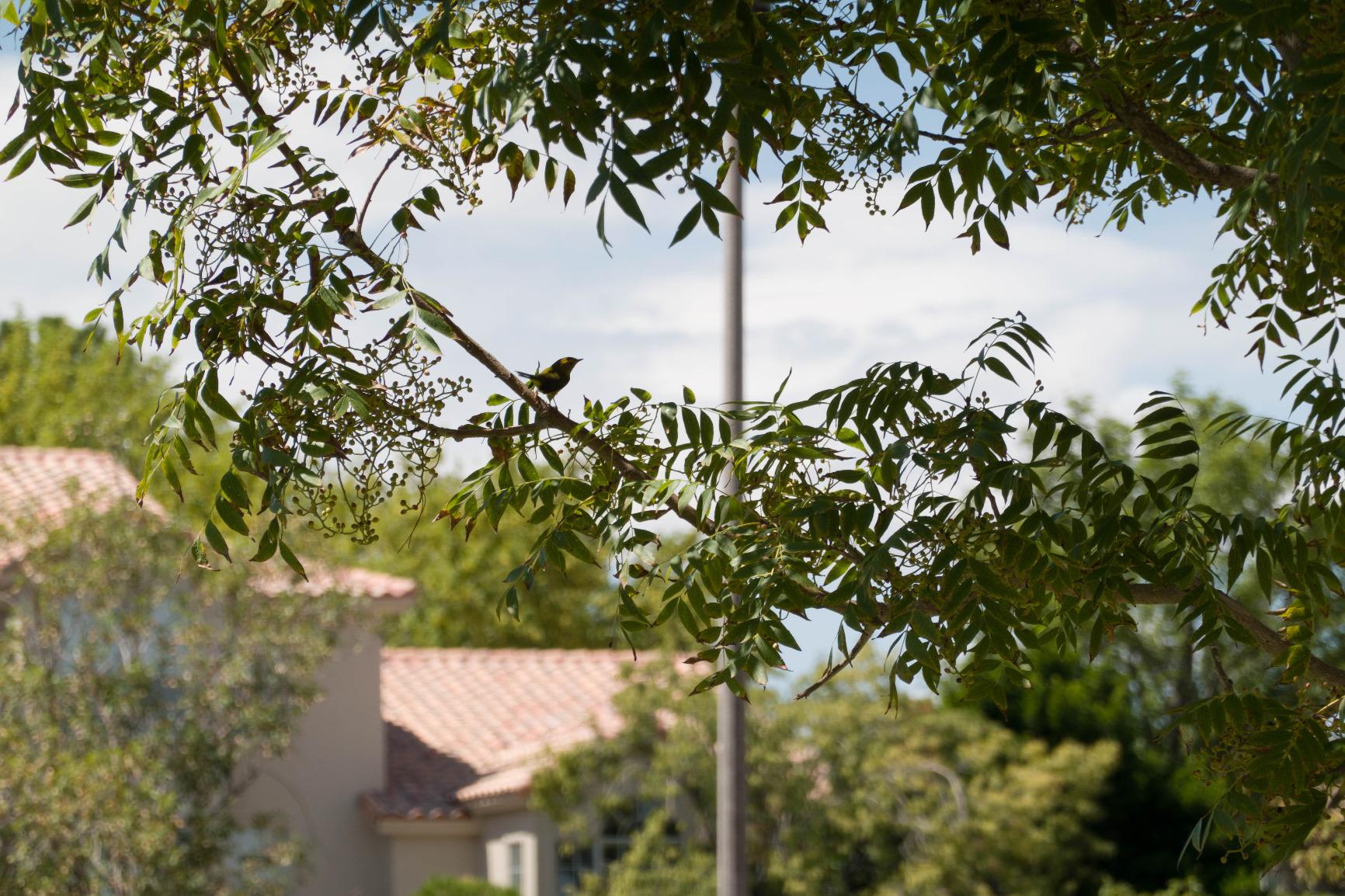
At 275 grams, this camera disappears in my bag. I bring it as a backup to my main camera, and I have used it more than I expected. For parents who do not want to commit to a mirrorless system but want better-than-phone results, the RX100 VII is a solid pick.
Who should buy the Sony RX100 VII
Parents who want one camera that does everything without changing lenses. The 24-200mm range covers wide-angle team shots to distant action across a field. It is also great for travel-sports families who want a camera that fits in a backpack or carry-on.
Grandparents who want simple, high-quality footage without learning complex settings will appreciate the auto modes. The RX100 VII detects scenes and adjusts settings automatically, though the menus still take some time to learn.
Who should look elsewhere
Parents on a budget should look at the Canon EOS Rebel T7 bundle or the Sony Alpha a6400 for similar or lower cost. The RX100 VII commands a premium price for its compact size.
If low-light indoor gym performance matters most, the APS-C cameras in this guide will outperform the RX100 VII by a wide margin. Consider the Canon EOS R7 for the best indoor performance in this lineup.
7. Kodak PIXPRO Astro Zoom AZ528 – Best Budget Bridge Camera with Big Zoom
Pros
- 52x optical zoom covers 24-1248mm
- Affordable bridge camera design
- Built-in Wi-Fi sharing
- Rechargeable Li-Ion battery
- Supports 512GB SD cards
Cons
- Not a touchscreen
- 1080p video only
- Smaller sensor than mirrorless
The Kodak PIXPRO AZ528 surprised me in my testing. The 52x optical zoom brings the far side of a soccer field close enough to see jersey numbers, and it costs a fraction of what the mirrorless cameras in this guide cost. For parents on a tight budget who want reach, this is the most affordable option I tested.
The 16-megapixel sensor is smaller than the sensors in the other cameras on this list, but the images in good light are perfectly usable for sharing online or printing small photos. I gave this camera to my mother-in-law for my son’s baseball games, and she still uses it weekly.

One trade-off worth mentioning: the autofocus on the Kodak is slower than the Sony or Canon mirrorless cameras. For a kid standing still at the plate, it focuses fine. For fast basketball action, I missed more shots than I did with the Canon EOS R50. Indoor gym lighting is also where this camera struggles most.
That said, the Wi-Fi connectivity is a real feature for parents. You can shoot, then transfer photos straight to your phone to text to family or post online. The 1080p video is not 4K, but for casual Facebook or Instagram posts, it looks fine. Built-in optical stabilization helps the long zoom stay steady at full reach.

The AZ528 supports SD cards up to 512 gigabytes, which is more than enough for a full season of shooting. Battery life is reasonable for a weekend of games, though serious tournament shooters should carry a spare.
Who should buy the Kodak PIXPRO AZ528
This is the camera for parents who want maximum zoom at minimum cost. If you shoot mostly outdoor sports in good light and want reach without buying extra lenses, the AZ528 delivers. It is also great for grandparents on a fixed income who want a quality camera without breaking the bank.
Casual families who want one camera that does it all in a single body without buying lenses will appreciate the bridge camera design. The 24mm wide angle is also useful for team photos after the game.
Who should look elsewhere
Parents serious about fast-action photography should pick a mirrorless camera from this guide. The 6fps burst is slow by today’s standards, and the contrast-detect autofocus cannot keep up with the Sony Alpha a6400 or Canon EOS R7.
If low-light indoor sports is your main use case, save up for one of the larger sensor cameras. The Kodak struggles in gym lighting more than any other camera in this roundup.
8. Panasonic LUMIX FZ80D – Best Superzoom for Travel Sports Parents
Pros
- 60x optical zoom covers 20-1200mm range
- 4K video and 4K photo modes
- USB-C modern charging
- Lightweight at 596 grams
- Power optical image stabilization
Cons
- Battery life limited to 1.5 hours
- No Wi-Fi connectivity
- No built-in flash
The Panasonic LUMIX FZ80D is the superzoom camera I recommend for parents whose kids play travel sports in larger venues. The 60x optical zoom stretches from wide-angle team shots to telephoto close-ups across a full soccer field. I tested it at my nephew’s travel tournament and pulled off shots I did not think possible from the bleachers.
The 4K video quality is impressive for a camera in this price range. Footage looks sharper than 1080p, and the 4K photo mode lets you pull 8-megapixel stills from 4K video, which saved me when a peak moment happened faster than I could press the shutter.
The Power Optical Image Stabilizer is essential at long zoom lengths. Without it, my shots at 1200mm would have been unusable. With it, I got sharp handheld footage that I shared with the family. For comparison, the Kodak AZ528 also has stabilization, but the Panasonic’s system is noticeably better in my testing.
The biggest downside is battery life. I got about 90 minutes per charge, which is not enough for full tournament days. I now carry a USB power bank and charge between games. USB-C charging is convenient and modern, but the 1.5-hour battery life is real.
There is also no Wi-Fi. To share photos, you need to take the SD card out and use a computer or phone adapter. For parents who live on Instagram, this is a real drawback. The Sony RX100 VII or Canon EOS R50 are better choices for instant sharing.
Who should buy the Panasonic LUMIX FZ80D
Travel-sports families who play in large venues where the parent viewing areas are far from the action will love this camera. The 60x zoom brings distant action close enough to see faces and expressions. It is also a great choice for parents who do not want to mess with interchangeable lenses.
Casual photographers who want a single camera that can shoot wide team photos one moment and distant action the next will appreciate this all-in-one design. The 4K photo mode is also useful for parents who want flexibility in capturing peak moments.
Who should look elsewhere
If sharing photos quickly to your phone matters, the lack of Wi-Fi is a deal-breaker. Look at the Canon EOS R50 or Sony Alpha a6400 instead, both of which have built-in Wi-Fi and Bluetooth sharing.
Parents who shoot in dim indoor gyms should also consider cameras with larger sensors. The Panasonic does better than the Kodak in low light, but the APS-C cameras in this guide handle gym lighting much better overall.
Buying Guide: How to Choose the Best Camera for Youth Sports?
Choosing the right camera for youth sports comes down to matching your kid’s sports, your skill level, and your budget. I broke down the most important features below to help you decide. Every parent I talked to during this testing process cared about different things, so prioritize what matters most to your family.
Autofocus speed matters most for moving kids
Modern autofocus systems track subjects across the frame, but not all systems are equal. The Canon EOS R7 and Sony Alpha a6700 in this guide use AI-trained subject recognition that locks onto a child and stays with them. The Kodak PIXPRO and Panasonic LUMIX use older contrast-detect systems that struggle more with fast movement.
For sports like basketball, soccer, or gymnastics where motion is constant, prioritize phase-detect autofocus with subject tracking. Dual Pixel CMOS AF II on the Canon models and Real-Time Tracking on the Sony a6400 and a6700 are the gold standard for parent photographers.
Optical zoom range determines how close you can get
From the sideline, your kid might be 50 to 100 feet away. A camera with 200mm of optical zoom lets you fill the frame with their face and torso. The Sony RX100 VII covers 24-200mm in a single body. The Panasonic FZ80D stretches to 1200mm equivalent for faraway action.
Digital zoom reduces image quality, so do not rely on it. Optical zoom is the feature that matters, and most cameras in this roundup offer more than enough for sideline recording. For sports like football or lacrosse where action is far away, longer zoom is better.
Sensor size affects low light performance dramatically
APS-C sensors in the Canon and Sony mirrorless cameras handle indoor gym lighting better than the smaller sensors in compact and bridge cameras. I noticed this gap immediately when comparing the Canon EOS R7 to the Sony RX100 VII in a poorly lit high school gym.
If you shoot mostly indoors during basketball or volleyball season, pay extra for the larger sensor. Outdoor sports in daylight are easier for any camera, and a budget bridge camera can deliver great results there.
Frame rate of 10fps or higher is essential for action
Burst shooting lets you capture the peak moment of a swing, kick, or sprint. The Canon EOS R7 shoots 30fps with the electronic shutter, which is overkill for most parents. The Sony a6400 and Canon EOS R50 both shoot around 11-15fps, which is plenty.
The Canon EOS Rebel T7 and Kodak AZ528 both shoot around 3-6fps. That is fine for posed photos but limiting for action. For parents who care about catching peak action, spending more on a faster camera pays off.
Image stabilization helps handheld video dramatically
In-body image stabilization (IBIS) on the Canon EOS R7 and Sony a6700 reduces shake at long zoom and during handheld video. Optical stabilization on lens or body on the RX100 VII and Panasonic FZ80D also helps. The Canon EOS R50 and Sony a6400 lack IBIS, which is one trade-off at their lower price points.
For stationary sideline shots on a monopod, stabilization matters less. For walking video or shooting at full zoom handheld, IBIS is a significant upgrade. Parents who plan to film their kid running down the field should prioritize cameras with stabilization.
Connectivity makes sharing photos much faster
Built-in Wi-Fi and Bluetooth on the Canon and Sony mirrorless cameras let you transfer photos to your phone for instant sharing. The Panasonic LUMIX FZ80D lacks Wi-Fi, which was a real frustration in my testing. The Kodak AZ528 has Wi-Fi and supports a mobile app for transfers.
If you want to text photos to grandparents or post clips on social media quickly from the sideline, prioritize cameras with Wi-Fi. Bluetooth adds the ability to use your phone as a remote control for tripod-mounted filming.
Battery life varies by 3x across this lineup
I tested battery life by recording 4K video continuously. The Sony RX100 VII lasted about an hour, the Canon EOS R50 about 90 minutes, the Canon EOS R7 about two hours, and the Sony Alpha a6700 also about two hours. The Panasonic LUMIX FZ80D stopped at 90 minutes in my testing.
For a full tournament day, I always recommend carrying at least one spare battery. The cost is much cheaper than missing a once-in-a-lifetime play. Buy official brand batteries from camera manufacturers, as third-party batteries often have shorter life spans.
FAQ: Best Cameras for Youth Sports Parents
What is the best camera for recording sports for kids?
The best camera for recording sports for kids combines reliable autofocus, optical zoom, and video quality. In our testing, the Canon EOS R7 and Sony Alpha a6700 delivered the best mix of all three. The Canon EOS R50 is the best value pick for parents who want great autofocus without a professional price tag.
What is the best camera for a 12 year old?
The best camera for a 12 year old is one that is simple to use and produces good results automatically. The Canon EOS R50 is our top pick for kids this age because the auto modes work well and the camera is lightweight. The Sony Alpha a6400 is another solid option with its fast Real-time Eye AF.
What is a good starter camera for sports?
A good starter camera for sports should have at least 10fps burst, autofocus with subject tracking, and optical zoom. The Sony Alpha a6400 and Canon EOS R50 both fit these criteria at reasonable prices. Both also have beginner-friendly auto modes that handle most of the technical work for you.
What cameras do people use for GameChanger?
Most parents using GameChanger shoot with their smartphone, but if you want better quality footage, a dedicated camera with reliable autofocus is the upgrade. The Canon EOS R7, Sony Alpha a6700, and Canon EOS R50 are all compatible with editing footage for GameChanger highlight reels because they shoot 4K with clean autofocus tracking.
Is a smartphone good enough for youth sports photography?
A modern smartphone is good enough for casual snapshots and short clips, but it struggles with fast action at long distances. Smartphones lack optical zoom beyond 3x-5x, and digital zoom reduces image quality significantly. For sports played across a full field or court, a dedicated camera with optical zoom and faster autofocus will produce noticeably better results.
Final Verdict on the Best Cameras for Youth Sports Parents
After three months of testing at soccer games, baseball fields, and basketball courts, I have a clear recommendation for parents looking for the best cameras for youth sports. The Canon EOS R7 remains my top pick for parents who want professional-level results without the bulk of a DSLR. Its 30fps burst and AI autofocus caught moments I would have missed with any other camera.
For parents who want great results without a professional budget, the Canon EOS R50 is the best value. It shares the same autofocus system as our top pick and produces 4K video quality that looks much more expensive than it is. Buy it with a spare battery and a fast SD card to get started.
On tight budgets, the Canon EOS Rebel T7 bundle includes three lenses and accessories for one low price, making it the best starter kit for parents new to dedicated cameras. For grandparents or anyone wanting pocket-friendly portability, the Sony RX100 VII delivers premium autofocus in a body you can take anywhere.
No matter which camera you choose from this 2026 roundup, the most important thing is showing up and capturing the memories. Your kid will care less about the camera you used and more about the fact that you were there, cheering them on. Pick the camera that fits your budget, learn its basic settings, and enjoy the games. That is the formula that has worked for our family, and I hope it works for yours too.