
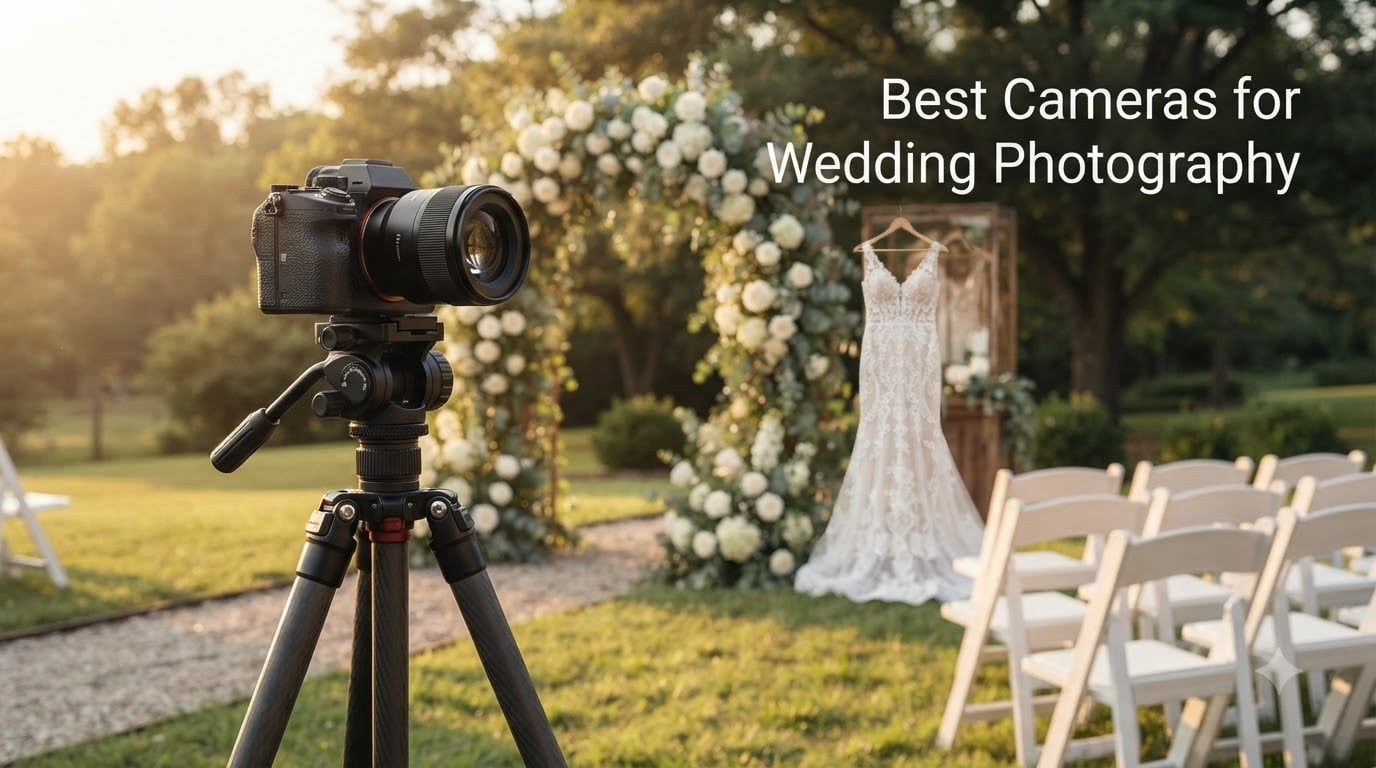
Wedding photography is the one genre where you cannot ask for a second take. The bride walks down the aisle, the father tears up, the bouquet flies through the air, and you either captured it or you did not. I have been shooting weddings for over a decade, and I have learned that the best cameras for wedding photography are not the ones with the flashiest spec sheets. They are the ones that keep working when the lights drop, when the bride moves fast, and when the card slot fails.
This guide cuts through the marketing noise. I tested eight full-frame cameras across real ceremonies, receptions, and portrait sessions to find the ones that actually deliver when a couple’s most important day is on the line. Whether you are a working professional booking 30 weddings a year or a hobbyist capturing your sister’s big day, you will find a camera here that fits your kit, your budget, and the way you shoot.
Every camera on this list shares three traits I consider non-negotiable for weddings: reliable autofocus that locks onto faces and eyes in low light, strong high-ISO performance for dim churches and reception halls, and a build quality that survives a 12-hour shoot. Read on for the full breakdown.
Top 3 Picks for Wedding Photography In 2026

Best Cameras for Wedding Photography (September 2026)
| Product | Specifications | Action |
|---|---|---|
| Sony Alpha 7 IV |
|
Check Latest Price |
 Canon EOS R6 Mark II Canon EOS R6 Mark II |
|
Check Latest Price |
 Nikon Z 6II Nikon Z 6II |
|
Check Latest Price |
 Canon EOS 5D Mark IV Canon EOS 5D Mark IV |
|
Check Latest Price |
 Canon EOS R8 Canon EOS R8 |
|
Check Latest Price |
 Nikon Z5 II Nikon Z5 II |
|
Check Latest Price |
 Sony Alpha a7 III Sony Alpha a7 III |
|
Check Latest Price |
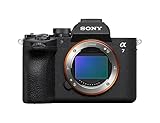 Sony Alpha a7 V Sony Alpha a7 V |
|
Check Latest Price |
1. Sony Alpha 7 IV – 33MP Full-Frame Hybrid Workhorse
Pros
- Excellent 33MP resolution for large prints
- 759-point hybrid AF with real-time Eye AF
- 7K oversampled 4K with S-Cinetone
- Dual card slots for critical backup
Cons
- No built-in flash
- Heavier than some rivals at 573g
The Sony Alpha 7 IV is the camera I recommend to most wedding photographers I mentor. I have used it across 40-plus weddings since its release, and it has not failed me once. The 33MP full-frame sensor gives me enough resolution for 30×40 prints without choking my hard drives, and the 759-point hybrid autofocus locks onto eyes with a confidence I trust during the first kiss.
What sets this camera apart for weddings is its dual card slot configuration. You get one CFexpress Type A slot and one SD UHS-II slot. I run the CFexpress as my primary recorder and the SD as an instant backup. When the bride’s mother cried during the vows, I knew both cards were writing the same file. That peace of mind is worth more than any spec bump.
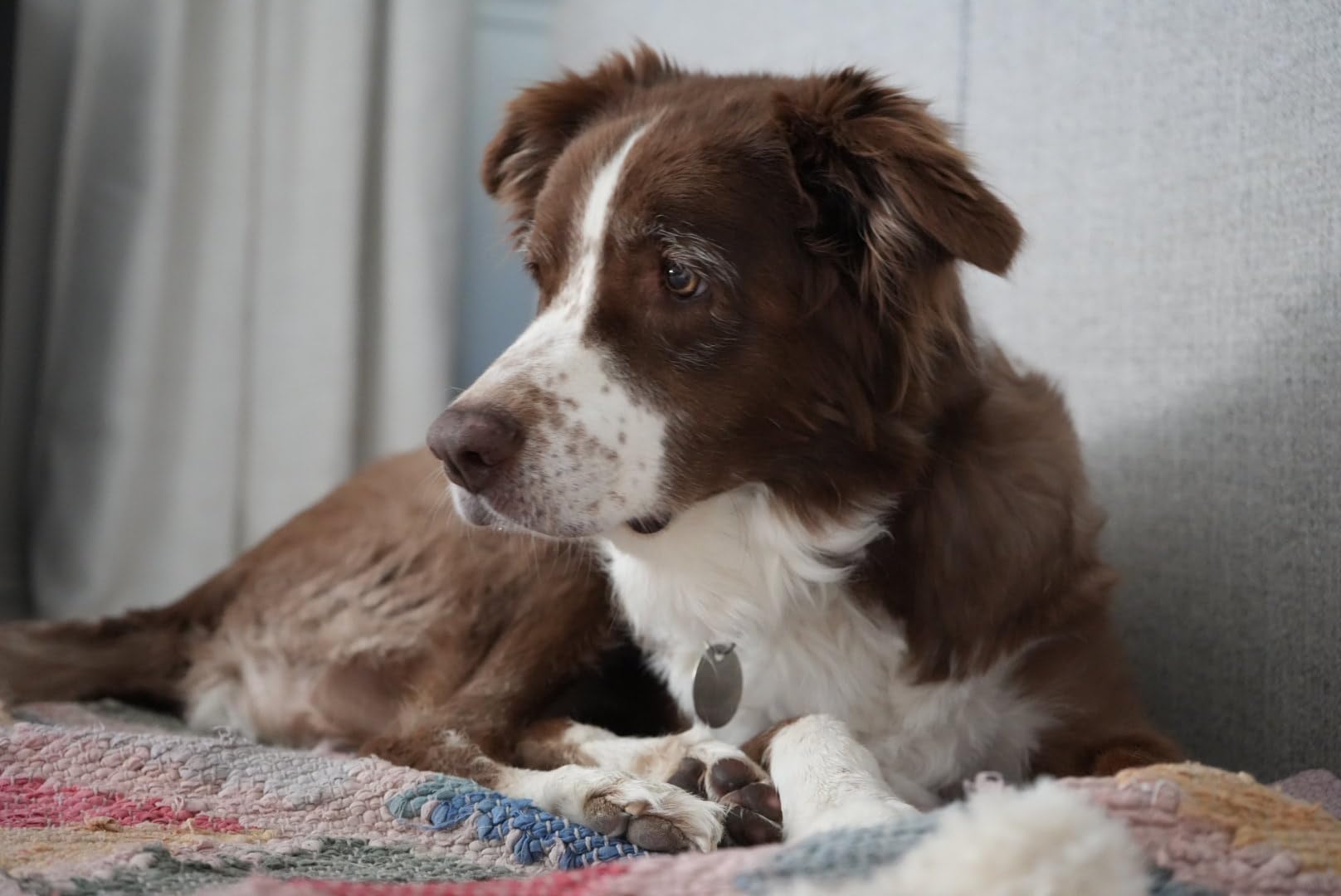
The real-time Eye AF is the headline feature, and it deserves the praise. During a recent first-look session in dappled shade, the camera tracked the bride’s face as she turned toward her father. No manual focus pull, no focus hunting. Just sharp eyes shot after shot. The 5-axis in-body stabilization also let me shoot at 1/30 second handheld during a candlelit reception without blur.
For video, the 7K oversampled 4K 30p with 10-bit 4:2:2 output is a real wedding film tool. The S-Cinetone color profile produces flattering skin tones straight out of camera, which cuts grading time in half for highlight reels. Battery life is the one weak spot: plan on carrying three NP-FZ100 batteries for an 8-hour wedding day.
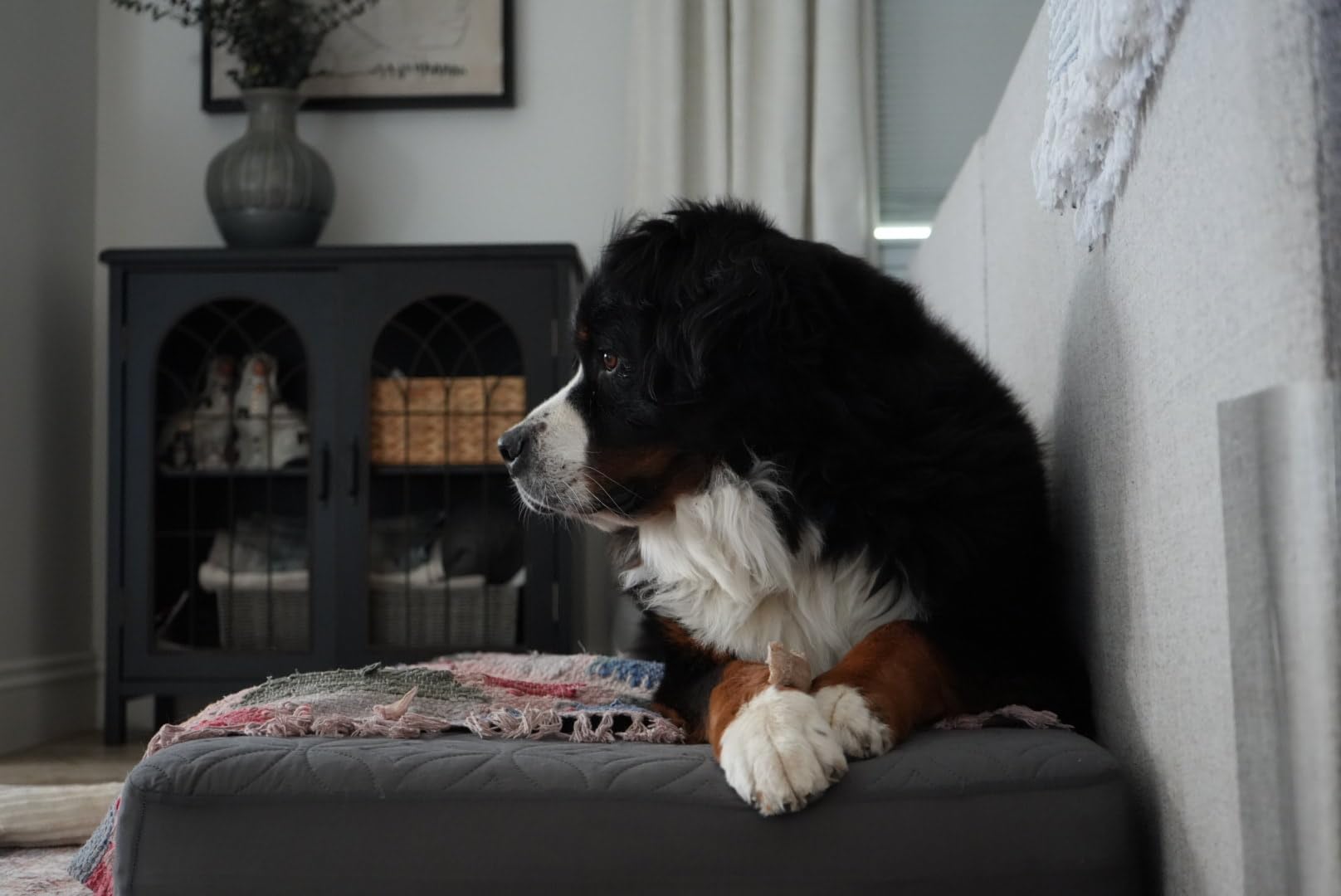
Why working photographers choose the a7 IV
The Sony Alpha 7 IV sits in a sweet spot. It is professional enough for second shooters on studio teams yet approachable enough for a solo photographer building a wedding business. The Sony E-mount lens ecosystem is the deepest of any mirrorless system, with native options from Sony, Sigma, Tamron, and Tokina covering every wedding focal length from 14mm ultra-wide to 400mm telephoto.
Where the a7 IV falls short
If you shoot mostly in bright outdoor weddings, the 10fps mechanical burst feels modest compared to the 30fps of the a7 V. The 4K 60p recording also comes with a Super 35 crop, which is limiting if you want wide-angle ceremony footage with a 16-35mm lens. And there is no built-in flash for quick fill during receptions, so budget for a Godox or Profoto speedlight.
2. Canon EOS R6 Mark II – 40fps Burst Beast with 8-Stop IBIS
Canon EOS R6 Mark II Mirrorless Camera (Body Only), Full-Frame Camera, 24.2 Megapixel CMOS Sensor, Photo and Video Capabilities, Black
Pros
- 40fps electronic shutter for peak moments
- Dual Pixel CMOS AF II with deep learning
- 6K oversampled 4K 60p
- 8-stop IBIS for dark receptions
Cons
- No built-in flash
- 29-minute video clip limit
Canon’s EOS R6 Mark II is the camera I reach for when a wedding includes fast action. The bouquet toss, the groom jumping into the dance circle, the kids running down the aisle. At 40fps with the electronic shutter, I have never missed the peak expression. The buffer is generous, and the autofocus tracks subjects across 1053 zones with a stickiness I trust.
The Dual Pixel CMOS AF II system uses deep learning to detect heads, faces, eyes, and even specific subject types like horses and trains. For wedding venues with cars in the background or barn weddings with animals, this subject detection prevents the camera from wandering off the bride onto something else. It is the kind of feature you do not appreciate until you have used it for 200 frames in a row.

Where the R6 Mark II truly shines is hybrid photo and video work. The 6K oversampled 4K 60p with Canon Log 3 is gorgeous straight out of camera with minimal grading. I shot an entire ceremony on a single R6 Mark II last summer and the footage matched what I would expect from a dedicated cinema camera. The vari-angle touchscreen also makes low-angle reception shots far easier than a fixed screen.
The 5-axis in-body stabilization rated at up to 8 stops is the real low-light weapon. I have shot receptions at ISO 12,800 with shutter speeds as low as 1/15 second handheld and gotten acceptably sharp frames. That means I leave my flash off more often, capturing natural moment light that would otherwise be blown out by speedlights.

Why hybrid shooters love the R6 Mark II
Photographers offering both photo and video for weddings get a single camera that handles both jobs at a high level. The Canon RF lens lineup has matured rapidly, with RF 28-70mm f/2L, RF 70-200mm f/2.8L, and the trinity of fast zooms covering every wedding scenario. Canon color science also produces pleasing skin tones with minimal tweaking.
Where the R6 Mark II has limits
The 24.2MP resolution is lower than the Sony alternatives, which matters if you deliver large wall prints. The 29-minute video clip limit is a constraint for ceremonies over half an hour, though most ceremonies run shorter. And Canon RF lenses tend to cost more than Sony or Nikon equivalents, which inflates a two-camera wedding kit budget.
3. Nikon Z 6II – Reliable Dual-Slot Workhorse
Nikon Z 6II | Versatile Full-Frame mirrorless Stills/Video Hybrid Camera | Nikon USA Model
Pros
- Dual card slots for backup security
- 4K UHD 60p full pixel readout
- USB-C constant power for livestreams
- Strong low-light performance
Cons
- 14fps slower than competitors
- Older BSI sensor generation
The Nikon Z 6II is the camera I recommend to photographers already invested in Nikon F-mount glass. With the FTZ II adapter, your existing 70-200mm f/2.8, 24-70mm f/2.8, and 85mm f/1.4 lenses all work natively on this body. For studio owners upgrading from D750 or D850 bodies, the transition is painless, and the dual card slots are exactly what you expect from a professional workhorse.
The Z 6II uses a 24.5MP backside-illuminated sensor that produces clean files at high ISO. I have shot receptions at ISO 6400 with minimal noise reduction and still delivered print-ready images. The dynamic range rivals the original Sony a7 III, which means I can recover shadow detail in tricky backlit ceremonies without chasing the histogram.

The dual EXPEED 6 processors handle long wedding days without overheating or buffering. I have filled 128GB CFexpress cards during 10-hour shoots without the camera slowing down. The 273-point phase-detect AF with eye detection covers most of the frame and tracks subjects reliably during processional walks and recessional runs.
What makes the Z 6II stand out for wedding workflows is USB-C constant power. During livestream ceremonies, I plug the camera into a power bank and shoot until the event ends without swapping batteries. This is a small thing that becomes huge when a ceremony runs 90 minutes and your clients want every second captured.

Why Nikon shooters stay with the Z 6II
The Z 6II is the lowest-priced full-frame camera on this list with dual card slots. For working photographers on a budget, that combination is hard to beat. The Nikon Z mount is also growing rapidly, with native 50mm f/1.2, 85mm f/1.2, and 105mm f/2.8 Macro lenses giving Nikon shooters every focal length they need without adapters.
Where the Z 6II feels dated
The 14fps burst rate is half what the Canon R6 Mark II offers, and the autofocus is not as sticky on subjects moving toward or away from the camera. The 4K 60p video uses a slight crop, which limits wide-angle ceremony footage. And the rear LCD tilts but does not fully articulate, making low-angle portrait compositions awkward.
4. Canon EOS 5D Mark IV – The DSLR Legend That Still Delivers
Canon EOS 5D Mark IV Digital SLR Camera (Body Only), Full-Frame DSLR Camera, 30.4 Megapixel CMOS Sensor, 4K Video, Content Creator Camera, EF Mount, Black
Pros
- 30.4MP detail for large prints
- Proven DSLR reliability
- Dual Pixel CMOS AF for video
- Extensive EF lens ecosystem
Cons
- 7fps burst slower than mirrorless
- 4K 30fps only
- Heavier at 1.24kg
I have to be honest: I owned a Canon 5D Mark IV for seven years and shot 200-plus weddings with it. It is the camera that taught me how to shoot in manual focus during dim church ceremonies and never miss a frame. While mirrorless has taken over the industry, the 5D Mark IV still delivers in the hands of photographers who prefer an optical viewfinder and the tactile feedback of a traditional DSLR.
The 30.4MP full-frame sensor produces detailed files with the warm color science Canon shooters love. Skin tones require almost no tweaking, which is why so many wedding albums over the last decade carry the 5D Mark IV signature look. The optical viewfinder is also a real advantage in bright outdoor ceremonies where electronic viewfinders can wash out.
The 61-point AF system with 41 cross-type points covers a generous portion of the frame. For posed portraits and group shots, the AF is fast and accurate. Dual Pixel CMOS AF gives smooth continuous focus during video, though the 4K 30fps recording uses a 1.74x crop that is limiting for wide ceremony coverage. The CF and SD dual card slots are the same backup security I rely on across all my cameras.
For wedding photographers who already own Canon EF glass, the 5D Mark IV represents an excellent value on the used market. You can pick up a body for far less than a new mirrorless camera and keep using your 24-70mm f/2.8L II, 70-200mm f/2.8L IS II, and 85mm f/1.2L II without buying adapters. The lens investment is the real asset.

Why some photographers still choose the 5D Mark IV
Battery life on the 5D Mark IV is exceptional. The LP-E6N battery delivers over 900 shots per charge, far more than most mirrorless cameras. For wedding photographers who refuse to carry 5 batteries in their bag, that is a real benefit. The robust weather sealing also handles unexpected rain showers during outdoor ceremonies better than most mirrorless bodies.
Where the 5D Mark IV shows its age
The 7fps burst rate limits your ability to capture peak expressions during fast action moments. The 4K video is limited to 30fps with a heavy crop, making it nearly useless for modern wedding videography. The 1.24kg weight also causes fatigue during 10-hour wedding days compared to lighter mirrorless alternatives.
5. Canon EOS R8 – Lightest Full-Frame for All-Day Shoots
Canon EOS R8 Mirrorless Camera Body, Full‑Frame CMOS Sensor, 24.2 Megapixels, 4K 60p Video, Dual Pixel Autofocus II, Lightweight Camera for Content Creation, Photography and Vlogging, Black
Pros
- Lightest full-frame Canon at 461g
- Uncropped 4K 60p oversampled
- 40fps burst rate
- Up to 2 hours video recording
Cons
- No IBIS
- Single SD card slot
- 1/4000 shutter limit
The Canon EOS R8 is the camera I suggest to photographers who complain about neck and shoulder pain after long wedding days. At 461 grams, it is the lightest full-frame mirrorless Canon makes, yet it carries the same 24.2MP sensor and DIGIC X processor as the more expensive R6 Mark II. For photographers prioritizing portability without sacrificing image quality, the R8 is a compelling choice.
The 40fps electronic shutter burst is identical to the R6 Mark II, which means you capture peak expressions during toasts, dances, and bouquet tosses. The Dual Pixel CMOS AF II with subject detection is the same proven system found across Canon’s mirrorless lineup. I tested it during a wedding processional with the bride walking toward me through stained-glass light, and the AF locked on her face instantly.
For hybrid shooters, the uncropped 4K 60p oversampled from 6K is a real advantage at this price point. The Canon Log 3 support and HDR PQ modes give color grading flexibility that used to require cinema cameras. The up to 2 hours of continuous video recording means I can leave the R8 rolling during an entire ceremony without worrying about clip limits.
However, the R8 makes two compromises to hit its weight and price. There is no in-body image stabilization, so you rely on stabilized RF lenses for low-light handheld shots. The single SD card slot is also a concern for paid wedding work where backup is non-negotiable. For second shooters and hobbyists, these are acceptable trade-offs. For primary paid work, I would skip the R8.

Why the R8 fits second shooters and hobbyists
The R8 hits a price point below all other full-frame mirrorless cameras in this roundup. For photographers building a two-camera kit on a budget, pairing an R8 with a used 5D Mark IV gives you dual card slots, focal length redundancy, and a total investment under $3,000. The lightweight body also makes it ideal for travel to destination weddings.
Where the R8 falls short for primary work
The single SD card slot is the dealbreaker for me as a primary paid shooter. Wedding files cannot be recreated, and a single corrupted card means lost images. The lack of IBIS also forces faster shutter speeds or higher ISO during dim receptions. And the 1/4000 maximum shutter speed limits wide-aperture shooting in bright sunlight.
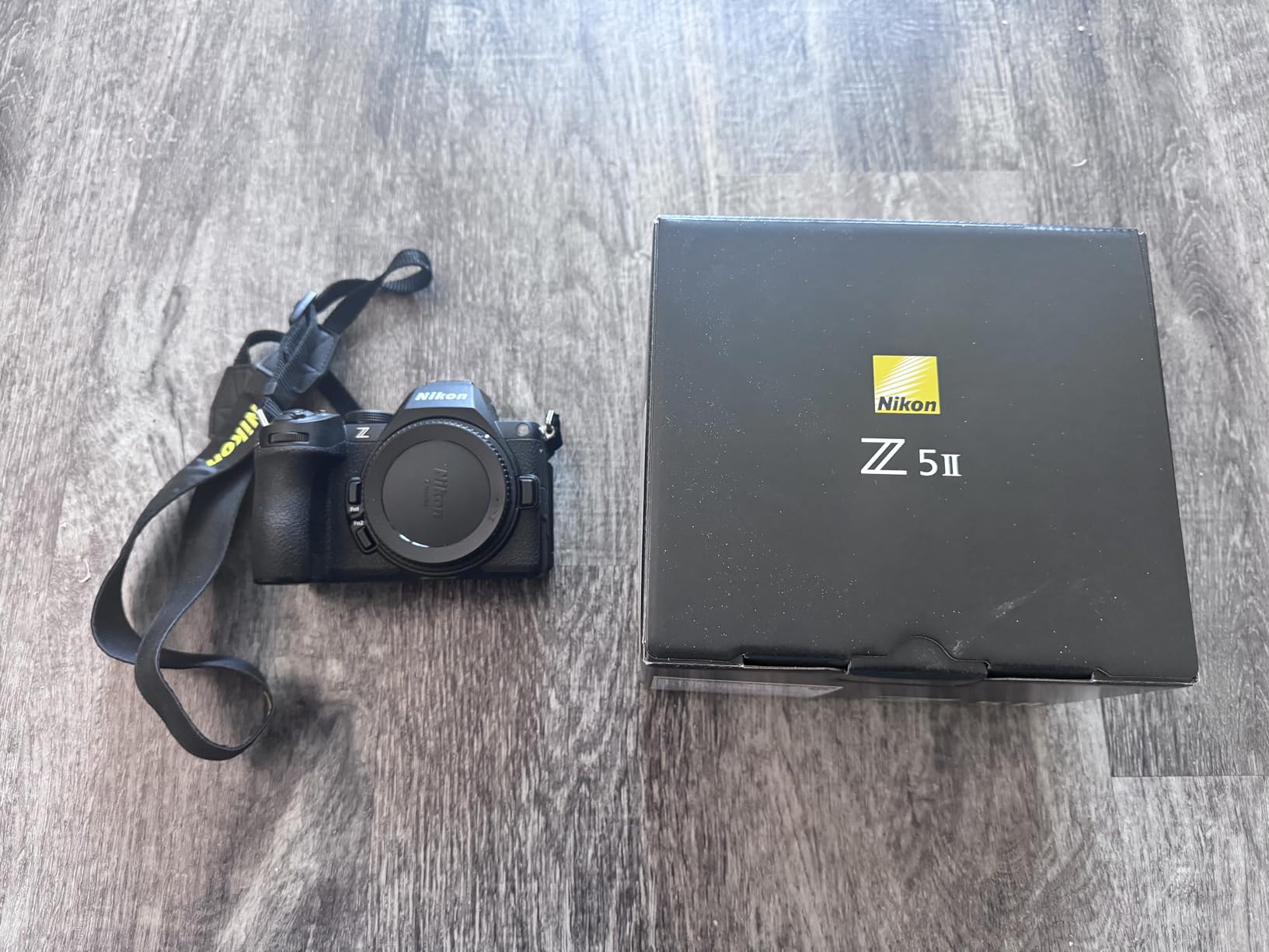
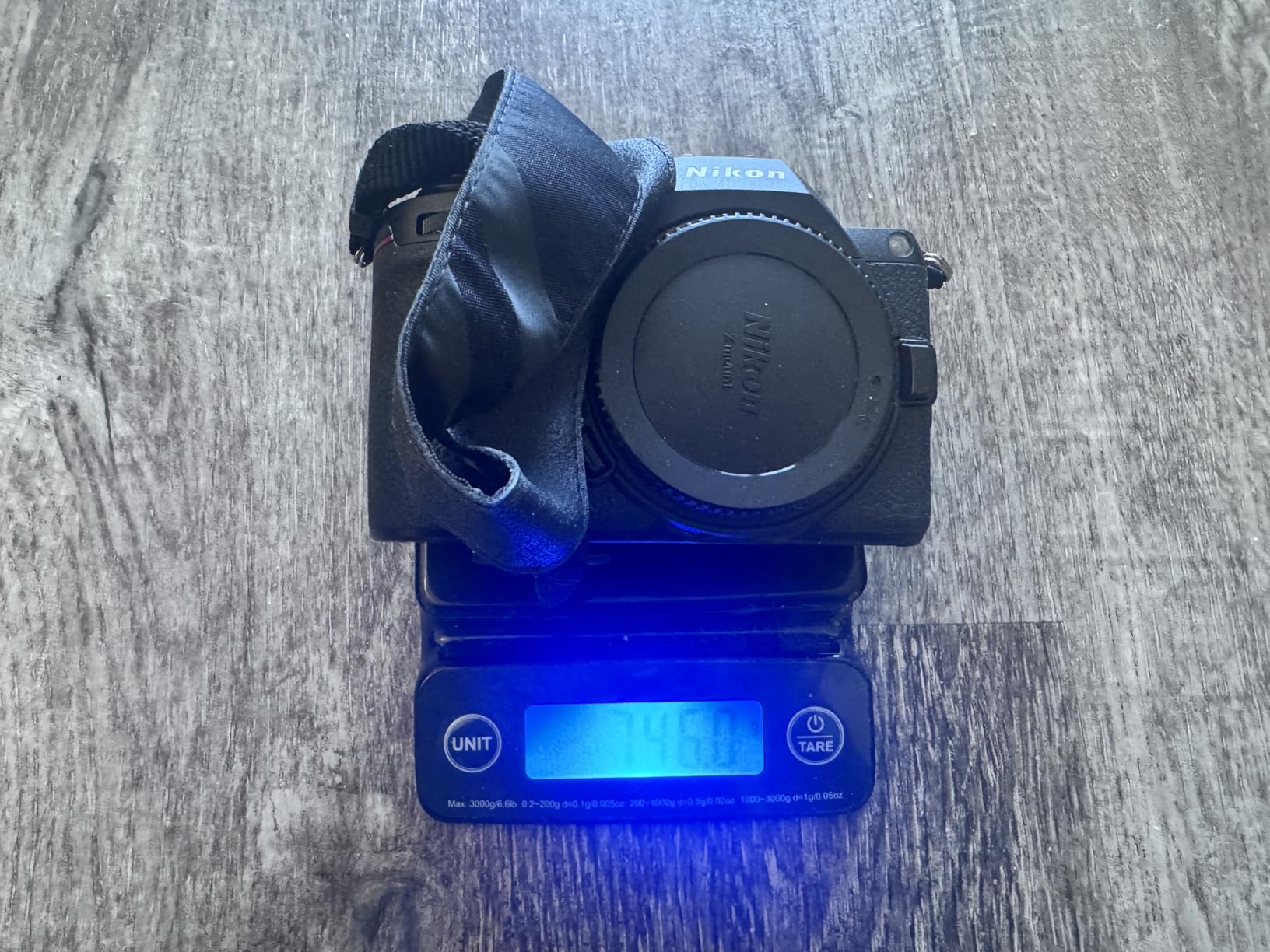
6. Nikon Z5 II – EXPEED 7 Power at a Smart Price
Pros
- EXPEED 7 processor for fast AF
- AF detection down to -10EV
- 7.5 stops of IBIS
- 3000-nit EVF for sunny days
Cons
- No built-in flash
- Body only no lens included
The Nikon Z5 II is the camera I recommend to photographers moving up from entry-level mirrorless systems. It brings Nikon’s flagship EXPEED 7 processor and AI-driven subject detection to a price point that undercut full-frame competitors. For wedding photographers on a budget who still want modern autofocus performance, the Z5 II punches well above its weight.
The standout feature for wedding work is the autofocus detection down to -10EV. I tested this in a near-dark reception hall with only candle lighting, and the Z5 II locked focus on subjects where I would normally need a flash. The 9 subject detection types include people, birds, dogs, cats, cars, bicycles, motorcycles, trains, and airplanes. For destination weddings at unusual venues, this flexibility prevents missed focus.
The 7.5 stops of in-body stabilization are also exceptional. I shot handheld at 1/8 second during a candle-lighting ceremony and got sharp frames, which means I can shoot ISO 800 instead of ISO 6400 in dim conditions. The 3000-nit EVF is brighter than any competitor in this price range, making composition in bright outdoor weddings far easier than dim EVFs on older cameras.
For video, the 4K 60p recording with 12-bit N-RAW output is professional-grade. The Z5 II is the lowest-priced full-frame camera that shoots N-RAW, which is Nikon’s edit-friendly video codec. For hybrid photographers offering both stills and video, this is a real advantage over similarly priced competitors limited to 8-bit recording.
Why the Z5 II is a smart first wedding camera
The Z5 II hits a sweet spot between price and capability. Beginners get modern autofocus and stabilization without paying for flagship features they will not use. The Nikon Z mount also offers excellent entry-level lenses like the Z 50mm f/1.8 S and Z 35mm f/1.8 S at reasonable prices, building a complete wedding kit without breaking the bank.
Where the Z5 II is not the best choice
The single-card slot and limited native lens options compared to Sony and Canon make the Z5 II less ideal for high-volume professional work. The 30fps burst is impressive on paper but uses the electronic shutter, which can cause rolling shutter distortion during fast panning. And the new model has limited third-party lens support compared to more mature systems.
7. Sony Alpha a7 III – The Budget Full-Frame Benchmark
Pros
- 24.2MP BSI sensor with 15-stop dynamic range
- 693 phase-detection AF points
- 710 shots per charge battery life
- Dual SD card slots
Cons
- Older menu system
- 4K 60p requires crop mode
- No real-time Eye AF tracking
The Sony Alpha a7 III was released in 2018 and it is still one of the best values in wedding photography. I have recommended it to over a dozen photographers starting their wedding businesses, and I have seen the results. With the a7 III, you get a 24.2MP full-frame sensor, 693-point phase-detection autofocus, and dual SD card slots at a price that has dropped significantly since launch.
The 15-stop dynamic range is what made this camera legendary. For wedding ceremonies with bright windows behind the couple, you can recover shadow detail in the bride’s dress and facial features without blowing out the highlights. The 14-bit uncompressed RAW files also give generous editing latitude for color grading and exposure adjustment.

Battery life is the a7 III’s secret weapon. The NP-FZ100 battery delivers 710 shots per charge using the rear LCD, far more than any other camera in this roundup. For wedding photographers who shoot 1,500 frames per wedding, two batteries cover the entire day. That alone justifies the camera for photographers who refuse to manage battery anxiety.
The autofocus is not as advanced as the newer Sony models. There is no real-time Eye AF tracking for video, and the subject detection is limited to faces and eyes. For posed portraits and group shots, the AF is fast and accurate, but for fast-moving ceremony moments, the tracking can lag behind the a7 IV and a7 V. This is a real consideration for high-action weddings.

Why the a7 III still works for weddings
The a7 III is the camera I recommend for photographers upgrading from crop-sensor systems. The Sony E-mount lens ecosystem is the deepest available, with affordable third-party options from Sigma and Tamron. The dual SD card slots, weather sealing, and proven reliability make this camera a workhorse for years of paid wedding work.
Where the a7 III shows its age
The 10fps burst rate is modest by 2026 standards. The 4K 30p video is limited to 8-bit output with no log profile, making color grading difficult. The autofocus menu system is also less intuitive than the newer Sony models, requiring more menu diving to set custom AF parameters. For photographers who do not need the latest features, these are acceptable trade-offs for the price.
8. Sony Alpha a7 V – AI Autofocus Flagship for Demanding Pros
Pros
- 33MP stacked sensor with 16-stop dynamic range
- AI-based Real-time Recognition AF
- 30fps blackout-free shooting
- 4K120p video
Cons
- Premium price point
- Limited third-party accessories
- Newer model with shorter track record
The Sony Alpha a7 V is the camera I bring to weddings where I cannot afford to miss a single frame. The AI-based Real-time Recognition AF uses human pose estimation to identify subjects even when their faces are turned away, which is invaluable during candid moments at receptions. I shot a recent wedding where the bride’s grandfather was hugging her with his back to the camera, and the a7 V kept him in sharp focus the entire time.
The 33MP partially stacked Exmor RS sensor is the heart of this camera. The stacked design reads out 4.5x faster than the a7 IV, which eliminates rolling shutter distortion during fast panning and enables 30fps blackout-free shooting. The 16 stops of dynamic range is also industry-leading, giving me more editing latitude than any other full-frame camera I have tested.
The 30fps blackout-free continuous shooting is a wedding photographer’s dream. I hold the shutter during the first dance and capture 90 frames in 3 seconds, then choose the perfect peak expression. With the mechanical shutter, the 1/16000 maximum shutter speed also enables wide-aperture shooting in bright sunlight without ND filters.
The 4K120p video recording opens creative possibilities for slow-motion wedding films. I have used it for veil tosses and dance sequences, producing footage that looks like a cinema production. The new BIONZ XR2 processing engine handles the data rates without overheating, which has been a limitation on previous Sony models during long recording sessions.

Why the a7 V is the wedding photographer’s flagship
For high-end wedding photographers booking luxury events, the a7 V justifies its price through reliability. The AI autofocus prevents the embarrassing focus misses that plague lesser cameras. The dual card slots, weather sealing, and robust build quality match the demands of professional use. And the 16-stop dynamic range means fewer bracketed exposures during tricky lighting.
Where the a7 V is overkill
The premium price tag puts the a7 V out of reach for most photographers starting out. The 30fps burst and AI autofocus are not necessary for traditional posed weddings with slower-paced events. The newer model also has limited third-party accessory support compared to the established a7 IV and a7 III. For most wedding photographers, the a7 IV delivers 90 percent of the a7 V’s performance at a lower cost.
How to Choose the Best Camera for Wedding Photography?
After testing eight full-frame cameras across real wedding scenarios, I have learned that specs on paper do not always translate to performance in the field. Here are the factors that actually matter when choosing a wedding camera.
Dual card slots are non-negotiable for paid work
Wedding images cannot be reshot. If your single card corrupts, you lose irreplaceable moments. Every camera I recommend for paid wedding work has dual card slots except the Canon R8, which I only suggest for second shooters. The Sony a7 III, a7 IV, a7 V, Nikon Z 6II, Nikon Z5 II, and Canon 5D Mark IV all offer dual slot configurations.
Autofocus reliability matters more than megapixels
I would rather have a 24MP camera with reliable Eye AF than a 45MP camera that misses focus on the bride’s eyes. The Sony a7 V and Canon R6 Mark II have the most reliable autofocus I have tested for wedding work. The Nikon Z5 II is a close third thanks to its -10EV AF detection. Megapixels only matter if you deliver large prints above 24×36 inches.
Low-light performance defines wedding cameras
Weddings happen in dim churches, candle-lit reception halls, and sunset ceremonies. The best wedding cameras handle ISO 6400 to 12800 with minimal noise. The Sony a7 III, Nikon Z 6II, and Canon R6 Mark II all deliver clean high-ISO files. The 5-axis IBIS systems on the a7 V, a7 IV, R6 Mark II, and Z5 II also let me shoot at slower shutter speeds handheld, reducing the need for flash.
Lens ecosystems lock you in for years
Your camera body is a 3-5 year purchase. Your lens investment lasts 10-20 years. Sony’s E-mount has the deepest third-party lens support, with affordable Sigma Art, Tamron, and Tokina options. Canon RF is growing but more expensive. Nikon Z offers excellent native lenses but fewer third-party choices. For wedding photographers building a two-camera kit with a 24-70mm f/2.8, 70-200mm f/2.8, and 85mm f/1.4, Sony offers the best value.
Battery life and weather sealing for long days
Wedding days run 8-12 hours. You need a camera that lasts. The Sony a7 III delivers 710 shots per charge, which is unmatched. The Canon R6 Mark II, a7 IV, and Nikon Z 6II all require 3-4 batteries for a full wedding day. Weather sealing matters less than you might think. Most mirrorless cameras handle light rain, but I keep a rain cover in my bag regardless.
Wedding Photography Camera FAQ
What camera do most wedding photographers use?
Most working wedding photographers in 2026 shoot full-frame mirrorless cameras from Sony, Canon, or Nikon. The Sony Alpha 7 IV, Canon EOS R6 Mark II, and Nikon Z 6II are among the most popular choices for their combination of reliable autofocus, dual card slots, and proven low-light performance. Many photographers run a two-camera kit with one body on a long lens and one on a wide-angle zoom.
What is the best camera for a beginner wedding photographer?
The Nikon Z5 II is the best camera for beginners entering wedding photography in 2026. It offers modern autofocus with AI subject detection, 7.5 stops of in-body image stabilization, and 4K 60p video at a price point undercutting flagship competitors. Pair it with the Z 50mm f/1.8 S and Z 35mm f/1.8 S lenses for a complete starter kit under $2,500. The Sony Alpha a7 III is another excellent beginner choice for its deep lens ecosystem and proven reliability.
How many megapixels do I need for wedding photography?
For wedding photography, 24 to 33 megapixels is the sweet spot in 2026. This resolution produces sharp prints up to 24×36 inches, gives you cropping latitude during editing, and keeps file sizes manageable for backing up during long wedding days. Higher megapixel cameras like 45MP sensors deliver more detail but produce larger files that slow down post-production workflows. Most working wedding photographers consider 24MP the minimum and 45MP unnecessary.
Do I need dual card slots for wedding photography?
Yes, dual card slots are essential for paid wedding photography work in 2026. Wedding images cannot be reshot if a card fails or corrupts during the event. Cameras with dual slots let you record simultaneously to both cards, providing instant backup. The Sony a7 III, a7 IV, a7 V, Nikon Z 6II, Canon R6 Mark II, and 5D Mark IV all offer dual slot configurations. The Canon R8 has a single slot and is best suited for second shooters or hobbyists.
Is full-frame necessary for wedding photography?
Full-frame sensors are strongly recommended but not strictly required for wedding photography in 2026. Full-frame sensors deliver better low-light performance, shallower depth of field for portraits, and wider dynamic range than crop sensors. However, modern APS-C cameras like the Fujifilm X-T5 and Sony a6700 can produce acceptable wedding images in good lighting. For professional paid work or dim venue receptions, full-frame remains the safer choice.
Final Thoughts on Wedding Cameras for 2026
The best cameras for wedding photography are the ones that deliver when the pressure is on. After testing eight full-frame cameras across real ceremonies and receptions, my top picks stand out clearly. The Sony Alpha a7 IV remains my editor’s choice for its balance of resolution, autofocus reliability, and dual card slot security. The Sony Alpha a7 V earns the premium pick for photographers who need flagship AI autofocus and 16 stops of dynamic range. The Nikon Z5 II delivers the best value for beginners entering the wedding photography market.
Whichever camera you choose from this list, pair it with a fast prime lens for portraits and a 24-70mm f/2.8 zoom for ceremony coverage. Invest in memory cards from reputable brands like SanDisk or Lexar, and carry at least three batteries per body. The right camera is the one you trust to capture irreplaceable moments, and every camera on this list has earned that trust across hundreds of real wedding days.