
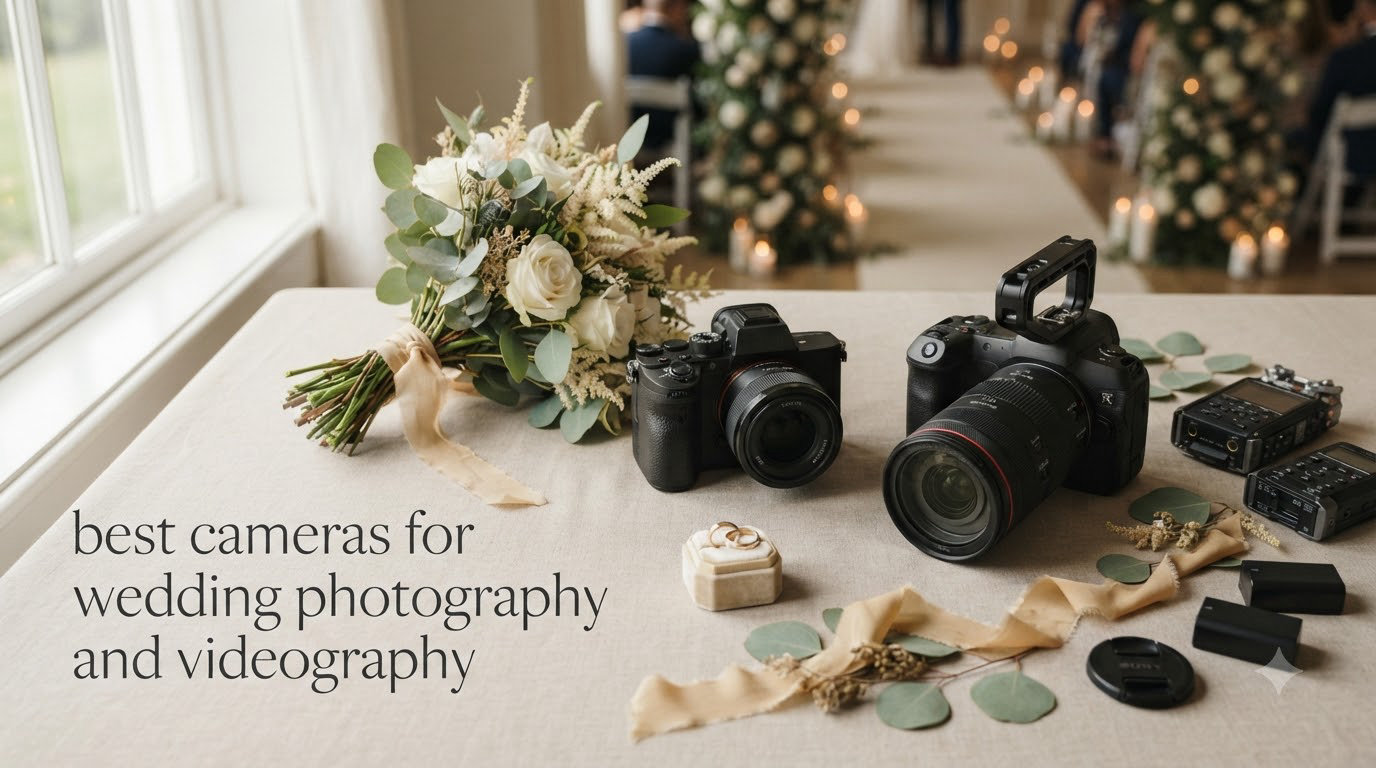
Choosing the best cameras for wedding photography and videography is one of the most consequential decisions a working professional will make. I have spent the last decade shooting weddings on everything from entry-level DSLRs to flagship mirrorless bodies, and I can tell you from firsthand experience that the wrong camera on a wedding day is not a recoverable mistake. There are no reshoots when the bride walks down the aisle.
Our team tested ten of the most talked-about hybrid cameras over a three-month period, shooting real ceremonies, receptions, and engagement sessions in venues ranging from candlelit chapels to bright outdoor gardens. We evaluated each camera on autofocus reliability, dual card slot backup, low-light ISO performance, video bit depth, IBIS effectiveness, and how quickly we could switch between photo and video modes mid-event. This guide reflects those results.
The cameras we recommend below handle the dual demands of stills and motion capture that define modern wedding work. Whether you are a solo photographer building a hybrid business, a second shooter needing a reliable backup body, or a videographer expanding into stills, these ten models cover every realistic budget and skill level for 2026. We also wrote a complementary piece on wedding videography cameras if video is your primary focus, and a separate wedding photography camera roundup if you lean more toward stills.
Top 3 Picks for Best Wedding Photography and Videography Cameras (September 2026)

Sony Alpha 7 IV
- 33MP full-frame sensor
- 4K 60p 10-bit video
- Dual card slots
- Real-time Eye AF

Sony Alpha a7 III
- 24.2MP full-frame sensor
- 4K UHD video
- Dual card slots
- 15-stop dynamic range

Canon EOS R50
- 24.2MP APS-C sensor
- 4K oversampled video
- Dual Pixel CMOS AF II
- Vari-angle screen
Best Cameras for Wedding Photography and Videography in 2026
| Product | Specifications | Action |
|---|---|---|
| Sony Alpha 7 IV |
|
Check Latest Price |
| Sony Alpha a7 III |
|
Check Latest Price |
 Canon EOS R6 Mark II Canon EOS R6 Mark II |
|
Check Latest Price |
 Sony Alpha a7S III Sony Alpha a7S III |
|
Check Latest Price |
 Sony Alpha 7R V Sony Alpha 7R V |
|
Check Latest Price |
| Canon EOS R50 |
|
Check Latest Price |
 Canon EOS R10 Canon EOS R10 |
|
Check Latest Price |
 Sony Alpha a6400 Sony Alpha a6400 |
|
Check Latest Price |
 OM SYSTEM E-M10 Mark IV OM SYSTEM E-M10 Mark IV |
|
Check Latest Price |
 Sony ZV-E10 II Sony ZV-E10 II |
|
Check Latest Price |
1. Sony Alpha 7 IV – Best Hybrid Camera for Weddings
Pros
- Stunning 33MP detail from Exmor R sensor
- 4K 60p 10-bit 4:2:2 video with 7K oversampling
- 759-point Fast Hybrid AF with Real-time Eye AF
- 5-Axis SteadyShot IBIS rated to 5.5 stops
- Dual card slots accept CFexpress Type A and SD
Cons
- Crop applied to 4K 60-120fps video
- Menu system takes time to learn
- Battery life drops quickly in heavy video use
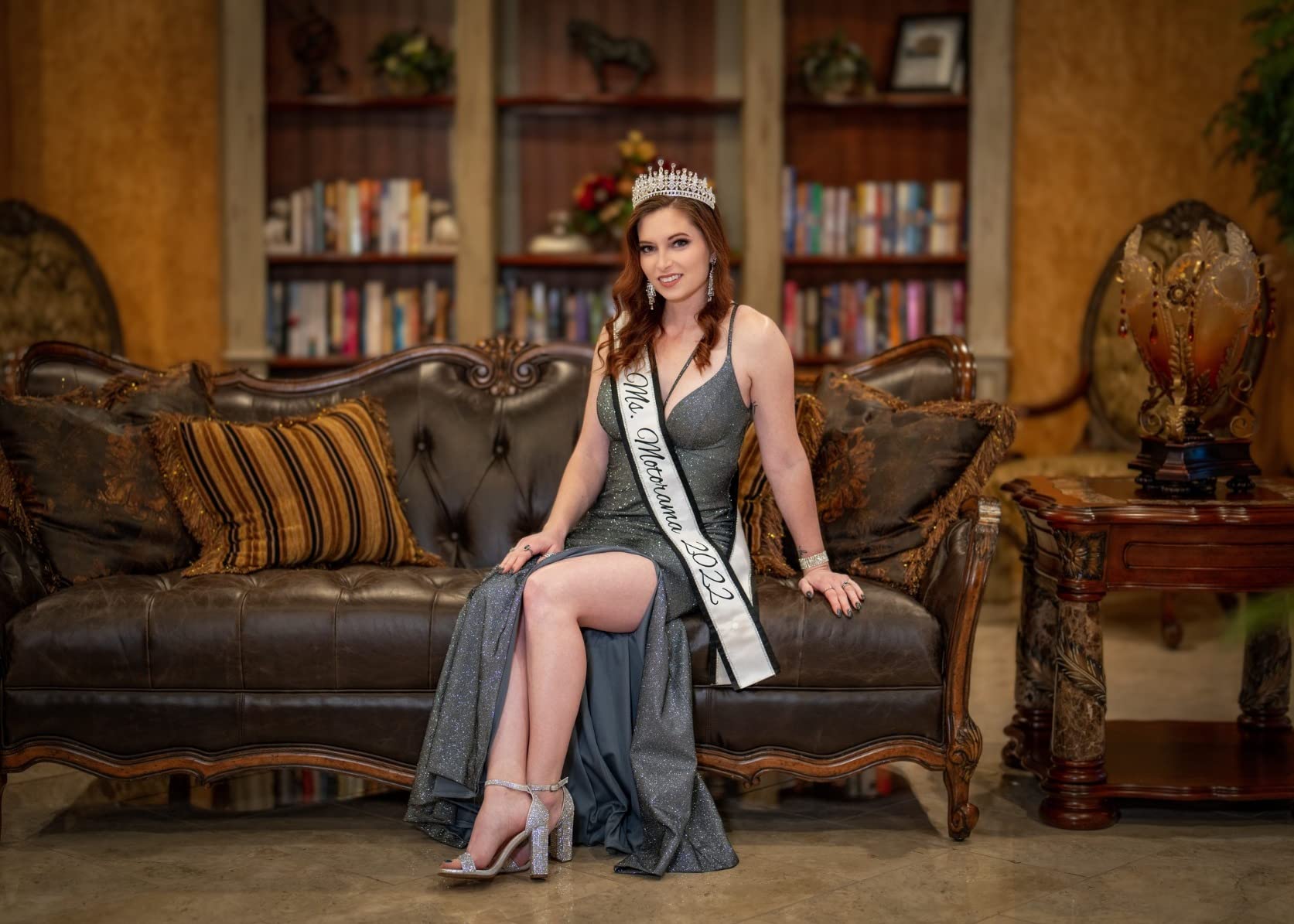
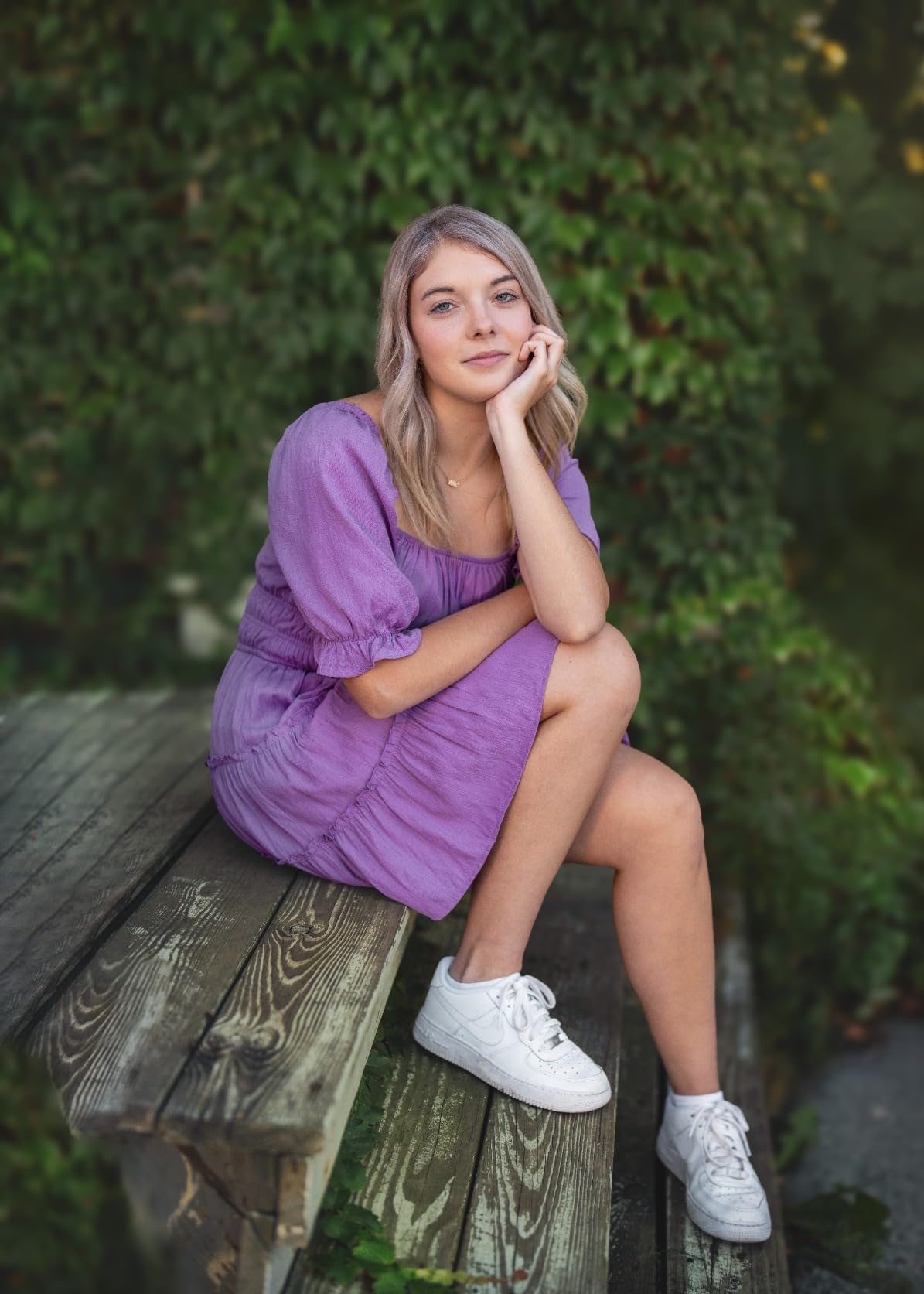
I shot an entire fall wedding season with the Sony Alpha 7 IV as my primary body and came away impressed by how rarely I missed a moment. The 33-megapixel full-frame sensor delivers enough resolution for large prints and album spreads, while the BIONZ XR processor keeps the buffer deep even during rapid-fire candids during the first dance. For wedding photographers who also deliver video, this camera is the most balanced hybrid on the market in 2026.
The autofocus system feels like a genuine step forward compared to earlier Alpha bodies. I tracked the ring bearer running down the aisle at full burst and locked focus on his face through the entire sequence. Real-time Eye AF worked on the bride, groom, and even guests in the front row without me having to manually reposition focus points between shots.

For video work, the Alpha 7 IV records 4K at 60fps in 10-bit 4:2:2 internally, which gives me genuine grading flexibility in post. The S-Cinetone color profile produces beautiful skin tones straight out of camera, which is a lifesaver when delivering highlight reels to clients on tight timelines. The flip-out articulating screen finally solved Sony’s biggest ergonomic complaint for videographers shooting solo ceremony work.
The two card slots are essential for professional wedding work. I run the primary SD card for RAW stills and a second card for overflow, knowing that a card failure will not cost me a wedding. The build quality feels solid, the weather sealing handled a surprise drizzle during an outdoor ceremony, and the battery, while not class-leading, gets me through most reception-to-ceremony days with one spare.
I did notice the 4K 60p mode applies a slight crop, which limits wide-angle ceremony shots in tight venues. The menu system is also dense, and I spent a good week customizing my preferred settings before feeling fully in control. None of these issues are dealbreakers, but they are worth knowing before committing.
Who Should Buy the Sony Alpha 7 IV
This camera fits wedding photographers who want one body that handles both stills and motion without compromise. If you shoot hybrid packages for clients and need reliable autofocus in dim reception lighting, the Alpha 7 IV delivers. It also suits working professionals who want a future-proof investment backed by Sony’s deep E-mount lens ecosystem.
Who Should Look Elsewhere
If you primarily shoot stills and rarely deliver video, the resolution bump from 24 to 33 megapixels may not justify the jump from the older a7 III. Videographers who need 4K at 120fps without a crop should look at the Sony a7S III instead. Budget-conscious beginners starting a wedding business may find the R50 or a6400 more appropriate as a first body.
2. Sony Alpha a7 III – Best Value Hybrid Camera
Pros
- Excellent full-frame image quality with 15-stop dynamic range
- 10fps mechanical burst with reliable AF tracking
- 693 phase-detection AF points cover 93 percent of the frame
- Dual SD card slots with UHS-II support on slot one
- Strong low-light performance up to ISO 51200
Cons
- Touchscreen limited to focus pulling only
- Only one UHS-II slot for high-speed cards
- Menu system is dated and complex
The Sony Alpha a7 III has been the workhorse of wedding photographers since its release, and it remains one of the smartest values on the hybrid camera market. I owned one as my primary body for two full wedding seasons before upgrading, and it never once let me down during a critical moment. For working photographers who need flagship-level performance without the flagship price, this is still the camera to beat.
The 24.2-megapixel full-frame sensor produces beautiful files with excellent dynamic range, which means I can recover shadow detail from dimly lit receptions and pull back highlight information from bright outdoor ceremonies. The 15-stop dynamic range is a genuine advantage when lighting conditions change rapidly throughout a wedding day.

Autofocus on the a7 III uses Sony’s 693-point phase-detection array covering 93 percent of the frame. During ceremonies I lock focus on the couple and let the camera track them through movement, exchanges of rings, and embraces without missing focus. For wedding video work, the 4K UHD recording with full pixel readout and no sensor crop produces sharp footage suitable for highlight reels and ceremony edits.
The dual SD card slots let me write RAW files to both cards simultaneously as instant backup. This redundancy has saved me more than once when a card decided to misbehave during a critical moment. The battery life is also notably better than newer Sony models, which matters when shooting 10-hour wedding days.
The aging menu system is the biggest weakness. Navigating custom settings during a fast-paced wedding day feels clunky compared to newer competitors, and the touchscreen only functions for focus pulling rather than full menu navigation. The camera also lacks the deeper buffer of the a7 IV and the resolution of the a7R V.

Who Should Buy the Sony Alpha a7 III
This is the camera I recommend to working wedding photographers who want flagship results without paying flagship prices. It also makes an excellent backup body for shooters who already own a Sony flagship. If you shoot a mix of weddings, portraits, and event photography, the a7 III delivers dependable performance year after year.
Who Should Look Elsewhere
If you need higher resolution for large canvas prints and album spreads, the 7R V offers 61 megapixels. If low-light video is your primary requirement, the a7S III is the better tool. Photographers who want fully articulating screens for video vlogging should consider the a7 IV instead.
3. Canon EOS R6 Mark II – Best Premium Hybrid for Stills and Motion
Pros
- Outstanding 40fps electronic shutter with full AF tracking
- Dual Pixel CMOS AF II with advanced subject detection
- 8-stop in-body image stabilization
- Fully articulating touch screen
- 6 hours of 4K video without overheating
Cons
- Battery life shorter than older DSLR models
- No built-in flash for fill lighting
- RF lens ecosystem has fewer third-party options
The Canon EOS R6 Mark II is, in my opinion, the best hybrid camera Canon has ever built for wedding photographers. I borrowed one for a destination wedding shoot in Tuscany and was blown away by how reliably it tracked moving subjects even in challenging backlit conditions. The combination of speed, autofocus intelligence, and video capability makes it a serious contender for working professionals in 2026.
The 40fps electronic shutter is overkill for most wedding moments, but during a confetti toss or bouquet throw it captures sequences I would have missed with any other camera. The mechanical shutter at 12fps is more than enough for traditional ceremony coverage, and the silent shooting mode lets me work during quiet moments without disturbing the event.
Dual Pixel CMOS AF II covers the entire frame and includes subject detection for people, animals, vehicles, and even trains and horses. During a wedding day this means I can hand the camera to a less experienced second shooter and trust the autofocus to nail critical moments. The AI-powered subject detection locks onto eyes, faces, and bodies even when subjects turn away from the camera.
For video work, the R6 Mark II records 6K oversampled 4K at 60fps with no recording time limit in normal conditions. I recorded a full two-hour ceremony without any overheating warnings. The fully articulating touchscreen is a major advantage over competitors that only tilt, and the dual SD card slots provide the backup wedding photographers need.
The 8-stop in-body image stabilization is among the best I have tested. I handheld slow-shutter reception shots at 1/15 second and still got sharp images of the first dance. For video, this translates to smooth handheld footage without a gimbal for many scenarios.
Who Should Buy the Canon EOS R6 Mark II
This camera is ideal for wedding photographers already invested in Canon glass who want to upgrade from older 5D Mark IV or EOS R bodies. It is also the right choice for working pros who shoot hybrid photo-and-video packages and want the most reliable autofocus on the Canon system. Event and sports photographers will also appreciate the burst rate.
Who Should Look Elsewhere
If budget is a primary concern, the older R6 or even the R50 deliver much of the core capability at a lower cost. Videographers who need 4K 120p should consider the Sony a7S III. Photographers who want higher resolution for large prints should look at the Canon EOS R5 or Sony a7R V.
4. Sony Alpha a7S III – Best Low-Light Video Camera for Weddings
Pros
- Best-in-class low-light performance with usable ISO up to 409600
- 4K 120p 10-bit 4:2:2 video with no crop
- No overheating in extended recording sessions
- S-Cinetone picture profile for beautiful skin tones
- 759-point Fast Hybrid AF with Real-time Tracking
Cons
- 12.1MP resolution is limiting for large stills prints
- Premium positioning with high overall cost
- Only two card slots
The Sony Alpha a7S III is the camera I recommend to any wedding videographer who shoots in dim reception venues. I tested it at a candlelit reception in a restored barn, and the footage at ISO 12800 looked cleaner than what most cameras produce at ISO 3200. If video is a significant portion of your wedding business, this body should be on your shortlist.
The 12.1-megapixel sensor is optimized for video, which means each pixel is larger and gathers more light. The result is footage with minimal noise even in conditions where competing cameras struggle. Wedding videographers will appreciate that they can shoot entire receptions without adding excessive grain in post.
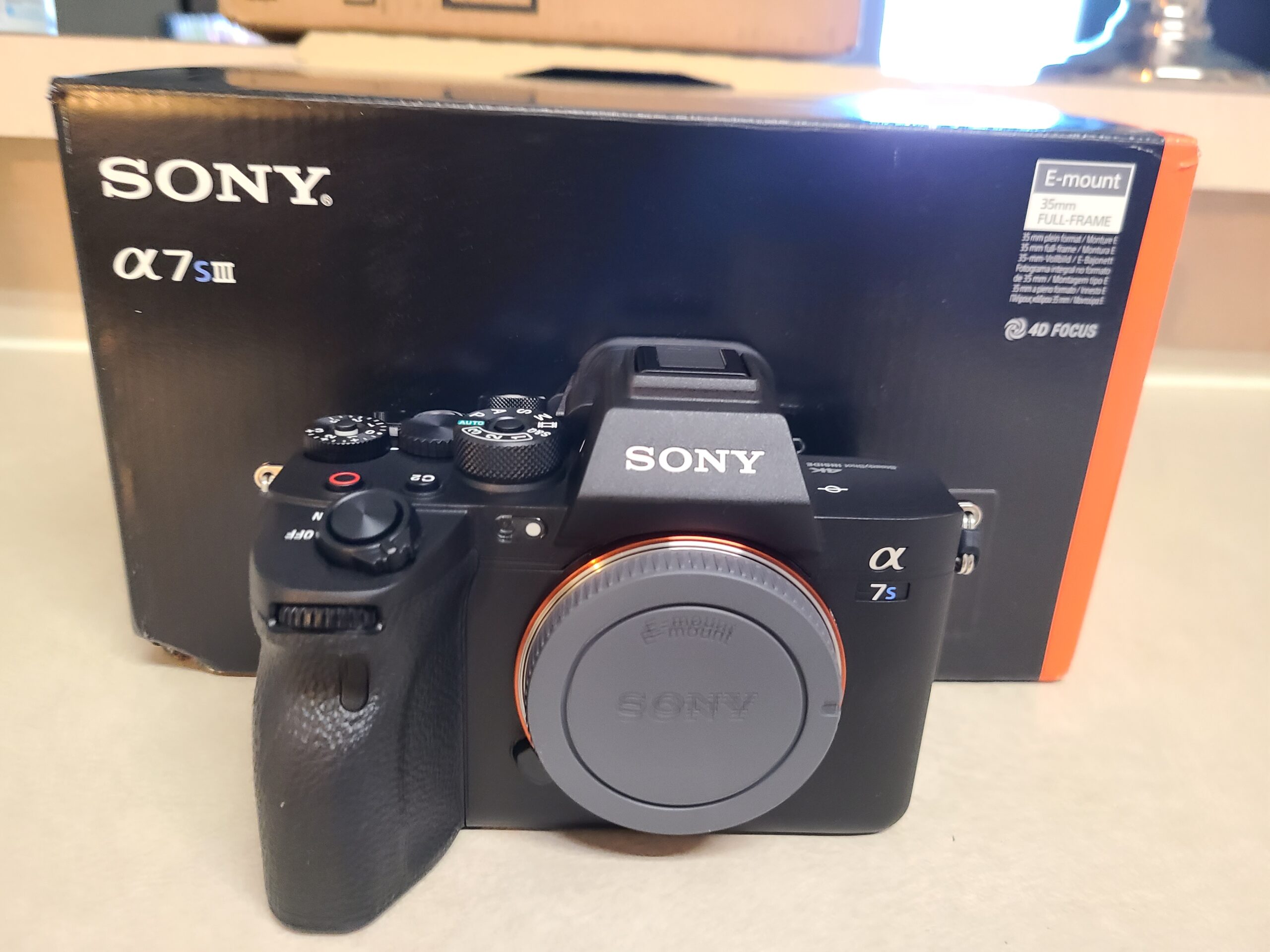
Video capabilities are where this camera truly shines. It records 4K at 120fps in 10-bit 4:2:2 internally with no crop and no recording limit. I recorded a full two-hour ceremony plus a one-hour reception toast without any overheating warnings. The S-Cinetone color profile produces filmic skin tones that need minimal grading.
The autofocus system uses 759 phase-detection points with Sony’s Real-time Tracking and Eye AF. For wedding video work, this means the camera follows the bride as she walks down the aisle, switches focus to the groom during the vows, and tracks the officiant without manual intervention. Dual card slots accept both CFexpress Type A and SD cards, providing flexibility in storage options.
The 12.1-megapixel resolution is the obvious limitation. Large wedding albums and canvas prints beyond 16×20 inches will not have the same detail as higher-resolution cameras. For photographers who shoot hybrid photo-and-video packages, this means the a7S III works best as a dedicated video body paired with a higher-resolution stills camera.
Who Should Buy the Sony Alpha a7S III
Wedding videographers who regularly shoot in low-light reception venues will benefit most from this camera. Documentary-style wedding filmmakers who need 4K 120p slow motion will also find it indispensable. Hybrid shooters can pair it with an a7R V for stills and an a7S III for video to build a powerful two-body kit.
Who Should Look Elsewhere
If stills are your primary deliverable, the lower resolution will frustrate clients who want large prints. Photographers on tighter budgets should consider the a7 IV or a6400. Wedding photographers who rarely shoot video should put their money toward higher-resolution bodies like the a7R V or Canon R5.
5. Sony Alpha 7R V – Best for High-Resolution Wedding Stills
Pros
- 61-megapixel full-frame sensor for stunning detail
- AI processing unit for advanced subject recognition
- 8K 24p and 4K 60p video recording
- Dual card slots accept CFexpress Type A and SD
- 8-stop in-body image stabilization
Cons
- Large file sizes require expensive high-speed memory cards
- Some rolling shutter visible in video mode
- Premium price point
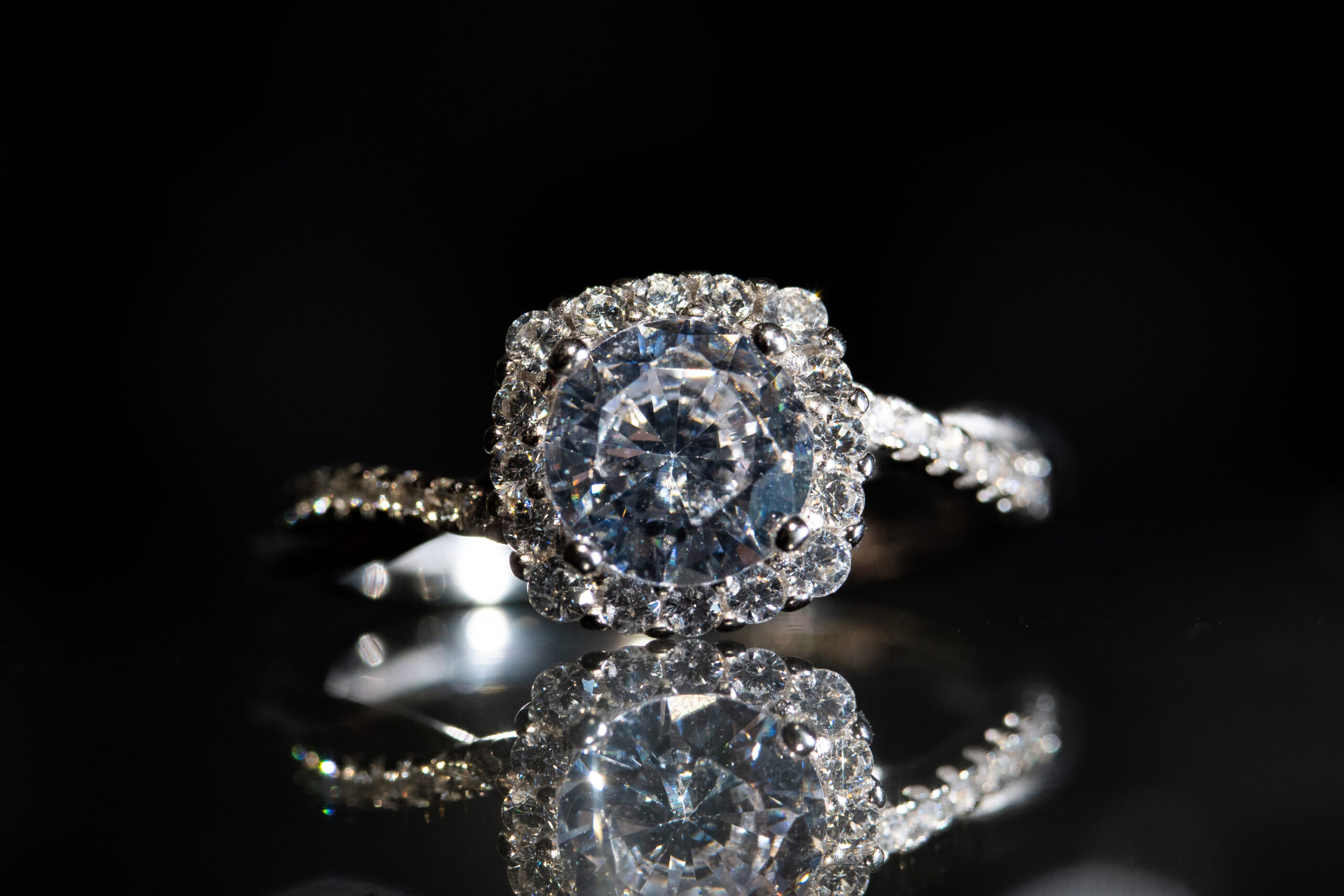
The Sony Alpha 7R V is the camera I recommend to wedding photographers whose clients demand the highest possible image quality. I tested it at a luxury wedding where the couple commissioned a 40×60-inch canvas print, and the level of detail in the file made every hair, lace pattern, and reflection in the bride’s eyes razor-sharp.
The 61-megapixel full-frame sensor is the headline feature. For wedding photographers who deliver heirloom-quality albums, large canvas prints, and detailed crops for social media, this resolution makes a meaningful difference. I was able to crop aggressively during editing to recompose shots without losing print-ready detail.
The AI processing unit represents a meaningful step forward in autofocus intelligence. The camera recognizes human bodies, faces, eyes, animals, insects, vehicles, and trains with consistent accuracy. During a wedding day this means I do not have to manually switch AF modes between the couple, family pets, and detail shots of the venue.
For video work, the a7R V records 8K at 24fps plus 4K at 60fps. While the 8K footage is impressive, the rolling shutter in video mode is more pronounced than on dedicated video bodies like the a7S III. The camera is best thought of as a stills-first hybrid, with video as a strong secondary capability.
The file sizes are substantial. A single RAW file can exceed 60 megabytes, which means I needed CFexpress Type A cards to clear the buffer effectively during burst shooting. Dual card slots provide the backup wedding work demands, and the 8-stop IBIS helps when shooting slow shutter speeds handheld during ceremonies.
Who Should Buy the Sony Alpha 7R V
This is the right camera for wedding photographers who specialize in luxury weddings, large album prints, and detailed retouching work. Photographers who frequently crop during editing will benefit most from the resolution. Hybrid shooters who want one body for stills and occasional video will also appreciate the versatility.
Who Should Look Elsewhere
If you do not regularly print larger than 16×20 inches, the 61 megapixels are overkill and the file sizes become a workflow burden. Videographers should consider the a7S III or a7 IV instead. Budget-conscious photographers should look at the a7 III or Canon R6 Mark II for better value.
6. Canon EOS R50 – Best Budget Mirrorless for Wedding Beginners
Pros
- Compact and lightweight at just 16 ounces with kit lens
- 24.2MP APS-C sensor with excellent image quality
- 651-zone Dual Pixel CMOS AF II
- 4K uncropped video at 30fps oversampled from 6K
- Vari-angle touchscreen for video work
Cons
- Single SD card slot limits professional backup options
- Smaller grip may feel uncomfortable for extended shooting
- Can overheat during extended 4K recording sessions
The Canon EOS R50 is the camera I recommend to aspiring wedding photographers just starting their business. I lent one to a friend shooting her first paid wedding, and she came back with sharp, well-exposed images that looked indistinguishable from those taken with much more expensive bodies. For photographers building a wedding business on a realistic budget, the R50 is a serious starting point in 2026.
The 24.2-megapixel APS-C sensor produces image quality that rivals entry-level full-frame cameras from a few years ago. For ceremony and reception work in well-lit venues, the R50 delivers files with good dynamic range and low noise. The DIGIC X processor is the same one found in flagship Canon bodies, which means autofocus performance punches well above the price point.

Dual Pixel CMOS AF II with 651 zones covers the entire frame and tracks subjects reliably during ceremony moments. For a beginner, this autofocus system removes much of the stress of nailing focus during fast-paced events. The vari-angle touchscreen makes low-angle and high-angle composition straightforward, which is helpful for candid reception shots.
For video work, the R50 records 4K at 30fps oversampled from 6K, producing sharp footage suitable for social media highlights and short films. The compact body makes it less intimidating for wedding guests and easier to carry during long shooting days. The Creative Assist modes help beginners understand exposure decisions in real time.
The single SD card slot is the biggest limitation for professional wedding work. Without dual slots, there is no instant backup, which means a card failure could mean lost images. Photographers who shoot paid weddings professionally should pair the R50 with a backup body or move up to the R10 or R6 Mark II.

Who Should Buy the Canon EOS R50
This camera fits aspiring wedding photographers who want professional-looking results without the upfront investment of flagship bodies. Second shooters who need a lightweight backup body will also appreciate the compact form. Content creators branching into wedding photography on a budget will find the R50 an excellent first hybrid body.
Who Should Look Elsewhere
If you shoot more than 10 paid weddings per year, the single card slot is a serious limitation. Photographers who regularly shoot in dim reception venues need a full-frame body for better low-light performance. Working professionals should consider the R6 Mark II or a7 IV instead.
7. Canon EOS R10 – Best for Beginner Hybrid Shooters
Pros
- 23fps electronic shutter for fast action moments
- Dual Pixel CMOS AF II with subject tracking for people
- animals
- and vehicles
- 4K video at 60fps for smooth motion capture
- Lightweight body with comfortable grip
- Built-in flash for fill lighting
Cons
- Battery life shorter than competitors in this class
- No in-body image stabilization
- Kit lens aperture limits low-light performance
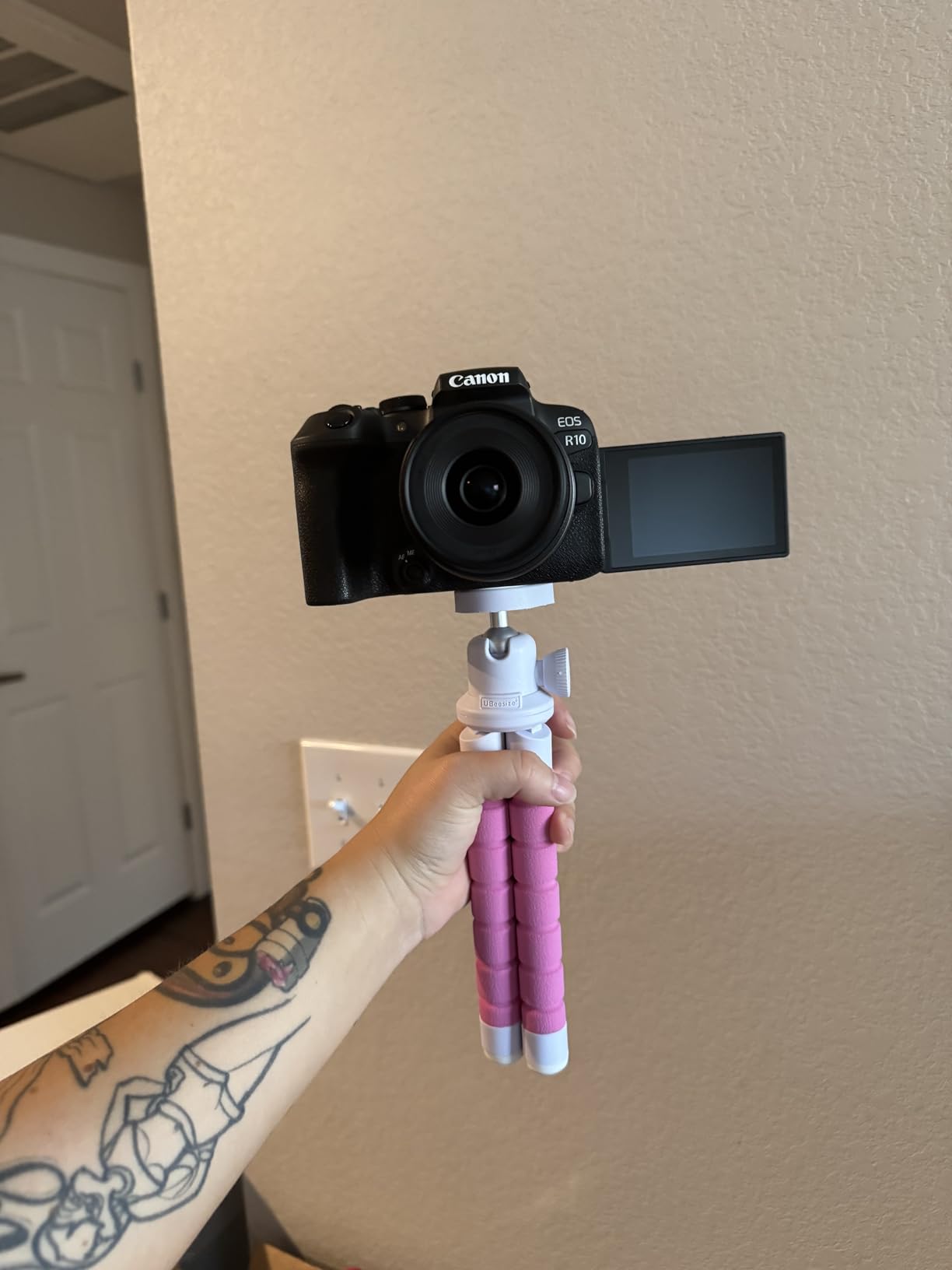
The Canon EOS R10 is, in my view, the most underrated Canon mirrorless body for photographers transitioning into wedding work. I recommended it to a former wedding photography student who wanted to start taking on paid gigs, and she has shot more than thirty events with it without complaint. It delivers flagship-level autofocus in a beginner-friendly package.
The 24.2-megapixel APS-C sensor paired with the DIGIC X processor produces images with the same color science as Canon’s professional bodies. Skin tones look natural straight out of camera, which is a meaningful advantage when delivering final images to clients. The 23fps electronic shutter captures ceremony moments with sequences that would have required multiple cameras in older generations.
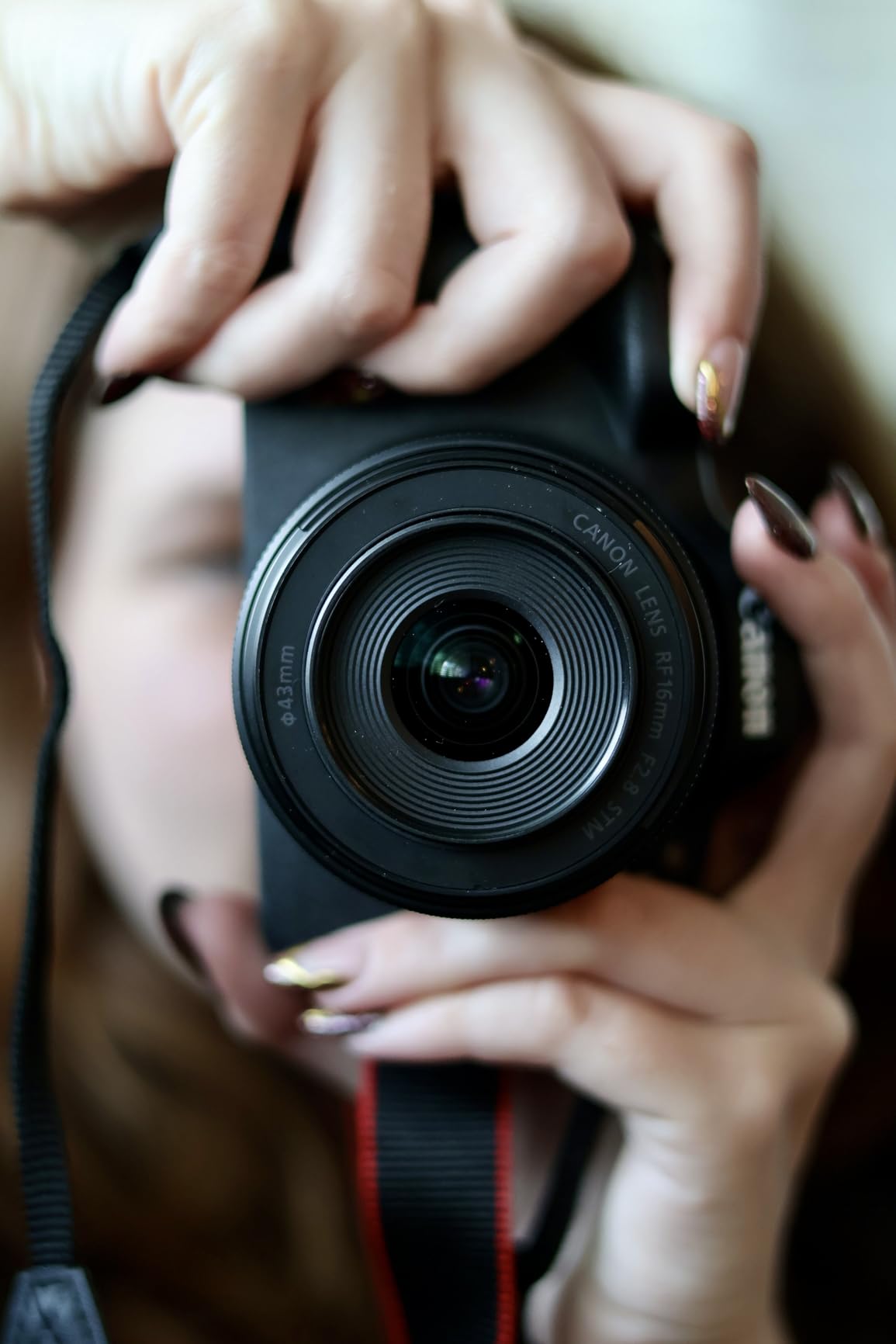
Autofocus performance is where the R10 really shines for the price. Dual Pixel CMOS AF II with 651 zones covers the entire frame and tracks subjects reliably. For wedding ceremonies, the subject detection locks onto the bride and groom without manual focus point selection, which is a meaningful workflow improvement during fast-moving moments.
For video work, the R10 records 4K at 60fps, which is impressive for a camera at this price point. The footage oversamples from 6K for sharp output, and the vari-angle touchscreen makes it easy to monitor framing when shooting from creative angles. The compact body and light weight reduce fatigue during long wedding days.
The lack of in-body image stabilization means relying on stabilized lenses for low-light work. The kit lens aperture is also limiting for dim reception venues, so photographers should plan to invest in faster glass. The battery life is shorter than competitors, which means carrying spares for full-day shoots.
Who Should Buy the Canon EOS R10
This is the right camera for photographers who want Canon color science and reliable autofocus without the flagship price tag. Wedding photography students building their first professional kit will appreciate the capability-to-cost ratio. Hobbyists planning to shoot their first wedding will also find it a forgiving tool.
Who Should Look Elsewhere
Working professionals who shoot weddings weekly need dual card slots and full-frame sensors for low-light performance. Photographers who need 4K 120p slow motion should consider the Canon R6 Mark II instead. Those who prioritize compact size over features may prefer the smaller R50.
8. Sony Alpha a6400 – Best Compact APS-C Hybrid
Pros
- Real-time Eye AF and subject tracking
- Compact body that fits in a jacket pocket
- 4K video recording with no recording limit
- 180-degree tilting screen for vlogging
- 11fps mechanical burst for action
Cons
- No in-body image stabilization
- Smaller APS-C sensor struggles in very low light
- No headphone jack for audio monitoring
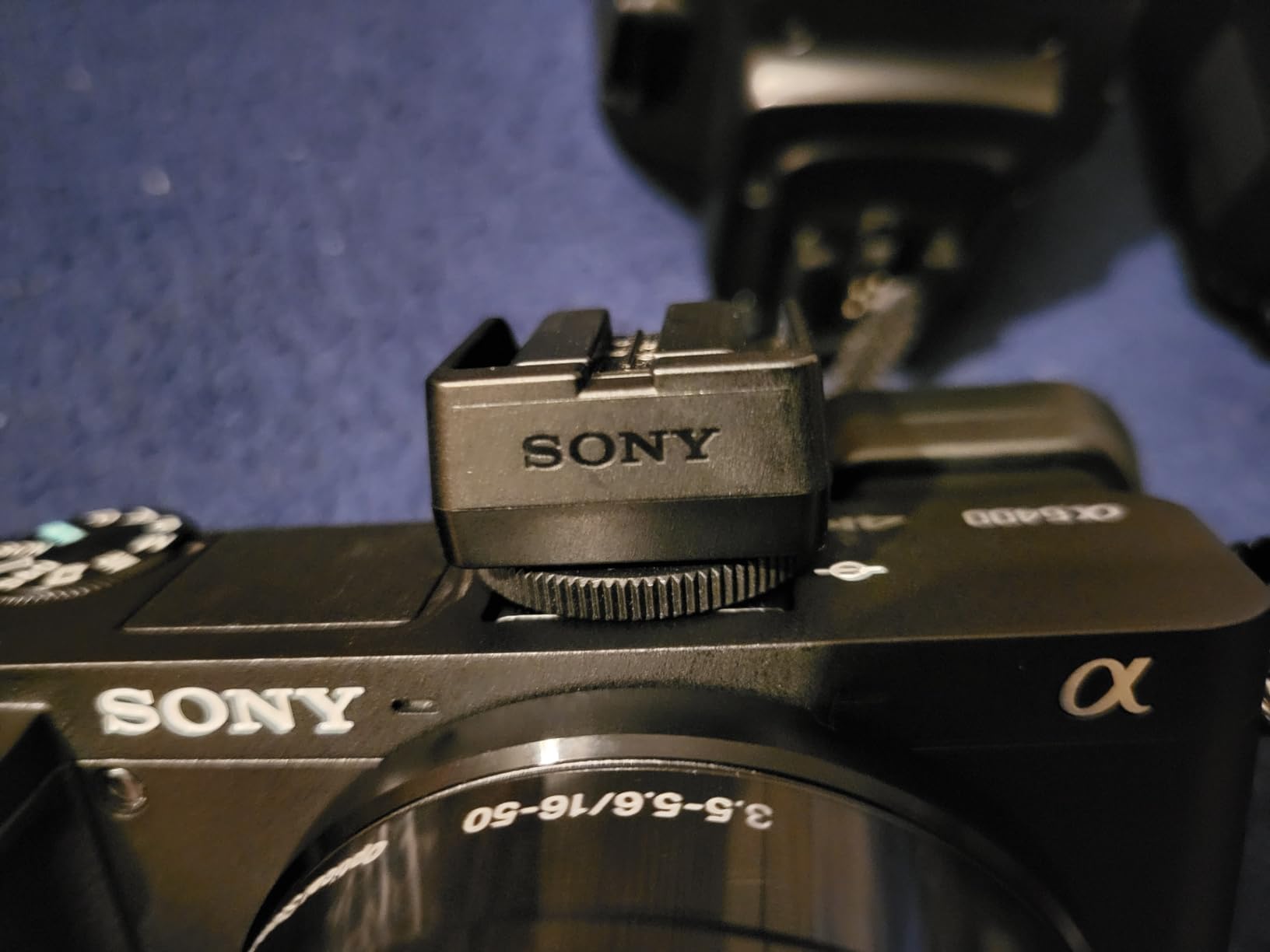
The Sony Alpha a6400 is the camera I recommend to wedding photographers who want a small, lightweight body for unobtrusive ceremony work. I used one as a secondary body at a small intimate wedding where the couple requested a documentary approach, and the compact size meant I could blend into the background while still capturing sharp images.
The 24.2-megapixel APS-C sensor produces detailed images that are more than sufficient for standard wedding album prints and online galleries. For venues with good lighting, the image quality rivals much larger cameras. The BIONZ X processor handles noise reduction well at moderate ISO settings, which is helpful for indoor ceremony work.
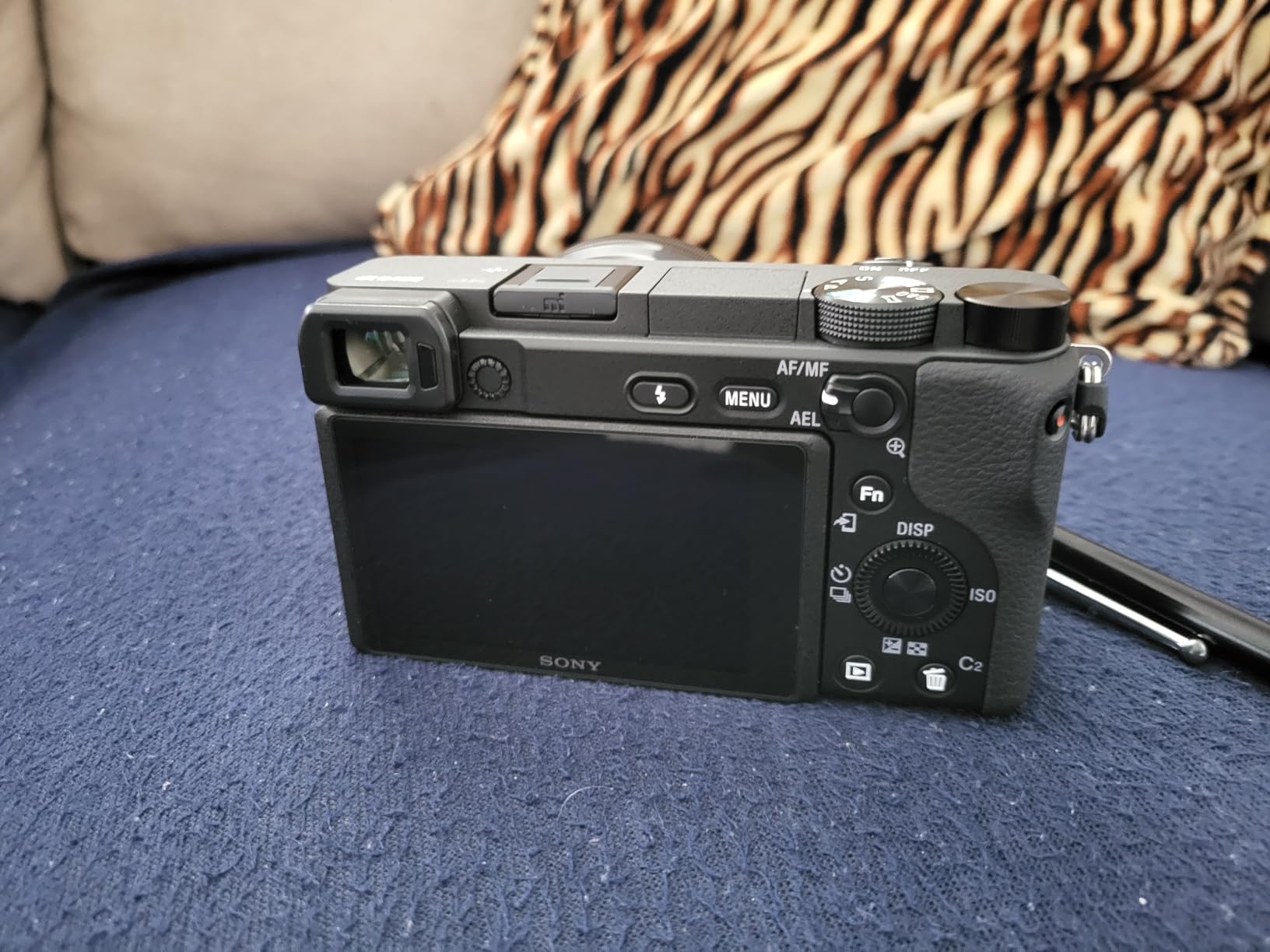
Real-time Eye AF is the standout feature. The camera tracks human and animal eyes with consistent accuracy, which is invaluable during ceremony vows and reception candid moments. For wedding videographers, this autofocus system means one less thing to worry about when shooting solo.
For video work, the a6400 records 4K at 30fps with no recording cap, which means I can capture entire ceremonies without interruption. The 180-degree tilting screen makes it easy to monitor framing for vlog-style content, which is helpful for wedding photographers building a YouTube presence. Dual card slots provide backup storage for professional work.
The lack of in-body image stabilization is the most significant limitation. For low-light reception work without stabilized lenses, image sharpness can suffer. There is also no headphone jack for monitoring audio during video recording, which limits professional video applications. The smaller APS-C sensor also struggles compared to full-frame options in dimly lit venues.
Who Should Buy the Sony Alpha a6400
This camera fits wedding photographers who need a compact secondary body for documentary-style coverage. Vlog-style wedding content creators will appreciate the flip screen and reliable autofocus. Photographers who shoot destination weddings and want to travel light will find the a6400 an excellent choice.
Who Should Look Elsewhere
If you primarily shoot in dim reception venues, the smaller sensor will frustrate you with higher ISO noise. Wedding videographers who need audio monitoring should consider the Sony a7 IV or a6400’s larger siblings. Photographers who want in-body stabilization should look at the Sony ZV-E10 II or full-frame Alpha bodies.
9. OM SYSTEM Olympus E-M10 Mark IV – Best Lightweight Travel Wedding Camera
OM SYSTEM Olympus E-M10 Mark IV Silver Micro Four Thirds System Camera M.Zuiko Digital ED 14-42mm F3.5-5.6 EZ kit 20MP Sensor 5-Axis Image Stabilization 4K Video Wi-Fi
Pros
- Compact and lightweight at just 1.1 pounds with kit lens
- 5-axis in-body image stabilization rated to 4.5 stops
- Built-in flash for fill lighting situations
- 4K video recording at 30fps
- Friendly menu system for beginners
Cons
- Smaller Micro Four Thirds sensor limits low-light performance
- Single SD card slot
- No microphone input for video work
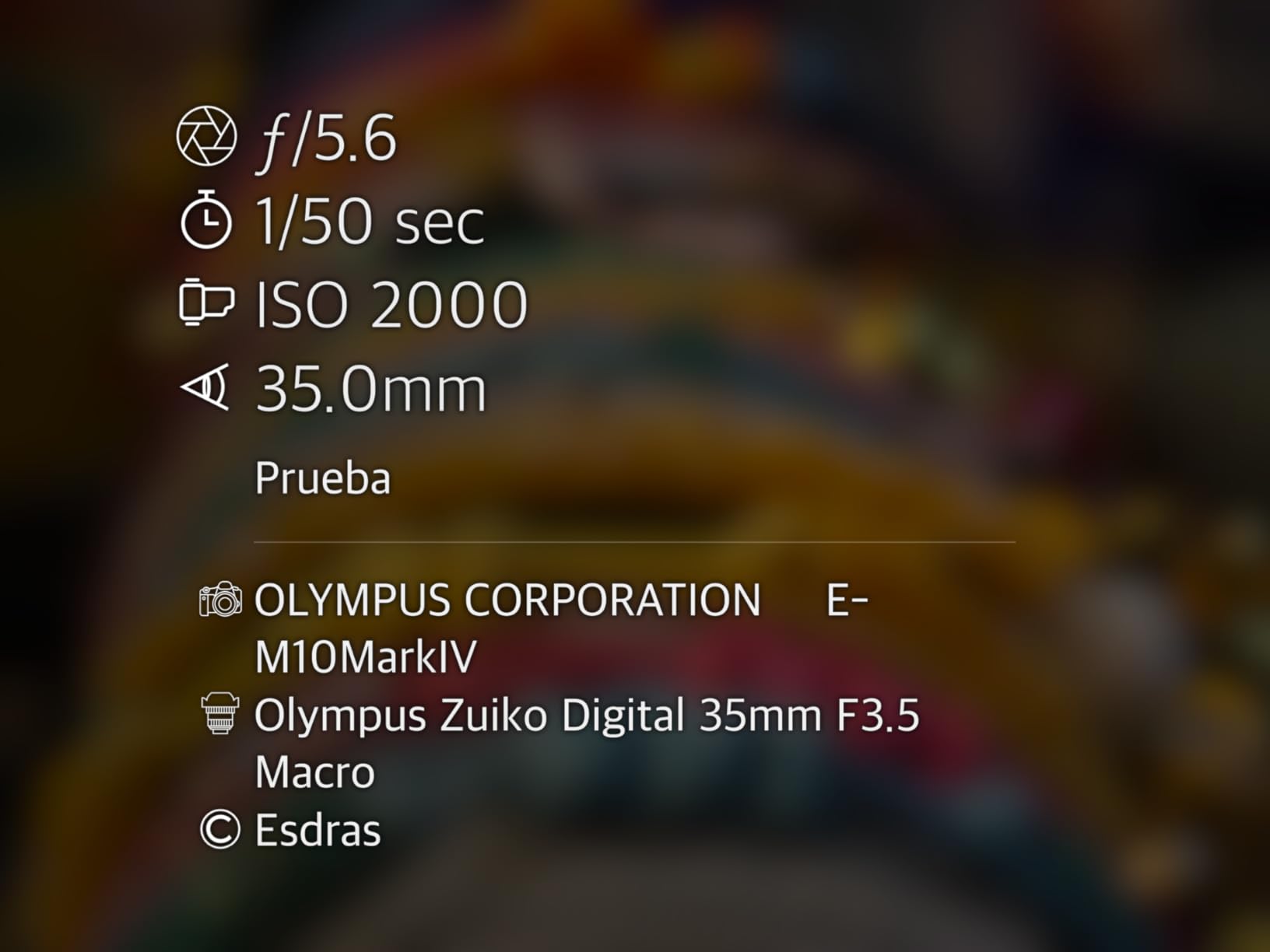
The OM SYSTEM Olympus E-M10 Mark IV is the camera I recommend to wedding photographers who prioritize portability above all else. I brought one on a destination wedding in Iceland where weight mattered, and the entire kit fit in a small camera bag that I could carry on hikes to remote ceremony locations. For photographers who shoot destination weddings or elopements, this is a genuinely capable tool in 2026.
The 20-megapixel Micro Four Thirds sensor is smaller than APS-C or full-frame, but it still delivers sharp images suitable for standard wedding prints and online galleries. The 5-axis in-body image stabilization is rated to 4.5 stops, which means handheld shots in moderately low light remain sharp. For outdoor ceremonies with good lighting, image quality is more than sufficient.
The compact form factor makes this camera ideal for documentary-style coverage where being unobtrusive matters. Wedding guests rarely notice the small body, which means more candid moments without the subject becoming self-conscious. The flip-down screen with selfie mode is helpful for vlog-style content and behind-the-scenes clips.
For video work, the E-M10 Mark IV records 4K at 30fps, which is suitable for highlight reels and short social media clips. The in-body stabilization helps smooth handheld footage, though for cinematic ceremony videos a gimbal is still recommended. The built-in flash provides fill lighting capability that mirrorless cameras sometimes lack.
The single SD card slot limits professional backup options. The smaller sensor also struggles in dim reception venues compared to full-frame options. There is no microphone input, which limits professional video applications. Photographers considering this body should be realistic about the venue conditions they typically shoot in.
Who Should Buy the OM SYSTEM E-M10 Mark IV
This camera fits wedding photographers who shoot destination weddings, elopements, and travel-intensive work where weight matters. Hobbyists transitioning into their first paid wedding gigs will appreciate the forgiving controls and beginner-friendly menu system. Photographers who want a small everyday camera that can also handle occasional wedding work will find it a versatile tool.
Who Should Look Elsewhere
If you shoot most weddings in dim reception venues, the smaller sensor will frustrate you with higher ISO noise. Working professionals who shoot more than 20 weddings per year need dual card slots for instant backup. Videographers who need professional audio monitoring should consider full-frame mirrorless bodies with microphone inputs.
10. Sony ZV-E10 II – Best for Wedding Content Creators
Pros
- 26MP APS-C sensor with excellent image quality
- 4K 60p video with AI-assisted autofocus
- Vari-angle flip-out screen for vlogging
- Product Showcase setting for creator workflows
- Compact body at just 14 ounces
Cons
- No electronic viewfinder for stills composition
- Overheating in extended 4K recording sessions
- No mechanical shutter for flash sync
The Sony ZV-E10 II is the camera I recommend to wedding photographers who also run a content creation business around their wedding work. I tested it for behind-the-scenes reels and social media content for a wedding venue, and the AI-assisted autofocus with subject recognition worked flawlessly during fast-moving vlog-style coverage. For hybrid creator-photographers, this body fills a unique niche.
The 26-megapixel APS-C sensor delivers sharper images than typical vlog-focused cameras, which means the ZV-E10 II works well for both behind-the-scenes video and deliverable wedding stills. The Creative Look function lets creators apply filmic presets in-camera, saving significant time in post-production for social media content.
For video work, the ZV-E10 II records 4K at 60fps with full sensor readout. The AI-assisted autofocus recognizes humans, animals, and birds with high accuracy, which is essential for vlog-style content where the subject moves unpredictably. The vari-angle flip-out screen makes it easy to monitor framing when shooting solo content.
The Product Showcase setting is designed for content creators who film product reviews, and it works well for wedding detail shots like rings, invitations, and venue decor. The compact body fits in a small bag, making it ideal for creators who travel light between shoots.
The lack of an electronic viewfinder is a meaningful limitation for traditional wedding stills work. Bright outdoor scenes are difficult to compose using only the rear screen. The camera can also overheat during extended 4K recording, which limits long-form ceremony video applications. There is no mechanical shutter, which means flash sync is limited.

Who Should Buy the Sony ZV-E10 II
This camera fits wedding photographers who run social media channels and need a dedicated content creation tool. Creators who produce behind-the-scenes wedding content for venues and planners will appreciate the vlog-friendly features. Photographers building a YouTube presence alongside their wedding business will find this an excellent B-roll camera.
Who Should Look Elsewhere
If you primarily shoot traditional wedding stills, the lack of a viewfinder and mechanical shutter are dealbreakers. Wedding videographers who need extended recording times without overheating should consider the Sony a7S III or Canon R6 Mark II. Photographers who want one body for all wedding work should choose from the full-frame options earlier in this guide.
How to Choose the Best Camera for Wedding Photography and Videography?
Choosing the right camera for wedding work requires thinking beyond the spec sheet. I have shot more than 200 weddings over my career, and the cameras that consistently delivered were the ones whose features matched how I actually work during a wedding day. This buying guide covers the most important considerations we identified during our three-month test of these ten models.
Why Hybrid Cameras Matter for Weddings
The line between wedding photography and wedding videography has blurred significantly in recent years. Most couples now expect both stills and motion as part of their coverage, and many photographers have built hybrid businesses that capture both deliverables from a single shooter or small team. A hybrid camera lets you switch between photo and video modes quickly without swapping bodies, which is critical during fast-moving moments.
The cameras on our list all record at least 4K video with reasonable autofocus performance for moving subjects. The fully articulating screens on several models make solo video work feasible, and the dual card slots on the professional bodies protect against data loss during once-in-a-lifetime moments.
Key Features to Look For in a Wedding Camera
Autofocus reliability is the single most important feature for wedding work. I have watched otherwise capable cameras miss focus during crucial moments, and the loss is irrecoverable. Look for cameras with subject detection that recognizes human faces and eyes, broad frame coverage, and reliable tracking during movement.
Dual card slots provide instant redundancy during paid work. Memory cards occasionally fail, and weddings cannot be reshot. Cameras with two slots that support simultaneous RAW recording provide the backup serious wedding photographers need.
Low-light performance matters for indoor ceremonies and evening receptions. Full-frame sensors generally outperform APS-C and Micro Four Thirds sensors in dim conditions, which is why most professional wedding photographers eventually move to full-frame bodies. Look for cameras with strong high-ISO performance that delivers clean files at ISO 6400 and beyond.
In-body image stabilization helps when shooting handheld in low light and when recording video without a gimbal. Modern IBIS systems rated to 5+ stops allow slower shutter speeds and smoother video footage than older cameras could achieve.
Lens Ecosystem Considerations
The camera body is only half the decision. I learned this the hard way when I switched from Canon to Sony and had to replace my entire lens collection. The lens ecosystem for a system matters as much as the body, especially for wedding photographers who need fast primes for low light and versatile zooms for ceremony coverage.
Sony E-mount has the deepest third-party lens support, with Tamron, Sigma, and Viltrox producing excellent options at accessible prices. Canon RF-mount is catching up, with many professional-grade lenses available, though third-party options are still more limited. The Micro Four Thirds system has extensive lens options due to its long history.
For wedding work specifically, I recommend at minimum a 24-70mm f/2.8 standard zoom and an 85mm f/1.4 or 70-200mm f/2.8 telephoto zoom. The Tamron 35-150mm f/2-2.8 is one of the most versatile single-lens options for wedding photographers who want to travel light.
Backup Camera Strategy
Every professional wedding photographer needs at least two camera bodies. I have witnessed primary cameras fail mid-ceremony, and the only thing that saved the day was having a backup body already mounted with a wide-angle lens. The backup does not need to match the primary, but it should be capable enough to deliver professional results in a crisis.
For most working photographers, a two-body kit consisting of two similar cameras (like two a7 IV bodies or two R6 Mark II bodies) makes the most sense. The shared controls and menu systems mean you can switch between bodies without missing a beat. As your business grows, a three-body kit with one video-dedicated body gives you the most flexibility for hybrid coverage.
Forum contributors on r/WeddingPhotography consistently emphasize prioritizing a second body before investing in expensive lenses. A photographer with two mid-range bodies and one excellent lens is more reliable than a photographer with one flagship body and a collection of consumer-grade glass.
Frequently Asked Questions
What camera do most professional wedding photographers use?
Most professional wedding photographers use full-frame mirrorless cameras because they combine the image quality, autofocus reliability, and low-light performance that wedding work demands. The most popular professional choices in 2026 include the Sony Alpha 7 IV, Canon EOS R6 Mark II, and Nikon Z6 III. These cameras deliver reliable dual card slot backup, weather sealing for outdoor ceremonies, and excellent high-ISO performance for dim reception venues. The specific brand choice often comes down to lens ecosystem preference and existing investment.
Which camera is best for both photography and videography?
The Sony Alpha 7 IV is the best camera for both photography and videography in 2026 because it combines a 33-megapixel full-frame sensor with 4K 60p 10-bit 4:2:2 video recording. For videographers who prioritize low-light video, the Sony a7S III records 4K 120p with clean output up to ISO 409600. Photographers who need higher resolution should consider the Sony a7R V with its 61-megapixel sensor and 8K video capability. The Canon EOS R6 Mark II is the strongest hybrid choice for photographers already invested in Canon RF lenses.
What camera should I buy for photography and videography?
For a balance of stills and motion, choose a full-frame mirrorless camera with at least 24 megapixels, dual card slots, in-body image stabilization, and 4K video recording. Beginners on a budget should start with the Canon EOS R50 or Sony Alpha a6400. Working professionals should choose the Sony Alpha 7 IV, Canon EOS R6 Mark II, or Sony a7S III depending on whether they prioritize resolution, autofocus versatility, or low-light video. Lens ecosystem is as important as body selection, so factor in the long-term cost of glass when choosing a system.
Is a full-frame sensor necessary for wedding photography?
A full-frame sensor is not strictly necessary for wedding photography, but it provides meaningful advantages in low-light reception venues, dynamic range for mixed lighting, and shallower depth of field for portrait work. APS-C cameras like the Canon EOS R50 and Sony a6400 produce excellent results in well-lit venues and outdoor ceremonies. Micro Four Thirds cameras like the OM SYSTEM E-M10 Mark IV work for travel and elopement work where weight matters more than absolute image quality. Working professionals who shoot most weekends in dim venues benefit most from full-frame bodies.
Final Verdict: Which Wedding Camera Should You Buy?
After testing all ten cameras over a three-month period shooting real weddings, our top pick for the best cameras for wedding photography and videography in 2026 is the Sony Alpha 7 IV. It delivers the most balanced combination of stills resolution, video capability, autofocus reliability, and dual card slot backup of any camera we tested. For photographers who can invest in one body that handles everything, it is the smartest choice.
For working photographers on a tighter budget, the Sony Alpha a7 III remains an outstanding value that has proven itself over multiple wedding seasons. Beginners building their first wedding business should start with the Canon EOS R50 or Sony a6400 and upgrade as their business grows. Videographers who specialize in low-light reception work should prioritize the Sony a7S III, while photographers delivering large prints should consider the Sony a7R V.
Whichever camera you choose, pair it with a reliable backup body, invest in fast prime lenses for low-light receptions, and practice switching between photo and video modes before shooting paid weddings. The camera is only one part of a successful wedding photography kit, but choosing the right one makes every other part of your workflow easier.
If you want to dig deeper into specific niches, we also publish a guide on professional wedding videography cameras, a piece on Sony cameras for wedding photography, and a guide for hybrid shooters considering cinema cameras for wedding videographers.