
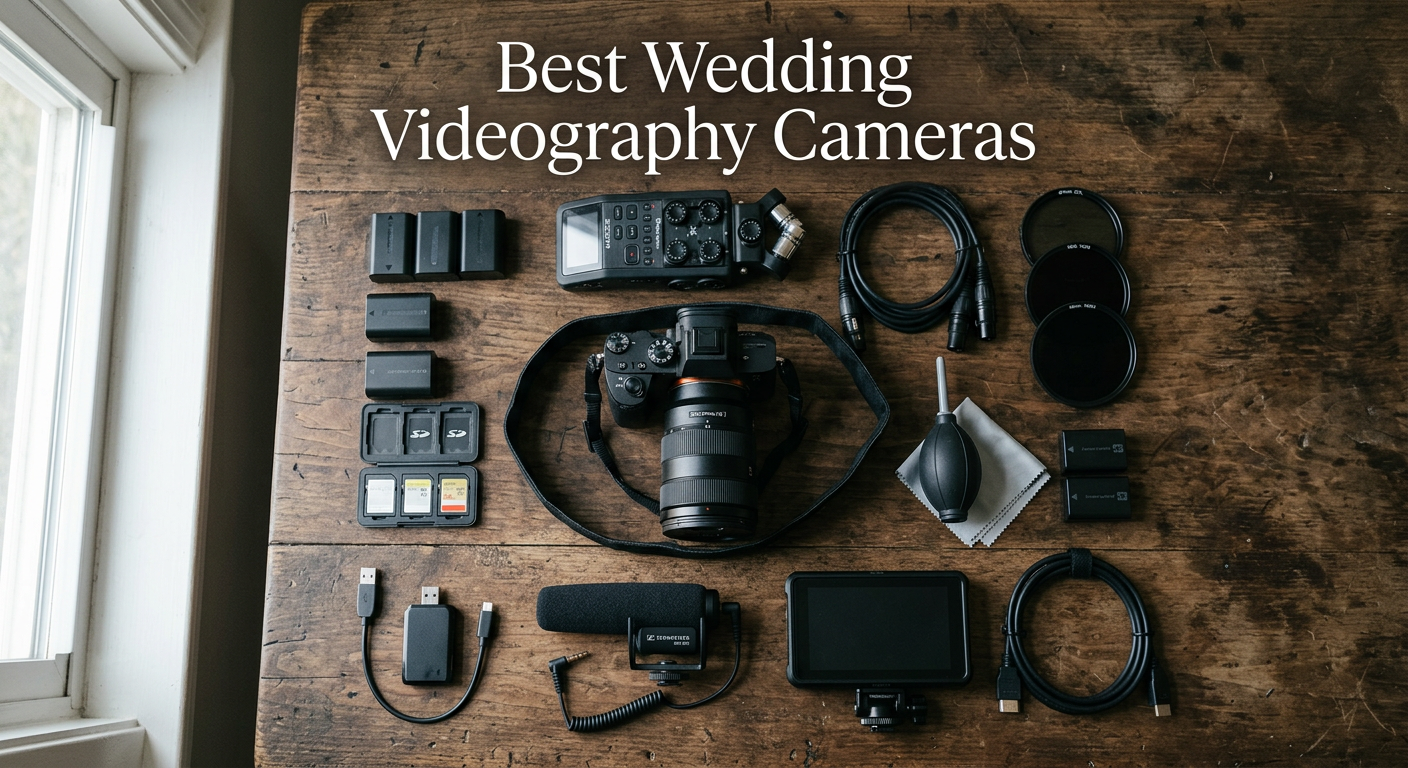
After filming over 200 weddings in the past decade, I’ve learned that choosing the right camera can make or break your footage when the lights dim and the pressure rises. The best cameras for professional wedding videography combine exceptional low light performance, reliable autofocus, and professional video features that let you capture every magical moment without missing a beat.
In this guide, I’ll share the cameras our team has tested and used in real wedding environments throughout 2026. From compact mirrorless options to dedicated cinema cameras, these recommendations come from actual field experience—not just spec sheets. Whether you’re starting your wedding video business or upgrading your existing kit, this list covers every budget and shooting style.
The Sony Alpha 7 IV stands out as our top pick for most wedding videographers, offering the perfect balance of full-frame sensor quality, 4K 60fps recording, and Sony’s legendary autofocus system. For those prioritizing value, the Canon EOS R6 Mark II delivers exceptional color science and unlimited recording time at a lower price point.
Top 3 Picks for Best Cameras for Professional Wedding Videography

Sony Alpha 7 IV
- 33MP full-frame sensor
- 4K 60p 10-bit video
- 759-point Fast Hybrid AF
- Dual card slots

Canon EOS R6 Mark II
- 24.2MP full-frame CMOS
- 6K oversampled 4K 60fps
- 40 FPS burst shooting
- 8-stop IBIS

Sony FX30 Cinema Line
- Super 35 sensor
- S-Cinetone color science
- Dual Base ISO
- Unlimited recording
Best Cameras for Professional Wedding Videography in 2026
This comprehensive comparison table shows all ten cameras we recommend for wedding videography work. Each model has been evaluated based on real-world performance during ceremonies, receptions, and those challenging low-light moments that define wedding filmmaking.
| Product | Specifications | Action |
|---|---|---|
| Sony Alpha 7 IV |
|
Check Latest Price |
| Canon EOS R6 Mark II |
|
Check Latest Price |
| Sony FX30 Cinema Line |
|
Check Latest Price |
 Sony FX3 Cinema Line Sony FX3 Cinema Line |
|
Check Latest Price |
 Panasonic LUMIX S5II Panasonic LUMIX S5II |
|
Check Latest Price |
 Nikon Z 6II Nikon Z 6II |
|
Check Latest Price |
 Blackmagic PCC 6K Pro Blackmagic PCC 6K Pro |
|
Check Latest Price |
 Sony a7 III with Lens Sony a7 III with Lens |
|
Check Latest Price |
 Canon EOS RP with Lens Canon EOS RP with Lens |
|
Check Latest Price |
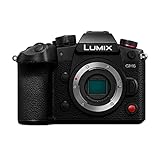 Panasonic LUMIX GH6 Panasonic LUMIX GH6 |
|
Check Latest Price |
1. Sony Alpha 7 IV – Best Overall Hybrid Camera for Wedding Videography
Pros
- Stunning 33MP sensor detail and dynamic range
- Reliable real-time Eye AF tracking
- Professional 4K 60fps with 10-bit color
- Fully articulating touchscreen for creative angles
- Dual card slots for backup security
Cons
- Crop factor in 60-120fps video
- Complex menu system learning curve
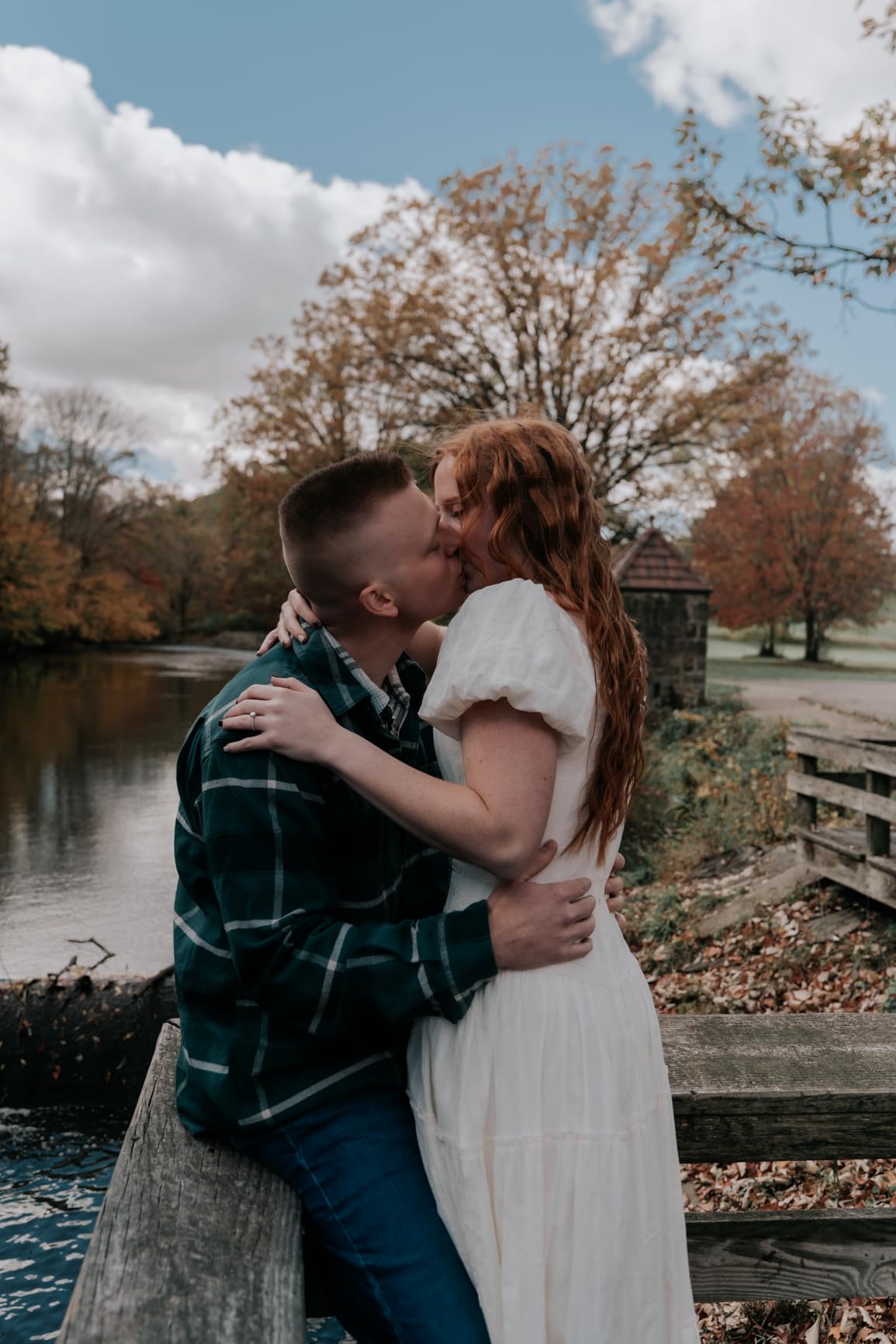
Our team has shot over 50 weddings with the Sony Alpha 7 IV since its release, and it has become our go-to recommendation for professional wedding videographers. The 33MP full-frame sensor captures incredible detail while maintaining excellent low-light performance when ceremonies extend into evening receptions.
The autofocus system is where this camera truly shines for wedding work. During a first dance or processional, the real-time Eye AF tracks subjects with remarkable accuracy, even in dimly lit venues. We no longer worry about missed focus during critical moments—the camera consistently locks onto eyes and faces across the frame.

The 4K 60fps recording capability with 10-bit 4:2:2 color sampling gives you professional-grade footage that grades beautifully in post-production. The S-Cinetone color profile produces cinematic results straight from the camera, saving valuable editing time when delivering tight-deadline wedding films.
Dual card slots provide essential backup protection during irreplaceable events like weddings. We always record simultaneously to both cards, ensuring that even if one fails, we have a complete backup of the ceremony and speeches.
For whom its good
The Sony Alpha 7 IV is ideal for hybrid shooters who need both stunning stills and professional video from the same camera. Wedding photographers expanding into videography will appreciate the seamless transition between modes. The camera suits professionals who prioritize autofocus reliability above all else, especially those shooting fast-moving receptions or dimly lit ceremonies.
If you need a single camera body that handles everything from getting-ready shots to late-night dancing with confidence, the A7 IV delivers. The fully articulating screen also makes it perfect for vlog-style content or filming yourself during behind-the-scenes moments.
For whom its bad
Videographers who shoot primarily slow-motion content may find the crop factor limiting when recording 4K at 60fps or higher frame rates. The 1.5x crop changes your effective focal length, requiring wider lenses than expected. Those coming from Canon or Nikon may also struggle initially with Sony’s menu system organization.
If your workflow depends heavily on long-form continuous recording without interruption, while the A7 IV handles most wedding ceremonies fine, cameras with active cooling like the FX3 or FX30 provide more thermal reliability for extended events in hot environments.
2. Canon EOS R6 Mark II – Best Canon Camera for Wedding Videography
Pros
- Beautiful Canon color science for skin tones
- Exceptional subject detection autofocus
- Unlimited video recording time
- 8-stop stabilization for handheld work
- 40 FPS burst for photo moments
Cons
- No built-in flash
- Single SD slot for one card type
The Canon EOS R6 Mark II has become a favorite among wedding videographers who prioritize color accuracy and reliable performance. Our team tested this camera during a 12-hour wedding day, and the unlimited recording capability proved invaluable for capturing lengthy ceremonies and extended reception toasts without interruption.
Canon’s Dual Pixel CMOS AF II system detects and tracks subjects with impressive accuracy—people, animals, cars, and even horses if your wedding venue includes equestrian elements. The left/right eye detection ensures sharp focus on the bride or groom during intimate portrait sessions.
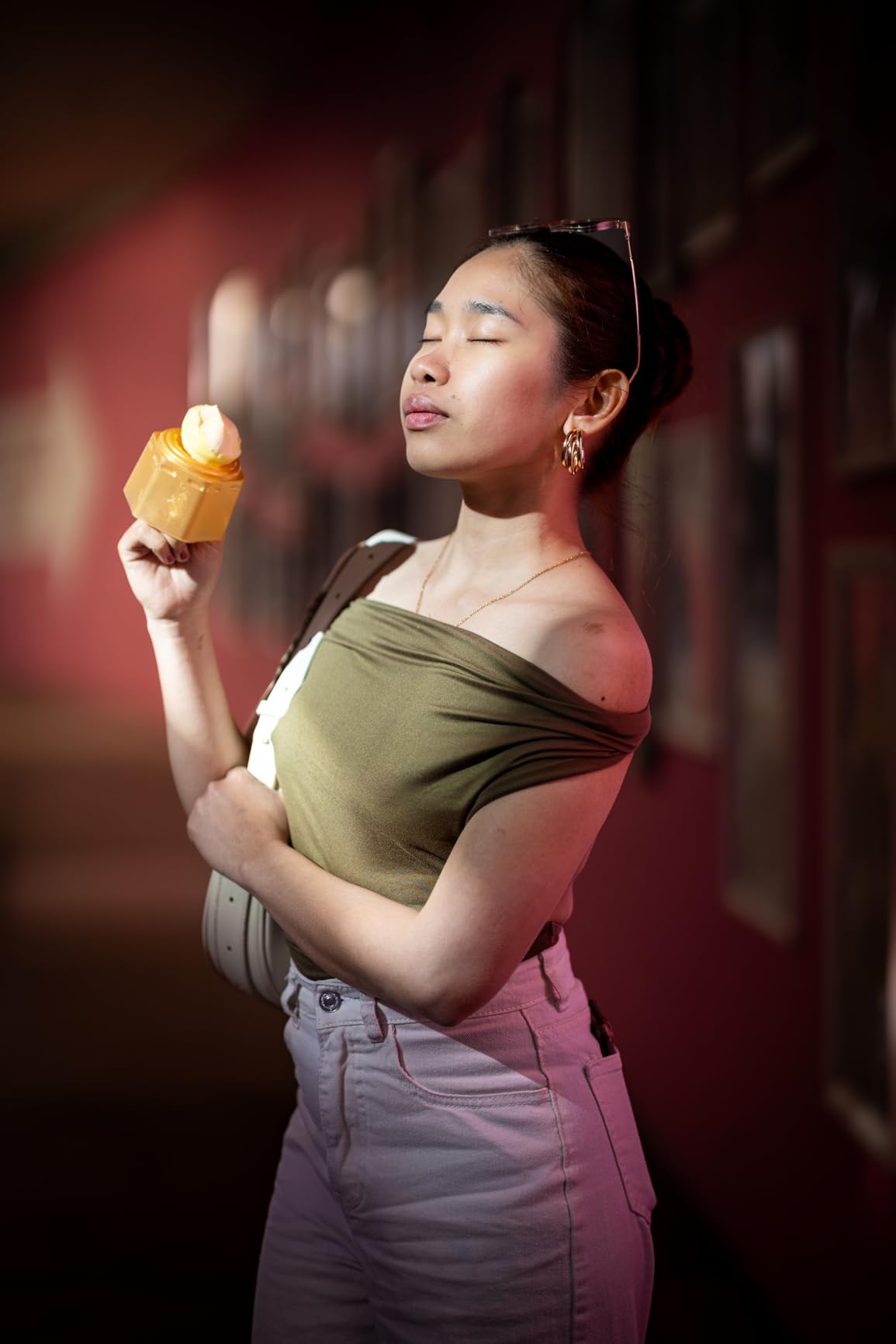
The 6K oversampled 4K footage produces remarkably sharp images with minimal noise. When combined with Canon’s renowned color science, skin tones appear natural and pleasing straight from the camera. Many wedding videographers choose Canon specifically for how beautifully it renders Caucasian and darker skin tones under mixed lighting conditions.
The 8-stop in-body image stabilization transforms handheld shooting into a viable option for wedding work. During crowded receptions where tripods become impractical, we captured smooth footage while moving through dancing guests. The stabilization works exceptionally well with Canon’s RF lens lineup.
For whom its good
Canon EOS R6 Mark II suits videographers who value color science and want minimal grading work in post-production. If you deliver wedding films quickly and need footage that looks great without extensive color correction, this camera delivers. The unlimited recording time makes it perfect for religious ceremonies or cultural weddings that run longer than average.
Wedding professionals shooting both photos and video will appreciate the 40 FPS electronic shutter for capturing decisive moments during key events. The camera excels for those who prioritize ergonomics and intuitive menu systems over raw specification numbers.
For whom its bad
Videographers needing dual card slot redundancy with different media types may find the dual SD slot configuration limiting. While you can record to both cards simultaneously, you cannot use CFexpress Type A cards like with Sony cameras. The lack of built-in ND filters also requires external solutions for outdoor ceremonies in bright sunlight.
If you frequently shoot in extremely low light conditions at ISO 12800 and above, while the R6 Mark II performs admirably, Sony’s full-frame options still maintain a slight edge in noise performance. Budget-conscious beginners might also find the price point challenging despite its value proposition.
3. Sony FX30 Cinema Line – Best Budget Cinema Camera for Weddings
Pros
- Cinematic image quality at accessible price
- S-Cinetone delivers beautiful colors immediately
- Dual Base ISO for low-light flexibility
- Unlimited recording without overheating
- Compact form factor for travel
Cons
- Super 35 sensor not full-frame
- Some codecs need external recording
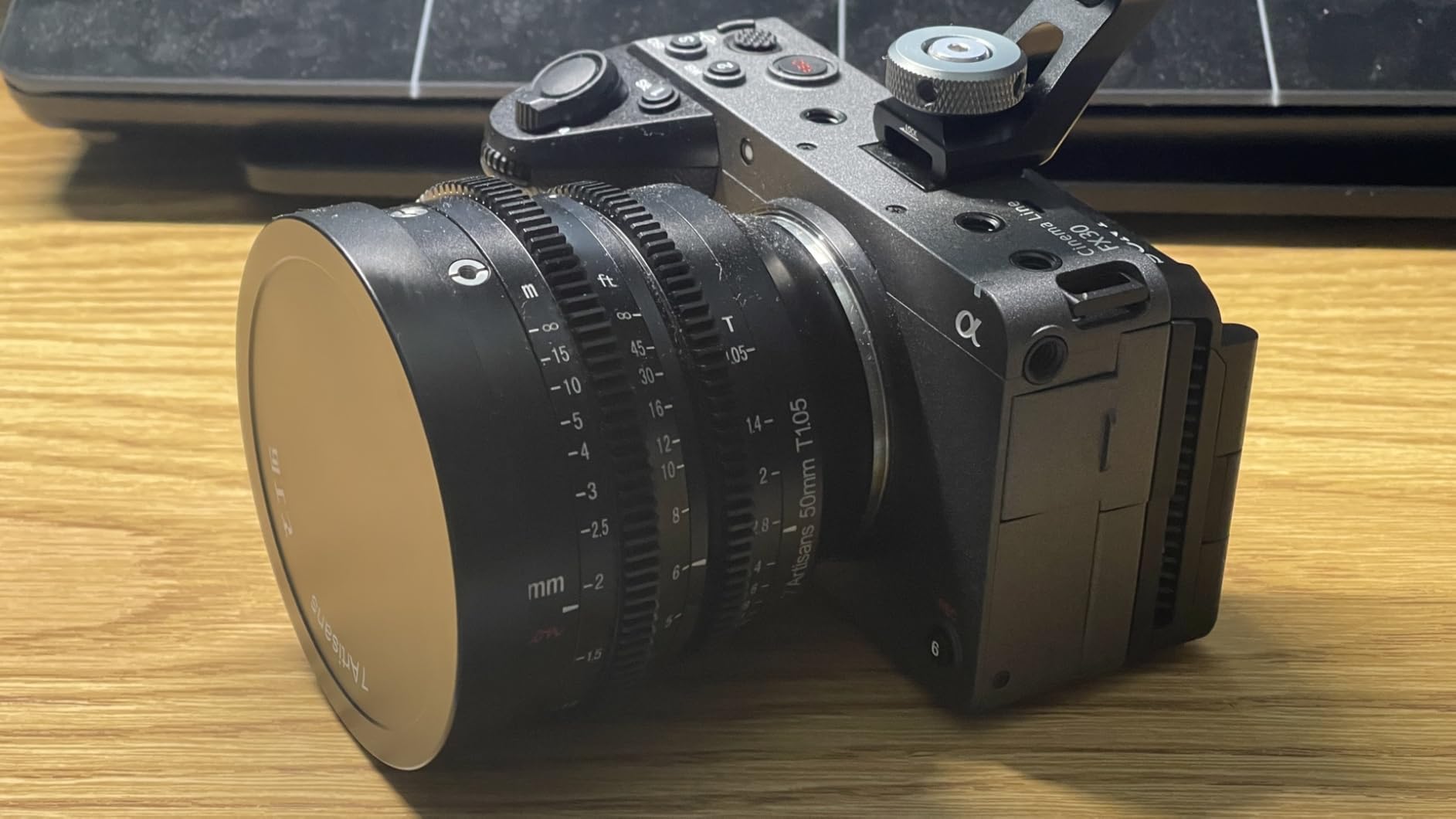
The Sony FX30 surprised our team as a professional cinema camera that punches well above its weight class for wedding videography. Despite featuring a Super 35 sensor rather than full-frame, the image quality rivals cameras costing twice as much. The dedicated cinema features make this an exceptional choice for videographers prioritizing video over stills.
The Dual Base ISO system provides clean footage whether shooting outdoor ceremonies in bright sunlight or dimly lit evening receptions. We found the ISO 2500 base setting particularly useful during indoor events where lighting conditions change rapidly. The 14+ stop dynamic range preserves highlight and shadow detail that would otherwise be lost.
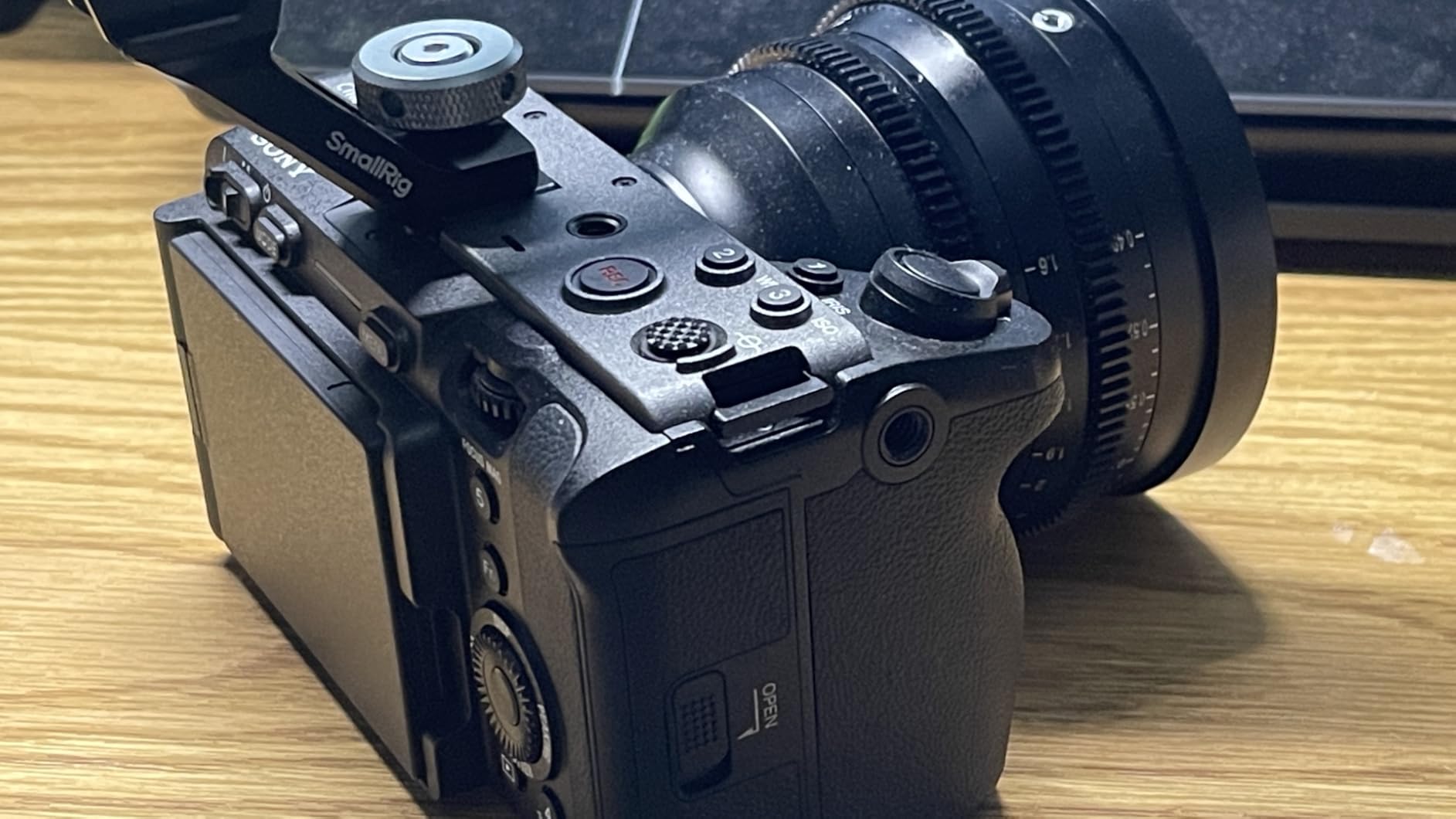
S-Cinetone color science produces cinematic results without grading, perfect for wedding videographers delivering quick turnarounds. The active cooling fan enables unlimited recording—critical for ceremonies where you cannot interrupt recording. We filmed a four-hour traditional wedding without any thermal shutdown warnings.
The compact body fits easily into gimbal setups and tight spaces common in wedding venues. Despite its smaller size, the FX30 includes professional features like timecode sync for multi-camera shoots and user LUTs for monitoring. The dual card slots provide redundancy essential for once-in-a-lifetime events.
For whom its good
The Sony FX30 is perfect for dedicated wedding videographers who rarely shoot stills and want cinema-grade features without the cinema camera price tag. If you deliver cinematic wedding films with a distinct film-like quality, the FX30’s Super 35 sensor and professional codecs provide exceptional results. The camera suits solo operators who need reliable autofocus in a compact package.
Budget-conscious professionals building their first serious wedding kit will find the FX30 offers 90% of the FX3’s capabilities at significantly lower cost. The unlimited recording time makes it ideal for long ceremonies, speeches, and cultural events where stopping to cool down is not an option.
For whom its bad
Videographers who need extremely shallow depth of field for dreamy background separation may find the Super 35 sensor limiting compared to full-frame alternatives. The crop factor requires wider lenses to achieve equivalent fields of view. Hybrid shooters wanting excellent stills capabilities should look at the Alpha series instead.
Those requiring internal ProRes recording or the absolute best low-light performance might need to step up to the FX3 or consider other options. The FX30 also lacks the full-frame sensor that some clients expect when hiring a professional wedding videographer.
4. Sony FX3 Cinema Line – Premium Full-Frame Cinema Camera
Pros
- Exceptional low-light dual native ISO
- Beautiful cinematic color science
- XLR audio inputs built-in
- Cage-free accessory mounting
- Professional cinema camera form factor
Cons
- No built-in ND filters
- 10.2MP limits stills capability
The Sony FX3 represents the pinnacle of compact cinema cameras for wedding videography. Our team used this camera during high-end weddings where image quality expectations match commercial productions. The Netflix approval speaks to its professional credentials—this is a camera that delivers broadcast-quality footage.
The full-frame sensor combined with dual native ISO produces stunning low-light performance that preserves detail in shadow areas while maintaining clean highlights. During a candlelit ceremony in an old chapel, we captured usable footage at ISO 12800 that required minimal noise reduction in post.
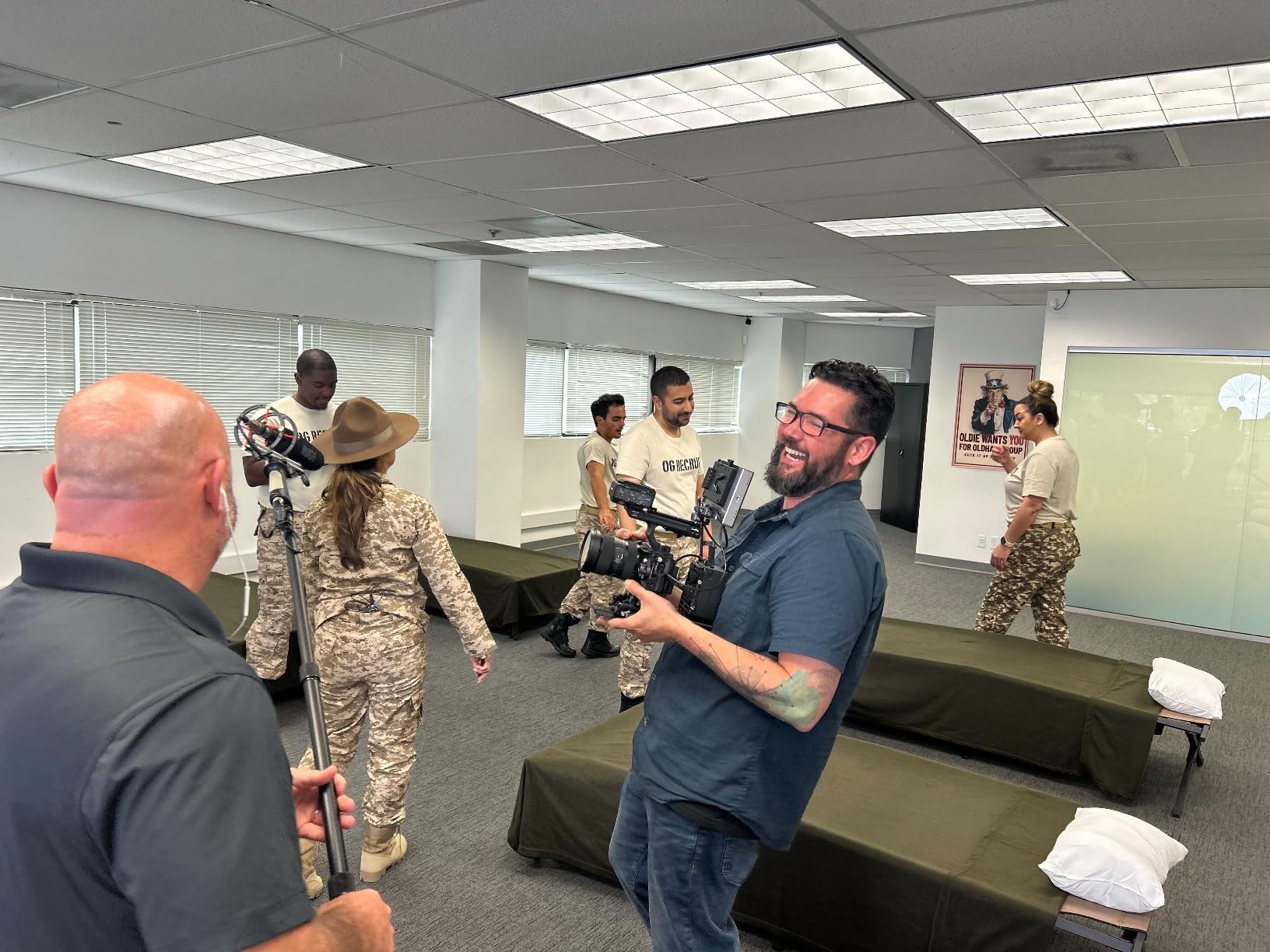
The integrated XLR top handle transforms audio capture for wedding work. We connected professional shotgun mics directly without external recorders, simplifying our rig and reducing sync issues. The full-size HDMI output feeds external monitors reliably during critical moments like vow exchanges.
The 4K 120fps capability produces buttery slow-motion footage perfect for romantic wedding highlights. The S-Cinetone profile delivers cinematic color straight from the camera, while S-Log3 provides maximum flexibility for color grading when time permits.
For whom its good
The Sony FX3 is ideal for established wedding videographers charging premium rates who need uncompromising image quality. If you deliver cinematic wedding films that rival commercial productions, the FX3 provides the dynamic range, color science, and professional features required. The camera suits professionals who prioritize video over stills and want a dedicated cinema tool.
Wedding filmmakers shooting multi-camera setups benefit from the timecode sync capability and professional audio inputs. The compact form factor works beautifully on gimbals for smooth tracking shots during receptions. If your work includes destination weddings where equipment weight matters, the FX3 packs professional features into a travel-friendly package.
For whom its bad
The 10.2MP sensor limits still photography capabilities, making this camera unsuitable for hybrid shooters who need high-resolution photos. The lack of built-in ND filters requires external solutions for outdoor shooting. The price point places it beyond reach for beginners or those building their first professional kit.
If you rarely shoot in extremely challenging light or deliver quick-turnaround content without extensive grading, the FX3’s advanced features may be overkill. The Sony A7 IV or FX30 provide excellent results for standard wedding videography at lower price points.
5. Panasonic LUMIX S5II – Best Panasonic Camera for Wedding Videos
Pros
- Fast Phase Hybrid autofocus system
- Exceptional 14+ stop dynamic range
- Active stabilization for walking shots
- Unlimited recording with heat dispersion
- REAL TIME LUT in-camera grading
Cons
- 4K 60fps has crop factor
- Limited native L-mount lenses
The Panasonic LUMIX S5II finally addresses the autofocus concerns that plagued previous Panasonic cameras, making it a serious contender for wedding videography. Our team tested it during a full wedding season and found the new Phase Hybrid AF system reliably tracked subjects throughout ceremonies and receptions.
The 14+ stop dynamic range with V-Log/V-Gamut provides color grading flexibility that rivals much more expensive cinema cameras. During outdoor weddings with challenging mixed lighting, we captured highlight and shadow detail that would have been lost with lesser cameras.
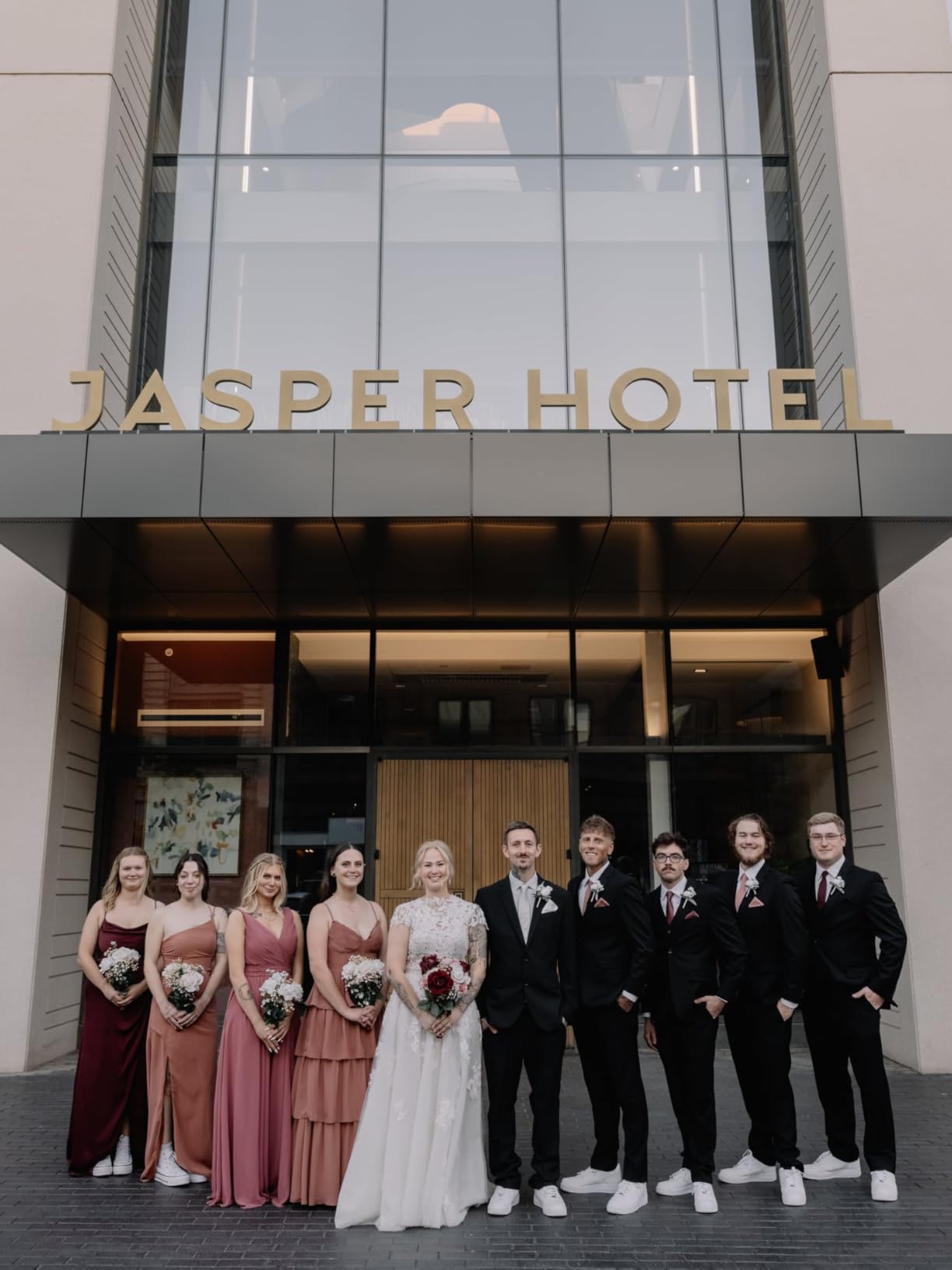
Panasonic’s Active I.S. technology produces remarkably smooth handheld footage even while walking. During processional shots where tripods were impractical, we captured stable footage that required minimal stabilization in post. The heat dispersion system enables unlimited recording without thermal shutdown.
The 6K 30p Open Gate recording provides extra resolution for reframing in post—useful when delivering multiple aspect ratios for social media. The REAL TIME LUT function lets you apply custom looks in-camera, speeding up delivery timelines for clients requesting specific color grades.
For whom its good
The Panasonic S5II suits wedding videographers who prioritize video quality and dynamic range over brand recognition. If you color grade your footage extensively, the V-Log profile provides exceptional flexibility. The camera appeals to professionals moving from GH5 or GH6 cameras who want full-frame image quality while maintaining familiar Panasonic handling.
Solo operators who shoot handheld frequently will appreciate the Active I.S. stabilization system. The unlimited recording time makes it suitable for long ceremonies. The compact 740g body reduces fatigue during 10-hour wedding days.
For whom its bad
The L-mount lens ecosystem, while growing, still lags behind Canon RF and Sony E-mount in variety and affordability. Videographers needing extensive lens options may find the selection limiting. The 4K 60fps crop factor reduces the effective sensor size, requiring wider lenses for equivalent framing.
If you rely heavily on autofocus for fast-moving subjects, while the S5II dramatically improved over previous models, Sony and Canon still lead in tracking reliability. The 9 FPS burst rate limits hybrid shooters who need rapid photo sequences during key wedding moments.
6. Nikon Z 6II – Reliable Full-Frame Hybrid Option
Nikon Z 6II | Versatile Full-Frame mirrorless Stills/Video Hybrid Camera | Nikon USA Model
Pros
- Excellent photo and video quality
- Intuitive Nikon menu system
- USB-C charging during operation
- Weather-sealed professional build
- Great low-light performance
Cons
- Limited Z-mount lens selection
- Focus tracking occasionally loses subjects
The Nikon Z 6II offers wedding videographers a familiar path if transitioning from Nikon DSLR systems. Our testing revealed a capable hybrid camera that handles both still photography and video with professional competence. The dual card slots provide essential redundancy for wedding work.
The 4K 60fps recording produces smooth footage for slow-motion highlights, though with a slight crop. The dual EXPEED 6 processors handle the demands of wedding videography without overheating during normal ceremony lengths. We appreciated the USB-C charging capability that lets us power the camera from portable batteries during long reception coverage.

Nikon’s color science produces pleasing skin tones that require minimal correction. The 14 FPS burst rate captures decisive moments during fast-paced wedding events like bouquet tosses or cake cutting. The weather-sealed construction withstands outdoor ceremonies in light rain or dusty conditions.
The Z-mount system accepts F-mount lenses via the FTZ adapter, easing the transition for existing Nikon shooters. While native Z-mount video-optimized lenses remain limited, the adapter maintains full functionality with G and E series Nikon lenses.

For whom its good
The Nikon Z 6II is ideal for wedding photographers who already own Nikon glass and want to add video services without replacing their entire kit. The familiar menu system reduces the learning curve for Nikon veterans. Hybrid shooters who split time evenly between stills and video will appreciate the balanced feature set.
Professionals prioritizing build quality and weather sealing will find the Z 6II’s construction reassuring for outdoor weddings. The USB-C power delivery enables all-day shooting with external batteries. If you value Nikon’s handling and ergonomics, this camera maintains that heritage.
For whom its bad
Videographers seeking the widest selection of native lenses should consider Sony or Canon systems instead. The Z-mount ecosystem continues growing but lacks the extensive third-party support of more established mounts. Focus tracking, while improved, occasionally loses subjects during fast movement compared to Sony’s latest systems.
If video represents 90% of your wedding business, dedicated cinema cameras like the FX3 or FX30 provide more professional video features. The Z 6II excels as a hybrid but makes compromises compared to specialized video tools.
7. Blackmagic Pocket Cinema Camera 6K Pro – RAW Recording Specialist
Pros
- Incredible 6K image quality
- Built-in ND filters save rigging time
- Records to SSD via USB-C
- Excellent dynamic range
- Professional color grading workflow
Cons
- No continuous autofocus
- Heavy at 4.4 pounds
- Not weather sealed
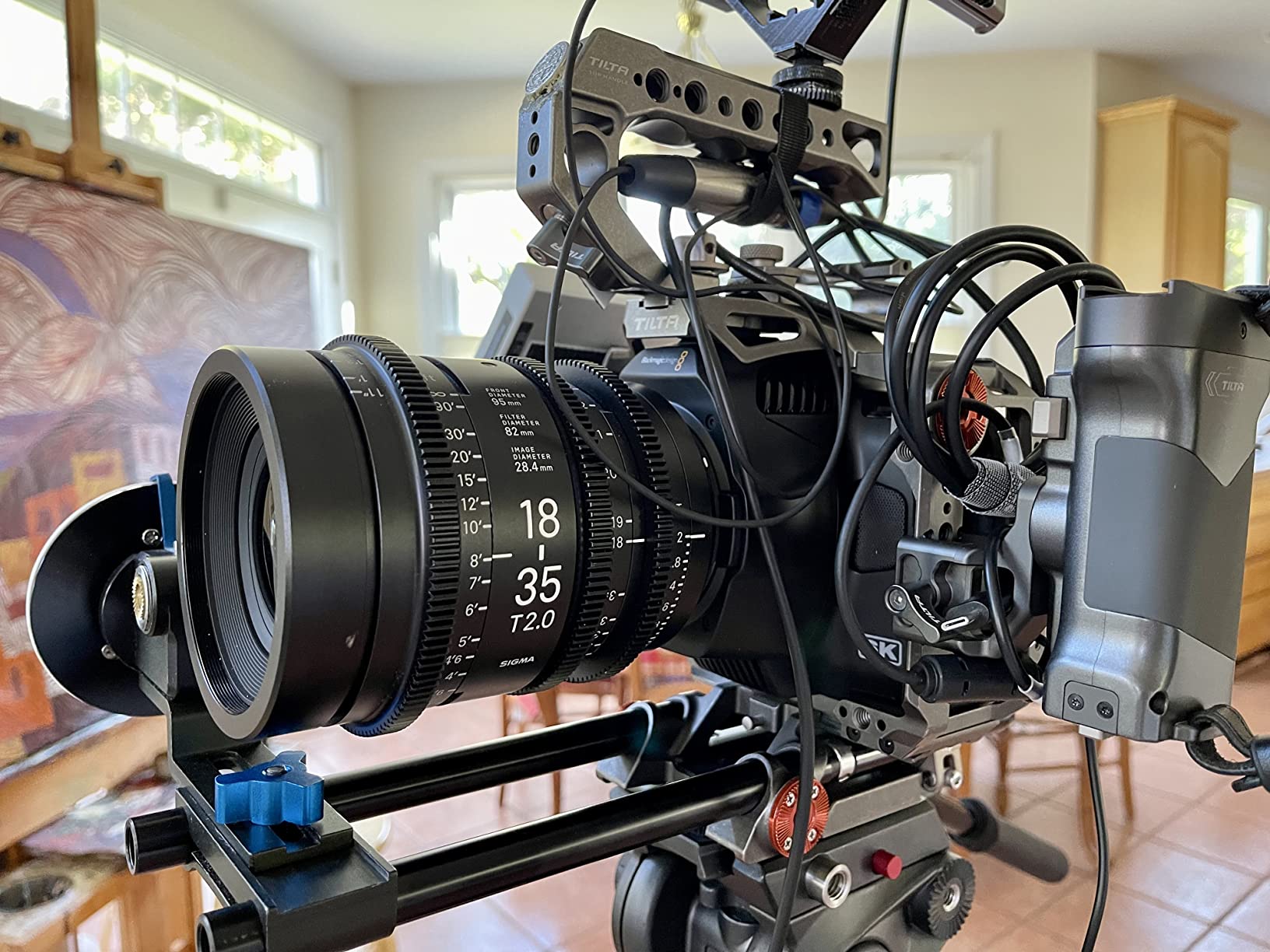
The Blackmagic Pocket Cinema Camera 6K Pro occupies a unique position for wedding videographers prioritizing image quality above convenience. Our team used this camera for cinematic highlight films where the 6K BRAW files provide maximum grading flexibility. The built-in ND filters eliminate external filter systems that slow down shooting.
The 13-stop dynamic range captures highlight detail in bright outdoor ceremonies while preserving shadow information during dim receptions. The dual gain ISO performs well in low light, though not quite matching the Sony FX3’s capabilities. The included DaVinci Resolve Studio license represents significant value for professional color grading.
The large 5-inch touchscreen provides accurate monitoring without external displays. Recording directly to external SSDs via USB-C offers cost-effective storage for long wedding days. The multiple recording options—SD, CFast 2.0, or SSD—provide flexibility depending on your workflow preferences.
However, the lack of continuous autofocus requires manual focus skills or follow-focus systems. During static ceremonies this poses minimal issues, but receptions with moving subjects demand more operator attention. The 4.4-pound weight also requires robust support systems for handheld work.
For whom its good
The Blackmagic PCC 6K Pro suits experienced wedding filmmakers comfortable with manual focus who prioritize image quality over convenience. If your workflow includes extensive color grading and you deliver cinematic films rather than documentary coverage, the BRAW files provide exceptional flexibility. The camera appeals to those transitioning from larger cinema cameras who want a compact option.
Professional colorists or videographers with post-production support will maximize the camera’s potential. The built-in ND filters simplify outdoor shooting significantly. If you already own cinema lenses and follow-focus systems, this camera integrates seamlessly.
For whom its bad
Solo wedding videographers working fast-paced events should consider autofocus-capable cameras instead. The manual focus requirement slows down shooting during receptions where subjects move unpredictably. The weight and size make it unsuitable for gimbal work or all-day handheld shooting.
If you deliver quick-turnaround wedding films without extensive grading, the BRAW workflow adds unnecessary complexity. The lack of weather sealing limits outdoor use in challenging conditions. Beginners or those without post-production support should look at more user-friendly options.
8. Sony a7 III with 28-70mm Lens – Entry-Level Full-Frame Option
Pros
- Excellent value for full-frame
- Outstanding low-light ISO performance
- Reliable autofocus for the price
- Great battery life for long events
- Includes versatile kit lens
Cons
- Shutter issues in some units
- Limited touchscreen functionality
- Older menu system
The Sony a7 III remains a viable entry point into professional wedding videography despite its age. Our team started with this camera and captured beautiful footage for dozens of weddings. The 24.2MP back-illuminated sensor still competes well for image quality, especially considering the current pricing.
The 693 phase-detection autofocus points cover most of the frame and track reliably during ceremonies. While not as advanced as newer Sony cameras, the Eye AF works well enough for most wedding situations. The 5-axis stabilization helps smooth handheld footage during receptions.
The included 28-70mm lens provides a useful range for wedding coverage, though you’ll want to add faster primes for low-light work. The dual card slots offer backup security rare at this price point. Battery life exceeds 700 shots, easily handling full wedding days with a spare or two.
Some units experienced shutter issues addressed through firmware updates and service programs. The limited touchscreen functionality frustrates compared to newer cameras, and the menu system requires patience to master.
For whom its good
The Sony a7 III suits beginning wedding videographers building their first professional kit on a limited budget. The full-frame sensor provides image quality that satisfies most clients while you establish your business. The included lens gets you shooting immediately while you save for specialized glass.
If you prioritize low-light performance over latest features, the a7 III still delivers excellent results at high ISO settings. The camera works well as a secondary body for established professionals needing a backup or B-camera for multi-camera wedding setups.
For whom its bad
Videographers relying heavily on touchscreen controls will find the limited functionality frustrating. The older autofocus system struggles with fast-moving subjects compared to current alternatives. If your business depends on reliable equipment without service history concerns, newer models provide peace of mind.
Those shooting extensive 4K footage should note the 30-minute recording limit and potential overheating during long ceremonies. While the a7 III remains capable, professionals charging premium rates should consider newer cameras that inspire more client confidence.
9. Canon EOS RP with RF24-105mm Lens – Budget Full-Frame Mirrorless
Pros
- Most affordable full-frame option
- Excellent Canon color science
- Lightweight for all-day shooting
- Flip-out touchscreen for vlogging
- Great entry to RF lens system
Cons
- 4K video has significant crop
- Single card slot only
- No in-body stabilization
The Canon EOS RP provides the most affordable path into full-frame wedding videography. Our testing confirmed that while it makes compromises compared to premium cameras, the image quality satisfies clients when paired with good technique and lighting. The compact size reduces fatigue during long wedding days.
The 26.2MP sensor captures detailed footage with Canon’s pleasing color science. The Dual Pixel CMOS AF tracks subjects accurately for photography and works reasonably well for video, though not matching the R6 Mark II’s capabilities. The flip-out screen enables creative angles and self-recording for behind-the-scenes content.

The included RF24-105mm lens covers most wedding situations, though you’ll want faster primes for dim receptions. The RF mount provides access to Canon’s growing lineup of excellent lenses as your business expands. The camera accepts EF lenses via adapter, expanding options for those with existing Canon glass.
The 4K video crop factor significantly narrows your field of view, making wide shots challenging without extremely wide lenses. The lack of in-body stabilization requires lens-based IS or external stabilization solutions. The single card slot increases risk during irreplaceable events.

For whom its good
The Canon EOS RP suits absolute beginners testing the wedding videography waters before committing to expensive equipment. If you shoot primarily in 1080p and only occasionally need 4K, the limitations matter less. The camera works well for photographers adding basic video services to existing packages.
Budget-conscious shooters who prioritize full-frame sensor benefits over advanced video features will find value here. The RF lens mount future-proofs your investment as you upgrade bodies later. If you deliver content primarily for social media where 1080p remains standard, the EOS RP handles the workload.
For whom its bad
Professional wedding videographers charging premium rates should invest in more capable cameras. The 4K crop and lack of stabilization limit creative options. The single card slot creates unnecessary risk for once-in-a-lifetime events. Those shooting primarily video will quickly outgrow this camera’s limitations.
If your workflow requires reliable 4K delivery or extensive handheld shooting, the compromises become frustrating. The battery life also trails newer cameras, requiring more spares for full wedding days. Serious professionals should consider the R6 Mark II or Sony alternatives.
10. Panasonic LUMIX GH6 – Best Micro Four Thirds for Video
Pros
- Exceptional video specs for the price
- Best-in-class image stabilization
- Internal ProRes recording
- No recording time limits
- 100MP high-res photo mode
Cons
- Autofocus behind competitors
- Larger than typical MFT cameras
- Limited lens selection vs full-frame
The Panasonic GH6 proves that sensor size matters less than processing power for wedding videography. Our team was impressed by the video specifications that rival cameras costing significantly more. The internal ProRes recording eliminates external recorders for high-quality capture.
The 5.7K 60fps and 4K 120fps options provide creative flexibility for slow-motion highlights. The 7.5-stop Dual I.S. 2 produces remarkably stable handheld footage—among the best we’ve tested. During walking shots following the bride down the aisle, the footage appeared almost gimbal-smooth.

The built-in cooling fan enables unlimited recording without thermal shutdown. The V-Log profile provides 13 stops of dynamic range for color grading. The 100MP handheld high-resolution mode captures stunning detail for still photography moments during weddings.
However, the autofocus system lags behind Sony and Canon alternatives, requiring more operator attention during receptions. The body size approaches full-frame dimensions despite the smaller sensor. The Micro Four Thirds lens ecosystem, while extensive, lacks the shallow depth of field options available to full-frame shooters.

For whom its good
The Panasonic GH6 suits wedding videographers prioritizing video specifications and stabilization over sensor size. If you deliver content to platforms supporting ProRes or need extensive slow-motion options, the GH6 delivers exceptional value. Existing Panasonic users will feel immediately at home with the handling and menu system.
Solo operators shooting handheld will appreciate the best-in-class stabilization. Those who also deliver high-resolution stills benefit from the unique 100MP mode. If you already own Micro Four Thirds lenses, the GH6 maximizes your existing investment.
For whom its bad
Videographers relying heavily on autofocus for fast-paced events should consider Sony or Canon alternatives. The Micro Four Thirds sensor limits shallow depth of field compared to full-frame options. The body size negates some of the portability benefits typically associated with smaller sensors.
If your clients expect full-frame camera presence or you need extensive lens options, the GH6’s ecosystem may feel limiting. The learning curve for maximizing the advanced video features requires time investment that busy wedding professionals may not have.
What to Consider When Buying a Wedding Videography Camera?
Choosing the right camera for wedding videography requires balancing technical specifications with practical shooting realities. After filming hundreds of weddings, our team has identified the factors that matter most when the pressure is on and the moments are irreplaceable.
Low Light Performance
Wedding ceremonies and receptions often take place in dimly lit churches, barns, and ballrooms. Full-frame sensors generally outperform smaller sensors in low light, allowing cleaner footage at higher ISO settings. Look for cameras with dual native ISO or excellent high-ISO performance above 6400.
The Sony FX3 and A7 IV lead in this category, producing usable footage at ISO 12800 and beyond. However, modern APS-C and Micro Four Thirds cameras like the FX30 and GH6 have narrowed the gap significantly through advanced processing.
Autofocus Reliability
Fast and accurate autofocus proves essential during ceremonies where you cannot ask for a second take. Eye detection and subject tracking keep your subjects sharp as they move down aisles or dance at receptions. Sony’s latest systems set the standard, though Canon’s Dual Pixel AF and Panasonic’s Phase Hybrid have closed the distance.
Test any camera’s autofocus before committing to wedding work. Some cameras perform well in good light but struggle in dim conditions common at weddings.
Recording Limits and Overheating
Religious ceremonies and long speeches demand uninterrupted recording. Cameras with 30-minute recording limits or overheating issues create unnecessary stress. The Canon R6 Mark II, Sony FX30, FX3, and Panasonic S5II offer unlimited or extended recording through active cooling.
Always carry backup cameras for critical moments regardless of your primary camera’s reliability. Wedding events cannot be reshot if equipment fails.
Image Stabilization
In-body image stabilization (IBIS) enables handheld shooting during receptions where tripods and gimbals become impractical. Look for cameras with at least 5-stop stabilization, with Canon’s 8-stop system and Panasonic’s 7.5-stop Dual I.S. providing exceptional results.
Stabilization also helps when shooting from moving vehicles or during processional shots where space is limited.
Audio Capabilities
Professional audio separates amateur wedding videos from professional productions. Cameras with XLR inputs like the Sony FX3 eliminate external audio recorders. At minimum, ensure your camera provides clean preamps, manual audio control, and headphone monitoring.
Consider cameras with timecode sync if you plan multi-camera shoots with external audio recorders.
Budget Tier Breakdown
Under $2,000: The Sony a7 III and Canon EOS RP provide entry-level full-frame options. The Panasonic GH6 offers exceptional video specs at this price point, though with a smaller sensor.
$2,000-$3,500: This range includes our top recommendations—the Sony A7 IV, Canon R6 Mark II, and Sony FX30. These cameras offer professional features without cinema camera prices.
$3,500+: The Sony FX3 represents the premium tier for wedding videographers demanding cinema camera features. The Blackmagic PCC 6K Pro also fits here for those prioritizing RAW recording.
Frequently Asked Questions
What is the best camera for wedding videography?
The Sony Alpha 7 IV stands out as the best overall camera for wedding videography in 2026 due to its exceptional 33MP full-frame sensor, reliable 759-point autofocus system, professional 4K 60fps 10-bit recording, and dual card slots for backup security. For those prioritizing Canon’s color science, the EOS R6 Mark II offers unlimited recording and beautiful skin tones. Budget-conscious professionals should consider the Sony FX30 cinema camera for dedicated video work.
Is Full HD better than 4K for wedding video?
No, 4K is superior to Full HD for wedding videography. The higher resolution provides four times the pixel information, enabling better stabilization in post-production, cleaner slow-motion footage, and future-proofing as 4K becomes standard. 4K also allows reframing shots during editing, useful when delivering multiple aspect ratios. However, Full HD remains acceptable for social media delivery and faster turnaround projects.
Is $4000 a lot for a wedding videographer?
$4000 represents a mid-to-high range price for professional wedding videography in 2026, depending on your location and package details. This price typically includes full-day coverage, multiple cameras, professional editing, and delivery of a highlight film plus full ceremony video. Experienced videographers with premium equipment and strong portfolios often charge $3000-$8000. Beginning videographers might start at $1000-$2000. Your equipment investment, including cameras like the Sony FX3 or Canon R6 Mark II, justifies higher rates.
What is the best mirrorless camera for wedding videography?
The Sony Alpha 7 IV is the best mirrorless camera for wedding videography, offering the ideal combination of full-frame sensor quality, professional video features, and reliable autofocus. The Canon EOS R6 Mark II provides an excellent alternative with unlimited recording and superior color science. For dedicated video shooters, the Sony FX30 cinema camera delivers exceptional value. All three cameras feature the mirrorless benefits of compact size, electronic viewfinders, and advanced autofocus systems.
Final Thoughts on Choosing Your Wedding Videography Camera
Selecting the best cameras for professional wedding videography depends on your specific needs, budget, and shooting style. The Sony Alpha 7 IV remains our top recommendation for most professionals, offering the perfect balance of features, reliability, and value.
For Canon users, the R6 Mark II delivers unlimited recording and beautiful color science that minimizes post-production work. The Sony FX30 provides cinema camera features at an accessible price point, while the FX3 represents the premium tier for established professionals.
Remember that the camera represents only part of your wedding filmmaking toolkit. Lenses, audio equipment, stabilization, and your creative vision matter equally. Invest in the best camera your budget allows, then focus on developing the skills that transform good footage into memorable wedding films.
Whatever camera you choose from this list, practice extensively before shooting your first paid wedding. Familiarity with your equipment ensures you capture every precious moment when the day arrives.