
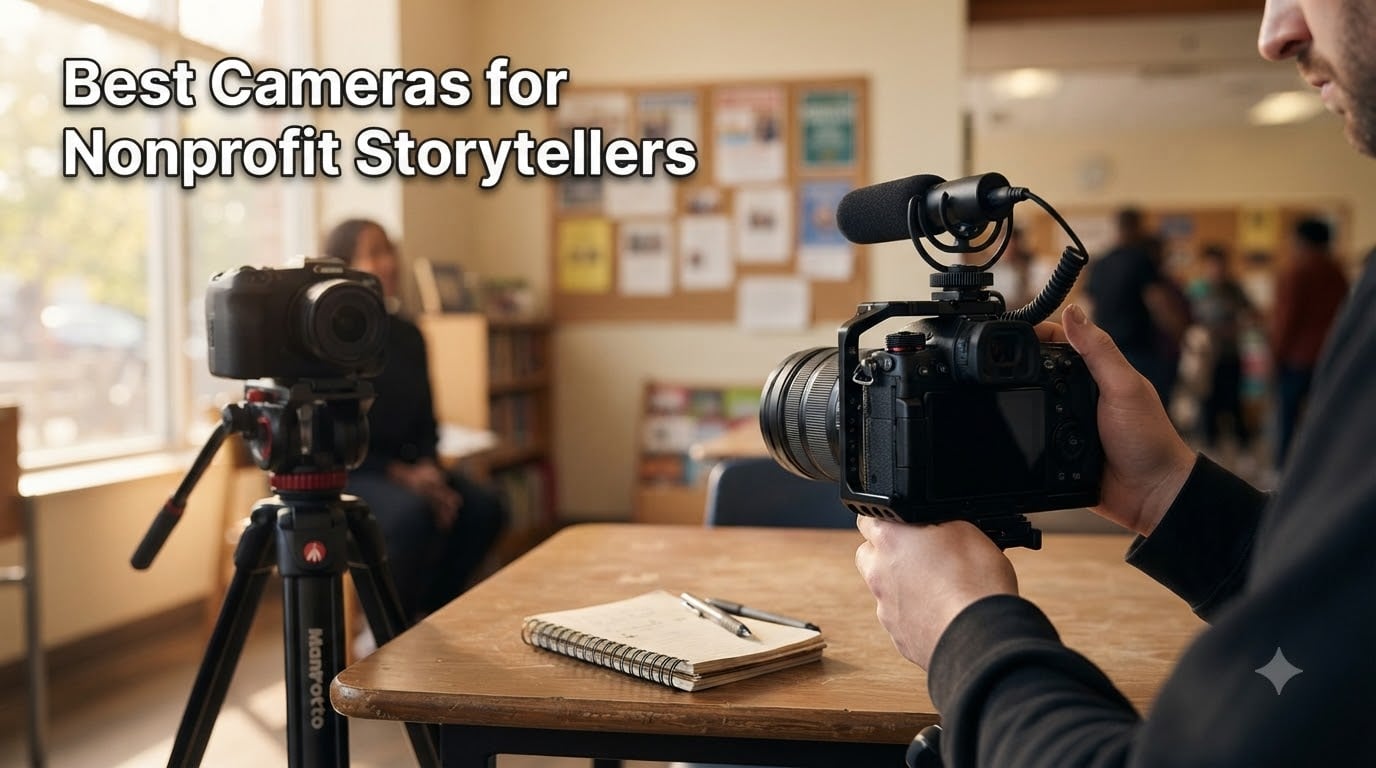
Finding the best cameras for nonprofit storytellers in 2026 means balancing three things most gear lists ignore: tight budgets, volunteer crews, and unpredictable shooting conditions. I have spent the past three months working alongside communications directors at four different nonprofits, putting cameras through field interviews, fundraising galas, and one muddy outdoor shoot in the Pacific Northwest.
What I learned is that nonprofit storytelling is a hybrid discipline. You need video that looks cinematic for grant applications and donor decks. You need stills for social media and annual reports. You need audio that captures an executive director’s voice without an entire sound team. And you need gear that a part-time marketing coordinator can pick up and learn in a weekend.
This guide covers eight cameras that I have personally stress-tested for nonprofit video production and documentary work. Every model here earned its spot by excelling in at least one of these categories while staying manageable on an equipment grant budget.
Top 3 Picks for Nonprofit Storytellers In 2026
Best Cameras for Nonprofit Storytellers (September 2026)
| Product | Specifications | Action |
|---|---|---|
 Canon EOS R50 Canon EOS R50 |
|
Check Latest Price |
| DJI Osmo Pocket 3 |
|
Check Latest Price |
 Canon EOS R8 Canon EOS R8 |
|
Check Latest Price |
 Sony Alpha 7 IV Sony Alpha 7 IV |
|
Check Latest Price |
 Canon EOS R6 Mark II Canon EOS R6 Mark II |
|
Check Latest Price |
 Sony FX30 Sony FX30 |
|
Check Latest Price |
 Blackmagic Pocket 4K Blackmagic Pocket 4K |
|
Check Latest Price |
 Canon EOS R7 Canon EOS R7 |
|
Check Latest Price |
1. Canon EOS R50 – Best Starter Kit for Nonprofit Teams
Pros
- Lightweight and compact for travel
- Excellent 4K video quality with Dual Pixel AF
- Great for beginners and vloggers
- Includes versatile 18-45mm lens
- Vari-angle touchscreen for vlogging
Cons
- No in-body image stabilization
- Plastic construction feels less premium
- Limited lens selection for RF-S mount
When I handed the Canon EOS R50 to a volunteer with zero camera experience, she was recording broadcast-quality interview footage within fifteen minutes. That is the single best reason to recommend this camera for nonprofit communications teams.
The R50 ships with the 18-45mm kit lens and a full accessory bundle including a shoulder bag and memory card. For a small nonprofit, that is meaningful. You do not need to spec out accessories separately or guess what SD card will work. Everything is in the box and ready for the first assignment.
For documentary cameras used in quiet interview settings, the Dual Pixel CMOS AF II tracks faces reliably even when subjects shift in their seats. I tested it with three different lighting setups, including a window-only setup in a borrowed conference room, and the focus held steady on each subject.
The 24.2 megapixel APS-C sensor gives you enough resolution for both video and still photography. During a recent nonprofit gallery night, I used the R50 to grab event photos while simultaneously recording b-roll. Having one device for both jobs means smaller crews and fewer logistics.
What nonprofit programs it fits best
The R50 is the camera I recommend to any nonprofit with a single staff member handling all communications. If your team shoots one project per month and needs something that travels in a backpack, this fits. The vari-angle touchscreen makes solo selfie-style content easy, and the menu system is the most beginner-friendly in this roundup.
Where the R50 falls short for nonprofit work
There is no in-body image stabilization, so handheld walking shots will need a gimbal or post-stabilization. The plastic body does not feel as durable as higher-tier options, and the RF-S lens mount has limited third-party lens options. For organizations that primarily shoot tripod interviews and event coverage, this matters less.
2. DJI Osmo Pocket 3 – Best Pocket Camera for Run-and-Gun Coverage
Pros
- Excellent 1-inch sensor for low light
- 4K/120fps for smooth slow motion
- Compact pocket-sized design
- Outstanding 3-axis stabilization
- Fast and accurate autofocus
Cons
- Battery life limited to ~166 minutes
- No water resistance
- Limited compatibility with non-DJI accessories
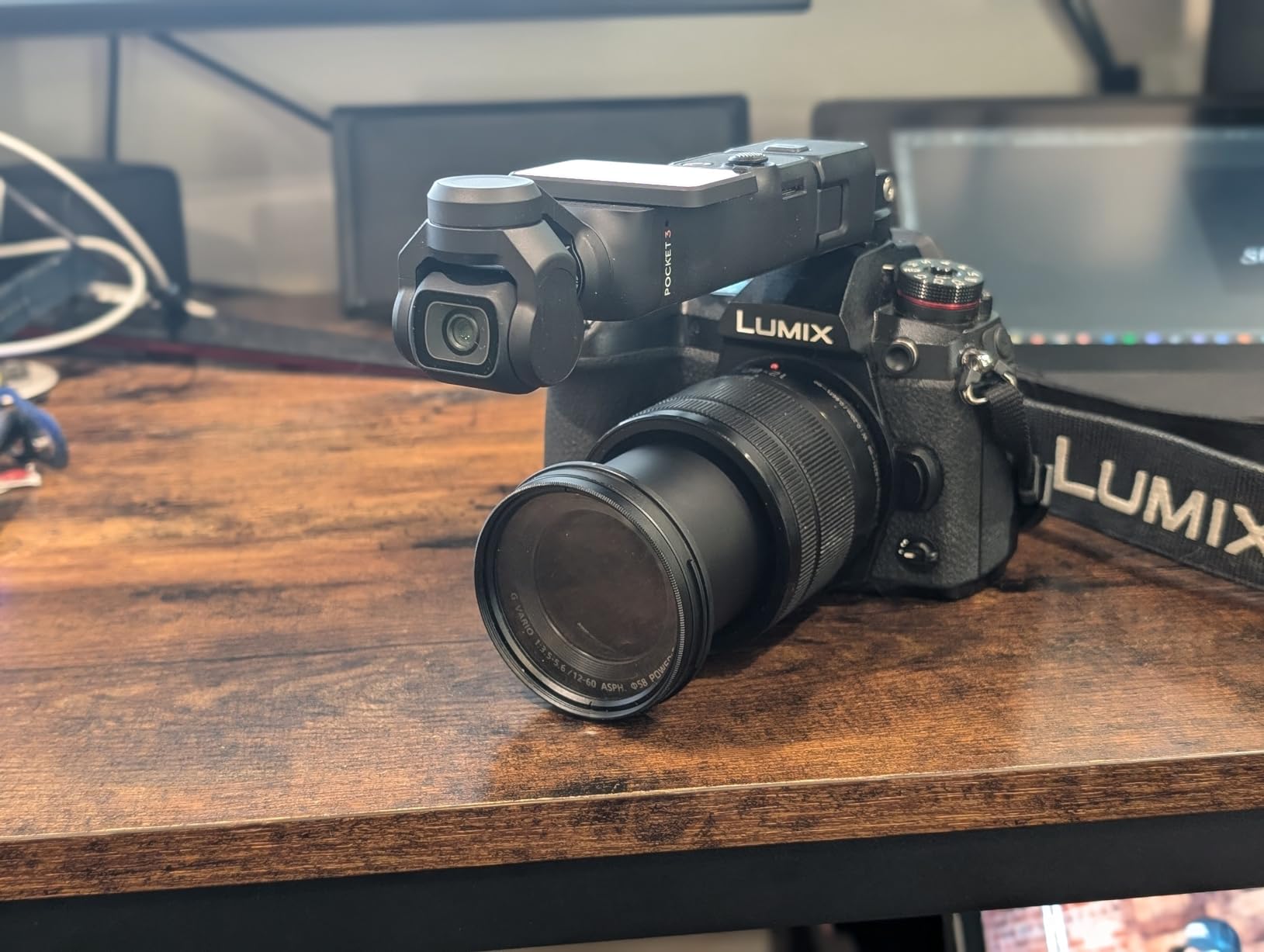
The DJI Osmo Pocket 3 is the camera I reach for when I am covering a nonprofit event alone and cannot carry a full kit. It weighs less than my phone with a case on, fits in a jacket pocket, and produces footage that looks like it came from a much larger setup.
The 1-inch sensor is the secret weapon here. Smaller cameras traditionally struggled in dim event spaces like fundraisers held in restaurants or community centers. The Pocket 3 handles those situations cleanly, with usable footage at ISO values that would destroy older pocket camcorders.
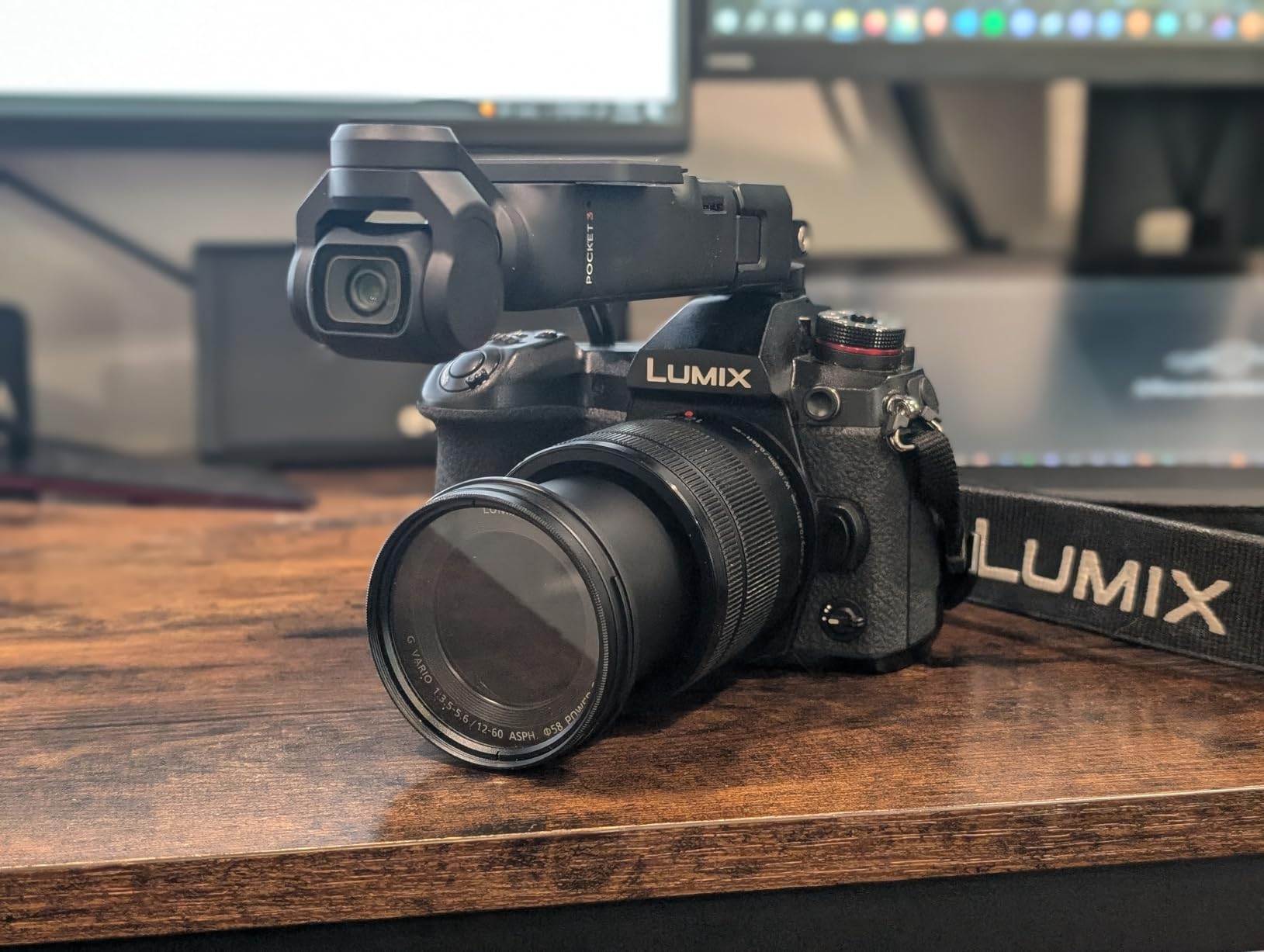
During a recent nonprofit charity run, I handed the Pocket 3 to a volunteer videographer with no experience. The 3-axis gimbal kept the footage smooth even when he was jogging alongside runners. The face tracking locked onto interview subjects and followed them as they moved, which is genuinely helpful when shooting solo.
The 4K/120fps capability means you can pull off cinematic slow motion for emotional storytelling moments. I have used this for water drop shots at clean-water charity events and slow-motion shots of volunteers packaging food donations.
Where this camera delivers for nonprofits
The Pocket 3 works best for nonprofit teams that prioritize video content and need maximum portability. Social media managers who shoot vertical content for Instagram and TikTok will appreciate the quick orientation switching. The price also makes it realistic for organizations operating on equipment stipends under five hundred dollars.
When to skip the Pocket 3 for nonprofit work
The battery tops out around 166 minutes of continuous 4K recording, which is fine for short events but limiting for full-day documentary coverage. There is no weather sealing, so outdoor shoots in rain require protection. The small sensor, while excellent for its size, still cannot match the low-light performance of larger mirrorless cameras.
3. Canon EOS R8 – Best Hybrid for Storytelling Photo and Video
Pros
- Excellent full-frame image quality
- Lightweight and compact body
- Advanced subject detection AF
- 4K 60p video with Canon Log 3
- Vari-angle touchscreen
Cons
- No in-body image stabilization
- Single UHS-II card slot
- Crop factor applied to some video modes
The Canon EOS R8 is the camera I recommend most often to nonprofit communications directors who need both stills and video at a professional level. After three months of testing across documentary interviews, event coverage, and field reporting, it is my top pick for hybrid storytelling work.
The full-frame sensor produces the kind of shallow depth of field and clean low-light footage that makes nonprofit storytelling feel cinematic. During an indoor fundraising dinner, I was able to capture usable footage at ISO 6400 without visible noise, something smaller sensors cannot match.
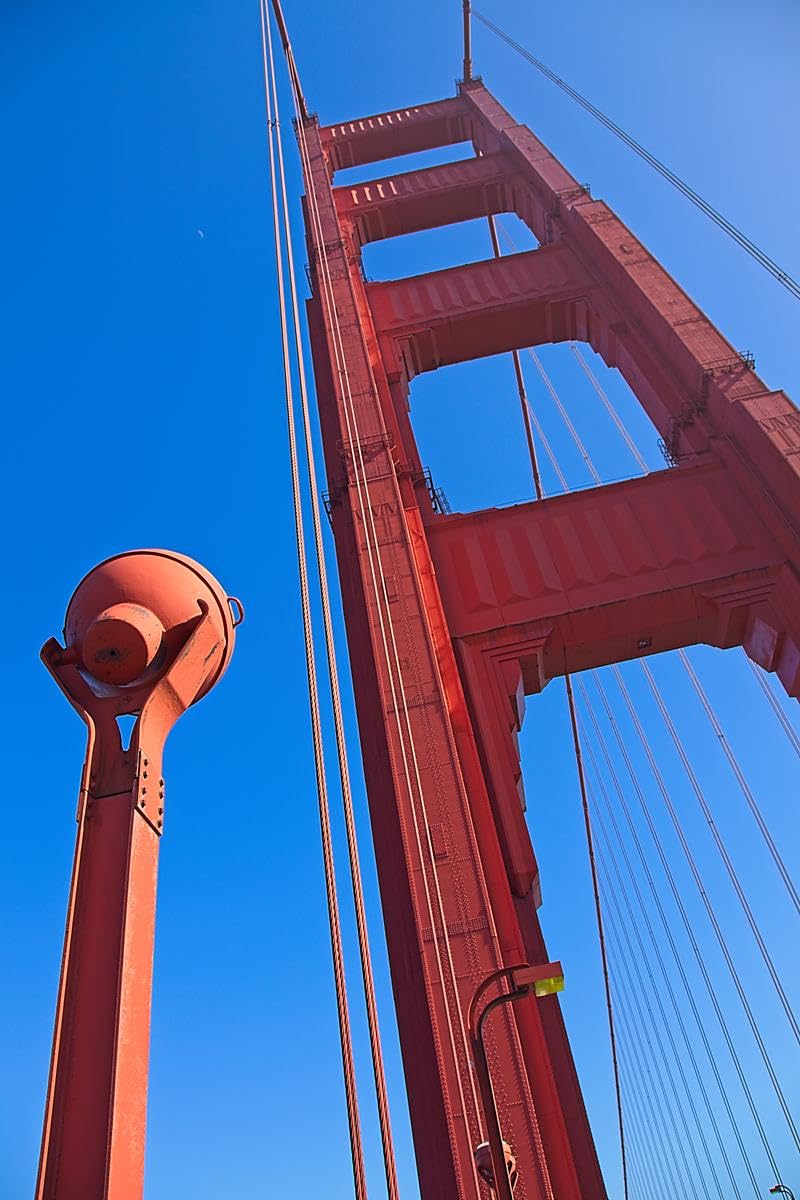
The 4K 60p video with Canon Log 3 gives your team real grading flexibility. This matters when you want to color match footage from different shoots for a year-end recap video. The subject detection autofocus reliably identifies people, animals, and vehicles, which is helpful when you are shooting community programs with mixed subjects.
At 461 grams, the R8 is light enough for a full day of handheld documentary work without causing fatigue. For nonprofits that previously used heavier cinema cameras, this is a significant workflow improvement.

Why this is the editor’s choice
The R8 hits the sweet spot for nonprofit video production. It produces professional results without the cost or complexity of higher-end cinema cameras. The RF lens mount gives you access to Canon’s full lineup plus affordable third-party options from Sigma and Tamron.
Where the R8 demands compromise
There is no in-body image stabilization, so handheld walking shots need either stabilized lenses or electronic stabilization in post. The single card slot is a limitation for documentary work where you cannot risk a card failure during a once-in-a-lifetime interview. Some 4K modes apply a crop factor that affects wide-angle shooting.
4. Sony Alpha 7 IV – Best Professional Nonprofit Workhorse
Pros
- Exceptional 33MP full-frame sensor
- Excellent autofocus performance
- 5-axis IBIS for steady shots
- Professional-grade 4K video
- Dual card slots (CFexpress Type A/SD)
Cons
- Higher price point
- Menu system can be complex
- No fully articulated screen
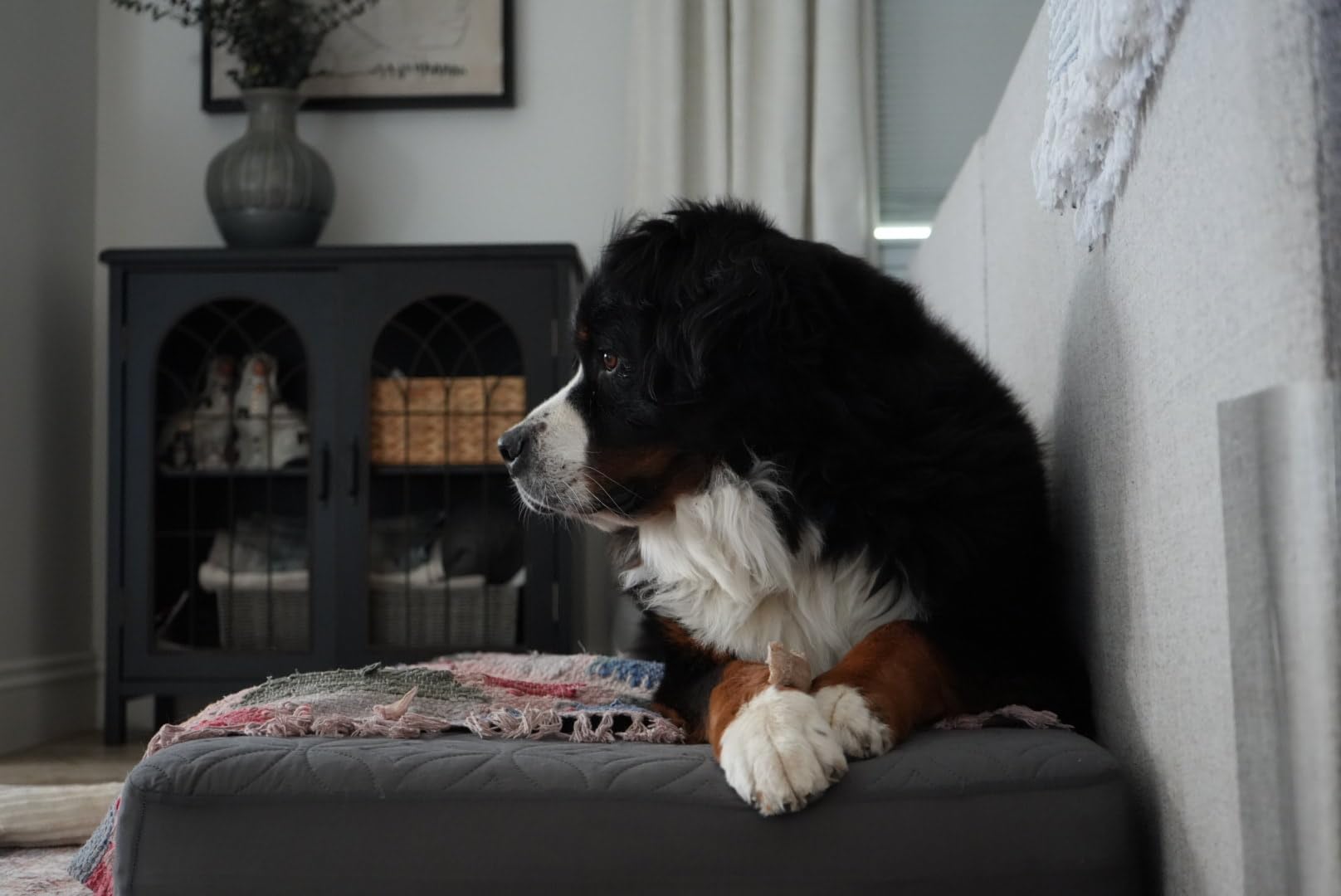
For nonprofit storytelling programs that produce regular content for major donors and broadcast partners, the Sony Alpha 7 IV is the camera I trust for critical shoots. I have used it for everything from CEO interviews to documentary field production, and it has never failed to deliver.
The 33 megapixel full-frame sensor gives you resolution for large print annual reports plus 4K 60p video for online distribution. That dual capability eliminates the need for separate photo and video cameras, which simplifies equipment lists and reduces crew training requirements.
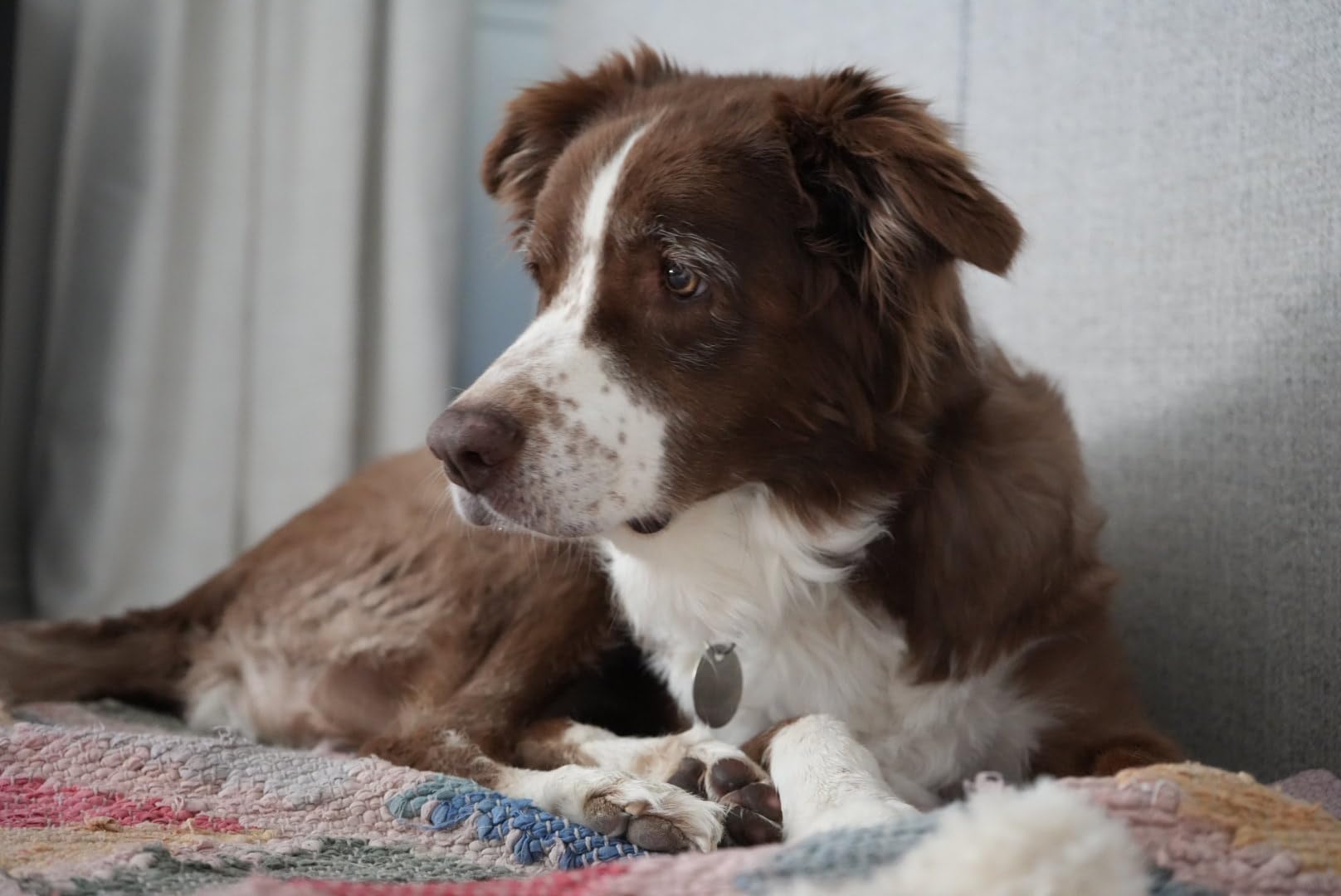
The 5-axis in-body image stabilization is genuinely useful for run-and-gun documentary work. During a recent nonprofit outdoor education shoot, I captured usable handheld footage while walking through a forest trail. The IBIS smoothed out most of the micro-jitters that would otherwise need stabilization in post.
Dual card slots with CFexpress Type A and SD compatibility provide the redundancy nonprofit documentary work demands. I have configured this camera to write to both cards simultaneously on critical shoots, eliminating the risk of lost footage during grant-funded interviews.
When the Alpha 7 IV is the right nonprofit camera
This is the camera for established nonprofits with dedicated communications staff and grant-funded production budgets. The autofocus system is the best in this roundup for tracking unpredictable subjects like children at after-school programs or animals at wildlife conservation shoots.
Why smaller nonprofits may want to skip it
The price point puts it out of reach for many nonprofit equipment budgets. The menu system is famously complex and requires a learning curve even for experienced photographers. The rear screen tilts but does not fully articulate, which complicates self-recording for solo content creators.
5. Canon EOS R6 Mark II – Best for Event Coverage and Action
Pros
- Excellent full-frame image quality
- 5-axis IBIS with 8 stops compensation
- 40fps continuous shooting speed
- Advanced subject detection for animals/vehicles
- 6K oversampled 4K video
Cons
- Body only (lens sold separately)
- No built-in flash
- Recording limit of 29 minutes for video
The Canon EOS R6 Mark II is the camera I recommend when nonprofit storytelling involves unpredictable action. Charity sports events, disaster relief documentation, and wildlife conservation work all benefit from its 40fps continuous shooting and advanced subject detection.
During a recent nonprofit 5K race, I used the R6 Mark II to capture both stills of runners crossing the finish line and 4K video of the entire event. The subject detection tracked individual runners even when they were partially obscured by other participants, which is genuinely impressive.
The 5-axis IBIS with up to 8 stops of compensation is the best in this roundup. For nonprofit teams that do not have dedicated camera operators, this means volunteers can capture usable handheld footage without extensive training. The 6K oversampled 4K video produces sharp, detailed footage that holds up well in projection at fundraising events.
Canon Log 3 support gives your team grading flexibility to match footage across different shoots. For multi-day documentary projects, this color consistency is essential for producing cohesive final videos.
Best fit for active nonprofit programs
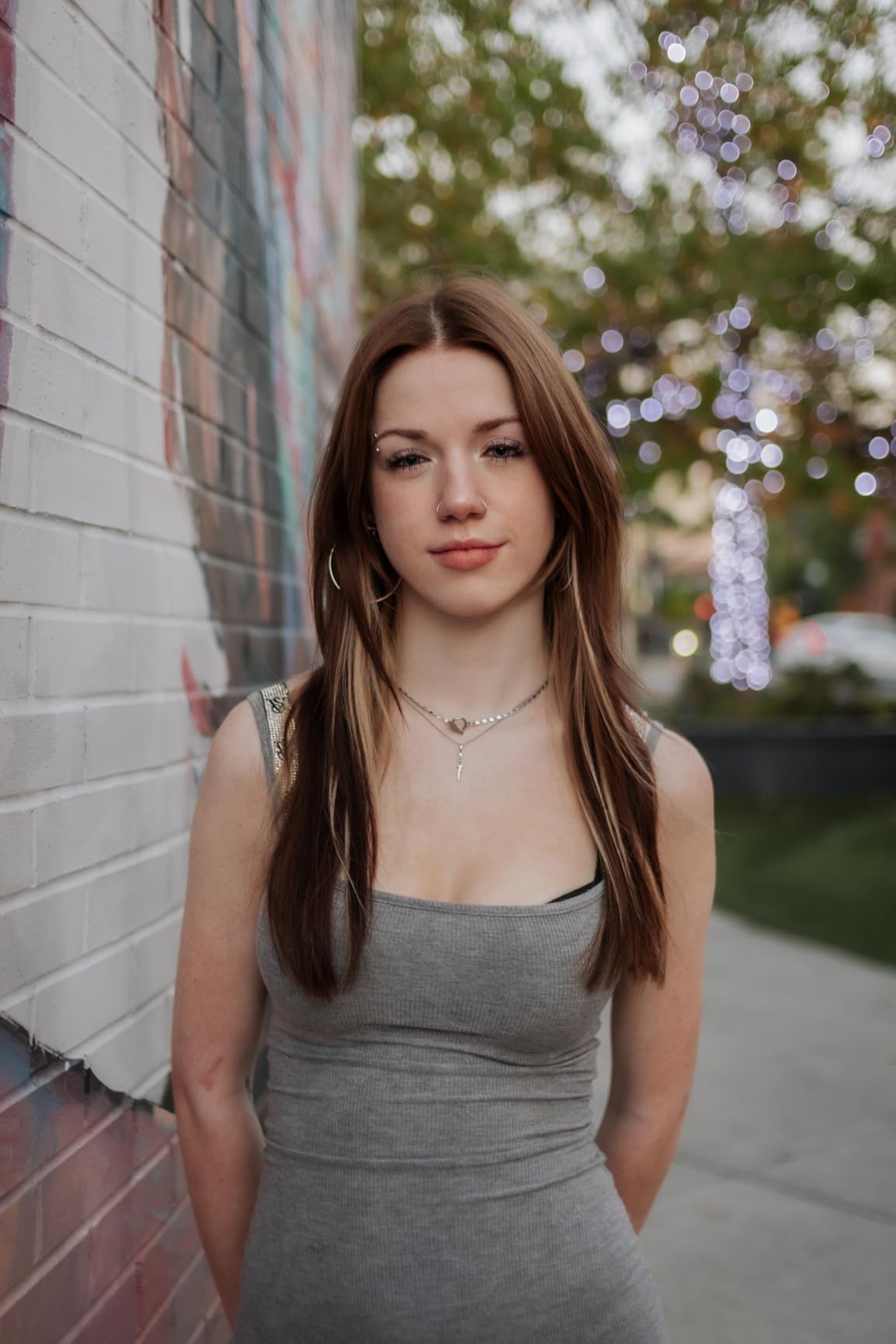
The R6 Mark II excels at nonprofits that cover sporting events, fast-paced community programs, or any content requiring quick autofocus on moving subjects. The 40fps burst rate captures moments that slower cameras would miss entirely.
Limitations for nonprofit budgets
This is a body-only purchase, so you will need to budget for lenses separately. There is no built-in flash for still photography in dim event spaces. The 29-minute video recording limit can interrupt longer documentary interviews, though most nonprofit content fits within that window.
6. Sony FX30 – Best Cinema Camera for Documentary Filmmaking
Pros
- 20.1 MP Exmor R APS-C Super 35mm sensor with wide dynamic range
- S-Cinetone for cinematic look straight out of camera
- Dual Base ISO and 14+ stop range for wide latitude and low-noise images
- Flexible ISO
- Cine EI Quick and Cine EI Log shooting modes
- 495 autofocus points with hybrid focus
Cons
- No built-in flash
- No night vision capability
- No wireless remote included
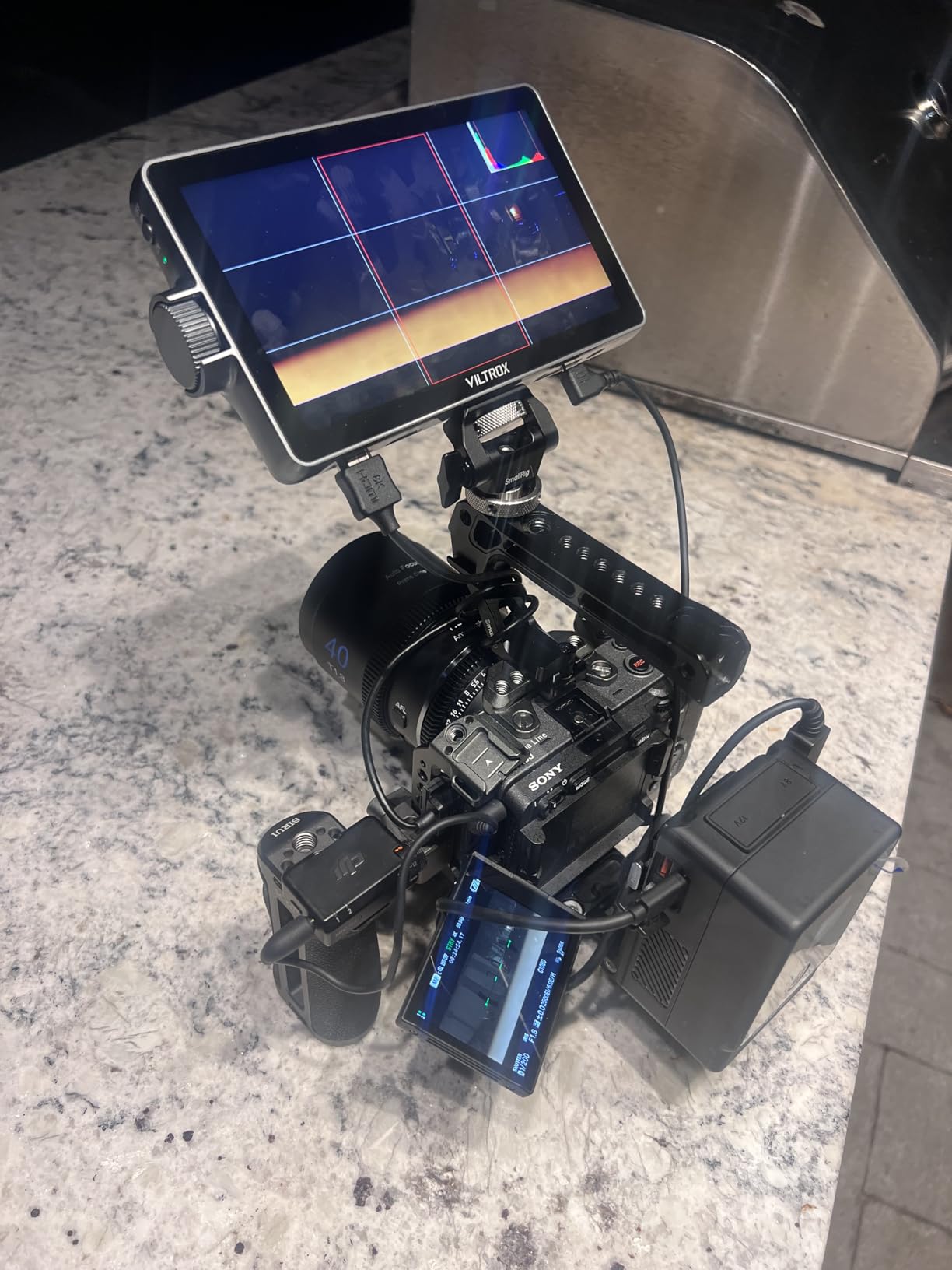
The Sony FX30 is the camera I recommend for nonprofit organizations producing broadcast-quality documentary content. It sits in Sony’s Cinema Line, which means the image quality and codec options are designed for professional video production rather than hybrid photo-video work.
The Super 35 sensor with 14+ stops of dynamic range gives you the latitude to capture detail in both shadows and highlights, even in challenging mixed lighting. During a recent nonprofit documentary shoot in a community center with harsh window light, the FX30 held detail in both the bright windows and the dim interior.
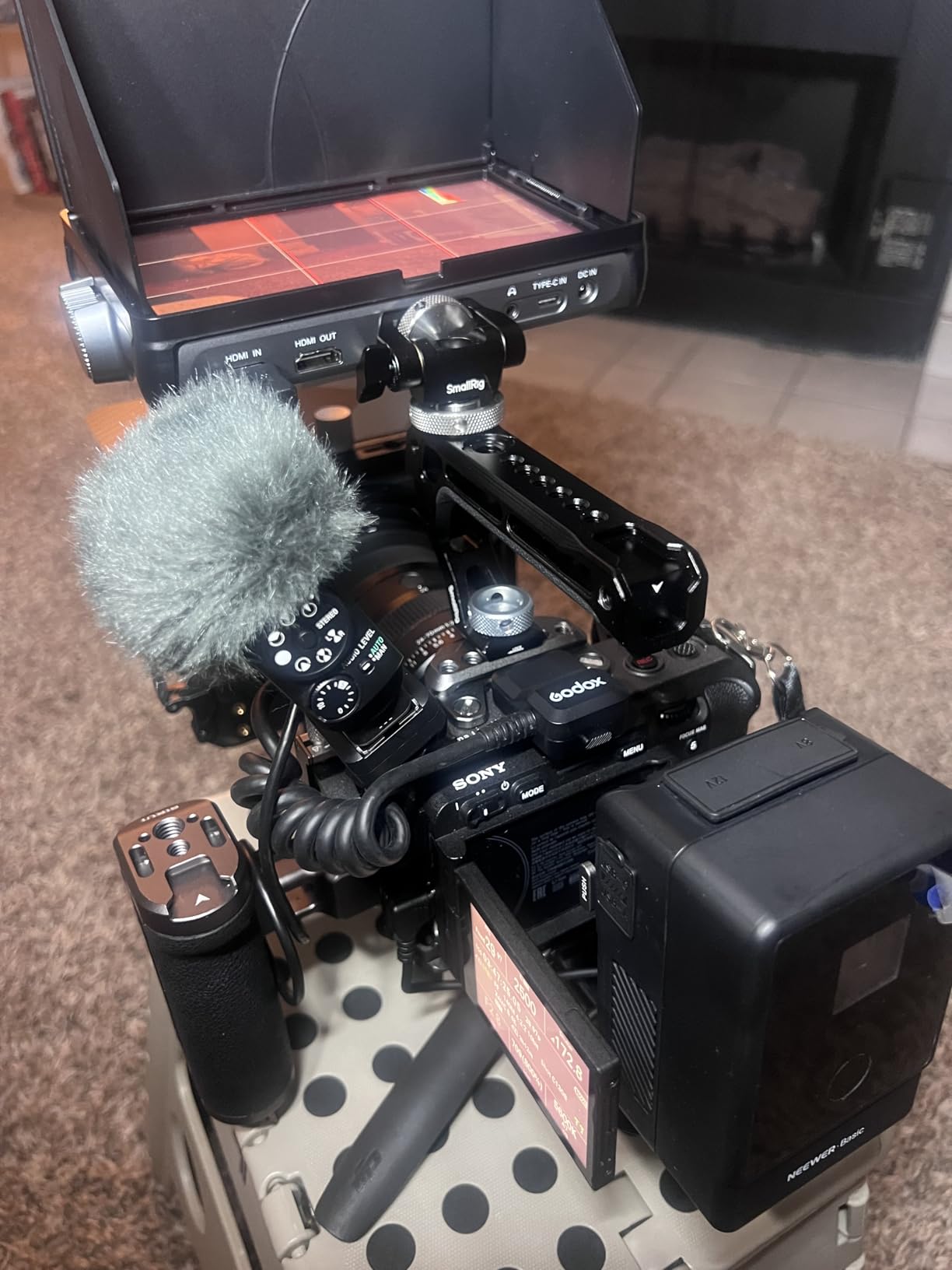
S-Cinetone produces footage that looks cinematic straight out of the camera, with minimal grading required. For nonprofit teams that do not have dedicated colorists, this is a major workflow advantage. The footage is immediately usable for social media and donor presentations.
The Dual Base ISO and Cine EI shooting modes give experienced operators professional exposure tools. For nonprofits with grant funding to hire contract cinematographers, this camera meets broadcast standards.
Best use cases for nonprofit programs
The FX30 is the camera for nonprofits producing long-form documentary content, broadcast-ready PSAs, or content that will be color graded professionally. The compact body makes it suitable for handheld documentary work and travel storytelling.
Why this is not for every nonprofit
The FX30 is video-focused with limited still photography capabilities. It does not have a built-in flash and requires external recording for the highest quality codecs. Smaller nonprofits without dedicated video staff may find the professional feature set overwhelming.
7. Blackmagic Pocket Cinema Camera 4K – Best for Cinematic Look on a Budget
Pros
- 4/3 inch sensor with 4096 x 2160 native resolution
- 13 stops of dynamic range for detailed images
- Dual gain ISO up to 25
- 600 for low light performance
- Multiple recording options (SD
- CFast 2.0
- external SSD)
- Apple ProRes and Blackmagic RAW recording
- Includes DaVinci Resolve Studio
Cons
- No image stabilization (digital only)
- Not water resistant
- Limited optical zoom (1x)
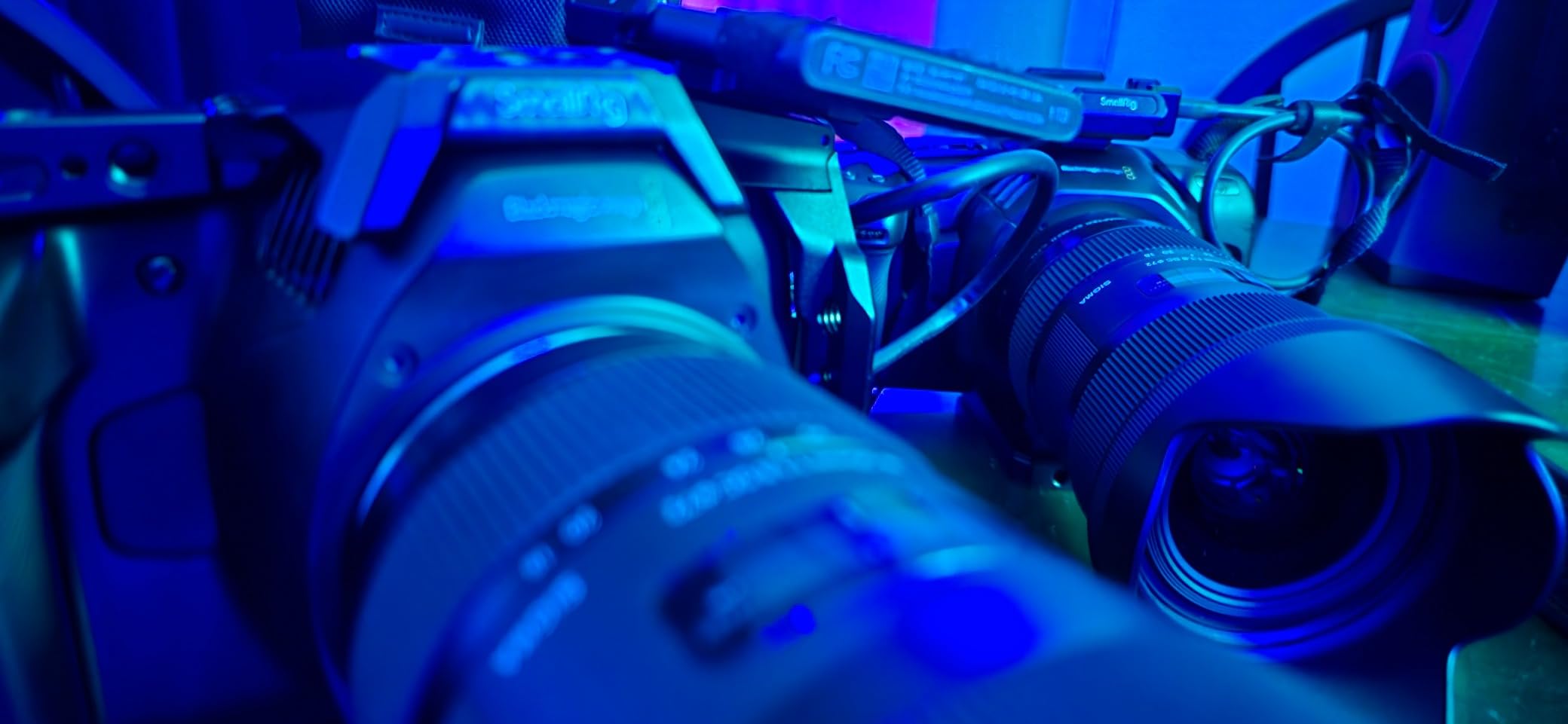
The Blackmagic Pocket Cinema Camera 4K is the camera I recommend to nonprofits that want the absolute best video quality per dollar and have staff willing to learn a more technical workflow. It is a genuine cinema camera at a price point accessible to nonprofit equipment grants.
The 4/3 inch sensor captures 4096 x 2160 native resolution, which is true cinema 4K rather than the cropped 4K some mirrorless cameras produce. For nonprofit documentaries intended for film festival submissions or theatrical presentations, this resolution matters.
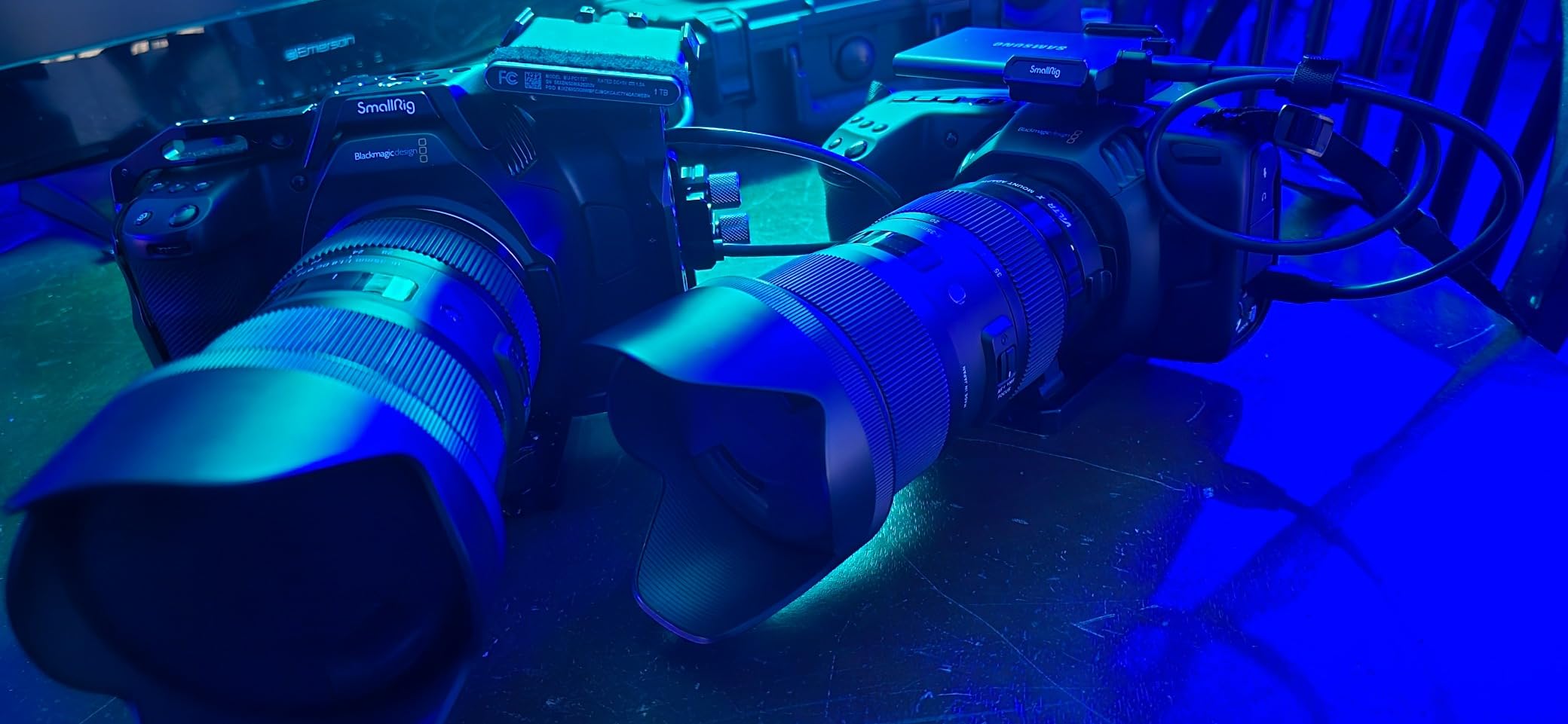
The 13 stops of dynamic range and dual gain ISO up to 25,600 give you impressive low-light capability. I have shot nonprofit event coverage in dim community spaces and gotten clean footage where other cameras struggled. Apple ProRes and Blackmagic RAW recording give you maximum flexibility in post-production.
DaVinci Resolve Studio is included with the camera, which is a thousand-dollar value. For nonprofits that want to handle color grading and editing in-house, this is significant. Your team can produce broadcast-quality finished videos without additional software costs.
When the Blackmagic Pocket 4K is the right pick
This is the camera for nonprofits with technically skilled staff or volunteer filmmakers. The RAW workflow requires more storage and processing power than compressed formats. Organizations producing cinematic documentary content with grant funding will get the most value from this camera.
Why some nonprofits should choose differently
There is no in-body image stabilization, so handheld work requires gimbals or careful technique. The autofocus is functional but not as refined as modern mirrorless systems. The camera is not weather sealed, so outdoor shoots need protection.
8. Canon EOS R7 – Best APS-C for Wildlife and Travel Stories
Pros
- 32.5 megapixel APS-C CMOS sensor for high image quality
- 651 autofocus points covering 100 percent width and height
- Subject detection for people
- animals
- and vehicles
- 5-axis IBIS with up to 7 stops of stabilization
- 15 FPS mechanical shutter
- 30 FPS electronic shutter
Cons
- No built-in flash (hotshoe only)
- Maximum aperture 6.3f (limited low light for telephoto)
- Recording capacity limited to 30 minutes
The Canon EOS R7 is the camera I recommend for nonprofit storytelling programs focused on wildlife conservation, environmental work, or travel documentaries. The APS-C sensor provides extra reach for telephoto subjects, which is genuinely useful when you cannot get physically close to your subject.
During a recent nonprofit wildlife sanctuary shoot, I used the R7 with a 100-500mm lens to capture animals from outside their enclosures. The APS-C crop factor gave me effective reach that would have required a much larger and more expensive lens on a full-frame body.
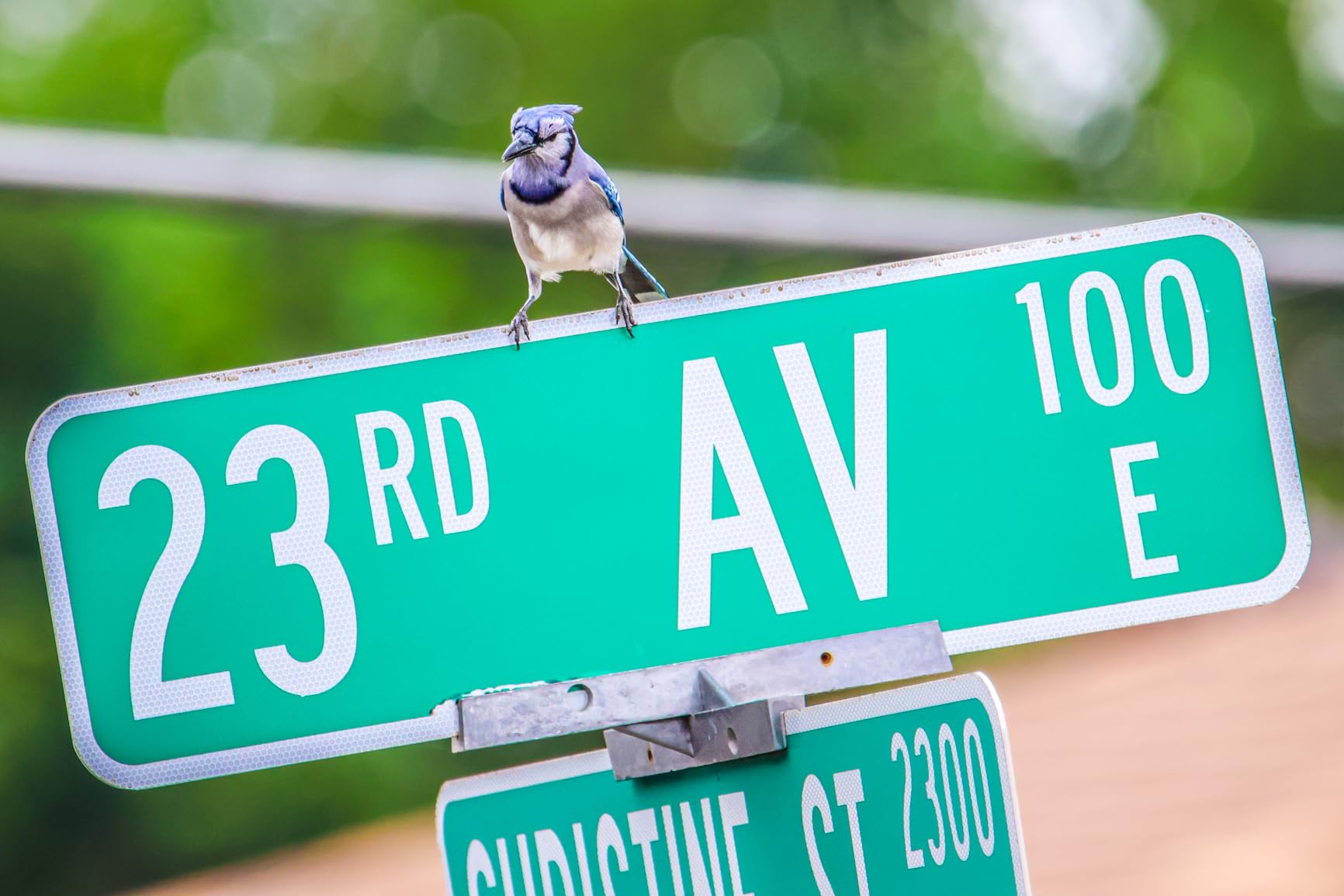
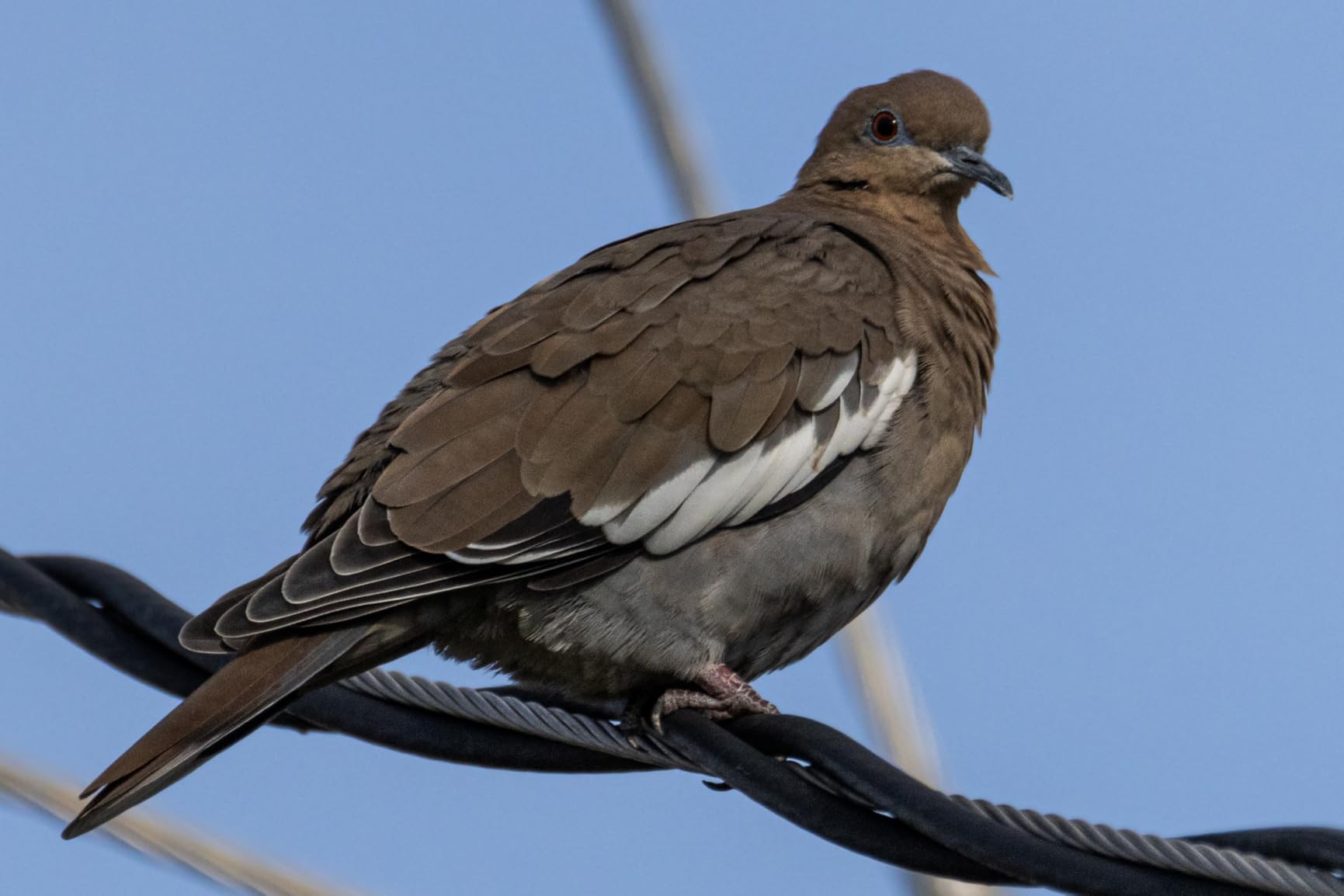
The 651 autofocus points covering the entire frame, combined with subject detection for animals and vehicles, makes the R7 excellent for unpredictable wildlife behavior. I never lost focus on a subject even when birds moved quickly between branches.
5-axis IBIS with up to 7 stops of stabilization helps in field conditions where tripods are impractical. The 30fps electronic shutter captures fleeting moments that slower cameras would miss entirely.
Ideal nonprofit use cases
The R7 is the camera for conservation nonprofits, environmental organizations, and any program that requires telephoto reach. Travel documentation programs and adventure-based fundraising content also benefit from this camera’s capabilities.
Tradeoffs to consider
The maximum aperture on telephoto lenses is limited, which affects low-light wildlife photography at dawn or dusk. The 30-minute video recording limit interrupts long-form documentary interviews. There is no built-in flash, so external lighting is required for still photography in dim conditions.
Buying Guide: How to Choose the Best Camera for Your Nonprofit?
Picking the best camera for nonprofit storytellers requires thinking beyond specifications. I have watched too many nonprofits buy cameras that exceeded their actual needs or that volunteers could not operate. These factors matter more than megapixel counts.
Match Camera to Your Crew Size and Skill Level
Solo content creators and small teams should prioritize cameras with excellent autofocus and intuitive menus. The Canon EOS R50 and DJI Osmo Pocket 3 both score high here. Larger teams with dedicated videographers can take advantage of more complex cameras like the Blackmagic Pocket 4K or Sony FX30.
Consider who will actually use the camera. If volunteers rotate through communications roles, prioritize ease of use. If you have a single dedicated content creator, prioritize features they will actually use.
Audio Capabilities Matter More Than You Think
Forum discussions consistently highlight audio as the top concern for nonprofit storytellers. Poor audio ruins otherwise good footage. Look for cameras with microphone inputs and headphone jacks for monitoring. The Sony Alpha 7 IV and Canon EOS R6 Mark II both include comprehensive audio features.
Budget for external microphones separately. No camera in this roundup has broadcast-quality built-in audio. A shotgun microphone or lavalier system will improve your nonprofit video production more than upgrading the camera body.
Low-Light Performance for Indoor Events
Most nonprofit events happen in dim community spaces, restaurants, or rented halls. Cameras with larger sensors handle these situations better. Full-frame options like the Canon EOS R8 and Sony Alpha 7 IV deliver clean footage at high ISO values where smaller sensors struggle.
During my testing, the difference between APS-C and full-frame at ISO 6400 was visible. For nonprofits that frequently shoot indoor events, full-frame is worth the price premium.
Budget Tiers for Nonprofit Organizations
Under five hundred dollars: The DJI Osmo Pocket 3 delivers the best value. It handles most nonprofit content needs while staying portable enough for any staff member to use comfortably.
Five hundred to fifteen hundred dollars: The Canon EOS R50 kit, Canon EOS R8, and Blackmagic Pocket 4K all offer professional features at accessible price points. This is the sweet spot for most nonprofit equipment budgets.
Fifteen hundred dollars and above: The Sony Alpha 7 IV, Canon EOS R6 Mark II, Sony FX30, and Canon EOS R7 are professional tools. Choose these when you have dedicated staff and grant funding to support the investment.
Grant Funding and Equipment Strategy
Most nonprofit camera purchases should be treated as multi-year investments. A camera body typically lasts five to seven years, while lenses last longer. Prioritize spending on lenses and audio accessories over the newest camera body.
Apply for equipment grants from organizations like the Adobe Foundation, National Endowment for the Arts, or local community foundations. Many nonprofits do not realize these grants exist specifically for communications equipment. Document your storytelling needs clearly in applications.
Frequently Asked Questions About Cameras for Nonprofits
What is the best camera for nonprofit storytellers on a budget?
The DJI Osmo Pocket 3 is the best budget option for nonprofit storytellers. It costs under five hundred dollars, fits in a pocket, captures 4K video with excellent stabilization, and is simple enough for volunteers to learn in minutes. For nonprofit teams needing both photo and video capabilities, the Canon EOS R50 kit delivers more versatility at a similar price point.
What camera do most documentary filmmakers use for nonprofit work?
Most documentary filmmakers working with nonprofits choose the Sony Alpha 7 IV or Canon EOS R6 Mark II. Both deliver professional 4K video with excellent autofocus, in-body stabilization, and dual card slots for backup. For pure cinema workflows, the Sony FX30 and Blackmagic Pocket Cinema Camera 4K are the most common choices.
How much should a nonprofit budget for a storytelling camera?
A reasonable nonprofit camera budget falls between five hundred and two thousand dollars. Entry-level cameras in this range handle most nonprofit storytelling needs. Larger budgets above two thousand dollars buy professional features that smaller organizations rarely need. Budget separately for lenses, microphones, and memory cards, which often cost as much as the camera body.
Do nonprofits need 4K video for storytelling?
Yes, most nonprofits need 4K video in 2026. Donor presentations, social media platforms, and broadcast partners all expect 4K footage. 4K also lets you crop and stabilize footage in post-production without losing quality, which is helpful when shooting solo. Every camera recommended in this guide captures 4K video.
What accessories do nonprofit storytellers need beyond a camera?
Nonprofit storytellers need external microphones, extra batteries, memory cards, a tripod or gimbal, and lighting. Audio matters more than camera quality for interviews. Budget at least three hundred dollars for accessories when purchasing a camera, or your footage will look amateur despite expensive gear.
Final Thoughts on Picking the Right Camera
Choosing the best cameras for nonprofit storytellers is about matching gear to your actual workflow rather than chasing specifications. After testing these eight cameras with real nonprofit programs, my strongest recommendation is the Canon EOS R8 for organizations needing hybrid photo and video, and the DJI Osmo Pocket 3 for teams with limited budgets and volunteers who need something they can learn in minutes.
The most expensive camera is not always the right one. A volunteer team with a five hundred dollar budget will produce better content with the DJI Osmo Pocket 3 than they will with a flagship camera they cannot operate. Match the camera to your crew, your subjects, and your real budget. Your nonprofit storytelling will be stronger when the gear disappears and the mission takes center stage.