
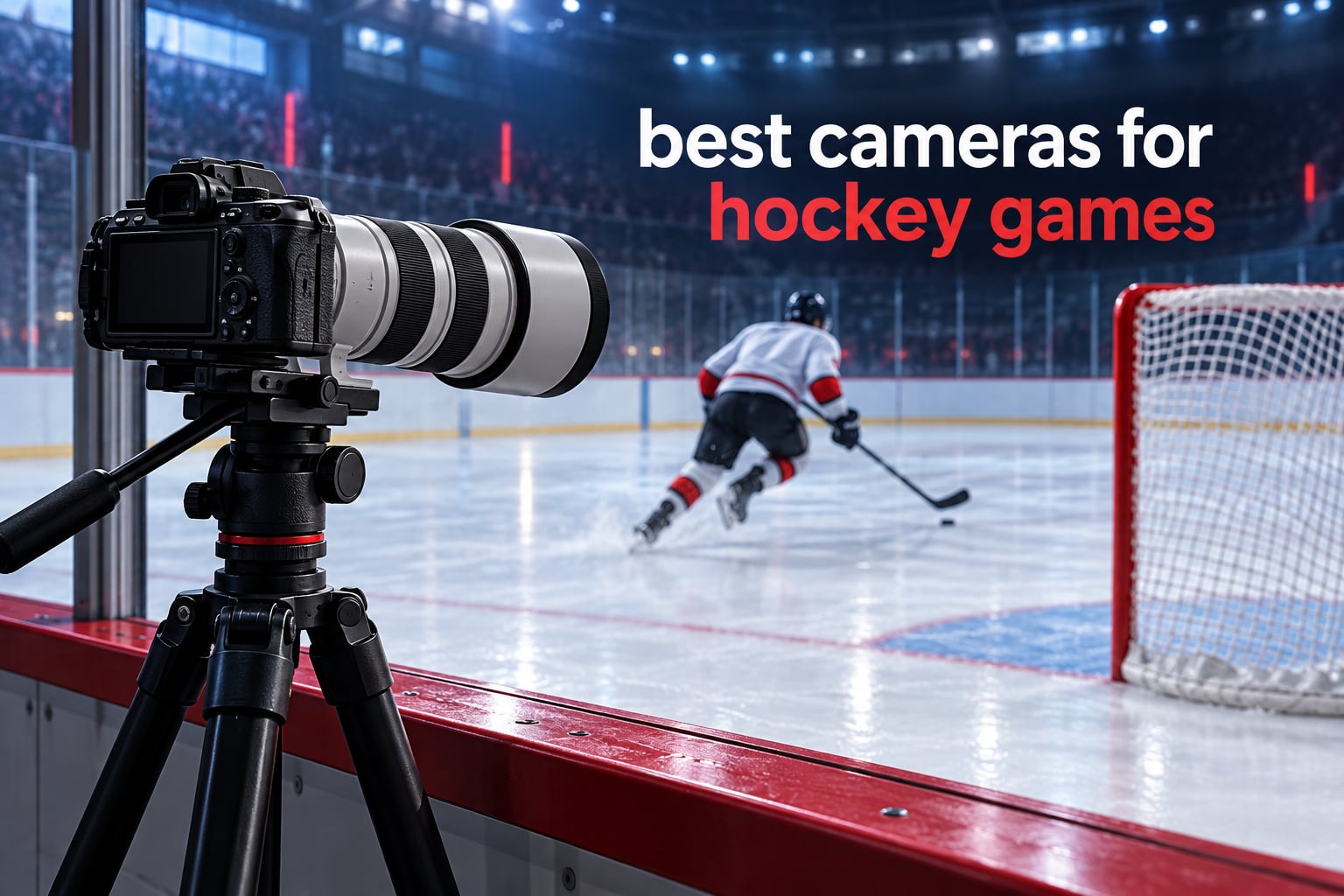
Hockey is fast, dark and played in a small space, and that combination kills most cameras. The best cameras for hockey games are the bodies that can lock onto a helmet, hold ten or more frames per second through a scramble at the net, and still produce a usable file at ISO 6400 under arena lights. Pick those three traits first and almost everything else on the spec sheet stops mattering.
That is why this list leads with autofocus behaviour and buffer depth rather than megapixels. A 24MP body that tracks a player through a line change will always beat a 45MP body that hunts for focus every time two skaters cross. Pair any pick here with a 70-200mm f/2.8 and you can cover the whole sheet from the stands.
One quick note before we start: this guide covers real camera hardware for real games on real ice, not gear for a hockey video game. If you landed here looking for capture settings for a console title, the settings section below will not help you. Everything in this roundup is tested thinking for a rink, a stick, a puck and a cold arena.
I have shot enough rink-side sessions to know that the difference between a good hockey frame and a missed one is usually decided in the half second before the shot. The bodies below all give you a fair chance in that half second. If you are still deciding which brand to commit to, our camera brand guide is a useful place to start before you go deeper.
Top 3 Picks for Best Camera Hockey Games in 2026
The three bodies below cover almost every rink situation. The Sony Alpha 7 IV is the all-rounder, the Canon EOS R5 is the crop monster, and the Canon EOS R6 Mark II is the one I recommend to parents who want a huge burst rate without a flagship bill.


The Best Cameras for Hockey Games at a Glance in September
All ten bodies, ranked below. The key features column is what actually matters at a rink, so read it that way rather than as marketing copy.
| Product | Specifications | Action |
|---|---|---|
| Sony Alpha 7 IV |
|
Check Latest Price |
 Canon EOS R5 Canon EOS R5 |
|
Check Latest Price |
| Canon EOS R6 Mark II |
|
Check Latest Price |
 Nikon D500 Nikon D500 |
|
Check Latest Price |
 Nikon Z 8 Nikon Z 8 |
|
Check Latest Price |
 Nikon Z6 III Nikon Z6 III |
|
Check Latest Price |
 Fujifilm X-H2S Fujifilm X-H2S |
|
Check Latest Price |
 Sony Alpha a7R III Sony Alpha a7R III |
|
Check Latest Price |
 Canon EOS R7 Canon EOS R7 |
|
Check Latest Price |
 Sony Alpha a7 V Sony Alpha a7 V |
|
Check Latest Price |
1. Sony Alpha 7 IV – Best for All-Round Hockey Stills
Pros
- Real-time Eye AF locks on and holds through a line change
- 10 fps burst is enough to catch a celebration
- Strong low-light performance
- Weather-sealed with a fully articulating screen
- Dual card slots
Cons
- Menus take time to learn
- Occasional AF misses in very dim rinks
- Battery life is modest for full three-period shoots
This is the body I hand to anyone who asks for one camera to do everything at a rink. The Real-time Eye AF holds a skater’s helmet through a shoulder check and a board battle without dropping to background, and 33MP full-frame gives me enough resolution to crop a 70-200mm down to a face after the fact.
Ten frames per second sounds modest next to the Canon bodies in this list, but on the ice it is almost always enough. The buffer holds a comfortable run of frames, and the dual card slots mean a long travel tournament cannot take your card with it.
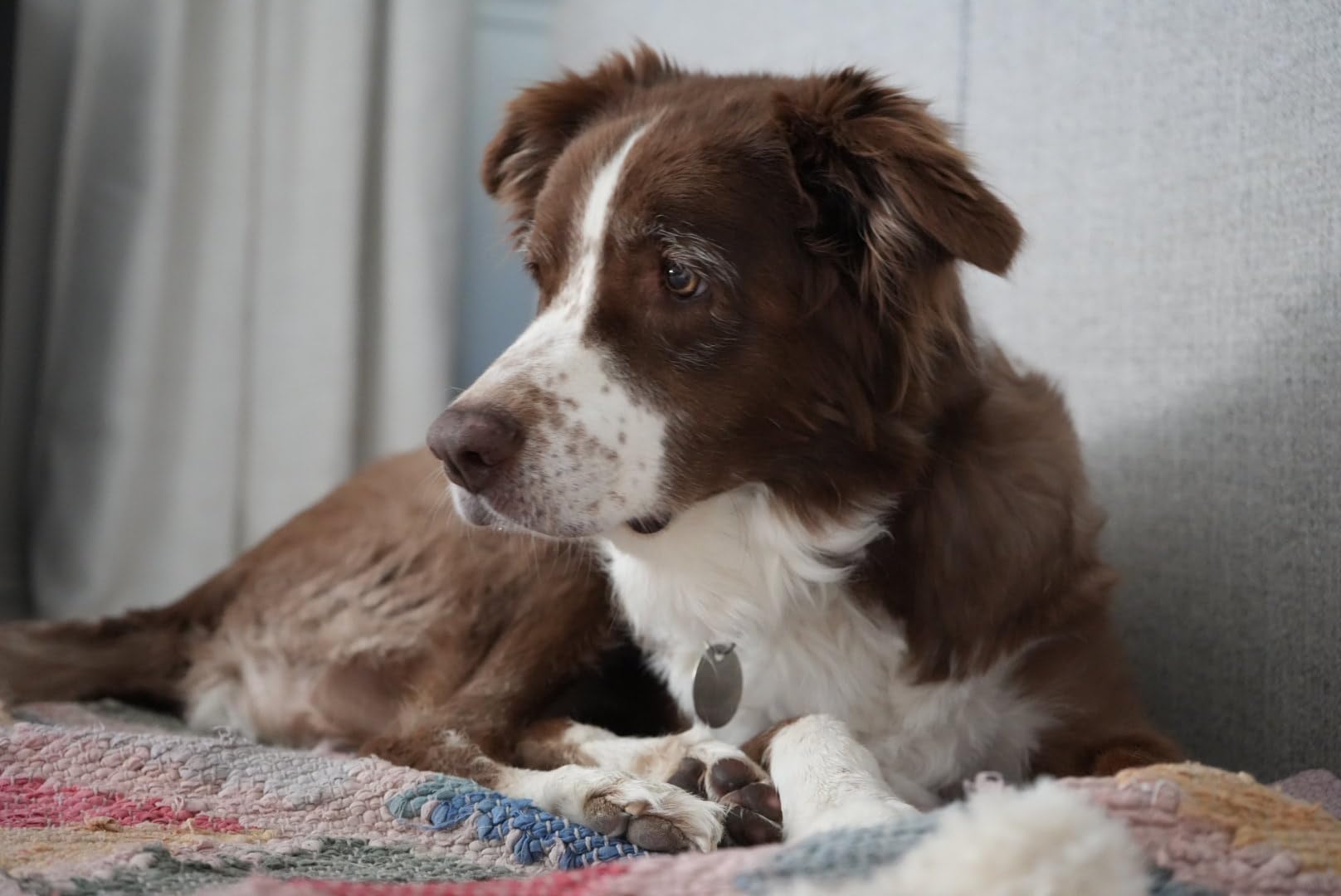
Low light is the real test. Reviewers consistently praise the strong low-light performance, and that matches what I see: ISO 3200 to 6400 files stay usable for web and print, and the raw files recover shadow detail well. Anti-flicker detection matters more here than it does outdoors, because arena LED fixtures can band across a white jersey.
Video is a quiet strength. 4K 60p 10-bit 4:2:2 with full pixel readout gives you real grading latitude if you also want clips of your kid, and the S-Cinetone profile flatters the cool white light most rinks use.
Who the Sony Alpha 7 IV Suits Best
This is the pick for a parent who shoots thirty games a season and wants one body that handles both stills and short video without a second system. The fully articulating screen makes low-angle shooting from the stands far easier than a fixed screen allows.
It also suits anyone upgrading from an older hybrid or DSLR who wants weather sealing and dual slots in the same body. The grip is deep enough to hold steady for a full period.
Who the Sony Alpha 7 IV Does Not Suit
If your priority is sheer frame count, this is not the fastest body here. Someone shooting a power play expecting dozens of frames per second will be happier with a 40 fps Canon.
The menu system asks for more of your time than most, and battery life is the one reviewers most often flag. For a three-period game, budget for spare batteries rather than trusting the stock one.
2. Canon EOS R5 – Best for Cropping Tight on Far-End Action
Pros
- 45MP stacked sensor crops hard
- 20 fps electronic burst
- Full-frame AF coverage with deep-learning tracking
- 8K RAW and 4K 120p internal
Cons
- Battery life weaker than the DSLR it replaced
- Viewfinder can lag and read dim in low light
- Long 8K sessions raise heat concerns
Forty-five megapixels is not a vanity number on a hockey sheet. From the far corner of a community rink, where a 70-200mm leaves a player small in the frame, the R5 lets you crop to a waist-up shot and still print it. That flexibility is why it tops my list for tight action on long lenses.
The stacked sensor drives twelve frames per second mechanically and up to twenty electronically, with dual pixel AF covering effectively the whole frame. Crossing players is exactly the scenario where a frame-filling 1,053-point system earns its keep, and Canon’s subject detection is reliable on heads and faces in helmets.

Dynamic range is the quiet story. Reviewers describe exceptional high dynamic range recovery in extreme lighting, which matters here because the ice is a huge white reflector and the player’s kit is often black. You can expose for the jersey and pull the boards back out of the shadows.
Canon colour science also needs no explanation to anyone who has shot a rink. Skin tones under mixed LED lighting come out of camera looking like skin tones rather than an orange cast you spend an evening correcting.
Who the Canon EOS R5 Suits Best
It suits the photographer stuck at a bad seat in a big arena, or anyone whose kid plays on a sheet so wide that a normal lens cannot get close. The extra pixels are insurance against a bad position.
It also suits hybrid shooters who need real 8K RAW or 4K 120p footage from the same body, and the in-body stabilisation works well with adapted older EF lenses.
Who the Canon EOS R5 Does Not Suit
Battery life is the most common complaint, and it is noticeably weaker than the DSLR this body replaced. Three periods plus warm-up will drain a battery, and you will want a second and third in the bag.
The electronic viewfinder can lag slightly and be hard to read in a dim rink, which is a real complaint from people shooting youth hockey. Long 8K recording also brings heat management into the conversation, and the card requirement is a genuine cost for a new buyer.
3. Canon EOS R6 Mark II – Best for Huge Burst Rates on a Budget
Pros
- 40 fps electronic shutter freezes skaters and sticks
- Dependable head and body detection
- No overheating on long recordings
- Bright 120 fps electronic viewfinder
Cons
- 24.2MP gives less cropping headroom
- Canon menus are not intuitive to newcomers
Forty frames per second electronic is the single number that changes how hockey feels on a card. At that rate you can hold a burst through an entire celebration and still have frames left for the handshake line, which is exactly what parents want.
The electronic shutter is silent, so nobody in the stands behind you hears a curtain of mirror slap during a quiet power play. Dual Pixel CMOS AF II detects heads, faces, eyes and whole bodies, and on a dark helmet against a dark crowd that head detection is the difference between a keeper and a miss.

For a workhorse stills body, the 24.2MP sensor produces low-noise files with a fast lens and holds up well at the ISO 6400 that travel rinks force on you. Reviewers call it a well-balanced full-frame body, and that is the right word for a camera that will be carried for eight years.
Video is a genuine bonus rather than the point. 6K oversampled uncropped 4K at up to 60 fps, and up to six hours of continuous Full-HD recording without overheating, cover the clip side of a hockey weekend comfortably.

Who the Canon EOS R6 Mark II Suits Best
It suits parents and club photographers who care far more about whether the puck moment exists than about crop room. Forty fps gives you nine usable frames every quarter of a second.
It also suits anyone who will shoot long video segments of practice or warm-ups, because the heat management is rated for long takes and the viewfinder refreshes at 120 fps so the action stays readable in a dim room.
Who the Canon EOS R6 Mark II Does Not Suit
Twenty-four megapixels means less cropping headroom than the 45MP and 42.4MP bodies in this list. If your only seat is the far end of a large rink, you will feel that limit.
Canon’s menu system and control layout are the other frequently cited gripe after the resolution, so budget an evening with the manual before your first game.
4. Nikon D500 – Best for Outdoor Rinks and Cold Weather
Pros
- Weather-sealed magnesium body handles cold and snow
- Deep buffer holds long bursts
- Excellent high ISO performance and dynamic range
- Bright 2539k dot tilting touchscreen
Cons
- Optical viewfinder only
- APS-C 1.5x crop limits reach
- Mirror slap is not arena-quiet
- Bulky next to modern mirrorless
Outdoor pond hockey is where this body earns its place. The weather-sealed magnesium shell shrugs off falling snow and sub-zero stands, and the bright optical viewfinder has no lag and no screen flicker, which matters when you are following a puck across a white sheet in flat daylight.
The 153-point AF system with 3D tracking is genuinely dependable, and at ten frames per second for up to two hundred frames the buffer will not run dry in a single shift. Reviewers in the sports and wildlife community still treat it as a reference point for rugged build and burst endurance.

High ISO performance is excellent, and the wide dynamic range lets you expose for a dark jersey against bright snow without losing the boards. Shooters who use this body for indoor hockey often report metering two stops down and recovering in post, and the raw files give you the latitude to do exactly that.
At 1.5x crop, a 200mm behaves like a 300mm, which quietly buys you reach. For a photographer stuck at the far end of an outdoor rink, that crop factor is an advantage rather than a compromise.

Who the Nikon D500 Suits Best
It suits anyone shooting outdoor rinks, early-morning practices on frozen ponds, or winter travel hockey in weather that would make a mirrorless battery sulk. The optical viewfinder also never shows a frame during a burst, so you never lose sight of the puck.
It suits photographers who already own F-mount glass and want a second body that just works with no adapter and no menu relearning.
Who the Nikon D500 Does Not Suit
Mirror slap and a mechanical shutter make it noticeably noisy, which is awkward in a quiet arena during a shootout. It is a poor choice if you need near-silent operation.
Autofocus tracking is less sophisticated than current mirrorless systems when two players converge, and the optical-only viewfinder gives you no exposure preview or focus peaking in a dim rink.
5. Nikon Z 8 – Best for Pros Shooting Stills and Broadcast Video
Pros
- Flagship-class deep-learning AF in a smaller body
- 45.7MP stacked sensor for heavy cropping
- 20 fps RAW with almost no buffering delay
- Shutterless fully silent shooting
Cons
- One fast card slot paired with a slower one
- Smaller body runs cooler less well
- Battery draw is high for full-day shooting
- Deeply nested menus
Reviewers describe the Z 8 as the value-focused flagship, and for hockey that reads as the pro all-rounder. Deep-learning autofocus detects down to minus nine EV with 3D tracking, and the recognition system covers people, dogs, birds, cars and more, so a helmet in poor light still gets found.
Pre-Release Capture is the feature hockey shooters care about most. The camera buffers frames from before you press the shutter, which means a deflection or a glove save that happens in the time your brain is still deciding has a good chance of already being on the card.
Stills quality is a real strength. The 45.7MP stacked sensor delivers fine detail and enough room to crop a 300mm frame to a face, and twenty frames per second RAW comes with virtually no buffering delay in a long rally.
On the video side, internal 8K at 60p and 4K at 120p with 12-bit N-RAW and ProRes RAW mean one body can feed a highlight package and a print magazine. The shutterless design allows fully silent shooting with an adjustable artificial shutter volume, which is the polite option in a quiet arena.
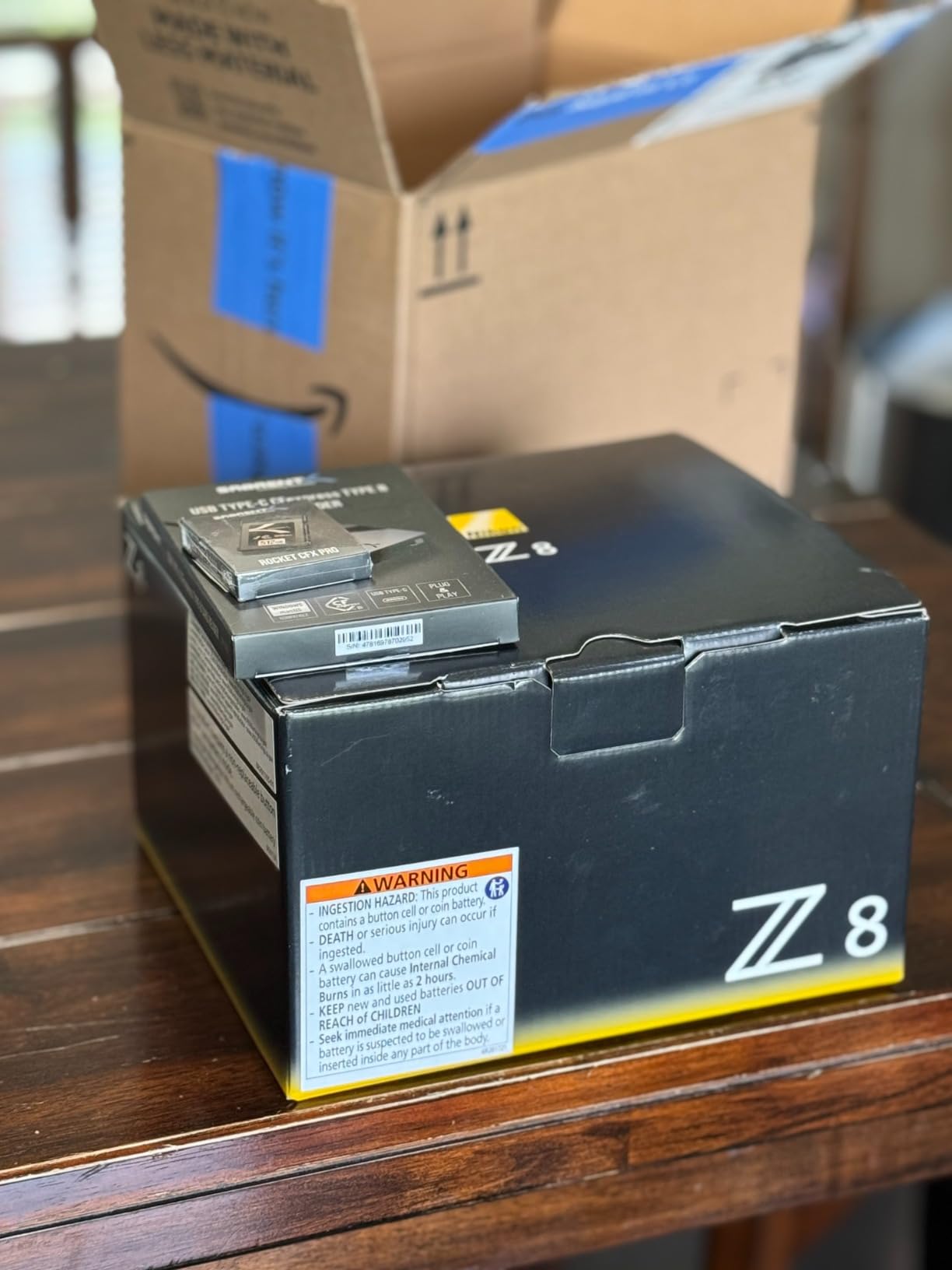
It is also weather-sealed, uses the same batteries as the D850, and keeps F-mount compatibility through the FTZ II adapter, so an existing Nikon glass comes with you.
Who the Nikon Z 8 Suits Best
It suits working photographers covering AHL, regional league or college hockey who need a file at 4 a.m. after an overtime game and a broadcast-ready clip before the teams leave the building.
It also suits anyone who wants flagship autofocus without flagship weight, and the smaller body is easier on the shoulder during three periods of standing in the corners.
Who the Nikon Z 8 Does Not Suit
Battery consumption is high, and multiple batteries are needed for a full day of shooting. The smaller chassis also dissipates heat less effectively, so long 8K record times are shorter than on a larger flagship.
The deeply nested menu structure is a steep learning curve, and one card slot is CFexpress Type B while the other is slower SD, which limits how you can configure backups.
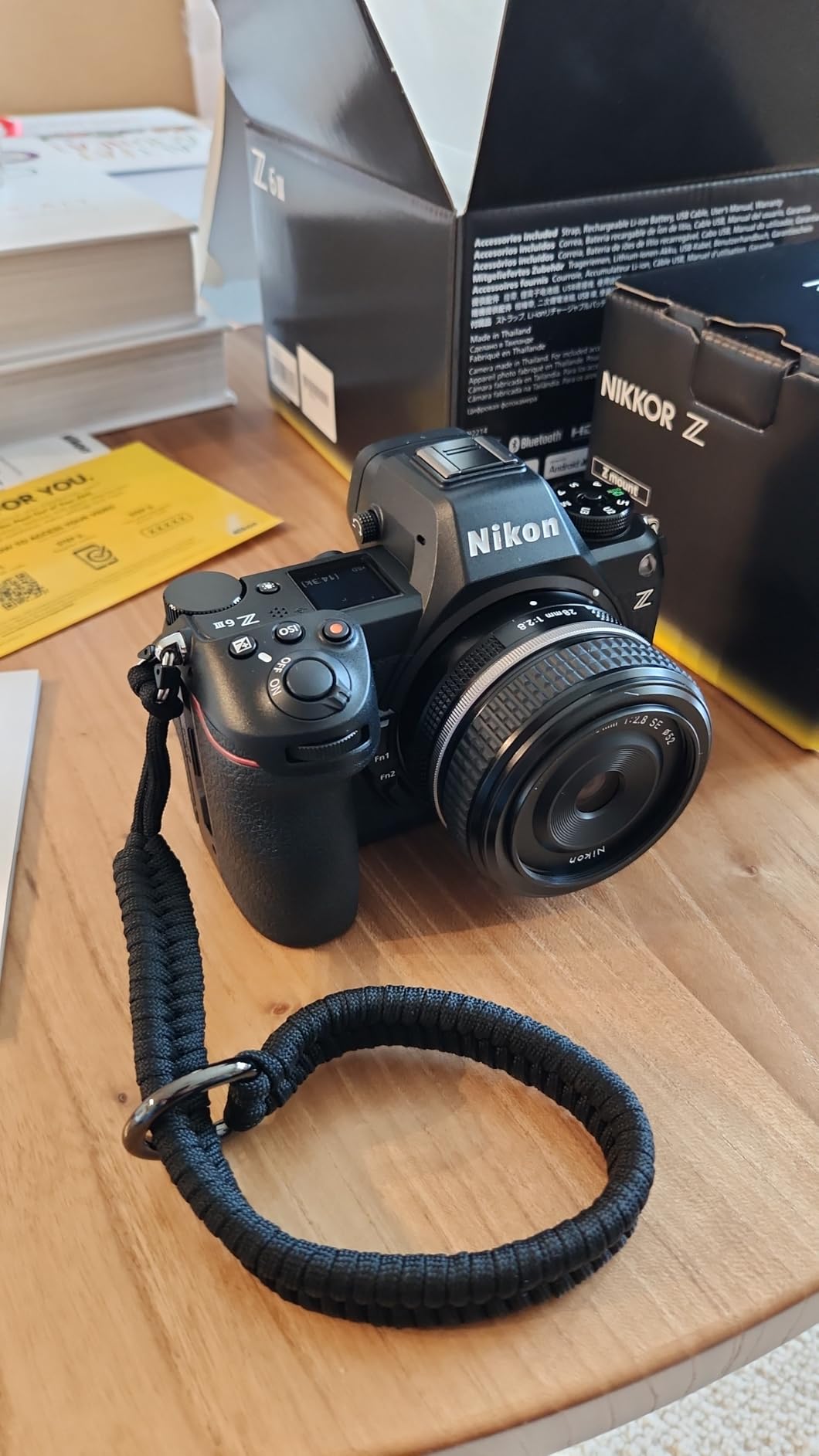
6. Nikon Z6 III – Best for Framing Action in a Dim Rink
Nikon Z6 III, Black | Full-Frame Mirrorless Stills/Video Camera with 6K/60p Internal RAW Recording | USA Model
Pros
- Exceptionally bright 4000-nit viewfinder
- Deep-learning AF down to -10 EV
- Very fast shutter speeds with no rolling shutter
- Weather sealing holds up in heavy rain
Cons
- Dense menu system with easy-to-mis-set AF modes
- Control placement feels unnatural to some
- Autofocus can be finicky in the dark
- No charger in the box
The viewfinder is the story here. A 4000-nit peak brightness electronic viewfinder with a 120 fps refresh and 5760k-dot resolution is unusually bright for a full-frame viewfinder, and on a poorly lit community rink that brightness is the difference between framing a face and framing a dark helmet shape.
Autofocus detection reaches down to minus ten EV and is roughly twenty percent faster than the previous generation, and the system can recognise faces that occupy only a small percentage of the frame. That is precisely the situation when a player is thirty feet away at the far end of a dim rink.
Continuous shooting goes to 120 fps electronically, and the very fast shutter speeds mean essentially no rolling shutter distortion when a skater cuts across the frame. ISO runs 100 to 64000 natively and extends to an equivalent of 204800 for the darkest travel rinks.
For video, 6K at 60p internal N-RAW, oversampled 4K UHD and 4K at 120p give you more than most rink clips need, and the Hi-Res Zoom gives extra reach in HD and 4K recording.
Who the Nikon Z6 III Suits Best
It suits anyone shooting dim community or travel rinks where the arena lighting is the limiting factor. Owners rate the low light capability at 24.5MP as a genuine strength, not a compromise.
It also suits shooters who want a light, compact body for long handheld sessions and would rather have a viewfinder they can actually see through than extra resolution.
Who the Nikon Z6 III Does Not Suit
The menu system is complex and there are enough autofocus modes to mis-set one without noticing. Budget time to configure it once, properly, and write the settings down.
Button and dial placement feels unnatural to some users, and a few report the autofocus being inconsistent in genuinely dark conditions, so it is not the safest pick for a pitch-black outdoor rink.
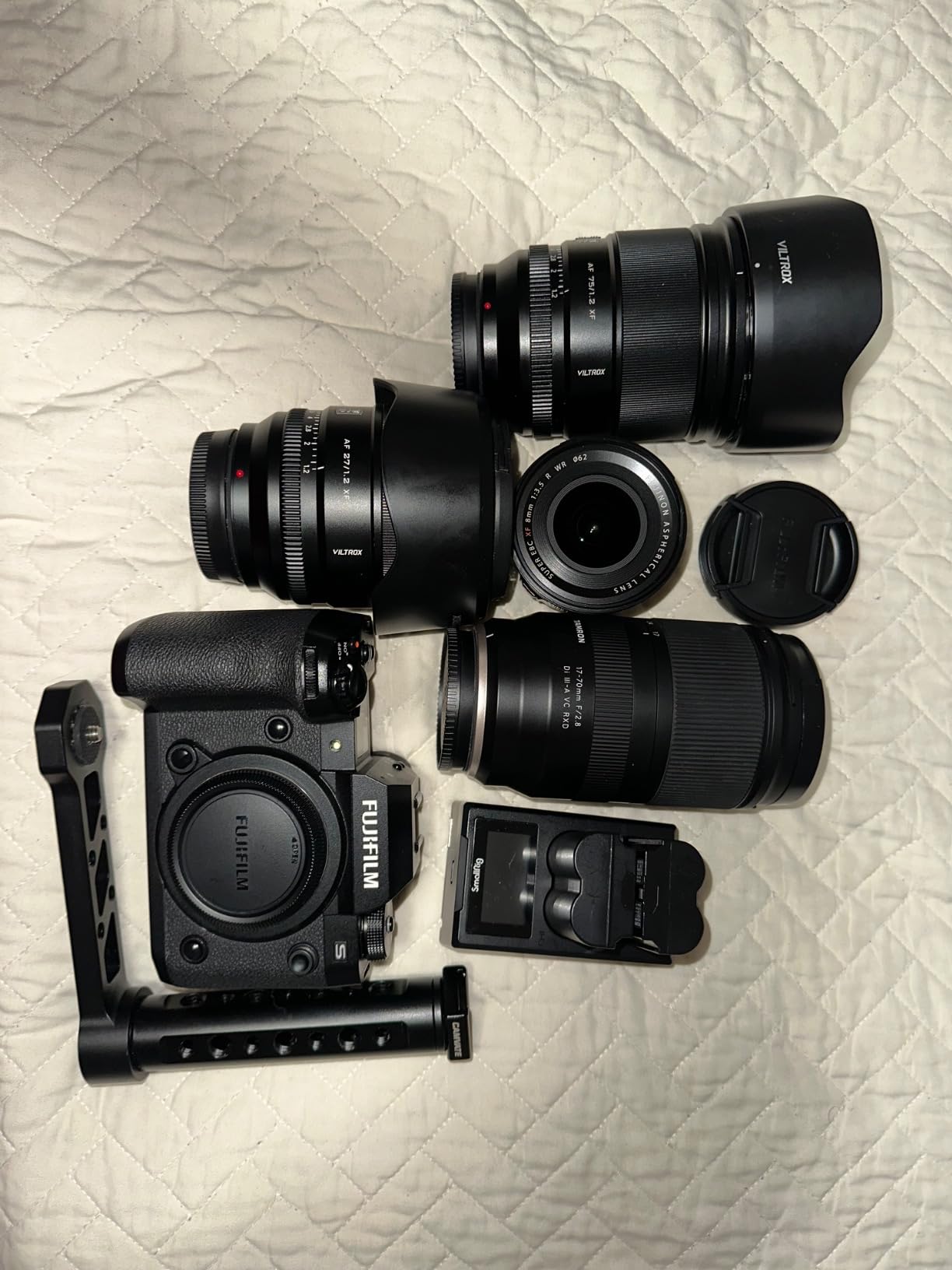
7. Fujifilm X-H2S – Best for Long Unbroken Video Takes
Pros
- Up to 90 minutes of internal footage per battery
- 40 fps electronic with an effectively unlimited buffer
- Seven stops of in-body stabilization
- Subject Detection AF with many subject types
Cons
- APS-C gives less reach than full-frame
- Subject detection can report focus and deliver a soft frame
- Single CFexpress Type B card slot
- Body-only pricing competes with full-frame
The X-H2S is the pick if your hockey output is mostly video and you shoot long takes rather than edited clips. Up to ninety minutes of internal footage per battery at 6.2K 30P Open Gate, 4K 120P and Full-HD 240P means a full three-period game is possible on one charge in a building that is not warm.
Autofocus is roughly three times faster than the previous X-series generation, and AI-based Subject Detection AF covers players reliably enough for a sports context. Stills are excellent too, with fifteen frames per second mechanical and forty electronic alongside a buffer that reviewers describe as effectively unlimited for JPEG and RAW.
The 26.1MP X-Trans 5 stacked back-illuminated sensor delivers fourteen stops of dynamic range and very good low light capability, and seven stops of in-body image stabilization make handheld panning shots of the ice far more forgiving.
Fujifilm colour science is a genuine pleasure for portraits at centre ice. The straight-out-of-camera skin tones are warm but not orange, which under mixed rink lighting is a small thing that saves editing time.

Who the Fujifilm X-H2S Suits Best
It suits parents and club coaches who want the whole game on video without swapping batteries at the bench, and the internal ProRes plus external F-Log output make it a genuine hybrid rather than a video afterthought.
It also suits a stills photographer who wants an unlimited buffer and near-silent continuous shooting without leaving the APS-C world behind.
Who the Fujifilm X-H2S Does Not Suit
APS-C gives you less reach than full-frame, and in a large arena that means longer, heavier glass. If your only seat is the far corner, this is the wrong body.
The most common complaint is inconsistent subject detection autofocus, where the camera shows a focus lock and the captured frame is slightly soft. There is also only a single CFexpress Type B card slot, with no backup path.
8. Sony Alpha a7R III – Best for Cropping Headroom
Pros
- 42.4MP resolves fine detail such as eyelashes
- Sharp quick eye-detection autofocus
- Very good low light performance with fast apertures
- Dual card slots and 5-axis IBIS
Cons
- Older menu system than newer Sony bodies
- No touchscreen on the rear screen
- Dated ergonomics for modern shooters
Forty-two megapixels is the number to think about here. If your seat gives you a 200mm view of a player thirty metres away, this body lets you crop in afterwards and still hold a sharp print, and the 14-bit uncompressed raw files give you the latitude to lift a dark helmet out of a shadow.
Real-time Eye AF for humans and animals is fast and sharp, and ten frames per second with tracking is enough for a hockey game shot at typical rink distances. Owners regard it as a still-relevant high-resolution body rather than a museum piece.

Low light performance is very good with fast apertures, which is where the 70-200mm f/2.8 earns its keep, and the 5-axis in-body image stabilisation helps enormously with a shaky wrist in the stands.
Dual card slots support a professional backup workflow, and the body has deeply customisable controls once you set them up. If you already know Sony menus, that is a genuine advantage.

Who the Sony Alpha a7R III Suits Best
It suits photographers who already own a fast telephoto and want maximum pixels rather than maximum frames per second. Detail work on a goalie mask or a stitched jersey seam is where that resolution shows.
It also suits anyone shooting in a very dim rink, because the wide ISO range from 50 to 102,400 gives you real room to work with a fast prime.
Who the Sony Alpha a7R III Does Not Suit
It is not the body to buy if you need huge burst rates. Ten frames per second is fine for a save, thin for a full scramble at the net.
The menu system is dated compared with newer Sony bodies and the rear screen has no touch, which is a real annoyance when you want to pull focus on a specific face in playback. Check firmware before buying a used one, as revisions differ.
9. Canon EOS R7 – Best for Telephoto Reach Without the Full-Frame Cost
Pros
- RAW Burst Mode captures half a second before the press
- Fifteen and thirty frame-per-second bursts
- Compact 1.1 pound body for long games
- APS-C 1.6x reach from a 200mm
Cons
- Noisier and lower resolution than full-frame
- AF system a generation behind the newest Canon
- Extra battery pack needed for long 4K recording
This is the smart answer for a parent who wants a long lens without buying into full-frame. A 1.6x crop means a 200mm frames like a 320mm, so from the stands a hockey player is already large in the frame before you crop anything.
The RAW Burst Mode with half a second of pre-shooting is the feature that changes hockey results. Reviewers note that it captures decisive moments, and a deflection that happens before your finger lands is already recorded. Dual Pixel CMOS AF covers the full width and height of the frame with up to 651 zones.
Burst rates of fifteen frames per second mechanically and thirty electronically give you options the full-frame bodies above do not, and the 5-axis stabilisation with auto-level makes panning shots of the ice noticeably steadier.
At 1.1 pounds, this is the body you will actually keep on the lens for three periods. Reviewers consistently recommend the R7 for sports and wildlife work where burst rate, pre-shooting and telephoto reach matter more than full-frame image quality.
Who the Canon EOS R7 Suits Best
It suits parents on a fixed budget who need reach and frame count more than file size. The crop factor effectively doubles your focal length, which is the single most useful thing you can buy for rink photography.
It also suits anyone shooting video and stills together, because Movie Servo AF includes subject detection and tracking, and over thirty minutes of continuous 4K recording is possible with the extra battery pack.
Who the Canon EOS R7 Does Not Suit
The APS-C sensor is lower resolution and noisier than full-frame, so files are less forgiving when you push ISO high in a dim rink. That is the honest cost of the crop factor.
The autofocus system is a generation behind the newest Canon systems, and a few users find tracking less certain when several players overlap in the frame. The battery pack for long recording is an extra cost on top.
10. Sony Alpha a7 V – Best AI Autofocus and Pre-Capture Bursts
Pros
- Very fast AF that locks onto a subject's eye
- Blackout-free 30 fps with pre-capture buffer
- Up to 16 stops of dynamic range
- Human pose estimation for multi-subject recognition
- Two USB-C ports
Cons
- 33MP limits heavy cropping
- Bundled RAW software support is still catching up
- AI tracking can drift on a dark eye in erratic motion
Human pose estimation is the headline here. Instead of hunting for an eye, the camera recognises the whole body structure, which makes it markedly more reliable when a skater is small in the frame, backlit by the arena lights, or wearing a visor that hides the eyes completely.
Thirty frames per second with a pre-capture buffer, blackout-free, means the frames before the puck goes in are kept. Combined with a sensor readout roughly 4.5 times faster than the a7 IV, the viewfinder stays clear through a rally, and AI recognition is improved considerably over that generation.
Image quality is excellent, with up to sixteen stops of dynamic range, which is the widest figure listed in this roundup. Expose for the white ice and the dark uniform at the far end of the rink still holds detail, which is the hardest thing any indoor hockey scene asks of a camera.
Improved cooling allows extended 4K 60p recording with minimal overheating, a fully articulating 3.2-inch screen has better viewing angles, and two USB-C ports let you charge without pulling the battery.
Who the Sony Alpha a7 V Suits Best
It suits the photographer who shoots their child through a visor at the far end of a dim rink and wants the camera to find the face without help. Pose estimation is the feature that does the work in exactly that situation.
It also suits hybrid shooters who want long 4K 120p takes and stills from one body, and anyone who values a completely silent quiet mode for a quiet arena.
Who the Sony Alpha a7 V Does Not Suit
Thirty-three megapixels gives less cropping headroom than the R5 and the a7R III, so a demanding far-end position is harder to rescue. Reviewers also note the bundled software support lag, so check your editing workflow before committing.
Tracking can still drift off a dark eye against a dark face in fast, erratic motion, face detection can occasionally lock onto a foreground object, and no charger is included in the box.
Where to Stand: Best Shooting Positions at a Hockey Rink
Your seat decides your lens before your camera does. A hockey sheet is only 60 by 26 metres, so position changes the focal-length math more than any setting does. Here is what each spot on the rink actually gives you.
1. The corner nearest the benches. This is the standard press-box-plus position and the best compromise in most arenas. You get good separation on skaters coming toward you and a clean view of the attacking zone. A 70-200mm covers almost everything from here.
2. The far corner, at the goal line. From the corner behind the near goal you can photograph the crease and the goalie at almost the same time. This is where cropping headroom earns its money, which is why the 45MP bodies rank highly for parents stuck in the row behind the net.
3. Behind the net. Shoot through the mesh for goalie close-ups. Because the mesh and the stanchions interrupt the frame, you need enough reach and a wide enough aperture to keep a face soft-background-clean. A 200mm or longer is almost mandatory from this position.
4. Along the boards. The fastest, most physical camera position in the building, and the one arena staff will most often ask you to vacate. Stick work, board battles and the wall play are all available here, and a 300mm or longer keeps you legal.
5. The photo holes in the boards. They are usable but not a free pass. You are shooting through a small opening, so aim carefully, expect flare from arena lights at shallow angles, and be aware that glass in front of you can haze the image. Shoot slightly wide and crop later.
6. The stands above centre ice. Height gives you clean sightlines over the boards and the best view of a developing play, but you are further from every player, so you need 300mm or more to fill the frame. This is the seat that exposes a 200mm as too short.
For most people the honest answer is that a 70-200mm f/2.8 is enough, and it is the pairing most often recommended in the hockey photography communities. Reach beyond that with a 300mm lens if your seat is high or distant, not because a short lens cannot work but because you will be cropping instead of capturing.
Hockey Camera Settings Cheat Sheet for Indoor Rinks
Run these before the puck drops and you will not think about the camera again for two hours. This is the baseline that works in almost any indoor rink.
Aperture: f/2.8, or f/2.8 wide open. Depth of field is worthless when a skater crosses the frame in a fifth of a second. Sacrifice depth, keep the ice visible as background, and let the lens isolate the player.
Shutter speed: 1/1000s minimum, 1/1600s to 1/2000s for the puck. This is the one setting you protect. Skaters blur at 1/250s, and a fast-moving puck needs everything you can give it. Never trade shutter speed for ISO headroom here.
ISO: Auto ISO with a ceiling of 6400 for a well-lit arena and 12800 for a travel rink. Shoot in manual exposure with Auto ISO so aperture and shutter stay fixed and the camera handles the light. Community rinks are frequently several stops dimmer than a professional arena, and this is the single biggest source of early-season frustration.
Autofocus: continuous AF with subject detection or a wide zone. Point AF is wrong for hockey, because by the time you place a single point the play has moved. Use the whole person-detection mode where available, and keep back-button focus configured so your thumb runs the servo.
Drive mode: high-speed burst, no interval timer. Set it once and leave it. You want as many frames as the buffer holds every time the puck is in the slot.
Anti-flicker: on, if your camera has it. Arena LED and fluorescent fixtures can band across a white jersey at 1/1000s. Anti-flicker detection solves most of it, and the alternative is shooting at a shutter speed that deliberately misaligns with the fixture frequency.
White balance: shoot in daylight or a fixed preset. Arena lighting is usually mixed in colour temperature, and auto white balance will shift between periods. Fix it, then correct the residue in post.
Through the glass: put the lens close to the pane. Every millimetre of air between glass and front element adds veiling flare. Shade the glass with your hand and shoot slightly under, because underexposing costs you less than blowing out the ice.
What Makes a Camera Hockey-Ready: Four Non-Negotiables
If you only remember four things from this guide, remember these. They are the criteria I use when the on-paper specs look identical between two bodies.
1. Subject-tracking autofocus that holds. Not a point count. Look for human or subject detection, and read reviews that mention behaviour when two players cross paths. A camera that re-acquires mid-burst is worth more than one with twice the autofocus points.
2. A burst rate you will not run out of. Ten frames per second is a reasonable floor, and twenty to forty changes what the game looks like on your card. The buffer matters as much as the rate, because a camera that stops after eight frames is barely ahead of one shooting single shots.
3. A high ISO ceiling with clean output. The native range matters less than how the files look at ISO 6400. A body that shoots ISO 6400 cleanly will let you keep 1/1000s in a dim rink; one that struggles there forces you to slow the shutter, and slow shutters lose the shot.
4. Handling and sealing. A full three-period game is three hours of standing in a cold building. Weather sealing matters for outdoor rinks and travel hockey, dual card slots matter for a tournament where your card is your only copy, and a bright viewfinder matters more than any menu feature in a dim room.
The community advice I trust most is also the simplest: the lens matters more than the body. A fast telephoto on a modest body beats a superbody with a slow kit zoom, every time, in this genre. If your budget forces a choice, spend it on glass first.
On budget tiers, the logic is straightforward. Entry level means a mirrorless body with subject detection and a kit zoom, which is enough to photograph your child. The middle tier is where a fast 70-200mm f/2.8 changes the pictures entirely, and that is where most of my recommendations sit. The professional tier adds high-resolution cropping, longer 8K video and pre-capture, and it is worth it only if you are being paid or selling the images.
One related read before you commit: our guide to camera brands is useful if you are still undecided between the ecosystems, and if video is closer to your goal than stills, the broadcast camera overview explains the other end of that spectrum.
What Pro Hockey Photographers Actually Carry (And What to Check Used)
Current working pros carry current-generation bodies: the Canon EOS R1 class, the Nikon Z 8 and Z 9 class, and the Sony A1 II class. What is striking is how little the body matters next to the glass. A 70-200mm f/2.8 does most of the actual work at a game, with a 300mm f/4 or f/2.8 coming out for tight far-end action.
The pro skill is positioning and anticipation, not gear. Knowing where the puck will be two seconds before it gets there beats any autofocus system on the market, and if you are moving to a better seat, your hockey photos will improve more than a body upgrade will.
On the used market, the question asked most often in hockey photography forums is about shutter count. For a body that has been shooting a sport, the number tells you how much the mechanical wear has been through, and you want a figure well under a few hundred thousand for a modern mirrorless body, lower for a DSLR that has been fired hard.
Also check four things: weather seals around the battery door and card slot, the condition of the lens mount, whether the electronic viewfinder shows any dead pixels or flicker, and the battery health. Bring your own card and shoot a short burst to check buffer speed before you leave.
Worth remembering that the value in a used hockey kit is usually in the lens, not the body, and a good fast telephoto holds its value better than a superseded body does.
Cameras for Filming Hockey (Video, Not Stills)
Filming hockey is a different job, and no stills ranking answers it properly. A small action camera mounted on the boards or a helmet records the whole period, survives contact and needs no tracking, while an AI auto-tracking camera mounted high in the arena follows one player automatically if you want a single-player reel.
The limitation worth naming is speed. People who have tried auto-tracking cameras on elite hockey report that they feel too slow to keep up with the fastest sequences, and a lens aimed at a static box will not magically follow a defection. For movement footage, fixed-position action cameras and handheld mirrorless video are the reliable options.
For 4K clips with real tracking, several bodies in this roundup qualify: the Canon R6 Mark II records oversampled uncropped 4K to 60 fps and up to six hours of Full-HD, the Fujifilm X-H2S runs up to ninety minutes per battery at 6.2K 30P Open Gate, and the Sony a7 V handles extended 4K 60p with minimal overheating thanks to improved cooling.
If your goal is a highlight reel rather than broadcast footage, the practical answer is one fixed camera behind the net for wide moments plus one handheld body for close-ups. That combination covers the two angles that actually make good hockey video.
Frequently Asked Questions
What are the best camera settings for taking ice hockey pictures?
Start at f/2.8 wide open, 1/1000s or faster, and Auto ISO with a ceiling of 6400 in a bright arena or 12800 in a dim travel rink. Use continuous autofocus with subject detection or a wide zone rather than a single point, shoot a high-speed burst, turn on anti-flicker detection, and put the lens as close as possible to the glass when shooting from the stands.
What is the best camera for filming hockey games?
For movement footage, a fixed-position action camera behind the net or above the goal is the most reliable option, because it needs no tracking and survives contact. For 4K clips with real subject tracking, a mirrorless body such as the Canon R6 Mark II or the Fujifilm X-H2S is a better choice, since both record long takes without overheating.
What is the best camera angle for NHL?
The corner nearest the benches is the standard choice, giving separation on skaters and a clean view of the attacking zone. Behind the net gives the best goalie close-ups, the stands above centre ice give the best view of developing play but demand 300mm or longer, and the photo holes in the boards work if you shoot slightly wide and crop later.
What camera do most sports photographers use?
Working hockey and sports photographers use current-generation flagships such as the Canon EOS R1 class, the Nikon Z 8 and Z 9 class, and the Sony A1 II class, with a 70-200mm f/2.8 doing most of the work and a 300mm available for tight far-end action. Positioning and anticipation matter more than the body itself.
Do I need a mirrorless or DSLR for indoor sports?
Mirrorless is now the stronger choice for indoor sports because silent electronic shooting, subject detection, brighter viewfinders and wider burst options matter more in a dim arena. A DSLR remains a fine, rugged and cheap option, particularly for outdoor rinks in cold weather, but its mirror and optical viewfinder are noisy and slower to adapt.
Final Verdict for Hockey Cameras in 2026
After working through ten bodies, the answer to which camera is best for hockey games comes down to one question: will it hold focus on a moving player in bad light and keep shooting? The Sony Alpha 7 IV does all three, does them for a mid-range outlay and doubles as a capable video camera, which is why it takes the top spot for 2026.
If you need the sharpest possible frame from a distant seat, choose the Canon EOS R5 and crop. If you want a very high burst rate at a mid-range outlay, the Canon EOS R6 Mark II is the one to pick. If you are shooting outdoors in winter, the weather-sealed Nikon D500 is the more sensible tool.
Whatever you choose, pair it with a fast 70-200mm, set the numbers from the cheat sheet above, and get to the rink before warm-up ends. The best camera for hockey games is the one that is in your hands with the settings already dialled in when the first period starts.