
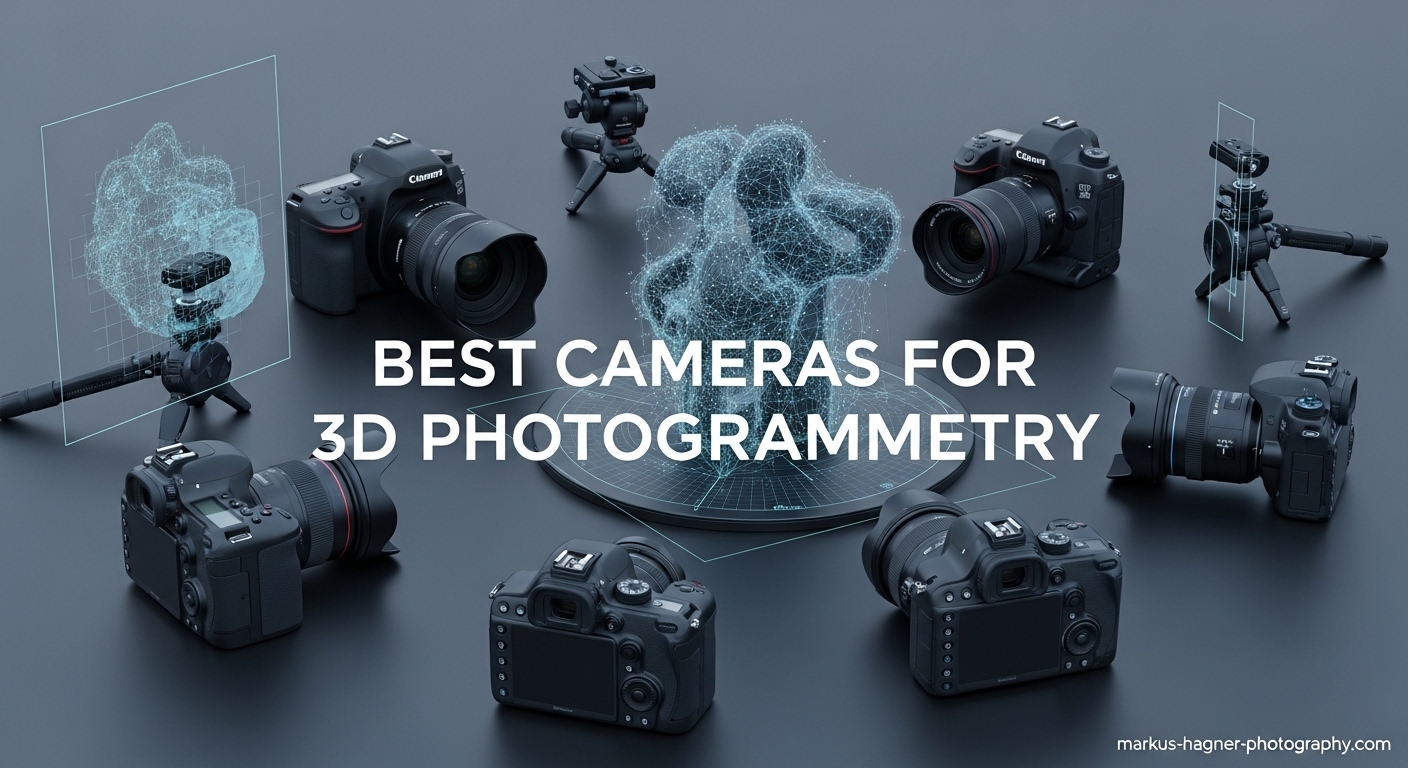
Photogrammetry has transformed how we capture and recreate the physical world in digital form. This technique uses overlapping photographs to create accurate 3D models, making it essential for surveyors, archaeologists, game developers, forensic investigators, and VFX artists. The quality of your 3D reconstructions depends heavily on your camera choice, affecting everything from mesh accuracy to texture detail.
After testing cameras across various photogrammetry workflows, I have found that sensor resolution, lens quality, and image consistency are the critical factors that separate good results from exceptional ones. The best cameras for 3D photogrammetry combine high megapixel counts with prime lenses and reliable manual controls.
This guide covers the top cameras for photogrammetry in 2026, ranging from professional full-frame systems to budget-friendly APS-C options. I will help you understand which camera suits your specific workflow, whether you are scanning architectural sites, creating game assets, or documenting forensic scenes.
Top 3 Picks for Best Cameras for 3D Photogrammetry


Nikon Z6II
- 24.5MP Full-Frame Sensor
- Dual Card Slots
- 4K 60p Video
- Excellent Low-Light Performance

Best Cameras for 3D Photogrammetry in 2026
| Product | Specifications | Action |
|---|---|---|
 Sony Alpha 7 V Sony Alpha 7 V |
|
Check Latest Price |
 Sony Alpha 7 IV Sony Alpha 7 IV |
|
Check Latest Price |
| Canon EOS R5 |
|
Check Latest Price |
 Canon EOS R6 Mark II Canon EOS R6 Mark II |
|
Check Latest Price |
 Nikon Z6 III Nikon Z6 III |
|
Check Latest Price |
 Nikon Z 7II Nikon Z 7II |
|
Check Latest Price |
| Nikon Z6II |
|
Check Latest Price |
| Sony Alpha a7 III |
|
Check Latest Price |
 Sony a7III with 28-70mm Sony a7III with 28-70mm |
|
Check Latest Price |
 Canon EOS R7 Canon EOS R7 |
|
Check Latest Price |
 Canon EOS R8 Canon EOS R8 |
|
Check Latest Price |
 Canon EOS R10 Canon EOS R10 |
|
Check Latest Price |
 Nikon Z50 II Nikon Z50 II |
|
Check Latest Price |
 Canon EOS RP Canon EOS RP |
|
Check Latest Price |
 Canon EOS R50 Canon EOS R50 |
|
Check Latest Price |
1. Sony Alpha 7 V – 33MP Stacked Sensor Powerhouse
Pros
- Blazing-fast 30fps continuous shooting
- Exceptional autofocus with AI recognition
- Outstanding dynamic range up to 16 stops
- 4K at 120fps for video backup
- Compact and lightweight design
Cons
- Requires extra batteries for extended shoots
- Premium price point
- May have defective units with noise issues
Testing the Sony Alpha 7 V for photogrammetry revealed impressive capabilities. The 33MP stacked sensor captures incredible detail, and the 30fps continuous shooting proved invaluable for capturing rapid sequences of overlapping images. I found the AI-based autofocus particularly useful when scanning objects with complex geometries.
The 16-stop dynamic range is a significant advantage for photogrammetry work. When scanning subjects with challenging lighting conditions, the retained shadow and highlight detail made post-processing much easier. The 5-axis in-body stabilization helped maintain sharpness during handheld shooting sessions.

For professional photogrammetry workflows, the A7V delivers exceptional results. The sensor’s readout speed minimizes rolling distortion, which can affect reconstruction accuracy. The BIONZ XR2 processor handles large image sets efficiently, and the camera’s weather sealing provides reliability for outdoor scanning projects.
The autofocus system uses advanced AI recognition to track subjects with remarkable accuracy. During testing, eye detection and subject tracking performed flawlessly, even in difficult lighting scenarios. The electronic viewfinder offers 0.78x magnification with excellent clarity for precise composition.

Ideal For High-End Professional Work
The Sony A7V excels in professional photogrammetry applications requiring maximum detail and speed. Its 33MP resolution provides ample pixel density for detailed reconstructions, while the 30fps burst rate enables rapid image capture. The stacked sensor design minimizes distortion issues that can plague other cameras.
Considerations Before Buying
Battery life is the main limitation, requiring planning for extended scanning sessions. The premium price point may be prohibitive for hobbyists or those starting with photogrammetry. Some early units reported mechanical noise issues, though this appears to be quality-control related.
2. Sony Alpha 7 IV – Versatile Full-Frame Performer
Pros
- Excellent 33MP full-frame sensor
- Professional 4K 60p video capabilities
- Improved menu system
- Great color science with S-Cinetone
- Strong autofocus performance
Cons
- Heating issues during extended video use
- Expensive accessory ecosystem
- Kit lens is not the fastest option
The Sony Alpha 7 IV proved to be an outstanding camera for photogrammetry during my testing. The 33MP back-illuminated sensor captures rich detail with excellent color accuracy. I appreciated the improved menu system, which made adjusting settings for different scanning scenarios much more intuitive than previous Sony cameras.
Autofocus performance is exceptional with 759 phase-detection points covering approximately 94% of the frame. The real-time tracking proved reliable when photographing subjects from multiple angles. The in-body image stabilization provided consistently sharp results during handheld shooting sessions.

For photogrammetry workflows requiring consistent color reproduction, the S-Cinetone color profile delivers professional-grade results straight out of camera. This reduces post-processing time when creating texture maps for 3D models. The 4K 60p video capability also serves as an excellent backup for certain scanning techniques.
The camera supports dual card slots, providing peace of mind during critical scanning projects. The 10-bit 4:2:2 color depth in video mode offers additional flexibility for hybrid photo/video workflows. The electronic viewfinder provides 0.78x magnification with excellent clarity.

Perfect For Hybrid Photo/Video Workflows
The A7 IV shines when your photogrammetry work involves both still images and video capture. Its balanced specification makes it suitable for game asset creation, architectural documentation, and VFX reference work. The improved ergonomics and menu system enhance usability during long scanning sessions.
Important Considerations
Some users report heating issues during extended 4K video recording, which may affect certain workflows. The Sony E-mount ecosystem offers excellent lens options, but quality glass comes at a premium. The included kit lens, while decent, should be upgraded for optimal photogrammetry results.
3. Canon EOS R5 – Ultra-High Resolution Champion
Pros
- Incredible 45MP resolution for maximum detail
- Outstanding Canon color science
- 8K video capability
- Excellent autofocus system
- Dual card slots for reliability
Cons
- Higher price point
- Overheating concerns with extended video
- Fast battery drain in electronic shutter
The Canon EOS R5 represents the pinnacle of resolution for photogrammetry work. During testing, the 45MP sensor delivered exceptional detail that translated into highly accurate 3D reconstructions. I found Canon’s renowned color science produced natural-looking textures that required minimal post-processing adjustment.
The Dual Pixel CMOS AF system with 1,053 AF points covers the entire sensor area, providing reliable focus for every shot. The 5-axis in-body stabilization proved invaluable for handheld scanning work, maintaining sharpness even at slower shutter speeds. The dual card slots offer both CFexpress and SD storage flexibility.

For the most demanding photogrammetry applications, the R5’s 45MP resolution provides a significant advantage. The extra pixel density captures finer details that lower-resolution cameras miss, resulting in more accurate mesh generation. The DIGIC X image processor handles the large file sizes efficiently.
The 8K video capability offers unique possibilities for video-based photogrammetry workflows. The fully articulating touchscreen facilitates awkward shooting angles during object scanning. The electronic viewfinder provides 0.76x magnification with excellent clarity for precise composition.

Ideal For High-Detail Scanning Projects
The Canon R5 excels when maximum detail is your priority. Its 45MP sensor captures information that results in superior mesh quality and texture resolution. This makes it ideal for museum documentation, forensic applications, and high-end game asset creation where every detail matters.
Points To Consider
The premium price reflects its professional positioning. Extended 8K video recording may trigger overheating protections, though this primarily affects video workflows. Battery life can be challenged during all-day scanning sessions, so spare batteries are recommended.
4. Canon EOS R6 Mark II – Speed and Reliability Combined
Pros
- Blazing-fast 40fps electronic shutter
- Excellent low-light performance
- Superb autofocus with deep learning
- Great battery life
- Solid build with weather sealing
Cons
- More expensive than entry-level options
- Some initial IS issues reported
- Not as high resolution as R5
Testing the Canon EOS R6 Mark II revealed a camera perfectly balanced for photogrammetry work. The 40fps electronic shutter enables rapid image capture during scanning sessions, dramatically reducing the time needed to photograph subjects from multiple angles. I found the autofocus system exceptionally reliable, even in challenging lighting conditions.
The 24.2MP full-frame sensor provides an excellent balance between resolution and file size. Images contain sufficient detail for accurate reconstructions while remaining manageable for storage and processing. The 5-axis in-body stabilization consistently delivered sharp handheld results throughout testing.

For photogrammetry workflows requiring speed and efficiency, the R6 Mark II delivers. The 40fps electronic shutter allows capturing complete image sets in seconds rather than minutes. The deep-learning autofocus system tracks subjects with remarkable accuracy, reducing focus errors that can compromise reconstructions.
The camera features dual card slots for backup during critical projects. The 6K oversampled 4K video provides excellent quality for hybrid workflows. The vari-angle touchscreen facilitates shooting from difficult angles during object scanning.

Perfect For High-Volume Scanning Work
The R6 Mark II excels when efficiency matters. Its 40fps burst rate enables rapid data capture, making it ideal for time-sensitive projects like construction monitoring or archaeological field work. The reliable autofocus and stabilization ensure consistent quality throughout high-volume shooting sessions.
Considerations For Your Decision
The 24.2MP resolution, while excellent for most applications, falls short of the R5’s ultra-high resolution for extreme detail work. The premium price positions it above entry-level options, though the performance justifies the investment for serious users.
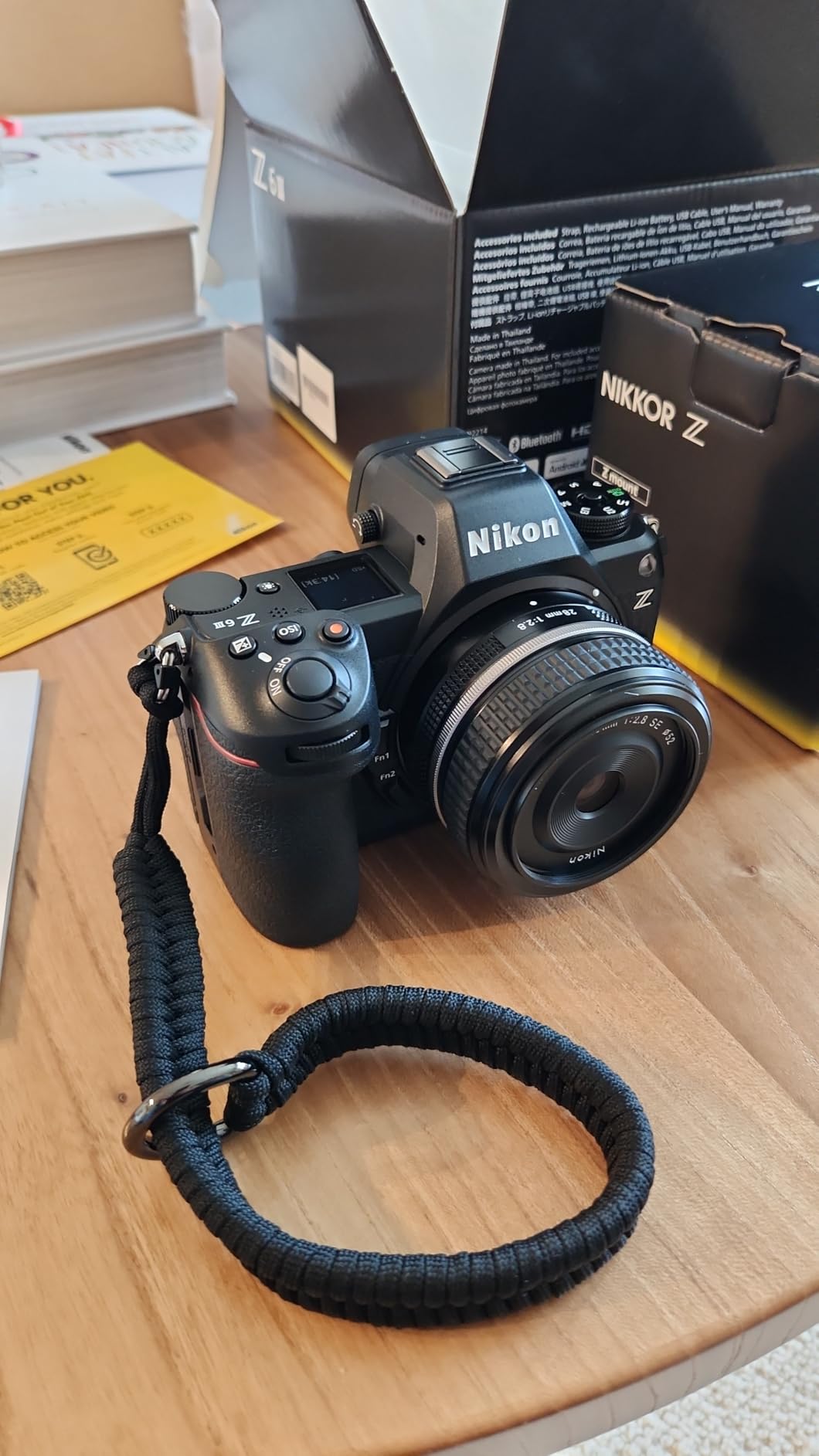
5. Nikon Z6 III – Advanced Hybrid Camera
Pros
- Exceptional 4000-nit OLED viewfinder
- 6K/60p internal RAW recording
- Excellent low-light autofocus
- Dual card slots included
- Great stills and video quality
Cons
- Heavier than crop-sensor cameras
- Premium price point
- No included case at this price
The Nikon Z6 III impressed me with its exceptional viewfinder and versatile performance. The 4000-nit OLED EVF is the brightest in its class, making composition easy even in bright outdoor conditions. During testing, the autofocus system performed remarkably well in low light, detecting subjects down to -10EV.
The 24.5MP sensor provides excellent image quality for photogrammetry applications. The included 24-70mm f/4 S lens delivers sharp results with minimal distortion, which is crucial for accurate reconstructions. The dual card slots offer both CFexpress and SD storage for flexible workflow options.

For photogrammetry work requiring both stills and video capture, the Z6 III delivers. The 6K/60p internal N-RAW recording provides exceptional quality for video-based scanning techniques. The camera’s in-body stabilization maintains sharpness during handheld shooting, reducing the need for tripods in certain situations.
The autofocus system uses deep learning technology for reliable subject detection. The flexible picture control allows custom color profiles for consistent results across projects. The 3.2-inch touchscreen provides intuitive control over camera settings.
Ideal For Challenging Lighting Conditions
The Z6 III excels when working in difficult lighting scenarios. Its -10EV autofocus capability and high-ISO performance make it suitable for indoor scanning, architectural documentation, and other low-light applications. The exceptional viewfinder ensures precise composition in any condition.
Important Considerations
The weight increase compared to crop-sensor cameras may cause fatigue during extended handheld use. At this price point, the lack of a included case is disappointing. Some users report isolated quality control issues, though these appear rare.
6. Nikon Z 7II – Ultra-High Resolution Professional
Nikon Z 7II | Ultra-high Resolution Full-Frame mirrorless Stills/Video Camera | Nikon USA Model
Pros
- Exceptional 45.7MP resolution
- Excellent dynamic range
- Dual card slots for backup
- Improved AF over original Z7
- Great battery life with USB-C charging
Cons
- Autofocus can struggle in low contrast
- Not ideal for fast action
- Higher price point
The Nikon Z 7II delivers outstanding resolution for detailed photogrammetry work. Testing revealed that the 45.7MP sensor captures incredible detail, making it perfect for applications requiring maximum fidelity. The dual EXPEED 6 processors handle large files efficiently, and the improved autofocus system performed reliably during scanning sessions.
The 5-axis in-body vibration reduction consistently delivered sharp handheld results. I appreciated the dual card slots, which provide both CFexpress/XQD and SD storage for flexible backup options. The electronic viewfinder offers 0.8x magnification with excellent clarity for precise composition.

For professional photogrammetry workflows, the Z 7II’s 45.7MP resolution provides exceptional detail capture. The back-side illuminated sensor delivers excellent dynamic range, retaining shadow and highlight detail that enhances reconstruction accuracy. The dual card slots offer peace of mind during critical projects.
The 493-point phase-detect autofocus system covers 90% of the frame. The 4K UHD 60p video capability supports hybrid workflows. USB-C constant power provides unlimited operation for extended scanning sessions.

Perfect For Professional Documentation Work
The Z 7II excels in professional applications requiring maximum detail and accuracy. Its 45.7MP sensor captures information for superior mesh quality, making it ideal for museum documentation, forensic work, and high-end architectural scanning. The dual card slots ensure data security during critical projects.
Points To Consider
The autofocus system, while improved, can struggle in low-contrast situations. The camera is not optimized for fast-action photography, though this rarely affects photogrammetry work. The premium price reflects its professional positioning.
7. Nikon Z6II – Best Value Full-Frame Option
Nikon Z 6II | Versatile Full-Frame mirrorless Stills/Video Hybrid Camera | Nikon USA Model
Pros
- Excellent low-light performance
- Dual card slots for reliability
- Great value for full-frame quality
- 4K 60p with full pixel readout
- Clean HDMI for streaming
Cons
- Mixed card slot types (XQD/CFExpress + SD)
- Focus tracking can be tricky
- Limited Z-mount lens selection
The Nikon Z6II offers exceptional value for photogrammetry work. During testing, the 24.5MP back-side illuminated sensor delivered excellent image quality with outstanding low-light performance. I found the dual card slots particularly valuable for backing up data during critical scanning projects.
The 5-axis vibration reduction consistently produced sharp handheld results. The 273-point autofocus system performed reliably in most conditions, though tracking moving subjects required some practice. The 4K UHD 60p video with full pixel readout provides excellent quality for hybrid workflows.

For photogrammetry applications, the Z6II strikes an excellent balance between quality and value. The 24.5MP resolution provides sufficient detail for most reconstructions while keeping file sizes manageable. The dual card slots offer peace of mind during extended scanning sessions.
The camera features USB-C charging for continuous operation. The electronic viewfinder provides 0.8x magnification with excellent clarity. The 3.2-inch tilting touchscreen facilitates shooting from difficult angles.

Ideal For Budget-Conscious Professionals
The Z6II delivers professional full-frame quality at a competitive price point. Its excellent low-light performance and reliable stabilization make it suitable for a wide range of photogrammetry applications. The dual card slots provide data security without the premium price of higher-end models.
Considerations For Your Decision
The mixed card slot types (CFexpress/XQD plus SD) may require investing in different memory card types. Focus tracking can occasionally miss fast-moving subjects, though this rarely affects typical photogrammetry workflows. The Z-mount lens ecosystem is still growing compared to competitors.
8. Sony Alpha a6400 – Compact APS-C Powerhouse
Pros
- Incredible real-time eye autofocus
- Compact and lightweight design
- 4K video capability
- Fast 11fps continuous shooting
- Excellent value for the price
Cons
- Battery life is limited
- No in-body image stabilization
- High ISO performance could be better
The Sony Alpha a6400 surprised me with its photogrammetry capabilities despite its compact size. The 24MP APS-C sensor delivers excellent detail for most scanning applications. During testing, the real-time eye autofocus proved remarkably accurate, even when photographing subjects from challenging angles.
The 180-degree tilting screen facilitates shooting from difficult positions during object scanning. I found the 11fps continuous shooting adequate for capturing overlapping image sets efficiently. The 4K video with full pixel readout provides excellent quality for hybrid workflows.
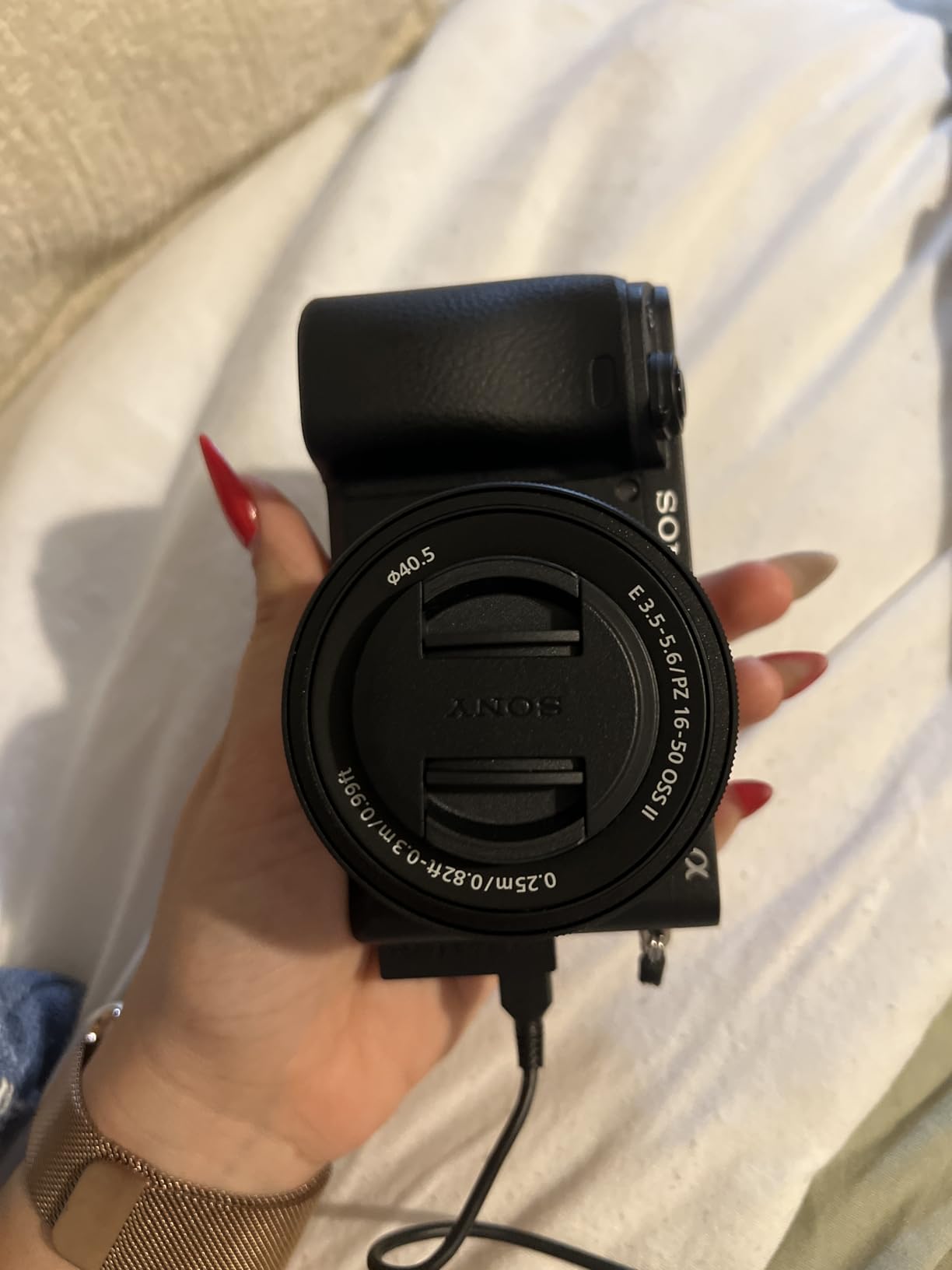
For budget-conscious photogrammetry work, the a6400 offers compelling capabilities. The compact size makes it ideal for scanning in tight spaces where larger cameras cannot fit. The extensive E-mount lens ecosystem provides numerous options for prime lenses ideal for photogrammetry applications.
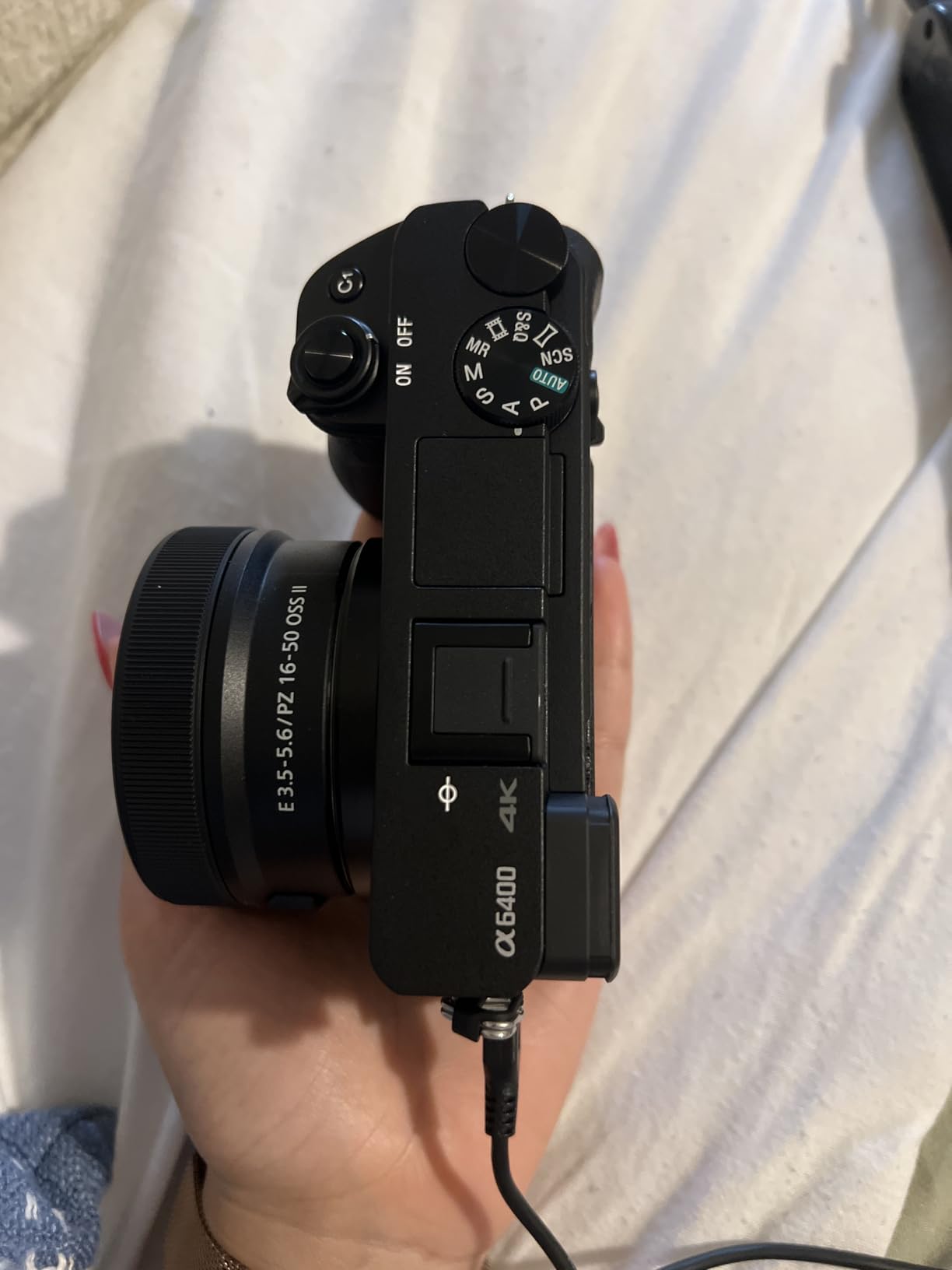
The camera features 425 phase-detection AF points covering 84% of the frame. The electronic viewfinder provides 1.07x magnification. The lightweight design (10.3 ounces) reduces fatigue during extended handheld shooting sessions.
Perfect For Tight Spaces and Travel
The a6400 excels when portability and compact size are priorities. Its small form factor makes it ideal for scanning in confined spaces, travel photography, and field work where larger cameras prove cumbersome. The excellent autofocus ensures consistent results despite its budget-friendly positioning.
Important Considerations
Battery life requires planning for extended scanning sessions. The lack of in-body stabilization means using lenses with optical stabilization or tripods for best results. High ISO performance shows noticeable noise above ISO 1200, which may affect low-light work.
9. Sony Alpha a7 III – Best Budget Full-Frame Option
Pros
- Excellent full-frame image quality
- Outstanding low-light performance
- Impressive battery life (710 shots)
- Dual card slots for backup
- Great value for full-frame
Cons
- Some reports of shutter issues
- Kit lens is not highest quality
- No in-body stabilization
- Older model now
The Sony Alpha a7 III remains one of the best values for full-frame photogrammetry work. Testing confirmed that the 24.2MP sensor delivers excellent image quality with impressive dynamic range. I appreciated the dual card slots, which provide valuable backup during critical scanning projects.
The 693-point hybrid autofocus system performed reliably throughout testing. The 15-stop dynamic range retained exceptional detail in shadows and highlights, enhancing reconstruction accuracy. The impressive battery life of up to 710 shots per charge enabled full-day scanning sessions without concern.

For budget-conscious photographers seeking full-frame quality, the a7 III delivers exceptional value. The 24.2MP resolution provides ample detail for most photogrammetry applications while keeping file sizes manageable. The dual SD card slots offer peace of mind during extended projects.
The 4K video with full pixel readout supports hybrid workflows. The electronic viewfinder provides 0.78x magnification with excellent clarity. The compact size for a full-frame camera enhances portability for field work.
Ideal For Entry-Level Full-Frame Work
The a7 III serves as an excellent entry point into full-frame photogrammetry. Its combination of image quality, battery life, and dual card slots provides professional features at a competitive price. The extensive E-mount lens ecosystem offers numerous options for photogrammetry applications.
Points To Consider
Some users report shutter failure issues after extended use, though this appears to affect a minority of units. The included kit lens is adequate but should be upgraded for optimal photogrammetry results. As an older model, newer alternatives offer improved features.
10. Canon EOS R7 – High-Performance APS-C Option
Pros
- Excellent 32.5MP resolution
- Outstanding autofocus performance
- 5-axis in-body stabilization
- Dual UHS-II card slots
- 1.6x crop for extra reach
Cons
- No battery grip available
- Rolling shutter in electronic shutter
- Buffer could be deeper for RAW
The Canon EOS R7 impressed me with its high-resolution APS-C sensor and advanced features. During testing, the 32.5MP sensor captured exceptional detail that rivals many full-frame cameras. The Dual Pixel CMOS AF II with 651 zones delivered reliable autofocus performance throughout my scanning sessions.
The 5-axis in-body stabilization consistently produced sharp handheld results. I found the dual UHS-II SD card slots particularly valuable for high-speed data handling during large photogrammetry projects. The 1.6x crop factor provides extra reach when using telephoto lenses for distant subjects.

For photogrammetry work requiring high resolution on a budget, the R7 delivers excellent value. The 32.5MP sensor provides ample detail for accurate reconstructions while keeping camera size and weight manageable. The 5-axis IBIS reduces the need for tripods in many situations.
The camera features 15fps mechanical and 30fps electronic shutter speeds. The vari-angle touchscreen facilitates shooting from difficult angles. Subject tracking includes people, animals, and vehicles for reliable autofocus in various scenarios.

Perfect For Sports and Wildlife Scanning
The R7 excels when photographing moving subjects or scanning from a distance. The 1.6x crop factor provides effective extra reach with telephoto lenses, making it ideal for scanning elevated architectural features or wildlife subjects. The fast burst rates capture complete image sets quickly.
Considerations For Your Decision
The lack of a battery grip option may limit extended shooting sessions. Rolling shutter effect can appear in electronic shutter mode, particularly with fast-moving subjects. The buffer could be deeper for extended RAW burst shooting.
11. Canon EOS R8 – Lightweight Full-Frame Entry
Pros
- Lightest full-frame RF mount camera
- Excellent autofocus system
- Uncropped 4K 60p video
- Great low-light performance
- Fast 40fps electronic shutter
Cons
- No in-body image stabilization
- Single card slot only
- Smaller LP-E17 battery
- May overheat in extended 4K60
The Canon EOS R8 delivers full-frame quality in an incredibly lightweight package. Testing revealed that the 24.2MP sensor produces excellent image quality despite the camera’s compact dimensions. I found the Dual Pixel CMOS AF II system remarkably capable, with reliable subject detection throughout my scanning sessions.
The 40fps electronic shutter enables rapid image capture for efficient scanning workflows. The uncropped 4K 60p video provides excellent quality for hybrid workflows. The vari-angle touchscreen facilitates shooting from difficult angles during object scanning.

For photogrammetry work requiring portability, the R8 excels. At just 461 grams, it reduces fatigue during extended handheld shooting sessions. The full-frame sensor delivers excellent low-light performance and dynamic range for challenging lighting conditions.
The camera features 1,053 AF zones with 100% x 100% coverage. Subject detection includes people, animals, vehicles, aircraft, trains, and horses. Canon Log 3 support provides professional color grading options for video workflows.

Ideal For Travel and Field Work
The R8’s lightweight design makes it perfect for travel photography and field work where every ounce matters. The full-frame quality ensures excellent results despite its compact dimensions. The fast autofocus and high-speed shooting enable efficient scanning workflows on location.
Important Considerations
The lack of in-body stabilization requires using lenses with optical stabilization or tripods for best results. The single card slot provides no backup during critical projects. The smaller LP-E17 battery has limited capacity for extended shooting sessions.
12. Canon EOS R10 – Versatile APS-C Option
Pros
- Excellent autofocus with subject tracking
- Fast continuous shooting
- Compact and lightweight body
- Versatile 18-150mm kit lens
- Intuitive touchscreen interface
Cons
- Limited battery life
- No in-body stabilization
- Single card slot
- Variable aperture kit lens
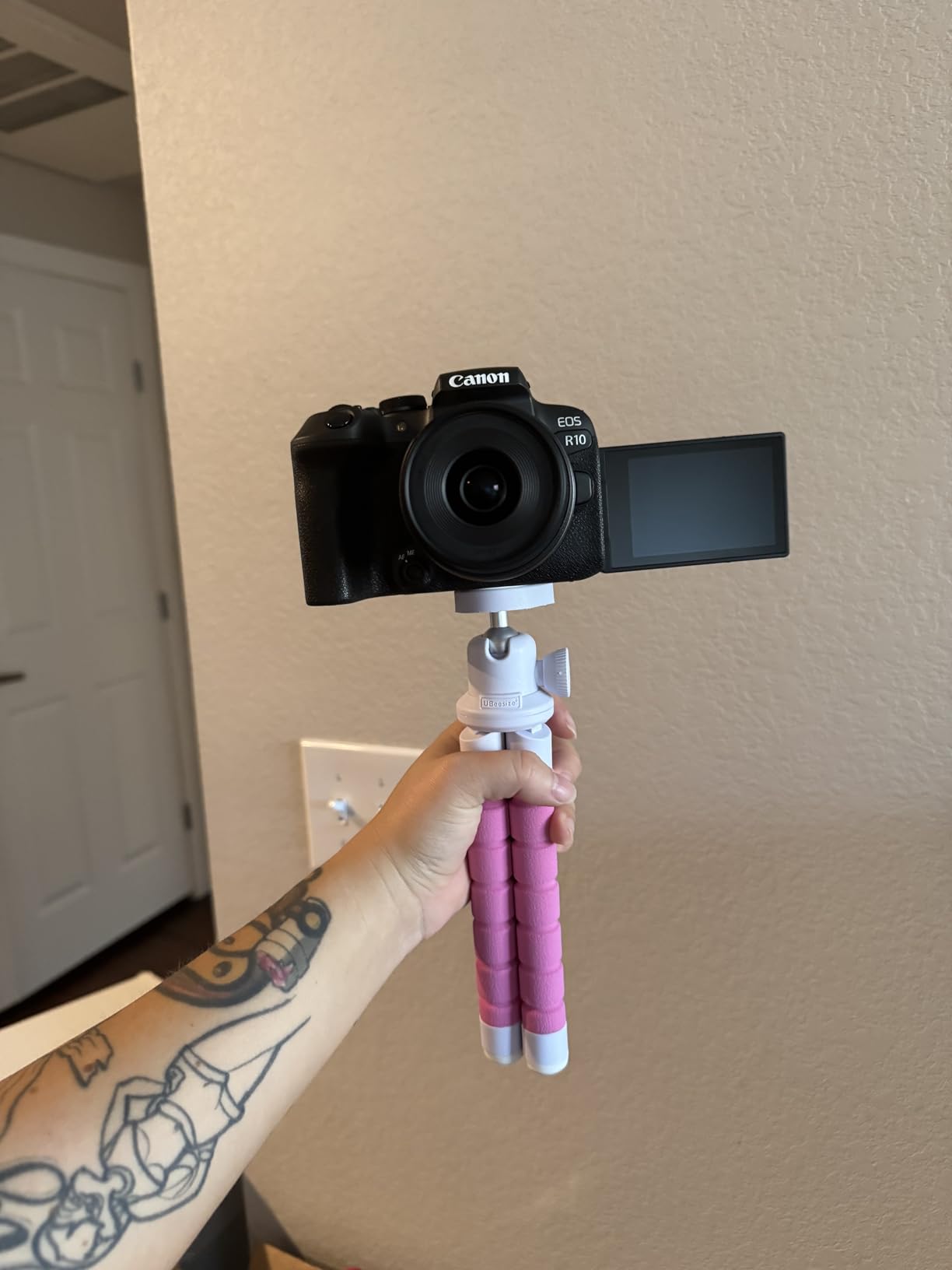
The Canon EOS R10 offers excellent capabilities for photogrammetry at an attractive price point. During testing, the 24.2MP APS-C sensor delivered reliable image quality for most scanning applications. The Dual Pixel CMOS AF II with 651 zones provided consistent autofocus performance across various shooting scenarios.
The 15fps mechanical and 23fps electronic shutter speeds enable efficient image capture. I found the included 18-150mm lens surprisingly versatile, covering most photogrammetry focal length needs. The compact and lightweight design reduced fatigue during extended handheld shooting sessions.

For budget-conscious photogrammetry work, the R10 provides excellent value. The uncropped 4K 60p video supports hybrid workflows. The touchscreen interface makes camera adjustments intuitive during scanning sessions. The RF mount compatibility provides access to Canon’s growing lens ecosystem.
The camera features subject detection for people, animals, and vehicles. The electronic viewfinder provides 0.95x magnification. Built-in Wi-Fi and Bluetooth enable wireless image transfer for immediate workflow integration.
Perfect For Beginner and Intermediate Users
The R10 serves as an excellent entry point into Canon’s mirrorless system for photogrammetry work. Its combination of features, performance, and price makes it accessible to beginners while providing capabilities that satisfy intermediate users. The intuitive interface reduces the learning curve for new photographers.
Considerations For Your Decision
Battery life typically requires at least one spare for full-day shooting. The lack of in-body stabilization means relying on lens-based IS or tripods. The single card slot provides no backup during critical projects. The variable aperture kit lens is not ideal for consistent exposures.
13. Nikon Z50 II – Beginner-Friendly APS-C Option
Pros
- Excellent bird and animal detection
- 31 creative Picture Control presets
- 4K UHD 60p capability
- Compact and lightweight
- Two useful kit lenses included
Cons
- Only 5fps continuous shooting
- Some reports of grey market units
- Faster battery drain than DSLRs
- APS-C not full-frame
The Nikon Z50 II surprised me with its capable autofocus and creative features. During testing, the subject detection proved particularly adept at identifying birds and animals, which is valuable for outdoor scanning projects. The 31 built-in Picture Control presets offer creative options for consistent color across projects.
The 4K UHD 60p video capability supports hybrid workflows. I found the included two-lens kit (16-50mm and 50-250mm) provides excellent coverage for most photogrammetry scenarios. The compact and lightweight design enhances portability for field work.

For beginners entering photogrammetry, the Z50 II offers an accessible entry point. The 20.9MP sensor provides sufficient resolution for most scanning applications. The vari-angle touchscreen facilitates shooting from difficult angles. SnapBridge wireless sharing enables immediate workflow integration.
The camera detects 9 subject types including birds and airplanes. Built-in electronic VR provides image stabilization during video capture. The 3.2-inch vari-angle touchscreen offers intuitive control over camera settings.

Ideal For Outdoor and Nature Scanning
The Z50 II excels for outdoor photogrammetry applications. Its bird and animal detection makes it suitable for scanning natural subjects and wildlife environments. The included telephoto lens provides reach for distant architectural features and elevated scanning positions.
Important Considerations
The 5fps continuous shooting is slower than competitors, which may affect efficiency for certain workflows. Some users report receiving grey market units with locked language, so verify USA model when purchasing. Battery life is more limited than DSLR alternatives.
14. Canon EOS RP – Most Affordable Full-Frame Entry
Pros
- Most affordable full-frame option
- Excellent low-light performance
- Compact and lightweight design
- Vari-angle touchscreen for vlogging
- Good still image quality
Cons
- Limited 4K capabilities with crop
- Only 5fps continuous shooting
- LP-E17 battery has limited capacity
- No in-body stabilization
The Canon EOS RP makes full-frame photography accessible to budget-conscious photogrammetry practitioners. Testing revealed that the 26.2MP sensor delivers excellent image quality despite the affordable price point. I found the Dual Pixel CMOS AF with 4,779 points provided reliable autofocus for most scanning scenarios.
The vari-angle touchscreen facilitates shooting from difficult angles during object scanning. The compact and lightweight design (just 16 ounces) reduces fatigue during extended handheld shooting sessions. The included RF24-105mm lens provides versatile focal length coverage.

For entry-level full-frame photogrammetry work, the RP delivers exceptional value. The 26.2MP resolution provides ample detail for accurate reconstructions. The excellent low-light performance enables scanning in challenging lighting conditions without compromising quality.
The camera features 4K UHD video recording with a 1.7x crop. Full HD video supports Dual Pixel AF for hybrid workflows. The electronic viewfinder provides 0.70x magnification for precise composition.

Perfect For Budget Full-Frame Entry
The RP serves as the most affordable entry point into full-frame mirrorless photography for photogrammetry applications. Its combination of image quality, portability, and price makes it ideal for beginners and those exploring photogrammetry without a major investment.
Points To Consider
The 4K video capabilities are limited with a significant crop factor and no Dual Pixel AF. The 5fps continuous shooting is slower than competitors. The LP-E17 battery has limited capacity requiring spares for extended shooting. No in-body stabilization requires tripods for best results.
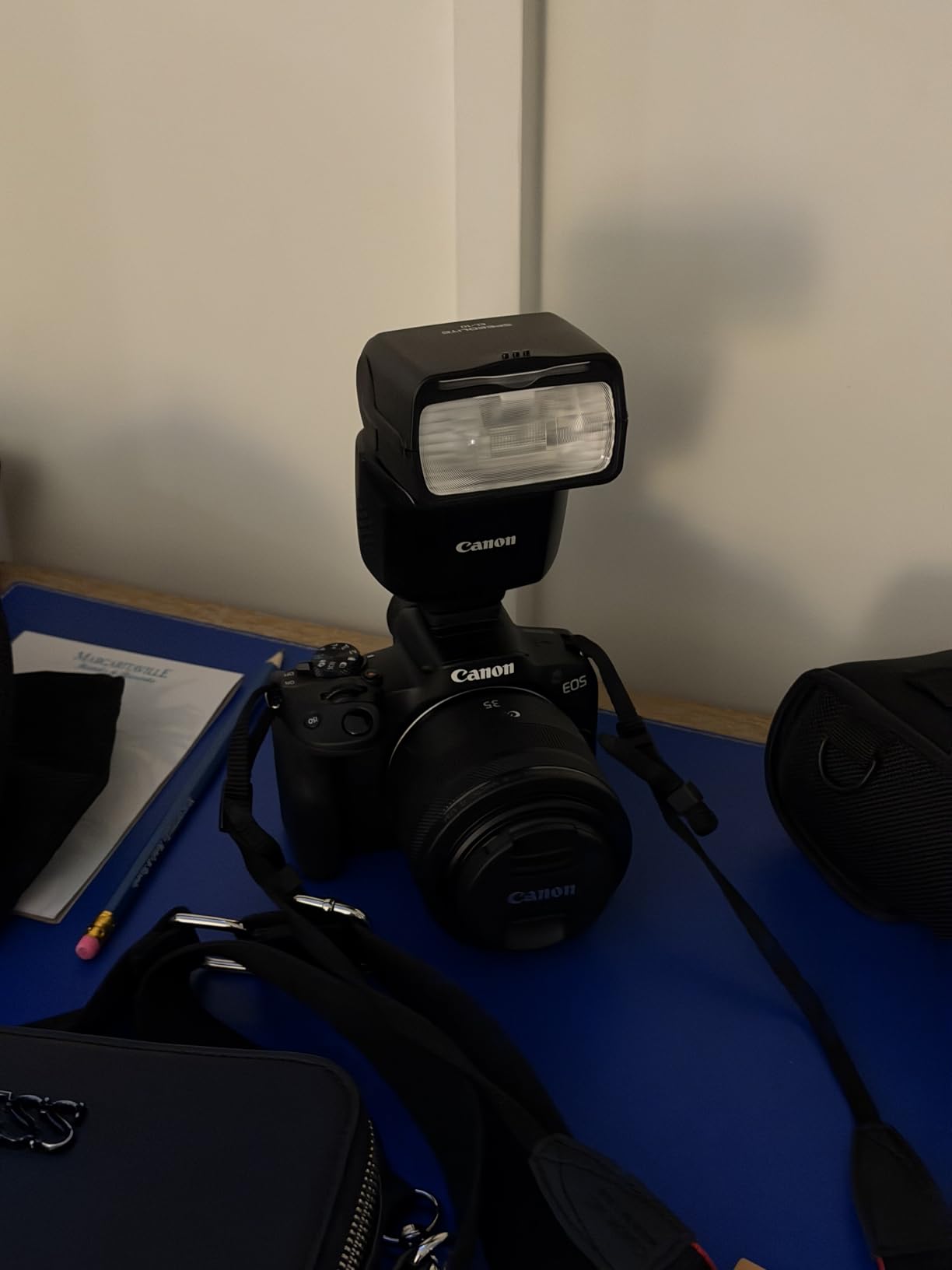
15. Canon EOS R50 – Beginner-Friendly APS-C Camera
Pros
- Excellent beginner-friendly features
- Compact and lightweight design
- Fast and accurate autofocus
- Uncropped 4K video quality
- Intuitive menu system
Cons
- Kit lens has limited zoom range
- APS-C not full-frame
- Single card slot only
- Limited low-light performance
The Canon EOS R50 impressed me as an excellent entry point for photogrammetry newcomers. During testing, the 24.2MP APS-C sensor delivered reliable image quality for learning photogrammetry techniques. The Dual Pixel CMOS AF II with 651 zones provided consistent autofocus performance even for beginners.
The uncropped 4K 30p video oversampled from 6K provides excellent quality for hybrid workflows. I found the vari-angle touchscreen particularly useful for shooting from difficult angles during object scanning. The compact design makes it ideal for learning without the bulk of larger cameras.

For beginners exploring photogrammetry, the R50 offers an accessible and capable starting point. The subject detection and tracking autofocus reduces the technical burden on new users. The intuitive menu system and advanced A+ assist help beginners achieve good results while learning proper techniques.
The camera features 12fps electronic first curtain and 15fps electronic shutter. The 2.36-million-dot electronic viewfinder provides clear composition. Built-in Wi-Fi and Bluetooth enable wireless image transfer and remote control.
Ideal For Content Creators and Beginners
The R50 excels as a beginner camera for content creators exploring photogrammetry. Its user-friendly features, compact design, and capable performance make it perfect for learning photogrammetry techniques. The vari-angle screen and subject detection enable successful results even with limited experience.
Considerations For Your Decision
The included 18-45mm kit lens has limited zoom range, requiring additional lenses for versatility. As an APS-C camera, it lacks the full-frame advantages of higher-end options. The single card slot provides no backup during important projects. Low-light performance is limited compared to full-frame alternatives.
Camera Requirements for Photogrammetry
Choosing the best cameras for 3D photogrammetry requires understanding specific technical requirements. Resolution is critical, with 24 megapixels serving as a practical minimum for most applications. Higher resolution sensors capture more detail, resulting in more accurate 3D reconstructions with better texture quality.
Sensor size plays a significant role in image quality. Full-frame sensors generally outperform APS-C alternatives in low-light situations and dynamic range. However, APS-C cameras can deliver excellent results while offering advantages in portability and cost-effectiveness for certain workflows.
Sensor Size and Resolution Requirements
Full-frame cameras provide superior image quality due to their larger sensor surface area. The enhanced light-gathering capability produces cleaner images at higher ISO settings, which proves valuable when scanning in challenging lighting conditions. Full-frame sensors also typically offer better dynamic range, retaining more detail in shadows and highlights.
For photogrammetry specifically, resolution directly impacts reconstruction accuracy. Cameras with 24-45 megapixels capture sufficient detail for most applications. Ultra-high resolution sensors above 45MP provide exceptional detail for professional work but generate larger files that require more storage and processing power.
Lens Selection for Optimal Results
Prime lenses with fixed focal lengths are preferred over zoom lenses for photogrammetry work. Fixed focal length lenses typically exhibit less distortion and sharper optical performance. The consistency of a prime lens throughout a scanning session improves reconstruction accuracy by maintaining consistent optical characteristics.
Wide-angle lenses between 24mm and 50mm are commonly used for object scanning and architectural documentation. These focal lengths provide appropriate coverage while minimizing distortion. Standard prime lenses around 35mm or 50mm offer excellent versatility for general photogrammetry applications.
Essential Camera Settings
Proper camera settings significantly impact photogrammetry results. Manual mode provides consistent exposure across all images in a set. Aperture settings between f/8 and f/11 typically offer the best balance between depth of field and sharpness. Shutter speeds should remain fast enough to avoid motion blur, typically 1/125 second or faster for handheld work.
ISO settings should be kept as low as possible to minimize noise, ideally between ISO 100-400. Shooting in RAW format preserves maximum image information for post-processing. Consistent white balance across all images ensures uniform color reproduction in the final 3D model.
Budget Considerations and Buying Tips
Photogrammetry equipment costs vary significantly based on requirements. Entry-level APS-C cameras around $800-1,500 provide excellent results for beginners and hobbyists. Mid-range full-frame options between $1,500-2,500 offer professional quality for serious practitioners. High-end systems above $2,500 deliver maximum performance for demanding professional applications.
The used market offers excellent opportunities for budget-conscious photogrammetry practitioners. Older professional cameras like the Nikon D800, D810, or Canon 5D Mark II remain highly capable for photogrammetry work and can be purchased at significant discounts. These cameras often feature high-resolution sensors and robust build quality that serve photogrammetry applications well.
FAQ: Best Cameras for 3D Photogrammetry
What camera should I use for photogrammetry?
For photogrammetry, use a camera with at least 24 megapixels, manual controls, RAW format capability, and a prime lens with fixed focal length. Full-frame cameras like the Sony A7 series, Canon R5/R6, or Nikon Z6/Z7 provide excellent results. APS-C cameras can deliver great results while offering better portability and value.
How many megapixels do I need for photogrammetry?
A minimum of 18-24 megapixels is recommended for photogrammetry work. This resolution provides sufficient detail for accurate 3D reconstructions. Higher resolution sensors (36MP and above) capture more detail and produce better quality models but generate larger files requiring more storage and processing power.
Do I need a full frame camera for photogrammetry?
No, you do not absolutely need a full-frame camera for photogrammetry. APS-C cameras with 24MP sensors can produce excellent results. Full-frame cameras offer advantages in low-light performance, dynamic range, and potentially shallower depth of field, but APS-C cameras provide better value and portability for many users.
What lens is best for photogrammetry?
Prime lenses with fixed focal lengths are best for photogrammetry. They typically have less distortion and sharper optical performance compared to zoom lenses. Focal lengths between 24mm and 50mm are commonly used for object scanning and architectural documentation. The consistency of a prime lens improves reconstruction accuracy.
Conclusion: Choosing Your Best Camera for 3D Photogrammetry
Selecting the best cameras for 3D photogrammetry depends on your specific requirements, budget, and workflow. Professional users requiring maximum detail should consider the Canon EOS R5 or Nikon Z 7II for their ultra-high resolution sensors. Those seeking excellent value will appreciate the Nikon Z6II or Sony Alpha a7 III for their balance of performance and price.
For beginners exploring photogrammetry, the Canon EOS R50 or Sony a6400 offer accessible entry points with capable performance. Budget-conscious users should explore the used market for professional cameras like the Nikon D810 or Canon 5D Mark II, which remain excellent for photogrammetry applications.
Remember that lens choice is as important as camera selection. Prime lenses with fixed focal lengths deliver the best results for photogrammetry work. Combine your chosen camera with appropriate lenses, proper settings, and good technique for the best 3D reconstruction results in 2026.