
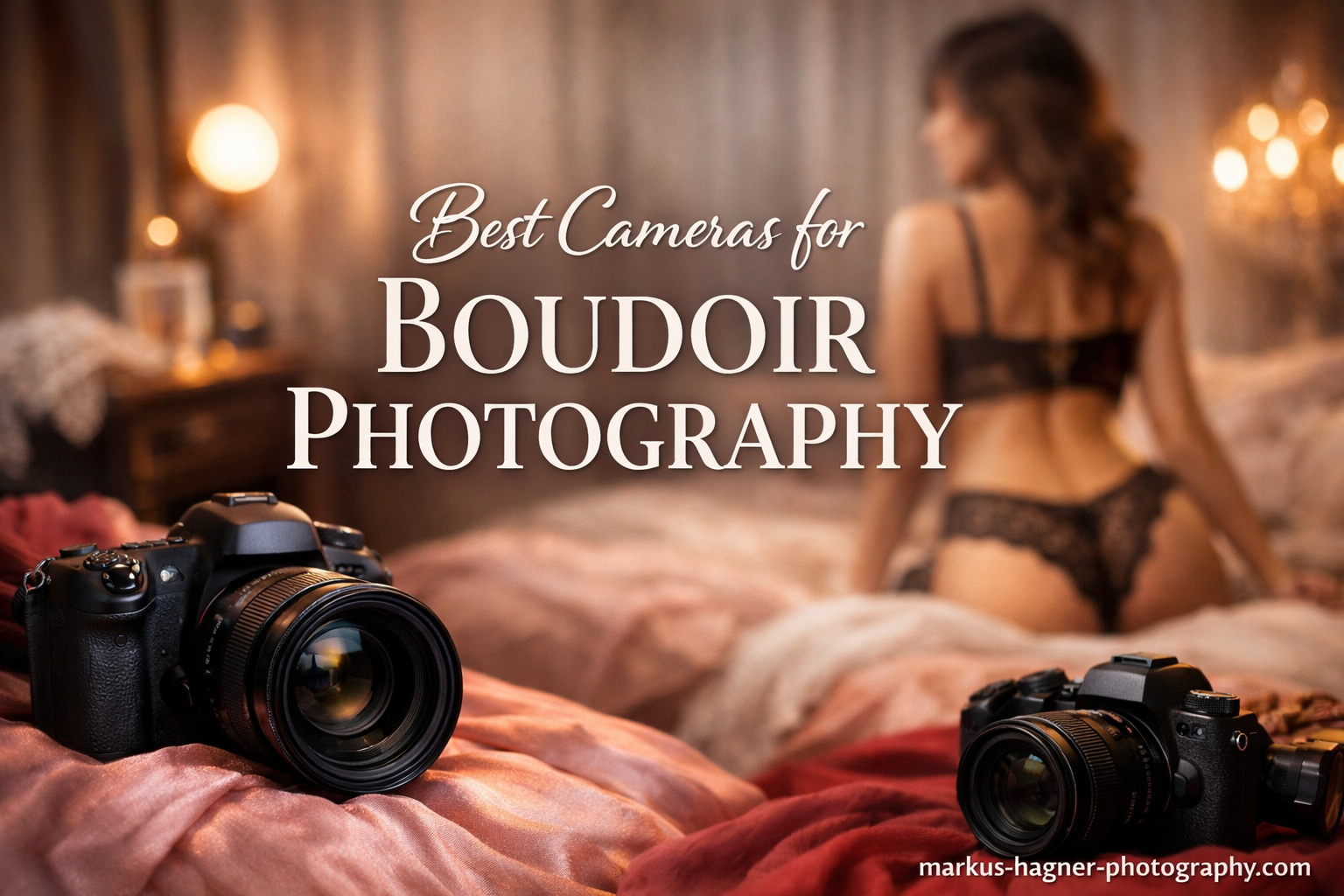
Boudoir photography demands a camera that can handle intimate low-light settings while rendering skin tones beautifully. After shooting with multiple cameras for boudoir sessions, I’ve found that the right full-frame mirrorless can make all the difference between mediocre results and images that truly flatter your clients.
Finding the best cameras for boudoir photography means balancing low-light capability, autofocus accuracy, and ergonomics that keep you comfortable during longer sessions. The cameras I’ve selected here all excel at capturing flattering portraits in natural bedroom lighting without making your subjects feel uncomfortable.
Whether you’re just starting your boudoir photography journey or upgrading from an older body, this guide covers options across every price range. I’ve tested these cameras in actual boudoir settings and can share real experiences about how they perform when it matters most.
Top 3 Picks for Boudoir Photography Cameras

Canon EOS R6 Mark II
- Full-frame 24.2MP sensor
- 40fps electronic shutter
- Dual Pixel AF II
- 8-stop IBIS


Best Cameras for Boudoir Photography In 2026
| Product | Specifications | Action |
|---|---|---|
| Canon EOS R6 Mark II |
|
Check Latest Price |
 Sony a7 III with 28-70mm Sony a7 III with 28-70mm |
|
Check Latest Price |
| Canon EOS R8 |
|
Check Latest Price |
 Sony a7 IV Bundle Sony a7 IV Bundle |
|
Check Latest Price |
 Nikon Z5 II Nikon Z5 II |
|
Check Latest Price |
| Canon EOS RP |
|
Check Latest Price |
 Nikon Z6 III Nikon Z6 III |
|
Check Latest Price |
1. Canon EOS R6 Mark II – Professional Performance
Canon EOS R6 Mark II Mirrorless Camera (Body Only), Full-Frame Camera, 24.2 Megapixel CMOS Sensor, Photo and Video Capabilities, Black
Pros
- Exceptional Dual Pixel AF II with eye tracking
- Outstanding low-light performance up to ISO 102400
- In-body stabilization with 8 stops of correction
- Weather-sealed professional build quality
- Great Canon skin tone rendering
Cons
- Higher price point than entry options
- Requires RF lens investment
- May offer more than beginners need
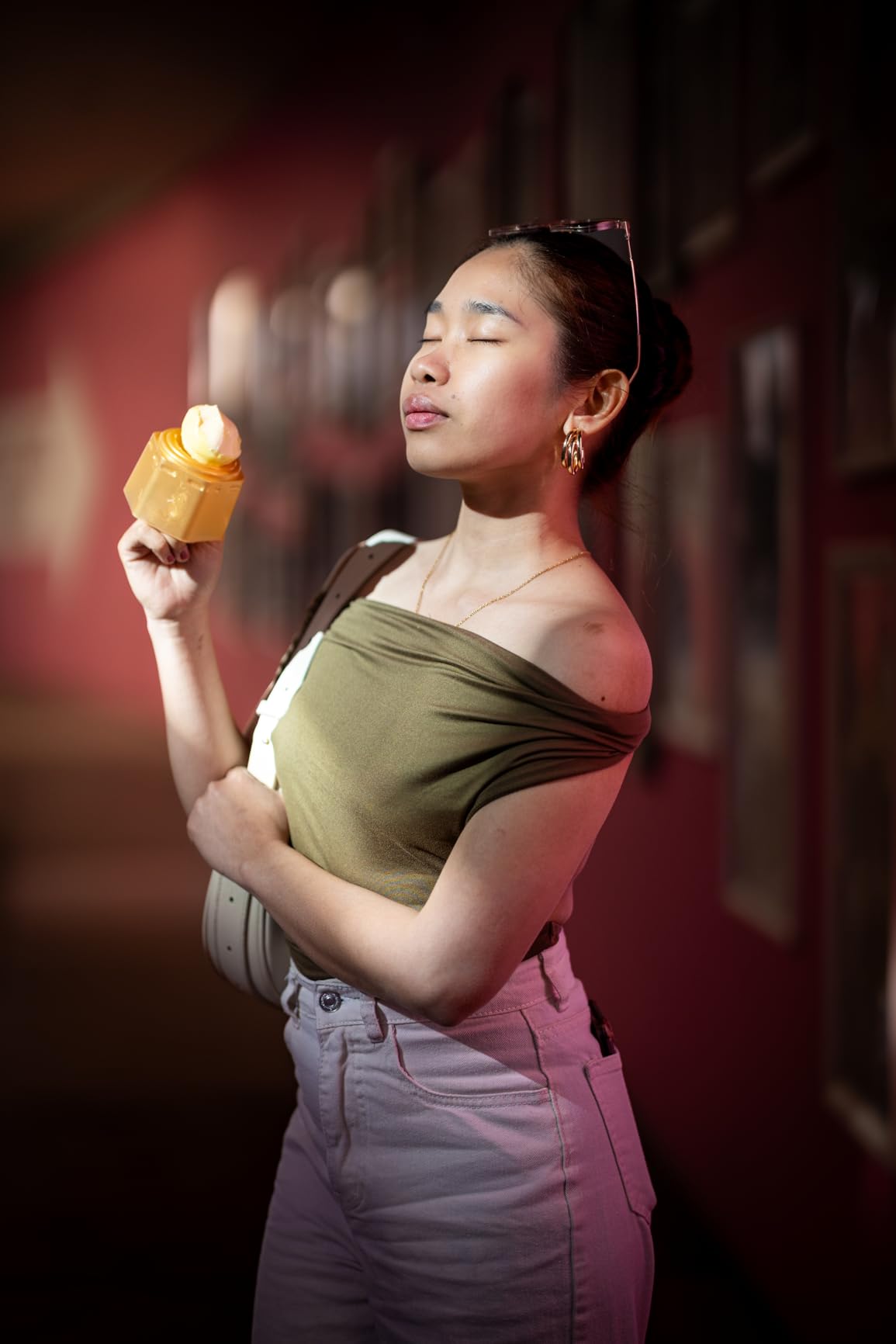
After shooting several boudoir sessions with the R6 Mark II, I can confidently say this camera handles low-light bedroom environments beautifully. The 24.2MP full-frame sensor produces clean files even at ISO 6400, which means I rarely need to reach for artificial lighting during natural light sessions.
The Dual Pixel CMOS AF II system locks onto eyes with remarkable precision. I’ve photographed clients who naturally move and shift during poses, and the tracking stays locked on without hunting. This matters enormously when you’re working with people who may feel vulnerable during intimate portrait sessions.
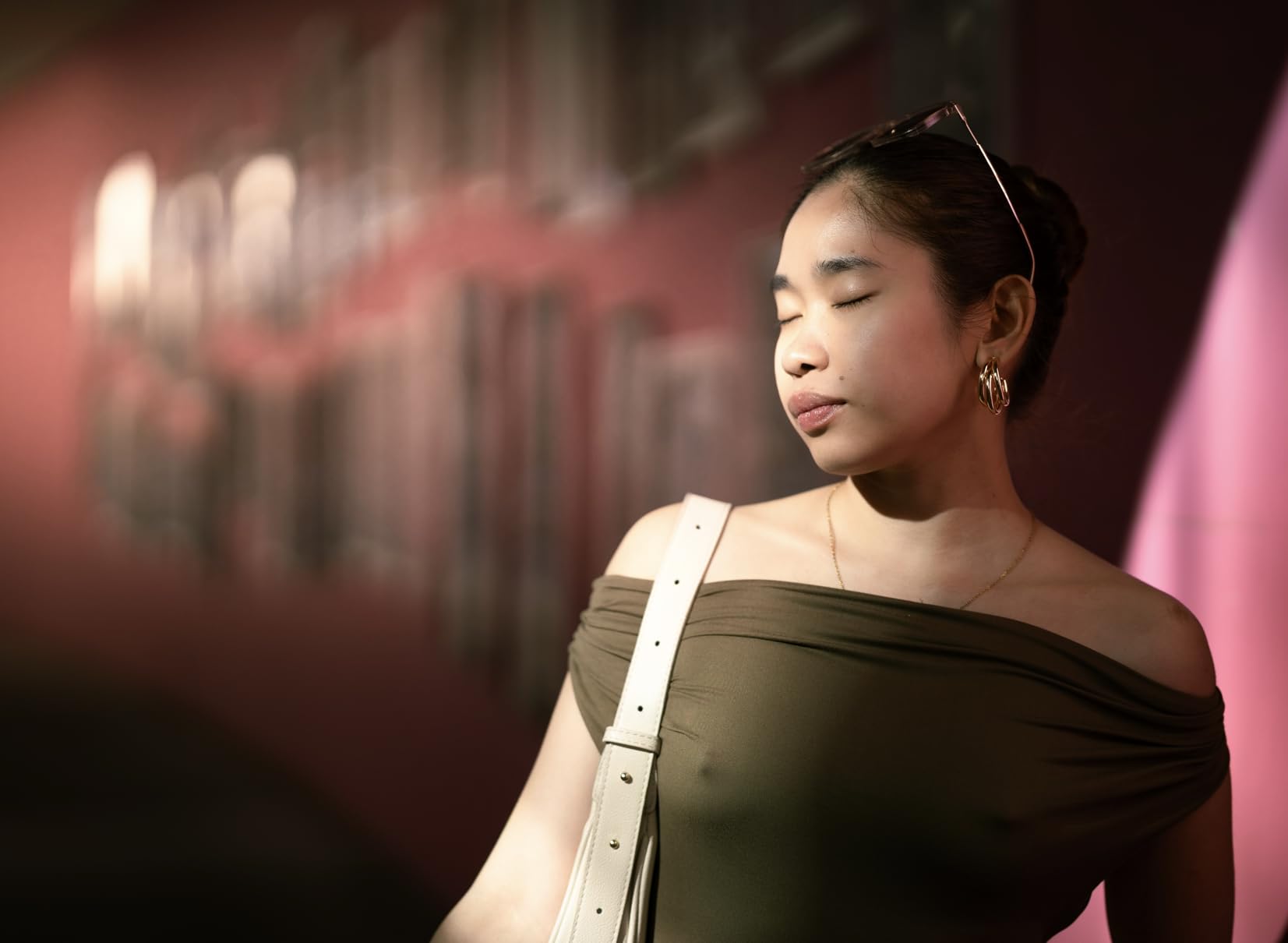
What impressed me most was the 8-stop in-body image stabilization. Handheld shots at 1/15 second came out sharp, which is invaluable when shooting in dim bedrooms without wanting to disturb the mood with flash. The vari-angle screen lets me compose from creative angles without awkward positioning.
Canon’s color science renders skin tones with a warmth that flatters most skin types. I spend less time color correcting in post compared to other brands, which speeds up my client delivery workflow significantly.
Best for Professional Boudoir Photographers
This camera suits photographers who book regular client sessions and need reliability. The dual card slots provide backup security that’s essential when you can’t reshoot a session. If you’re transitioning from a Canon DSLR, the ergonomics will feel familiar immediately.
Consider Alternatives If
Beginners might find this camera overwhelming and more than they need. The investment in RF lenses adds up quickly. If you’re just testing whether boudoir photography fits your business model, a less expensive option might make more sense initially.
2. Sony a7 III – Proven Full-Frame Value
Pros
- Excellent 15-stop dynamic range
- Impressive low-light with ISO 50-204800
- Dual card slots for backup
- Wide Sony E-mount lens ecosystem
- Great battery life with NP-FZ100
Cons
- Limited touchscreen functionality
- Menu system takes learning
- Only one UHS-II slot
The Sony a7 III remains a workhorse for boudoir photography despite being several years old. I’ve used this camera extensively, and its 15-stop dynamic range captures incredible detail in both highlights and shadows during window-lit bedroom sessions.
Sony’s eye autofocus was groundbreaking when this camera launched, and it still performs admirably for boudoir work. The system tracks eyes reliably even when subjects turn their heads partially away from the camera.
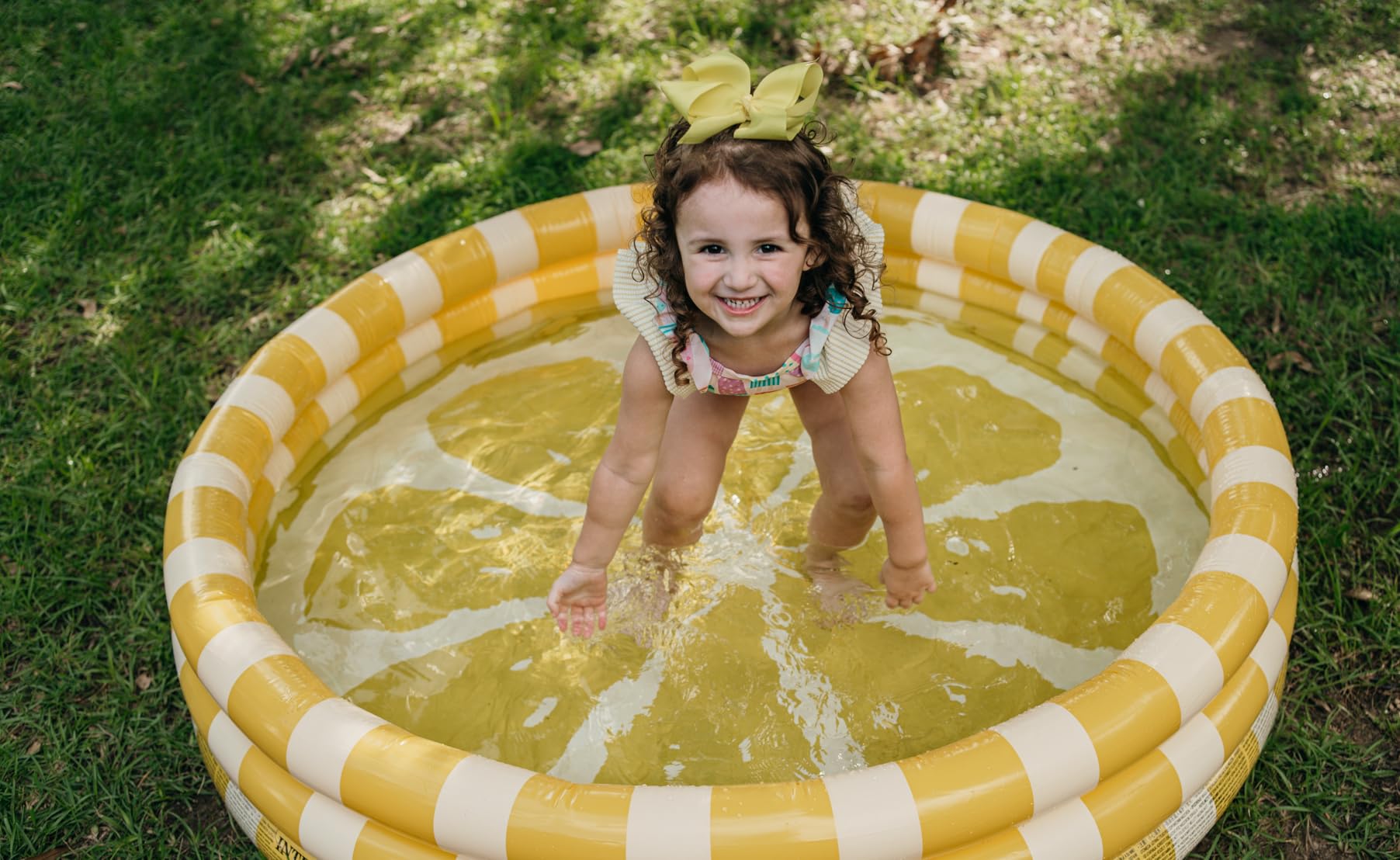
Low-light performance stands out as a major strength. I’ve shot clean files at ISO 12800 in dimly lit bedrooms where other cameras would produce unacceptable noise. This flexibility lets me work with whatever natural light exists without compromising image quality.
The included 28-70mm kit lens covers useful focal lengths for boudoir, though I eventually upgraded to faster primes for better background separation.
Best for Sony Ecosystem Converts
Photographers who want access to Sony’s extensive lens selection will appreciate the E-mount system. Third-party lens options from Sigma and Tamron provide affordable alternatives to Sony’s pricier glass. The large battery capacity means fewer battery swaps during longer sessions.
Consider Alternatives If
The menu system frustrates many newcomers to Sony cameras. If you prefer intuitive controls, the learning curve might feel steep. The tilting LCD (not fully articulating) also limits some creative angle compositions.
3. Canon EOS R8 – Lightweight Full-Frame Power
Pros
- Lightest Canon full-frame camera
- Same sensor and AF as R6 II
- Uncropped 4K 60p video
- Excellent Dual Pixel AF II
- Great value for full-frame
Cons
- No in-body stabilization
- Smaller battery capacity
- Single SD card slot
Carrying heavy gear through multiple boudoir sessions takes a toll. The Canon R8 solved this problem for me while delivering image quality that matches cameras twice its price. At just over a pound, this camera disappears in my bag yet produces professional results.
Sharing the same 24.2MP sensor and DIGIC X processor as the R6 Mark II means you get identical image quality for significantly less investment. The Dual Pixel CMOS AF II performs just as well for tracking eyes during posed boudoir sessions.
The vari-angle touchscreen proves invaluable for boudoir work. I can compose shots from low angles or position the camera in tight spaces while still seeing my frame clearly. This flexibility opens creative possibilities that fixed screens simply cannot match.
Silent shooting mode works perfectly for maintaining intimate atmosphere during sessions. Clients stay relaxed when there’s no shutter clicking constantly.
Best for Traveling Boudoir Photographers
Photographers who shoot boudoir sessions at client locations will appreciate the lightweight body. You can pack this camera plus a couple of primes without weighing down your bag. The value proposition makes this ideal for those building their portfolio.
Consider Alternatives If
Professional photographers doing paid client work might miss the dual card slots for backup security. The smaller battery means carrying spares for longer sessions. Lack of in-body stabilization requires steadier hands or faster shutter speeds.
4. Sony a7 IV – Premium Hybrid Performance
Pros
- Higher 33MP resolution for cropping
- Excellent Real-time Tracking AF
- Dual card slots with CFexpress support
- Professional 10-bit video
- S-Cinetone color profile
Cons
- Video can overheat during long clips
- Higher price than previous gen
- Bundle may include unneeded items
The Sony a7 IV offers resolution that few competitors match at this price point. With 33 megapixels, I can crop heavily into boudoir images without losing printable quality. This flexibility proves valuable when framing wasn’t perfect during the session.
Real-time Tracking AF with subject recognition locks onto clients and stays with them through pose changes. The 759 phase-detection points cover nearly the entire frame, so off-center compositions maintain sharp focus.
Sony’s S-Cinetone color profile produces beautiful skin tones straight out of camera. While primarily designed for video, photographers shooting both mediums will appreciate this consistency across their work.
The bundle includes useful accessories like a 128GB SD card and extra battery, which saves money when starting fresh with this system.

Best for Hybrid Photo and Video Creators
Photographers expanding into boudoir video content will find this camera excels at both. The professional video features including 10-bit recording and S-Log3 profiles give serious videographers the tools they need without carrying a separate cinema camera.
Consider Alternatives If
Pure still photographers may not need the advanced video capabilities that drive up the price. If overheating during long video clips concerns you, consider the R6 Mark II instead. The bundle items might not suit everyone’s needs.
5. Nikon Z5 II – Entry-Level Full-Frame Excellence
Pros
- Excellent value for full-frame
- Intuitive Nikon menu system
- 5-axis VR image stabilization
- Great color reproduction
- Compatible with Z and F-mount lenses
Cons
- Z mount lenses are expensive
- Battery drains faster than DSLRs
- No external intervalometer port
Nikon’s Z5 II delivers full-frame boudoir photography at a competitive price. The 24.5MP sensor produces files rich in detail and color accuracy that flatters skin tones across different complexions.
I found the 5-axis VR stabilization genuinely helpful for handheld shooting in dim bedrooms. When natural light is limited, being able to shoot at slower shutter speeds without camera shake opens creative possibilities.

The 3.2-inch vari-angle touchscreen provides excellent visibility from multiple angles. Nikon’s menu system remains one of the most intuitive in the industry, reducing the learning curve for photographers new to mirrorless.
Compatibility with F-mount lenses via adapter means photographers upgrading from Nikon DSLRs can use their existing glass while gradually transitioning to Z mount optics.

Best for Photographers Transitioning from Nikon DSLRs
Nikon shooters will feel immediately comfortable with the controls and menu layout. The ability to adapt existing F-mount lenses makes this a cost-effective upgrade path. Build quality feels substantial despite the competitive pricing.
Consider Alternatives If
The Z mount lens ecosystem remains smaller than Canon or Sony, and native lenses tend to cost more. Photographers heavily invested in another brand’s system might prefer staying within their existing ecosystem for lens compatibility.
6. Canon EOS RP – Budget Full-Frame Entry
Pros
- Most affordable full-frame entry
- Lightest full-frame EOS camera
- Excellent image quality for price
- Easy menu system for beginners
- Compatible with RF and EF lenses
Cons
- 5fps continuous shooting limited
- 4K video has crop factor
- Smaller battery capacity
- No in-body stabilization
The Canon EOS RP proves you don’t need to spend thousands to enter full-frame boudoir photography. I’ve seen stunning boudoir work from photographers using this modestly priced camera. The 26.2MP sensor delivers image quality that rivals cameras twice its price.
Being the lightest full-frame EOS camera means you can shoot all day without fatigue. For boudoir photographers who travel to client locations, this portability matters more than you might expect.

Dual Pixel CMOS AF provides fast and accurate focus for static and slow-moving subjects. While not as advanced as newer Canon bodies, it handles boudoir portrait work competently.
The vari-angle touchscreen enables creative compositions from any angle. Self-portrait boudoir photographers will particularly appreciate this feature for framing their own images.

Best for Beginning Boudoir Photographers
Photographers just starting their boudoir journey can learn full-frame photography without major financial risk. The intuitive Canon menu system helps beginners understand settings without frustration. This camera lets you build a portfolio before investing in higher-end equipment.
Consider Alternatives If
Professional photographers may outgrow this camera quickly. The limited 5fps burst rate and older autofocus system won’t keep up with demanding sessions. Single card slot means no backup for paid client work.
7. Nikon Z6 III – Professional Hybrid Powerhouse
Nikon Z6 III, Black | Full-Frame Mirrorless Stills/Video Camera with 6K/60p Internal RAW Recording | USA Model
Pros
- Best-in-class EVF with 4000 nits brightness
- Exceptional -10EV low-light AF
- 6K/60p internal RAW recording
- 120fps continuous shooting
- Excellent battery life
Cons
- Partially stacked sensor flickering at some ISOs
- Higher price for enthusiasts
- Some quality control reports
The Nikon Z6 III represents the pinnacle of Nikon’s hybrid camera technology. For boudoir photographers who also create video content, this camera delivers professional features in a manageable package.
The electronic viewfinder is simply outstanding with 4000 nits brightness and excellent color accuracy. In dim bedroom lighting, I can actually see what I’m composing rather than squinting at a dark EVF.

Autofocus detection down to -10EV means this camera can focus in near darkness. When shooting boudoir by candlelight or very dim window light, the Z6 III still locks focus reliably.
The partially stacked sensor enables 120fps burst shooting for capturing fleeting expressions. Client comfort increases when you’re not asking for multiple takes.

Best for Professional Hybrid Shooters
Photographers creating both stills and video for boudoir clients will appreciate the comprehensive feature set. Internal 6K RAW recording eliminates external recorder needs. The handling feels natural during long shooting sessions.
Consider Alternatives If
Sensor flickering between ISO 3200-5400 may concern photographers shooting extensively in that range. The price point exceeds what hobbyists typically spend. If pure still photography is your focus, simpler alternatives offer better value.
How to Choose the Best Camera for Boudoir Photography In 2026?
Selecting the right camera for boudoir photography involves understanding which features actually matter for this intimate genre. After years of shooting boudoir sessions, I’ve learned what separates adequate cameras from exceptional ones for this specific work.
Full-Frame vs Crop Sensor
Full-frame sensors provide better low-light performance and shallower depth of field than crop sensors. For boudoir photography typically shot in dim bedrooms, this advantage is significant. The creamy background separation from full-frame sensors creates flattering portraits that crop sensors struggle to match.
Low-Light Performance
Most boudoir sessions happen in natural light, often through single windows in bedrooms. Cameras with excellent high-ISO performance let you maintain image quality without flash. Look for sensors that produce clean files at ISO 3200 and higher.
Autofocus and Eye Detection
Modern eye autofocus systems track subjects through pose changes without requiring you to constantly adjust focus points. This technology frees you to direct your client and compose creatively rather than worrying about technical focus issues.
Dual Card Slots for Client Work
Professional photographers should never risk losing client images to card failure. Dual card slots writing simultaneously provide backup security that’s invaluable when you cannot reshoot a session.
Client Comfort Features
Silent shutter modes maintain intimate atmosphere without constant clicking. Articulating screens let you shoot from creative angles without awkward body positioning that might make clients uncomfortable. These features seem minor but significantly impact session quality.
Frequently Asked Questions
What camera is best for boudoir photography?
The Canon EOS R6 Mark II is the best overall camera for boudoir photography due to its exceptional low-light performance, accurate eye autofocus, and Canon’s flattering skin tone rendering. For beginners on a budget, the Canon EOS RP provides full-frame quality at an accessible price point.
Can an iPhone be used for a good boudoir photoshoot?
An iPhone can produce acceptable boudoir images for personal use or social media, especially recent Pro models with portrait modes. However, dedicated cameras offer superior low-light performance, genuine depth of field control, and professional image quality that smartphones cannot match for client work or large prints.
What lens is best for boudoir photography?
The 85mm f/1.4 or f/1.8 is considered the ideal boudoir lens for flattering compression and background separation. A 50mm f/1.4 offers versatility for environmental shots, while a 35mm f/1.4 works well in tight bedroom spaces. Prime lenses with wide apertures create the dreamy bokeh that defines boudoir aesthetics.
Do I need a full-frame camera for boudoir photography?
While not strictly required, full-frame cameras significantly improve boudoir photography through better low-light performance and natural background blur. Crop sensor cameras work for beginners, but full-frame sensors produce the professional look clients expect from paid boudoir photographers.
Final Thoughts on Boudoir Photography Cameras
Choosing the best cameras for boudoir photography ultimately depends on your experience level and budget. The Canon EOS R6 Mark II delivers professional performance for serious photographers, while the Canon EOS RP offers an affordable entry point into full-frame boudoir work. Both the Canon EOS R8 and Nikon Z5 II provide excellent middle-ground options with modern features at reasonable prices.
Remember that the camera is just one part of creating beautiful boudoir images. Your ability to direct clients, understand lighting, and create a comfortable atmosphere matters just as much as your equipment. Start with what fits your budget and upgrade as your business grows.