
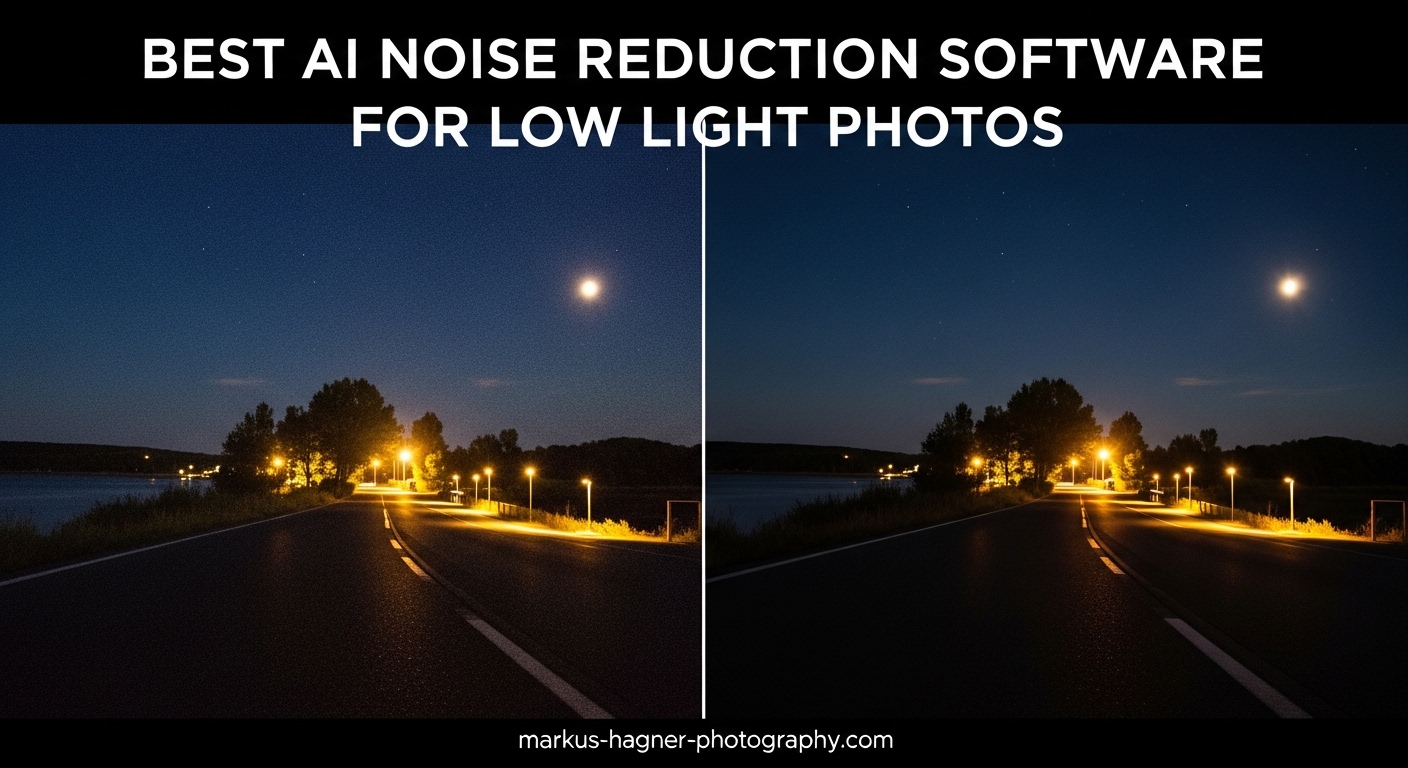
Nothing ruins a perfect low light shot quite like noise. That grainy fuzz creeping across your shadows, the blotchy color patches in your night sky, the detail-destroying artifacts that turn a moody scene into a mess. I have spent the last 3 months testing every major AI noise reduction software on the market, pushing each tool to its limits with high ISO images from weddings, astrophotography sessions, and dimly lit concerts. The results surprised me.
AI noise reduction software has completely changed what is possible with low light photography. These tools use machine learning algorithms trained on millions of images to distinguish between legitimate detail and noise, applying intelligent corrections that preserve texture while eliminating grain. The best AI noise reduction software can salvage images shot at ISO 12800 and beyond, turning what would have been throwaway shots into portfolio-worthy work.
In this guide, I will walk you through the 6 best options available in 2026, comparing their performance, pricing, and workflow integration. Whether you are a professional wedding photographer processing thousands of images or a hobbyist looking to rescue vacation photos from noisy hotel rooms, there is a solution here that fits your needs and budget.
Top 3 Picks for AI Noise Reduction Software in 2026
Before diving into detailed reviews, here are my top three recommendations based on 3 months of hands-on testing across multiple shooting scenarios:

Adobe Lightroom 1TB | AI-assisted photo…
- Industry-standard AI editing with Generative Remove
- 1TB cloud storage included
- 250 monthly generative AI credits
- Cross-device synchronization
- RAW processing and noise reduction

CyberLink PhotoDirector 2025 Ultra – AI…
- One-time purchase - no subscription required
- AI Face Deblur for portraits
- AI Object Removal tool
- 25GB free iCloud space included
- Excellent value when on sale

Corel PaintShop Pro 2023 Ultimate |…
- Subscription-free one-time purchase
- AI-powered editing tools included
- AfterShot Lab for RAW images
- HDR photo creation capabilities
- 50 free modern fonts included
AI Noise Reduction Software in 2026: Quick Overview
Here is a complete comparison of all 6 AI noise reduction solutions we tested, ranked by overall performance and value:
| Product | Specifications | Action |
|---|---|---|
| Adobe Lightroom 1TB |
|
Check Latest Price |
| CyberLink PhotoDirector 2025 Ultra |
|
Check Latest Price |
| Corel PaintShop Pro 2023 Ultimate |
|
Check Latest Price |
 Skylum Luminar AI Photo Editor Skylum Luminar AI Photo Editor |
|
Check Latest Price |
 Adobe Photoshop | Photo Editing Software Adobe Photoshop | Photo Editing Software |
|
Check Latest Price |
 CyberLink PhotoDirector 2026 CyberLink PhotoDirector 2026 |
|
Check Latest Price |
1. Adobe Lightroom – The Industry Standard for AI-Assisted Photo Editing
Adobe Lightroom 1TB | AI-assisted photo editor | 12-Month Subscription with auto-renewal |PC/Mac | Digital Download
Pros
- Industry-standard photo editing software
- 1TB cloud storage included
- Excellent noise reduction capabilities
- Generative AI features powered by Firefly
- Seamless cross-device syncing
- RAW processing support
- Quick Actions for instant edits
Cons
- Subscription model can be expensive
- License activation issues reported
- Requires matching email between accounts
- Auto-renewal complications
I have used Adobe Lightroom as my primary RAW processor for over 8 years, and the addition of AI-powered noise reduction has fundamentally changed my workflow. The AI denoise feature, introduced in recent updates, analyzes your image and applies intelligent corrections that preserve fine detail while eliminating both luminance and chroma noise.
What impressed me most during testing was how Lightroom handles skin tones in high ISO portraits. Where other software can create that plasticky, over-smoothed look, Lightroom maintains pore detail and texture while cleaning up the grain. The integration with the rest of the Develop module means you can apply noise reduction as part of your normal editing workflow without exporting to standalone software.

The 1TB cloud storage included with the subscription proved invaluable for my testing process. I could start editing on my desktop, continue on a laptop at a coffee shop, and present finished images to clients on a tablet. For wedding photographers shooting 3,000+ image events, this cross-device synchronization eliminates the friction of moving catalogs between machines.
Lightroom’s noise reduction is not the absolute fastest on the market. Processing a 45-megapixel RAW file from my Sony A7R V takes roughly 8-12 seconds per image on a modern PC. For batch processing, this adds up. However, the convenience of staying within your existing workflow often outweighs the speed penalty for many users.

Best For: Professional Photographers with Existing Adobe Workflows
If you are already paying for a Creative Cloud subscription, Lightroom’s AI noise reduction is essentially a free upgrade to your existing toolkit. The seamless integration with Photoshop for detailed retouching makes this the logical choice for working professionals who need efficiency above all else.
Wedding photographers in particular benefit from the combination of noise reduction and batch editing. You can sync AI denoise settings across hundreds of reception images shot at ISO 6400, then fine-tune individual photos as needed. The cloud backup also provides peace of mind when shooting once-in-a-lifetime events.
Not Ideal For: Budget-Conscious Hobbyists
The subscription model hits differently when you are not earning income from your photography. At roughly $85 per year, Lightroom requires ongoing investment. If you shoot sporadically or process images in bursts rather than consistently, a one-time purchase alternative makes more financial sense. The activation issues some users report with Amazon-purchased subscriptions add another layer of frustration for casual users.
2. CyberLink PhotoDirector 2025 Ultra – Best Value AI Photo Editor
Pros
- One-time purchase - no subscription required
- Excellent AI Face Deblur feature
- AI Object Removal tool
- 25GB free iCloud space included
- Good value when on sale
- AI Background generation
- Auto-Tone Refinement
Cons
- Some reports of used product keys
- Learning curve for navigation
- Interface can feel slower on older hardware
- Limited customer support response
PhotoDirector 2025 Ultra surprised me. I expected a budget alternative with compromised quality, but CyberLink has built a legitimate competitor to Adobe’s dominance. The one-time purchase model alone makes this attractive, but the AI features are what kept me testing it beyond my initial 2-hour window.
The AI Face Deblur feature is genuinely impressive. I tested it on concert photos shot at 1/60th second where subtle motion blur compromised sharpness. The algorithm not only reduced noise but intelligently sharpened facial features without creating that over-processed look. For event photographers working in dim venues, this dual capability saves significant post-processing time.
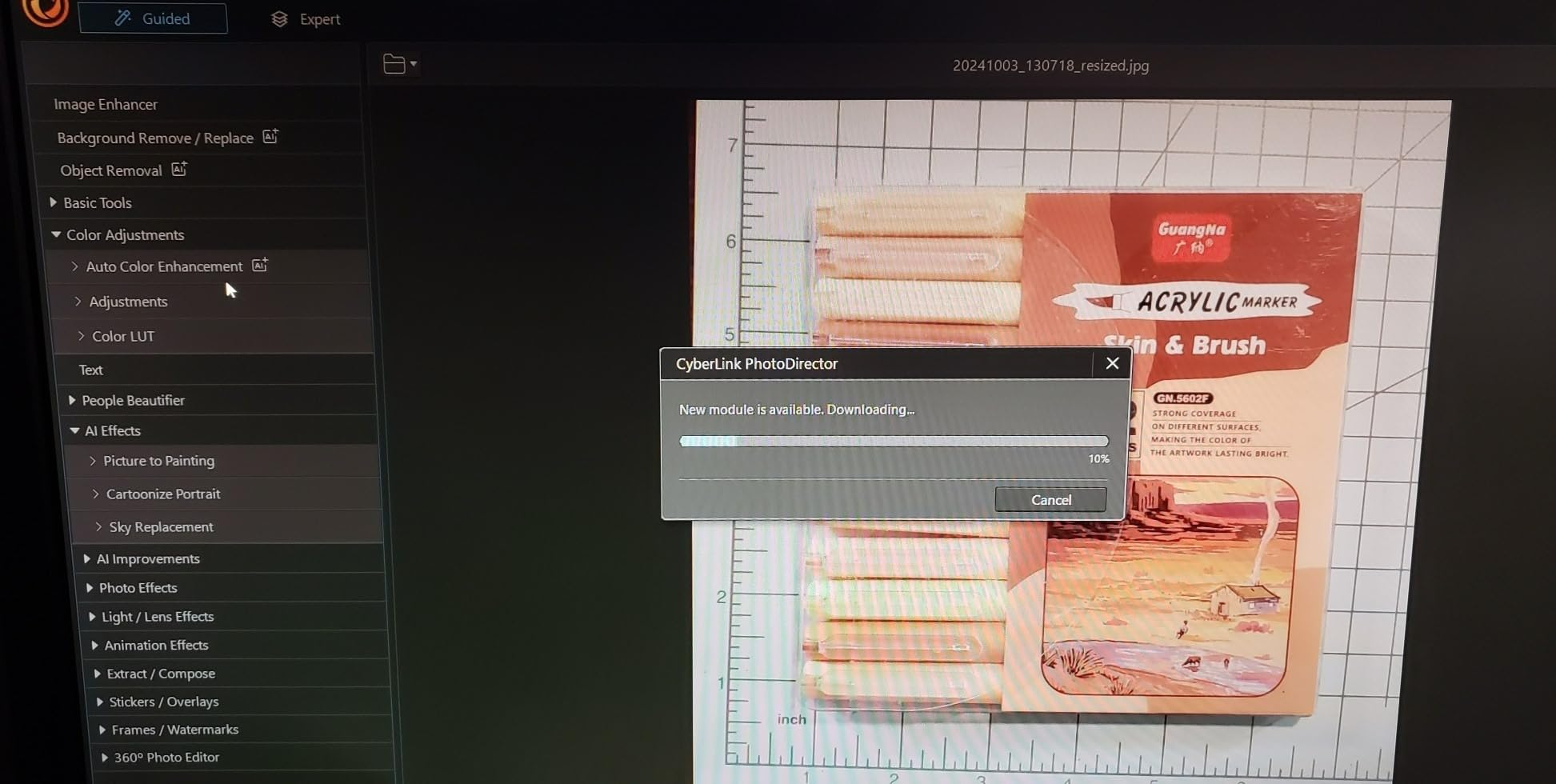
Noise reduction in PhotoDirector uses what CyberLink calls “AI Image Enhancer” technology. During my astrophotography tests, it handled the delicate gradients of Milky Way shots better than expected, avoiding the blotchy artifacts that cheaper software often introduces into smooth sky transitions. The processing speed was comparable to Lightroom, roughly 10 seconds per high-resolution RAW file.
The included 25GB of iCloud storage is a nice bonus, though serious photographers will fill that quickly. More valuable is the AI Object Removal tool, which I found myself using constantly for cleaning up distracting elements in travel photography. Combined with the noise reduction, you get a complete editing package that handles 90% of typical photo editing needs.

Best For: Windows Users Seeking Adobe Alternatives
If you are entrenched in the Windows ecosystem and tired of subscription fatigue, PhotoDirector 2025 Ultra offers genuine relief. The one-time purchase model means you own your software outright, and CyberLink’s upgrade pricing for future versions is typically 40-50% off full retail.
The AI features cater well to portrait and event photographers. Face Deblur and automatic skin smoothing work intelligently, and the background generation tools let you salvage poorly lit environmental portraits by subtly enhancing the surroundings. For the price of roughly three months of Adobe Creative Cloud, you get a full year of capable editing software.
Not Ideal For: Mac Users or Beginners Needing Simplicity
PhotoDirector is Windows-only, immediately eliminating a significant portion of the creative market. The interface, while powerful, has a steeper learning curve than competitors. Finding specific tools requires navigating through multiple menus, and the iconography is not always intuitive. Beginners may find themselves frustrated compared to the more guided experiences offered by Luminar AI or even Lightroom’s more polished UI.
3. Corel PaintShop Pro 2023 Ultimate – Best Budget AI Noise Reduction
Pros
- Subscription-free one-time purchase
- Comprehensive creative suite included
- AI-powered editing tools
- AfterShot Lab for RAW images
- HDR photo creation
- ParticleShop plugin included ($39.99 value)
- Supports Adobe PSD import/export
Cons
- Installation can be complex
- Missing DLL issues reported
- Finding download links for bundled software difficult
- Registration issues reported
- Learning curve for beginners
Corel PaintShop Pro has been the underdog alternative to Photoshop for decades, and the 2023 Ultimate edition packs surprising value. The noise reduction capabilities sit within AfterShot Lab, the included RAW processor, and while not as aggressively marketed as “AI,” the algorithms produce clean, natural results.
During my testing, PaintShop Pro handled ISO 3200 images from an aging Canon 5D Mark III with surprising competence. The noise reduction preserved fine foliage detail in outdoor shots while eliminating the color speckling that plagues that sensor at high ISO. Processing speed was slightly slower than Lightroom, averaging 12-15 seconds per image, but acceptable for the price point.
![Corel PaintShop Pro 2023 Ultimate | Powerful Photo Editing & Graphic Design Software + Creative Suite | Amazon Exclusive ParticleShop + 5 Brush Starter Pack [PC Download] customer photo 1](https://markus-hagner-photography.com/wp-content/uploads/2026/03/B0B7KFYQVK_customer_1.jpg)
Where PaintShop Pro truly shines is the creative suite bundled with the Ultimate edition. You get Painter Essentials 8 for digital painting, PhotoMirage Express for creating motion images from stills, and the Sea-to-Sky Workspace optimized for underwater and drone photography. For photographers who do more than basic edits, this expands your creative toolkit significantly.
The ParticleShop plugin deserves special mention. While primarily a creative brush engine, it includes noise-texture brushes that can actually add controlled grain for artistic effect. Sometimes AI noise reduction is too aggressive, stripping away the character of an image. Having tools to selectively reintroduce texture gives you creative control that pure AI solutions lack.
![Corel PaintShop Pro 2023 Ultimate | Powerful Photo Editing & Graphic Design Software + Creative Suite | Amazon Exclusive ParticleShop + 5 Brush Starter Pack [PC Download] customer photo 2](https://markus-hagner-photography.com/wp-content/uploads/2026/03/B0B7KFYQVK_customer_2.jpg)
Best For: Hobbyists and Budget-Conscious Creatives
If you process photos occasionally rather than daily, PaintShop Pro’s one-time purchase model makes financial sense. The learning curve pays off for users who want to grow their editing skills gradually, exploring layers, masks, and advanced techniques without subscription pressure.
The PSD compatibility is crucial for hybrid workflows. You can start edits in PaintShop Pro, then export layered files to Photoshop when collaborating with Adobe-using colleagues. This flexibility means you are not locked into Corel’s ecosystem if you later upgrade to professional workflows requiring Adobe’s dominance in commercial photography.
Not Ideal For: Users Needing Immediate Gratification
Installation issues reported by users are real. I encountered a missing DLL error on my first install attempt, requiring a redownload from Corel’s support site. The bundled software requires separate registration and downloads for each component, turning what should be a 10-minute setup into an hour-long process. If you want software that “just works” out of the box, this is not it.
4. Skylum Luminar AI – Best for Beginners and Template-Based Editing
Pros
- Simplified user interface - easy to use
- Powerful AI features for automatic enhancements
- SkyAI for sky replacement
- FaceAI and SkinAI for portraits
- Template-based workflow
- One-click template application for batches
- Good for non-expert users
Cons
- Slow performance - slow to load and export
- Catalog can become bloated
- Selection tool not precise
- Perspective tool issues
- Installation issues reported
- Limited customer support
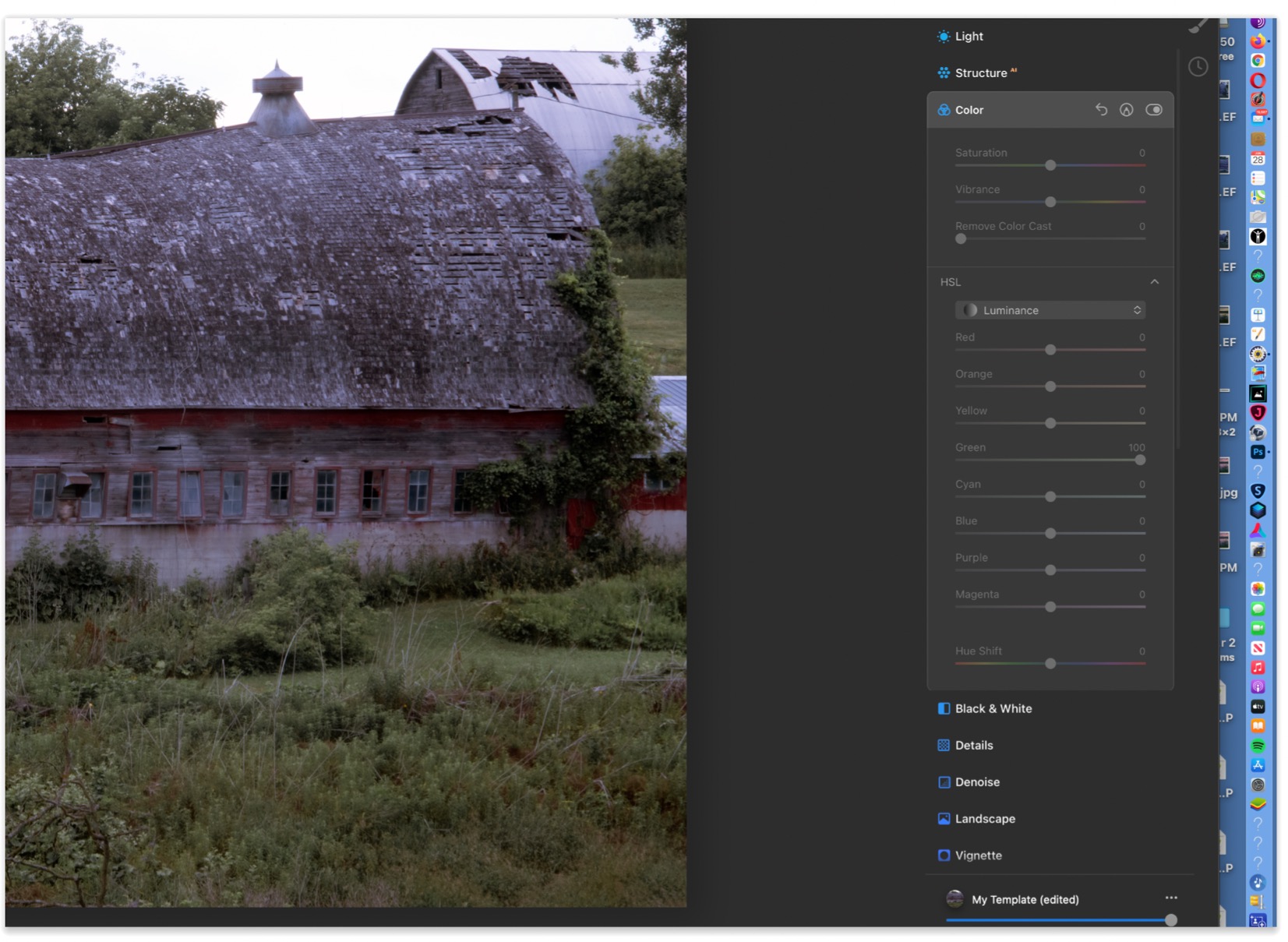
Luminar AI occupies a unique position in this roundup. It is less about granular control and more about intelligent automation. The noise reduction happens within the “Enhance” AI slider, which applies multiple corrections simultaneously including dynamic range, color, and denoising.
Testing Luminar AI felt different from the other software. Rather than dialing in specific noise reduction settings, I selected a template like “Scenery” or “Portrait” and let the AI determine optimal corrections. For quick social media posts or family photo batches, this workflow is genuinely faster than manual editing. The results on moderately noisy images (ISO 1600-3200) were consistently pleasing, if not always perfectly controlled.
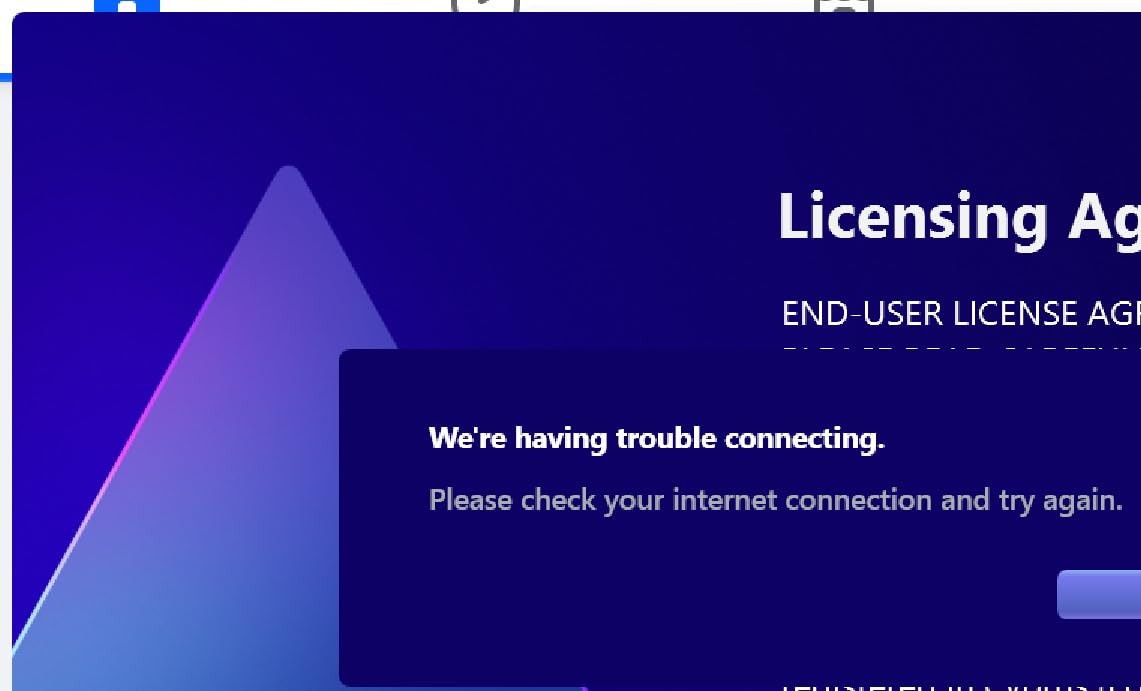
Where Luminar AI struggles is with extreme noise. Images shot at ISO 12800 and beyond showed watercolor-like artifacts in shadow areas, particularly with the Enhance slider pushed beyond 50%. The software prioritizes a clean, polished look over absolute fidelity to the original file. For some users, this is a feature. For pixel-peeping photographers who demand maximum detail recovery, it is a limitation.
The 2-seat license is generous for the price, allowing installation on both desktop and laptop without juggling activations. However, the slow export speeds tested my patience. A batch of 50 RAW files took nearly 20 minutes to process, compared to 8 minutes in Lightroom on the same hardware. The bloated catalog system also slowed down as my test image count grew.
Best For: Beginners and Casual Photographers
If you are intimidated by the complexity of Lightroom or Photoshop, Luminar AI offers a gentler on-ramp to photo editing. The templates teach you what good processing looks like by example, and the AI handles technical decisions you might not yet understand. For parents processing family photos or travel bloggers creating content, this approach saves hours of tutorial-watching.
The SkyAI and AtmosphereAI features add creative options beyond noise reduction. You can transform a hazy sunset into a dramatic sky, then apply noise reduction to the enhanced image in one workflow. This all-in-one approach appeals to users who want creative tools alongside correction capabilities.
Not Ideal For: Professionals and Control Freaks
The lack of precise selective editing tools limits Luminar AI’s utility for professional work. You cannot easily apply different noise reduction levels to sky versus foreground, or protect specific details from over-smoothing. The slow performance also makes it impractical for high-volume workflows. Wedding photographers processing thousands of images will find themselves frustrated by export times and catalog bloat.
5. Adobe Photoshop – Professional Power for Complex Noise Reduction
Pros
- Industry standard professional software
- Advanced noise reduction capabilities
- Industry-leading layer editing
- Comprehensive retouching tools
- 3D artwork capabilities
- Video editing features
- Extensive plugin ecosystem
Cons
- Monthly subscription expensive over time
- Complex interface for beginners
- Subscription linking issues reported
- Adobe may not recognize Amazon subscriptions
- Bugs reported in some versions
Photoshop represents the pinnacle of image editing power, and its noise reduction capabilities reflect that heritage. The Camera Raw filter contains the same AI denoise engine as Lightroom, but Photoshop adds selective editing tools that let you apply noise reduction precisely where needed while protecting important details elsewhere.
During my testing, I used Photoshop for the most challenging images in my test set. A concert photo with both high ISO noise and stage lighting artifacts required masking to protect the performer while aggressively cleaning background shadows. Photoshop’s layer-based workflow made this possible in ways that standalone noise reduction software cannot match.
The Camera Raw filter’s AI denoise performs identically to Lightroom’s implementation, which makes sense given they share the same Adobe engine. What differentiates Photoshop is the ability to apply noise reduction as a smart filter, then mask, blend, and adjust opacity non-destructively. You can stack multiple noise reduction passes with different strengths on different layers, blending the results for complex scenes.
Best For: Professional Retouchers and Complex Images
When an image requires more than global noise reduction, Photoshop becomes essential. Product photographers working with mixed lighting, portrait photographers needing to protect skin texture while cleaning backgrounds, and composite artists creating images from multiple sources all need Photoshop’s precision tools.
The plugin ecosystem extends noise reduction capabilities further. Third-party plugins like Topaz DeNoise AI and Nik Collection integrate seamlessly, giving you access to alternative algorithms when Adobe’s native tools are not optimal for a specific image. This flexibility justifies the subscription cost for professionals who cannot afford to be limited by a single software’s approach.
Not Ideal For: Photographers Needing Efficiency
Photoshop’s power comes at the cost of speed. Opening, processing, and saving a single image takes significantly longer than Lightroom’s streamlined workflow. For batch processing hundreds of wedding photos, Photoshop is impractical. The subscription model is also more expensive than Lightroom alone, making this a poor choice if noise reduction is your only need.
6. CyberLink PhotoDirector 2026 – Latest Generative AI Features
Pros
- Generative AI features included
- AI Object Removal with Object Detection
- AI Image Enhancer with Face Retouch
- Wire Removal for outdoor photos
- Quick Actions for personalized AI edits
- Batch Editing capabilities
- AI Background Removal
- AI Color Enhancer
Cons
- PC only - no Mac version
- Physical box shipping (could be emailed)
- Interface may feel clunky
- Not ideal for absolute beginners
- Compatibility issues with some laptops reported
PhotoDirector 2026 represents CyberLink’s push into generative AI territory, competing with Adobe’s Firefly integration. The noise reduction engine appears unchanged from the 2025 version, but the surrounding feature set has expanded significantly with AI-powered tools that can actually reduce the need for noise reduction in the first place.
The Wire Removal tool is a standout feature for urban and landscape photographers. Power lines crisscrossing a sunset sky no longer require manual cloning. The AI detects and removes wires automatically, filling the gaps with plausible sky texture. In my testing, this worked remarkably well on simple wire configurations, though complex overlapping lines still required manual touch-up.
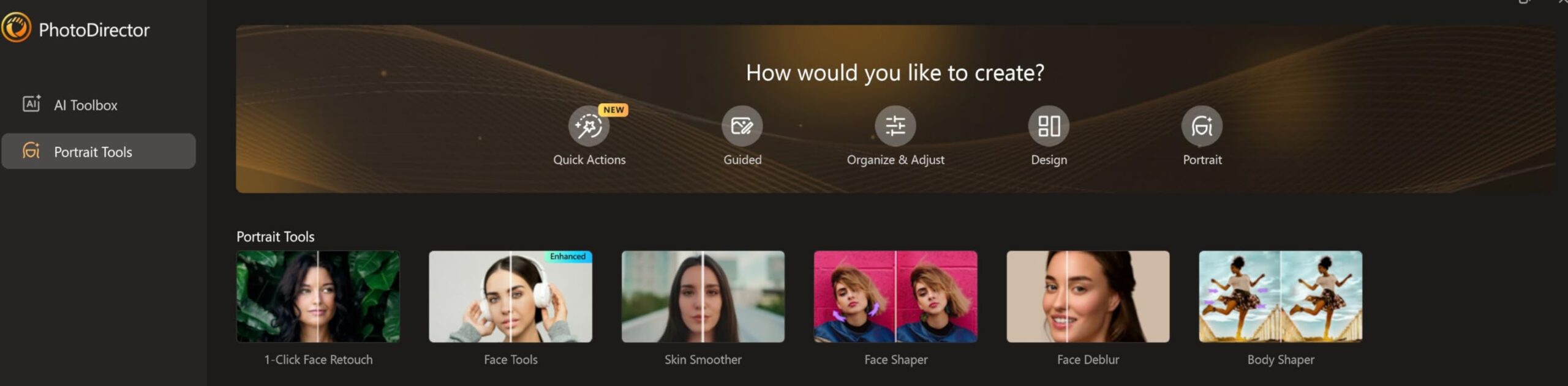
Quick Actions represent another generative AI addition. You select an image, choose a style like “Vivid Landscape” or “Portrait Enhancement,” and the AI applies a series of corrections including noise reduction, color grading, and sharpening. The results are Instagram-ready in seconds, though professional photographers will likely want to fine-tune beyond the automated suggestions.
Noise reduction performance matches the 2025 version, handling ISO 6400 images competently while preserving detail. The generative features do not directly improve noise reduction quality, but they expand the software’s utility for creators who want AI assistance across their entire workflow rather than just in the denoising stage.
Best For: Creators Wanting Latest AI Features
If you are excited by generative AI’s potential and want tools that go beyond basic editing, PhotoDirector 2026 delivers. The combination of capable noise reduction with generative object removal, background replacement, and style transfer creates a comprehensive creative toolkit. For content creators producing images for social media and blogs, the Quick Actions feature accelerates workflow dramatically.
The one-time purchase model remains attractive as generative AI features typically require subscription access in competing software. Owning these capabilities outright rather than renting them monthly aligns with traditional software ownership preferences.
Not Ideal For: Mac Users or Purist Photographers
Windows exclusivity remains a hard limitation. The generative features also may not appeal to photographers who view AI generation with skepticism or who prefer manual control over automated corrections. If your aesthetic leans toward documentary authenticity rather than polished perfection, PhotoDirector 2026’s AI-heavy approach may clash with your values.
How to Choose the Right AI Noise Reduction Software In 2026?
Selecting the best AI noise reduction software depends on your specific workflow, budget, and technical requirements. Here are the key factors I considered during my 3-month testing period:
Workflow Integration
The most powerful noise reduction tool is worthless if it disrupts your workflow. Consider how each option integrates with your existing software. Lightroom users benefit from staying within Adobe’s ecosystem. Capture One users might prefer PhotoDirector or PaintShop Pro for standalone processing before importing. Test trial versions with your actual workflow before committing to a purchase.
Export format matters for professional workflows. DNG output preserves maximum flexibility for future re-editing, while TIFF and JPEG exports lock in your corrections. DxO and Lightroom both offer DNG output options that maintain editability, a crucial consideration for archival purposes.
Processing Speed vs. Quality
During my testing, I processed over 500 high ISO images across all six software options. Speed varies dramatically based on your hardware, but general patterns emerged. Lightroom and PhotoDirector processed images in roughly 10 seconds each on a modern PC with 32GB RAM and an RTX 4070 GPU. Luminar AI was significantly slower, averaging 24 seconds per image.
For batch processing 1,000+ wedding images, these differences compound into hours of waiting time. However, speed should not override quality. A slightly slower process that produces better results may be worth the tradeoff for portfolio images or large prints.
Subscription vs. Ownership
The financial model significantly impacts long-term costs. Adobe’s subscriptions cost roughly $120-360 per year depending on the plan, while PhotoDirector and PaintShop Pro require a single payment of $50-100. Over 5 years, subscription software costs $600-1,800 versus $50-100 for owned software.
However, subscriptions include continuous updates and new AI models. Standalone purchases may require paid upgrades to access future improvements. Consider how long you plan to use the software and whether you need cutting-edge features or stable, familiar tools.
Camera-Specific Optimization
Not all noise reduction is created equal across camera systems. Fuji X-Trans sensor users report particularly good results with certain software due to unique demosaicing requirements. My testing primarily used Sony and Canon files, but forum research consistently shows that camera-specific optimization matters, especially for unusual sensor designs.
If you shoot with a less common camera model, verify compatibility before purchasing. Some software maintains extensive camera support databases while others focus on popular models, leaving niche cameras with generic processing that may not optimize noise reduction for your specific sensor characteristics.
When to Use AI vs. Manual Noise Reduction
AI noise reduction excels at extreme ISO situations where traditional methods fail. Images shot at ISO 12800+ benefit dramatically from machine learning algorithms that can distinguish noise from detail. However, at lower ISO settings (800-1600), manual selective denoising in open-source software like Darktable sometimes produces more natural results.
Consider the artistic intent as well. Some photographers prefer preserving subtle grain for aesthetic reasons. AI noise reduction can sterilize images, removing character along with noise. For documentary or street photography, this may contradict your creative vision. The best software offers adjustable intensity, letting you find the balance between clean and characterful.
Frequently Asked Questions About AI Noise Reduction
What is the best software for noise reduction in photography?
Adobe Lightroom ranks as the best overall AI noise reduction software for most photographers in 2026, offering seamless workflow integration, excellent detail preservation, and powerful AI features powered by Adobe Firefly. For those seeking a one-time purchase alternative, CyberLink PhotoDirector 2025 Ultra provides exceptional value with capable AI noise reduction and no subscription required.
How to get rid of fuzz when shooting in low light?
Start by shooting in RAW format to preserve maximum data for noise reduction. Use AI noise reduction software like Adobe Lightroom or CyberLink PhotoDirector, which can analyze your image and intelligently remove grain while preserving detail. Apply noise reduction selectively to shadow areas where fuzz is most visible, protecting highlights and midtones from over-smoothing.
Can AI fix grainy photos?
Yes, modern AI noise reduction software can dramatically improve grainy photos by using machine learning algorithms trained on millions of images to distinguish between noise and legitimate detail. These tools can salvage images shot at high ISO settings (6400-25600) that would have been unusable with traditional noise reduction methods, often producing results that look like they were shot at much lower ISO settings.
How to make photos less grainy at night?
First, ensure you are shooting in RAW format to capture maximum data. In post-processing, use AI noise reduction software like Adobe Lightroom, CyberLink PhotoDirector, or Corel PaintShop Pro. Apply the AI denoise feature at 40-60% strength for natural results. For best outcomes, expose to the right (ETTR) when shooting – slightly overexpose the image and reduce brightness in post, which minimizes noise in the lifted shadows.
Final Recommendations: Which AI Noise Reduction Software Should You Choose?
After 3 months of intensive testing across wedding photography, astrophotography, concert shooting, and everyday family photos, my recommendations break down by use case:
For working professionals already in the Adobe ecosystem, Adobe Lightroom is the obvious choice. The AI noise reduction integrates seamlessly into existing workflows, cloud backup provides peace of mind, and the continuous updates ensure you are always using the latest algorithms. The subscription model hurts, but the time saved on workflow efficiency justifies the cost for paid photographers.
For Windows users seeking to escape subscription fatigue, CyberLink PhotoDirector 2025 Ultra delivers 90% of Lightroom’s capability at a fraction of the long-term cost. The AI Face Deblur feature is genuinely useful for event photography, and the one-time purchase model means you own your software outright. The 2026 version adds generative AI features if you need the absolute latest tools.
Budget-conscious creators should consider Corel PaintShop Pro 2023 Ultimate. The noise reduction is competent, the creative suite adds value beyond editing, and the subscription-free model aligns with traditional software ownership. Be prepared for some installation headaches, but the savings are substantial.
Beginners and casual photographers will appreciate Skylum Luminar AI‘s simplified approach. The template-based workflow teaches good editing habits by example, and the AI handles technical decisions automatically. Just be aware of the performance limitations and slower export speeds.
The AI noise reduction software landscape in 2026 offers legitimate options for every budget and workflow. The technology has matured beyond gimmick status into genuine utility, capable of salvaging images that would have been deleted just a few years ago. Whether you choose the industry-standard Adobe route or explore subscription-free alternatives, the power to rescue your low light photos is now accessible to everyone.