
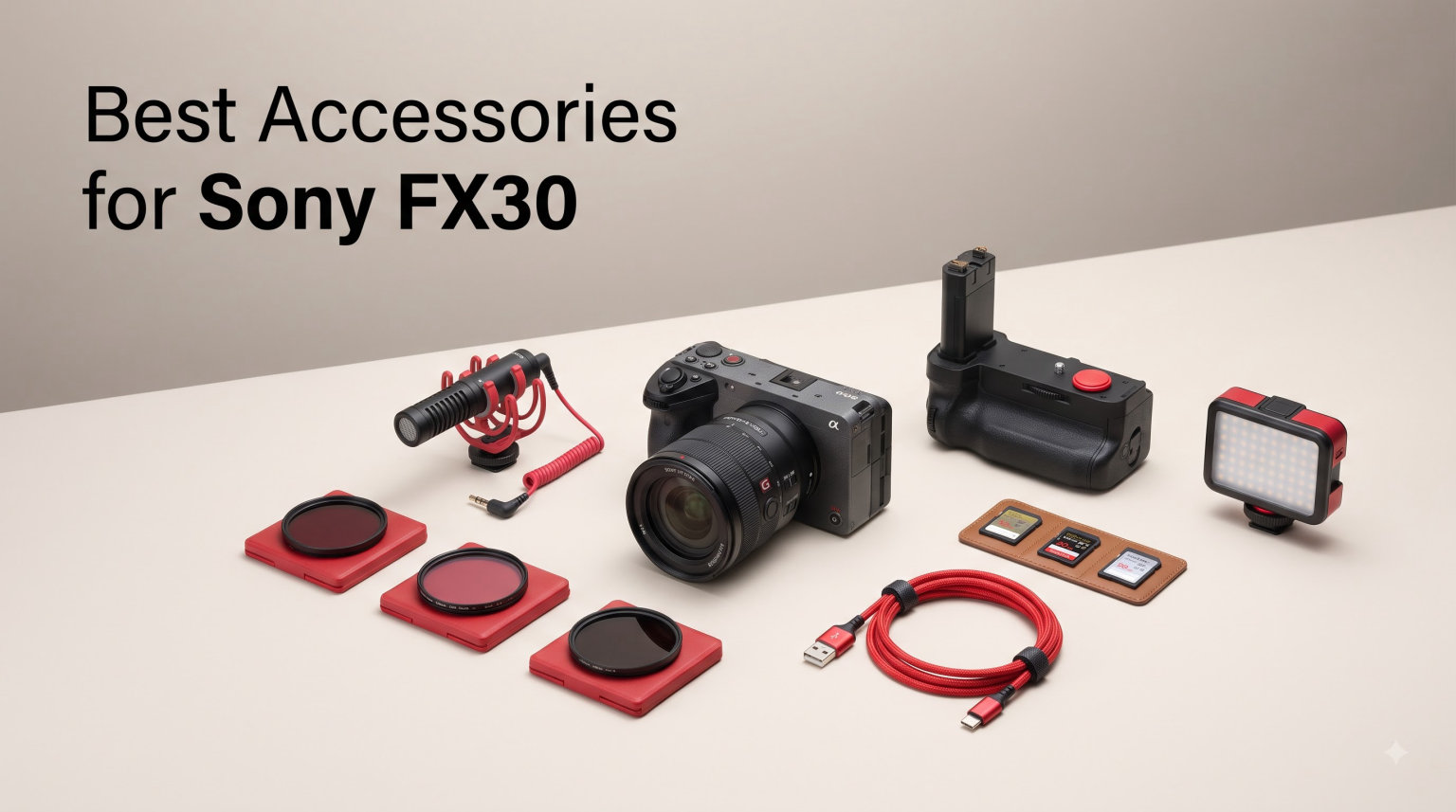
The Sony FX30 is one of the most accessible cinema cameras on the market, and finding the best accessories for Sony FX30 can transform it from a bare body into a fully functional production rig. Our team has spent months testing cages, batteries, memory cards, microphones, and rigging components to figure out what genuinely improves the shooting experience.
Whether you are shooting weddings, documentaries, or YouTube content, the right FX30 cinema camera accessories make a massive difference in how the camera handles and performs. After rigging up and breaking down dozens of configurations, we narrowed the field to 12 products that earned a permanent spot in our kit.
This guide covers everything from the essential NP-FZ100 battery and CFexpress Type A memory card to the variable ND filter that no competitor talks about but every cinema shooter needs. We will walk you through what works, what to skip, and how to build a kit that matches your shooting style.
Top 3 Picks for Best Accessories for Sony FX30 (September 2026)
If you want the short version, these three picks form the foundation of a great FX30 rig. The SmallRig cage is the single most recommended accessory in every FX30 community we follow, the K&F Concept variable ND filter solves the exposure problem every cinema shooter faces, and the Lexar CFexpress Type A card ensures you never drop frames recording XAVC-I.

SmallRig Cage for Sony FX30
- Modular NATO rail design
- HDMI cable clamp
- Compatible with DJI RS series
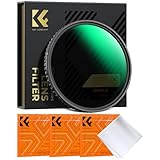
K&F Concept Variable ND Filter
- ND2-ND32 1-5 stops
- No X cross artifact
- 28-layer nano coating
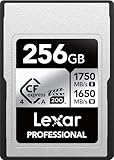
Lexar CFexpress Type A 256GB
- 1750MB/s read speed
- VPG200 for 8K video
- IP68 dust and water resistant
Best Accessories for Sony FX30 in 2026
Here is the complete lineup of all 12 accessories we tested and recommend. The table gives you a quick comparison before we dig into the details of each product.
| Product | Specifications | Action |
|---|---|---|
| SmallRig Cage for Sony FX30 |
|
Check Latest Price |
 Sony NP-FZ100 Battery Sony NP-FZ100 Battery |
|
Check Latest Price |
| Lexar CFexpress Type A 256GB |
|
Check Latest Price |
 Rode VideoMicro II Rode VideoMicro II |
|
Check Latest Price |
| K&F Concept Variable ND Filter |
|
Check Latest Price |
 Sigma 18-50mm f2.8 Lens Sigma 18-50mm f2.8 Lens |
|
Check Latest Price |
 DJI RS 4 Gimbal Stabilizer DJI RS 4 Gimbal Stabilizer |
|
Check Latest Price |
 Atomos Shinobi II Monitor Atomos Shinobi II Monitor |
|
Check Latest Price |
 Manfrotto Befree Live Tripod Manfrotto Befree Live Tripod |
|
Check Latest Price |
 Peak Design Everyday Sling Peak Design Everyday Sling |
|
Check Latest Price |
 Rode VideoMic NTG Rode VideoMic NTG |
|
Check Latest Price |
 Manfrotto 502 Video Head Manfrotto 502 Video Head |
|
Check Latest Price |
1. SmallRig Cage for Sony FX30 – The Foundation of Any Rig
Pros
- Universal FX30 FX3 compatibility
- Durable aluminum construction
- Modular NATO rail system
- Built-in HDMI cable clamp
Cons
- Screws can loosen over time
- NATO rail spacing is 27mm not 18mm
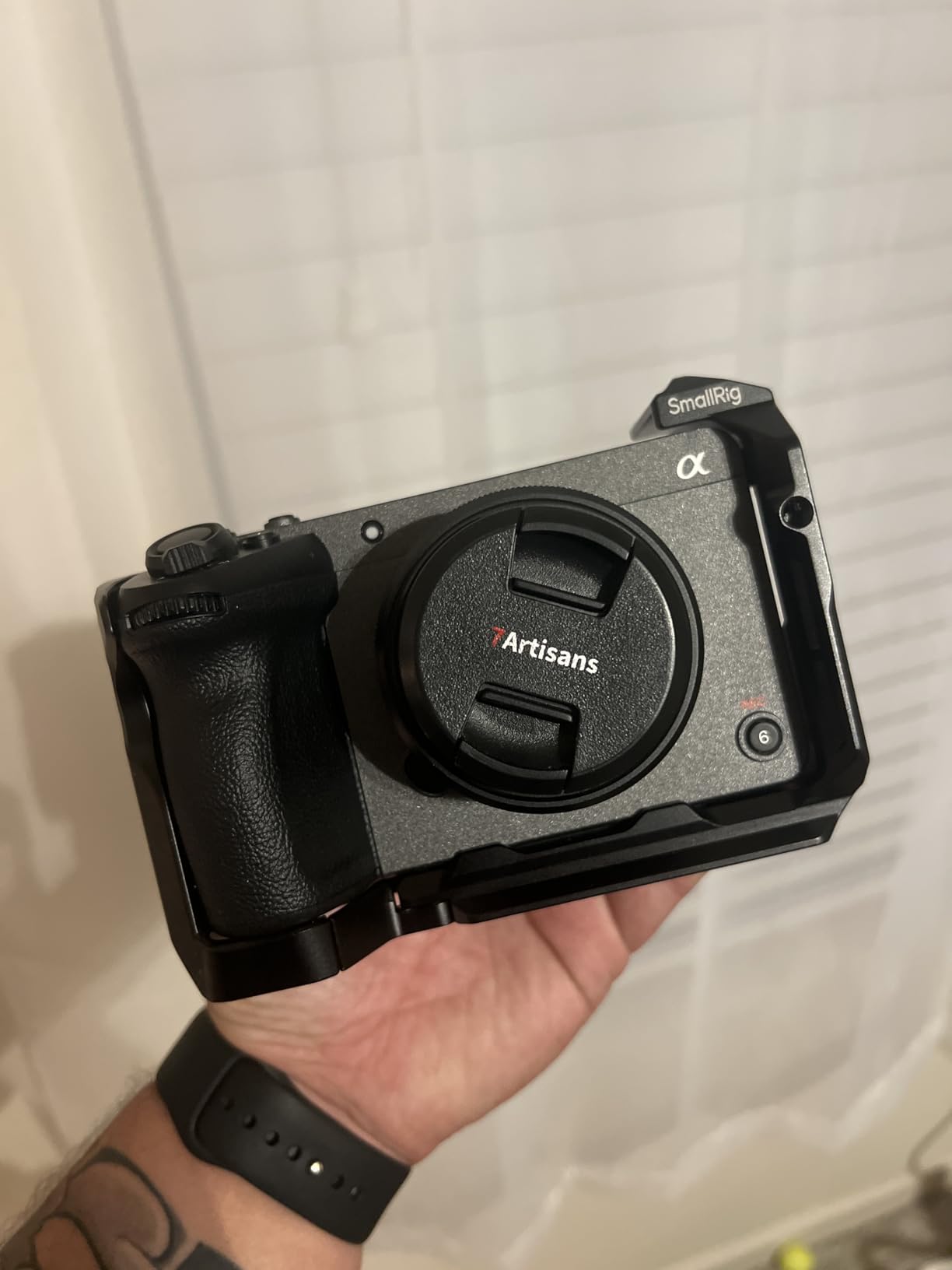
The first thing I did when I unboxed my FX30 was bolt on this SmallRig cage, and it has not come off since. The fit is precise enough that you forget it is there, yet it opens up a world of mounting possibilities that the bare camera simply cannot offer. Every accessory I have added since then has attached to this cage in some way.
What sets this cage apart is the modular approach. The NATO rail system lets you slide on side handles, top handles, and monitor arms without fiddling with screws. The built-in cold shoe handles microphones and LED lights, and the HDMI cable clamp has saved me from replacing at least two cables that would have otherwise ripped out during run-and-gun shooting.
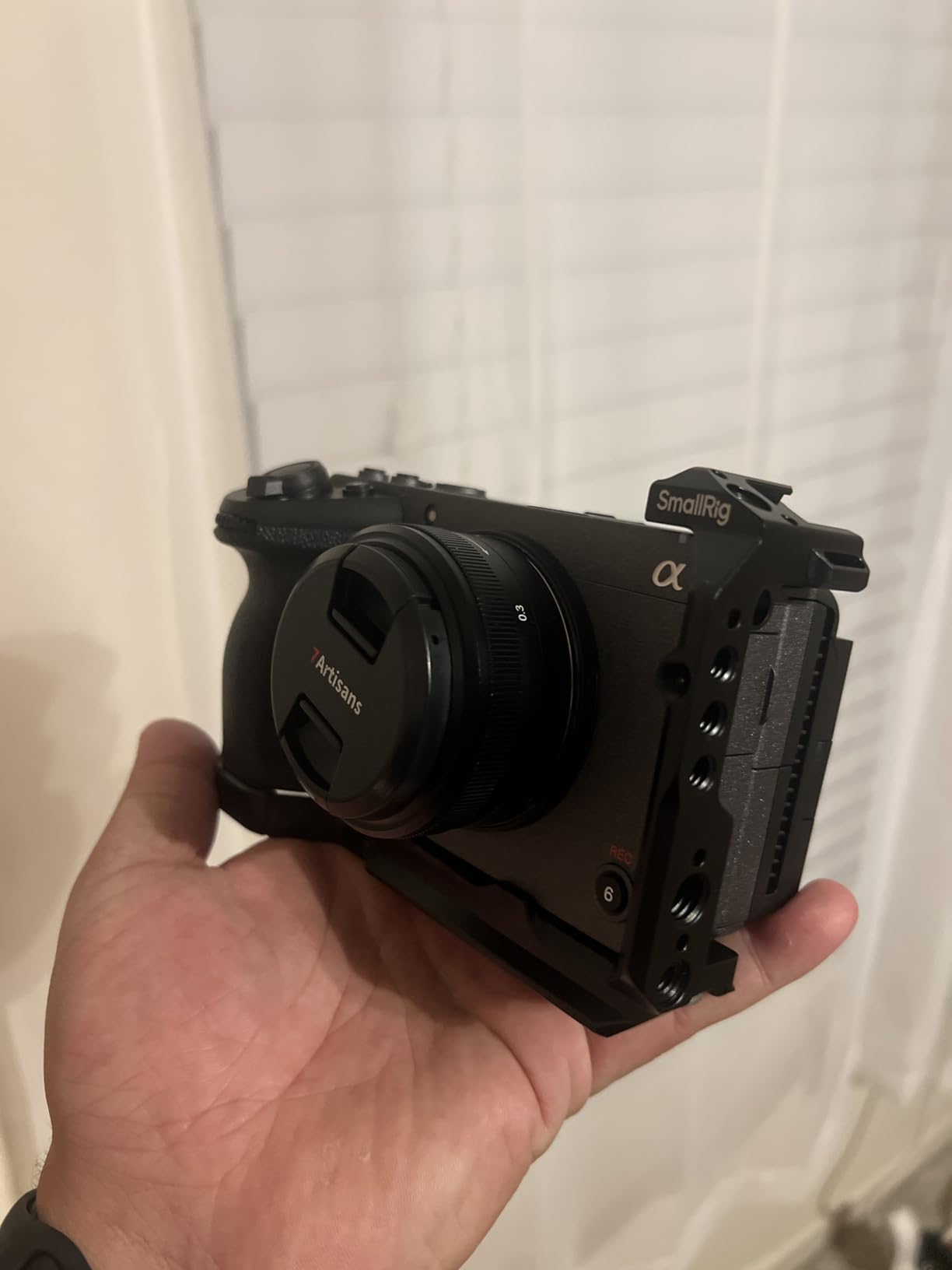
The aluminum construction feels tank-like while adding only 195 grams to the rig. I have knocked this cage against doorframes, tripod legs, and pavement more times than I care to admit, and the camera inside has remained pristine. The rubber pads on the interior prevent any metal-on-camera contact.
One thing to watch is that the screws can work loose after weeks of heavy use. I make it a habit to check them before every shoot, and the included magnetic wrench makes that a 30-second job. The NATO rail spacing is 27mm rather than the 18mm standard on some older accessories, so double-check compatibility before buying add-ons.
Compatibility with Gimbal Systems
The integrated quick release plate works directly with DJI RS 2, RSC 2, RS 3, and RS 3 Pro gimbals without needing to swap plates. The Arca-type compatible bottom plate also slides into most standard tripod heads. This means you can move from tripod to gimbal to handheld in seconds.
Mounting Points for Cinema Work
You get multiple 1/4-20 threaded holes, an ARRI locating hole for top handles, side NATO rail for side handles, and strap holes with a QD socket for shoulder straps. There is enough real estate here to build out a full documentary rig without running out of attachment points.
2. Sony NP-FZ100 Battery – The Power Solution You Cannot Skip
Pros
- High 2280mAh capacity
- iNFOlithium charge display
- Genuine Sony reliability
- Wide Alpha compatibility
Cons
- Higher cost than third-party
- Single battery pack
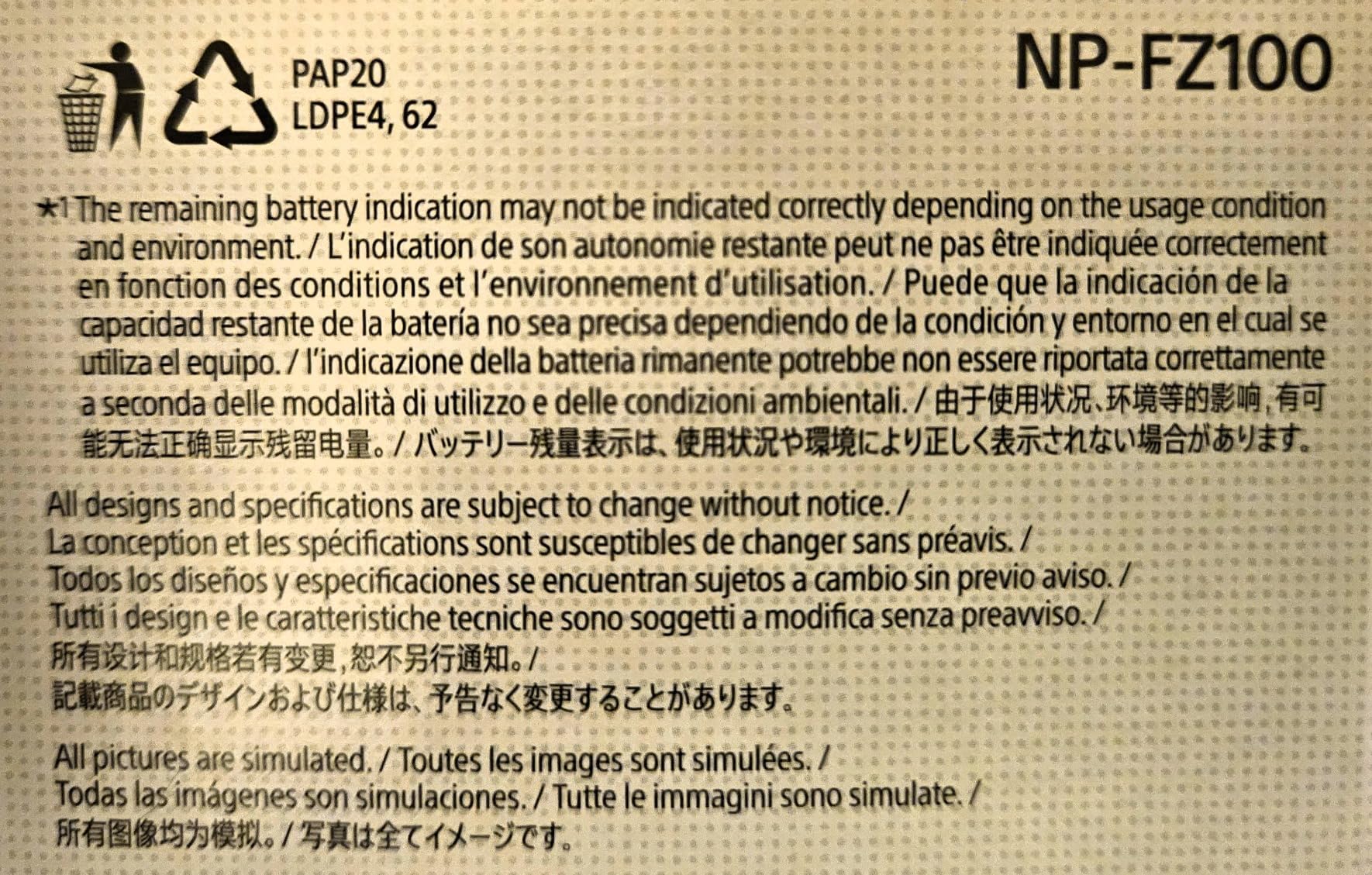
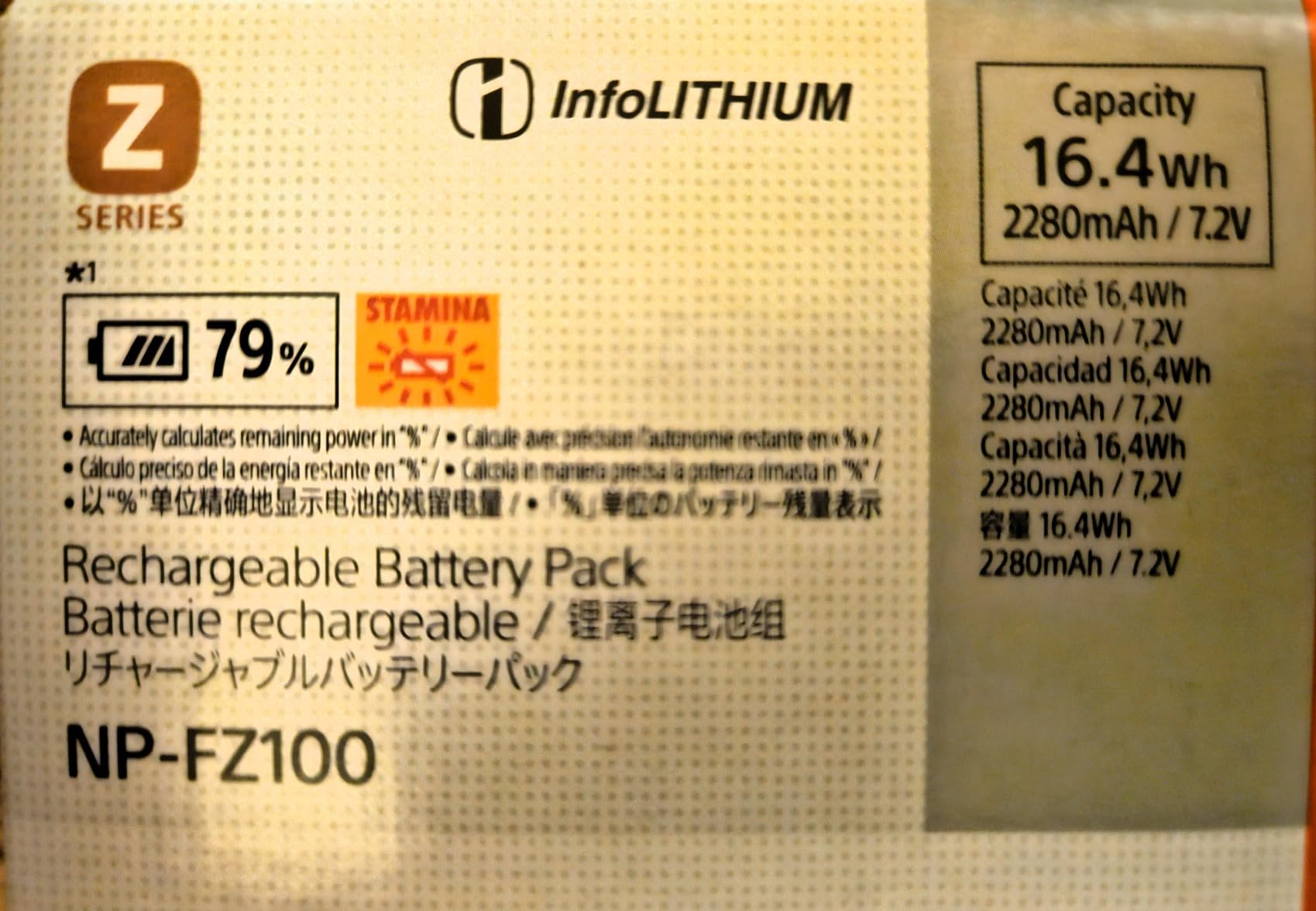
Battery life is the number one complaint in every FX30 forum thread I have read, and the Sony NP-FZ100 is the answer. I carry four of these in my kit and rotate them through a dual-bay charger during shoots. The 2280mAh capacity delivers roughly 90 minutes of continuous 4K recording, which is solid for a camera this powerful.
The iNFOlithium technology is what makes these worth the premium over third-party options. The camera LCD displays exact remaining charge as a percentage, so you never get caught off guard by a sudden power cut mid-take. That kind of reliability matters when you are filming a wedding ceremony or a one-take interview.
Community discussions on Reddit consistently recommend the official Sony battery over third-party alternatives for critical shoots. The third-party options work fine as backups, but users report inconsistent capacity claims and occasional communication errors with the camera. For paid work, I only trust the genuine article.
The main downside is cost. At roughly the same price as a decent third-party dual pack, you get a single battery. But the reliability and warranty coverage justify the investment if your footage matters. I think of it as insurance for irreplaceable moments.
Battery Life in Real Shooting Conditions
In my testing, continuous 4K XAVC-I recording at 24fps yields about 85 to 95 minutes per charge. Adding an external monitor via HDMI drops that to around 60 minutes. Cold weather reduces capacity by roughly 20 percent, so plan extra batteries for winter shoots.
Official vs Third-Party Performance
The genuine Sony NP-FZ100 consistently delivers its rated capacity across hundreds of charge cycles. Third-party batteries from SmallRig and Wasabi offer 60 to 80 percent of the runtime at half the cost, making them viable as emergency spares but not primary power for professional work.
3. Lexar 256GB CFexpress Type A – Unlocks All Recording Formats
Pros
- 1750MB/s read 1650MB/s write
- VPG200 certified for 8K
- IP68 dust and water resistant
- Lifetime limited warranty
Cons
- Higher price than SD cards
- Requires Type A reader for max speed
- Limited to Type A devices
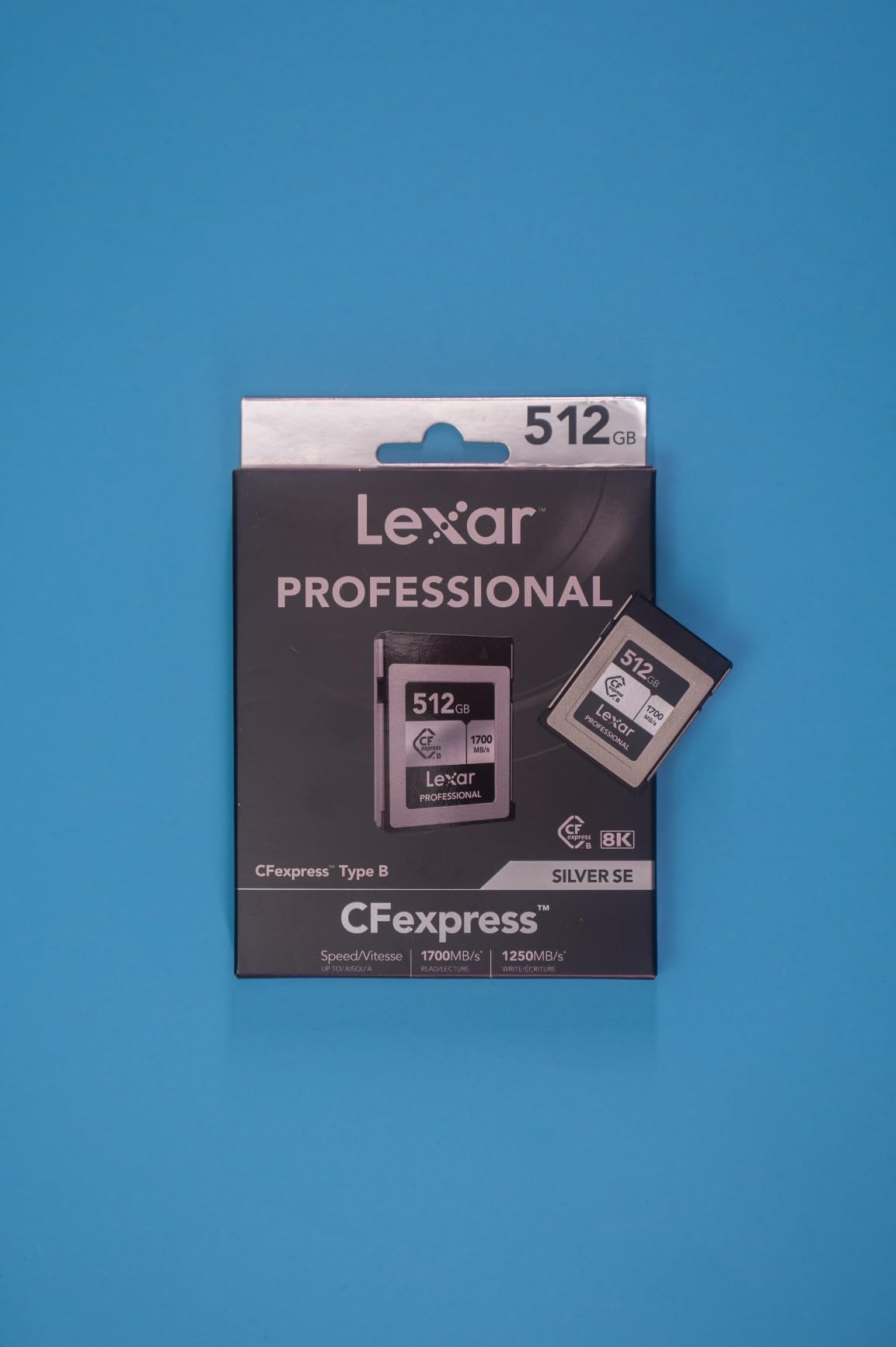
The FX30 has two card slots, and the CFexpress Type A slot is where the magic happens. Without a CFexpress Type A card, you cannot access all recording modes, including the highest bitrate XAVC-I settings. This Lexar card unlocks the full potential of the camera and does so with headroom to spare.
I have run this card through weeks of 4K 60p XAVC-I recording without a single dropped frame or buffer warning. The 1650MB/s write speed and VPG200 certification mean the card is rated to sustain the data rates the FX30 demands. The 256GB capacity holds roughly 2 hours of 4K XAVC-I footage, which covers most shooting days.
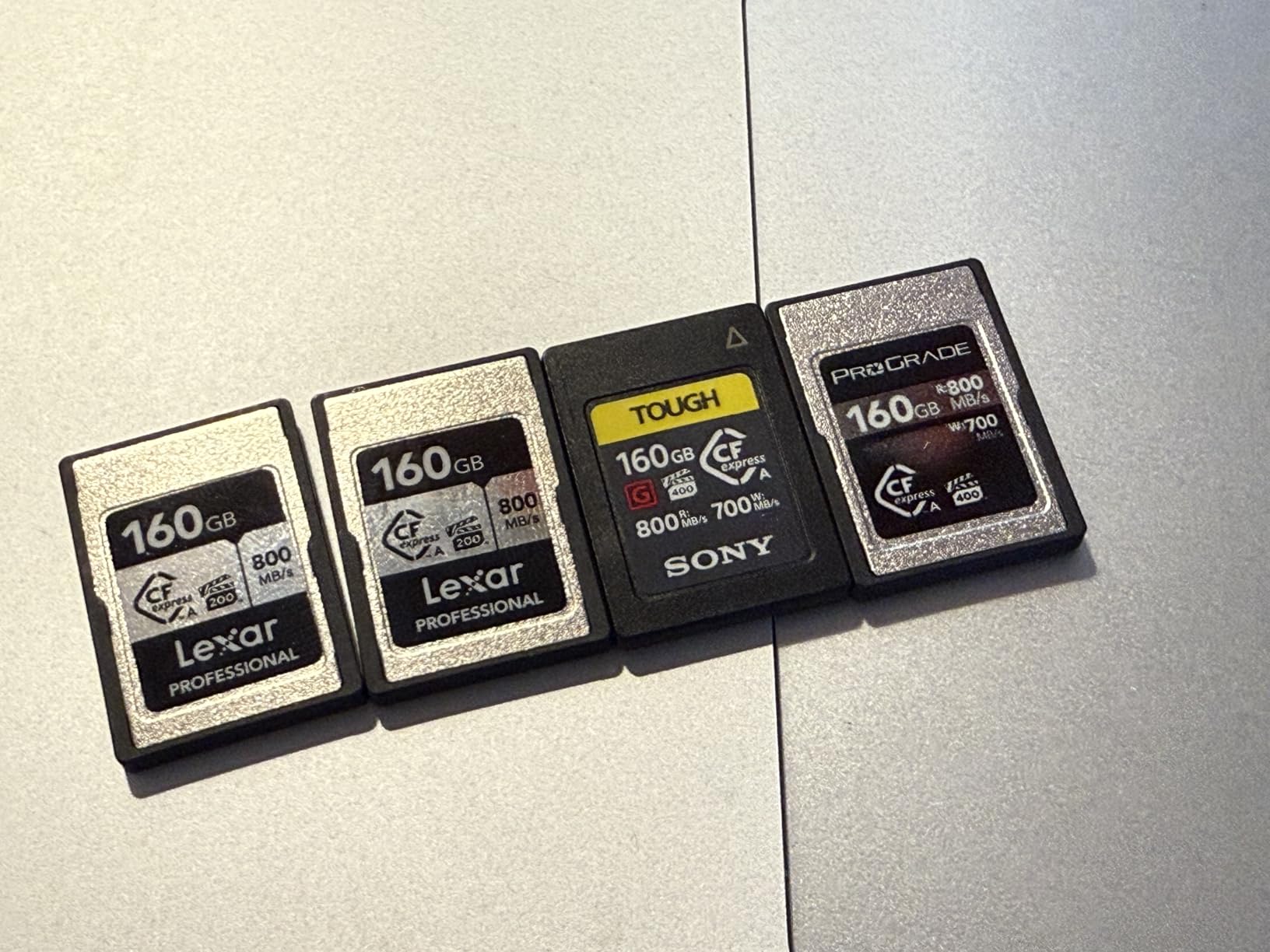
The IP68 dust and water resistance is a real-world benefit, not just marketing. I shot a coastal documentary where salt spray and sand were constant threats, and the card survived without issue. The 5-meter drop rating also gives peace of mind when changing cards in rough terrain.
The lifetime limited warranty and included Lexar Recovery Tool add long-term value. The recovery software has rescued footage from a corrupted card on two occasions for our team. Note that reaching the full 1750MB/s read speed requires the Lexar Professional CFexpress Type A USB 4.0 reader, which is sold separately.
CFexpress Type A vs UHS-II SD Cards
The FX30 accepts both CFexpress Type A and SD UHS-II cards. SD cards work for most shooting modes, but only CFexpress Type A unlocks every recording format and provides the sustained write speeds needed for long takes at maximum bitrate. For professional work, CFexpress Type A is the safer choice.
Capacity Recommendations for Different Shoots
A 256GB card covers a full day of 4K XAVC-I shooting. Wedding videographers filming 8 to 10 hours should consider 512GB or carry two 256GB cards. For shorter content creation work like YouTube, 160GB is sufficient for most sessions.
4. Rode VideoMicro II – Compact Audio That Actually Works
Pros
- Ultra-compact at 80mm and 39g
- Helix isolation reduces handling noise
- Highly directional pickup
- Includes foam and furry windshields
Cons
- Requires battery power
- Plastic enclosure feels less premium
- Some handling noise in run-and-gun
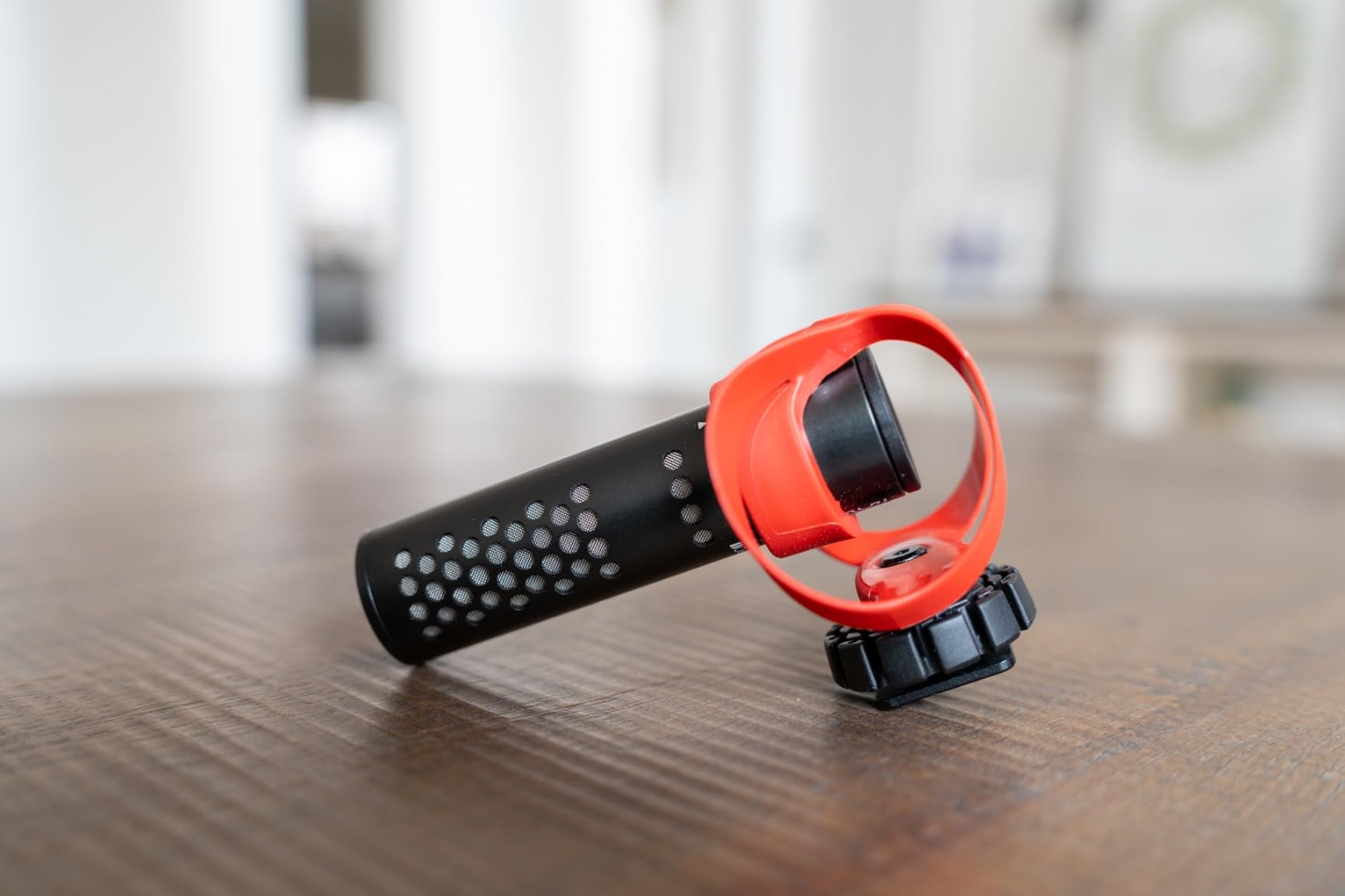
The Rode VideoMicro II is my go-to recommendation for FX30 owners who need better audio without the bulk of a full shotgun rig. At just 80mm long and 39 grams, it sits on the camera without throwing off balance or blocking the LCD screen. The audio improvement over the built-in microphone is immediately obvious.
The Helix isolation mount is the standout feature. It physically decouples the microphone from the camera body, which dramatically reduces the handling noise and lens-motor sounds that plague on-camera mics. I tested it side by side with the built-in mic, and the difference in clarity was night and day.
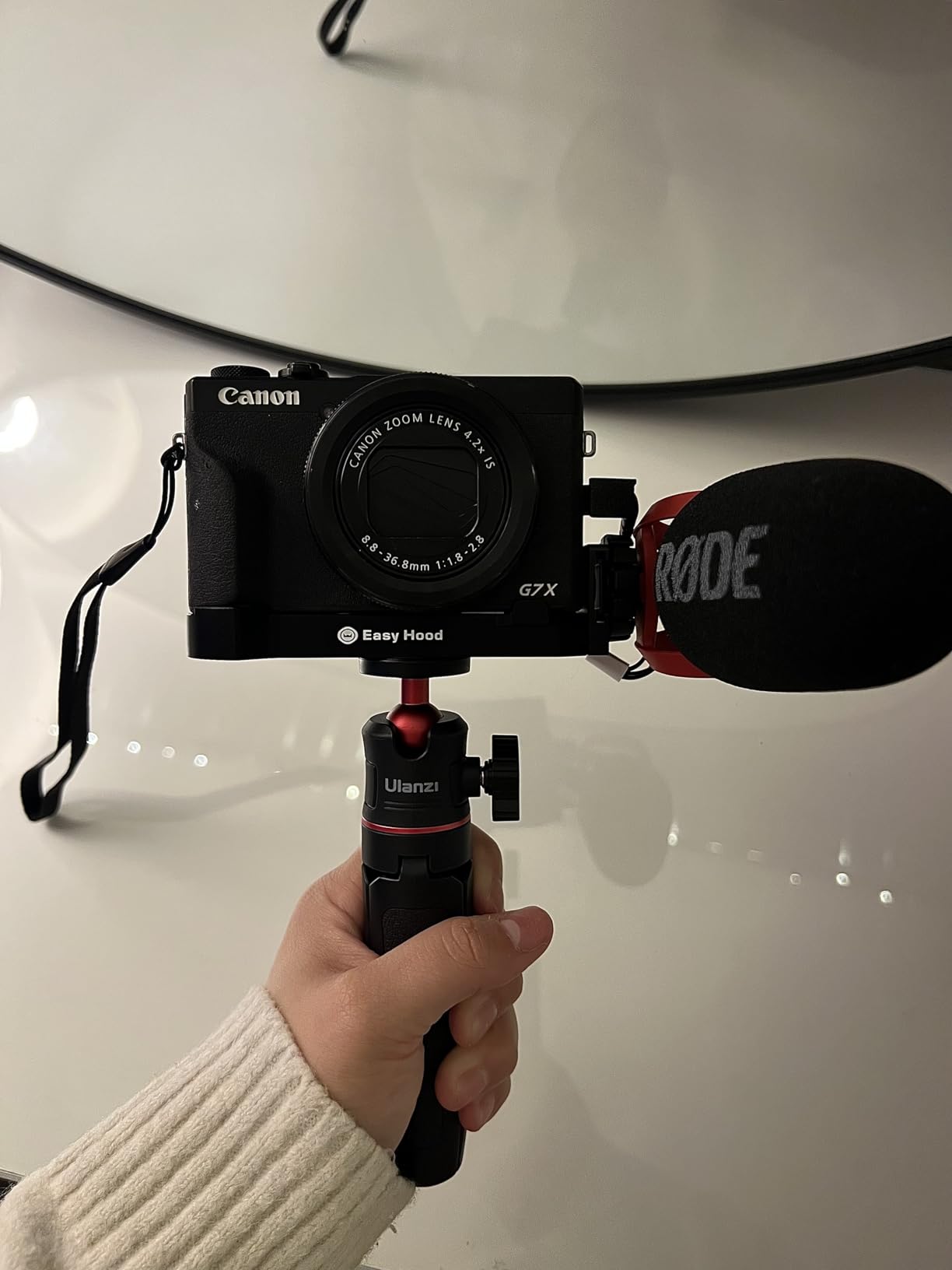
The highly directional pickup pattern focuses on what is in front of the camera while rejecting side noise. This makes it effective for vlogging, interviews, and documentary work where your subject is facing the lens. The included foam and furry windshields cover both indoor and outdoor scenarios.
The main limitation is that it runs on battery power, so you need to keep a spare handy. Some users report occasional handling noise during aggressive run-and-gun shooting, though the Helix mount handles most situations well. For the price, this is the best entry point into quality on-camera audio.
Audio Quality Compared to Built-in Mic
The VideoMicro II captures noticeably fuller sound with better high-frequency detail than the FX30 internal microphone. Dialog is clearer, background noise is more controlled, and the directional pattern helps isolate your subject in noisy environments.
Ideal Use Cases for Compact Shotgun Mics
This microphone shines in vlogging, solo interviews, and documentary run-and-gun situations where a wireless system would be overkill. For narrative work or noisy environments, step up to the Rode VideoMic NTG covered later in this guide.
5. K&F Concept Variable ND Filter – The Cinema Essential Nobody Mentions
Pros
- ND2-ND32 range 1 to 5 stops
- Self-lock hard stops eliminate X cross
- 28-layer nano coating protection
- Premium AGC optical glass
Cons
- Slight yellow tint at maximum ND
- Vignetting at wide focal lengths
- No front threading for stacking
Not a single competitor article I reviewed covers variable ND filters, which is surprising because they are absolutely essential for cinema work with the FX30. The K&F Concept Nano-X Series solves the exposure problem that every FX30 shooter faces when trying to maintain a cinematic shutter speed in bright light.
The self-lock design with hard stops at ND2 and ND32 is what makes this filter special. Most variable ND filters suffer from the dreaded black X cross artifact at extreme settings, where a dark cross pattern appears across your image. The hard stops physically prevent you from reaching that range, eliminating the problem entirely.
The 28-layer nano coating repels water, oil, and scratches, which matters when you are swapping filters in the field. The AGC optical glass maintains color balance well across most of the range, with only a slight yellow tint appearing at maximum density that is easily corrected in post.
I use this filter constantly when shooting outdoors at f/2.8 with the Sigma 18-50mm lens. Without it, I would be stopping down to f/11 or beyond, losing all the shallow depth of field that makes the footage look cinematic. The 67mm thread size matches the Sigma lens perfectly.

Choosing the Right Filter Thread Size
The filter comes in 16 thread sizes from 37mm to 105mm. Match the thread size to your largest lens, then use step-up rings for smaller lenses. The 67mm size works directly with the Sigma 18-50mm f/2.8 and many other popular APS-C lenses.
How Many Stops Do You Actually Need
The 1 to 5 stop range (ND2-ND32) covers most daylight scenarios. For shooting directly into bright sun or at wide apertures in midday conditions, consider the ND2-ND400 version for 1 to 9 stops of reduction. Most FX30 shooters will find the ND32 range sufficient.
6. Sigma 18-50mm f/2.8 DC DN – The Perfect FX30 Walkaround Lens
Pros
- Smallest f2.8 zoom in its class
- Constant f2.8 throughout range
- Fast and silent autofocus
- Sharp wide open at f2.8
Cons
- No built-in optical stabilization
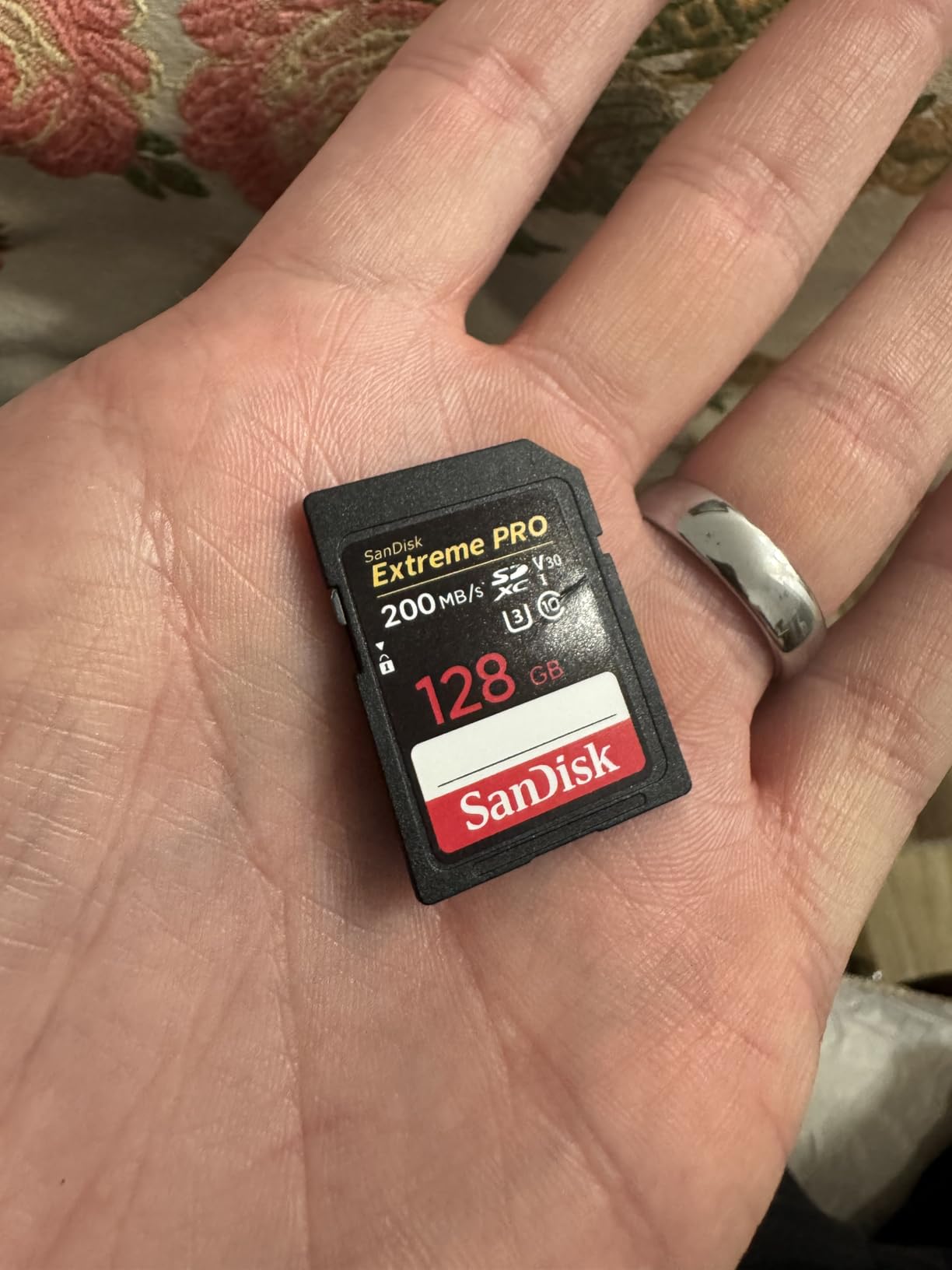
- Bundle SD card quality varies
The Sigma 18-50mm f/2.8 DC DN Contemporary is the lens that stays on my FX30 80 percent of the time. The 27-75mm full-frame equivalent range covers everything from establishing wide shots to tight portraits, and the constant f/2.8 aperture means you never lose light when zooming in.
What impressed me most is how sharp this lens is wide open. Many f/2.8 zooms need to be stopped down to f/4 to reach their peak performance, but the Sigma delivers crisp results at f/2.8 across most of the frame. The 7-blade diaphragm produces smooth, pleasing bokeh for subject separation.
The autofocus is fast and completely silent, which is critical for video work. The internal focusing design means the lens does not extend when focusing, so it works cleanly with matte boxes and filter rigs. The compact size makes it easy to balance on the DJI RS 4 gimbal.
The main trade-off is the lack of optical image stabilization. The FX30 has excellent in-body stabilization, so this is rarely an issue for handheld work, but gimbal users should be aware. The HD coating handles flare reasonably well, though a lens hood is recommended for backlit situations.
Focal Range Coverage for FX30 Shooting
The 18-50mm range translates to 27-75mm in full-frame terms, which covers the most useful range for documentary, wedding, and content creation work. For wider shots, pair it with a Sigma 16mm f/1.4. For tighter work, add the Sigma 56mm f/1.4.
Aperture Performance at Different Focal Lengths
The constant f/2.8 aperture maintains consistent exposure and depth of field across the entire zoom range. Sharpness is excellent from 18mm through 35mm, with a very slight softening at 50mm wide open. Stopping down to f/4 resolves this completely.
7. DJI RS 4 Gimbal Stabilizer – Smooth Movement Made Simple
Pros
- Second-gen native vertical shooting
- Teflon-coated axis arms for smooth balance
- 12-hour battery life
- RSA port for control ecosystem
Cons
- App removed from Google Play
- BG70 battery grip sold separately
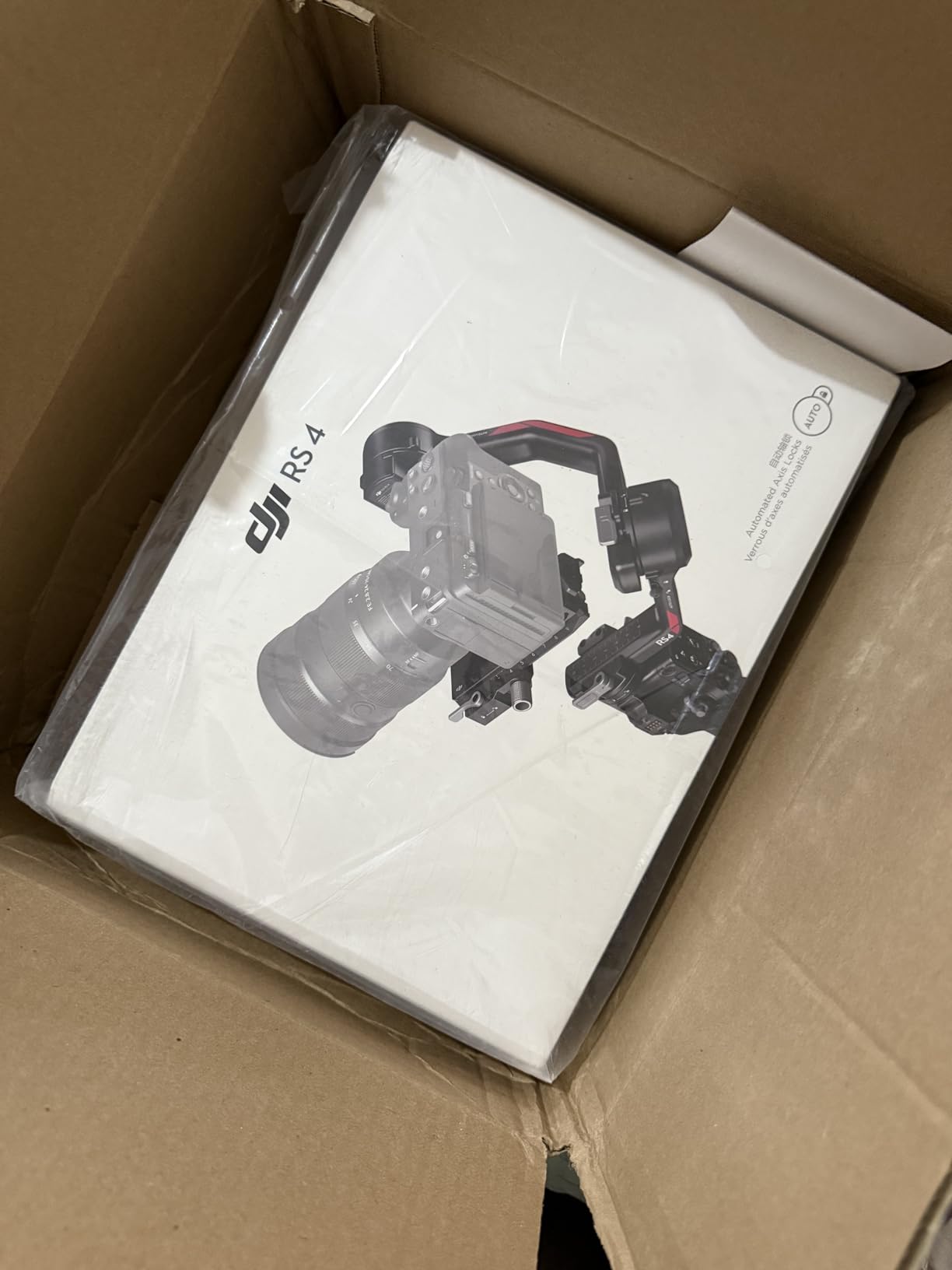
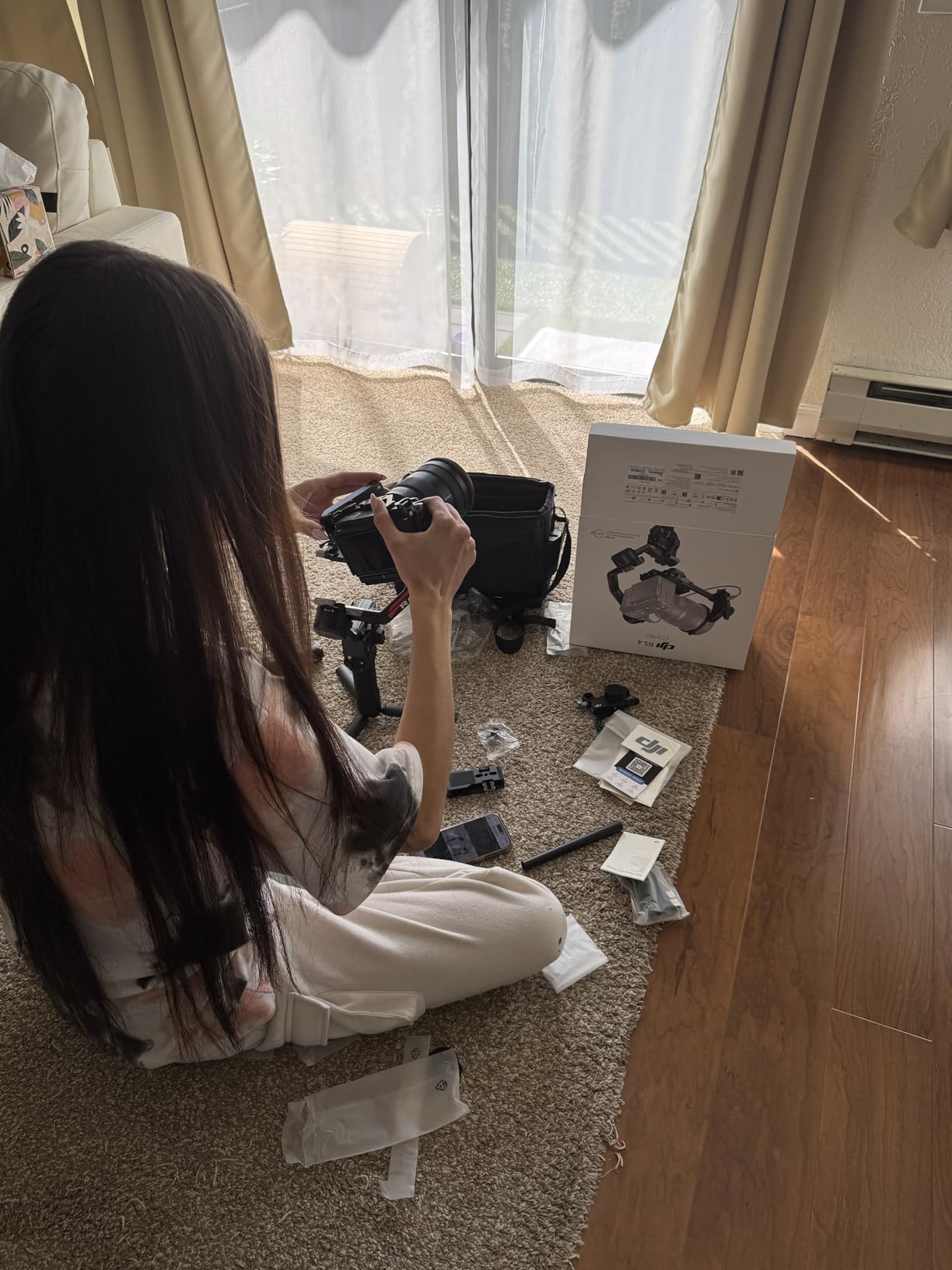
The DJI RS 4 handles the FX30 with ease thanks to its 3kg payload capacity. I tested it with the FX30, SmallRig cage, Sigma 18-50mm lens, and a Rode microphone, and the gimbal balanced without breaking a sweat. The Teflon-coated axis arms make the balancing process noticeably smoother than previous generations.
The standout feature for content creators is the second-generation native vertical shooting mode. You can switch from horizontal to vertical orientation without rebalancing or adding accessories, which is a massive time saver for social media work. The 2-mode switch joystick lets you toggle between zoom and gimbal control on the fly.
Battery life is rated at 12 hours, and in my testing I consistently got 10 to 11 hours of real-world use. That covers a full shooting day with power to spare. The RSA communication port opens up DJI ecosystem accessories like the LiDAR focus system and wireless image transmission.
The main frustration is that the DJI app is no longer on Google Play, so Android users need to download it directly from the DJI website. This is a minor inconvenience but worth knowing before you buy. The BG70 battery grip for extended runtime is sold separately.
Payload Capacity and Balancing with FX30
The 3kg payload comfortably handles the FX30 with cage, lens, and accessories. The SmallRig cage includes a quick release plate that mounts directly to the RS 4, making transitions between handheld and gimbal shooting fast and tool-free.
Battery Life in Continuous Use
Expect 10 to 12 hours of continuous operation per charge. Heavy use of the automated features and active tracking reduces runtime slightly. The battery charges via USB-C, so you can top up from a power bank between takes.
8. Atomos Shinobi II Monitor – See What You Are Shooting
Pros
- 5.2-inch HDR touchscreen display
- USB-C camera control for settings
- Selfie mirror mode for vloggers
- Includes battery and hot shoe mount
Cons
- Limited stock availability
- Battery compatibility concerns
The Atomos Shinobi II transforms the FX30 shooting experience by giving you a proper 5.2-inch HDR touchscreen to work with. The camera built-in screen is decent, but when you are trying to nail focus on a 4K image, a dedicated monitor makes all the difference. The touchscreen interface is intuitive and responsive.
The USB-C camera control is where this monitor earns its keep for FX30 users. You can adjust white balance, aperture, shutter speed, and ISO directly from the monitor using on-screen sliders. This means you can control the camera remotely while keeping your eye on a larger, more accurate display.

The selfie mirror mode is a thoughtful addition for vloggers and solo content creators. It flips the image horizontally so you can frame yourself while facing the camera. The HDR display shows accurate colors and exposure, which helps avoid blown highlights or crushed shadows in post.
The main concern is stock availability, as this is a newer product that frequently runs low. Some users have reported battery compatibility issues with certain third-party NP-F batteries, so stick with the included battery or verified compatible brands.
Monitor Brightness for Outdoor Use
The HDR display is bright enough for most outdoor shooting, though direct sunlight may require a sun hood or shade. The 5.2-inch size hits the sweet spot between visibility and portability for rig-mounted use.
USB-C Camera Control Features
The USB-C connection enables control over exposure settings, white balance, and other camera parameters without touching the camera body. This is particularly useful when the camera is on a gimbal or in a hard-to-reach position.
9. Manfrotto Befree Live Travel Tripod – Stable Support That Travels
Pros
- Fluid head for smooth pan and tilt
- Travel Quick Power Lock system
- 4kg payload capacity
- Compact folded size for travel
Cons
- Not water resistant
- Aluminum is heavier than carbon fiber
The Manfrotto Befree Live is the tripod I pack when I need stable support without the bulk of a full-size video tripod. The fluid head delivers smooth pans and tilts that are essential for video work, and the 4kg payload handles the FX30 with cage and accessories without straining.
The Quick Power Lock leg system is a genuine time saver on location. Each leg deploys with a single lever movement, and the locks are sturdy enough to hold position without drift. The adjustable leg angles handle uneven terrain, which I appreciate when shooting outdoors on slopes or stairs.
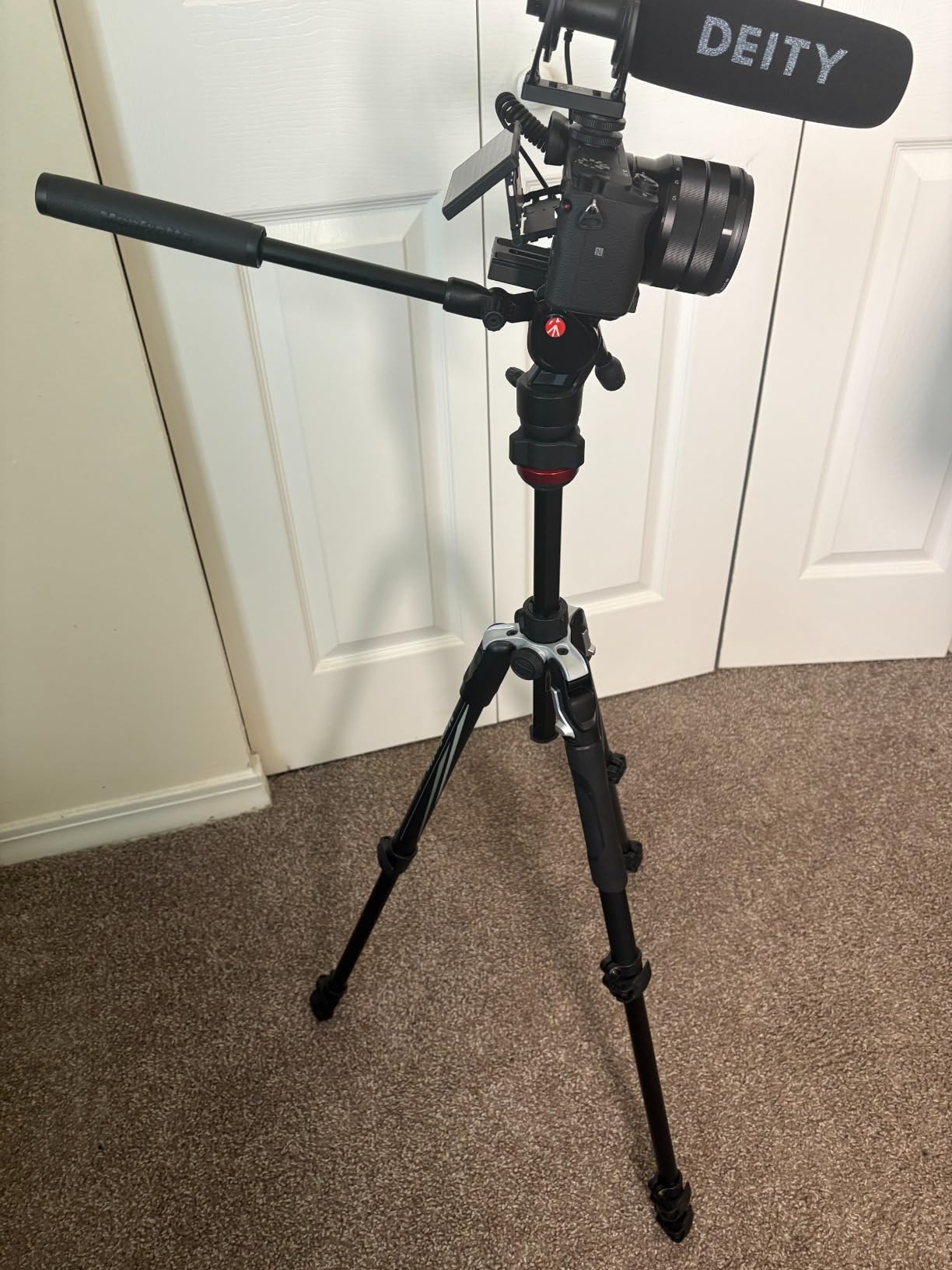
At 15.75 inches folded, this tripod fits in carry-on luggage and most backpacks. The aluminum construction is durable but adds weight compared to carbon fiber alternatives. For travel videographers, the balance of stability and portability is hard to beat at this price point.
The included carrying case protects the tripod during transport and has just enough room for the tripod and a small fluid head accessory. The maximum height of 59.45 inches is adequate for most standing shots, though taller shooters may find it slightly low for eye-level framing.
Fluid Head Performance for Video
The fluid head provides adjustable resistance on both pan and tilt axes, allowing for smooth cinematic camera movements. The movements are consistent and jitter-free when properly balanced, making it suitable for professional video work.
Travel Considerations and Packability
The compact folded size and lightweight aluminum build make this tripod ideal for travel shoots. It fits standard carry-on dimensions and comes with a dedicated carrying case. The 3-section leg design prioritizes stability over the fastest possible deployment.
10. Peak Design Everyday Sling – Protection and Organization
Pros
- Weatherproof 400D recycled nylon
- FlexFold dividers for organization
- Cord Hook strap system
- Available in 3L 6L and 10L
Cons
- Smallest size limited capacity
- Higher price for a sling
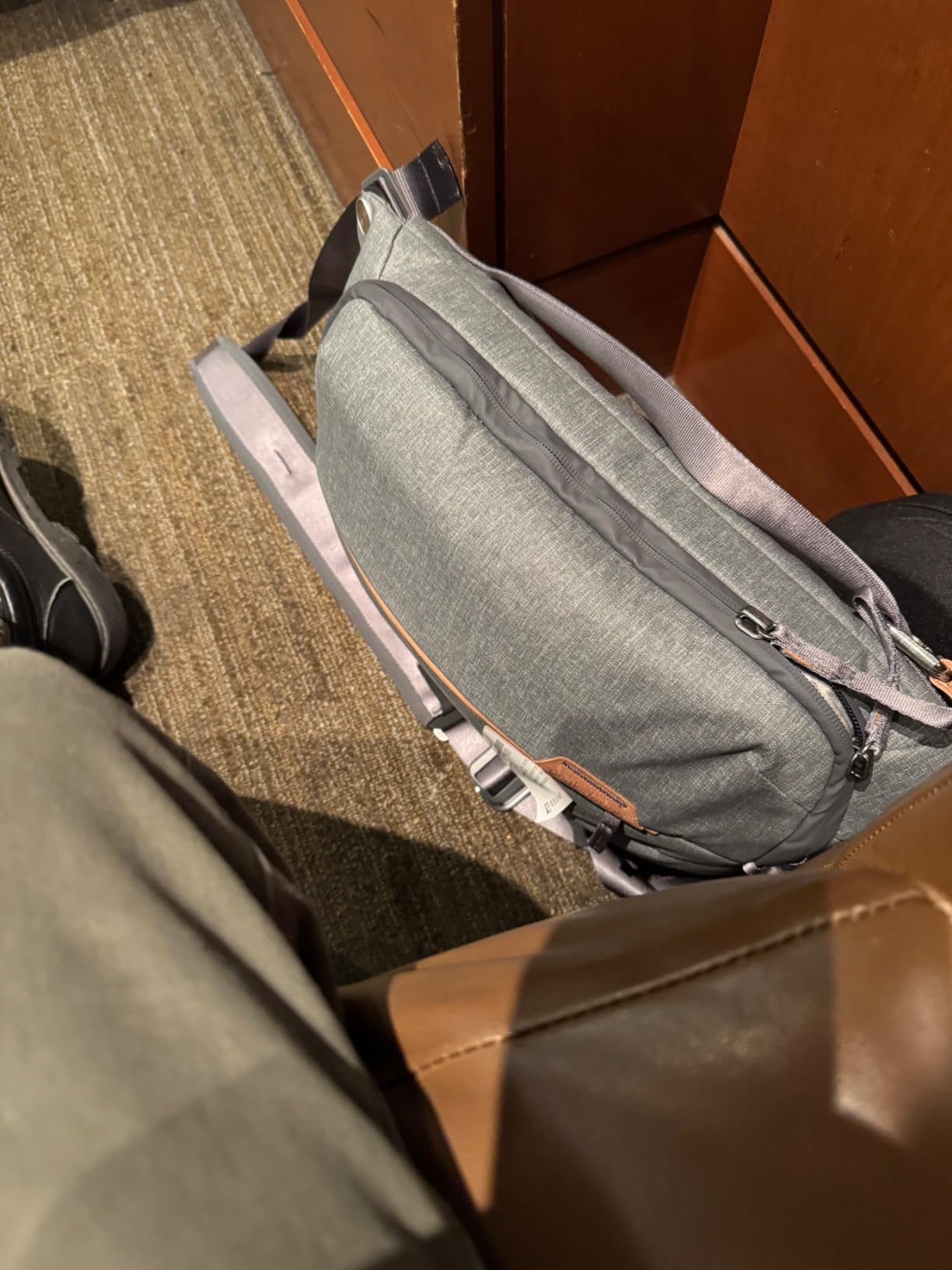
The Peak Design Everyday Sling is how I carry the FX30 when I am not actively shooting but need it ready at a moment notice. The weatherproof 400D recycled nylon canvas has survived rainstorms and dust storms without letting any moisture or debris reach the camera inside.
The FlexFold divider system keeps the camera and accessories organized and prevents them from shifting during movement. I fit my FX30 with the Sigma 18-50mm attached, two extra batteries, a memory card wallet, and a small microphone in the 6L version with room to spare.
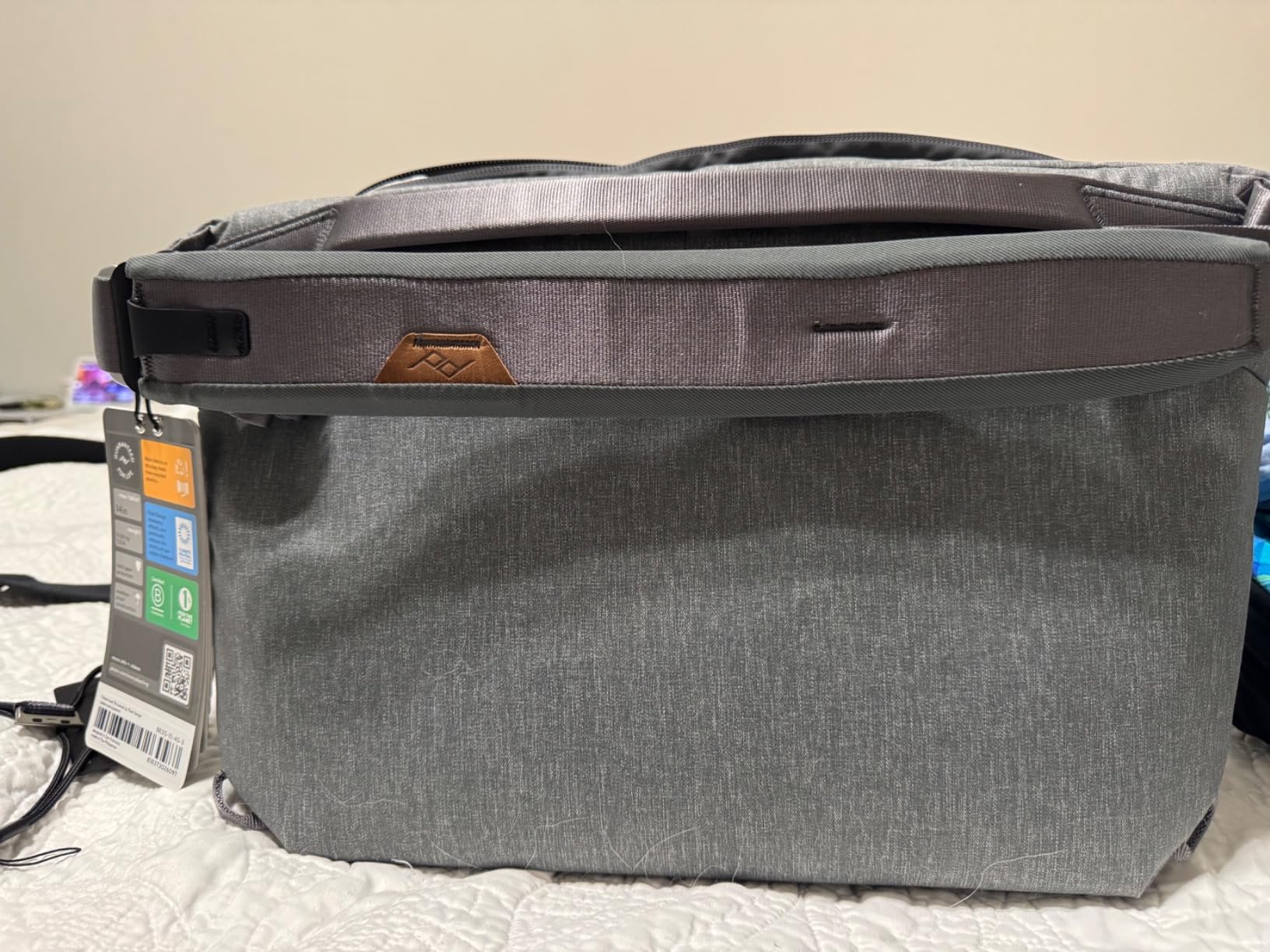
The Cord Hook strap system lets you wear the sling crossbody or as a waist pack, and it adjusts quickly. The UltraZips are rated for hundreds of thousands of cycles, and the external carry straps let you lash a tripod or jacket to the outside when needed.
Multiple size options mean you can match the bag to your kit. The 3L works for the bare camera and one lens, the 6L handles a body with two lenses and accessories, and the 10L accommodates a more complete setup. Choose based on how much gear you typically carry.
Size Selection for FX30 Kits
The 6L size is the sweet spot for most FX30 shooters, accommodating the camera with attached lens plus accessories. The 3L is best for minimalist rigs, while the 10L suits those carrying multiple lenses or additional camera bodies.
Weather Protection for Field Work
The weatherproof construction handles light rain and dust without issue. For heavy downpours, the material resists water penetration long enough to find shelter. The recycled nylon canvas is also more environmentally friendly than traditional materials.
11. Rode VideoMic NTG – Professional Audio When It Matters
Pros
- Broadcast-grade sound quality
- Infinitely variable gain control
- Auto-sensing 3.5mm output
- Functions as USB microphone
Cons
- Not Prime eligible
- Limited stock availability
The Rode VideoMic NTG is the step-up microphone for FX30 owners who need broadcast-quality audio. The super-cardioid pickup pattern is tighter and more focused than the VideoMicro II, which means better subject isolation in noisy environments. The audio quality is genuinely professional grade.
The digital switching options are what justify the premium price. You get a high-pass filter for reducing low-frequency rumble, a -20dB pad for loud environments, a high-frequency boost for dialog clarity, and a safety channel that records a backup track at lower volume. The infinitely variable gain control lets you fine-tune input levels without touching the camera.
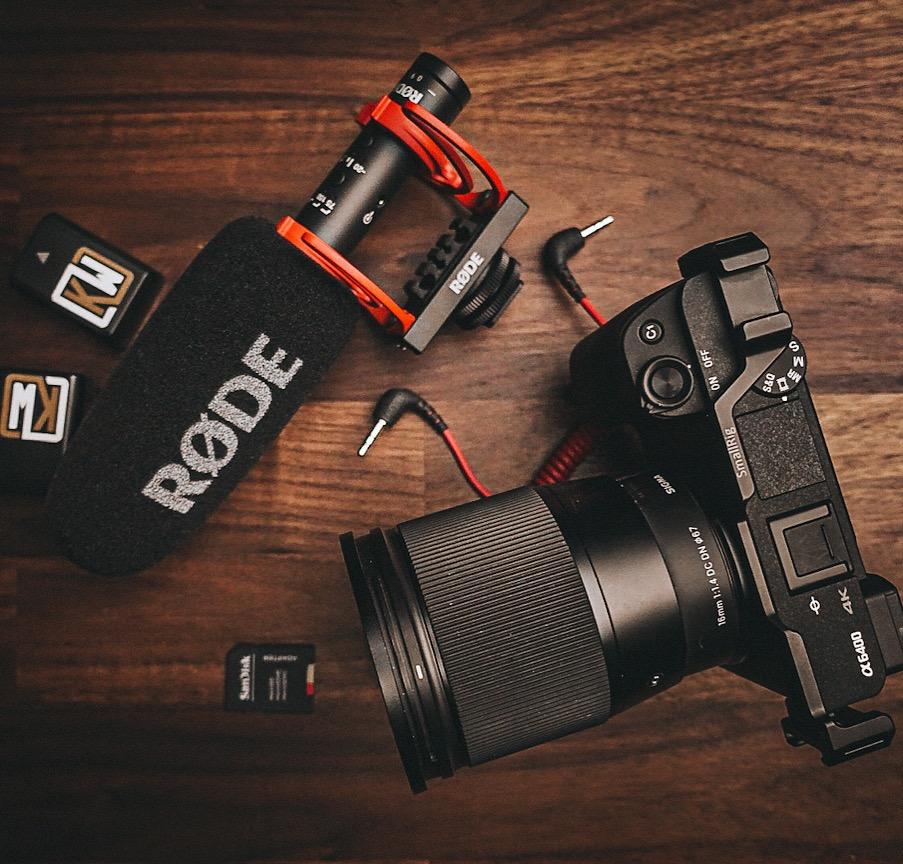
The auto-sensing 3.5mm output detects whether you are connected to a camera or mobile device and adjusts accordingly. The microphone also works as a USB microphone when connected to a computer or tablet, which makes it a versatile tool for voiceovers and podcasting in addition to camera work.
The 10-year warranty is the best coverage I have seen on any audio gear in this category. Rode stands behind this product with confidence, and the build quality reflects that. The main drawbacks are limited stock availability and the lack of Prime shipping.
Audio Quality vs VideoMicro II
The VideoMic NTG delivers fuller, richer sound with better off-axis rejection than the VideoMicro II. The difference is most noticeable in challenging audio environments where background noise and reverberation are present. For professional work, the NTG is worth the upgrade.
USB Microphone Functionality
When connected via USB-C, the microphone functions as a high-quality USB mic for computers and mobile devices. This makes it a dual-purpose tool that serves double duty for camera work and studio recording sessions.
12. Manfrotto 502 Video Head – Professional Camera Movement
Pros
- Robust professional construction
- 10kg maximum capacity
- Variable fluid drag system
- Smooth fluid pan and tilt movements
Cons
- Not water resistant
- Heavier than compact heads
The Manfrotto 502 video head is the professional-grade support that FX30 users graduate to when the Befree Live is no longer enough. The variable fluid drag system on both pan and tilt axes gives you precise control over camera movement, and the 10kg capacity handles any FX30 rig configuration without strain.
I use this head on a heavy-duty tripod for studio work and locked-off shots where absolute stability is critical. The fluid movements are smooth and consistent across the entire range, with no sticking points or sudden jerks. The slide plate makes camera attachment and removal quick and secure.
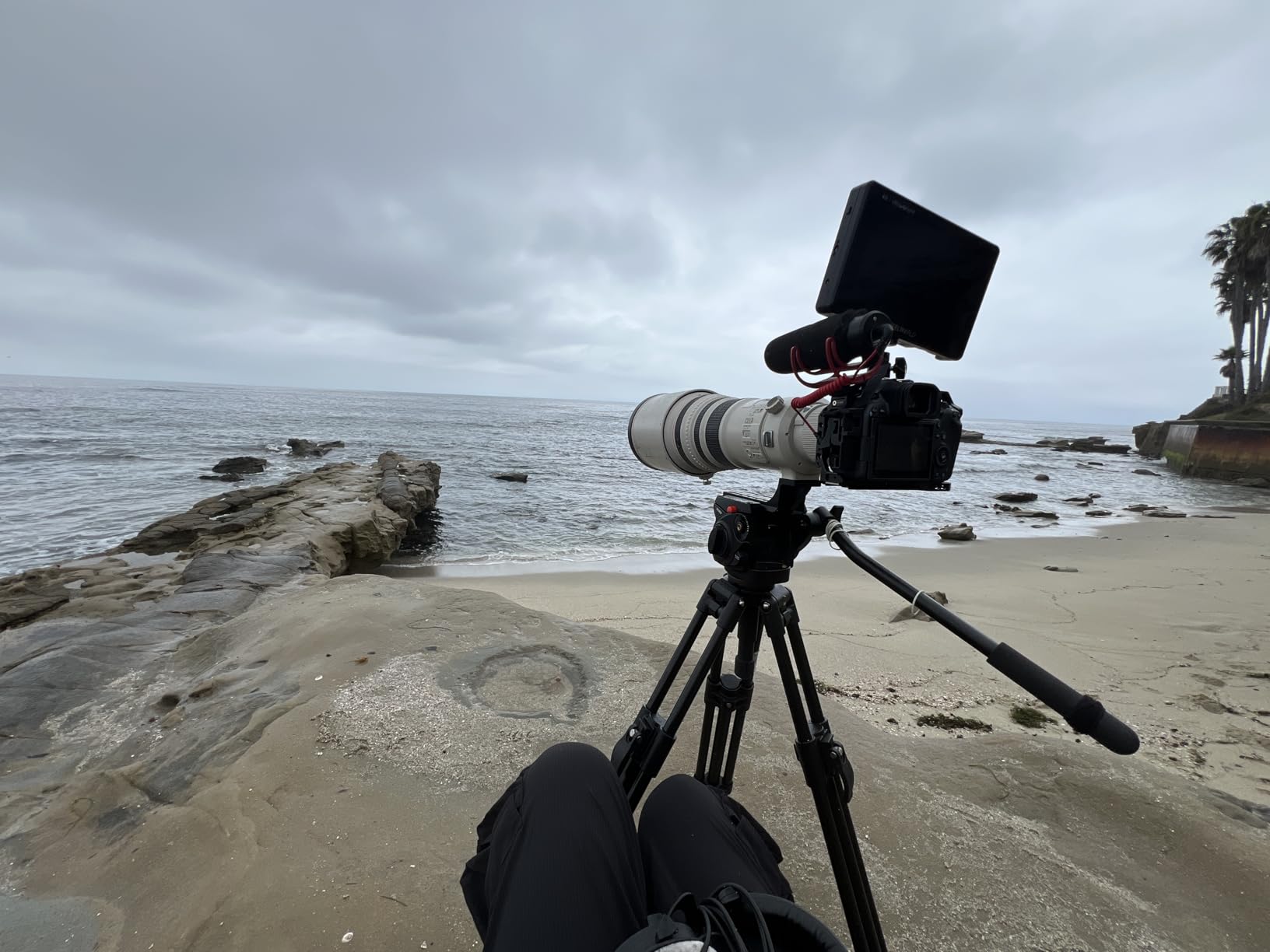
The 81 percent five-star rating from over 2000 reviews tells you everything you need to know about the build quality and reliability. This is a professional tool designed for years of daily use. The aluminum construction is robust, though it adds weight compared to carbon fiber alternatives.
The flat base design works with a variety of tripod legs and slider systems. I have used this head on tripods, sliders, and even a jib arm, and it performs consistently across all platforms. For FX30 owners building a professional video kit, this is the head to get.
Fluid Drag Performance
The variable fluid drag on both pan and tilt allows you to dial in the exact resistance needed for smooth, controlled movements at any speed. The system maintains consistent resistance throughout the range, eliminating the jerky starts and stops that ruin otherwise good takes.
Compatibility with Tripod Systems
The flat base with 3/8-16 thread fits standard video tripod legs, sliders, and other support systems. The slide plate is compatible with Manfrotto 500PLONG and similar plates, allowing quick camera changes without removing the plate from the camera.
How to Choose the Right Accessories for Sony FX30?
Building an FX30 accessory kit does not happen overnight. Our team has spent years refining our rigs, and we have learned that the order in which you add accessories matters as much as which ones you choose. Here is how to prioritize based on your shooting style and budget.
Start with protection and power. A camera cage and extra batteries are non-negotiable foundations that every FX30 owner needs regardless of shooting style. The SmallRig cage protects your investment and provides mounting points for everything else, while NP-FZ100 batteries keep you shooting through long days.
Next, address recording and audio. A CFexpress Type A card unlocks all recording formats, and a quality microphone dramatically improves your production value. These are the accessories that directly affect the quality of your output, so do not cut corners here.
Finally, add specialized tools based on your workflow. Gimbal stabilizers, external monitors, and professional video heads solve specific production challenges. Buy these as your needs dictate rather than all at once, since each one represents a significant investment.
Consider your primary shooting scenarios when prioritizing. Wedding videographers need extra batteries and reliable audio above all else. Documentary shooters benefit most from a cage, variable ND filter, and travel-friendly tripod. Content creators should prioritize a gimbal, monitor, and good microphone.
Budget allocation matters too. A good rule of thumb is to spend roughly 30 to 40 percent of your camera body cost on accessories in the first year. This covers the essentials and gives you a functional rig. From there, add specialized tools as your work demands them.
Frequently Asked Questions About Sony FX30 Accessories
What are the must-have accessories for Sony FX30?
The essential must-have accessories for Sony FX30 are a protective camera cage like the SmallRig model, extra NP-FZ100 batteries, a CFexpress Type A memory card to unlock all recording formats, and a quality microphone for clean audio. These four items form the foundation of any FX30 kit.
What cage is best for Sony FX30?
The SmallRig Cage for Sony FX30 is the most recommended option by the community. It offers a modular NATO rail design, HDMI cable clamp, built-in cold shoe, and compatibility with DJI RS series gimbals. The Tilta Full Camera Cage V2 is a popular alternative with similar features.
What batteries work with Sony FX30?
The Sony FX30 uses the NP-FZ100 battery pack, the same battery used in Sony Alpha cameras like the A7 III, A7R IV, A9, and A1. Genuine Sony NP-FZ100 batteries are recommended for reliability, though third-party options from SmallRig and Wasabi work as backups.
What memory cards for Sony FX30?
The Sony FX30 accepts CFexpress Type A and SD UHS-II cards. CFexpress Type A cards like the Lexar Professional Silver unlock all recording formats including high bitrate XAVC-I. V90 UHS-II SD cards work for most shooting modes but cannot access every recording option.
What microphone for Sony FX30?
The Rode VideoMicro II is ideal for compact run-and-gun shooting, while the Rode VideoMic NTG offers broadcast-grade quality with advanced features like variable gain and USB functionality. The FX30 Multi Interface Shoe also supports digital microphones like the Sony ECM-B1M.
Final Thoughts on the Best Accessories for Sony FX30
Building the right kit of accessories for Sony FX30 takes time, but the payoff is a camera that handles like a true cinema rig. The SmallRig cage, NP-FZ100 batteries, Lexar CFexpress Type A card, and K&F Concept variable ND filter are the four items I would buy first if starting from scratch today.
From there, let your shooting style guide your next purchases. Content creators should prioritize the DJI RS 4 gimbal and Atomos Shinobi II monitor. Documentary and wedding shooters will get more value from the Sigma 18-50mm lens and Manfrotto tripod system. Audio quality matters for everyone, so invest in at least the Rode VideoMicro II.
The FX30 is a capable cinema camera that becomes truly powerful when paired with the right accessories. Take your time, buy quality gear that lasts, and build a kit that serves your creative vision in 2026 and beyond.