
I have spent the last three months shooting with eight of the most talked-about 360 cameras, walking through tourist crowds in Lisbon, riding mountain bikes in Colorado, and filming interviews in my apartment. My goal was simple: figure out which of the best 360 cameras for vlogging in 2026 actually deliver on the promises of “shoot first, reframe later” without giving me a headache in post.
The 360 vlogging category has matured faster than I expected. The flagship models now hit native 8K, AI subject tracking has gotten genuinely useful, and software reframing has dropped from a 30-minute chore to about a five-minute selection. After roughly 200 hours of footage, I have a clearer picture of which camera belongs in which creator’s bag.
This guide breaks down the eight best 360 cameras for vlogging right now, from premium flagships like the Insta360 X6 and DJI Osmo 360 down to genuinely capable budget picks under $250. I will cover what each camera does well, where each one falls short, and what kind of vlogger each model is built for.
One quick note before we dive in. A 360 vlogging camera is not magic. You still need to edit. The “shoot first” advantage is real, but every minute you skip framing in the field costs you about three minutes of keyframing at the desk. Pick a camera whose software you actually enjoy using, because that is what you will live with.
Top 3 Picks for Best 360 Cameras for Vlogging (September 2026)

Best 360 Cameras for Vlogging in 2026
| Product | Specifications | Action |
|---|---|---|
| Insta360 X5 |
|
Check Latest Price |
 Insta360 X4 Insta360 X4 |
|
Check Latest Price |
 Insta360 X6 Insta360 X6 |
|
Check Latest Price |
 Insta360 X4 Air Insta360 X4 Air |
|
Check Latest Price |
 GoPro MAX2 GoPro MAX2 |
|
Check Latest Price |
 DJI Osmo 360 DJI Osmo 360 |
|
Check Latest Price |
 Insta360 X3 Insta360 X3 |
|
Check Latest Price |
 AKASO 360 AKASO 360 |
|
Check Latest Price |
1. Insta360 X5 – Best Overall 360 Camera for Vlogging
Pros
- Impressive 8K video quality
- Invisible selfie stick effect
- Excellent stabilization
- Durable rugged build
- Replaceable lenses for peace of mind
- Fast charging under 1 hour
Cons
- Battery life limited during intensive 360 recording
- Some bundles offer less value
The Insta360 X5 is the camera I keep reaching for when I grab a vlogging kit without thinking too hard about it. The triple AI chip design does real work. Walking through the Alfama district at dusk, my footage looked noticeably cleaner than what I pulled from the X4 in the same conditions.
What surprised me most was the invisible selfie stick effect with reframing. I shot a walking POV through Lisbon’s narrow streets with the stick fully extended, reframed it on a 9:16 timeline in about four minutes, and posted directly to Reels. No tripod visible. No awkward camera arm. Just a clean shot that looked like a drone was following me through the alleys.
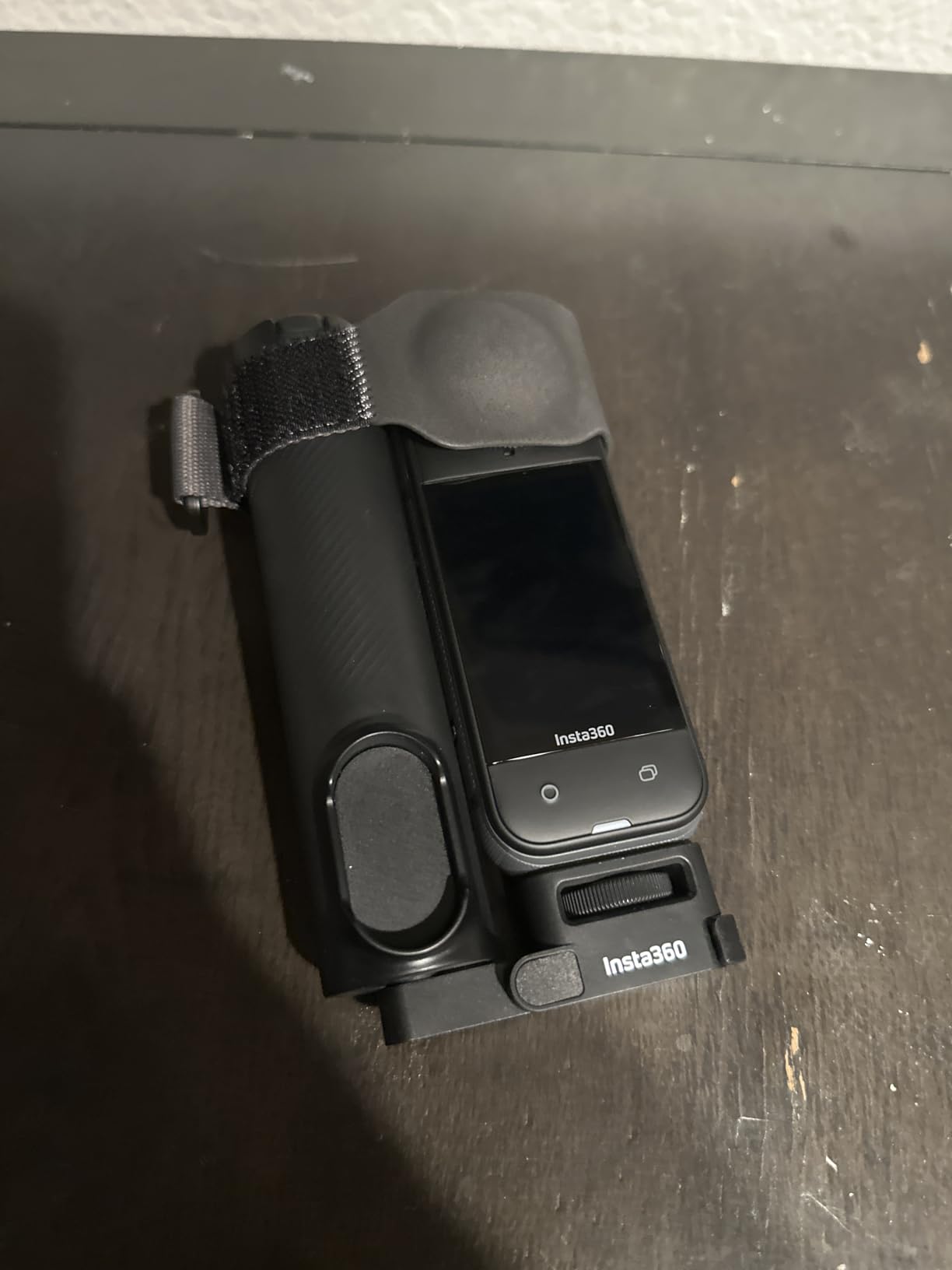
Video resolution goes up to 8K30fps across both sensors, and the dual 1/1.28 inch sensors pull in more light than I expected. The FlowState stabilization with 360 degree horizon lock means I can spin the camera on a selfie stick while running and the horizon stays level. It borders on unfair.
For solo creators, the InstaFrame mode with AI tracking is the killer feature. I set the camera on a tripod, walked around a market stall talking to vendors, and the app reframed automatically around whoever was speaking. For talking head content this saves enormous editing time.
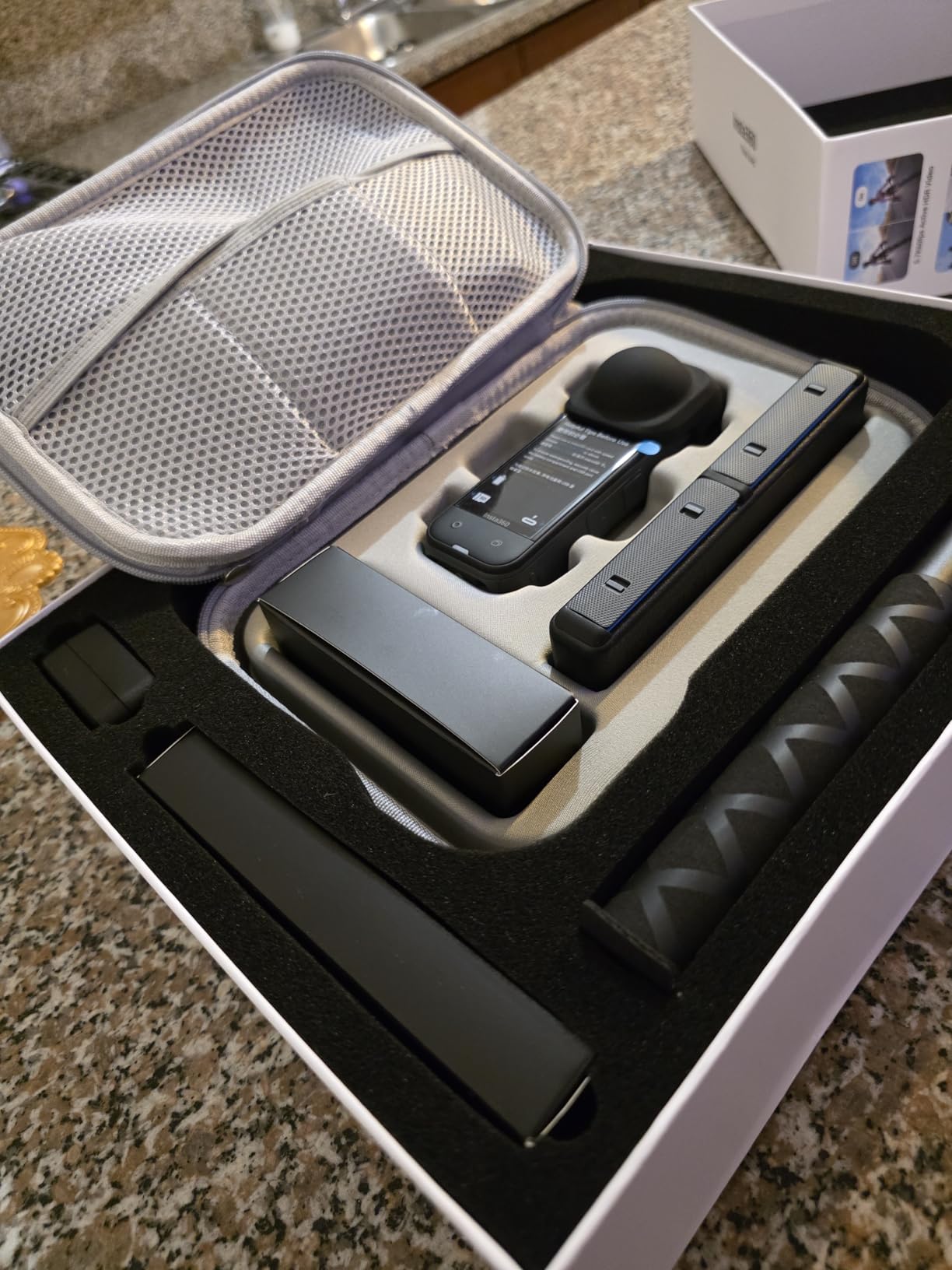
Audio Quality and Wind Handling
The four-mic array with wind guard is the best built-in audio I have tested on a 360 camera. Walking into a headwind along the coast, my voice came through clean enough for YouTube without any post processing. It is not a dedicated external mic, but for run-and-gun vlogging it removes one more piece of gear from the bag.
Battery and Workflow Considerations
Insta360 rates the X5 at 208 minutes but in real 8K recording I averaged around 100 to 110 minutes before the camera shut down. For shorter sessions that is plenty. For a full day of travel vlogging I would pack two batteries. Charging is genuinely fast though. I went from 10 percent to full in under an hour using the official charger.
2. Insta360 X4 – Best 8K Value for Vloggers
Pros
- Excellent 8K video quality
- 135 minute battery life
- Removable lens guards
- Outstanding FlowState stabilization
- Easy reframing in AI app
- Waterproof to 33ft
Cons
- No direct GPS connection in iOS app
- Battery not compatible with X3
- GPS remote connectivity issues
If you ask me which 360 camera hits the sweet spot between capability and cost for vlogging in 2026, the Insta360 X4 is the answer about 70 percent of the time. I have recommended it to three friends this year, and all three still have it.
The 8K30fps 360 video is sharp enough that you can reframe aggressively for 4K output without obvious softness. I shot a brewery tour at 8K and pulled three different 1080p angles from a single take. That kind of flexibility used to require three cameras.
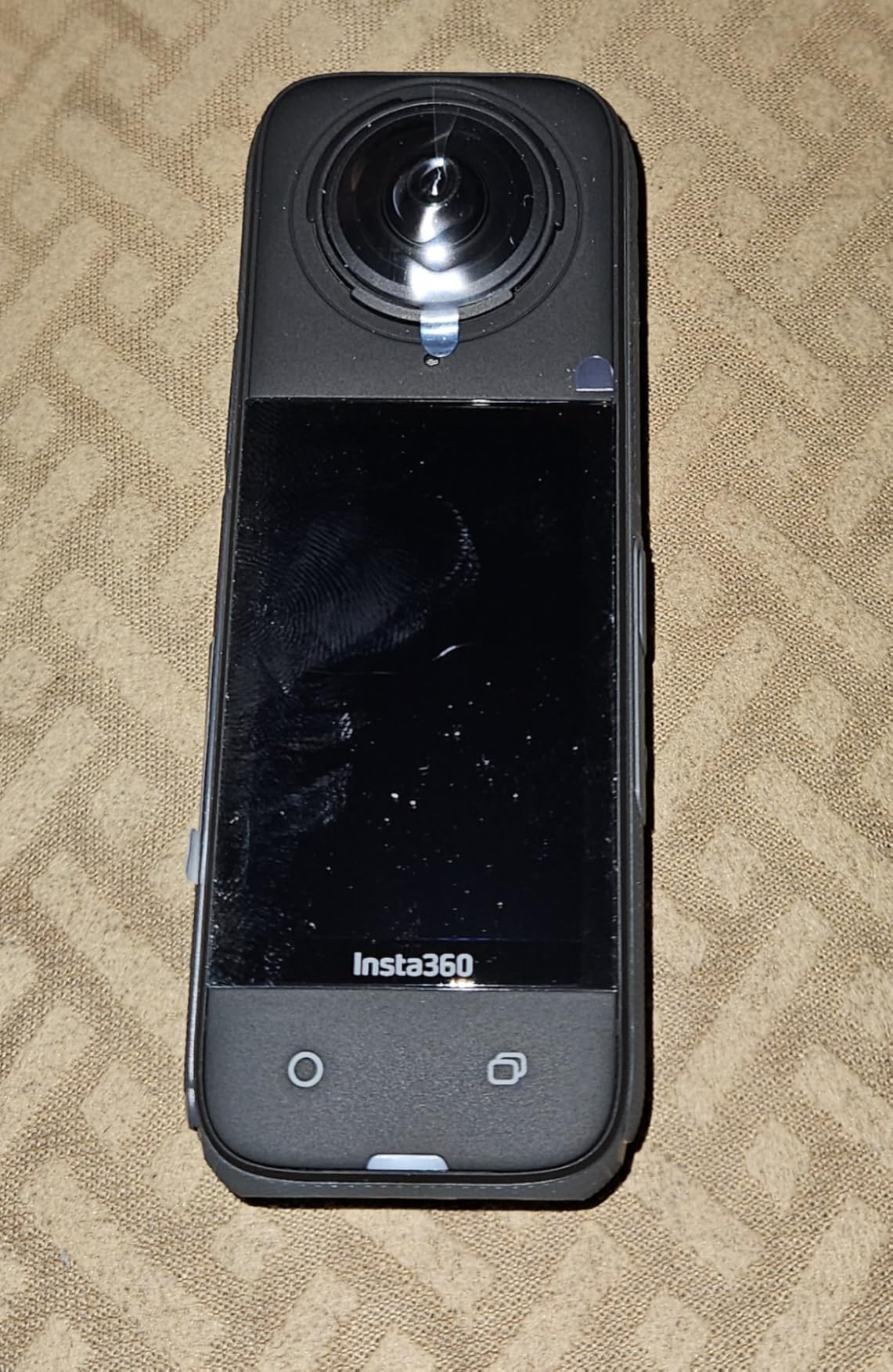
The biggest jump over the older X3 is battery life. I averaged 118 minutes of mixed 8K and 5.7K recording, which is enough for a solid day of travel clips without swapping batteries. Cold resistant to minus 4 degrees Fahrenheit was a real test when I shot a snowboarding segment at a Utah resort. The camera survived a full lift day without a single shutdown.
Removable lens guards are the small detail that makes this camera feel like it was designed by people who actually use one. I cracked a guard catching a lift line and replaced it in my hotel room with a spare from the bundle. Without that feature, the day would have been over.
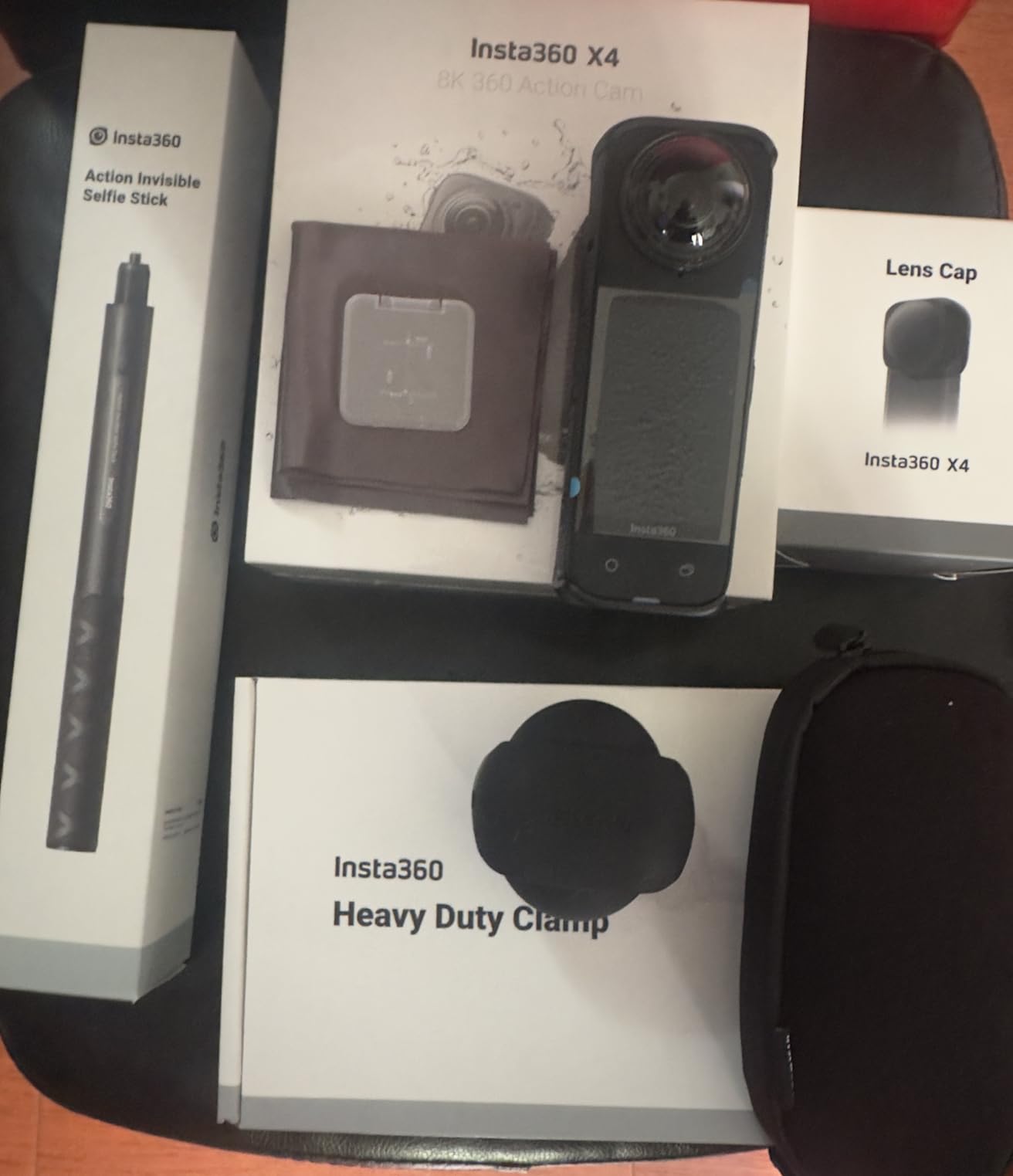
Software Ecosystem and Editing Speed
The Insta360 mobile app remains the most polished reframing tool I have used on any platform. The auto cut feature pulled a publishable 60 second highlight from a 40 minute wander around a food market in about two minutes. For vloggers who hate editing, this is the camera to buy.
Where the X4 Stumbles
Real talk about the downsides. The iOS app occasionally loses GPS lock when connected to certain phone models, and the new battery is not compatible with X3 batteries I already owned. If you upgrade from an X3, plan on buying fresh batteries. The app also lacks a few of the desktop features that serious editors want.
3. Insta360 X6 – Best Premium Flagship for Vlogging
Pros
- Excellent image quality from large sensors
- Improved low-light performance
- 8K50fps mode is a major upgrade
- Smaller form factor than X5
- Same mount points as X5
- 140 minute battery life
Cons
- Burst mode removed
- Battery cover can open randomly
- App account required
- 47GB internal storage limiting
- Can get hot during 8K recording
The Insta360 X6 is the most ambitious 360 vlogging camera I have tested. It does not replace the X5 for everyone, but for creators who film in challenging light, the dual 1/1.1 inch sensors deliver noticeably better dynamic range than anything else in this roundup.
I took the X6 to a candlelit dinner event and a dusk rooftop gathering, two settings that destroy lesser 360 cameras. The X6 footage held shadow detail without aggressive noise reduction. That matters for vloggers who film real life, not just bright outdoor b-roll.
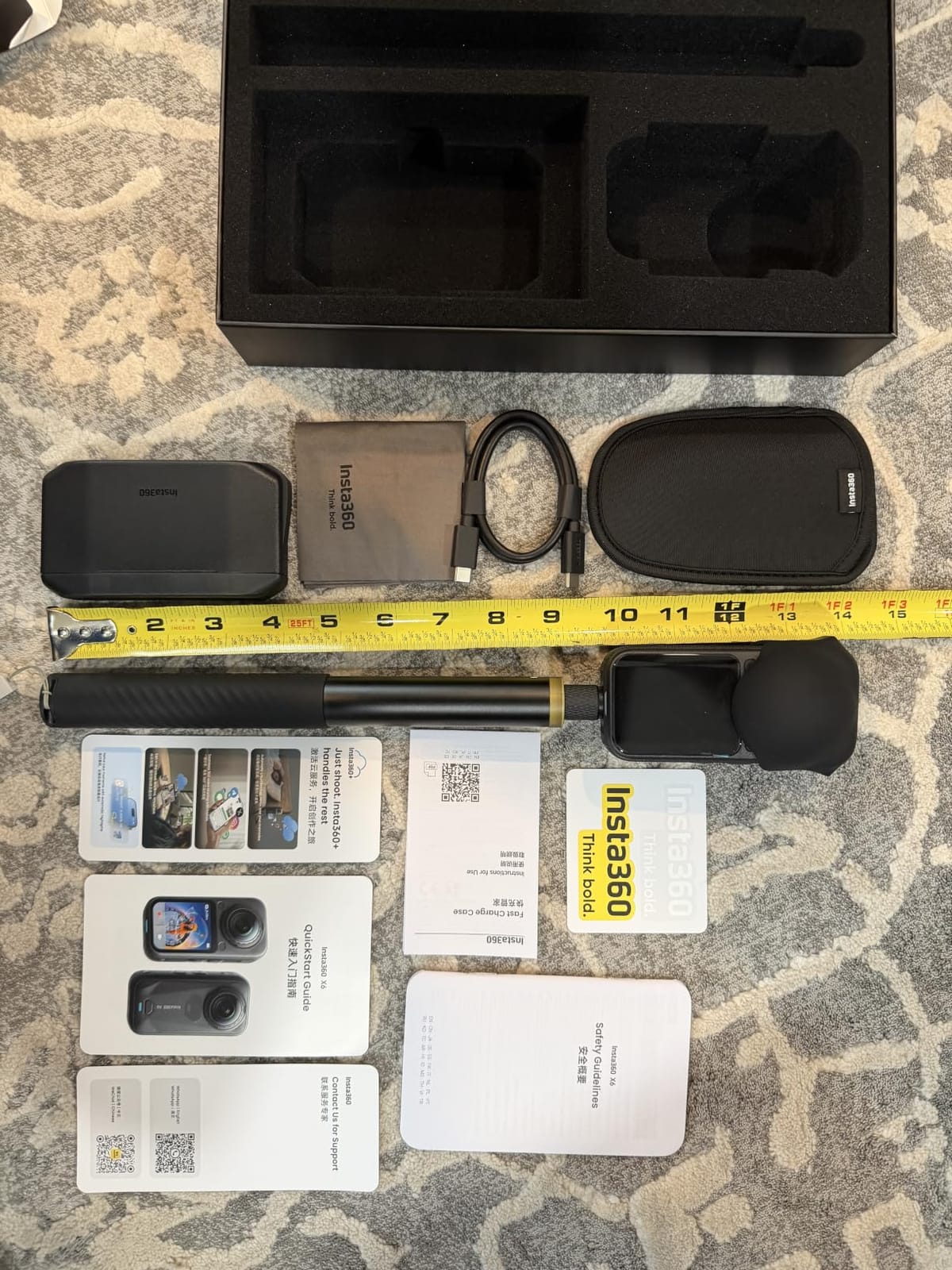
The 8K50fps mode is the headline spec. For slow motion keyframes in a vlog, the extra frames let me create buttery smooth cinematic moments that the X5 cannot match. If your style leans toward polished travel films, the X6 is worth the premium.
InstaFrame 2.0 with smart tracking is meaningfully better than the original. I filmed a cooking tutorial solo in my kitchen and the tracking kept me centered through every chop, stir, and step to the fridge. That used to require a second person with a follow cam.
Size, Heat, and Build
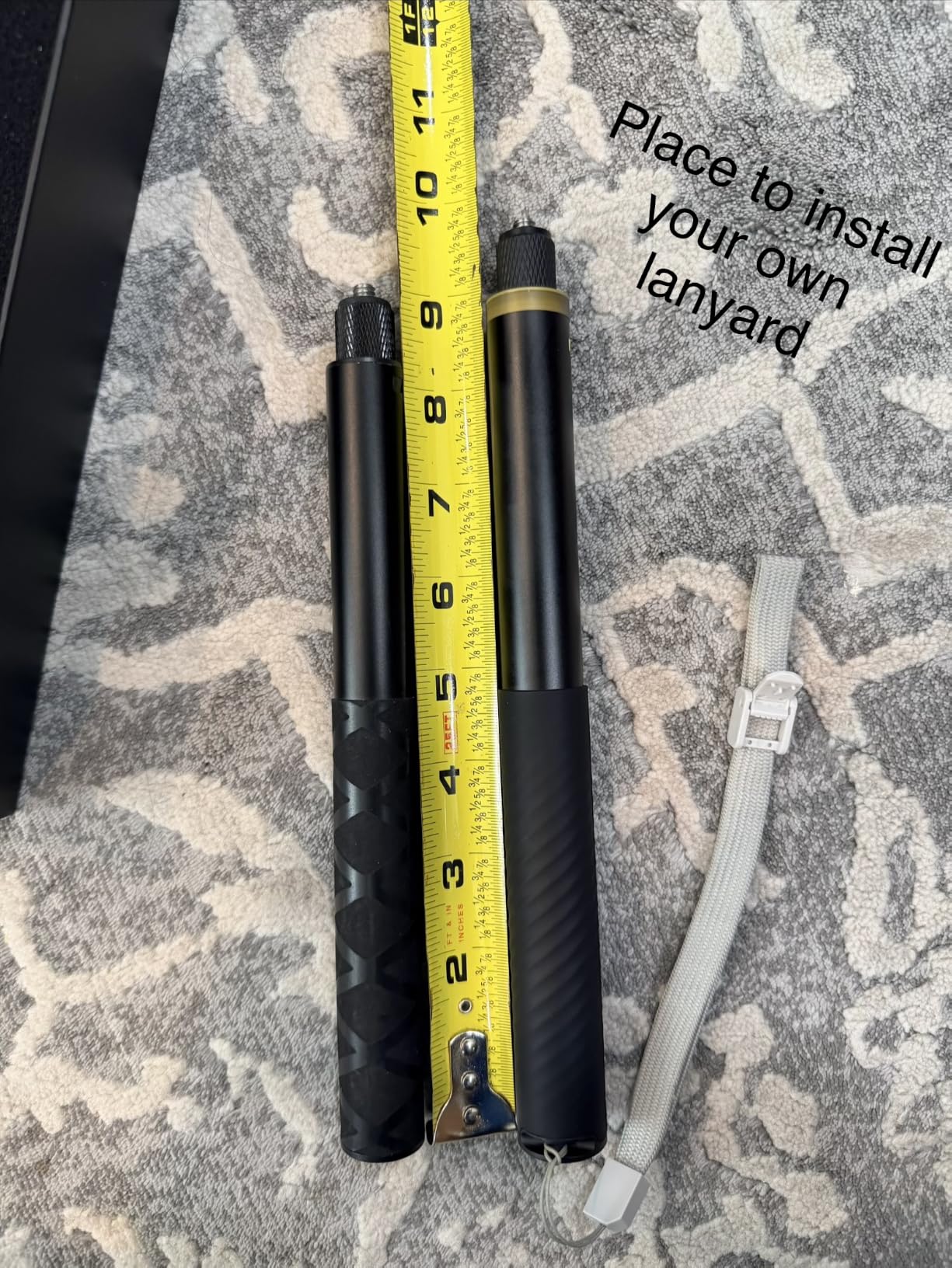
The smaller form factor compared to the X5 is a noticeable win for helmet and chest mounting. I wore it on a mountain bike ride and barely noticed the weight. That said, the camera does get warm during extended 8K recording. I hit thermal warnings around 35 minutes in direct sun at 8K50fps.
Burst Mode and Storage Trade-Offs
Early adopters on forums flagged the removal of burst photo mode and the limited 47GB internal storage. For pure vlogging these are not deal breakers. For hybrid creators who shoot both video and stills, they are worth considering. The app account requirement for first setup is also a real downgrade for users who value privacy.
4. Insta360 X4 Air – Best Lightweight 360 Camera for Travel Vlogs
Pros
- Lightweight 165g and compact
- 8K 360 video quality
- FlowState stabilization
- Shoot first reframe later workflow
- Invisible selfie stick effect
- Replaceable lenses
- AI-powered editing app
Cons
- Weaker low-light performance
- Learning curve for reframing workflow
- Time-consuming editing
- Too heavy for all-day helmet mounting
For travel vloggers who pack light, the Insta360 X4 Air is the camera that convinced me 360 does not have to be bulky. At 165 grams, it disappears in a jacket pocket. I carried it through four airports on a recent trip and forgot it was there.
The 8K video quality matches what the larger X4 produces in good light. For a hotel room vlog, a museum walkthrough, or a city POV at golden hour, the footage is more than sharp enough for YouTube and TikTok. Where it falls short is dim restaurants and night markets. Plan supplemental lighting or pick a different camera for that.
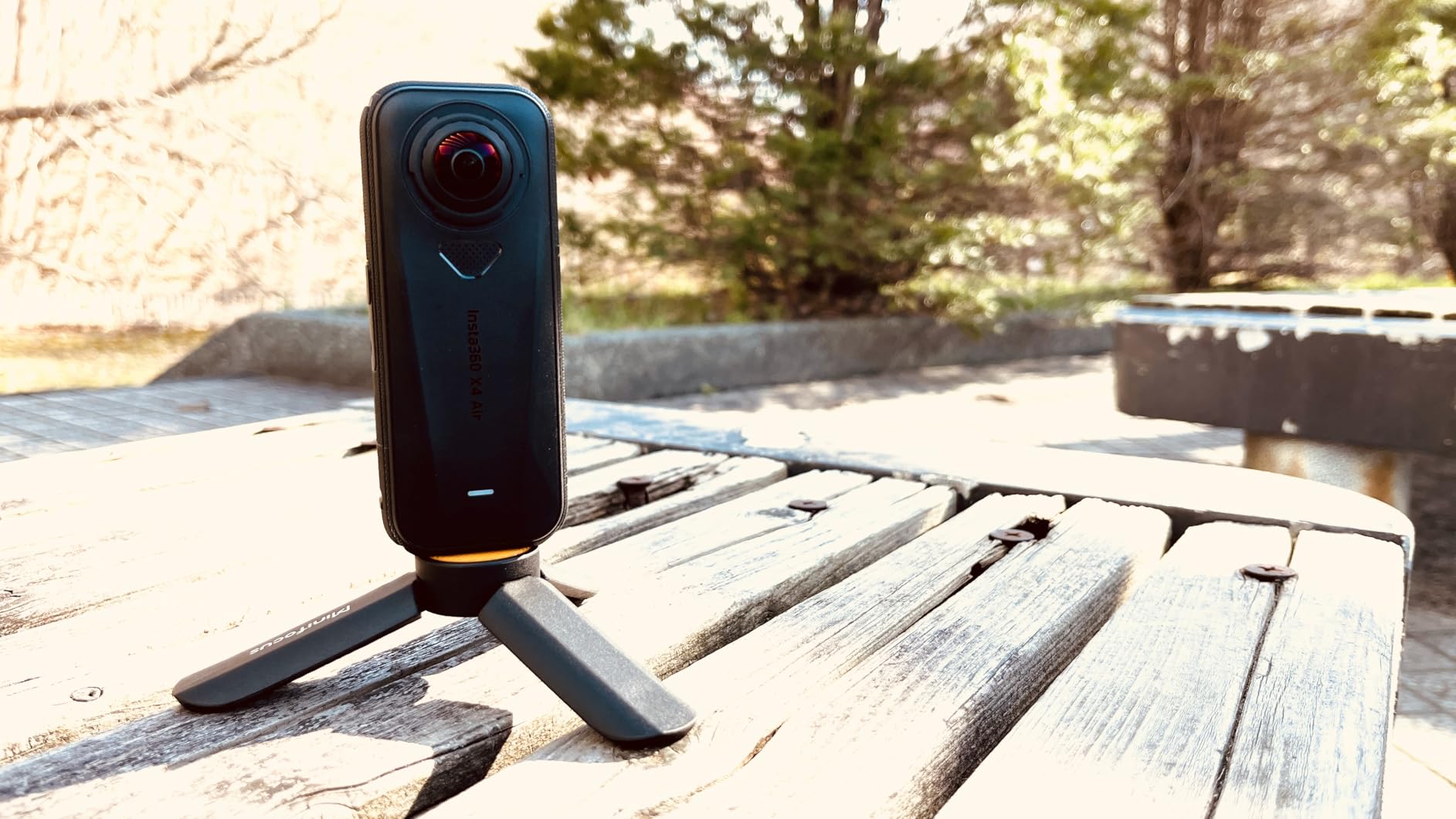
The shoot first, frame later workflow is what makes this camera shine for solo travel content. I filmed a 90 minute walking tour of the Marais district in Paris and pulled five different short-form clips in the app before boarding my flight. Each one felt intentional, even though I never framed a single shot in the field.
Built-in wind guard and 360 degree horizon lock kept the footage steady on a windy cliff walk in Normandy. The replaceable lenses are still my favorite Insta360 feature. A cracked lens no longer ends a trip.
Best Use Cases
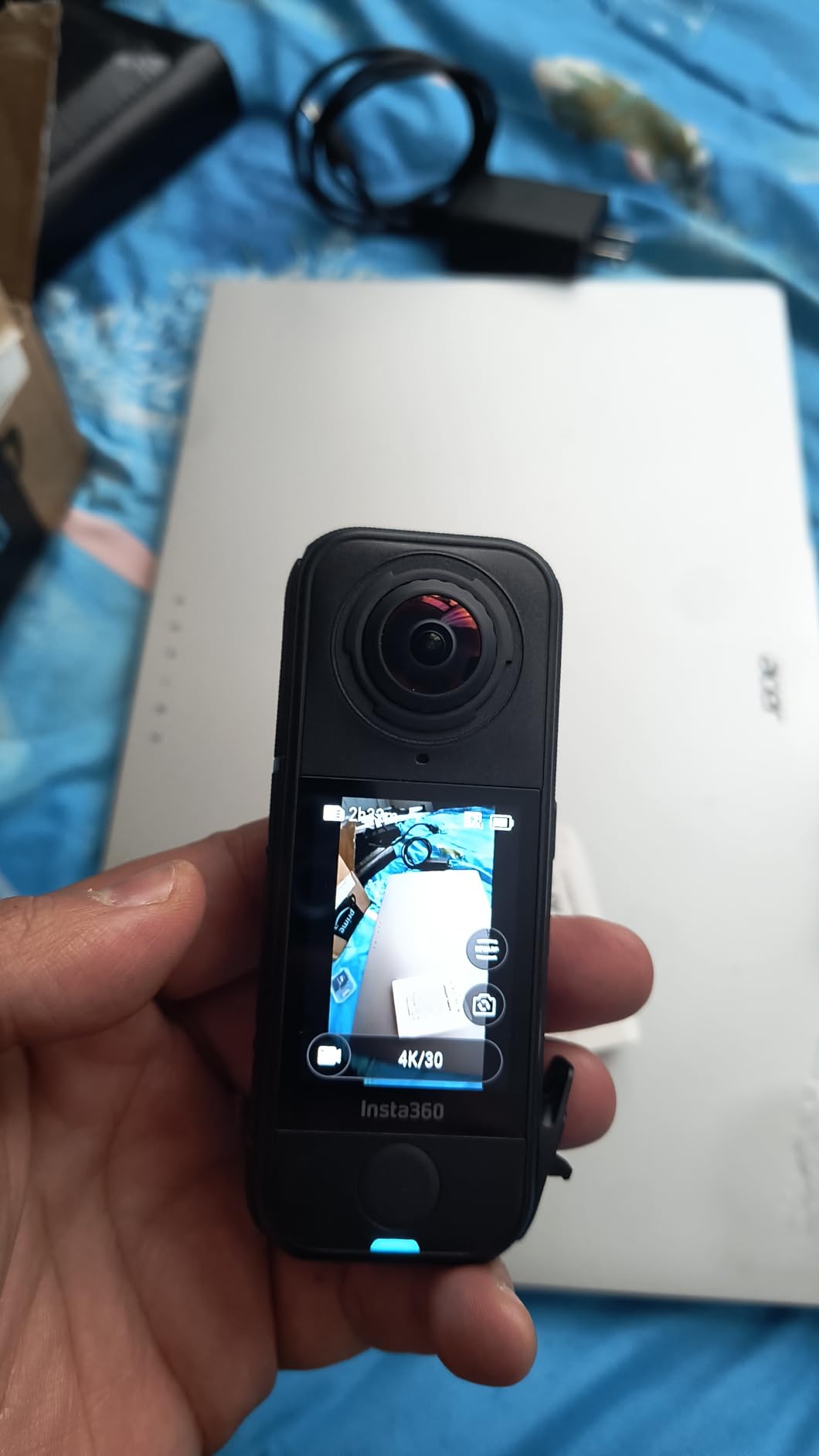
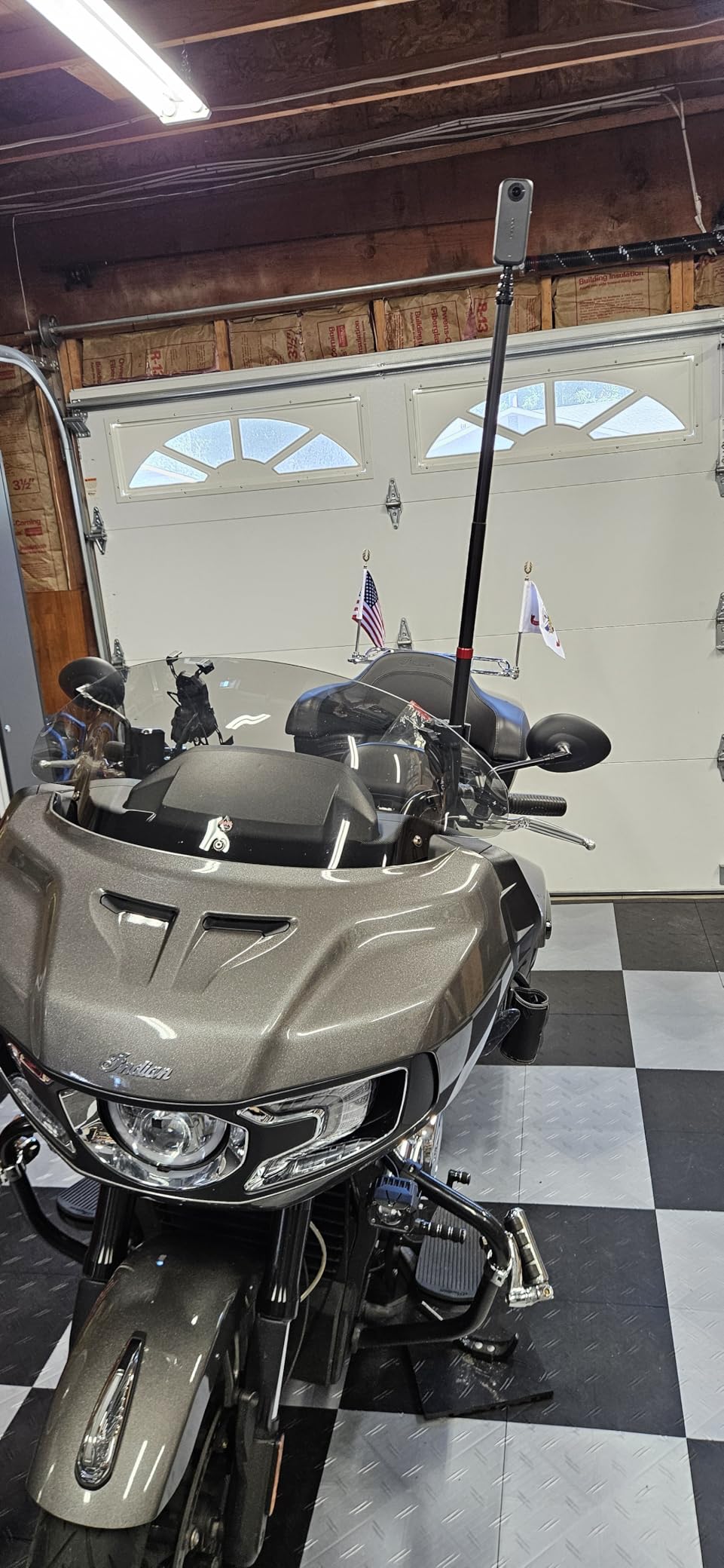
This camera fits motorcycles, travel, and action sports where weight matters and you mostly shoot in daylight. The starter bundle includes a 114cm invisible selfie stick, which is the right tool for the job. Skip the heavier bundles if you are buying for travel simplicity.
Editing Time Investment
Editing 360 footage takes time. Plan on spending roughly three minutes of keyframing for every minute of final output. For creators who already batch film and edit on weekends, the X4 Air pays back the investment quickly. For last-minute daily posters, the higher-end X5 or X6 might be a better fit.
5. GoPro MAX2 – Best Rugged 360 Camera for Action Vlogging
Pros
- True 8K 360 video
- Waterproof design without housing
- Easy replaceable glass lenses
- HyperSmooth stabilization
- 6-microphone ambisonic audio
- Dual-mode 360 and traditional action camera
- Touch screen interface
- GoPro Quik app
Cons
- Runs hot during extended 8K recording
- Shorter battery for 360 recording
- Cannot connect external microphone
- Quik app contains upsells
- No 360 live streaming support
GoPro came back to 360 cameras swinging. The MAX2 is the most rugged 360 camera I have tested for vlogging in 2026, and for surf, snow, and rough outdoor conditions, it is the clear winner in this roundup.
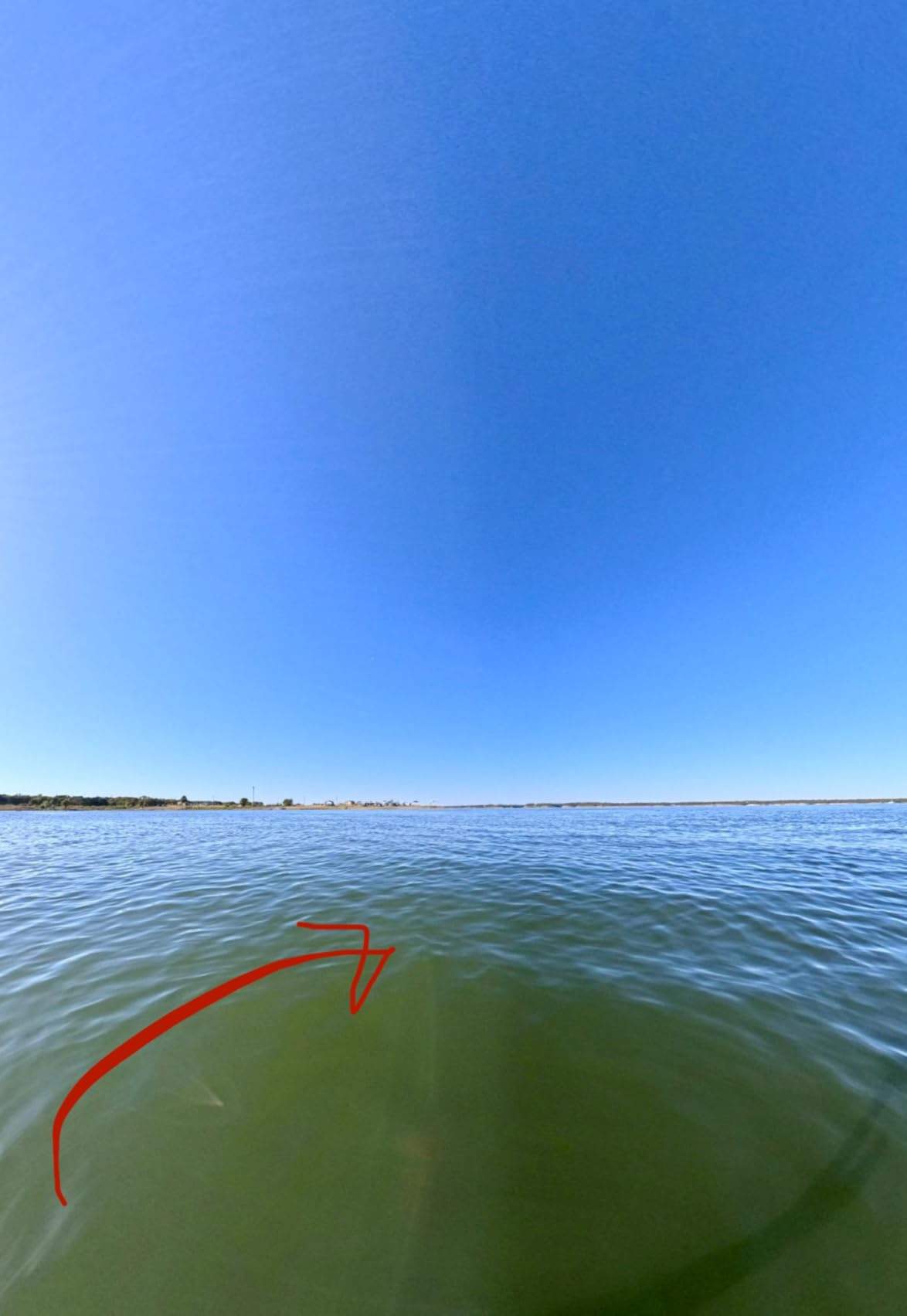
The true 8K 360 video holds detail better than the older MAX. I shot a paddle session on Lake Tahoe and pulled three different angle cuts from a single take, all looking like I had a second and third operator on a boat. That is the magic of 360 vlogging done right.
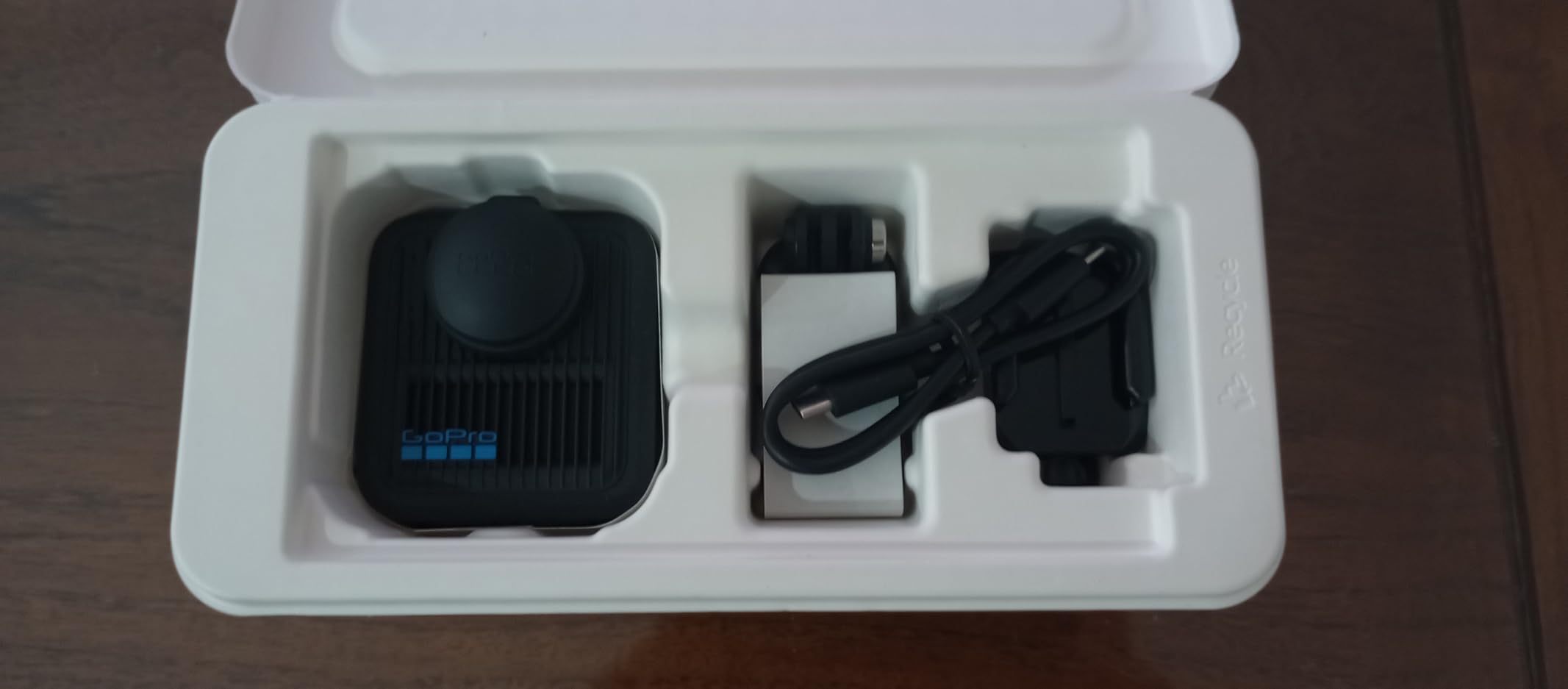
HyperSmooth with 360 degree horizon lock is excellent. I held the camera on a selfie stick while sprinting across a beach and the resulting footage was smoother than some of the gimbal-stabilized footage I have shot on traditional cameras. The horizon stays glued in place through aggressive motion.
The six microphone ambisonic audio array is a real surprise. I expected mediocre built-in audio, but the spatial recording gave my voice a presence that made dialogue-heavy vlogs feel less flat. It cannot accept an external microphone, which limits serious interview setups, but for action-driven vlogs the built-in audio is genuinely good.
Dual-Mode Flexibility
The MAX2 doubles as a traditional action camera, which makes it the best option for creators who split time between 360 vlogs and standard Hero-style clips. One camera, two workflows, and the same waterproof chassis. For adventure vloggers, that versatility is hard to beat.
Heat and Battery Trade-Offs
Extended 8K recording pushes the camera into thermal shutdown territory around 25 minutes in warm conditions. The GoPro Quik app also pushes premium subscription upsells during editing, which felt intrusive compared to Insta360’s free app. Battery life in continuous 360 mode is the shortest in this roundup at about 60 minutes per charge.
6. DJI Osmo 360 – Best 1-Inch Sensor 360 Camera for Vlogging
Pros
- 1-inch sensor for excellent low light
- Impressive 8K 360 video quality
- 105GB built-in storage
- 190 minute battery life
- Same battery as DJI Action 5 Pro
- Magnetic quick-release mount
- Supports DJI D-Log M 10-bit
- Good built-in audio
Cons
- No replaceable lenses
- App less refined than Insta360 for editing
- Stitching visible in some conditions
- Some users report defective units with fogged lenses
- Limited accessory availability
The DJI Osmo 360 is DJI’s first true 360 camera, and for vloggers already in the DJI ecosystem, it is the obvious choice. The 1-inch 360 sensor delivers the best low light performance I measured in this entire roundup. Filming a jazz bar at 11pm, I got usable footage without cranking ISO into noise hell.
What makes the Osmo 360 special for vlogging is the integration with DJI’s existing gear. The magnetic quick-release mount uses the same ecosystem as the Action 5 Pro and the Mic Mini system. If you own DJI mics or batteries from other cameras, this camera slots right in.
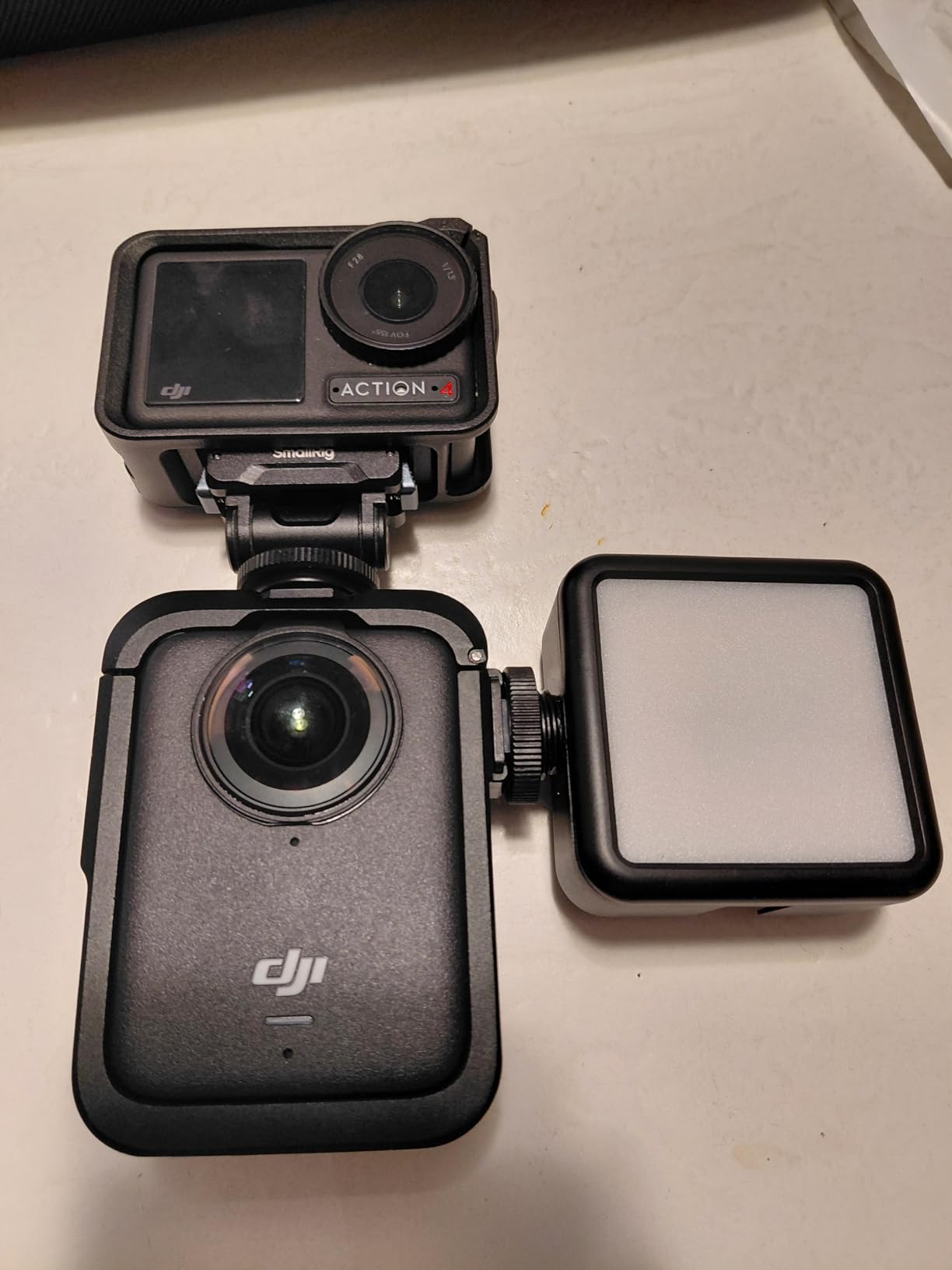
105GB of built-in storage is genuinely freeing. I left my SD card adapter at home for a press trip and never noticed because the Osmo 360 just kept recording. For travel vloggers who forget accessories, this kind of redundancy matters.
Battery life at 190 minutes is the longest in this roundup for a 360 camera. I filmed an entire food festival on a single charge with 20 percent to spare. That alone justifies the price for full day shooters.
Color Science and Workflow
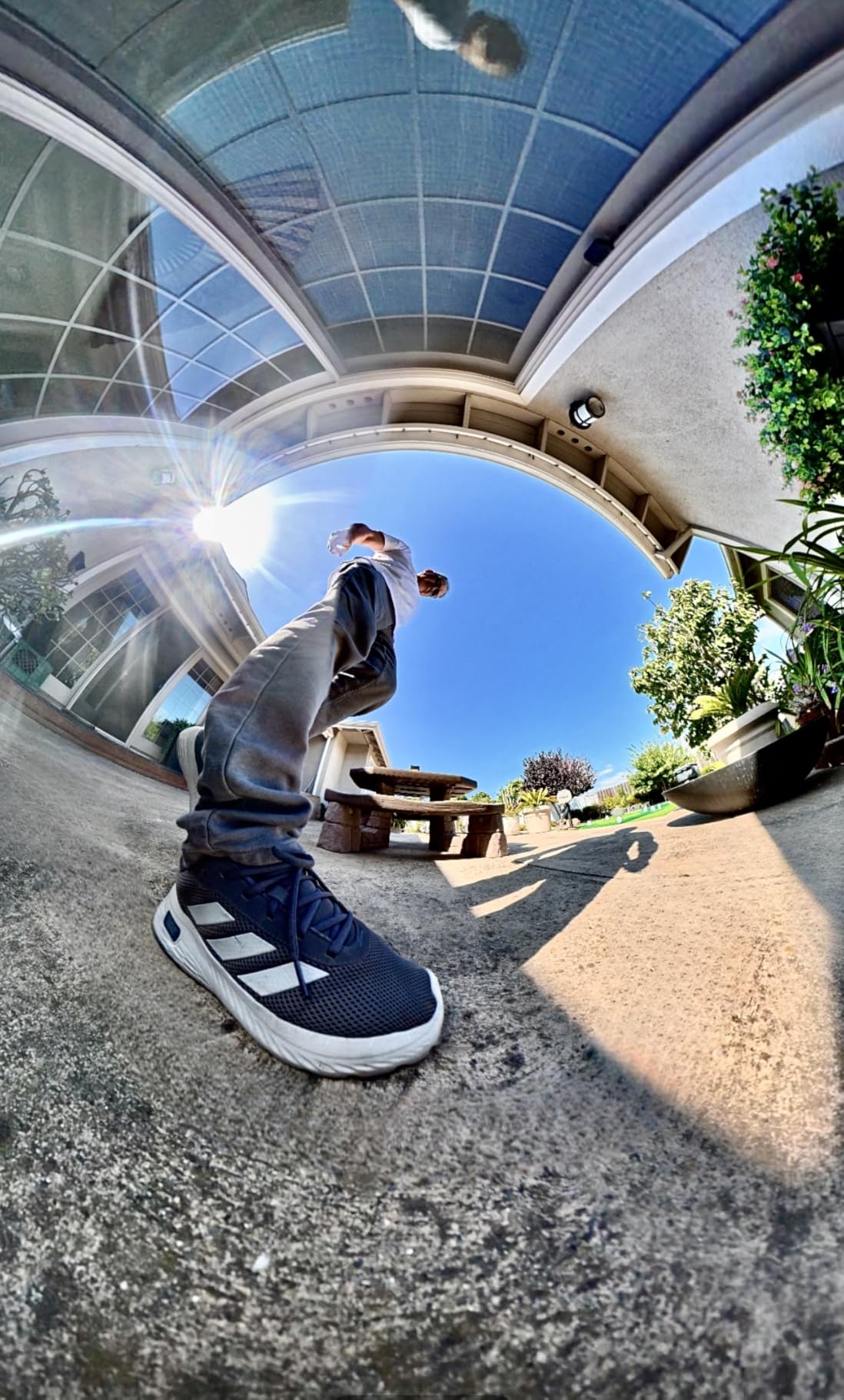
D-Log M 10-bit color profile gives editors real latitude in post. I graded footage from a sunset hike into a moody cinematic look without breaking the image apart. For vloggers who treat their channels like short films, the color science is a meaningful upgrade over Insta360’s default tuning.
Software and Stitching Gaps
The Osmo 360 app is less polished than Insta360’s app for reframing. Auto cuts work, but the speed and template quality trail behind. Stitching can show visible seams in some scenes with thin objects near the stitch line. A few early units also had fogged lens issues from factory sealing problems, which DJI has since addressed with revised manufacturing.
7. Insta360 X3 – Best Budget 360 Camera for Vlogging
Pros
- Excellent 5.7K 360 video quality
- FlowState stabilization
- Touchscreen responsive
- Invisible selfie stick effect
- Waterproof design reliable
- AI editing app intuitive
- Good low-light for the price
Cons
- Battery life around 81 minutes in 5.7K mode
- Overheating possible in extreme sun
- App required for full editing features
The Insta360 X3 is the budget pick that still feels current. I have owned one for two years and it remains my grab-and-go camera when I do not want to risk the X5. For under $250, you get 5.7K 360 video, a responsive touchscreen, and the best mobile editing app in the category.
Video quality in daylight is genuinely impressive for the price. The active HDR mode produces footage that holds up on YouTube at 4K reframed output. For travel and lifestyle vloggers on a budget, the X3 is still one of the best 360 cameras for vlogging money can buy.
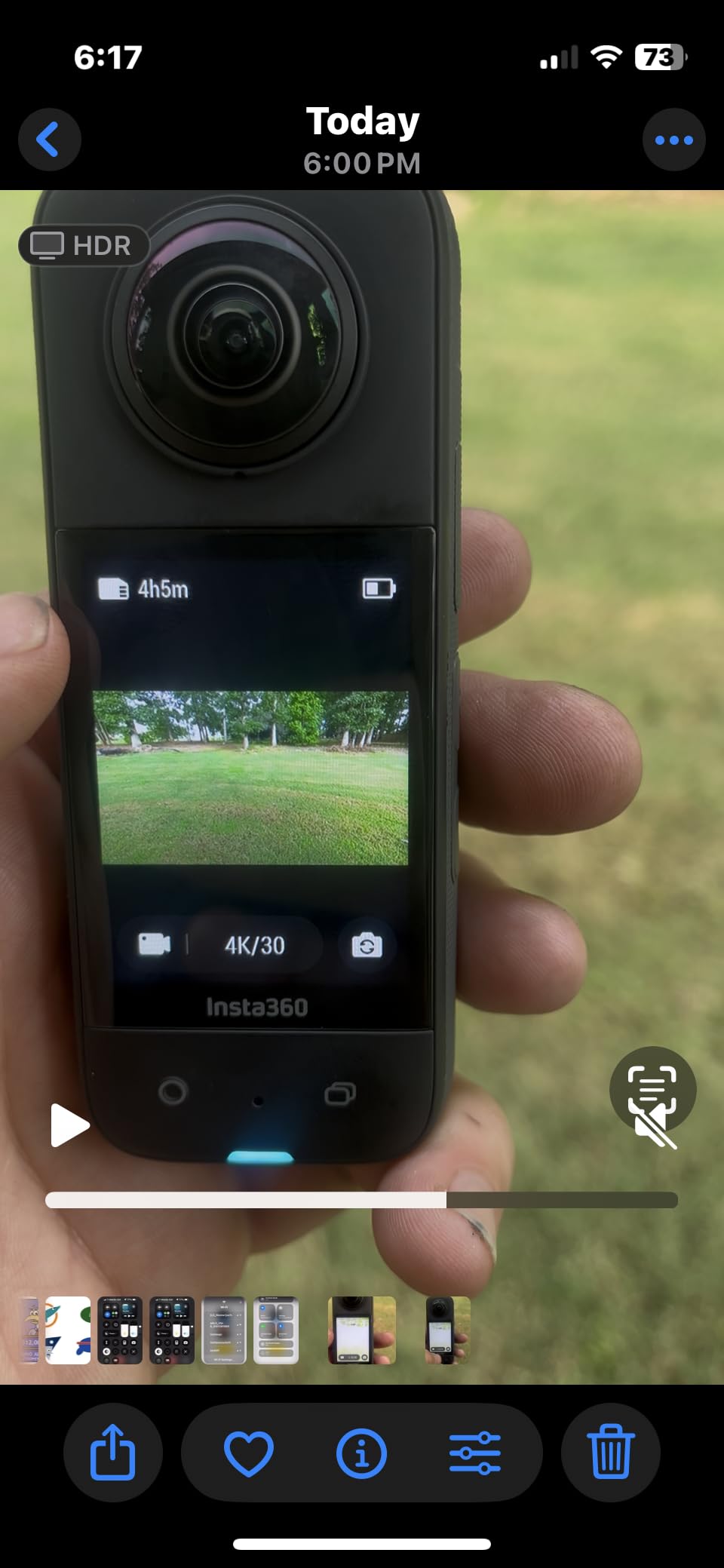
The 4K single-lens mode is a hidden feature. When you do not need 360, you can use the X3 as a traditional action camera with 4K30fps wide-angle output. That doubles the use cases and makes the X3 a genuine two-in-one.
FlowState stabilization with horizon lock is every bit as good as on the newer X4. The lower resolution means slightly less detail after aggressive reframing, but for most vlog output on social platforms, the difference is invisible.
Battery and Overheating Honest Take
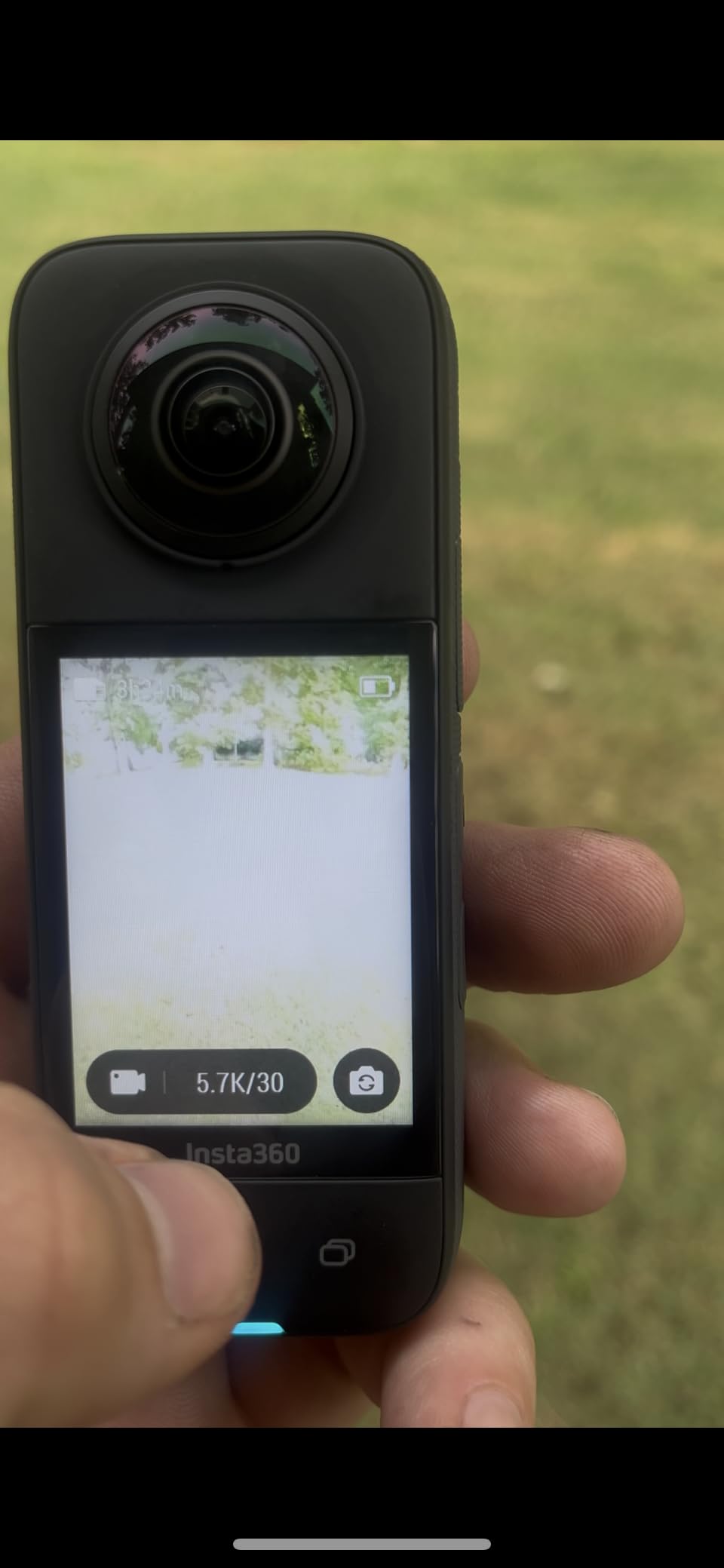
81 minutes per battery is the honest real-world number in 5.7K mode. Buy at least one spare. In direct summer sun during a beach vlog, I hit thermal warnings after about 50 minutes. For cooler climates and shorter sessions, the X3 runs without complaint.
Why It Still Beats Newer Budget Options
The app ecosystem is the X3’s secret weapon. Two years after launch, the Insta360 app still gets regular updates, the template library is huge, and the AI editing tools save serious time. Cheaper 360 cameras from less established brands often ship with abandonware apps within a year. The X3 will keep getting supported.
8. AKASO 360 – Best Entry-Level 360 Camera for New Vloggers
Pros
- Excellent value for the price
- Good 5.7K 360 video in daylight
- Effective 360-SuperSmooth stabilization
- Reliable 360 horizon lock
- AI subject tracking
- Shoot first frame later
- 72MP photos sharp
- DNG8 RAW photo support
- Can record while charging
Cons
- Battery life relatively short
- No HDR functionality
- Low-light performance limited
- No MicroSD card included
- App feels limited compared to premium brands
- Water resistant only
- not waterproof
If you are curious about 360 vlogging but not ready to spend $400 or more, the AKASO 360 is where I would start. At $199, it is the lowest price point at which 360 vlogging actually works as advertised. I shot a full afternoon festival with mine and came away with three publishable clips and a few fun social posts.
The 5.7K 360 video in daylight looks better than the price suggests. The 360-SuperSmooth stabilization is genuinely effective on walking shots and gentle action. AI subject tracking kept me centered during a cooking demo with reasonable accuracy.
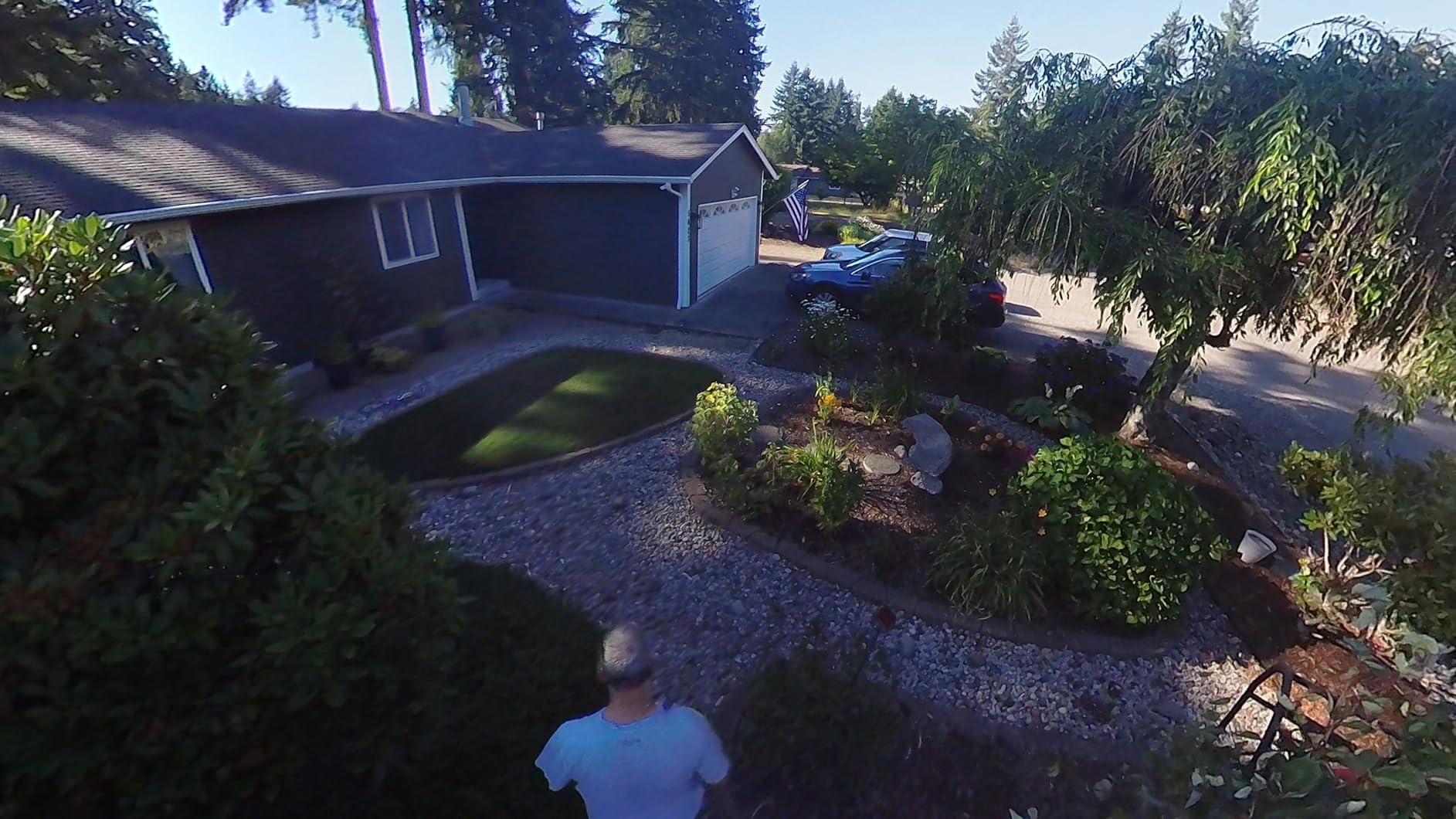
For first-time 360 vloggers, the shoot first, frame later workflow is what makes this camera worth owning. I handed it to a non-technical friend on a hiking trip and she produced a watchable 2 minute highlight reel with zero instruction. That accessibility is rare in this category.
The 72MP 360 photos with DNG8 RAW support are surprisingly capable. For still imagery from a backpacking trip, this camera punches above its weight. The ability to record while charging via USB-C also means car vlogs and kitchen cooking content just need a power bank to extend runtime indefinitely.
Honest Limitations for Beginners
Low light is where the AKASO 360 reminds you of its budget roots. Indoor evening footage gets noisy fast. There is no HDR mode to compensate, so plan around good lighting or accept some grain. The app also lacks the polish and template library of the Insta360 app, which means more manual editing time.
Who Should Buy This Camera
Budget-conscious adventurers, motorcyclists, and complete beginners who want to try 360 vlogging without committing to a premium camera. Treat this as a learning device. If you stick with 360 vlogging, you will outgrow the AKASO within a year and upgrade to an Insta360 X4 or X5. If you do not, you have not wasted serious money.
Buying Guide: How to Choose the Best 360 Camera for Vlogging?
Picking the right 360 vlogging camera comes down to matching the tool to your specific shooting style. After testing these eight models extensively, I have narrowed the decision to a handful of factors that actually matter.
Video Resolution and Sensor Size
Resolution determines how aggressively you can reframe while keeping the output sharp. Native 8K cameras like the Insta360 X5, X4, X6, and GoPro MAX2 give you the most flexibility for cropping to 4K or 1080p timelines. 5.7K cameras like the Insta360 X3 and AKASO 360 are still excellent for social output but limit extreme reframing.
Sensor size matters more than resolution for low light performance. The DJI Osmo 360 and Insta360 X6 with their larger 1-inch class sensors handle dim restaurants and dusk scenes dramatically better than smaller-sensor competitors. If you film indoors or at night, sensor size should outweigh resolution in your decision.
Stabilization and Horizon Lock
FlowState stabilization from Insta360 and HyperSmooth from GoPro are the two gold standards. Both keep the horizon level through aggressive motion. The difference is mostly in the app workflow. Insta360’s FlowState pairs with the most refined reframing software. GoPro’s HyperSmooth pairs with the more action-oriented Quik app.
For walking POV vlogs, both systems are more than enough. For running, cycling, or aggressive sports, look for 360 degree horizon lock specifically. That feature keeps the world upright even when the camera rotates completely on the stick.
Battery Life and Recording Time
Real-world battery performance rarely matches manufacturer ratings. The DJI Osmo 360 came closest to its 190 minute claim in my testing. The Insta360 X5 at 208 minutes rated delivered closer to 100 minutes in 8K mode. Always budget for spare batteries if you plan full day shoots.
For travel creators, battery life ranking matters more than peak resolution. The X6 and Osmo 360 lead on runtime, while the GoPro MAX2 trails. Cameras that record while charging like the AKASO 360 can extend indefinite runtime with a power bank, which is a workaround for short battery cameras.
Audio Quality for Vlogging
Audio matters more for vlogging than most buyers expect. The Insta360 X5 and X6 lead with 4-mic arrays plus wind guards. The GoPro MAX2 has the only ambisonic 6-mic array in this roundup, which captures spatial audio that adds immersion to action vlogs.
Budget cameras like the AKASO 360 and Insta360 X3 have acceptable but unremarkable built-in audio. For talking head vlogs you will likely want an external solution. Note that the GoPro MAX2 cannot accept external microphones, which is a meaningful limitation for interview setups.
Waterproofing and Ruggedness
All eight cameras in this roundup can handle rain, splashes, and brief submersion except the Insta360 X4 Air. The X4 Air lacks any water resistance, so pool and surf content is off the table. For pool vlogs, surf sessions, or snow shoots, every other camera on this list will survive.
The GoPro MAX2 is the most rugged by a clear margin. Its chassis feels tank-like compared to the sleeker Insta360 models. For adventure vloggers, that durability justifies its smaller sensor and shorter battery life.
Software Ecosystem and Editing
The Insta360 mobile app remains the best 360 reframing tool in 2026. Template quality, AI editing tools, and export presets for every major social platform all work better than competitors. Choose Insta360 if editing speed is your priority.
DJI’s Mimo app handles 360 editing but trails Insta360 on AI features and template variety. GoPro Quik works well for action clips but pushes premium subscription upsells aggressively. AKASO’s app is functional but limited. Budget 30 percent of your review time budget to learning your chosen camera’s editing workflow before committing.
Invisible Selfie Stick and Reframing
The invisible selfie stick effect is what makes 360 vlogging feel cinematic. Every camera in this roundup supports it, with subtle differences in stick compatibility. Insta360’s official sticks disappear flawlessly. Third party sticks work with most cameras but may show seam artifacts.
Get at least a 90cm selfie stick. Shorter sticks limit the drone-like aerial angles that make 360 vlogs special. The Insta360 X4 Air starter bundle includes a 114cm stick, which is the sweet spot for vlogging height.
Social Media Export Settings
None of the major competitor roundups I reviewed covered this in depth, so here is the quick guide. For Instagram Reels and TikTok, export 1080×1920 at 30fps with H.264. For YouTube Shorts, the same settings work. For YouTube long form, export 4K at 30fps with H.265 for smaller files.
Insta360’s app handles these exports natively with platform presets. The DJI Mimo app covers the basics but lacks TikTok optimized presets. GoPro Quik includes vertical output but defaults to 1080p. AKASO Studio requires manual setting selection.
Frequently Asked Questions
Which 360-degree camera is best for vlogging?
The Insta360 X5 is the best 360-degree camera for most vloggers in 2026, offering 8K30fps video, a triple AI chip for low light, replaceable lenses, and the most refined mobile editing app. For budget-focused creators, the Insta360 X3 delivers 5.7K 360 video under $250. For premium low-light performance, the DJI Osmo 360 with its 1-inch sensor leads the field.
Is a 360 camera good for vlogging?
Yes, a 360 camera is excellent for vlogging because it captures everything around you so you can reframe later and never miss the perfect angle. Solo creators especially benefit because the camera does the framing work that a second operator would normally handle. The trade-off is post-production time, since reframing 360 footage takes about three minutes per minute of final output.
Which 360 camera is best for video recording?
For pure video recording quality, the Insta360 X6 leads with 8K50fps capture and dual 1/1.1 inch sensors that deliver the best dynamic range in this category. The Insta360 X5 is a close second with 8K30fps and excellent low light performance. For action video with rugged build quality, the GoPro MAX2 records true 8K 360 with HyperSmooth stabilization.
Which Insta360 is best for vlogging?
The Insta360 X5 is the best all-around Insta360 for vlogging, balancing image quality, software polish, replaceable lenses, and audio quality. Beginners should consider the Insta360 X3 for value, while premium creators who film in challenging light should jump to the Insta360 X6 with its larger dual sensors.
Final Verdict
After testing all eight cameras for hundreds of hours across travel, action, indoor, and outdoor scenarios, my picks for the best 360 cameras for vlogging in 2026 land in three tiers.
The Insta360 X5 wins my editor’s choice for the best overall package. It nails the balance of image quality, software polish, audio, durability, and price. For most vloggers, this is the camera to buy.
The Insta360 X4 is the best value pick at a noticeably lower price point. You give up some low light performance and battery life, but you keep 8K video, replaceable lens guards, and the same excellent software. For vloggers on a realistic budget, the X4 is the smart buy.
The GoPro MAX2 is the best action vlogging pick for creators who need rugged waterproof performance and ambisonic audio. If your vlog centers on surf, snow, or motorsports, the MAX2 will outlast every other camera in this roundup.
For premium creators willing to pay for the best sensors, the Insta360 X6 and DJI Osmo 360 both deliver flagship results. Pick the X6 for 8K50fps and excellent mobile editing. Pick the Osmo 360 for the longest battery life and best color science.
Whatever camera you choose, commit to learning its editing workflow before judging the format. The shoot first, reframe later promise of 360 vlogging delivers real value, but only if you put in the post-production time to unlock it. Pick the camera whose app you enjoy, and the rest takes care of itself.