
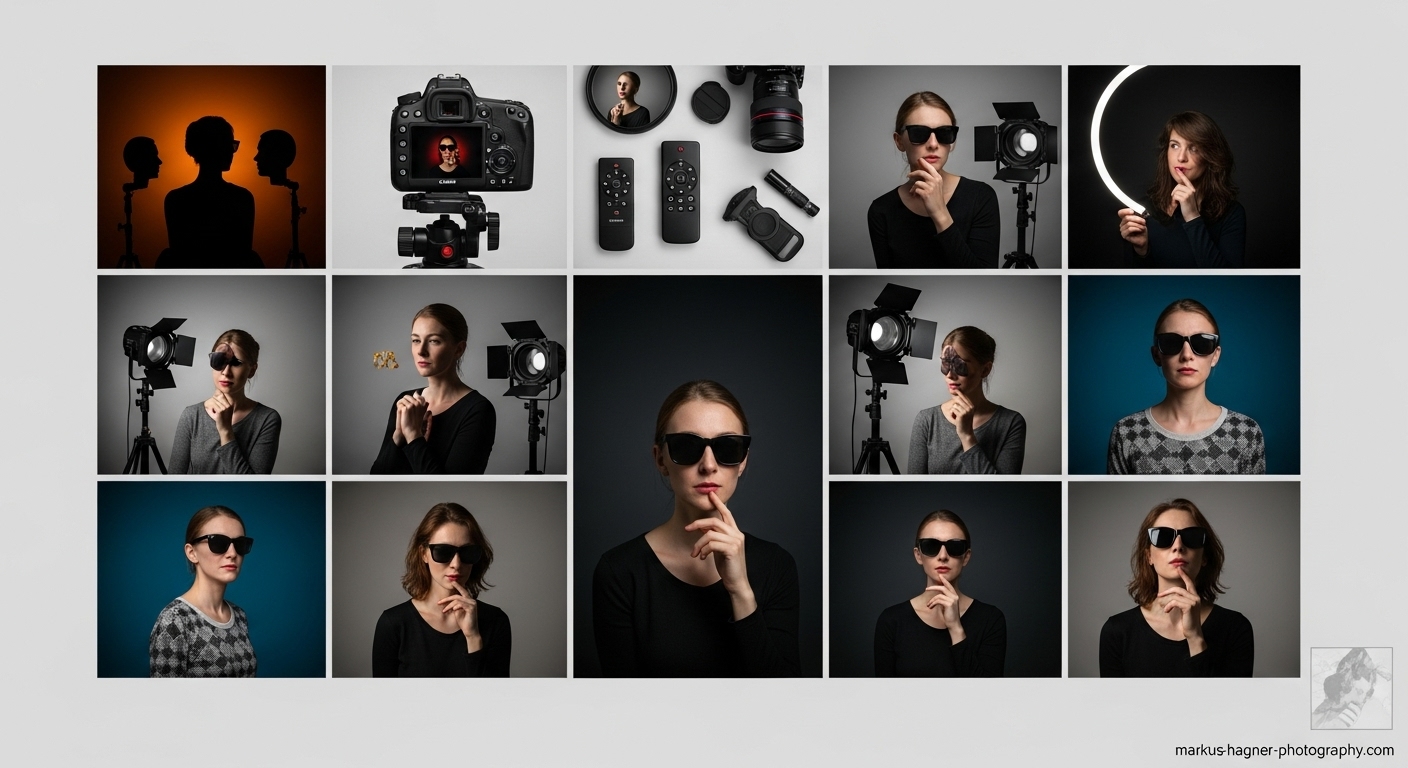
I’ll never forget the first time I set up my camera to take a self-portrait. I was nervous, awkward, and honestly felt a bit silly posing for myself. But that moment changed everything about how I approach photography. Self-portraiture isn’t just about taking pictures of yourself – it’s about discovering who you are as both a photographer and an artist.
After years of experimenting with every technique imaginable, I’ve learned that creative self-portraits can transform your photography skills in ways you never imagined. Whether you’re looking to build your portfolio, overcome camera shyness, or simply explore your creative side, these 20 tips will help you elevate your self-portrait game from basic snapshots to stunning works of art.
Why Self-Portraits Will Make You a Better Photographer
Before we dive into the techniques, let me share something I discovered after hundreds of self-portrait sessions: shooting yourself makes you a better photographer for everyone else. When you’re both behind and in front of the camera, you develop a unique understanding of what your subjects experience.
I found that self-portraiture taught me:
- Empathy for subjects who feel awkward or nervous
- Patience with the technical aspects of setup
- Creativity when working with limited resources
- Problem-solving skills when you can’t see what you’re shooting
- Confidence in directing and posing
The best part? You don’t need expensive gear or a professional studio to create incredible self-portraits. I’ve shot amazing self-portraits with everything from high-end DSLRs to smartphones, in locations ranging from my bedroom to remote mountain tops.
Essential Gear for Creative Self-Portraits
Let me be honest with you – when I started, I thought I needed all the fancy equipment to create good self-portraits. I couldn’t have been more wrong. While having the right gear helps, creativity trumps equipment every time.
Must-Have Basics
Camera: Honestly, use what you have. I’ve created stunning self-portraits with:
- DSLR or mirrorless camera (my personal favorite for control)
- Smartphone (surprisingly capable with the right techniques)
- Point-and-shoot camera (don’t underestimate these!)
Tripod: This is non-negotiable. I learned this the hard way after too many blurry shots. You need:
- A sturdy tripod that can hold your camera steady
- One with adjustable height for different angles
- Bonus points if it has a remote holder or smartphone mount
Remote Shutter Release: This changed my self-portrait game completely. Options include:
- Wireless remote (my go-to for flexibility)
- Smartphone app (if your camera has WiFi)
- Good old-fashioned self-timer (works in a pinch)
Nice-to-Have Equipment
As I got more serious about self-portraiture, I discovered these game-changers:
Lighting Equipment:
- Ring light for even, flattering light
- Speedlight with wireless trigger
- Reflector (even a white poster board works!)
- Softbox for studio-quality lighting at home
Props and Backgrounds:
- Fabric backdrops (I use bedsheets and curtains!)
- Interesting props that reflect your personality
- Mirrors for creative reflection shots
- Plants and natural elements for outdoor shots
Accessories:
- Flip screen or external monitor (huge help for framing)
- Extra batteries (you’ll go through them faster than you think)
- Memory cards (self-portraits take up lots of space!)
- Lens cleaning cloth (trust me, you’ll need it)
20 Creative Self-Portrait Tips That Will Transform Your Photography
1. Master Natural Light First
I discovered that natural light is your best friend when starting out. Window light, in particular, creates beautiful, soft illumination that’s incredibly flattering for self-portraits.
My Go-To Technique: Position yourself facing a large window with the light coming from the side. This creates gentle shadows that add dimension to your face without being harsh. I’ve taken some of my favorite self-portraits just using my bedroom window and a simple reflector.
Pro Tip: The golden hour (just after sunrise or before sunset) provides the most beautiful, warm light for outdoor self-portraits. I’ve woken up at 5 AM countless times just to catch that perfect morning light – and it’s always worth it.
2. Experiment with Unconventional Angles
One of the biggest mistakes I made early on was always shooting from eye level. Once I started experimenting with different angles, my self-portraits became infinitely more interesting.
Try These Angles:
- Bird’s eye view: Place your camera directly above you
- Worm’s eye view: Shoot from below looking up
- Dutch angle: Tilt your camera for a dynamic feel
- Extreme close-ups: Focus on specific features
My Discovery: I once set up my camera on the floor pointing up at me while I was lying down. The resulting self-portrait became one of my most popular images because the perspective was so unexpected.
3. Use Reflections Creatively
Reflections opened up a whole new world of creative possibilities for my self-portraits. I started seeing mirrors, windows, and even puddles as potential creative tools.
My Favorite Reflection Techniques:
- Mirror shots: Position yourself to capture both your reflection and the environment
- Window reflections: Shoot through glass to create layered images
- Water reflections: Use puddles, lakes, or even a glass of water
- Metal surfaces: Find interesting reflective surfaces for distorted portraits
Real Story: I once carried a small mirror to the top of a mountain just to create a self-portrait that showed both my face and the incredible view behind me. The hike was brutal, but the shot was absolutely worth it.
4. Play with Shadows and Silhouettes
Shadows can add mystery, drama, and artistic flair to your self-portraits. I’ve found that sometimes what you don’t show is more powerful than what you do.
Techniques to Try:
- Backlighting: Position yourself between the camera and a strong light source
- Window blinds: Create striped shadow patterns across your face
- Partial shadows: Use objects to cast interesting shadows
- Silhouettes: Expose for the background, not your face
My Breakthrough Moment: I was experimenting with silhouette shots during sunset when I accidentally created a self-portrait that looked like I was holding the sun in my hands. That shot taught me the power of creative exposure.
5. Incorporate Meaningful Props
Props can tell a story about who you are and what you love. I’ve used everything from my camera equipment to musical instruments to kitchen utensils in my self-portraits.
Prop Ideas:
- Hobbies and interests: Show what you’re passionate about
- Everyday objects: Find beauty in ordinary things
- Textural elements: Add visual interest with different textures
- Sentimental items: Include objects with personal meaning
Personal Experience: I did a series of self-portraits with my old film cameras, and those images resonated deeply with other photographers because they told a story about my journey in photography.
6. Master the Art of Posing
Let me be honest – posing for yourself feels awkward at first. But I’ve learned that posing is a skill you can develop, just like any other photography technique.
Posing Tips That Work:
- Practice in the mirror: Get comfortable with different angles
- Use your hands: Hands add interest and tell a story
- Create shapes: Use your body to create interesting lines
- Look away: Not every portrait needs eye contact with the camera
What I Discovered: I used to hate how I looked in photos until I learned which angles work best for my face. Now I can pose confidently because I know my “good sides” and how to highlight my features.
7. Experiment with Double Exposures
Double exposures opened up a completely new creative avenue for my self-portraits. This technique allows you to blend two images into one, creating ethereal and artistic results.
How to Create Double Exposures:
- In-camera: Some cameras have built-in double exposure modes
- Photoshop: Layer and blend images in post-processing
- Apps: Use mobile apps for quick double exposure effects
- Film: Shoot traditional double exposures with film cameras
My Favorite Technique: I love blending self-portraits with nature scenes – trees, flowers, or landscapes. The combination creates a dreamy, symbolic effect that tells a deeper story.
8. Use Movement and Motion
Static portraits are great, but adding movement can bring your self-portraits to life. I’ve discovered that motion adds energy and emotion to my images.
Movement Techniques:
- Long exposures: Create motion blur with intentional movement
- Jump shots: Capture yourself mid-air for dynamic images
- Hair and fabric movement: Use fans or wind for flowing effects
- Spin shots: Rotate during a long exposure for abstract results
Fun Experiment: I once did a series of self-portraits where I twirled in a long dress during a long exposure. The resulting images looked like I was dancing with ghosts – ethereal and completely unique.
9. Create Environmental Self-Portraits
Your environment can tell just as much of a story as your expression. I’ve learned to use my surroundings as an integral part of my self-portraits rather than just a background.
Environmental Ideas:
- Workspaces: Show where you create or work
- Nature settings: Connect with the natural world
- Urban environments: Use cityscapes and architecture
- Home spaces: Create intimate, personal portraits
My Approach: I did a year-long project where I took self-portraits in different rooms of my house, each telling a different story about my daily life. The series became incredibly personal and meaningful.
Also Read: Olympus OMD Vs Sony A7Iii
10. Play with Costumes and Makeup
Who says you have to look like yourself in every self-portrait? I’ve discovered that costumes and makeup can transform not just your appearance, but the entire mood and story of your images.
Transformation Ideas:
- Period costumes: Dress from different eras
- Fantasy characters: Create mythical or fictional characters
- Artistic makeup: Use face paint or creative makeup looks
- Everyday transformations: Simple changes like different hairstyles
Creative Breakthrough: I once spent an entire day creating elaborate fantasy makeup for a self-portrait series. The process was therapeutic, and the images were unlike anything I’d ever created before.
11. Master Low-Key and High-Key Lighting
Lighting can completely change the mood of your self-portraits. I’ve found that mastering different lighting techniques gives me incredible creative control.
Lighting Techniques:
- Low-key lighting: Dramatic, moody images with lots of shadow
- High-key lighting: Bright, airy images with minimal shadows
- Rembrandt lighting: Classic portrait lighting with triangular light
- Butterfly lighting: Even lighting that reduces facial shadows
What I Learned: I used to think I needed expensive lighting equipment, but I’ve created stunning low-key portraits using nothing more than a single lamp and some careful positioning.
12. Use Shallow Depth of Field
Selective focus can draw attention to specific elements in your self-portraits. I’ve discovered that playing with depth of field adds professional polish to my images.
Depth of Field Tips:
- Wide apertures: Use f/1.8-f/2.8 for creamy backgrounds
- Focus on eyes: Keep the eyes sharp for connection
- Creative focus: Focus on hands or props instead of face
- Lens compression: Use longer lenses for flattering portraits
My Discovery: Shooting with a 50mm f/1.8 lens completely changed my self-portrait game. The beautiful background blur made my images look much more professional, even when shooting in my small apartment.
13. Incorporate Nature Elements
Nature provides endless opportunities for creative self-portraits. I’ve found that connecting with the natural world creates powerful, meaningful images.
Nature Self-Portrait Ideas:
- Flower crowns: Create and wear flower arrangements
- Leaf frames: Use natural elements as framing devices
- Water interactions: Play with splashes, reflections, or rain
- Seasonal elements: Incorporate flowers, snow, or fall leaves
Personal Favorite: I did a series where I interacted with different elements – burying my hands in soil, standing in rain, holding snow. The images were raw and connected me deeply with nature.
14. Try Levitation Photography
Levitation photos create magical, impossible scenes that capture viewers’ attention. I’ve had so much fun learning this technique, and it’s easier than you might think.
How to Create Levitation Shots:
- Jump shots: Time your jump perfectly (takes practice!)
- Photoshop compositing: Combine multiple images
- Support removal: Use props and remove them in post-processing
- Hanging techniques: Suspend yourself safely with ropes or harnesses
My Success Story: After dozens of failed attempts, I finally created a levitation self-portrait that looked completely believable. The image went viral in photography groups, and I received countless messages asking how I did it.
15. Create Series and Themed Projects
Single self-portraits are great, but creating a series tells a deeper story. I’ve found that working on themed projects pushes my creativity and results in more meaningful work.
Series Ideas:
- 365-day project: Take a self-portrait every day for a year
- Emotion series: Capture different emotions or moods
- Location-based: Shoot in different places or environments
- Conceptual themes: Explore abstract ideas or concepts
What I Discovered: My 30-day self-portrait challenge taught me more about photography than any class I’ve ever taken. The daily practice improved my technical skills and helped me develop my unique style.
16. Use Color Psychology
Colors evoke emotions and set the mood for your self-portraits. I’ve learned to use color intentionally to enhance the story I’m trying to tell.
Color Psychology Tips:
- Warm colors: Reds, oranges, and yellows convey energy and passion
- Cool colors: Blues and greens create calm and peaceful moods
- Monochromatic: Use shades of one color for cohesive images
- Complementary colors: Use opposite colors for visual impact
My Approach: I once did a series where I wore different colored outfits and used corresponding colored lighting. Each image had a completely different emotional tone, demonstrating how powerful color can be.
17. Experiment with Long Exposures
Long exposures can create dreamy, ethereal effects in your self-portraits. I’ve discovered that playing with exposure time opens up creative possibilities I never imagined.
Long Exposure Techniques:
- Light painting: Use flashlights or other light sources
- Motion blur: Create intentional movement during exposure
- Low-light portraits: Shoot in dim conditions for atmospheric results
- Star trails: Include night sky elements in outdoor portraits
Creative Breakthrough: I experimented with light painting self-portraits in a dark room, using colored flashlights to “draw” around myself. The resulting images looked like I was surrounded by energy fields.
18. Incorporate Textures and Patterns
Textures and patterns add visual interest and depth to self-portraits. I’ve found that looking for interesting textures has made me more observant and creative in all aspects of my photography.
Texture Ideas:
- Fabric textures: Use clothing, blankets, or curtains
- Natural textures: Incorporate wood, stone, or plant textures
- Architectural patterns: Use buildings or structures
- Man-made textures: Include industrial or urban elements
My Discovery: I started collecting interesting fabrics and textures specifically for self-portrait backgrounds. This simple addition transformed my images from basic portraits to rich, layered works of art.
19. Master Post-Processing
Post-processing is where good self-portraits become great ones. I’ve learned that editing is just as important as shooting when it comes to creating professional-quality images.
Essential Editing Techniques:
- Color grading: Create consistent moods with color adjustments
- Skin retouching: Learn natural-looking skin enhancement
- Dodge and burn: Add dimension and depth to your images
- Creative effects: Add filters, textures, or artistic effects
What I Learned: I used to over-edit my self-portraits, trying to “fix” everything I didn’t like about my appearance. Now I focus on enhancing the natural beauty and mood of my images, resulting in much more authentic portraits.
20. Tell Your Story
Ultimately, the most powerful self-portraits are the ones that tell a story. I’ve discovered that when I approach self-portraiture as storytelling rather than just taking pictures of myself, the results are infinitely more meaningful.
Storytelling Techniques:
- Emotional honesty: Show real emotions and vulnerability
- Symbolism: Use objects and settings symbolically
- Narrative sequences: Create series that tell a story over time
- Personal themes: Explore aspects of your identity and experience
My Journey: I started taking self-portraits during a difficult time in my life, and the process became therapeutic. Looking back at those images now, I can see my growth and healing documented in each frame.
Also Read: Viltrox 85mm F1.8 vs Sony 85mm F1.8
Common Self-Portrait Challenges and Solutions
After years of shooting self-portraits, I’ve encountered just about every challenge imaginable. Here are the most common issues I’ve faced and how I’ve learned to overcome them:
Focus Problems
Challenge: Getting sharp focus when you can’t see through the viewfinder Solution: I use a combination of techniques:
- Place an object where you’ll be and focus on that
- Use smaller apertures (f/8-f/11) for greater depth of field
- Take multiple shots with slight focus adjustments
- Use cameras with flip screens or WiFi connectivity
Awkward Posing
Challenge: Feeling stiff and unnatural in front of the camera Solution: What worked for me:
- Practice poses in the mirror first
- Listen to music to help you relax and move naturally
- Use continuous shooting mode to capture natural moments
- Remember that it’s okay to look awkward – sometimes those make the best shots
Limited Space
Challenge: Working in small areas like apartments Solution: I’ve learned to make the most of small spaces:
- Use wide-angle lenses to make spaces appear larger
- Create simple backdrops with sheets or paper
- Shoot close-ups to minimize background needs
- Use corners creatively for interesting compositions
Lighting Issues
Challenge: Poor lighting conditions in your shooting space Solution: My go-to solutions:
- Maximize natural light from windows
- Use household lamps with diffusion (paper towels work!)
- Shoot during golden hour for outdoor portraits
- Embrace low-light situations for moody images
Advanced Self-Portrait Techniques
Once you’ve mastered the basics, you might want to try some more advanced techniques. These are the methods that took my self-portraits to the next level:
Composite Photography
Combining multiple images allows you to create scenes that would be impossible to capture in a single shot. I’ve used this technique to place myself in fantastical situations or create complex narratives.
How to Get Started:
- Shoot each element separately with consistent lighting
- Use layer masks in Photoshop to blend images
- Pay attention to shadows and lighting direction
- Start simple and gradually increase complexity
Projection Mapping
Projecting images onto yourself creates incredible visual effects. I discovered this technique when I was looking for ways to incorporate my other artwork into my self-portraits.
Setup Tips:
- Use a projector in a dark room
- Experiment with different types of images and patterns
- Move around to see how the projection changes
- Combine with long exposures for motion blur effects
Infrared Photography
Infrared creates surreal, otherworldly images that are perfect for artistic self-portraits. I converted an old camera to infrared specifically for this purpose.
Getting Started:
- Convert a camera to infrared or use infrared filters
- Shoot in bright sunlight for best results
- Experiment with different white balance settings
- Post-process to enhance the infrared effect
Building Your Self-Portrait Portfolio
Creating a cohesive portfolio of your best self-portraits can help you showcase your skills and artistic vision. Here’s how I approach building my portfolio:
Curate Your Best Work
- Be ruthless – only include your absolute best images
- Look for consistency in style and quality
- Show variety in techniques and concepts
- Consider the flow and sequence of images
Develop Your Unique Style
- Identify recurring themes in your work
- Notice which techniques you use most successfully
- Consider what makes your self-portraits unique
- Lean into your strengths and interests
Create Themed Collections
- Group images by concept, technique, or mood
- Tell stories through series of related images
- Show your range while maintaining consistency
- Consider how different collections work together
Frequently Asked Questions
Do I need expensive equipment to take good self-portraits?
Absolutely not! I started with a basic point-and-shoot camera and a stack of books for a tripod. While nice equipment helps, creativity and technique are far more important. I’ve seen incredible self-portraits taken with smartphones and basic gear. The key is learning to work with what you have and focusing on composition, lighting, and storytelling.
How do I overcome feeling awkward or self-conscious?
This is completely normal – I still feel awkward sometimes! What helped me was starting with simple shots and gradually working up to more complex ones. I also found that listening to music helped me relax and move more naturally. Remember that self-portraiture is a skill that improves with practice, and the more you do it, the more comfortable you’ll become.
What’s the best time of day for self-portraits?
It depends on the look you’re going for, but I personally love shooting during golden hour (just after sunrise or before sunset). The light is soft, warm, and incredibly flattering. For indoor shots, I find that window light in the morning or afternoon works beautifully. Overcast days are actually great for outdoor portraits because the clouds act as a natural diffuser.
How do I get sharp focus when I can’t see through the camera?
This was one of my biggest challenges when starting out! Here are the techniques that work for me: place an object where you’ll be standing and focus on that, use a smaller aperture (f/8-f/11) for greater depth of field, take multiple shots with slight focus adjustments, or use a camera with WiFi connectivity so you can see the live view on your phone.
Can I take good self-portraits in a small space?
Definitely! I’ve taken some of my favorite self-portraits in my small apartment. Use wide-angle lenses to make the space appear larger, create simple backdrops with sheets or paper, shoot close-ups to minimize background needs, and use corners creatively for interesting compositions. Small spaces can actually force you to be more creative with your compositions.
How do I come up with creative ideas for self-portraits?
I keep an inspiration journal where I jot down ideas as they come to me. I also look at art, movies, and photography for inspiration. Sometimes the best ideas come from everyday objects or situations. Don’t be afraid to experiment and try new things – some of my best shots came from happy accidents or experiments.
What editing software do you recommend for self-portraits?
I use Adobe Lightroom and Photoshop for most of my editing, but there are great alternatives like Capture One, Luminar, or even free options like GIMP. For mobile editing, I like Snapseed and VSCO. The key is to find software that you’re comfortable with and learn to use it well rather than having the most expensive options.
How long does it take to get good at self-portraiture?
Like any skill, it takes time and practice. I noticed significant improvement after about 3-6 months of regular practice, but I’m still learning and improving years later. The important thing is to be patient with yourself and enjoy the process. Set small goals and celebrate your progress along the way.
Save This Guide for Your Self-Portrait Journey!
I hope this comprehensive guide helps you elevate your self-portrait photography game. I’ve poured all my knowledge and experience into these tips and techniques to help you create images you’re proud of.
Before you start shooting, make sure to:
Remember, self-portraiture is a journey of self-discovery as much as it is about photography. Don’t be afraid to experiment, make mistakes, and most importantly, have fun with it. Your unique perspective and voice are what will make your self-portraits truly special.
Have questions about self-portrait photography? Drop them in the comments below or contact me directly. I’d love to see your creative self-portraits and hear about your photography journey!
Last updated: August 2026