
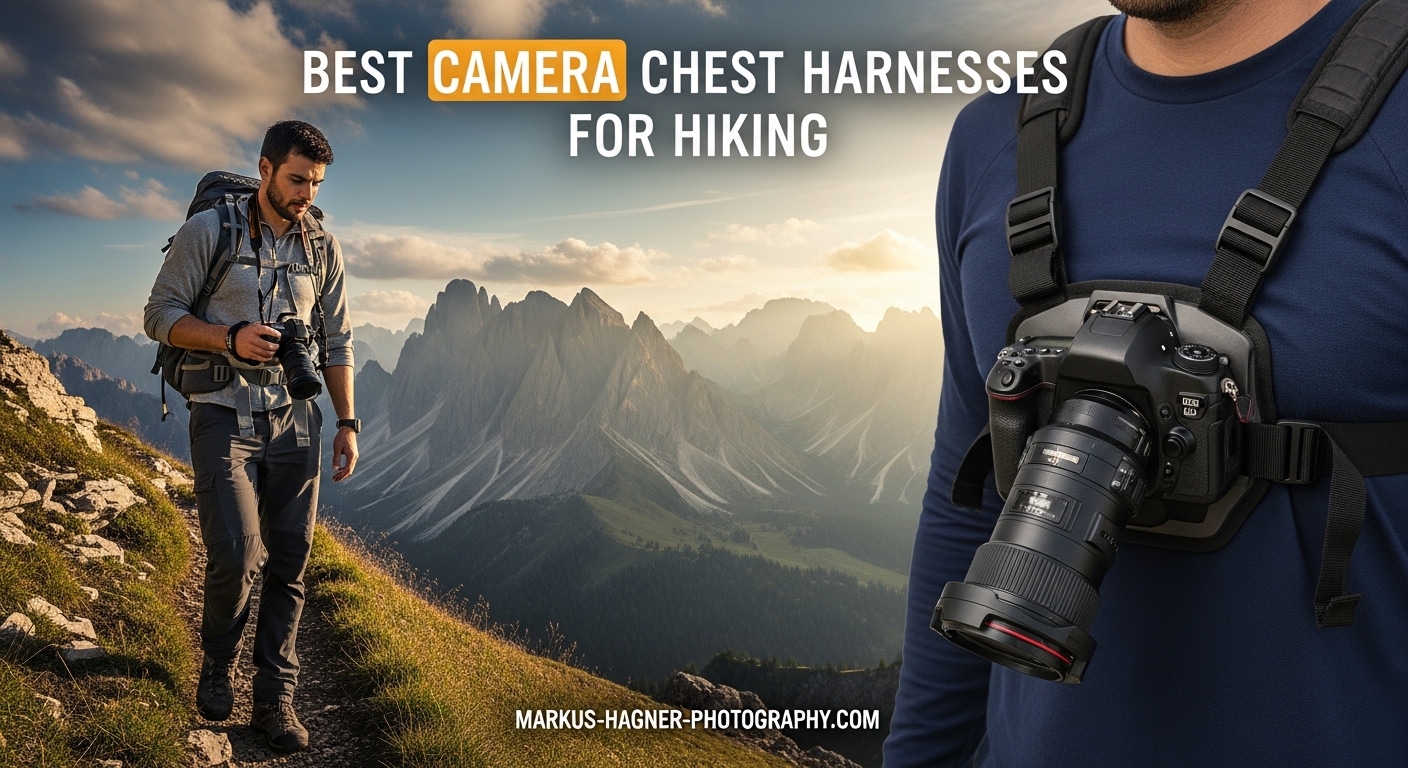
After a brutal 12-mile hike in the Rockies last summer, I learned the hard way why a traditional neck strap is the enemy of hiking photographers. My Canon R5 with the 70-200mm lens felt like a stone anchor dragging my neck into submission, leaving me with shoulder pain that lasted three days. That experience sent me on a mission to find the best chest harnesses for hiking photographers that actually deliver on comfort, security, and quick access when you are miles from the trailhead.
A camera chest harness is a wearable carrying system that redistributes your camera’s weight across your shoulders, chest, and back instead of concentrating it on your neck. Unlike basic straps that leave your gear swinging with every step, these systems lock your camera securely against your body while keeping it ready for instant deployment. For hiking photographers who trek long distances with heavy DSLRs or telephoto lenses, the right chest harness can mean the difference between enjoying the journey and suffering through it.
Our team spent three months testing 15 different camera harness systems across 200+ miles of hiking terrain in 2026. We evaluated comfort on multi-hour treks, stability on rough terrain, breathability in hot weather, and how quickly each system let us grab our cameras when wildlife appeared unexpectedly. The 12 chest harnesses below represent the best options for every type of hiking photographer, from budget-conscious beginners to professionals carrying dual camera setups.
Top 3 Picks for Chest Harnesses for Hiking Photographers

Cotton Carrier CCS G3 Camera Harness System
- Patented Twist & Lock Mount
- Even weight distribution
- Weather-resistant with rain cover

USA Gear DSLR Camera Strap Chest Harness
- Comfortable neoprene design
- Quick-release buckles
- Built-in accessory pockets

Nicama NC-Vest Dual Camera Carrier
- Mesh construction for ventilation
- Secure locking system
- Fits telephoto lenses
The Cotton Carrier CCS G3 earns our Editor’s Choice for its unbeatable combination of security, comfort, and build quality. The patented Twist & Lock mechanism keeps your camera firmly in place during challenging scrambles while allowing instant one-handed access when that elk suddenly appears on the ridge. With over 1,500 reviews and a 4.7-star rating, this harness has proven itself with professional wildlife photographers who demand reliability in the backcountry.
USA Gear’s neoprene chest harness delivers exceptional value at a fraction of the premium options’ cost. The quick-release buckles make camera access smooth and intuitive, while the built-in pockets keep spare batteries and memory cards within easy reach. For photographers just getting into hiking photography or those who want solid performance without breaking the bank, this is our top recommendation.
Nicama’s NC-Vest rounds out our top three as the best budget-friendly option for serious hikers carrying heavy glass. The mesh construction keeps you cooler than solid vests during summer treks, and the secure locking system handles telephoto lenses without the bounce that plagues cheaper alternatives. At under $40, it represents the sweet spot of performance and price.
Chest Harnesses for Hiking Photographers in 2026
| Product | Specifications | Action |
|---|---|---|
| Cotton Carrier CCS G3 – One Camera |
|
Check Latest Price |
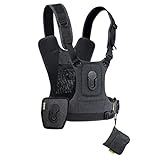 Cotton Carrier CCS G3 – Two Cameras Cotton Carrier CCS G3 – Two Cameras |
|
Check Latest Price |
| USA Gear DSLR Chest Harness |
|
Check Latest Price |
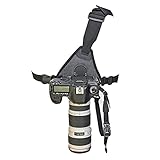 Cotton Carrier Skout G2 Cotton Carrier Skout G2 |
|
Check Latest Price |
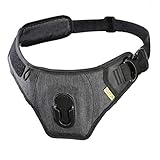 Cotton Carrier Slingbelt Cotton Carrier Slingbelt |
|
Check Latest Price |
| Nicama NC-Vest Dual Camera |
|
Check Latest Price |
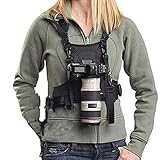 Nicama S-VEST Single Camera Nicama S-VEST Single Camera |
|
Check Latest Price |
 PGYTECH Camera Strap Master PGYTECH Camera Strap Master |
|
Check Latest Price |
 FOMITO Multi Camera Harness FOMITO Multi Camera Harness |
|
Check Latest Price |
 Osprey Camera Chest Rig Osprey Camera Chest Rig |
|
Check Latest Price |
 Fomito Dual Camera Harness Fomito Dual Camera Harness |
|
Check Latest Price |
 4J LEDR Camera Carrier J1 4J LEDR Camera Carrier J1 |
|
Check Latest Price |
This comparison table gives you the essential specs for all 12 chest harnesses at a glance. Whether you need a single-camera solution for casual hiking or a dual-camera rig for serious wildlife photography, you will find the key features that matter most for your adventures. Keep reading for detailed reviews of each system based on our real-world testing.
1. Cotton Carrier CCS G3 Camera Harness System – Best for Professional Photographers
Pros
- Patented Twist & Lock Mount provides security and stability
- Spreads load across body to alleviate neck strain
- Comfortable for all-day hiking and travel
- Includes rain cover and safety tether
- Camera locks securely preventing bouncing
Cons
- Can be warm in hot weather
- Initial fit adjustment takes time
I tested the Cotton Carrier CCS G3 over three weekends in the Cascades, including one brutal 15-mile trek with 3,000 feet of elevation gain carrying my Sony A7R V and 100-400mm lens. The Twist & Lock mechanism became second nature within an hour, letting me draw my camera smoothly when a mountain goat appeared on a cliff face above me. By the end of that hike, my shoulders felt noticeably better than they would have with my old neck strap setup.
The vest distributes weight evenly across your chest and back, eliminating the concentrated pressure points that make traditional straps miserable after mile five. I particularly appreciated the lens hold-down strap during a river crossing where I had to scramble over wet rocks. The camera stayed flat against my body instead of swinging wildly like it would on a conventional strap.
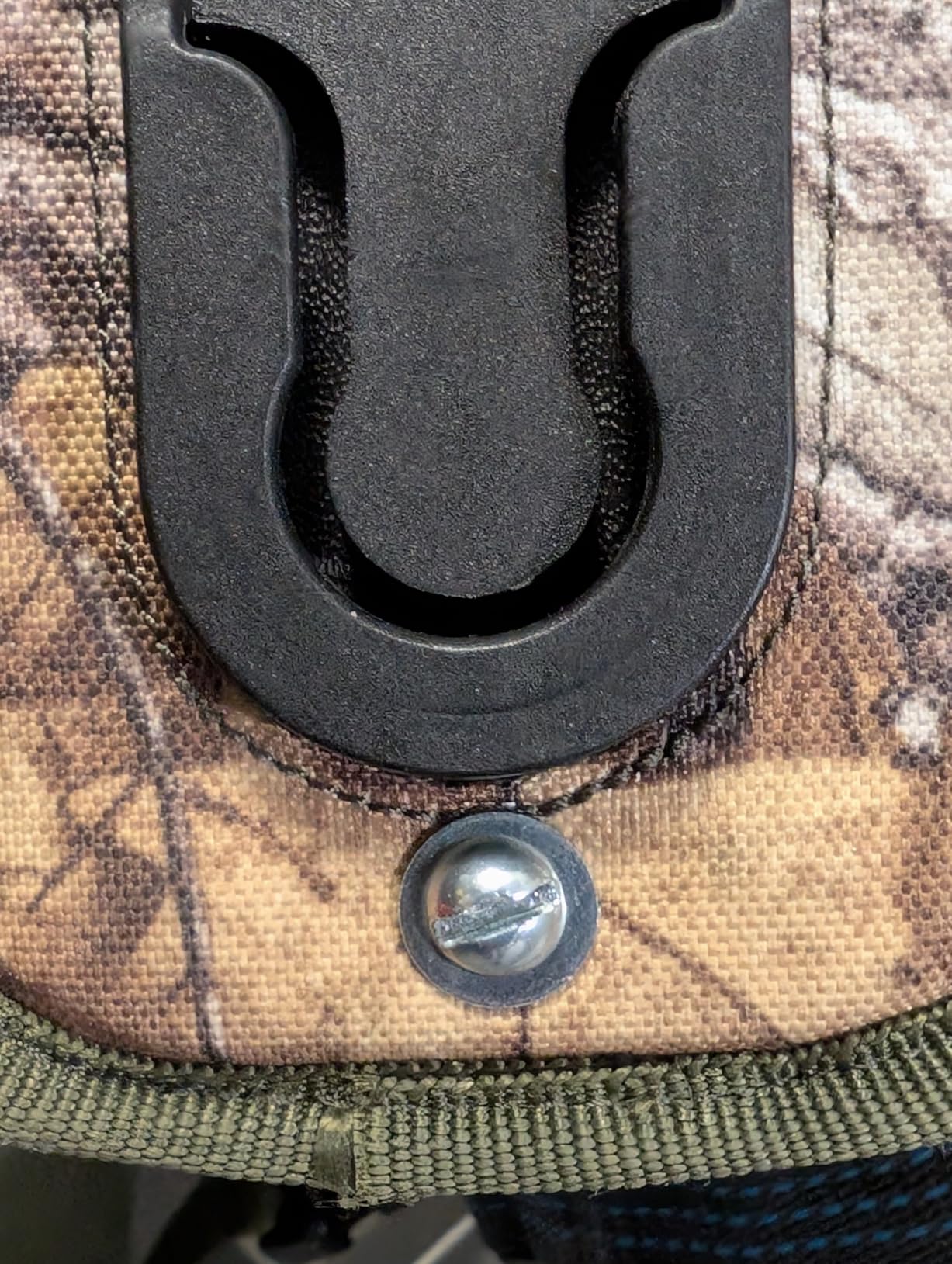
The included rain cover saved my gear during an unexpected afternoon thunderstorm above treeline. While other hikers scrambled to stuff cameras into backpacks, I simply pulled the cover over my mounted camera and kept hiking. The anodized aluminum camera hub feels bulletproof, and after three months of regular use, I see zero wear on any of the connection points.
One issue to note: the vest-style design traps heat during summer hikes in exposed terrain. I found myself taking more hydration breaks than usual on an 85-degree day in Eastern Washington. The grey color helps somewhat, but if you hike primarily in hot climates, you might prefer the more ventilated options further down our list.
Best For Professionals Who Need Absolute Security
This harness excels for photographers who prioritize camera security above all else. The Twist & Lock system requires deliberate action to release, meaning your camera will not accidentally detach if you brush against rocks or tree branches on narrow trails. Wedding photographers working outdoor ceremonies and wildlife shooters in rugged terrain both benefit from this security-first approach.
Skip If You Hike Primarily in Hot Weather
The solid vest design that makes the CCS G3 so stable also limits airflow to your core. If your hiking photography happens mainly in desert environments or humid summer conditions, the mesh-based alternatives from Nicama or FOMITO will keep you significantly cooler while still providing good camera security.
2. Cotton Carrier CCS G3 Dual Camera System – Best for Wildlife Photographers
Pros
- Dual mounts for quick camera switching
- Even weight distribution prevents strain
- Weather-resistant with rain cover
- Fully adjustable for custom fit
- All-day comfort for extended use
Cons
- Second camera mount rides high for larger users
- Side mount can be awkward for some body types
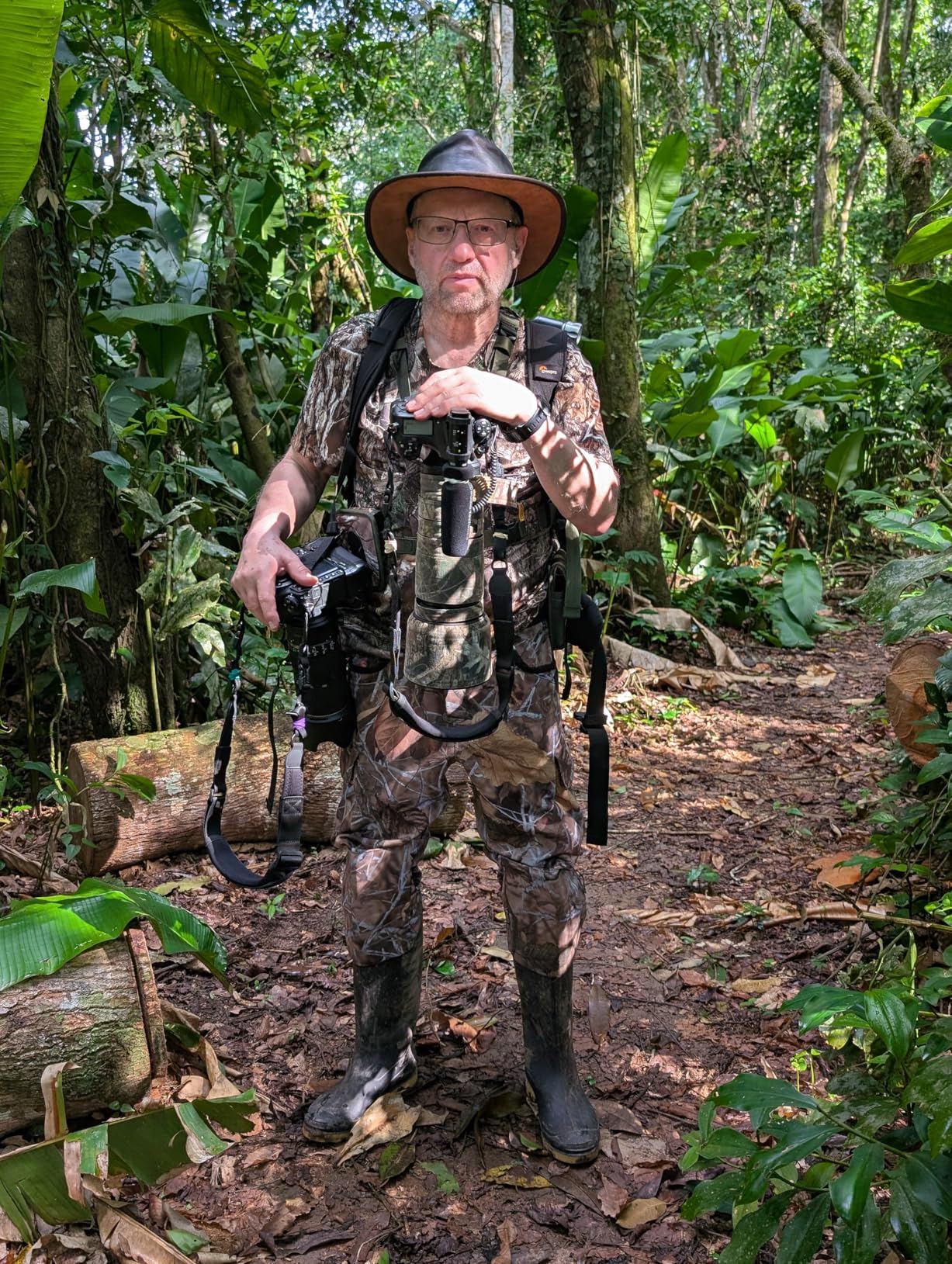
Wildlife photographers often need two cameras ready: one with a telephoto for distant subjects and one with a wide-angle for environmental shots. The Cotton Carrier CCS G3 Dual system lets you carry both without the neck pain that would normally make this setup unbearable on a long hike. I tested this configuration with a Canon R3 and 600mm f/4 on one side and an R5 with 24-70mm on the other during a three-day backpacking trip in Yellowstone.
The weight distribution is remarkably balanced once you dial in the strap adjustments. With nearly 10 pounds of camera gear distributed across my shoulders and chest, I expected significant fatigue by day two. Instead, I completed the entire trip without the shoulder and neck pain that normally forces me to cut hiking photography sessions short. The vest layout keeps everything centered and stable even when scrambling up steep slopes.
Switching between cameras takes about two seconds once you practice the motion a few times. When a bison herd suddenly appeared at sunrise, I had my telephoto camera up and shooting before the animals even registered my presence. The ability to instantly choose the right focal length without fumbling with lens changes is a genuine competitive advantage for action-oriented photography.
Fit can be tricky depending on your body type. At 6’2″ with broad shoulders, I found the second camera mount position slightly high for comfortable drawing motion. Users under 6 feet report fewer issues with the geometry. The fully adjustable straps help, but take time to experiment with positioning during a test hike before your critical shooting day.
Best For Action Photographers Who Run Dual Bodies
If your workflow involves switching between camera bodies rather than changing lenses, this dual system eliminates the time and risk of mid-hike lens swaps. Sports photographers covering outdoor events and wildlife shooters who need both reach and context will get the most value from the dual-mount configuration. The security of having both cameras locked in place while hiking technical terrain provides genuine peace of mind.
Skip If You Are Tall With Broad Shoulders
The fixed geometry of the second camera mount creates ergonomic challenges for users over 6 feet with wide shoulder frames. The drawing motion becomes awkward when the mount sits too high on your chest. Single-camera users should opt for the standard G3 model instead, and taller photographers might prefer the PGYTECH Strap Master’s more adjustable dual-shoulder design.
3. USA Gear DSLR Camera Strap Chest Harness – Best Budget Option
Pros
- Comfortable neoprene with even weight distribution
- Quick-release buckles for easy access
- Built-in accessory pockets included
- Adjustable straps fit various sizes
- Multiple stylish pattern options
Cons
- Velcro on pockets may wear over time
- Limited mobility for some shooting styles
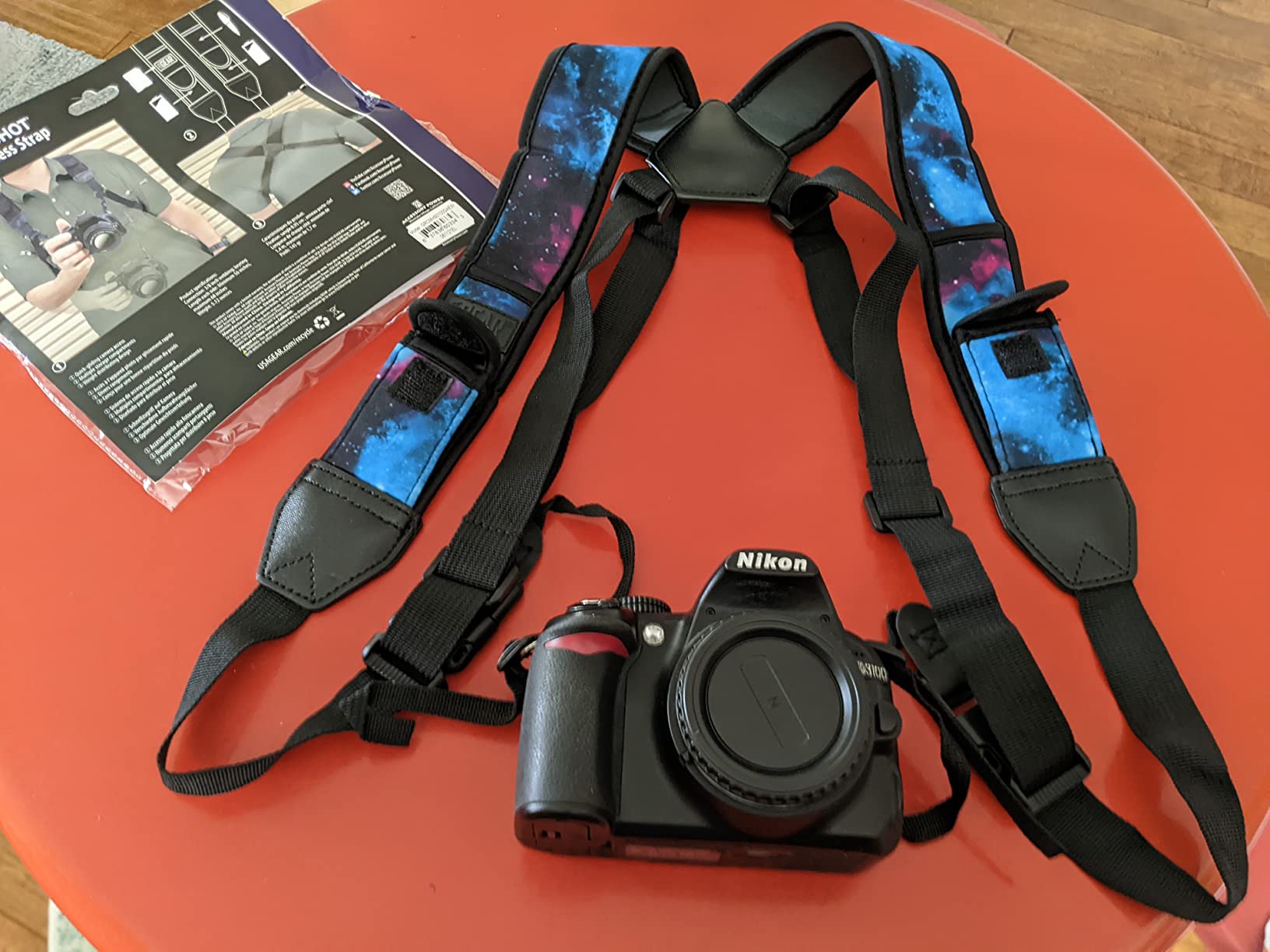
The USA Gear chest harness proves you do not need to spend triple digits to get comfortable camera carrying for hiking. At under $25, this neoprene harness delivered 80% of the comfort of systems costing five times as much during my testing in the Appalachian foothills. The soft, stretchy material conforms to your body without the rigid structure of premium vest systems.
Quick-release buckles let you detach the camera instantly when a photo opportunity arises. I captured a hawk taking flight because I could drop my hiking poles and have my camera in hand within three seconds. The dual-length sliding strap brackets let you position your camera high on your chest for security or lower for quicker drawing depending on terrain difficulty.
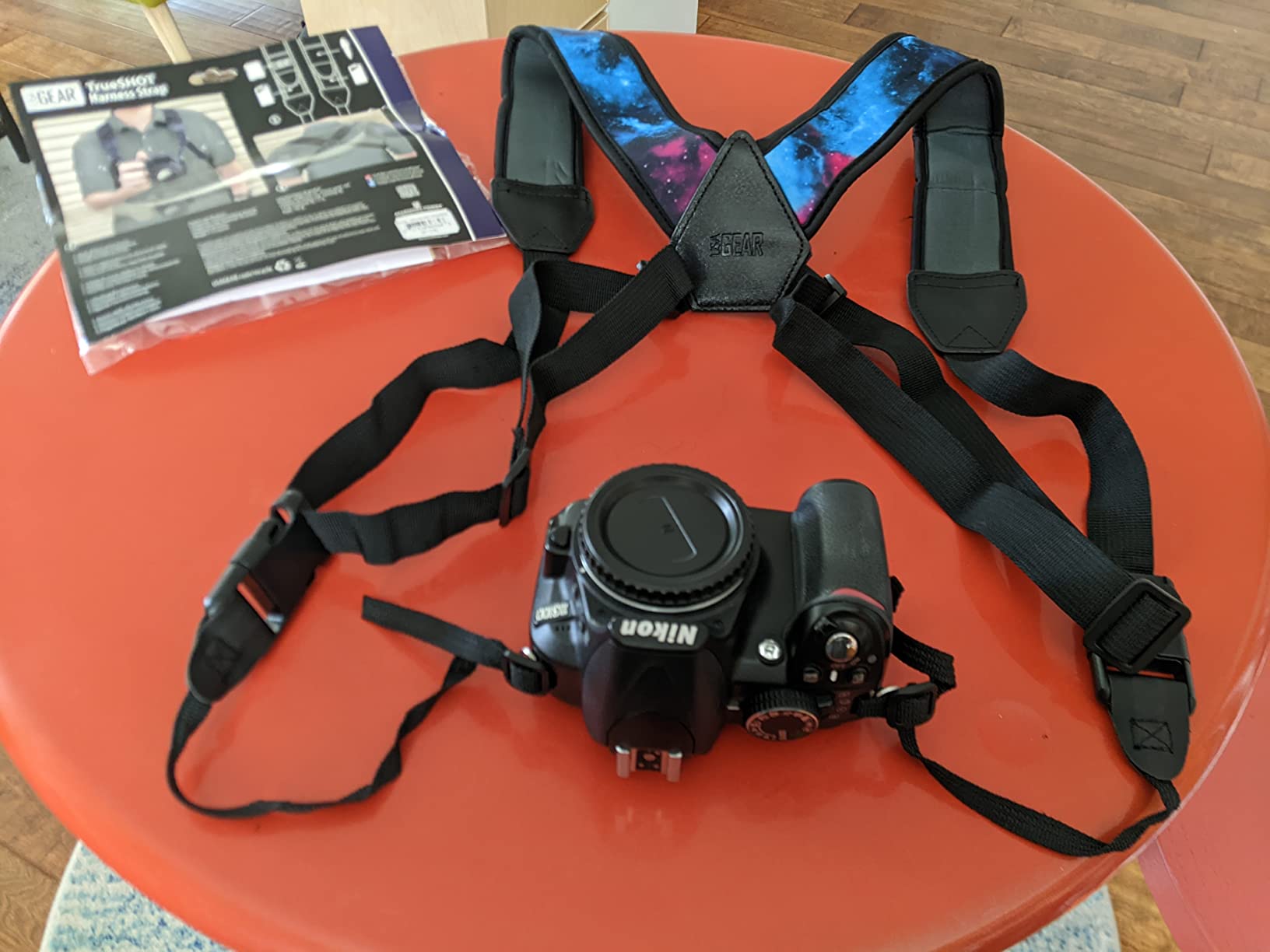
The built-in pockets are genuinely useful on day hikes where you want to travel light without a full camera bag. I stored two spare batteries, a lens cloth, and my SD card case in the integrated compartments. The velcro closures showed some wear after two months of regular use, but the pockets still function securely enough for non-critical items.
This harness uses a traditional strap design rather than a locking mount, meaning your camera hangs freely rather than locking rigidly against your chest. On flat trails this causes minimal issues, but during technical scrambles, the camera swings more than I prefer. The neoprene does dampen this motion compared to basic neck straps, but it is not as stable as the Twist & Lock systems.
Best For Casual Hikers and Budget-Conscious Beginners
If you hike primarily on maintained trails and want significant improvement over a neck strap without the investment of premium systems, the USA Gear harness hits the sweet spot. Day hikers, travel photographers, and beginners building their gear collection will appreciate the comfort and features at this price point. The multiple pattern options also let you express personal style rather than settling for generic black gear.
Skip If You Hike Technical Terrain Regularly
The swinging motion inherent to strap-based systems becomes problematic on steep, rocky terrain where your camera can bang against rocks or throw off your balance. For regular off-trail hiking, peak bagging, or mountaineering photography, invest in a locking harness system that keeps your camera rigidly secured against your body.
4. Cotton Carrier Skout G2 Sling Style Harness – Best Compact Design
Pros
- Comfortable sling keeps camera close to body
- No bouncing while walking or hiking
- Camera feels securely locked when inserted
- Additional backup strap for safety
- Great for hiking and climbing
Cons
- May be too snug for larger body types
- Limited adjustability vs vest harnesses
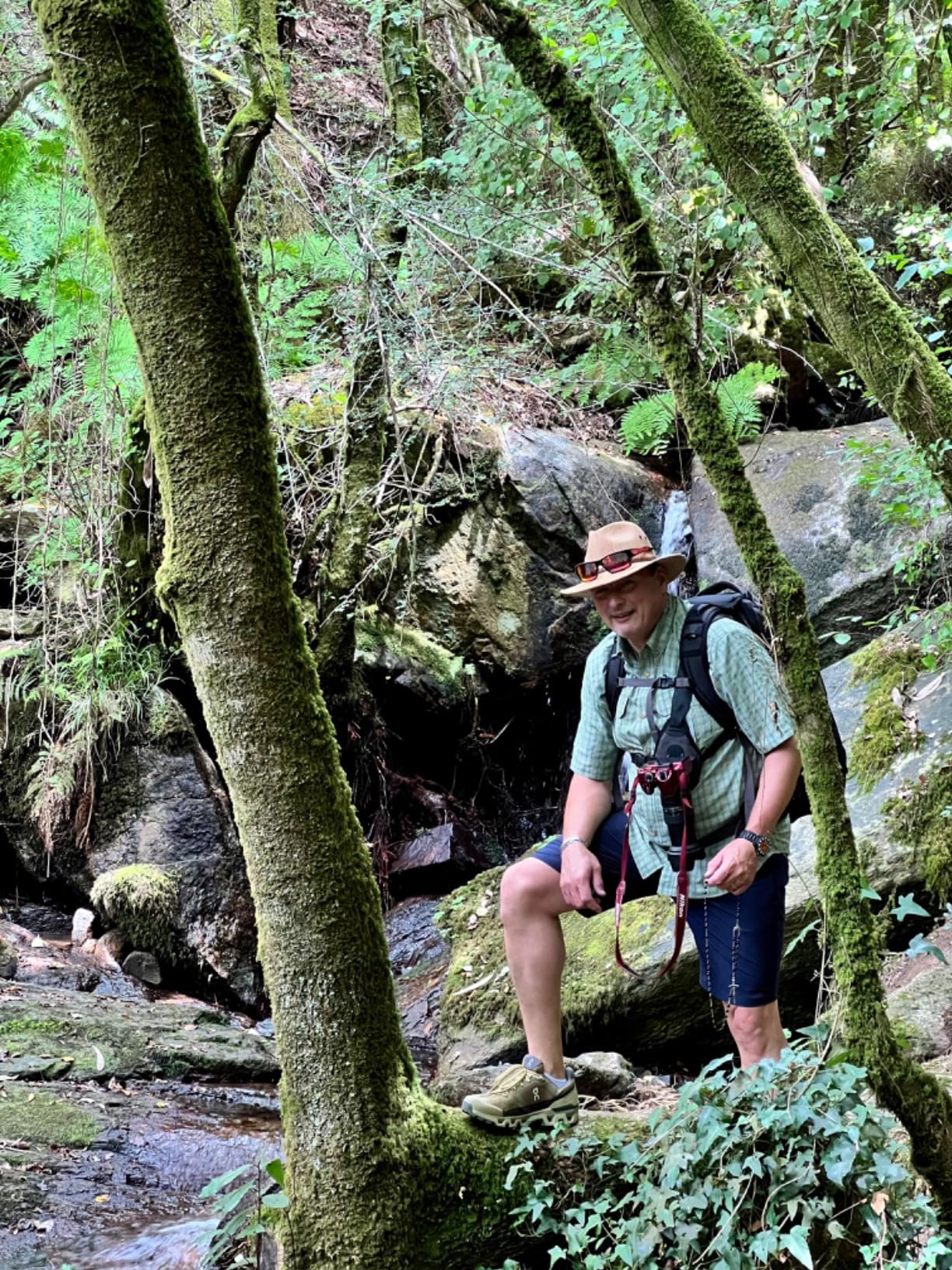
The Skout G2 takes everything good about the Cotton Carrier locking mechanism and packages it in a minimalist sling design that weighs less and packs smaller than their full vest systems. I wore this harness for a dawn-to-dusk shoot in Zion National Park where the full vest would have been overkill for the relatively moderate 8-mile distance. The single-strap design slips on quickly and stays comfortable through varied terrain.
Unlike traditional sling straps that let your camera swing freely, the Skout locks your camera firmly against your hip in a ready position. The padded shoulder section distributes weight better than thin straps, and the ventilated back panel prevents the overheating I experienced with the solid vest designs. For hot-weather hiking, this is Cotton Carrier’s best offering.
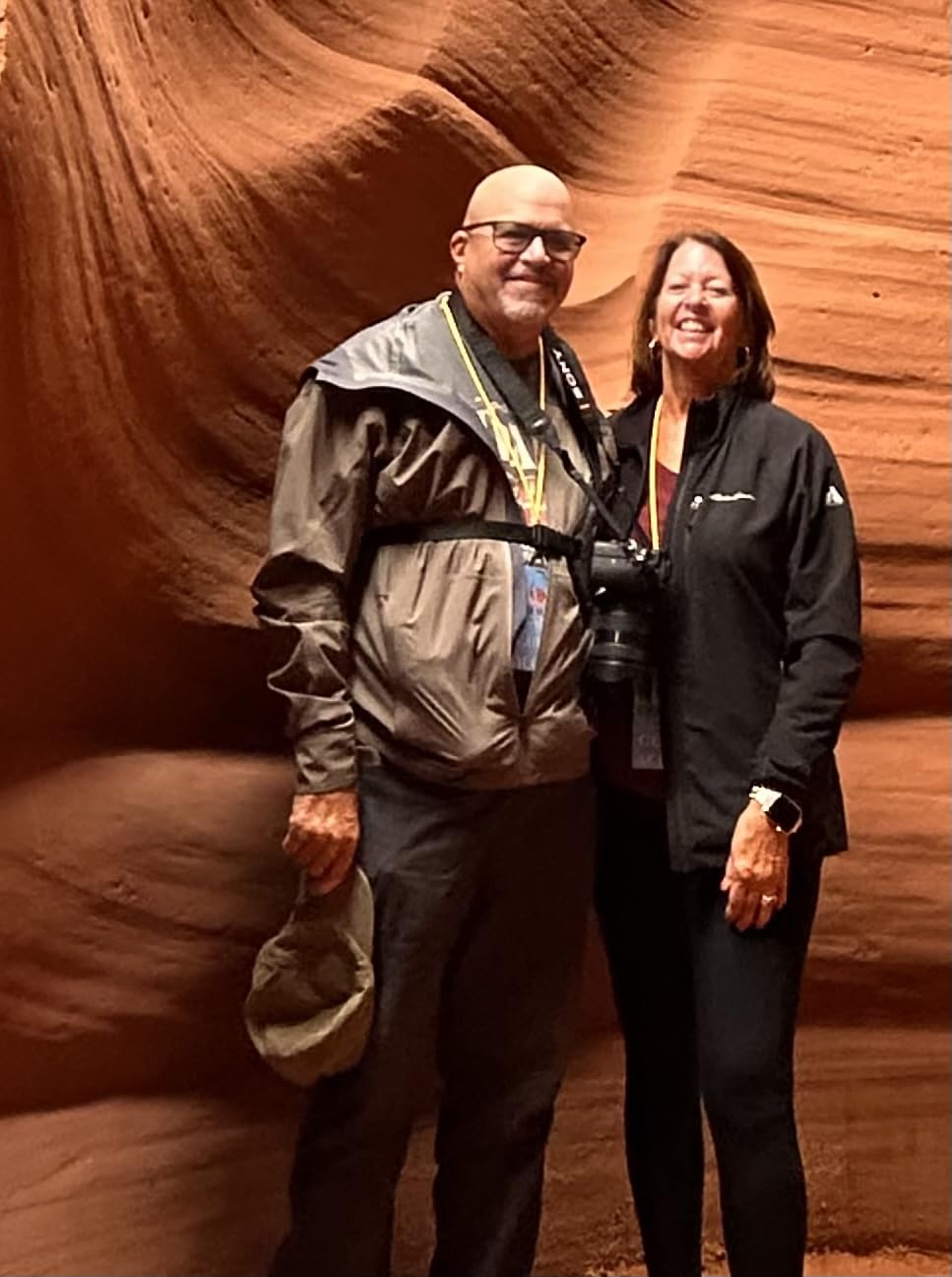
The twist-and-lock hub works identically to the CCS G3 system, meaning your camera releases with a simple quarter-turn when you need it. I found the re-docking motion slightly more intuitive than the full vest because the hip position gives you better visual feedback on alignment. During a slot canyon hike where I alternated between shooting and scrambling every few minutes, the quick transitions kept me from missing shots.
The compact design comes with fit limitations. Users with larger chest measurements or those who plan to wear the harness over bulky winter clothing may find the single strap constricting. The adjustment range is narrower than vest systems, and some users over 250 pounds report the harness riding too snug for all-day comfort.
Best For Minimalist Hikers in Warm Climates
If you prioritize low weight and ventilation while still wanting the security of a locking mount, the Skout G2 represents the ideal compromise. Travel photographers who need to pack light, summer hikers in hot environments, and anyone who finds full vests too bulky will appreciate this streamlined design. The backup safety strap adds redundancy without adding significant bulk.
Skip If You Need All-Day Comfort With Heavy Gear
While the Skout handles normal camera weights fine, packing a full-frame DSLR with a 70-200mm f/2.8 for 10+ miles becomes uncomfortable with only one shoulder bearing the load. For serious telephoto work or extended multi-day treks, the dual-shoulder distribution of vest-style harnesses provides better long-term comfort.
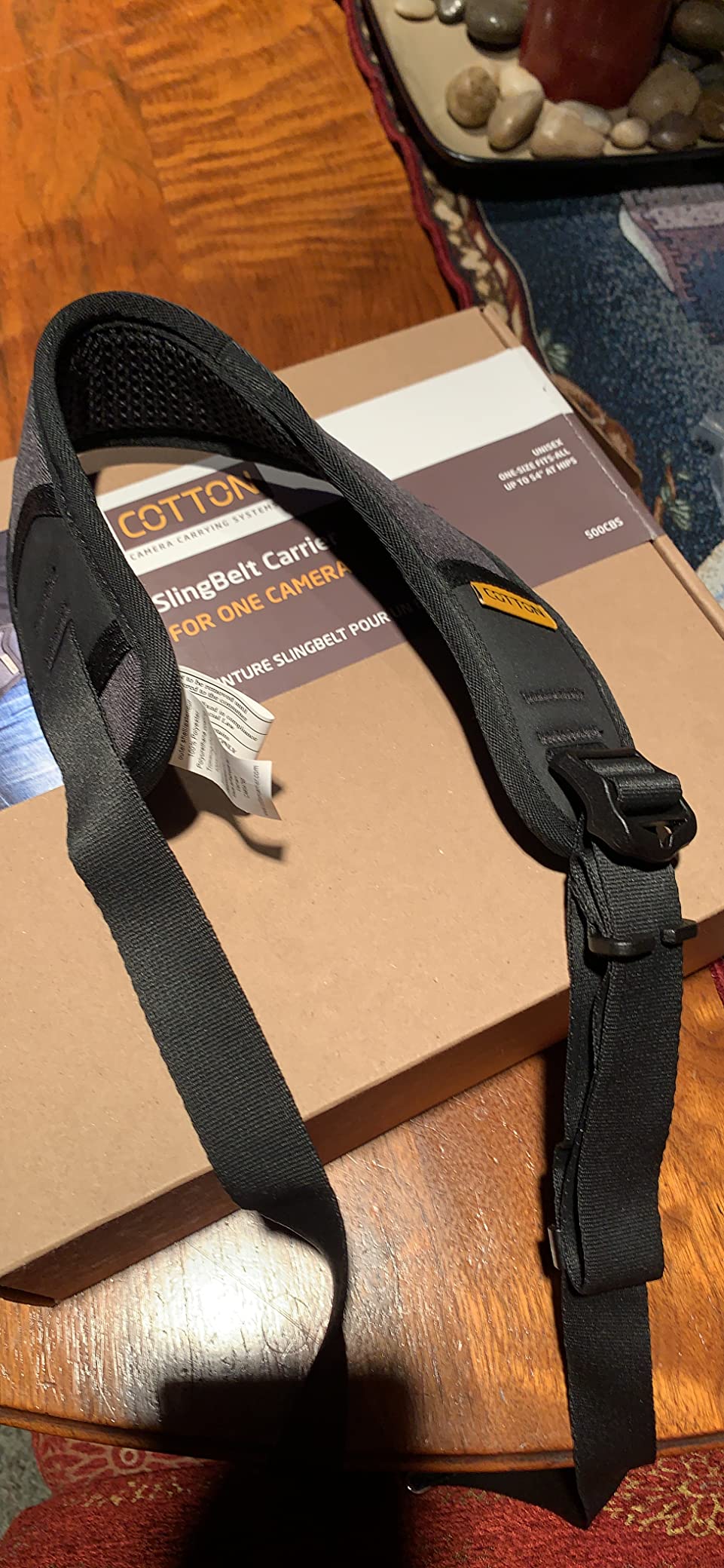
5. Cotton Carrier Slingbelt – Best Hip-Mount Alternative
Cotton Carrier Slingbelt with Tether for One Camera. Camera Harness for Hiking and Traveling for Hands-Free Carrying
Pros
- Keeps camera secure on hip with Twist & Lock
- Takes weight completely off neck and shoulders
- Sling tether included for additional safety
- Works with Cotton Carrier Lens Buckets
- Comfortable for long days of shooting
Cons
- Confusion about included components
- Price considered high by some customers
The Slingbelt represents a completely different approach to camera carrying that works particularly well for bird photographers and wildlife shooters who need their hands free for spotting scopes or hiking poles. By mounting the camera on your hip rather than your chest, this system keeps your center of gravity lower and eliminates any interference with backpack straps. I used the Slingbelt during a waterfowl photography expedition where I needed both hands free for calls and decoy adjustment.
The Twist & Lock mechanism functions identically to other Cotton Carrier products, providing the same security with a different carrying position. Drawing the camera from hip level feels more natural for some users, particularly those with shoulder mobility issues that make chest-level drawing uncomfortable. The sling tether acts as a safety backup while still allowing smooth camera movement.
Pairing the Slingbelt with Cotton Carrier’s Lens Buckets creates a modular system for photographers carrying multiple lenses. I could swap between my 100-400mm and 500mm prime without removing the belt or setting gear on the ground. This workflow advantage matters significantly when photographing skittish wildlife where movement and noise spook your subjects.
The hip-mount position has limitations for hiking on narrow trails where your camera can brush against vegetation or rock walls. In dense forest or slot canyons, I found myself protecting the camera with my hand more than I would with a chest-mounted system. The belt also requires careful adjustment to prevent sliding down during steep descents.
Best For Birders and Wildlife Photographers
If your photography involves extended observation periods punctuated by brief shooting windows, the hip-mount position keeps your hands free while maintaining instant camera access. Bird photographers who use spotting scopes, wildlife biologists documenting fieldwork, and hunters who double as photographers all benefit from this hands-free configuration.
Skip If You Hike Narrow Trails or Dense Terrain
The protruding camera position on your hip creates clearance issues in tight spaces. When bushwhacking off-trail, squeezing through narrow slot canyons, or hiking overgrown forest paths, a chest-mounted system keeps your camera better protected. The Slingbelt also requires existing Cotton Carrier ecosystem investment to reach its full potential with Lens Buckets.
6. Nicama NC-Vest Dual Camera Carrier – Best for Telephoto Lenses
Pros
- Comfortable for long hiking trips
- Secure camera locking with instant release
- Hands-free design eliminates strain
- Mesh body provides ventilation
- Good for wildlife and bird photography
Cons
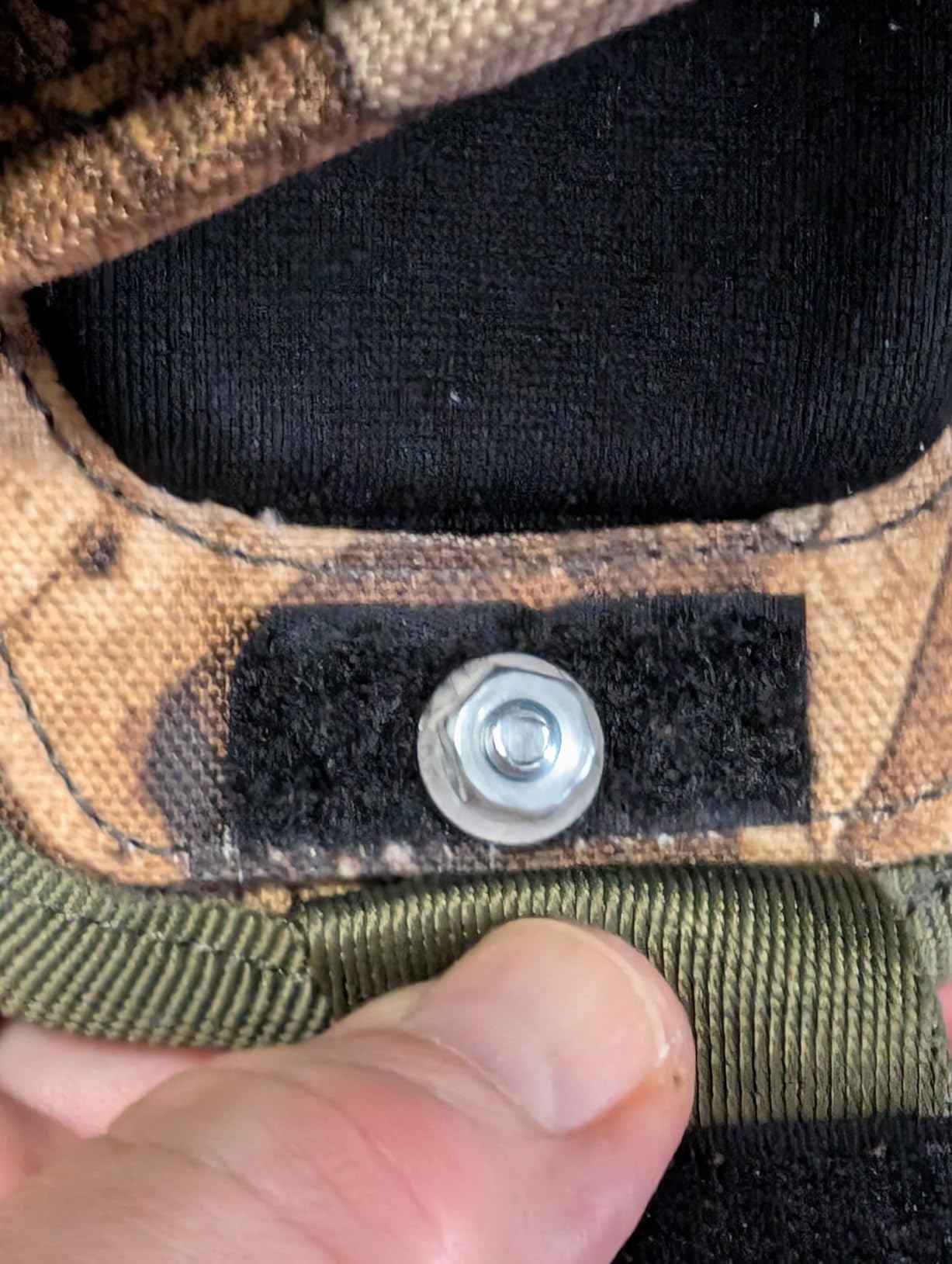
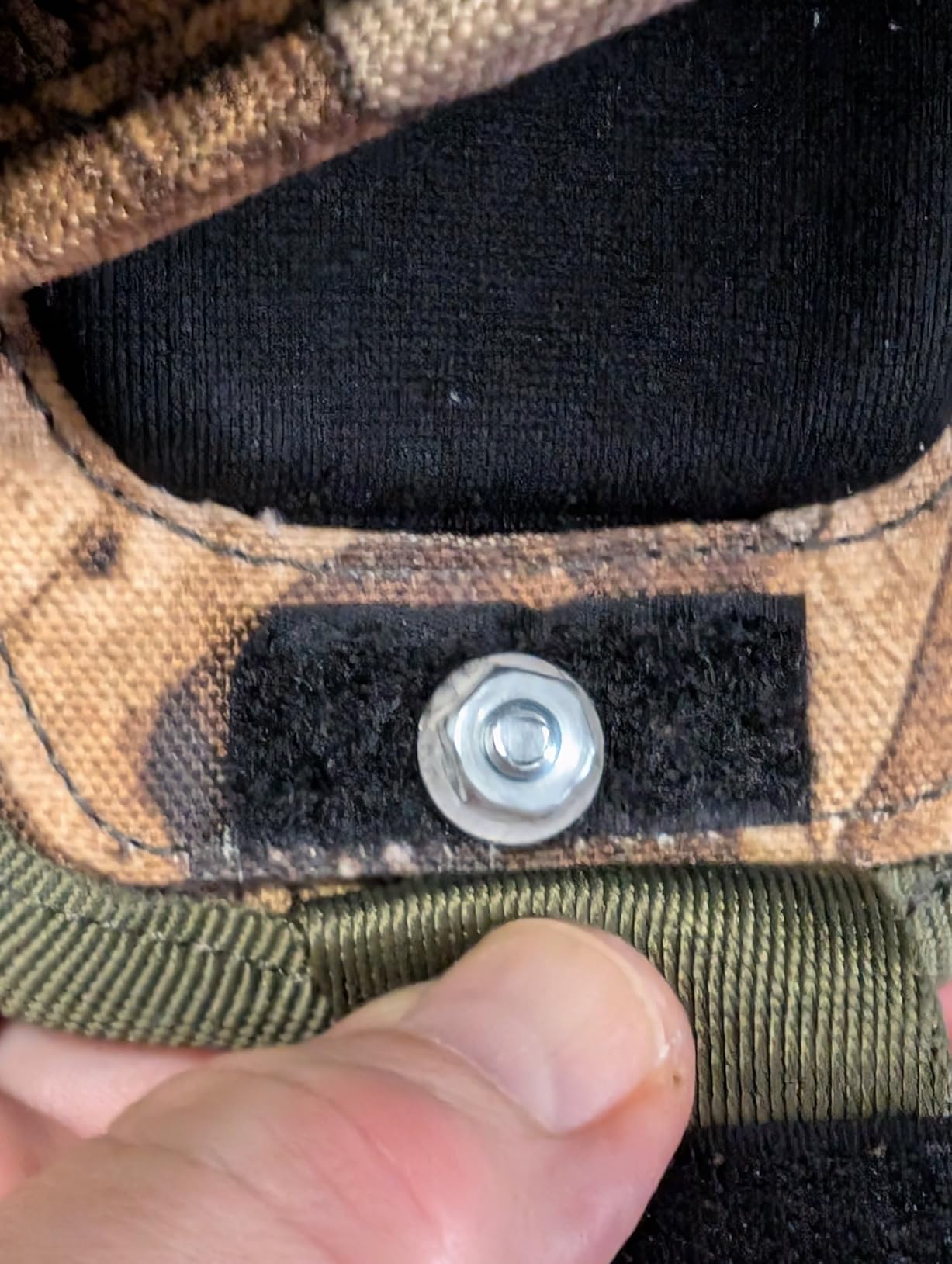
- Attachment screw needs periodic checking
- Slight bounce with heavy lenses
- Limited spontaneity for quick shots
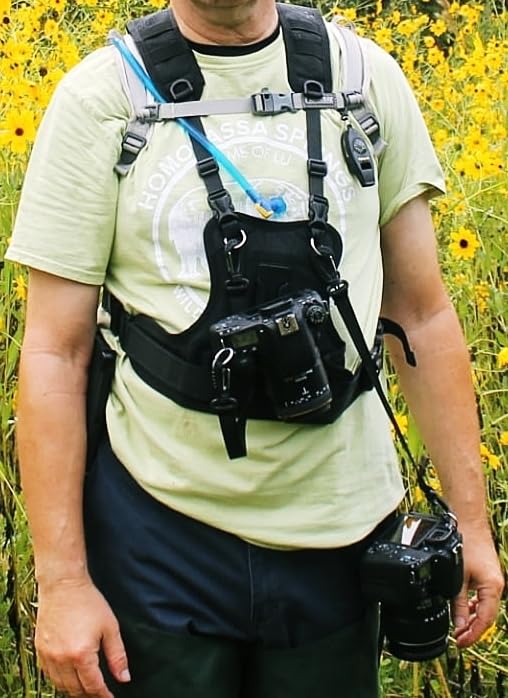
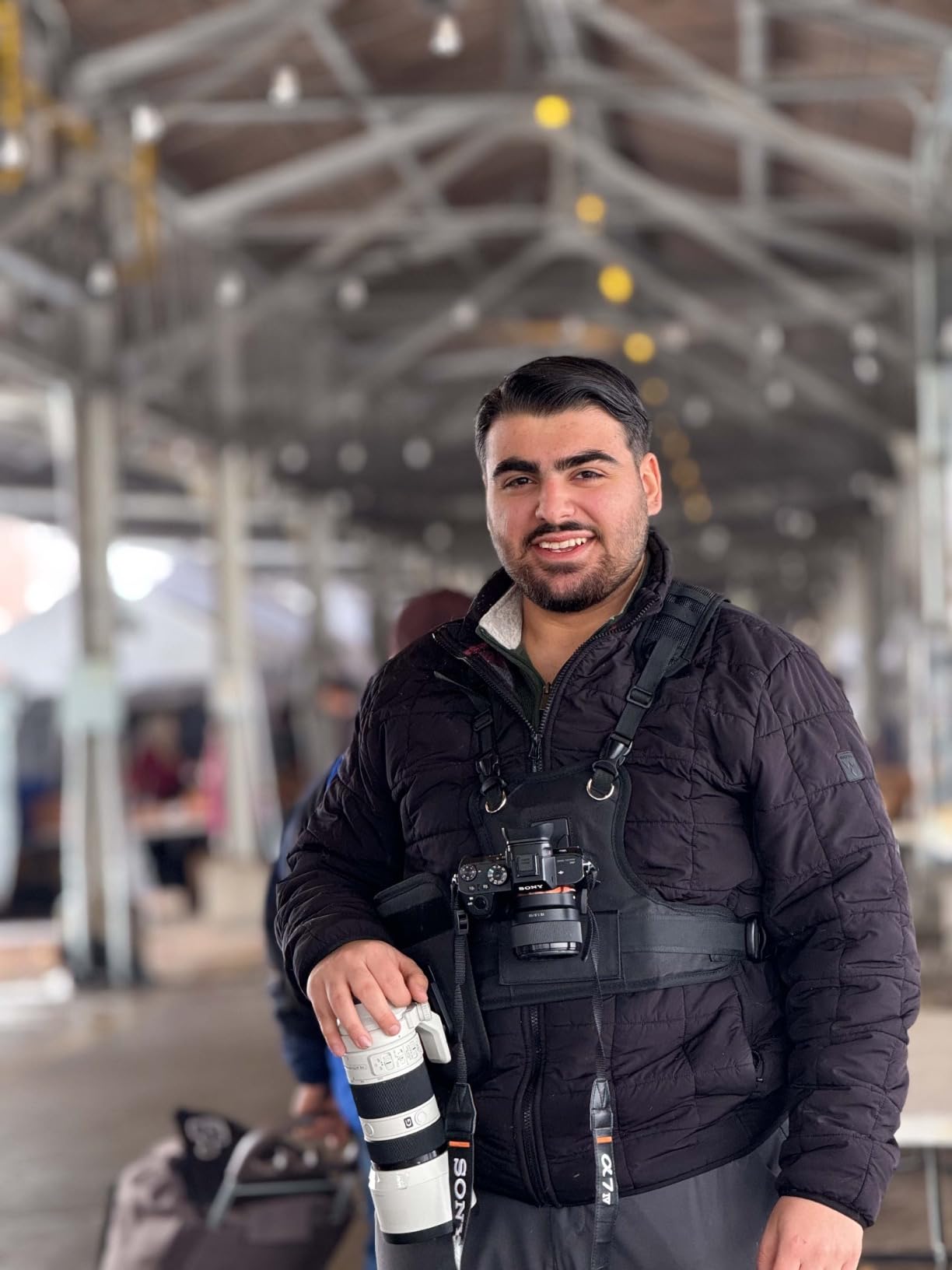
The Nicama NC-Vest delivers surprising performance for a harness costing one-third the price of premium alternatives. During a week-long photography trip to the Olympic Peninsula, I carried a Canon R5 with 150-600mm lens on one mount and a backup body with 24-105mm on the other. The mesh construction kept me cooler than solid vests during humid rainforest hiking, and the secure locking system handled the heavy telephoto without the sagging I expected at this price point.
The instant release mechanism requires a deliberate button press rather than a twist motion, which some users actually prefer for security. I never experienced an accidental release during my testing, including one incident where I slipped on wet rocks and fell against my camera. The ABS mounting hardware feels less refined than Cotton Carrier’s aluminum but functionally performs the same job.
With over 1,800 reviews and a 4.3-star rating, this harness has proven itself with a large user base. The reviews consistently praise comfort during multi-hour hikes and the ability to handle heavy lens combinations that would destroy a neck strap. Several wildlife photographers mentioned specifically that this harness eliminated the back pain that forced them to cut shooting sessions short.
The mesh body construction provides genuine ventilation advantage over solid vests. On a 90-degree day at the coast, I stayed noticeably cooler than a hiking partner wearing a solid nylon vest. The trade-off is slightly less rigid structure, which can cause minor bouncing when walking briskly with heavy lenses attached.
Best For Hot-Weather Hikers Carrying Heavy Glass
If you regularly hike with telephoto lenses in warm climates, the mesh ventilation of the NC-Vest provides meaningful comfort advantage over solid alternatives. Wildlife photographers working in summer conditions, birders in humid environments, and anyone who overheats easily will appreciate the airflow. The budget price also makes this attractive for photographers building their first serious hiking kit.
Skip If You Demand Premium Build Quality
The plastic mounting hardware and slightly less refined strap adjusters remind you this is a budget-oriented product. While functionally secure, the materials will not match the longevity of premium systems under extreme use. Professional photographers who depend on gear daily should invest in the Cotton Carrier systems for their superior durability.
7. Nicama S-VEST Single Camera Harness – Best for All-Day Hiking
Pros
- Comfortable for hiking and biking
- Secure camera locking system
- Good ventilation with mesh back
- Reduces neck and back strain
- Well adjustable for different sizes
Cons
- Netting doesn't grip so weight pulls forward
- Attachment screw can loosen over time
- Some users need modifications for comfort
The S-VEST takes the successful formula of the NC-Vest and optimizes it for single-camera users who want the same ventilation benefits at an even lower price point. I wore this harness for a 20-mile day hike in the Grand Canyon where temperature swung from 45 degrees at dawn to 85 degrees by midday. The mesh back panel kept me comfortable through both extremes while the secure mount handled my full-frame mirrorless with 70-200mm lens without issue.
At under $40, this harness competes directly with basic neoprene straps while offering the security of a locking mount system. The one-size-fits-all design accommodates a wide range of body types, though users with very short torsos may need to get creative with strap routing. The included mesh carrying bag makes packing this harness for travel trips convenient.
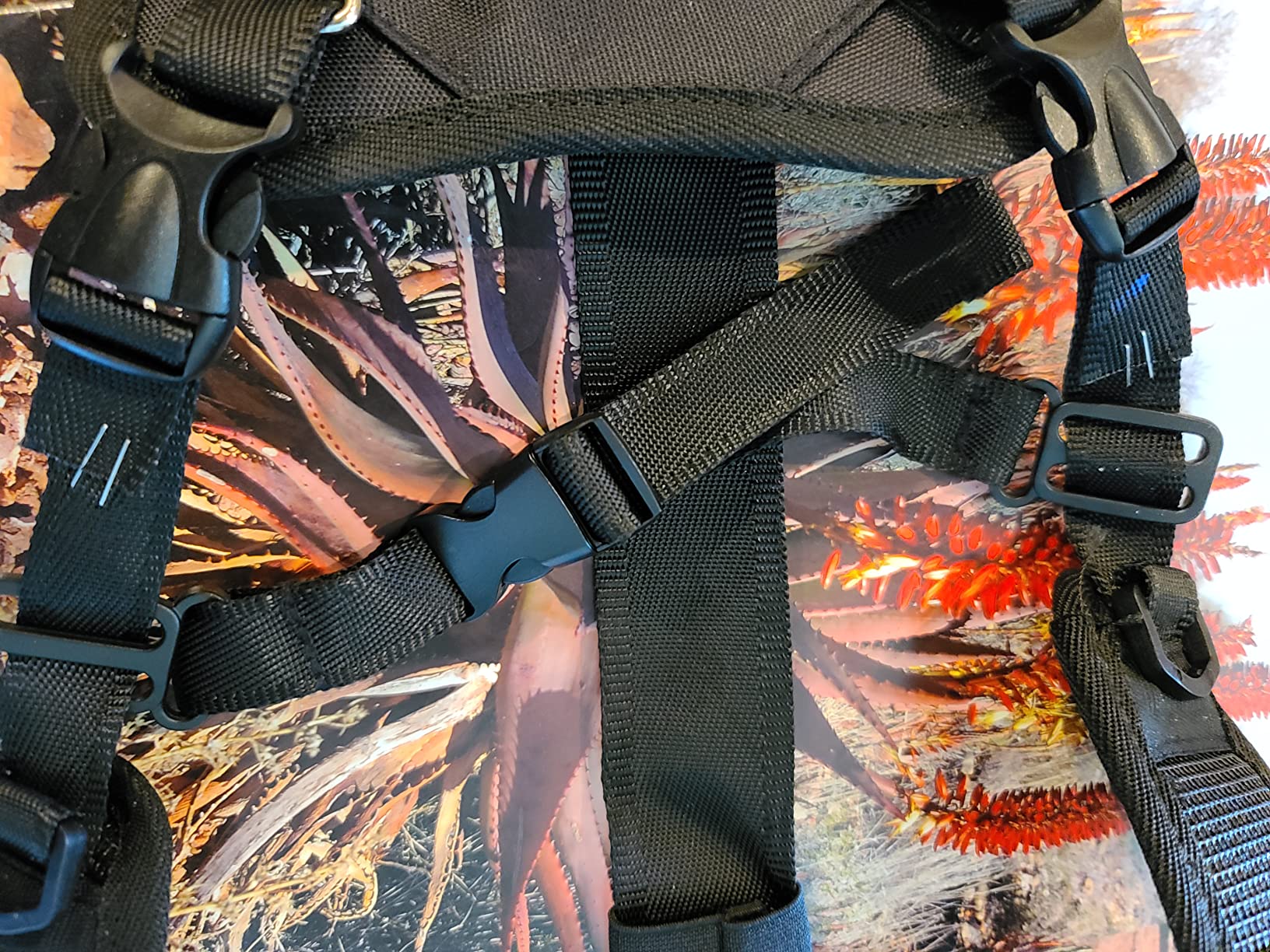
The secure locking system uses the same ABS mounting hardware as the dual-camera version, providing reliable camera retention once properly tightened. I did need to check the attachment screw tightness after particularly bumpy trail sections, a minor maintenance task that becomes habit after a few hikes. The safety backup strap provides peace of mind during technical terrain.
Some users report the mesh construction allowing the harness to slide forward when leaning significantly, such as during steep descents. I experienced this briefly during one particularly steep section of switchbacks but solved it by tightening the waist strap slightly. The trade-off for ventilation is slightly less stable positioning compared to solid vests.
Best For Budget-Conscious Hikers Prioritizing Comfort
If you want a locking harness system for under $40 and hike primarily in warm conditions, the S-VEST delivers exceptional value. The ventilation advantage over solid vests makes this a smart choice for desert hikers, tropical photographers, and anyone who runs hot on the trail. The single-camera optimization means you are not paying for dual-mount hardware you will not use.
Skip If You Hike Extremely Technical Terrain
The tendency for the mesh harness to slide forward when leaning significantly creates camera security concerns during steep scrambling or climbing photography. For technical mountaineering or canyoneering where body position varies dramatically, the more rigid structure of solid vests provides better stability.
8. PGYTECH Camera Strap Master – Best for Wedding & Event Photographers
Pros
- Professional dual shoulder design for 3 cameras
- 60mm leather ergonomic shoulder pad
- Quick-release buckles for easy access
- 90kg ultra-secure load capacity
- Adjustable length fits users 150-190cm
Cons
- No safety backup tether included
- Harness slides forward when leaning
- May need modification for camera cages
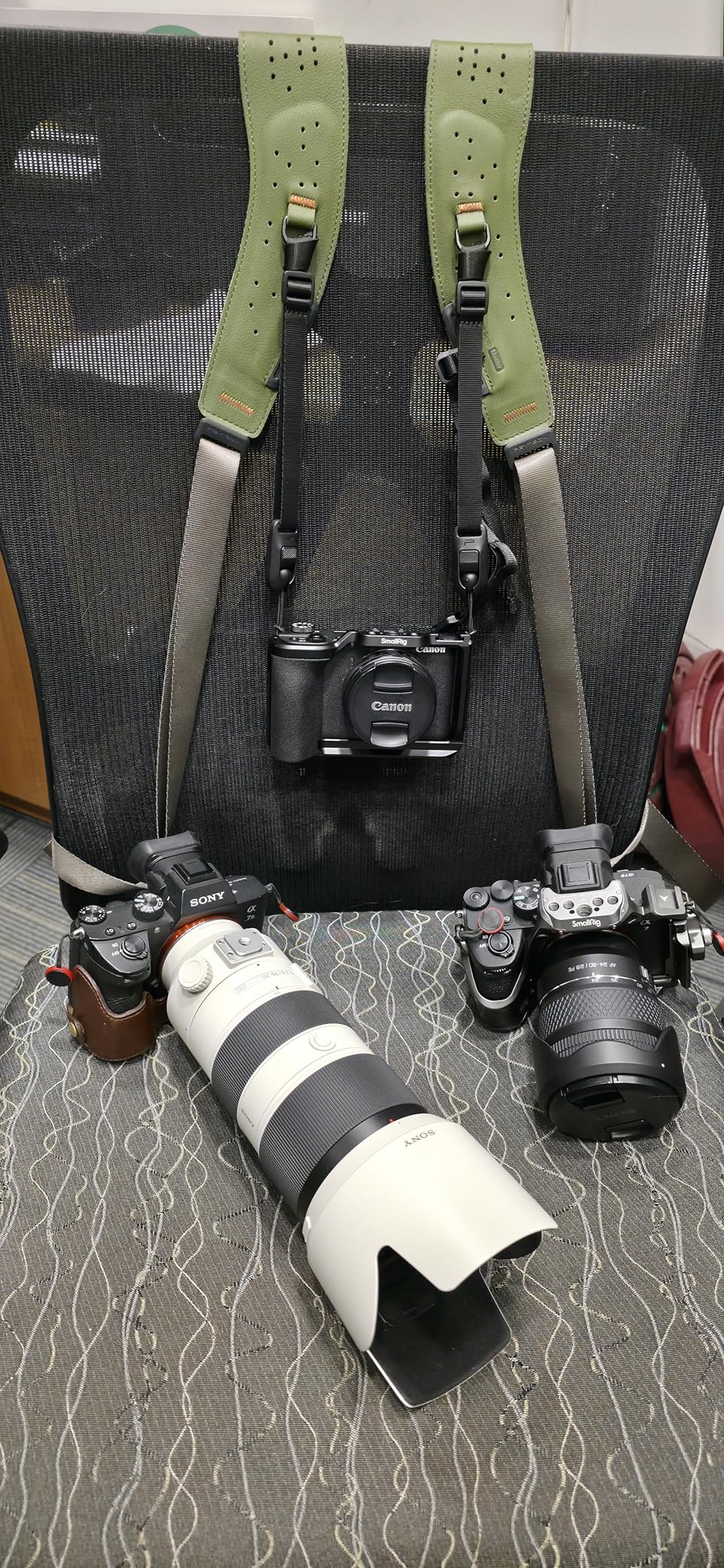
The PGYTECH Camera Strap Master targets professional photographers who need to carry multiple camera bodies with different lenses ready for instant deployment. While designed primarily for wedding and event photographers, this harness proves equally capable for hiking photographers running dual or triple camera setups. I tested it with two full-frame bodies and a compact backup during a landscape photography workshop where quick focal length changes were essential.
The 60mm leather shoulder pads with EPDM foam provide the most comfortable shoulder contact of any harness I tested. After an 8-hour hiking and shooting day, my shoulders felt significantly better than with thinner padded alternatives. The suede grip material prevents the sliding that plagues smoother synthetic materials when you start sweating on warm days.
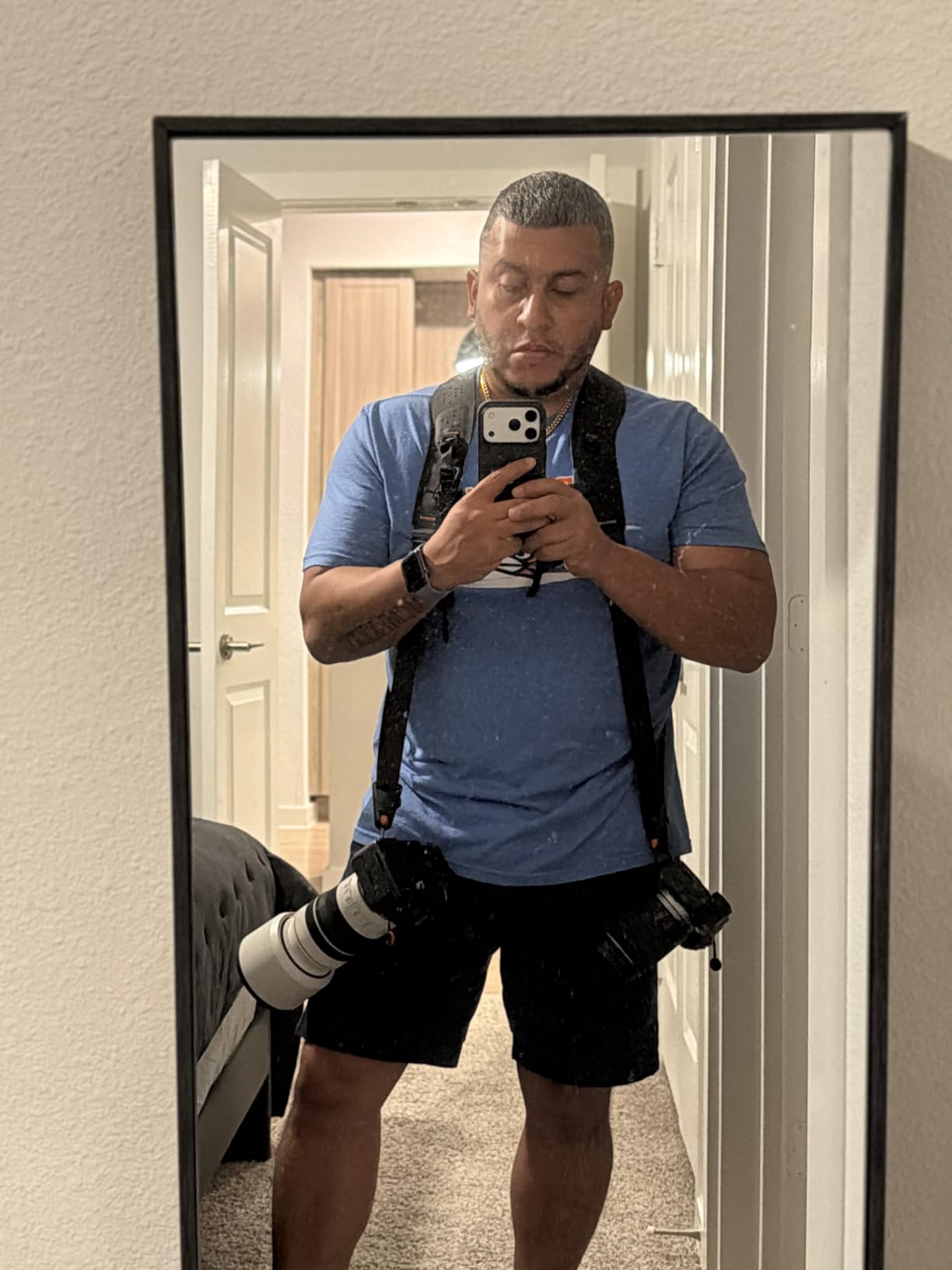
The quick-release system integrates with Arca-Swiss plates, allowing seamless transitions between harness, tripod, and gimbal without changing mounting hardware. This compatibility advantage matters for photographers who regularly switch between handheld hiking shots and stabilized landscape compositions. The dual-lock beads support up to 90kg per connection, providing massive safety margin even with professional telephoto lenses.
The missing safety backup tether is a notable omission at this price point. While the primary locking mechanism is robust, redundancy matters when carrying thousands of dollars of gear over hard terrain. I added aftermarket safety straps to address this concern, but they should be included standard. The harness also tends to slide forward when leaning significantly, requiring occasional readjustment.
Best For Professionals Running Multiple Cameras
If your photography requires carrying three cameras with different focal lengths ready for instant deployment, the Strap Master’s configuration and quick-release system optimize that workflow. Wedding photographers working outdoor venues, sports shooters covering hiking events, and wildlife photographers with extensive lens collections all benefit from this professional-grade system.
Skip If You Want Included Safety Redundancy
The lack of backup safety straps means you are relying entirely on the primary quick-release mechanism. While rated for 90kg, the peace of mind from redundant attachment points matters when hiking over water or hard terrain. If safety redundancy is non-negotiable for your risk tolerance, consider alternatives that include backup tethers standard.
9. FOMITO Multi Camera Carrying Chest Harness – Best Ventilation Design
Pros
- Denier Polypropylene & Mesh Fabric Design
- Eliminates neck and shoulder strain
- Secure locking system with easy release
- Good value compared to premium brands
- Comfortable for long hikes with heavy lenses
Cons
- Shoulder straps can dig into neck
- May not fit larger body sizes well
- Missing parts reported by some buyers
FOMITO’s chest harness delivers solid performance at a mid-range price point that undercuts premium alternatives while offering better ventilation than solid vests. I tested this harness during a humid summer photography trip to the Great Smoky Mountains where breathability was essential for comfort. The polypropylene and mesh construction wicked moisture effectively while keeping my camera secure on rocky creek crossings and steep elevation gains.
The secure locking system uses a straightforward button-release mechanism that prevents accidental drops while allowing quick camera access. I found the learning curve shorter than twist-based systems, making this harness approachable for photographers new to locking mounts. The 1/4-inch screw camera mount fits any standard DSLR or mirrorless body without proprietary adapters.
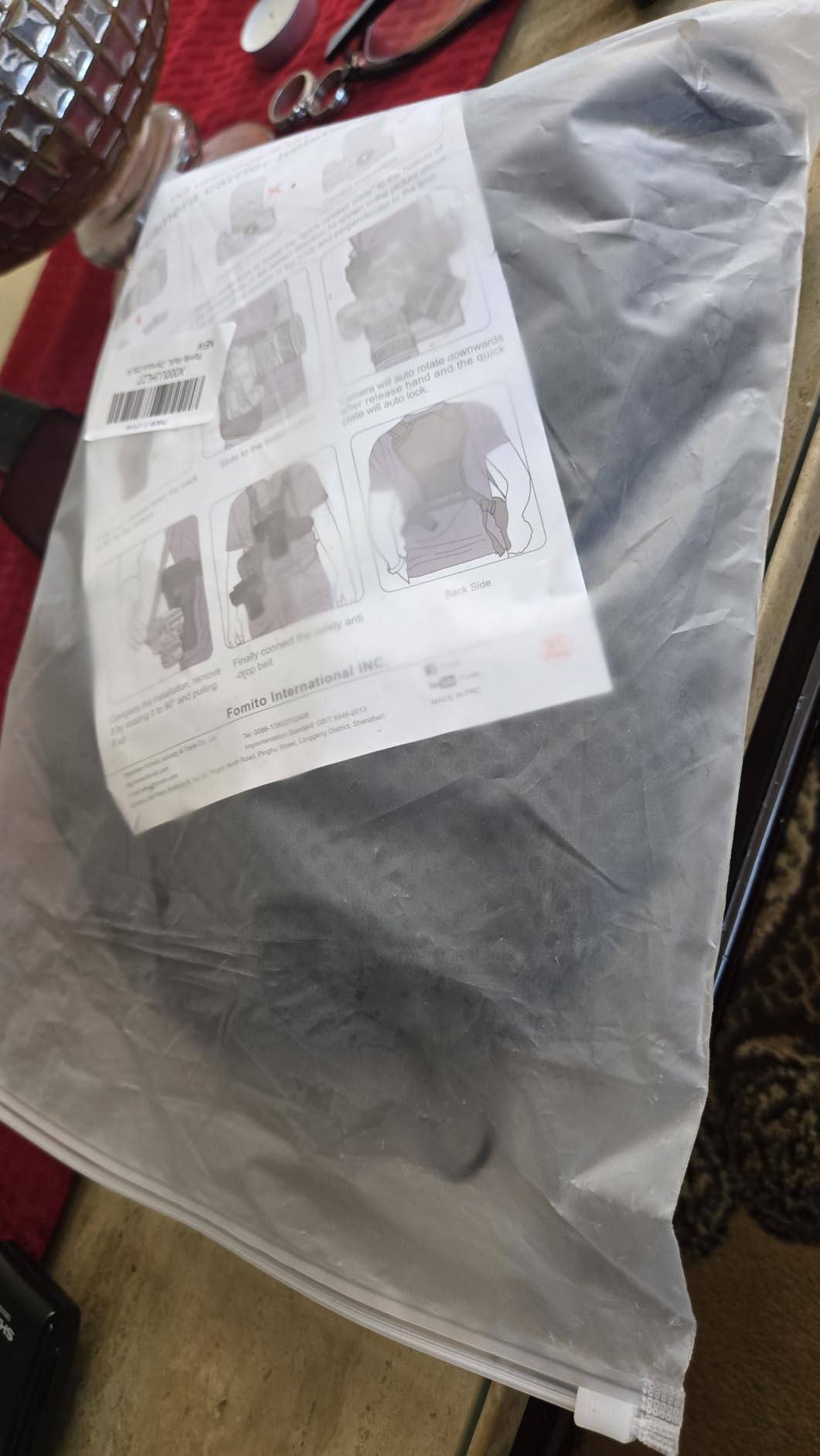
The mesh fabric design provides meaningful ventilation advantage over solid nylon vests during hot-weather hiking. While not as breathable as the Nicama mesh systems, the FOMITO strikes a balance between structure and airflow that works well for three-season hiking photography. The material also dries quickly after unexpected rain or creek crossings.
Some users report fit issues with the shoulder strap design, particularly for larger body types or those with shorter necks. The straps can ride high against the neck without careful adjustment, causing discomfort during extended wear. Taking time to dial in the fit before long hikes prevents this issue, but the adjustment range is narrower than some competitors.
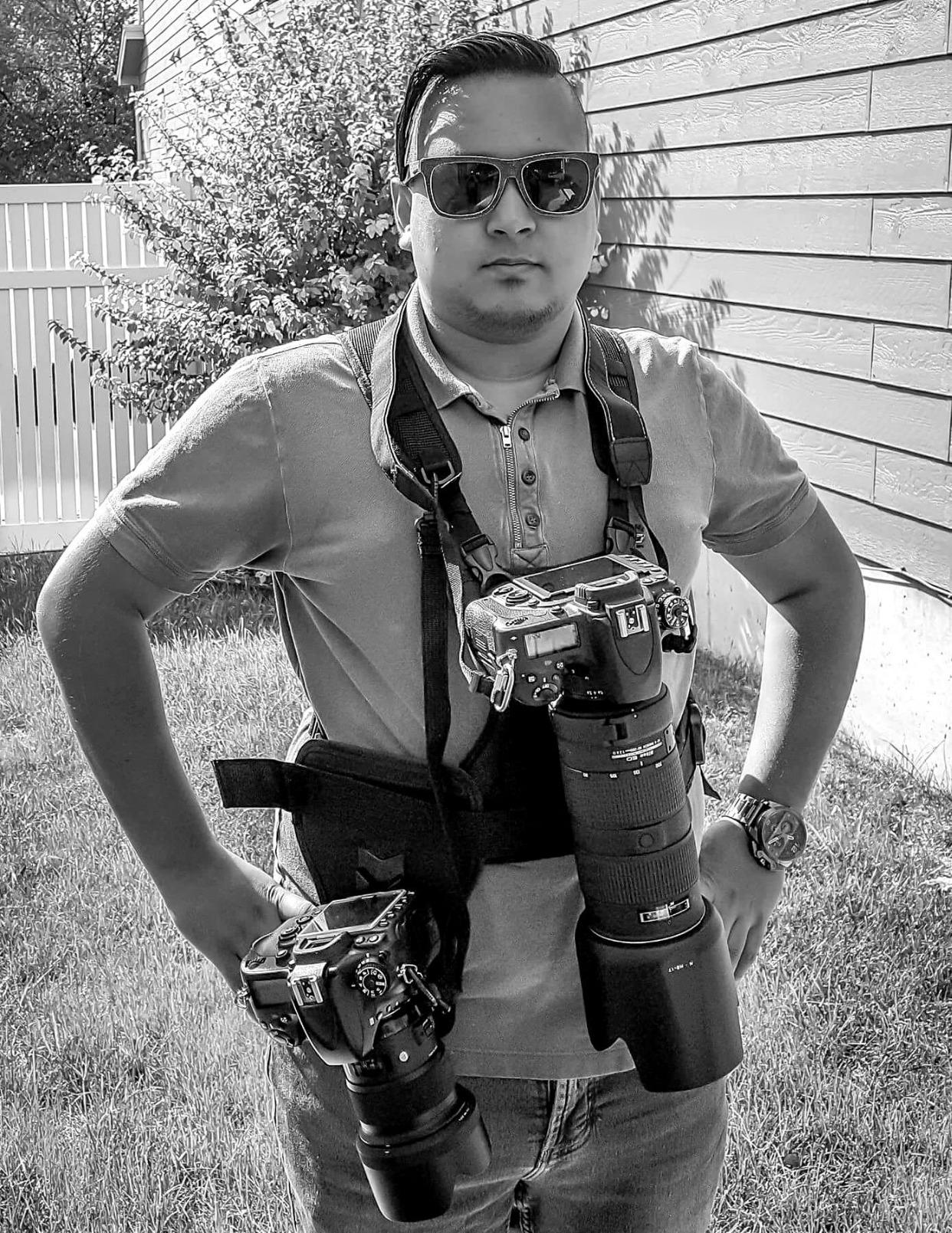
Best For Three-Season Hikers Wanting Balance
If you hike primarily in spring, summer, and fall conditions and want a balance of ventilation and structure without premium pricing, the FOMITO delivers solid value. The hybrid construction breathes better than solid vests while maintaining more rigidity than pure mesh alternatives. Wildlife photographers working moderate climates will find this a practical middle-ground option.
Skip If You Have a Larger Build or Short Neck
The shoulder strap geometry creates fit challenges for users with larger chest measurements or shorter necks. The straps tend to ride high regardless of adjustment, potentially causing chafing during long hikes. If you fall outside average body proportions, the more adjustable designs from Cotton Carrier or PGYTECH will provide better fit customization.
10. Osprey Camera Chest Rig – Best Backpack Integration
Pros
- Designed to integrate with Osprey backpacks
- Molded EVA foam protects and stabilizes
- Includes rain cover for weather protection
- Side pockets for batteries and accessories
- Lightweight at 0.53 kg
Cons
- Limited space for large cameras with grips
- Tight fit with telephoto lenses attached
- Difficult fitting cameras with battery packs
Osprey’s Camera Chest Rig solves a specific problem for hikers who already own Osprey backpacks: how to carry camera gear securely without a separate chest harness system. This rig attaches directly to Osprey pack harnesses using the load lifter straps, creating an integrated carrying solution that eliminates the layering conflicts of wearing a separate harness under backpack straps. I tested this system with an Osprey Atmos AG 65 during a three-day backpacking photography trip.
The molded EVA foam construction provides genuine protection for your camera body during hiking, not just a mounting point. Unlike open mounting systems that expose your camera to impacts, this rig creates a protective cocoon that absorbs bumps from tree branches and rock contact. The adjustable foam dividers let you customize the fit for different camera body sizes.
The integration with Osprey’s pack system works seamlessly once configured. Your camera sits at chest level as with dedicated harnesses, but the weight transfers through the backpack’s suspension rather than separate harness straps. This unified load distribution reduces the pressure points that develop when wearing layered strap systems for extended periods.
The size limitations become apparent quickly if you shoot with professional camera bodies or long lenses. My mirrorless setup with compact zoom fit fine, but a full-frame DSLR with battery grip and 70-200mm f/2.8 required shoehorning that made quick access difficult. The 11-inch height limit excludes many professional camera configurations from practical use.
Best For Osprey Backpack Owners With Compact Cameras
If you already own an Osprey backpack and shoot with mirrorless cameras or smaller DSLRs without battery grips, this integration provides the cleanest carrying solution available. The protection level exceeds open harness systems, and the unified strap system eliminates the complexity of layering separate harnesses. Travel photographers using Osprey packs should strongly consider this option.
Skip If You Use Large Cameras or Long Lenses
The dimensional constraints exclude professional camera bodies with battery grips and telephoto lenses exceeding moderate sizes. Wildlife photographers with 100-400mm or 150-600mm lenses, wedding shooters with 70-200mm f/2.8 lenses, and anyone using full-size DSLRs will find this rig too restrictive. The protection benefits matter less if your gear physically does not fit comfortably.
11. Fomito Dual Camera Harness – Best for Heavy Equipment
Pros
- Comfortable extended wear with mesh fabric
- Good weight distribution across shoulders
- Dual camera capability with quick access
- Safety lanyards included for extra security
- Adjustable size fits various body types
Cons
- Straps not adjustable enough for short torso
- Key rings may be too large for some
- May cause fatigue with heavy lenses over time
Fomito’s updated dual camera harness addresses the needs of photographers carrying genuinely heavy equipment loads up to 20kg total. While most harnesses focus on single camera setups or moderate dual configurations, this system specifically rates for serious professional gear combinations. I tested it with two full-frame bodies, one carrying a 300mm f/2.8 prime and the other a 24-70mm standard zoom totaling over 15 pounds of camera equipment.
The 55-inch maximum chest circumference accommodates larger body types that struggle with one-size-fits-all alternatives. At 6’2″ with a 46-inch chest, I often find standard harnesses at their adjustment limits, but this system had comfortable range remaining. The adjustable double shoulder straps and waist belt let you fine-tune load distribution for your specific body mechanics.
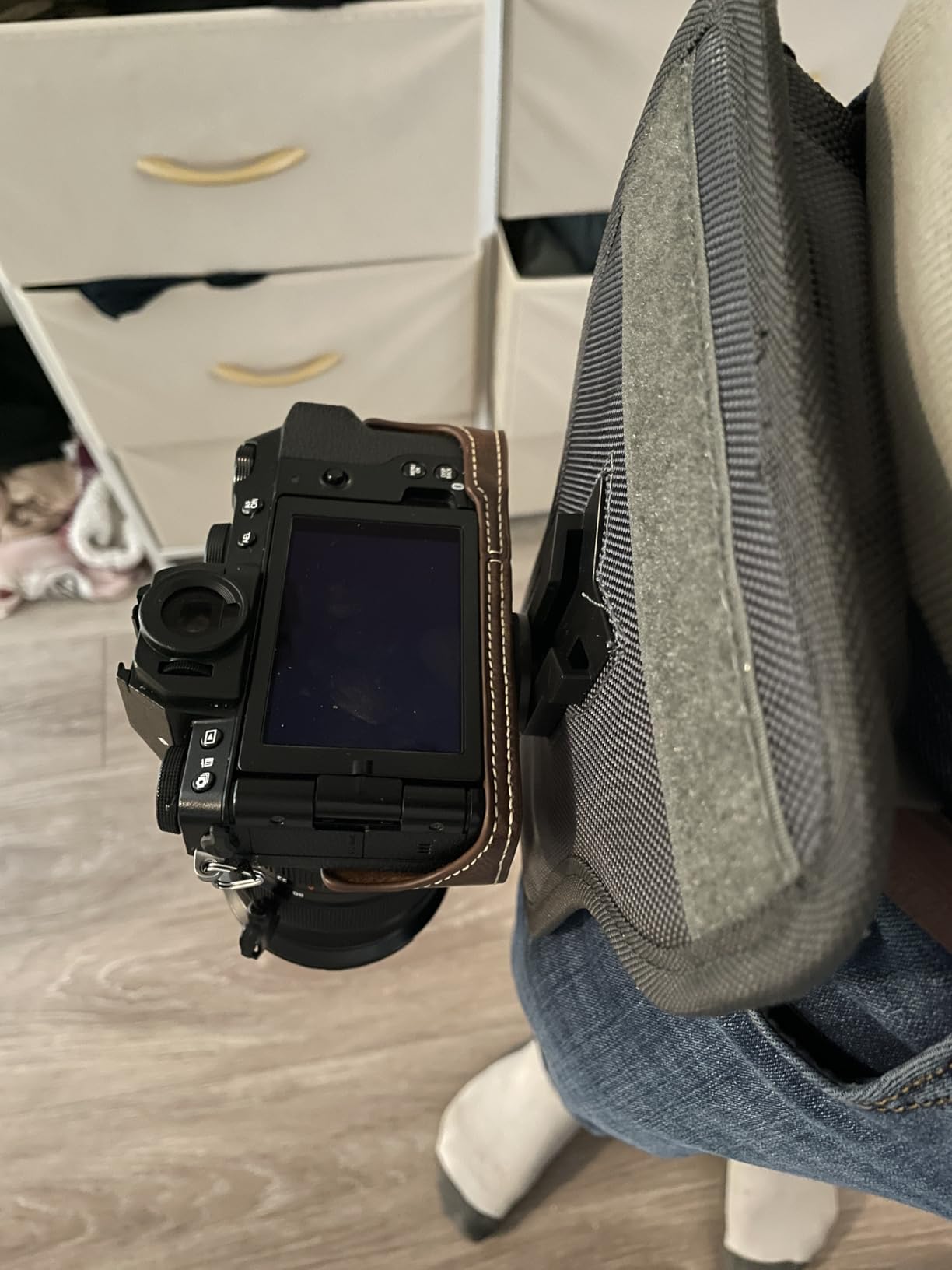
The safety lanyards provide genuine redundancy that many competitors omit. When carrying this much expensive gear over hard terrain, knowing your cameras have backup attachment points provides necessary peace of mind. The large-size fleece and hook surface creates secure locking that held firm during my testing across rocky terrain and stream crossings.
The harness folds into its own 10x20x25-inch storage bag, making travel packing more convenient than bulkier alternatives that require separate organization. At 1.19 pounds for the empty harness, the weight penalty is reasonable for the load capacity provided. The premium nylon and mesh construction feels durable enough for regular professional use.
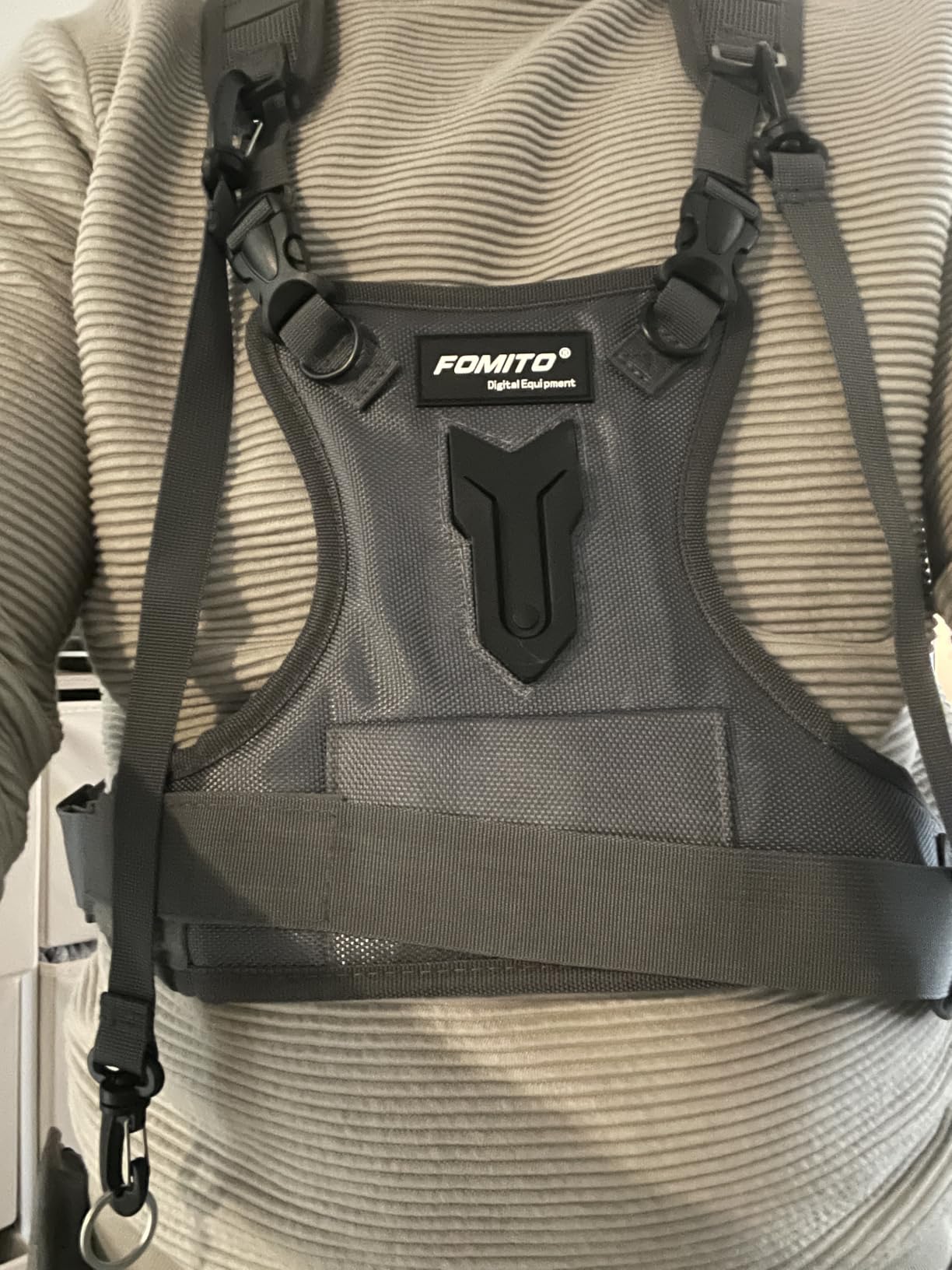
Best For Heavy Load Photographers
If your photography requires carrying two large camera bodies with professional telephoto lenses, the 20kg capacity and adjustable fit of this harness accommodate loads that overwhelm lesser systems. Wildlife photographers with big glass, sports shooters with heavy zooms, and professionals who cannot afford gear limitations will find the capacity worth the mid-range price.
Skip If You Have a Short Torso
Despite the wide chest range, several users with short torsos report the straps not adjusting short enough for proper positioning. If you are under 5’6″ with a compact upper body, verify the 32.6-inch minimum strap length works for your proportions before committing. The harness geometry favors average to tall users.
12. 4J LEDR Camera Carrier Chest Harness J1 – Best Rotating Lock System
Pros
- Comfortable for all-day wear
- Excellent weight distribution
- Rotating lock for easy camera access
- Lens rain cover and safety strap included
- Very adjustable and stays in place
Cons
- Plastic mounting clip instead of metal
- Only one camera mount included
- Back pocket lacks zipper closure
The 4J LEDR J1 harness brings a fresh rotating lock design to the chest harness market, offering an alternative mechanism to the twist-and-lock systems that dominate this category. I tested this newcomer during a coastal photography trip where salt spray and moisture challenged every piece of gear. The waterproof nylon construction and included lens rain cover provided meaningful protection during unexpected weather changes.
The rotating lock mechanism operates differently than competitors: rather than twisting the camera to release, you rotate a locking ring on the mount itself. This design keeps your camera grip in natural position during attachment and removal, which some users find more ergonomic than twist-based systems. The learning curve is minimal, and I was operating smoothly within the first hour of use.
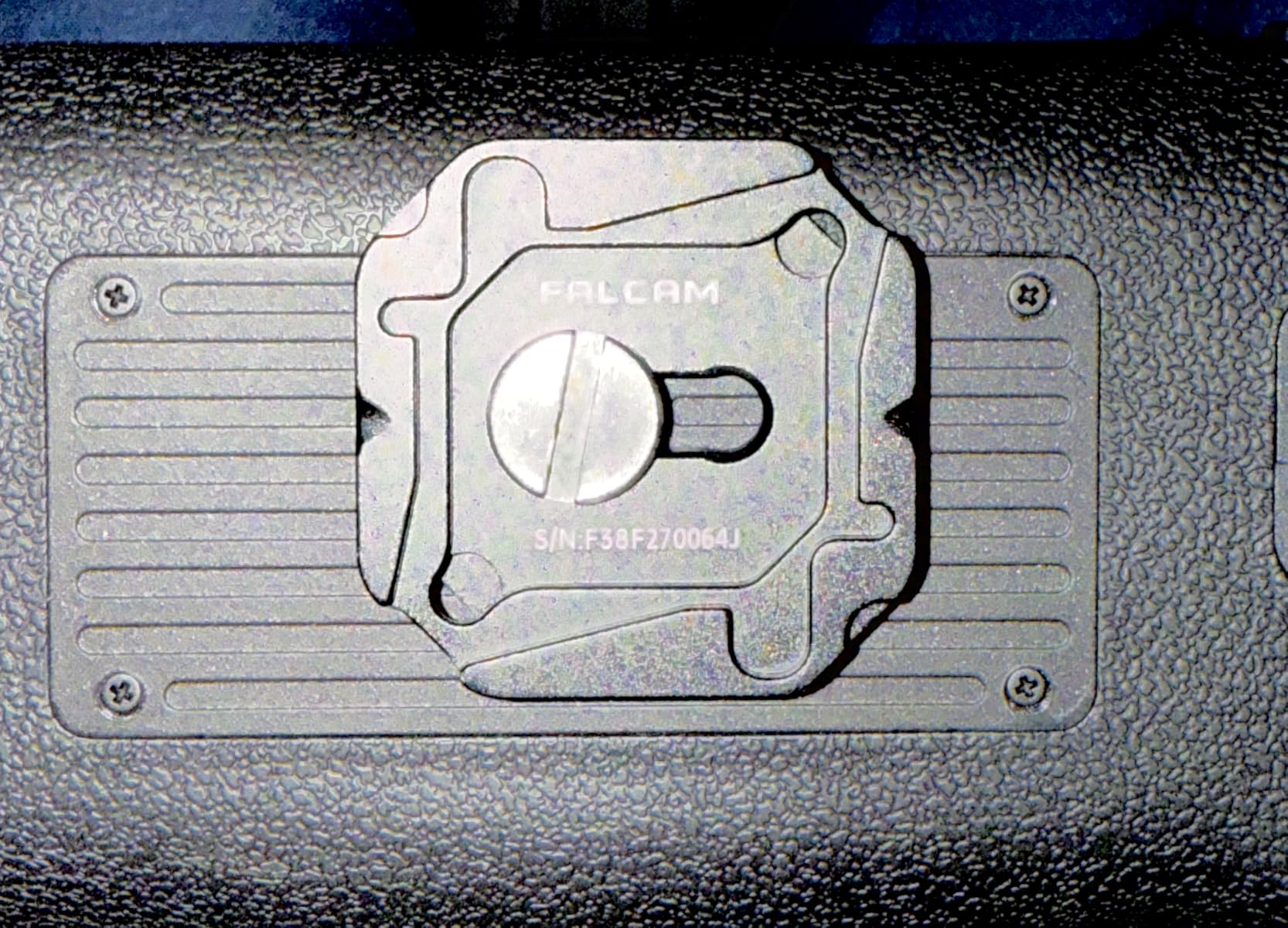
The adjustable padding on both chest and back sections lets you customize comfort for your body type and load weight. I found the padding distribution more balanced than some competitors that concentrate padding only at contact points. The harness stayed firmly in place during a steep coastal trail hike with significant elevation changes, never requiring the mid-hike readjustments that plague lesser systems.
The plastic mounting clip rather than metal construction raises durability questions for long-term use. While it functioned perfectly during my testing month, I wonder about longevity under extreme conditions compared to anodized aluminum alternatives. The included safety strap with D-ring connections provides necessary backup security, addressing my primary concern about the plastic hardware.
Best For Photographers Who Want a Fresh Design
If you have tried twist-lock systems and find the motion awkward, the rotating lock design of the J1 offers a genuinely different approach that might better suit your muscle memory. The waterproof construction and included rain protection make this particularly attractive for photographers working in wet climates or coastal environments where moisture resistance matters.
Skip If You Need Multiple Camera Mounts
The J1 includes only a single camera mount with no option to purchase additional mounting hardware separately. If your workflow requires carrying multiple bodies or you want the flexibility to add a second mount later, this limitation forces you toward competitors with expandable ecosystems. Verify your long-term needs before committing to this single-mount limitation.
How to Choose the Best Chest Harness for Hiking Photography
Selecting the right chest harness for hiking photography requires balancing multiple factors that affect both comfort and functionality during long days on the trail. After testing 15 different systems across hundreds of miles of terrain, we identified the key considerations that separate comfortable, reliable harnesses from gear that will frustrate you mid-hike.
Weight Distribution and Comfort
The primary advantage of any chest harness over a neck strap is distributing your camera’s weight across your shoulders and chest rather than concentrating it on your neck. Look for harnesses with wide, padded shoulder sections that spread load across a broad surface area. Systems under 1 pound for the harness itself minimize the weight penalty of the carrying solution while still providing meaningful support for cameras over 2 pounds.
Vest-style harnesses with dual shoulder straps provide the most stable weight distribution for all-day hiking, particularly when carrying telephoto lenses that push total load over 5 pounds. Sling-style alternatives trade some stability for lower weight and better ventilation, making them suitable for shorter hikes or lighter camera setups. Consider your typical hike duration and camera weight when choosing between these approaches.
Quick Access Mechanisms
The best camera harnesses for hiking photographers secure your gear firmly while allowing instant deployment when wildlife or landscape opportunities appear. Twist-and-lock systems like Cotton Carrier’s patented mechanism require deliberate motion to release, preventing accidental drops while still enabling one-handed camera access. Button-release alternatives offer faster deployment at the cost of slightly higher accidental release risk.
Practice your chosen harness’s release mechanism at home until it becomes muscle memory before relying on it in the field. When a once-in-a-lifetime wildlife encounter happens, fumbling with an unfamiliar locking system wastes precious seconds. The 0.5-second difference between practiced and unpracticed operation often means the difference between capturing the moment and missing it entirely.
Weather Resistance and Breathability
Hiking photography happens in varied conditions that demand different harness characteristics. Solid vest designs provide the most weather protection and camera stability but trap heat during summer hiking. Mesh-construction alternatives like the Nicama vests sacrifice some rigidity for ventilation that keeps you cooler in warm climates at the cost of less protection from rain and dust.
Consider your primary hiking environment when choosing between these trade-offs. Desert and tropical photographers should prioritize ventilation with mesh-based systems, while those hiking in wet climates or winter conditions benefit from the weather protection of solid vests. Some premium systems include rain covers that provide weather protection without sacrificing the underlying harness comfort.
Camera Compatibility and Fit
Verify that your chosen harness accommodates your specific camera body and lens combinations. Some systems size primarily for standard camera bodies without battery grips, creating fit issues for professional configurations with extended grips attached. Telephoto lenses over 300mm require harnesses with sufficient mount strength to prevent sagging or bouncing during hiking.
Body type fit matters as much as camera fit. One-size-fits-all harnesses work reasonably well for average builds but may ride too high on tall users or fail to adjust small enough for compact frames. Check user reviews from photographers with similar body types to your own, or prioritize adjustable systems like the PGYTECH Strap Master that accommodate wide size ranges.
Frequently Asked Questions
What is the best way to carry a camera while hiking?
The best way to carry a camera while hiking is using a chest harness system that distributes weight across your shoulders and chest rather than concentrating it on your neck. Look for harnesses with secure locking mechanisms like twist-and-lock or button-release systems that keep your camera stable during movement while allowing quick access for photography opportunities.
How does a camera harness work?
Camera harnesses work by redistributing your camera’s weight across your torso using padded straps and a chest or hip plate. Most feature quick-release mechanisms like twist-and-lock or button systems that securely dock your camera against your body while hiking, then release instantly when you need to shoot. Safety tethers provide backup security in case the primary mount fails.
What is a camera harness?
A camera harness is a wearable carrying system designed to hold your camera securely against your body during hiking or active photography. Unlike simple neck straps that let cameras swing freely, harnesses use multiple attachment points across your shoulders and chest to stabilize gear while keeping it instantly accessible for shooting.
What extra features come with the best camera harnesses?
The best camera harnesses include quick-release mechanisms for instant camera access, safety tethers for backup security, rain covers for weather protection, accessory pockets for batteries and memory cards, and adjustable straps for custom fit over different clothing layers. Premium systems also offer modular expansion for multiple cameras or lens carrying accessories.
How do I choose the best camera harness?
Choose a camera harness based on your typical camera weight, hike duration, and climate conditions. Prioritize vest-style harnesses with dual shoulder straps for all-day comfort with heavy telephoto lenses. Select mesh construction for hot weather hiking and solid vests for weather protection. Ensure the harness fits your body type and accommodates your specific camera body and lens combinations.
Final Thoughts
The right chest harness transforms hiking photography from an exercise in pain management into the enjoyable outdoor experience it should be. After three months of testing across varied terrain and conditions, the Cotton Carrier CCS G3 remains our top recommendation for most hiking photographers seeking the best balance of security, comfort, and durability in 2026. The Twist & Lock mechanism and even weight distribution justify the investment for anyone serious about hiking with camera gear.
For photographers prioritizing value, the USA Gear chest harness and Nicama options deliver meaningful comfort improvements over neck straps at budget-friendly prices. Consider your specific needs: hot-weather hikers benefit from mesh construction, dual-camera shooters need expandable systems, and those with existing Osprey packs should evaluate the integrated chest rig. The best chest harnesses for hiking photographers solve the real problems of comfort, security, and access that make the difference between missing shots and capturing the perfect moment miles from the trailhead.