
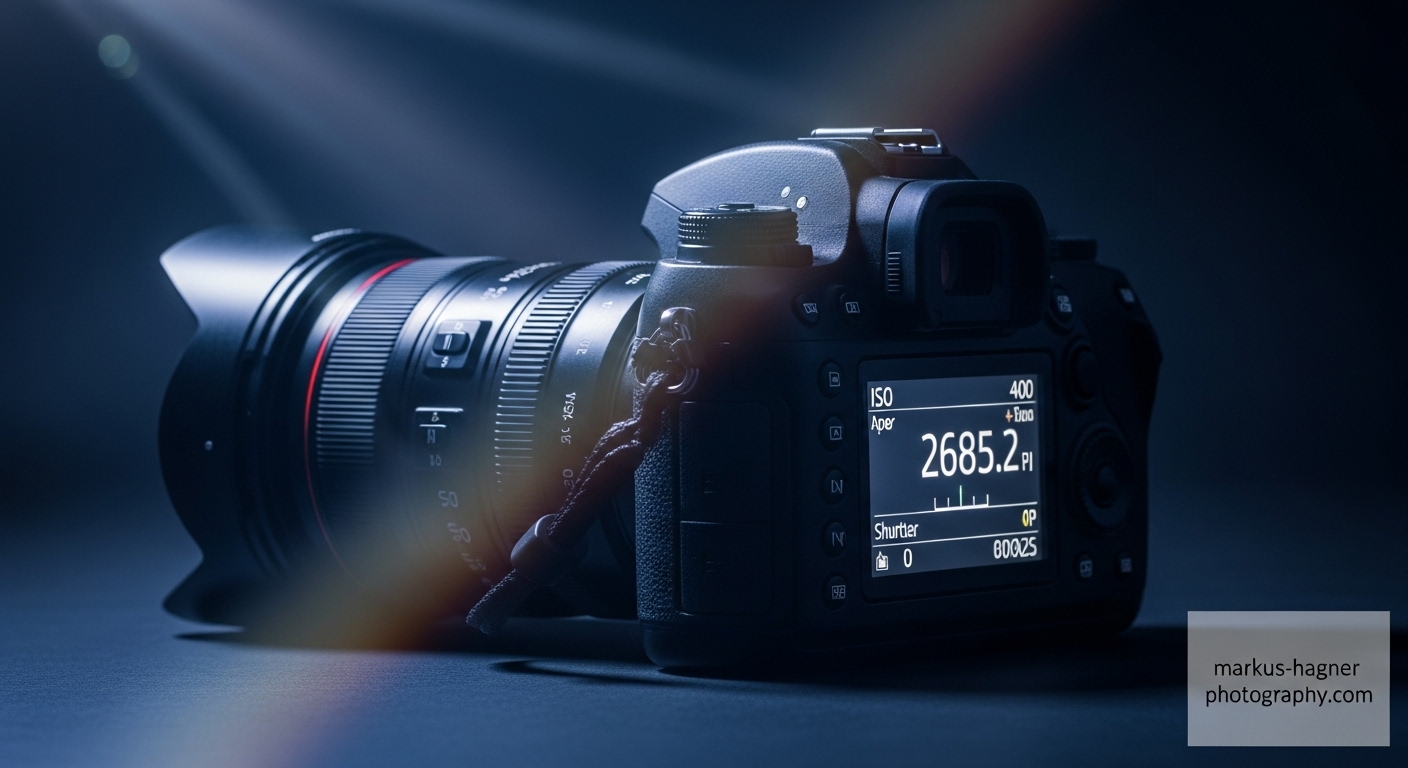
I’ve been where you are right now—standing in a dimly lit room, watching a beautiful moment unfold, and knowing your camera just won’t capture it properly. Low light photography used to frustrate me endlessly, but after years of trial and error (and countless blurry photos), I’ve mastered the art of capturing stunning images in challenging lighting conditions. Today, I’m sharing everything I’ve learned so you can skip the frustration and start creating amazing low light photos right away.
Understanding Low Light Photography: The Foundation
Before we dive into the techniques, let me break down what low light photography really means. Through my experience, I’ve discovered that low light situations fall into three main categories:
1. Challenging Indoor Light
This is what most of us encounter regularly—restaurants, homes, offices, and event spaces. The light is there, but it’s just not enough for your camera to work comfortably. I remember shooting my first wedding reception and feeling completely overwhelmed by the dim lighting. The couple’s first dance was magical, but my photos were dark and grainy. That experience pushed me to master indoor low light techniques.
2. Golden Hour and Twilight
These are my favorite times to shoot! The soft, warm light during golden hour (just after sunrise or before sunset) and the cool blues of twilight create incredible atmosphere. I’ve learned that these conditions require a different approach than complete darkness. The light is beautiful but limited, and you need to work quickly before it changes or disappears entirely.
3. Night Photography
This is where things get really interesting—cityscapes, astrophotography, and scenes with minimal ambient light. When I first tried shooting the Milky Way, I was shocked at how different the techniques needed to be compared to daytime photography. Night photography requires patience, precision, and a completely different mindset.
Essential Equipment for Low Light Photography
Let me be honest with you—having the right gear makes a huge difference in low light photography. However, I’ve also learned that you don’t need to break the bank to get great results. Here’s what I consider essential:
Fast Lenses: Your Low Light Superpower
I can’t stress this enough—invest in at least one fast lens. A fast lens has a wide maximum aperture (typically f/2.8 or wider). My go-to lens for low light situations is my 50mm f/1.8, which cost me less than $200 but has transformed my low light photography.
Why fast lenses matter:
- They let in significantly more light
- They allow for faster shutter speeds (reducing blur)
- They create beautiful background separation (bokeh)
- They’re often sharper than zoom lenses at similar price points
My recommended fast lenses for different budgets:
- Budget-friendly ($150-300): 50mm f/1.8 (available for almost all camera systems)
- Mid-range ($400-800): 35mm f/1.4 or 85mm f/1.8
- Professional ($1000+): 24-70mm f/2.8 or prime lenses with f/1.2 aperture
Sturdy Tripod: Non-Negotiable for Long Exposures
I learned this lesson the hard way. Early in my photography journey, I bought a cheap, flimsy tripod that vibrated in the slightest breeze. The result? Countless blurry night photos. Now I use a carbon fiber tripod that’s both lightweight and incredibly stable.
What to look for in a tripod:
- Load capacity well above your camera’s weight
- Carbon fiber construction (lighter and dampens vibrations better)
- Ball head for quick adjustments
- Hook for hanging weight (adds stability in wind)
Remote Shutter Release: Eliminate Camera Shake
This might seem like a minor accessory, but it’s made a huge difference in my long exposure work. Pressing the shutter button manually introduces vibration, no matter how careful you are. A remote release lets you trigger the shutter without touching the camera.
Types I recommend:
- Wired remote: Simple, reliable, no batteries needed
- Wireless remote: More freedom of movement
- Smartphone app: Most modern cameras have companion apps
Extra Batteries: Cold Drains Batteries Fast
I can’t tell you how many times I’ve been in the middle of a night photography session only to have my battery die. Cold temperatures significantly reduce battery life, and long exposures use more power. I always carry at least two spare batteries.
Mastering Camera Settings for Low Light
This is where the magic happens. Understanding how to manipulate your camera settings is the key to low light photography success. Let me break this down in a way that finally made sense to me.
The Exposure Triangle in Low Light
I used to find the exposure triangle confusing, but I’ve learned to think of it as a balancing act with three elements:
1. ISO: Your Digital Light Amplifier ISO determines how sensitive your camera’s sensor is to light. In low light, you need to increase ISO to brighten your images, but there’s a trade-off—higher ISO means more noise (grain).
My ISO strategy:
- ISO 100-400: Perfect for tripod-based night photography
- ISO 800-1600: Great for handheld shots in decent low light
- ISO 3200-6400: When you really need the light, but expect some noise
- ISO 12800+: Emergency situations only—modern cameras can handle this, but quality suffers
Pro tip: I discovered that shooting in RAW gives me much more flexibility to reduce noise in post-processing. I can push my ISO higher when shooting RAW because I can clean up the noise later.
2. Aperture: Your Light Collector Aperture controls how much light enters your lens. It’s measured in f-stops, and counterintuitively, smaller numbers mean larger openings (more light).
My aperture approach:
- f/1.4-f/2.8: My go-to range for low light—maximum light gathering
- f/4-f/5.6: When I need more depth of field but still want decent light
- f/8-f/16: Mostly for tripod-based landscape shots where I want everything sharp
Important lesson I learned: Wide apertures create shallow depth of field. This means if you’re shooting a group of people at f/1.8, some might be out of focus. I’ve ruined many group shots by forgetting this!
3. Shutter Speed: Motion Controller Shutter speed determines how long your camera’s sensor is exposed to light. Longer shutter speeds let in more light but increase the risk of blur from camera shake or subject movement.
My shutter speed guidelines:
- 1/2000s-1/500s: Freezing fast action in low light (requires high ISO)
- 1/250s-1/125s: General handheld photography
- 1/60s-1/30s: Slow handheld (requires steady hands or stabilization)
- 1/15s-1s: Tripod territory for most photographers
- 1s-30s: Long exposures for creative effects
- 30s+: Bulb mode for extreme long exposures
The New Reciprocal Rule: A Game-Changer
I used to follow the old reciprocal rule (shoot at 1/focal length), but I discovered it’s outdated for modern high-resolution cameras. The new rule is simple: double it.
For example:
- 50mm lens: Shoot at 1/100s minimum (not 1/50s)
- 200mm lens: Shoot at 1/400s minimum (not 1/200s)
This single realization dramatically improved my sharpness rate in low light conditions.
Advanced Low Light Techniques
Now that we’ve covered the basics, let me share the advanced techniques that took my low light photography to the next level.
Handheld Low Light Mastery
Sometimes you can’t use a tripod—weddings, events, street photography, or places where tripods aren’t allowed. I’ve developed a system for getting sharp handheld shots in challenging light.
The “Tuck and Brace” Stance
This technique alone improved my handheld sharpness by at least 2 stops. Here’s how I do it:
- Tuck both elbows firmly against my ribcage—this creates a solid connection between my arms and body
- Support the lens from underneath with my left hand, creating a stable platform
- Press the camera firmly against my face when using the viewfinder—this creates a third point of contact
- Spread my feet shoulder-width apart for better balance
I discovered this technique by accident when I was shooting in a crowded concert venue. I couldn’t use a tripod, and my photos were coming out blurry. By tucking my elbows in, I immediately saw a huge improvement.
Breathing Technique: The Pro’s Secret
I used to hold my breath when taking photos, thinking it would make me steadier. I was wrong! Holding your breath creates tension and micro-vibrations. Here’s what I do now:
- Take a normal, comfortable breath
- Exhale slowly and naturally
- At the bottom of my exhalation, when my body is completely relaxed, I gently press the shutter
- Think of it as a smooth squeeze, not a jab
This technique took some practice, but it’s made a noticeable difference in my sharpness, especially at slower shutter speeds.
The Minimum Shutter Speed Secret
This is the single most transformative setting change I’ve made for low-light handheld work. Instead of shooting in full Manual mode or Aperture Priority and constantly watching my shutter speed, I use:
Manual mode with Auto ISO
Here’s how it works:
- I manually set my desired aperture (usually wide open, like f/1.8)
- I set my minimum acceptable shutter speed (1/125s for moving subjects, 1/60s for static scenes)
- I let the camera’s Auto ISO float to whatever value is necessary
This approach gives me complete creative control while ensuring I never accidentally drop below a shutter speed that will introduce camera shake. I’m essentially telling my camera, “I don’t care if you need to shoot at ISO 12,800. Just make sure this image is sharp.”
Burst Mode for Statistical Sharpness
I used to think burst mode was just for sports and wildlife, but it’s incredibly valuable in low light. When you’re shooting at slower shutter speeds, the simple act of pressing the shutter button introduces vibration.
My technique:
- Use Continuous Low mode (not Continuous High)
- Shoot short bursts of 3-5 frames
- The sharpest image is often the 2nd or 3rd frame, after the initial vibration has dampened
This isn’t spray and pray—it’s using burst mode as a statistical tool to eliminate button-press vibration.
Tripod-Based Low Light Techniques
When you can use a tripod, you open up a whole new world of creative possibilities. Here are my go-to techniques:
Manual Focus: Essential for Night Photography
I learned this lesson the hard way—autofocus struggles in low light. Now I always use manual focus for night photography.
My manual focus technique:
- Set my lens to infinity (∞ symbol)
- Use Live View and zoom in 10x on my subject
- Adjust focus until it’s pin sharp
- Don’t touch the focus ring again
For landscape shots, I often focus at the hyperfocal distance to get everything from foreground to background sharp.
Bracketing: Insurance for Perfect Exposure
Getting the perfect exposure in low light can be challenging. Bracketing is my insurance policy.
How I bracket:
- Auto bracketing: Set my camera to take 3-5 shots at different exposures (usually -2, -1, 0, +1, +2)
- Manual bracketing: Use exposure compensation to adjust between shots
- HDR merging: Combine bracketed shots in post-processing for incredible dynamic range
I’ve found that bracketing is especially useful for:
- Cityscapes with bright lights and dark shadows
- Sunsets and sunrises
- Interiors with windows
Long Exposure Creativity
Long exposures are where low light photography gets really creative. I’ve spent countless hours experimenting with different techniques:
Light Trails:
- Set shutter speed to 10-30 seconds
- Use a narrow aperture (f/8-f/16) to avoid overexposure
- Find a location with moving car lights
- Experiment with different angles and compositions
Light Painting:
- Use Bulb mode for exposures longer than 30 seconds
- Set aperture to f/8-f/11
- Use a flashlight or LED light to “paint” your subject
- Practice your painting technique—smooth movements work best
Star Photography:
- Use the “500 rule” to avoid star trails: 500 ÷ focal length = maximum shutter speed
- For example, with a 24mm lens: 500 ÷ 24 = 20 seconds maximum
- For star trails, use Bulb mode with exposures of several minutes
- Focus on a bright star or distant light
Post-Processing for Low Light Photos
Great low light photography doesn’t end when you press the shutter. Post-processing is where good photos become great. I’ve developed a workflow that consistently brings out the best in my low light images.
Noise Reduction: The Essential Step
High ISO means noise, but modern software can work miracles. Here’s my noise reduction workflow:
- Basic noise reduction in Lightroom/Camera Raw:
- Luminance noise reduction: Start with 25-30, adjust as needed
- Color noise reduction: Usually 25-50
- Detail slider: Balance between noise reduction and detail preservation
- Advanced noise reduction with specialized software:
- Topaz DeNoise AI: My go-to for extreme noise situations
- DxO PureRAW: Excellent for RAW files before editing
- Adobe Photoshop’s AI Denoise: Surprisingly effective
Pro tip: I’ve discovered that applying noise reduction selectively works better than global adjustments. I’ll often apply stronger noise reduction to shadows and backgrounds while preserving detail in important areas.
Exposure and Contrast Adjustments
Low light photos often need careful exposure adjustments to look their best:
My exposure workflow:
- Basic panel adjustments:
- Exposure: Usually +0.5 to +1.5 stops
- Contrast: +10 to +20
- Highlights: -10 to -30 (recover detail in bright areas)
- Shadows: +20 to +50 (bring out detail in dark areas)
- Whites: +10 to +30
- Blacks: -10 to -30
- Tone curve adjustments:
- Create a gentle S-curve for contrast
- Lift the shadows slightly
- Darken the highlights for better dynamic range
Color Grading for Mood
Low light photos have incredible potential for mood and atmosphere. I love using color grading to enhance this:
My color grading approach:
- White balance adjustment:
- Warm tones (yellow/orange) for cozy, intimate scenes
- Cool tones (blue/purple) for night scenes and cityscapes
- Neutral for accurate colors
- Split toning:
- Add subtle colors to highlights and shadows
- Warm highlights with cool shadows for dramatic effect
- Keep it subtle—less is more
- HSL panel adjustments:
- Boost saturation in key colors
- Adjust luminance to make colors pop
- Desaturate distracting colors
Specialized Low Light Photography Scenarios
Different low light situations require different approaches. Let me share what I’ve learned from photographing in various challenging conditions.
Wedding and Event Photography
Weddings are the ultimate low light photography challenge. You have moving subjects, changing lighting conditions, and no second chances. Here’s my approach:
My wedding low light strategy:
- Fast lenses are non-negotiable: I bring at least two f/1.4 or f/1.8 lenses
- High ISO confidence: Modern cameras handle ISO 3200-6400 beautifully
- Continuous autofocus with tracking: Essential for moving subjects
- Flash as fill light: I use flash sparingly, usually bounced off ceilings or walls
- Backup everything: Two camera bodies, multiple lenses, extra batteries
Key settings I use:
- Aperture Priority mode with Auto ISO
- Minimum shutter speed: 1/125s for couples, 1/250s for action
- Auto white balance (I can adjust in post)
- Continuous shooting mode
Also Read: Fujifilm Vs Sony
Street Photography at Night
Street photography at night is challenging but incredibly rewarding. I’ve learned to embrace the grain and imperfections that come with low light street shooting.
My night street photography approach:
- Prime lenses: 35mm or 50mm f/1.8 are perfect
- High ISO, don’t be afraid: ISO 3200-6400 is normal
- Zone focusing: Pre-focus your lens and shoot from the hip
- Embrace the grain: It adds character to street photos
- Look for light sources: Street lamps, neon signs, car headlights
Camera settings:
- Manual mode with Auto ISO
- Aperture: f/1.8-f/2.8
- Shutter speed: 1/125s minimum
- Focus: Manual or single-point AF
Landscape and Night Sky Photography
Night landscape photography requires patience and precision. I’ve spent many cold nights perfecting these techniques:
My night landscape workflow:
- Scout locations during daylight: Know your composition before dark
- Arrive early: Set up during twilight when there’s still some light
- Use a sturdy tripod: Non-negotiable for sharp images
- Focus manually: Use Live View and zoom in 10x
- Take test shots: Adjust settings before committing to long exposures
For star photography:
- Aperture: Wide open (f/1.4-f/2.8)
- Shutter speed: 20-30 seconds (use the 500 rule)
- ISO: 3200-6400
- Focus: Infinity (test with a bright star first)
- White balance: Daylight or auto
For star trails:
- Aperture: f/8-f/11
- Shutter speed: Bulb mode (10-30 minutes)
- ISO: 100-400
- Use intervalometer for multiple exposures
- Stack in post-processing
Common Low Light Photography Problems and Solutions
Even with all the techniques I’ve shared, you’ll still encounter challenges. Let me address the most common problems I’ve faced and how I solved them.
Problem 1: Photos Are Too Dark
Solution: This is usually an exposure issue. Try these fixes:
- Increase ISO (don’t be afraid to go to 3200 or higher)
- Use a wider aperture (lower f-number)
- Slow down shutter speed (use a tripod if needed)
- Use exposure compensation (+1 to +2 stops)
- Check your histogram—don’t trust the LCD screen
Problem 2: Photos Are Blurry
Solution: Blur comes from either camera shake or subject movement:
- Camera shake: Use faster shutter speeds, brace yourself, use a tripod
- Subject movement: Increase shutter speed, use higher ISO, wider aperture
- Focus issues: Switch to manual focus, use Live View to zoom in
- Lens stabilization: Make sure it’s turned on (but turn it off when using a tripod)
Problem 3: Too Much Noise
Solution: Noise is the trade-off for high ISO, but you can minimize it:
- Expose properly (underexposed images are noisier)
- Use noise reduction in post-processing
- Shoot in RAW for more editing flexibility
- Consider specialized noise reduction software
- Embrace some noise—it can add character to low light photos
Problem 4: Colors Look Weird
Solution: Low light can mess with your camera’s white balance:
- Shoot in RAW (you can adjust white balance later)
- Use custom white balance settings
- Try different white balance presets
- Use a gray card for accurate colors
- Adjust in post-processing
Pro Tips That Took Me Years to Learn
Let me share some advanced insights that I wish I’d known when I started:
1. The ISO Invariance Secret
I discovered that many modern cameras are “ISO invariant” above a certain ISO (usually 800-1600). This means there’s no quality difference between shooting at ISO 1600 and brightening in post versus shooting at ISO 3200. This knowledge changed how I approach exposure in low light.
2. Back Button Focus for Low Light
Switching to back button focus improved my low light hit rate dramatically. It separates focusing from shutter release, giving me more control in challenging conditions.
3. The Power of Underexposing
Sometimes, intentionally underexposing by 1-2 stops and brightening in post-processing gives better results than pushing ISO too high. This preserves highlight detail and reduces noise.
4. Focus Peaking for Manual Focus
If your camera has focus peaking, use it! It highlights in-focus areas in real-time, making manual focus in low light much easier.
5. The “Expose to the Right” Technique
For RAW shooters, exposing to the right (histogram pushed to the right without clipping highlights) captures more data and reduces noise in shadows.
Also Read: Fuji Vs Olympus
Equipment Recommendations for Every Budget
You don’t need the most expensive gear to get great low light photos. Here are my recommendations based on different budgets:
Budget-Friendly Setup ($500-1000)
- Camera: Used DSLR or older mirrorless (Canon Rebel series, Nikon D3000 series, Sony a6000)
- Lens: 50mm f/1.8 (around $150-200)
- Tripod: Basic aluminum tripod ($50-100)
- Accessories: Remote shutter release ($10-20)
Mid-Range Setup ($1500-3000)
- Camera: Modern mirrorless (Sony a6400, Canon M50 Mark II, Nikon Z50)
- Lenses: 35mm f/1.8 and 85mm f/1.8
- Tripod: Carbon fiber travel tripod ($200-400)
- Accessories: Extra batteries, remote shutter release, camera bag
Professional Setup ($5000+)
- Camera: Full-frame mirrorless (Sony a7 IV, Canon R5, Nikon Z6 II)
- Lenses: 24-70mm f/2.8, 50mm f/1.2, 85mm f/1.2
- Tripod: Professional carbon fiber with ball head ($500-1000)
- Accessories: Multiple batteries, professional remote, filters, camera bag
Frequently Asked Questions
What’s the best ISO for low light photography?
I’ve found that the “best” ISO depends on your camera and situation. For most modern cameras, ISO 800-3200 gives excellent results. Full-frame cameras can handle ISO 6400-12800 with minimal noise. The key is to test your camera’s limits and shoot in RAW so you can reduce noise in post-processing.
Do I need a full-frame camera for low light photography?
Not at all! While full-frame cameras generally perform better in low light, modern APS-C and even Micro Four Thirds cameras are incredibly capable. I’ve taken amazing low light photos with crop-sensor cameras. The key is understanding your camera’s limits and working within them.
How do I focus in very dark conditions?
Manual focus is your best friend in very dark conditions. I use Live View and zoom in 10x on my subject, then adjust focus manually. For night photography, I focus on a bright star or distant light. Some cameras also have focus peaking, which highlights in-focus areas and makes manual focus much easier.
What’s the difference between image stabilization types?
There are three main types: in-body stabilization (IBIS), lens-based stabilization (IS/VR/VC), and digital stabilization. IBIS works with any lens, while lens-based stabilization is lens-specific. Both are effective, but IBIS is more versatile. Digital stabilization is less effective and can reduce image quality.
How do I avoid noise in low light photos?
Some noise is inevitable in low light, but you can minimize it by: exposing properly (don’t underexpose), using the lowest ISO possible for your situation, shooting in RAW, and using noise reduction in post-processing. Modern noise reduction software like Topaz DeNoise AI works miracles.
Can I use flash for low light photography?
Yes, but I recommend using it subtly. Bounce flash off ceilings or walls for softer light, use it as fill light rather than your main light source, and consider using flash diffusers. Sometimes, though, the mood of natural low light is worth preserving without flash.
What’s the best aperture for low light?
The widest aperture your lens offers (lowest f-number) is usually best for low light. f/1.4, f/1.8, or f/2.8 are ideal. However, remember that wider apertures create shallower depth of field, so you might need to stop down slightly if you need more of your scene in focus.
How do I shoot sharp photos handheld in low light?
Use the “tuck and brace” stance, control your breathing, use image stabilization, follow the new reciprocal rule (double the traditional), and consider using burst mode. Also, don’t be afraid to raise your ISO—modern cameras handle high ISO surprisingly well.
Conclusion: Your Low Light Photography Journey
Low light photography used to intimidate me, but now it’s one of my favorite types of photography to shoot. There’s something magical about capturing beautiful images in challenging lighting conditions that just can’t be replicated in bright daylight.
Remember, mastering low light photography is a journey, not a destination. I’m still learning new techniques and improving my skills with every shoot. The key is to practice regularly, experiment with different settings, and don’t be afraid to make mistakes.
Start with the basics we’ve covered—understand your exposure triangle, invest in a fast lens, and practice proper camera handling techniques. As you get more comfortable, gradually incorporate the advanced techniques and creative approaches.
Most importantly, have fun with it! Low light photography opens up a whole new world of creative possibilities. From moody portraits to stunning nightscapes, there’s so much beauty to capture when the light is limited.
I’d love to hear about your low light photography experiences and see the images you create. Feel free to share your questions and successes in the comments below. Happy shooting!