
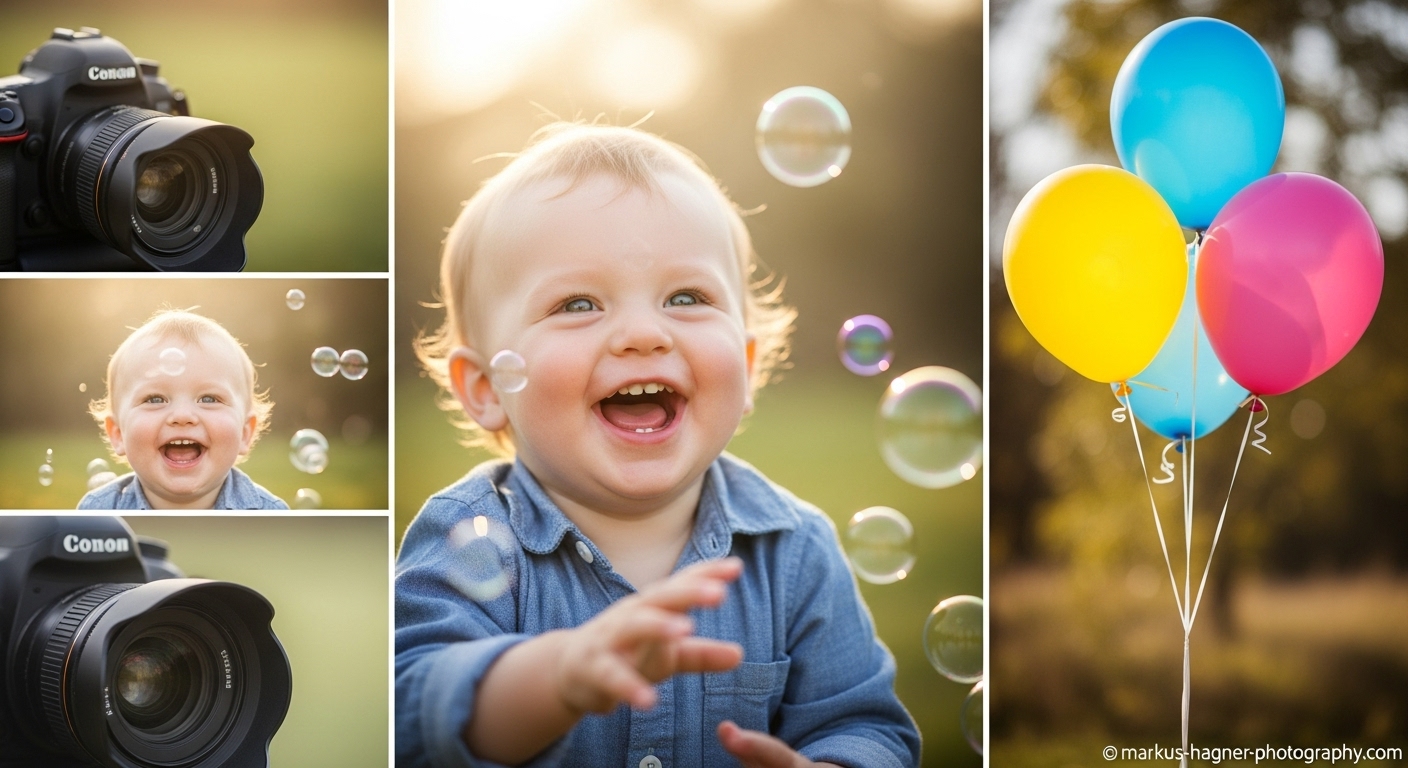
I’ve been photographing toddlers for over a decade, and let me tell you – if you can capture a genuine smile from a two-year-old, you can capture magic anywhere. As a professional photographer who’s worked with hundreds of families, I’ve discovered that toddler photography isn’t about perfection; it’s about embracing the beautiful chaos that comes with these little humans.
When I first started, I’ll admit I was intimidated. Toddlers are unpredictable, fast-moving, and have their own agenda (which usually doesn’t include sitting still for photos). But over the years, I’ve developed a toolkit of creative ideas that not only work but actually make toddler photography sessions fun for everyone involved.
In this comprehensive guide, I’m sharing my absolute best toddler photography ideas for 2026. These aren’t just theoretical concepts – they’re tried-and-true techniques I’ve used in real sessions with real toddlers (and their very real parents). Whether you’re a professional photographer looking to expand your skills or a parent wanting to capture better memories of your little one, you’ll find everything you need right here.
Why Toddler Photography Requires a Special Approach
Before we dive into the creative ideas, let me share something I learned early in my career: toddlers aren’t just small adults, and they certainly aren’t cooperative babies. They’re in this amazing in-between stage where they’re developing their own personalities, testing boundaries, and discovering the world around them.
I remember one session where a three-year-old decided the entire photoshoot was actually a game of tag. Instead of fighting it, I joined in. Those running, laughing shots ended up being some of the family’s favorite photos from the entire session. That’s when I realized: the key to great toddler photography is working WITH their energy, not against it.
Toddlers have incredibly short attention spans (we’re talking 2-5 minutes max for any single activity), they’re easily distracted, and they move FAST. But they’re also genuinely curious, expressive, and capable of showing pure, unfiltered joy. These qualities, when captured correctly, result in the most precious photographs you’ll ever take.
Essential Gear for Toddler Photography Success
Let me be clear: you don’t need thousands of dollars worth of equipment to take amazing toddler photos. I’ve captured stunning images with everything from professional DSLRs to smartphones. However, having the right gear can definitely make your life easier.
Camera Recommendations
I personally use a mirrorless camera for most of my toddler sessions because they’re lightweight, quiet, and have incredible autofocus systems. But I’ve also had great success with DSLRs. The key features you want are:
- Fast autofocus – Toddlers move quickly, and you need a camera that can keep up
- High burst rate – Being able to shoot multiple frames per second helps capture those split-second expressions
- Good low-light performance – Many of the best toddler moments happen indoors or in less-than-perfect lighting
Lens Choices
This is where I see most photographers (and parents) make mistakes. The wrong lens can make toddler photography unnecessarily difficult. Here are my go-to recommendations:
Prime Lenses (My Personal Favorite):
- 50mm f/1.8 – This is my absolute workhorse lens for toddler photography. It’s lightweight, affordable, and creates beautiful background blur (bokeh) that makes your subject pop
- 35mm f/1.4 – Perfect for indoor sessions where you need a wider field of view
- 85mm f/1.8 – Excellent for outdoor sessions where you want to compress the background and create that dreamy portrait look
Zoom Lenses:
- 24-70mm f/2.8 – Versatile enough for most situations, from full-body shots to close-ups
- 70-200mm f/2.8 – Great for outdoor sessions where you want to capture candid moments from a distance
I discovered early on that prime lenses force me to move around more, which actually helps me connect better with my toddler subjects. Instead of standing in one spot and zooming, I’m down on their level, moving with them, and seeing the world from their perspective.
Must-Have Accessories
Beyond camera and lens, here are the accessories I never leave home without for a toddler session:
- Extra batteries and memory cards – Toddlers can be unpredictable, and you don’t want to miss the perfect moment because your gear died
- A comfortable camera strap – You’ll be moving around a lot, and a good strap makes all the difference
- Reflector – A small, collapsible reflector can help bounce light onto your subject’s face, even indoors
- Remote trigger – Sometimes you need to be interacting with the toddler while also taking photos
- Lens cleaning kit – Trust me, toddlers WILL touch your lens
Camera Settings That Actually Work for Toddlers
I could write an entire book about camera settings, but let me share the settings that I’ve found work best for toddler photography through years of trial and error.
Shutter Speed: Your New Best Friend
This is non-negotiable: you need a fast shutter speed to freeze toddler movement. I learned this the hard way early in my career when I came home with what I thought were amazing shots, only to find they were all blurry because the toddler moved at the exact moment I pressed the shutter.
My Go-To Shutter Speeds:
- Active toddlers (running, jumping): 1/500s or faster
- Moderately active toddlers (walking, playing): 1/250s to 1/500s
- Relatively still toddlers (sitting, looking at books): 1/125s to 1/250s
I use shutter priority mode (S or Tv on most cameras) for most of my toddler sessions because it lets me control the most important setting while the camera handles the rest.
Aperture: Creating That Dreamy Look
Aperture controls two things: how much light enters your camera and how much of your image is in focus (depth of field). For toddler photography, I usually shoot wide open (low f-number) to create that beautiful background blur that makes the toddler stand out.
My Typical Aperture Settings:
- Single toddler portraits: f/1.8 to f/2.8
- Toddler with parents: f/2.8 to f/4
- Group shots with multiple toddlers: f/4 to f/5.6
ISO: Balancing Light and Quality
ISO is your camera’s sensitivity to light. The higher the ISO, the more light you capture, but you also introduce more digital noise (grain). I always try to keep my ISO as low as possible while still maintaining proper exposure.
My ISO Guidelines:
- Bright outdoors: 100-400
- Overcast outdoors: 400-800
- Indoors with good window light: 800-1600
- Low light situations: 1600-3200 (and sometimes higher if necessary)
Focus Mode: Keeping Up with the Action
This is where modern cameras really shine. I use continuous autofocus (AI Servo on Canon, AF-C on Nikon) for almost all my toddler photography. This mode continuously adjusts focus as your subject moves, which is essential for keeping up with active toddlers.
Many newer cameras also have eye-detection autofocus, which is a game-changer for toddler photography. The camera automatically finds and focuses on the toddler’s eyes, even as they move around the frame.
15 Creative Toddler Photography Ideas for 2026
Now for the fun part! Here are my 15 favorite creative toddler photography ideas that I’ve tested and refined over hundreds of sessions. These work for both professional photographers and parents alike.
1. The Bubble Bonanza
I discovered this technique by accident during a session with a particularly shy toddler. I had bubbles in my bag from a previous event, and when I pulled them out, the child’s entire demeanor changed.
How to execute: Bring a bottle of bubbles to your session. Blow bubbles and encourage the toddler to chase, pop, or watch them. The key is to capture their genuine reactions – the wide-eyed wonder, the laughter, the pure joy of chasing something magical.
Pro tip: Position yourself so the light is coming from behind or to the side of the bubbles. This makes them sparkle and creates beautiful catchlights in the toddler’s eyes.
Camera settings: Shutter speed 1/500s, aperture f/2.8, ISO as needed for lighting conditions.
2. The Natural Explorer
Toddlers are natural explorers. Instead of trying to contain this energy, I’ve learned to embrace it and create beautiful environmental portraits.
How to execute: Take your toddler to a safe, interesting outdoor space like a garden, park, or beach. Let them lead the way and explore naturally. Your job is to follow quietly and capture their discoveries.
Pro tip: Get down on their level – literally sit or lie on the ground. This perspective creates more intimate and engaging photos.
Camera settings: Shutter speed 1/250s, aperture f/2.8-f/4, ISO as needed.
3. The Storytime Session
This has become one of my most requested session types, especially for toddlers who are initially shy around the camera.
How to execute: Bring a few favorite picture books and have the parent (or you, if you’re comfortable) read to the toddler. Capture their reactions to the story – the focused attention, the surprise at plot twists, the excitement of familiar characters.
Pro tip: Choose books with bright, engaging illustrations and simple stories. Interactive books with flaps or textures work especially well.
Camera settings: Shutter speed 1/200s, aperture f/2.8, ISO as needed.
4. The Artistic Mess
I’ll admit, I was hesitant about this one at first. The thought of intentionally making a mess during a photoshoot seemed counterintuitive. But the results are absolutely magical.
How to execute: Set up a safe, contained art activity like finger painting, playing with colored rice, or drawing with chalk. Dress the toddler in clothes that can get messy (or just a diaper for really young toddlers), and let them create.
Pro tip: Use a large sheet or plastic tablecloth under the activity area for easy cleanup. The mess is part of the charm, but you don’t want to leave a disaster behind.
Camera settings: Shutter speed 1/500s (for fast hand movements), aperture f/2.8, ISO as needed.
5. The Musical Moment
Music has this incredible ability to bring out joy and movement in even the shyest toddlers. I always have a small Bluetooth speaker in my camera bag for this reason.
How to execute: Play toddler-friendly music and encourage dancing, clapping, or instrument playing. Capture the movement, the laughter, and the pure joy that comes with music.
Pro tip: Have a variety of music ready – upbeat songs for dancing, softer songs for calmer moments. You never know what will resonate with each child.
Camera settings: Shutter speed 1/500s (for dancing), aperture f/2.8, ISO as needed.
6. The Snack Attack
Let’s be real – toddlers and snacks go together like peanut butter and jelly. Instead of fighting this, I’ve learned to use it to my advantage.
How to execute: Bring colorful, interesting snacks that create fun photo opportunities. Think berries, colorful cereal, or even a small ice cream cone. Capture the messy eating, the concentration, and the pure delight that comes with favorite foods.
Pro tip: Choose snacks that are colorful but not too messy (unless you’re going for the full messy look). And always check with parents about food allergies first!
Camera settings: Shutter speed 1/250s, aperture f/2.8, ISO as needed.
7. The Costume Adventure
Dress-up is a fantastic way to bring out different personalities and create memorable photos.
How to execute: Bring a few simple, comfortable costumes or props like animal ears, capes, or hats. Let the toddler choose what they want to wear (if they’re old enough to have preferences) and capture their transformed personalities.
Pro tip: Keep costumes simple and comfortable. An itchy or restrictive costume will lead to a miserable toddler and no good photos.
Camera settings: Shutter speed 1/250s, aperture f/2.8, ISO as needed.
8. The Nature Collector
This works especially well for toddlers who love to collect things – rocks, leaves, flowers, sticks.
How to execute: Go on a “treasure hunt” and let the toddler collect natural items. Capture their concentration as they search, their pride in their finds, and their joy in showing you their treasures.
Pro tip: Bring a small basket or bag for them to collect their treasures. This makes the activity feel more special and contained.
Camera settings: Shutter speed 1/250s, aperture f/2.8-f/4, ISO as needed.
9. The Water Play
Water play is almost universally loved by toddlers and creates amazing photo opportunities.
How to execute: Set up a safe water play area with a small tub, cups, and water toys. Capture the splashing, the pouring, the concentration, and the pure joy of playing with water.
Pro tip: Have towels ready and dress the toddler in clothes that can get wet (or just a diaper). The wet look can be really cute, but you want to be prepared for cleanup.
Camera settings: Shutter speed 1/500s (for fast water movement), aperture f/2.8, ISO as needed.
10. The Family Game
Involving family members in the photoshoot can help shy toddlers feel more comfortable and create beautiful family memories.
How to execute: Have family members play simple games with the toddler – peek-a-boo, chase, or building blocks. Capture the interactions, the laughter, and the love between family members.
Pro tip: Give family members specific directions about where to stand or how to interact, but also encourage natural play. The best moments often happen spontaneously.
Camera settings: Shutter speed 1/250s, aperture f/2.8-f/4, ISO as needed.
11. The Balloon Magic
Balloons are like toddler catnip – they’re colorful, they float, and they’re just plain fun.
How to execute: Bring a few colorful balloons and let the toddler play with them. Capture their wonder as the balloons float, their delight in batting them around, and their concentration as they try to catch them.
Pro tip: Use helium-filled balloons for that magical floating effect, but also bring some regular balloons for batting and playing.
Camera settings: Shutter speed 1/250s, aperture f/2.8, ISO as needed.
12. The Building Adventure
Blocks, LEGOs, or other building toys can create wonderful photo opportunities that showcase concentration and creativity.
How to execute: Set up a building activity and let the toddler create. Capture their focus as they build, their pride in their creations, and their excitement when things (inevitably) fall down.
Pro tip: Use colorful blocks or building toys that contrast nicely with your background. This makes the photos more visually interesting.
Camera settings: Shutter speed 1/250s, aperture f/2.8-f/4, ISO as needed.
13. The Animal Friend
If you have access to a friendly pet (or can bring stuffed animals), this can create incredibly sweet and memorable photos.
How to execute: Introduce the toddler to a friendly pet or give them a favorite stuffed animal. Capture their interactions, their gentle touches, and their expressions of love and curiosity.
Pro tip: Always prioritize safety and comfort. If the toddler is scared of animals, don’t force it. Stuffed animals work just as well for creating those sweet moments.
Camera settings: Shutter speed 1/250s, aperture f/2.8, ISO as needed.
14. The Seasonal Celebration
Incorporating seasonal elements can make your photos timely and special.
How to execute: Use seasonal props and activities – playing in leaves in fall, splashing in puddles in spring, building with snow in winter, or playing with flowers in summer. Capture the toddler’s experience of the season.
Pro tip: Dress the toddler in seasonal colors or outfits that complement the seasonal elements. This creates a cohesive look.
Camera settings: Shutter speed 1/250s-1/500s (depending on activity), aperture f/2.8-f/4, ISO as needed.
15. The Bedtime Routine
Some of the sweetest toddler moments happen during the bedtime routine.
How to execute: Capture the bedtime routine – reading stories, brushing teeth, getting pajamas on, saying goodnight. These quiet, intimate moments can be incredibly precious.
Pro tip: Use soft, warm lighting to create a cozy atmosphere. A small lamp or string lights can work beautifully.
Camera settings: Shutter speed 1/125s (since movements are slower), aperture f/2.8, ISO may need to be higher for low light.
Working with Different Toddler Personalities
I’ve learned that not all toddlers respond to the same approaches. After hundreds of sessions, I’ve identified several common toddler personalities and the techniques that work best for each.
The Shy Toddler
Shy toddlers need time to warm up and may be hesitant around the camera at first.
What works:
- Start with distance – let them observe from afar
- Use parents as a “bridge” – have parents hold them or play with them first
- Quiet activities like reading books or playing with stuffed animals
- Avoid direct eye contact with the camera at first
What to avoid:
- Being too loud or energetic right away
- Forcing them to look at the camera
- Getting too close too quickly
The Energetic Toddler
These toddlers are constantly on the move and have energy to spare.
What works:
- Embrace the movement – don’t try to contain it
- Active games like chase, tag, or dancing
- Outdoor spaces where they can run safely
- Fast shutter speeds to freeze the action
What to avoid:
- Trying to make them sit still for long periods
- Indoor spaces that feel restrictive
- Slow-paced activities
The Serious Toddler
Some toddlers are naturally more serious and thoughtful in their expressions.
What works:
- Activities that require concentration – building, puzzles, art
- Giving them time to process and observe
- Quiet, calm environments
- Capturing their thoughtful expressions rather than forcing smiles
What to avoid:
- Trying too hard to make them laugh or smile
- Overstimulating environments
- Rushing them
The Curious Toddler
These toddlers want to touch, explore, and investigate everything.
What works:
- New and interesting objects to explore
- Nature walks or outdoor exploration
- Hands-on activities like sensory bins or art projects
- Letting them lead the session
What to avoid:
- Restrictive environments
- Saying “don’t touch” too often
- Rigid, structured activities
Location Ideas for Toddler Photography
The right location can make or break a toddler photography session. Here are my favorite locations and why they work so well.
Indoor Locations
At Home There’s something magical about photographing toddlers in their own space. They’re comfortable, they have their favorite toys, and the photos feel authentic and personal.
Best areas in the home:
- Near large windows for beautiful natural light
- The child’s bedroom or playroom
- Cozy spots like reading nooks or window seats
- The backyard or patio if available
Pro tip: Declutter the area before shooting, but don’t make it look sterile. Some personal items add character and tell a story.
Professional Studio While not my first choice for most toddlers (they can feel restrictive), a well-designed studio can work well for certain types of sessions.
Studio advantages:
- Complete control over lighting
- No weather concerns
- Professional backdrops and props
- Consistent results
Studio challenges:
- Can feel unfamiliar and intimidating to toddlers
- Limited space for movement
- May require more time for the toddler to warm up
Outdoor Locations
Local Parks Parks are my go-to location for toddler photography. They offer variety, natural light, and plenty of space for movement.
Park advantages:
- Natural light and beautiful backgrounds
- Plenty of space for active toddlers
- Built-in props (playgrounds, trees, benches)
- Free and accessible
Best park features:
- Open grassy areas for running and playing
- Shaded areas for softer light
- Interesting textures and colors
- Safe, contained spaces
Beaches or Lakes Water creates beautiful reflections and adds a magical element to toddler photos.
Water advantages:
- Beautiful, ever-changing backgrounds
- Reflections can add visual interest
- Natural “props” like shells, rocks, and driftwood
- Calming effect on some toddlers
Water considerations:
- Safety is paramount – never turn your back on a toddler near water
- Bring towels and changes of clothes
- Early morning or late afternoon light works best
- Protect your gear from sand and water
Gardens or Botanical Areas Gardens offer beautiful, colorful backgrounds and plenty of interesting elements for toddlers to explore.
Garden advantages:
- Beautiful, natural backgrounds
- Interesting textures and colors
- Often have shaded areas
- Quiet, peaceful environments
Garden tips:
- Choose gardens with paths for easy navigation
- Look for areas with flowers or interesting plants
- Early morning or late afternoon visits avoid crowds
- Be respectful of the space and other visitors
Urban Settings City environments can create striking, modern toddler portraits.
Urban advantages:
- Unique, interesting backgrounds
- Architectural elements add visual interest
- Colorful street art and murals
- Different textures and materials
Urban considerations:
- Safety first – choose pedestrian-only areas
- Early morning sessions avoid crowds
- Look for interesting walls, doorways, or architectural features
- Be aware of permits needed for certain locations
Lighting Techniques for Toddler Photography
Lighting can make or break any photo, but it’s especially important in toddler photography where you’re often dealing with fast-moving subjects and less-than-ideal conditions.
Natural Light
Natural light is my absolute favorite for toddler photography. It’s beautiful, flattering, and freely available.
Window Light Window light is soft, directional, and perfect for indoor toddler photography.
How to use window light:
- Position your toddler perpendicular to the window for soft, flattering light
- Use a sheer curtain to diffuse harsh direct sunlight
- Place a reflector on the opposite side to fill in shadows
- Avoid having the window directly behind your toddler (unless you want a silhouette)
Golden Hour The hour after sunrise and before sunset provides beautiful, warm light that’s perfect for toddler photography.
Golden hour advantages:
- Soft, warm, flattering light
- Long shadows add depth and dimension
- Beautiful backlighting opportunities
- Generally more comfortable temperatures for outdoor sessions
Golden hour tips:
- Plan your session to start about 30 minutes before actual golden hour
- Position your toddler with the sun behind them for beautiful backlighting
- Use a reflector to fill in shadows on their face
- Shoot plenty of frames – the light changes quickly during this time
Overcast Days Don’t let cloudy days discourage you! Overcast conditions provide beautiful, even light that’s perfect for toddler photography.
Overcast advantages:
- Soft, even light with no harsh shadows
- No squinting from bright sun
- Consistent lighting conditions
- Can shoot at any time of day
Overcast tips:
- Use a slightly wider aperture to create separation from the background
- Add a pop of color with clothing or props
- Look for areas with open sky above for the best light
- Use a reflector to add dimension if needed
Artificial Light
Sometimes natural light isn’t available or sufficient. Here’s how to work with artificial light effectively.
Continuous Lighting Continuous lights stay on constantly, making them easier to work with than flash, especially with toddlers.
Continuous light advantages:
- What you see is what you get
- Less intimidating to toddlers than flash
- Easier to position and adjust
- Good for video as well as still photos
Continuous light tips:
- Use softboxes to diffuse the light
- Position lights at 45-degree angles for flattering light
- Keep lights at a safe distance from curious toddlers
- Use multiple lights for more control
Flash Photography While I generally avoid flash with toddlers (it can be startling and create harsh shadows), sometimes it’s necessary.
When to use flash:
- Very low light situations where other options won’t work
- When you need to freeze extremely fast movement
- For creative effects like motion blur with flash
Flash tips:
- Use bounce flash whenever possible
- Diffuse the flash with a softbox or diffuser
- Use lower power settings to avoid harsh light
- Consider off-camera flash for more control
Post-Processing Tips for Toddler Photos
Great toddler photography doesn’t end when you press the shutter. Post-processing can take your good photos and make them amazing. Here are my go-to techniques for editing toddler photos.
Basic Adjustments
These are the foundational adjustments I make to almost every toddler photo:
Exposure and Contrast
- Adjust exposure to ensure proper brightness
- Increase contrast slightly for more pop
- Use curves for more precise control over tones
White Balance
- Correct any color casts from mixed lighting
- Warm up skin tones slightly for a more flattering look
- Be consistent with white balance across a series
Sharpening
- Apply subtle sharpening to bring out details
- Use masking to sharpen only the important areas
- Avoid over-sharpening, which can look unnatural
Advanced Techniques
These techniques take more time but can really make your toddler photos stand out:
Skin Retouching
- Remove temporary blemishes (scratches, dirt, food)
- Smooth skin texture while retaining natural look
- Avoid over-retouching – toddlers should look like toddlers
Color Grading
- Create a consistent look across your portfolio
- Enhance colors that complement the toddler’s clothing or environment
- Use split toning for creative effects
Background Enhancements
- Blur backgrounds slightly to enhance subject separation
- Remove distracting elements from backgrounds
- Add subtle vignettes to draw attention to the subject
Presets and Actions
I’ve developed my own presets over the years to maintain consistency across my work. Here’s my approach:
Creating Your Own Presets:
- Start with a well-exposed, properly white-balanced photo
- Make adjustments until you love the look
- Save these adjustments as a preset
- Test the preset on different photos and refine as needed
Using Presets Effectively:
- Use presets as a starting point, not a final result
- Adjust each photo individually after applying presets
- Create different presets for different lighting conditions
- Keep a library of presets for different styles
Also Read: Canon R5 Vs Fuji Xt4
Common Challenges and Solutions
Even with all the preparation and knowledge, toddler photography comes with unique challenges. Here are the most common issues I face and how I solve them.
The “No Smile” Challenge
Sometimes toddlers just won’t smile, no matter what you do.
Solutions:
- Focus on capturing other authentic emotions instead
- Use silly sounds or peek-a-boo from behind the camera
- Have parents make funny faces or tell jokes
- Accept that serious or thoughtful expressions can be just as beautiful
The Constant Movement
Toddlers move – a lot. This can be frustrating when you’re trying to get a specific shot.
Solutions:
- Embrace the movement and capture action shots
- Use fast shutter speeds (1/500s or faster)
- Use continuous autofocus and burst mode
- Try to anticipate movement and position yourself accordingly
The Short Attention Span
Most toddlers have attention spans measured in minutes, not hours.
Solutions:
- Plan multiple short activities rather than one long session
- Have a variety of props and activities ready
- Take breaks when needed
- Keep sessions short (30-45 minutes max for most toddlers)
The Weather Woes
Outdoor sessions are at the mercy of the weather.
Solutions:
- Always have a backup indoor location
- Embrace different weather conditions (rain can create beautiful reflections)
- Use weather-appropriate props and clothing
- Be flexible and willing to reschedule if necessary
The Multiple Toddler Challenge
Photographing multiple toddlers at once can be chaos.
Solutions:
- Bring an assistant if possible
- Use games and activities that involve all toddlers
- Focus on capturing interactions between them
- Accept that not everyone will look at the camera at the same time
Building Your Toddler Photography Business
If you’re looking to turn your toddler photography skills into a business, here are some insights from my journey.
Finding Your Niche
The toddler photography market is competitive, so finding your niche is essential.
Popular niches:
- Lifestyle documentary-style sessions
- Seasonal themed sessions (fall leaves, spring flowers, etc.)
- Milestone sessions (first birthday, second birthday, etc.)
- Fine art toddler portraits
My approach: I specialize in lifestyle toddler photography that captures real moments and emotions. This sets me apart from more traditional, posed photographers.
Marketing Your Services
Great photography alone won’t build a business – you need effective marketing.
Effective marketing strategies:
- Social media showcasing your best work
- Collaborations with local businesses (children’s boutiques, toy stores, etc.)
- Referral programs for existing clients
- Local parenting groups and communities
What works for me: Instagram and Pinterest have been my most effective platforms. Parents love seeing real examples of toddler sessions, and visual platforms work perfectly for this.
Pricing Your Services
Pricing can be tricky – you want to be competitive but also value your work appropriately.
Pricing considerations:
- Your experience level and portfolio quality
- Local market rates
- What’s included in your packages (digital files, prints, etc.)
- Your time and expenses
My pricing philosophy: I offer tiered packages that allow clients to choose what works best for their budget while ensuring I’m compensated fairly for my time and expertise.
Client Management
Happy clients lead to referrals and repeat business.
Client management tips:
- Clear communication before, during, and after sessions
- Setting realistic expectations about toddler behavior
- Delivering galleries promptly
- Following up after sessions to ensure satisfaction
Also Read: Canon R5 Vs Fuji Xt4
Pro Tips from the Trenches
After hundreds of toddler sessions, I’ve learned some things that don’t fit neatly into categories but are absolutely essential to know.
Timing is Everything
I’ve learned that the timing of your session can make or break it. Schedule sessions when toddlers are typically at their best – usually mid-morning after breakfast or late afternoon after nap time. Avoid scheduling during typical nap times or when toddlers might be hungry.
Parents Are Your Secret Weapon
I used to try to keep parents out of the frame, but now I see them as my secret weapon. Parents know what makes their child laugh, what their favorite toys are, and how to comfort them when they’re upset. Don’t be afraid to ask parents for help and include them in the photos.
Embrace the Imperfect
Some of my favorite toddler photos are technically “imperfect” – slightly blurry, off-center, or with unusual compositions. What matters more than technical perfection is capturing genuine emotion and personality. Don’t be so focused on getting the “perfect” shot that you miss the real moments.
Always Be Ready
Toddlers are unpredictable, and the best moments often happen when you least expect them. I keep my camera ready at all times during sessions, even when we’re just walking between locations or taking a break. Some of my most cherished photos came from these in-between moments.
Learn to Read the Room
Every toddler is different, and what works for one might not work for another. I’ve learned to read toddler cues and adjust my approach accordingly. If a toddler is getting overwhelmed, I slow down. If they’re full of energy, I match that energy. Being adaptable is key to successful toddler photography.
Frequently Asked Questions
What’s the best camera for toddler photography?
I get asked this all the time, and my answer is always the same: the best camera is the one you have with you. That said, I recommend cameras with fast autofocus and good low-light performance. Mirrorless cameras like the Sony A6400 or Canon R50 are great options, but even modern smartphones can take amazing toddler photos if you know how to use them.
How do I get toddlers to look at the camera?
This is the million-dollar question in toddler photography! My secret is to not force it. Instead of saying “look at the camera,” I use silly sounds, peek-a-boo, or interesting objects just above my camera. Sometimes the best photos are when they’re NOT looking at the camera anyway – capturing their natural curiosity is often more beautiful than a forced smile.
What time of day is best for toddler photos?
I absolutely love shooting during the golden hour – that first hour after sunrise or last hour before sunset. The light is soft and warm, and it’s generally more comfortable for outdoor sessions. For indoor sessions, I prefer mid-morning when toddlers are typically well-rested and in good moods.
How long should a toddler photography session be?
I’ve learned that shorter is almost always better with toddlers. I keep my sessions to 30-45 minutes maximum. Any longer than that and toddlers (and parents!) start to get tired and cranky. It’s better to have a short, amazing session than a long, miserable one.
What should toddlers wear for photos?
I recommend comfortable clothing that allows for movement. Avoid stiff, scratchy fabrics or outfits that are too dressy – toddlers won’t be happy, and it will show in the photos. I love layers, textures, and colors that complement the environment. And always, always bring a change of clothes – accidents happen!
How do you handle tantrums during sessions?
Tantrums happen – it’s part of toddler life. When they do, I don’t panic. I take a break, give the toddler some space, and let parents handle the situation. Sometimes the best approach is to end the session early and reschedule. I’ve found that parents really appreciate when I’m understanding and flexible about these situations.
What props work best for toddler photography?
My go-to props are simple and engaging: bubbles, balloons, books, and favorite toys. I avoid props that are too complicated or require a lot of setup. The best props are ones that naturally encourage interaction and play.
Can you take good toddler photos with a smartphone?
Absolutely! Modern smartphones have incredible cameras. The key is understanding basic photography principles like lighting, composition, and timing. Use natural light whenever possible, get down on the toddler’s level, and focus on capturing genuine moments rather than perfect poses.
How do you get natural smiles from toddlers?
The secret to natural smiles is to create genuine moments of joy. I use silly games, funny sounds, and unexpected surprises. I’ve found that the best smiles come when toddlers are genuinely having fun, not when they’re being told to smile.
What’s the biggest mistake people make in toddler photography?
The biggest mistake I see is trying to control toddlers too much. Toddlers are naturally curious and energetic, and trying to force them into rigid poses or situations usually backfires. The best approach is to go with the flow, embrace their natural energy, and capture the real moments that happen along the way.
Conclusion
Toddler photography isn’t just about taking pictures – it’s about capturing fleeting moments of childhood that parents will treasure for a lifetime. I’ve learned that the best toddler photos come not from perfect technique or expensive equipment, but from patience, understanding, and a willingness to embrace the beautiful chaos that comes with photographing these little humans.
Whether you’re a professional photographer looking to expand your skills or a parent wanting to capture better memories of your toddler, I hope these ideas and techniques help you create beautiful, authentic images that truly capture the joy and wonder of toddlerhood.
Remember, there’s no such thing as a “perfect” toddler photo session. The magic happens in the imperfect moments – the genuine laughter, the curious expressions, the spontaneous hugs, and the pure, unfiltered joy that toddlers bring to every day.
So grab your camera, embrace the chaos, and start capturing those magical toddler moments. Before you know it, they’ll be all grown up, and you’ll be so glad you took the time to preserve these precious memories.
Ready to capture some magical toddler moments? Bookmark this guide for reference, and don’t forget to share your favorite toddler photography tips in the comments below!