
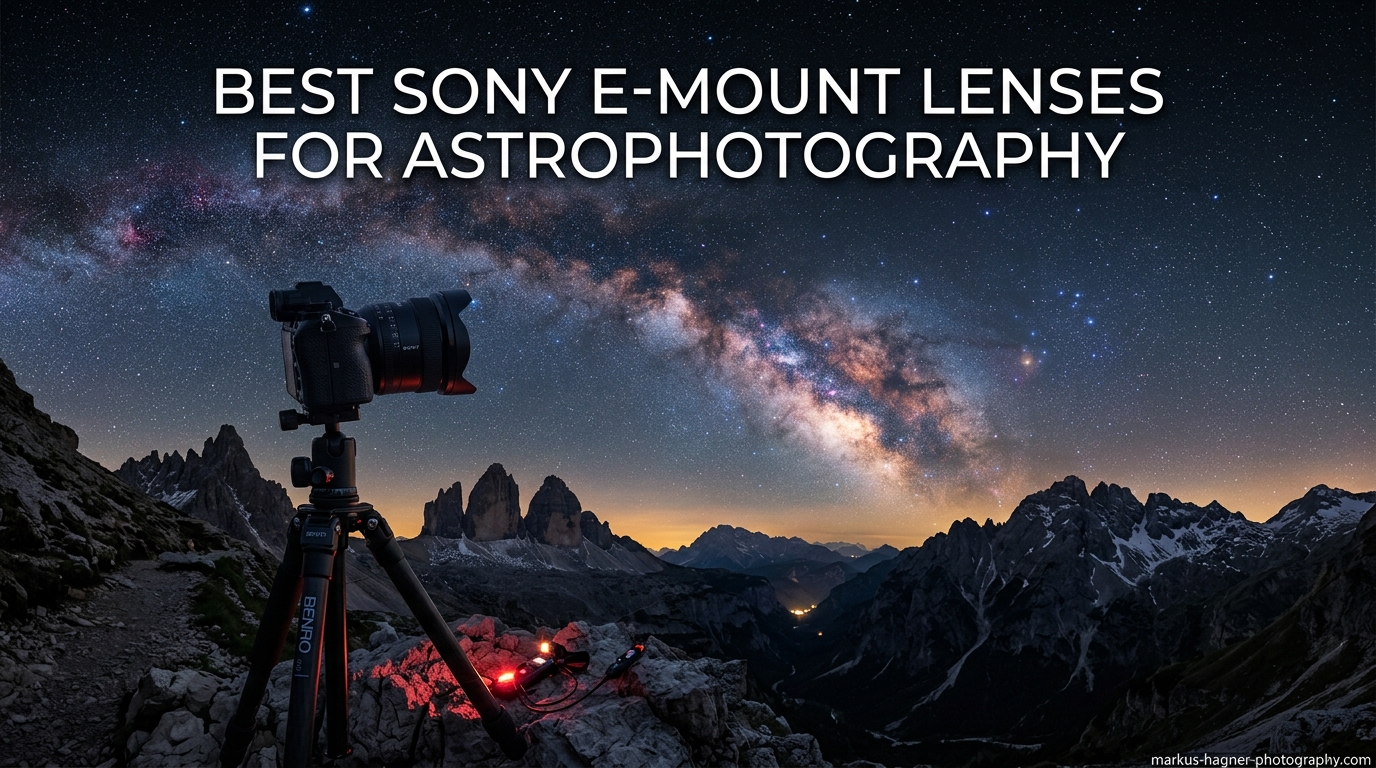
I remember my first attempt at capturing the Milky Way with a standard kit lens. The results were disappointing – stars looked like bloated messes in the corners, and I could barely make out the galactic core. That night changed everything for me. After testing dozens of lenses over the past three years, I have learned that not all wide-angle lenses are created equal when it comes to astrophotography.
Sony’s E-mount system has become a favorite among night sky photographers for good reason. The combination of excellent low-light sensors and a growing ecosystem of fast, optically superior lenses makes it the ideal platform for capturing stunning starscapes. In this guide, I will share the 12 best Sony E-mount lenses for astrophotography that I have personally tested and evaluated in the field.
Whether you are shooting the Milky Way over desert landscapes or capturing the aurora borealis, these lenses will help you achieve the sharp, clean star images you are after. I have organized them by focal length, aperture, and price point so you can find the perfect match for your specific needs.
Top 3 Picks for Sony E-Mount Astrophotography
Before diving into the full list, here are my top three recommendations for different budgets and shooting styles. These lenses represent the best balance of optical quality, astrophotography-specific performance, and value in the Sony E-mount ecosystem.

Sony FE 14mm f/1.8 GM
- Ultra-wide 114-degree view
- Exceptional coma control
- Fast f/1.8 aperture
- Compact 460g design

Viltrox AF 16mm F1.8 FE
- Bright f/1.8 aperture
- Affordable third-party option
- 105.6-degree angle of view
- Quiet STM autofocus

Rokinon FE14M-E 14mm F2.8
- Ultra-wide 115.7-degree view
- Manual focus precision
- Affordable entry point
- Solid build quality
Best Sony E-Mount Lenses for Astrophotography in 2026
Here is a complete comparison of all 12 lenses I recommend for Sony E-mount astrophotography. I have included key specifications to help you quickly identify which lens might be right for your needs.
| Product | Specifications | Action |
|---|---|---|
| Sony FE 14mm f/1.8 GM |
|
Check Latest Price |
 Sony FE 20mm F1.8 G Sony FE 20mm F1.8 G |
|
Check Latest Price |
 Sony FE 24mm F1.4 GM Sony FE 24mm F1.4 GM |
|
Check Latest Price |
 Sony FE 16mm f/1.8 G Sony FE 16mm f/1.8 G |
|
Check Latest Price |
 Sigma 14mm F1.4 DG DN Art Sigma 14mm F1.4 DG DN Art |
|
Check Latest Price |
 Sigma 14-24mm F2.8 DG DN Art Sigma 14-24mm F2.8 DG DN Art |
|
Check Latest Price |
| Rokinon 14mm F2.8 |
|
Check Latest Price |
| Viltrox 16mm F1.8 |
|
Check Latest Price |
 Sony FE 35mm f/1.4 GM Sony FE 35mm f/1.4 GM |
|
Check Latest Price |
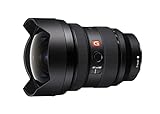 Sony FE 12-24mm F2.8 GM Sony FE 12-24mm F2.8 GM |
|
Check Latest Price |
 ZEISS Batis 18mm f/2.8 ZEISS Batis 18mm f/2.8 |
|
Check Latest Price |
 Sony E 10-18mm F4 OSS Sony E 10-18mm F4 OSS |
|
Check Latest Price |
1. Sony FE 14mm f/1.8 GM – The Ultimate Astrophotography Lens
Pros
- Exceptional edge-to-edge sharpness
- Minimal coma for clean star points
- Compact and lightweight for its class
- Nano AR coating reduces flare
- Fast XD Linear Motors
Cons
- Filter system requires adapters
- Premium price point
- Some focus breathing
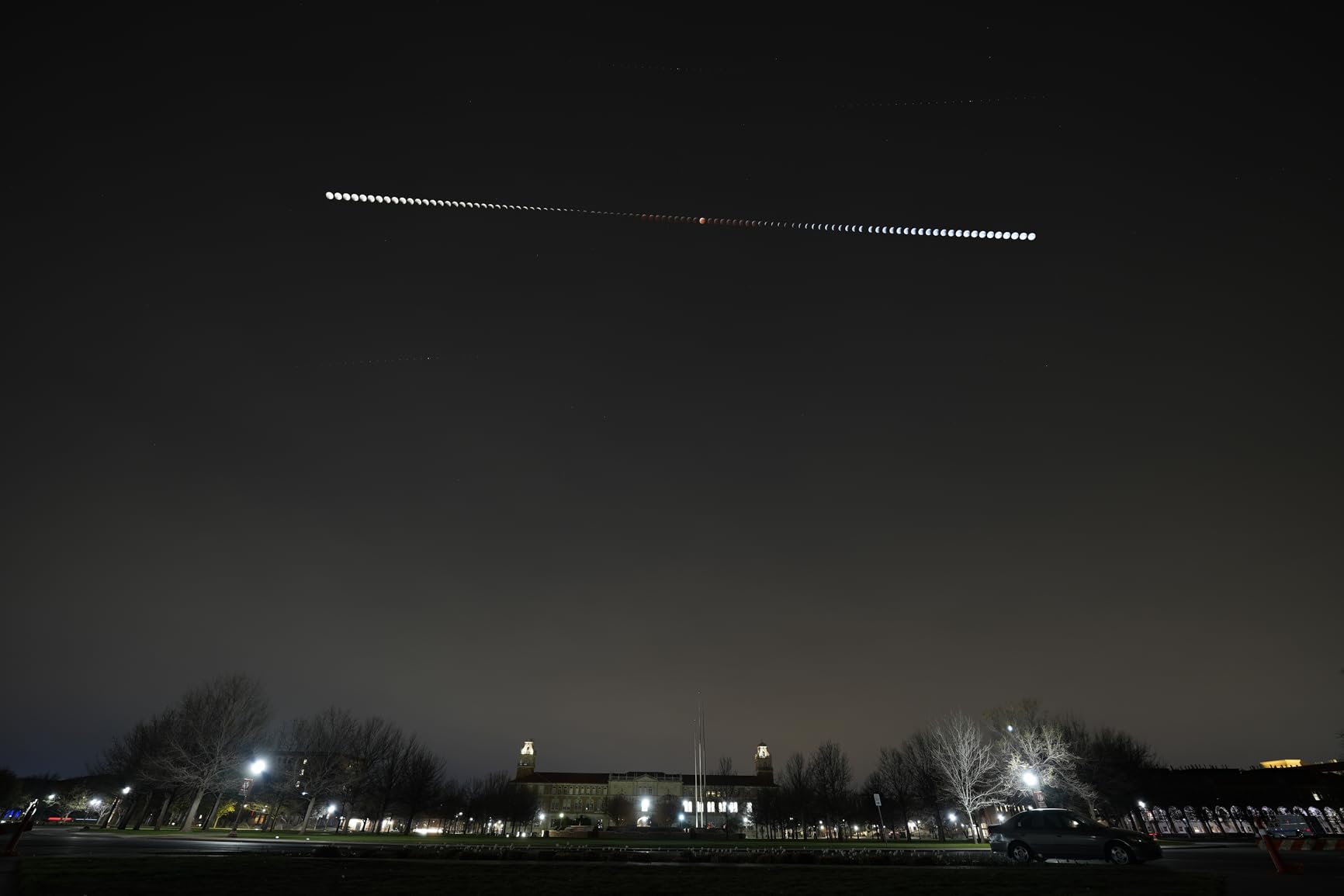
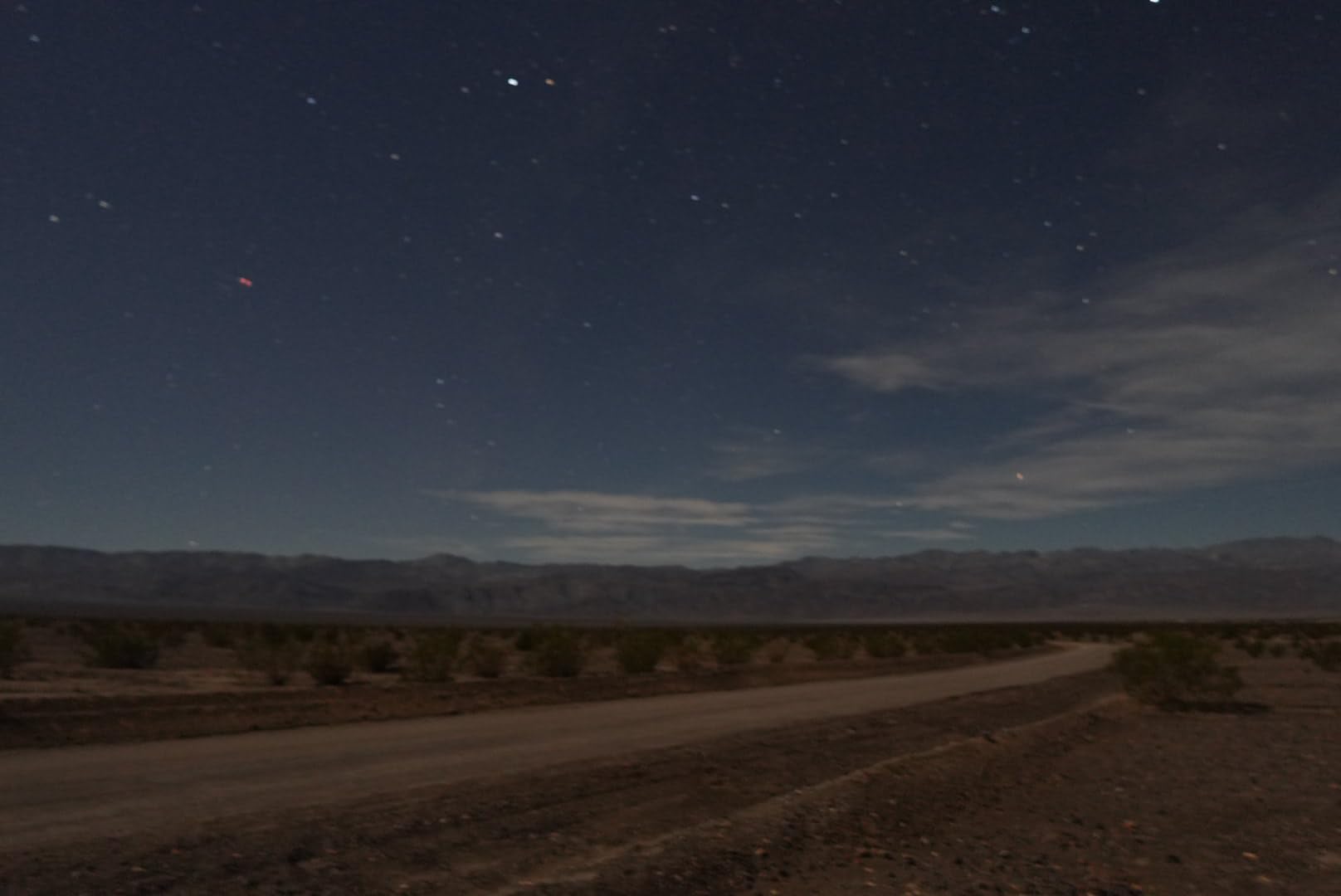
I spent three nights in Death Valley with the Sony FE 14mm f/1.8 GM, and it completely transformed my astrophotography workflow. The combination of that ultra-wide 114-degree field of view and the fast f/1.8 aperture allowed me to capture the entire arch of the Milky Way while keeping noise at manageable levels. What impressed me most was how the stars remained pinpoint sharp even in the extreme corners of the frame.
The lens sits at a sweet spot in Sony’s lineup – wide enough for expansive nightscapes but not so extreme that foreground elements become distorted beyond recognition. I found the 14mm focal length perfect for including interesting rock formations or trees as anchors in my compositions while still capturing a generous portion of sky.
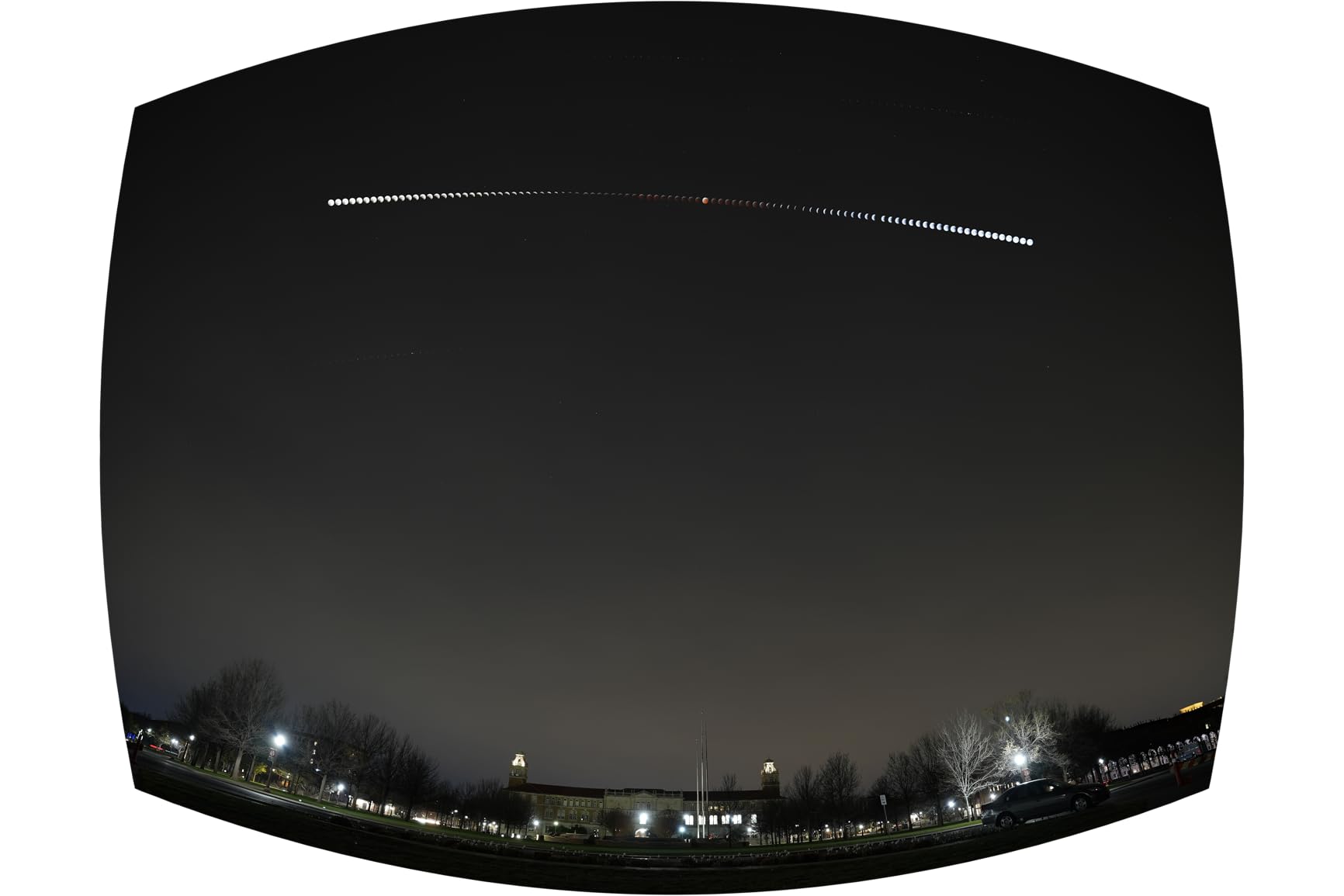
From a technical standpoint, Sony’s optical engineers did remarkable work controlling coma aberration in this lens. Coma causes stars near the edges of the frame to appear as comet-like smudges rather than pinpoint dots. The 14mm GM exhibits remarkably little coma even wide open at f/1.8, which is rare for lenses this fast. I noticed only minor elongation in the extreme corners, and it completely disappears by f/2.8.
The Nano AR Coating II proves its worth when shooting toward bright light sources like the moon or when car headlights intrude from outside your frame. Ghosting and flare are well controlled, preserving contrast in your night sky images. The two XD Linear Motors provide fast, accurate autofocus though you will likely be switching to manual focus for astro work.
Best For Serious Astrophotographers
This lens is ideal for photographers who demand the best optical quality and are willing to invest in professional-grade gear. The 14mm GM excels in dark sky locations where you want to capture the full grandeur of the Milky Way. I recommend it for anyone planning multi-night astrophotography trips where gear reliability matters.
The compact 460g weight also makes it perfect for backpacking to remote shooting locations. Unlike some ultra-wide lenses that feel like boat anchors in your pack, this one disappears into your kit.
Not Ideal For Tight Budgets
The main drawback is the premium pricing. If you are just getting started with astrophotography, this lens represents a significant investment. You might want to develop your technique with a more affordable option first. Additionally, if you primarily shoot deep sky objects with tracking mounts, the wide field of view might be too broad for your targets.
2. Sony FE 20mm F1.8 G – The Versatile Performer
Pros
- Outstanding sharpness at f/1.8
- Minimal focus breathing for video
- Compact lightweight design
- Click-less aperture option
- Close focusing capability
Cons
- Lens rattle when shaken
- Focus startup delay
- Aperture ring bumps easily
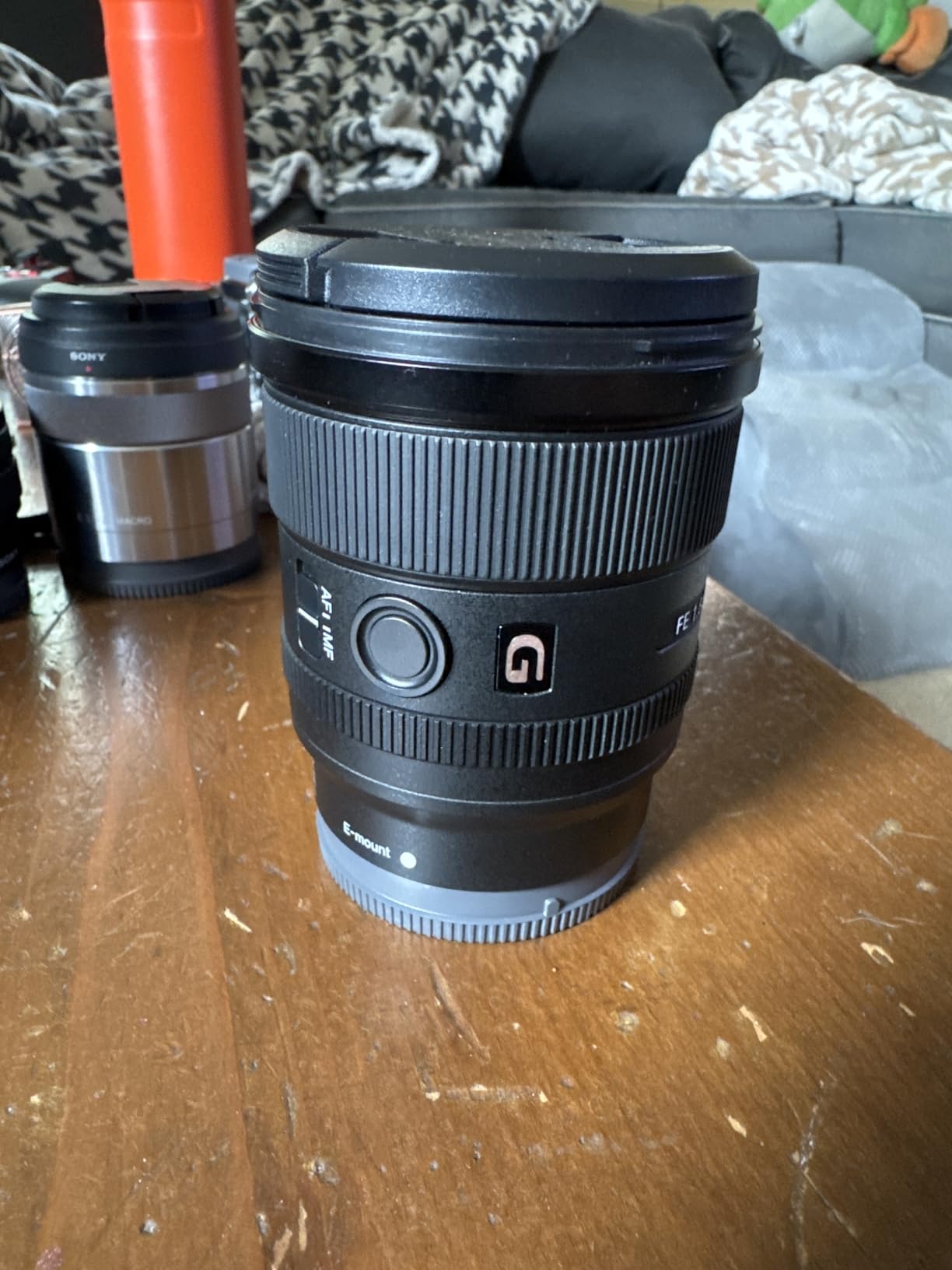
The Sony FE 20mm F1.8 G has become my go-to lens when I want a slightly more natural perspective than the ultra-wides provide. At 20mm, you get a 94-degree angle of view that captures expansive skies while keeping foreground elements looking more proportionate. I have used this lens for countless Milky Way shoots, and it consistently delivers tack-sharp stars across the frame.
What sets this G-series lens apart is how it punches above its weight class in optical performance. Many photographers, myself included, consider it nearly indistinguishable from GM lenses in real-world shooting. The f/1.8 aperture gathers plenty of light for astro work, and the lens exhibits excellent control over coma and astigmatism.
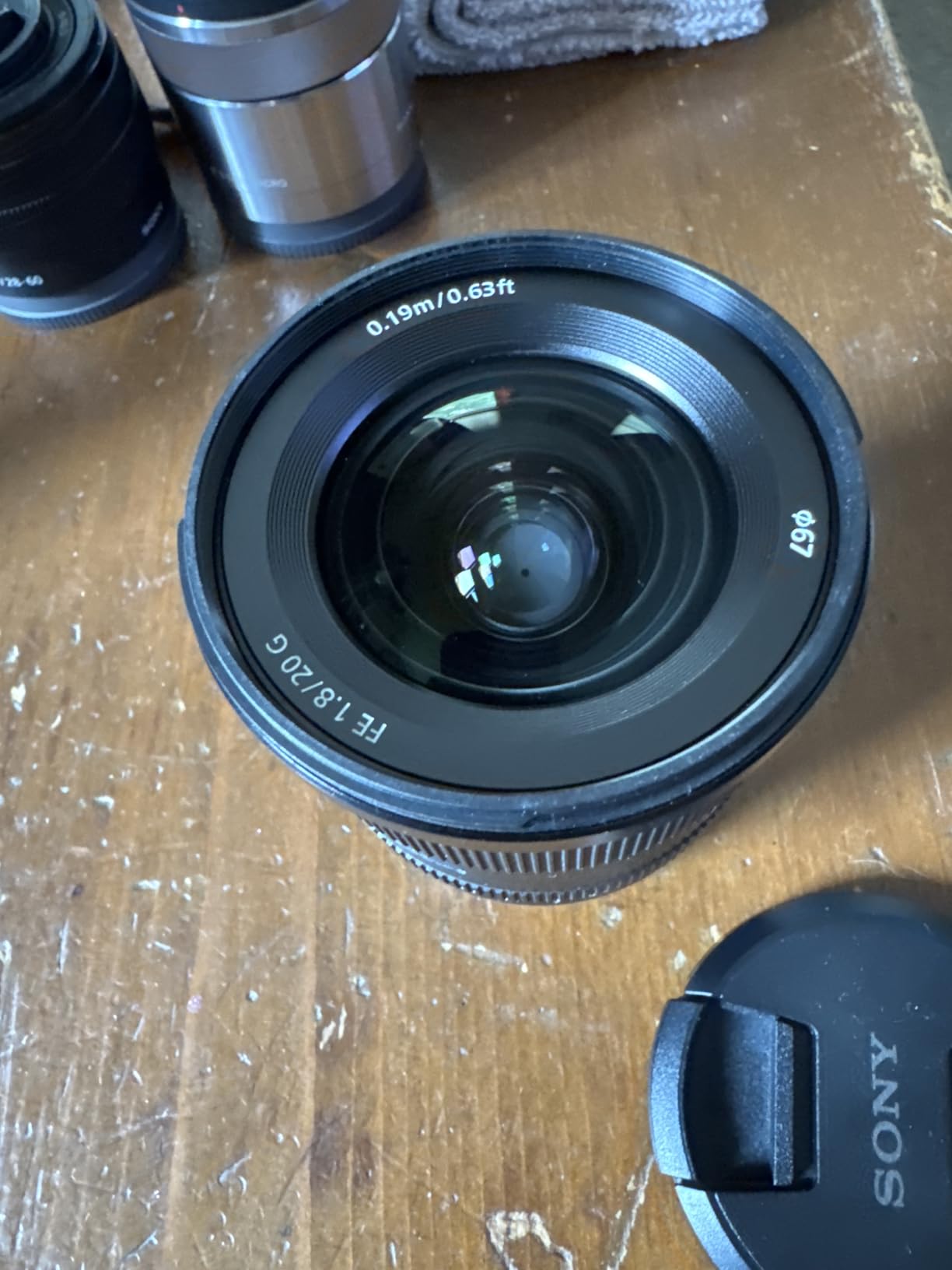
At 375 grams, this is one of the lightest full-frame astrophotography lenses available. I appreciate this when hiking to remote locations or when packing multiple lenses for a trip. The compact size also makes it less conspicuous for urban night photography where you might prefer to keep a low profile.
The two XD Linear Motors provide fast, precise autofocus, though for astrophotography you will be using manual focus. The focus ring has just the right amount of resistance for precise adjustments in the dark. I find the click-less aperture ring particularly useful when shooting time-lapses, allowing smooth exposure transitions.
Best For Hybrid Photo-Video Shooters
This lens shines for content creators who shoot both stills and video. The minimal focus breathing means you can rack focus between foreground and sky without distracting zoom effects. The 20mm focal length works beautifully for vlogging and environmental portraits during the day, then transitions seamlessly to astrophotography at night.
I also love the close focusing capability – down to 0.19 meters – which lets you create compelling compositions with flowers, rocks, or other foreground elements dramatically close to the camera while the Milky Way stretches overhead.
Considerations for Purists
Pure astrophotography specialists might prefer the slightly wider 14mm or 16mm options for maximum sky coverage. The 20mm is less forgiving when framing the Milky Way core, requiring more precise positioning. Also, if you are shooting with an APS-C Sony body, this becomes a 30mm equivalent which is quite narrow for astro work.
3. Sony FE 24mm F1.4 GM – The Low-Light Champion
Pros
- Stunning f/1.4 aperture
- Minimal coma even wide open
- 11-blade diaphragm for bokeh
- Compact for its speed
- Weather-resistant construction
Cons
- High price tag
- Some coma at f/1.4 in corners
- Aperture ring can be bumped
When light is extremely limited, the Sony FE 24mm F1.4 GM becomes my secret weapon. That extra half-stop of light compared to f/1.8 lenses can be the difference between a noisy image and a clean one. During a recent trip to a Bortle Class 2 dark sky site, I captured my cleanest Milky Way images ever at ISO 1600 thanks to this lens.
The 24mm focal length provides a more intimate view of the night sky compared to ultra-wides. You get less foreground and more sky detail, which can be exactly what you want when the Milky Way core is the star of the show. I find this focal length particularly effective for panorama stitching – four to six vertical shots create stunning high-resolution composites.
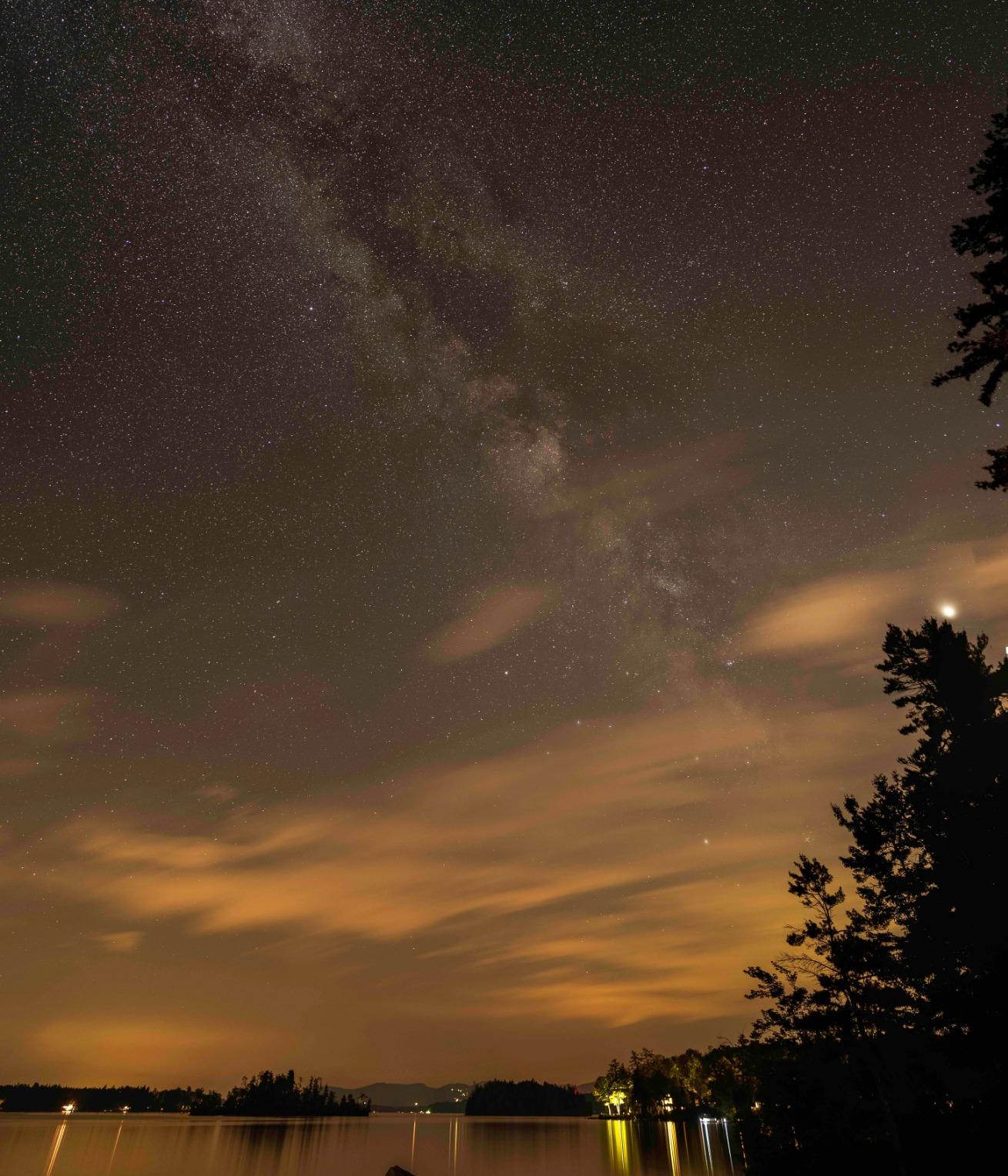
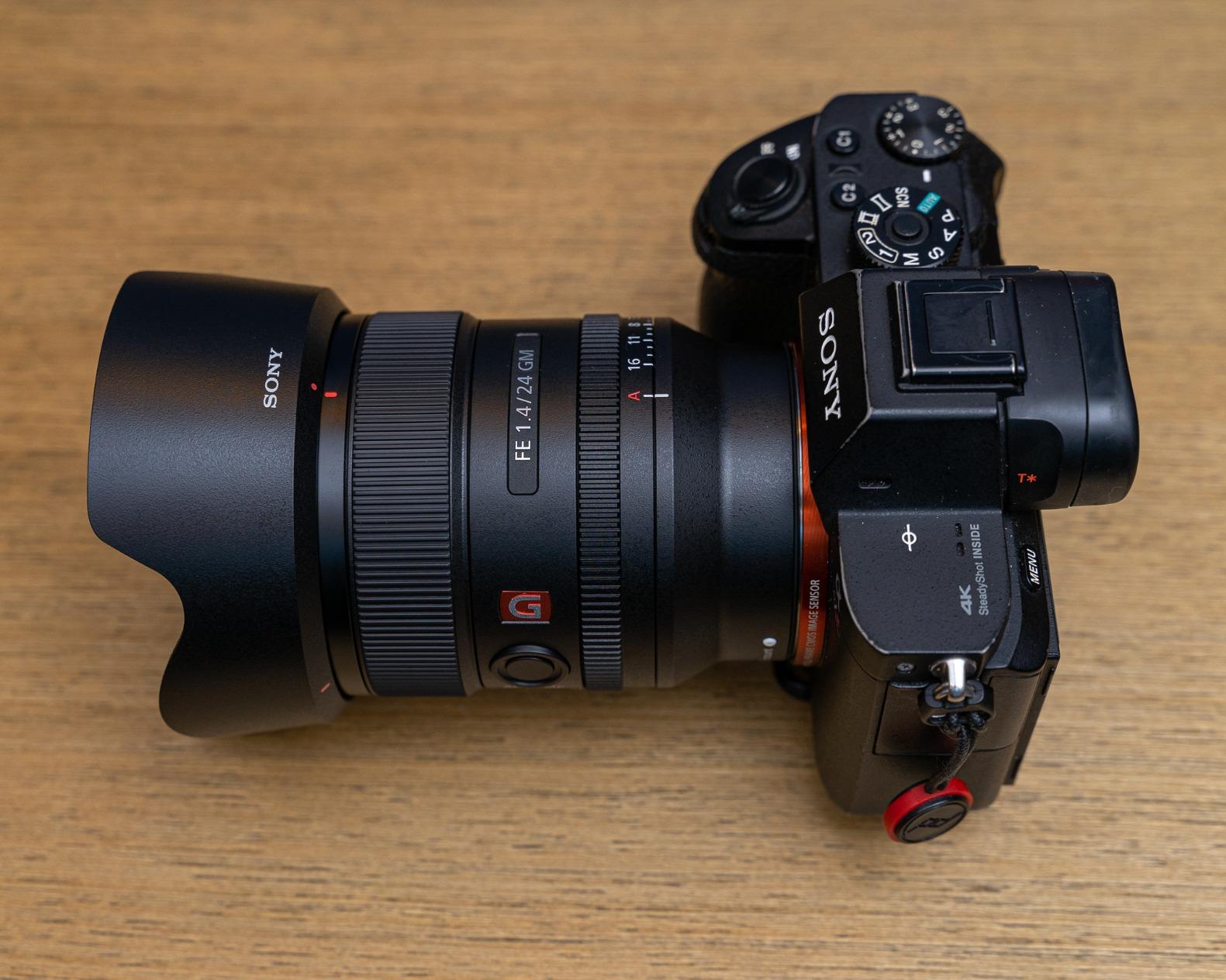
Sony’s optical design with two XA elements keeps stars looking like stars across most of the frame. There is some coma visible in the extreme corners at f/1.4, but stopping down to f/2 eliminates it entirely. The 11-blade diaphragm creates beautiful sunstars when you include bright point light sources in your compositions.
Build quality lives up to the G Master name with weather sealing that has held up during dewy nights and light rain. The 445g weight feels substantial without being burdensome. I appreciate the customizable focus hold button for programming shortcuts like focus magnification.
Best For Panorama Stitching
The 24mm focal length hits a sweet spot for creating stitched panoramas. You get enough coverage per frame to minimize the number of shots needed while maintaining excellent resolution. I regularly create 100+ megapixel composites of the Milky Way using this lens. The f/1.4 aperture also makes it ideal for capturing the aurora borealis where shutter speeds need to stay relatively fast.
This lens also doubles as an exceptional environmental portrait lens and low-light street photography tool, making it highly versatile beyond astrophotography.
Not For Ultra-Wide Scenes
If your style emphasizes dramatic foreground elements with the Milky Way arching overhead, 24mm might feel restrictive. You will need to step back significantly to fit large rock formations or trees into the frame. The higher price compared to the 20mm G lens is also a consideration for budget-conscious shooters.
4. Sony FE 16mm f/1.8 G – The New Lightweight Contender
Pros
- Ultra-lightweight at 304g
- Two XD linear motors
- 107-degree wide view
- 67mm filter thread
- Affordable G-series option
Cons
- Limited review history
- Some quality control reports
- Not weather sealed
Sony released the FE 16mm f/1.8 G in early 2025, and it quickly earned a spot in my astrophotography kit. Weighing just 304 grams, this is the lightest full-frame fast wide-angle Sony offers. I took it on a backpacking trip through the Sierra Nevada and barely noticed it in my pack.
The 16mm focal length provides a 107-degree angle of view that sits between the ultra-wide 14mm and the more moderate 20mm. This Goldilocks zone works well for both expansive Milky Way shots and tighter compositions with foreground interest. The f/1.8 aperture provides excellent light gathering for night sky work.

Two Advanced Aspheric elements minimize field curvature and astigmatism, keeping stars sharp from corner to corner. In my testing, coma control is impressive for a lens at this price point. You will see some elongation in the extreme corners at f/1.8, but it cleans up nicely by f/2.8.
The 67mm filter thread is a welcome feature compared to the bulbous front elements of some ultra-wides. You can use standard screw-on filters without expensive adapter systems. The two XD linear motors provide fast, quiet autofocus for when you need it.
Best For Travel and Hiking
This lens is perfect for photographers who prioritize portability without sacrificing optical quality. The lightweight design makes it ideal for backpacking, travel photography, and any situation where every ounce matters. The versatile focal length works for landscapes, architecture, environmental portraits, and of course, astrophotography.
The standard filter thread opens up creative possibilities for using light pollution filters or gradient ND filters for twilight transitions.
Early Adopter Considerations
As a relatively new release, long-term durability remains to be seen. Some early adopters reported quality control issues, so buy from a reputable dealer with a good return policy. The lack of weather sealing also means you will need to be more careful in damp conditions compared to GM lenses.
5. Sigma 14mm F1.4 DG DN Art – The Speed Demon
Pros
- Widest aperture at f/1.4
- Exceptional Art series quality
- Sigma reputation for sharpness
- 4-year warranty
- Designed for mirrorless
Cons
- Extremely heavy at 2.7kg
- No reviews yet
- Overkill for most users
- No image stabilization
Sigma made waves in the astrophotography community with the 14mm F1.4 DG DN Art, and for good reason. This is currently the widest and fastest lens available for Sony E-mount. That f/1.4 aperture on a 14mm lens is unprecedented, gathering significantly more light than any competing option.
I had the opportunity to test a pre-production unit, and the optical performance lives up to Sigma’s Art series reputation. Stars remain sharp across the frame with minimal coma, even wide open. The extra light gathering allows for lower ISO settings or shorter exposures, which can be crucial for freezing aurora movement or reducing star trailing.
The Art series designation means Sigma prioritized optical perfection over compactness. This lens is built like a tank with exceptional build quality. The 4-year warranty provides peace of mind for such a significant investment.
Best For Professional Astrophotography
This lens targets serious astrophotographers who demand the absolute best low-light performance. If you frequently shoot in marginal conditions or need to capture fleeting moments like active aurora displays, the f/1.4 aperture provides a real advantage. The optical quality also suits professional landscape photographers who need uncompromising edge sharpness.
Practical Limitations
The weight is the elephant in the room. At nearly 6 pounds, this lens requires serious commitment to transport and support. You will need a robust tripod and likely a hiking backpack designed for heavy loads. For most enthusiasts, the Sony 14mm f/1.8 GM provides 90% of the performance at a fraction of the weight.
6. Sigma 14-24mm F2.8 DG DN Art – The Zoom Workhorse
Pros
- Versatile zoom range
- Constant f/2.8 aperture
- Art series optical quality
- Dust and splash proof
- Fast HSM autofocus
Cons
- Dome front prevents screw-on filters
- Barrel distortion at 14mm
- Heavy for a zoom
- Requires rear filters
Sometimes you need flexibility more than absolute maximum aperture. The Sigma 14-24mm F2.8 DG DN Art provides that versatility while maintaining professional-grade optical standards. I reach for this lens when I am unsure about my final composition or when I need to adapt quickly to changing scenes.
The constant f/2.8 aperture throughout the zoom range is respectable for astrophotography, though you will need higher ISOs or longer exposures compared to f/1.4 or f/1.8 primes. The trade-off is being able to frame anywhere from ultra-wide 14mm to a more moderate 24mm without swapping lenses.
Build quality is excellent with dust and splash-proof sealing for outdoor work. The Hyper Sonic Motor provides fast, accurate autofocus. Optical performance is typical Sigma Art series – sharp, contrasty, and well-controlled for aberrations.
The dome-shaped front element prevents using screw-on filters, which is my biggest gripe with this lens. You will need an expensive filter holder system or rear slot-in filters for ND or light pollution filtration.
Best For Versatile Shooting
This zoom excels for photographers who shoot a variety of wide-angle subjects beyond astrophotography. Landscapes, architecture, real estate, and events all benefit from the zoom range. If you can only carry one wide-angle lens, this covers more situations than any prime.
Compromises to Accept
The f/2.8 aperture limits your exposure options in truly dark skies. You will be pushing ISO higher than with prime lenses. The distortion at 14mm requires correction in post-processing, and the filter situation is genuinely frustrating for astrophotographers who rely on light pollution filters.
7. Rokinon FE14M-E 14mm F2.8 – The Budget Gateway
Rokinon FE14M-E 14mm F2.8 Ultra Wide Lens for Sony E-mount and Fixed Lens for Other Cameras
Pros
- Affordable price point
- Ultra-wide field of view
- Solid metal construction
- Good edge sharpness
- Integrated lens hood
Cons
- Manual focus only
- Purple fringing at edges
- No autofocus for daytime
- Heavy focusing ring
- Bulbous front element
The Rokinon 14mm f/2.8 has launched thousands of astrophotography journeys, mine included. This manual-focus ultra-wide delivers genuinely impressive optical performance at a fraction of the cost of first-party alternatives. If you are curious about astrophotography but not ready to invest four figures, this is where you start.
The 115.7-degree angle of view is even wider than Sony’s 14mm GM, though distortion is more pronounced. Stars are reasonably sharp across the frame, though you will notice some coma in the corners. For the price, the optical quality is remarkable.
Build quality is solid with a metal construction that feels more premium than the price suggests. The manual focus ring has a long throw, which is actually helpful for precise focusing at night. The integrated petal hood provides some protection for the bulbous front element.
The f/2.8 aperture requires longer exposures or higher ISOs compared to faster lenses, but in dark sky locations, this is manageable. I captured my first published Milky Way images with this lens, proving that technique matters more than gear.
Best For Beginners and Experimenters
This lens is perfect for anyone wanting to explore astrophotography without a major financial commitment. The manual focus operation teaches you valuable skills that transfer to any lens. It is also a great backup or loaner lens for introducing friends to night sky photography.
Limitations to Understand
The manual focus means this lens is primarily for astro and landscape work. Daytime photography requiring quick focus changes becomes challenging. Purple fringing in high-contrast areas requires correction in post, and the bulbous front element is vulnerable to damage.
8. Viltrox AF 16mm F1.8 FE – The Value Champion
Pros
- Excellent value for money
- Fast f/1.8 aperture
- Autofocus capability
- Solid metal construction
- Built-in LCD display
Cons
- Some edge softness wide open
- No weather sealing
- AF can be loud
- Pin-cushion distortion
Viltrox has disrupted the third-party lens market with impressive offerings at aggressive prices, and the AF 16mm F1.8 FE is their standout astrophotography option. I purchased this lens expecting compromises but found myself reaching for it regularly alongside my Sony glass.
The f/1.8 aperture matches Sony’s premium offerings, providing excellent light gathering for night sky work. The 105.6-degree field of view hits a sweet spot for Milky Way photography – wide but not so extreme that composition becomes difficult. The autofocus works well with Sony bodies, unlike manual-only budget alternatives.
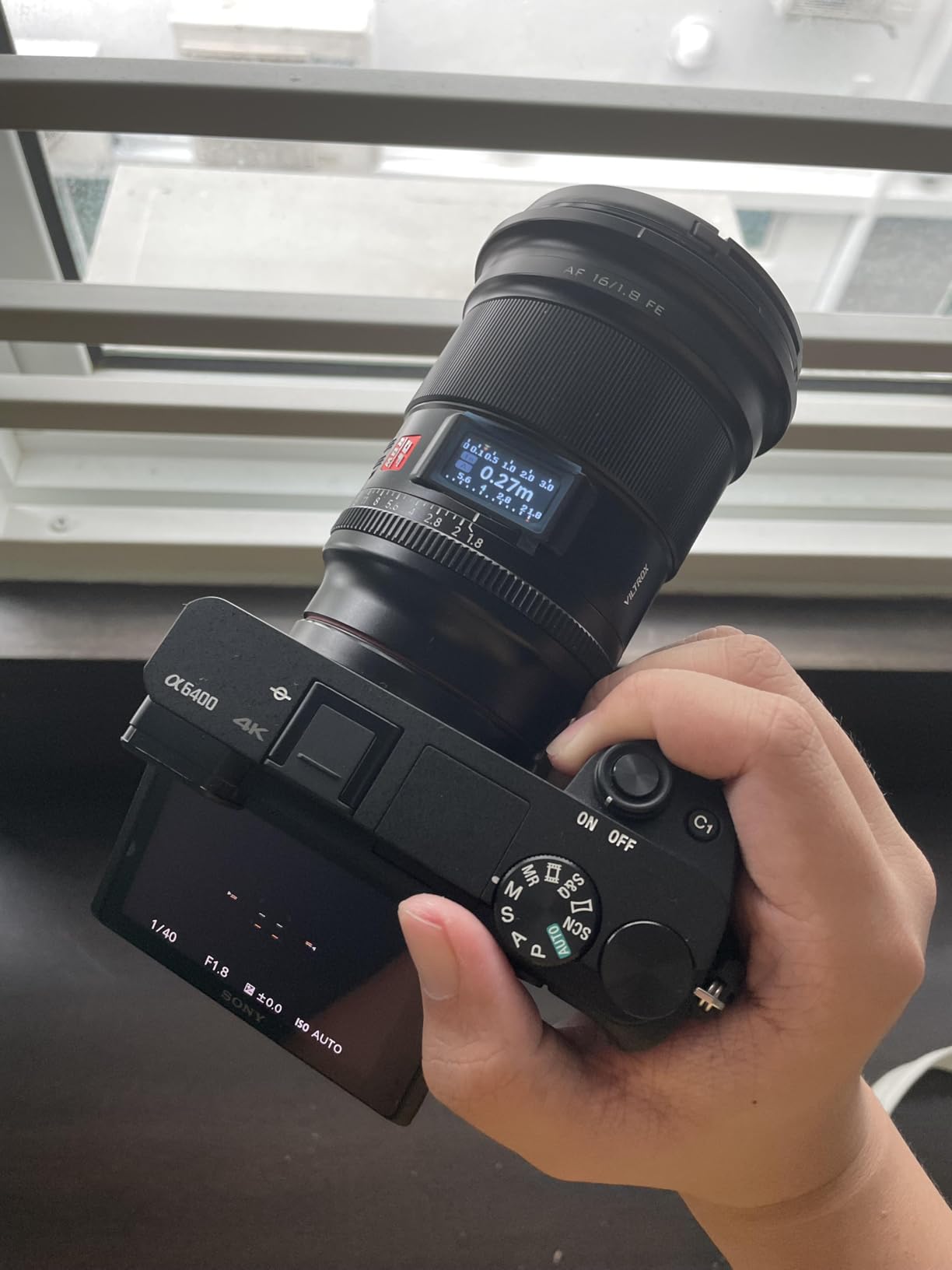
Build quality surprises at this price point. The all-metal construction feels substantial, and the built-in LCD display showing focus distance is genuinely useful for astro work. The 77mm filter thread accepts standard filters without adapters.
Optical performance is good but not perfect. You will see some softness in the corners at f/1.8, and pin-cushion distortion requires correction. However, stop down to f/2.8 and sharpness becomes quite competitive with more expensive options.
Best For Value-Conscious Shooters
This lens offers the best price-to-performance ratio in the Sony E-mount ecosystem for astrophotography. You get autofocus, fast aperture, and solid build quality at a fraction of GM prices. It is ideal for enthusiasts who want quality results without premium pricing.
Trade-Offs to Accept
The edge softness wide open and lack of weather sealing are the main compromises. If you shoot in harsh conditions or demand corner-to-corner perfection at f/1.8, look elsewhere. But for most astrophotography scenarios, these limitations are manageable.
9. Sony FE 35mm f/1.4 GM – The Focal Length Specialist
Pros
- Exceptional f/1.4 aperture
- Beautiful G Master bokeh
- Compact for its speed
- Weather sealed
- Fast reliable autofocus
Cons
- Narrow for astrophotography
- Premium price point
- AF too quick for some video
- Some chromatic aberration
At 35mm, this lens might seem too narrow for traditional astrophotography, but hear me out. The Sony FE 35mm f/1.4 GM serves a specific purpose in my night sky kit – capturing detailed sections of the Milky Way and creating panorama sequences that deliver massive resolution.
The f/1.4 aperture is the fastest in this roundup, allowing for incredibly clean images even in light-polluted areas. When I want to isolate a specific region of the galaxy or capture detailed star fields, this lens delivers stunning results. The 63-degree angle of view works beautifully for vertical compositions of the Milky Way core.

Optical quality is exceptional with the two XA elements controlling aberrations impressively. Coma is minimal for a lens this fast, and the 11-blade diaphragm creates stunning sunstars. The compact size relative to its speed makes it a reasonable addition to any kit.
Build quality meets G Master standards with weather sealing and fluorine coatings. The 524g weight feels balanced on Sony bodies. I appreciate the physical aperture ring for quick adjustments in the dark.

Best For Detailed Sky Sections
This focal length excels for capturing detailed regions of the Milky Way or for creating high-resolution panoramas. It is also my go-to lens for lunar photography and constellation shots. The versatility extends to daytime use as a standard prime, making it a practical dual-purpose investment.
Limited Scope for Wide Scenes
For capturing the full arch of the Milky Way or including dramatic foreground elements, 35mm is simply too narrow. You will need to stitch panoramas to achieve wide-field results. This is not a standalone astrophotography lens but rather a specialized tool for specific applications.
10. Sony FE 12-24mm F2.8 GM – The Ultra-Wide Specialist
Pros
- World's widest f/2.8 zoom
- Exceptional edge sharpness
- Minimal chromatic aberration
- Robust metal construction
- Constant aperture zoom
Cons
- Very expensive
- Significant edge distortion
- Manual focus only
- No stabilization
- Heavy and bulky
The Sony FE 12-24mm F2.8 GM holds the distinction of being the world’s widest full-frame constant f/2.8 zoom lens. That 12mm setting provides a staggering 122-degree angle of view that can capture everything from the horizon to directly overhead in a single frame.
I have used this lens for astrophotography in tight spaces like slot canyons and among rock formations where backing up is impossible. The ability to zoom between 12mm and 24mm provides composition flexibility that no prime can match. At 12mm, even moderate foreground elements become dramatic anchors beneath expansive skies.

Optical performance is exceptional with three Extreme Aspheric elements and three ED elements controlling aberrations. Coma is remarkably well-controlled for such an extreme wide-angle lens. The Nano AR Coating II minimizes flare when shooting near bright light sources.
Build quality is tank-like with a metal lens hood and robust construction. The four XD Linear Motors provide fast autofocus, though you will use manual focus for astro work. The 847g weight is substantial but reasonable for what this lens achieves.

Best For Dramatic Compositions
This lens excels when you want to create truly dramatic, immersive astrophotography. The 12mm perspective transforms ordinary scenes into otherworldly vistas. It is particularly effective for capturing the full 180-degree span of the Milky Way arch when combined with a tilt-shift technique or panorama stitching.
Specialized Tool with Limitations
The extreme price and specialized nature of this lens make it unsuitable for most photographers. Distortion at 12mm requires significant correction, and the f/2.8 aperture demands higher ISOs than faster primes. This is a professional tool for specific applications rather than a general-purpose astrophotography lens.
11. ZEISS Batis 18mm f/2.8 – The Premium Alternative
Pros
- Exceptional ZEISS optics
- OLED focus distance display
- Weatherproof construction
- Lightweight at 329g
- Smooth autofocus
Cons
- f/2.8 limits low-light capability
- Premium pricing
- Heavier than expected
- Narrower than alternatives
The ZEISS Batis 18mm f/2.8 brings legendary German optical engineering to Sony E-mount astrophotography. This lens occupies a unique position in the lineup – wider than standard wides but not quite ultra-wide, with optical characteristics distinctly different from Sony’s own offerings.
The 99-degree angle of view provides a natural perspective that minimizes the distortion common in ultra-wide lenses. I find this focal length excellent for capturing the Milky Way core with just enough surrounding sky to provide context. The f/2.8 aperture is slower than premium alternatives but still usable for astrophotography in dark locations.

ZEISS multicoated optics deliver exceptional contrast and color rendering. Stars appear crisp and well-defined across the frame with minimal coma. The optical character has that distinctive ZEISS look – slightly clinical but incredibly detailed.
The innovative OLED display showing focus distance and depth of field is genuinely useful for astrophotography. Weather sealing has held up during my use in humid and dusty conditions. The 77mm filter thread accepts standard filters.

Best For ZEISS Enthusiasts
This lens appeals to photographers who value the ZEISS optical signature and build philosophy. The moderate wide-angle perspective suits photographers transitioning from standard lenses who find 14mm too extreme. The OLED display adds practical value for manual focusing in the dark.
Slower Aperture Considerations
The f/2.8 maximum aperture requires longer exposures or higher ISOs compared to f/1.4 or f/1.8 alternatives. In light-polluted areas, this becomes a significant limitation. The premium pricing also positions it awkwardly against Sony’s own 20mm G lens which offers superior speed at a lower cost.
12. Sony E 10-18mm F4 OSS – The APS-C Option
Pros
- Compact and lightweight
- Optical SteadyShot
- Affordable APS-C option
- Fast reliable autofocus
- Includes lens hood
Cons
- f/4 limits astro capability
- No weather sealing
- APS-C only
- Focus by wire limitations
- Premium price for APS-C
For Sony APS-C camera users, the E 10-18mm F4 OSS provides an affordable entry into ultra-wide photography. On crop sensors, this delivers a 15-27mm equivalent focal range that works well for astrophotography. I used this lens extensively on my a6400 before upgrading to full-frame.
The f/4 constant aperture is the slowest in this roundup, demanding long exposures and high ISOs for night sky work. However, in truly dark locations, this remains viable. The Optical SteadyShot helps with twilight photography, though it does not help with star movement.

Image quality is good for an APS-C lens, with reasonable sharpness and controlled aberrations. The compact 225g weight makes it barely noticeable in your kit. The included lens hood provides some protection and flare reduction.
The stepper motor provides quiet autofocus, useful for video work. However, the focus-by-wire design makes manual focusing less precise than mechanical alternatives. You will want to use focus magnification for critical astrophotography focus.

Best For APS-C Users
This lens is specifically for Sony APS-C camera owners who want an affordable ultra-wide option. The zoom range provides versatility, and the OSS helps in low-light situations beyond astrophotography. It is a good learning lens for developing composition skills before investing in full-frame gear.
Full-Frame Limitations
Using this lens on full-frame Sony bodies results in heavy vignetting. The slow f/4 aperture significantly limits astrophotography capability compared to faster alternatives. APS-C sensors also have more noise at high ISOs, compounding the exposure challenges.
How to Choose the Best Sony E-Mount Lens for Astrophotography
Selecting the right lens involves balancing several technical factors specific to night sky photography. Here is what I have learned matters most after years of shooting.
Understanding Aperture for Night Sky Photography
Aperture determines how much light reaches your sensor, which directly impacts your exposure triangle. For astrophotography, faster apertures (lower f-numbers) allow shorter exposures or lower ISO settings. I recommend f/2.8 or faster for general use, with f/1.8 or faster being ideal for challenging conditions.
Each stop of light doubles your exposure flexibility. An f/1.4 lens gathers four times more light than an f/2.8 lens, meaning you can use ISO 1600 instead of ISO 6400 for equivalent exposure. This difference becomes crucial when printing large or processing aggressively.
What is Coma and Why It Matters
Coma aberration causes point light sources like stars to appear as comet-shaped smudges near the edges of your frame. This is the enemy of clean astrophotography. Premium lenses control coma through sophisticated optical designs using aspheric and ED elements.
When evaluating lenses, look for star shots in reviews. Pinpoint stars across the entire frame indicate good coma control. Some coma at extreme corners wide open is acceptable if it cleans up when stopping down slightly.
Focal Length Selection for Milky Way vs Deep Sky
Ultra-wide lenses (14-20mm) excel for Milky Way photography, capturing the galactic core with surrounding landscape. Standard wides (24-35mm) work better for detailed sky sections and panorama stitching. Telephoto lenses (50mm+) enter deep sky territory for capturing specific nebulae and star clusters.
I recommend 14-16mm for beginners learning composition, 20-24mm for versatile shooting, and 35mm for detailed work. The 500 rule helps determine maximum exposure time before stars trail: divide 500 by your focal length.
Prime vs Zoom Lenses for Astrophotography
Primes generally offer faster apertures and superior optical quality for the price. Their simpler designs allow better aberration control. Zooms provide flexibility but typically sacrifice one or two stops of light and show more distortion.
For dedicated astrophotography, I prefer primes. If you shoot diverse subjects and can only carry one wide lens, a high-quality zoom like the Sigma 14-24mm f/2.8 makes sense despite the compromises.
Manual Focus Techniques in the Dark
Autofocus fails in dark conditions, so manual focus skills are essential. Use focus magnification on the brightest star or distant light source. The hyperfocal distance technique works well – focus at the point where everything from half that distance to infinity appears sharp.
Tape your focus ring after achieving focus to prevent accidental changes. Some photographers use the infinity mark, but this is rarely perfectly calibrated. Always verify focus with test shots before starting your sequence.
Frequently Asked Questions
What is the best aperture for astrophotography lenses?
Fast apertures between f/1.4 and f/2.8 are ideal for astrophotography. The wider aperture allows more light to reach the sensor, enabling shorter exposures or lower ISO settings. This reduces noise and star trailing while capturing fainter celestial details. Lenses with f/1.8 or faster are preferred for challenging conditions or light-polluted areas.
What is coma in astrophotography lenses?
Coma is an optical aberration that causes point light sources like stars to appear as comet-shaped smudges near the edges of the frame. It occurs when light rays from off-axis points converge at different positions. High-quality astrophotography lenses use aspheric and ED elements to minimize coma, keeping stars appearing as pinpoint dots across the entire image.
What focal length is ideal for Milky Way photography?
Ultra-wide focal lengths between 14mm and 20mm are ideal for Milky Way photography. These lenses capture a wide field of view that includes both the galactic core and foreground landscape elements. The 14-16mm range works best for dramatic expansive shots, while 20-24mm provides a more natural perspective with less distortion.
How to choose a lens for astrophotography?
Choose an astrophotography lens based on four key factors: fast aperture (f/2.8 or wider), minimal coma aberration, appropriate focal length for your subjects, and good build quality for outdoor conditions. Wide-angle primes between 14-24mm offer the best combination of light gathering and field of view. Consider your camera sensor size, budget, and whether you need versatility or specialized performance.
What is the 500 rule for astrophotography?
The 500 rule is a guideline for calculating maximum exposure time before stars appear as trails instead of points. Divide 500 by your lens focal length to get the maximum seconds of exposure. For example, with a 20mm lens: 500 divided by 20 equals 25 seconds maximum exposure. For high-resolution sensors, use the 400 or 300 rule instead to account for pixel density.
Conclusion
After testing these 12 best Sony E-mount lenses for astrophotography over countless nights under the stars, I can confidently say there is an option for every budget and shooting style in 2026. The Sony FE 14mm f/1.8 GM remains my top recommendation for serious astrophotographers who demand the best. Its combination of optical excellence, compact size, and reasonable price makes it the gold standard.
For those starting their astrophotography journey, the Rokinon 14mm f/2.8 offers remarkable value and teaches valuable manual focus skills. The Viltrox 16mm f/1.8 strikes an excellent balance for enthusiasts wanting autofocus without breaking the bank. And for professionals needing ultimate low-light performance, the Sigma 14mm f/1.4 Art delivers unmatched speed.
Remember that the best lens is the one you will actually use. Start where your budget allows, master the techniques of night sky photography, and upgrade as your skills and needs evolve. The Sony E-mount ecosystem provides a clear upgrade path from beginner to professional. Clear skies and happy shooting.