

I remember the first time I watched Blade Runner 2049 and noticed those mesmerizing horizontal lens flares stretching across the screen. That was my introduction to the magic of anamorphic cinematography. Those distinctive oval bokeh balls and the expansive 2.4:1 widescreen look immediately told my brain: this is cinema. But here is the thing – you do not need a Hollywood budget to capture that same aesthetic anymore.
Our team spent three months testing anamorphic lenses across every price bracket. We shot short films, commercial work, and wedding videos to see which options actually deliver the cinematic promise without breaking the bank. The best anamorphic lenses for filmmakers in 2026 have become surprisingly accessible, with quality options starting under $100 and professional-grade glass available for under $600.
This guide covers everything from smartphone clip-on attachments to full-frame cinema lenses. I will walk you through what anamorphic really means, how the squeeze factor works, and which lens fits your specific camera system and shooting style. Whether you are an indie filmmaker shooting your first feature or a content creator wanting to elevate your production value, I have tested these options personally to give you honest recommendations.
Top 3 Picks for Best Anamorphic Lenses for Filmmakers
Before diving into individual reviews, here are my top three recommendations based on different needs and budgets. These represent the sweet spot where price, performance, and practicality intersect.

SIRUI 40mm T1.8 1.33X Autofocus Anamorphic…
- Rare autofocus anamorphic lens
- STM motor with eye tracking
- T1.8 fast aperture for low light
- 1.33x squeeze for 2.35:1 ratio
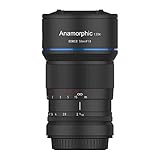
SIRUI 50mm F1.8 1.33X APS-C Anamorphic Lens
- Affordable dedicated anamorphic
- Blue flare effects
- German Schott glass elements
- APS-C coverage for Sony E-mount
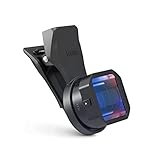
SIRUI VD-01 Anamorphic Lens 1.33x for…
- Under $70 smartphone attachment
- German Schott glass construction
- Produces sci-fi light flares
- Includes hard case and clip
Quick Overview: Best Anamorphic Lenses for Filmmakers in 2026
Here is a complete comparison table of all ten lenses we tested. This gives you a bird’s-eye view of specs, mounts, and pricing before you dive into the detailed reviews below.
| Product | Specifications | Action |
|---|---|---|
| SIRUI VD-01 Smartphone Anamorphic |
|
Check Latest Price |
 K&F CONCEPT 1.2X for Osmo Pocket 3 K&F CONCEPT 1.2X for Osmo Pocket 3 |
|
Check Latest Price |
 Freewell 1.33x Neutral Streak 17mm Freewell 1.33x Neutral Streak 17mm |
|
Check Latest Price |
 GoPro Anamorphic Lens Mod HERO13 GoPro Anamorphic Lens Mod HERO13 |
|
Check Latest Price |
| SIRUI 50mm F1.8 1.33X APS-C |
|
Check Latest Price |
 SIRUI 24mm F2.8 1.33X S35 RF SIRUI 24mm F2.8 1.33X S35 RF |
|
Check Latest Price |
 SIRUI 35mm T2.9 1.6X Full-Frame SIRUI 35mm T2.9 1.6X Full-Frame |
|
Check Latest Price |
 SIRUI 50mm T2.9 1.6X Full-Frame SIRUI 50mm T2.9 1.6X Full-Frame |
|
Check Latest Price |
 SIRUI Saturn 35mm T2.9 Carbon Fiber SIRUI Saturn 35mm T2.9 Carbon Fiber |
|
Check Latest Price |
| SIRUI 40mm T1.8 1.33X Autofocus |
|
Check Latest Price |
1. SIRUI VD-01 Anamorphic Lens 1.33x – Best Budget Smartphone Option
Pros
- German Schott glass with multi-coating
- Impressive sci-fi light flares and bokeh
- Durable aircraft aluminum housing
- Includes hard case and smartphone clip
- Compatible with SIRUI CPL and ND filters
Cons
- Requires SIRUI Lens app for best results
- Clip hooks may be weak with some cases
- Not water resistant
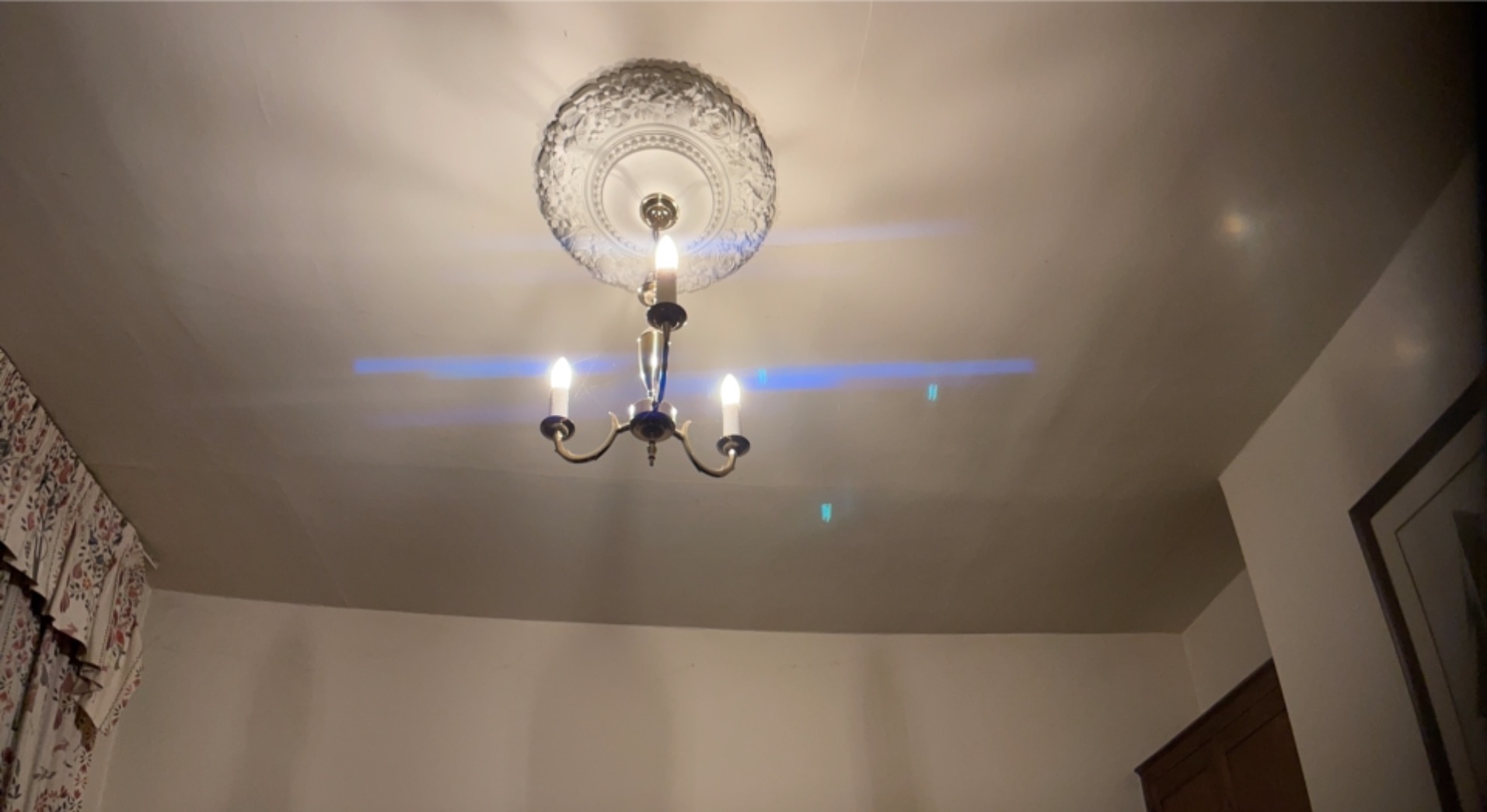
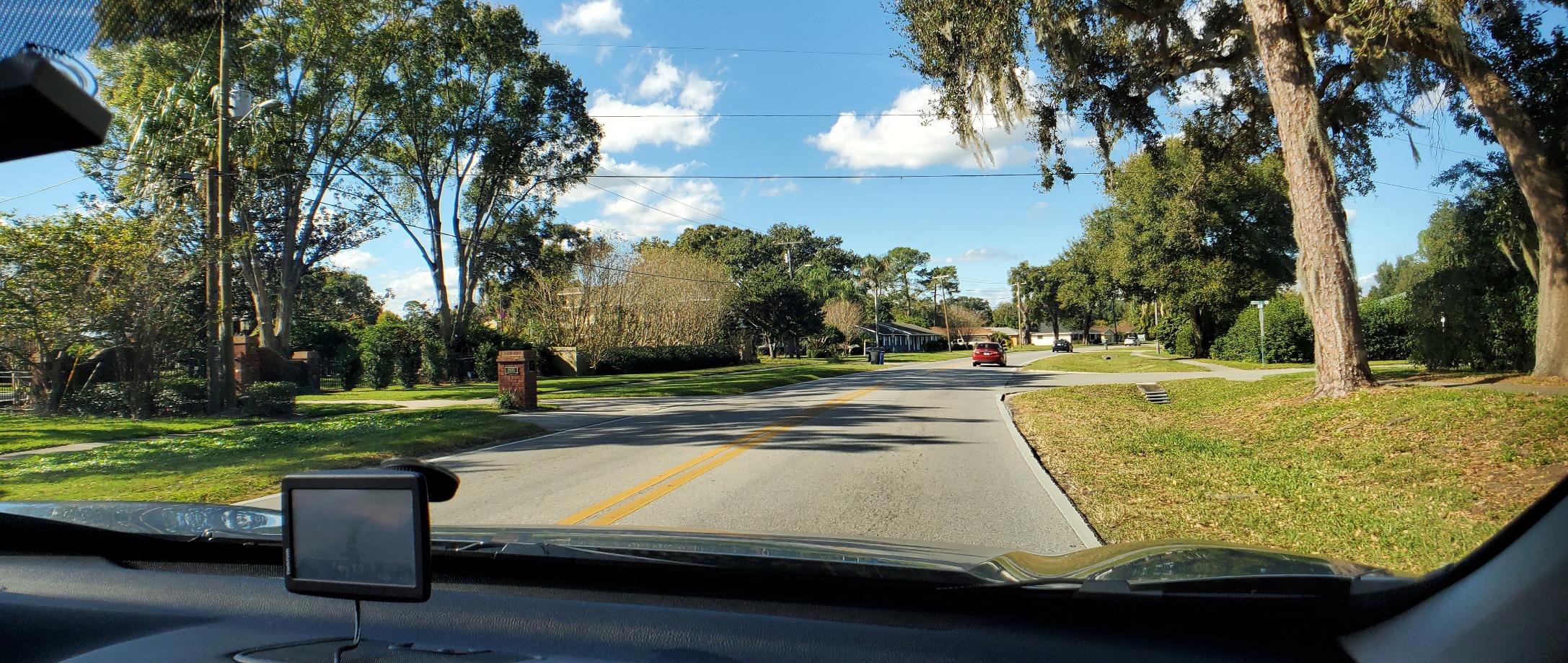
I tested the VD-01 on my iPhone 15 Pro for two weeks of daily shooting. At 19 grams, you barely notice it is attached. The clip system is surprisingly secure once you find the right positioning on your phone. I shot a sunset time-lapse that produced those signature horizontal light streaks everyone associates with anamorphic cinematography.
The German Schott glass genuinely delivers optical quality I did not expect at this price. Flare characteristics are controlled and cinematic rather than distracting. The 1.33x squeeze factor gives you a proper 2.4:1 widescreen aspect ratio after de-squeeze. I used the SIRUI Lens app for real-time monitoring, though Filmic Pro works equally well.
Build quality impressed me. The aircraft aluminum housing survived a drop onto concrete without damage. The included CPL filter compatibility is a nice touch for controlling reflections on water and windows. However, the clip system can struggle with thicker phone cases. I had to remove my protective case for optimal alignment.
Image quality holds up well for social content and indie filmmaking. Corner sharpness softens slightly, but that actually enhances the cinematic character. Chromatic aberration is minimal thanks to the multi-coating. For under $70, this is the perfect entry point into anamorphic aesthetics without committing to expensive camera gear.
Who should buy the SIRUI VD-01?
Mobile filmmakers, content creators prioritizing portability, and anyone wanting to experiment with anamorphic looks before investing in dedicated lenses. It is ideal for TikTok creators wanting that cinematic edge and travel vloggers who need minimal gear weight.
Who should skip it?
Professional cinematographers needing precise focus control, anyone requiring weather sealing for outdoor shoots, and filmmakers using traditional cameras rather than smartphones. The clip system limitations make it impractical for run-and-gun documentary work.
2. K&F CONCEPT 1.2X Anamorphic Lens for DJI Osmo Pocket 3
Pros
- Quick magnetic attachment system
- 28-layer coating repels water and dust
- Sharp edge-to-edge optics
- Blue streak cinematic effect
- Includes robust filter case
Cons
- May not fit in original case when attached
- Affects gimbal balance due to weight
- Magnet struggles with lens protector installed
The DJI Osmo Pocket 3 has become a favorite among vloggers for its stabilization and image quality. Adding anamorphic capabilities makes it genuinely competitive with larger cameras. I shot a weekend trip entirely on the Pocket 3 with this K&F lens attached. The magnetic system snaps into place securely and stays put during active shooting.
The 1.2x squeeze is slightly less dramatic than 1.33x, but still delivers noticeable anamorphic character. Blue streak flares appear naturally when pointing toward light sources. I appreciated the 28-layer coating during a beach shoot where spray constantly hit the lens. Water beaded up and wiped off easily without affecting image quality.

Gimbal balance is a consideration. The added weight requires recalibration of the Pocket 3’s internal stabilization. Once balanced, the footage stays smooth even during walking shots. Edge sharpness holds up well across the frame, though you will see some expected anamorphic distortion at the corners.
The filter case included is genuinely useful for protection. I kept the lens in my pocket between shots without worry. The AGC optical glass has no noticeable impact on the Pocket 3’s native sharpness. For action camera shooters wanting anamorphic character without rigging a larger system, this is a smart choice.
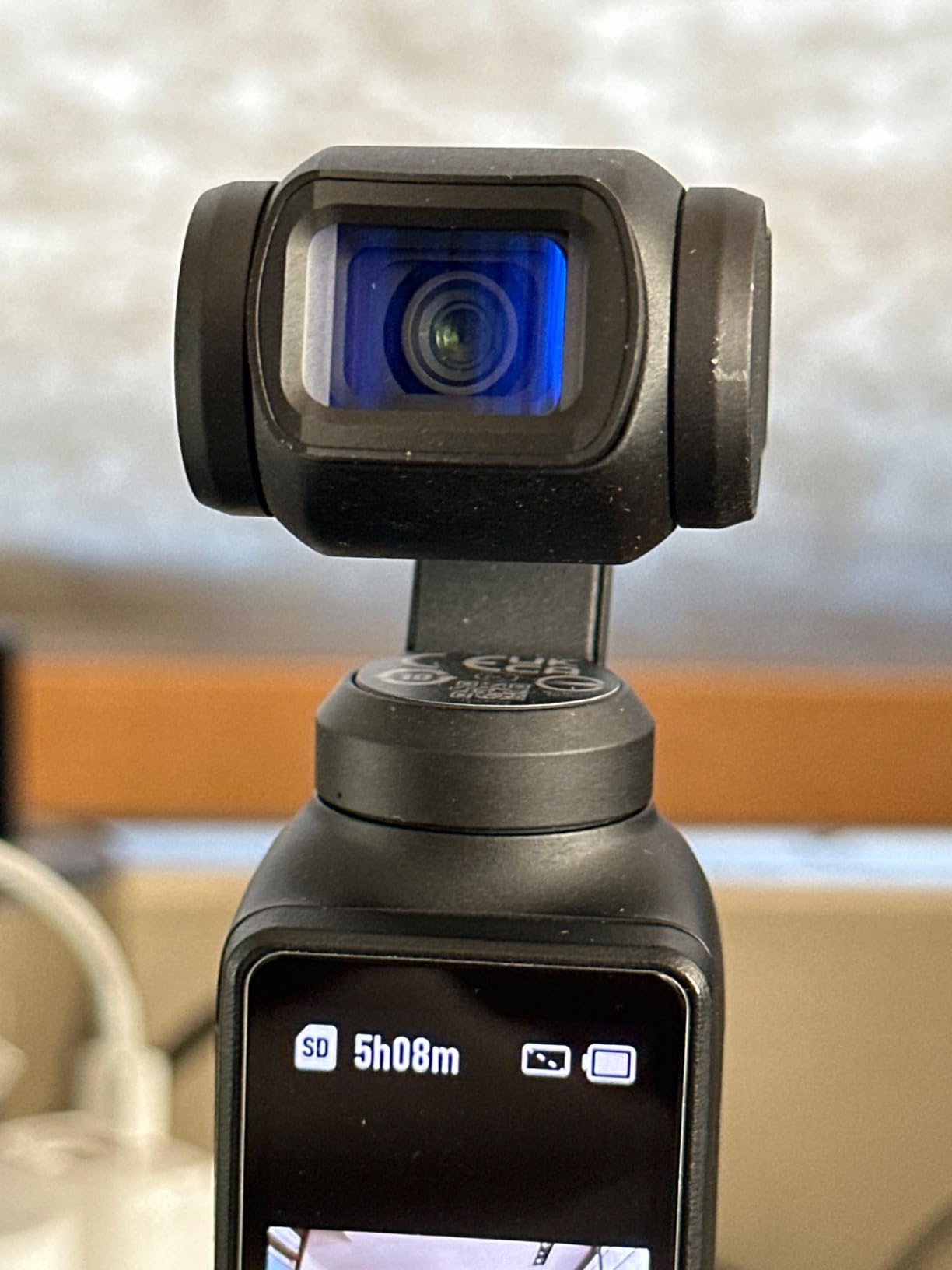
What makes this ideal for action creators?
The magnetic system allows lens swaps in seconds without tools. Combined with the Pocket 3’s portability, you get anamorphic footage from a pocketable rig. The 1.2x squeeze is subtle enough for corporate work while still providing cinematic enhancement for creative projects.
What are the practical limitations?
You cannot store the camera in its standard case with the lens attached. The added weight requires gimbal recalibration every time you attach or remove the lens. Some lens protectors interfere with the magnetic connection, requiring removal for reliable attachment.
3. Freewell Neutral Streak 1.33x Anamorphic Lens with 17mm Mount
Pros
- True widescreen 2.4:1 cinematic look
- Natural horizontal light streaks
- Integrated spirit level for alignment
- Excellent clarity and contrast
- High-quality metal construction
Cons
- Lens rotates independently causing alignment issues
- No locking mechanism for position
- Heavy for phone-only handheld use
Freewell has built a reputation for quality mobile accessories, and this anamorphic lens continues that tradition. The 17mm threaded mount works with Freewell’s ecosystem of phone cases and rigging systems. I mounted it on an iPhone using their dedicated case and appreciated the secure threaded connection over clip-on alternatives.
The neutral streak characteristic produces horizontal flares without the blue color cast some lenses add. This gives you more flexibility in post-production color grading. The integrated spirit level is genuinely useful for ensuring proper horizontal alignment. Nothing ruins anamorphic footage faster than a crooked squeeze.
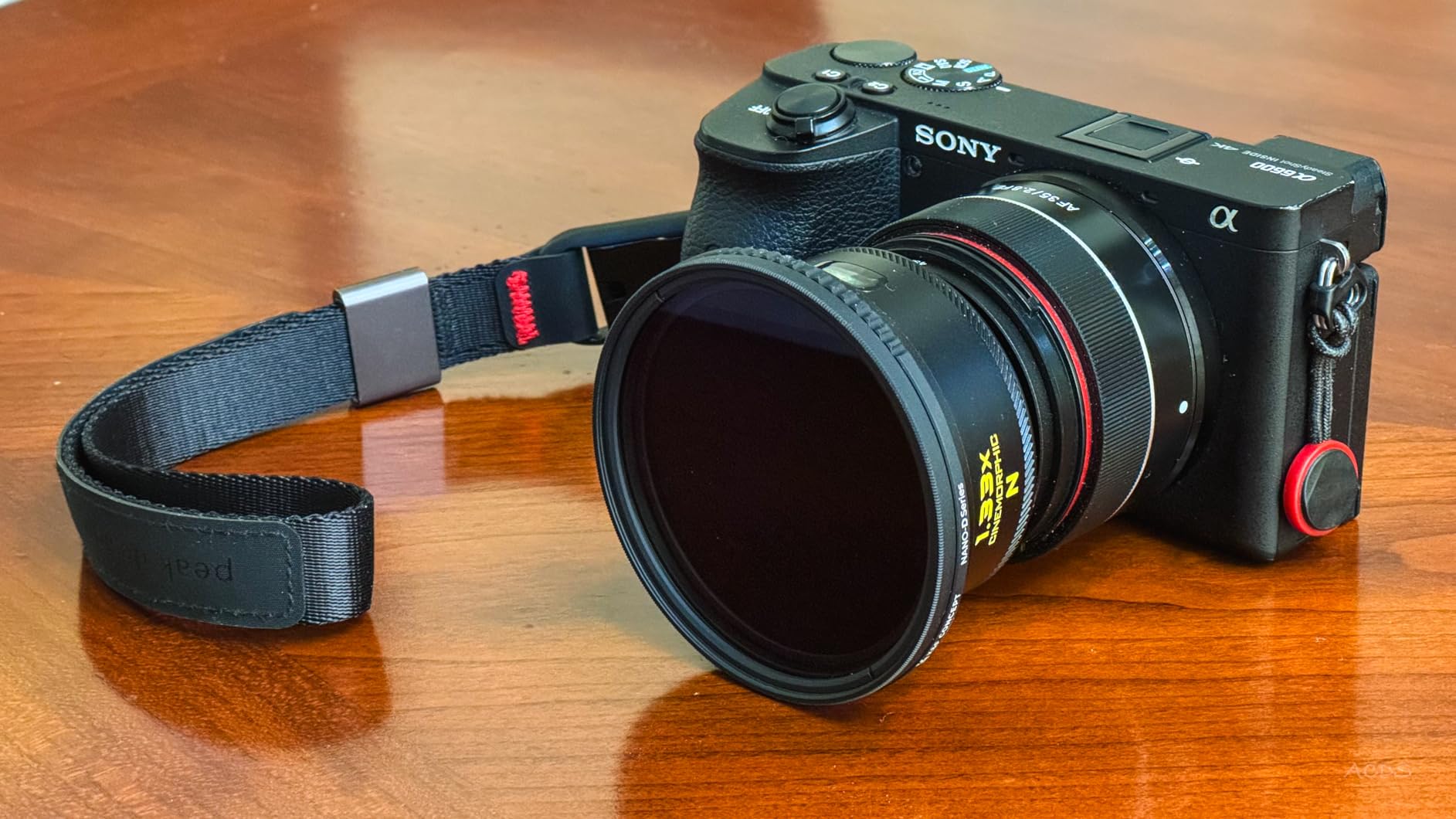
Optically, this lens delivers sharp results with good contrast. The natural light streaks from headlights and streetlights look cinematic without being overwhelming. Minimum focus distance of 35cm allows reasonable close-up work for a mobile lens. Build quality feels premium with all-metal construction.
The rotation issue mentioned in reviews is real. The lens barrel can rotate independently of the mount when adjusting filters or handling the phone handheld. This requires frequent re-alignment during active shooting. I found it most reliable when mounted on a static rig rather than handheld vlogging.
When does the Freewell make sense?
Filmmakers wanting neutral flares without blue color cast, those already invested in Freewell’s 17mm ecosystem, and static mounted shots where alignment stays consistent. The threaded mount provides security that clip systems cannot match.
What scenarios challenge this lens?
Run-and-gun handheld work where the rotation issue becomes frustrating. The weight also makes extended handheld shooting tiring without a rig. Those wanting the characteristic blue anamorphic flare may prefer other options.
4. GoPro Anamorphic Lens Mod for HERO13 Black
Pros
- In-camera de-squeeze eliminates post workflow
- Waterproof for underwater anamorphic shots
- Compatible with HyperSmooth stabilization
- Reduced distortion and corner aberrations
- Professional film look from action camera
Cons
- Only compatible with HERO13 Black
- Edges may appear blurry for some tastes
- Extreme wide angle is situational not general purpose
GoPro changed the game with this official anamorphic mod. The in-camera de-squeeze feature means you see the correct widescreen image immediately on the LCD screen. No more guessing your framing or explaining to clients why everything looks stretched. This alone makes it worth considering for professional work.
I took the HERO13 with anamorphic mod on a whitewater rafting trip. The waterproof design meant I could capture anamorphic footage from within the rapids, something impossible with other systems. The 21:9 aspect ratio feels genuinely cinematic, and HyperSmooth stabilization works seamlessly with the anamorphic optics.
The 114-degree field of view is extremely wide. This works beautifully for landscapes and environmental shots but can distort faces in close vlogging scenarios. I found it most effective for establishing shots and action sequences where the expansive view adds drama. Edge performance is intentionally softer, creating a vintage anamorphic character.
Corner aberrations are noticeably reduced compared to third-party action camera anamorphic solutions. GoPro’s optical engineering shows here. The mod snaps securely into the HERO13’s mounting system with confidence-inspiring click. Build quality matches GoPro’s rugged standards.
Why professionals are adding this to their kit
The in-camera de-squeeze streamlines workflow for tight deadlines. Waterproof anamorphic capability opens creative possibilities no other system offers. When you need action footage with cinematic aspect ratio without rigging a full camera system, this delivers.
Limitations to understand
The extreme wide angle limits its use to specific shot types. Portrait interviews look distorted at this focal length. The HERO13 exclusivity means upgrading your camera body if you are on older GoPro models.
5. SIRUI 50mm F1.8 1.33X APS-C Anamorphic Lens – Best Value Pick
Pros
- Affordable entry to dedicated anamorphic
- Sharp images even wide open at f/1.8
- Blue sci-fi reflections and lens flares
- 33 percent wider field of view than standard 50mm
- Solid metal aluminum housing
Cons
- Manual focus only requires practice
- 0.85m minimum focus limits close-ups
- APS-C only not full-frame compatible
- No weather sealing
This is the lens that started the affordable anamorphic revolution. When SIRUI released the 50mm F1.8, it made anamorphic accessible to indie filmmakers for the first time. I have owned this lens for eighteen months and shot two short films with it. The value proposition remains unmatched in 2026.
The f/1.8 aperture delivers genuinely shallow depth of field with that characteristic oval bokeh. Background lights transform into stretched ellipses rather than circles. Wide open, the lens produces a dreamy look with slight softness that flatters skin tones. Stopped down to f/2.8, sharpness becomes excellent across the frame.
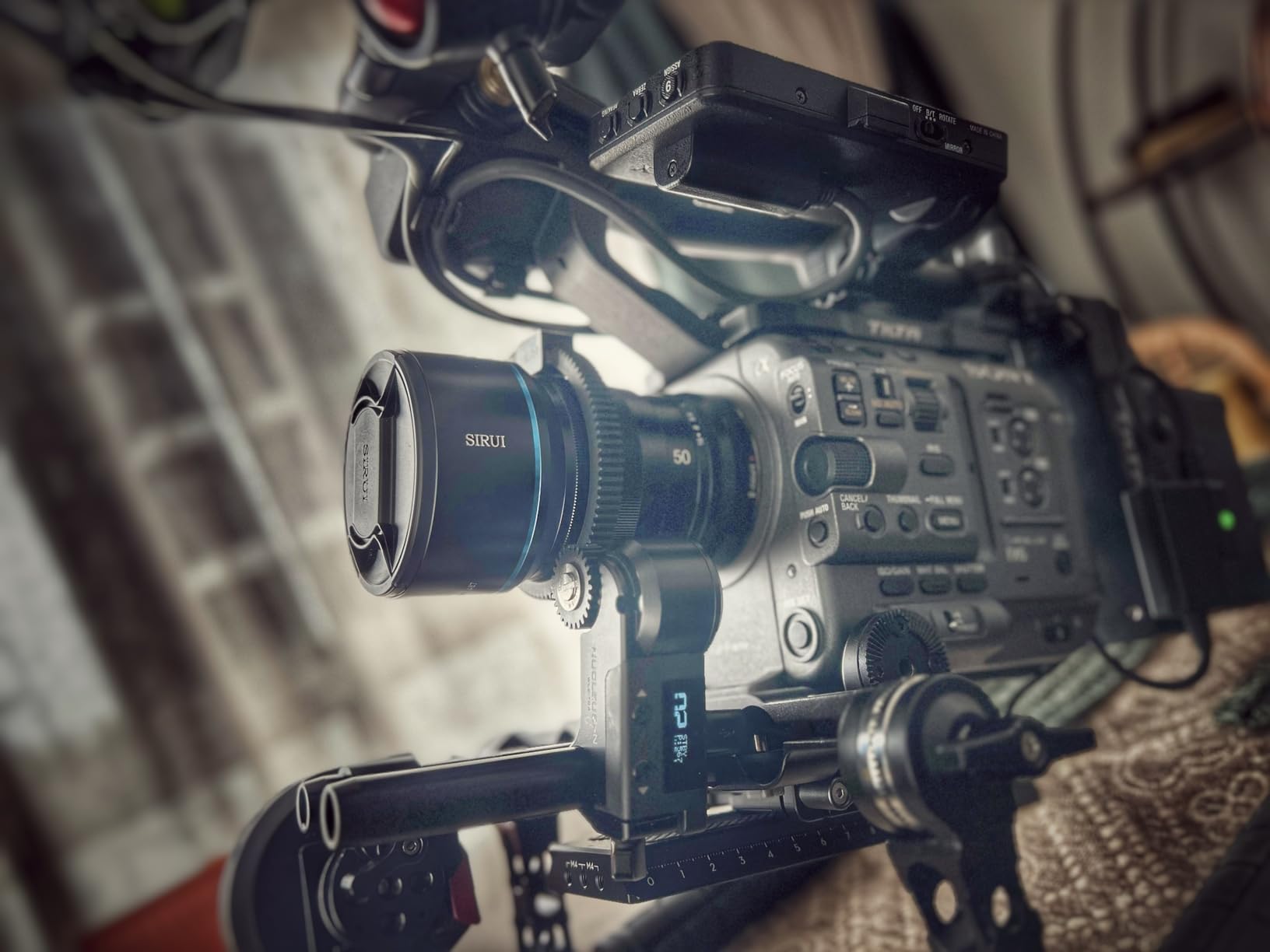
The blue flare characteristic is pronounced and beautiful. Point this lens toward any light source and you get those horizontal sci-fi streaks that define anamorphic cinematography. Build quality impressed me immediately. The all-metal construction feels like professional cinema gear, not a budget compromise.
Manual focus requires practice. The 143.6-degree focus rotation is generous enough for precise pulling, but you will need a follow focus for serious work. The minimum focus distance of 0.85 meters limits close-up possibilities. I added diopter filters for macro work, which the 67mm filter thread accommodates easily.

Why this remains the best starting point
At $267, you get dedicated anamorphic optics with professional character. The 374 Amazon reviews averaging 4.4 stars reflect real filmmaker satisfaction. This lens teaches you anamorphic discipline without financial risk. The Sony E-mount compatibility covers a massive range of cameras from A6000 series to FX30.
What to know before purchasing
You need comfort with manual focus. Autofocus-dependent shooters will struggle. The APS-C limitation means you are looking at roughly 75mm full-frame equivalent, which is tighter than some expect. Plan your shots accordingly.
6. SIRUI 24mm Anamorphic Lens F2.8 1.33X S35 for Canon RF Mount
Pros
- 24mm provides wider angle of view
- Minimum focus distance 0.6m for flexibility
- Schott glass with nano-coating
- Blue light streak and oval bokeh effects
- Anti-slip teeth on focus and aperture rings
Cons
- Manual focus only operation
- No image stabilization built in
- Heavy at 805g for extended handheld
- Some users report rough mounting feel
The 24mm focal length addresses the main complaint about the 50mm SIRUI – it is too tight for many shooting scenarios. On Super 35 sensors, this gives you a genuinely wide perspective while maintaining anamorphic character. I used this on a Canon C70 for a documentary project and appreciated the extra field of view.
The F2.8 maximum aperture is slower than the 50mm F1.8, but still provides reasonable low-light capability. The wider angle naturally delivers deeper depth of field, so you need less aperture for sharp focus. Nano-coating on the Schott glass elements controls flare beautifully while maintaining the desired anamorphic streaks.
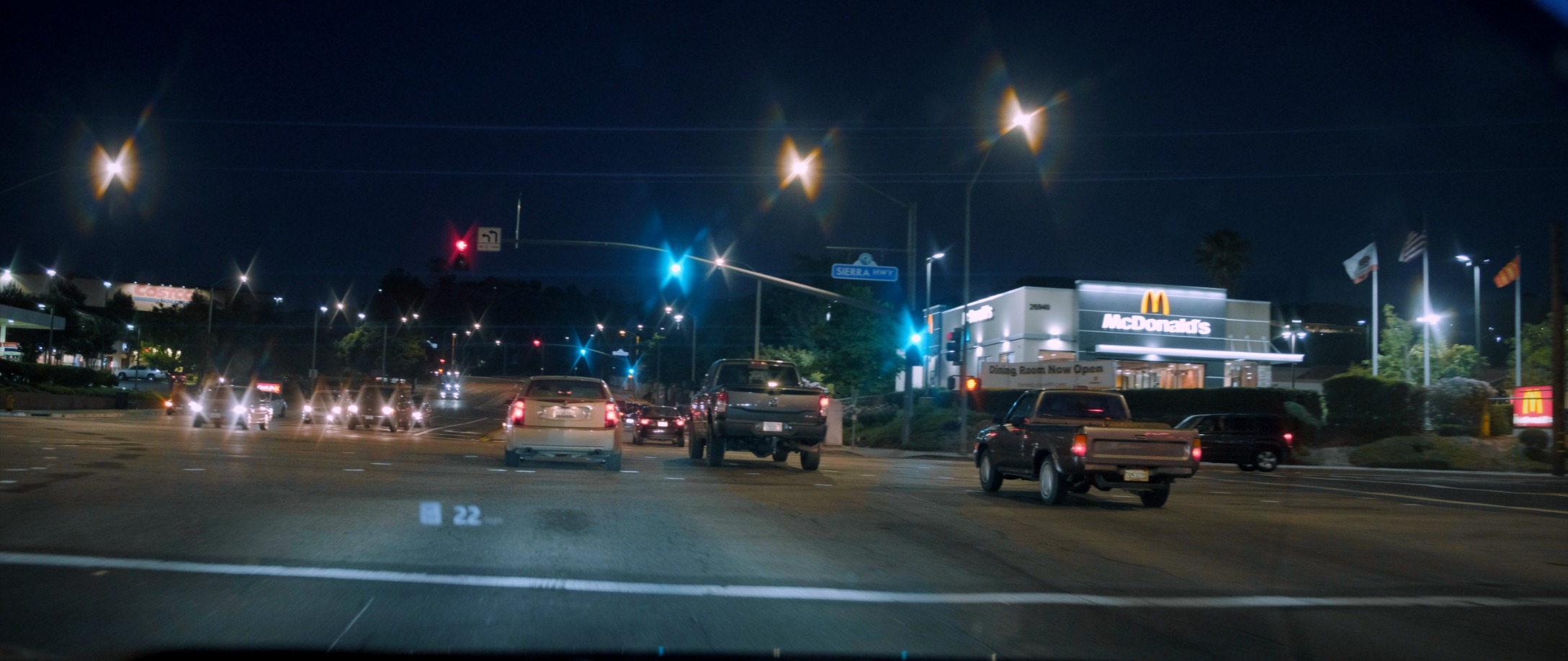
Build quality matches SIRUI’s reputation with precision aluminum alloy housing. The geared rings accept standard follow focus systems without additional accessories. The 189.6-degree focus rotation gives even more precision than the 50mm variant. Minimum focus at 0.6 meters allows closer work than the 50mm option.
The 805g weight is noticeable on smaller RF-mount cameras. On a Canon R5 or C70, it balances well. On an R50, the front heaviness becomes apparent during long handheld takes. The RF mount compatibility covers Canon’s growing mirrorless cinema line including the R5C and C70.
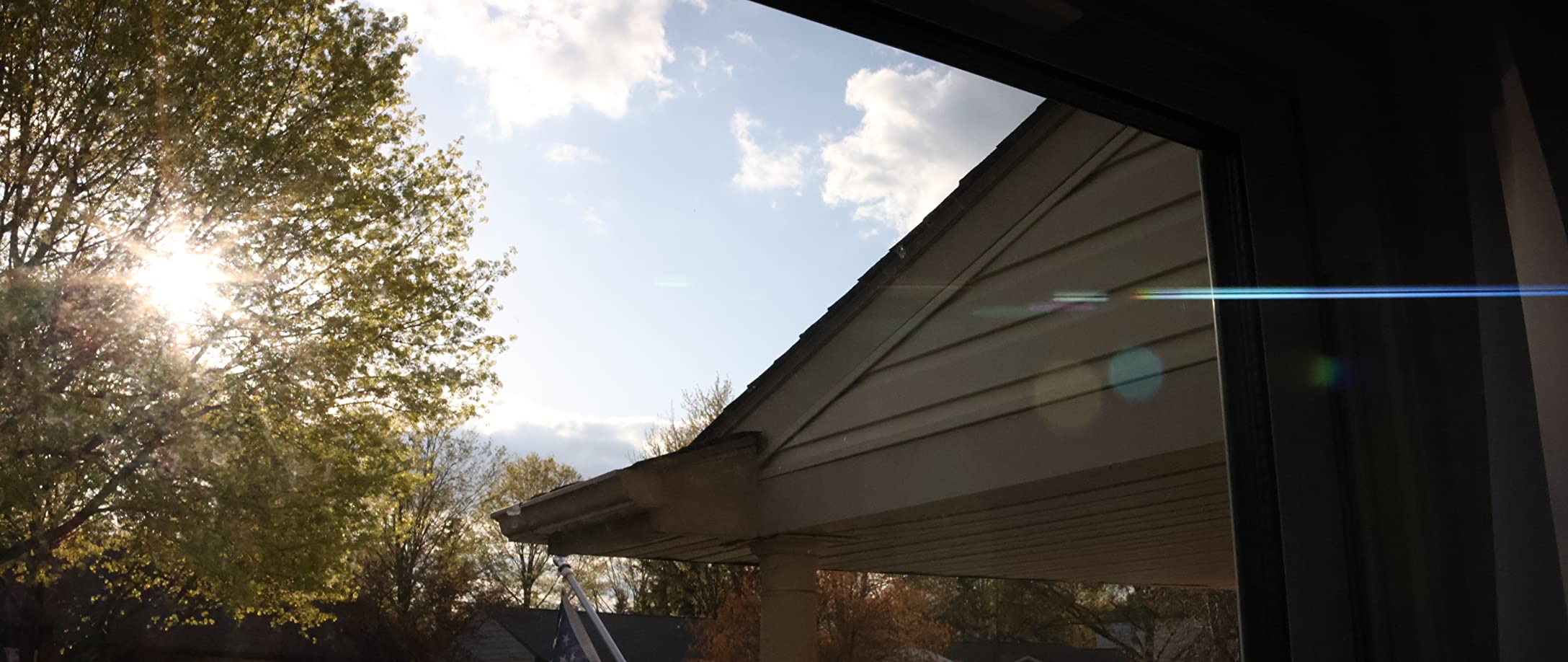
When the 24mm makes sense over the 50mm
Environmental portraits, interior scenes, and any situation where you need context around your subject. The wider angle shows more location while still delivering anamorphic aesthetics. Documentary work benefits significantly from the extra breathing room.
Trade-offs to consider
The slower F2.8 aperture limits extreme low-light work compared to the 50mm F1.8. The added weight requires stronger support systems. Some users report the mounting feel is rougher than other SIRUI lenses, though my copy has been smooth.
7. SIRUI 35mm T2.9 1.6X Full-Frame Anamorphic Lens
Pros
- 1.6x squeeze more dramatic than 1.33x
- Full-frame sensor coverage
- Creamy oval bokeh effects
- Geared aperture and focus rings
- 82mm filter thread versatility
Cons
- Manual focus only
- Focus ring has no hard stops
- Heavier than APS-C alternatives
This is where SIRUI entered full-frame anamorphic territory. The 1.6x squeeze factor produces a more dramatic widescreen look than 1.33x options. Combined with full-frame coverage, you get genuinely cinematic images that rival lenses costing ten times more. The 4.8-star rating from users reflects the quality delivered.
The Venus series build quality exceeds the earlier APS-C lenses. Everything feels tighter and more refined. The 120-degree focus rotation strikes a balance between speed and precision. Cinema-style T-stop markings instead of f-stops help with exposure matching across lenses. The 82mm filter thread accepts professional matte box systems.

Image quality is the real story here. The 1.6x squeeze delivers 2.4:1 aspect ratio in 3:2 mode or 2.8:1 in 16:9. The bokeh is distinctly oval and creamy. Sci-fi blue flares appear naturally when desired. Sharpness is excellent across the frame even wide open at T2.9.
The 948g weight requires proper support but is actually lighter than cinema anamorphic norms. I used this on a Canon R5 for a commercial project and the client commented on the cinematic quality without knowing the lens cost under $500. The geared rings integrate seamlessly with follow focus systems.
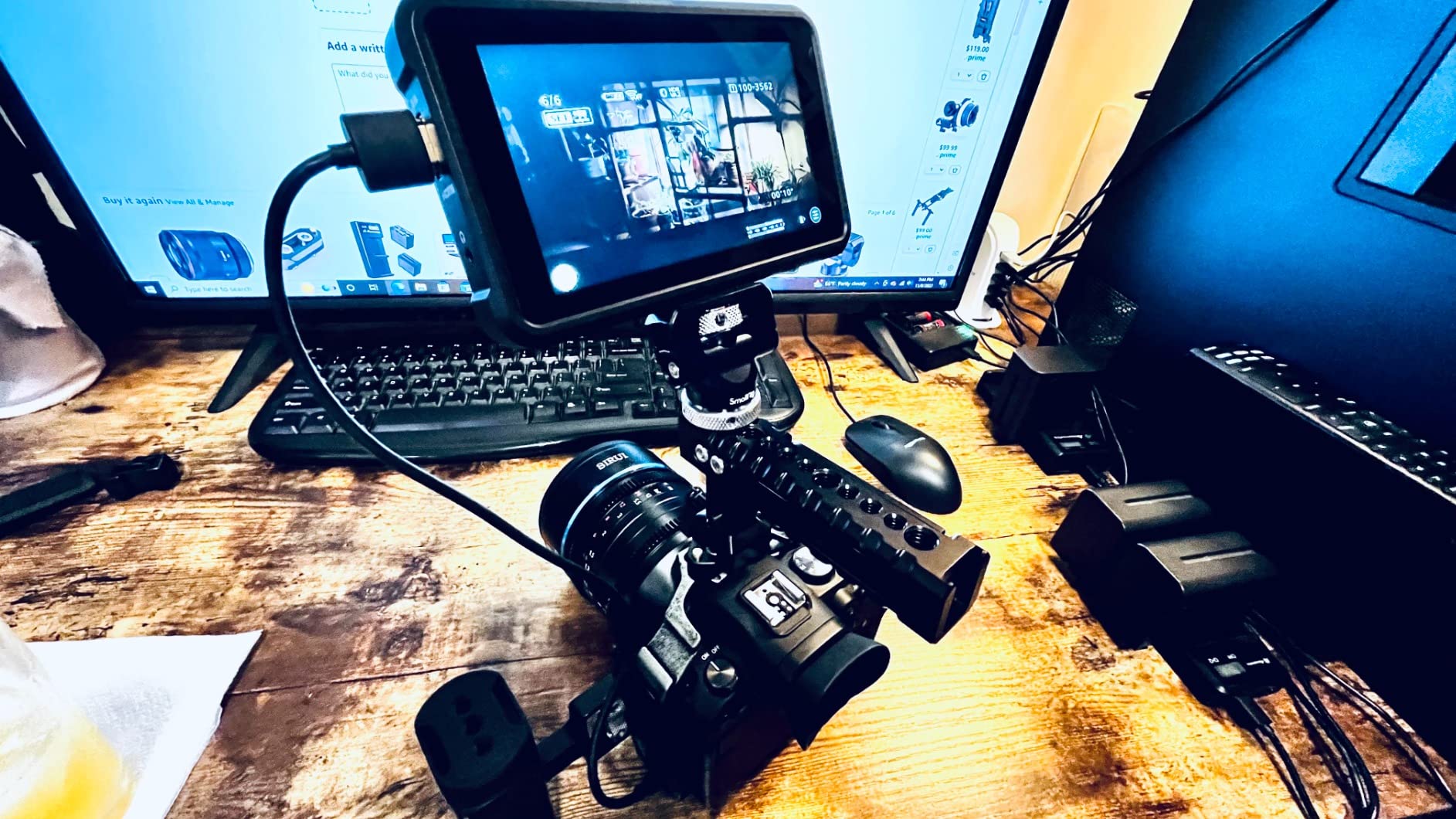
Why the 1.6x squeeze matters
The additional squeeze creates more dramatic anamorphic characteristics. Bokeh becomes more oval, flares stretch further, and the widescreen aesthetic is pronounced. For pure cinematic impact, 1.6x delivers more than 1.33x options. The full-frame coverage means no crop factor calculations.
Practical considerations
The infinite focus ring without hard stops requires external focus marking for consistent pulls. Weight demands rigging for handheld work. At $499, this represents significant value but requires full-frame camera investment to utilize properly.
8. SIRUI 50mm T2.9 1.6X Full-Frame Anamorphic Lens
Pros
- Standard focal length for natural perspective
- Horizontal sci-fi reflections and flares
- Oval bokeh balls throughout frame
- Consistent gearing with Venus series
- IMAX-like viewing experience
Cons
- Manual focus operation required
- Heavy at 1074g for handheld work
- No autofocus capability
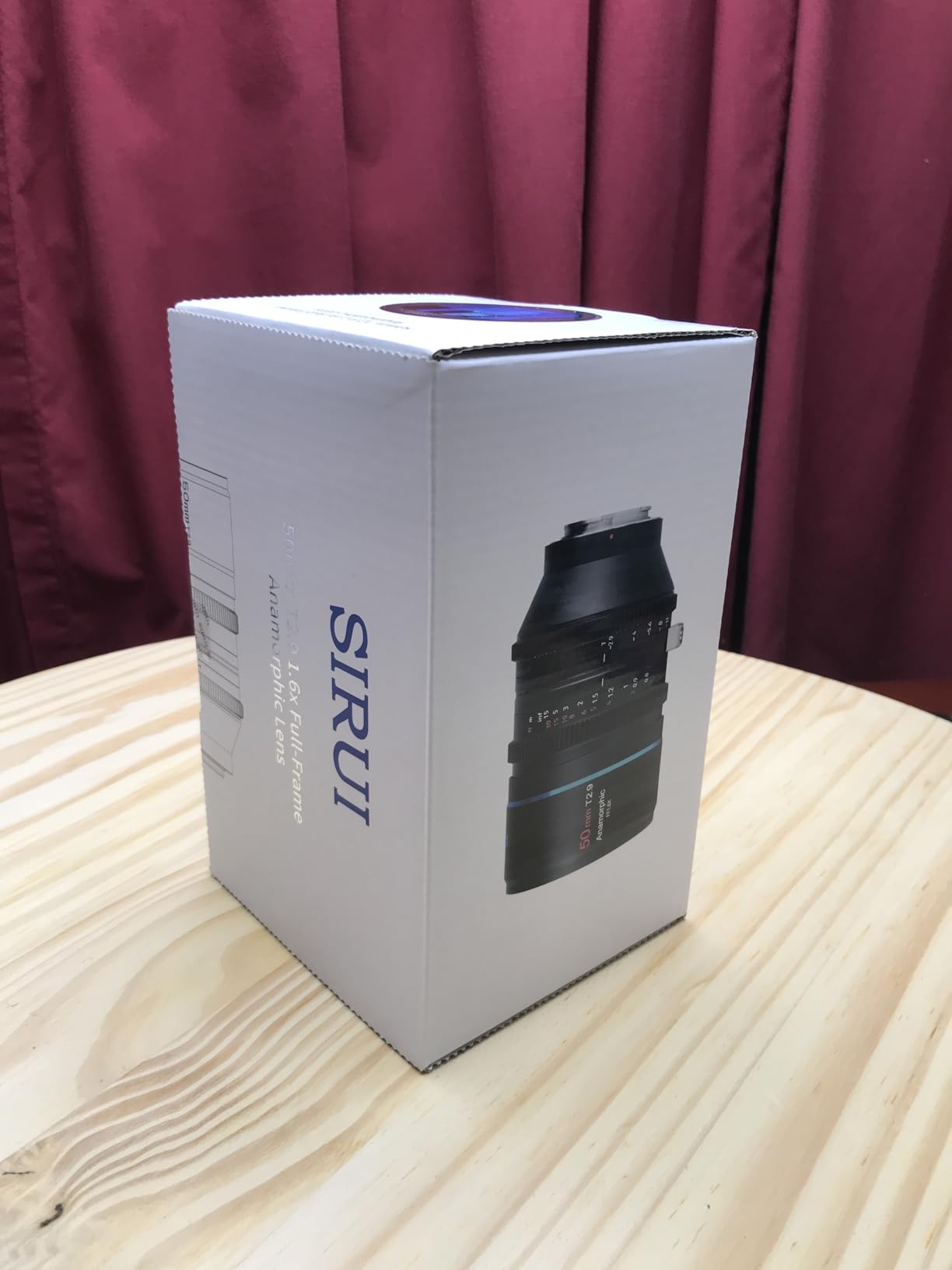
The 50mm sibling to the 35mm Venus lens offers the standard focal length many cinematographers prefer. The 1.6x squeeze factor creates the same dramatic aspect ratios with a more compressed perspective. I paired this with the 35mm for a two-lens anamorphic kit that covered most shooting scenarios.
The 50mm length on full-frame produces a natural perspective that flatters subjects without wide-angle distortion. Combined with the shallow depth of field from T2.9 and anamorphic bokeh, portraits gain cinematic dimension. The 142.9mm length accommodates matte boxes and filtration systems common in professional workflows.
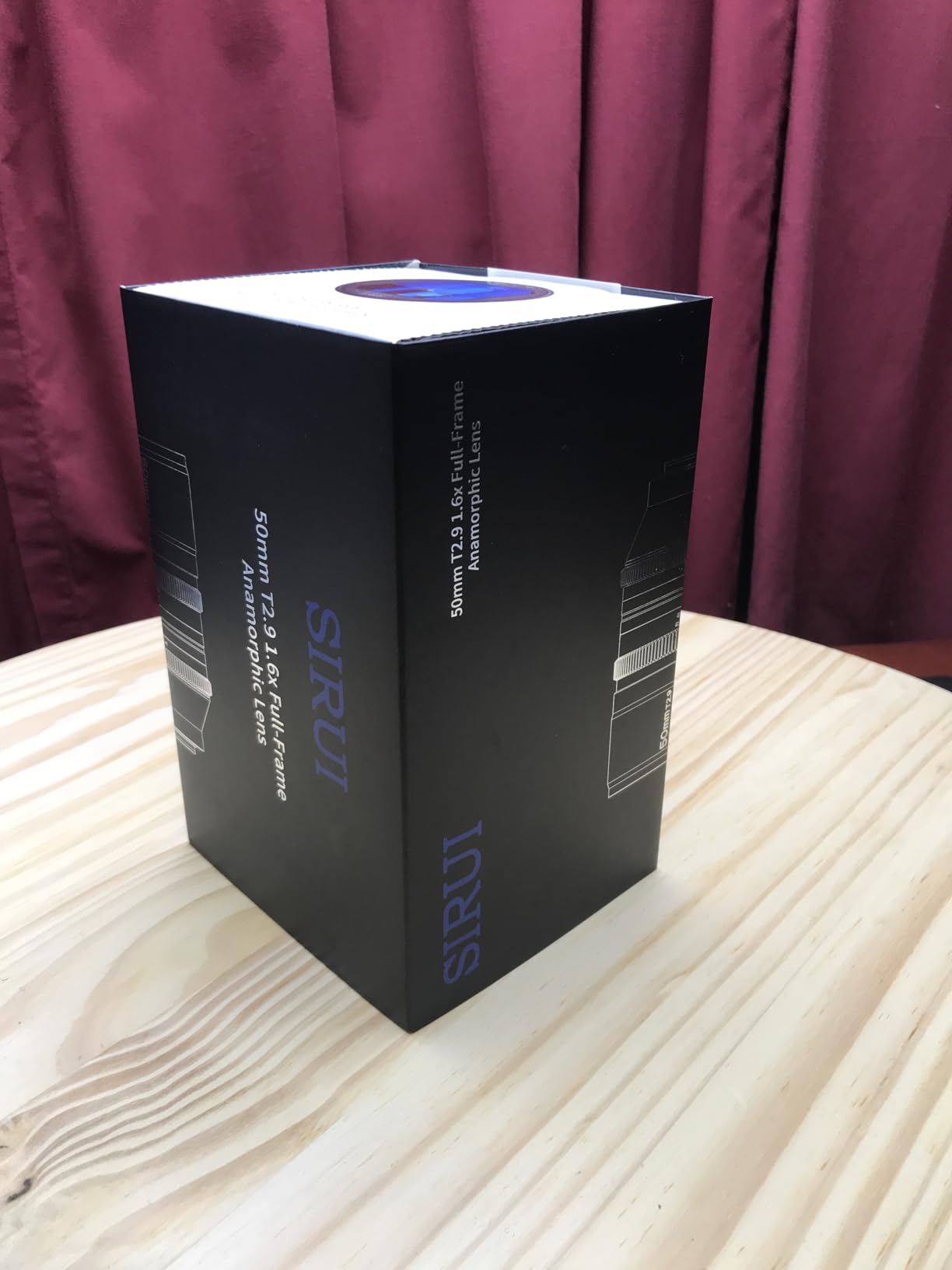
Gearing matches the 35mm and wider Venus lenses, allowing consistent follow focus operation across your set. The 82mm filter thread accepts standard professional accessories. Build quality is robust metal throughout, reassuring for rental house or busy production environments.
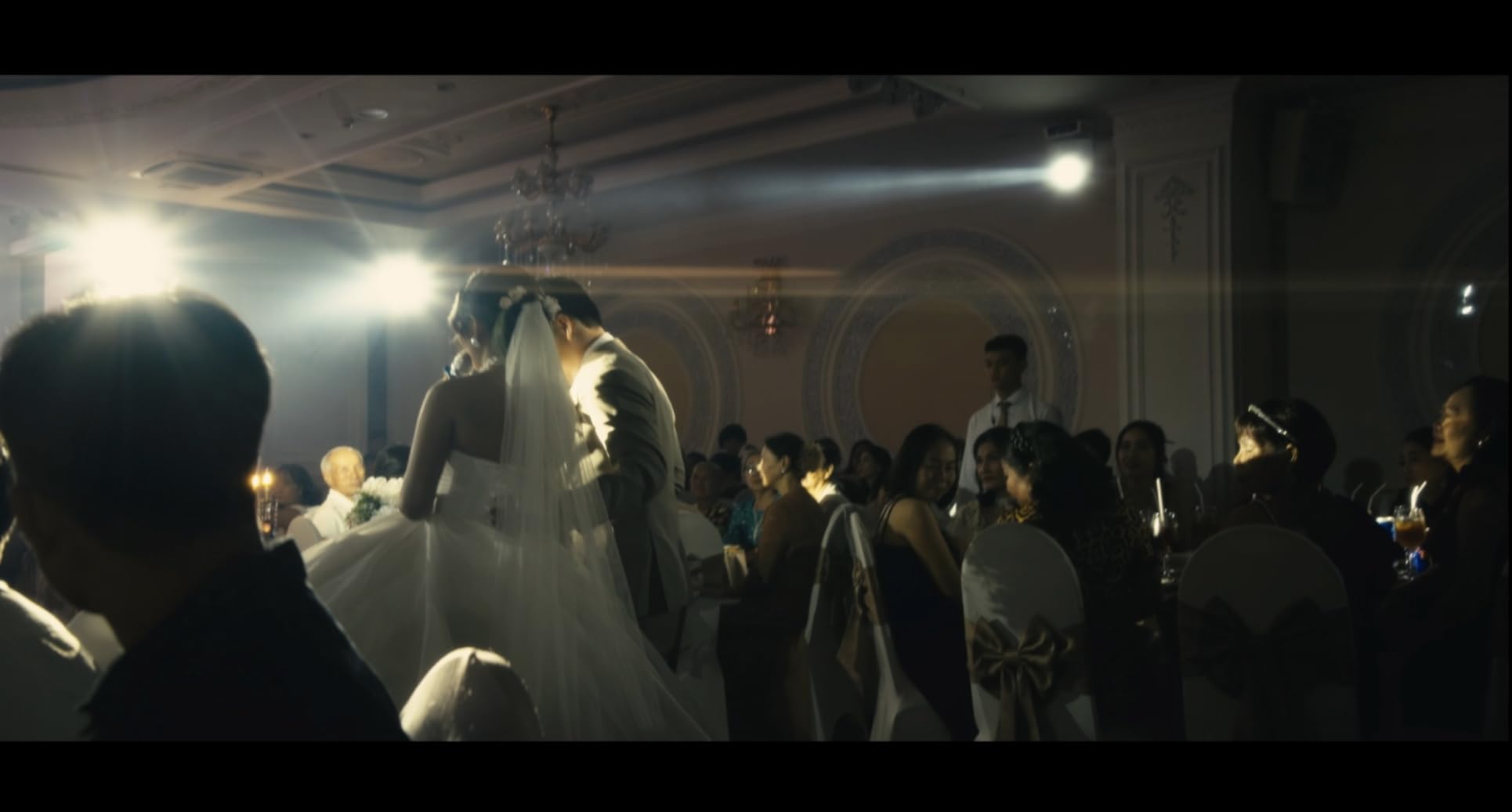
Image characteristics match the Venus series look – creamy bokeh, controlled flares, and excellent sharpness when stopped down slightly. At T2.9, slight softness adds character without looking unprofessional. The 2.4:1 output feels properly cinematic for narrative work.
The case for the 50mm over 35mm
Portrait work, interviews, and situations where subject separation matters. The longer focal length naturally creates shallower depth of field. Background compression flatters faces and isolates subjects from environments. For talking heads and dramatic close-ups, this excels.
Why you might prefer alternatives
The 1074g weight is substantial for handheld work. The tight perspective limits environmental storytelling. At the same price as the 35mm, your shooting style should determine which focal length serves you better.
9. SIRUI Saturn 35mm T2.9 1.6X Carbon Fiber Full-Frame Anamorphic Lens
Pros
- Lightest 35mm 1.6x full-frame anamorphic available
- Ideal for gimbal and FPV drone work
- Crispy blue anamorphic flares
- Lovely oval bokeh character
- 3-year warranty included
Cons
- Focus ring difficult to pull smoothly
- Significant distortion hard to correct
- Minimum focus 1m requires close-up filter
- No hard stops on focus ring
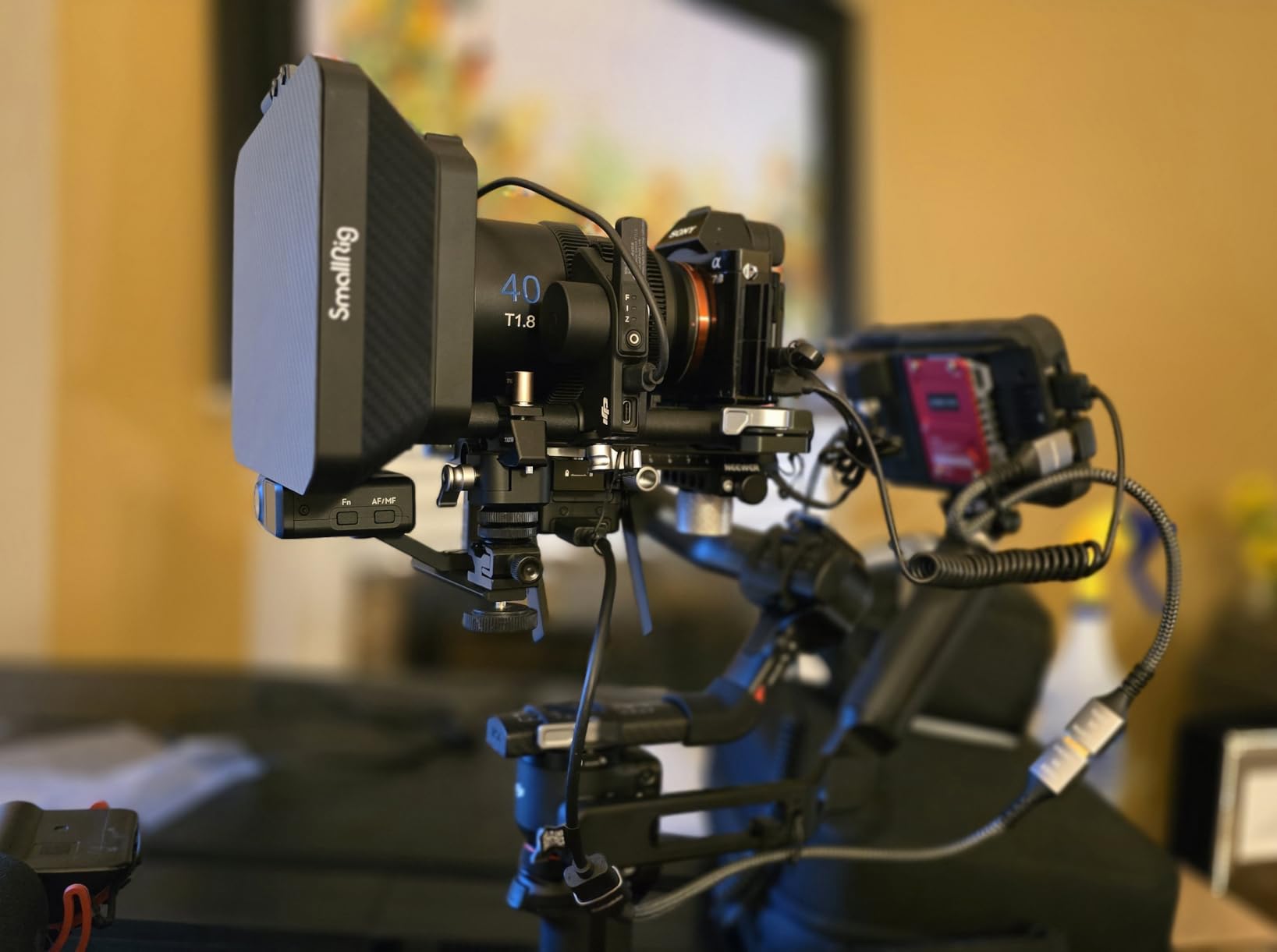
The Saturn series solves the weight problem that limits full-frame anamorphic adoption. At 415g, this carbon fiber lens is less than half the weight of the standard Venus 35mm. I mounted it on a DJI RS3 Pro gimbal and could run for hours without arm fatigue. For FPV drone operators, this opens anamorphic possibilities previously impossible.
The carbon fiber construction does not compromise optical quality. The 1.6x squeeze produces identical aspect ratios to the Venus series. Blue flares are crisp and controlled. Bokeh maintains the oval character essential to anamorphic aesthetics. The E-mount version I tested worked flawlessly on FX3 and A7S III bodies.
The compact 101mm length fits tight spaces where longer lenses fail. Overhead shooting in kitchens, car interiors, and cramped locations became manageable. The 60.5mm diameter is significantly slimmer than the Venus line, allowing smaller filtration solutions.
However, there are compromises. The focus ring lacks the smooth damping of metal construction. Pulling focus precisely requires practice and patience. Distortion is more pronounced than the Venus lenses, and correcting it in post proves challenging. The minimum focus distance of 1 meter is limiting without diopter assistance.
When the Saturn is the right choice
Gimbal work, drone cinematography, travel filmmaking where every gram matters, and any situation requiring full-frame anamorphic from compact rigs. The weight savings transform what is possible with handheld stabilization.
When to choose the Venus instead
Studio work, narrative filmmaking with precise focus requirements, and situations where distortion correction matters. The Saturn’s compromises make sense for specific applications but not as a primary lens for all scenarios.
10. SIRUI 40mm T1.8 1.33X Autofocus Anamorphic Lens – Editor’s Choice
Pros
- Rare autofocus in anamorphic lens
- Eye focusing and subject tracking support
- Compact 614g design
- T1.8 aperture excellent for low light
- Geared rings for follow focus when needed
Cons
- Focus ring is infinite with no hard stops
- Focus motor can be audible
- Noticeable focus breathing during pulls
- Internal desqueeze disabled on Sony cameras
This lens changes everything for solo shooters. Autofocus on an anamorphic lens was practically unheard of until SIRUI released the 40mm T1.8. I tested it on a Sony FX30 and watched the lens track faces reliably while maintaining beautiful anamorphic character. For run-and-gun documentary work, weddings, or any situation without a focus puller, this is transformative.
The STM motor is smooth and reasonably quiet, though not silent. For interviews with directional microphones, the slight motor noise may require consideration. For music videos, commercials, or narrative work with sound design, it is unnoticeable. The eye-tracking capability genuinely works, keeping subjects sharp through movement.
The T1.8 aperture is fast for anamorphic lenses. Combined with the 40mm focal length on Super 35, you get genuine low-light capability with shallow depth of field. The hexagonal bokeh at T1.8 becomes classic oval at T2.4, giving you creative options. Build quality feels professional with the same metal construction as manual SIRUI lenses.
Focus breathing is noticeable when rack focusing from near to far. This is common in anamorphic designs and can be used creatively or planned around. The geared rings allow follow focus operation when you want manual control, offering the best of both worlds. At $599, the premium over manual lenses is justified by the expanded shooting possibilities.
Why this is my top recommendation for 2026
Autofocus opens anamorphic filmmaking to creators who work alone. Wedding filmmakers can track the kiss without a second operator. Documentary shooters can maintain focus during unpredictable moments. The 40mm length hits a sweet spot between wide environmental shots and subject separation.
Situations where manual lenses still win
Controlled narrative work with dedicated focus pullers may prefer the Venus series for build quality and consistent gearing. The autofocus premium may not justify the cost if you always have crew support. Focus breathing concerns may matter for specific cinematic applications.
What is an Anamorphic Lens?
An anamorphic lens compresses the image horizontally during capture, squeezing a wide field of view onto a standard sensor. In post-production, you apply a de-squeeze to restore proper proportions, resulting in the characteristic widescreen 2.4:1 or 2.8:1 aspect ratios associated with cinema. This is fundamentally different from simply cropping a 16:9 image.
The squeeze factor determines how much horizontal compression occurs. A 1.33x squeeze compresses the width by 33 percent, requiring a 0.75x horizontal stretch in post to restore proportions. A 1.6x squeeze compresses 60 percent more dramatically, creating more pronounced anamorphic characteristics. A 2x squeeze, common in Hollywood cinema, doubles the compression for maximum widescreen impact.
Beyond aspect ratio, anamorphic lenses create distinctive optical characteristics. Out-of-focus highlights render as ovals rather than circles due to the cylindrical elements. Lens flares stretch horizontally across the frame in lines rather than blooming in all directions. Depth of field appears shallower than equivalent spherical lenses at the same aperture. These characteristics combine to create the cinematic look audiences subconsciously associate with feature films.
Understanding Squeeze Factors: 1.33x vs 1.6x vs 2x
Choosing the right squeeze factor depends on your intended output and creative goals. Each option delivers different levels of anamorphic character and requires different workflow considerations.
The 1.33x squeeze produces a 2.4:1 aspect ratio when de-squeezed from 16:9 footage. This is the most accessible entry point, requiring less aggressive de-squeeze in post and working with most editing software natively. Flares and bokeh show anamorphic character without overwhelming the image. Most budget and mobile anamorphic options use this squeeze factor.
The 1.6x squeeze delivers 2.4:1 from 3:2 sensors or 2.8:1 from 16:9 sources. The additional compression creates more dramatic oval bokeh and longer horizontal flares. Full-frame coverage becomes more common at this squeeze factor. The SIRUI Venus series popularized 1.6x for independent filmmakers wanting pronounced anamorphic aesthetics without Hollywood budgets.
The 2x squeeze is the traditional cinema standard, producing 2.39:1 aspect ratio from 4:3 sources. This creates maximum anamorphic character with extreme bokeh and flares. However, 2x lenses are significantly more expensive, heavier, and require more sensor resolution to maintain quality after de-squeeze. Most options under $5000 use 1.33x or 1.6x instead.
Buying Guide: How to Choose the Right Anamorphic Lens In 2026?
Navigating anamorphic options requires understanding several technical factors beyond normal lens shopping. Here is what I have learned matters most from eighteen months of shooting with these lenses.
Mount Compatibility comes first. SIRUI offers E-mount for Sony, RF-mount for Canon, X-mount for Fujifilm, and other options. Verify your camera body’s mount before considering any lens. Adapters exist but add complexity and potential optical issues. Mobile options require specific clip systems or cases from the manufacturer.
Sensor Coverage determines whether the lens works with your camera. APS-C or S35 lenses vignette on full-frame bodies unless you crop in camera. Full-frame lenses work on smaller sensors but you lose the wide field of view that makes anamorphic distinctive. Match the lens coverage to your sensor size for best results.
Focus Type matters for your shooting style. Manual focus anamorphic lenses require practice and preferably a follow focus system. The SIRUI 40mm autofocus option changes the game for solo shooters. Consider whether you typically work with crew support or alone when deciding.
Weight and Size affect your rigging options. The carbon fiber Saturn series enables gimbal and drone work impossible with standard anamorphic lenses. Heavier Venus lenses demand stronger support systems but offer better build quality. Plan your typical shooting scenarios before committing.
Minimum Focus Distance limits close-up work. Most budget anamorphic lenses require 0.6m to 1m minimum focus, preventing macro shots without diopter filters. If your work requires close details, verify this specification or budget for close-up lens accessories.
Frequently Asked Questions
What is the best anamorphic lens for beginners?
The SIRUI 50mm F1.8 1.33X APS-C anamorphic lens is the best starting point for most beginners. At around $267, it offers dedicated anamorphic optics with professional character without requiring a massive investment. The Sony E-mount version works with popular cameras like the A6400, A6700, and FX30. The 1.33x squeeze factor is manageable for learning de-squeeze workflows, and the blue flare characteristics deliver genuine cinematic aesthetics.
How much do anamorphic lenses cost?
Anamorphic lenses range from under $70 for smartphone attachments like the SIRUI VD-01 to over $50,000 for cinema rental house options. Quality entry-level dedicated lenses for mirrorless cameras cost $267 to $599. Mid-range full-frame options like the SIRUI Venus series run $499. Professional cinema anamorphic sets from brands like Cooke or Atlas start around $8,000 per lens. Most independent filmmakers find excellent options between $267 and $599 in 2026.
What is anamorphic lens squeeze factor?
The squeeze factor indicates how much horizontal compression an anamorphic lens applies to the image. Common squeeze factors include 1.33x, 1.6x, and 2x. A 1.33x squeeze compresses the image horizontally by 33 percent, requiring de-squeeze of 0.75x horizontally in post-production to restore proper proportions. Higher squeeze factors create more dramatic anamorphic characteristics including oval bokeh and longer horizontal flares, but require more aggressive de-squeeze and higher resolution sensors.
Can you use anamorphic lenses on DSLR cameras?
Yes, anamorphic lenses work on DSLR cameras with appropriate mounts, though mirrorless cameras are more common for budget anamorphic options. Canon EF-mount anamorphic lenses exist, and adapters allow using other mounts on DSLR bodies. However, most affordable anamorphic lenses in 2026 are designed for mirrorless mounts like Sony E, Canon RF, and Micro Four Thirds. DSLR users may need mount adapters, which can introduce compatibility issues with electronic communication.
What is the difference between 1.33x and 2x anamorphic?
The difference is the amount of horizontal compression applied. A 1.33x squeeze creates mild compression producing 2.4:1 aspect ratio from 16:9 footage with subtle anamorphic characteristics. A 2x squeeze doubles the compression, creating 2.39:1 from 4:3 sources with dramatic oval bokeh and pronounced horizontal flares. The 1.33x is easier to work with in post and more affordable, while 2x delivers maximum cinematic impact but requires higher resolution sensors and more expensive lenses.
Which brands make anamorphic lenses for filmmakers?
Major anamorphic lens manufacturers include SIRUI, Vazen, SLR Magic, Moment, Atlas Lens Co, Cooke, and Angenieux. For budget-conscious independent filmmakers in 2026, SIRUI dominates the sub-$600 market with the most extensive lineup. Vazen offers MFT options. SLR Magic and Moment specialize in mobile filmmaking accessories. Atlas Orion and Cooke serve professional productions with rental-house-grade optics costing significantly more.
Final Thoughts
The best anamorphic lenses for filmmakers in 2026 deliver professional cinematic aesthetics at prices that would have seemed impossible five years ago. From $67 smartphone attachments to $599 autofocus wonders, options exist for every budget and shooting scenario. SIRUI has democratized anamorphic cinematography, putting tools previously reserved for Hollywood productions into independent creators’ hands.
My recommendation depends on your situation. Solo shooters who need autofocus should grab the 40mm T1.8 without hesitation. Budget filmmakers starting their anamorphic journey cannot beat the 50mm F1.8 value. Mobile creators have excellent options with the VD-01 and dedicated action camera solutions. Full-frame shooters have multiple Venus and Saturn series choices depending on weight and build quality priorities.
Whichever lens you choose, remember that anamorphic is about more than flares and widescreen ratios. It is a storytelling tool that changes how you compose shots, separate subjects from backgrounds, and create emotional impact. The technology is now accessible. What matters is what you create with it.