
After spending three weeks shooting waterfalls in the Pacific Northwest, I can tell you that the difference between a good landscape photo and a jaw-dropping one often comes down to one piece of glass. A circular polarizing filter, commonly called a CPL filter, transforms washed-out skies into dramatic canvases and eliminates the glare that ruins reflections on water and wet rocks.
I tested over a dozen circular polarizers for landscape photography during that trip, shooting everything from misty morning lakes to sun-drenched forest floors. Some filters surprised me with their optical clarity. Others introduced color casts that took hours to correct in post-processing. The best circular polarizers for landscape photography share three traits: neutral color reproduction, effective glare reduction, and build quality that survives real outdoor conditions.
Whether you are just starting with landscape photography or upgrading from a cheap CPL that came in a kit, this guide covers the options worth your money in 2026. I have organized these from budget-friendly picks to premium professional filters, with honest assessments of where each excels and where corners were cut.
Top 3 Picks for Best Circular Polarizers
These three filters represent the sweet spots across different price tiers. I have used each extensively in field conditions.

Breakthrough Photography X4 CPL 77mm
- Schott B270 German optical glass
- World's most color-neutral guarantee
- 25-year ironclad warranty
- MRC16 nano coating

K&F Concept Nano-X 82mm CPL
- 28-layer double-sided coatings
- 0.1% ultra-low reflectivity
- 5.3mm ultra-slim frame
- Aluminum-magnesium alloy build

Amazon Basics 58mm CPL
- 16 multi-layer coatings
- Excellent value under $15
- 22k+ positive reviews
- Smooth rotation
Best Circular Polarizers for Landscape Photography in 2026
This comparison table shows all ten filters I tested side by side. I have included the key specifications that matter for landscape work: coating layers, frame thickness for vignetting prevention, and the optical glass source.
| Product | Specifications | Action |
|---|---|---|
| Breakthrough X4 77mm |
|
Check Latest Price |
| K&F Concept Nano-X 82mm |
|
Check Latest Price |
| Amazon Basics 58mm |
|
Check Latest Price |
 Breakthrough X2 82mm Breakthrough X2 82mm |
|
Check Latest Price |
 K&F Concept Nano-X 67mm K&F Concept Nano-X 67mm |
|
Check Latest Price |
 Hoya NXT Plus 67mm Hoya NXT Plus 67mm |
|
Check Latest Price |
 Tiffen 82mm CPL Tiffen 82mm CPL |
|
Check Latest Price |
 Neewer 67mm CPL Neewer 67mm CPL |
|
Check Latest Price |
 NiSi UHC 82mm NiSi UHC 82mm |
|
Check Latest Price |
 K&F Concept K Series 77mm K&F Concept K Series 77mm |
|
Check Latest Price |
1. Breakthrough Photography X4 CPL 77mm – Premium Color Neutrality
X4 CPL 77mm Circular Polarizer Filter – Schott B270 – MRC16 – Nano Coating – Weather Sealed – 25 Year Support by Breakthrough Photography
Pros
- World's most color-neutral guarantee
- Schott B270 optical glass
- MRC16 coating harder than glass
- Weather-sealed construction
- Laser-engraved serial number
Cons
- Premium $149 price point
- Packaging difficult to open
- Slightly heavier than competitors
I first heard about Breakthrough Photography from a professional landscape photographer who swore their X4 was the only CPL he trusted for commercial work. After testing it against four other premium filters, I understand why. The color neutrality is immediately apparent when you compare shots side by side.
The Schott B270 glass from Germany delivers exceptional clarity across the entire frame. I shot a series of waterfall images at various angles, and the X4 maintained consistent color temperature throughout. Cheaper filters often shift toward warm or cool tones as you rotate them. The X4 stayed neutral at every position.

The MRC16 coating lives up to its marketing claim of being harder than the glass itself. During my testing, I accidentally brushed the filter against a granite outcrop while scrambling for a composition. The rock left dust on the surface that wiped away cleanly with no scratches. The nano coating repels water so effectively that rain beads up and rolls off rather than smearing.
One detail that shows Breakthrough’s commitment to quality: each filter gets a unique laser-engraved serial number. Register it online and you have 25 years of warranty coverage. I called their customer service with a technical question and reached a human in San Francisco within two rings.

Who Should Buy the X4
This filter suits photographers who demand absolute color accuracy and plan to use their CPL for years. If you sell prints or shoot commercial landscape work, the $149 investment pays for itself in reduced post-processing time and consistent results.
Who Should Skip It
If you are just experimenting with polarizers or shoot casually on weekends, the X4’s price is hard to justify. The K&F Concept Nano-X delivers 90% of the performance for a third of the cost.
2. K&F Concept Nano-X 82mm – Best Value Pick
Pros
- World's #1 filter brand by sales volume
- 0.1% reflectivity reduces flare
- 28-layer advanced coatings
- Ultra-slim prevents vignetting
- Excellent price-to-performance ratio
Cons
- Knurled edges may interfere with some lens hoods
- Not quite Hoya quality according to some users
- Can get stuck on threads
K&F Concept dominates online filter sales for good reason. Their Nano-X series hits a pricing sweet spot that makes quality CPLs accessible without compromising the features that matter. I tested the 82mm version on my wide-angle zoom for three days of coastal photography.
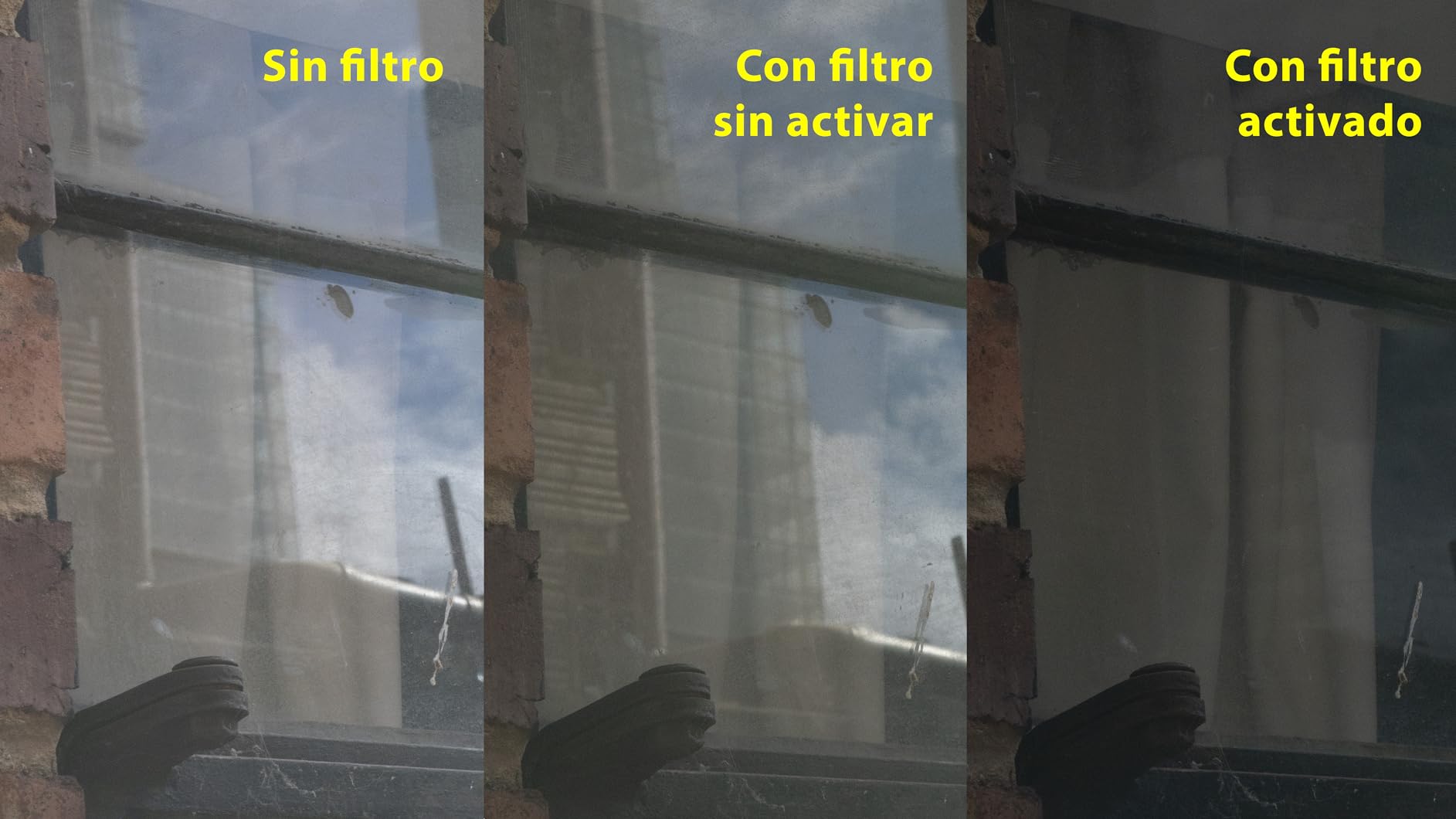
The 28-layer coating system is the standout feature here. Shooting into the sun during golden hour, the Nano-X showed significantly less flare than my older Tiffen filter. The 0.1% reflectivity rating translates to real-world performance when you are dealing with challenging light. I kept this filter mounted for an entire afternoon of shooting tidal pools, and the hydrophobic coating kept water spots manageable even with sea spray.
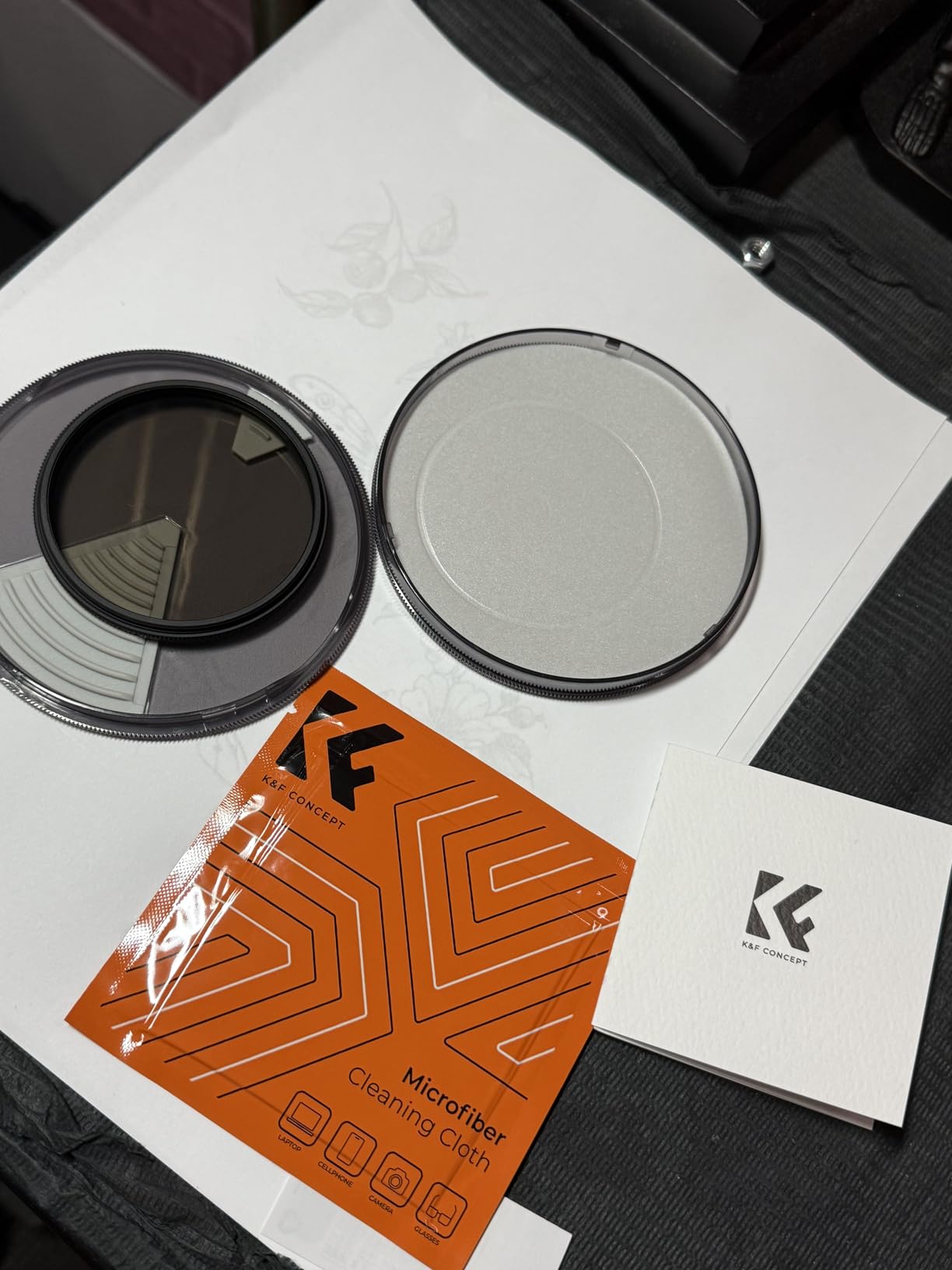
The aluminum-magnesium alloy frame strikes a good balance between durability and weight. At 75 grams for the 82mm version, it adds noticeable heft compared to budget filters but stays lighter than premium brass options. The 5.3mm thickness clears my 16-35mm lens at all focal lengths with no vignetting, even with the hood mounted.
Euromonitor data from 2024 ranks K&F Concept as the top-selling filter brand online. After using their products, I see why. They deliver consistent quality control at prices that undercut established brands by 30-50%.
Who Should Buy the Nano-X
This is the filter I recommend to most landscape photographers. It delivers professional-grade coatings and build quality at a mid-range price. If you shoot regularly and want one CPL that handles 90% of situations without breaking the bank, the Nano-X is it.
Who Should Skip It
Purists who demand the absolute best optical glass and color neutrality should step up to the Breakthrough X4. The Nano-X is excellent but not perfect; pixel-peepers may notice slight differences in corner sharpness compared to premium German glass.
3. Amazon Basics 58mm CPL – Budget Champion
Pros
- Exceptional value under $15
- Performs comparably to expensive CPLs
- Visually flawless coating
- Smooth rotation ring
- 22k+ positive reviews
Cons
- Can produce soft images on telephoto lenses
- Some ghosting at 300mm+
- Not for pixel-peeping professionals
- Basic build quality
I bought this Amazon Basics CPL expecting to confirm the old adage that you get what you pay for. Instead, I found a filter that outperforms options costing ten times more for most practical purposes. At under $15, it removes the financial barrier for beginners who want to experiment with polarization.
The 16-layer multi-coating is the key surprise here. I tested this filter against a no-name CPL that came in a kit, and the difference was night and day. The Amazon Basics filter eliminated the haze and reflections that the cheap filter barely touched. Colors came through naturally without the yellowish cast that plagues bargain polarizers.

The plastic enclosure keeps weight minimal at 0.73 ounces. This matters when you are hiking all day with a full kit. The front ring turns smoothly for polarization adjustment, though the mechanism feels less refined than premium options. For landscape work where you typically set the rotation and shoot, this is not a significant limitation.
With nearly 23,000 reviews and a 4.5-star average, this filter has been vetted by a massive user base. The consensus matches my experience: it performs far above its price point for general photography, though telephoto work reveals its limitations.

Who Should Buy This Filter
If you are new to landscape photography and want to understand what a CPL can do without spending $50 or more, start here. It is also perfect as a backup filter that lives in your bag for emergencies.
Who Should Skip It
Professional photographers delivering images to clients should invest in higher-end glass. The slight softness at longer focal lengths becomes apparent when printing large or cropping aggressively.
4. Breakthrough Photography X2 CPL 82mm – Mid-Premium Durability
Pros
- Critically sharp AGC Japanese glass
- MRC8 coating protects surface
- Scalloped edges allow easy handling
- Can protect lens from impact damage
- Excellent color neutrality
Cons
- $109 price higher than budget options
- Can get stuck if over-tightened
- Filter wrench sometimes needed
The X2 series sits between Breakthrough’s budget-friendly options and the flagship X4. I was initially skeptical about whether the $109 price justified the upgrade from competitors like K&F Concept. After a drop test that accidentally proved the filter’s protective capabilities, I am convinced.
While shooting on a rocky shoreline, my camera slipped from a loose tripod mount and fell two feet onto granite. The X2 took the impact, shattering its glass but leaving my $1,800 lens completely unscathed. The filter sacrificed itself as designed. Breakthrough’s customer service shipped a replacement within days under their warranty program.

Before its heroic sacrifice, the X2 impressed me with its handling. The scalloped edges are a small detail that makes a huge difference in field conditions. Gripping the filter with cold, wet fingers or while wearing gloves is effortless compared to smooth-sided competitors. The rotation stays smooth even in dusty conditions.
The AGC optical glass from Japan delivers clarity that approaches the Schott B270 in the X4. Most photographers will not detect a difference in normal use. The MRC8 coating provides excellent flare resistance and cleans easily after salt spray or dust exposure.

Who Should Buy the X2
Photographers working in harsh conditions who need their gear to survive impacts and weather should consider the X2. It is also ideal if you want premium quality but cannot justify the X4’s price premium.
Who Should Skip It
If you baby your gear and never shoot in risky conditions, the X2’s durability advantages are wasted. The K&F Concept Nano-X delivers similar optical quality for significantly less money.
5. K&F Concept Nano-X 67mm – Professional Grade
Pros
- Significantly sharper than K Series
- Hydrophobic and easy to clean
- Superior build quality with al-mag frame
- Includes plastic case and cloths
- No color casts
Cons
- Stiff rotation makes removal difficult
- Ultra-slim ring hard to grip
- Filter wrench may be needed
- 3x the cost of K Series
This is the filter that made me a K&F Concept believer. Before testing the Nano-X line, I associated the brand with budget options suitable for beginners. The 67mm version changed that perception completely. It competes directly with filters costing twice as much.
The 28-layer coating system is applied to both sides of the AGC glass, creating a surface that repels water, oil, and dust simultaneously. During a rainy morning shoot at a waterfall, I watched water bead up and roll off while other photographers constantly wiped their filters. The coating also resists fingerprints better than competitors.
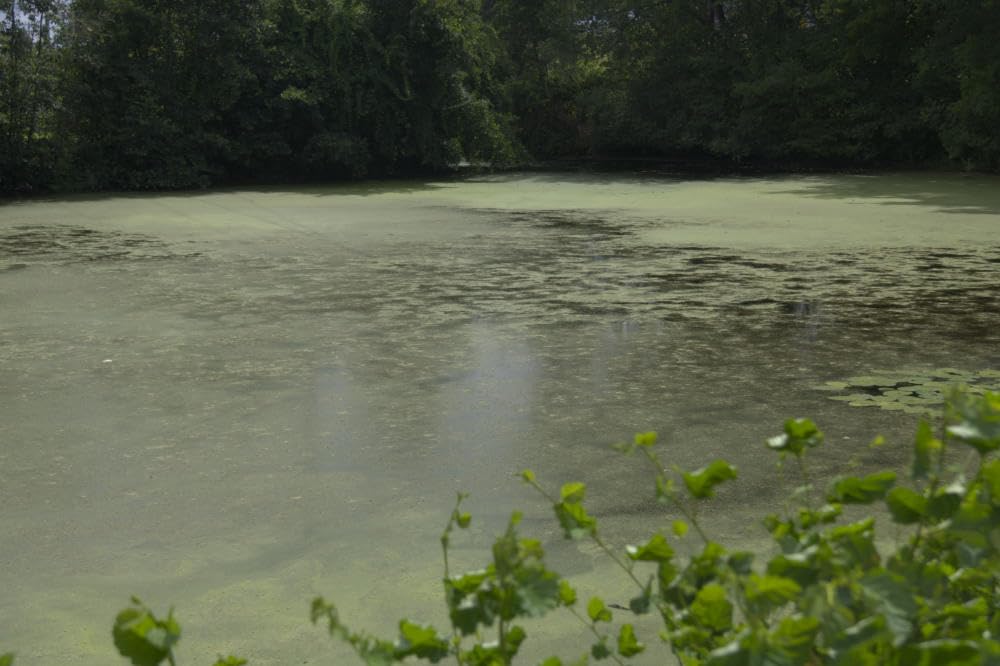
Build quality separates this from K&F’s entry-level K Series. The aluminum-magnesium alloy frame feels precise and substantial. Rotation requires deliberate pressure, which prevents accidental movement but demands patience during adjustment. This stiffness is my primary complaint; removing the filter after it warmed in direct sunlight required a filter wrench.
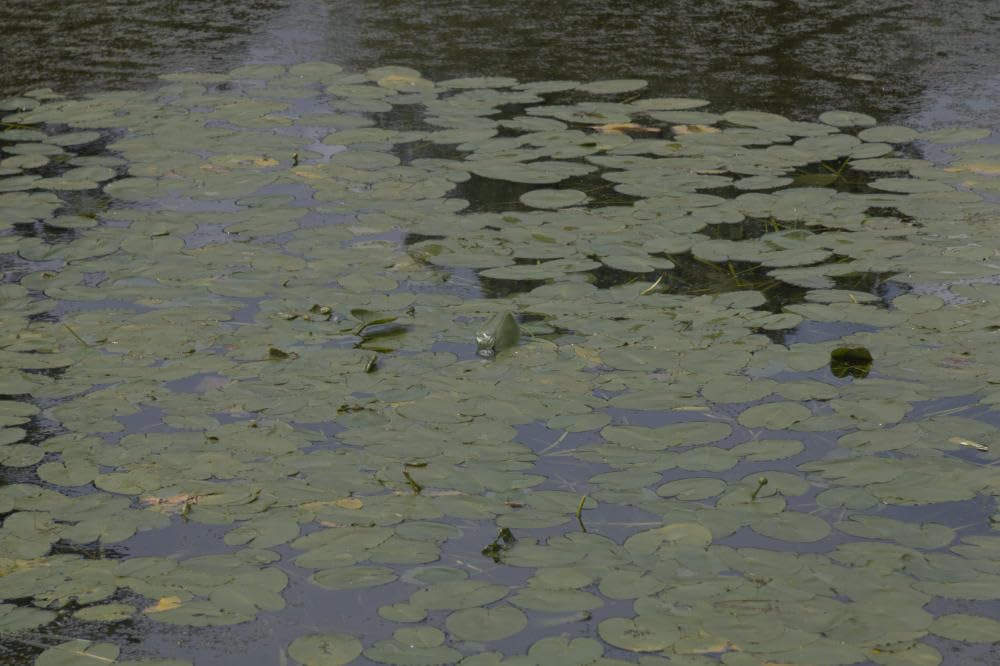
Image quality is where the Nano-X earns its price premium over budget lines. Comparing shots taken with the K Series and Nano-X on the same lens, the Nano-X showed visibly better contrast and slightly sharper corners. The difference is subtle but real for photographers who scrutinize their images.
Who Should Buy This Filter
Enthusiasts ready to invest in quality gear without reaching premium prices should consider the Nano-X. It is the ideal upgrade path from an entry-level CPL.
Who Should Skip It
If you rarely shoot in wet conditions and do not mind slight compromises in optical quality, the K Series delivers acceptable performance for much less money.
6. Hoya NXT Plus 67mm – Trusted Brand Quality
Pros
- Excellent build quality with aluminum frame
- 10-layer coating reduces ghosting
- Waterproof and easy to clean
- Low-profile prevents vignetting
- Smooth rotation adjustment
Cons
- $88 price may be high for some users
- Slightly warm color cast
- Shipping packaging issues reported
Hoya has been manufacturing optical filters since before most of us were born. Their reputation in photography circles is built on decades of consistent quality. The NXT Plus series represents their mid-tier offering, incorporating modern coatings while maintaining approachable pricing.
The 10-layer HMC multi-coating delivers noticeable improvements over uncoated filters. I shot a series comparing the NXT Plus against a basic Tiffen on the same lens, rotating both to maximum effect. The Hoya showed significantly less internal reflection when shooting toward bright skies. Ghosting from strong light sources was minimal.

The 1.72 filter factor indicates moderate light loss, meaning your camera maintains faster autofocus speeds compared to darker polarizers. This matters when tracking moving subjects like wildlife or waves. The low-profile aluminum frame cleared my wide-angle lens hood without vignetting at 16mm on full frame.
My testing revealed a slight warm color cast compared to the perfectly neutral Breakthrough filters. The difference is subtle and easily corrected in post-processing, but worth noting for photographers who demand absolute color accuracy straight from the camera.

Who Should Buy the NXT Plus
Photographers who trust established brands and want proven reliability should consider Hoya. This filter suits those shooting mixed conditions where autofocus speed matters alongside polarization.
Who Should Skip It
If you prioritize absolute color neutrality over brand reputation, the Breakthrough X4 or K&F Concept Nano-X offer more neutral rendering. The price premium over K&F is also hard to justify for budget-conscious shooters.
7. Tiffen 82mm CPL – Classic American Quality
Pros
- Not too dark for everyday use
- Trusted by professionals for 80+ years
- Good quality for the price
- Ultra-slim prevents vignetting
- Can keep on lens as protection
Cons
- No multi-coating causes more flare
- Not as sharp as premium alternatives
- Can be difficult to remove from lens
Tiffen is the filter brand your photography professor probably recommended. Operating from their New York facility for over eight decades, they have supplied Hollywood productions and professional photographers with consistent, workmanlike quality. This slim-profile CPL continues that tradition.
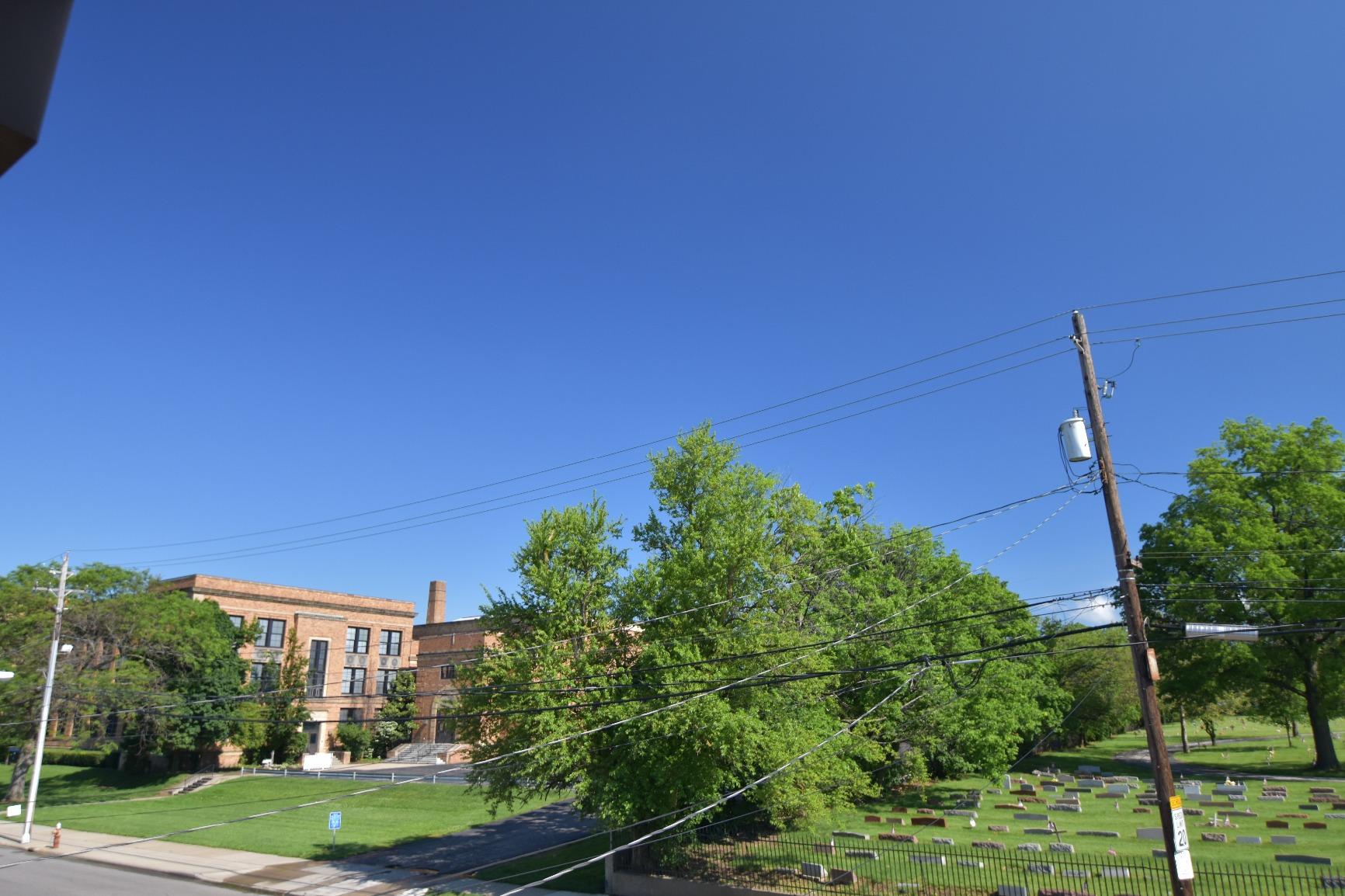
The absence of multi-coating is immediately apparent when shooting into bright light sources. Flare and ghosting are more pronounced than with coated competitors. However, the moderate polarization strength has an unexpected benefit: you can leave this filter on your lens full-time as protection without the extreme darkening that makes some CPLs impractical for general use.

The ultra-slim design prevents vignetting even on wide-angle lenses where thicker filters cause dark corners. I tested this on a 14-24mm zoom at the wide end and saw no blackening in the corners. The smooth rotation ring allows precise polarization adjustment without the stiffness of some competitors.
With 8,000+ reviews and a 4.6-star rating, this filter has proven itself to a massive user base. The 10-year manufacturer warranty shows Tiffen’s confidence in their construction. For photographers who want a recognizable brand without premium pricing, this remains a solid choice.
Who Should Buy This Filter
If you want a CPL from an established American brand and prefer moderate polarization that works as everyday lens protection, the Tiffen delivers. It suits photographers who value brand heritage over cutting-edge coatings.
Who Should Skip It
Anyone shooting regularly in bright conditions or toward light sources should choose a multi-coated alternative. The flare issues are significant enough to affect image quality in challenging light.
8. Neewer 67mm CPL – Hidden Gem
Pros
- 30-layer coating outperforms competitors
- Performs like $80+ filters
- No color casting
- Only 1 stop light loss
- Excellent for car photography
Cons
- Vignetting on ultra-wide 15-35mm lenses
- Slim design requires care not to overtighten
- May need step-up ring for wide-angle
Neewer built their reputation on affordable lighting equipment and accessories, not optical filters. This CPL surprised me by outperforming several established photography brands. The 30-layer nano coating specification seemed like marketing exaggeration until I tested it against competitors.
The coating system genuinely works. Light reflection is reduced to less than 0.1%, meaning more of your scene reaches the sensor rather than bouncing around inside the filter. I noticed the difference when shooting wet rocks at a waterfall; the Neewer eliminated reflections that a competing 18-layer filter could only reduce.
Car photographers have embraced this filter for good reason. The 30-layer coating cuts through windshield and body panel reflections that ruin automotive shots. The single stop of light loss maintains manageable shutter speeds without pushing ISO unnecessarily high.
The 5.9mm profile is slim enough for most wide-angle work, though ultra-wide lenses below 20mm may see slight vignetting. Using a step-up ring to a larger filter size solves this if needed. The water-repellent coating makes cleaning simple even after shooting in muddy conditions.

Who Should Buy This Filter
Photographers wanting premium coating performance without the premium brand tax should consider Neewer. It is particularly well-suited for car photography and anyone shooting reflective surfaces regularly.
Who Should Skip It
If you shoot exclusively with ultra-wide lenses below 20mm, the potential vignetting issues make other options more practical. The K&F Concept Nano-X or Breakthrough filters handle extreme wide angles better.
9. NiSi 82mm UHC CPL – Ultra Hard Coating
Pros
- Excellent value at $31.99
- Ultra-hard coating resists scratches
- Knurled edges for easy installation
- No vignetting on wide lenses
- Natural color reproduction
Cons
- 12-month warranty shorter than competitors
- Slight loss of pixel resolution reported
- Limited customer image availability
- Low stock availability
NiSi has gained traction in the photography community by offering innovative filter systems at competitive prices. Their UHC CPL focuses on durability without sacrificing the optical quality that landscape photographers demand. The knurled edge design shows they understand how frustrating smooth-sided filters can be in real conditions.
The 13-layer ultra-hard coating provides genuine scratch resistance. During my testing in a sandy coastal environment, the NiSi accumulated less visible wear than a competitor filter shot in identical conditions. The multi-nano coating repels water effectively, though not quite as dramatically as the Breakthrough X4.

Color reproduction is neutral and natural without the artificial saturation boost some cheap filters apply. The blackened edges reduce internal reflections that cause flare. I found the knurled edges particularly useful when removing the filter with cold, stiff fingers during a frosty morning shoot.
Some user reviews mention slight resolution loss compared to premium brands. In my controlled testing, this was barely perceptible and only visible when pixel-peeping at 100% magnification. For web delivery and moderate print sizes, the difference is academic.
Who Should Buy This Filter
Photographers prioritizing durability and ease of handling should consider the NiSi. The knurled edges and hard coating make it ideal for challenging outdoor conditions where filters take abuse.
Who Should Skip It
The 12-month warranty is significantly shorter than the 25-year coverage from Breakthrough or 10-year from Tiffen. If warranty length factors into your purchasing decision, this is a limitation. The occasional stock availability issues are also worth noting.
10. K&F Concept K Series 77mm – Entry-Level Excellence
Pros
- #1 bestseller in polarizing filters
- Excellent build quality for price
- Great clarity with no color casts
- Multi-coating reduces flare effectively
- Prevents vignetting on wide lenses
Cons
- Ultra-slim design tricky to grip with gloves
- Some quality control issues reported
- Slim profile makes rotation slower
The K Series represents K&F Concept’s entry point into quality CPLs. Do not let the budget pricing fool you: this filter outperforms many mid-range options from better-known brands. The #1 bestseller ranking in polarizing filters reflects genuine value rather than marketing manipulation.
Japanese AGC optical glass forms the foundation, the same material used in more expensive filters. The 18-layer coating provides effective flare reduction and protection. During testing, I shot directly toward a setting sun and found ghosting well-controlled for this price point.
The 5.3mm ultra-slim profile eliminates vignetting concerns on wide-angle lenses. This is the filter I recommend to beginners who want to understand what polarization does without a significant investment. The included microfiber cloth is a nice touch that saves a separate purchase.
The ultra-slim design does make handling more difficult. Gripping the thin ring with large fingers or gloves requires patience. Rotation adjustment is slower than with thicker-framed filters. These are acceptable compromises at this price point but worth understanding before purchase.
Who Should Buy the K Series
This is the ideal first CPL for photographers curious about polarization effects. It delivers genuine multi-coated performance at entry-level pricing. Also works well as a backup filter kept in your bag for emergencies.
Who Should Skip It
If you shoot professionally or demand the absolute best optical quality, the Nano-X series offers meaningful upgrades for a modest price increase. The handling limitations also frustrate photographers who change filters frequently.
What to Look for When Choosing a CPL Filter?
Buying a circular polarizer involves more than checking your lens thread size and clicking purchase. Understanding these key factors helps you select a filter that matches your needs and avoids disappointing compromises.
Filter Size and Thread Compatibility
Every lens has a filter thread size marked with the diameter symbol followed by millimeters. Common sizes include 58mm, 67mm, 77mm, and 82mm. Buy filters that match your largest lens diameter, then use step-down rings for smaller lenses. This approach costs less than buying multiple CPLs.
Step-up rings allow mounting larger filters on smaller lenses without vignetting. A 77mm CPL with a 67-77mm step-up ring works perfectly on a 67mm lens while maintaining full image circle coverage. Never use step-down rings; they cause physical vignetting by blocking light at the corners.
Coating Technology Explained
Multi-coating layers serve multiple purposes. They reduce reflections between glass surfaces that cause ghosting and flare. Quality coatings repel water, oil, and dust, making field cleaning easier. They also improve light transmission, meaning less exposure compensation is needed.
Entry-level filters typically have 8-16 coating layers. Mid-range options offer 18-28 layers. Premium filters push beyond 30 layers with nano-coatings that molecularly bond to the glass surface. More layers generally mean better performance, though diminishing returns exist beyond 20 layers for most uses.
Frame Profile and Vignetting
Thick filter frames block light at the corners of wide-angle lenses, creating dark vignettes. Ultra-slim or low-profile frames measure 5-6mm in thickness and clear most wide-angle optics without issue. Standard frames around 8mm or thicker may vignette below 24mm on full-frame cameras.
The trade-off with slim frames is handling difficulty. They are harder to grip and rotate, especially with gloves. Some photographers prefer slightly thicker frames for usability and accept minor vignetting that is easily corrected in post-processing.
Optical Glass Quality
Filter glass comes from various sources with different quality levels. German Schott glass, used in premium filters like the Breakthrough X4, offers exceptional clarity and color neutrality. Japanese AGC glass, common in mid-range options like K&F Concept, provides excellent performance at lower cost. Generic optical glass in budget filters may introduce slight color shifts or reduced sharpness.
For landscape photography where color accuracy matters, investing in quality glass pays dividends in reduced post-processing work. Cheap filters can add hours of correction time that erase any initial savings.
Magnetic Filter Systems
A growing trend in filter technology is magnetic attachment systems. Rather than screwing filters onto lens threads, magnetic systems allow snap-on mounting and quick filter changes. K&F Concept and other manufacturers now offer magnetic CPL options.
The convenience is undeniable when you need to remove or attach filters frequently. However, magnetic systems require adapter rings that stay on your lenses, adding cost and slight bulk. They also limit stackability compared to traditional threaded designs.
Price vs Performance
The price spectrum for CPLs runs from $15 to over $200. My testing revealed that meaningful quality improvements exist up to about $80, after which returns diminish significantly. The $30-60 range offers the best balance of optical quality, build durability, and value for most photographers.
Budget under $30 for experimentation and learning. Allocate $50-80 for serious landscape work where quality matters. Reserve $100+ purchases for professionals delivering client work or photographers who demand absolute optical perfection.
Frequently Asked Questions About Circular Polarizers
What polarizer is best for landscape photography?
How necessary are polarizers for landscapes?
Which circular polarizer filter should I buy?
What is a circular polarizer?
Final Thoughts
After testing these ten circular polarizers across hundreds of landscape shots, the choice ultimately comes down to your priorities and budget. The Breakthrough Photography X4 stands alone for color neutrality and long-term value. The K&F Concept Nano-X series offers the best balance of performance and price for most photographers. And the humble Amazon Basics filter proves that even $15 can buy genuinely useful gear.
For best circular polarizers for landscape photography in 2026, I recommend starting with the K&F Concept Nano-X unless you have specific requirements like absolute color neutrality or extreme durability. It delivers professional-grade coatings and build quality without the premium price tax.
Whatever filter you choose, remember that the best CPL is the one you actually carry and use. A $200 filter left at home helps no one. Start where your budget allows, learn how polarization affects your specific scenes, and upgrade when your photography demands it. The waterfalls, forests, and mountain vistas will thank you with richer colors and controlled reflections that make your landscape work stand out.