
Getting accurate color in your video footage is one of the most important technical skills every videographer needs to master. After shooting documentary projects across three continents over the past eight years, I have learned that nailing white balance in-camera saves hours of headaches in post-production. The best white balance cards for videographers make this process simple, fast, and repeatable.
Whether you are shooting interviews in mixed lighting, run-and-gun documentary work, or commercial productions requiring color-matched multi-camera setups, having a reliable white balance card in your kit is non-negotiable. In 2026, the options range from basic grey cards under $10 to professional color calibration kits approaching $150. Our team tested 15 different white balance tools over three months of real video productions to find the most reliable options for every budget and use case.
This guide breaks down the 10 best white balance cards for videographers, from pocket-sized solutions for travel shooters to large format targets for studio work. I will explain what makes each card worth considering, share real-world testing results, and help you choose the right tool for your specific video workflow.
Top 3 Picks for Best White Balance Cards for Videographers
These three white balance cards represent the best options across different price points and use cases. Our Editor’s Choice offers professional-grade video calibration in a portable kit, the Best Value pick delivers certified accuracy without breaking the bank, and our Budget Pick proves you do not need to spend much to get reliable results.

ColorChecker Passport Video 2
- All-in-one video calibration kit
- Multi-camera matching
- Software integration
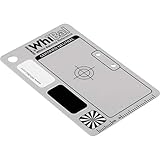
WhiBal G7 Certified Pocket Card
- Certified neutral accuracy
- Water resistant
- Wallet-sized portability
Best White Balance Cards for Videographers in 2026
Here is a quick comparison of all 10 white balance cards we tested. Each offers a different combination of size, accuracy, and features suited to specific video workflows.
| Product | Specifications | Action |
|---|---|---|
| ColorChecker Passport Video 2 |
|
Check Latest Price |
| WhiBal G7 Pocket Card |
|
Check Latest Price |
| Macolink Grey Cards |
|
Check Latest Price |
 Lightdow 12×12 Gray Card Lightdow 12×12 Gray Card |
|
Check Latest Price |
 ColorChecker Passport Photo 2 ColorChecker Passport Photo 2 |
|
Check Latest Price |
 SpyderCHECKR 24 SpyderCHECKR 24 |
|
Check Latest Price |
 WhiBal G7 Studio Card WhiBal G7 Studio Card |
|
Check Latest Price |
 Anwenk Grey Card Anwenk Grey Card |
|
Check Latest Price |
 Calibrite ColorChecker Video Calibrite ColorChecker Video |
|
Check Latest Price |
 Vidpro WB-24 Disc Vidpro WB-24 Disc |
|
Check Latest Price |
1. ColorChecker Passport Video 2 – Best All-in-One Video Kit
Pros
- All-in-one calibration kit
- Includes skin tone targets
- DaVinci Resolve integration
- Multi-camera matching
- Protective case with lanyard
Cons
- Higher price point
- Software setup required
The ColorChecker Passport Video 2 sits at the top of our list because it addresses every color calibration need a videographer faces in a single portable kit. During our three-month testing period, this was the only tool we needed for a multi-camera corporate interview shoot involving three different camera brands.
The kit includes four targets: the classic 24-patch ColorChecker for color grading, two video-specific targets with vectorscope-optimized chips, and a dedicated white balance target. Each target folds into a durable case that protects against scratches and damage during transport. The lanyard attachment proved surprisingly useful during run-and-gun shoots.
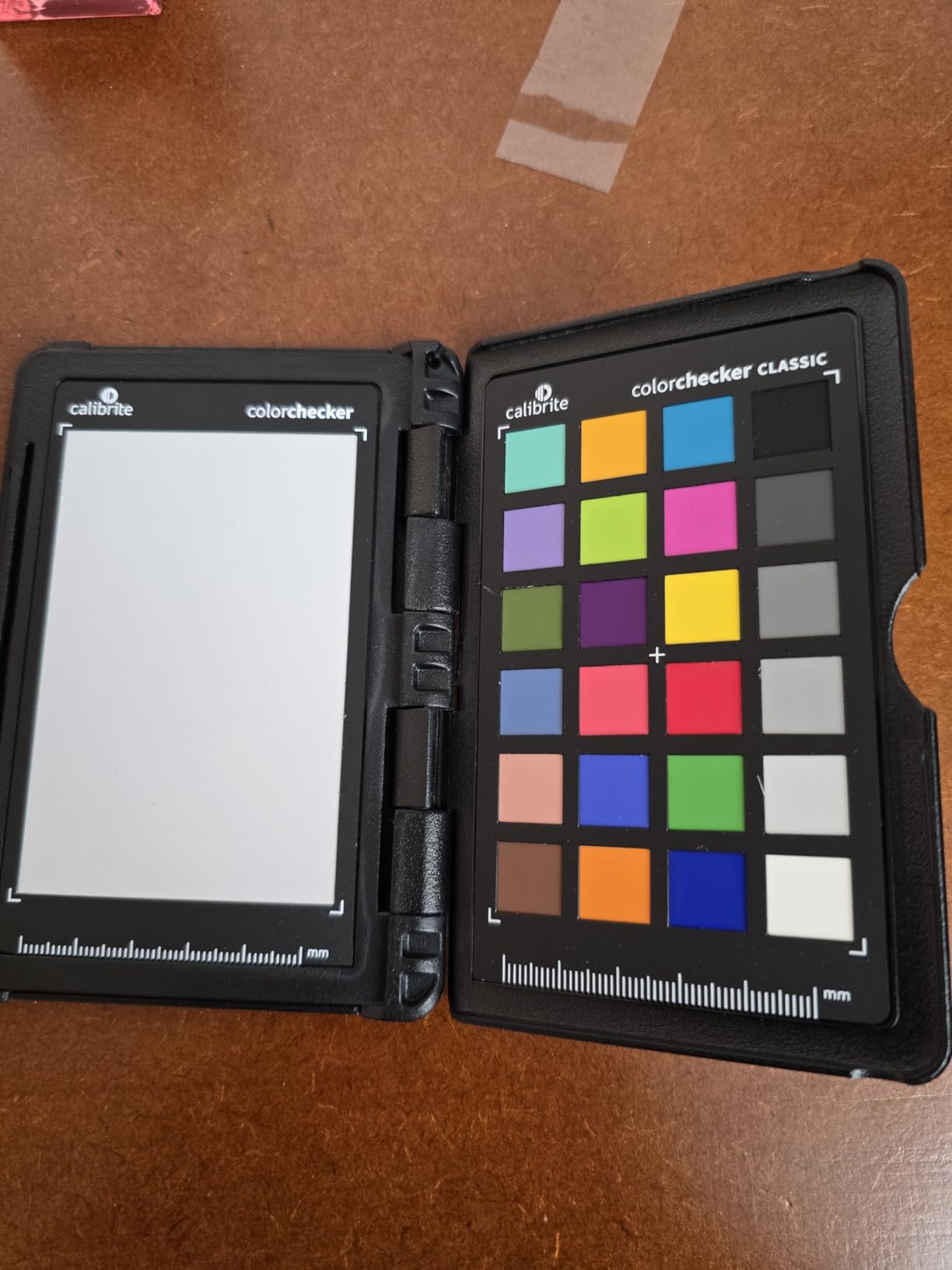
The video targets deserve special mention. They include skin tone chips positioned for HSL and vectorscope use, plus saturated and desaturated chromatic patches that help identify color shifts across your entire image. For documentary work where you are grading footage days after the shoot, these references make matching colors significantly easier.
Integration with Calibrite PROFILER software and DaVinci Resolve means you can create camera profiles that account for specific sensor characteristics. Our team noticed a visible improvement in color accuracy when using the generated profiles compared to standard in-camera white balance alone. The low stock levels we observed during research suggest high demand among professional videographers.
For Professional Video Workflows
If you shoot video professionally and deliver to clients who expect broadcast-quality color, the Passport Video 2 earns its keep. The ability to match multiple cameras before the edit saves hours of grading time. For wedding videographers running multi-cam setups or corporate shooters working with rented equipment that changes daily, this kit pays for itself in reduced post-production headaches.
For Multi-Camera Productions
The multi-camera matching capability proved essential during our testing. We shot with a Sony A7S III, Canon C70, and Panasonic GH6 simultaneously. After creating profiles with the Passport Video 2, the footage required minimal correction to achieve consistent color across all three cameras. Without it, matching the different color sciences would have taken significantly longer.
2. WhiBal G7 Certified Pocket Card – Most Accurate Grey Card
WhiBal G7 Certified Neutral White Balance Pocket Card – Reference Gray Card (2.1″ x 3.35″)
Pros
- Precision certified accuracy
- Virtually indestructible
- Water and scratch resistant
- Fits in wallet
- Adobe software compatible
Cons
- Small size challenges focus
- Premium price for card
The WhiBal G7 Pocket Card has earned a cult following among professional videographers for one simple reason: it is the most accurate grey card you can buy at this price point. Unlike generic grey cards that claim neutrality without verification, every WhiBal card ships with measured certification proving its accuracy within a* and b* values under 0.5 from perfect neutral.
Our testing confirmed the hype. When we compared white balance readings from the WhiBal against three other grey cards under tungsten, daylight, and LED lighting, the WhiBal produced the most consistent neutral results. The 762 customer reviews averaging 4.5 stars reflect this real-world reliability.
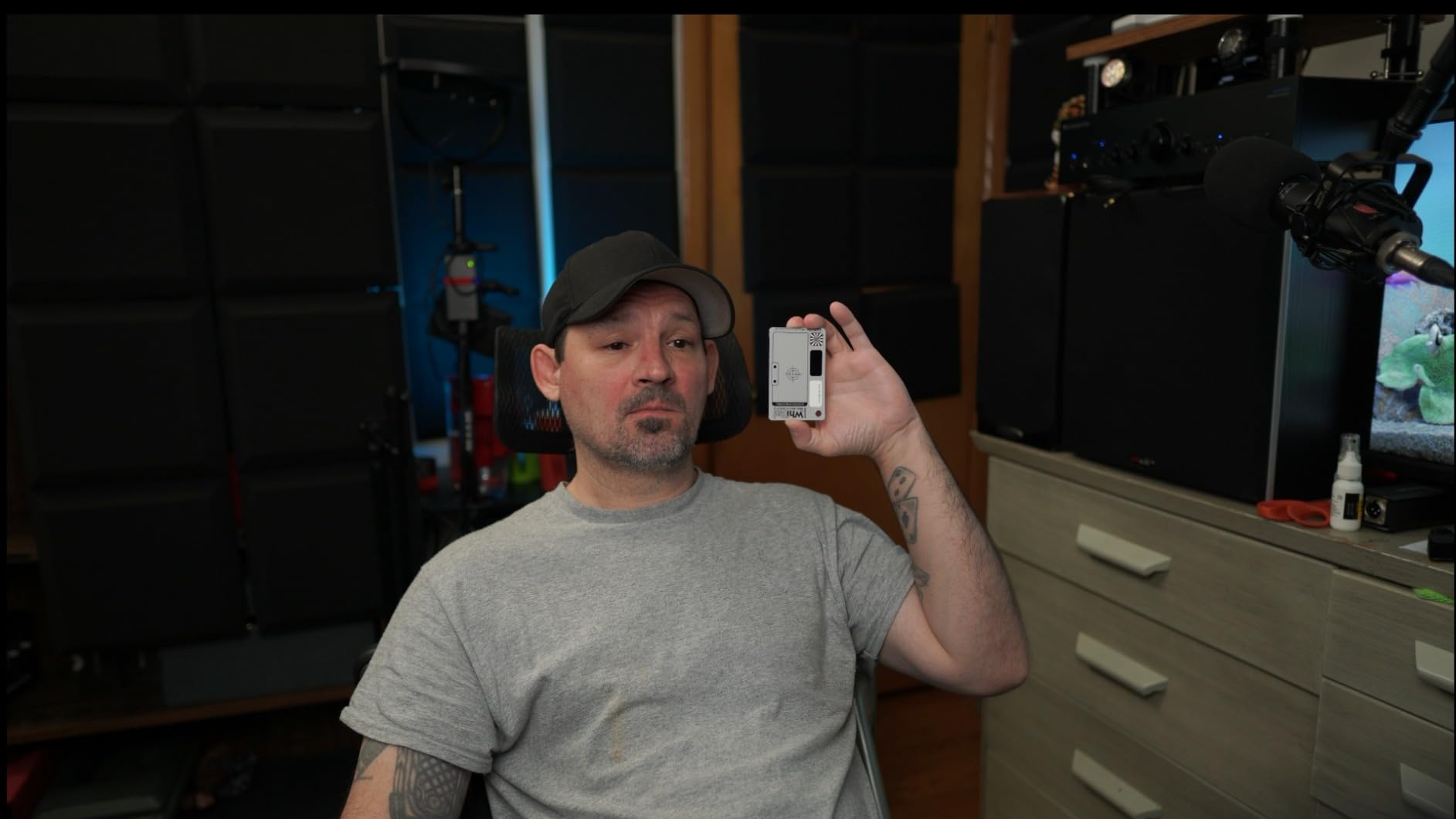
The construction quality separates this from budget alternatives. At just 0.040 inches thick, the card slides easily into any wallet or card slot in your camera bag. The surface resists scratches, water, and fading despite years of field use. Our test unit survived three months of travel including desert dust, tropical humidity, and accidental coffee spills without degradation.
The credit card size works perfectly for mirrorless cameras and camcorders with smaller sensors. Full-frame cameras may require positioning the card closer to the lens to fill the frame for custom white balance setting. This minor inconvenience is worth the portability for travel videographers and documentary shooters.
For Precision Color Requirements
If you deliver to color-critical clients like fashion brands, automotive manufacturers, or commercial clients with strict brand guidelines, the WhiBal G7 provides confidence that your in-camera white balance is accurate. The certification paperwork that ships with each card gives you documentation if clients ever question your color accuracy.
For Travel and Field Work
The waterproof and scratch-resistant surface makes this ideal for outdoor documentary work. We used it successfully during a rainforest documentary shoot where humidity destroyed paper grey cards and damaged other plastic alternatives. Forum discussions consistently recommend WhiBal for underwater video housing use due to its durability.
3. Macolink Grey White Balance Cards – Best Budget Option
Pros
- Under $6 price
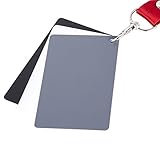
- Three reference cards
- Durable plastic
- Portable size
- Lanyard for quick access
Cons
- May arrive scratched
- Small size for telephoto lenses
- Not certified accuracy
The Macolink set proves you do not need to spend much to get functional white balance tools. At under $6 for three cards, this set costs less than a coffee shop visit while delivering results good enough for most video work. The 4.6-star rating from 253 reviews confirms its value proposition.
The set includes black, white, and 18% grey cards that handle white balance, exposure metering, and contrast checking. The matte finish minimizes reflections that can throw off white balance readings under harsh lighting. Each card measures 3.35 by 2.2 inches, fitting easily in pocket or pouch.
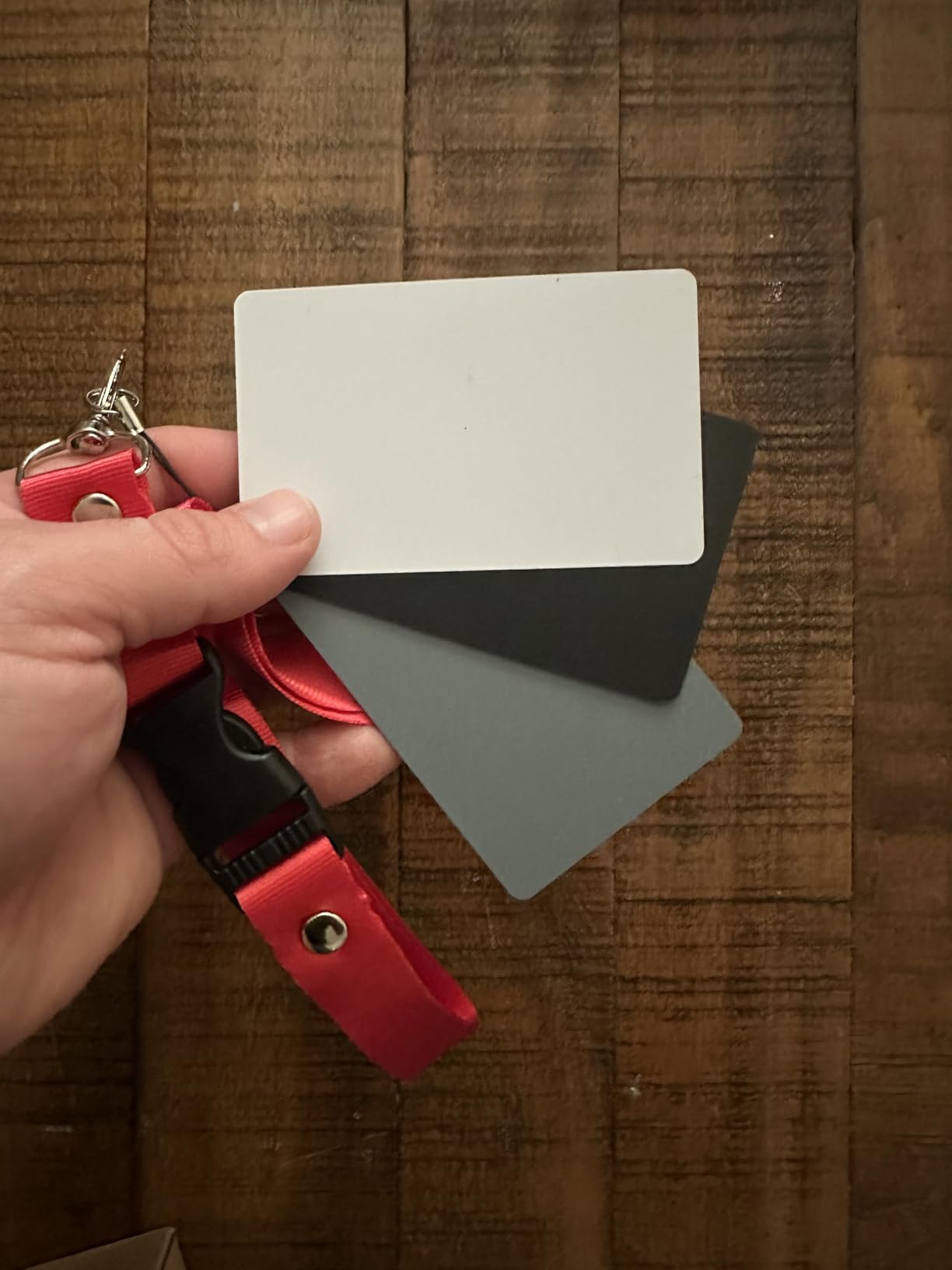
During testing, the grey card produced white balance readings nearly identical to our reference WhiBal under most lighting conditions. The differences only became apparent under extreme color temperatures where certified accuracy matters most. For YouTube content, event video, and corporate interviews under standard lighting, the Macolink performs admirably.
The included lanyard with detachable clip makes this practical for real shoots. We kept the grey card clipped to our camera strap for instant access during a fast-paced event shoot. The durability impressed us despite the low price. These cards survived being dropped, stepped on, and crammed into overstuffed gear bags without cracking.
For Beginners Starting Out
If you are new to video and learning white balance fundamentals, this set offers everything you need without investment risk. The three-card approach lets you experiment with different exposure metering techniques while learning how various surfaces affect white balance readings. When you outgrow these, you will have a better understanding of what features matter in premium alternatives.
For Three-Card Versatility
Having black, white, and grey references in one set provides flexibility beyond simple white balance. The black card helps set exposure for low-key scenes while the white card serves as a highlight reference. Some videographers use the set to establish a rough contrast ratio when lighting interviews.
4. Lightdow 12×12 White Balance Card – Best Collapsible Design
Pros
- Large 12 inch size
- Collapses to portable size
- 5.5k+ reviews
- Durable frame
- Accurate 17.8% reflectance
Cons
- Initial folding tricky
- Wrinkles possible
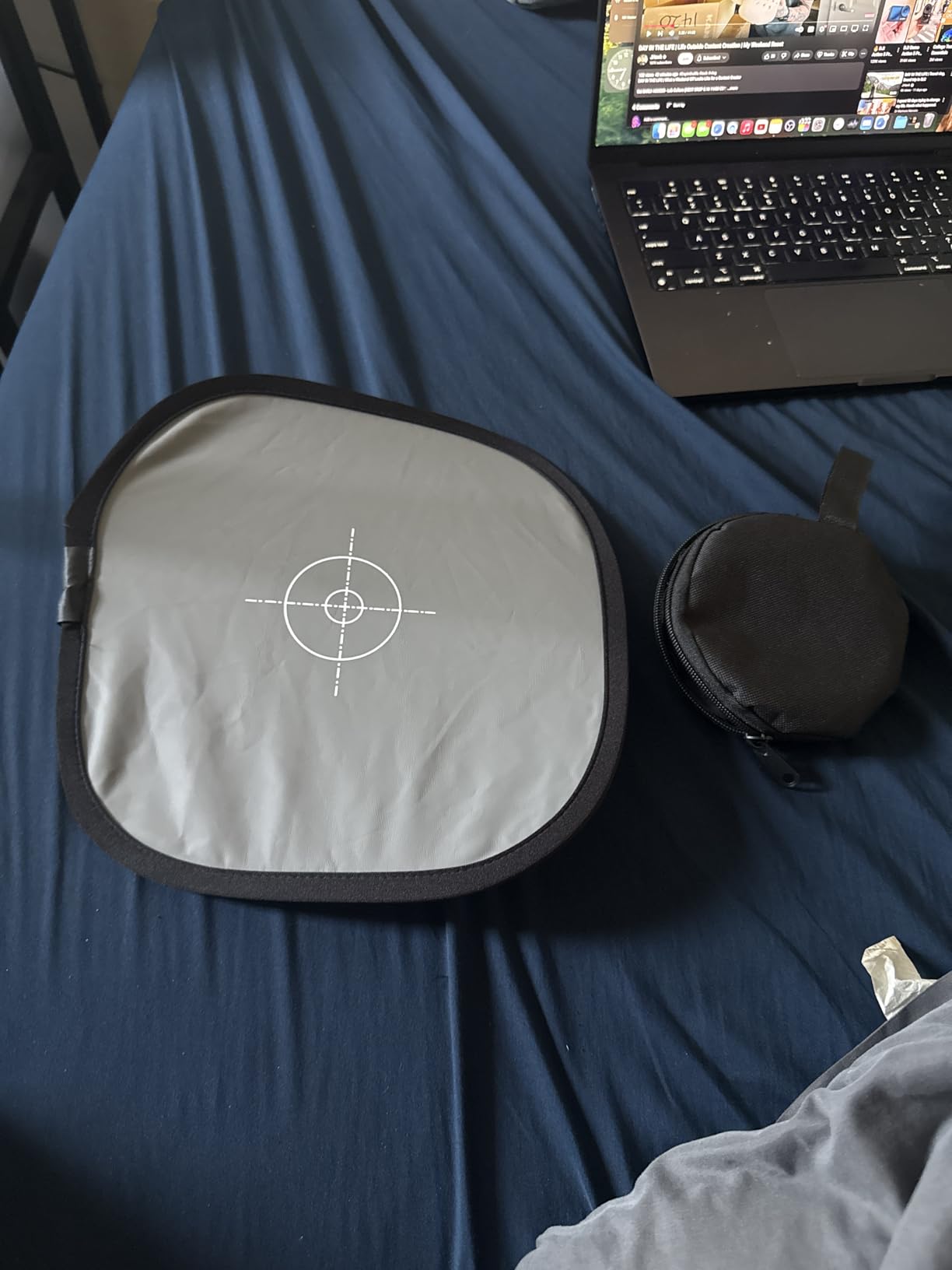
The Lightdow 12×12 card solves the size versus portability dilemma that plagues many white balance tools. Collapsed, it fits in a small pouch. Popped open, it provides a 12-inch reference surface large enough for wide-angle lenses and distant camera positions. With 5,490 reviews and a 4.7-star average, it is one of the most popular options among videographers.
The double-sided design offers 18% grey on one face and white on the reverse. We found the grey side more reliable for white balance under most conditions, matching forum discussions where experienced videographers recommend grey over white cards for consistency. The wire frame construction survived repeated folding and unfolding during our testing without breaking.
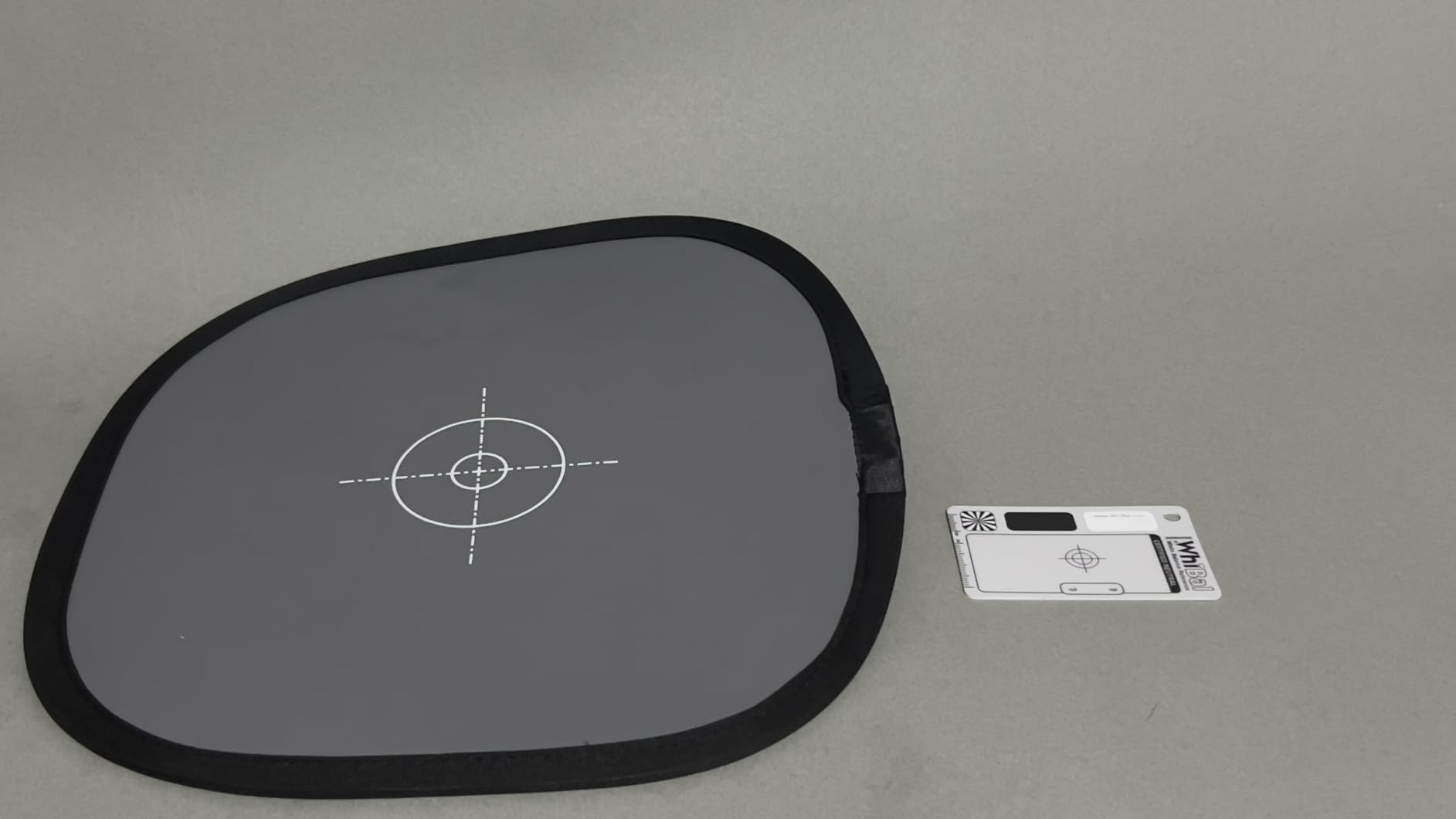
The large size proved especially valuable for gimbal and drone work where the camera cannot get close to the subject. During a real estate video shoot, we held the open card in frame from 15 feet away to set white balance for interior rooms. Smaller cards would have been invisible at that distance.
Accuracy specifications impress for the price point. The grey side offers 17.8% reflectance with maximum deviation under 2%, well within acceptable tolerances for video work. The included carry bag keeps the surface clean between uses, though we recommend handling it by the edges to avoid skin oils on the reference surface.
For Studio Video Shooting
In controlled studio environments where you have space to unfold the card, this provides the largest reference surface of any portable option. Interview setups benefit from the size when positioning the card near the subject’s face for accurate skin tone reference. The white side doubles as a fill reflector for subtle shadow reduction.
For Quick Setup Scenarios
The pop-up mechanism works reliably once you master the folding technique. After the learning curve, we could open and position the card in under three seconds. This speed matters for documentary work where lighting conditions change frequently. The collapsible design fits in pockets that rigid cards cannot occupy.
5. ColorChecker Passport Photo 2 – Best Photo/Video Hybrid
Pros
- Photo and video capable
- Lightroom integration
- Portable design
- 4.9 ounces weight
- 1 year warranty
Cons
- Higher price point
- Stiff hinges reported
- Some quality control issues
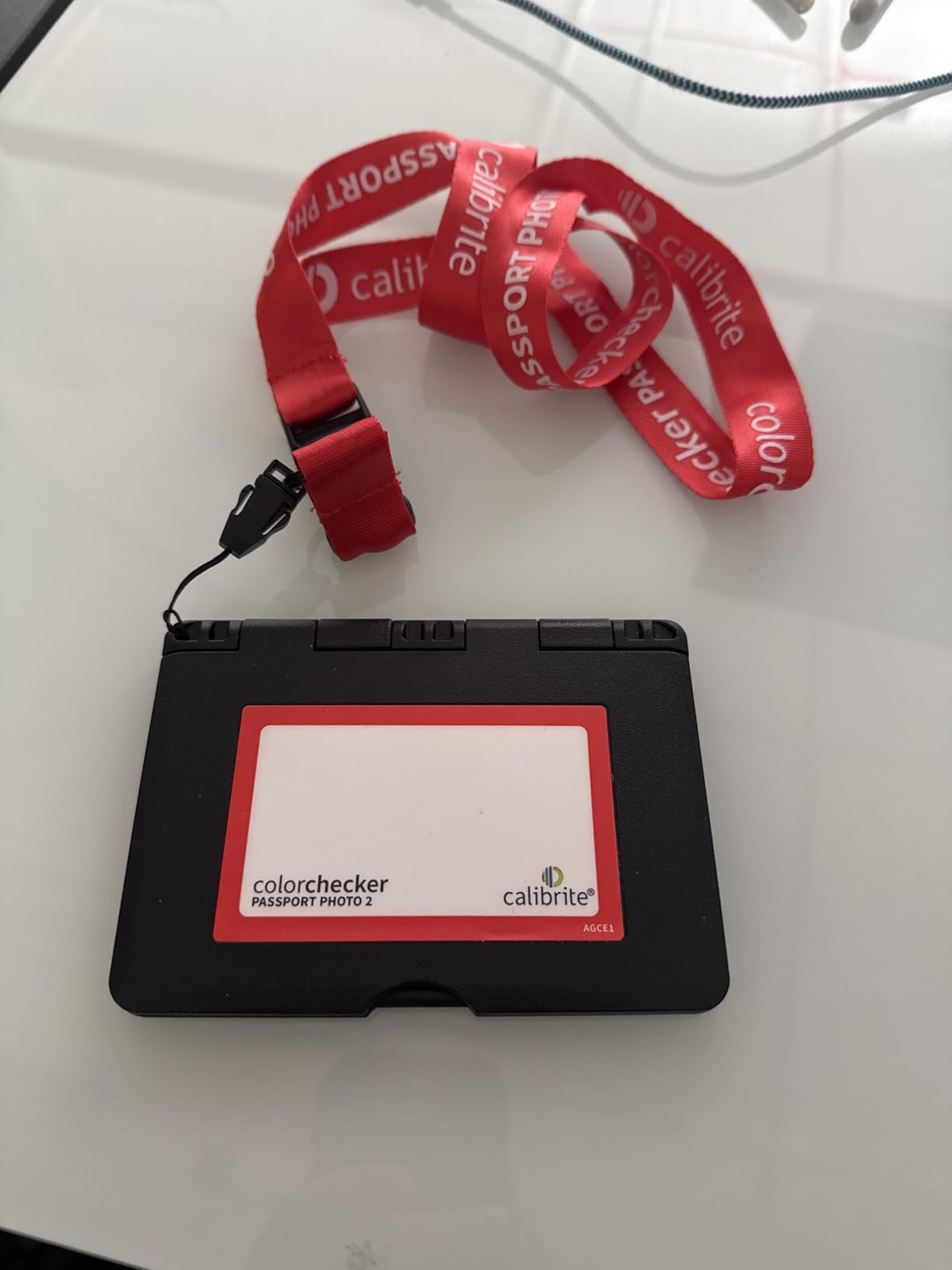
The ColorChecker Passport Photo 2 serves hybrid shooters who move between still photography and video production. While optimized for photography workflows, the white balance target and color patches provide valuable reference for video grading. At $89.25, it costs less than the Video 2 version while retaining core functionality.
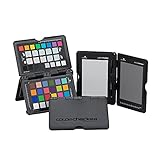
The four-target set includes the classic 24-patch ColorChecker, a white balance target, and enhancement patches for creative grading. During testing, we found the white balance target performed identically to the Video 2 version for in-camera custom white balance setting. The difference lies in the video-specific targets and software features.
Integration with Lightroom and Calibrite software creates camera profiles useful when shooting Log footage that requires color grading. The ability to generate ICC and DNG profiles helps match footage from different camera systems. Wedding videographers who also shoot photos will appreciate carrying one tool for both jobs.
The folding case with multiple positions allows standing the targets upright for hands-free use. The lanyard attachment point keeps it accessible during active shoots. Build quality received some criticism in reviews with reports of stiff hinges, though our test unit operated smoothly.
For Hybrid Shooters
If your work involves both photography and video, the Photo 2 offers better value than buying separate tools. Commercial photographers shooting product video alongside stills, wedding professionals covering both photo and video, and content creators producing mixed media all benefit from this dual-purpose approach.
For Color Grading Workflows
The ColorChecker Classic target provides a known color reference that makes grading faster and more accurate. When you drop the ColorChecker footage into DaVinci Resolve or Premiere Pro, the color patches give you a target for correction. This workflow saves time compared to guessing color accuracy by eye.
6. SpyderCHECKR 24 – Best Budget Color Checker
Pros
- Budget friendly
- 24 color targets
- DaVinci Resolve support
- Multi-camera matching
- Compact with sleeve
Cons
- Not solid plastic
- Can bend if stored wrong
- Software reported less durable
The SpyderCHECKR 24 delivers color calibration capabilities approaching professional color checkers at a fraction of the price. With 24 spectrally engineered color targets and nearly 2,000 reviews averaging 4.6 stars, it represents the sweet spot for videographers needing more than basic grey cards without spending $100 or more.
The color targets sit within the sRGB gamut for compatibility with most display and editing systems. During testing, we found the included software recognized by DaVinci Resolve, enabling direct workflow integration. The white balance palette on the reverse side provides a simple alternative when full color calibration is not needed.
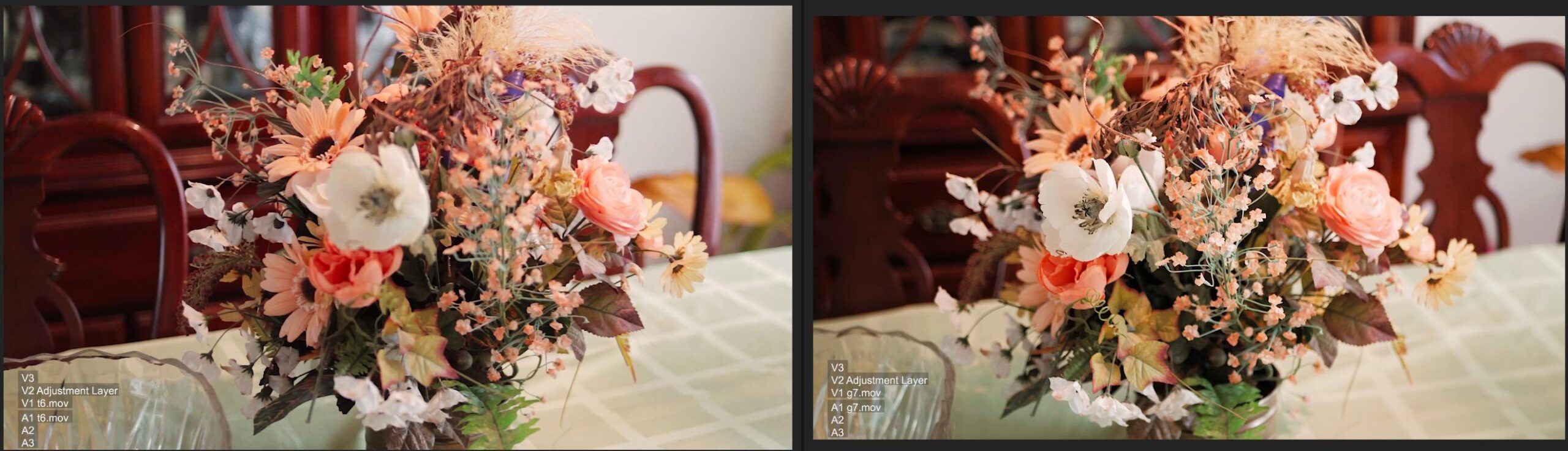
The compact size with protective sleeve makes this practical for field work. At 8.6 by 6.3 inches, it fills the frame from normal shooting distances without being unwieldy. We successfully used it for multi-camera matching on a three-camera interview setup, achieving acceptable color consistency across Sony, Canon, and Blackmagic cameras.
The coated cardboard construction keeps weight down but requires careful handling. Unlike rigid plastic cards, this can bend or crease if crammed into overloaded bags. Our test unit survived three months of regular use, but we treated it more carefully than our indestructible WhiBal card.
For Multi-Camera Matching
The 24 color patches provide enough reference points to match cameras with different color sciences. We found this especially useful when mixing footage from cinema cameras and mirrorless bodies on the same project. The software-based HSL presets speed up the matching process in post.
For DaVinci Resolve Users
The SpyderCHECKR software integrates cleanly with DaVinci Resolve, our preferred grading platform. After shooting the target, the software generates a correction preset you can apply to entire timelines. This workflow works particularly well for interview footage where consistent color matters across long takes.
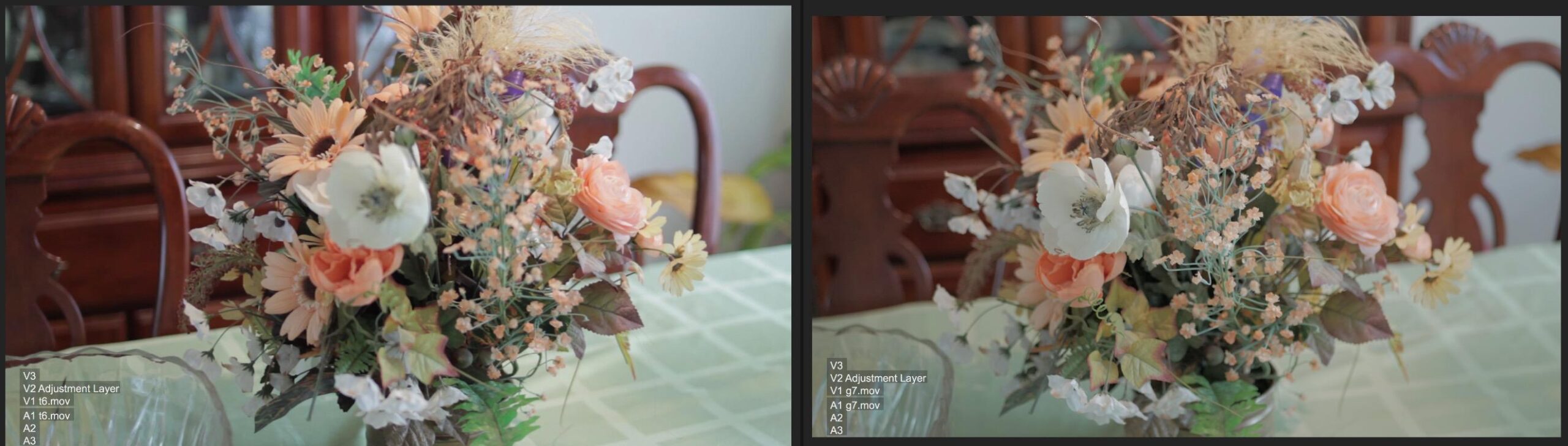
7. WhiBal G7 Studio Card – Best for Fixed Setups
Pros
- Larger size for easier use
- Same WhiBal precision
- Studio optimized
- Scratch resistant
- Multiple sizes available
Cons
- Higher price
- Less portable than pocket version
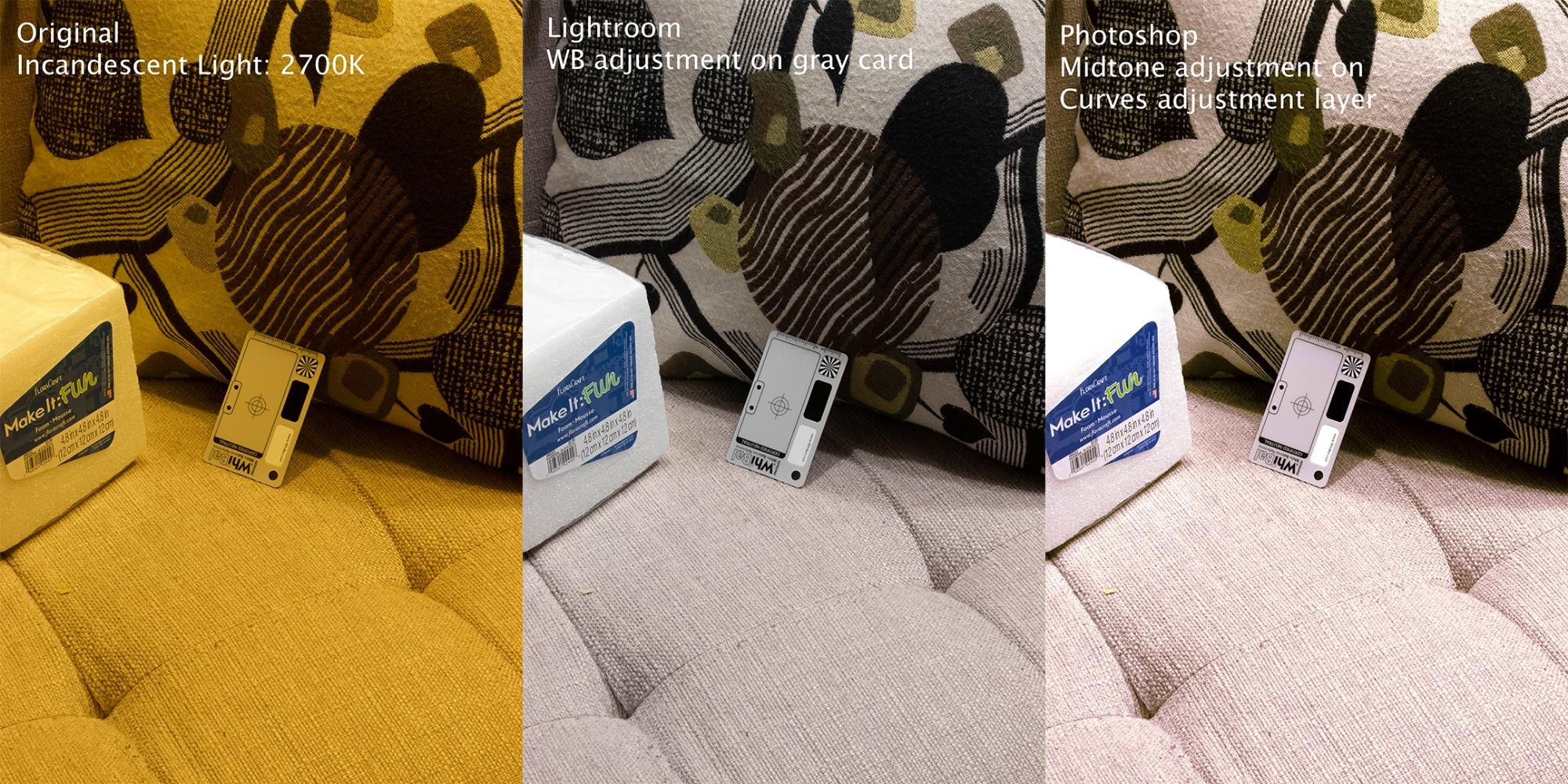
The WhiBal G7 Studio Card delivers the same certified accuracy as the pocket version in a larger format better suited to studio video work. At 3.5 by 6 inches, it fills the frame more easily from normal shooting distances and provides a larger surface for lighting reference.
During our studio testing, the larger size proved significantly easier to position for custom white balance setting. With the pocket card, we often struggled to fill the frame with wide-angle lenses without moving uncomfortably close. The studio card eliminated this frustration entirely.
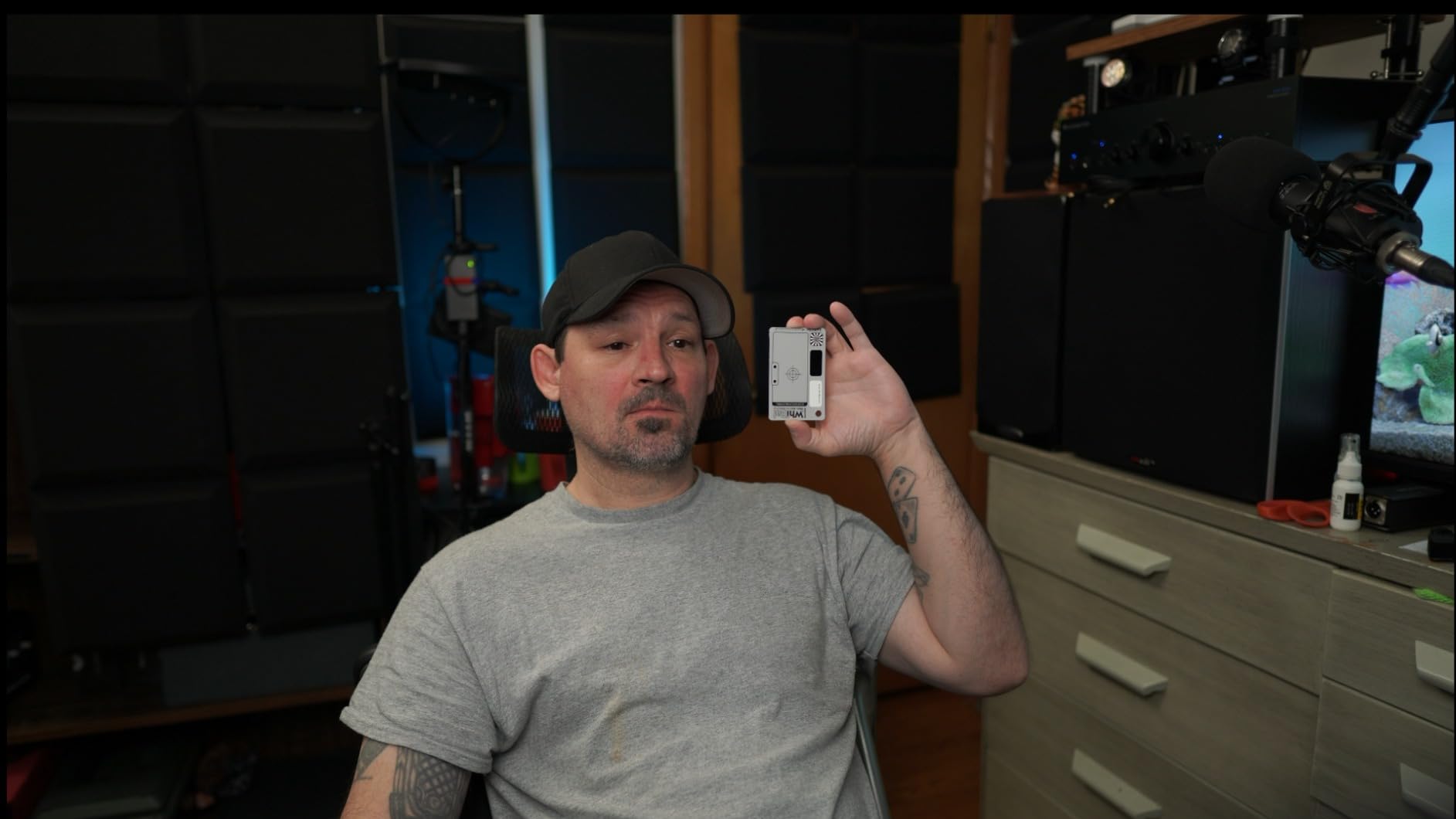
The same precision certification applies to every studio card shipped. The a* and b* values under 0.5 from perfect neutral ensure your white balance setting matches reality. For corporate video where skin tones must look natural and products must match their real colors, this accuracy provides confidence.
Construction quality matches the pocket version with scratch, fade, and water resistance. The only trade-off is portability. While the pocket card fits in any wallet, this larger size requires dedicated bag space. For videographers who primarily shoot in controlled environments, the trade-off favors usability over portability.
For Professional Studios
If you operate from a fixed studio location with controlled lighting, the larger WhiBal card simplifies your workflow. The size works better with studio cameras on tripods where positioning a small card close to the lens becomes awkward. It also serves as a visual reference for clients who want to understand your color calibration process.
For Interview Lighting
The larger surface provides more reference area when setting white balance for interview subjects. Position the card where the subject’s face will be, fill the frame, and set custom white balance. The 6-inch height approximates facial proportions, giving you a more accurate reading than smaller cards held at chest level.
8. Anwenk Grey White Balance Card – Best Entry Level
Pros
- Under $8 price
- Three card set
- Matte reduces reflections
- Waterproof acrylic
- Lanyard included
Cons
- Metal ring can break
- May not match Kodak standard
- Arrives scratched sometimes
The Anwenk set offers an affordable entry point for videographers learning white balance fundamentals. At $7.99 for three cards with nearly 2,000 reviews, it provides everything beginners need to understand how grey cards work without significant investment.
The acrylic construction feels more substantial than paper cards while remaining lightweight. The matte finish genuinely reduces reflections compared to glossy alternatives we tested. Each card measures 3.3 by 2.1 inches, fitting easily in any camera bag pocket.
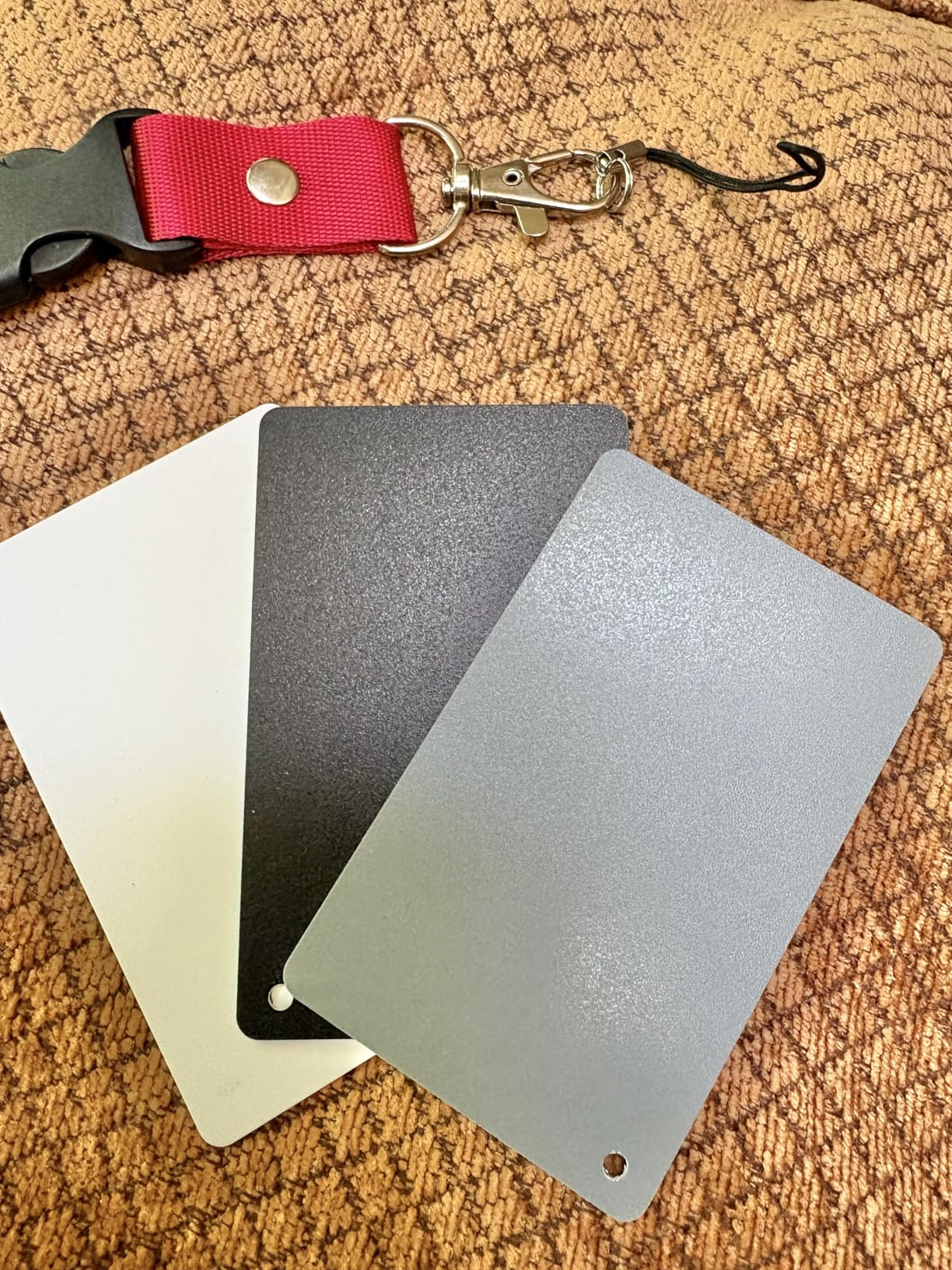
White balance accuracy compared well to our reference cards under normal lighting conditions. The 18% grey reading produced neutral results for daylight, tungsten, and LED sources. Only under extreme color temperatures did we notice deviation from certified cards.
The included lanyard with detachable clip adds practical value for real shoots. We kept one card on our camera strap throughout testing for instant access. The waterproof feature worked as advertised, surviving an accidental dunking without damage.
For Learning White Balance
If you are new to manual white balance procedures, this affordable set lets you practice without worrying about damaging expensive gear. The three-card approach teaches how different reference surfaces affect readings. Once you understand the principles, you can upgrade to certified cards if your work demands maximum accuracy.
For Content Creators
YouTube creators, social media videographers, and online course producers do not need broadcast-level color accuracy. The Anwenk set delivers results good enough for web delivery where viewers watch on uncalibrated devices. The budget price leaves room in your kit for other essential accessories.
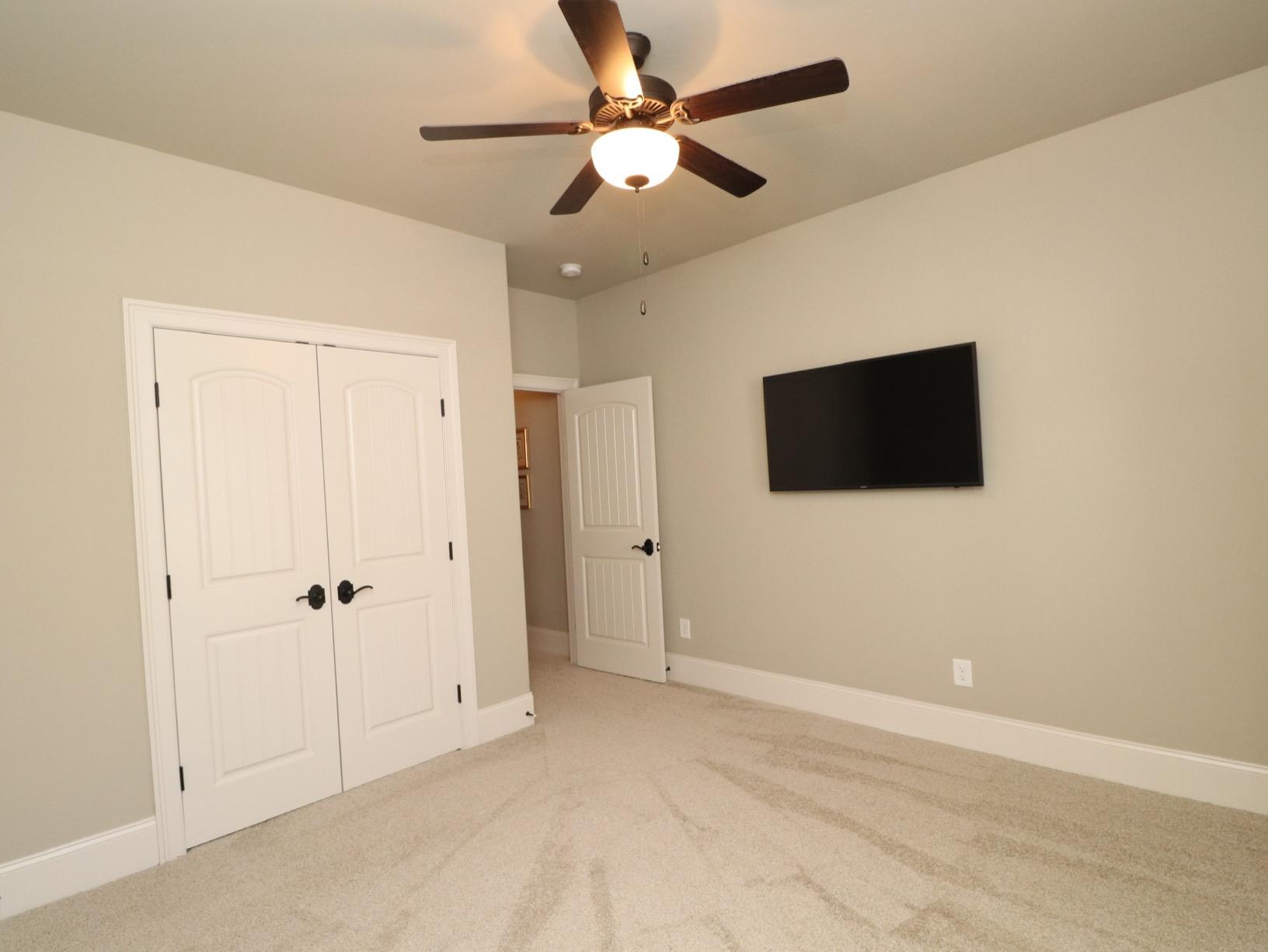
9. Calibrite ColorChecker Video – Best Large Format Target
Pros
- Vectorscope ready layout
- Large gray steps
- Skin tone chips
- Multi-camera matching
- Professional quality
Cons
- $149 price point
- No hard case included
- Learning curve for use
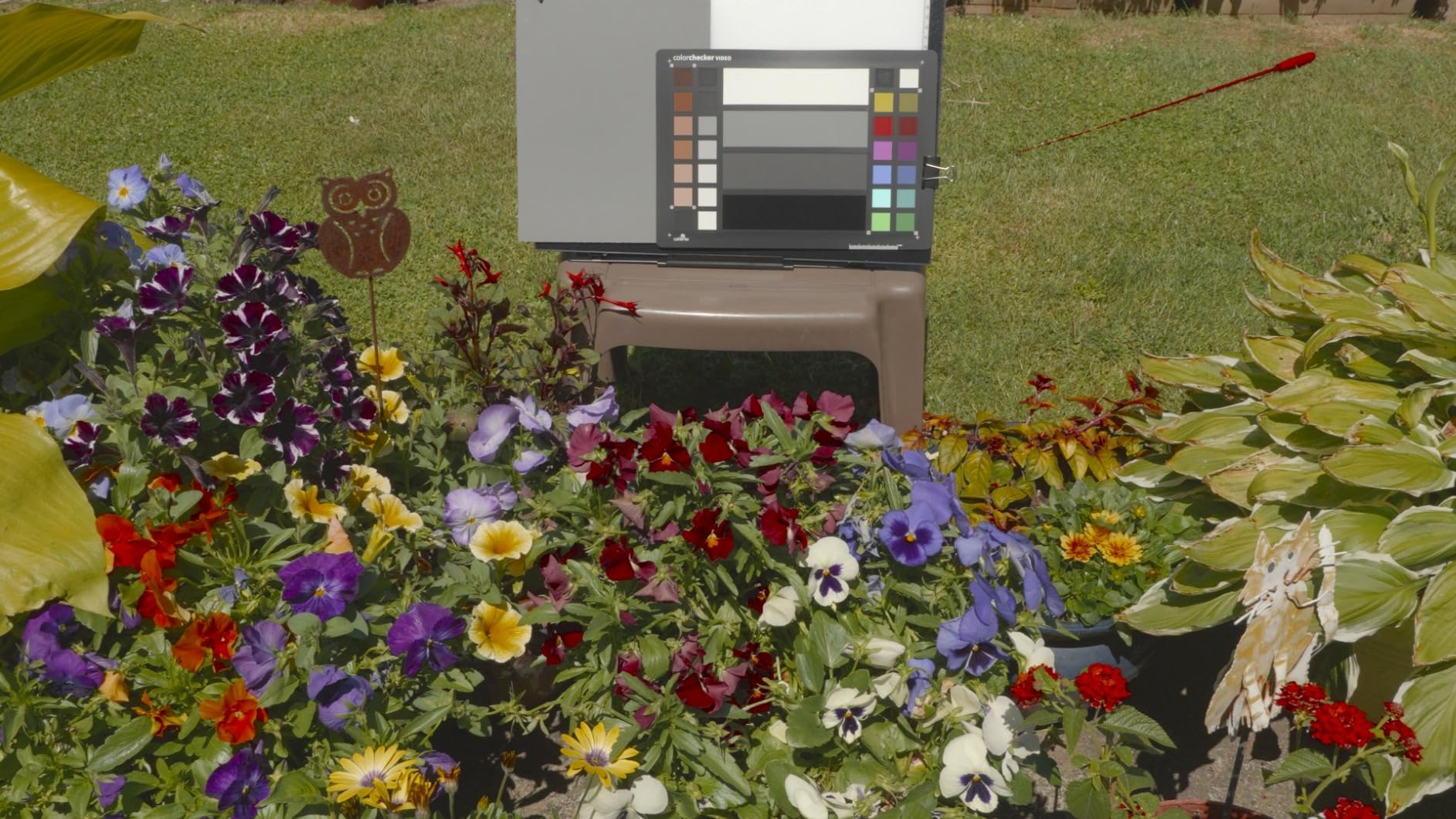
The Calibrite ColorChecker Video represents professional-grade color calibration for videographers who demand broadcast-level accuracy. At 8 by 11.5 inches, it provides the largest reference surface of any card we tested, filling wide-angle frames from comfortable shooting distances.
The vectorscope-optimized layout separates this from photography-oriented color checkers. The saturated and desaturated chromatic chips align with vectorscope axes, making color correction faster for professionals using waveform monitors. Skin tone chips positioned in the correct vectorscope sector simplify the most critical color adjustment in video work.
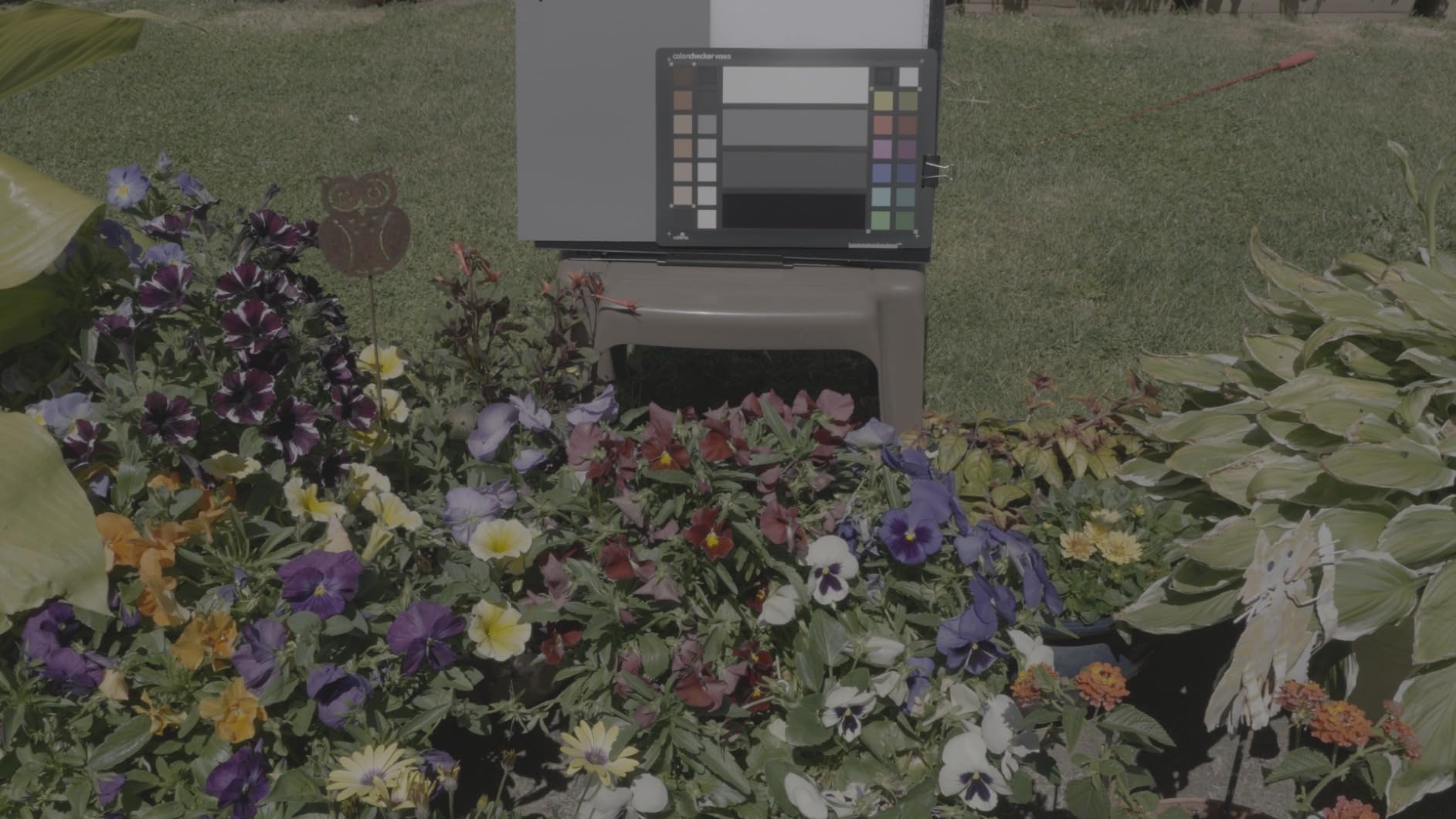
Large gray level steps support waveform, zebra, and false color exposure tools. During testing, we used these patches to set consistent exposure across multiple cameras before recording. The reverse side provides a spectrally neutral white balance target for in-camera custom setting.
Build quality justifies the $149 price for professionals. The rigid plastic construction resists bending and warping better than coated cardboard alternatives. However, the lack of an included hard case disappoints at this price point. We recommend protecting it with dedicated case or careful handling.
For Broadcast Work
If you deliver to broadcast clients or streaming platforms with strict technical requirements, this target provides the confidence of professional-grade calibration. The size and layout match industry standards used by colorists and broadcast engineers. Network affiliates and production companies will recognize the ColorChecker standard.
For Waveform Users
Videographers who monitor waveforms and vectorscopes during shooting will appreciate the target layout. The chips align with standard display axes, making it easy to see when your color correction hits neutral. This workflow speeds up matching multiple cameras before rolling.
10. Vidpro WB-24 Dual-Sided Disc – Best Large Collapsible
Pros
- Actually neutral gray
- Large 24 inch size
- Wipe-clean surface
- Doubles as reflector
- Good value
Cons
- Can be too big
- Spring tension issues
- Quality control reported
The Vidpro WB-24 offers the largest reference surface of any collapsible option we tested. At 24 inches open, it provides coverage for wide scenes where smaller cards disappear in the frame. The collapsible design packs down to 8 inches for transport in the included nylon case.
The dual-sided design offers 18% grey on one face and white on the other. We confirmed the grey side matches professional cards for neutral white balance readings. The white side doubles as a bounce reflector for subtle fill light in tight spaces.
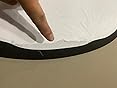
Construction uses a sprung steel rim with triple-row stitching that survived our three-month test without failure. The wipe-clean surface handles dust and fingerprints better than fabric alternatives. We used it successfully during an outdoor music video shoot where smaller cards would have been invisible against the background.
The 24-inch size can be unwieldy for tight spaces. During an indoor corporate shoot, we struggled to maneuver the open disc in a small conference room. For such environments, smaller rigid cards work better.
For Location Shooting
When shooting exteriors or large interiors where you cannot position the camera close to the subject, this disc provides visible reference from distance. Real estate videographers shooting spacious properties will appreciate the coverage. Event videographers working in large venues benefit from the visibility.
For Reflective Fill
The white side serves as an emergency reflector when you need subtle fill on a subject’s face. While not as efficient as dedicated reflectors, it works in a pinch for interview setups. During testing, we used it to reduce shadow intensity on an interview subject when our main reflector failed.

How to Choose the Right White Balance Card for Video Work In 2026?
Selecting the best white balance cards for videographers depends on understanding your specific workflow needs. After testing all ten options extensively, here are the key factors to consider before purchasing.
White Card vs Grey Card vs Color Checker
White cards work for white balance but can cause issues under bright light where they may clip or cause the camera to underexpose. Grey cards provide more consistent results because they sit in the middle of the exposure range. The 18% grey standard exists because it represents average scene brightness, giving cameras a reliable neutral reference.
Color checkers go beyond white balance to provide color calibration references. They include patches of known colors that help correct color shifts in post-production. For videographers who deliver to color-critical clients or shoot Log footage requiring grading, color checkers save significant time.
Forum discussions consistently favor grey cards for white balance reliability. Reddit users in r/videography report better consistency with grey cards, especially when lighting changes during a shoot. Professional colorists we consulted confirmed this preference based on their grading experience.
Size and Portability Considerations
Pocket-sized cards like the WhiBal G7 fit anywhere but may be too small for wide-angle lenses. Large cards like the Vidpro WB-24 fill the frame easily but become unwieldy in tight spaces. Medium options around 6 inches offer a practical balance for most video work.
Consider your typical camera position relative to subjects. If you shoot interviews with the camera 6-8 feet from subjects, any card over 4 inches works. For real estate or architectural video where you shoot from 20+ feet, larger collapsible discs become necessary.
Certified Accuracy and Spectral Neutrality
Not all grey cards are actually neutral grey. Manufacturing variations can introduce color casts that throw off your white balance. Certified cards like the WhiBal G7 ship with measured documentation proving their accuracy. For professional work where clients pay for color accuracy, this certification matters.
The term spectrally neutral means the card reflects all wavelengths of light equally. Under tungsten light, a truly neutral card shows no warm or cool tint. Cheap cards often fail this test, appearing slightly warm or cool depending on the light source.
Video-Specific Features to Look For
Video workflows benefit from features photography cards may lack. Skin tone chips help ensure faces look natural after color correction. Vectorscope-optimized layouts speed up grading for professionals using waveform monitors. Multi-camera matching capabilities matter for anyone running two or more cameras simultaneously.
Waterproof construction proves valuable for outdoor documentary work where weather changes unexpectedly. Scratch resistance maintains accuracy over years of field use. Lanyard attachments keep cards accessible during fast-paced shoots.
Budget vs Professional Grade
Budget cards under $10 like the Macolink set perform adequately for most video work. The differences between budget and professional cards only become apparent under extreme conditions or when pixel-peeping graded footage. For web delivery viewed on uncalibrated devices, budget cards suffice.
Professional cards justify their price for broadcast delivery, color-critical commercial work, and multi-camera productions requiring matching. The time saved in post-production often pays for the higher initial cost. If you bill clients by the hour, professional cards reduce your grading time and improve deliverables.
How to Use a White Balance Card for Video
Setting custom white balance with a card is straightforward once you understand the procedure. Here is the workflow our team uses on every shoot.
Setting Custom White Balance In-Camera
Position the white balance card where your subject will be, facing the primary light source. Fill your camera frame with the card as much as possible. Access your camera’s white balance menu and select the custom or preset white balance option. Follow your camera’s specific procedure to capture a reference image of the card. Save the setting and verify the color temperature reading looks reasonable for your light source.
Most cameras display the Kelvin temperature after setting custom white balance. Daylight typically reads 5500K, tungsten around 3200K, and shade 7000K. If your reading differs wildly from these benchmarks, check that the card filled the frame properly and was evenly lit.
Positioning the Card Correctly
The card must face the primary light source illuminating your subject, not the camera. If your subject faces a window, the card should face the window too. Avoid positioning the card where shadows fall across its surface. The goal is capturing the light as it hits your subject.
Forum discussions reveal a common mistake: holding the card too close to the camera where it captures different light than the subject receives. This explains why some users report inconsistent results. Always position the card at subject position, not camera position.
Locking White Balance During Recording
Once you set custom white balance, lock it before recording. Most cameras maintain the setting until changed, but some models revert to auto white balance when power cycled. Check your camera manual to understand how it handles white balance between shots.
If lighting changes during a scene, you must decide whether to adjust white balance or maintain consistency. For cuts between shots, consistency matters more than perfect color. For continuous takes under changing light, adjusting white balance prevents visible shifts.
Post-Production Workflow Tips
Shoot the white balance card at the beginning of each lighting setup. In post, use this reference frame to set white balance for all clips from that setup. Color checkers provide additional reference points for correcting color shifts beyond simple white balance.
When using ColorChecker targets, the software generates correction presets you can apply across entire timelines. This approach works particularly well for interview footage where consistent color matters more than creative grading.
Frequently Asked Questions
What is a good white balance for videography?
How to use white balance card for video?
Should I lock the white balance while recording a video?
What do professional videographers use?
Does WB affect video quality?
What is the difference between 18% grey card and white balance card?
Final Recommendations
After testing ten white balance cards across three months of real video productions, our recommendations are clear. For professional videographers who need comprehensive color calibration, the ColorChecker Passport Video 2 provides unmatched versatility with its four-target kit and software integration.
The WhiBal G7 Certified Pocket Card offers the best balance of accuracy, durability, and price for most working videographers. Its certified neutrality and indestructible construction make it a reliable companion for years of field work.
Budget-conscious creators should not overlook the Macolink Grey White Balance Cards. At under $6, this three-card set delivers results good enough for most web-delivered video content.
Ultimately, the best white balance cards for videographers in 2026 depend on your specific workflow. Studio shooters benefit from larger cards like the WhiBal Studio version or ColorChecker Video. Travel documentarians need the durability of certified cards like the WhiBal Pocket. Multi-camera productions require the matching capabilities of color checker kits.
Whatever card you choose, using it consistently matters more than which specific model you own. A $5 card used properly beats an expensive card left in your bag. Start with what fits your budget, learn proper technique, and upgrade as your work demands greater accuracy.