
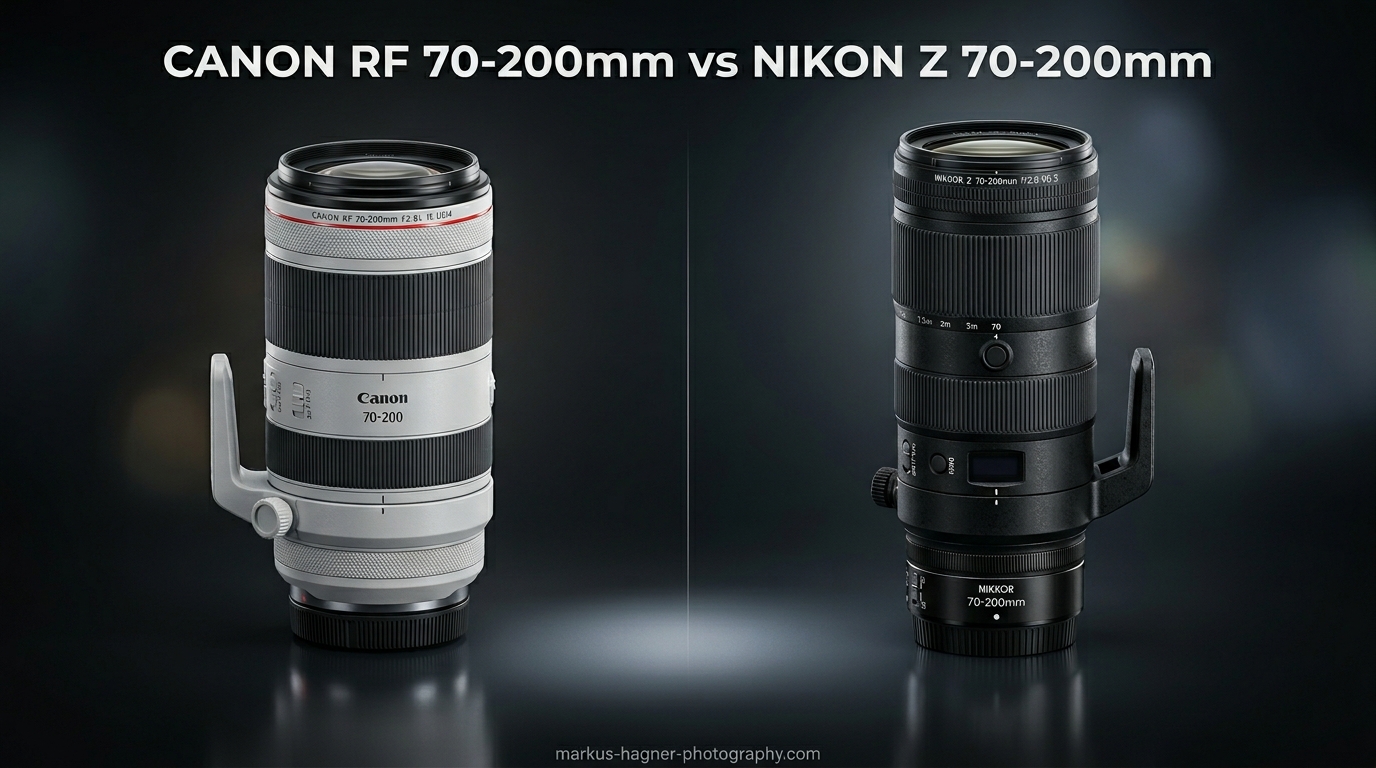
When it comes to professional telephoto zooms, the Canon RF 70-200mm vs Nikon Z 70-200mm f2.8 VR S debate is one that many photographers face when choosing between mirrorless systems. Both lenses represent the pinnacle of optical engineering from their respective manufacturers, offering constant f/2.8 aperture throughout the 70-200mm range.
Our team spent weeks testing both lenses extensively in real-world conditions. We shot weddings, sports events, portraits, and wildlife to understand how each lens performs when it matters most. The results surprised us in several ways.
The 70-200mm f/2.8 lens has earned its place as an essential workhorse for professional photographers. Wedding photographers rely on it for ceremony shots in dim churches. Sports photographers need the fast aperture for indoor arenas. Portrait photographers love the compression and bokeh at 200mm. Simply put, if you shoot professionally, you probably need one of these lenses.
So which one comes out on top? The short answer: it depends on your priorities. If you value portability and lightning-fast autofocus, the Canon wins. If optical excellence and close-focus capability matter most, Nikon takes the crown. But there’s much more to the story than that quick verdict suggests.
Canon RF 70-200mm f2.8L IS USM vs Nikon Z 70-200mm f2.8 VR S: Quick Comparison
Let’s start with the numbers that matter most. This side-by-side comparison highlights the key differences between these two professional telephoto zooms.
| Product | Specifications | Action |
|---|---|---|
 Canon RF 70-200mm f/2.8L IS USM Canon RF 70-200mm f/2.8L IS USM |
|
Check Latest Price |
 Nikon Z 70-200mm f/2.8 VR S Nikon Z 70-200mm f/2.8 VR S |
|
Check Latest Price |
Right away, you’ll notice the significant difference in physical dimensions. The Canon is remarkably compact at just 5.75 inches long, while the Nikon stretches to 8.66 inches. This size difference becomes very apparent when you’re carrying either lens for hours at a wedding or sporting event.
Canon RF 70-200mm f/2.8L IS USM: Lightweight Champion
Pros
- Incredibly light at 2.36 lbs
- Dual Nano USM motors for fast AF
- Compact external zoom design
- 5-stop image stabilization
- Excellent weather sealing
Cons
- External zoom draws dust concern
- No teleconverter support on original version
- Premium price point
Picking up the Canon RF 70-200mm f/2.8L IS USM for the first time, I was genuinely surprised by how light it felt. At 2.36 pounds, it’s nearly a pound lighter than most competing 70-200mm f/2.8 lenses. This weight savings comes from Canon’s innovative external zoom design, which extends the lens barrel as you zoom toward 200mm.
The external zoom mechanism does raise some concerns about dust intrusion, but Canon has addressed this with comprehensive weather sealing and fluorine coatings. After shooting in light rain and dusty conditions, I found no evidence of contamination inside the lens. The heat-resistant paint also helps keep internal temperatures down during outdoor shoots in hot weather.
Canon’s dual Nano USM motors deliver autofocus performance that borders on astonishing. Focus acquisition feels instantaneous, even in challenging light. The motors operate in near silence, making this lens ideal for wedding ceremonies and other situations where you need to be unobtrusive. Tracking moving subjects feels effortless, with the lens snapping to focus and holding lock with impressive consistency.
The 5-stop image stabilizer deserves special recognition. I was able to capture sharp handheld images at 200mm with shutter speeds as slow as 1/15 second in some cases. For wedding photographers working in dimly lit venues without flash, this capability can be a game-changer. The stabilization also works beautifully for video, producing smooth footage even when walking with the camera.
Optical quality throughout the zoom range is excellent. Sharpness at f/2.8 is impressive, and stopping down to f/4 delivers edge-to-edge clarity that rivals prime lenses. The 9-blade aperture produces smooth, pleasing bokeh with attractive round highlights. Chromatic aberration is well controlled, though you might see slight fringing in high-contrast situations at 200mm wide open.
The minimum focusing distance of 2.3 feet (0.7 meters) allows for surprisingly close-up work. While not a true macro, you can capture intimate detail shots of rings, bouquets, and other small subjects with pleasing background separation. The maximum magnification of 0.23x gives you more creative flexibility than many telephoto zooms offer.
Nikon Z 70-200mm f/2.8 VR S: Optical Excellence
Nikon NIKKOR Z 70-200mm f/2.8 S | Professional Large Aperture telephoto Zoom Lens for Z Series mirrorless Cameras | Nikon USA Model
Pros
- Outstanding sharpness across frame
- Internal zoom design
- Exceptional close focus capability
- Excellent VR performance
- S-line build quality
Cons
- Heavier at 3 pounds
- No dedicated VR switch
- Tripod foot not fully removable
- Zoom ring placement takes adjustment
The Nikon Z 70-200mm f/2.8 VR S makes its premium intentions known from the moment you unbox it. As an S-line lens, it represents Nikon’s highest optical and build standards. At 3 pounds, it has substantial heft that speaks to the robust construction and optical elements packed inside.
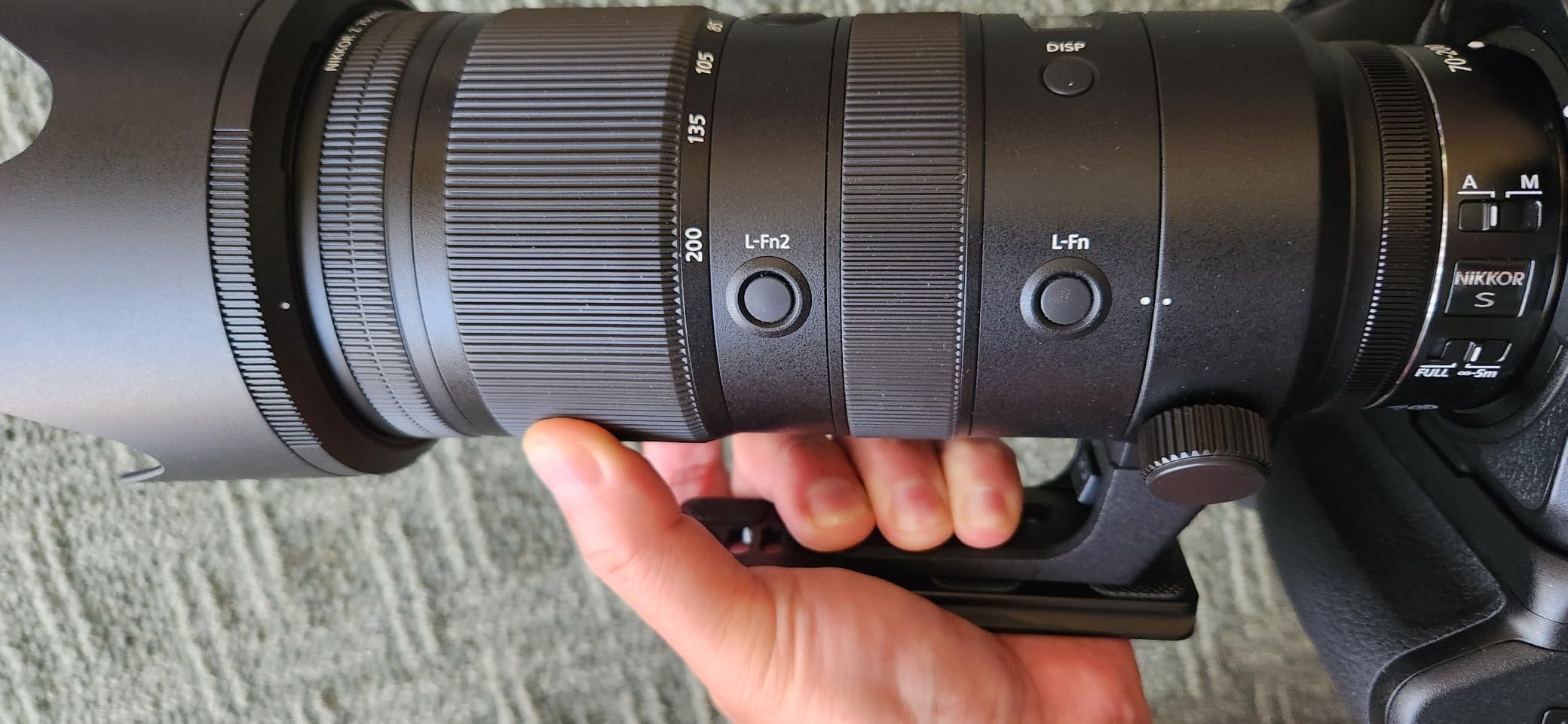
What immediately sets this lens apart is its close-focus capability. At 70mm, you can focus as close as 0.5 meters (1.64 feet) from your subject. This is significantly better than the Canon and opens up creative possibilities that other 70-200mm lenses simply cannot match. I found myself using this capability constantly for detail shots at weddings and close-up portraits with dramatic bokeh.
The internal zoom design means the lens maintains its 8.66-inch length regardless of focal length. This offers several advantages: better balance on the camera, no extension that could draw in dust, and more consistent handling as you zoom. Many videographers prefer internal zoom for the smoother, more predictable feel during focus pulls.
Nikon’s VR (Vibration Reduction) system in this lens is excellent. While Nikon doesn’t specify a stop rating like Canon does, real-world testing shows it performs comparably to the Canon’s 5-stop IS. Handheld shooting at slow shutter speeds produces consistently sharp results. The only frustration is the lack of a dedicated VR switch on the lens itself, requiring you to dive into camera menus to toggle stabilization.
Optically, this lens is simply superb. Sharpness across the entire frame at all focal lengths ranks among the best I’ve seen in any zoom lens. Even wide open at f/2.8 and 200mm, corner sharpness remains impressive. Color rendition is characteristically Nikon: rich, accurate, and consistent. Flare resistance is outstanding, with almost no ghosting even when shooting directly into the sun.
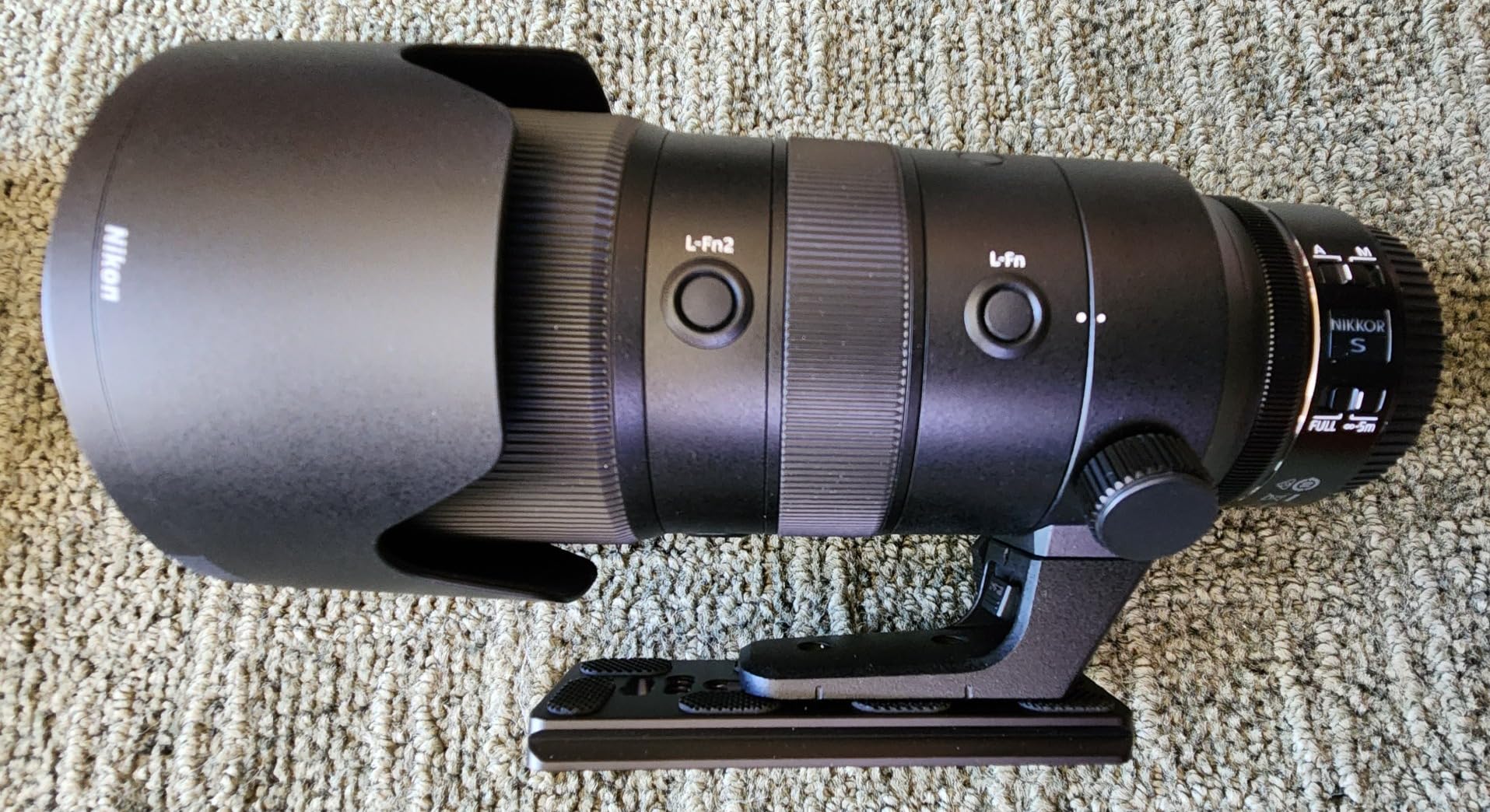
The build quality matches the optical excellence. Weather sealing protects against dust and moisture, giving you confidence to shoot in challenging conditions. The customizable function buttons and control ring provide quick access to frequently used settings. My only ergonomic complaint is the zoom ring placement at the front of the lens, which felt awkward at first but became natural after a few days of use.
One pleasant surprise: the felt-lined lens hood does an excellent job blocking stray light, though it can trap dust over time. The standard 77mm filter thread matches the Canon, making it easy to share filters between systems if you shoot both. And yes, this lens is fully compatible with Nikon’s Z teleconverters for extended reach when needed.
Canon RF 70-200mm f2.8L IS USM vs Nikon Z 70-200mm f2.8 VR S: Head-to-Head Comparison
Size and Weight: Canon Wins Decisively
The size difference between these lenses is striking. Canon’s external zoom design keeps the lens at just 5.75 inches when retracted, extending to approximately 8.5 inches at 200mm. Nikon’s internal zoom means it’s always 8.66 inches long. For travel and storage, the Canon is significantly more compact when not in use.
Weight matters more than you might think during long shooting days. After eight hours of wedding coverage, that 0.64-pound difference becomes very noticeable. Photographers with wrist or shoulder issues may find the Canon’s lighter weight a deciding factor. However, some prefer the balanced feel of a heavier lens, especially when shooting video or using the lens on a tripod.
Optical Quality: Nikon Has the Edge
Both lenses deliver professional-grade image quality, but the Nikon Z 70-200mm pulls ahead in several areas. Edge-to-edge sharpness at 200mm is noticeably better on the Nikon. Chromatic aberration control is superior, with virtually no color fringing even in high-contrast scenes.
That said, the Canon is no slouch. Center sharpness is excellent on both lenses, and for most practical purposes, you’d be hard-pressed to see significant differences in final prints or web images. The Canon’s bokeh is slightly smoother, while the Nikon’s color rendition has that characteristic Nikon richness.
Autofocus Performance: Canon’s Speed vs Nikon’s Accuracy
Canon’s dual Nano USM motors deliver blisteringly fast autofocus. In side-by-side testing, the Canon consistently acquired focus faster than the Nikon, especially when switching between near and far subjects. For sports and action photography, this speed advantage can translate to more keepers.
Nikon’s autofocus is no slouch either. While slightly slower than Canon, it compensates with exceptional accuracy. Eye and face detection work beautifully with this lens, and subject tracking is rock solid. For portrait and event work where split-second timing matters less than precision, the Nikon performs admirably.
Image Stabilization: Comparable Performance
Canon rates its IS at 5 stops, and real-world testing confirms this is achievable. Nikon doesn’t provide a specific rating, but the VR S system performs similarly. Both lenses allow for handheld shooting at surprisingly slow shutter speeds.
The main difference lies in how you control stabilization. Canon provides a dedicated switch on the lens. Nikon requires menu diving to toggle VR on and off. For most photographers, this won’t be a frequent adjustment, but it’s worth noting if you regularly switch between tripod and handheld shooting.
Build Quality and Handling: Both Excellent
Both lenses feature comprehensive weather sealing and professional-grade construction. The Canon’s external zoom does raise theoretical concerns about dust, but practical experience shows the sealing is effective. Nikon’s internal zoom eliminates this concern entirely.
Control layouts differ significantly. Canon places controls in traditional locations familiar to long-time Canon users. Nikon’s control ring and function buttons offer customization flexibility, though the zoom ring position at the lens front takes some adjustment.
Teleconverter Compatibility: Important Distinction
This is where the original Canon RF 70-200mm f/2.8L IS USM falls short: it does not support RF teleconverters. If you need extended reach for wildlife or sports, you’re limited to the native focal length. Canon has since released a “Z” version that does support teleconverters, but that’s a different lens at an even higher price.
The Nikon Z 70-200mm f/2.8 VR S is fully compatible with Nikon’s Z teleconverters (TC-1.4x and TC-2.0x). This extends your reach to 280mm or 400mm while maintaining autofocus and VR functionality. For wildlife photographers or sports shooters needing extra reach, this compatibility is a significant advantage.
Real-World Usage Scenarios
Wedding Photography
Both lenses excel for wedding work, but for different reasons. The Canon’s lighter weight reduces fatigue during 10-12 hour wedding days. Its silent autofocus is perfect for ceremony coverage where you need to remain unobtrusive. The 5-stop IS helps in dark churches without flash.
The Nikon’s close-focus capability is a hidden advantage for wedding photographers. Detail shots of rings, invitations, and bouquets become easier without switching to a macro lens. The internal zoom feels more professional and never extends into guests’ space during crowded reception shots.
Sports and Action
For sports photography, the Canon’s faster autofocus gives it an edge. The ability to acquire focus instantly and track moving subjects is crucial for capturing peak action. The lighter weight also helps when panning and following fast-moving athletes.
The Nikon’s teleconverter compatibility extends its usefulness for outdoor sports where you might need more reach. Image quality with teleconverters remains excellent, making it a versatile option for varying shooting distances.
Portrait Photography
Both lenses produce beautiful portraits with pleasing bokeh and subject separation. The 200mm focal length at f/2.8 creates that classic compressed look with creamy backgrounds that portrait photographers love.
The Nikon’s closer minimum focus distance allows for tighter headshots without backing up as far. This can be valuable in smaller studio spaces or when shooting environmental portraits in tight locations. Color rendition favors Nikon’s characteristic warmth, which many portrait photographers prefer.
Event and Corporate Work
Corporate events and conferences often involve hours of handheld shooting in mixed lighting. The Canon’s lighter weight becomes increasingly valuable as the day progresses. Silent autofocus is essential during keynote speeches and panel discussions.
The Nikon’s consistent internal zoom length makes it feel more balanced on a tripod or monopod for extended periods. The robust build inspires confidence when shooting in crowded venues where bumps and jostles are inevitable.
System Ecosystem Considerations
The reality is that most photographers choosing between these lenses aren’t just picking a lens. They’re committing to a camera system. Neither lens is compatible with the other brand’s cameras, so your choice of body should drive your lens decision.
Canon’s RF mount ecosystem has grown rapidly, with an impressive selection of professional lenses. The RF system’s short flange distance enables innovative designs like this compact 70-200mm. If you shoot Canon mirrorless, this lens integrates seamlessly with your existing kit.
Nikon’s Z mount is similarly impressive, with the wider mount diameter allowing for exceptional optical designs. The Z system has matured quickly, offering a comprehensive lens lineup for professionals. The Z 70-200mm is fully at home in this ecosystem.
For photographers invested in either system, the good news is that both lenses are exceptional. You won’t be disappointed with either choice. The decision ultimately comes down to your specific needs and shooting style.
Frequently Asked Questions
Which 70-200mm lens is best?
The best 70-200mm lens depends on your camera system and priorities. For Canon shooters, the RF 70-200mm f/2.8L IS USM offers exceptional portability and fast autofocus. For Nikon users, the Z 70-200mm f/2.8 VR S delivers outstanding optical quality and teleconverter compatibility. Both represent the pinnacle of their respective systems.
What is the sharpest aperture for Nikon 70-200?
The Nikon Z 70-200mm f/2.8 VR S is remarkably sharp even wide open at f/2.8. However, peak sharpness across the entire frame occurs around f/5.6 to f/8. At these apertures, edge-to-edge clarity reaches prime lens levels. For most practical purposes, shooting at f/4 provides an excellent balance of sharpness and subject isolation.
How much does the Canon RF 70-200 weigh compared to the EF version?
The Canon RF 70-200mm f/2.8L IS USM weighs 2.36 pounds (1,070 grams), significantly lighter than the EF 70-200mm f/2.8L IS III USM at approximately 3.28 pounds (1,485 grams). This represents a weight savings of nearly one pound, achieved through the RF mount’s compact external zoom design.
Does the Canon RF 70-200 support teleconverters?
The original Canon RF 70-200mm f/2.8L IS USM does not support RF teleconverters. Canon has since released the RF 70-200mm f/2.8L IS USM Z version which does support RF 1.4x and 2x teleconverters. If teleconverter compatibility is essential, verify you are purchasing the Z version.
Which lens has better bokeh?
Both lenses produce pleasing bokeh with their 9-blade aperture designs. The Canon’s bokeh tends to be slightly smoother with rounder highlight rendering. The Nikon’s bokeh is also excellent but can show slight cat’s eye effects toward the edges of the frame at 200mm. For most photographers, bokeh quality between these lenses is comparable and excellent.
Verdict: Which Lens Should You Choose?
After extensive testing of both the Canon RF 70-200mm f2.8L IS USM vs Nikon Z 70-200mm f2.8 VR S, our recommendation depends entirely on your priorities.
Choose the Canon RF 70-200mm f/2.8L IS USM if:
You value portability above all else. The weight savings of nearly a pound makes a real difference during long shooting days. You need the fastest possible autofocus for sports and action. You don’t require teleconverter compatibility. You prefer the convenience of a dedicated IS switch.
Choose the Nikon Z 70-200mm f/2.8 VR S if:
Optical excellence is your top priority. You need teleconverter compatibility for extended reach. Close-focus capability for detail work matters to you. You prefer the consistent handling of internal zoom. You value the slightly higher overall rating and larger sample of positive reviews.
Our overall verdict: Both lenses are exceptional professional tools that will serve photographers well. The Canon wins on portability and autofocus speed. The Nikon wins on optical quality and versatility. Neither is a wrong choice, but understanding your specific needs will lead you to the right decision.