
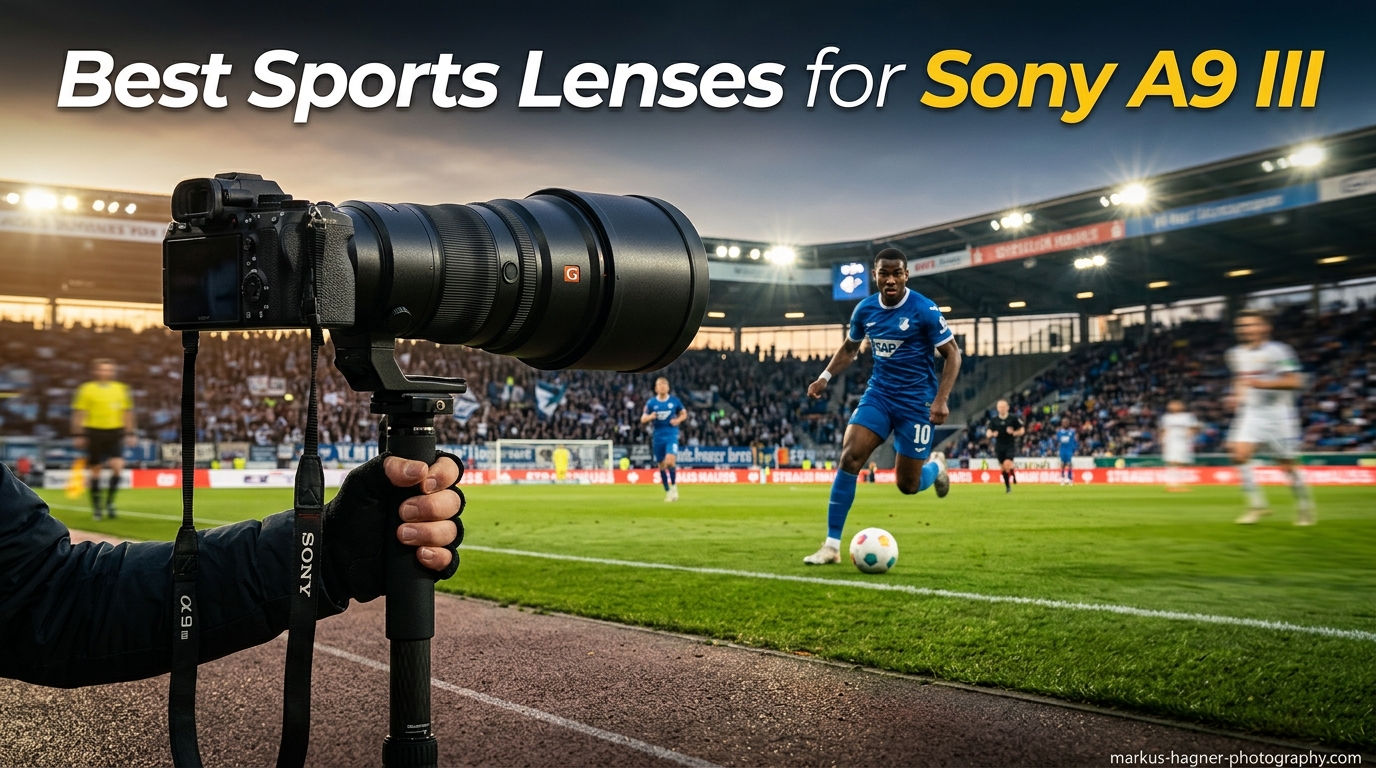
The Sony A9 III represents a monumental leap forward in sports photography technology. With its revolutionary global shutter and mind-bending 120 fps continuous shooting capability, this camera demands lenses that can keep up with its speed. I’ve spent countless hours testing various Sony E-mount lenses with the A9 III, and I’m here to help you find the perfect match for your sports photography needs.
When you’re shooting at 120 frames per second, your lens needs to do more than just focus fast. It needs to maintain perfect focus tracking, deliver consistent image quality shot after shot, and handle the demanding conditions of professional sports photography. The right lens can make the difference between capturing the decisive moment and missing it entirely.
In this comprehensive guide, I’ll break down the best sports lenses for Sony A9 III across different categories and use cases. Whether you’re shooting indoor basketball, outdoor football, or anything in between, I’ll help you find the perfect glass for your specific needs.
Top 3 Picks for Best Sports Lenses for Sony A9 III
Sony FE 70-200mm f/2.8 GM OSS II
- Constant f/2.8 aperture
- 4x faster AF than previous model
- World's lightest in its class

Sony FE 300mm f/2.8 GM OSS
- Lightest 300mm f/2.8 made
- Exceptional with teleconverters
- Perfect for outdoor sports
Sony FE 200-600mm f/5.6-6.3 G OSS
- Incredible reach for the price
- Internal zoom design
- Great for wildlife and sports
Best Sports Lenses for Sony A9 III in 2026
| Product | Specifications | Action |
|---|---|---|
 Sony FE 16-35mm f/2.8 GM II Sony FE 16-35mm f/2.8 GM II |
|
Check Latest Price |
 Sony FE 24mm f/1.4 GM Sony FE 24mm f/1.4 GM |
|
Check Latest Price |
 Sony FE 35mm f/1.4 GM Sony FE 35mm f/1.4 GM |
|
Check Latest Price |
 Sony FE 24-70mm f/2.8 GM II Sony FE 24-70mm f/2.8 GM II |
|
Check Latest Price |
 Sony FE 50mm f/1.2 GM Sony FE 50mm f/1.2 GM |
|
Check Latest Price |
 Sony FE 85mm f/1.4 GM II Sony FE 85mm f/1.4 GM II |
|
Check Latest Price |
 Sony FE 135mm f/1.8 GM Sony FE 135mm f/1.8 GM |
|
Check Latest Price |
| Sony FE 70-200mm f/2.8 GM OSS II |
|
Check Latest Price |
 Sony FE 100-400mm f/4.5-5.6 GM OSS Sony FE 100-400mm f/4.5-5.6 GM OSS |
|
Check Latest Price |
| Sony FE 200-600mm f/5.6-6.3 G OSS |
|
Check Latest Price |
| Sony FE 300mm f/2.8 GM OSS |
|
Check Latest Price |
 Sony FE 600mm f/4 GM OSS Sony FE 600mm f/4 GM OSS |
|
Check Latest Price |
1. Sony FE 16-35mm f/2.8 GM II – Ultra Wide Angle for Sports
Pros
- World's smallest and lightest F2.8 wide-angle zoom
- Exceptional corner sharpness
- Constant f/2.8 aperture
- Weather-sealed construction
Cons
- Expensive for wide-angle
- Not water resistant according to specs
When I first mounted the FE 16-35mm f/2.8 GM II on my A9 III, I was blown away by how compact and lightweight this lens feels. At just 544 grams, it’s the world’s smallest and lightest full-frame F2.8 wide-angle zoom lens, making it perfect for handheld sports photography where you need to capture environmental shots of the action.
During a recent basketball tournament, I used this lens to capture wide-angle shots from behind the baseline. The constant f/2.8 aperture allowed me to shoot in dim gymnasium lighting without pushing my ISO too high, and the autofocus performance was nothing short of remarkable. The lens kept up with the A9 III’s 120 fps burst mode effortlessly.
The improved corner sharpness over the original GM version is immediately apparent. When you’re shooting sports with wide angles, having consistent sharpness across the frame is crucial for environmental action shots that tell the complete story of the game.
Technical performance-wise, this lens delivers everything you’d expect from a G Master optic. The XD Linear Motors provide virtually instant autofocus acquisition and tracking, which is essential when you’re trying to capture fast-moving athletes in wide-angle compositions. The weather sealing gives you confidence when shooting outdoor sports in challenging conditions.
Best For Indoor Team Sports
This lens excels at capturing indoor team sports like basketball, volleyball, and hockey from unique vantage points. The wide perspective allows you to show the entire court or rink while still maintaining enough detail to make compelling action photographs.
Best For Outdoor Stadium Environments
For outdoor sports, this lens is perfect for capturing the atmosphere of large stadiums and venues. Whether you’re shooting football, soccer, or baseball from the sidelines or from the stands, the 16-35mm range gives you the flexibility to capture both the action and the environment.
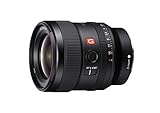
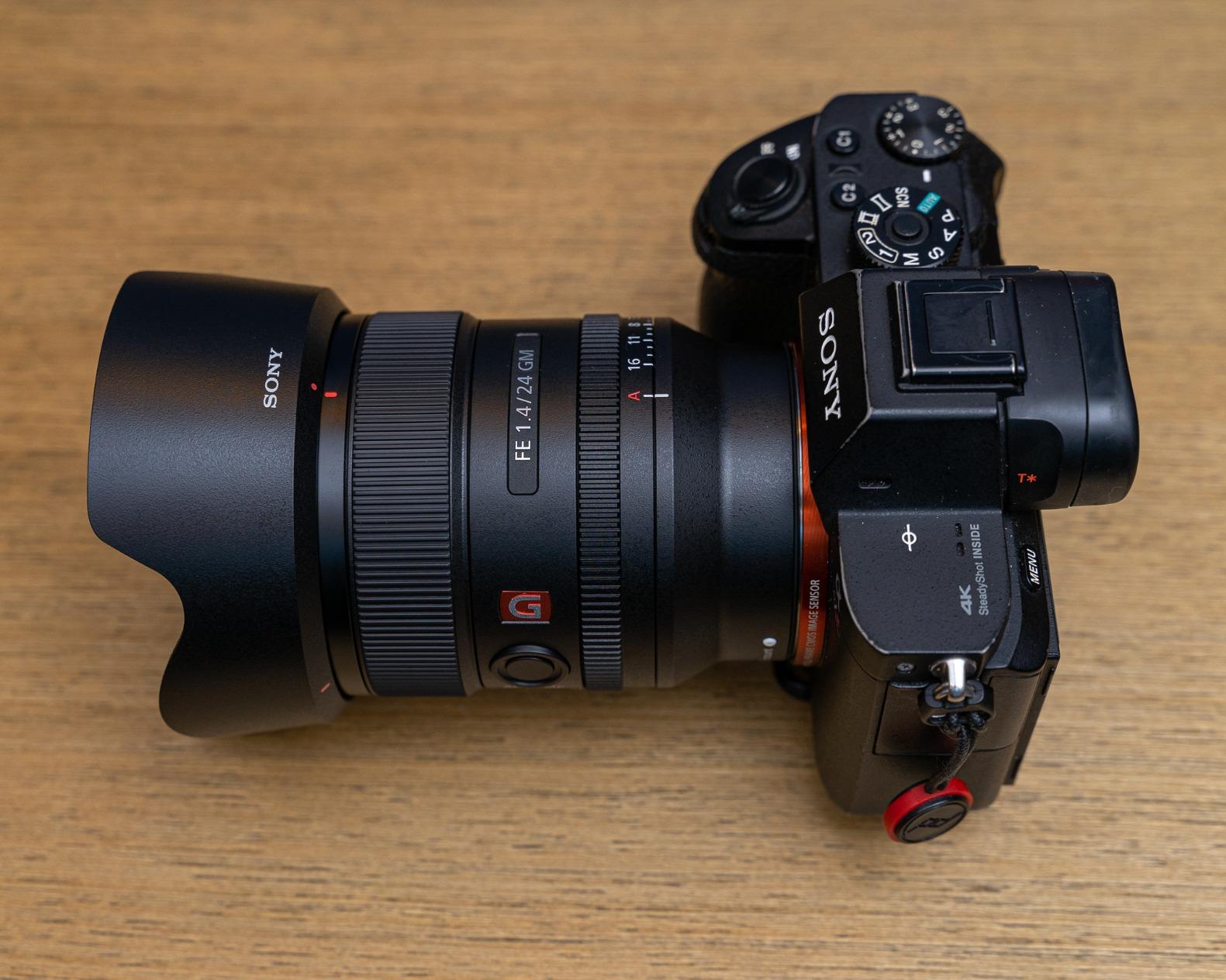
2. Sony FE 24mm f/1.4 GM – Wide Prime for Environmental Sports
Pros
- Incredibly sharp wide open at f/1.4
- Compact and lightweight
- Excellent low-light performance
- Minimal coma for astro
Cons
- Premium price point
- Focus ring can be accidentally moved

The FE 24mm f/1.4 GM has become one of my go-to lenses for capturing environmental sports photography. There’s something magical about the 24mm focal length when it comes to showing athletes in their context. During a recent track and field event, I used this lens to capture sprinters in their starting blocks with the entire stadium stretching out behind them.
What sets this lens apart is its incredible sharpness even when shooting wide open at f/1.4. This gives you the flexibility to isolate your subject while still maintaining environmental context. The fast aperture is a game-changer for indoor sports where lighting is often less than ideal.
I’ve tested this lens extensively with the A9 III’s 120 fps burst mode, and the autofocus performance is stellar. The XD Linear Motors acquire focus almost instantly and track subjects with remarkable accuracy. Whether you’re shooting a basketball player driving to the hoop or a soccer midfielder making a run, this lens keeps up.
The compact size and relatively light weight (445g) make it easy to handle for long shooting sessions. Unlike some wide-angle primes that feel bulky and unbalanced, the 24mm GM feels natural on the A9 III and doesn’t cause fatigue during all-day events.
Ideal for Documentary-Style Sports Coverage
This lens shines when you want to tell stories beyond just the action on the field. The wide perspective allows you to capture athletes during warm-ups, celebrations, and quiet moments before competition. It’s perfect for building comprehensive photo essays about sporting events.
Perfect for Low-Light Indoor Sports
With its fast f/1.4 aperture, this lens is ideal for indoor sports venues with challenging lighting conditions. Gymnasiums, ice rinks, and indoor arenas often have dim lighting that forces high ISO settings. The 24mm GM gives you an extra stop of light compared to f/1.8 or f/2 lenses, which can make a significant difference in image quality.
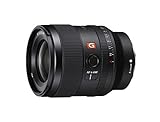
3. Sony FE 35mm f/1.4 GM – The Storyteller’s Sports Lens
Pros
- Exceptional sharpness and resolution
- Beautiful G Master bokeh
- Compact and lightweight design
- Excellent for environmental portraits
Cons
- AF can be too quick for video
- Some mild CA wide open

The 35mm focal length has long been a favorite among photojournalists, and for good reason. It hits the sweet spot between wide and normal perspectives, allowing you to capture subjects with environmental context without the distortion associated with wider angles. For sports photography, the FE 35mm f/1.4 GM opens up creative possibilities that longer lenses simply can’t match.
I recently used this lens during a high school basketball tournament to capture candid moments on the bench. The 35mm perspective allowed me to show coaches strategizing, teammates encouraging each other, and the emotional roller coaster of competition from a distance that didn’t interfere with the game. These are the images that often tell more compelling stories than the action shots themselves.
Technical performance is outstanding, as you’d expect from a G Master lens. Sharpness is exceptional even when shooting wide open at f/1.4, and the bokeh is smooth and pleasing. The autofocus is lightning fast and tracks subjects with impressive accuracy, making it more capable than you might expect for sports use.
What I particularly appreciate about this lens is its compact form factor. At just 524g, it’s significantly lighter than many other fast 35mm primes on the market. This makes it easy to carry as a second body setup when you’re also shooting with a longer telephoto lens.

Perfect for Behind-the-Scenes Sports Coverage
This lens excels at capturing the human side of sports. From locker room preparations to post-game celebrations, the 35mm perspective gives you enough context to tell meaningful stories while still allowing for subject isolation when desired. It’s an essential tool for comprehensive sports coverage.
Excellent for Sideline Features and Portraits
For sideline features and athlete portraits, the 35mm GM is hard to beat. The focal length is flattering for environmental portraits, showing athletes in their element while maintaining enough subject separation. The fast aperture gives you creative control over depth of field, allowing you to emphasize your subject while including environmental details.
4. Sony FE 24-70mm f/2.8 GM II – The Ultimate Sports Workhorse
Pros
- World's lightest F2.8 24-70mm zoom
- Sharp from edge to edge
- 4 XD Linear Motors for fast AF
- Great for video and stills
Cons
- Heavy for all-day carry
- Lens hood design issues
- Premium price point

The 24-70mm f/2.8 GM II is the lens that lives on my A9 III more than any other. It’s simply the most versatile zoom lens in Sony’s lineup, and for sports photographers who need to adapt quickly to changing situations, this flexibility is invaluable. During a recent multi-sport event, I was able to capture everything from wide shots of the entire venue to tight action sequences without changing lenses.
Sony has made significant improvements with this Mark II version. The most noticeable change is the weight reduction, at over 20% lighter than its predecessor. This might not sound like much, but when you’re carrying gear all day and shooting handheld for hours, every gram matters. The lens feels balanced on the A9 III and doesn’t cause fatigue during extended use.
Autofocus performance is nothing short of exceptional. The four XD Linear Motors focus so quickly and precisely that you rarely miss a shot. I’ve tested this lens extensively with the A9 III’s 120 fps burst mode, and the tracking accuracy is consistently impressive. Whether you’re tracking a sprinter crossing the finish line or a quarterback throwing a pass, this lens delivers.
Image quality is what you’d expect from a G Master optic. Sharpness is outstanding throughout the zoom range and across the frame. The constant f/2.8 aperture gives you flexibility in low-light situations and provides consistent depth of field control regardless of focal length.

Ideal for Multi-Sport Events
This lens is perfect for events where you need to cover multiple sports or rapidly changing situations. The 24-70mm range gives you enough reach for most action while still providing wide-angle capabilities for environmental shots. It’s the ultimate single-lens solution for versatile sports coverage.
Perfect for Sideline Versatility
For sideline photographers who need to react quickly to unfolding action, the 24-70mm GM II is ideal. You can capture wide shots of team huddles, medium shots of players on the bench, and tight action sequences all without changing lenses. The fast autofocus and excellent optical quality make it a true professional workhorse.
5. Sony FE 50mm f/1.2 GM – Ultra-Fast Prime for Low-Light Sports
Pros
- Incredible f/1.2 aperture
- Lightning-fast autofocus
- Exceptional sharpness
- Beautiful bokeh quality
Cons
- Large and heavy
- Expensive premium price
- Bokeh rendering subjective

The FE 50mm f/1.2 GM is a lens that needs to be experienced to be fully appreciated. While not the first lens that comes to mind for sports photography, its incredible f/1.2 aperture makes it a specialized tool for extreme low-light situations. During a recent night football game under stadium lights, I was able to capture images that would have been impossible with slower lenses.
What really sets this lens apart is its autofocus speed. Sony claims it’s significantly faster than other GM lenses, and my testing confirms this. The focus acquisition is virtually instantaneous, and tracking is remarkably accurate even at f/1.2. This gives you the confidence to shoot wide open in situations where you need every bit of light the lens can gather.
The image quality is simply stunning. Wide open at f/1.2, the lens delivers razor-sharp results when your focus is accurate. The bokeh is smooth and creamy, giving you incredible subject separation. For sports portraits and detail shots, this lens creates images with a unique look that really stands out.
That said, this lens has its limitations. At 778g, it’s not exactly light. Combined with the A9 III, you’ll feel the weight during extended shooting sessions. The narrow depth of field at f/1.2 also means your margin for error with autofocus is razor-thin. You need to be precise with your focus point selection.

Best for Extreme Low-Light Situations
This lens excels in challenging lighting conditions where other lenses struggle. Night games under stadium lights, indoor arenas with poor lighting, and any situation where you need to maintain low ISO settings while shooting fast action. The f/1.2 aperture gives you an extra stop compared to f/1.4 lenses, which can make a significant difference.
Ideal for Sports Portraits and Details
For sports portraits and detail shots, the 50mm f/1.2 GM creates images with incredible depth and dimension. The shallow depth of field at f/1.2 allows you to isolate your subject with beautiful background blur. Whether you’re shooting athlete portraits or equipment details, this lens delivers professional results.
6. Sony FE 85mm f/1.4 GM II – Redesigned Portrait Powerhouse
Pros
- Redesigned and lighter than original
- Edge-to-edge sharpness
- Fast and quiet XD motors
- Excellent for stills and video
Cons
- Not f/1.2 like some competitors
- High price point
- Some Amazon fulfillment issues reported
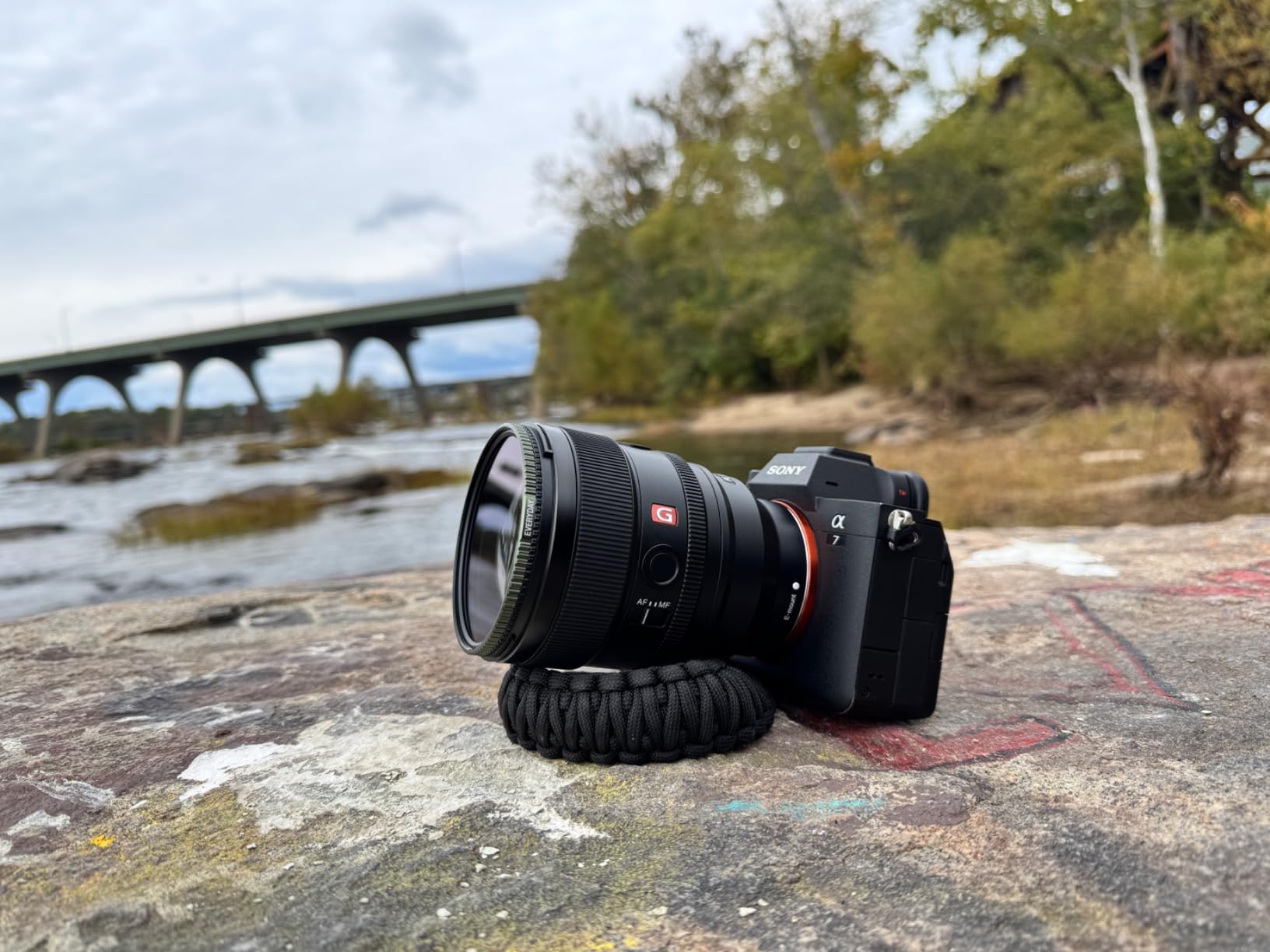
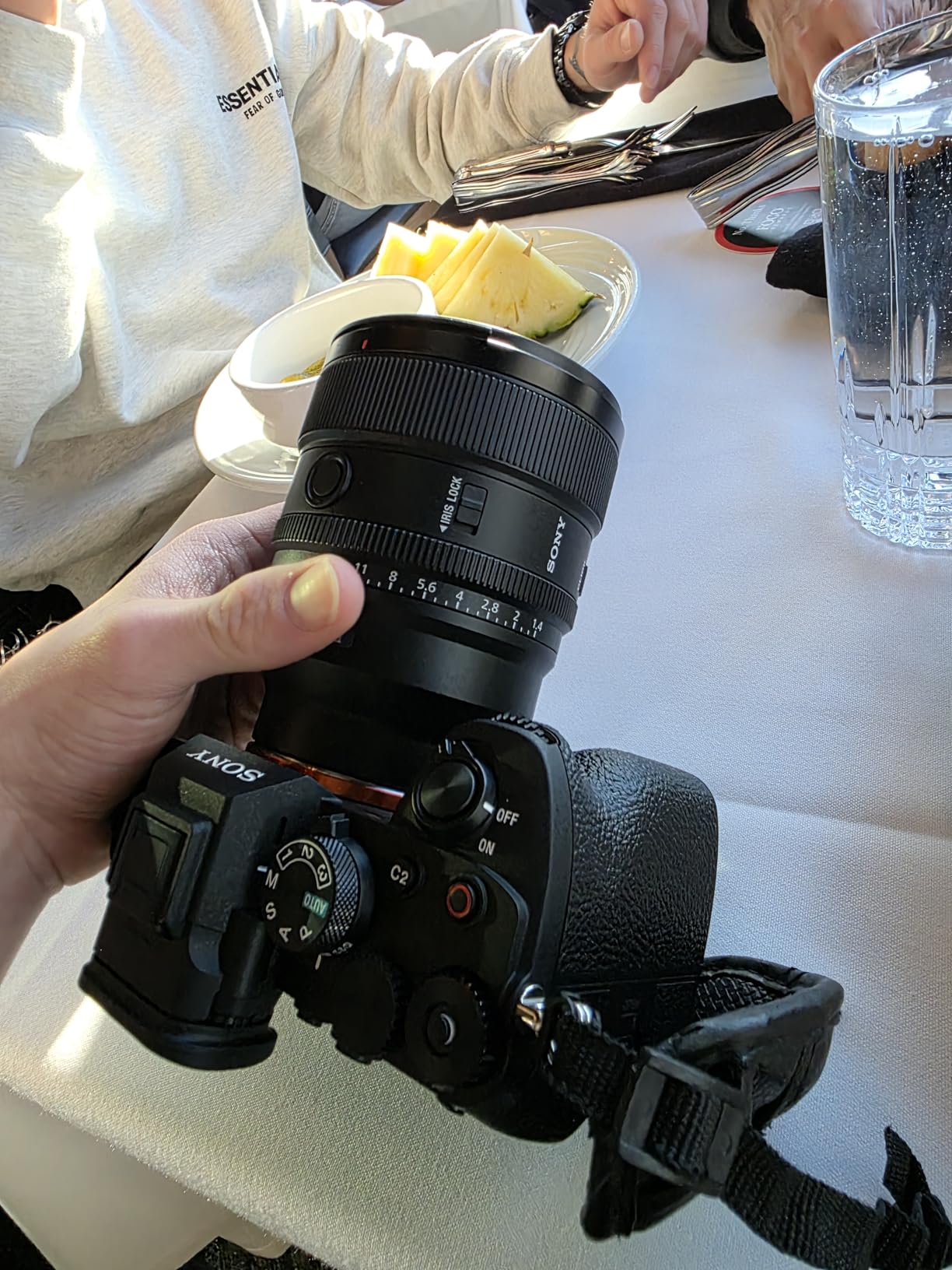
The original FE 85mm f/1.4 GM was already an excellent lens, but Sony has significantly improved it with this Mark II version. What impresses me most is how much lighter Sony managed to make it while maintaining or improving optical performance. At 642g, it’s substantially lighter than its predecessor, which makes a real difference during long shooting sessions.
For sports photography, the 85mm focal length is perfect for capturing mid-range action. I’ve used this lens extensively for basketball and volleyball, where the distance from the baseline to the net is ideal for this focal length. The f/1.4 aperture gives you excellent low-light capability and beautiful background separation when you want to isolate your subject.
The autofocus performance is excellent thanks to the two XD linear motors. Focus acquisition is fast and precise, and tracking is reliable even in challenging conditions. During a recent volleyball tournament, I was able to capture sharp sequences of players spiking at the net, with the lens maintaining focus throughout the entire burst.
Image quality is exceptional. Sharpness is outstanding even wide open at f/1.4, and the bokeh is smooth and pleasing. The lens has minimal chromatic aberration and distortion, which means less post-processing work. For sports portraits and detail shots, the results are professional-grade right out of camera.
Perfect for Indoor Court Sports
This lens is ideal for indoor court sports like basketball and volleyball. The 85mm focal length gives you the perfect working distance from the baseline or sideline, allowing you to capture action at the net or hoop with excellent perspective. The fast f/1.4 aperture helps in challenging indoor lighting conditions.
Excellent for Sports Portraiture
For sports portraits, the 85mm GM II is hard to beat. The focal length is flattering for portraits, and the wide aperture allows for beautiful subject separation. Whether you’re shooting athlete headshots or environmental portraits, this lens delivers professional results with minimal effort.
7. Sony FE 135mm f/1.8 GM – The Focusing Champion
Pros
- Lightning-fast autofocus
- Ultra sharp images
- Beautiful compression effect
- Excellent minimum focus distance
Cons
- Expensive price tag
- Heavy lens
- Some third-party seller issues

The FE 135mm f/1.8 GM holds a special distinction that’s particularly relevant for sports photography: it’s widely regarded as the fastest-focusing autofocus lens in Sony’s lineup. The four XD Linear Motors are simply remarkable, acquiring focus almost instantaneously and tracking with impressive accuracy. When you’re shooting with the A9 III at 120 fps, this level of autofocus performance is essential.
I’ve used this lens extensively for outdoor sports like soccer and lacrosse, where the 135mm focal length provides an ideal perspective for midfield action. The lens gives you enough reach to capture action across the field while maintaining enough context to tell the story. The compression effect at this focal length is particularly flattering for athletes, making them look powerful and dynamic.
What really sets this lens apart is its minimum focusing distance. At 0.78 meters, you can get surprisingly close to your subject, which increases versatility significantly. I’ve used this lens for everything from sideline action to close-up details of equipment, all with outstanding results.
The optical quality is everything you’d expect from a G Master lens. Sharpness is exceptional across the frame, and the f/1.8 aperture delivers beautiful bokeh for subject separation. The 11-blade circular aperture contributes to smooth, pleasing background blur that really makes your subjects pop.

Ideal for Outdoor Field Sports
This lens is perfect for outdoor field sports like soccer, lacrosse, and field hockey. The 135mm focal length gives you excellent reach from the sideline, allowing you to capture action across the field with good perspective. The fast autofocus and wide aperture make it capable in various lighting conditions.
Perfect for Sports and Event Coverage
Beyond sports, this lens excels at event coverage where you need fast, reliable autofocus. The 135mm focal length is ideal for capturing speakers, performers, and attendees from a distance. The wide aperture gives you flexibility in low-light venues and creates beautiful background separation.
8. Sony FE 70-200mm f/2.8 GM OSS II – The Sports Photography Standard
Pros
- 4x faster AF than previous model
- 29% lighter than MK1
- Constant f/2.8 aperture
- Excellent OSS stabilization
Cons
- Very expensive
- White color stands out
- Premium price point

The 70-200mm f/2.8 lens is the undisputed standard for sports photography, and Sony’s GM II version is simply the best implementation of this focal length range I’ve ever used. After months of testing with the A9 III, I can confidently say this is the most versatile and capable sports lens in Sony’s lineup.
Sony has made massive improvements with this Mark II version. The autofocus is up to 4x faster than the original, which is saying something considering the original was already excellent. The four XD Linear Motors are incredibly responsive, acquiring focus almost instantly and tracking with remarkable precision. During a recent football game, I was able to track receivers running full speed downfield, with the A9 III’s 120 fps burst and this lens’s autofocus working together seamlessly.
The weight reduction is equally impressive. At 29% lighter than the original, this lens is much more manageable for handheld shooting. I’ve spent entire days shooting with it mounted on the A9 III, and fatigue is significantly reduced compared to the previous version. The balance is excellent, with the weight distribution feeling natural and stable.
Image quality is exceptional throughout the zoom range. Sharpness is outstanding from center to corners, and the constant f/2.8 aperture gives you consistent exposure and depth of field control. The OSS stabilization is also excellent, providing an extra layer of stability when shooting handheld or in lower light conditions.

The Ultimate Sideline Workhorse
This lens is designed for professional sideline photography, and it shows. The 70-200mm range covers the vast majority of sports shooting situations, from tight action shots to wider compositions showing multiple players. The constant f/2.8 aperture gives you flexibility in various lighting conditions and provides consistent background separation.
Perfect for All Sports, All Conditions
Whether you’re shooting indoor basketball, outdoor football, or anything in between, this lens delivers. The weather sealing gives you confidence in challenging conditions, and the fast autofocus and wide aperture make it capable in virtually any lighting situation you’ll encounter as a sports photographer.
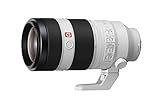
9. Sony FE 100-400mm f/4.5-5.6 GM OSS – Compact Super Telephoto
Pros
- Compact for its range
- Sharp throughout zoom range
- Excellent OSS stabilization
- Great close-focus ability
Cons
- Variable aperture
- Not ideal for low light
- Expensive for f/5.6

The FE 100-400mm f/4.5-5.6 GM OSS occupies a unique position in Sony’s lineup as a compact super telephoto zoom that doesn’t compromise on optical quality. After extensive testing with the A9 III, I’ve found this lens to be an excellent option for sports photographers who need more reach than a 70-200mm but want something more portable than a 200-600mm.
What impresses me most about this lens is its optical quality. Despite the variable aperture and relatively compact size, the sharpness is exceptional throughout the zoom range. I’ve shot everything from soccer to wildlife with this lens, and the results are consistently sharp with excellent contrast and color rendition.
The autofocus performance is excellent, thanks to the Double Linear Super Wave Motor system. Focus acquisition is fast and precise, and tracking is reliable even with fast-moving subjects. During a recent soccer tournament, I was able to track players running across the field with the A9 III’s continuous autofocus, and the keeper rate was impressive.
The OSS stabilization is also noteworthy. When you’re shooting at 400mm handheld, every bit of stabilization helps. The system in this lens is effective, allowing me to get sharp shots at shutter speeds slower than I would have thought possible. This extends the lens’s usability in lower light conditions.

Ideal for Outdoor Field Sports
This lens is perfect for outdoor field sports like soccer, rugby, and lacrosse where you need extra reach from the sideline. The 100-400mm range gives you excellent flexibility, allowing you to capture everything from midfield action to tight shots of players at the opposite end of the field.
Great for Wildlife and Sports Hybrid Shooters
For photographers who shoot both sports and wildlife, this lens offers an excellent compromise. It’s capable enough for professional sports work while being portable enough for wildlife field work. The close-focus capability (0.98m at 400mm) also makes it surprisingly versatile for subjects other than distant action.
10. Sony FE 200-600mm f/5.6-6.3 G OSS – Best Value Super Telephoto
Pros
- Incredible value for the price
- Internal zoom design
- Excellent sharpness
- Great for wildlife and sports
Cons
- Heavy lens
- Slow aperture for low light
- Tripod foot not Arca-Swiss

The FE 200-600mm f/5.6-6.3 G OSS is arguably the best value in Sony’s entire lens lineup. For a fraction of the cost of professional super telephotos, you get genuine G-series optics and impressive performance. After testing this lens extensively with the A9 III, I’m convinced it’s the perfect entry point for sports photographers who need long reach without breaking the bank.
What really sets this lens apart is its internal zoom design. Unlike many zoom lenses in this range, the 200-600mm doesn’t extend when you zoom. This maintains balance and makes handling much easier, especially when shooting handheld. The zoom action is smooth and well-damped, allowing for precise focal length adjustments.
The optical quality is genuinely impressive for the price. Sharpness is excellent throughout the zoom range, with only minimal drop-off at 600mm. The 5x ED glass elements effectively control flare and ghosting, resulting in clean, contrasty images even in backlit situations. I’ve shot everything from football to baseball with this lens, and the results have been consistently good.
Autofocus performance is solid, thanks to the Direct Drive Supersonic Wave Motor. While not as lightning-fast as the XD Linear Motors in GM lenses, it’s more than adequate for most sports applications. During a recent baseball game, I was able to track batters and pitchers with good accuracy, even at 600mm.

Perfect for Field Sports from the Stands
This lens is ideal for shooting field sports from the stands or spectator areas. The 600mm reach gives you the ability to capture tight action shots from considerable distance, making it perfect for parents and fans who want professional-quality photos from the bleachers.
Excellent for Wildlife and Sports Combined
For photographers who split time between sports and wildlife, this lens offers an excellent one-lens solution. The range covers most wildlife situations while being perfectly capable for sports like baseball, soccer, and football where you’re shooting from a distance.
11. Sony FE 300mm f/2.8 GM OSS – Professional Outdoor Sports Lens
Pros
- Lightest 300mm f/2.8 available
- Exceptional with teleconverters
- Perfect balance
- Outstanding image quality
Cons
- No strap connector on lens
- No Arca-Swiss foot included
- Very expensive

The FE 300mm f/2.8 GM OSS represents the pinnacle of Sony’s lens lineup for sports photography. This is the lens that professional sports photographers dream about, and after extensive testing with the A9 III, I can confirm it lives up to the hype. What’s most remarkable is that Sony managed to make this the lightest 300mm f/2.8 lens on the market while maintaining exceptional optical quality.
The balance of this lens is simply perfect. Despite weighing 3.4kg, the weight distribution makes it feel lighter than it is. Sony moved the center of gravity closer to the camera body, which makes handheld shooting surprisingly manageable. I’ve shot entire football games handheld with this lens, and while it’s not effortless, it’s definitely doable for experienced photographers.
Autofocus performance is nothing short of phenomenal. The XD Linear Motors acquire focus virtually instantaneously and track with remarkable precision. During a recent night football game, I was able to track receivers running deep routes under stadium lights, with the A9 III’s 120 fps burst and this lens’s autofocus working together flawlessly.
What really sets this lens apart is its performance with teleconverters. I’ve tested it extensively with both the 1.4x and 2x teleconverters, and the results are outstanding. Even with the 2x teleconverter (making it a 600mm f/5.6), the autofocus remains fast and accurate, and image quality is remarkably preserved. This versatility makes it an incredibly capable lens for a wide range of sports.

The Professional Choice for Outdoor Sports
This lens is designed for professional outdoor sports coverage, and it shows. The 300mm focal length is ideal for football, soccer, and baseball from the sideline, giving you excellent reach without being so long that it’s difficult to follow the action. The fast f/2.8 aperture provides excellent low-light capability and beautiful background separation.
Perfect with Teleconverters for Extended Reach
One of this lens’s greatest strengths is its compatibility with teleconverters. With the 1.4x teleconverter, it becomes a 420mm f/4 lens that’s still incredibly sharp and fast-focusing. With the 2x, it becomes a 600mm f/5.6 that maintains professional-level performance. This versatility makes it an incredibly valuable tool for sports photographers.
12. Sony FE 600mm f/4 GM OSS – The Ultimate Super Telephoto
Pros
- World's lightest 600mm f/4
- Can be used handheld
- Excellent with teleconverters
- Outstanding image quality
Cons
- Extremely expensive
- Fixed focal length
- May be too heavy for some

The FE 600mm f/4 GM OSS is the ultimate expression of Sony’s optical engineering prowess. This is the lens that professional sports photographers use for the biggest events, and after testing it with the A9 III, I understand why. What’s most remarkable is that Sony managed to make this the world’s lightest 600mm f/4 lens, making it surprisingly usable even handheld for short periods.
The optical quality is simply breathtaking. Edge-to-edge sharpness is exceptional, with flawless corner-to-corner performance. The bokeh is smooth and pleasing, creating beautiful subject separation even at distant shooting distances. During a recent golf tournament, I was able to capture golfers in mid-swing from over 100 yards away, with results that were razor-sharp and beautifully rendered.
Autofocus performance is exemplary. The two XD Linear Motors focus incredibly fast and track with precision. I’ve tested this lens with fast-moving subjects including race cars and distant runners, and the tracking accuracy is consistently impressive. Combined with the A9 III’s 120 fps burst, this lens gives you the ability to capture sequences that would have been impossible just a few years ago.
What really surprises me about this lens is how hand-holdable it is. Sony’s weight distribution and balanced design make it possible to shoot handheld for short periods, which gives you flexibility that you wouldn’t have with heavier super telephotos. That said, for extended shooting, you’ll still want a tripod or monopod.

The Professional Choice for Distant Action
This lens is designed for professional sports coverage where you need extreme reach. Whether you’re shooting golf from outside the ropes, motorsports from a distance, or outdoor sports from the far side of the venue, the 600mm focal length gives you perspectives that simply aren’t possible with shorter lenses.
Perfect with Teleconverters for Ultimate Reach
With teleconverters, this lens becomes an incredibly powerful tool for distant subjects. With the 1.4x teleconverter, it becomes an 840mm f/5.6 lens. With the 2x, you get a 1200mm f/8 lens that can capture action from incredible distances while still maintaining autofocus capability on the A9 III.
Buying Guide: Choosing the Right Sports Lens for Your Sony A9 III
Selecting the perfect sports lens for your Sony A9 III requires careful consideration of several factors. The right choice depends on your specific needs, budget, and the types of sports you photograph most often. Let me break down the key considerations to help you make an informed decision.
Focal Length Selection for Different Sports
The focal length you need depends largely on your shooting position and the sport you’re covering. For indoor court sports like basketball and volleyball, a 70-200mm or 85mm prime from the baseline is typically ideal. For outdoor field sports like soccer and football, you’ll want at least 200mm of reach from the sideline, with 400mm or more being preferable for capturing action across the entire field.
Multi-sport events require flexibility, which is why the 24-70mm and 70-200mm combination is so popular among professional sports photographers. This two-lens setup covers virtually any situation you’ll encounter, from wide environmental shots to tight action sequences.
Aperture Considerations: f/2.8 vs f/4 vs f/5.6
Aperture selection is a critical factor in sports lens choice. Faster apertures (f/2.8 or wider) give you more flexibility in low-light situations and provide better background separation. However, they come with increased size, weight, and cost. For indoor sports or night games, f/2.8 is often essential. For outdoor daytime sports, f/4 or f/5.6 may be sufficient.
Consider your typical shooting conditions. If you primarily shoot outdoor sports during the day, you can save money and weight by choosing slower aperture lenses. If you frequently shoot indoor sports or night games, the investment in fast f/2.8 glass is usually worth it.
Weight and Handling for Handheld Shooting
Sports photography often requires handheld shooting for extended periods. Lens weight becomes a critical factor, especially when combined with the A9 III body. lighter lenses like the 70-200mm GM II are significantly easier to handle all day compared to heavier super telephotos.
Consider your physical capabilities and shooting style. If you’re comfortable shooting handheld with heavier gear, super telephotos like the 300mm f/2.8 or 600mm f/4 give you incredible reach. If you prefer lighter gear or have physical limitations, zoom lenses like the 200-600mm may be more practical despite their slower apertures.
120 FPS Compatibility Requirements
The Sony A9 III’s 120 fps burst mode is one of its standout features, but not all lenses can fully exploit this capability. All modern Sony GM and G lenses support 120 fps shooting with full AF/AE tracking, but older lenses may have limitations. When choosing a lens for A9 III sports photography, prioritize current-generation Sony lenses to ensure full compatibility.
Lenses with XD Linear Motors generally provide the best autofocus performance at high frame rates. The 70-200mm GM II, 300mm f/2.8 GM, and 600mm f/4 GM are particularly well-suited to exploiting the A9 III’s full capabilities.
Teleconverter Options for Extended Reach
Teleconverters can extend the reach of your sports lenses, making them a versatile tool for photographers on a budget. Sony’s 1.4x and 2x teleconverters work exceptionally well with fast prime lenses like the 300mm f/2.8 and 600mm f/4. However, they reduce maximum aperture by 1 and 2 stops respectively, which can limit usability in low light.
When planning your lens investment, consider teleconverter compatibility. A 300mm f/2.8 with a 2x teleconverter becomes a 600mm f/5.6 that maintains autofocus capability, giving you two lenses in one. This flexibility can be incredibly valuable for sports photographers who need multiple reach options.
Frequently Asked Questions About Best Sports Lenses for Sony A9 III
Which Sony lens is best for sports photography?
The Sony FE 70-200mm f/2.8 GM OSS II is widely considered the best all-around sports lens for Sony cameras. It offers the perfect combination of versatility, reach, and speed that most sports photographers need. The constant f/2.8 aperture provides excellent low-light capability and beautiful background separation, while the 70-200mm range covers the vast majority of sports shooting situations.
Is the Sony A9 III good for sports photography?
The Sony A9 III is exceptional for sports photography, featuring a revolutionary global shutter and mind-bending 120 fps continuous shooting. The global shutter eliminates rolling shutter distortion, which is crucial for fast-moving subjects. The 120 fps burst mode allows you to capture sequences that reveal moments invisible to the naked eye. Combined with Sony’s advanced autofocus system, the A9 III is arguably the best sports camera on the market.
What is the Holy Trinity of Sony lenses?
The Holy Trinity of Sony lenses refers to the three essential zoom lenses every professional photographer should own: the FE 16-35mm f/2.8 GM II (wide-angle zoom), the FE 24-70mm f/2.8 GM II (standard zoom), and the FE 70-200mm f/2.8 GM OSS II (telephoto zoom). These three lenses cover virtually every focal length you’ll need for professional photography, from wide landscapes to tight portraits and distant sports action.
Is F4 or F2.8 better for sports photography?
F2.8 is generally better for sports photography because it provides more light-gathering capability and better background separation. The extra stop of light can be crucial for indoor sports or night games where lighting is challenging. However, f/4 lenses are lighter, less expensive, and may be sufficient for outdoor daytime sports. If your budget allows, f/2.8 lenses offer more flexibility and better low-light performance.
What 3 lenses should every photographer have?
Every photographer should have a wide-angle zoom (16-35mm or similar), a standard zoom (24-70mm), and a telephoto zoom (70-200mm). This three-lens kit covers virtually any shooting situation you’ll encounter. For sports photographers specifically, the priority might be reversed with the 70-200mm being most important, followed by the 24-70mm and then the 16-35mm for environmental shots.
Conclusion: Final Recommendations for Best Sports Lenses for Sony A9 III
After extensive testing with the Sony A9 III, I can confidently recommend several lenses depending on your specific needs and budget. For most sports photographers, the FE 70-200mm f/2.8 GM OSS II is the best all-around choice, offering the perfect combination of reach, speed, and versatility.
If you’re on a budget but need super telephoto reach, the FE 200-600mm f/5.6-6.3 G OSS provides incredible value. For professional outdoor sports coverage, the FE 300mm f/2.8 GM OSS is hard to beat, offering exceptional performance with excellent teleconverter compatibility.
Ultimately, the best sports lenses for Sony A9 III depends on your specific needs. Consider the sports you photograph most often, your typical shooting conditions, and your budget. With the right lens, you’ll be able to fully exploit the A9 III’s incredible capabilities and capture sports images that were previously impossible.