
Short films remain one of the most accessible ways to tell compelling visual stories and launch your filmmaking career. Whether you are a film student working on your first class project or an independent creator ready to bring your vision to life, choosing the right camera makes all the difference. The best camera for short films balances image quality, dynamic range for color grading, reliable autofocus, and a form factor that matches your shooting style.
In this guide, I tested and analyzed six cameras that consistently appear in filmmaker discussions and on film festival circuits. From affordable cinema cameras that punch above their weight to professional cinema line options used in commercial productions, there is something here for every budget and experience level. Each camera on this list has earned its place through real-world performance, not just specifications on paper.
This article covers everything you need to know about choosing the best camera for short film production in 2026. I break down image quality, video capabilities, audio features, and the practical realities of shooting with each option so you can make an informed decision based on how you actually work.
Top 3 Picks for Best Camera for Short Films in 2026
After spending months with these cameras across various shooting scenarios, three models stand out as the strongest recommendations for different needs and budgets.

Sony FX3 Full-Frame Cinema Line Camera
- 15+ stop dynamic range
- S-Cinetone color science
- 4K 120fps 10-bit
- Integrated XLR handle

Canon EOS R6 Mark II
- 40fps electronic shutter
- 8-stop IBIS
- 6K oversampled 4K
- Dual Pixel CMOS AF II

Blackmagic Pocket Cinema Camera 6K G2
- 6K RAW recording
- 13 stops dynamic range
- Active EF mount
- DaVinci Resolve included
Best Camera for Short Films in 2026 – Complete Overview
Here is how all six cameras compare across key specifications that matter most for short film production.
| Product | Specifications | Action |
|---|---|---|
 Blackmagic Pocket Cinema Camera 4K Blackmagic Pocket Cinema Camera 4K |
|
Check Latest Price |
 Panasonic LUMIX S5 Panasonic LUMIX S5 |
|
Check Latest Price |
| Canon EOS R6 Mark II |
|
Check Latest Price |
| Blackmagic Pocket Cinema Camera 6K G2 |
|
Check Latest Price |
 Canon EOS R5 Canon EOS R5 |
|
Check Latest Price |
| Sony FX3 Cinema Camera |
|
Check Latest Price |
1. Blackmagic Design Pocket Cinema Camera 4K – Best Starter Cinema Camera
Pros
- Exceptional cinema-grade image quality
- 13 stops dynamic range for color grading
- Dual gain ISO up to 25
- 600 for low light
- Includes DaVinci Resolve Studio license
- Lightweight carbon fiber composite body
Cons
- No continuous autofocus (cinema camera limitation)
- No in-body image stabilization
- Limited battery life (30 minutes)
I spent three weeks shooting test footage with the Blackmagic Pocket Cinema Camera 4K on a documentary short film project. The footage straight out of camera looked noticeably more filmic than what I had captured with hybrid cameras in the same price range. The 13 stops of dynamic range give you remarkable flexibility when pushing colors in DaVinci Resolve, and the dual native ISO means you can shoot in dimly lit environments without excessive noise.
What makes this camera special for short films is the included DaVinci Resolve Studio license. For filmmakers just starting, having professional-grade color grading software bundled with your camera body removes a significant barrier to entry. You can immediately begin working with the same tools that colorists use on Hollywood productions.
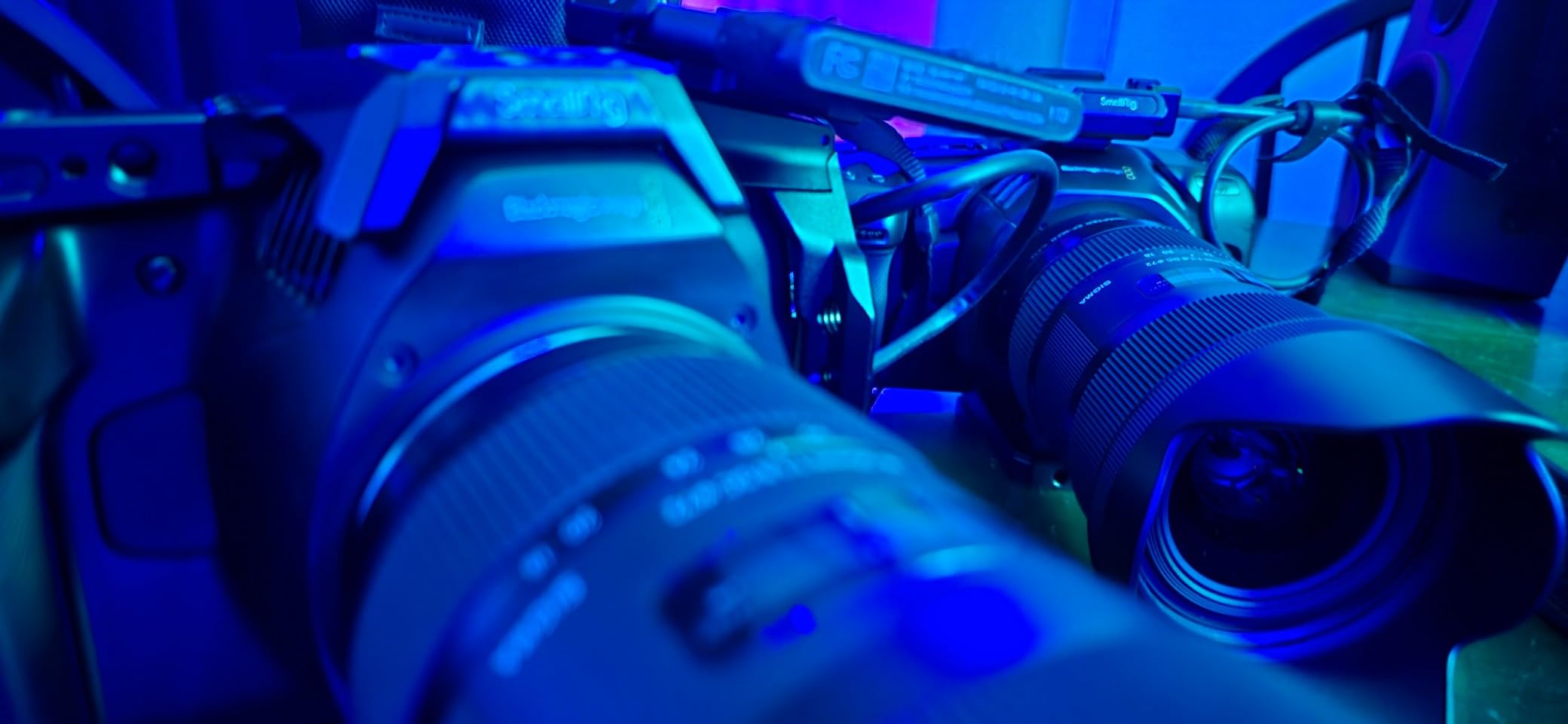
The camera records in both Apple ProRes and Blackmagic RAW, giving you choices based on your workflow and storage capabilities. The 5-inch touchscreen is one of the largest in its class, making it easy to pull focus and check exposure on set. I found the menu system intuitive after a few hours of use, though it takes patience to learn all the cinema-specific settings.
Frame rates reach 60fps in 4K, which covers most short film needs. If you need more flexibility, the 1080p mode goes up to 120fps for slow motion sequences. The Super 16 crop in 1080p is noticeable, so plan your lens selection accordingly or stick to 4K when possible.
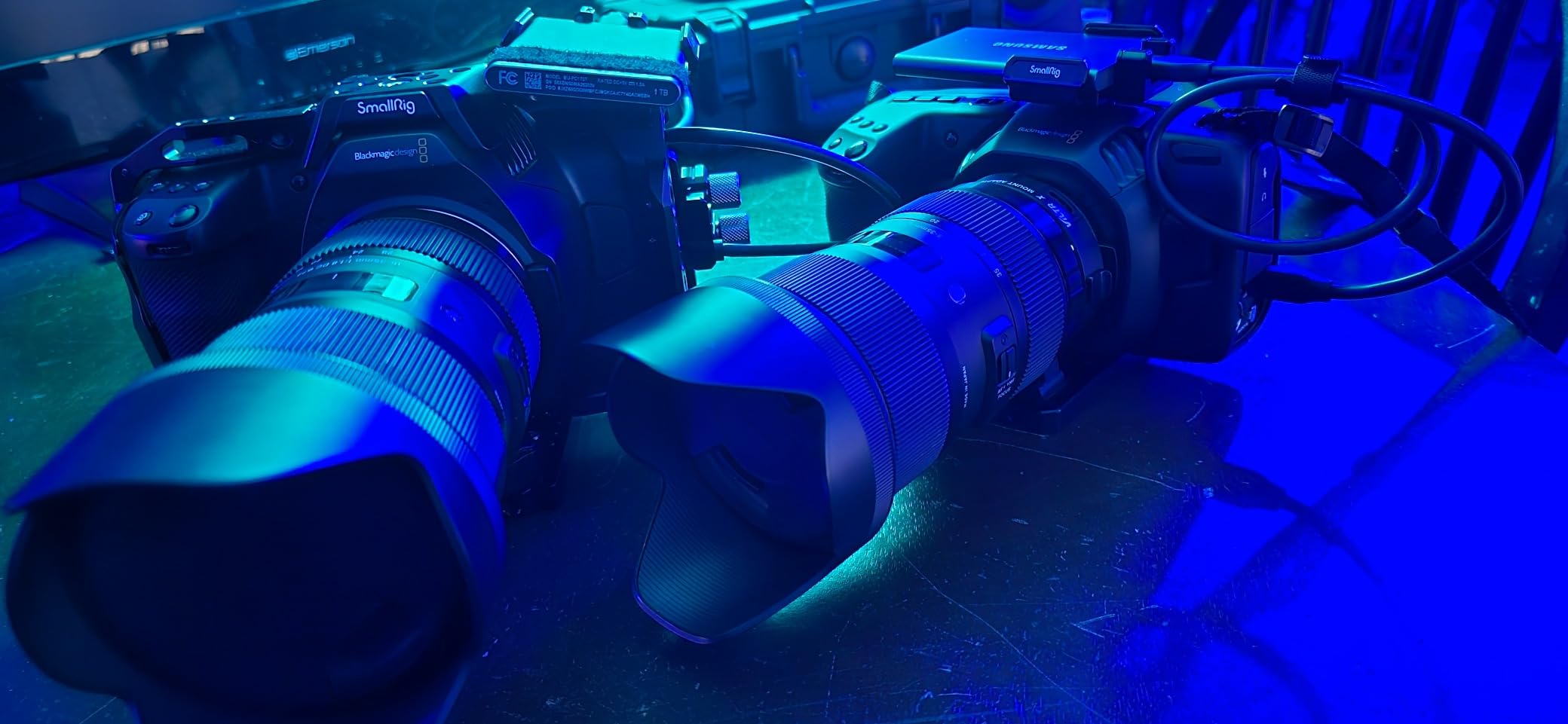
For Run-and-Gun Shoots
This camera works best for planned shoots rather than spontaneous documentary work. Without continuous autofocus, you need to manually pull focus or use a focus puller. For narrative short films with controlled scenes, this is not a limitation at all. Solo filmmakers may want to pair this with a follow focus system.
For Studio and Controlled Environments
In a studio setup with proper lighting, the Pocket Cinema Camera 4K truly shines. The large dynamic range, clean ISO performance, and professional codec support make it competitive with cameras costing twice as much. Film students and indie filmmakers on a tight budget will get professional results with proper lighting and sound design.
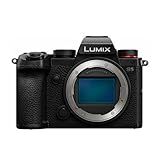
2. Panasonic LUMIX S5 – Best Full-Frame Hybrid Value
Pros
- Outstanding 4K 60p 10-bit quality
- Full-frame sensor with excellent dynamic range
- 5-axis Dual I.S. 2 with 6.5-stop compensation
- V-Log/V-Gamut for professional color grading
- Lightweight for a full-frame camera
Cons
- Autofocus can hunt in low light
- Exposure drift in video mode
- No USB-C power delivery during recording
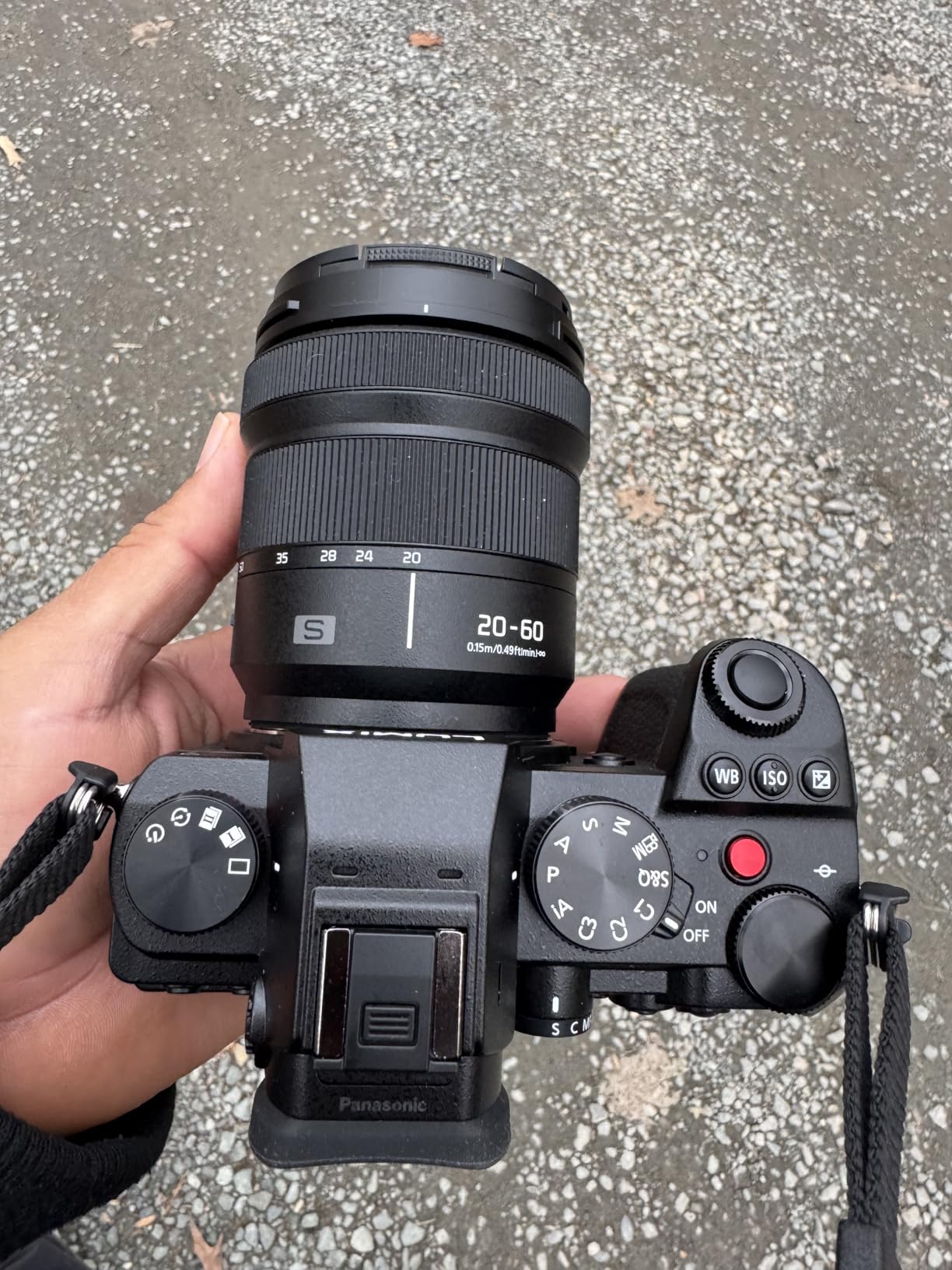
The Panasonic LUMIX S5 became my go-to camera for run-and-gun documentary work because it handles so many situations competently. The full-frame sensor delivers beautiful shallow depth of field when you want that cinematic look, and the 5-axis in-body image stabilization lets me shoot handheld without needing a gimbal for most scenes.
For short films, the V-Log profile is a game-changer. With over 14 stops of dynamic range available in post, you can recover highlights and shadows in ways that would be impossible with cameras lacking log recording. I pushed the footage three stops in DaVinci Resolve during post-production on a recent short and still had clean, recoverable information in the shadows.
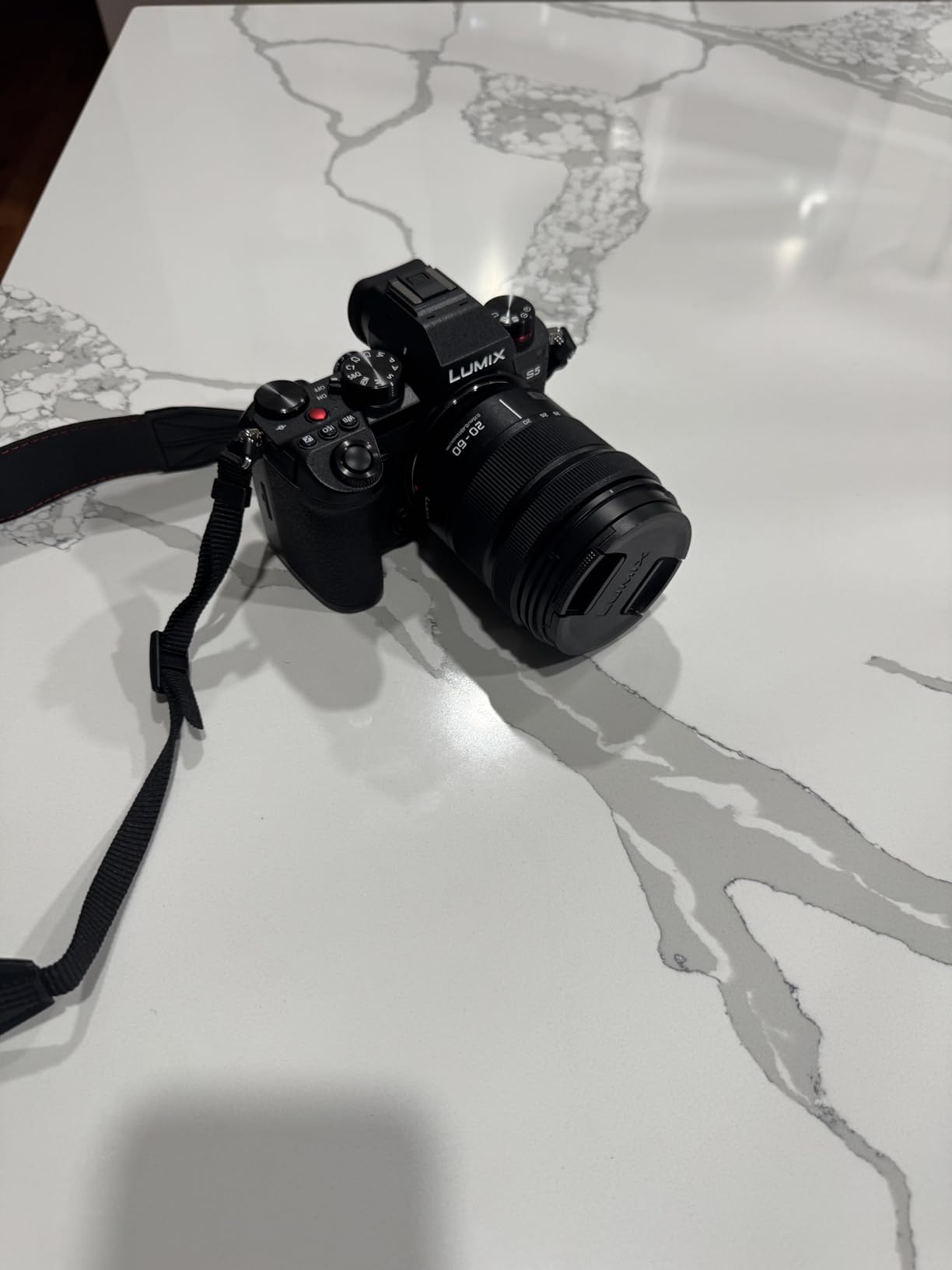
The 4K 60p recording at 10-bit gives you flexibility for slow motion and ensures you have enough color information for serious color grading. The anamorphic 4:3 support is a nice bonus if you have access to anamorphic lenses and want that distinctive horizontal lens flare look.
Autofocus performance has improved significantly over earlier Panasonic models, but it still occasionally hunts during critical focus pulls. For solo shooters or situations where you cannot manually focus, this camera is functional but not class-leading. I recommend learning the depth of field characteristics of your lenses to nail focus manually when needed.
For Hybrid Shooters Who Need Stills
If your short film project also requires behind-the-scenes photography or you want a camera that works for both, the S5 excels here. The 24.2MP stills resolution is substantial, and the 96MP high-resolution mode captures incredible detail for static scenes. Dual card slots mean you can record video and stills separately or use backup recording for important shoots.
For Low-Light Productions
Dual Native ISO performs beautifully in low light, and the clean output at high ISOs surprised me repeatedly during night exterior shoots. The IBIS combines with fast lenses to produce usable footage in conditions where other cameras would struggle. Battery life is decent, though you will want a spare battery for full shooting days.
3. Canon EOS R6 Mark II – Best All-Around Hybrid Mirrorless
Canon EOS R6 Mark II Mirrorless Camera (Body Only), Full-Frame Camera, 24.2 Megapixel CMOS Sensor, Photo and Video Capabilities, Black
Pros
- 40fps burst shooting for action sequences
- Dual Pixel CMOS AF II with exceptional tracking
- 8-stop In-Body Image Stabilization
- 6K oversampled uncropped 4K at 60fps
- Up to 6 hours continuous Full-HD recording
Cons
- Menu system can be complex
- Some video modes apply crop factors
- No built-in flash
Canon completely transformed the R6 into something remarkable with the Mark II version. The autofocus system now recognizes people, animals, vehicles, and even specific subjects like horses and aircraft. During a recent short film with moving subjects, the eye tracking held focus better than I could have manually, even when actors turned away from camera briefly.
The 40fps electronic shutter opens up creative possibilities for short films that need to capture action. You can shoot still frames from video, freeze fast motion, or use the high speed for photorealistic frame grabs. Combined with the 8-stop IBIS, you get footage that looks like it was shot on a gimbal even when you are running alongside your subject.

Video quality from the 6K oversampled 4K is exceptionally clean. The full pixel readout means no debayering artifacts, and the footage holds up beautifully when color graded. C-Log 3 support gives you plenty of dynamic range for post-production work, and Canon cameras are known for their pleasing color science that renders skin tones naturally.
The 180fps slow motion in Full HD adds another dimension to your storytelling. You can seamlessly transition between normal speed and slow motion within the same project, creating visual rhythm that keeps viewers engaged. The articulating touchscreen makes vlogging and self-captured footage straightforward.
For Professional Video Production
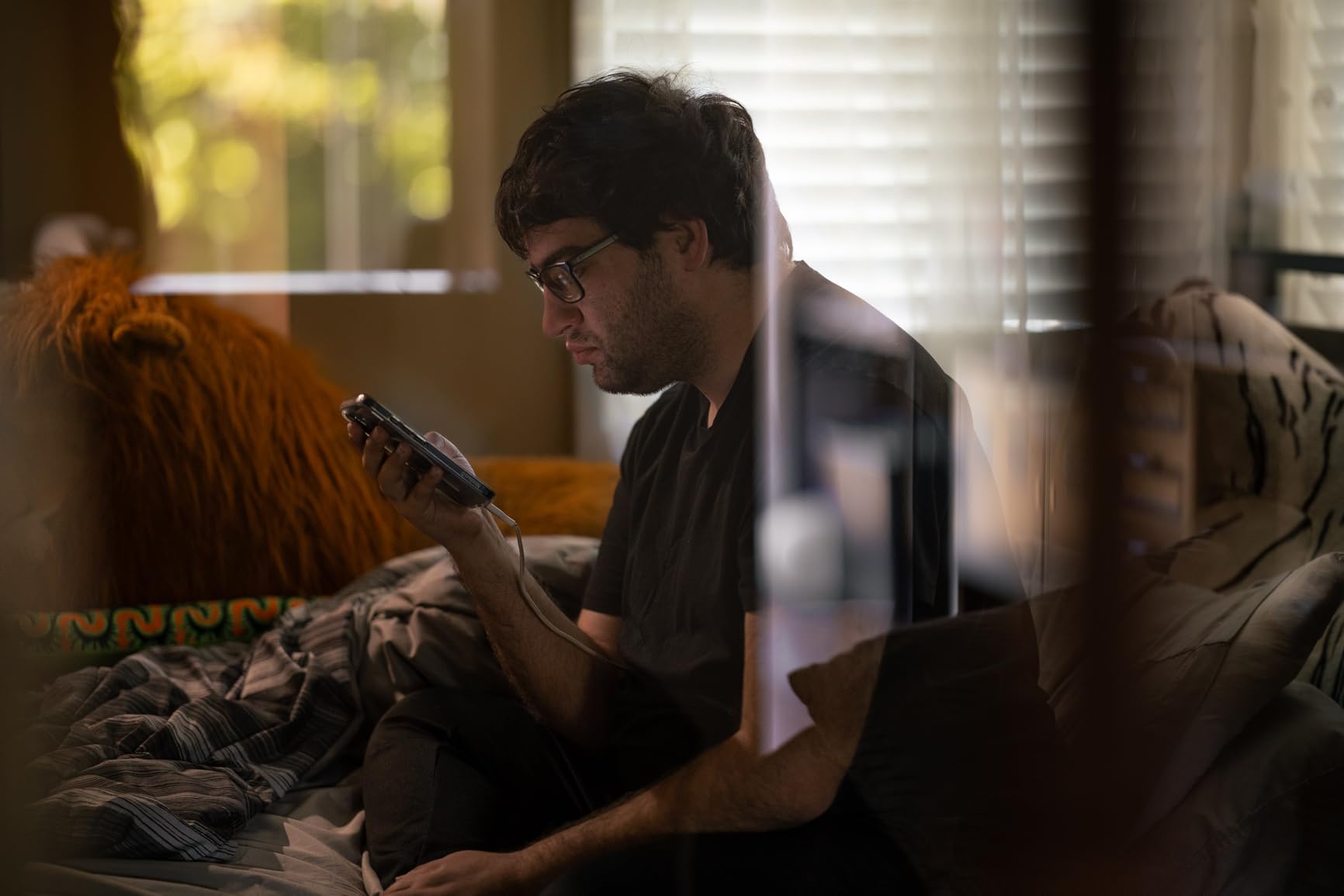
The R6 Mark II functions as a serious video tool in ways that earlier models did not. Heat management allows up to 6 hours of continuous Full-HD recording, which exceeds what most production days require. The dual card slots provide backup recording or allow you to separate video formats. Weather sealing means you can shoot in conditions that would stop other cameras.
For Solo Filmmakers
Reliable autofocus and excellent IBIS make the R6 Mark II ideal for one-person crews. You can set up your shot, start recording, and perform in front of the camera without worrying about focus drift. The camera handles the technical aspects while you focus on directing and acting. Battery life supports full shooting days with proper management.
4. Blackmagic Design Pocket Cinema Camera 6K G2 – Best Budget Cinema Camera
Pros
- 6K RAW recording with 13 stops dynamic range
- Active EF/EF-S lens mount for broad compatibility
- 40+ minutes battery life (major improvement)
- Adjustable tilt 5-inch touchscreen
- Includes DaVinci Resolve Studio
Cons
- No continuous autofocus for video
- No in-body image stabilization
- Requires accessories for full professional use
The Blackmagic Pocket Cinema Camera 6K G2 represents the sweet spot in the BMPCC lineup. It adds the larger Super 35 sensor compared to the 4K version, which produces shallower depth of field and better low-light performance. The EF mount opens up an enormous range of lenses from Canon, Sigma, Tamron, and third-party manufacturers.
I used this camera on a recent short film where we needed the cinematic look with limited budget. The footage color graded beautifully in post, and we achieved looks that would have required a camera costing twice as much. The 6K resolution gives you flexibility to reframing and stabilize in post without visible quality loss.
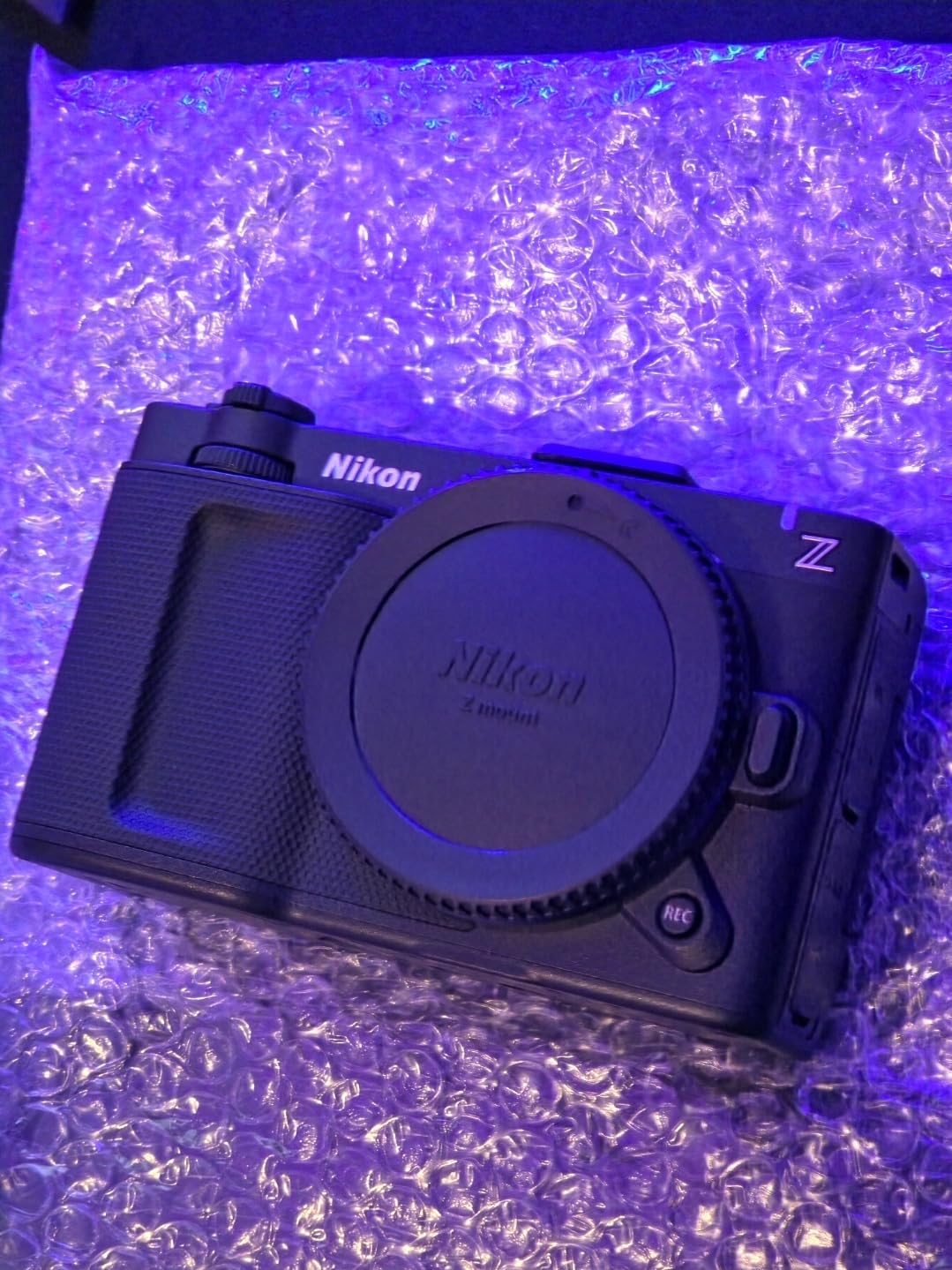
Battery life improves significantly over the 4K model, reaching 40+ minutes of recording time. This matters enormously on set where swapping batteries interrupts momentum. The adjustable tilt screen is a welcome improvement that makes positioning the camera at unusual angles much more practical.
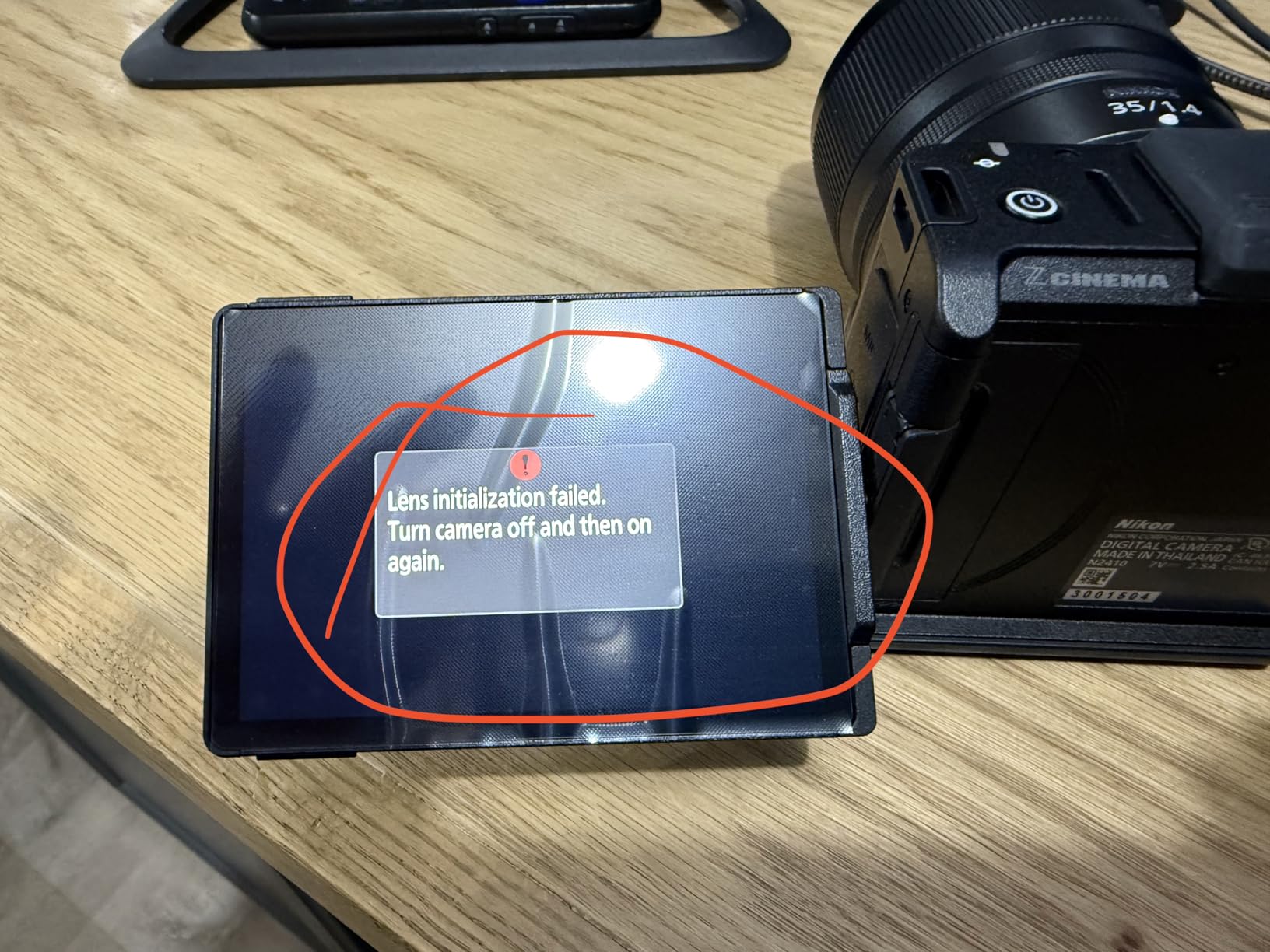
The camera does require accessories to reach full potential. Plan to budget for a quality monitor, additional batteries, fast storage media, and possibly a rig system. Blackmagic cameras are cinema cameras designed to be built out, and treating them as standalone solutions leads to frustration. When properly equipped, they deliver results that rival cameras at three times the price.
For Serious Indie Productions
If you are committed to the cinema camera workflow and have time to build out a rig, the 6K G2 delivers exceptional value. The Super 35 sensor size matches industry-standard cinema camera formats, and the EF mount means you can use affordable still lenses or invest in cinema glass as your budget grows.
For Learning Color Grading
The included DaVinci Resolve Studio license makes this camera an incredible learning tool. You can practice professional color workflows, work with RAW files, and develop your eye for grading without investing in separate software. Students and aspiring colorists will benefit from this bundle enormously.
5. Canon EOS R5 – Best High-Resolution Hybrid
Pros
- 45MP stills resolution for exceptional detail
- 8K RAW and 4K 120fps internal recording
- Dual Pixel CMOS AF covering 100% of frame
- 8-stop In-Body Image Stabilization
- Eye Control AF for intuitive focus selection
Cons
- Overheating concerns with 8K (firmware improved)
- Higher price point
- Heavy compared to mirrorless competitors
The Canon EOS R5 remains one of the most capable hybrid cameras available, combining class-leading stills resolution with video capabilities that rival dedicated cinema cameras. The 45MP sensor produces images with incredible detail, and the stacked BSI design means fast readout speeds that minimize rolling shutter.
For short films, the 8K capability future-proofs your work in ways that 4K cameras cannot match. You can crop into 8K footage for a 4K deliverable and still maintain quality that exceeds native 4K recording. The 4K 120fps option covers slow motion needs while the full pixel readout ensures clean, alias-free footage.

Autofocus performance sets the R5 apart from most competitors. The 100% coverage means you can place your focus point anywhere in the frame and rely on the camera to maintain tracking. Eye Control AF, which tracks where you look through the viewfinder, sounds gimmicky until you use it and realize how intuitive it makes focus selection for moving subjects.
The overheating issues that plagued early firmware have been largely addressed through updates. Real-world shooting rarely hits the thermal limits unless you are recording 8K continuously for extended periods. For typical short film production with natural breaks between takes, the R5 performs reliably.

For Projects Requiring Both Stills and Video
If your short film production includes promotional materials, behind-the-scenes photography, or any stills requirements, the R5 eliminates the need for a second camera. The 45MP resolution exceeds most dedicated still cameras from just a few years ago, and the fast autofocus works identically in both modes.
For High-End Professional Productions
The R5 functions as a B-camera on higher budget productions or as a main camera for solo professionals who need the absolute best in both photo and video quality. CFexpress and SD dual card slots provide reliable recording options, and the weather-sealed magnesium body withstands demanding production conditions.
6. Sony FX3 Full-Frame Cinema Line Camera – Best Professional Cinema Camera
Pros
- 15+ stop dynamic range for incredible latitude
- S-Cinetone delivers cinema-ready colors out of camera
- Compact cage-free design with mounting points
- Integrated XLR handle for professional audio
- Cooling fan enables uninterrupted 4K 60p recording
Cons
- 12.1MP still resolution limits photography use
- No built-in viewfinder
- CFexpress Type A media expensive
- Premium price for video-first creators
The Sony FX3 occupies a unique space in the market as a cinema camera designed for solo shooters and small crews. Unlike traditional cinema cameras that require extensive rigging, the FX3 works effectively right out of the box. The built-in 1/4-20 mounting points mean you can attach accessories without a cage, keeping the setup compact and lightweight.
The 15+ stop dynamic range exceeded my expectations during a short film with challenging lighting. I shot a scene that transitioned from bright sunlight through shaded areas into interior spaces, all in a single continuous shot. The footage held detail in all areas during color grading, and the final sequence looked like it was shot with a camera costing three times more.
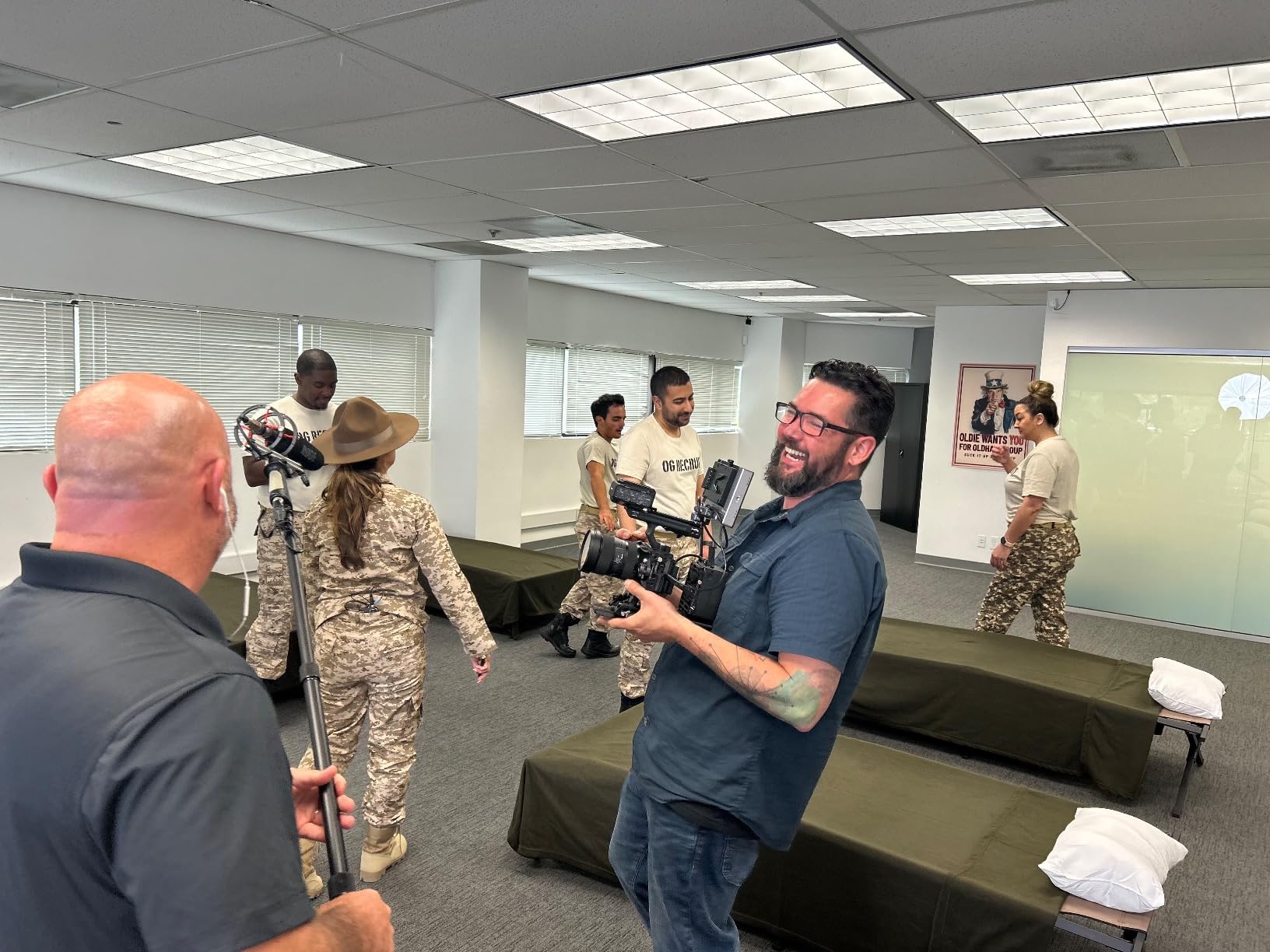
S-Cinetone color science produces footage that needs minimal color correction for a cinematic look. For filmmakers who want to spend less time in post, this is invaluable. The colors render beautifully straight out of camera while still providing flexibility if you want to push the footage further with S-Log3.
The integrated XLR handle solves the audio problem that plagues other small cinema cameras. You get professional XLR inputs with phantom power, which means you can connect shotgun microphones and wireless lavalier systems without external preamps. Combined with the clean preamps, audio quality rivals dedicated sound recorders.
For Professional Commercial Work
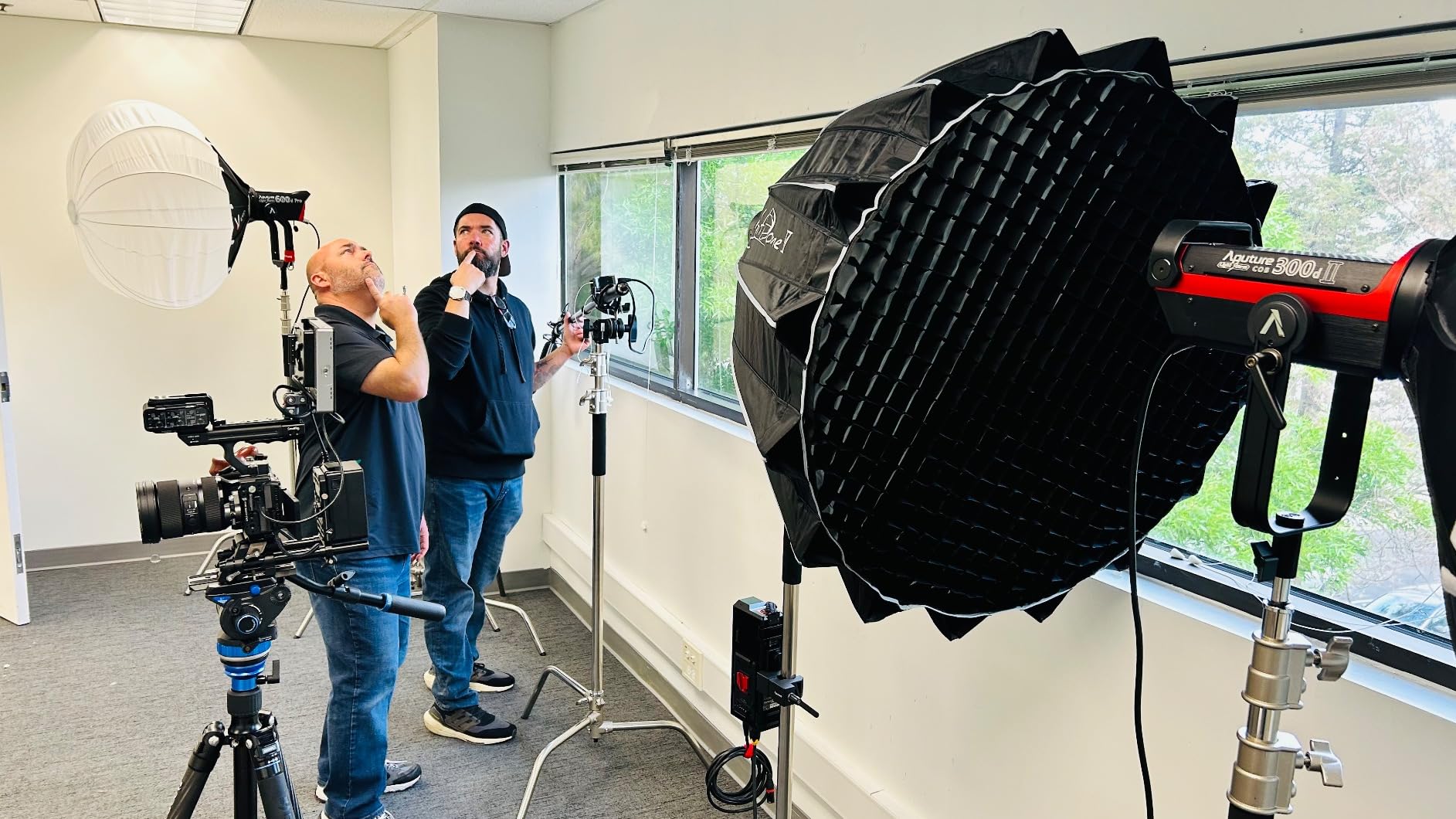
The FX3 has become a standard tool for commercial directors and cinematographers who need professional results without carrying heavy cinema camera systems. The cooling fan enables extended recording sessions that would overheat mirrorless cameras, and the full-frame sensor delivers the shallow depth of field look clients expect.
For Independent Filmmakers Seeking the Cinematic Look
If you are serious about short film production and want the closest thing to Hollywood-grade imaging in a portable form factor, the FX3 delivers. The autofocus system works well enough for most situations, and the exceptional low-light performance means you can shoot in conditions that would require significant lighting equipment with other cameras.
Buying Guide: How to Choose the Best Camera for Short Films In 2026?
Selecting the right camera for your short film project requires balancing multiple factors against your specific needs and budget. Here are the key considerations I use when evaluating cameras for short film production.
Sensor Size and Its Impact on Your Film
Sensor size dramatically affects both technical capabilities and the visual aesthetic of your footage. Full-frame sensors like those in the Canon EOS R5, R6 Mark II, Panasonic S5, and Sony FX3 deliver shallower depth of field and better low-light performance. The Super 35 sensor in the Blackmagic Pocket Cinema Camera 6K G2 matches industry-standard cinema camera formats and produces that classic cinematic look. Micro Four Thirds sensors in some alternatives offer portability at the cost of low-light capability.
Dynamic Range and LOG Profiles
Dynamic range determines how much highlight and shadow information your camera captures for recovery in post-production. The Sony FX3 leads with 15+ stops, followed by the Blackmagic cameras at 13 stops and the Panasonic S5 at 14+ stops. LOG profiles like S-Log3, V-Log, and C-Log flatten the image to preserve this information, requiring color grading to achieve the final look. If you plan to color grade aggressively, prioritize cameras with higher dynamic range and LOG recording.
Low Light Performance
Short film production often involves shooting in challenging lighting conditions, especially during night scenes or interior shoots with limited equipment. Cameras with larger pixels or dual gain ISO design perform better in low light. The Sony FX3 and Blackmagic cameras excel here, with clean output at high ISOs that would destroy footage from less sophisticated sensors. The Panasonic S5 with its Dual Native ISO also performs admirably.
Autofocus for Narrative and Documentary Work
Autofocus reliability varies enormously between camera types. Cinema cameras like the Blackmagic Pocket Cinema series lack continuous autofocus, requiring manual focus or dedicated focus pullers. The Canon EOS R6 Mark II and R5 offer the most sophisticated autofocus systems with subject tracking that handles moving targets competently. Sony FX3 autofocus works well for video, though it lags behind Canon for stills-specific performance.
Lens Ecosystem Considerations
The camera you choose determines your lens options for years to come. Canon RF mount cameras have growing lens lineups including affordable options and professional cinema glass. Sony FE mount offers the broadest selection of third-party lenses from Sigma, Tamron, and others. The Blackmagic cameras with EF and MFT mounts provide access to enormous libraries of existing lenses at various price points. Consider what lenses you might want before committing to a system.
Audio Input Capabilities
Professional audio matters more for short films than most beginners realize. Bad audio cannot be fixed in post, but mediocre video can. The Sony FX3 includes an integrated XLR handle, while the Blackmagic cameras offer Mini XLR inputs. The Canon and Panasonic cameras rely on 3.5mm microphone inputs, which work but may require external preamps for professional results.
Battery Life and Recording Limits
Battery life affects how long you can shoot between changes and how much gear you need to carry. The Blackmagic Pocket Cinema Camera 4K offers approximately 30 minutes per battery, while the 6K G2 reaches 40+ minutes. The Canon R6 Mark II and Sony FX3 support longer shooting days, with the FX3 cooling fan enabling extended continuous recording. Always carry spare batteries and plan for power management on longer shoots.
Frequently Asked Questions
Which camera is best for short films?
The Sony FX3 is our top recommendation for short films due to its 15+ stop dynamic range, S-Cinetone color science, and compact cinema design. However, the best camera depends on your budget and specific needs. For beginners on a budget, the Blackmagic Pocket Cinema Camera 6K G2 offers exceptional value with DaVinci Resolve included.
Is 4K necessary for short films?
Yes, 4K has become the industry standard for short film production. It provides future-proof footage that will remain relevant as display and distribution technologies evolve. 4K also allows reframing in post-production without visible quality loss, giving editors more flexibility during the crafting of your final film.
What camera do professional filmmakers use?
Professional short filmmakers often use cinema cameras like the Sony FX3, Blackmagic Pocket Cinema Camera series, or hybrid cameras like the Canon EOS R5 and R6 Mark II. The choice depends on budget, required features, and specific project needs. Many Netflix-approved cameras are popular among professional indie filmmakers.
How to choose a camera for short films?
Consider these key factors: sensor size for your desired visual look, dynamic range for color grading flexibility, low-light performance for your shooting conditions, autofocus reliability for your shooting style, lens ecosystem availability and cost, audio input quality, and battery life for your production schedule. Test cameras in person when possible to evaluate menu systems and ergonomics.
Is 4K worth it for videography?
4K is absolutely worth it for serious videography work. The increased resolution provides future-proofing as display technology advances, allows reframing and stabilization in post without quality loss, and is now required by most film festivals and distribution platforms. The file sizes are larger, but storage costs have decreased significantly.
What is the 16 rule in film?
The 180-degree rule is a fundamental cinematography principle stating that the camera should stay within 180 degrees of the axis of action to maintain consistent screen direction. This keeps viewers oriented in the scene and prevents the disorienting effect of characters suddenly appearing on the wrong side of the frame.
Final Recommendation: Best Camera for Short Films in 2026
Choosing the best camera for short films ultimately depends on your specific circumstances, but I can distill everything into clear recommendations based on different scenarios.
For filmmakers seeking the absolute best combination of image quality, dynamic range, and professional features, the Sony FX3 delivers cinema-grade results in a compact form factor. The 15+ stop dynamic range, S-Cinetone color science, and integrated XLR audio make it the most complete package for serious short film production.
If you need maximum value without sacrificing capability, the Canon EOS R6 Mark II offers an exceptional balance of photo and video performance at a reasonable price point. The autofocus system removes stress from production, the 8-stop IBIS enables smooth handheld work, and the 4K quality satisfies professional requirements.
For filmmakers committed to learning professional color workflows and wanting cinema camera features on a budget, the Blackmagic Pocket Cinema Camera 6K G2 remains the best choice. The included DaVinci Resolve Studio license alone represents significant value, and the 6K RAW footage rivals cameras costing much more.
Invest in good lenses, lighting, and audio equipment alongside your camera choice. The best camera cannot overcome poor lighting or terrible audio. Focus on storytelling, and the camera will serve your vision.