
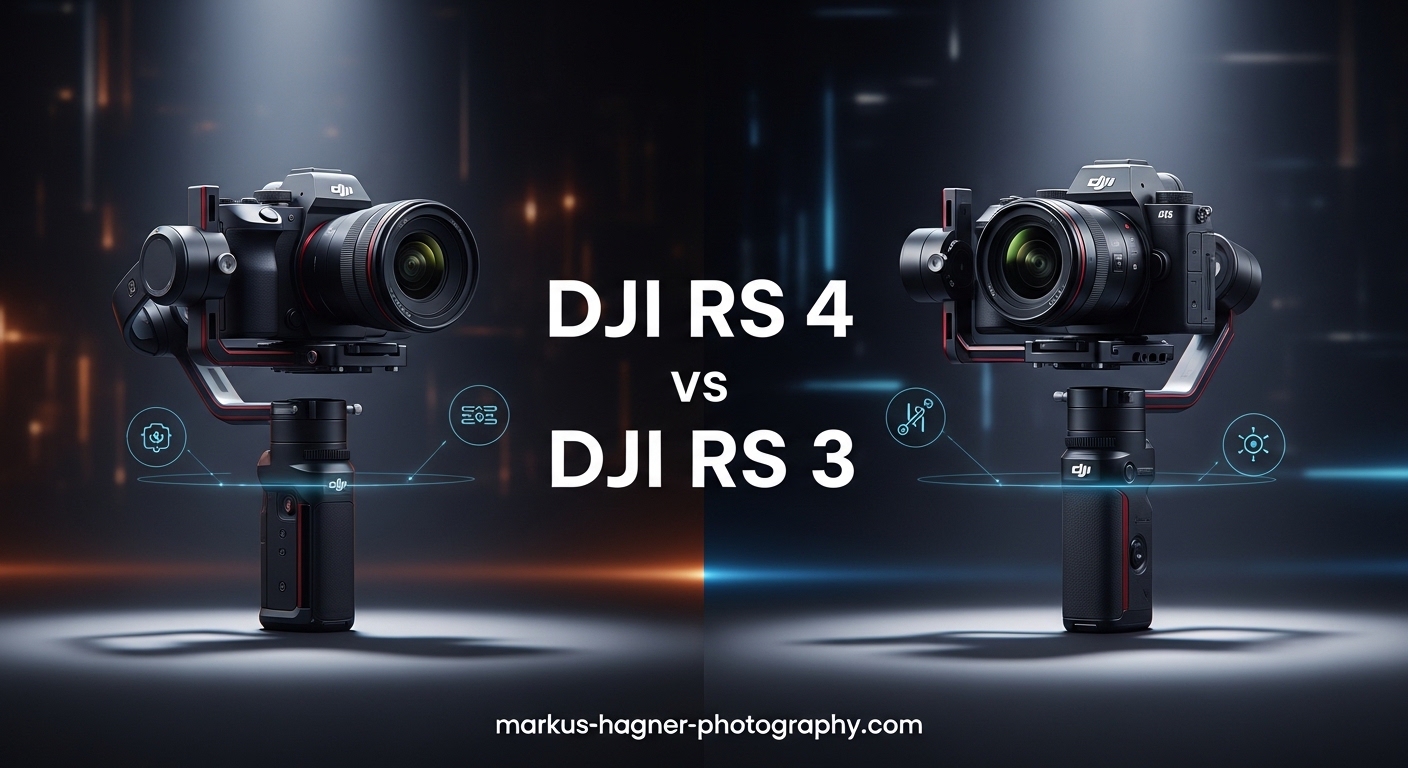
Choosing between the DJI RS 4 and DJI RS 3 can feel overwhelming, especially when both gimbals share so many similarities. I have spent extensive time with both models, and the differences become apparent the moment you pick them up.
The DJI RS 4 vs DJI RS 3 comparison matters because these gimbals serve different types of filmmakers. One represents the latest evolution in DJI’s stabilization technology, while the other remains a proven workhorse that many professionals still rely on daily.
After testing both gimbals with various camera setups including Sony, Canon, and Panasonic bodies, I can tell you that the RS 4 offers meaningful upgrades for vertical video creators and those working with heavier cinema rigs. However, the RS 3 still delivers exceptional value for traditional horizontal shooters.
DJI RS 4 vs DJI RS 3: Quick Comparison
This side-by-side comparison highlights the key differences between these two gimbals. The most significant upgrade in the RS 4 is its native vertical shooting capability, which eliminates the need for additional accessories that RS 3 users must purchase separately.
| Product | Specifications | Action |
|---|---|---|
 DJI RS 4
|
|
Check Latest Price |
 DJI RS 3
|
|
Check Latest Price |
DJI RS 4: The New Standard
Pros
- 2nd-Gen Native Vertical Shooting
- Teflon-coated axes for smoother balancing
- Extended tilt axis by 8.5mm
- RSA port for accessories
- Stronger 4.5Nm motors
Cons
- Learning curve for beginners
- Some quality control issues reported
The DJI RS 4 represents a significant leap forward from its predecessor. When I first unboxed it, the immediate difference was the redesigned horizontal plate that enables true native vertical shooting. No more fumbling with accessories when switching between horizontal and vertical formats.
The 4th-generation stabilization algorithm handles fast directional changes noticeably better than the RS 3. I tested both gimbals with quick pan movements, and the RS 4 maintained smoother footage with less correction jitter. This improvement comes from the Teflon coating on all three axes, which reduces friction during balancing and operation.
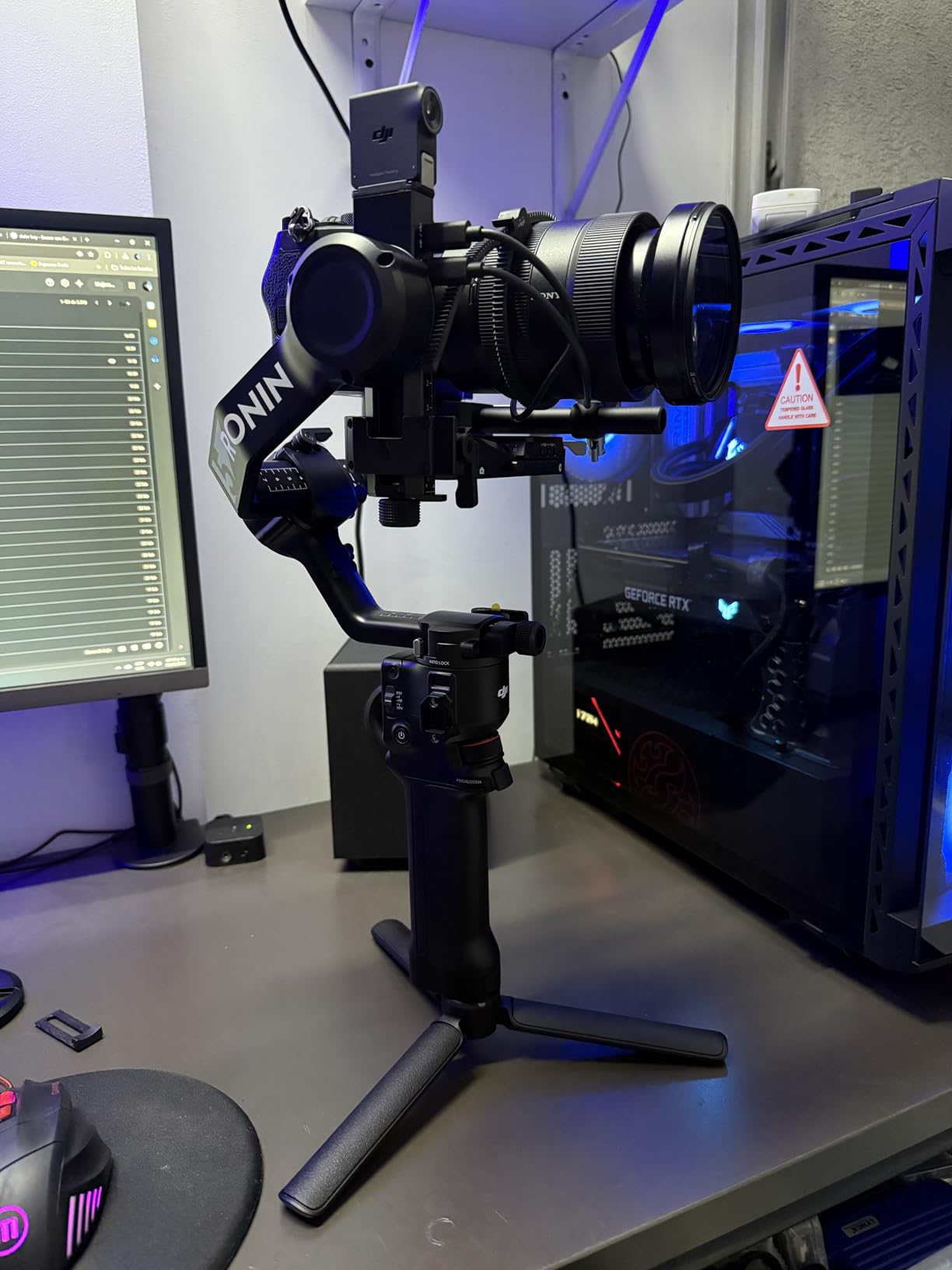
One feature that immediately improved my workflow was the extended tilt axis. DJI added 8.5mm of additional space compared to the RS 3, which matters more than you might expect. This extra room accommodates bulkier camera bodies and larger lenses without requiring constant rebalancing.
The RSA communication port is another addition that serious filmmakers will appreciate. Previously reserved for Pro models, this port opens up an extensive ecosystem of third-party accessories and control options. I connected a focus wheel and external monitor without any compatibility issues.
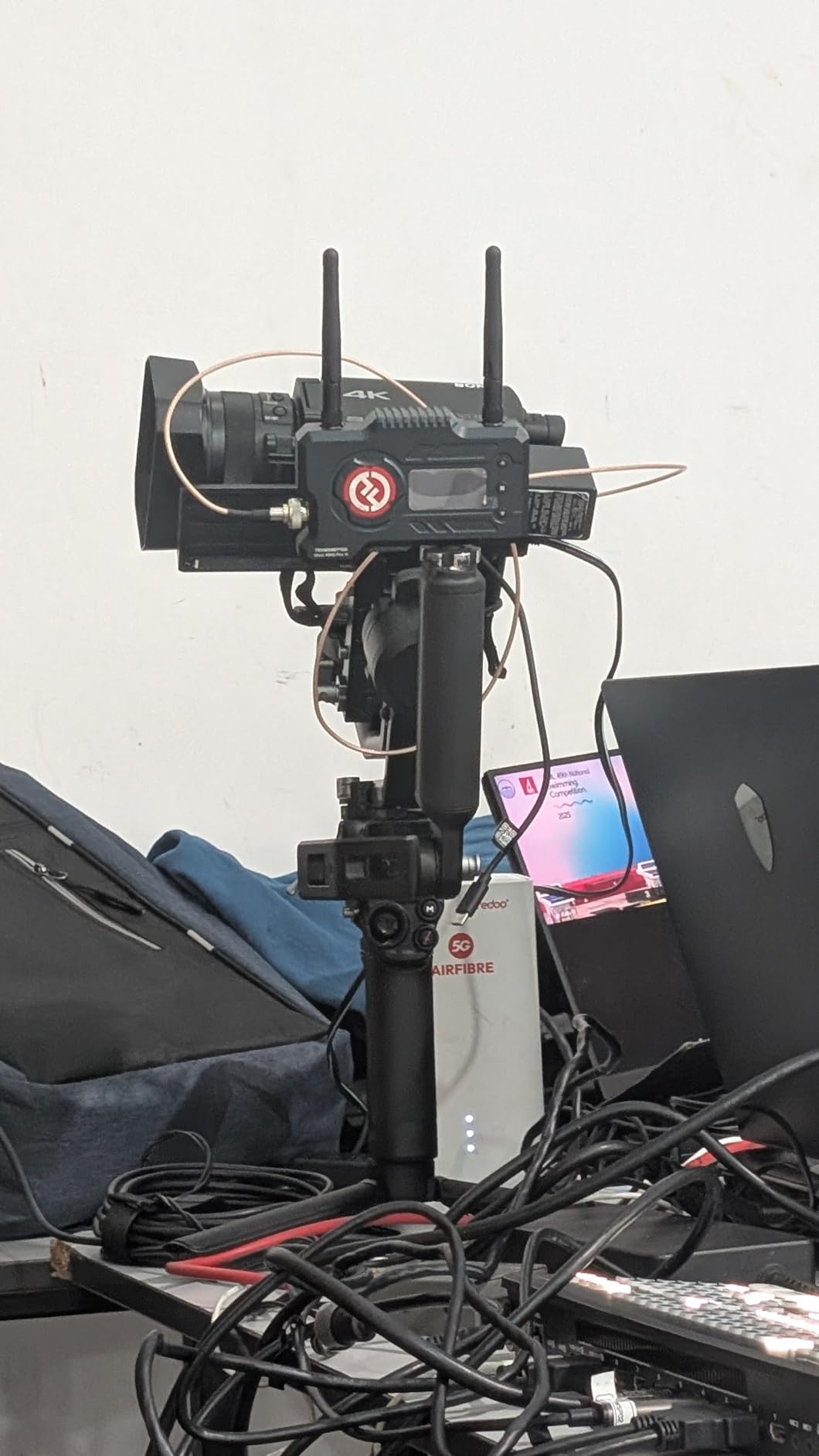
Motor strength has increased significantly in the RS 4. The 4.5Nm torque motors represent a 20% improvement over the RS 3, making this gimbal more capable with heavier cinema setups. I mounted a Sony FX3 with a 24-70mm f/2.8 lens, and the RS 4 handled the weight with confidence.
The automated axis locks work exactly as expected. Press the power button once, and all three axes unlock simultaneously. This feature alone saves me several minutes during every setup, which adds up over long production days.
DJI RS 3: Still a Strong Contender
Pros
- Excellent stabilization
- Automated axis locks
- Bluetooth shutter control
- Lightweight at 1.3kg
- Great battery life
Cons
- No native vertical shooting
- Requires accessory for vertical mode
- Steeper learning curve for balancing
The DJI RS 3 remains one of the most reliable gimbals I have used. Despite being released in 2022, its 3rd-generation stabilization algorithm still delivers professional results. The 20% improvement in anti-shake performance over the previous generation was substantial, and many filmmakers find it more than adequate for their needs.
What impressed me most about the RS 3 is its weight efficiency. At just 1.3kg including the battery handle and quick release plates, this gimbal feels lighter during extended shoots. The 3kg payload capacity handles most mirrorless setups with ease, though heavier cinema combinations may push the limits.
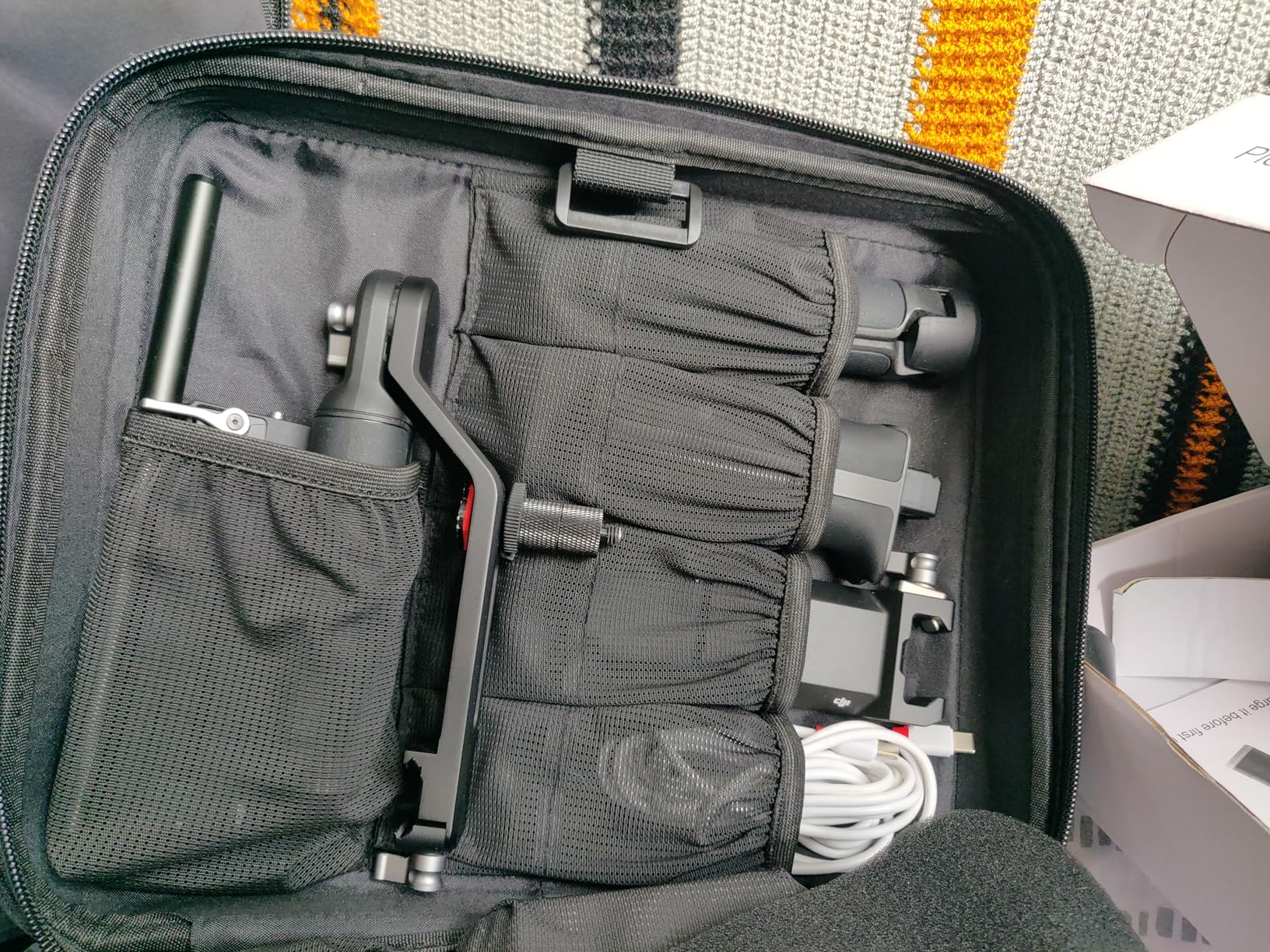
The automated axis locks were revolutionary when the RS 3 launched, and they continue to work flawlessly. Press the power button, and all three axes lock or unlock instantly. This feature transformed how quickly I could transition between shots and pack up at the end of a shoot.
Bluetooth shutter control eliminates cable clutter, which I appreciate when shooting in tight spaces. The wireless connection remained stable throughout my testing, with no noticeable latency between pressing the trigger and capturing the shot.
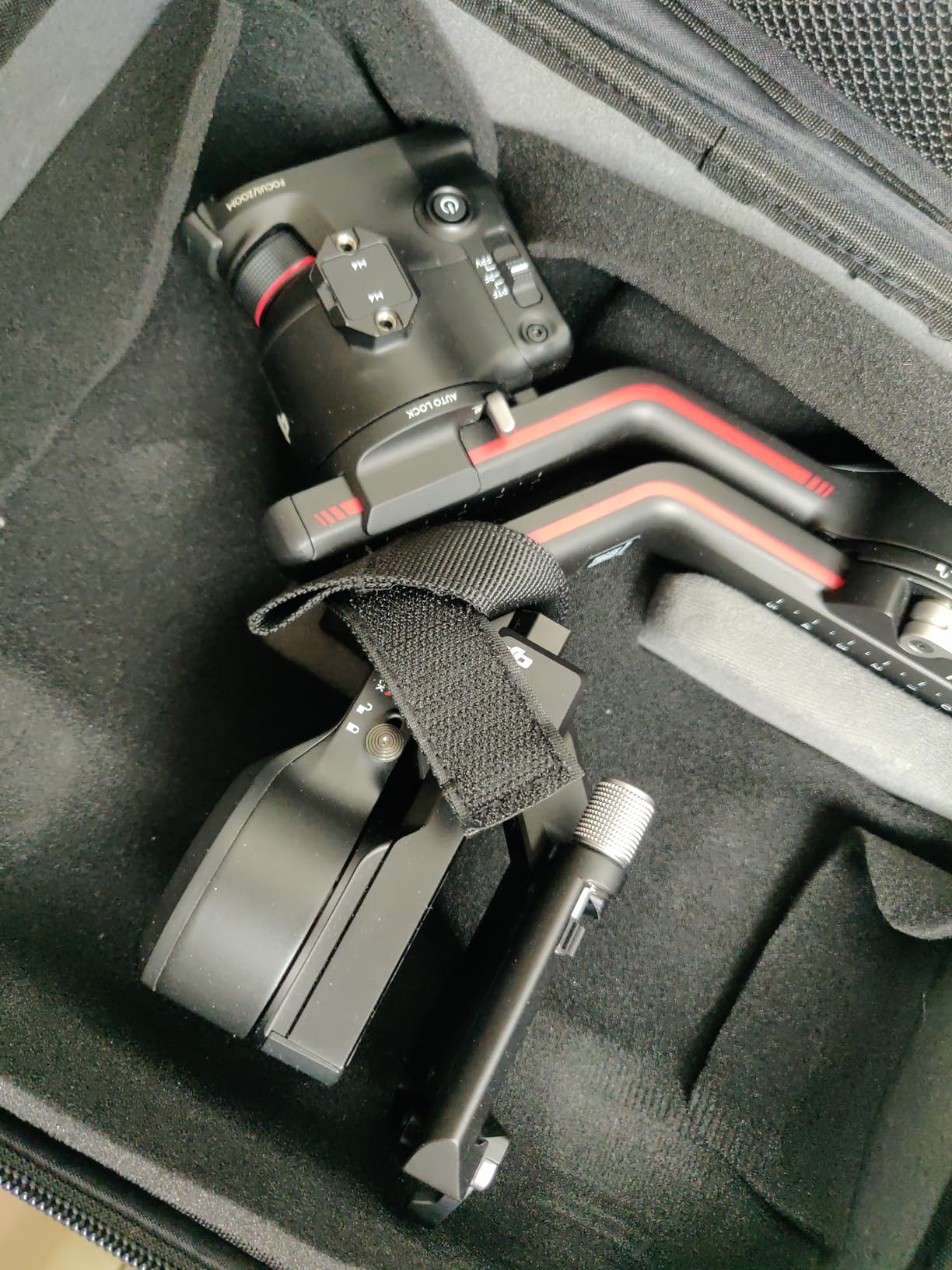
The 1.8-inch OLED touchscreen provides quick access to essential settings without digging through the Ronin app. While the interface is intuitive, I did notice that first-time users needed some practice to navigate efficiently. The learning curve is real, but not insurmountable.
Battery life consistently impressed me during real-world use. I regularly completed 8-10 hour shoot days with only one battery swap. The swappable battery design means you can carry spares and never worry about downtime.
The main drawback compared to the RS 4 is vertical shooting. The RS 3 requires a separate vertical camera mount accessory to shoot in portrait orientation. If you create content for TikTok, Instagram Reels, or YouTube Shorts, this additional purchase adds both cost and setup time.
DJI RS 4 vs DJI RS 3: Head-to-Head Comparison
Breaking down the differences between these gimbals reveals where each model excels. I tested both across several categories to determine clear winners.
Vertical Video Capability
The DJI RS 4 wins this category decisively. Its 2nd-generation native vertical shooting allows you to switch from horizontal to portrait orientation in seconds. Simply release the horizontal plate and secure it in the vertical position. No additional accessories required.
The RS 3 lacks this capability entirely. You must purchase a separate vertical mount accessory, which adds cost and creates a more complex setup process. For content creators focused on social media, this difference alone could justify choosing the RS 4.
Winner: DJI RS 4
Stabilization Performance
Both gimbals deliver excellent stabilization, but the RS 4 shows measurable improvement. The 4th-generation algorithm handles fast movements and abrupt direction changes with less visible correction. The Teflon-coated axes contribute to smoother balancing and more fluid movements.
Reddit users who upgraded from RS 3 to RS 4 report noticeably less sideways jitter, particularly during walking shots. The RS 3 performs admirably for most situations, but demanding scenarios reveal the generational gap.
Winner: DJI RS 4
Motor Power and Payload
Both gimbals share the same 3kg payload rating, but the RS 4 delivers more torque. The 4.5Nm motors represent approximately 20% more power than the RS 3’s estimated 3Nm motors. This translates to better handling of heavier camera-lens combinations and more responsive corrections.
I tested both gimbals with a RED Komodo and found the RS 4 more stable with heavier glass. The RS 3 managed the weight but required more careful balancing and showed occasional strain during quick movements.
Winner: DJI RS 4
Battery Life
Both gimbals offer 12 hours of runtime under standard conditions. In practice, I found this estimate accurate for moderate use with periodic sleep mode activation. Heavy usage with continuous recording will reduce this figure.
The RS 4 offers an optional BG70 high-capacity battery grip that extends runtime to 29.5 hours, sold separately. This accessory does not exist for the RS 3, giving the RS 4 an upgrade path for demanding productions.
Winner: Tie (with RS 4 offering optional upgrade)
Build Quality and Ergonomics
Both gimbals feature excellent build quality typical of DJI products. The RS 4 shows refinements in handle shape that reduce accidental joystick touches, a common complaint among RS 3 users. The coating feels more premium, and the overall fit suggests improved manufacturing processes.
The RS 3 remains solidly built and has proven reliable over years of professional use. User reviews consistently praise its durability, with many reporting thousands of shooting hours without issues.
Winner: DJI RS 4 (slight advantage)
Accessory Compatibility
The RS 4’s RSA port opens compatibility with DJI’s extensive accessory ecosystem and third-party options. Focus motors, external controls, and specialized rigs connect directly without workarounds.
Most RS 3 accessories remain compatible with the RS 4, protecting your investment if you upgrade. Quick release plates, focus motors, and battery handles transfer between generations.
Winner: DJI RS 4
Value for Money
Here is where the RS 3 shines. With the RS 4’s release, RS 3 prices have remained competitive. The Combo version includes accessories that would cost extra separately. For filmmakers who shoot primarily horizontal content and do not need vertical capability, the RS 3 delivers exceptional value.
The RS 4 costs more but justifies the premium through meaningful upgrades. If vertical video or heavier payloads matter to your work, the additional investment pays off quickly.
Winner: DJI RS 3 (budget-conscious), DJI RS 4 (feature-focused)
Frequently Asked Questions
What is the difference between DJI RS 4 and RS 3?
The DJI RS 4 features 2nd-generation native vertical shooting, a 4th-generation stabilization algorithm, Teflon-coated axes, and an RSA port that the RS 3 lacks. The RS 4 also has stronger 4.5Nm motors compared to the RS 3’s 3Nm motors, providing better handling for heavier camera setups.
Is it worth upgrading from DJI RS 3 to RS 4?
The upgrade is worth it if you shoot vertical video content or work with heavier camera-lens combinations. The native vertical shooting eliminates the need for accessories, and the stronger motors handle demanding setups better. If you only shoot horizontal content with standard mirrorless setups, the RS 3 remains capable.
Which is better for vertical video: RS 3 or RS 4?
The DJI RS 4 is significantly better for vertical video. It features native vertical shooting that allows instant switching between horizontal and portrait orientations without accessories. The RS 3 requires a separate vertical mount accessory to achieve the same result.
Do DJI RS 3 accessories work with RS 4?
Yes, most DJI RS 3 accessories are compatible with the RS 4. Quick release plates, focus motors, and battery handles transfer between generations. The RS 4 adds an RSA port that expands compatibility with additional accessories previously reserved for Pro models.
Final Verdict: Which Gimbal Should You Buy?
The DJI RS 4 vs DJI RS 3 decision ultimately depends on your specific needs and workflow. Both gimbals represent excellent choices for different types of filmmakers.
Buy the DJI RS 4 if:
You create vertical content for social media platforms like TikTok, Instagram Reels, or YouTube Shorts. The native vertical shooting alone saves time and eliminates accessory costs. You work with heavier cinema cameras or larger lenses that benefit from stronger motors. You want the latest stabilization technology with Teflon-coated axes for smoother operation. You need the RSA port for extensive accessory compatibility.
Buy the DJI RS 3 if:
You shoot primarily horizontal content and vertical capability is not a priority. You want excellent stabilization at a more accessible price point. Your camera setup stays within the 3kg payload range without pushing limits. You prefer a proven platform with extensive real-world reliability data. Budget constraints make the RS 4 impractical for your situation.
Should you upgrade from RS 3 to RS 4?
The upgrade makes sense if vertical video has become part of your workflow. The native vertical shooting eliminates a significant pain point. If you work with heavier setups or notice stabilization limitations with your current gear, the stronger motors and improved algorithm justify the investment. However, if your RS 3 handles your typical setups without issues and you do not shoot vertical content, the upgrade offers diminishing returns.
For most professional videographers and content creators in 2026, the DJI RS 4 represents the better long-term investment. Its vertical shooting capability, stronger motors, and improved stabilization future-proof your purchase as content demands evolve. The RS 3 remains an excellent choice for budget-conscious filmmakers who do not need these specific upgrades.