
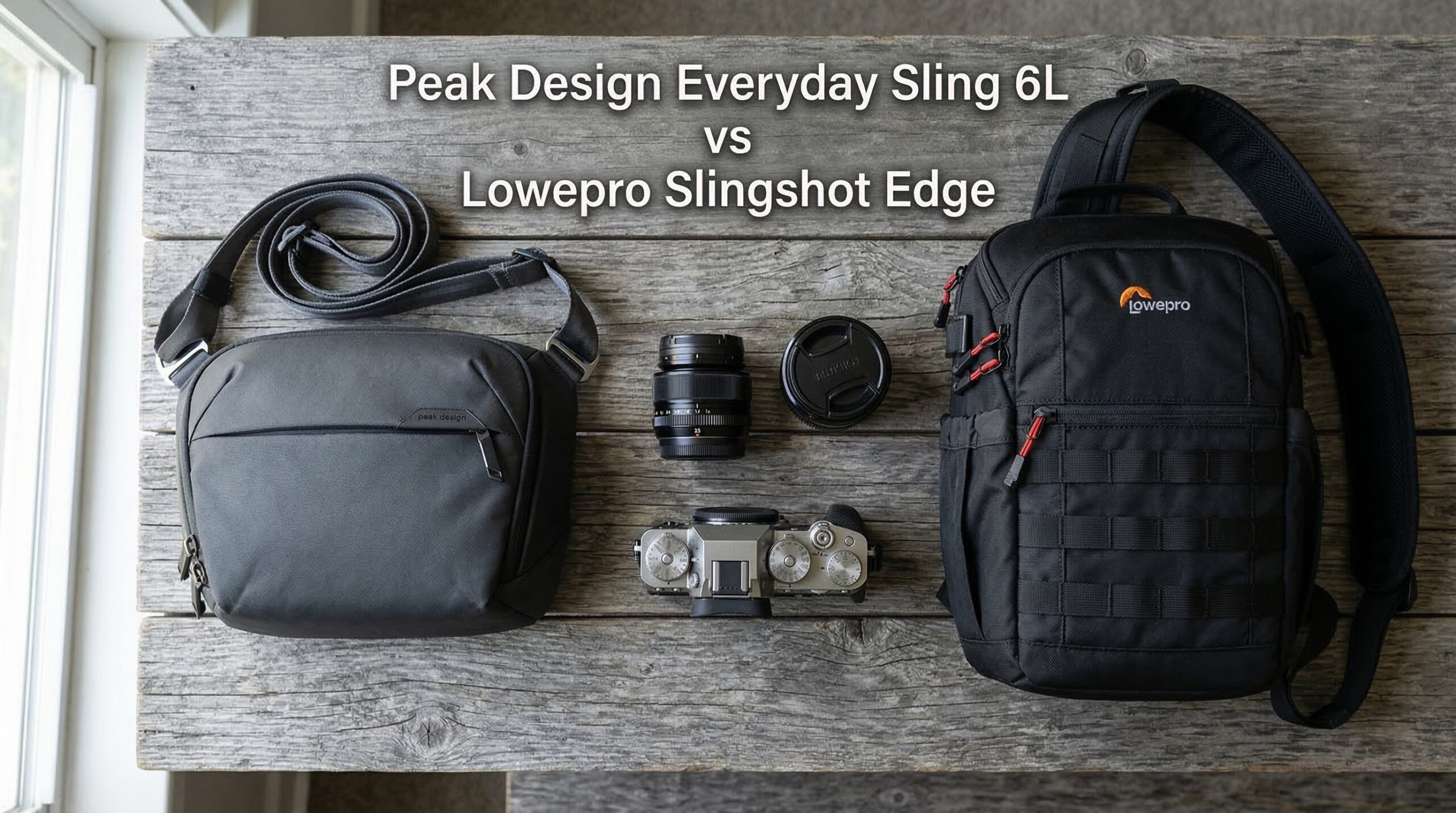
Finding the right camera sling bag can make or break your photography experience. I’ve spent countless hours carrying gear through city streets, hiking trails, and travel destinations, and the difference between a well-designed bag and a mediocre one becomes painfully obvious after hour three.
This Peak Design Everyday Sling 6L vs Lowepro Slingshot Edge comparison addresses a common dilemma for photographers seeking quick-access storage without the bulk of a traditional backpack. Both bags have earned loyal followings, but they take fundamentally different approaches to the same problem.
The Peak Design Everyday Sling 6L represents the premium, minimalist approach with its origami-style FlexFold dividers and sleek aesthetics. The Lowepro Slingshot Edge 250 AW takes a more utilitarian route with its larger 15-liter capacity and built-in all-weather protection. Each has distinct strengths that appeal to different types of photographers.
After analyzing real user experiences, technical specifications, and hands-on reviews, I can tell you that the Peak Design wins for style and everyday versatility, while the Lowepro dominates when you need to carry more gear in challenging conditions. But there’s much more nuance to explore.
Peak Design Everyday Sling 6L vs Lowepro Slingshot Edge: Quick Comparison
Here’s how these two camera sling bags stack up at a glance:
| Product | Specifications | Action |
|---|---|---|
 Peak Design Everyday Sling 6L
|
|
Check Latest Price |
 Lowepro Slingshot Edge 250 AW
|
|
Check Latest Price |
The table above reveals the fundamental difference between these bags: the Lowepro offers more than double the capacity of the Peak Design. But raw numbers don’t tell the whole story about which bag works better for your specific needs.
Peak Design Everyday Sling 6L Deep Dive
Pros
- Sleek minimalist aesthetics
- Creative FlexFold divider system
- Versatile carry options
- Does not look like a camera bag
- Excellent build quality
Cons
- Limited capacity for larger kits
- Smaller opening than competitors
- No dedicated water bottle pocket
The Peak Design Everyday Sling 6L feels like it was designed by photographers who actually use their gear daily. I appreciate how it doesn’t scream “camera bag” when you walk down the street. Many photographers I’ve spoken with mention this as a key advantage, especially for street photography where blending in matters.
The FlexFold dividers are genuinely innovative. They use an origami-style folding mechanism that lets you create custom compartments without the hassle of velcro. You can fold them flat when not needed, which transforms the bag into a general-purpose everyday carry option. This flexibility sets it apart from traditional camera bags with fixed configurations.
Carry Options and Comfort
One standout feature is the padded adjustable shoulder strap that works for both crossbody and waist carry. The ability to wear it as a hip pack is something photographers love for quick access during active shoots. The strap includes Peak Design’s signature quick-release adjuster, making it easy to find your perfect fit.
The swivel hardware at the strap attachment points prevents the annoying twisting that plagues many sling bags. This small detail makes a noticeable difference during long shooting sessions when you’re constantly rotating the bag from back to front.
Build Quality and Materials
Precision defines the construction here. The 400D nylon canvas feels substantial without being bulky, and the DWR (Durable Water Repellent) coating handles light rain confidently. YKK zippers throughout provide smooth operation and long-term reliability.
Peak Design is a certified B Corporation, and the environmental considerations show in the materials. The recycled nylon construction and bluesign-certified fabrics appeal to photographers who care about sustainability alongside functionality.
What Fits Inside
The 6L capacity suits mirrorless camera setups perfectly. You can comfortably fit a compact mirrorless body with two to three small-to-medium lenses. Real users report fitting setups like a Sony a7 series with a 24-70mm attached plus a couple of primes. However, if you shoot with a DSLR or larger telephoto lenses, you’ll find the space limiting.
External carry options help extend the capacity. The lash straps on the front can hold a compact tripod or jacket, though this isn’t as robust as dedicated tripod carry systems on larger bags.
The main limitation users mention is the opening width. The bag doesn’t open as wide as some competitors, which can make accessing gear at the bottom slightly challenging when the bag is fully packed.
Lowepro Slingshot Edge 250 AW Deep Dive
Pros
- Massive storage capacity
- Built-in rain cover
- Body-side access deters theft
- Fits DSLR with 3 lenses
- Separate tablet pocket
- Excellent value for money
Cons
- Strap not reversible
- May be short for larger people
- Top compartment lacks organization
- Bulky appearance
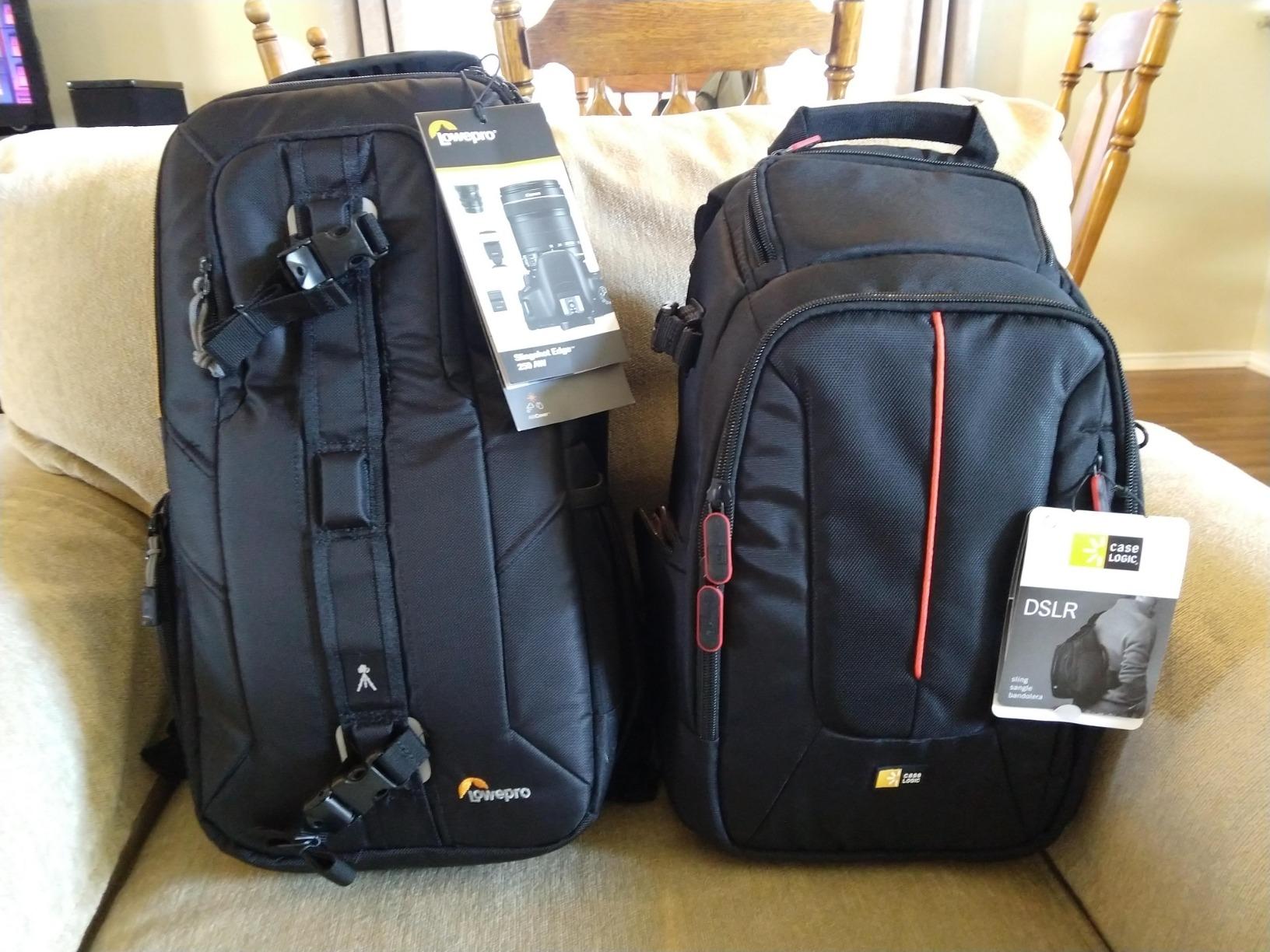
The Lowepro Slingshot Edge 250 AW takes a completely different philosophy. While Peak Design focuses on sleek minimalism, Lowepro prioritizes function over form with generous storage and practical features. With over 1,800 reviews and a 4.4-star rating, this bag has proven itself in real-world conditions over many years.
What immediately strikes you is the capacity difference. At 15 liters, this bag holds more than double what the Peak Design 6L can manage. Photographers regularly fit a compact DSLR with attached lens, two additional lenses, a compact tripod, and personal items all in one bag.
Security-Focused Design
The body-side access design deserves special attention. When you swing the bag around to access your gear, the opening faces your body rather than outward. This deters theft in crowded situations and gives you confidence when shooting in urban environments.
Many travel photographers specifically choose this bag for this security feature. You can access your camera without fully exposing your gear to potential thieves, which is particularly valuable in tourist-heavy areas.
All Weather Protection
The built-in All Weather AW Cover is a genuine advantage. It tucks into a dedicated pocket at the bottom and deploys quickly when conditions turn. This isn’t just a light rain cover; it provides serious protection against downpours and dust.
Having the cover integrated means you never forget it at home. Many photographers who’ve been caught in unexpected weather appreciate this thoughtful inclusion. The dedicated storage pocket also means it doesn’t eat into your main compartment space.
Storage and Organization
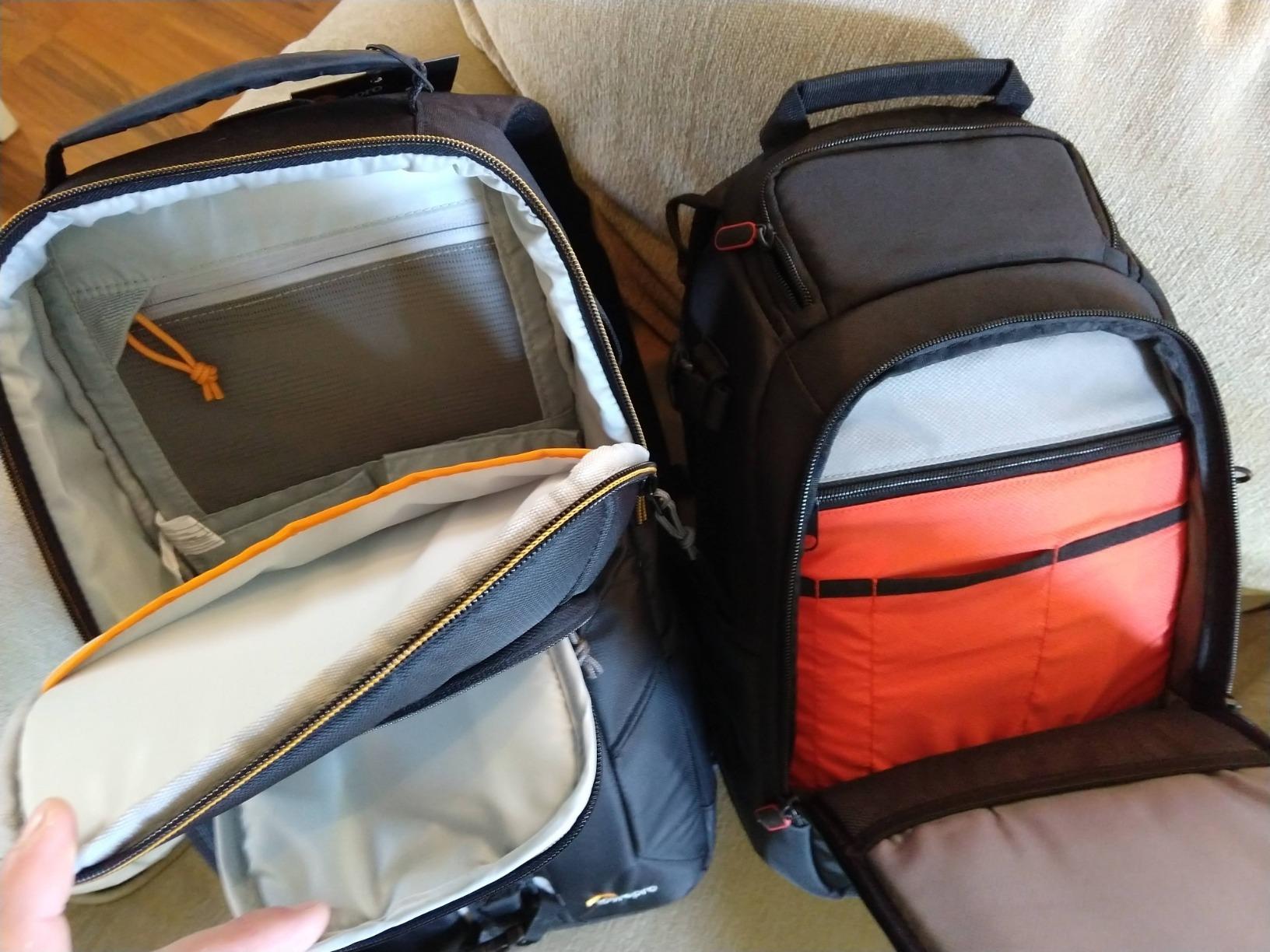
The interior features padded dividers that use traditional velcro attachment. While not as elegant as Peak Design’s FlexFold system, they’re proven and reliable. You can reconfigure the interior to match your specific gear setup.
The separate Cradle Fit tablet pocket keeps an 11-inch tablet safe from impact. This suspended design prevents your device from touching the bottom of the bag, adding an extra layer of protection. Note that laptops won’t fit here, so this is strictly for tablets.
Real-World Capacity Examples
Users consistently report fitting impressive amounts of gear. Common configurations include a Canon Rebel with 18-200mm attached, plus two additional lenses, batteries, memory cards, and personal items. The bag also fits a DJI Mavic Pro drone if you’re into aerial photography.
The two removable straps with quick-release buckles add external carry capacity. You can attach a tripod, monopod, or jacket using these, extending the bag’s versatility beyond the main compartment.
Comfort Considerations
The strap system works well for most users, though taller photographers sometimes find it slightly short. The elastic holder keeps excess strap tidy, and the padding provides reasonable comfort for moderate loads. However, unlike Peak Design, the strap isn’t reversible, which some left-handed shooters find limiting.
Weight distribution is generally good, but fully loaded bags can cause shoulder fatigue over extended periods. This is inherent to sling designs and affects both bags in this comparison.
Peak Design Everyday Sling 6L vs Lowepro Slingshot Edge: Head-to-Head Comparison
Design and Build Quality
Peak Design wins the aesthetics contest hands down. The Everyday Sling looks like a premium everyday bag rather than camera equipment, which matters for street photographers and travelers who prefer discretion. The clean lines and minimal branding create a sophisticated appearance that works in professional and casual settings.
Lowepro takes a more utilitarian approach. The Slingshot Edge looks like what it is: a functional camera bag. This isn’t necessarily bad, especially if you want quick visual recognition from other photographers, but it lacks the refined appearance of the Peak Design option.
Both bags use quality materials, but Peak Design’s attention to detail shows in elements like the magnetic closures and custom hardware. The UltraZip technology on Peak Design bags creates larger openings than traditional zippers allow, though users note the Lowepro still opens wider overall.
For durability, both have proven track records. Peak Design offers a lifetime warranty, while Lowepro provides solid build quality backed by their reputation in the photography industry. Real users report both bags lasting years of regular use.
Capacity and Gear Fitment
This is where the fundamental difference becomes most apparent. The Lowepro Slingshot Edge 250 AW offers 15 liters of capacity versus the Peak Design’s 6 liters. That’s a massive difference that determines what kind of photographer each bag suits.
Peak Design 6L fits:
Mirrorless body with 2-3 small to medium lenses works comfortably. Sony a7 or Fujifilm X-series shooters will find it ideal. The bag handles a body with attached standard zoom plus a couple of primes without issue.
Lowepro 250 AW fits:
Compact DSLR with 3 lenses, tripod, and accessories. The official spec mentions fitting a Canon Rebel T6i with 18-200mm attached, which gives you a sense of the scale. You can also fit a DJI Mavic Pro drone if needed.
For specific camera kit examples, Peak Design users typically carry mirrorless setups like a Sony a7IV with 24-70mm f/2.8 attached, plus a 35mm and 85mm prime. Lowepro users often pack DSLR bodies with larger zooms that simply won’t fit in the Peak Design.
Forum discussions reveal that many photographers find the 6L “too small for anything more than a body and a couple of medium lenses.” If you’re a gear minimalist, this works perfectly. If you need backup bodies or larger glass, Lowepro becomes the obvious choice.
Comfort and Carrying Options
Peak Design offers superior strap versatility. The reversible design works for both right and left-handed carry, and the quick-release adjuster makes finding your fit simple. The waist pack conversion option is genuinely useful for active shooting situations.
The swivel hardware prevents strap twisting, a small but significant quality-of-life improvement. Peak Design’s strap padding is also generally considered more comfortable for extended wear.
Lowepro’s strap works well but lacks reversibility. Some users report that “the Lowepro shoulder strap isn’t reversible and often left shoulders sore” during long sessions. Taller photographers sometimes find the strap length limiting.
Both bags can cause shoulder fatigue when fully loaded, as this is inherent to sling designs. The weight sits on one shoulder rather than being distributed across your back like a traditional backpack.
For all-day carry comfort, Peak Design generally wins due to better strap design and lighter loads. But if you need the capacity that Lowepro provides, the slightly less comfortable strap becomes an acceptable trade-off.
Internal Organization
Peak Design’s FlexFold dividers represent genuine innovation in camera bag design. The origami-style folding mechanism lets you create custom compartments that fold flat when not in use. No velcro means silent operation, which wildlife and street photographers appreciate.
The system works brilliantly for smaller setups. You can quickly reconfigure the interior to accommodate different gear combinations, and the dividers stay where you put them.
Lowepro uses traditional padded dividers with velcro attachment. While less elegant, this system is proven and reliable. You get full control over interior layout, though making adjustments requires more effort and creates noise.
Lowepro wins on pocket variety. The separate tablet pocket, multiple accessory pockets, and top compartment for personal items provide more organizational options. The trade-off is that the top compartment is “wide open” and may require additional pouches for small items.
Peak Design keeps things simpler with fewer but well-designed pockets. Some users wish for a dedicated water bottle pocket, which neither bag provides internally.
Weather Resistance
Lowepro’s built-in All Weather AW Cover is a significant advantage for outdoor photographers. This dedicated rain cover provides serious protection in heavy downpours and dust storms. The fact that it lives in its own pocket means you always have it when needed.
Peak Design relies on DWR coating and weather-resistant construction without a dedicated cover. The bag handles light rain and splashes confidently, but prolonged exposure to heavy weather isn’t ideal.
For hiking photography and outdoor adventures where weather can change quickly, Lowepro’s integrated cover provides peace of mind. The dedicated storage means the cover is always with you and doesn’t consume internal space.
Urban photographers who rarely encounter serious weather might prefer Peak Design’s cleaner aesthetic without the bulk of a cover system. Both approaches work; it depends on your typical shooting conditions.
Value and Price Comparison
Peak Design positions itself as a premium product with premium pricing. You’re paying for innovative design, quality materials, and brand prestige. The lifetime warranty adds value, as does the versatility of using it as an everyday bag beyond photography.
Lowepro offers significantly better value per dollar for pure functionality. You get more capacity, more features, and proven durability at a lower price point. The value proposition becomes even stronger when you consider the included all-weather cover.
Consider your use case: If you want one bag that works for photography and everyday carry, Peak Design’s versatility might justify the premium. If you need maximum storage for camera gear and don’t care about non-photography use, Lowepro delivers more bang for your buck.
Real users often mention that “Peak Design is worth the extra cost” for those who appreciate the aesthetics and innovative features. Budget-conscious photographers consistently point to Lowepro as offering comparable functionality at a better price.
Who Should Buy Each Bag
Choose Peak Design Everyday Sling 6L If:
You shoot with a mirrorless camera system and prefer a minimalist approach. Street photographers love how it doesn’t look like a camera bag, allowing them to blend into crowds. If you value aesthetics and want a bag that works for everyday carry beyond photography, this is your choice.
You appreciate innovative design features like FlexFold dividers and reversible straps. Photographers who frequently reconfigure their bag layouts or need silent operation will find Peak Design’s approach superior.
You’re willing to pay a premium for quality construction and brand reputation. The lifetime warranty and B Corp certification matter to you as part of the purchasing decision.
Your typical kit is a mirrorless body with 2-3 lenses. If you don’t need to carry backup bodies, large telephotos, or drones, the 6L capacity is sufficient.
Choose Lowepro Slingshot Edge 250 AW If:
You need maximum storage capacity in a sling format. DSLR shooters, photographers with larger lens collections, or anyone carrying backup equipment will appreciate the 15-liter capacity.
You shoot in challenging weather conditions. The built-in All Weather AW Cover provides serious protection that Peak Design can’t match without adding a separate cover.
Security matters in your shooting environments. The body-side access design deters theft in crowded urban areas and tourist destinations.
You want excellent value for money. Lower price plus more features and capacity makes Lowepro the practical choice for budget-conscious photographers who prioritize function over form.
You carry a tablet and want dedicated protection. The Cradle Fit pocket keeps your device safe and separate from camera gear.
Specific Use Case Recommendations
Street Photography: Peak Design wins for its discreet appearance and quick access. The ability to wear it as a hip pack during active shoots is valuable.
Travel Photography: Lowepro takes this for most travelers. The extra capacity lets you carry more gear, and the weather cover handles unpredictable conditions.
Hiking and Outdoor: Lowepro again, primarily for the all-weather protection. The capacity for extra layers, snacks, and gear also helps on longer treks.
Event Photography: Depends on your kit. Mirrorless shooters can work with Peak Design; DSLR users need Lowepro’s capacity.
Everyday Carry: Peak Design excels here. The bag transitions seamlessly from camera bag to general purpose carrier.
Frequently Asked Questions
Is the Peak Design Sling good for everyday use?
Yes, the Peak Design Everyday Sling excels as an everyday carry bag. Its minimalist design doesn’t look like a camera bag, making it versatile for non-photography use. The FlexFold dividers can fold flat, transforming the bag into a general-purpose carrier for daily essentials.
Can the Everyday Sling be worn as a hip pack?
Yes, Peak Design designed the Everyday Sling with waist carry in mind. The padded adjustable strap allows you to wear it as a hip pack, which is particularly useful during active shooting when you need quick access to your gear without the bag swinging around.
Does the Everyday Sling have internal dividers?
Yes, the Peak Design Everyday Sling features FlexFold dividers that use an origami-style folding mechanism. These dividers are customizable without velcro, allowing silent adjustment of interior compartments. They can also fold flat when you don’t need camera protection.
What size is the Peak Design everyday sling?
The Peak Design Everyday Sling comes in 3L, 6L, and 10L sizes. The 6L version measures approximately 18.5 x 28 x 11 cm externally and suits mirrorless camera setups with 2-3 small to medium lenses. It’s designed as a compact option for photographers who prefer traveling light.
What is the Lowepro SlingShot?
The Lowepro SlingShot is a camera sling bag designed for photographers who need quick access to gear without removing the bag. The Slingshot Edge 250 AW model offers 15 liters of capacity, body-side access for security, a built-in all-weather cover, and fits compact DSLRs with multiple lenses or a DJI Mavic Pro drone.
Final Verdict: Peak Design Everyday Sling 6L vs Lowepro Slingshot Edge
In this Peak Design Everyday Sling 6L vs Lowepro Slingshot Edge comparison, both bags earn their loyal followings through different strengths. The Peak Design Everyday Sling 6L wins for mirrorless shooters who value style, versatility, and innovative design. It’s the better choice for street photography, everyday carry, and photographers who want a bag that doesn’t scream “camera equipment.”
The Lowepro Slingshot Edge 250 AW dominates when capacity, weather protection, and value matter most. DSLR users, outdoor photographers, and budget-conscious buyers get more functionality for their money with the built-in rain cover, theft-deterrent access, and 15-liter capacity.
My recommendation: Choose Peak Design if you shoot mirrorless and appreciate refined aesthetics. Choose Lowepro if you need maximum storage and practical features at a better price. Neither choice is wrong; they simply serve different types of photographers.