
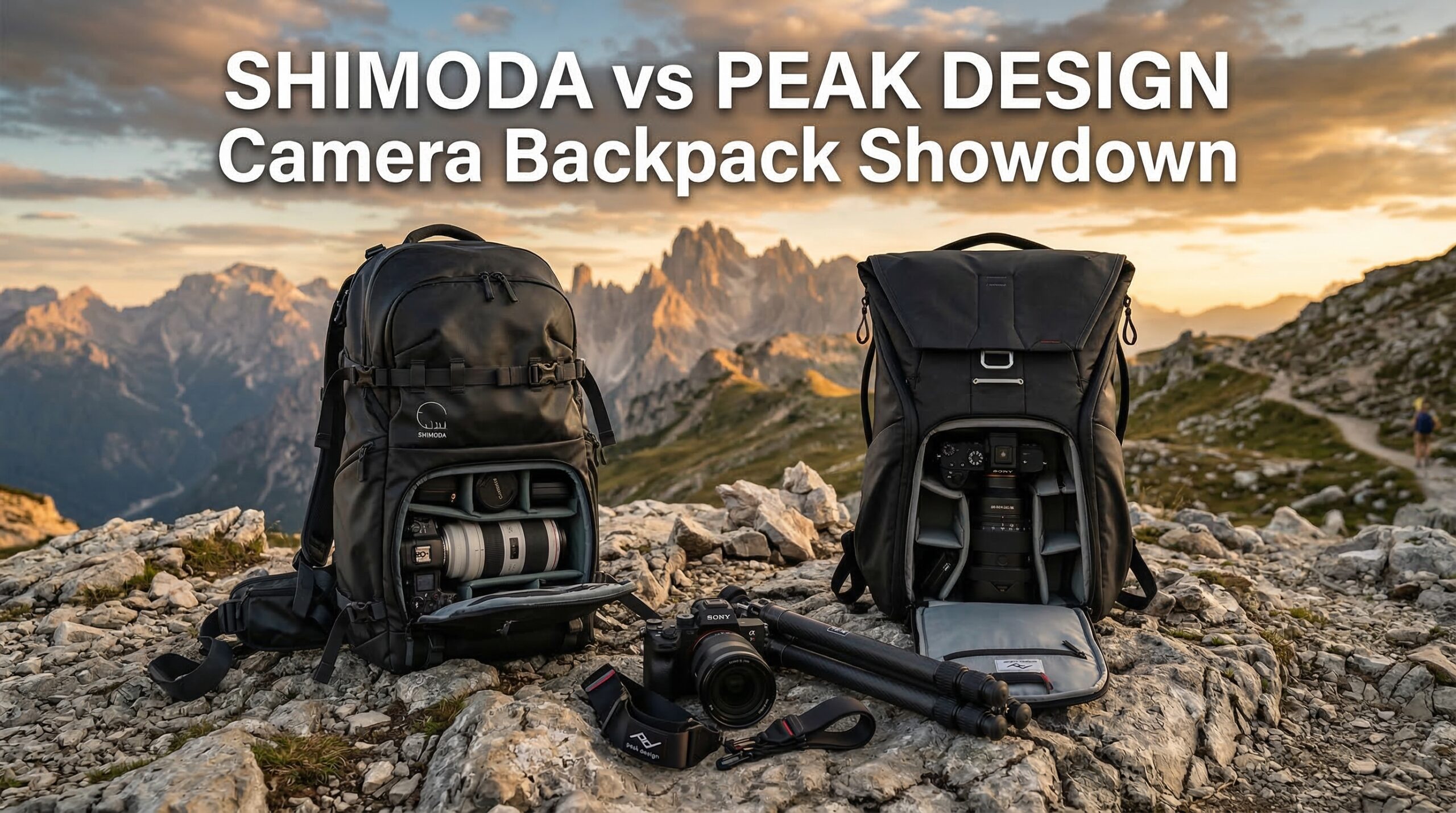
Choosing between premium camera backpacks can feel overwhelming when both options come from respected brands. I have spent countless hours testing photography gear, and the Shimoda Explore V2 vs Peak Design Outdoor Backpack 45L comparison is one that comes up frequently among adventure and travel photographers.
Both backpacks target outdoor photographers who need reliable gear protection during hikes and travel. However, they approach the challenge differently. The Shimoda Explore V2 has built a reputation for proven outdoor performance with its modular core unit system. The Peak Design Outdoor Backpack 45L represents a newer entry with lightweight construction and a unique roll-top design.
After analyzing real user experiences from photography forums and examining the specifications closely, I can tell you that these bags serve different priorities. Shimoda wins on comfort and access flexibility, while Peak Design emphasizes weight savings and weather-resistant materials.
In this comprehensive comparison, I will break down every aspect of both backpacks to help you decide which one fits your photography style and workflow.
Quick Comparison Overview
Let me start with a side-by-side look at how these two camera backpacks stack up against each other.
| Product | Specifications | Action |
|---|---|---|
 Shimoda Explore V2 30L Shimoda Explore V2 30L |
|
Check Latest Price |
 Peak Design Outdoor 45L Peak Design Outdoor 45L |
|
Check Latest Price |
The table above highlights the core differences. Shimoda focuses on proven functionality with multiple access points and an adjustable harness system. Peak Design pushes innovation with its roll-top closure and recycled Terra Shell fabric.
One thing stands out immediately: the capacity difference. The Shimoda Explore V2 comes in a 30-liter configuration, while the Peak Design Outdoor Backpack offers 45 liters. This affects carry-on compliance and packing flexibility significantly.
Shimoda Explore V2 30L: Detailed Review
Pros
- Excellent comfort with adjustable torso height
- Proven modular Core Unit system
- Multiple access points for quick gear retrieval
- International carry-on compatible
- High-quality construction and materials
Cons
- Core Units sold separately
- Side access may not fit larger bodies
- Limited color options
- Some users report manufacturing defects
When I first handled the Shimoda Explore V2, the build quality impressed me immediately. The TPU front shell provides structure and protection, while the overall design feels purposeful rather than flashy. This backpack has earned its reputation among adventure photographers through years of real-world testing.
The adjustable torso height feature sets Shimoda apart from many competitors. With three height options offering 7.5 centimeters of vertical adjustment, you can dial in the fit to your body. This matters enormously when carrying heavy camera gear over long distances. One user on a photography forum noted that their Shimoda remained comfortable even after four to five hours of continuous walking.
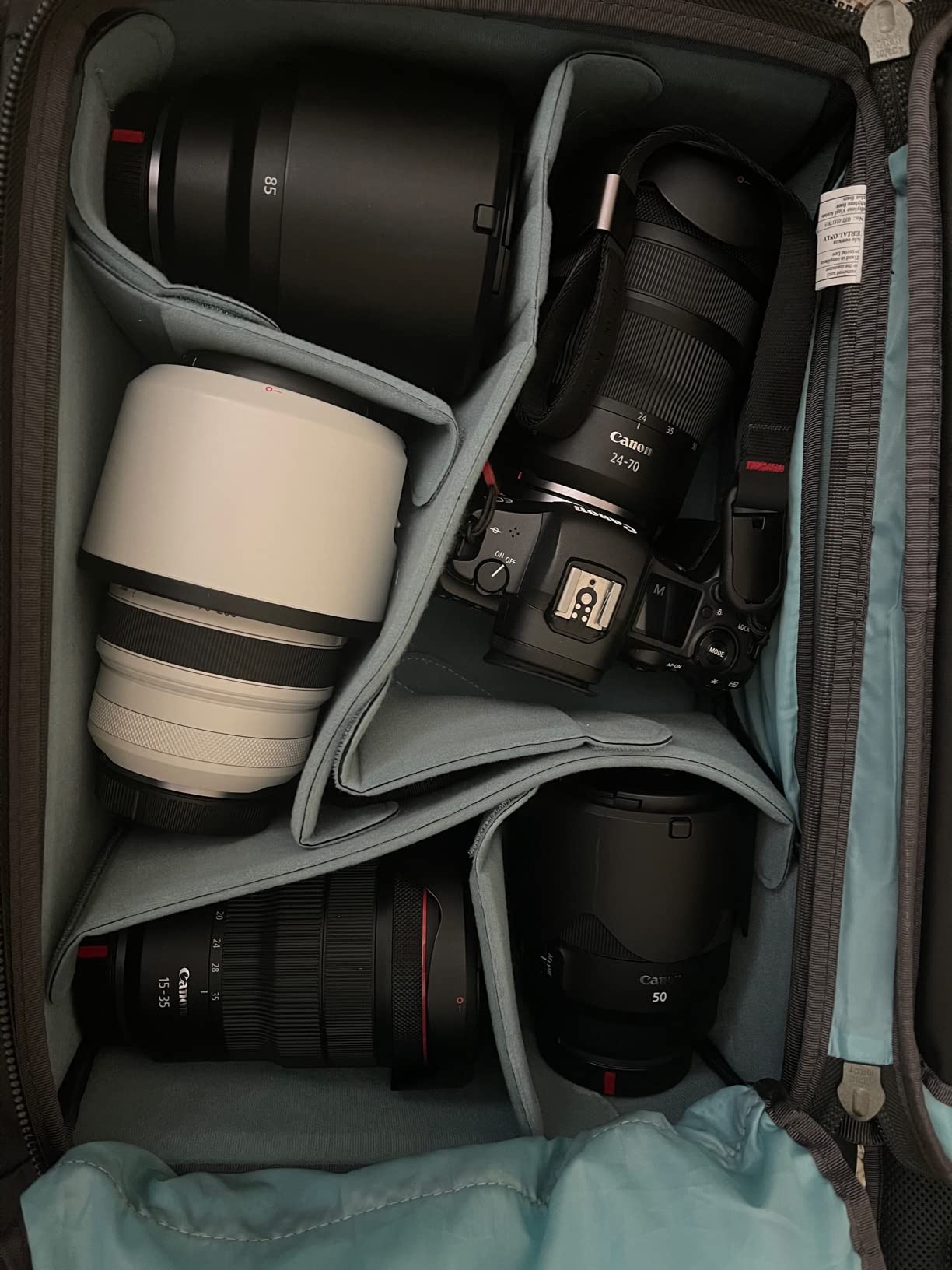
The Core Unit modular system deserves special attention. Unlike fixed dividers, these camera inserts provide shockproof protection for mirrorless, SLR, and DSLR cameras while remaining removable. This transforms the backpack from a dedicated camera bag to a general outdoor pack when needed. The modularity also means you can size your core unit to match your kit rather than compromising with generic compartments.
Access points make or break a camera backpack for field work. The Shimoda Explore V2 offers both rear clamshell access and side access. Rear access gives you full visibility of your gear when packing or unpacking. Side access lets you grab your camera without setting down the pack completely. Photographers who shoot wildlife or events appreciate this flexibility tremendously.
The harness system includes wide shoulder straps, load lifters, and a sternum strap. Combined with the adjustable torso, this creates a comfortable carry even with substantial weight. The hip belt helps transfer load to your legs, though some users wish it offered more padding for extended treks.
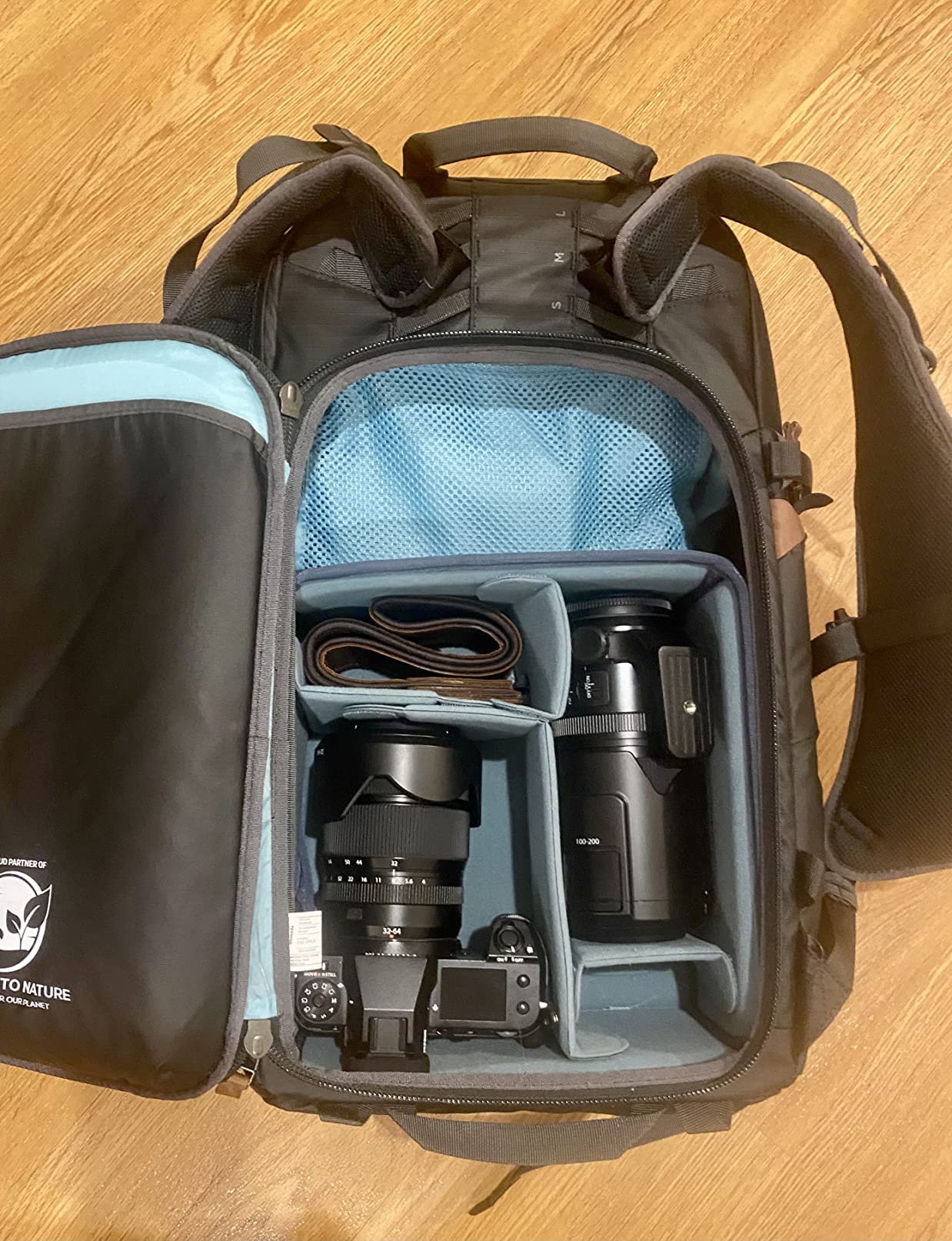
Travel photographers will appreciate the international carry-on compliance. The 30-liter size meets strict European and Asian regulations and fits under some airplane seats. Security features include lockable zippers and a hidden passport pocket. The luggage handle pass-through adds convenience when navigating airports.
However, potential buyers should understand that Core Units cost extra. The starter kit includes a basic insert, but photographers with larger kits may need to purchase additional or larger core units. This adds to the total investment but also provides customization that fixed systems cannot match.
Some users have reported minor manufacturing defects, particularly with inner pocket construction. While not widespread, checking your bag upon arrival is wise. The 226 reviews on Amazon show a 4.5-star average, indicating generally satisfied customers despite occasional quality control issues.
Peak Design Outdoor Backpack 45L: Detailed Review
Pros
- Lightweight construction with recycled materials
- Weatherproof Terra Shell fabric
- Roll-top for expandable capacity
- Compatible with Peak Design cubes
- Converts hydration sleeve to laptop pocket
Cons
- Camera cubes sold separately
- Roll-top can be impractical
- Limited side access options
- Mixed comfort reviews
- Straps can feel uncomfortable
The Peak Design Outdoor Backpack 45L takes a different approach to camera carry. At its core, this bag emphasizes being a true outdoor backpack first, with camera functionality added through modularity. The design philosophy shows in the lightweight construction and hiking-oriented features.
One immediately noticeable feature is the roll-top closure. This design allows capacity expansion when needed and creates a weather-resistant seal at the top. However, forum users have expressed mixed feelings about this approach. Some find the ultra cinch mechanism difficult to operate, while others appreciate the flexibility it provides.
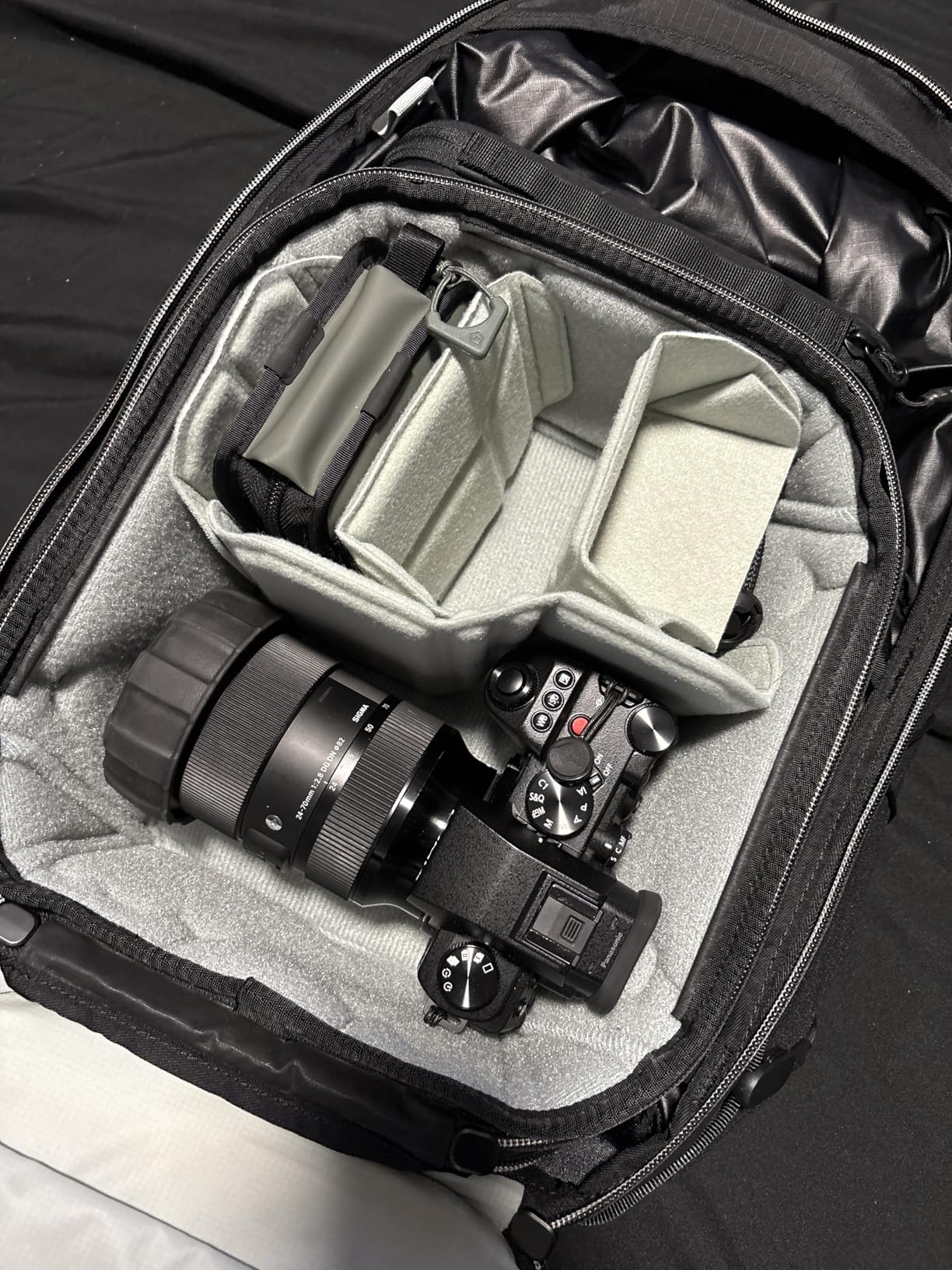
The Terra Shell fabric represents Peak Design’s commitment to sustainability. Made from 100% recycled materials and Bluesign approved, this weatherproof fabric resists abrasion while keeping weight down. The material has a distinct crinkly texture that some users find off-putting, but it performs well in adverse conditions.
Unlike the Shimoda, the Peak Design Outdoor Backpack lacks true side access. Users must open the rear clamshell or use the roll-top to reach gear. This design choice has frustrated photographers who prefer quick camera access without removing the pack. One Reddit user commented bluntly: “Nah… no side access. I’ll keep my older ones.”
The vest-style load-lifter straps aim to distribute weight evenly across your torso. Peak Design claims this creates a balanced carry, but user feedback varies significantly. Some find the system comfortable, while others report that the shoulder straps feel hard and uncomfortable despite padding. The narrow design also limits packing options compared to wider backpacks.
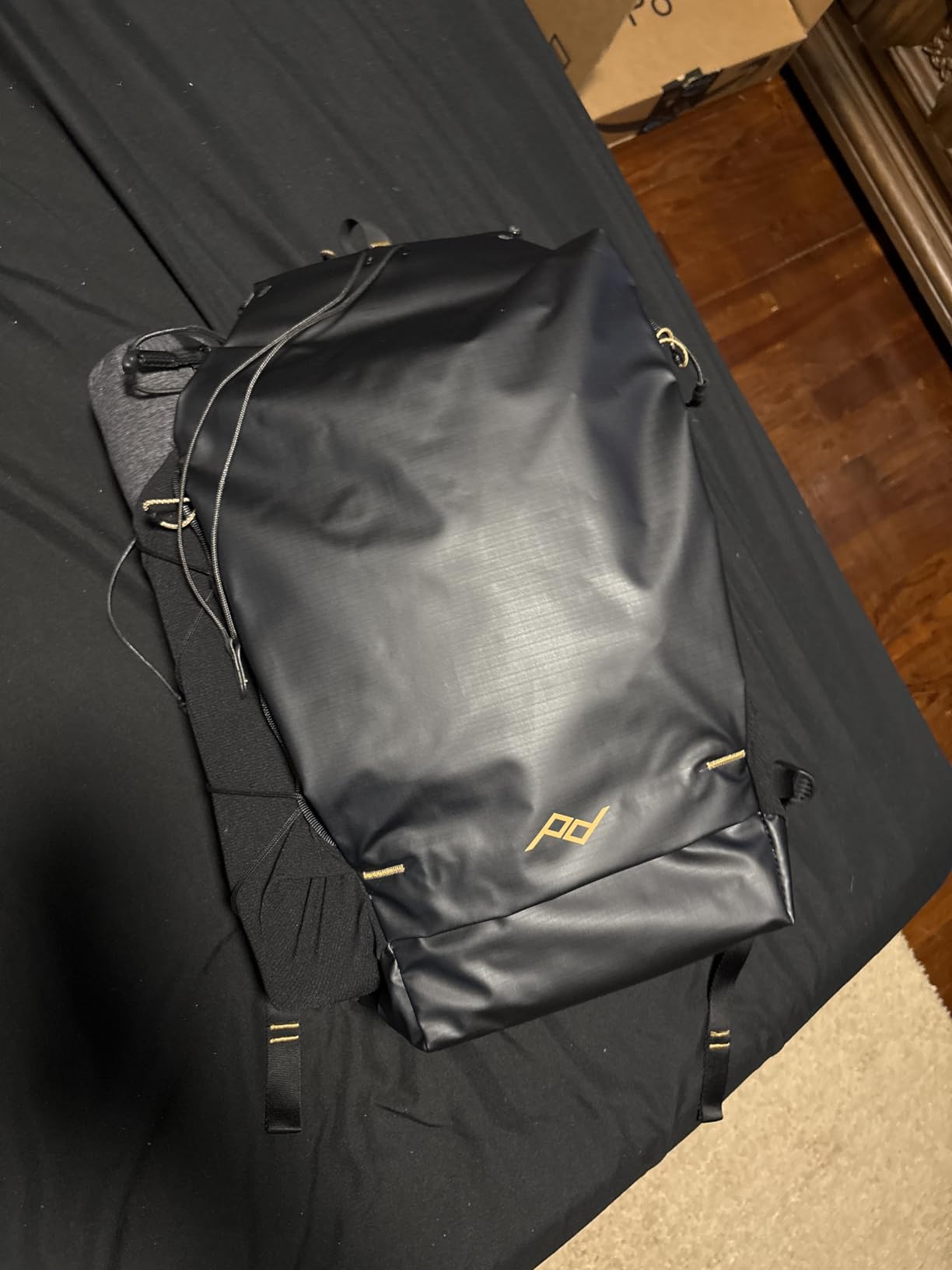
Modularity comes through Peak Design’s Camera Cubes and Ultralight Packing Cubes. The system works well for organization, but be aware that dividers come separately. At this price point, many users expect included camera protection, making the separate purchase feel like an oversight.
The hydration sleeve with hose pass-through demonstrates the outdoor-first mentality. This feature converts to a laptop pocket that fits a 16-inch MacBook Pro, adding versatility for photographers who also travel with computers. Front pockets provide space for wet or sandy gear that you want separated from your main equipment.
Customer reviews reveal a polarized response. The 61 Amazon reviews show a 3.7-star average with a notably higher percentage of one-star ratings than the Shimoda. Users praise the lightweight design and materials but criticize practical functionality. The consensus suggests this bag suits specific outdoor photography scenarios rather than general professional use.
Head-to-Head Comparison
Now let me break down how these two camera backpacks compare across the categories that matter most to photographers.
Design and Build Quality
Shimoda takes the traditional approach with a TPU front shell providing structure and protection. The build feels substantial and purposeful for outdoor abuse. Peak Design opts for lightweight ripstop nylon with their Terra Shell fabric. Both philosophies have merit, but Shimoda’s construction has proven itself over more years in the field.
Winner: Shimoda Explore V2 for proven durability and structural integrity.
Access Points
This category shows a clear distinction. The Shimoda Explore V2 offers rear clamshell access plus side access for quick camera retrieval. The Peak Design Outdoor Backpack relies on rear access and roll-top opening only. For photographers who need to grab their camera quickly without setting down their pack, Shimoda wins decisively.
Forum discussions consistently highlight this difference. One user who tested both noted: “Shimoda is just not as strappy fiddly and that together with the zippered quick access… make it seem just better.”
Winner: Shimoda Explore V2 for multiple access options.
Comfort and Fit
Shimoda’s adjustable torso height system allows precise fit customization. The harness includes well-padded shoulder straps, load lifters, and a functional hip belt. Peak Design uses a 4-step ladder system with vest-style load lifters. User feedback on comfort varies dramatically for the Peak Design, with some finding the straps uncomfortable during extended use.
Real-world testing matters here. Photographers who have carried both bags over long distances generally prefer the Shimoda’s comfort. The ability to adjust torso height makes a significant difference for proper weight distribution.
Winner: Shimoda Explore V2 for superior comfort and adjustability.
Weather Resistance
Peak Design emphasizes weather resistance with their Terra Shell fabric and roll-top design. The materials resist water and abrasion effectively. Shimoda uses weather-resistant materials and waterproof zippers but lacks the integrated roll-top seal. Both bags protect gear from typical outdoor conditions.
However, neither bag includes a dedicated rain cover. Some users consider this a significant omission for outdoor-focused backpacks at this price point. You may want to purchase a separate cover for extended exposure to heavy rain.
Winner: Tie with different but effective approaches to weather protection.
Camera Cube System
Shimoda’s Core Unit system has years of refinement behind it. The inserts provide excellent shock protection and come in various sizes to match different kits. Peak Design’s Camera Cubes offer good organization but some users report they feel “looser” in the bag compared to Shimoda’s system. The Peak Design dividers have also been criticized for wasting space due to their rigid construction.
Both systems require separate purchases for camera protection beyond basic starter inserts. This shared weakness reduces value perception for both products.
Winner: Shimoda Explore V2 for a more refined modular system.
Travel Compatibility
The Shimoda Explore V2 30L meets international carry-on requirements including strict EU and Asian regulations. It can fit under some airplane seats, providing flexibility for air travel. The Peak Design Outdoor Backpack 45L exceeds most carry-on size limits due to its larger capacity, requiring gate checking on many flights.
For photographers who travel frequently with their gear, this difference is crucial. International photographers especially benefit from the Shimoda’s carry-on compliance.
Winner: Shimoda Explore V2 for carry-on compliance and travel flexibility.
Capacity and Value
Peak Design offers more capacity at 45 liters versus Shimoda’s 30 liters. However, the practical difference depends on your packing style. The Peak Design’s narrow design and roll-top system limit how efficiently you can use that space. Some users report the bag feels smaller than its advertised capacity suggests.
Value becomes complicated when factoring in required accessories. Both bags need separate camera cubes for optimal functionality. The Shimoda carries a higher initial price but has proven long-term value. Peak Design’s newer market presence means less data on durability over time.
Winner: Shimoda Explore V2 for better overall value despite similar pricing.
Frequently Asked Questions
How do Shimoda backpacks compare to Peak Design?
Shimoda backpacks generally offer better comfort through adjustable torso height systems and multiple access points including side access. Peak Design emphasizes lightweight construction and innovative designs like roll-top closures. For dedicated photographers prioritizing gear access and long-carry comfort, Shimoda typically wins. For those wanting versatile outdoor packs with occasional camera carry, Peak Design may suit better.
What is the Shimoda Explore V2 best for?
The Shimoda Explore V2 excels for adventure photography, landscape photography requiring hiking, and travel photography needing carry-on compliance. Its modular Core Unit system protects camera gear while allowing the bag to convert for general use. Photographers who carry heavy kits over long distances particularly benefit from the adjustable harness and comfort features.
Is the Shimoda Explore V2 carry-on compliant?
Yes, the Shimoda Explore V2 30L meets international carry-on requirements including strict European and Asian regulations. It can fit under some airplane seats for added travel flexibility. The 35L version may exceed some airline size restrictions, so frequent international travelers should choose the 30L size for maximum compliance.
Does the Peak Design Outdoor Backpack have side access?
No, the Peak Design Outdoor Backpack lacks true side access for quick camera retrieval. Users must access gear through the rear clamshell opening or the roll-top. This design choice has frustrated photographers who need fast camera access without removing their pack, especially compared to competitors offering side access zippers.
Which camera backpack is better for hiking?
For serious hiking with camera gear, the Shimoda Explore V2 generally performs better due to its adjustable torso height, comfortable harness system, and multiple access points. User reviews consistently praise its comfort over long distances. The Peak Design Outdoor Backpack works well for lighter loads but receives mixed reviews on strap comfort during extended use.
Verdict: Which Backpack Should You Buy?
The Shimoda Explore V2 vs Peak Design Outdoor Backpack 45L comparison reveals two backpacks targeting similar users with different priorities.
Buy the Shimoda Explore V2 if:
You prioritize comfort during long carries and need multiple access points for quick camera retrieval. Adventure photographers who hike significant distances to reach shooting locations will appreciate the adjustable torso height and proven harness system. Travel photographers who need carry-on compliance for international flights should strongly consider the Shimoda.
Photographers who value a refined modular system with proven durability will find the Shimoda Explore V2 worth the investment. The established track record and consistent positive user feedback make it a safer choice for professionals who depend on their gear daily.
Buy the Peak Design Outdoor Backpack 45L if:
You prioritize lightweight construction and want a backpack that doubles as a general outdoor pack. Hikers who occasionally carry cameras rather than dedicated photographers may appreciate the outdoor-first design philosophy. Those committed to sustainable materials will value the recycled Terra Shell fabric.
Photographers who already own Peak Design Camera Cubes or prefer the brand’s aesthetic might find this backpack suits their needs. The larger capacity appeals to those who need more storage and do not require carry-on compliance.
My Recommendation
For most adventure and travel photographers, the Shimoda Explore V2 represents the better choice. Its superior comfort, multiple access points, carry-on compliance, and proven durability address the core needs of working photographers. The adjustable torso height alone makes a meaningful difference during extended field use.
The Peak Design Outdoor Backpack 45L has potential but faces criticism from actual users about practical functionality. The lack of side access, mixed comfort reviews, and separate cube requirements reduce its appeal for serious photography work.
Consider your specific workflow, travel needs, and comfort requirements when making this decision. Both companies offer quality products, but Shimoda currently delivers more value for dedicated outdoor photographers.