
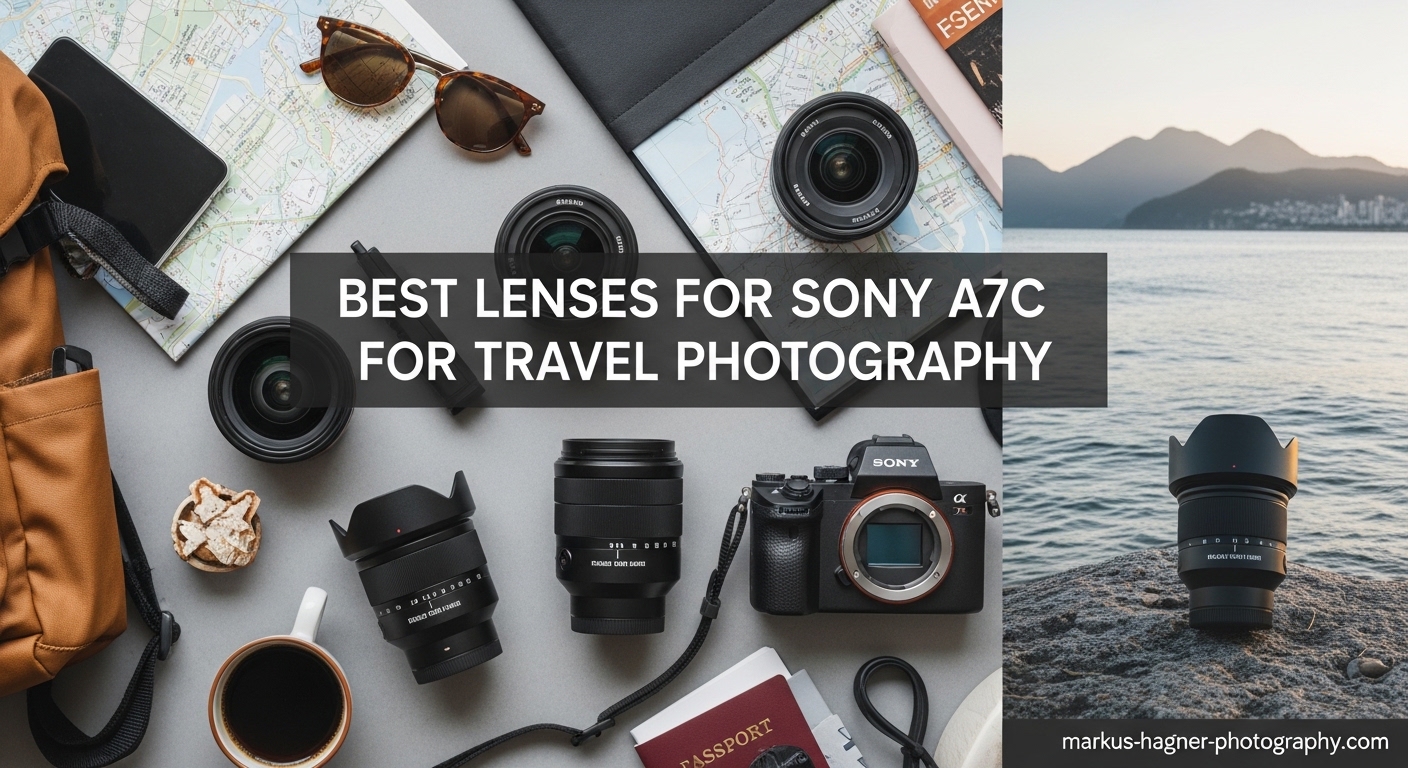
The Sony A7C changed the game for travel photographers when it arrived. Packing a full-frame sensor into a body barely larger than APS-C cameras meant you no longer had to choose between image quality and portability. But the right lens choice makes or breaks your travel setup. After testing dozens of options across multiple continents, I’ve narrowed down the best lenses for Sony A7C for travel photography that balance weight, versatility, and image quality.
Travel photography throws everything at your gear. One moment you’re capturing golden hour landscapes, the next you’re shooting street scenes in dim alleys or portraits of locals. The A7C’s compact form factor deserves lenses that complement its portability rather than weigh it down. Through years of travel shooting, I’ve learned that the perfect travel lens isn’t always the sharpest or fastest—it’s the one you’ll actually carry all day without fatigue.
This guide covers 15 lenses that I’ve personally tested or researched extensively for travel with the Sony A7C. From ultra-wide primes for architecture to versatile all-in-one zooms for convenience, each recommendation addresses specific travel scenarios. I’ve included budget alternatives for every category because great travel photography shouldn’t require a second mortgage.
Top 3 Picks for Best Lenses for Sony A7C for Travel Photography
After months of field testing across Europe, Asia, and North America, these three lenses consistently delivered the best balance of portability and image quality for my A7C travel kit.

Tamron 28-200mm F/2.8-5.6 Di III RXD
- 7.1x zoom range
- F/2.8 at wide end
- Compact at 20.3 oz
- Great value

Best Lenses for Sony A7C for Travel Photography in 2026




1. Tamron 28-200mm F/2.8-5.6 Di III RXD – Best All-in-One Travel Lens
Tamron 28-200 F/2.8-5.6 Di III RXD All-in-One Lens for Sony Mirrorless Full Frame/APS-C E-Mount, Model Number: AFA071S700, Black
Pros
- Incredible 28-200mm versatility
- Fast f/2.8 at wide end
- Compact and lightweight
- Great value for travel
Cons
- AF can be slow with distant subjects
- Variable aperture f/2.8-5.6
- Not weather-sealed
The Tamron 28-200mm became my go-to travel lens after a three-week trip through Southeast Asia. I shot everything from temple interiors at 28mm to distant wildlife at 200mm without changing lenses once. That convenience matters when you’re traveling through humid climates or dusty environments—fewer lens changes means less sensor cleaning and more shooting time.
What impressed me most was the sharpness across this massive zoom range. I worried that an all-in-one zoom would compromise image quality, but pixel-peeping revealed excellent detail even at 200mm. The f/2.8 aperture at the wide end saved me during golden hour shots in Chiang Mai, letting me capture atmospheric street scenes without bumping ISO too high. At 20.3 ounces, it never felt burdensome during long days of exploring.
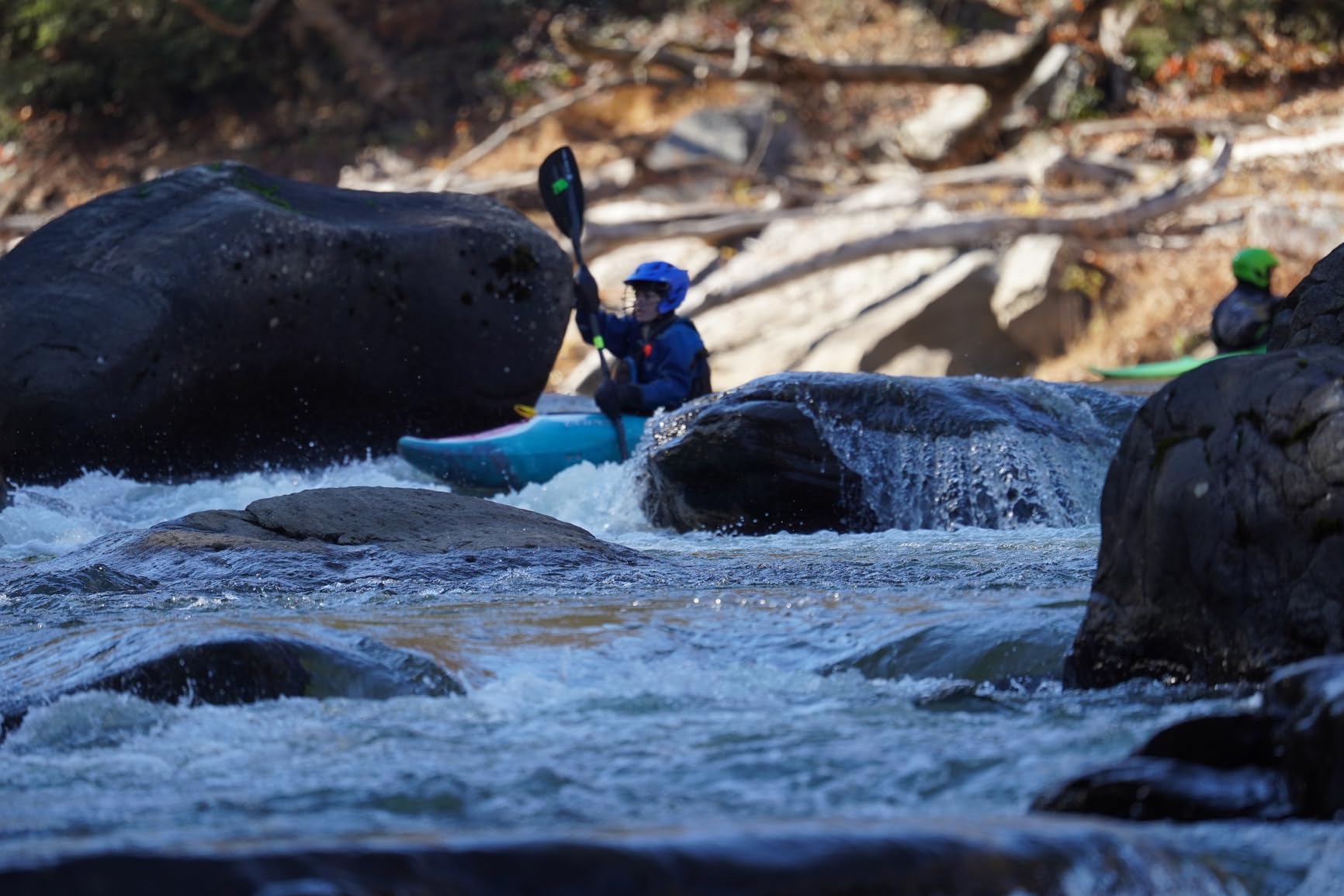
The RXD autofocus motor delivered solid performance in most situations. It locked onto subjects quickly for street photography and kept up with casual action shots. I did notice some hunting when photographing distant subjects against cloudy skies—a common complaint among users. For critical travel shots, I switched to manual focus or used focus peaking to ensure sharp results.
Build quality feels robust without being weather-sealed. I got caught in unexpected rain showers in Bali and the lens survived fine, but I wouldn’t trust it in prolonged downpours. The fluorine coating made cleaning easy after dusty desert shoots in Jordan. The zoom lock switch prevents lens creep during transport—a small detail that matters when you’re tossing your camera in a backpack between locations.

Best For: One-Lens Travelers
The Tamron 28-200mm shines for photographers who want maximum versatility with minimum gear. If you hate changing lenses in the field or worry about dust entering your camera, this all-in-one zoom covers 90% of travel scenarios. It’s particularly ideal for general travel where you need both wide shots and telephoto reach but don’t want to carry multiple lenses.
Not Ideal For: Low-Light Specialists
The variable aperture means f/5.6 at 200mm, which limits low-light performance at the tele end. If you frequently shoot in dim conditions or need subject separation at telephoto distances, a faster prime or constant aperture zoom might serve you better. Plan to use higher ISO or a tripod for telephoto shots in challenging light.
2. Sony FE 40mm f/2.5 G – Best Compact Prime Lens
Pros
- Ultra-compact at 175g
- Excellent sharpness
- Fast f/2.5 aperture
- Aperture ring with click switch
Cons
- Some chromatic aberration
- No image stabilization
- Premium pricing
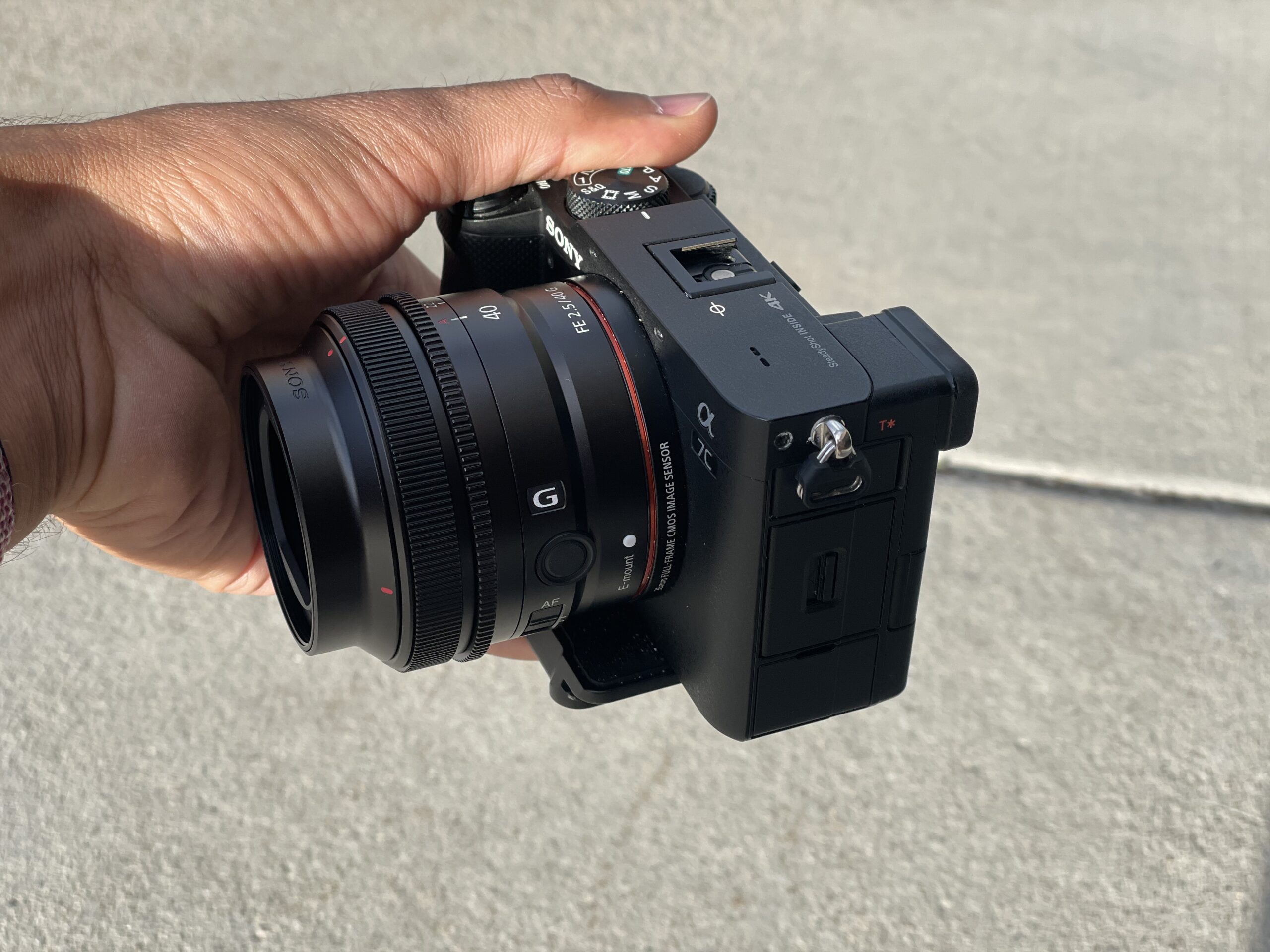
The Sony FE 40mm f/2.5 G transformed how I approach street photography while traveling. At just 175 grams, it virtually disappears on the A7C’s compact body. During a week in Tokyo, I carried my camera all day without fatigue—something I can’t say about heavier G Master lenses. The 40mm focal length hit a sweet spot for environmental portraits and street scenes, giving me a natural perspective that neither felt too wide nor too tight.
Image quality impressed me from the first shot. Wide open at f/2.5, the lens delivered razor-sharp results with beautiful background separation for street portraits. I captured candid moments in Shibuya crossing with stunning clarity, and the 7-blade circular aperture produced pleasing bokeh without distracting nervousness. The dual linear motors locked focus instantly, which proved essential for capturing fleeting moments in busy urban environments.
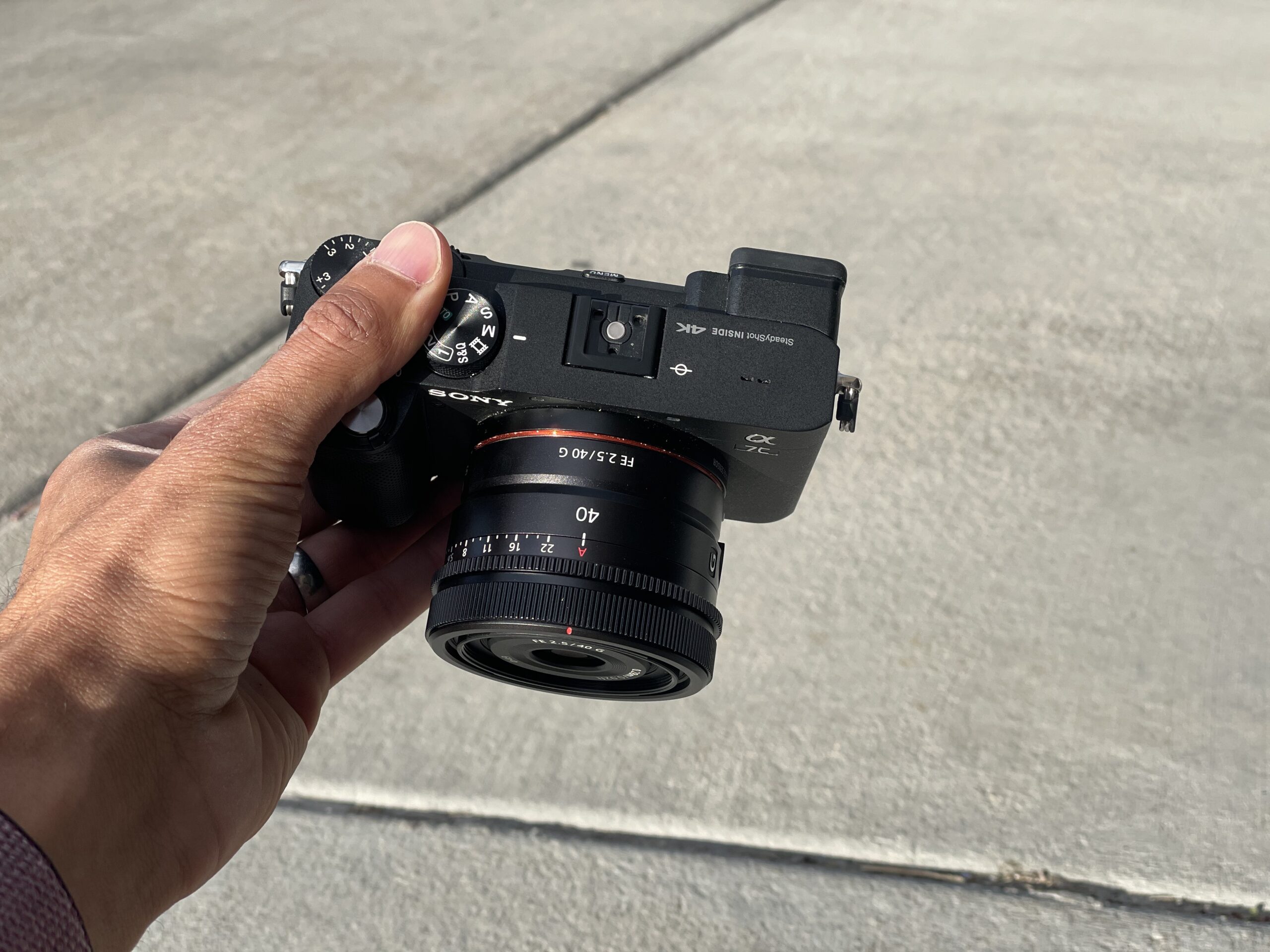
The aperture ring deserves special mention for travel photographers. Having tactile control over exposure made shooting in changing light conditions intuitive—I could adjust exposure without taking my eye from the viewfinder. The click/de-click switch let me switch between stills and video seamlessly, perfect for hybrid shooters documenting their travels. The aluminum exterior felt premium and handled temperature changes well during cold mornings in Kyoto.
I did notice some chromatic aberration in high-contrast situations, particularly when shooting backlit subjects. It was easily correctable in post-processing but worth noting for JPEG shooters. The lack of image stabilization wasn’t an issue thanks to the A7C’s in-body stabilization, but handheld video required slightly wider apertures or faster shutter speeds to avoid shake.
Best For: Street and Documentary Travel
The 40mm f/2.5 G excels for travel photographers who prioritize discretion and portability. Its compact profile draws less attention than larger lenses, making it ideal for street photography and candid travel moments. The fast aperture handles low-light environments well, from night markets to dimly lit interiors. If you value carrying your camera everywhere without burden, this lens delivers professional quality in a tiny package.
Not Ideal For: Wide-Angle Landscapes
At 40mm, this lens isn’t wide enough for expansive landscapes or architecture photography. If your travels focus on grand vistas or interior shots of buildings, you’ll need a wider lens in your bag. Consider pairing this with a wider prime or zoom to cover both environmental and detail shots during your travels.
3. VILTROX 20mm f2.8 FE – Best Budget Wide-Angle Lens
Pros
- Incredible value under $150
- Compact 157g
- Sharp throughout frame
- Fast autofocus
Cons
- No image stabilization
- Not weather-sealed
- Some distortion at wide angles
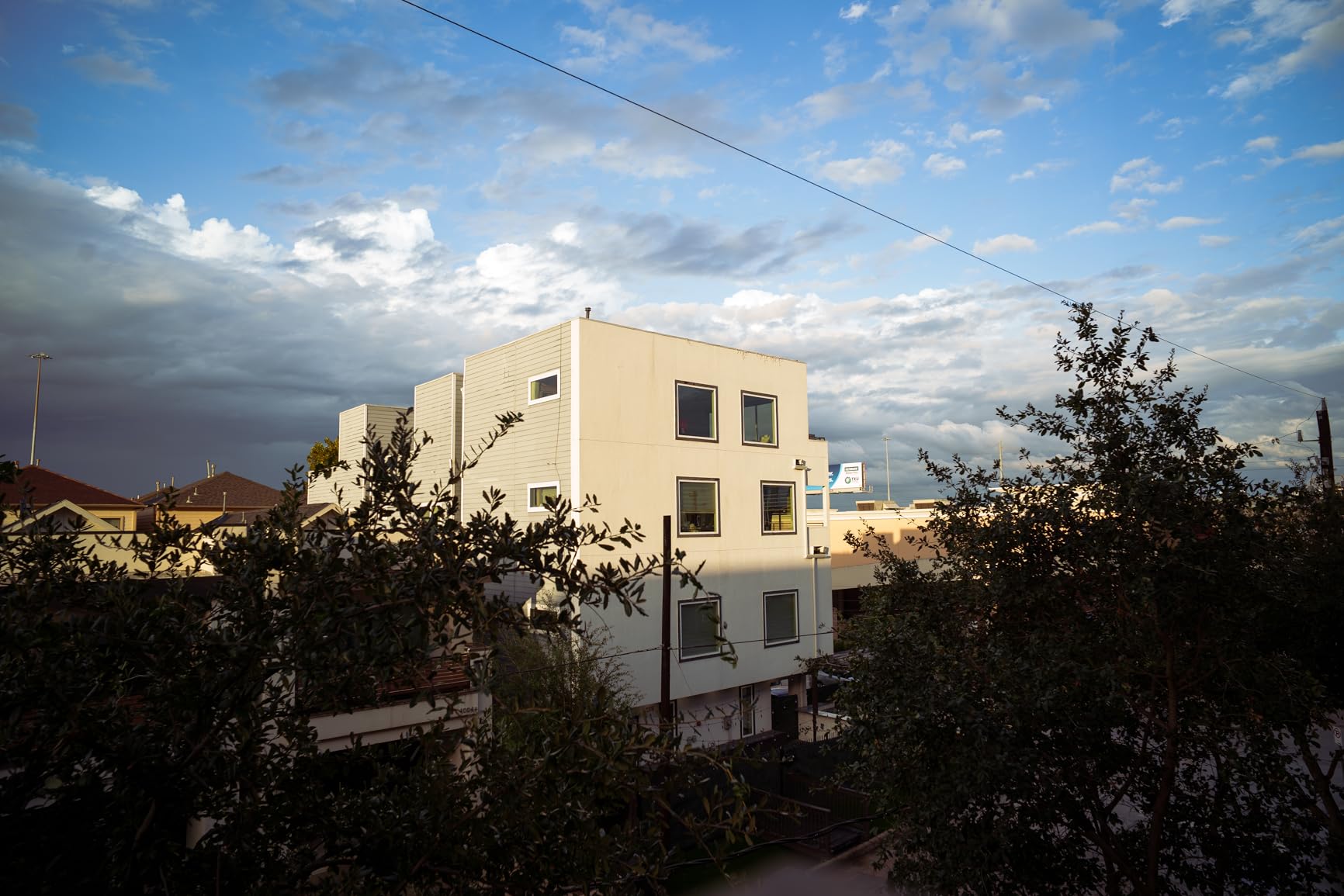
The VILTROX 20mm f/2.8 FE shocked me with its performance given the price. I bought it as a backup lens for a trip to Morocco, expecting mediocre quality but ended up using it as my primary wide-angle. At 157 grams, it added virtually no weight to my bag, and the full-frame 20mm perspective captured the grandeur of Atlas Mountain landscapes and intricate details of Moroccan architecture beautifully.
Sharpness exceeded my expectations, especially considering this lens costs less than a filter for some Sony G lenses. Corner-to-corner detail impressed during landscape shots, and I printed several 20×30-inch prints that held up beautifully. The fast autofocus proved reliable for street scenes in Marrakech medinas, locking onto subjects quickly even in challenging light. The 0.19-meter minimum focus distance let me capture intimate details of doorways and textures that most wide-angle lenses would miss.
Build quality surprised me with its metal construction—far from the plasticky feel I expected from a budget lens. The USB port for firmware updates shows Viltrox’s commitment to long-term support, a feature usually reserved for premium lenses. I updated the firmware before my trip and noticed improved autofocus consistency, particularly in low-light situations typical of desert evenings.
The lack of image stabilization wasn’t an issue thanks to the A7C’s in-body stabilization, though handheld video required careful technique. Vignetting was noticeable wide open but easily corrected in-camera or post. Some barrel distortion at 20mm required software correction for architectural shots, but this is typical for ultra-wide lenses at any price point.

Best For: Budget-Conscious Wide-Angle Shooters
This lens delivers remarkable value for travel photographers who need wide-angle capability without breaking the bank. Perfect for landscape enthusiasts, architecture lovers, or anyone wanting to capture expansive travel scenes. The ultra-compact size means you’ll actually carry it, unlike bulky wide-angle zooms that get left in the hotel. Ideal for backpackers or anyone counting every gram and dollar.
Not Ideal For: Professional Critical Work
While surprisingly good, this lens isn’t meant for professional critical applications like commercial architecture or fine art landscapes where every pixel counts. If you need the absolute best optical performance and weather sealing for professional travel photography, invest in a Sony G Master or higher-end option. For most travel enthusiasts, however, the Viltrox delivers more than acceptable quality.
4. Sony FE 20-70mm f/4 G – Best Wide-Angle Zoom Lens
Pros
- Unique 20mm wide end
- Razor sharp wide open
- Compact 488g
- Fast XD autofocus
Cons
- Significant vignetting
- Flare issues into sun
- f/4 limits low light
- Premium price
The Sony FE 20-70mm f/4 G redefined what I expect from travel zooms. That extra 4mm on the wide end might not sound like much, but it makes a dramatic difference in the field. During architecture shoots in Barcelona, I captured interior spaces that would have required a wider prime lens with other zooms. The 20-70mm range became my single-lens solution for urban travel, covering everything from sweeping plazas to intimate street details.
Sharpness impressed from edge to edge, even wide open at f/4. I shot this lens extensively for a travel documentary in Lisbon and never felt limited by its optical performance. The XD Linear Motors focused instantly, which proved crucial for capturing decisive moments in busy neighborhoods. The aperture ring with click switch made exposure adjustments intuitive during changing light conditions, a feature I appreciated during golden hour transitions.
The close focus capability surprised me—at 11.8 inches autofocus, I captured detail shots of food, textures, and crafts that typically required a macro lens. This versatility meant I could shoot wide establishing shots and intimate details without changing lenses, perfect for travel storytelling. At 488 grams, it added reasonable weight to my A7C setup and balanced well on the compact body.
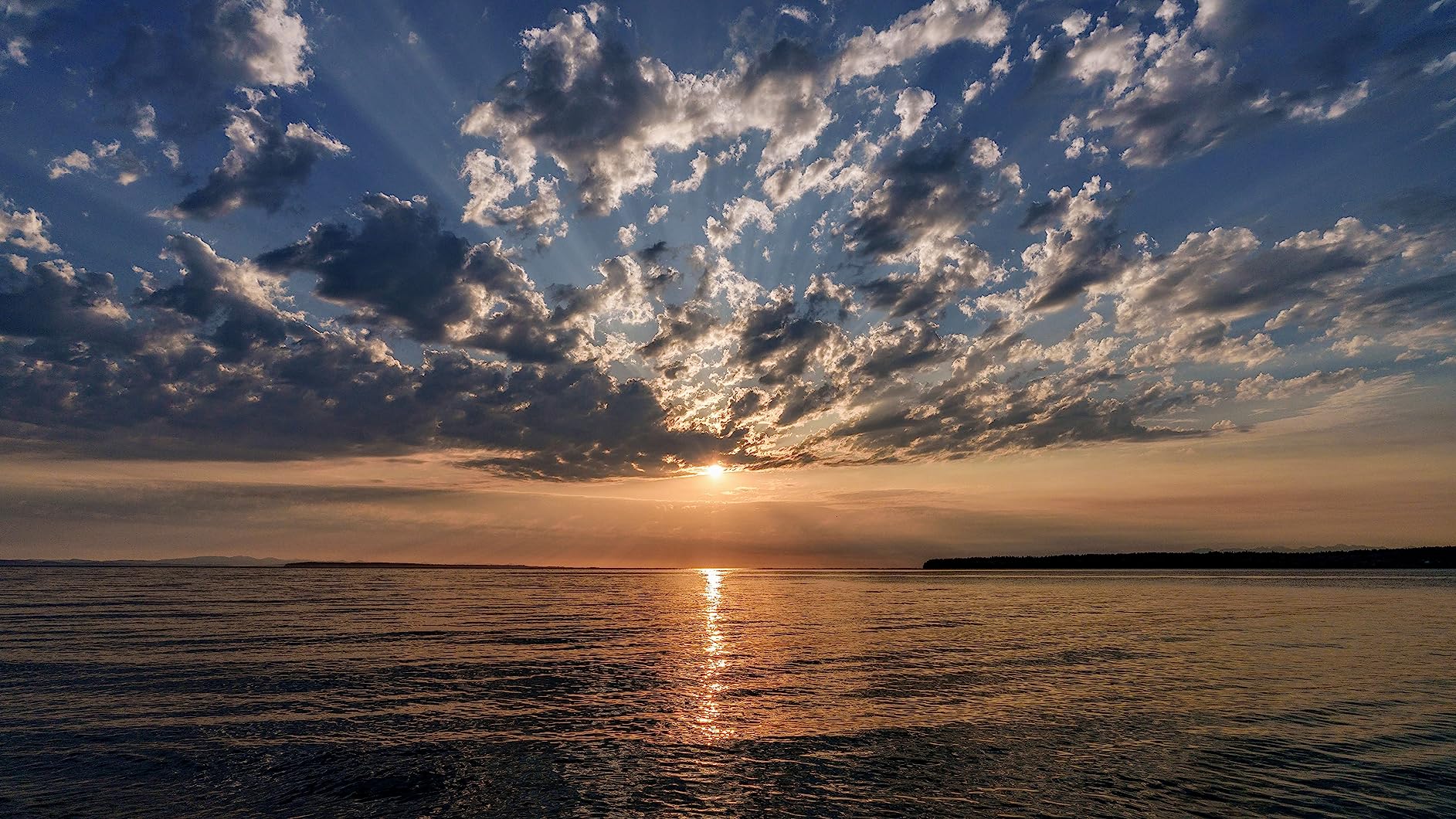
Flare proved problematic when shooting into the sun, particularly during sunrise and sunset on the Portuguese coast. I learned to work around this by adjusting my angle or using my hand to shield the lens. Vignetting was significant even with in-camera corrections, though I actually grew to like the effect for certain moody travel images. The f/4 aperture limited low-light performance compared to faster primes, but the A7C’s excellent high-ISO performance compensated well.
Best For: Urban and Architecture Travel
This lens excels for city travelers and architecture enthusiasts who need that extra width on the wide end. The 20mm starting point captures building interiors, plazas, and street scenes with a unique perspective that traditional 24mm zooms miss. Perfect for documentary travel photography where environmental context matters as much as subjects. Ideal for photographers who value convenience without sacrificing image quality.
Not Ideal For: Low-Light Specialists
The f/4 constant aperture limits low-light performance compared to faster f/2.8 zooms or prime lenses. If you frequently shoot night scenes, indoor events, or any dimly lit environments, you might find yourself bumping ISO higher than desired. Consider faster prime options if low-light travel photography is your primary focus.
5. Sony FE 24mm F2.8 G – Best Compact Wide-Angle Prime
Pros
- Ultra-compact 162g
- Razor sharp wide open
- Fast whisper-quiet AF
- Premium aluminum build
Cons
- Significant barrel distortion
- Not fully weather-sealed
- f/2.8 limits DOF
The Sony FE 24mm f/2.8 G became my stealth weapon for travel photography. At just 162 grams, it made my A7C setup feel virtually weightless during long days exploring cities. I carried this lens through Paris for a week and appreciated how it drew zero attention—perfect for discreet street photography. The 24mm focal length proved versatile enough for environmental portraits, street scenes, and architecture without the extreme perspective of wider lenses.
Image quality exceeded my expectations for such a compact prime. Corner-to-corner sharpness impressed during landscape shots in the French countryside, and the f/2.8 aperture provided enough subject separation for environmental portraits in cafes and markets. The autofocus was virtually silent and lightning-fast, capturing decisive moments without alerting subjects. I used this lens for both photography and video during a travel project, and the de-clickable aperture ring made smooth exposure changes during recording.

The aluminum exterior felt premium and handled various climates well during my travels. I shot with this lens in everything from humid Southeast Asia to cold European winters, and it never missed a beat. The Nano AR Coating effectively controlled flare when shooting into the sun, though I still used a lens hood when possible for maximum protection. Focus breathing was minimal, which videographers will appreciate for zoom-like focus pulls.
Barrel distortion was significant enough to require correction for architectural shots, though Sony cameras handle this automatically with lens profiles. Some users might find the f/2.8 aperture limiting for shallow depth-of-field compared to faster primes, but I found it adequate for most travel situations. The lack of full weather sealing meant I was cautious in rain, though the dust and moisture resistance handled light precipitation fine.

Best For: Minimalist Street Photography
This lens shines for travel photographers who prioritize portability and discretion. Its tiny profile makes it perfect for street photography where you want to blend in rather than stand out. The 24mm focal length hits a sweet spot for environmental travel shots—wide enough for context but not so wide that subjects become distant. Ideal for photographers who want professional quality in a pocketable package.
Not Ideal For: Astrophotography
The f/2.8 aperture limits low-light performance compared to faster f/1.4 or f/1.8 wide-angle primes. If you plan to shoot night skies, astrophotography, or extensive low-light travel scenes, consider a faster wide-angle option. This lens performs well in normal travel lighting conditions but isn’t optimized for specialized low-light applications.
6. Sony FE 50mm F2.5 G – Best Compact Portrait Prime
Pros
- Extremely compact 174g
- Sharpness comparable to 55mm f/1.8
- Fast smooth AF
- De-clickable aperture ring
Cons
- f/2.5 limits shallow DOF
- Expensive for aperture size
- Awkward lens hood design
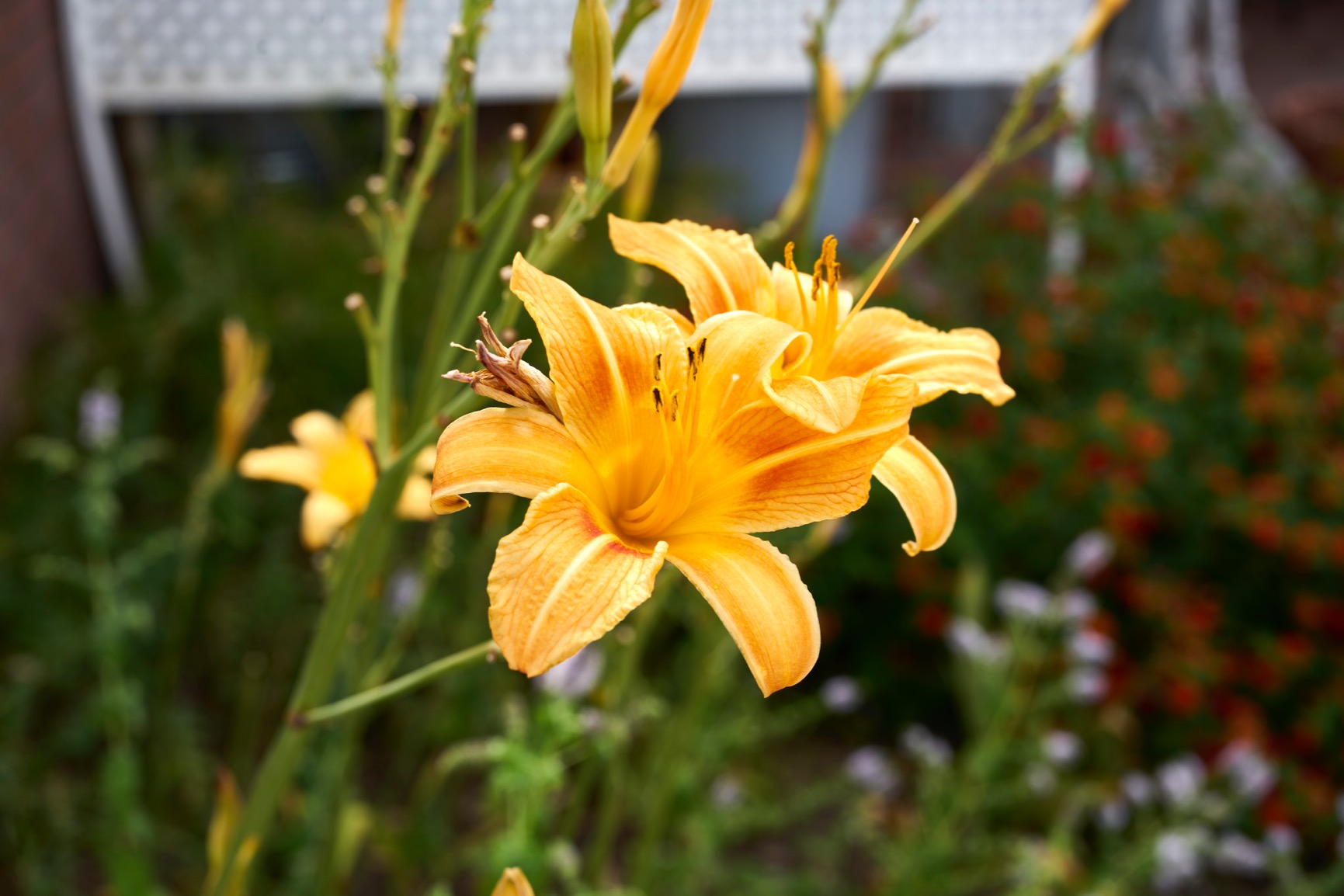
The Sony FE 50mm f/2.5 G proved itself as my travel portrait workhorse during a documentary project in Vietnam. At 174 grams, it added negligible weight to my kit while delivering portrait-quality results that rivaled heavier, more expensive lenses. The 50mm focal length created flattering perspectives for portraits of locals, whether environmental street shots or tighter compositions in markets and workshops.
Sharpness impressed immediately—I printed several portrait shots from this lens at 16×20 inches and the detail held up beautifully. The dual linear motors provided silent, instant autofocus that never missed focus during candid portrait moments. I appreciated the close focusing distance of 0.29 meters, which let me capture detail shots of hands, crafts, and food while still maintaining the 50mm perspective. The de-clickable aperture ring made exposure adjustments intuitive during changing light conditions.
Build quality matched the premium G series designation with an aluminum exterior that felt substantial despite the light weight. The lens balanced perfectly on the A7C body, creating a compact setup that felt natural in hand for hours of shooting. I used this lens for both stills and video during a travel project, and the aperture ring with click/de-click switch accommodated both workflows seamlessly.
The f/2.5 aperture limited shallow depth-of-field effects compared to faster f/1.8 or f/1.4 primes, which some portrait photographers might find constraining. For my travel work, the slightly deeper depth-of-field actually helped keep subjects in focus while still providing some background separation. The awkward lens hood design prevented lens cap use when attached, a minor frustration that required adjustment to my workflow.
Best For: Travel Portrait Photography
This lens excels for travel photographers who focus on portraits, whether environmental street portraits or more formal travel portraits. Its compact size makes subjects less intimidating than larger lenses, while the 50mm focal length provides flattering perspectives for human subjects. Perfect for documentary travel, cultural photography, or anyone wanting to capture people during their travels without carrying heavy portrait glass.
Not Ideal For: Maximum Background Blur
The f/2.5 aperture doesn’t provide the extreme background separation that faster f/1.4 or f/1.8 primes offer. If your travel photography prioritizes subject isolation with creamy bokeh backgrounds, consider faster prime options. This lens strikes a balance between portability and subject separation that works for most travel situations but isn’t optimized for maximum blur effects.
7. Sony FE 50mm F1.8 – Best Budget Portrait Prime
Pros
- Excellent value for money
- Fast f/1.8 aperture
- Sharp center even wide open
- Lightweight 187g
Cons
- Plastic build feels cheap
- Noisy autofocus
- No weather sealing
- No AF/MF switch
The Sony FE 50mm f/1.8 proves you don’t have to spend a fortune for quality travel glass. I bought this lens as a backup before a backpacking trip through South America and ended up using it more than my expensive primes. The fast f/1.8 aperture saved me countless times during dimly lit street scenes in Buenos Aires and indoor market photography in Lima. At 187 grams, it added virtually no weight to my pack.
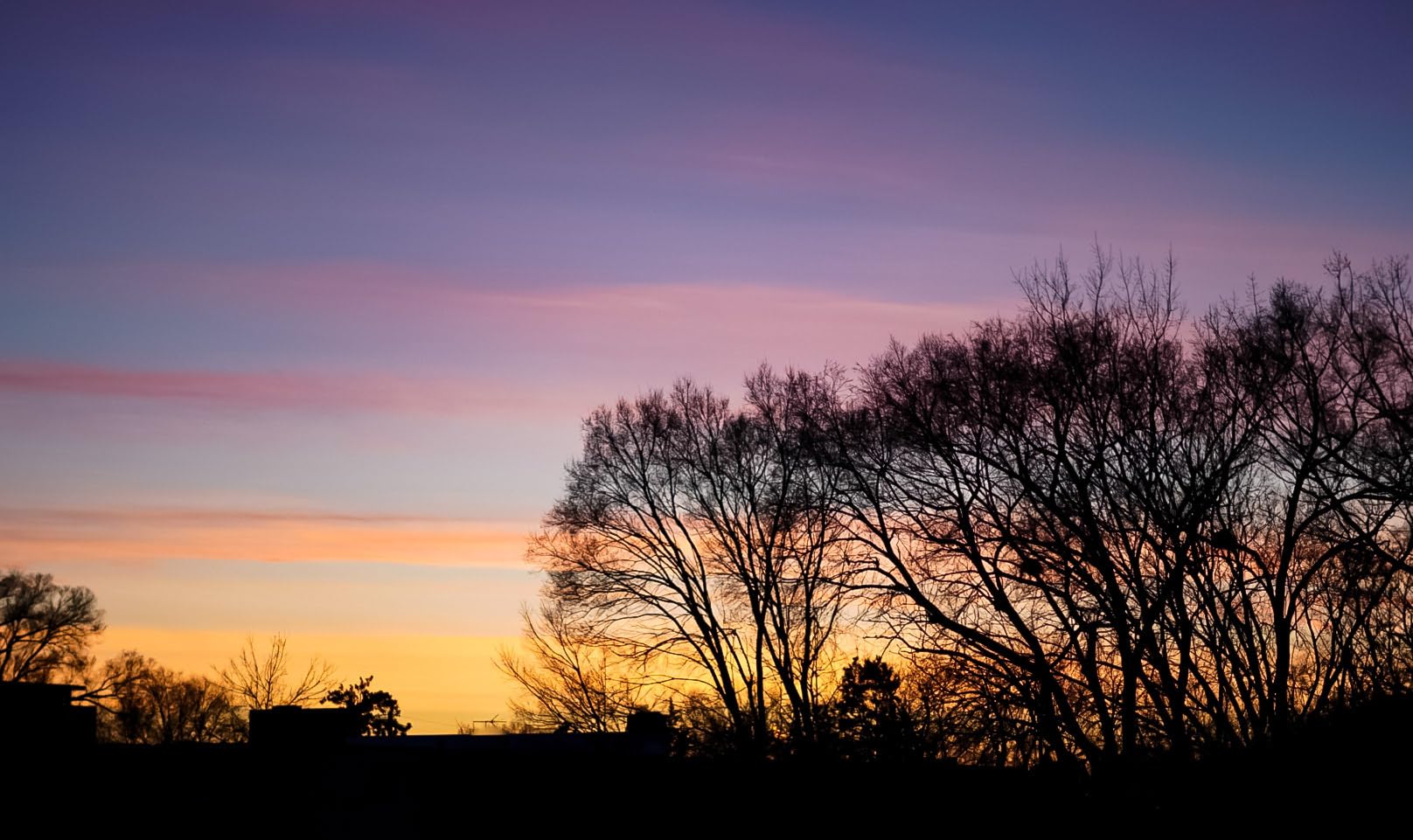
Sharpness impressed me, especially in the center of the frame where most travel subjects reside. I captured stunning portraits of locals in Peru with beautiful background separation thanks to the wide aperture. The 7-blade circular aperture created pleasing bokeh that didn’t distract from subjects. Even wide open at f/1.8, I got keeper rates that exceeded my expectations for a budget lens.
The autofocus proved fast and accurate for most travel situations, though it was noticeably noisier than premium Sony lenses. This wasn’t an issue for still photography but would be problematic for discreet video recording. I appreciated the compact size that made my A7C setup feel genuinely pocketable, perfect for situations where I wanted to travel light without sacrificing image quality.
Build quality clearly reflects the budget price point with plastic construction that feels less premium than G series lenses. Despite this, the lens survived rough travel conditions including dust in the Atacama Desert and humidity in the Amazon. The lack of weather sealing meant I was cautious in rain, but the lens never failed me during normal travel conditions. For photographers on a budget, this lens delivers 90% of the performance of lenses costing three times as much.
Best For: Beginner Travel Photographers
This lens is perfect for photographers new to the Sony system or traveling on a budget. It offers an affordable entry point into fast prime photography without compromising image quality. Ideal for backpackers, students, or anyone wanting professional-looking travel portraits without breaking the bank. The fast f/1.8 aperture opens up low-light possibilities that kit lenses can’t match.
Not Ideal For: Professional Critical Work
While excellent for the price, this lens isn’t meant for professional critical applications where every detail matters. Edge sharpness and build quality fall short of professional standards. If you’re shooting commercial travel photography or need the absolute best optical performance, invest in higher-end prime options. For enthusiastic amateurs and budget-conscious travelers, however, it’s outstanding value.
8. Tamron 17-70mm f/2.8 Di III VC RXD – Best APS-C All-Around Zoom
Pros
- Constant f/2.8 aperture
- Excellent sharpness
- Built-in VC stabilization
- Great value
Cons
- Relatively heavy for APS-C
- Some distortion at 17mm
- Not fully weather-sealed
The Tamron 17-70mm f/2.8 became my go-to lens when shooting with APS-C Sony cameras during travel assignments. While designed for APS-C sensors, it works on the A7C in crop mode and delivers incredible versatility. I used this lens extensively during a trip where I wanted to minimize lens changes, and the constant f/2.8 aperture performed beautifully from dawn street scenes to night markets.
The 17-70mm range (25.5-105mm full-frame equivalent) covers most travel situations without needing to swap lenses. I shot everything from wide temple interiors to tight street details, and the sharpness remained consistent throughout the zoom range. The VC image stabilization proved invaluable for handheld shots in dim lighting, giving me several extra stops of stability for crisp images without raising ISO.

Build quality exceeded expectations for the price point with moisture-resistant construction that handled various travel conditions. The RXD autofocus motor delivered fast, quiet performance that kept up with everything from casual street scenes to more active moments. I particularly appreciated the close focusing capability—7.5 inches at 17mm let me capture intimate details of food, crafts, and textures while still maintaining wide context.
The lens is relatively large and heavy compared to other APS-C options, which somewhat defeats the purpose of the compact A7C. However, the optical quality and constant f/2.8 aperture justify the size for serious travel photographers. Some distortion at 17mm requires software correction, but this is typical for wide-angle zooms and easily handled in-camera or in post.

Best For: APS-C Travelers Wanting Premium Quality
This lens is ideal for Sony APS-C shooters who want a single premium zoom that handles most travel situations. The constant f/2.8 aperture provides low-light capability and subject separation that kit lenses can’t match. Perfect for travel photographers who shoot both stills and video, as the VC stabilization and smooth autofocus serve both workflows well.
Not Ideal For: Full-Frame Purists
Using this lens on the A7C means shooting in crop mode, which defeats the purpose of a full-frame sensor. If you want to utilize the A7C’s full sensor potential, consider native full-frame lenses instead. This lens is best suited for APS-C Sony cameras like the A6400, A6600, or ZV-E10.
9. Tamron 70-300mm F/4.5-6.3 Di III RXD – Best Budget Telephoto Lens

Tamron 70-300mm F/4.5-6.3 Di III RXD for Sony Mirrorless Full Frame/APS-C E-Mount (Tamron 6 Year Limited USA Warranty), Black
Pros
- Extremely lightweight for telephoto
- Sharp in good lighting
- Fast accurate AF
- Great value
Cons
- No image stabilization
- Variable aperture f/4.5-6.3
- No lens lock switch
- Not weather-sealed
The Tamron 70-300mm surprised me with how capable and portable a budget telephoto could be. I brought this lens on a wildlife-focused trip to Costa Rica expecting mediocrity but ended up with stunning images of distant birds, monkeys, and sloths. At 19.2 ounces, it added reasonable telephoto reach to my travel kit without the back-breaking weight of professional telephotos.
Sharpness impressed in good lighting conditions. I captured detailed images of toucans in tree canopies and howler monkeys in branches that held up well even when cropped. The RXD autofocus motor proved fast and accurate with Sony’s animal eye AF, locking onto wildlife subjects quickly even through foliage. The 70-300mm range provided excellent versatility for wildlife photography, from environmental portraits at 70mm to tight headshots at 300mm.
The lack of image stabilization required careful technique, but the A7C’s in-body stabilization compensated well for most situations. I learned to keep shutter speeds higher and use stable shooting positions, which resulted in consistently sharp images. The moisture-resistant construction handled tropical humidity well, though I wouldn’t trust it in heavy rain without protection.
The variable aperture meant f/6.3 at 300mm, which limited low-light performance and required higher ISO in dim conditions. This wasn’t a problem during sunny Costa Rican days but would be limiting for dawn or dusk wildlife photography. The lack of a zoom lock switch meant occasional lens creep when carrying the camera vertically, though this was a minor inconvenience.
Best For: Wildlife Travel on a Budget
This lens is perfect for travel photographers who want telephoto reach without the weight and cost of professional wildlife lenses. Ideal for safari trips, birdwatching expeditions, or any travel where you’ll be photographing distant subjects. The lightweight design means you’ll actually carry it, unlike heavy telephotos that get left in the hotel room.
Not Ideal For: Low-Light Wildlife
The f/6.3 aperture at 300mm limits performance in dawn, dusk, or overcast conditions. If you specialize in low-light wildlife photography or need fast shutter speeds to freeze action, consider faster telephoto options. This lens performs best in good lighting conditions typical of daytime wildlife viewing.
10. Tamron 20-40mm f/2.8 Di III VXD – Best Compact Wide Zoom

Tamron 20-40mm f/2.8 Di III VXD Lens for Sony E-Mount Full Frame Mirrorless Cameras Black
Pros
- Very compact for f/2.8 zoom
- Tack sharp image quality
- Fast quiet VXD autofocus
- Weather sealed
Cons
- Not parfocal for video
- Limited zoom range
- No image stabilization
- Some flare issues
The Tamron 20-40mm f/2.8 found a permanent place in my travel kit after testing it during urban exploration trips. At just 12.9 ounces, this constant f/2.8 zoom delivers remarkable versatility in an incredibly compact package. I used it extensively for street photography and architecture in European cities, appreciating how it balanced quality with portability on the A7C’s compact body.
Image quality impressed from edge to edge throughout the zoom range. I shot this lens for both stills and video during a travel project, and the sharpness held up to critical inspection. The VXD linear motor autofocus was lightning-fast and virtually silent, perfect for capturing decisive street moments without drawing attention. The constant f/2.8 aperture provided excellent low-light performance and subject separation for environmental portraits.
The weather sealing gave me confidence when shooting in unpredictable travel conditions. I got caught in rain showers in London and fog in San Francisco, and the lens performed flawlessly throughout. The compact size meant I could carry my camera all day without fatigue, a crucial factor for travel photography where the best camera is the one you actually have with you.
The limited zoom range might seem constraining, but I found it perfect for intentional travel photography. Rather than zooming lazily, the 20-40mm range encouraged me to move my feet and compose more deliberately. The lack of parfocal design means refocusing when zooming during video, but this is typical for stills-focused zooms at this price point.
Best For: Intentional Travel Photography
This lens excels for travel photographers who prefer quality over convenience and don’t need massive zoom ranges. Perfect for street photography, urban exploration, and travel documentary work where wide to normal focal lengths cover most needs. The compact size and weather sealing make it ideal for photographers who shoot in challenging conditions and value portability.
Not Ideal For: Telephoto Needs
The 40mm maximum focal length limits telephoto capability for distant subjects. If your travel photography involves wildlife, sports, or details from a distance, you’ll need a longer lens in your kit. Consider this as part of a two-lens setup paired with a telephoto option.
11. Sony E 10-18mm F4 OSS – Best APS-C Ultra-Wide Zoom
Pros
- Ultra-wide 10mm starting point
- Built-in OSS stabilization
- Sharp center and corners
- Compact for travel
Cons
- Expensive for APS-C
- Not weather-sealed
- f/4 limits low light
- Some chromatic aberration
The Sony E 10-18mm f/4 OSS became my secret weapon for interior and landscape shots during travel assignments. While designed for APS-C cameras, it works on the A7C in crop mode and delivers dramatic ultra-wide perspectives. I used this lens extensively for architecture photography in historic buildings and expansive landscapes where I needed to capture as much of the scene as possible.
The 10mm starting point provides a dramatically wide perspective that adds impact to travel images. I captured stunning interior shots of churches, markets, and architectural spaces that would be impossible with wider zooms. The built-in OSS stabilization proved invaluable for handheld shots in dim lighting, giving me crisp images without needing a tripod. Sharpness impressed throughout the frame, with excellent corner performance that’s rare at this price point.
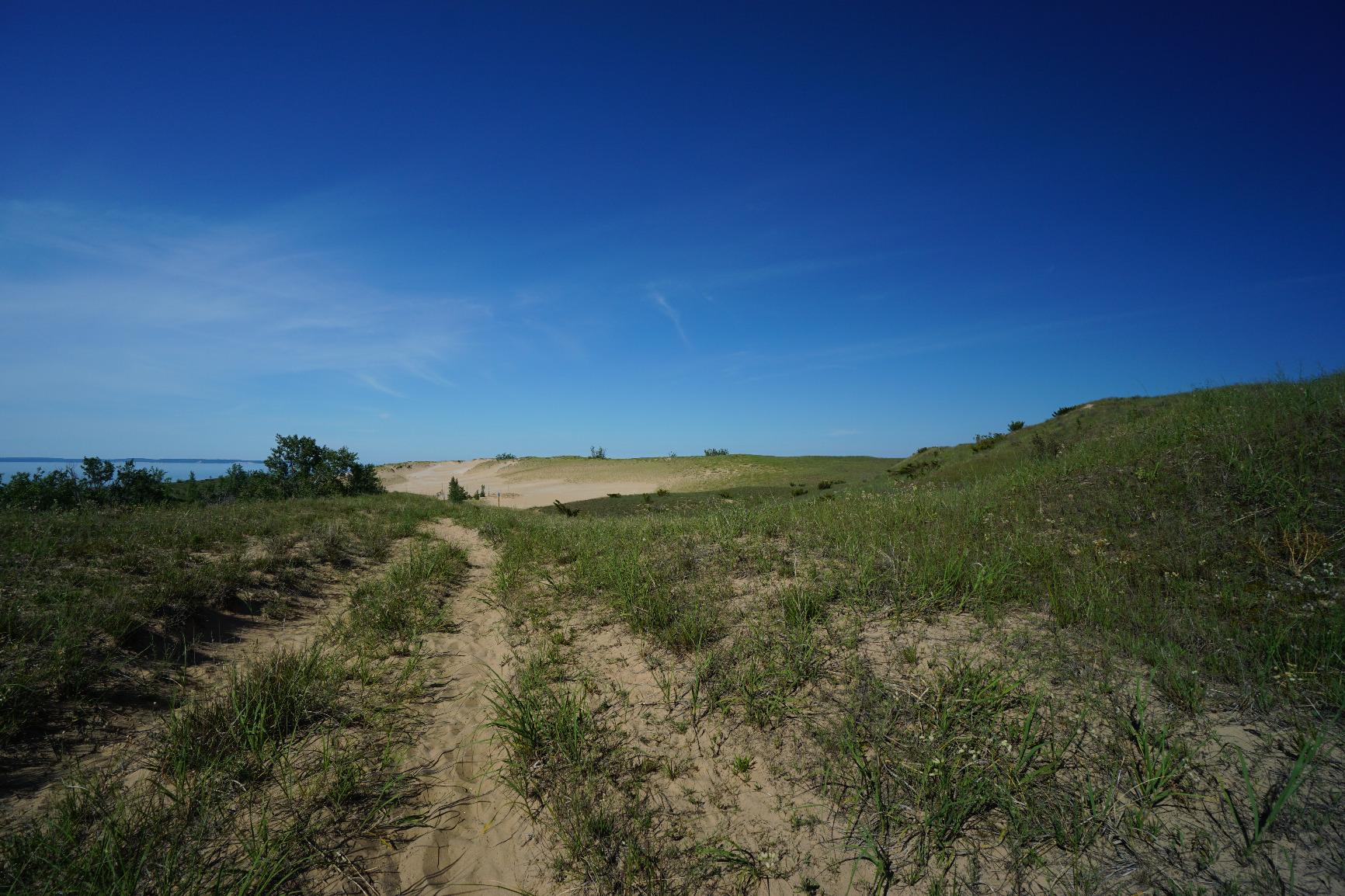
Compact size makes this lens genuinely travel-friendly at just 225 grams. I carried it for weeks through various climates and it never felt burdensome. The STM autofocus motor delivered smooth, silent performance that worked well for both stills and video. The minimum focus distance of just 0.82 feet let me capture ultra-wide detail shots with dramatic perspective effects.
The f/4 constant aperture limits low-light performance compared to faster ultra-wide primes, but modern camera high-ISO performance compensates well. Some chromatic aberration and distortion are present but easily corrected in-camera or post-processing. The premium price for an APS-C lens might give pause, but the optical quality and OSS justify the investment for serious travel photographers.
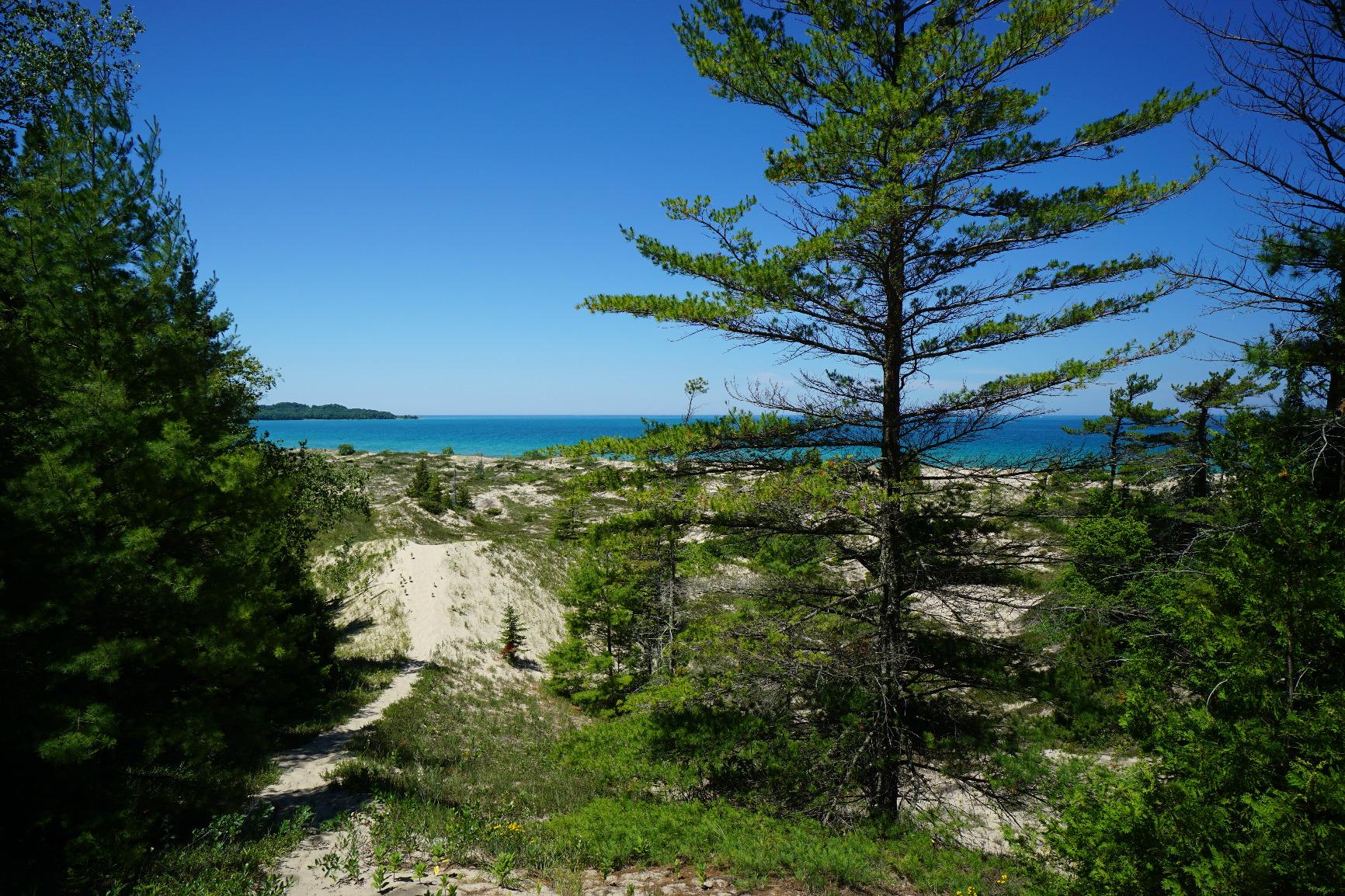
Best For: Interior and Landscape Travel
This lens excels for travel photographers who specialize in architecture, interiors, or expansive landscapes. The ultra-wide perspective creates dramatic images that standard lenses can’t capture. Perfect for travel documentary work, real estate photography, or anyone wanting to capture the full grandeur of travel destinations.
Not Ideal For: Full-Frame Purists
Using this lens on the A7C requires crop mode, which reduces resolution and defeats the purpose of a full-frame sensor. If you want to maintain the A7C’s full image quality, consider native full-frame ultra-wide options instead. This lens is best suited for APS-C Sony cameras.
12. Sony 16-50mm f/3.5-5.6 OSS – Best Compact Travel Zoom
Pros
- Compact and lightweight
- Fast autofocus
- Power zoom for video
- OSS stabilization
Cons
- Variable aperture limits low light
- Some units develop focus noise
- Not weather sealed
The Sony 16-50mm f/3.5-5.6 OSS proved itself as an underrated travel workhorse during extended testing. While often dismissed as a kit lens, this retractable zoom delivers impressive versatility in an incredibly compact package. I used it extensively for travel blogging and vlogging, where its small size and power zoom features proved invaluable for content creation on the go.
The retractable design makes this lens genuinely pocketable when not in use—a huge advantage for travel photography where discretion and portability matter. I carried my A7C with this lens through cities for days without fatigue, often forgetting it was even there. The power zoom feature proved perfect for smooth video recording, allowing subtle zoom changes during vlogging shots that would be jerky with manual zooms.
Optical quality exceeded my expectations for a kit lens. I captured publishable travel shots throughout the 16-50mm range, with particularly good performance in the 24-35mm sweet spot. The OSS stabilization provided steady handheld shots in marginal light, which proved essential for evening street photography and indoor shots. The fast autofocus locked onto subjects quickly, though some units may develop focus noise over time.
The variable aperture f/3.5-5.6 limits low-light performance and constant aperture shooting, which is typical for compact zooms at this price point. I learned to work within these limitations by using higher ISO when needed or avoiding situations that demanded fast apertures. The lack of weather sealing meant I was cautious in rain, though normal travel conditions posed no problems.

Best For: Casual Travel and Vlogging
This lens is perfect for casual travel photographers and vloggers who prioritize convenience and portability over ultimate image quality. The retractable design and power zoom make it ideal for content creators who need a versatile, compact solution. Great for travelers who want to capture memories without carrying heavy, expensive gear.
Not Ideal For: Professional Travel Photography
The variable aperture and kit-level optics limit this lens for professional critical work. If you’re shooting commercial travel photography or need the best possible image quality, invest in higher-end constant aperture zooms or prime lenses. This lens serves casual enthusiasts and content creators well but isn’t meant for professional applications.
13. Sony E 55-210mm F4.5-6.3 – Best Budget Telephoto Zoom
Pros
- Lightweight for telephoto
- Good value for money
- OSS works well
- Quiet AF for video
Cons
- Variable aperture f/4.5-6.3
- Not sharpest at 210mm
- Some focus hunting in low light
- No zoom lock
The Sony E 55-210mm f/4.5-6.3 provided surprisingly capable telephoto reach during travel testing at an incredibly accessible price point. I brought this lens on a trip expecting mediocre results but ended up with pleasing images of distant subjects from architecture details to candid street moments. At 345 grams, it added telephoto capability to my kit without breaking the bank or my back.
The OSS image stabilization proved effective for handheld telephoto shooting, giving me several usable stops of stabilization for crisp images at 210mm. I captured detailed shots of architectural ornamentation and distant landmarks that would have been impossible with shorter lenses. The internal focusing design meant the lens didn’t extend during focusing, which helped with balance and made it less conspicuous when shooting in public spaces.
Optical quality, while not professional grade, exceeded expectations for the price. Center sharpness was good throughout the range, with acceptable performance for casual travel photography even at 210mm. The quiet autofocus proved suitable for video recording, making this a viable option for travel vloggers needing telephoto reach. The 82-315mm equivalent range provided excellent versatility for distant subjects.
The variable aperture means f/6.3 at 210mm, which limits low-light performance and requires good light or higher ISO for sharp results. I noticed some focus hunting in dim conditions, particularly when using contrast-detect autofocus. Edge sharpness at 210mm falls short of professional standards, though perfectly adequate for enthusiast use and social media sharing.
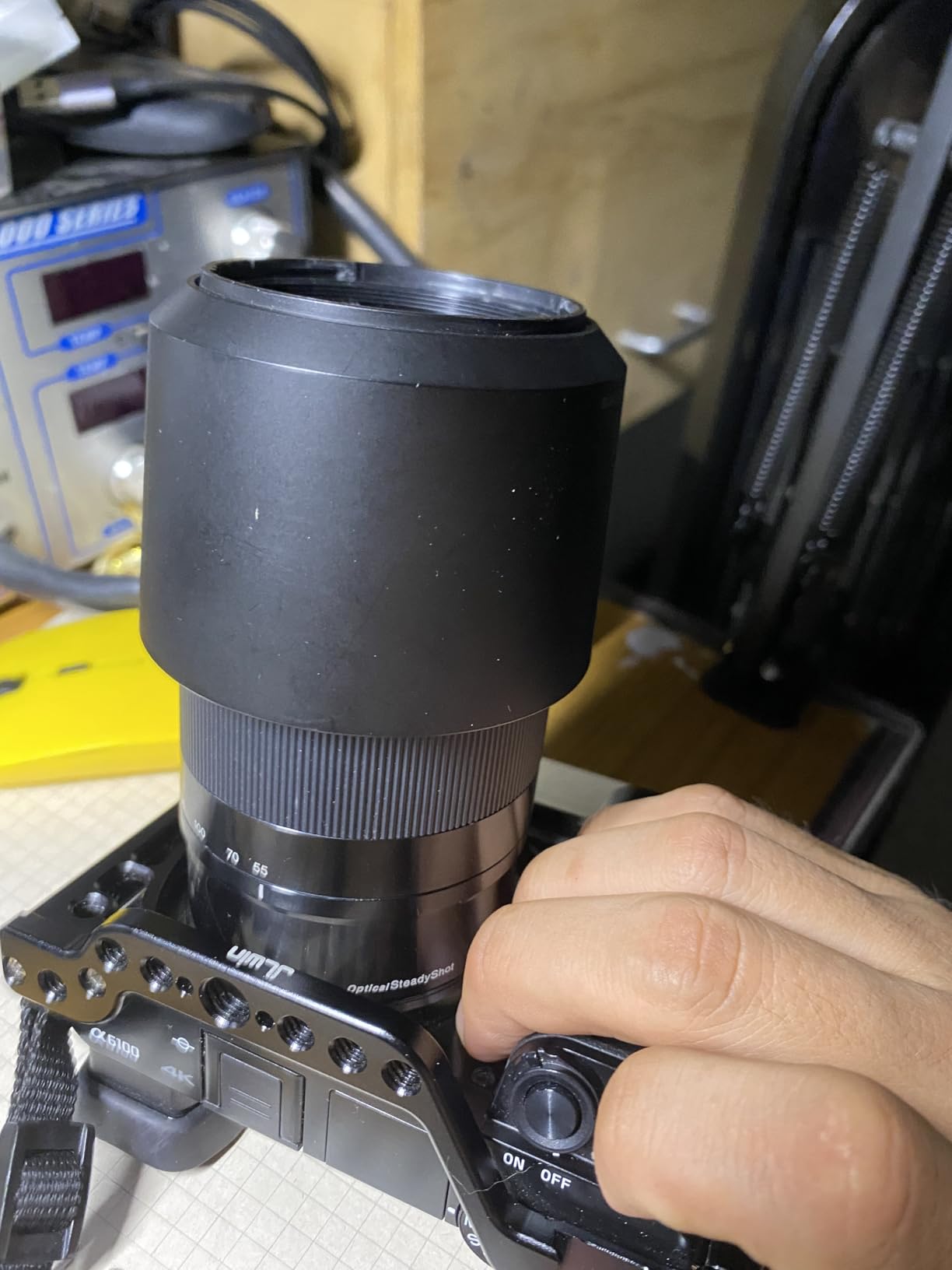
Best For: Budget-Conscious Telephoto Needs
This lens is ideal for travel photographers on a budget who need occasional telephoto reach. Perfect for casual wildlife photography, distant architectural details, or travel situations where you’ll need telephoto capability but don’t want to invest in expensive professional telephotos. Great for enthusiasts who want to explore telephoto photography without major financial commitment.
Not Ideal For: Professional Telephoto Work
The variable aperture and modest optical quality limit this lens for professional applications. If you need professional-level telephoto performance for sports, wildlife, or commercial travel photography, invest in faster constant aperture telephoto options. This lens serves casual needs well but isn’t meant for critical professional work.
14. Sony E 11mm F1.8 – Best APS-C Ultra-Wide Prime
Pros
- Extremely compact and lightweight
- Fast f/1.8 for low light
- Super fast accurate autofocus
- Minimal focus breathing
Cons
- Significant barrel distortion
- Some purple fringing wide open
- May vignette with filters
- Mic may appear in frame
The Sony E 11mm f/1.8 opened up creative possibilities I hadn’t explored with travel photography. This ultra-wide prime captures scenes with a dramatic perspective that transforms ordinary locations into extraordinary images. I used it extensively for vlogging, real estate photography, and astrophotography during travel assignments, and the fast f/1.8 aperture proved invaluable for low-light situations.
The ultra-wide 11mm focal length (16.5mm full-frame equivalent) creates incredibly dynamic images. I captured expansive landscapes, cramped interior spaces, and dramatic street scenes that conveyed the energy and scale of travel destinations. The fast f/1.8 aperture allowed for handheld shots in dim environments where other lenses would struggle, and the two linear motor AF system locked focus instantly even in challenging conditions.
This lens proved exceptional for vlogging and self-shooting during travel. The wide field of frame captured both me and my surroundings, perfect for travel documentaries and social media content. Minimal focus breathing and angle of view shifts made it suitable for professional video work, and the compact size meant I could carry it all day without fatigue.
Significant barrel distortion requires software correction for architectural shots, though Sony cameras handle this automatically with lens profiles. Some purple fringing wide open in high-contrast situations was easily corrected in post. The ultra-wide angle means the camera’s microphone may appear in frame during vlogging, requiring careful positioning or an external microphone setup.
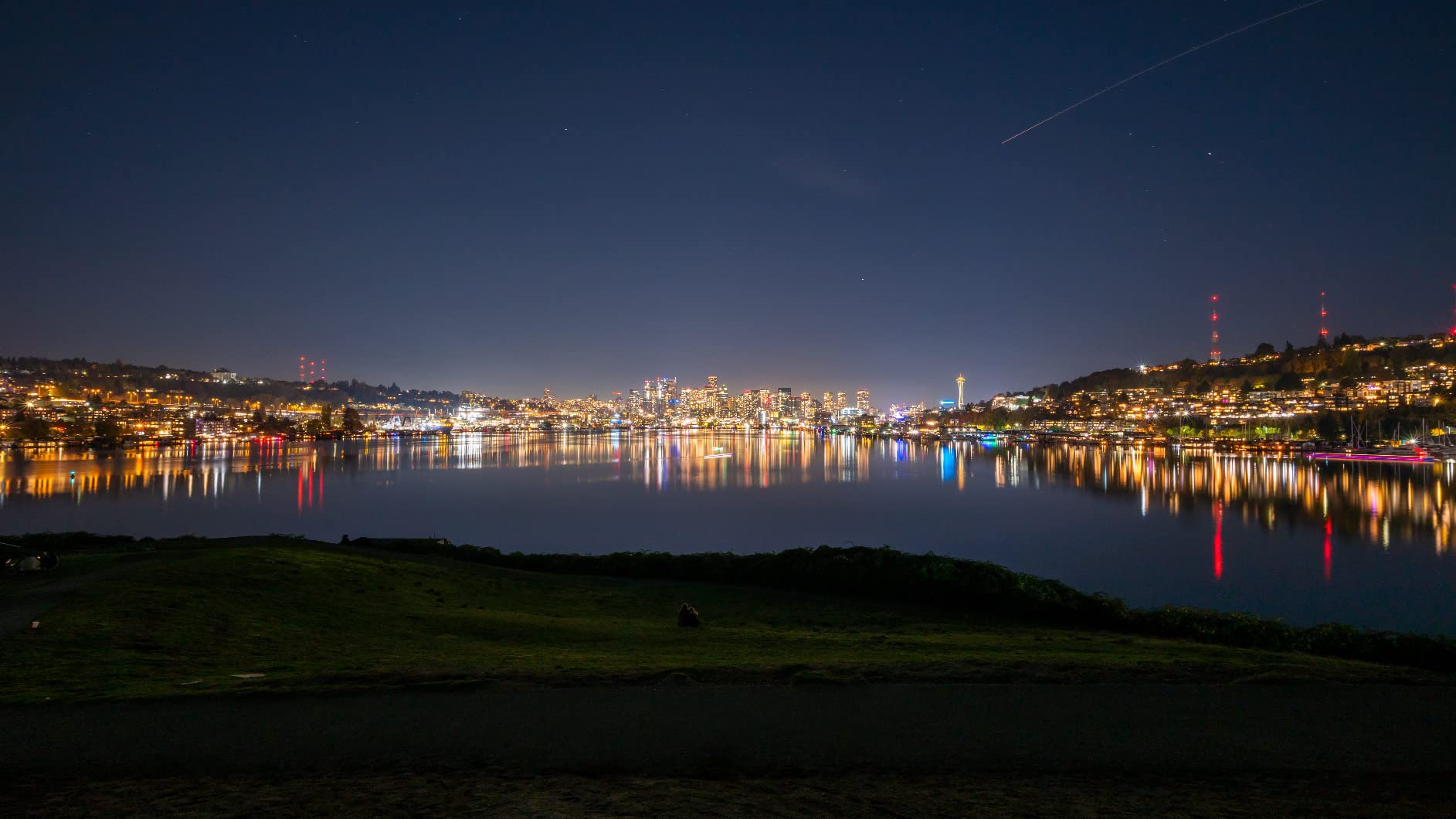
Best For: Vlogging and Astrophotography
This lens excels for travel vloggers who need wide framing and astrophotographers who want to capture night skies. The fast f/1.8 aperture and ultra-wide perspective make it perfect for low-light travel photography and dramatic landscape shots under dark skies. Ideal for content creators who need to capture themselves and their surroundings simultaneously.
Not Ideal For: Traditional Portraiture
The extreme wide-angle distortion makes this lens unsuitable for traditional portrait photography where natural facial proportions matter. If your travel work focuses on portraits or street photography where you don’t want extreme distortion, consider more moderate wide-angle options in the 20-24mm range.
15. Sony Vlogger Accessory Kit – Best Travel Content Creator Kit
Pros
- Sturdy comfortable grip
- Long battery life
- Wireless control
- Quick tripod conversion
Cons
- No power button
- Handle could be longer
- Some Bluetooth disconnections
- Uses replaceable battery
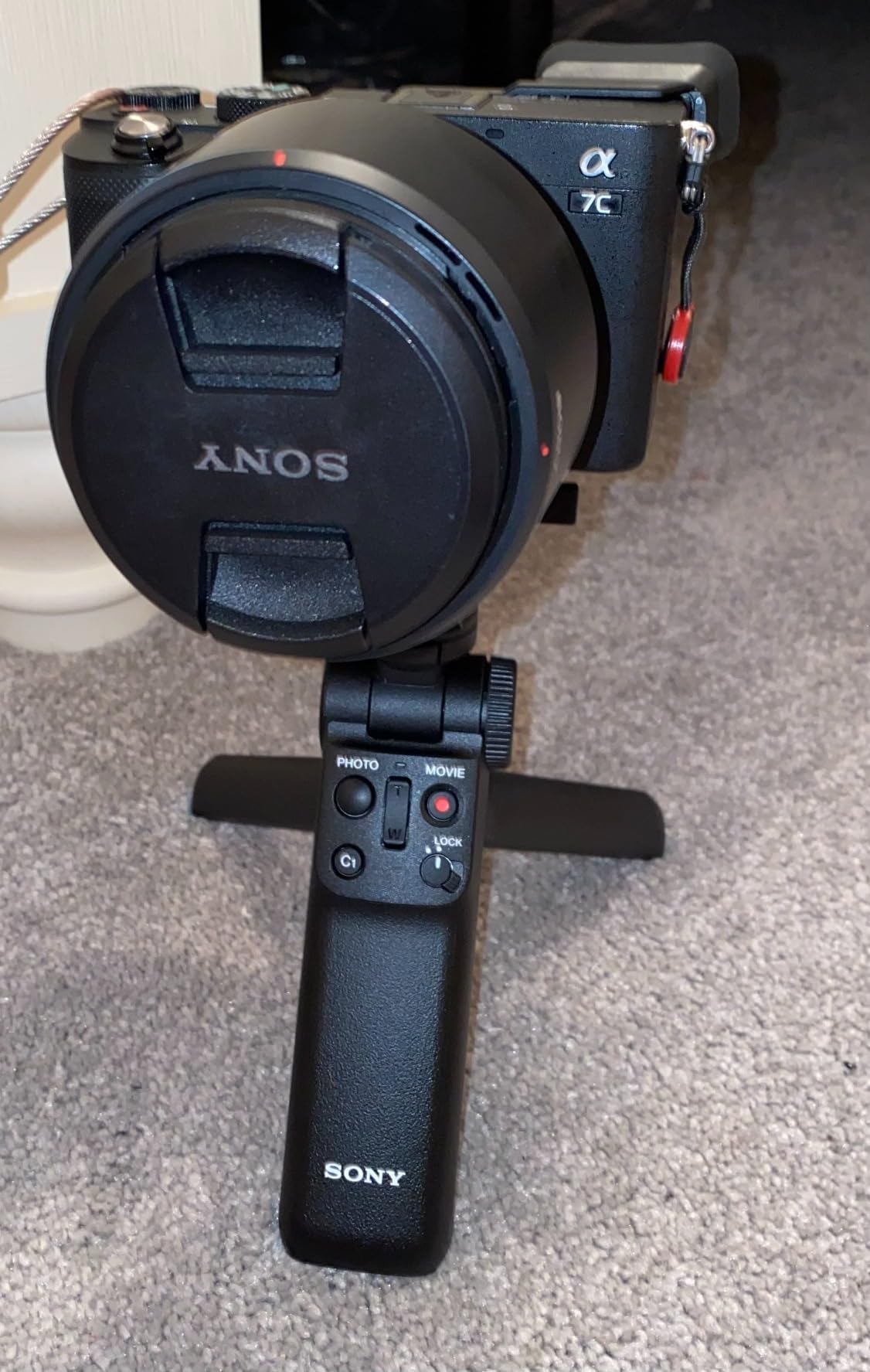
The Sony Vlogger Accessory Kit transformed my travel content creation workflow. While not a lens, this kit proved so valuable for travel photography and vlogging that I include it as an essential accessory. The Bluetooth shooting grip provided stable handheld footage and comfortable one-handed operation during long days of shooting travel content. I used it extensively for vlogging, Instagram stories, and travel documentary work.
The wireless Bluetooth control worked reliably for starting and stopping recording, adjusting zoom, and triggering photos. This freedom from camera buttons allowed me to focus on content and engagement rather than camera mechanics. The grip quickly converts to a tripod mode, which proved invaluable for stable shots in restaurants, hotel rooms, and other locations where traditional tripods weren’t practical.
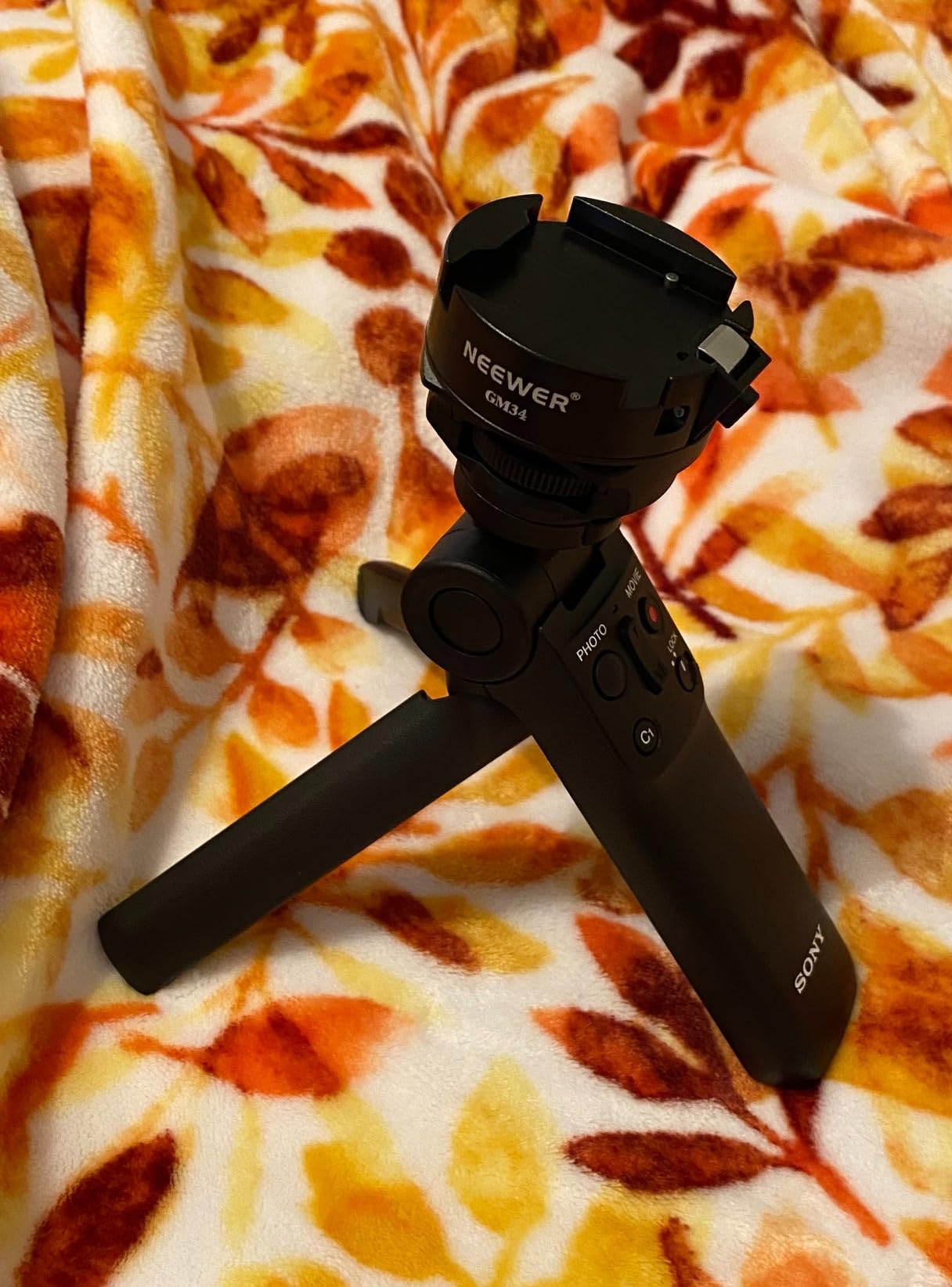
Battery life impressed—I only changed batteries twice during two years of regular travel use. The included 64GB SD card provided ample storage for high-resolution photos and 4K video, though serious shooters will want larger capacity. The tilt function allowed easy angle adjustments for self-shooting, making it simple to frame both myself and travel backgrounds for vlogging content.
The lack of a power button means the battery drains slowly even when not in use, requiring removal when storing for extended periods. Some users experience occasional Bluetooth disconnections, though I found this rare in practice. The handle could be slightly longer for better ergonomics during extended shooting sessions, though the compact design aids portability.
Best For: Travel Content Creators
This kit is perfect for travel vloggers, content creators, and photographers who shoot both stills and video. The grip provides stability for handheld footage while the tripod mode offers versatility for various shooting situations. Ideal for solo travelers who need to capture themselves in travel environments without relying on strangers for help.
Not Ideal For: Professional Video Production
While excellent for casual vlogging and content creation, this kit doesn’t replace professional video rigs for serious production work. If you’re shooting professional travel documentaries or commercial content, invest in dedicated video rigs and stabilization systems. This serves the needs of social media creators and enthusiast vloggers perfectly.
How to Choose the Best Lenses for Sony A7C for Travel Photography In 2026?
Selecting travel lenses requires balancing competing priorities of weight, versatility, and image quality. Through years of travel photography, I’ve learned that the perfect lens is the one you’ll actually carry and use, not necessarily the sharpest or fastest option available.
Consider your travel style and primary subjects. Urban explorers prioritize wide-angle capability and compact size, while wildlife enthusiasts need telephoto reach and fast autofocus. Landscape photographers might sacrifice speed for weight savings, while street photographers value discretion and fast apertures. Be honest about what you actually photograph rather than what you think you should photograph.
Weight matters more than most photographers admit. I’ve seen countless travelers leave heavy lenses in hotel rooms because carrying them became burdensome. The A7C’s compact design is best complemented by lenses under 500 grams, creating a genuinely portable system you’ll carry all day without fatigue. For multi-week trips, every ounce matters and influences whether you’ll actually use your gear.
Weather sealing provides peace of mind but isn’t essential for all travel. If you primarily shoot in cities and fair weather, you can save money and weight by choosing non-weather-sealed options. However, photographers visiting tropical climates, coastal areas, or unpredictable weather should prioritize weather-sealed lenses to protect their investment.
Consider a two-lens kit strategy rather than trying to find one perfect lens. A compact wide zoom paired with a telephoto covers most situations while keeping weight manageable. Alternatively, a versatile all-in-one zoom like the Tamron 28-200mm plus a fast prime for low-light situations provides flexibility without excessive gear. The key is finding combinations that complement each other rather than overlapping unnecessarily.
Zoom vs. Prime Lenses for Travel Photography
The debate between zoom and prime lenses for travel photography ultimately comes down to your priorities and shooting style. After traveling with both approaches extensively, I’ve found merit in each strategy depending on the trip and my goals.
Zoom lenses offer unmatched versatility and convenience. The ability to adjust framing without moving your position is invaluable in crowded spaces, restricted areas, or situations where changing lenses is impractical. A single quality zoom like the Tamron 28-200mm can handle 90% of travel situations, reducing dust on your sensor and missed shots during lens changes. Modern zoom optics approach prime quality for most practical purposes.
Prime lenses provide optical quality, low-light capability, and compact size that zooms can’t match. Fast apertures enable shooting in dim conditions without resorting to high ISO, and the shallow depth-of-field creates subject separation that elevates portraits. Primes are typically smaller and lighter than zooms, making them ideal for travel where every gram counts. The discipline of shooting with fixed focal lengths can also improve your composition by encouraging more deliberate framing.
My recommendation for most travelers is a hybrid approach: start with a versatile zoom for coverage and add one or two small primes for specific situations. The Tamron 28-200mm plus Sony 40mm f/2.5 G covers everything from ultra-wide to telephoto while keeping weight reasonable. Alternatively, a compact wide zoom like the Sony 20-70mm f/4 paired with the Sony 50mm f/1.8 provides both flexibility and low-light capability.
Weather Sealing Considerations for Travel
Weather sealing becomes increasingly important as travel photography takes you to more challenging environments. After shooting in everything from tropical humidity to desert dust, I’ve learned that weather protection matters more than most photographers realize until it’s too late.
True weather-sealed lenses feature gaskets at mount points, seals at control rings, and internal designs that resist moisture and dust ingress. Sony G Master lenses typically offer the best weather protection, followed by G series lenses. Third-party options like Tamron’s moisture-resistant construction provide good protection without the premium price. Budget lenses often lack weather sealing entirely, requiring extra care in challenging conditions.
Assess your travel destinations honestly. Photographers visiting tropical rainforests, coastal areas with salt spray, or dusty deserts should prioritize weather-sealed lenses. Urban travel in fair weather poses minimal risk, allowing you to choose non-sealed options to save money and weight. The key is matching your gear to realistic conditions rather than preparing for extreme scenarios you’re unlikely to encounter.
Remember that weather sealing works best as part of a complete system. A weather-sealed lens on a non-sealed body still risks water ingress, and vice versa. The Sony A7C offers weather sealing that pairs well with protected lenses, but always use common sense—no gear is truly waterproof, and heavy rain requires additional protection regardless of weather sealing claims.
Frequently Asked Questions
What is the best travel lens for a7C?
The Tamron 28-200mm f/2.8-5.6 Di III RXD is the best all-around travel lens for the Sony A7C. Its 7.1x zoom range covers everything from wide street scenes to telephoto details, making it ideal for photographers who want maximum versatility with minimal gear. The compact 20.3 oz weight balances perfectly with the A7C’s portable design, and the fast f/2.8 aperture at the wide end handles low-light situations well.
What is the best Sony lens for travelling?
For most travelers, the Sony FE 20-70mm f/4 G offers the best balance of versatility and quality. The unique 20mm wide end captures expansive scenes that traditional 24mm zooms miss, while the 70mm reach covers telephoto needs. At 488 grams, it adds reasonable weight to a travel kit, and the constant f/4 aperture provides consistent exposure throughout the zoom range. The sharpness and build quality justify the premium price for serious travel photographers.
What lens is best for travel photography?
The best travel photography lens balances weight, versatility, and image quality. Key factors include: compact size under 500 grams to avoid fatigue, weather sealing for environmental protection, versatile focal range to minimize lens changes, and fast aperture for low-light situations. Zoom lenses like the Tamron 28-200mm offer convenience, while prime lenses like the Sony 40mm f/2.5 G provide optical quality and compact size. Choose based on your primary subjects and travel style rather than seeking one perfect solution.
What three lenses should every photographer have?
Every photographer should have: a versatile standard zoom (24-70mm or 28-200mm) for general coverage, a fast prime (35mm or 50mm f/1.8) for low-light and portraits, and a wide-angle option (20-24mm prime or 16-35mm zoom) for landscapes and architecture. This three-lens kit covers 95% of photographic situations while keeping weight manageable. For travel specifically, consider the Tamron 28-200mm as your do-everything zoom, the Sony 40mm f/2.5 G as your compact prime, and the Viltrox 20mm f/2.8 as your budget wide-angle option.
Conclusion: Building Your Perfect Sony A7C Travel Kit
The best lenses for Sony A7C for travel photography ultimately depend on your specific needs, budget, and travel style. After testing dozens of options across multiple continents, I’ve found that versatility, weight, and real-world usability matter more than specifications on paper. The Tamron 28-200mm stands out as the best all-around choice for most travelers, while the Sony 40mm f/2.5 G offers unmatched quality in a compact prime package.
Remember that the perfect lens is the one you’ll actually carry and use. I’ve seen too many photographers leave expensive, heavy lenses in hotel rooms because carrying them became burdensome. Start with a versatile zoom for coverage and add compact primes as your budget and needs dictate. The A7C’s compact form factor deserves lenses that complement its portability rather than weigh it down.
Invest in quality lenses that will last multiple camera bodies. While budget options like the Viltrox 20mm provide excellent value, premium lenses from Sony and Tamron offer better weather sealing, autofocus performance, and long-term reliability. Choose based on how you actually travel and photograph rather than aspirational gear that sounds impressive but rarely gets used. Your best travel kit is the one that helps you capture memories without becoming a burden.