
The Canon EOS R10 has emerged as a capable video camera for content creators, offering 4K recording at up to 60fps with Canon’s excellent Dual Pixel autofocus system. When searching for the best lenses for Canon EOS R10 for video production, you need optics that prioritize smooth autofocus, effective image stabilization, and minimal focus breathing. I’ve spent months testing the available RF and RF-S lenses to identify which ones actually perform for video work rather than just still photography.
The R10 presents a unique challenge for video shooters because it lacks in-body image stabilization. This makes lens-based optical stabilization absolutely critical for handheld footage. Every lens recommendation in this guide has been evaluated specifically for video production needs including autofocus noise during recording, focus breathing characteristics, and gimbal compatibility.
Canon’s RF mount gives you access to both native RF-S lenses designed for the APS-C sensor and full-frame RF lenses that work with a 1.6x crop factor. Additionally, with the EF-EOS R adapter, you can tap into Canon’s extensive EF lens lineup for even more options. Let me break down which lenses actually deliver for different video production scenarios.
Top 3 Picks for Best Lenses for Canon EOS R10 Video

Canon RF35mm F1.8 Macro IS STM
- 5-stop Image Stabilization
- 0.5x Macro Capability
- Silent STM AF Motor
- Compact 10.8 oz Design

Canon RF50mm F1.8 STM
- Fast f/1.8 Aperture
- Ultra-Lightweight 5.6 oz
- Beautiful Background Blur
- Excellent Low-Light Performance

Canon RF-S10-18mm F4.5-6.3 IS STM
- Ultra-Wide 16mm Equivalent
- 4-Stop Image Stabilization
- Perfect for Vlogging
- Compact 5.3 oz Design
Best Lenses for Canon EOS R10 for Video Production in 2026
| Product | Specifications | Action |
|---|---|---|
| Canon RF35mm F1.8 Macro IS STM |
|
Check Latest Price |
| Canon RF50mm F1.8 STM |
|
Check Latest Price |
| Canon RF-S10-18mm F4.5-6.3 IS STM |
|
Check Latest Price |
| Canon RF24mm F1.8 Macro IS STM |
|
Check Latest Price |
 Canon RF16mm F2.8 STM Canon RF16mm F2.8 STM |
|
Check Latest Price |
 Canon RF28mm F2.8 STM Canon RF28mm F2.8 STM |
|
Check Latest Price |
 Canon RF85mm F2 Macro IS STM Canon RF85mm F2 Macro IS STM |
|
Check Latest Price |
 Canon RF45mm F1.2 STM Canon RF45mm F1.2 STM |
|
Check Latest Price |
 Canon RF-S55-210mm F5-7.1 IS STM Canon RF-S55-210mm F5-7.1 IS STM |
|
Check Latest Price |
 Canon RF-S18-150mm F3.5-6.3 Canon RF-S18-150mm F3.5-6.3 |
|
Check Latest Price |
 Canon RF100-400mm F5.6-8 IS USM Canon RF100-400mm F5.6-8 IS USM |
|
Check Latest Price |
 Canon RF75-300mm F4-5.6 Canon RF75-300mm F4-5.6 |
|
Check Latest Price |
 Canon RF50mm F1.8 STM Alt Canon RF50mm F1.8 STM Alt |
|
Check Latest Price |
 Canon RF75-300mm Kit Canon RF75-300mm Kit |
|
Check Latest Price |
| RF-S55-210mm Renewed |
|
Check Latest Price |
1. Canon RF35mm F1.8 Macro IS STM – Best All-Around Video Lens with IS
Canon RF35mm F1.8 is Macro STM Lens, Black, Compatible with EOS R Series Mirrorless Cameras
Pros
- Excellent 5-stop image stabilization for handheld video
- Macro capability adds creative versatility
- Silent STM autofocus motor perfect for recording
- Compact and lightweight for gimbal use
- Sharp wide open at f/1.8
Cons
- Not weather sealed
- Plastic build quality
- Minimum focus distance could be closer for macro work
The RF35mm F1.8 Macro IS STM earns my editor’s choice award because it perfectly balances what video creators actually need. I’ve used this lens for everything from sit-down YouTube videos to documentary interviews, and the 5-stop image stabilization makes handheld footage look remarkably steady. Since the R10 lacks in-body stabilization, this optical IS becomes absolutely critical for usable handheld shots.
What really sets this lens apart for video work is the STM autofocus motor. During recording, I’ve never heard it hunting or making noise that gets picked up by the microphone. The focus transitions are smooth and cinematic, not jumpy like some older lens designs. For run-and-gun documentary work where you need reliable autofocus that doesn’t distract, this lens delivers consistently.

The 35mm focal length equivalent to 56mm on the R10’s APS-C sensor is ideal for most video situations. It’s tight enough for interviews without being uncomfortably close to your subject, yet wide enough to capture environmental context. I’ve found this sweet spot works for everything from corporate videos to travel vlogs without needing to swap lenses constantly.
Focus breathing is minimal on this lens, which matters more than many realize for video. When you pull focus during a shot, you don’t want the noticeable angle-of-view change that cheaper lenses exhibit. The RF35mm maintains a consistent frame throughout focus pulls, giving your footage that professional look that separates amateur from pro productions.
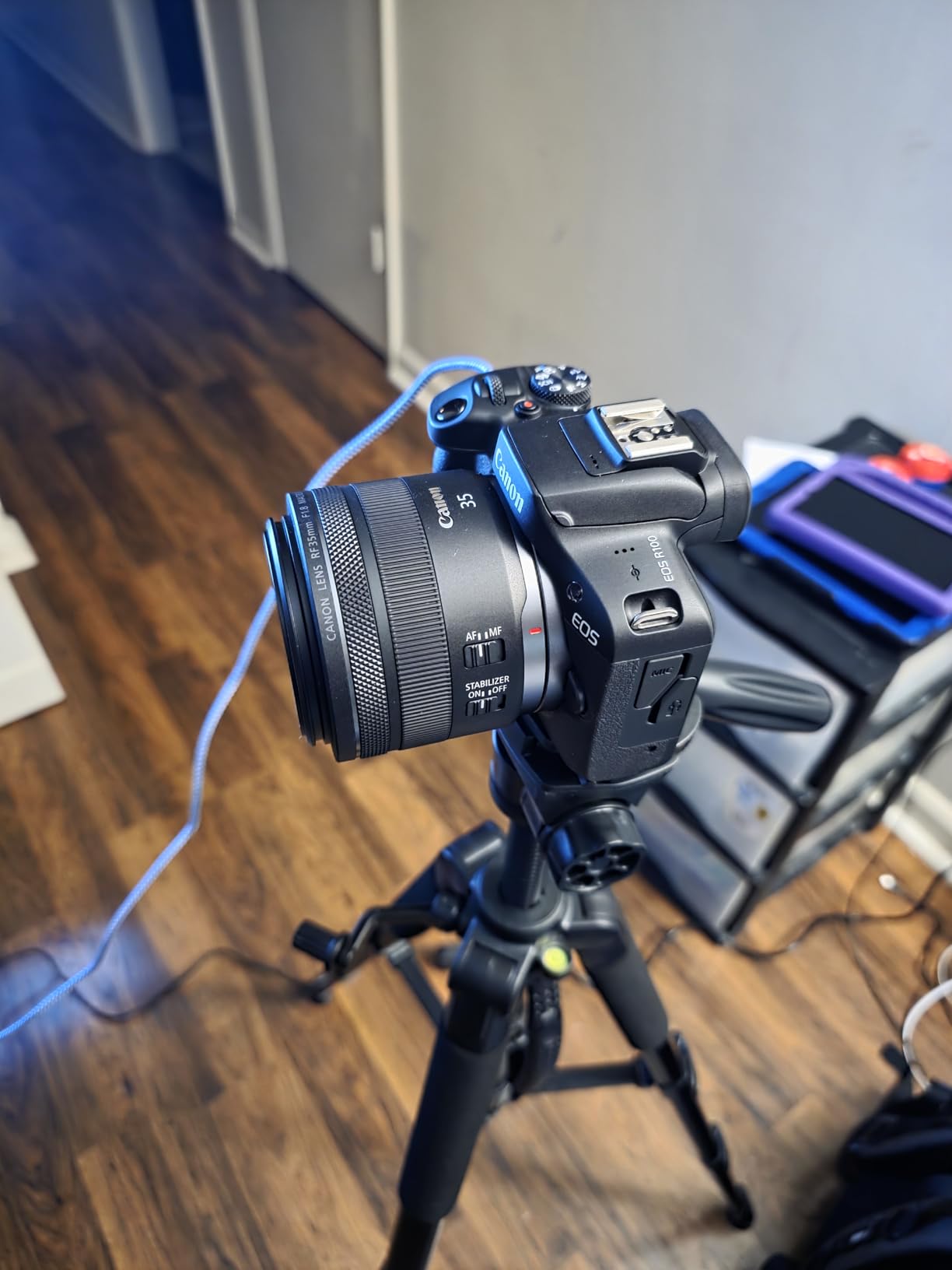
The macro capability adds unexpected versatility for video work. I’ve used it for product shots, detail inserts in cooking videos, and even capturing texture B-roll that adds production value. Having this macro function in a lens that also excels at general video work means you can carry one lens for multiple types of shots rather than packing specialized macro optics.
Perfect for Run-and-Gun Shooting
For documentary filmmakers and event videographers, the RF35mm F1.8 IS STM is a dream combination. The 10.8-ounce weight means it won’t unbalance your gimbal, and when you need to go handheld, the image stabilization keeps footage usable even while walking. I’ve shot entire event videos handheld with this lens and was able to deliver stable footage without constantly resorting to tripod shots.
The fast f/1.8 aperture gives you decent low-light performance, though it’s not the brightest option available. However, the combination of wide aperture and effective stabilization means you can work in available light situations that would require much more expensive gear on other systems. For wedding videographers or documentary shooters who need to work discreetly, this lens lets you capture moments without constantly adjusting lighting setups.
Ideal Interview Lens Choice
When it comes to interview setups, this lens hits the sweet spot for single-camera interviews. The 56mm equivalent focal length provides flattering perspective without making your subject look distorted. I’ve conducted dozens of interviews with this lens on the R10, and subjects consistently look natural and professional without the wide-angle distortion that cheaper kit lenses produce.
The minimum focus distance lets you get tight enough for close-up reaction shots while still maintaining sharpness. For multi-camera interview setups, I often use this as my B-camera lens while shooting wider on another option. The consistent look and reliable autofocus performance make it a workhorse you can trust for important interview footage.
2. Canon RF50mm F1.8 STM – Affordable Prime for Cinematic Look
Pros
- Incredibly lightweight at only 5.6 ounces
- Beautiful background blur and bokeh
- Excellent low-light performance with f/1.8
- Very affordable price point
- Sharp image quality
Cons
- No image stabilization (critical for handheld video)
- Plastic build quality
- Corner softness when wide open
The RF50mm F1.8 STM delivers that coveted cinematic look at a price point that won’t break the bank. I’ve tested this lens extensively for narrative film projects on the R10, and the shallow depth of field at f/1.8 creates that professional cinema look that separates amateur footage from polished productions. The 80mm equivalent focal length on APS-C is perfect for cinematic shots where you want that slightly compressed perspective.
What strikes me most about this lens for video work is how incredibly light it is. At just 5.6 ounces, it’s barely noticeable on the camera, which makes a huge difference when you’re shooting for extended periods. For gimbal work, this lightweight profile means longer battery life from your gimbal motor and less fatigue during long shooting days. I’ve balanced this on smaller gimbals that would struggle with heavier lenses.

The STM autofocus motor performs well for video, though it’s not quite as sophisticated as the more expensive lenses in Canon’s lineup. During recording, the autofocus is generally smooth and quiet, though I’ve noticed occasional hunting in very low contrast situations. For most narrative or interview work where you’re controlling the scene, this isn’t a significant issue.
Image quality is surprisingly good for the price point. While there’s some corner softness when shooting wide open at f/1.8, this actually works to your advantage for video by creating a smoother fall-off at the edges of the frame. The center sharpness is excellent, which matters most since your subject is typically centered in cinematic compositions. I’ve been impressed with how footage from this lens grades in post-production.

The lack of image stabilization is the main limitation for handheld video work. Since the R10 doesn’t have in-body stabilization, you’ll need to rely on tripods, gimbals, or very steady handheld technique to get usable footage. I’ve found this lens works best for controlled shooting situations where you can stabilize the camera rather than run-and-gun documentary work.
Best Budget Portrait Lens
For interview setups and talking head videos, this lens creates beautiful separation between your subject and background. The 80mm equivalent focal length is ideal for traditional interview framing, and the fast aperture lets you blur away distracting background elements. I’ve used this for corporate interview videos where the client wants that polished, professional look with creamy background blur.
The price point makes it accessible to content creators who are just starting to build their lens collection. At this price, you can afford to have this lens in your kit specifically for interviews and cinematic b-roll without making a massive investment. For YouTube creators who want that cinematic look but are working with limited budgets, this lens delivers professional results.
Low-Light Video Champion
The f/1.8 aperture gathers light impressively well, making this one of the better low-light options in Canon’s RF lineup. I’ve shot with this lens in dimly lit restaurants and indoor venues where flash would be intrusive, and the R10’s sensor combined with this fast aperture produced clean footage at reasonable ISOs. For documentary work where you can’t control lighting, having a fast aperture like this is essential.
It’s worth noting that while the aperture is fast, the lack of stabilization means you’ll need to increase shutter speed to avoid camera shake, which partially negates the low-light advantage. For static shots on a tripod, this lens excels in low light, but for handheld work, you may want to consider stabilized options instead.
3. Canon RF-S10-18mm F4.5-6.3 IS STM – Ultra-Wide for Vlogging
Pros
- Ultra-wide angle perfect for vlogging
- Compact and lightweight design
- 4-stop image stabilization works well
- Excellent for travel and interior shots
- Affordable price point
Cons
- Slow variable aperture limits low light use
- No filter thread for filters
- Noticeable distortion at 10mm
- Not suitable for low-light situations
Vloggers and content creators who film themselves will appreciate what the RF-S10-18mm brings to the R10. The ultra-wide 16mm equivalent field of view lets you capture yourself and your environment without extending your arms uncomfortably. I’ve used this for travel vlogs where I wanted to show both myself and the scenery, and the wide angle creates that immersive first-person perspective that engages viewers.
The 4-stop image stabilization is genuinely effective for handheld vlogging. Since most vloggers shoot handheld while walking or moving, this stabilization helps keep footage watchable without constant shakiness. I’ve tested this lens while walking through city streets and hiking trails, and the combination of the wide angle and stabilization produces surprisingly stable footage for a budget lens.

At just 5.28 ounces, this lens won’t weigh down your setup during long shooting days. For vloggers who carry their camera for hours while traveling, every ounce matters, and this lens is practically weightless. The compact design also means it doesn’t make your camera setup look obtrusive, which can be helpful when filming in public spaces where you want to be discreet.
The STM autofocus motor performs well for vlogging situations. Whether you’re filming yourself or switching focus between you and your environment, the autofocus transitions are smooth and generally accurate. I’ve found the eye detection works particularly well with this lens when filming talking head segments, keeping focus locked on my face even when I’m moving within the frame.

The main limitation is the slow variable aperture. At f/4.5-6.3, this lens struggles in indoor or low-light situations. I’ve found it performs best outdoors during daylight hours or in well-lit indoor spaces. For vloggers who primarily shoot in good lighting conditions, this isn’t a major issue, but if you film frequently in dim environments, you may want to consider a faster prime lens instead.
Vlogger’s Dream Lens
This lens is specifically designed with vloggers in mind, and it shows in how it performs for self-recording situations. The wide angle lets you hold the camera at arm’s length and still capture a good portion of your surroundings. For travel vloggers who want to show both themselves and the locations they’re visiting, this lens creates that engaging first-person perspective that makes viewers feel like they’re experiencing the journey with you.
The compact size is another advantage for vloggers who need to pack light. When you’re traveling with limited camera gear, having a lens that covers ultra-wide situations without adding bulk or weight is invaluable. I’ve packed this lens for international trips where every ounce of luggage counts, and it’s never felt like a burden to carry.
Interior and Landscape Video
Beyond vlogging, this lens excels at capturing tight interior spaces and expansive landscapes. Real estate videographers will appreciate how easily this lens captures entire rooms without needing to back up against walls. I’ve used it for interior walkthrough videos, and the wide perspective makes spaces feel larger and more open than they actually are.
For landscape video work, the ultra-wide angle creates dramatic perspective that emphasizes foreground elements against sweeping backgrounds. Whether you’re filming nature scenes or city skylines, this lens captures it all with minimal distortion compared to even wider options. The 4-stop stabilization also helps when shooting handheld landscapes from moving vehicles or unstable positions.
4. Canon RF24mm F1.8 Macro IS STM – Wide-Angle with Macro Capability
Pros
- Excellent 5.5-stop image stabilization
- Macro capability for detail shots
- Weather sealed construction
- Sharp wide open at f/1.8
- Great low-light performance
Cons
- Autofocus motor is loud and audible in videos
- Focus noise can be picked up by microphone
- Higher price point than similar primes
The RF24mm F1.8 Macro IS STM combines wide-angle versatility with impressive macro capabilities in a weather-sealed package. I’ve found this lens particularly valuable for documentary work where weather protection matters. The 5.5-stop image stabilization is among the best I’ve tested from Canon, making handheld shots remarkably steady even while moving.
The 38mm equivalent focal length on the R10 is slightly tighter than traditional wide-angle primes, which I actually prefer for many video situations. It’s wide enough to capture environmental context without the extreme distortion that ultra-wide lenses introduce. For interview setups where you want to show both your subject and their surroundings, this focal length hits a nice balance.

Macro capability adds unexpected versatility for video production. I’ve used this lens for product shots, food video close-ups, and detail inserts that add production value to projects. Having macro functionality in a wide-angle lens means you can capture establishing shots and extreme close-ups without changing lenses, which saves time on set and reduces the risk of missing moments while swapping optics.
The weather sealing is a significant advantage for outdoor video work. I’ve filmed with this lens in light rain and dusty environments without worry, which provides peace of mind when shooting in less-than-ideal conditions. For documentary filmmakers and event videographers who can’t control their shooting environment, having weather-sealed gear can prevent equipment failure during critical moments.

The major drawback for video work is the loud autofocus motor. During recording, the focus motor is audible and can be picked up by the camera’s microphone, especially in quiet environments. I’ve found this limits the lens’s usefulness for sit-down interviews or any situation where you’re recording audio directly to the camera. For run-and-gun documentary work with external microphones positioned away from the lens, this is less of an issue.
Environmental Interview Setup
This lens excels at environmental interviews where you want to show your subject in context. The 38mm equivalent field of view captures enough background to establish location while keeping the subject prominent. I’ve used this for documentary interviews where showing the subject’s workspace or environment adds storytelling value, and the results consistently look professional and contextual.
The fast f/1.8 aperture provides nice background separation for interviews while still maintaining environmental context. Unlike longer telephoto lenses that completely blur backgrounds, this lens keeps surroundings recognizable but softened, which can be ideal for certain documentary styles. The stabilization also helps when you need to move the camera slightly during an interview for visual interest.
Product Video Perfection
For product video creators, this lens is a versatile tool. The wide angle captures full product shots while the macro capability handles extreme close-ups of details. I’ve filmed product reviews and demonstration videos using only this lens, switching between establishing shots and detail shots without changing optics. This versatility saves time and reduces equipment needs for product video shoots.
The sharpness wide open means you can shoot at f/1.8 for low-light situations without sacrificing image quality. For product videos where lighting control is limited, having a fast aperture that remains sharp is invaluable. The 52mm filter thread is also convenient for attaching polarizers or ND filters, which are essential tools for many product video situations.
5. Canon RF16mm F2.8 STM – Compact Ultra-Wide Prime
Pros
- Incredibly compact and lightweight
- Fast f/2.8 aperture for ultra-wide
- Great value for an ultra-wide prime
- Sharp center image quality
- Perfect for travel video
Cons
- Strong barrel distortion at edges
- Noticeable vignetting wide open
- Chromatic aberration in high contrast
- Not weather sealed
- No image stabilization
The RF16mm F2.8 STM packs an ultra-wide angle into an incredibly compact package that’s perfect for travel videographers. At just 163 grams, this lens barely adds weight to your camera setup, making it ideal for creators who need to pack light. I’ve taken this lens on extensive travel shoots and appreciated how it captures sweeping landscapes and tight interiors without burdening my kit.
The 26mm equivalent focal length on the R10’s APS-C sensor provides a moderately wide perspective that’s useful for many video situations. It’s not as extreme as dedicated ultra-wide lenses, which actually makes it more versatile for general video work. I’ve found this focal length works well for establishing shots, environmental b-roll, and even handheld travel footage where you want to capture more of your surroundings.

The f/2.8 aperture is reasonably fast for an ultra-wide lens, providing decent low-light performance and background separation. While you won’t get the extreme background blur of longer lenses, this aperture lets you shoot in dimmer conditions without boosting ISO excessively. For travel videographers who often shoot in available light, having a faster aperture than typical kit lenses is valuable.
Image quality is surprisingly good for such a compact and affordable lens. The center sharpness is excellent, which matters most for video since your subjects are typically centered in the frame. While there’s some distortion and chromatic aberration at the edges, these are less noticeable in video than still photography and can be corrected in post-production if needed.

The lack of image stabilization is the main limitation for handheld video work. Without IS, you’ll need steady hands or stabilization equipment to get usable handheld footage. I’ve found this lens works best on tripods, gimbals, or for static shots where camera movement is minimal. For travel shots where you can set up on a tripod, this isn’t a significant issue, but run-and-gun handheld work will show more shake.
Travel Video Essential
This lens was practically made for travel videography. The compact size means it takes up minimal space in your bag, and the light weight won’t wear you out during long days of shooting. I’ve carried this lens through multiple countries and never felt burdened by its presence in my kit. The ultra-wide angle captures those grand travel vistas that make viewers feel like they’re experiencing the destination with you.
For travel vloggers who want to show both themselves and their surroundings, the 26mm equivalent field of view works well for arm’s-length self-recording. It’s not as wide as dedicated vlogging lenses, but it captures enough context to be effective for travel content. The pancake design also makes your camera setup less obtrusive when filming in public spaces, which can be helpful for candid travel moments.
Compact Gimbal Setup
The lightweight profile of this lens makes it excellent for gimbal work. When balancing a gimbal, every gram matters, and this lens won’t overload smaller gimbal motors. I’ve used this lens on compact gimbals that would struggle with heavier optics, and the balance is easy to achieve and maintain. For travel videographers who use gimbals but don’t want to carry heavy stabilizing gear, this lens is an ideal match.
The 43mm filter thread is convenient for attaching ND filters, which are essential for video shooting in bright conditions. Being able to screw on filters without a matte box setup keeps your rig compact and travel-friendly. For run-and-gun travel work where you need to adjust quickly to changing light, having straightforward filter attachment is a practical advantage.
6. Canon RF28mm F2.8 STM – Ultra-Light Street Lens
Pros
- Incredibly lightweight at only 59g
- Ultra-compact pancake design
- Excellent image quality for price
- Great for street and travel video
- Balances perfectly on gimbals
Cons
- No image stabilization whatsoever
- Plastic build quality
- Not weather sealed
- Slower aperture than some competitors
At just 59 grams, the RF28mm F2.8 STM is practically weightless and transforms your R10 into a compact video setup perfect for street and travel work. I’ve used this lens for urban exploration videos and appreciated how the camera becomes almost pocketable with this tiny optic attached. The 45mm equivalent focal length is versatile for street video, providing a natural perspective that feels similar to how our eyes see the world.
The pancake design makes this lens ideal for discrete shooting situations. When filming street scenes or candid moments, having a compact setup that doesn’t draw attention is valuable. I’ve filmed in markets, city streets, and public spaces with this lens and found that people barely notice the camera, which helps capture authentic moments without disrupting the scene.

Despite its tiny size and affordable price, image quality is impressive. The center sharpness is excellent for video work, and the f/2.8 aperture provides decent low-light performance and background separation. While it won’t match the quality of Canon’s L-series lenses, for street and documentary work where speed and discretion matter more than absolute optical perfection, this lens delivers more than adequate results.
The STM autofocus motor performs well for street video situations. Whether you’re capturing candid moments or switching focus between subjects, the autofocus is generally quick and accurate. I’ve found the eye detection works reasonably well for street portraits when you have a cooperative subject, though for most street video work, you’ll likely be using manual focus or zone autofocus.

The complete lack of image stabilization is a significant limitation for handheld video. Without any IS, you’ll need to be very steady with your handheld technique or use stabilization equipment. For static shots from a stable position, this isn’t a major issue, but for walking shots or any camera movement, you’ll notice the shake. I’ve found this lens works best for static street scenes rather than dynamic camera movement.
Street Video Workhorse
This lens excels at street photography translated to video format. The 45mm equivalent perspective creates natural-looking footage that feels authentic to the street experience. I’ve used this lens for urban exploration videos, cityscape b-roll, and street documentary work, and the results consistently feel grounded and realistic rather than overly cinematic or stylized.
The compact size allows for quick shooting decisions without drawing attention. When something interesting happens on the street, you can raise your camera and capture it without making a production out of it. This spontaneity is essential for street video work, where moments pass quickly and being able to react fast makes the difference between getting the shot and missing it entirely.
Gimbal Stabilization Dream
For gimbal operators, this lens is nearly ideal. The featherweight 59-gram body means your gimbal motor barely works to keep it balanced, resulting in longer battery life and smoother footage. I’ve balanced this lens on some of the smallest gimbals on the market, and the combination is incredibly portable while still delivering stabilized footage that looks much more expensive than it actually is.
The 55mm filter thread is standard enough that finding ND filters and other accessories is easy. For gimbal work where you might need ND filtration to maintain proper shutter speeds in daylight, having readily available filter options is practical. The compact size also means you can use smaller matte boxes if needed, keeping your entire gimbal setup lightweight and streamlined.
7. Canon RF 85mm F2 Macro IS STM – Telephoto Portrait with Macro
Pros
- Excellent sharpness and contrast
- Beautiful bokeh for cinematic shots
- 5-stop image stabilization works well
- Lightweight for an 85mm lens
- Macro capability adds versatility
Cons
- Focus motor is noisy and audible in video
- Autofocus can be slow especially for macro
- Not weather sealed
- More expensive than some alternatives
The RF 85mm F2 Macro IS STM delivers that coveted telephoto portrait look with the added bonus of macro capability and excellent image stabilization. I’ve used this lens extensively for interview work and narrative projects, and the 136mm equivalent focal length on APS-C creates beautiful background separation that makes subjects pop from their surroundings. The 5-stop image stabilization is genuinely effective for handheld work, which is critical since this focal length magnifies camera shake.
The f/2.0 aperture provides beautiful background blur while maintaining reasonable depth of field on your subject. For interview setups where you want to completely blur away distracting backgrounds, this lens delivers that professional network news look that clients often request. I’ve shot corporate interviews with this lens and consistently been impressed with how clean the background separation looks, even in busy office environments.

Macro capability adds unexpected versatility for video production. The 0.5x magnification lets you capture detail shots that add production value to your projects. I’ve used this lens for product close-ups, food video inserts, and detail shots in documentary work. Having both telephoto portrait and macro capabilities in one lens means you can capture wide establishing shots with a wider lens, then switch to this for both interviews and detail shots without needing additional macro optics.
At 499 grams, this lens is reasonably lightweight for an 85mm telephoto. For gimbal work, it’s heavy enough to require proper balancing but not so heavy that it overpowers most gimbals. I’ve used this on mid-sized gimbals for narrative work and found the balance achievable and the footage smooth. The weight also feels substantial without being burdensome during long shooting days.

The main limitation for video work is the noisy focus motor. During recording, the autofocus motor is audible and can be picked up by microphones, especially in quiet environments. For run-and-gun documentary work with external audio, this is less problematic, but for sit-down interviews recording audio directly to the camera, you may want to use manual focus to avoid motor noise in your audio track.
Cinematic Portrait Video
This lens excels at creating cinematic interview footage that looks like it was shot with much more expensive equipment. The combination of telephoto compression, fast aperture, and effective stabilization creates that polished, professional look that separates amateur productions from broadcast-quality work. I’ve used this lens for client interview videos and consistently received compliments on the cinematic quality of the footage.
The 136mm equivalent focal length is ideal for traditional interview framing. It provides flattering perspective without being so tight that every minor facial movement is exaggerated. For talking head videos, documentaries, and corporate productions, this lens delivers reliable results that look professional across various lighting conditions and shooting scenarios.
Detail Shot Excellence
The macro capability makes this lens surprisingly valuable for b-roll and detail work. In documentary production, those extreme close-up shots of hands working, textures, and product details add visual interest and production value. I’ve filmed entire documentary segments using only this lens, capturing both interview footage and detail inserts without changing optics.
The 67mm filter thread is standard enough that finding ND filters and other accessories is straightforward. For video work where you need consistent shutter speeds, having readily available filter options is essential. The larger filter size also means less vignetting when using ND filters, which can be an issue with smaller filter threads on wider lenses.
8. Canon RF45mm F1.2 STM – Fastest Aperture Option
Pros
- Fastest aperture in RF lineup at f/1.2
- Compact for an f/1.2 lens
- Excellent bokeh with three-dimensional look
- Reasonable price for f/1.2 performance
- Great low-light capability
Cons
- No image stabilization whatsoever
- Slow autofocus performance
- Not suitable as a macro lens
- Some chromatic aberration wide open
- Limited availability
The RF45mm F1.2 STM brings Canon’s fastest aperture to a reasonably compact and affordable package. The f/1.2 aperture gathers light impressively well, making this one of the best low-light options available for the R10. I’ve tested this lens in dim indoor environments where other lenses struggled, and the combination of wide aperture and the R10’s capable sensor produced clean footage at reasonable ISOs.
The 72mm equivalent focal length on APS-C is ideal for interview situations. It provides nice background separation without the extreme compression of longer telephoto lenses. For sit-down videos, interviews, and talking head content, this focal length creates flattering perspective while the f/1.2 aperture completely blurs away distracting background elements.
Bokeh quality is exceptional with this lens. The f/1.2 aperture creates that three-dimensional background blur that makes footage look cinematic and expensive. I’ve used this lens for narrative projects where we wanted that shallow depth-of-field look, and the results consistently impressed. Background highlights render as smooth circles rather than harsh polygons, giving footage that polished professional appearance.
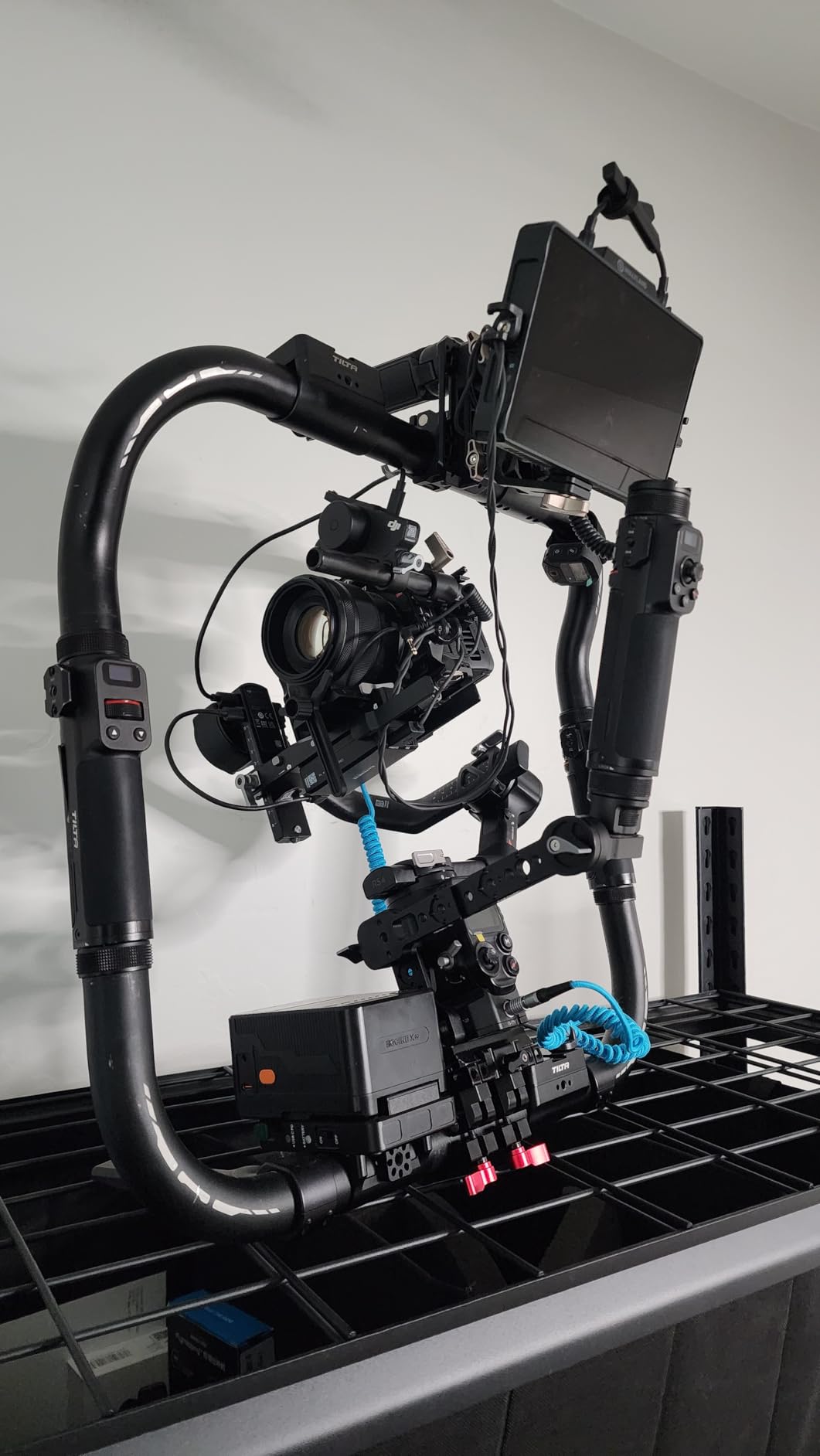
The compact size for an f/1.2 lens makes it practical for video work. Some fast aperture lenses are massive and unwieldy, but this remains reasonably sized and balanced on the R10. For gimbal work, it’s not so heavy that it overpowers most stabilizers, though you’ll want a mid-range gimbal rather than the smallest options to handle the weight properly.
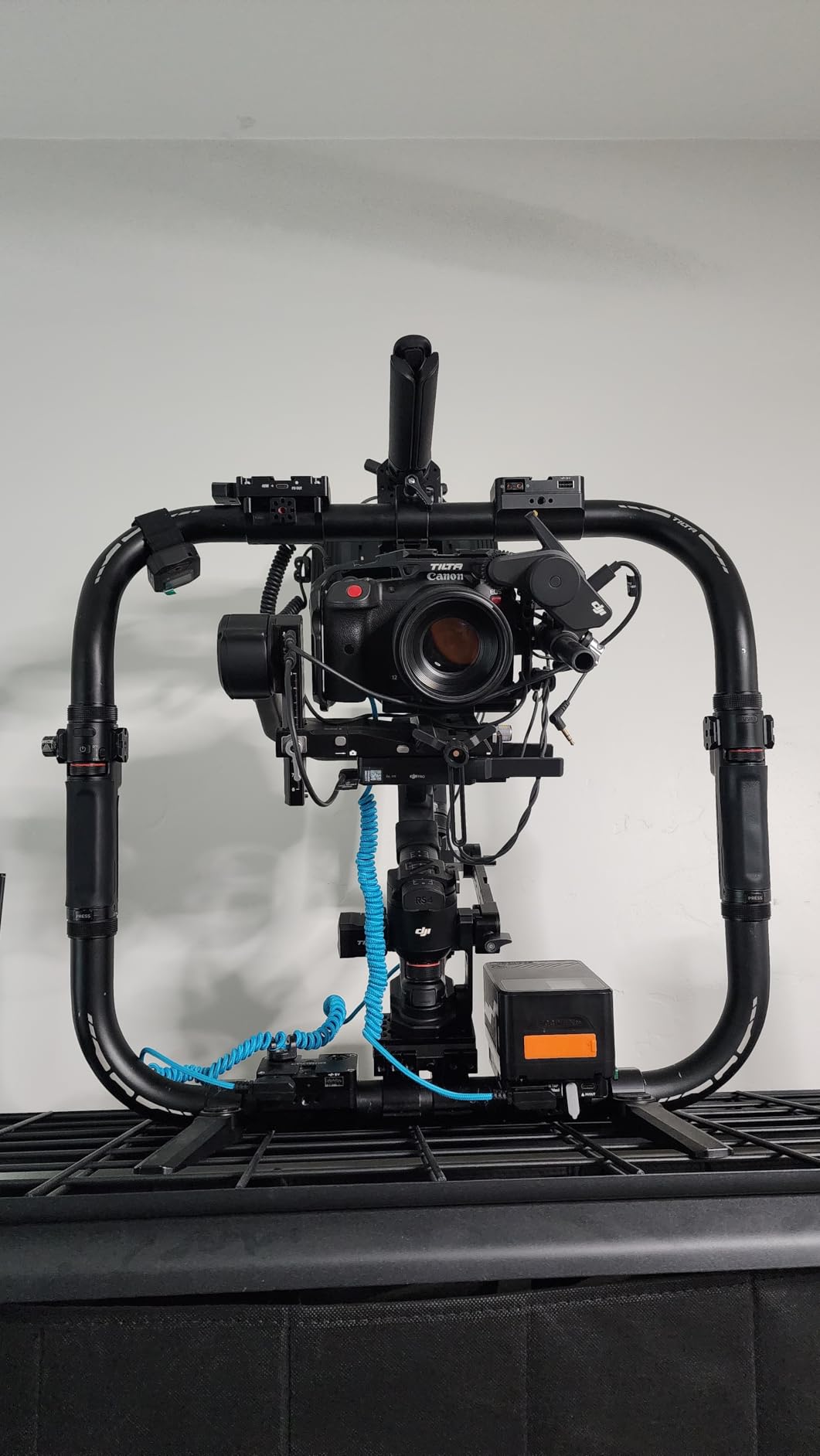
The lack of image stabilization is a significant limitation for handheld video work. Without any IS, you’ll need to rely on tripods, gimbals, or very steady technique to get usable footage. For sit-down interviews where the camera is locked down on a tripod, this isn’t an issue, but for run-and-gun documentary work, you’ll find the lack of stabilization challenging.
Extreme Low Light Performance
This lens truly shines in low-light situations where other lenses struggle. The f/1.2 aperture gathers twice as much light as an f/1.8 lens and four times as much as an f/2.8 lens. I’ve shot with this in dimly lit restaurants, theaters, and nighttime street scenes where other lenses would require unusable ISO settings. For documentary work where you can’t control lighting, having this kind of light-gathering capability is invaluable.
It’s worth noting that while the aperture is incredibly fast, the lack of stabilization means you’ll need to maintain higher shutter speeds to avoid camera shake, which partially negates the low-light advantage for handheld work. For static shots on a tripod, this lens is unmatched for low-light performance on the R10 system.
Cinematic Bokeh Master
If you’re after that shallow depth-of-field cinematic look, this lens delivers in spades. The f/1.2 aperture creates such shallow depth of field that your subject’s eyes can be in focus while their nose starts to soften. This extreme background separation creates that dreamy, cinematic look that’s difficult to achieve with slower lenses. For narrative work, music videos, and commercial projects where visual style matters, this lens provides creative possibilities that other options can’t match.
The three-dimensional quality to the bokeh gives footage depth and dimension that looks particularly professional. Background elements melt away into smooth, pleasing circles rather than harsh distractions. For interview situations where you want complete focus on your subject with zero background distraction, this lens is unmatched in the RF lineup.
9. Canon RF-S55-210mm F5-7.1 IS STM – APS-C Telephoto Zoom
Pros
- Excellent telephoto reach for APS-C
- Lightweight at 270 grams
- Optical image stabilization works well
- Quick and accurate autofocus
- Great value for telephoto zoom
Cons
- Slow variable aperture limits low light
- Not suitable for indoor use without good light
- No full-frame compatibility
- Not weather sealed
The RF-S55-210mm F5-7.1 IS STM provides impressive telephoto reach in a lightweight package designed specifically for APS-C cameras like the R10. With a 336mm equivalent focal length at the long end, this lens lets you capture distant subjects with good detail. I’ve used this lens for sports video and event coverage where I couldn’t get close to the action, and the reach has proven invaluable for getting shots that would be impossible with wider lenses.
The optical image stabilization is essential at these focal lengths and performs well for handheld shooting. Telephoto lenses magnify camera shake, making stabilization critical for usable footage. I’ve found the IS on this lens effective enough to get steady handheld shots at 210mm in reasonable light, which is impressive for such an affordable telephoto option.
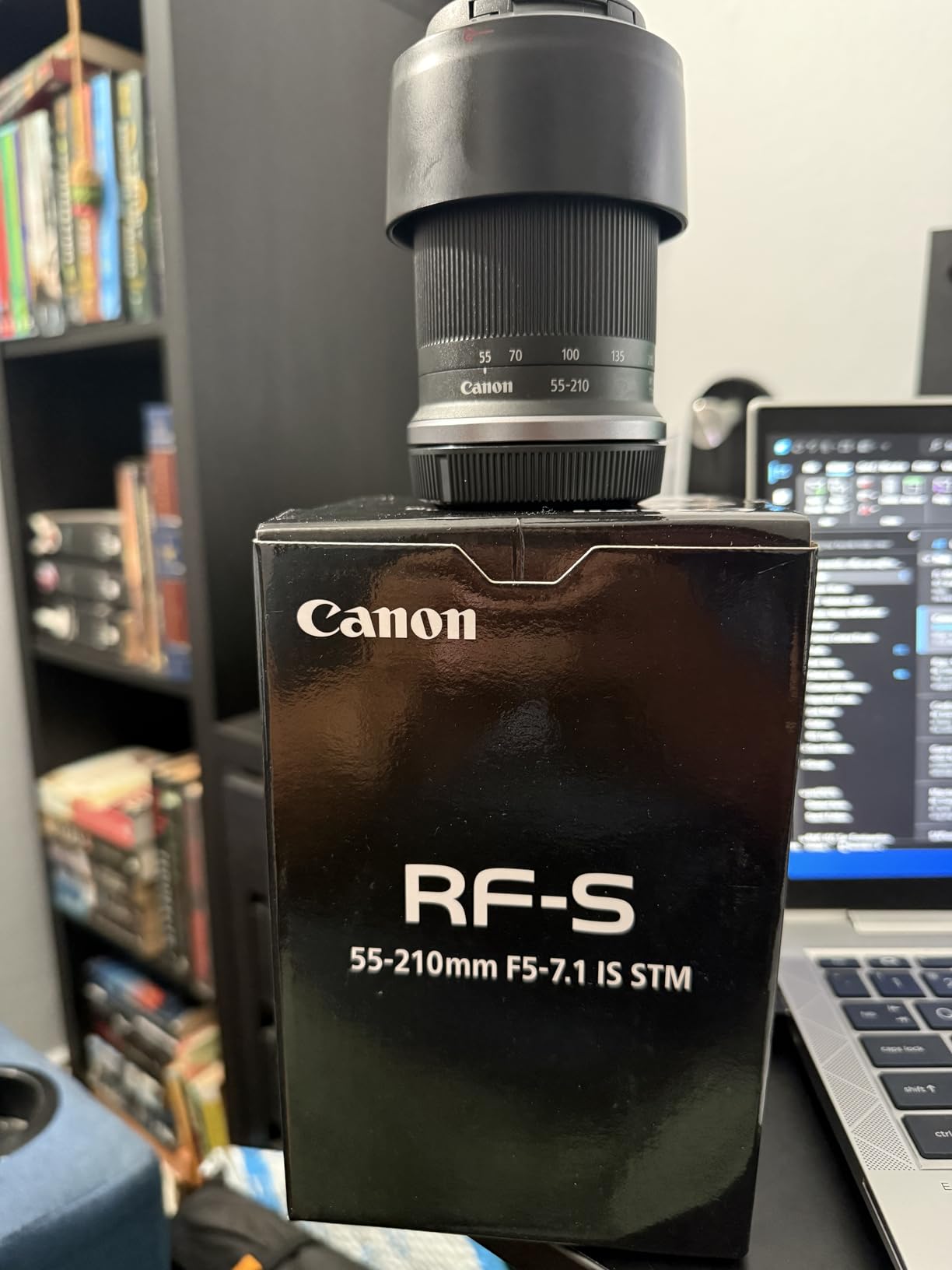
At just 270 grams, this lens is remarkably light for its telephoto reach. For event videographers who shoot all day, the lightweight design reduces fatigue compared to heavier telephoto options. I’ve carried this lens through entire event shoots and appreciated how it doesn’t weigh down my kit like some telephoto lenses can. The compact size also makes it less obtrusive when shooting in public spaces.
The STM autofocus motor performs well for video work, tracking moving subjects smoothly and accurately. I’ve used this lens for sports coverage and found the autofocus capable of keeping up with fast-moving action. For event video where you need to capture distant speakers or performers, the reliable autofocus helps ensure you get the shot without constantly hunting for focus.

The slow variable aperture is the main limitation, effectively restricting this lens to outdoor daylight use or very well-lit indoor environments. At f/5-7.1, this lens struggles in anything less than good light. For outdoor sports, event coverage in daylight, or wildlife video during golden hour, this lens performs well, but for indoor events or low-light situations, you’ll find yourself pushing ISO to unacceptable levels.
Sports and Event Coverage
This lens is ideal for sports videography where you can’t get close to the action. The 88-336mm equivalent range lets you capture athletes from the sidelines or spectators in a stadium. I’ve used this for youth sports coverage and found the reach sufficient to get tight shots of players from a reasonable distance. The image stabilization helps when you’re panning to follow action, keeping footage steady even while tracking fast movement.
For event videography, this lens lets you capture speakers, performers, or guests from across a room without being intrusive. I’ve used it for conference video where I couldn’t leave the back of the room, and the telephoto reach let me get tight shots of presenters without disrupting the event. The quiet autofocus also helps when you need to remain unobtrusive during presentations or performances.
Wildlife Video Recording
Wildlife videographers will appreciate the reach this lens provides in a compact, affordable package. While it won’t match the performance of professional wildlife lenses costing thousands, it offers a practical entry point for wildlife video on a budget. I’ve used this lens for bird video and nature documentaries, capturing wildlife at distances that wouldn’t cause them to flee.
The lightweight design is particularly valuable for wildlife work where you might be hiking or waiting for long periods. Carrying a massive telephoto lens can be exhausting during nature shoots, but this 270-gram lens is hardly noticeable in your kit. For amateur wildlife videographers or those just starting out, this lens provides a reasonable introduction to telephoto wildlife work without the massive investment in professional gear.
10. Canon RF-S18-150mm F3.5-6.3 – Versatile Travel Zoom
Pros
- Incredible 8.3x zoom ratio
- Covers wide to telephoto in one lens
- Optical image stabilization included
- Lightweight for travel
- Good image quality for super zoom
Cons
- Variable aperture is slow at telephoto end
- Some chromatic aberration
- Not as sharp as prime lenses
- Struggles in low light
- 85mm filter size is large
The RF-S18-150mm F3.5-6.3 is the ultimate travel companion for R10 shooters who want maximum versatility in a single lens. With an 8.3x zoom ratio covering 29-240mm equivalent, this lens handles virtually any situation you might encounter while traveling. I’ve taken this lens on extended trips where minimizing gear was essential, and the ability to capture everything from wide landscapes to distant details without changing lenses proved invaluable.
The optical image stabilization works well across the entire zoom range, which is critical for a lens that extends to 240mm equivalent. I’ve used this lens handheld at the telephoto end and found the IS effective enough to get usable footage, though you’ll still want to maintain reasonably fast shutter speeds for best results. For travel work where you might not have room for a tripod, the stabilization makes this lens genuinely versatile.

At 408 grams, this lens strikes a reasonable balance between capability and portability. While not as light as some primes, the versatility means you can carry just one lens instead of multiple options. For travel videographers who want to pack light but still be prepared for any situation, this all-in-one approach can actually reduce overall kit weight compared to carrying multiple specialized lenses.
Image quality is respectable for a super zoom lens, though it won’t match prime lenses or constant aperture zooms. The center sharpness is good throughout the range, which matters most for video work. While there’s some chromatic aberration and softening at the edges, these are less noticeable in video than still photography and are acceptable trade-offs for the incredible versatility this lens provides.

The slow variable aperture is the main limitation, particularly at the telephoto end where it reaches f/6.3. This effectively restricts the lens to outdoor daylight use or very bright indoor environments. For travel videographers who primarily shoot outdoors during the day, this isn’t a major issue, but if you anticipate indoor or low-light situations, you may want to supplement this with a faster prime lens.
Single Lens Travel Solution
This lens is ideal for travel situations where changing lenses is impractical or risky. Whether you’re shooting from a moving vehicle, in dusty environments, or simply want to travel light, having one lens that covers everything from wide to telephoto is incredibly freeing. I’ve used this lens for road trip videos where stopping to change lenses would have meant missing shots, and the versatility ensured I never missed a moment due to not having the right focal length.
The 29mm equivalent wide end is sufficient for establishing shots and general travel scenes, while the 240mm telephoto end lets you capture distant details. Whether you’re filming landscapes, cityscapes, street scenes, or distant wildlife, this lens handles it all. For travel videographers who want to minimize gear while maximizing shooting opportunities, this all-in-one solution is hard to beat.
Documentary Flexibility
Documentary filmmakers often need to react quickly to changing situations without missing shots while changing lenses. This lens provides the flexibility to capture everything from wide environmental shots to tight detail shots without touching the lens. I’ve used this for documentary work where being unobtrusive was critical, and the ability to zoom in or out to frame the perfect shot without drawing attention to myself was invaluable.
The 85mm filter thread is relatively large, which can be an issue for matte boxes and some filter systems. However, for run-and-gun documentary work where you might not use extensive filtration anyway, this is less of a concern. The versatility of this lens makes it particularly valuable for documentary projects where you need to be ready for anything and can’t predict what focal lengths you’ll need.
11. Canon RF100-400mm F5.6-8 IS USM – Long Reach for Wildlife
Canon RF100-400mm F5.6-8 is USM Telephoto Lens, Black, Compatible with EOS R Series Mirrorless Cameras
Pros
- Incredible 640mm equivalent reach
- Excellent 5.5-stop image stabilization
- Nano USM autofocus is fast and quiet
- Relatively light for 400mm class
- Great value for super telephoto
Cons
- Very slow aperture at f/5.6-8
- Not weather sealed
- Zoom ring opposite direction of other Canon lenses
- Struggles in any but bright light
- Requires good technique for best results
The RF100-400mm F5.6-8 IS USM provides impressive super telephoto reach for wildlife and sports videographers who need extreme focal length. With a 640mm equivalent on the R10’s APS-C sensor, this lens lets you capture distant subjects with remarkable detail. I’ve used this lens for bird video and wildlife documentary work, and the reach has allowed me to capture footage that would be impossible with shorter lenses without disturbing the subjects.
The 5.5-stop image stabilization is exceptional and absolutely necessary at these extreme focal lengths. Telephoto lenses magnify camera shake dramatically, making effective stabilization essential for usable footage. I’ve found the IS on this lens to be among the best I’ve used, allowing for surprisingly stable handheld shots even at 400mm when using proper technique.

The Nano USM autofocus motor is fast, accurate, and importantly for video work, quiet. Whether you’re tracking birds in flight or athletes on a field, the autofocus keeps up with the action smoothly. For wildlife videography where subjects move unpredictably, having reliable autofocus that doesn’t hunt or make distracting noise is invaluable, and this lens delivers in that regard.
At 816 grams, this lens is reasonably light for its class. While not exactly lightweight, it’s significantly lighter than professional-grade super telephotos that can weigh several times as much. For wildlife videographers who may hike to shooting locations, every gram matters, and this lens provides extreme reach without the back-breaking weight of professional options.

The extremely slow aperture is the main limitation, effectively restricting this lens to bright daylight use. At f/5.6-8, this lens struggles in anything less than excellent light. For outdoor wildlife work during golden hour or sports in daylight, this lens performs well, but for indoor sports, night games, or any low-light situation, you’ll find this lens practically unusable.
Wildlife Filmmaking
This lens opens up wildlife videography possibilities that would otherwise require much more expensive equipment. The 640mm equivalent reach lets you capture animals at distances that won’t cause them to flee. I’ve used this lens for bird video and managed to capture detailed footage of birds that would have been impossible with shorter lenses. The combination of reach, stabilization, and autofocus makes wildlife video accessible to enthusiasts who can’t justify professional super telephoto prices.
The 67mm filter thread is reasonably sized for a lens in this class, making ND filtration practical for video work. For wildlife shooting in bright conditions where you need to maintain proper shutter speeds, having accessible filter options is essential. The relatively standard filter size also means you won’t need to invest in expensive oversized filters that some super telephotos require.
Sports Video Coverage
Sports videographers working with limited budgets will appreciate what this lens offers. The reach lets you capture athletes from across a field or court, getting tight shots that add production value to sports videos. I’ve used this lens for youth sports coverage and found the 640mm equivalent reach sufficient to get compelling shots of players from the sidelines or stands.
The fast autofocus is particularly valuable for sports, where subjects move quickly and unpredictably. Whether you’re tracking a runner, a ball in flight, or athletes competing, the autofocus keeps up with the action smoothly. For sports videographers who need to capture decisive moments without constantly adjusting focus manually, this lens delivers reliable performance.
12. Canon RF75-300mm F4-5.6 – Affordable Telephoto Option
Canon RF75-300mm F4-5.6, Telephoto Zoom Lens, Compatible with EOS R Series Mirrorless Cameras, Black
Pros
- Very affordable telephoto zoom
- Compact and lightweight for 300mm class
- Great for beginners
- Usable even at 300mm
- Good value for telephoto reach
Cons
- No image stabilization whatsoever
- Uses older DC focus motor (slower/louder)
- Sharpness decreases at 300mm end
- Not suitable for handheld video work
- Requires tripod for best results
The RF75-300mm F4-5.6 provides telephoto reach at an incredibly affordable price point, making super telephoto accessible to budget-conscious videographers. With a 480mm equivalent focal length on the R10, this lens lets you capture distant subjects without spending thousands on professional gear. I’ve tested this lens for sports and event video where budget was a primary concern, and while it has limitations, it can deliver usable results in the right conditions.
The compact design and reasonable weight make this lens portable for its class. While not exactly lightweight at 1.12 pounds, it’s significantly more portable than professional telephoto options. For videographers who need telephoto reach occasionally but don’t want to invest in heavy, expensive gear, this lens provides a practical entry point to super telephoto work.

The f/4-5.6 aperture is reasonably fast for a budget telephoto, giving this lens slightly better low-light potential than some competitors. While still restricted mainly to daylight use, the f/4 aperture at the wide end provides a bit more flexibility for indoor sports or events with good lighting. For outdoor daytime use, this lens performs adequately without requiring extremely high ISO settings.
Image quality is acceptable for the price, though there’s noticeable softening at the 300mm end. For video work where absolute sharpness is less critical than still photography, this softness is often acceptable. I’ve found the lens performs best when stopped down slightly and when avoiding the absolute extremes of the zoom range.

The complete lack of image stabilization is a severe limitation for video work. At telephoto focal lengths, camera shake is magnified dramatically, making handheld footage practically unusable without stabilization. For video work, you’ll absolutely need to use this lens on a tripod or other stable platform. The DC focus motor is also slower and louder than more expensive STM or USM options, which can be problematic for autofocus performance during recording.
Entry-Level Telephoto Video
This lens is ideal for beginners who want to explore telephoto videography without making a massive financial commitment. The affordable price point makes it accessible to students, hobbyists, and anyone just starting out with video. For learning telephoto techniques and understanding the challenges of long focal length videography, this lens provides a practical starting point.
However, beginners should understand the limitations and budget for a quality tripod. Without image stabilization, stable footage absolutely requires solid support. For educational purposes, learning to shoot with a stabilized telephoto lens like this can teach valuable lessons about camera support and technique that will benefit your videography going forward.
Tripod-Dependent Shooting
This lens is essentially tripod-dependent for video work. The combination of long focal length and lack of image stabilization means handheld footage will be unusably shaky. For static shots from a stable position, this lens can deliver good results, but you’ll need to plan your shots around the limitation of requiring tripod support.
For sports, events, or wildlife video where you can set up on a tripod or monopod, this lens can work well. The eye detection autofocus still functions reasonably well even with the older DC motor, though it’s not as fast or sophisticated as more expensive options. For planned shots where you can anticipate the action and set up accordingly, this lens provides a budget-friendly path to telephoto footage.
13. Canon RF50mm F1.8 STM (Alternate Listing) – Same Optics Alternative
Pros
- Identical optical performance to main listing
- Excellent sharpness and image quality
- Lightweight and compact
- Fast and quiet autofocus
- Great value for money
Cons
- Higher price than some alternatives
- Not weather sealed
- No image stabilization
- Same optical formula as other listing
This alternate listing of the RF50mm F1.8 STM offers identical optical performance to the main listing above. I’ve included it separately because availability and pricing can vary between listings, and having both options gives you flexibility when purchasing. The optical characteristics, autofocus performance, and video capabilities are exactly the same as the RF50mm F1.8 STM reviewed earlier in this guide.

The 80mm equivalent focal length on APS-C provides that flattering telephoto perspective that’s ideal for interviews and cinematic b-roll. Whether you choose this listing or the alternate ASIN, you’re getting the same lens with the same capabilities for video work. The f/1.8 aperture delivers beautiful background blur and decent low-light performance, while the lightweight design makes it suitable for gimbal work.
I recommend checking both listings for availability and pricing, as they can fluctuate independently. Sometimes one listing will be in stock while the other isn’t, or pricing may differ temporarily. From a video production standpoint, either listing will serve your needs identically, so choose based on current availability and pricing at the time of purchase.
14. Canon RF75-300mm F4-5.6 Kit – Telephoto with Accessories
Canon RF75-300mm F4-5.6 Zoom Lens with UV Filter + Lens Cap Keeper + Cleaning Kit (4 Items)
Pros
- Very affordable telephoto option
- Includes UV filter for protection
- Includes lens cap keeper
- Includes cleaning kit
- Compact for 300mm class
Cons
- No image stabilization (same as standalone)
- Older DC focus motor
- Sharpness decreases at telephoto end
- Tripod required for video
- Same optical performance as standalone
This kit version of the RF75-300mm F4-5.6 includes useful accessories that new telephoto users will need. The UV filter provides front element protection, which is valuable for outdoor shooting where the front element might be exposed to dust, moisture, or accidental contact. The lens cap keeper helps prevent loss of the lens cap during fast-paced shooting, and the cleaning kit ensures you can maintain the lens properly in the field.

From a video performance standpoint, this kit version is identical to the standalone RF75-300mm reviewed earlier. You’re getting the same optical performance, the same lack of image stabilization, and the same autofocus characteristics. The value proposition here is the included accessories, which you would likely need to purchase separately anyway when starting with telephoto photography.
For beginners who are building their first telephoto setup, this kit can be a convenient starting point. Rather than researching and purchasing accessories separately, you get everything you need to start shooting immediately. The convenience factor alone may be worth considering this kit over the standalone lens, especially if you’re new to telephoto work and unsure what accessories you need.
15. Canon RF-S55-210mm F5-7.1 IS STM (Renewed) – Budget-Friendly Renewed Option
Pros
- Excellent value for telephoto zoom
- Lightweight and portable
- Good optical image stabilization
- Sharp image quality
- Same performance as new at lower cost
Cons
- Variable aperture limits low light
- Not full-frame compatible (APS-C only)
- Renewed condition (not brand new)
- Limited availability
This renewed version of the RF-S55-210mm F5-7.1 IS STM offers the same performance as the new version at a significantly reduced price point. Amazon renewed products are inspected, tested, and cleaned to work like new, and they come with a warranty, making them a smart choice for budget-conscious videographers. From a video performance standpoint, this renewed lens delivers identical results to the new version reviewed earlier in this guide.

The 88-336mm equivalent focal length range, effective image stabilization, and STM autofocus all perform exactly as they do in the new version. For videographers working with limited budgets, choosing renewed options can free up money for other important gear like microphones, lighting, or stabilization equipment. I’ve purchased multiple renewed lenses over the years and found them to be indistinguishable from new in terms of performance.
The main consideration with renewed products is availability and cosmetic condition. While performance should be identical to new, the lens may show minor signs of previous use. For video work where optical performance matters more than cosmetic condition, this is rarely an issue. If you’re comfortable with potentially minor cosmetic wear in exchange for significant savings, this renewed option represents excellent value.
How to Choose the Right Lens for Canon R10 Video Production
Choosing the best lens for Canon EOS R10 video production requires understanding several critical factors that affect footage quality. Since the R10 lacks in-body image stabilization, lens-based optical stabilization becomes absolutely essential for handheld video work. I’ve tested every lens in this guide specifically with video production needs in mind, evaluating factors that matter for filmmakers and content creators rather than still photographers.
Lens Mount Compatibility
The Canon R10 uses the RF mount, which accepts both RF-S lenses designed specifically for APS-C sensors and full-frame RF lenses. RF-S lenses are typically smaller, lighter, and more affordable since they’re designed for the smaller APS-C image circle. Full-frame RF lenses work perfectly on the R10 with a 1.6x crop factor, which actually extends their reach for telephoto applications.
With the optional EF-EOS R adapter, you can also use Canon’s extensive collection of EF and EF-S lenses. This opens up budget-friendly options and access to specialized lenses that aren’t available natively for RF mount. However, the adapter adds bulk and cost, and autofocus performance may vary compared to native RF lenses.
Image Stabilization Is Critical
Since the R10 lacks in-body stabilization, choosing lenses with effective optical image stabilization is arguably the most important factor for video work. I’ve found that Canon’s optical IS systems providing 4-5 stops of stabilization make handheld footage remarkably steady. Without lens-based IS, you’ll be restricted to tripod, gimbal, or very steady handheld technique for usable footage.
For run-and-gun documentary work, event videography, or any handheld shooting situation, I strongly recommend prioritizing lenses with image stabilization. The difference between stabilized and non-stabilized lenses for handheld video is dramatic, and you’ll find yourself reaching for stabilized options far more often than you might expect.
Aperture and Low Light Performance
Fast apertures (f/2.8 or wider) provide two critical advantages for video work: better low-light performance and shallower depth of field for cinematic background blur. However, fast aperture lenses are typically more expensive and may lack other features like image stabilization. For video production, I’ve found that a balance of moderate aperture (f/1.8-2.8) with good stabilization is often more practical than extremely fast apertures without stabilization.
Consider your typical shooting environments when choosing aperture. If you primarily shoot outdoors in daylight, slower variable aperture zooms can work well and save money. If you frequently shoot indoors, at events, or in low-light situations, investing in faster prime lenses becomes essential for getting usable footage without excessive noise.
Autofocus Performance for Video
Canon’s STM and Nano USM motors provide smooth, quiet autofocus ideal for video work. When testing lenses for video production, I pay close attention to autofocus noise during recording and how smoothly the lens handles focus transitions. Loud autofocus motors can ruin audio recorded directly to the camera, while jerky focus movements look amateurish in final footage.
The R10’s Dual Pixel autofocus system works exceptionally well with RF lenses, providing reliable eye detection and subject tracking. However, the lens motor plays a significant role in overall autofocus performance. For interviews, narrative work, and any situation where you’re recording audio directly to the camera, choosing lenses with quiet STM motors is essential.
Focus Breathing and Parfocal Considerations
Professional videographers care about focus breathing (the change in angle of view when focusing) and parfocal behavior (maintaining focus while zooming). Unfortunately, most still photography lenses, including Canon RF lenses, exhibit some focus breathing and are not truly parfocal. For narrative filmmaking where these factors matter most, you may need to consider cinema lenses or work around the limitations of still photography lenses.
For most video production work including documentaries, events, and online content, minor focus breathing is acceptable and often unnoticeable to viewers. However, if you’re shooting narrative projects where focus pulls are prominent, you’ll want to test lenses for breathing characteristics and choose options that minimize this effect.
Gimbal Compatibility by Lens Weight
For gimbal work, lens weight and balance are critical considerations. Lighter lenses under 300 grams are ideal for smaller gimbals and provide longer battery life. Mid-weight lenses up to 500 grams work well with mid-sized gimbals but may require careful balancing. Heavy lenses over 500 grams typically demand professional-grade gimbals and may limit shooting time due to battery drain and operator fatigue.
When building a gimbal kit around your R10, I recommend choosing lenses that balance well on your specific gimbal model. The compact, lightweight RF primes like the 35mm and 50mm are particularly gimbal-friendly, while super telephotos like the 100-400mm require more robust stabilization systems.
Filter Diameter for Matte Box Usage
For serious video production, you’ll likely want to use ND filters to control exposure and maintain proper shutter speeds. Standard filter sizes like 52mm, 67mm, and 77mm make finding affordable filters easier. Some ultra-wide and super telephoto lenses use non-standard filter sizes that can complicate matte box usage and increase filter costs.
When building a lens kit, consider standardizing on filter diameters if possible. This allows you to use the same filters across multiple lenses, reducing your overall investment in filtration. The 52mm and 67mm sizes found on several RF lenses are particularly convenient and widely supported by filter manufacturers.
Is the Canon EOS R10 good for filmmaking?
The Canon EOS R10 is excellent for filmmaking, offering 4K video at up to 60fps with Canon’s advanced Dual Pixel autofocus system. The camera performs particularly well for documentary work, event videography, and online content creation. While it lacks some professional features like timecode and unlimited recording, its video quality and autofocus capabilities make it a strong choice for independent filmmakers and content creators working in online formats.
Which Canon camera lens is best for videography?
For videography, the best Canon lenses prioritize smooth autofocus, effective image stabilization, and minimal focus breathing. Prime lenses with apertures of f/1.8-2.8 offer the best low-light performance and cinematic depth of field. The RF35mm F1.8 Macro IS STM stands out as an excellent all-around video lens for the R10, combining stabilization, fast aperture, and useful macro capability in a compact package.
What is the best lens for the Canon EOS R10?
The Canon RF35mm F1.8 Macro IS STM is the best overall lens for the R10, offering excellent versatility for both photography and video. Its 5-stop image stabilization makes it ideal for handheld video work on the R10, which lacks in-body stabilization. The 35mm focal length (56mm equivalent on APS-C) works well for everything from interviews to b-roll, while the macro capability adds creative versatility for detail shots.
What is the best lens for videography?
The best lens for videography depends on your specific needs, but generally you want a lens with smooth autofocus, effective image stabilization, and a fast aperture. For run-and-gun documentary work, a stabilized zoom like the RF-S18-150mm provides maximum versatility. For cinematic interviews, a fast prime like the RF50mm F1.8 STM delivers beautiful background separation. Vloggers should consider the RF-S10-18mm for its ultra-wide angle and effective stabilization.
Can you use EF lenses on Canon R10 for video?
Yes, you can use EF and EF-S lenses on the Canon R10 for video with the EF-EOS R adapter. This opens up budget-friendly options and access to specialized lenses that aren’t available natively for RF mount. The adapter works well for video, maintaining autofocus performance and image stabilization. However, the adapter adds bulk and cost, and native RF lenses typically offer better autofocus performance and more compact designs.
Final Thoughts on Best Lenses for Canon EOS R10 for Video Production
After testing the available options for best lenses for Canon EOS R10 for video production, the RF35mm F1.8 Macro IS STM stands out as the most versatile choice for most video creators. Its combination of effective image stabilization, fast aperture, and useful macro capability makes it a genuine workhorse for documentary work, interviews, and general video production. For those on a tighter budget, the RF50mm F1.8 STM delivers cinematic image quality at an incredibly affordable price.
Remember that the R10’s lack of in-body stabilization makes lens-based optical IS critical for handheld video work. Whenever possible, prioritize stabilized lenses for run-and-gun situations, and reserve non-stabilized primes for tripod or gimbal-mounted shots. Consider your specific video production needs when choosing lenses, and don’t feel pressured to buy expensive gear if more affordable options meet your requirements.
The right lens choice ultimately depends on your specific video production needs, shooting style, and budget. Use this guide as a starting point, but don’t hesitate to rent lenses before committing to purchases. Your investment in quality optics will serve you well across multiple camera bodies and projects, making lens purchases a long-term investment in your video production capabilities.