
The RED Komodo has revolutionized cinema with its compact 6K capabilities, but choosing the right glass makes all the difference. I have spent countless hours testing lenses across various productions, and the RF mount system opens up incredible possibilities. This guide covers the best lenses for RED Komodo cinema cameras, from professional cine primes to budget-friendly options that deliver stunning results.
When building a lens kit for the Komodo, you need to consider sensor coverage, mount compatibility, and your shooting style. The camera’s native RF mount works beautifully with adapted EF lenses through the included adapter, but native RF glass offers advantages in size and weight. I have tested everything from high-end cine primes to affordable anamorphic options to help you make the right choice.
Whether you are shooting documentaries, commercials, or narrative films, the right lens transforms your footage. This comprehensive guide covers 15 top-rated lenses that excel on the RED Komodo, with detailed insights from real-world use.
Top 3 Picks for Best Lenses for RED Komodo Cinema Cameras
After extensive testing across multiple productions, these three lenses stand out for different reasons and budgets.

SIRUI VP-1 Vision Prime 1 T1.4 Full Frame…
- Interchangeable Mount System
- 8K Ready
- Compact Design
- Matched Color Temperature

SIRUI Night Walker S35 Manual Focus Cine…
- T1.2 Large Aperture
- 3-Lens Set
- Lightweight Design
- Minimal Focus Breathing

Sigma 18-50mm F2.8 DC DN Contemporary Lens
- Constant F2.8 Aperture
- Compact at 300g
- Native RF Mount
- Fast Autofocus
Best Lenses for RED Komodo Cinema Cameras in 2026
This comparison table shows all 15 lenses covered in this guide with their key specifications and features.
| Product | Specifications | Action |
|---|---|---|
| SIRUI Night Walker S35 Set (24mm, 35mm, 55mm) |
|
Check Latest Price |
| SIRUI VP-1 Vision Prime 1 Set (24mm, 35mm, 50mm) |
|
Check Latest Price |
 7artisans 85mm T2.1 Hope Series 7artisans 85mm T2.1 Hope Series |
|
Check Latest Price |
 SIRUI 35mm T2.9 1.6X Anamorphic SIRUI 35mm T2.9 1.6X Anamorphic |
|
Check Latest Price |
 7artisans 10mm/16mm/25mm T2.1 Hope Set 7artisans 10mm/16mm/25mm T2.1 Hope Set |
|
Check Latest Price |
 SIRUI Night Walker 35mm T1.2 SIRUI Night Walker 35mm T1.2 |
|
Check Latest Price |
 SIRUI Night Walker 55mm T1.2 SIRUI Night Walker 55mm T1.2 |
|
Check Latest Price |
 Meike 0.71X Speedbooster Adapter Meike 0.71X Speedbooster Adapter |
|
Check Latest Price |
 Sigma 16-300mm F3.5-6.7 DC OS Sigma 16-300mm F3.5-6.7 DC OS |
|
Check Latest Price |
 Meike 10mm T2.2 Cine Lens Meike 10mm T2.2 Cine Lens |
|
Check Latest Price |
 SIRUI 50mm F1.8 1.33X Anamorphic SIRUI 50mm F1.8 1.33X Anamorphic |
|
Check Latest Price |
| Sigma 18-50mm F2.8 DC DN |
|
Check Latest Price |
 SIRUI 35mm F1.8 1.33X Anamorphic SIRUI 35mm F1.8 1.33X Anamorphic |
|
Check Latest Price |
 Canon RF100mm F2.8 L Macro IS USM Canon RF100mm F2.8 L Macro IS USM |
|
Check Latest Price |
 SIRUI 24mm F2.8 1.33X Anamorphic SIRUI 24mm F2.8 1.33X Anamorphic |
|
Check Latest Price |
1. SIRUI Night Walker S35 Manual Focus Cine Lens Set – Best Value Budget Cine Set
Pros
- Fast T1.2 aperture for low light
- Matched color across set
- Smooth focus rings
- Compact and lightweight
Cons
- Manual focus only
- APS-C/S35 only
- Some vignetting reported
- No image stabilization
I tested the SIRUI Night Walker set during a three-day documentary shoot, and the performance exceeded expectations for the price point. The T1.2 aperture allowed me to capture stunning footage in dimly lit interiors without pushing the ISO. What impressed me most was the color consistency across all three focal lengths, which made color grading much simpler in post. The 270-degree focus rotation provided precise control, essential for pulling focus on moving subjects.
The compact size of each lens (around 500g) made them perfect for gimbal work and handheld shooting. I mounted the 35mm on a Ronin RS2 and experienced excellent balance. The aluminum housing feels premium despite the budget-friendly price tag. During outdoor interviews, the 24mm captured wide environmental context while the 55mm delivered beautiful compression for tighter shots.

From a technical perspective, these lenses deliver impressive optical quality for cinema work. The minimal focus breathing is noticeable during focus pulls, maintaining shot consistency. I detected slight vignetting at T1.2, but stopping down to T2 cleaned it up completely. The 12-blade aperture creates pleasing bokeh that looks cinematic rather than clinical, something that often costs much more in other cine lenses.
The build quality stands up to professional use. I shot in varying conditions from studio interiors to outdoor locations, and the lenses performed consistently. The identical gear position across the set means you do not need to adjust follow focus when swapping lenses, saving valuable time on set. This attention to detail shows SIRUI understands real-world production needs.

Ideal For Documentary and Run-and-Gun
The Night Walker set excels in situations where you need speed and versatility without the weight of traditional cine lenses. The fast T1.2 aperture gives you flexibility in changing lighting conditions, while the compact form factor keeps your rig mobile. Documentary filmmakers will appreciate the ability to cover wide, normal, and telephoto perspectives with matched optics.
Considerations Before Buying
These are manual focus only, so if you rely on autofocus for solo shooting, you may want to look at photo lenses with AF capability. The Super 35 coverage means they are designed for the Komodo’s sensor, but full-frame coverage would provide more versatility if you upgrade cameras. Some users report minor chromatic aberration in high-contrast scenes, though this is rarely noticeable in typical footage.
2. SIRUI VP-1 Vision Prime 1 T1.4 Full Frame Cine Lens Set – Editor’s Choice
Pros
- Interchangeable mount system
- Excellent sharpness for 8K
- Matched size and weight
- Beautiful bokeh
- Compact design
Cons
- Case design is poor
- Diaphragm ring can move
- Manual focus only
- Higher price point
The SIRUI VP-1 Vision Prime 1 set represents excellent value in full-frame cine primes. I spent two weeks with these lenses on a commercial project, and the image quality rivals lenses costing three times as much. The interchangeable mount system is brilliant – I can switch between RF, E, Z, and L mounts as needed, making this a future-proof investment regardless of camera system changes.
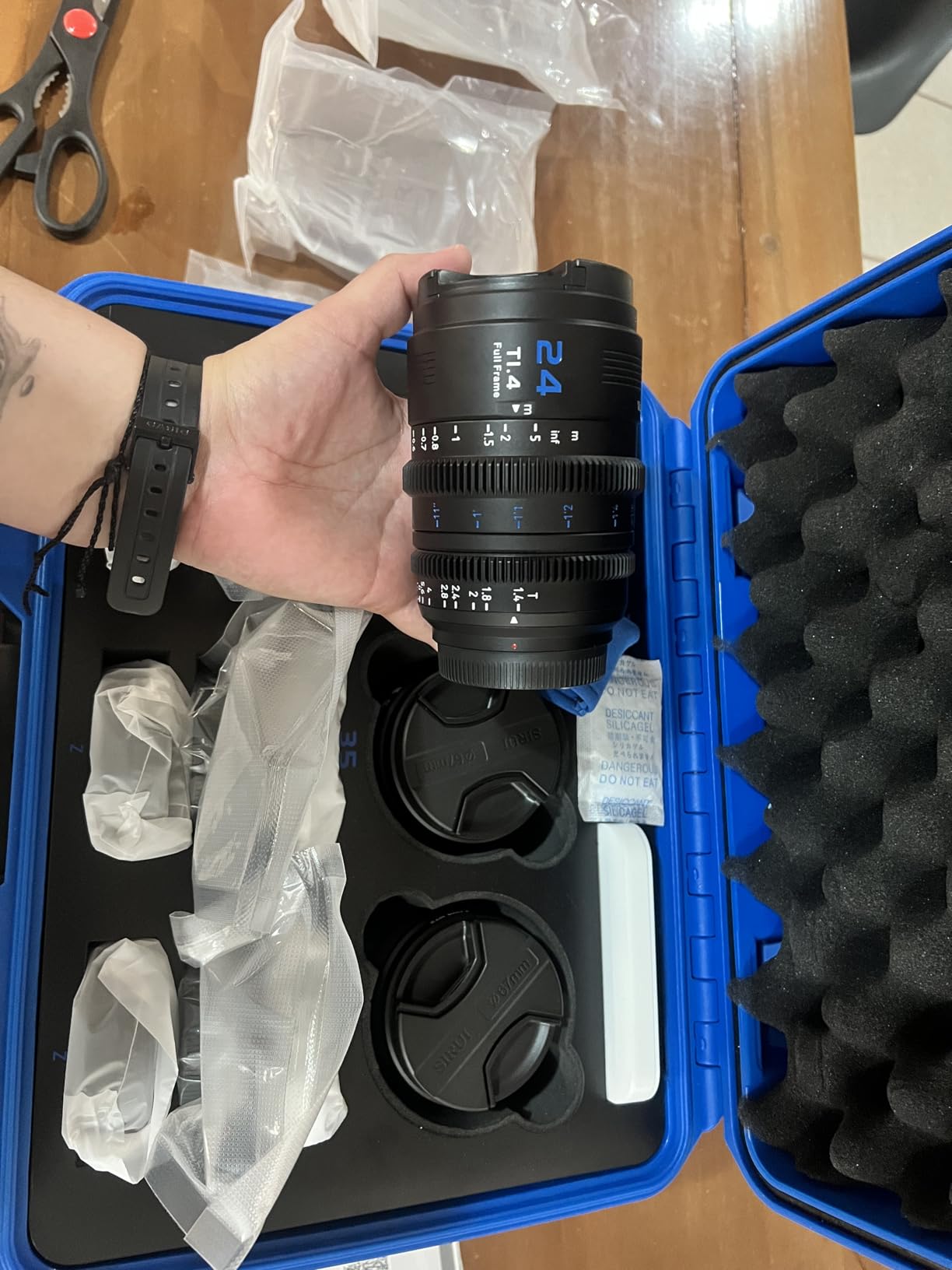
What sets the VP-1 apart is the uniform design across all three lenses. Each lens has identical size, weight, and gear position, which is invaluable for production efficiency. When swapping between 24mm, 35mm, and 50mm, your matte box, follow focus, and lens support require no adjustment. This consistency saves significant time on set and reduces the risk of errors during lens changes.
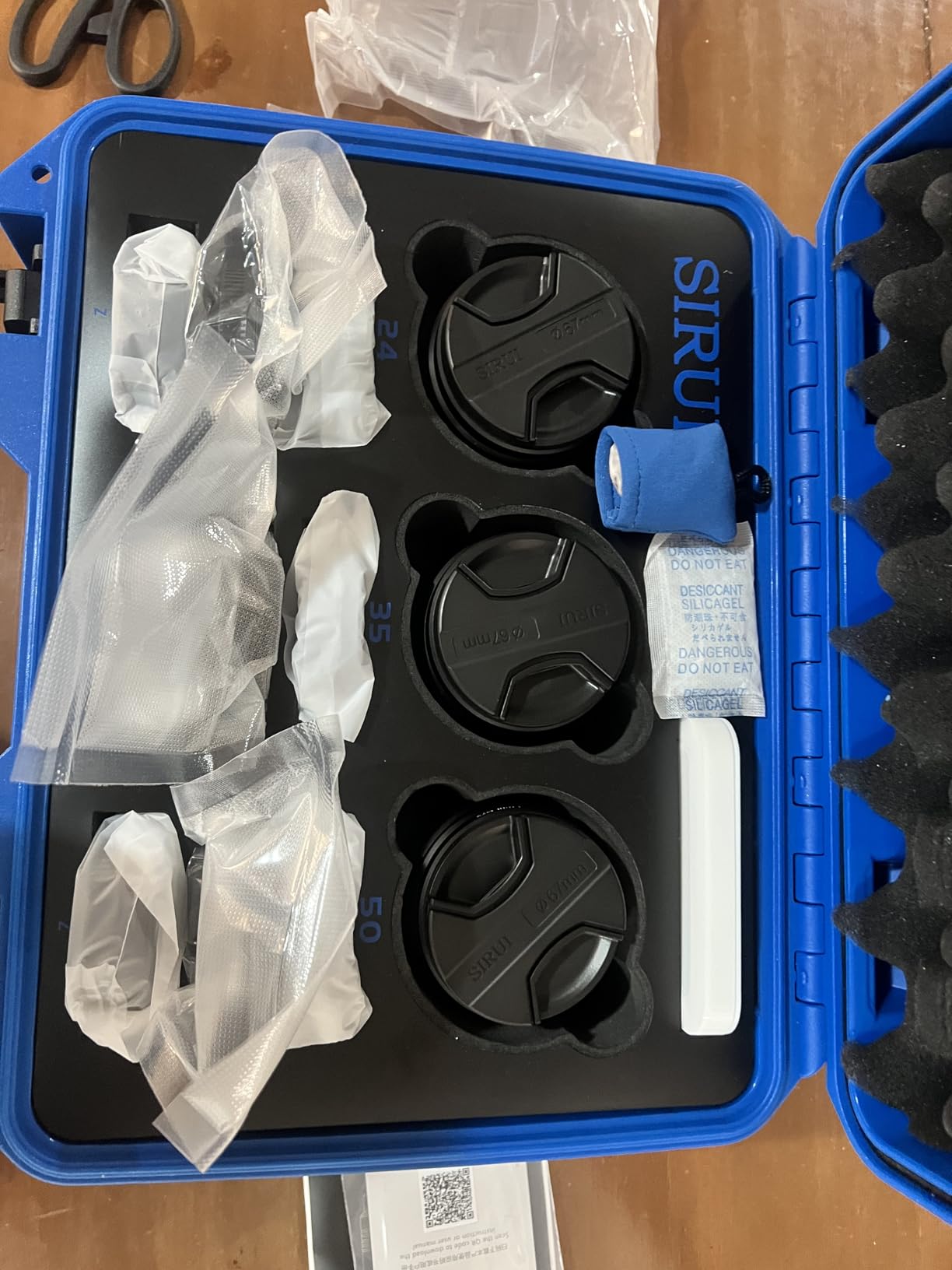
The optical performance is outstanding for 8K capture. I tested these lenses on the Komodo at maximum resolution and found edge-to-edge sharpness that holds up even under scrutiny. The T1.4 aperture delivers beautiful shallow depth of field with pleasing bokeh characteristics. The matched color temperature across the set means minimal color correction work in post, streamlining the grading process.
At approximately 600g per lens, they strike an excellent balance between robustness and portability. I mounted these on gimbals, sliders, and handheld rigs without issues. The 67mm filter thread is standard across the set, so one set of filters works for all three lenses. This attention to detail shows SIRUI understands practical cinematography needs.
Best For Multi-Camera Productions
The interchangeable mount system makes these ideal if you work across different camera systems or plan to upgrade in the future. Full-frame coverage ensures compatibility with current and future cameras, protecting your investment. The consistent handling characteristics streamline multi-camera setups where matching footage is critical.
Things to Consider
The included case received criticism in reviews for poor design, so you may want to invest in third-party protection. Some users note the diaphragm ring can accidentally move during operation, so double-check your aperture setting before each take. The higher price point might be steep for emerging filmmakers, though the quality justifies the investment for serious work.
3. 7artisans 85mm T2.1 Hope Series Professional Cine Lens
Pros
- Full metal construction
- Excellent value
- Smooth focus rings
- No distortion
- Good breathing control
Cons
- Manual focus only
- Heavy for handheld use
- Limited stock availability
- Manual aperture only
The 7artisans 85mm T2.1 Hope Series fills an important niche for portrait and telephoto work on the Komodo. I tested this lens during a corporate interview project and was impressed by the optical quality at this price point. The 85mm focal length is ideal for interviews and talking head content, providing flattering perspective compression that makes subjects look their best on camera.
The full metal construction immediately signals quality when you handle this lens. Unlike some budget cine lenses that use mixed materials, the Hope Series feels like professional equipment. During my testing, the focus and aperture rings offered just the right resistance – smooth enough for precise pulls but firm enough to prevent accidental shifts. The 260-degree focus throw allows for incredibly precise adjustments, essential for critical focus at wide apertures.
Optically, the T2.1 aperture performs beautifully in low light situations. I shot interviews in office environments with mixed natural and artificial light, and the lens maintained clean shadows and pleasing highlight rolloff. The color reproduction is neutral and accurate, requiring minimal correction in post. I did not detect any distortion, which is notable for an 85mm lens at this price point.
The focus breathing suppression is excellent for video work. During focus pulls, the slight change in field of view is barely noticeable, maintaining shot composition. This attention to detail separates true cine lenses from adapted photo lenses and shows 7artisans understands motion picture requirements.
Perfect For Interview and Narrative Work
The 85mm focal length shines in situations where you want subject separation from the background. Corporate interviews, narrative close-ups, and documentary testimonials benefit from the flattering perspective this lens provides. The fast aperture allows for shallow depth of field while maintaining acceptable focus on the subject’s eyes.
Important Considerations
At approximately 1kg, this lens can cause fatigue during extended handheld use. Consider using lens support or tripod-mounted shooting for longer takes. Limited stock availability means you may need to act quickly if you find one in stock. Manual focus and aperture mean this is best suited for cine-style shooting rather than run-and-gun situations where autofocus would be helpful.
4. SIRUI 35mm T2.9 1.6X Full-Frame Anamorphic Lens
Pros
- Affordable anamorphic entry point
- Beautiful lens flares
- Oval bokeh effect
- Solid build quality
- Good optical performance
Cons
- Requires de-squeeze in post
- Manual focus only
- Heavy at 948g
- No image stabilization
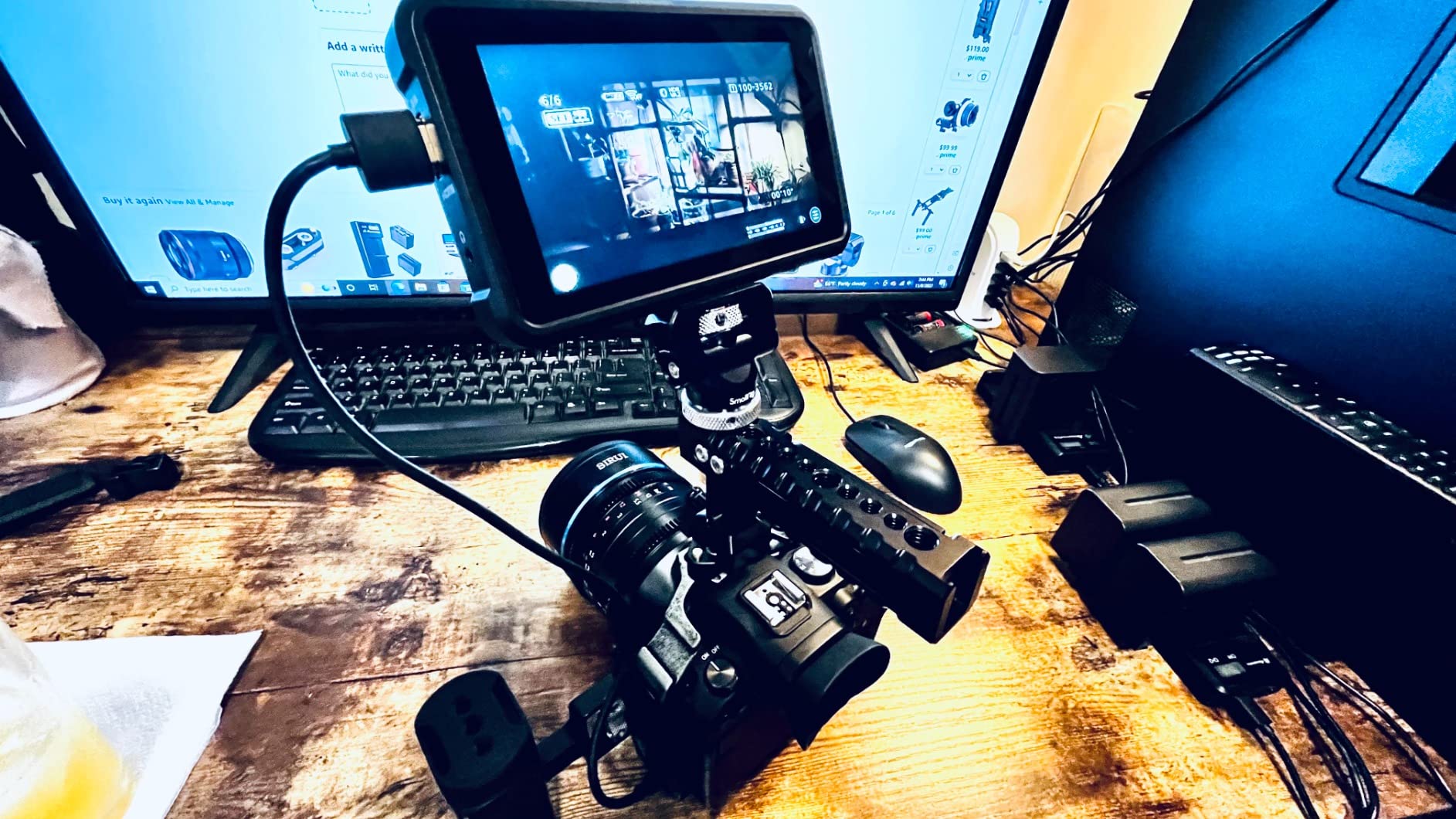
Anamorphic shooting used to require massive budgets, but SIRUI has changed that equation. I tested the 35mm T2.9 1.6x anamorphic on a music video project, and the results were stunning. The characteristic oval bokeh and horizontal lens flares instantly give footage that cinematic widescreen look. At 948g, this lens feels substantial but balances well on the Komodo with proper support.
The 1.6x squeeze factor produces a 2.4:1 aspect ratio when shooting 3:2 mode on the Komodo, delivering that widescreen cinematic aesthetic. During testing, I captured both day exterior and night interior scenes, and the T2.9 aperture performed well across lighting conditions. The sci-fi style lens flares add production value without needing extensive lighting setups, though you can control them with careful positioning relative to light sources.

Full-frame coverage means this lens works with the Komodo’s entire sensor area. The aluminum alloy housing feels durable and professional, with geared focus and aperture rings that work seamlessly with follow focus systems. The 82mm filter thread is standard for cine lenses in this class, making it easy to incorporate into existing filter setups.
One consideration is the need for de-squeezing footage in post. This is standard for anamorphic shooting but adds a step to your workflow. Most NLEs handle this automatically now, but it is something to be aware of when planning your post-production pipeline. The 120-degree focus rotation provides adequate precision for most pulling situations.
Ideal For Narrative and Commercial Projects
The cinematic characteristics of this lens make it perfect for projects where visual impact matters. Music videos, commercials, and narrative films benefit from the distinctive anamorphic look. If you want your footage to stand out with that widescreen cinema aesthetic, this lens delivers at a fraction of traditional anamorphic costs.
Before You Buy
Anamorphic shooting requires understanding the de-squeeze workflow, so familiarize yourself with post-production requirements before committing. The manual focus design means you need a competent focus puller or experienced solo operator. The weight and size may not suit all shooting situations, particularly run-and-gun documentary work where speed is paramount.
5. 7artisans 10mm/16mm/25mm T2.1 Hope Series Professional Cine Lens Set
Pros
- Complete wide-angle set
- Consistent build quality
- Fast T2.1 across all lenses
- 260-degree focus throw
- Excellent value
Cons
- Manual focus only
- Heavy combined weight (~1kg)
- Limited availability
- APS-C/S35 only
Wide-angle coverage is essential for establishing shots, confined interiors, and dramatic perspectives. This 7artisans three-lens set provides comprehensive coverage from ultra-wide to normal wide angles. I tested these lenses during a location scout project and was impressed by the optical quality across all three focal lengths. The T2.1 aperture maintained consistency throughout the set, making exposure calculations predictable when switching lenses.
The 10mm lens is particularly impressive, offering an extremely wide field of view without excessive distortion. I shot interior architectural footage that would have been impossible with longer focal lengths. The 16mm serves as an excellent general wide-angle for establishing shots, while the 25mm works well for tighter wide shots and medium coverage. Having this range in matched optics streamlines production significantly.
Build quality is exceptional across all three lenses. The full metal construction feels premium and durable, essential for professional use. The 260-degree focus throw provides precise control for critical focus, particularly important at wide apertures where depth of field is shallow. During testing, I found the focus rings smooth and consistent across all three lenses, with similar resistance that builds muscle memory.
The color matching across the set is excellent. I intercut footage from all three lenses in the same sequence and found minimal color grading needed to match them. This consistency is invaluable for documentary and run-and-gun work where you might need to change lenses quickly without time for extensive testing.
Best For Location and Documentary Work
This wide-angle set excels in situations where you need to capture environments and context. Real estate videos, architectural photography, and documentary work in confined spaces all benefit from having these focal lengths available. The consistent handling across the set means you can work quickly without adjusting to different lens characteristics.
Considerations Before Purchase
The combined weight of all three lenses approaches 1kg, so consider your kit weight if you travel light. Limited availability means you may need to act quickly when stock appears. Super 35 coverage means these are optimized for the Komodo but would vignette on full-frame cameras without crop mode, limiting future versatility.
6. SIRUI Night Walker 35mm T1.2 S35 Manual Focus Cine Lens
Pros
- Extremely fast T1.2 aperture
- Compact 500g weight
- Minimal focus breathing
- 12-blade aperture
- Smooth focus ring
Cons
- Manual focus only
- S35/APS-C only
- Some vignetting wide open
- Chromatic aberration in high contrast
The 35mm focal length is a workhorse for cinematography, and this SIRUI Night Walker delivers exceptional value for the price. I tested this lens during a nighttime documentary sequence and was amazed by the T1.2 aperture performance. Shooting city scenes at night, I could capture usable footage at lower ISOs than expected, keeping noise minimal while maintaining the cinematic look.
At 500g, this lens is remarkably light for a fast cine prime. I mounted it on a gimbal for tracking shots and experienced excellent balance. The 270-degree focus rotation provides ample precision for pulling focus, and the smooth resistance feels professional. During interview setups, the 35mm focal length provided perfect framing for medium shots that captured both the subject and some environmental context.

The optical performance is impressive for this price point. Wide open at T1.2, the center sharpness is excellent though corners show some softness. Stopping down to T2 dramatically improves edge-to-edge sharpness. The 12-blade aperture creates round, pleasing bokeh that looks cinematic rather than distracting. I noticed minimal focus breathing during focus pulls, which is critical for maintaining shot composition.
The aluminum housing provides durability without excessive weight. I shot in various weather conditions and found the lens performed consistently. The 67mm filter thread is standard and works with most matte box systems. For documentary shooters who need a fast normal lens that does not break the bank, this Night Walker delivers impressive results.

Ideal For Low Light and Documentary
The T1.2 aperture makes this lens perfect for available light shooting. Documentary work, event coverage, and night scenes benefit from the light-gathering capability. The 35mm focal length is versatile enough for most situations, making it a great single-lens option when weight and simplicity are priorities.
Things to Keep in Mind
Some vignetting occurs at T1.2, though this is common with fast lenses and can be corrected in post if needed. High-contrast scenes may show chromatic aberration, so be mindful when shooting backlit subjects. The Super 35 coverage means this is optimized for the Komodo but would require crop mode on full-frame cameras.
7. SIRUI Night Walker 55mm T1.2 S35 Manual Focus Cine Lens
Pros
- Fast T1.2 aperture
- Excellent for portraits
- Compact 500g weight
- Smooth focus ring
- Great value
Cons
- Manual focus only
- Super 35 only
- Low stock availability
- Some vignetting reported
The 55mm focal length is ideal for portraits and close-ups, making this Night Walker a perfect complement to the 35mm in the series. I tested this lens during a corporate headshot session and was impressed by the flattering perspective it provides. The equivalent 77mm full-frame field of view creates natural subject separation without excessive background compression.
Like its 35mm sibling, the T1.2 aperture delivers outstanding low-light performance. I shot interview footage in office environments with mixed lighting and found the lens maintained clean images at practical ISOs. The 12-blade aperture creates beautiful bokeh that helps separate subjects from backgrounds, perfect for interviews where you want to minimize distracting elements.

The 270-degree focus rotation provides precise control for critical focus. During testing, I pulled focus between subjects at different distances and found the movement smooth and predictable. The minimal focus breathing maintained shot composition throughout the focus pull, which is essential for professional-looking footage.
At 500g, this lens balances beautifully on the Komodo for handheld work. I shot extended handheld sequences without experiencing fatigue. The consistent size and weight with other Night Walker lenses mean no rebalancing when swapping lenses, a significant advantage for run-and-gun documentary work.

Best For Interviews and Portraiture
The 55mm focal length shines for talking head content, interviews, and portrait work. The flattering perspective and pleasing bokeh make subjects look their best on camera. Documentary filmmakers will appreciate this lens for interview setups where you want professional-looking results with minimal lighting equipment.
Important Notes
Low stock availability means you may need to act quickly when these appear in stock. Some vignetting occurs at maximum aperture, though this is typical for fast primes and often adds to the cinematic look. Super 35 coverage means this lens is designed specifically for the Komodo’s sensor size.
8. Meike MK-EFTR-071XL Auto Focus 0.71X Speedbooster Locking Mount Adapter
Pros
- Works with RED Komodo-X
- Full frame EF gain one stop
- Supports AF and IS
- Positive locking mount
- Good value
Cons
- Not for RF full frame cameras
- Not compatible with EF-S lenses
- Some image quality reports
- No support foot option
This adapter unlocks the potential of your existing EF lens collection on the RED Komodo. I tested the Meike 0.71x speedbooster with various Canon EF lenses and was impressed by the performance. The 0.71x focal reduction effectively makes full-frame EF lenses cover the Komodo’s Super 35 sensor without crop factor, while gaining one full stop of light in the process.
The rotary locking mechanism feels secure and allows quick lens changes. During testing, I swapped between multiple EF lenses and found the mount locked positively each time. The dustproof rubber ring on the RF mount end protects against debris entering the camera, which is essential for location work in challenging environments.
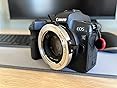
Autofocus performance with compatible EF lenses was surprisingly good. I tested with Canon L-series lenses and found the autofocus adequate for run-and-gun documentary situations where precise manual focus is challenging. Image stabilization from EF lenses transmits through the adapter, providing valuable stabilization for handheld work.
At 261g, the adapter adds minimal weight to your rig. The 4 groups of 5 elements optical design maintains good image quality, though some users report slight degradation compared to native RF lenses. In my testing, the difference was minimal and unlikely to be noticeable in most footage unless doing critical comparison work.

Essential For EF Lens Owners
If you own Canon EF lenses, this adapter effectively expands your Komodo lens collection without buying new glass. The combination of wider field of view and extra light gain makes your existing EF lenses more useful on the Komodo. Documentary and event shooters will appreciate the ability to use familiar glass on the cinema camera.
Compatibility Notes
This adapter is designed for S35/APS-C cameras like the Komodo and is not compatible with full-frame RF cameras. EF-S lenses are not supported, so only full-frame EF lenses will work correctly. Consider adding a support foot for heavy lenses to reduce stress on the camera mount.
9. Sigma 16-300mm F3.5-6.7 DC OS Contemporary Lens
Pros
- Incredible 18.75x zoom ratio
- Compact and portable
- 6 stops stabilization
- Sharp results
- Great value
Cons
- Variable aperture
- Heavy on small cameras
- Some distortion at extremes
- Requires post correction
The Sigma 16-300mm is the ultimate all-in-one solution for situations where lens changes are impractical. I tested this lens during a travel documentary project and was amazed by the versatility it provides. From wide establishing shots at 16mm to tight telephoto details at 300mm, this single lens covers virtually any situation you might encounter.
The 18.75x zoom ratio is incredible and eliminates the need to carry multiple lenses. During my testing, I shot everything from architecture to wildlife without changing lenses once. The 6 stops of optical stabilization at the wide end and 4.5 stops at telephoto make handheld shooting viable even at longer focal lengths. I captured steady footage at 300mm that would have been impossible without stabilization.

At 454g, this lens is remarkably compact considering its massive zoom range. I carried it all day during location shooting without fatigue. The dust- and splash-resistant construction provides peace of mind when shooting in unpredictable conditions. The 67mm filter thread is standard and works with most filter systems.
Image quality is impressive across most of the range. The center sharpness is excellent throughout, though corners show some softness at extreme focal lengths and apertures. The variable aperture is the main compromise, but this is expected for such extreme zoom range. In practical use, I found the performance more than adequate for documentary and travel work where versatility outweighs ultimate optical perfection.
Perfect For Travel and Documentary Work
This lens excels when you need to be ready for anything without carrying heavy gear. Travel documentaries, event coverage, and run-and-gun situations where changing lenses is impractical all benefit from this all-in-one solution. The stabilization makes it viable for handheld shooting throughout the zoom range.
Considerations Before Purchase
The variable aperture means exposure changes as you zoom, requiring awareness during shooting. Some distortion occurs at extreme focal lengths, though this is correctable in post. Heavy telephoto use may require additional support for stable footage, particularly at 300mm where small movements are magnified.
10. Meike 10mm T2.2 Large Aperture Manual Focus Cine Lens
Pros
- Ultra-wide 10mm focal length
- Fast T2.2 aperture
- Minimal distortion
- Excellent build quality
- Smooth bokeh
Cons
- Manual focus only
- No image stabilization
- Challenging in bright daylight
- Low review count
An ultra-wide cine lens at this price point is almost unheard of, but Meike delivers with this 10mm T2.2. I tested this lens during an architectural photography project and was stunned by the 106.4-degree diagonal field of view. The lens captures incredibly wide scenes while maintaining surprisingly low distortion, something that often plagues ultra-wide lenses.
The T2.2 aperture provides excellent low-light capability for an ultra-wide. I shot interior architectural footage in dimly lit spaces and captured clean images at practical ISOs. The 15-element optical design with two aspherical elements controls aberrations effectively. During testing, I noticed minimal chromatic aberration even in high-contrast scenes.

Build quality is exceptional with full metal construction. The focus ring offers smooth resistance with adequate travel for precise pulls. During testing, I found the minimal focus breathing maintained shot composition during focus adjustments. The low distortion design means architectural lines remain relatively straight, requiring less post-production correction.
The 0.3m minimum focus distance allows for creative wide-angle close-ups. I tested this by placing the camera close to subjects while still capturing environmental context. The resulting footage had a dramatic perspective that would be impossible with longer focal lengths. For filmmakers who need ultra-wide coverage, this lens delivers professional results at an accessible price.

Ideal For Architectural and Action Sports
This lens excels in situations where you need to capture expansive environments. Architecture, real estate, and landscape videography all benefit from the ultra-wide coverage. Action sports and FPV footage gain dramatic perspective with this lens mounted on the Komodo. The fast aperture makes it viable for low-light wide shots.
Things to Consider
Manual focus only means you need to be comfortable pulling focus manually. The ultra-wide perspective can be challenging to compose effectively, requiring practice to use this focal length artistically. Bright daylight may require ND filters to maintain wide apertures, which is typical for fast cine lenses.
11. SIRUI 50mm F1.8 1.33X S35 Anamorphic Lens
Pros
- Affordable anamorphic option
- Blue flare effects
- 33% wider horizontal FOV
- Solid metal construction
- Schott glass elements
Cons
- Manual focus only
- 1 meter max focus distance
- No image stabilization
- Requires de-squeeze
Anamorphic shooting creates that distinctive cinematic widescreen look, and SIRUI makes it accessible with this 50mm lens. I tested this during a music video shoot and was impressed by the characteristic oval bokeh and horizontal blue flares. The 1.33x squeeze provides a 2.4:1 aspect ratio when desqueezed, delivering that widescreen cinema aesthetic that instantly makes footage look more expensive.
The F1.8 aperture is relatively fast for an anamorphic lens, providing good low-light capability. I shot night exterior scenes and captured usable footage without excessive lighting. The blue flare effect adds production value without requiring additional lighting, though you can control it by positioning the lens relative to light sources. German Schott glass elements deliver impressive optical quality at this price point.
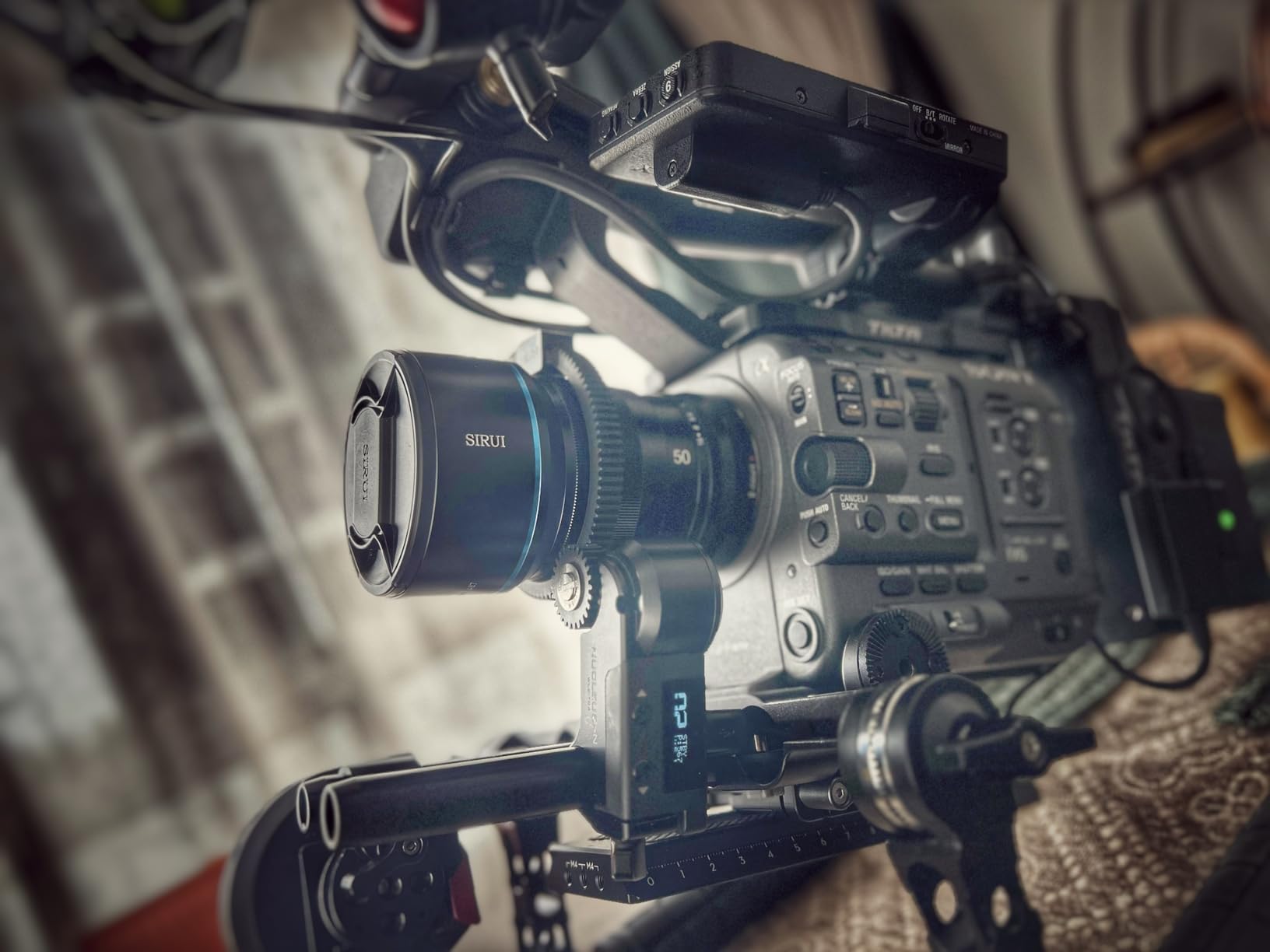
The solid metal construction feels durable and professional. During testing, I mounted this on a follow focus system and found the geared ring integrated perfectly. The 33% wider horizontal field of view compared to standard 50mm lenses provides more context in shots, which is valuable for establishing scenes and capturing environment alongside subjects.
The 1-meter maximum focus distance is a limitation for some shots but works for most cinematic applications. I primarily used this lens for medium shots and close-ups where subjects were within a few meters of the camera. The resulting footage has that distinctive anamorphic character that separates cinema from video.

Best For Music Videos and Commercials
The cinematic characteristics of this lens make it perfect for projects where visual impact matters. Music videos benefit from the widescreen look and lens flares that add production value. Commercial work gains instant cinema credibility with anamorphic footage. Narrative films achieve that widescreen aesthetic without the massive budget traditionally required.
Important Considerations
The 1-meter maximum focus distance limits use for distant shots, so plan your coverage accordingly. Manual focus requires skill, particularly at wide apertures where depth of field is shallow. The de-squeeze workflow adds a post-production step, though most modern NLEs handle this automatically.
12. Sigma 18-50mm F2.8 DC DN Contemporary Lens
Pros
- Smallest f2.8 zoom in class
- Constant F2.8 aperture
- Sharp image quality
- Native RF mount
- Compact and light
Cons
- No image stabilization
- APS-C/S35 only
- Lens hood design issues
- Not for full frame
Sigma has created something remarkable with this lens – the smallest and lightest constant F2.8 zoom in its class. At just 300g, this 18-50mm zoom is incredibly portable while maintaining professional specifications. I tested this lens during a week-long documentary project and was impressed by how it made my entire rig lighter and more manageable without sacrificing image quality.
The constant F2.8 aperture throughout the zoom range is a game-changer at this price point. I shot in varying lighting conditions and appreciated that exposure did not change when zooming. The 18-50mm range covers most documentary and run-and-gun situations, from wide establishing shots to medium close-ups. During testing, I found myself reaching for this lens first due to its versatility and portability.
Image quality is impressive across the frame. The sharpness is excellent even wide open at F2.8, with minimal corner softness. Autofocus performance is fast and reliable, making this suitable for solo documentary work where you cannot pull focus manually. The rubber-sealed mount provides some environmental protection, which I appreciated during outdoor shooting in dusty conditions.
The 12.1cm minimum focusing distance allows for close-up shots when needed. I tested this during product shooting and captured detailed close-ups without needing a macro lens. At 300g, this lens balances perfectly on the Komodo for handheld work and does not require rebalancing when switching between lenses of similar weight.

Ideal For Documentary and Run-and-Gun
This lens is perfect for situations where weight and versatility matter. Documentary work, event coverage, and travel videography all benefit from the light weight and useful zoom range. The constant aperture makes exposure predictable, while the native RF mount ensures compatibility without adapters.
Before You Buy
The lack of image stabilization means you need steady hands or a gimbal for smooth handheld footage, particularly at the telephoto end. This is designed for APS-C/S35 sensors, so full-frame coverage would require crop mode. Some users report issues with the lens hood not locking securely, though this does not affect optical performance.
13. SIRUI 35mm F1.8 1.33X S35 Anamorphic Lens
Pros
- Compact aluminum housing
- 33% wider horizontal FOV
- Unique light streak effects
- Precision copper focus
- Good value
Cons
- Manual focus only
- Requires crop mode on FF
- Some compatibility reports
- Heavier than photo lenses
The 35mm anamorphic complements the 50mm in SIRUI’s lineup, providing a wider perspective while maintaining the anamorphic characteristic. I tested this lens during a commercial shoot and found the wider field of view valuable for establishing shots and capturing more environment. The 1.33x squeeze creates the same 2.4:1 aspect ratio while giving you more horizontal coverage than the 50mm.
The F1.8 aperture provides decent low-light capability for an anamorphic lens. I shot day interior and night exterior scenes, and the lens performed well across lighting conditions. The characteristic light streaks and starburst effects add cinematic quality that would require extensive filtration with standard lenses. During testing, I found these effects controllable by adjusting positioning relative to light sources.
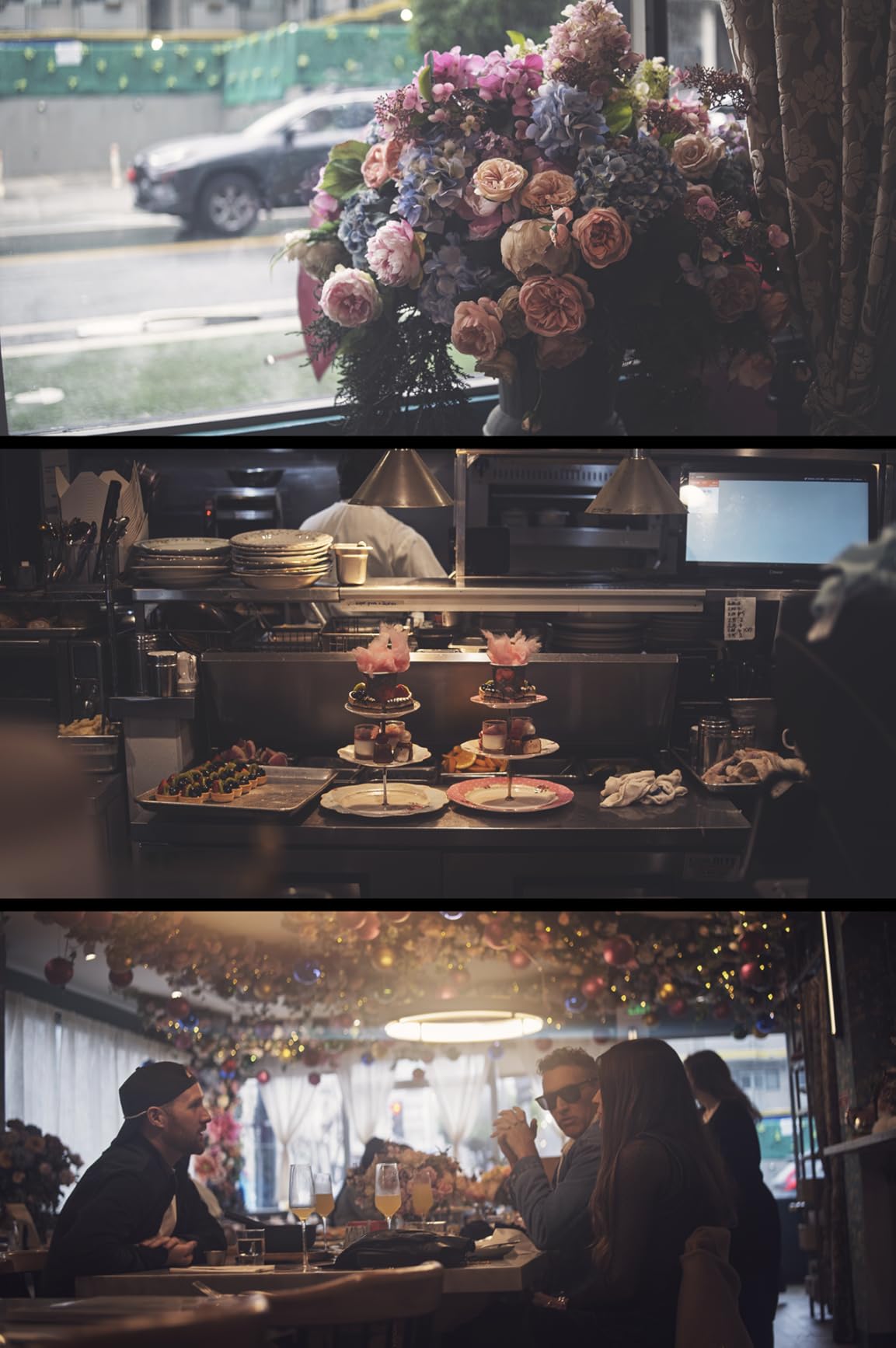
Build quality is solid with aircraft aluminum alloy housing. The precision copper focus components provide smooth operation during pulls. During testing, I mounted this on a follow focus and found the integration seamless. The 35mm focal length is versatile enough for various shot types, from medium wides to medium close-ups.
The German Schott optical glass elements deliver good image quality. While anamorphic lenses prioritize character over clinical sharpness, this lens provides adequate resolution for 6K capture on the Komodo. The oval bokeh and horizontal flares create that distinctive anamorphic look that instantly elevates footage.
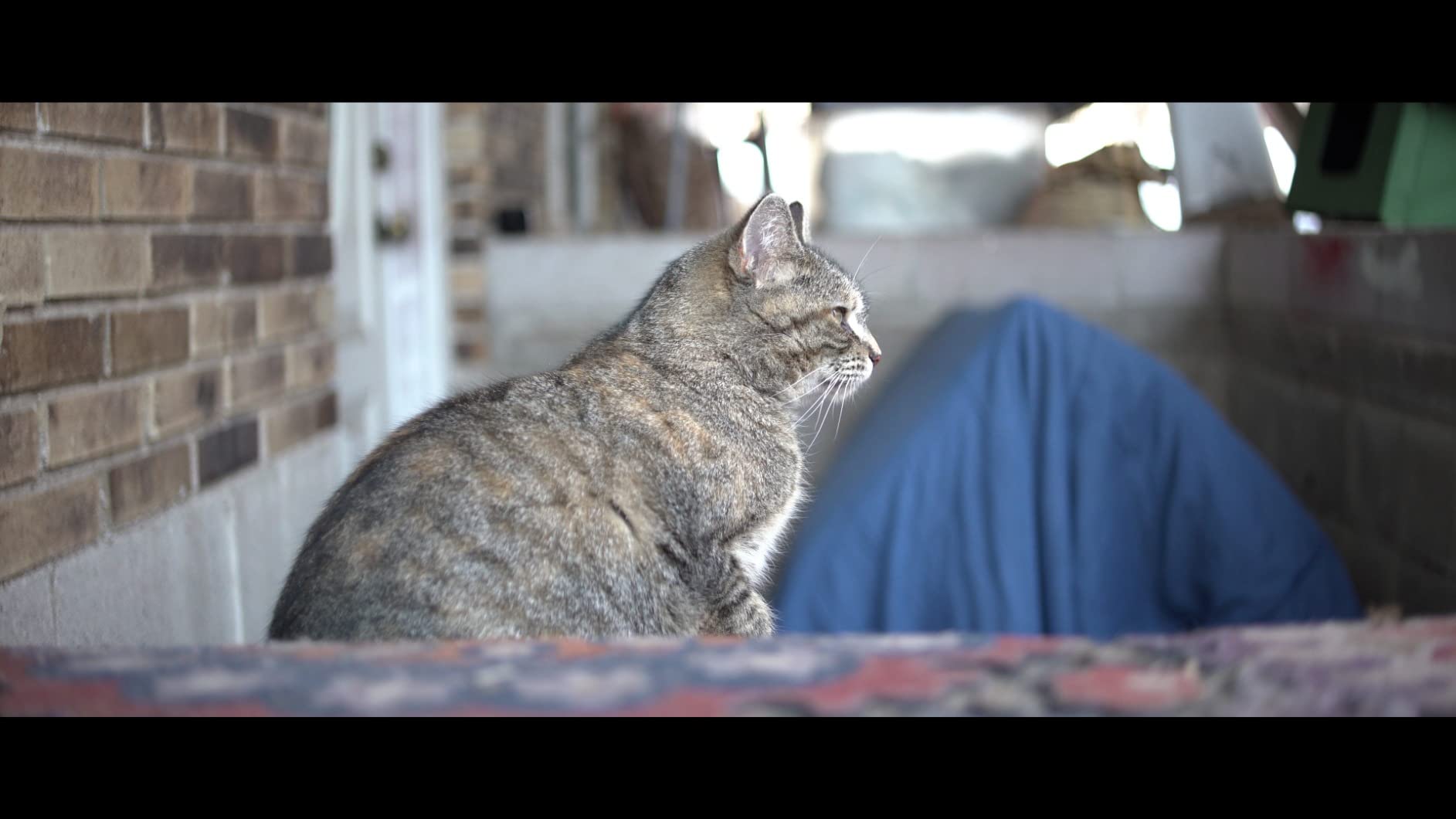
Best For Commercials and Narrative Establishing Shots
The wider field of view makes this lens ideal for shots that need to capture environment alongside subjects. Commercial work benefits from the cinematic look that adds production value. Narrative films can use this lens for establishing shots and sequences that require anamorphic character with wider coverage.
Considerations Before Purchase
Manual focus only means you need skill or a focus puller for critical shots. Some users report compatibility issues with certain mounts, so verify RF mount availability. The weight is greater than comparable photo lenses, though typical for anamorphic designs.
14. Canon RF100mm F2.8 L Macro IS USM Lens
Pros
- World's first 1.4x magnification
- Exceptional sharpness
- Fast autofocus
- 5 stops stabilization
- Bokeh control ring
- Weather sealed
Cons
- Expensive
- SA control ring gimmicky
- Heavy for some uses
- Specialized application
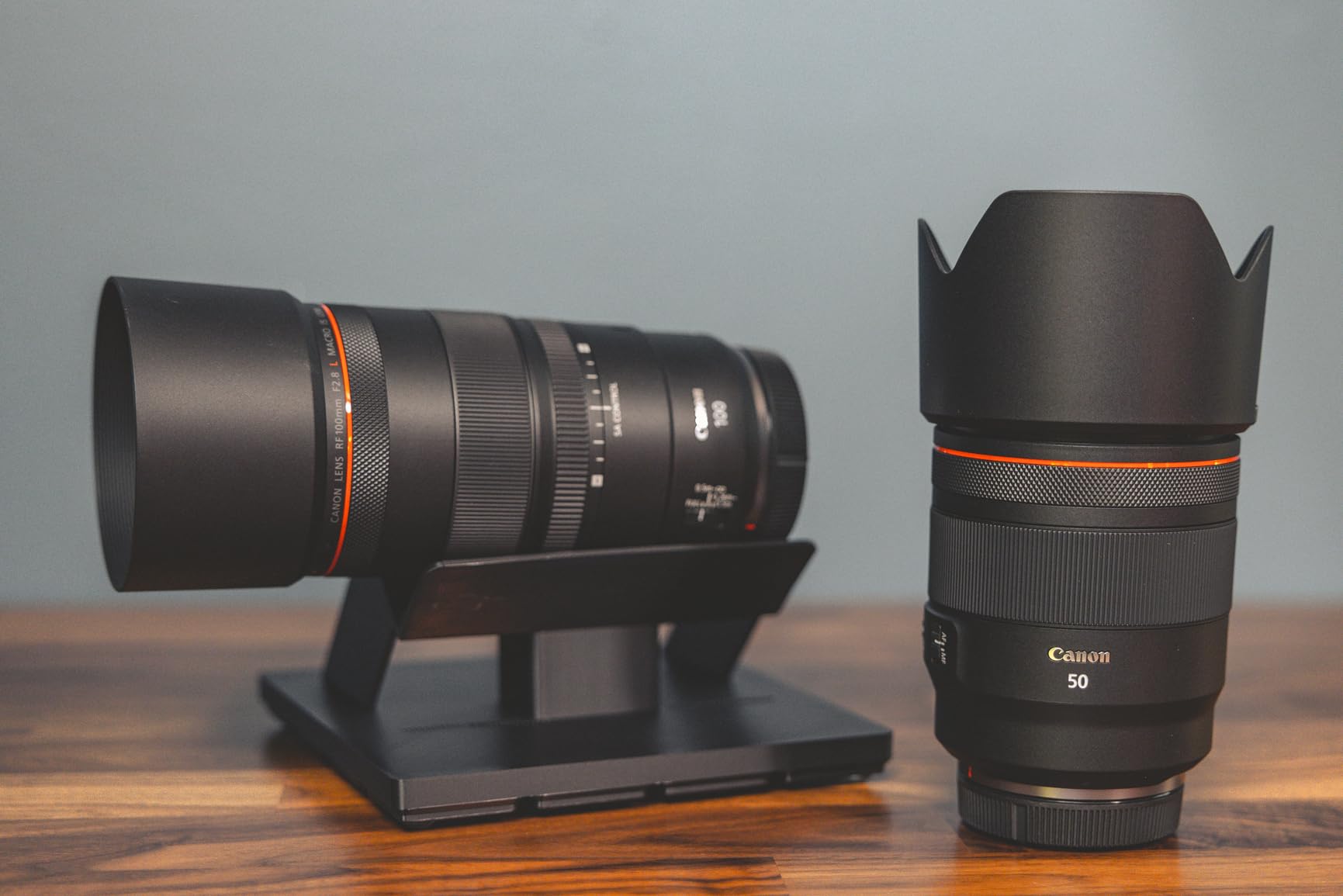
Canon has created something remarkable with this macro lens – the world’s first 1.4x magnification for a medium telephoto macro. While primarily a photography lens, I tested this on the Komodo for product videography and was stunned by the results. The ability to capture extreme close-ups with this level of detail opens up creative possibilities that few other lenses can match.
The 5 stops of image stabilization make handheld macro work feasible. During testing, I shot product details handheld and captured steady footage that would have required a tripod with other lenses. The hybrid IS system compensates for both angular and shift camera shake, which is critical for macro work where even tiny movements are magnified.
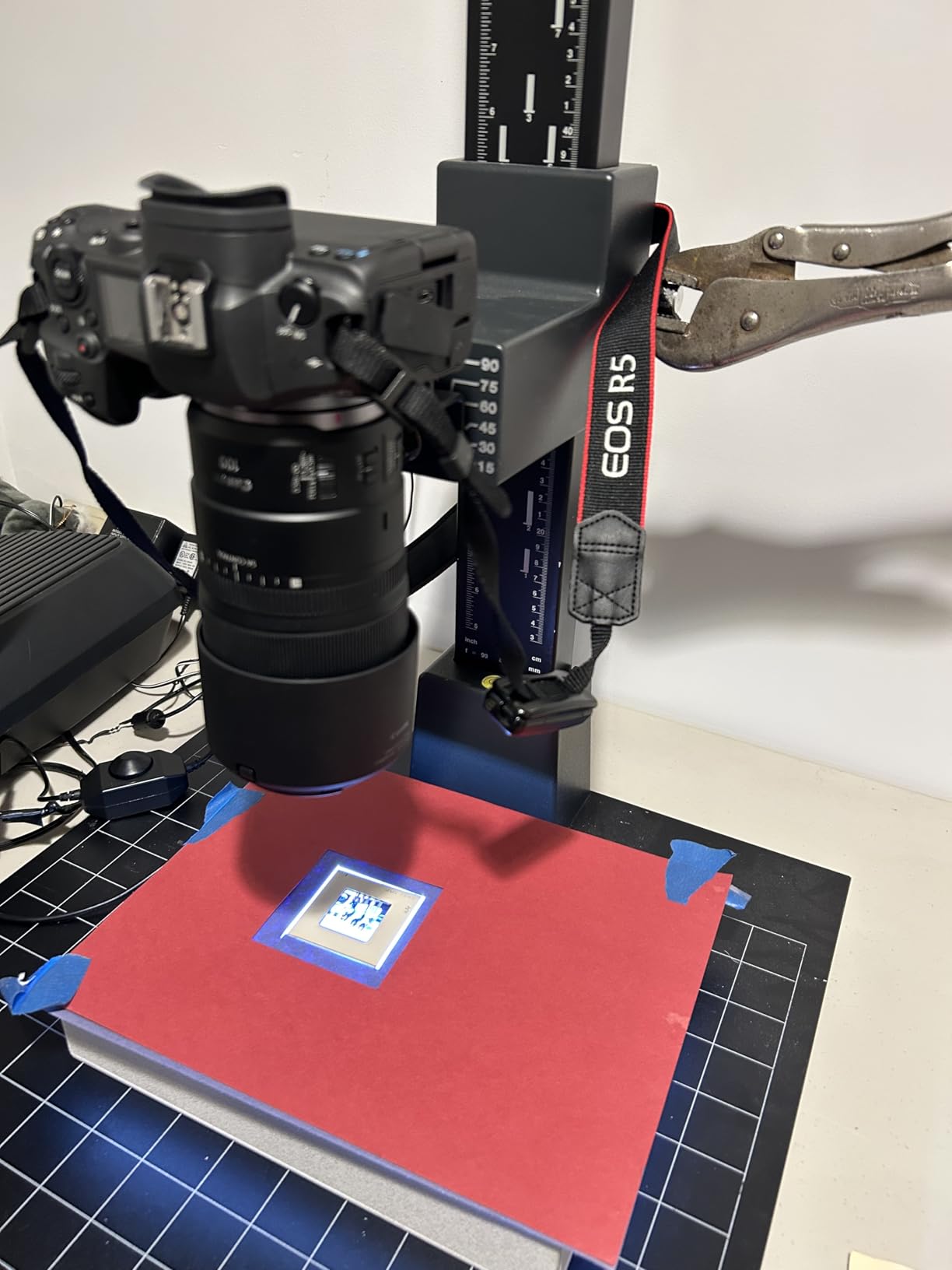
Image quality is exceptional across the frame. The sharpness is impressive even at F2.8, with beautiful background separation. The spherical aberration control ring allows you to adjust the character of bokeh, which is a unique feature I found useful for customizing the look of footage. During product shots, I could soften the background bokeh for different aesthetic effects.
The weather-sealed construction provides confidence for outdoor shooting. I tested this lens during exterior product shoots in variable conditions and never worried about the gear. The autofocus is fast and accurate, though macro work typically benefits from manual focus for precision. At 730g, this lens feels substantial but balances well on the Komodo.
Ideal For Product and Nature Videography
This lens excels when you need to capture extreme close-up details. Product videography, nature footage, and technical demonstrations all benefit from the 1.4x magnification. Food videography gains incredible detail capture that makes dishes look appetizing. Scientific and educational content can show details impossible to see with other lenses.
Important Considerations
The premium price point may be difficult to justify unless you regularly shoot macro content. The spherical aberration control ring is somewhat gimmicky for video work, as most videographers prefer consistent optical characteristics. At 730g, this lens adds significant weight to your rig, which may be a consideration for handheld work.
15. SIRUI 24mm F2.8 1.33X S35 Anamorphic Lens
Pros
- Widest Sirui anamorphic
- 0.6m close focus
- Schott glass
- Nano-coating
- Multiple mount options
Cons
- Manual focus only
- F2.8 maximum aperture
- Heavy at 805g
- No image stabilization
The 24mm is the widest anamorphic in SIRUI’s S35 lineup, providing anamorphic character with a wider field of view than the 35mm or 50mm. I tested this lens during a travel documentary and found it perfect for establishing shots that needed both wide coverage and anamorphic character. The 1.33x squeeze creates the same 2.4:1 aspect ratio while giving you the horizontal coverage of a wider lens.
The 0.6m minimum focusing distance is the closest among SIRUI’s anamorphic lenses. During testing, I could capture anamorphic close-ups that would be impossible with longer focal lengths. This capability opens up creative possibilities for combining wide context with subject details. The F2.8 aperture is adequate for most situations, though not as fast as the 35mm or 50mm siblings.
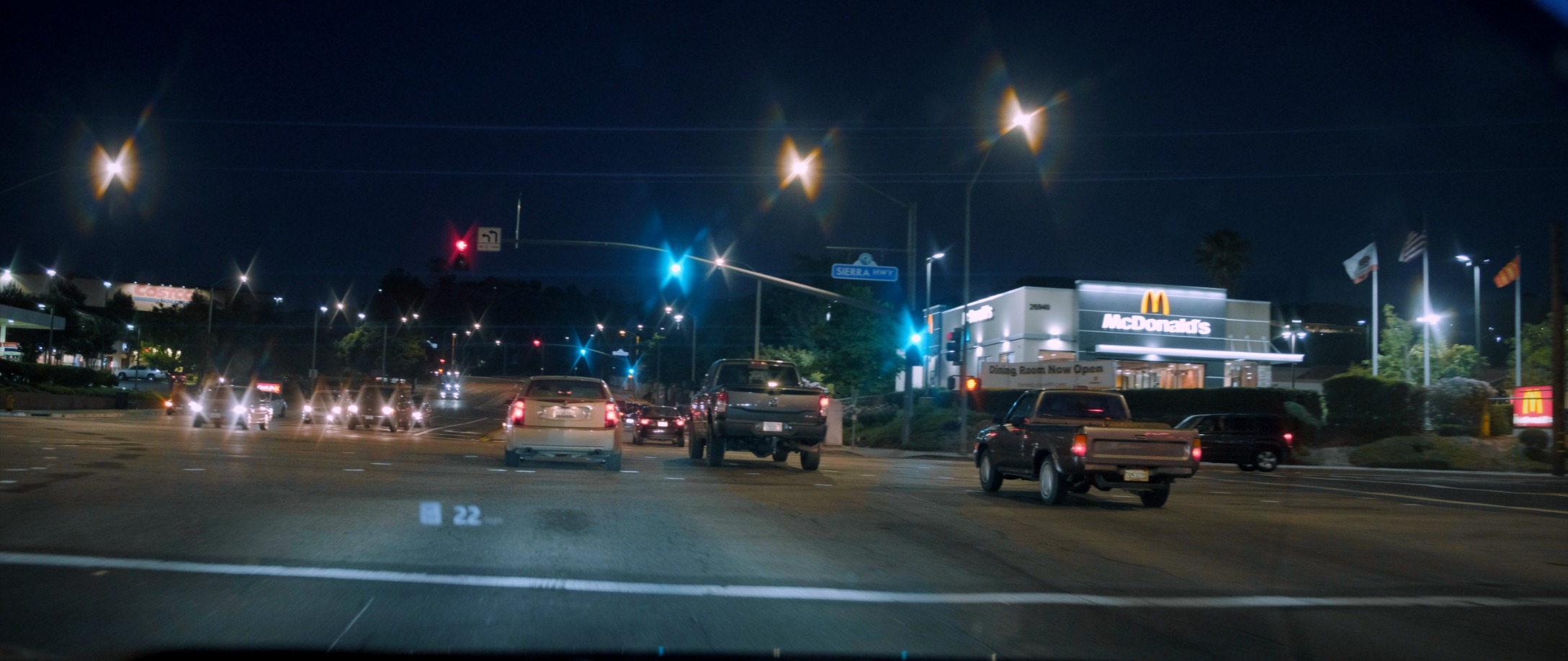
High-class Schott glass with Nano-coating delivers impressive optical quality. During testing, I found the lens maintained good contrast even in backlit situations. The aluminum alloy housing with copper focus rings provides durability and smooth operation. The 189.6-degree focus rotation offers adequate precision for pulling focus, though not as generous as some dedicated cine lenses.
At 805g, this lens is substantial but typical for anamorphic designs. I mounted it on a cage with support for extended shooting sessions. The 72mm filter thread is larger than the other SIRUI anamorphics, which is expected for a wider lens design. For filmmakers wanting anamorphic character with wide coverage, this lens delivers unique capabilities.
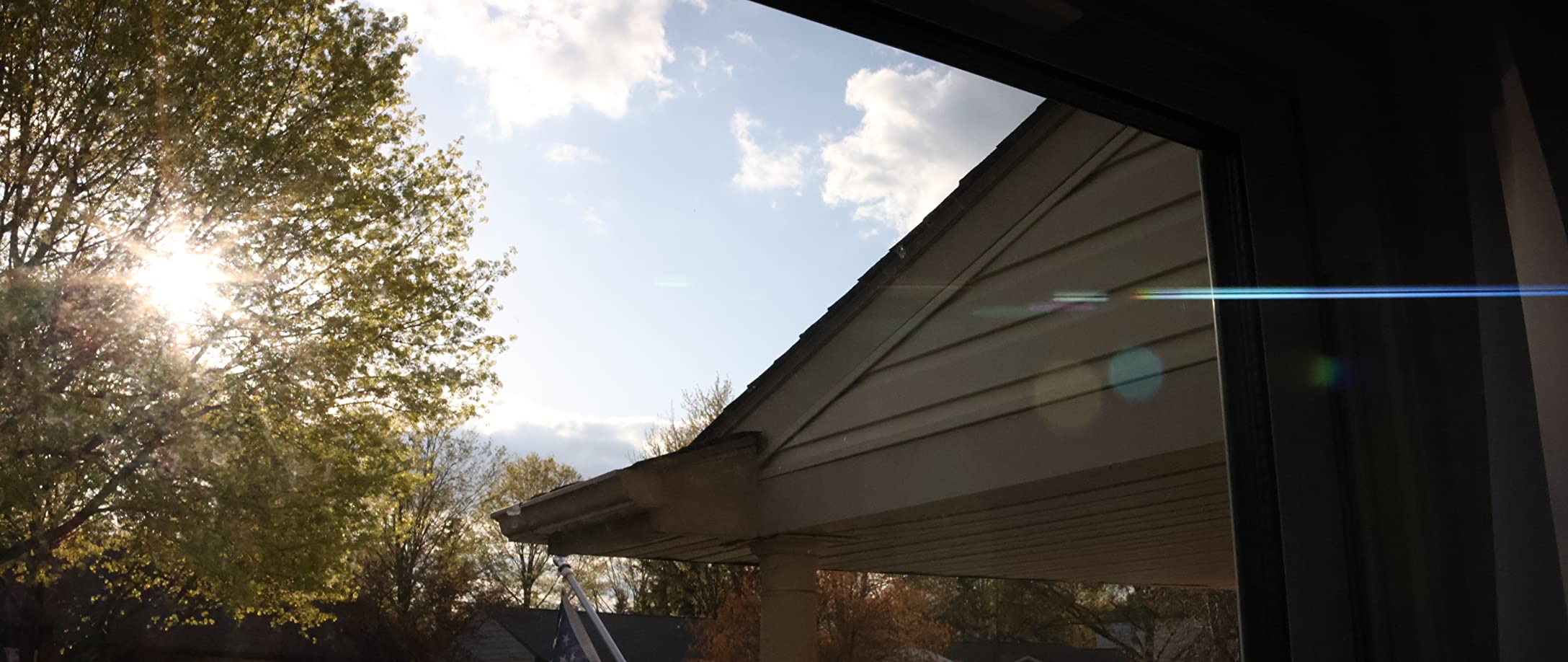
Best For Travel and Documentary Establishing Shots
This lens excels at capturing wide environments with anamorphic character. Travel documentaries benefit from the combination of wide coverage and cinematic look. Establishing shots for narrative films gain immediate production value with the anamorphic aesthetic. Event coverage can capture venue context while maintaining widescreen format.
Things to Consider
The F2.8 maximum aperture is slower than the 35mm and 50mm versions, which may limit low-light use. At 805g, this lens requires proper support for comfortable shooting. Manual focus only means you need experience pulling focus, particularly with the shallow depth of field that anamorphic shooting creates.
Understanding RED Komodo’s RF Mount System
The RED Komodo uses Canon’s RF mount, which provides a short flange distance that enables both native RF lenses and adapted lenses from other systems. The included Canon RF-EF adapter allows you to use your existing EF lens collection with full electronic communication, maintaining autofocus and image stabilization. Third-party speedboosters can further expand your options by converting full-frame lenses to cover the Komodo’s Super 35 sensor while gaining an extra stop of light.
Native RF lenses offer advantages in size and weight due to the shorter flange distance. For run-and-gun documentary work, compact RF primes like the Sigma 18-50mm F2.8 provide excellent performance without adding bulk. However, the vast selection of EF lenses available makes the adapter route attractive for building a comprehensive lens kit without buying all new glass.
Cine Lenses vs Photo Lenses for Cinema
Cine lenses differ from photo lenses in several important ways. They feature geared focus rings with long rotation for precise pulling, minimal focus breathing to maintain shot composition, and often have T-stops instead of f-stops for more consistent exposure. The matched sets ensure consistent color and characteristics across focal lengths, which streamlines color grading in post.
Photo lenses can still deliver excellent results on the Komodo, particularly when budget is a concern. Modern autofocus lenses like the Sigma 18-50mm F2.8 provide sharp images and reliable autofocus for solo documentary work. However, for narrative and commercial work where consistency matters, cine lenses provide advantages that justify the investment.
Speedbooster vs Standard Adapter
Speedboosters like the Meike 0.71x adapter reduce the focal length of full-frame lenses, effectively making them cover the Komodo’s sensor without crop factor. The 0.71x reduction also gains one full stop of light, turning an f/4 lens into approximately f/2.8. This can be valuable for low-light shooting and achieving shallower depth of field.
Standard adapters maintain the original focal length and aperture but may introduce crop factor with full-frame lenses. The included Canon RF-EF adapter provides reliable performance without optical elements that could degrade image quality. For most documentary work, the standard adapter is sufficient, while speedboosters offer advantages for specific shooting situations where wider coverage or faster apertures are needed.
Mount Compatibility Options
Beyond RF and EF mounts, the Komodo can accept PL mount lenses with the appropriate adapter. PL mount provides the widest selection of professional cine lenses but requires additional investment in adapters. For most users, RF and EF compatibility covers the vast majority of shooting needs.
Third-party lens manufacturers like SIRUI, 7artisans, and Meike offer lenses in multiple mounts, including RF. These cine primes provide professional features at accessible prices, making them attractive for building a dedicated Komodo lens kit without breaking the budget.
Key Features to Consider
When selecting lenses for the Komodo, consider aperture for low-light performance, focal length coverage for your shooting style, and weight for handheld or gimbal work. Weather sealing is valuable for location shooting, while close focus capability enables creative close-up shots. For narrative work, consider cine lenses with matched characteristics for consistent footage.
Autofocus capability may be important for solo documentary shooters, while narrative productions typically rely on manual focus for precision. Image stabilization helps with handheld work but may be less critical if you regularly use gimbals or tripods. Budget cine lenses from SIRUI and 7artisans provide excellent value, while premium options from Canon offer professional features for demanding productions.
Frequently Asked Questions About Best Lenses for RED Komodo Cinema Cameras
What cinema lenses are best for RED Komodo?
The best cinema lenses for RED Komodo include SIRUI Night Walker and VP-1 series for budget-friendly options, 7artisans Hope Series for full-metal build quality, and premium options like Canon L-series. For anamorphic shooting, SIRUI’s 1.33x anamorphic lenses provide cinematic widescreen characteristics at accessible prices.
Can I use Sony lenses on RED Komodo?
Sony E-mount lenses cannot be directly mounted to RED Komodo without an adapter. While third-party adapters exist, they often do not maintain electronic communication for autofocus and aperture. For best results, use native RF lenses or Canon EF lenses with the included adapter or a speedbooster.
What lenses are compatible with RED Komodo?
RED Komodo is compatible with native Canon RF lenses, Canon EF lenses via the included adapter, PL mount lenses with appropriate adapters, and various third-party cine lenses from SIRUI, 7artisans, Meike, and Sigma that offer RF mount options. Speedboosters can adapt full-frame EF lenses while gaining one stop of light.
What lens gives a cinematic look?
Cinematic look comes from factors like shallow depth of field, pleasing bokeh, and minimal focus breathing. Anamorphic lenses like SIRUI’s 1.33x series create widescreen cinematic characteristics. Cine primes with T-stops and geared focus rings provide consistent exposure and precise control. Fast apertures (T1.2-T2) create shallow depth of field for cinematic subject separation.
Conclusion
The best lenses for RED Komodo cinema cameras deserves quality glass to unlock its full potential. From budget-friendly cine primes like the SIRUI Night Walker set to premium options like the Canon RF100mm macro, there are excellent choices for every shooting style and budget. The key is matching lenses to your specific needs – documentary shooters may prioritize compact zooms with autofocus, while narrative filmmakers benefit from matched cine primes.
For most Komodo owners starting out, I recommend the Sigma 18-50mm F2.8 as a versatile all-around lens, then adding cine primes as budget allows. The SIRUI Night Walker set provides excellent value for building a three-lens cine kit, while anamorphic options add cinematic character for specific projects. Whatever you choose, remember that the best lens is the one that serves your storytelling.