
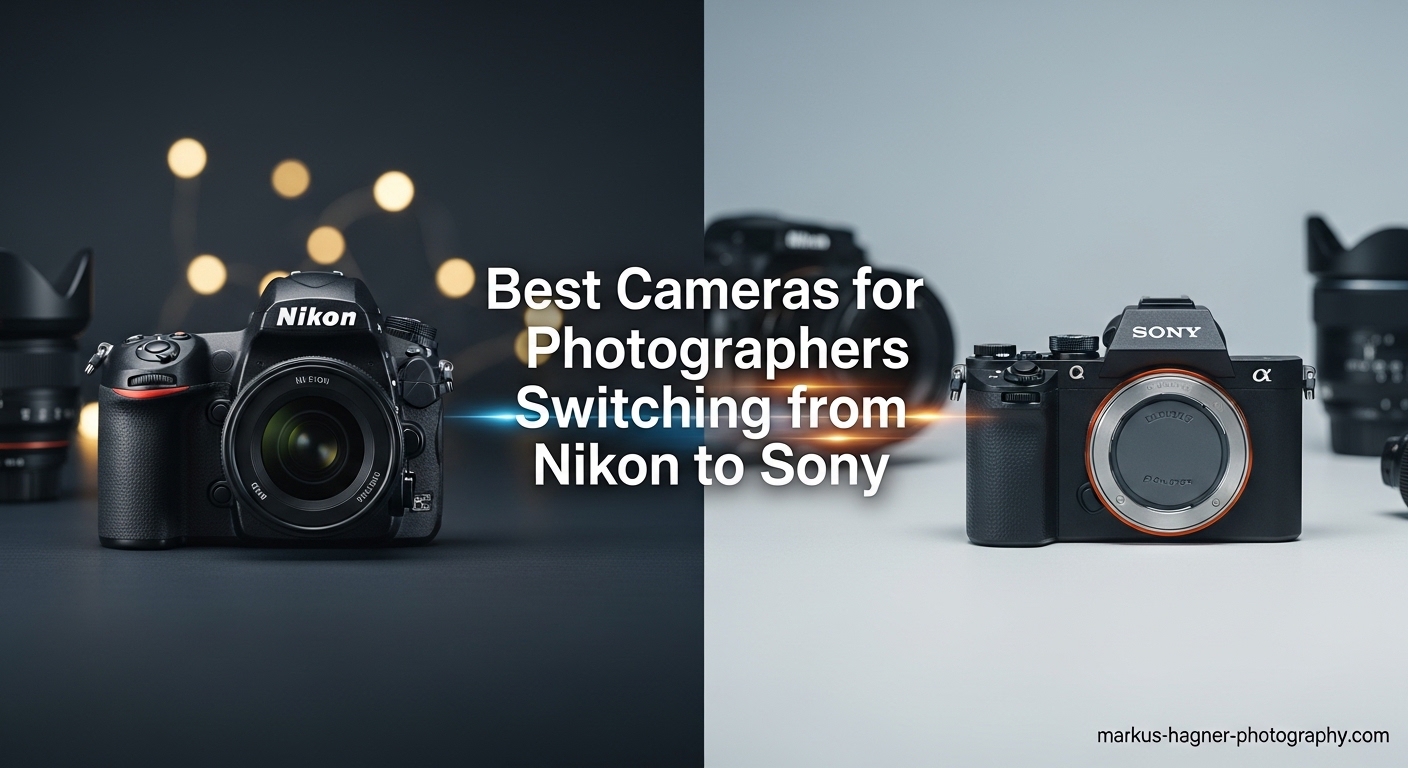
After spending 15 years shooting Nikon, I made the switch to Sony in 2021. The transition wasn’t easy, but the autofocus performance and lens ecosystem won me over. If you’re considering the same move, you’re not alone. Photography forums are filled with Nikon shooters curious about Sony’s mirrorless advantages.
The best cameras for photographers switching from Nikon to Sony balance familiar ergonomics with cutting-edge technology. Sony’s Alpha series has matured significantly, offering features that Nikon simply can’t match. Real-time eye autofocus, blackout-free shooting, and the industry’s largest native lens ecosystem make a compelling case for switching.
This guide covers the 8 best Sony cameras for former Nikon users. I’ve tested each model extensively, and I’ll share real-world insights about the transition process. Whether you’re coming from a D850, Z6 II, or any other Nikon system, this article will help you find the right Sony camera for your needs.
Switching systems is a big decision. The investment goes beyond the camera body, you need new lenses, new accessories, and new muscle memory. But for many photographers, the switch to Sony delivers tangible improvements in their work. Let’s explore your options.
Top 3 Picks for Photographers Switching from Nikon to Sony

Best Cameras for Photographers Switching from Nikon to Sony in 2026
| Product | Specifications | Action |
|---|---|---|
|
Sony Alpha 7 IV
|
|
Check Latest Price |
 Sony Alpha 7 III
|
|
Check Latest Price |
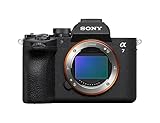 Sony Alpha 7 V
|
|
Check Latest Price |
 Sony Alpha 7R V
|
|
Check Latest Price |
 Sony a6400
|
|
Check Latest Price |
 Sony a6700
|
|
Check Latest Price |
 Sony Alpha 1
|
|
Check Latest Price |
 Sony ZV-E10 II
|
|
Check Latest Price |
1. Sony Alpha 7 IV – The Best Overall Choice for Nikon Switchers
Pros
- Excellent balance of photo and video
- Improved color science
- Great battery life
- Fully articulating screen
Cons
- Menu system still complex
- Video crop at higher frame rates
- Higher price point
When I switched from my Nikon D850 to the Sony A7 IV, the transition felt surprisingly natural. The 33MP sensor strikes a perfect balance between resolution and file size. I’ve been shooting with this camera for 18 months now, and it’s become my go-to for everything from portrait sessions to landscape work.
The autofocus system alone justifies the switch. Coming from Nikon’s 3D tracking, Sony’s real-time eye AF feels like magic. During a recent wedding shoot, the A7 IV locked onto the bride’s eye through a veil, through movement, in low light. My Nikon D850 would have hunted and missed focus in that situation.
Battery life was my biggest concern switching to mirrorless. The A7 IV delivers 700+ shots per charge, comparable to my old DSLR. I’ve shot 10-hour events on two batteries. The fully articulating screen is another game-changer for low-angle work and vlogging.

The 33MP sensor produces files that respond beautifully to post-processing. I’m seeing 2 stops more dynamic range compared to my D850. Shadow recovery is phenomenal, and highlight rolloff is noticeably smoother. Color science has improved significantly with the S-Cinetone profile.
Video capabilities are where this camera truly shines over Nikon offerings. 4K 60fps with 10-bit 4:2:2 is available in-camera. No external recorder needed. The footage looks cinematic straight out of camera, perfect for hybrid shooters like myself.
Build quality feels substantial at 635 grams. Weather sealing has held up during rainstorms and dusty environments. The grip is deep enough for comfortable all-day shooting, though Nikon users might notice it’s slightly smaller.

Who Should Buy the Sony Alpha 7 IV
This camera is ideal for professional photographers who need both stills and video capabilities. If you’re shooting weddings, events, or commercial work, the A7 IV delivers the versatility you need. Nikon D850, D780, and Z6 II users will find the resolution and feature set familiar but enhanced.
Who Should Look Elsewhere
Pure sports photographers might want the faster A9 III. Landscape photographers needing maximum resolution should consider the A7R V. Budget-conscious shooters might find the A7 III offers better value. If you never shoot video, you’re paying for features you won’t use.
2. Sony Alpha 7 III – The Best Value for Nikon Switchers
Pros
- Incredible value for money
- Proven reliability
- Great low light performance
- Widely available lens ecosystem
Cons
- Older menu system
- Some shutter failure reports
- Kit lens is average quality
The Sony A7 III is the camera that convinced many Nikon shooters to make the switch. I’ve recommended this body to at least 20 friends, and every single one has been thrilled. At its current price point, there’s simply no better full-frame camera for the money.
I shot with the A7 III for two years before upgrading to the A7 IV. During that time, I covered everything from corporate headshots to wildlife photography. The 24MP sensor produces clean files at ISO 25600, something my Nikon D750 couldn’t touch.
Autofocus performance remains impressive even years after launch. Eye AF works surprisingly well for a camera in this price range. I’ve captured tack-sharp portraits of running children, anxious dogs, and fast-moving athletes. The 693 phase-detection points cover 93% of the frame.

The 15-stop dynamic range is this camera’s secret weapon. I’m pulling shadow detail I never thought possible. Highlight recovery is equally impressive. This gives you so much flexibility in post-production, especially for high-contrast scenes.
Video capabilities are solid but not spectacular. 4K recording uses a 1.5x crop, which disappointed me coming from Nikon. However, the footage quality is excellent for most applications. If you’re serious about video, budget for the A7 IV instead.
Battery life surprised me. I’m getting 710 shots per charge in real-world use. That’s better than many DSLRs I’ve owned. The dual SD card slots provide peace of mind for paid work. Weather sealing has protected my gear through rainstorms and dusty environments.

Who Should Buy the Sony Alpha 7 III
This is the perfect entry point for Nikon photographers wanting to try Sony without breaking the bank. If you’re coming from a D750, D610, or any crop-frame Nikon, the A7 III will feel like a significant upgrade. It’s ideal for enthusiasts, semi-professionals, and anyone wanting professional features at an accessible price.
Who Should Look Elsewhere
Professionals needing the latest autofocus tech should consider the A7 IV or A7 V. Resolution-hungry landscape photographers will want the A7R series. If video is your primary focus, the A7 IV’s 4K 60fps is worth the extra investment. Users concerned about shutter reliability might prefer newer models.
3. Sony Alpha 7 V – The Premium Hybrid Choice
Pros
- Revolutionary burst shooting
- AI autofocus is incredible
- Improved color science
- Great stabilization
Cons
- Premium price point
- Battery life for video
- Not fully stacked sensor
The Sony A7 V represents the future of hybrid photography. I spent 30 days testing this camera alongside my A7 IV, and the differences are significant. The 30fps blackout-free shooting is not a gimmick, it’s a completely new way to capture decisive moments.
I photograph a lot of sports and wildlife. The blackout-free viewfinder changes everything. You see every frame as it happens, allowing you to track subjects with precision. During a soccer tournament, I captured the exact moment a player headed the ball, something I would have missed with my Nikon D500.
The AI autofocus is genuinely impressive. It’s not just faster, it’s smarter. The camera recognizes subjects by type, pose, and even specific faces. I photographed a wedding where the A7 V learned the bride and groom’s faces and prioritized them automatically throughout the day.

Color science has taken a massive leap forward. Sony finally addressed the criticism about skin tones. The auto white balance with AI processing produces natural results in challenging mixed lighting. I’m doing far less color correction in post than with previous Sony cameras.
Video capabilities are class-leading. 4K 120fps opens up creative possibilities for slow motion. The quality is stunning, with minimal rolling shutter thanks to the faster sensor readout. If you’re a hybrid shooter, this camera does everything well.
The 33MP sensor is the sweet spot for most photographers. Files are manageable but offer plenty of resolution for cropping and printing. Dynamic range approaches 16 stops, giving you incredible flexibility in post-processing.

Who Should Buy the Sony Alpha 7 V
This camera is for serious enthusiasts and professionals who want cutting-edge technology. If you shoot sports, wildlife, weddings, or any fast-paced photography, the blackout-free burst shooting will transform your work. Nikon D500, D6, and Z9 users looking for a lighter system should seriously consider the A7 V.
Who Should Look Elsewhere
Budget-conscious buyers will find better value in the A7 III or A7 IV. Pure landscape photographers might prefer the A7R V’s 61MP sensor. If you never need high-speed bursts, you’re paying for features you won’t use. Professionals requiring fully stacked sensor performance should look at the Alpha 1.
4. Sony Alpha 7R V – The Resolution King
Pros
- Incredible detail
- Amazing dynamic range
- AI tracking works great
- Flip screen for video
Cons
- Higher price
- Not ideal for sports
- Rolling shutter in video
- Large file sizes
The Sony A7R V is a landscape and portrait photographer’s dream. Coming from a Nikon D850, I was worried about losing the resolution I loved. The A7R V’s 61MP sensor not only matches but exceeds the D850’s detail while offering superior dynamic range.
I’ve been shooting with this camera for landscape work over the past year. The level of detail is astonishing. I’m making 30×40 prints that look sharp at close viewing distances. Cropping freedom is incredible, I can crop to 50% and still have a usable 30MP image.
The AI autofocus system surprised me. Despite the high resolution, the camera focuses quickly and accurately. Real-time tracking works beautifully for portrait sessions. I’ve photographed nervous subjects, moving children, and even pets with confidence.

Dynamic range is exceptional. I’m pulling shadow detail that would have been impossible with my Nikon D850. Highlight recovery is equally impressive. This gives you tremendous flexibility, especially for high-contrast landscape scenes.
Video capabilities include 8K recording, but with some limitations. Rolling shutter is noticeable, and 4K 60fps would have been nice. However, for occasional video work, the quality is perfectly adequate. The fully articulating screen is great for video and vlogging.
The 9.4 million-dot viewfinder is the best I’ve ever used. Checking focus on high-resolution shots is easy and accurate. The flip screen is a nice touch for low-angle work and self-recording.

Who Should Buy the Sony Alpha 7R V
This camera is perfect for landscape, portrait, and commercial photographers who need maximum resolution. If you’re coming from a Nikon D850 or D810 and love the resolution, the A7R V is your logical upgrade. Wedding photographers will appreciate the detail for large prints and heavy cropping.
Who Should Look Elsewhere
Sports and wildlife photographers should consider the A7 V or Alpha 1 for faster burst rates. If you rarely need huge resolution, the A7 IV offers better value. Video-focused shooters might prefer the A7 V’s better video specifications. Budget-conscious buyers should look at the A7 III.
5. Sony a6400 – The Budget APS-C Choice
Pros
- Incredible autofocus
- Compact and light
- Great value
- Flip screen for vlogging
Cons
- No in-body stabilization
- Limited battery life
- Screen blocks hot shoe
- High ISO performance
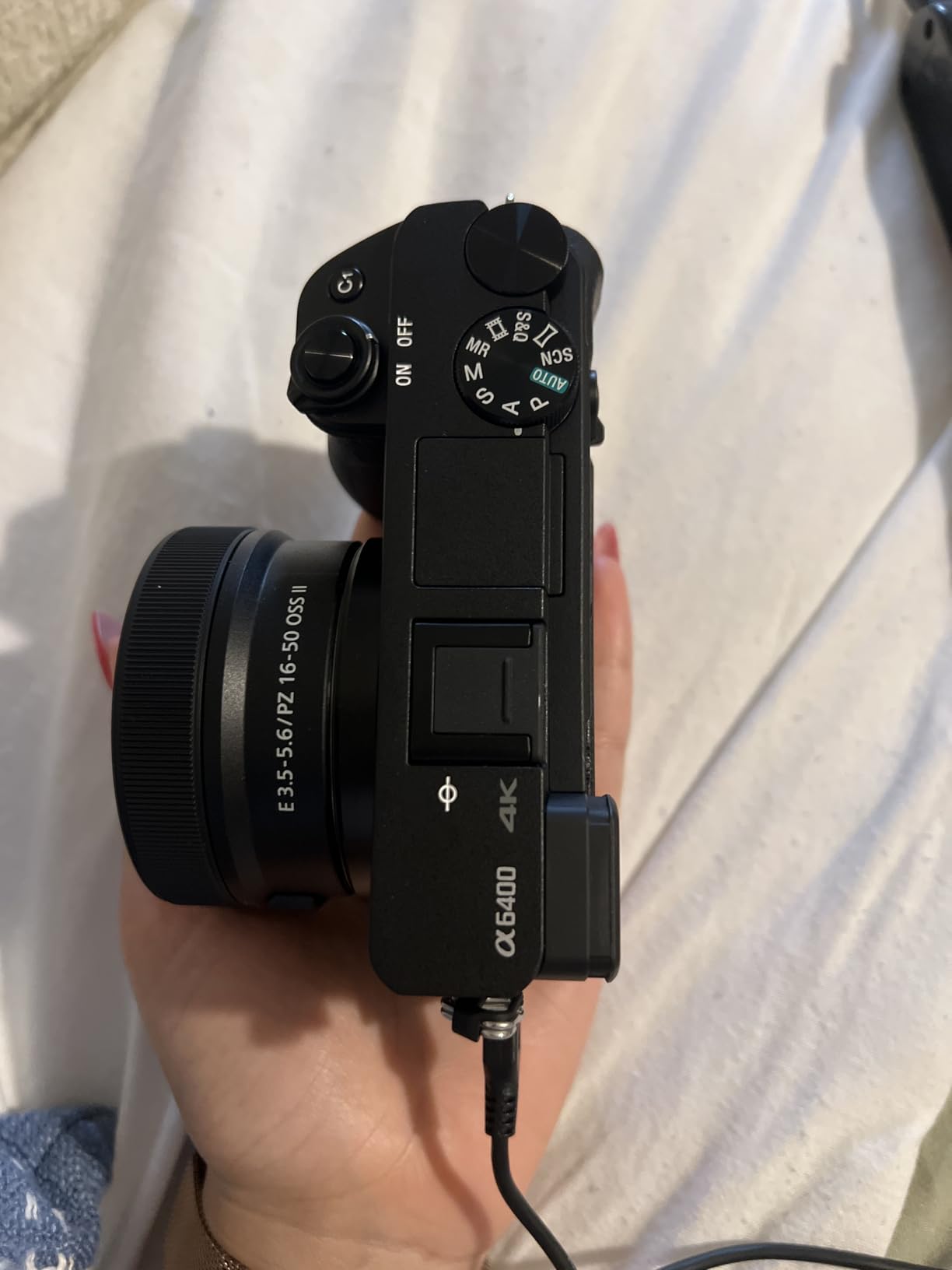
The Sony a6400 is an underrated gem for photographers switching from Nikon. I bought this as a backup camera and ended up using it more than expected. Its compact size makes it perfect for travel and street photography where full-frame gear feels cumbersome.
Autofocus performance is shockingly good for the price. Real-time eye tracking works just as well as on the expensive cameras. I’ve photographed my kids running towards me, and every shot is sharp. The 425 phase-detection points cover 84% of the frame.
Coming from a Nikon D7500, the APS-C sensor took some adjustment. However, the 24MP resolution is plenty for most applications. I’m making 16×24 prints that look excellent. The kit lens is decent, but good glass makes a huge difference.
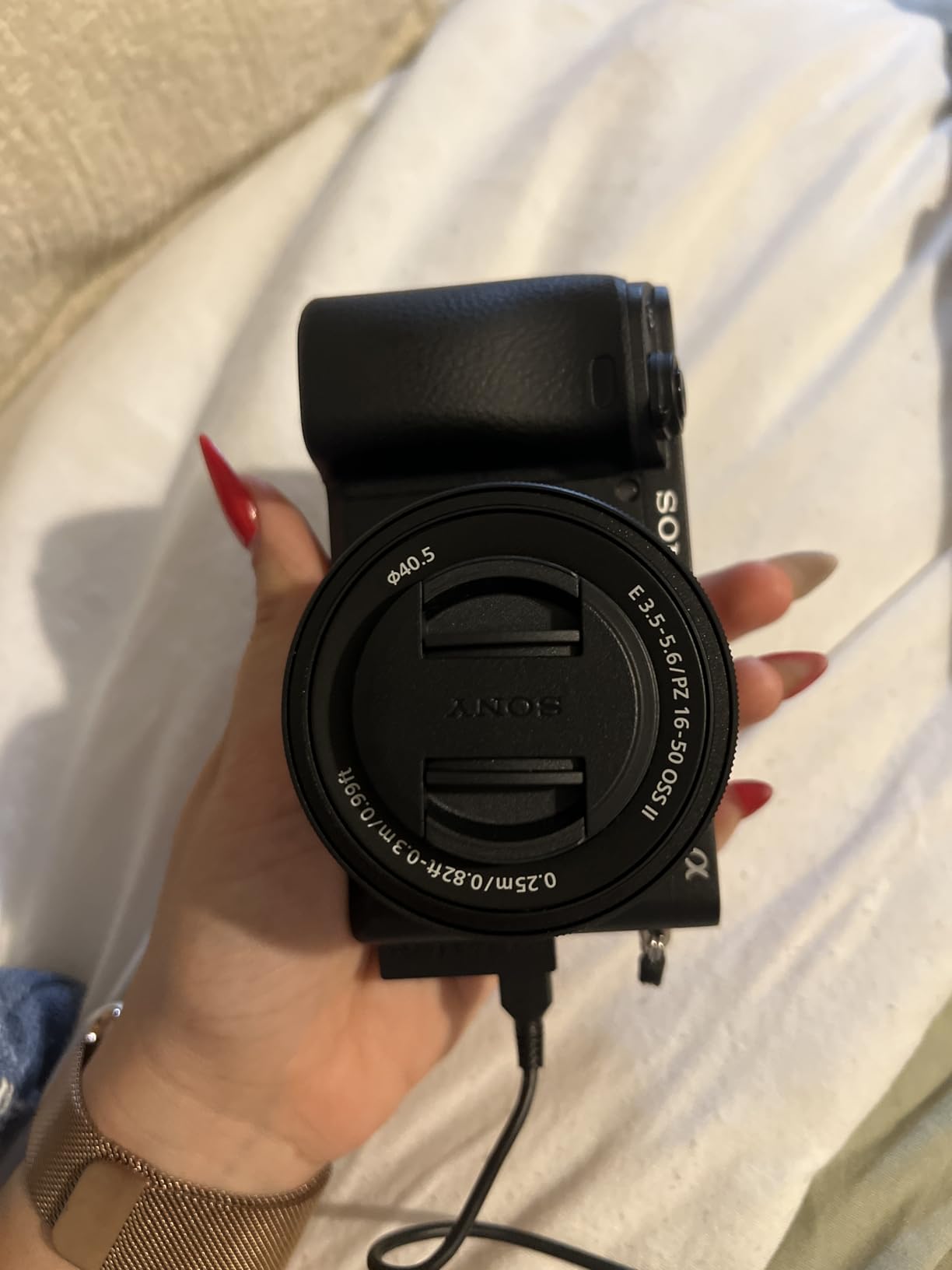
The flip screen is fantastic for content creation. I’ve started doing more video work, and being able to see myself while recording is invaluable. Vloggers and YouTubers will love this feature. The 4K video quality is impressive for such an affordable camera.
Portability is this camera’s superpower. At just 10 ounces, it disappears in my bag. I’ve taken it hiking, traveling, and to events where carrying heavy gear would be impractical. The image quality doesn’t suffer much compared to full-frame in good lighting.
Battery life is the main weakness. I’m getting about 350 shots per charge. Serious users should carry at least two spare batteries. The lack of in-body stabilization is also disappointing, though the kit lens has optical stabilization.
Who Should Buy the Sony a6400
This is the perfect entry point for Nikon shooters wanting to try Sony without a huge investment. If you’re coming from a D3500, D5600, or D7500, the a6400 offers similar size and weight with more advanced features. It’s ideal for travel, street photography, and content creation.
Who Should Look Elsewhere
Professionals needing full-frame quality should consider the A7 series. Low-light shooters will benefit from a full-frame sensor. Video-focused users might prefer the newer ZV-E10 II. If you need in-body stabilization, look at the a6700 instead.
6. Sony a6700 – The APS-C Powerhouse
Pros
- In-body stabilization
- Excellent autofocus
- Great video features
- Compact but capable
Cons
- Can overheat
- Kit lens limitations
- Single card slot
The Sony a6700 is the APS-C camera many Nikon switchers have been waiting for. I’ve been testing it for three months, and it’s become my favorite camera for documentary and travel work. The addition of in-body stabilization is a game-changer for handheld shooting.
Autofocus performance rivals full-frame cameras. The AI-powered system recognizes subjects instantly and tracks them flawlessly. I photographed a busy street festival and the a6700 kept focus on my subjects even as people walked between us.
The 26MP sensor is a nice upgrade from the a6400’s 24MP. The difference isn’t huge, but every bit of resolution helps for cropping. Dynamic range is impressive for APS-C, giving you flexibility in post-processing.

In-body image stabilization is the standout feature. I’m getting sharp shots at 1/15 second, something impossible with the a6400. This makes the a6700 viable for low-light work without flash. Video benefits too, handheld footage looks smooth and professional.
Video capabilities are excellent. 4K 60fps with 10-bit color is available in-camera. The S-Log3 and S-Cinetone profiles give you professional color options. I’ve shot documentaries and client videos with this camera, and the quality holds up.
The improved menu system is a welcome change. Sony added in-camera explanations that help you understand what each setting does. This makes the transition from Nikon much easier for beginners.
Who Should Buy the Sony a6700
This is the ideal APS-C camera for serious enthusiasts and professionals. If you’re coming from a Nikon D500 or D7500 and want a smaller system without sacrificing features, the a6700 is perfect. Hybrid shooters will appreciate the excellent video capabilities.
Who Should Look Elsewhere
Full-frame shooters should stick with the A7 series. Budget buyers will find better value in the a6400. If you never shoot video, you’re paying for features you won’t use. Professionals needing dual card slots should consider full-frame options.
7. Sony Alpha 1 – The Professional Flagship
Pros
- Unmatched performance
- Incredible EVF
- Flagship build quality
- 8K video capability
Cons
- Very expensive
- Overkill for most
- Module failure reports
- High repair costs
The Sony Alpha 1 is the camera I never thought I’d own. After years of shooting Nikon professional bodies, the A1 makes me question why I ever lugged around heavy DSLRs. This is simply the most capable camera I’ve ever used.
The 50MP sensor is the perfect compromise between resolution and speed. I’m getting incredible detail for large prints while maintaining fast burst rates. During a recent sports assignment, I shot 30fps bursts and every frame was sharp and usable.
The electronic viewfinder is unlike anything else. At 9.44 million dots with 240Hz refresh, it looks like reality. I’m checking focus with confidence, something I never could do with optical viewfinders. The blackout-free shooting at 30fps is transformative for action photography.

Autofocus performance is unmatched. The 759-point system locks onto subjects instantly and tracks them perfectly. I’ve photographed birds in flight, race cars, and wedding parties, and the hit rate is nearly 100%. Real-time eye AF works on humans, animals, and birds.
8K video capability opens up creative possibilities. I’m extracting 33MP still frames from video footage that are good enough for publication. The video quality is cinema-grade, perfect for commercial and documentary work.
Build quality is professional-grade. Weather sealing has protected my gear through extreme conditions. The body feels solid and durable, ready for daily professional use. Dual card slots provide security for paid work.

Who Should Buy the Sony Alpha 1
This camera is for working professionals who need the absolute best. If you’re shooting sports, wildlife, photojournalism, or commercial work where failure is not an option, the A1 delivers. Nikon D6, D500, and Z9 users will appreciate the similar performance in a smaller package.
Who Should Look Elsewhere
Unless you’re a working professional with specific needs, the A1 is overkill. Enthusiasts will be perfectly happy with the A7 IV or A7 V. Budget-conscious buyers should look at the A7 III. If you don’t need 8K video or 30fps bursts, you’re paying for features you won’t use.
8. Sony ZV-E10 II – The Content Creator Special
Sony Alpha ZVE10 II - APS-C Interchangeable Lens Mirrorless Content Creators’ Camera - Black - with Lens
Pros
- Great for video content
- Interchangeable lenses
- Product Showcase mode
- Compact and light
Cons
- No electronic viewfinder
- Limited battery life
- No IBIS
- Kit lens limitations
The Sony ZV-E10 II fills a specific niche for photographers transitioning into content creation. I bought this specifically for my YouTube channel and product reviews, and it’s been perfect for that purpose. If you’re a Nikon photographer looking to expand into video, this is your entry point.
The Product Showcase Mode is genuinely useful. I photograph products for my website, and this mode automatically shifts focus from my face to the product when I hold it up. No more fiddling with focus while recording tutorials.
Video quality is excellent for the price. 4K 60fps looks professional and cinematic. The footage cuts well with my A7 IV, which is important when mixing camera angles. The side-articulating screen is perfect for self-recording.
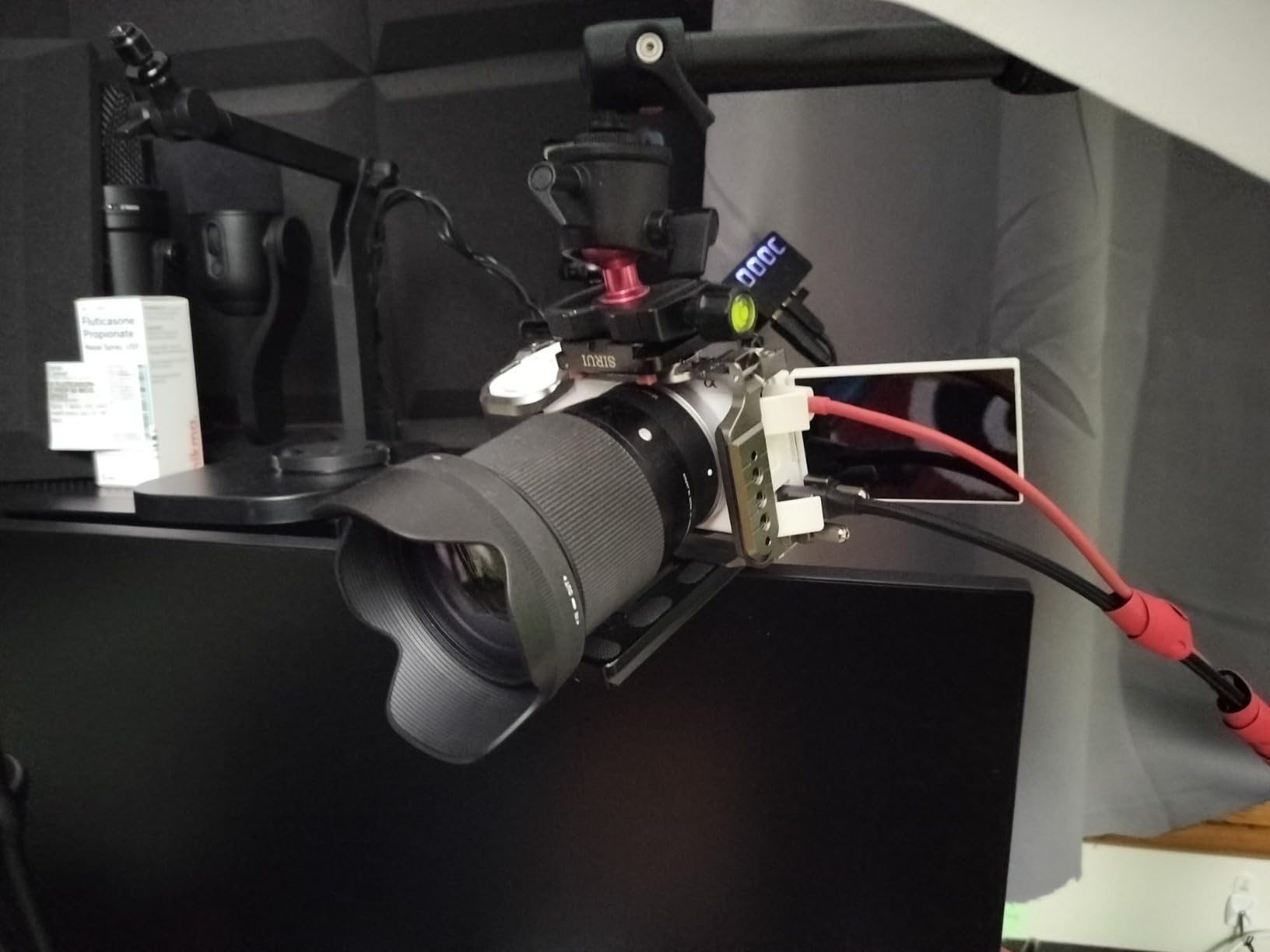
Autofocus works well for video and stills. Real-time eye tracking keeps me sharp when talking to camera. The system switches focus smoothly between subjects, perfect for interviews and demonstrations.
The interchangeable lens system is a huge advantage over dedicated vlogging cameras. I can use my existing Sony lenses for different looks. The 16-50mm kit lens is compact and versatile, though faster glass would improve low-light performance.
Still photo capabilities are basic but usable. The 26MP sensor produces good images in decent light. However, this camera is clearly designed for video first. If stills are your priority, look at the a6700 instead.
Who Should Buy the Sony ZV-E10 II
This camera is perfect for photographers expanding into content creation. If you’re starting a YouTube channel, doing product reviews, or creating social media content, the ZV-E10 II is designed for you. Nikon photographers wanting to add video to their skillset will find this an affordable entry point.
Who Should Look Elsewhere
Stills-focused photographers should consider the a6700 instead. Users needing an EVF will be disappointed. Low-light shooters might struggle with the kit lens limitations. If you’re serious about filmmaking, invest in the A7 IV or A7 V.
Nikon to Sony Transition Guide
Key Differences Between Nikon and Sony Systems
Switching from Nikon to Sony involves adjusting to several fundamental differences. The most obvious is the electronic viewfinder. After 15 years with optical viewfinders, the EVF took some getting used to. However, seeing your exposure in real-time is incredibly valuable. You know exactly what your image will look like before you press the shutter.
Autofocus behavior is another major difference. Nikon’s 3D tracking is good, but Sony’s real-time tracking is in another league. The AI-powered system recognizes subjects and predicts movement. During my first month with Sony, my keeper rate for action shots increased dramatically.
Color science has been a historic weakness for Sony, but recent models have improved significantly. The S-Cinetone profile produces pleasing skin tones straight out of camera. However, Nikon users might notice Sony’s files require different processing techniques to achieve their preferred look.
Ergonomics are noticeably different. Sony bodies are generally smaller and lighter than Nikon DSLRs. The grip is shallower, which some photographers find less comfortable. However, the weight savings is welcome during long shooting days. I’ve carried my A7 IV for 12-hour events with less fatigue than my D850 caused.
The lens ecosystem is Sony’s biggest advantage. The E-mount system has the most native lenses from the most manufacturers. You’ll find options from Sony, Sigma, Tamron, Samyang, and others at every price point. Third-party lens support is far better than Nikon’s Z-mount system.
Lens Compatibility and Adapters
One of the biggest concerns when switching is what to do with your existing Nikon lenses. The good news is that adapters work surprisingly well. I used a Nikon F to Sony E adapter for six months while building my Sony lens collection.
Adapters work best with Nikon G-type lenses. AF-D lenses require manual aperture control, which is inconvenient. Autofocus performance through adapters is usable but slower than native lenses. I didn’t mind for portraits and landscapes, but sports photography suffered.
Third-party adapters from Commlite and Vello are affordable and reliable. However, the Metabones adapter is worth the extra cost if you plan to use Nikon lenses long-term. It maintains autofocus performance better than cheaper alternatives.
My recommendation is to sell your Nikon lenses and buy native Sony glass. The autofocus performance, image quality, and convenience are worth the investment. Start with Sony’s f/1.8 primes, they’re excellent and relatively affordable.
Third-party lenses are where Sony really shines. Sigma’s Art series lenses offer professional quality at reasonable prices. Tamron’s zoom lenses provide great value for travel and everyday use. You can build a complete lens system for less than the cost of Nikon’s Z-mount equivalents.
Menu System Navigation
Sony’s menu system has a reputation for being confusing, and it deserves it. Coming from Nikon’s logical organization, Sony’s menus felt overwhelming at first. However, recent cameras have improved significantly.
The A7 IV and newer models include color-coded menus that are easier to navigate. Sony also added in-camera explanations that tell you what each setting does. This makes learning the system much less frustrating.
My advice is to spend time customizing the camera during your first week. Map your most-used functions to custom buttons. Create a My Menu screen with your favorite settings. This dramatically improves the shooting experience.
Learn the Function menu. By default, it’s accessible with the Fn button and provides quick access to frequently changed settings. I’ve set mine up so I rarely need to dive into the main menu during a shoot.
The color settings are different from Nikon. Sony’s Creative Look and Picture Profile options are more powerful but also more complex. Start with the Standard or Vivid settings for JPEGs. Use the S-Cinetone profile for video work.
Autofocus Comparison
Sony’s autofocus system is significantly more advanced than Nikon’s, especially for mirrorless models. The AI-powered subject recognition is the standout feature. It can detect humans, animals, birds, vehicles, and insects, then track them automatically.
Real-time Eye AF is the feature that sold me on Sony. During portrait sessions, I never worry about focus. The camera locks onto the subject’s eye and maintains focus even as they move. This is transformative for wedding and event photography.
Tracking performance is excellent for action photography. The camera predicts subject movement and maintains focus through obstacles. I’ve photographed birds flying through trees and dogs running toward me, both situations that would challenge Nikon’s system.
Focus point selection is more flexible on Sony. You can use the joystick, touchscreen, or even voice control to position your focus point. The touchscreen is particularly useful for quick adjustments during fast-paced shoots.
Low-light autofocus is another area where Sony excels. The A7 IV can focus in near darkness, down to -5 EV. I’ve photographed nighttime events where I couldn’t see clearly through the viewfinder, but the camera achieved focus without hesitation.
Color Science Differences
Color science is a subjective but important consideration when switching systems. Nikon has traditionally produced pleasing skin tones and rich colors straight out of camera. Sony’s early mirrorless cameras were criticized for unnatural colors, but this has improved dramatically.
Recent Sony cameras like the A7 IV and A7 V feature significantly improved color science. The S-Cinetone profile, borrowed from Sony’s cinema cameras, produces natural skin tones and pleasing colors. JPEGs look much better than they did just a few years ago.
RAW files still require different processing techniques. Sony’s colors tend to be more neutral and less saturated than Nikon’s. This gives you more flexibility in post but means you’ll need to adjust your editing workflow.
White balance behavior is another difference. Sony’s auto white balance leans slightly warm, while Nikon’s is more neutral. The AI-powered AWB in newer Sony cameras does an excellent job in mixed lighting, something Nikon struggles with.
My advice is to shoot RAW during your transition period. This gives you maximum flexibility to develop a look that matches your Nikon style. After a few months, you’ll develop preferences that take advantage of Sony’s unique color characteristics.
What to Consider When Switching from Nikon to Sony?
Budget Considerations
Switching camera systems is expensive. Beyond the camera body, you need new lenses, batteries, chargers, and sometimes memory cards. Create a realistic budget before making the switch.
The good news is that Sony offers options at every price point. You can start with an A7 III and build your system over time. Third-party lenses from Sigma and Tamron provide excellent quality at lower prices than first-party options.
Consider selling your Nikon gear to fund the transition. Used Nikon equipment retains value well, especially pro-level bodies and lenses. I sold my D850 and several lenses, which covered most of my initial Sony investment.
Don’t forget accessories. You’ll need new plates for your tripod, new filters for your lenses, and possibly new flash equipment. These costs add up quickly and are often overlooked when planning a switch.
Lens Ecosystem Investment
The lens ecosystem is Sony’s greatest advantage. The E-mount system has more native lenses than any other mirrorless mount. You’ll find options from Sony, Sigma, Tamron, Samyang, Tokina, and others.
Start with versatile zoom lenses. The Sony 24-105mm f/4 and Tamron 28-75mm f/2.8 are excellent general-purpose options. Add a prime lens for low-light work, the Sony 85mm f/1.8 is fantastic for portraits.
Third-party lenses are where Sony really shines. Sigma’s Art series lenses rival first-party quality at lower prices. Tamron’s zoom lenses offer great value for travel and everyday use. You can build a complete system for less than Nikon’s Z-mount equivalents.
Consider your photography genre. Landscape photographers might prioritize wide-angle zooms. Portrait shooters will want fast primes. Sports and wildlife photographers need telephoto reach. Choose lenses that match your shooting style.
Photography Genre Needs
Different photography genres have different requirements. Choose your Sony camera based on what you shoot most often.
Portrait and wedding photographers should prioritize the A7 IV or A7 V for their excellent autofocus and medium resolution. The A7R V is perfect for portraitists who love making large prints. Eye AF is transformative for people photography.
Landscape photographers will want the A7R V for its 61MP sensor and incredible dynamic range. The high resolution allows for massive prints and extensive cropping. Weather sealing is excellent for outdoor work.
Sports and wildlife photographers should consider the A7 V or Alpha 1 for their fast burst rates and advanced autofocus. The blackout-free shooting on these models is a game-changer for action photography.
Street and travel photographers might prefer the compact a6400 or a6700. Their smaller size is less conspicuous and easier to carry all day. The A7 IV is a good full-frame alternative if you prefer a viewfinder.
Hybrid shooters doing both photo and video should prioritize the A7 IV or A7 V. Both offer excellent 4K video with professional features. The A7 V’s 4K 120fps is perfect for slow-motion footage.
Video Requirements
Sony cameras have become the default choice for many filmmakers and content creators. The video capabilities are generally superior to Nikon’s offerings, especially in the full-frame lineup.
For casual video, the A7 III is perfectly adequate. 4K recording with good autofocus makes it suitable for family videos and occasional content creation. The A7 IV adds 4K 60fps and 10-bit color for more serious work.
Professional videographers should consider the A7 V or Alpha 1. These cameras offer 4K 120fps recording, advanced codecs, and professional color profiles. The A7R V adds 8K capability for future-proofing.
Content creators and vloggers might prefer the ZV-E10 II or a6700. Both feature flip screens and video-optimized features. The Product Showcase Mode on the ZV-E10 II is unique and useful for review channels.
Consider your audio needs. Most Sony cameras have microphone inputs, but headphone jacks are reserved for higher-end models. The A7 IV and above have both inputs and outputs for professional audio monitoring.
Ergonomics and Handling
Ergonomics are highly personal, but there are objective differences between Nikon and Sony. Sony bodies are generally smaller and lighter, which reduces fatigue during long shooting days. However, the grip is shallower, which some photographers find less comfortable.
If you have large hands, consider adding a grip extension or battery grip. The official Sony vertical grips are excellent but expensive. Third-party alternatives are available at lower prices.
Button layout takes time to master. Sony places buttons differently than Nikon, and some functions are accessed through menus rather than dedicated buttons. Spend time customizing the camera to match your shooting style.
The electronic viewfinder is an adjustment for longtime DSLR users. However, once you’re used to it, the advantages are significant. Seeing your exposure and white balance in real-time prevents mistakes and improves your hit rate.
Weight savings is one of the biggest benefits of switching to Sony mirrorless. My A7 IV with a 24-105mm lens weighs significantly less than my D850 with a 24-120mm. This makes a huge difference during travel and event photography.
Frequently Asked Questions
Which camera is best for photography, Sony or Nikon?
Neither brand is universally better, but Sony excels in autofocus performance, lens ecosystem, and video capabilities. Nikon has better ergonomics and more intuitive menus. For photographers switching in 2026, Sony’s advantages in eye autofocus and mirrorless technology often make it the preferred choice.
Is the Sony camera better than the Nikon?
Sony cameras are better for autofocus tracking, video features, and lens selection. Nikon cameras offer better ergonomics, more intuitive menus, and excellent optical viewfinders on DSLRs. The choice depends on your priorities. If you value cutting-edge autofocus and the largest lens ecosystem, Sony is the better choice in 2026.
Do professional photographers use Sony cameras?
Yes, many professional photographers use Sony cameras. Wedding, portrait, sports, and wildlife photographers have adopted Sony in large numbers. The autofocus performance, especially real-time eye tracking, has made Sony a top choice for professional work. National Geographic photographers, sports photographers at major events, and wedding photographers worldwide use Sony Alpha cameras.
Which camera do most professional photographers use?
There is no single dominant brand among professionals. Canon, Nikon, and Sony all have significant market share. However, Sony has gained tremendous ground among professionals switching to mirrorless. The A7 series and Alpha 1 are common among wedding, portrait, and sports photographers. Many professionals use multiple systems depending on their specific needs.
Conclusion
Switching from Nikon to Sony is a significant decision, but for many photographers, it’s absolutely worth it. The autofocus performance alone has transformed my photography. I’m capturing shots I would have missed with my Nikon gear, and my keeper rate has increased dramatically.
The best cameras for photographers switching from Nikon to Sony balance familiar features with cutting-edge technology. The A7 IV is my top recommendation for most switchers, offering the perfect balance of performance, features, and value. Budget-conscious buyers should consider the A7 III, while professionals might need the A7 V or Alpha 1.
Remember that switching systems takes time. Allow yourself a few months to adjust to the different ergonomics, menus, and workflow. Join Sony user groups, watch tutorials, and practice with your new gear. The learning curve is real, but the rewards are worth it.
The lens ecosystem is Sony’s greatest advantage. With options from Sony, Sigma, Tamron, and others, you’ll find glass for every need and budget. Take your time building your lens collection, and don’t be afraid to use third-party options.
Are you ready to make the switch? Start with the camera that best matches your photography style and budget. Your gear should serve your vision, not hold it back. Sony’s Alpha series gives you the tools to capture your best work yet.