
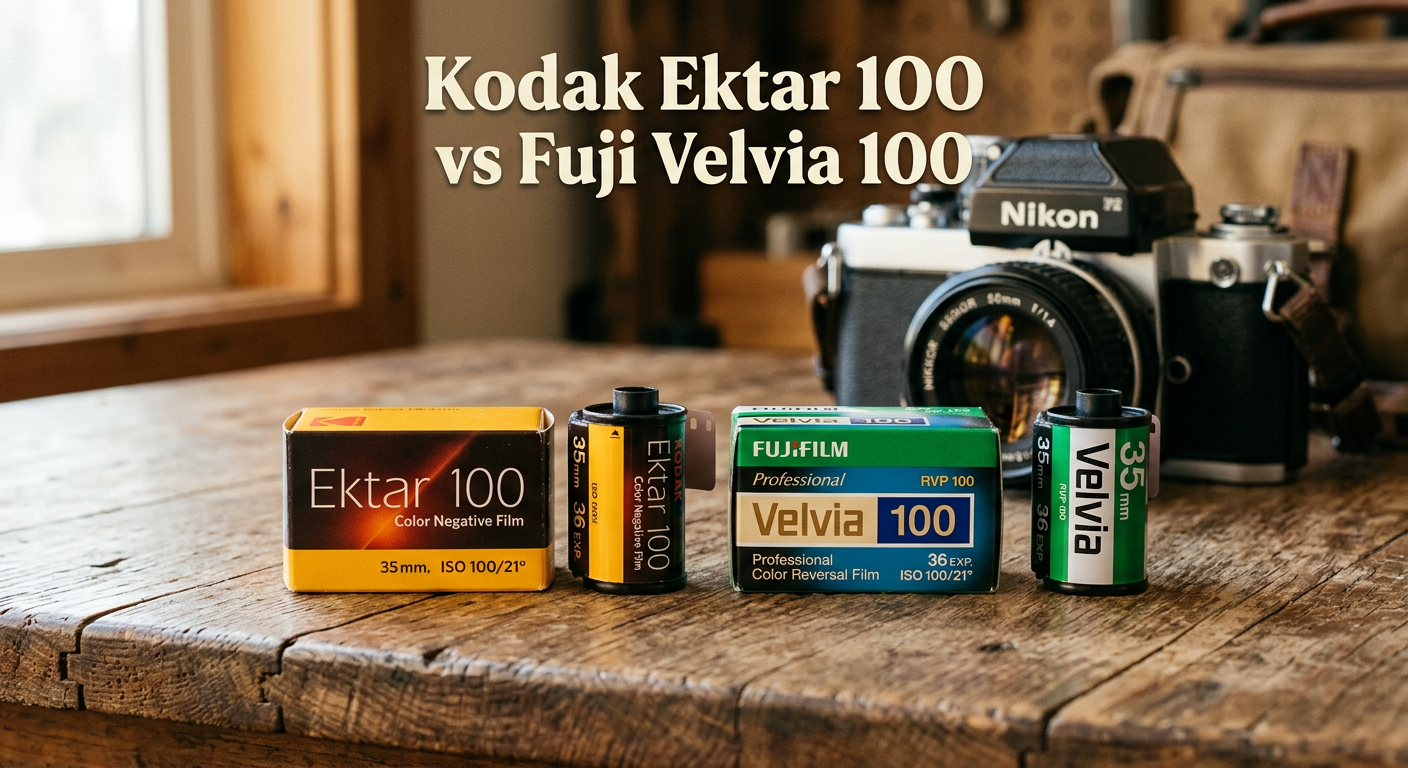
Choosing between Kodak Ektar 100 vs Fuji Velvia 100 comes down to understanding the fundamental difference between color negative and slide film. I have shot both extensively over the years, and each serves a distinct purpose in film photography. This comparison will help you decide which one fits your shooting style.
Kodak Ektar 100 is a color negative film processed in C-41 chemistry, offering incredible exposure latitude and the world’s finest grain for a color negative emulsion. Fuji Velvia 100 is a color positive slide film using E-6 processing, delivering extraordinary color saturation and the classic Velvia look that landscape photographers have loved for decades.
The key difference? Ektar forgives exposure mistakes while Velvia demands precision. Ektar produces negatives that scan beautifully with room for color correction. Velvia creates transparencies that project with stunning clarity but offer little margin for error. Let’s dive into the details.
Kodak Ektar 100 vs Fuji Velvia 100: Quick Comparison
| Product | Specifications | Action |
|---|---|---|
 Kodak Ektar 100 (Pack of 2)
|
|
Check Latest Price |
 Fuji Velvia 100
|
|
Check Latest Price |
This table shows the core differences at a glance. Ektar uses standard C-41 processing available at most labs, while Velvia requires E-6 processing which fewer labs handle. Both are ISO 100 speed films designed for daylight shooting, but their characteristics diverge dramatically from there.
Kodak Ektar 100: The Versatile Color Negative Film
Kodak Ektar 100 Professional ISO 100, 35mm, 36 Exposures, Color Negative Film (Pack of 2)
Pros
- World's finest grain color negative film
- Ultra-vivid colors with optimized sharpness
- Excellent exposure latitude
- Scans beautifully with room for color correction
- Widely available and easy to find
Cons
- Can lean warm/yellow in certain lighting
- Less dramatic than slide film
When Kodak introduced Ektar 100, they called it the world’s finest grain color negative film. After shooting dozens of rolls, I can confirm this claim holds up. The micro-structure optimized t-grain emulsions deliver detail that rivals much slower films, making it exceptional for enlargements from 35mm negatives.
The color palette leans saturated and vibrant, but with more natural skin tones than you might expect from such a punchy film. I have used Ektar for everything from travel photography to product shots, and it handles mixed lighting better than most color films in its class. The warm cast some photographers notice actually works beautifully for golden hour landscapes.
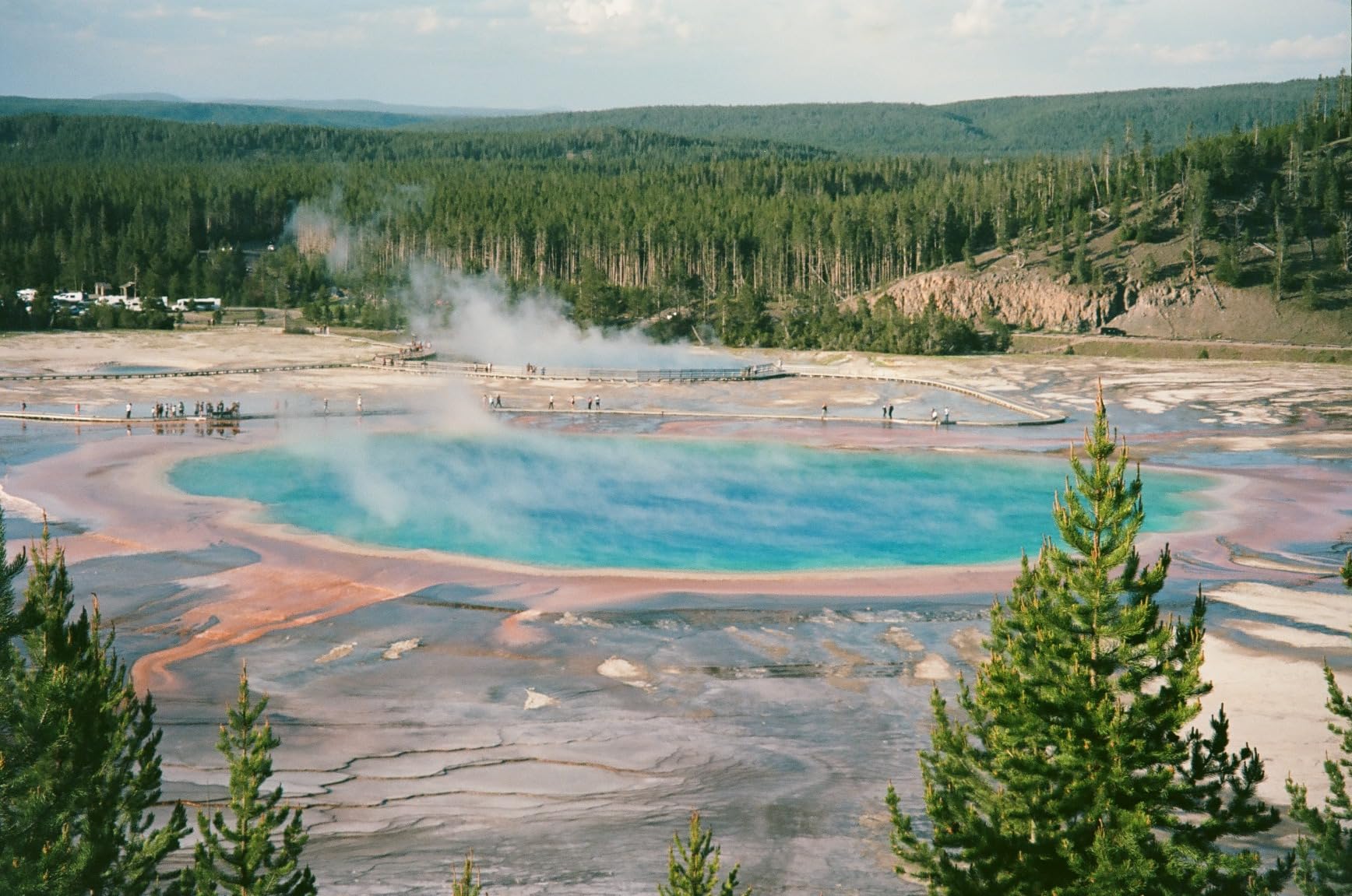
What sets Ektar apart is its exposure latitude. You can miss your exposure by a stop or two and still recover usable images during scanning. This forgiveness makes it ideal for photographers transitioning from digital or those shooting in rapidly changing light conditions. I have rescued shots that would have been completely lost on slide film.
The C-41 processing requirement means you can drop Ektar off at virtually any lab or drugstore that still processes film. No hunting for specialized E-6 labs. The negatives scan easily on home scanners or lab equipment, giving you flexibility in your workflow that slide film simply cannot match.
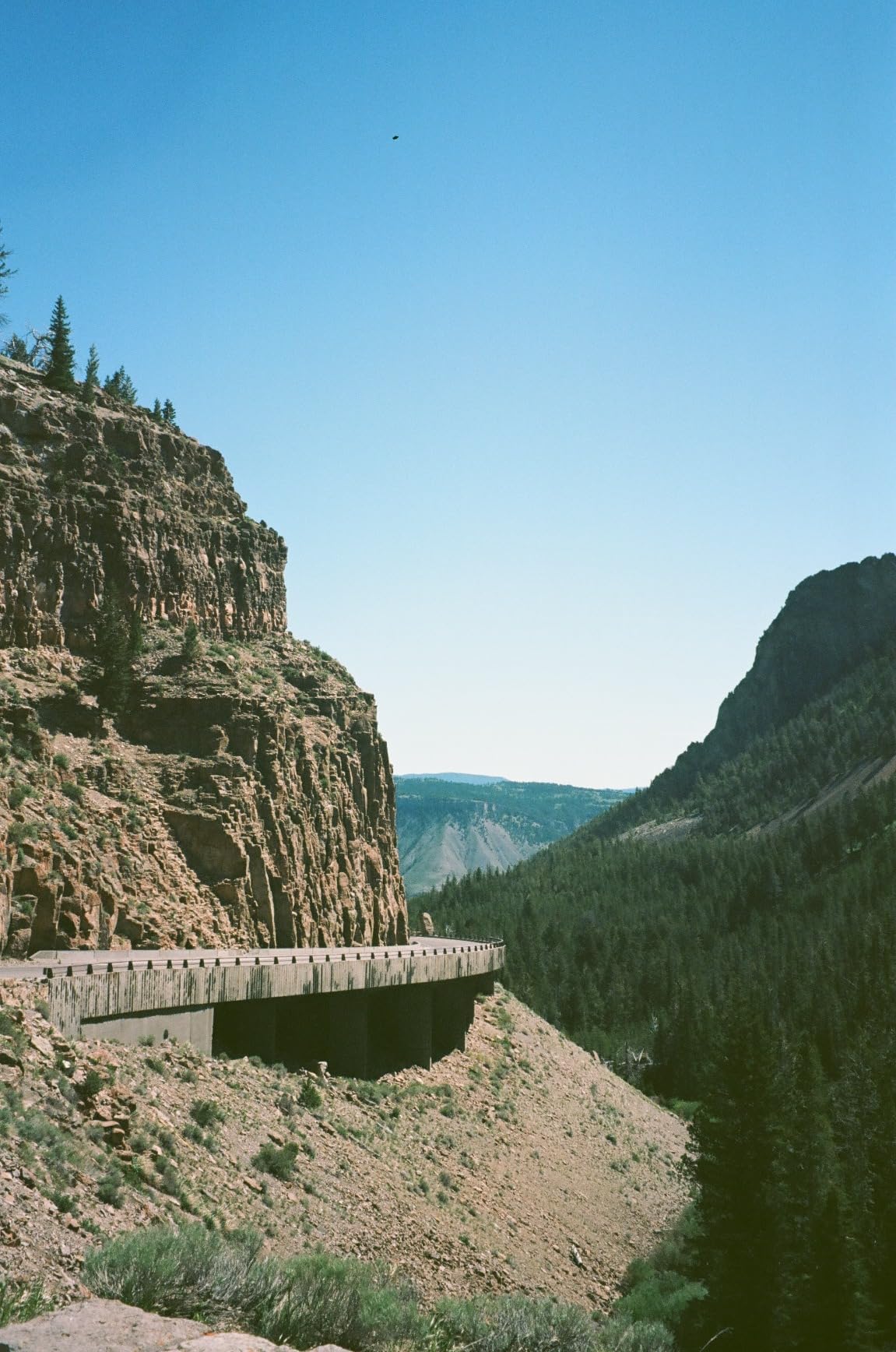
For practical shooting, Ektar excels in daylight and open shade. It handles high contrast scenes by retaining detail in both highlights and shadows. The dynamic range advantage becomes obvious when shooting landscapes with bright skies and dark foregrounds. You get usable information across the tonal range that slide films often sacrifice.
Fuji Velvia 100: The Iconic Slide Film
FUJIFILM 135 VELVIA100 NP 36EX 1 Reverse Film Fujichrome Velvia 100 35mm 36 Sheets 1
Pros
- Extraordinary color saturation especially greens and reds
- Sharpness and fine detail retention
- Classic slide film look for projection
- Creates stunning transparencies
- Greater latitude than Velvia 50
Cons
- Limited exposure latitude requires precise metering
- Can show purple cast at sunrise/sunset
- Requires E-6 processing
- Fewer labs process slide film
Fuji Velvia 100 carries the legendary Velvia name, and it delivers that characteristic color punch landscape photographers chase. The saturated greens and reds create images that pop off the light table or screen. When you hold a properly exposed Velvia transparency up to the light, the impact is immediate and visceral.
The E-6 slide film process produces positive transparencies rather than negatives. This means what you see on the film is exactly what you captured, with no intermediate negative stage. For projection or direct viewing, nothing beats the experience of a perfectly exposed Velvia slide. The colors have a depth and richness that scanning struggles to fully capture.

Precision matters with Velvia 100. The exposure latitude is tight, perhaps one stop in either direction before quality degrades noticeably. I learned this the hard way early on. Your metering needs to be accurate, and understanding how your camera meters different scenes becomes critical. For landscapes, many photographers recommend metering for highlights and letting shadows fall where they may.
The reciprocity characteristics of Velvia 100 deserve mention for long exposure work. Unlike Velvia 50 which suffers significant reciprocity failure, Velvia 100 maintains better performance during extended exposures. However, some photographers report a purple color cast appearing during sunrise and sunset conditions, which can require color correction during scanning or printing.
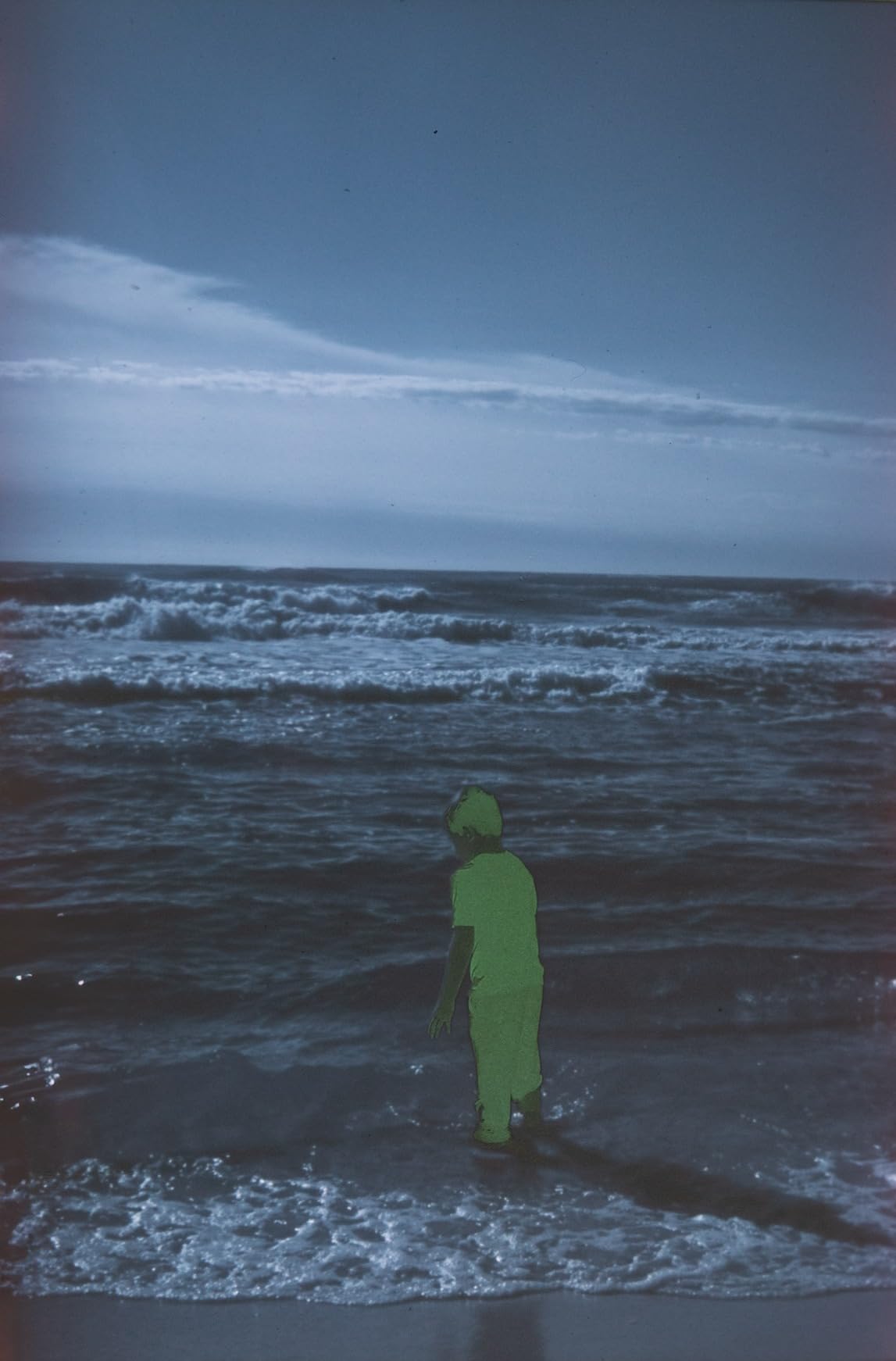
Availability has become a concern with Fuji slide films. While Velvia 100 remains in production, distribution varies by region. Some markets have seen supply issues, and prices have climbed steadily. If you fall in love with Velvia, consider stocking up when you find it available from reliable sources.
Kodak Ektar 100 vs Fuji Velvia 100: Head-to-Head Comparison
Color Reproduction
Ektar produces vibrant, saturated colors with a slightly warm bias. Reds, oranges, and yellows tend to pop, while blues and greens remain natural. The overall palette feels modern and punchy without crossing into unnatural territory. Skin tones render reasonably well, making Ektar viable for portraits when you want that saturated look.
Velvia 100 delivers the classic Velvia color signature: intense saturation with particularly brilliant greens and reds. The colors lean bold and dramatic. Blues appear deep and saturated. This look defines the Velvia aesthetic that made it a landscape photography standard. However, skin tones often appear unnatural, making Velvia a poor choice for portraits.
Dynamic Range and Exposure Latitude
Ektar wins hands down for exposure latitude. The color negative structure captures a wider dynamic range, giving you room for error. Overexpose by a stop or two, and you can still pull excellent results during scanning. Underexpose slightly, and shadow detail remains recoverable. This forgiveness makes Ektar approachable for photographers at any skill level.
Velvia 100 demands precision. The exposure latitude measures perhaps one stop in either direction. Meter for the highlights, because blown highlights on slide film are gone forever. The dynamic range is narrower, which can create dramatic images but requires careful metering technique. This characteristic separates experienced film photographers from beginners.
Processing Requirements
Ektar uses standard C-41 color negative processing. Nearly every lab that processes film handles C-41, including many drugstores and big-box stores with photo departments. You can also process it at home with relatively affordable C-41 chemistry kits. This accessibility matters for workflow convenience.
Velvia 100 requires E-6 slide film processing. Far fewer labs offer E-6 services, and those that do often charge premium prices. Home E-6 processing is possible but more demanding than C-41, with tighter temperature control requirements. Factor processing accessibility into your choice.
Grain and Sharpness
Both films deliver exceptional sharpness and fine grain for ISO 100 emulsions. Ektar’s claim as the world’s finest grain color negative film holds up in real-world use. The grain structure remains tight even in large enlargements. Velvia 100 similarly offers excellent sharpness with minimal grain that retains fine details beautifully.
In practical terms, you will not see dramatic grain differences between these films at normal print sizes. Both deliver professional-quality results that satisfy critical photographers.
Best Use Cases
Choose Ektar 100 for travel photography, everyday shooting, portraits where you want saturated but natural colors, and situations with challenging or mixed lighting. The exposure latitude and easy processing make it versatile for general photography. It works exceptionally well for scenes with high dynamic range where you need detail in both highlights and shadows.
Choose Velvia 100 for dramatic landscapes, nature photography, and any situation where maximum color impact matters more than exposure flexibility. The saturated colors create stunning images of forests, gardens, and scenic vistas. Skip it for portraits and people photography unless you want unnatural skin tones.
Price and Availability
Ektar 100 remains widely available from major retailers and online sources. The pricing stays competitive for a professional-grade film. You will find it stocked consistently at camera stores and major online retailers.
Velvia 100 availability varies significantly. While technically still in production, distribution has become spotty in some markets. Prices run higher than Ektar, sometimes substantially so. When you find fresh Velvia 100 at reasonable prices, consider buying extra to ensure supply.
Frequently Asked Questions
Is Velvia 100 being discontinued?
Fuji Velvia 100 remains in production as of 2026, though availability varies by region. Distribution has become inconsistent in some markets, particularly the United States where supply issues have occurred. The film is still manufactured by Fujifilm, but photographers should check current availability from reliable retailers before planning projects around it.
What is Kodak Ektar 100 best for?
Kodak Ektar 100 excels at travel photography, landscapes, and everyday shooting where you want vibrant colors with fine grain. The wide exposure latitude makes it forgiving for photographers still developing their metering skills. It works well for portraits when you want saturated but natural-looking skin tones, and the C-41 processing makes it convenient to develop anywhere.
What is Velvia film good for?
Velvia film is ideal for landscape photography, nature scenes, and any subject where maximum color saturation creates impact. The brilliant greens and reds make it perfect for forests, gardens, and autumn foliage. Velvia creates stunning transparencies for projection or direct viewing. Avoid it for portraits, as skin tones often appear unnatural.
Is Ektar 100 discontinued?
No, Kodak Ektar 100 is not discontinued. It remains in active production and widely available from camera stores and online retailers. Ektar 100 continues to be one of Kodak’s flagship professional color negative films, with consistent supply and competitive pricing for its quality level.
Final Verdict
For most photographers, Kodak Ektar 100 represents the more practical choice in the Kodak Ektar 100 vs Fuji Velvia 100 comparison. The exposure latitude, easy C-41 processing, and consistent availability make it suitable for a wide range of subjects. It delivers the vibrant colors film photographers want without demanding perfect technique.
Choose Fuji Velvia 100 if you specifically want the slide film experience, plan to project your images, or need that characteristic saturated landscape look. The extra effort in metering and finding E-6 processing pays off in the unique aesthetic only slide film can deliver.
My recommendation? Start with Ektar if you are new to color film or want reliable results. Add Velvia to your bag when you are ready to commit to the precision shooting that slide film demands. Both films deserve a place in a well-rounded film photography practice.