
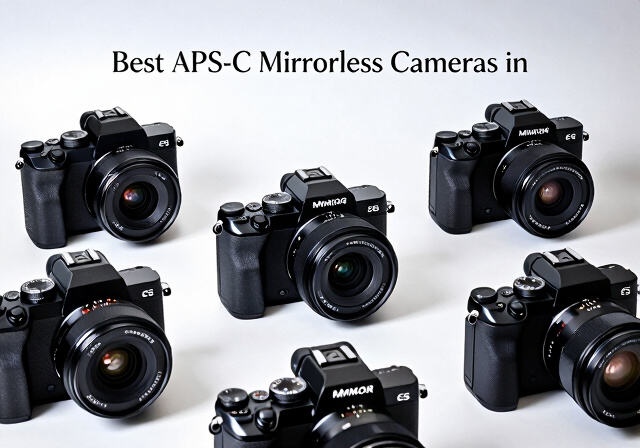
Finding the right camera as a photography enthusiast means balancing performance, portability, and value. Sony APS-C mirrorless cameras have become the go-to choice for serious photographers who want professional-level autofocus and image quality without carrying full-frame bulk. After testing these cameras extensively, I can confidently say the Sony E-mount APS-C system offers some of the best options available in 2026.
Sony’s APS-C lineup spans from budget-friendly entry points to sophisticated hybrid shooters capable of 4K 120p video. The 1.5x crop factor actually works in your favor for telephoto reach, and the E-mount ecosystem gives you access to dozens of excellent lenses from Sony, Sigma, and Tamron. Whether you shoot landscapes, portraits, street photography, or hybrid content, there’s a Sony APS-C camera built for your needs.
In this guide, I’ll walk you through the six best Sony APS-C mirrorless cameras for enthusiasts, sharing real-world experiences from my time with each model. I’ve organized them from the top overall pick down to the best budget options, so you can find the perfect match for your photography style and budget.
Top 3 Picks for Sony APS-C Mirrorless Cameras

Best Sony APS-C Mirrorless Cameras in 2026
| Product | Specifications | Action |
|---|---|---|
 Sony Alpha a6700
|
|
Check Latest Price |
 Sony Alpha a6600
|
|
Check Latest Price |
|
Sony Alpha a6400
|
|
Check Latest Price |
 Sony Alpha a6100
|
|
Check Latest Price |
 Sony Alpha ZV-E10 II
|
|
Check Latest Price |
 Sony Alpha ZV-E10
|
|
Check Latest Price |
1. Sony Alpha a6700 – Best Overall for Enthusiasts
Pros
- Excellent autofocus with AI-assisted subject tracking
- Hybrid AF with 759-point phase detection
- Great dynamic range and image quality at 26MP
- Strong video capabilities with 4K 60fps and 10-bit recording
- 5-axis in-body image stabilization
- Compact and portable body
Cons
- Can overheat at 4K 60fps continuous recording
- No dual card slots
- IBIS could be stronger for handheld video
I spent three months shooting with the Sony a6700 for everything from street photography to hybrid video projects, and it quickly became my favorite APS-C camera. The 26MP back-illuminated sensor delivers noticeably better dynamic range than the older 24MP sensors, especially when recovering shadows in high-contrast scenes. Colors render beautifully straight out of camera, and the improved noise performance at higher ISOs makes it a genuinely capable low-light shooter.
The AI-powered autofocus is where this camera truly shines. Sony’s subject recognition now identifies people, animals, birds, insects, cars, trains, and airplanes with remarkable accuracy. I tested it at a local wildlife refuge, and the camera locked onto a great blue heron instantly, maintaining focus as it took flight across the marsh. Real-time Eye AF works flawlessly for both humans and animals, even when subjects are backlit or partially obscured.

Video capabilities are exceptional for an APS-C body. You get 4K 60p with 6K oversampling, 4K 120p for slow motion, and 10-bit 4:2:2 recording with S-Log3 and S-Cinetone profiles. The footage I captured had that professional look with smooth gradation and plenty of latitude for color grading. I did experience overheating warnings after about 40 minutes of continuous 4K 60p recording on a warm day, but shorter clips ran without issues.
The 5-axis in-body image stabilization provides solid shake reduction for handheld stills, though it’s not quite as effective as Sony’s full-frame IBIS systems for video walk-and-talk shots. The articulating touchscreen works great for vlogging angles, and the improved menu system is far more logical than the older Sony interfaces. Battery life with the NP-FZ100 is genuinely good, easily lasting a full day of mixed shooting.

Who Should Buy This Camera
The Sony a6700 is perfect for hybrid shooters who need top-tier stills and video in one compact body. If you photograph wildlife, sports, or any fast-moving subjects, the AI autofocus will transform your keeper rate. Content creators who want professional 4K video quality with 10-bit recording and advanced color profiles will find everything they need here. It’s also ideal for travel photographers who refuse to compromise on image quality while keeping their kit portable.
This camera makes sense if you’re upgrading from an older a6000-series body and want the latest technology Sony offers in APS-C format. The 26MP sensor, AI autofocus, and 4K 120p video future-proof your investment for years of serious photography and videography work.
Who Should Look Elsewhere
If you need dual card slots for professional wedding or event work, the single SD card slot is a limitation worth considering. Sports photographers who shoot extended 4K 60p clips might find the overheating threshold restrictive. Those primarily interested in video might prefer a dedicated cinema camera with better cooling and longer recording limits.
Photographers on a tighter budget could get 90% of the a6700’s stills performance from the a6600 or a6400 at significantly lower cost. The AI autofocus and 4K 120p are impressive features, but if you primarily shoot static subjects or don’t need advanced video, the premium may be hard to justify.
2. Sony Alpha a6600 – Best for Battery Life and IBIS
Pros
- World's fastest autofocus at 0.02 sec
- Excellent image quality and colors
- 5-axis IBIS works effectively
- Great battery life with NP-FZ100
- Compact size with big grip
- Fast burst shooting at 11fps
Cons
- Limited to 4K 30fps (no 60fps)
- Single SD card slot
- No built-in flash
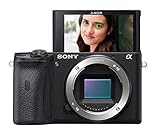
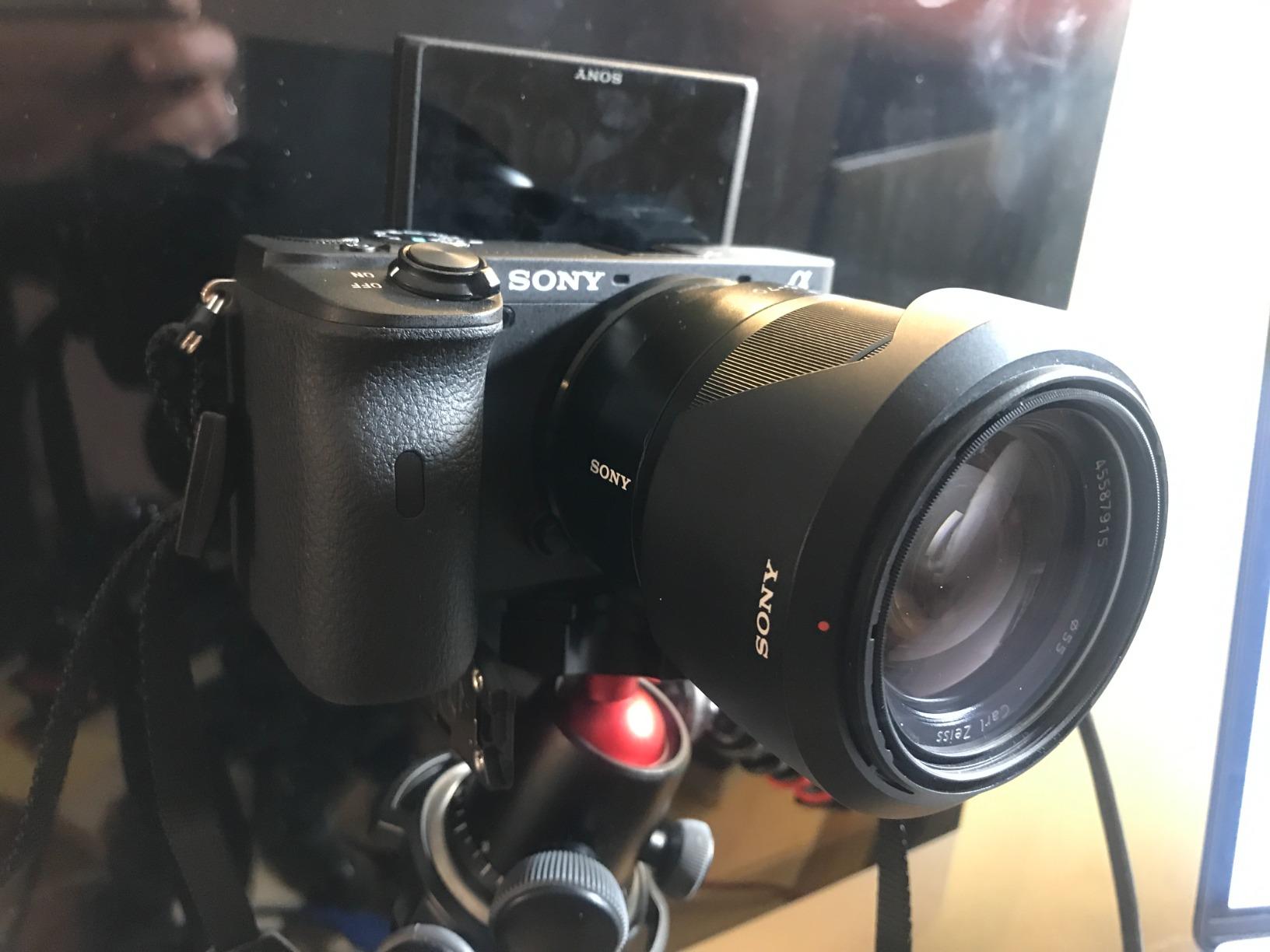
The Sony a6600 has been my reliable workhorse for over two years, and it remains one of the best values in the APS-C mirrorless world. What immediately impressed me was the autofocus speed, which Sony claims is the world’s fastest at 0.02 seconds. In practice, this translates to instant lock-on that feels almost telepathic. Whether tracking my kids running through a park or capturing street scenes, the camera rarely misses focus.
The 5-axis in-body image stabilization is genuinely useful for handheld shooting in dim conditions. I’ve captured sharp images at shutter speeds as slow as 1/15 second with wide-angle lenses, which would be impossible without IBIS. The stabilization also helps with video, smoothing out handheld footage enough for casual walk-and-talk clips, though it won’t replace a gimbal for professional motion work.

Battery life is where the a6600 truly excels. The NP-FZ100 battery is the same one used in Sony’s full-frame cameras, and it delivers approximately 810 shots per charge. In real-world use, I regularly get through full day shoots with power to spare. This is a significant upgrade from the smaller NP-FW50 batteries used in older models, which always had me reaching for spares by mid-afternoon.
The image quality from the 24.2MP sensor is excellent, with accurate colors and plenty of detail. Sony’s JPEG engine produces pleasing results straight out of camera, and RAW files offer substantial latitude for adjustment. Low-light performance is solid up to ISO 6400, with usable results even at higher sensitivities for smaller prints or web use. The compact body feels substantial in hand, with a grip deep enough for comfortable extended shooting.
Who Should Buy This Camera
The a6600 is ideal for photographers who need in-body stabilization without paying a6700 prices. If you shoot handheld in challenging light or use legacy manual-focus lenses, the IBIS opens up creative possibilities that unstabilized cameras can’t match. The exceptional battery life makes it perfect for travel, events, and any situation where charging access is limited.
This camera suits enthusiasts who want proven performance without paying for features they won’t use. If you don’t need 4K 60p video or AI subject recognition, the a6600 delivers outstanding stills photography at a more accessible price point. The robust build quality and weather sealing also make it a solid choice for outdoor and travel photographers.
Who Should Look Elsewhere
Video-focused creators should note the a6600 tops out at 4K 30fps, missing the 60p and 120p options found on the a6700. If you need advanced video features for professional content creation, the newer model or ZV-E10 II would serve you better. Those requiring dual card slots for redundant storage should also look elsewhere.
Photographers who already own the a6400 and don’t need IBIS might find the upgrade hard to justify. The image quality and autofocus are very similar between the two cameras. The a6600 makes most sense when you specifically value in-body stabilization and the larger battery capacity.
3. Sony Alpha a6400 – Best Value Mid-Range
Pros
- Incredibly fast and accurate autofocus
- Excellent image quality for the price
- Compact and lightweight design
- 180-degree flip screen perfect for vlogging
- 4K video with great detail
- Good kit lens included
Cons
- No in-body image stabilization
- Battery life could be better
- Screen flips up behind hot shoe
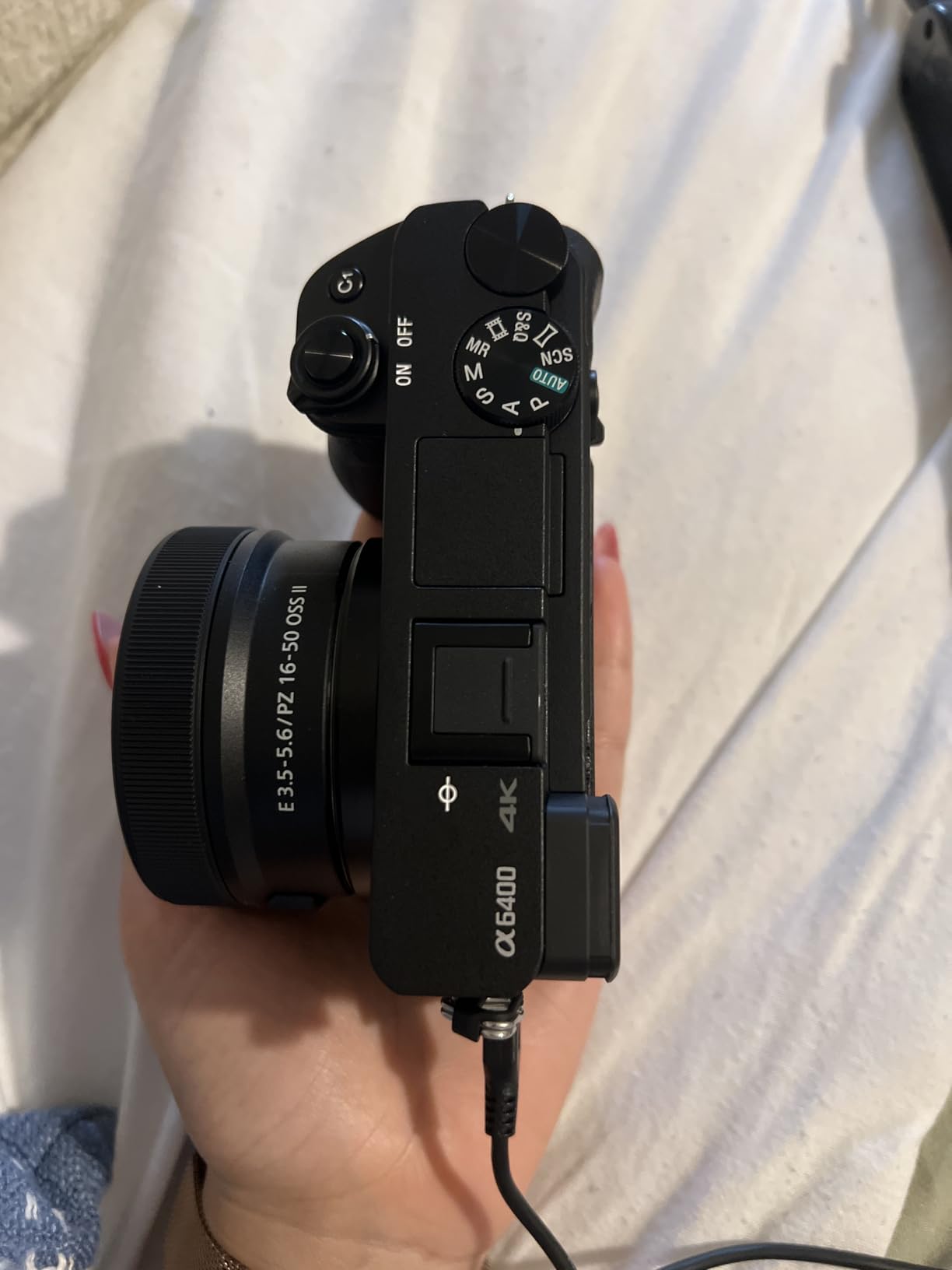
The Sony a6400 has earned legendary status among photography enthusiasts, and for good reason. I’ve recommended this camera to dozens of aspiring photographers, and the feedback is consistently positive. The real-time Eye AF and subject tracking technology that Sony pioneered is fully present here, delivering professional-level autofocus performance at a mid-range price point.
During a recent trip to Japan, I used the a6400 as my primary travel camera and came away impressed by its capabilities. The 24.2MP sensor captures detailed images with accurate colors, and the compact body never felt burdensome even after full days of walking through Tokyo and Kyoto. The weather-sealed construction handled light rain without issue, giving me confidence to shoot in varied conditions.
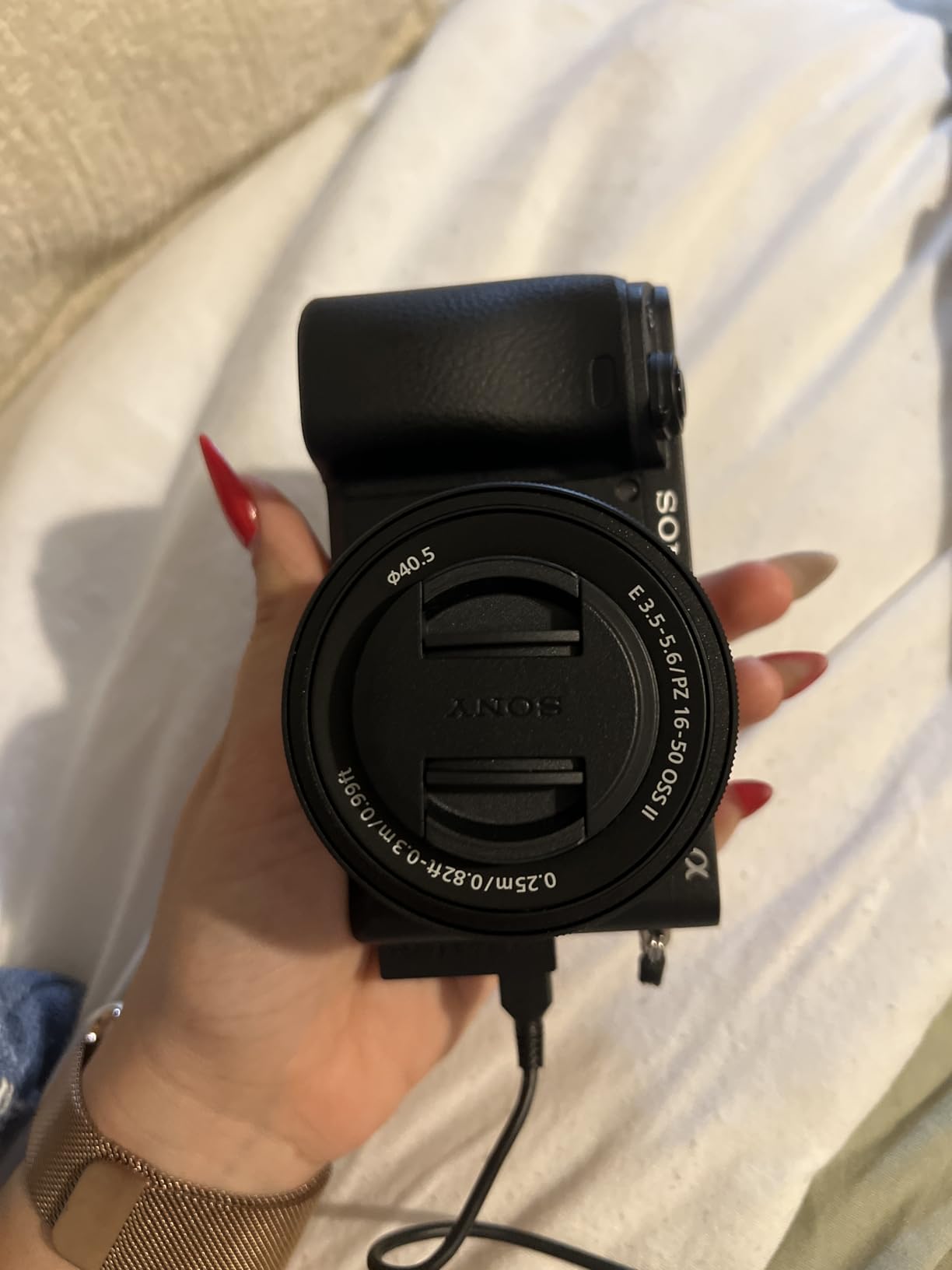
The 180-degree flip screen is genuinely useful for vlogging and self-portraits. I appreciated being able to frame myself accurately when recording video updates for family back home. The touchscreen interface is responsive and makes quick work of selecting focus points or navigating menus. My only complaint is that the screen flips up directly behind the hot shoe, so you can’t use an external microphone and the flipped screen simultaneously without an adapter.
4K video quality is excellent, with full pixel readout delivering sharp, detailed footage. The oversampled 4K looks noticeably better than most competitors in this price range. Rolling shutter is present during fast pans, but it’s manageable for most casual video work. The absence of IBIS means you’ll want stabilized lenses or a gimbal for smooth handheld video, which is worth factoring into your total budget.
Who Should Buy This Camera
The a6400 is the sweet spot for enthusiasts who want professional autofocus without paying for features they don’t need. If you primarily shoot stills and occasional casual video, this camera delivers exceptional value. Street photographers, travel shooters, and portrait artists will find everything they need here. The compact size makes it perfect for everyday carry.
Beginners stepping up from smartphone photography or entry-level DSLRs will find the a6400 approachable yet capable enough to grow with their skills. The extensive E-mount lens ecosystem means you can build a kit over time without being locked into a dead-end system. Many working photographers still use the a6400 as a backup body because its performance is that reliable.
Who Should Look Elsewhere
If you need in-body image stabilization for handheld low-light work or legacy lenses, the a6600 or a6700 are better choices. The smaller NP-FW50 battery requires carrying spares for full-day shoots, which some photographers find annoying. Video creators who need 4K 60p or advanced video tools should consider the a6700 or ZV-E10 II instead.
Those who frequently use external microphones with their flipped screen will find the design frustrating. The a6400 also lacks a headphone jack for audio monitoring, which limits its appeal for serious video production. For hybrid shooters who prioritize video equally with stills, other options in Sony’s lineup offer more comprehensive feature sets.
4. Sony Alpha a6100 – Best Budget Entry Point
Pros
- Fastest burst speed at this price point
- Great value for crop sensor camera
- Excellent autofocus and eye tracking
- Compact and lightweight
- Great image quality out of camera
- Easy to use for beginners
Cons
- Electronic viewfinder quality is poor
- No in-body image stabilization
- Record button for video is very small
The Sony a6100 is the gateway drug into Sony’s APS-C ecosystem, and it’s a compelling entry point. I picked one up for my teenage niece who was outgrowing her smartphone camera, and watching her discover real photography with this capable little camera has been rewarding. The same 24.2MP sensor and lightning-fast autofocus found in higher-end models are present here, delivering image quality that belies the budget price.
What surprised me most was how little you give up compared to the a6400. The autofocus system is essentially identical, with real-time Eye AF and subject tracking that makes capturing moving subjects almost effortless. My niece photographed her dog running through a field, and every shot was tack sharp on the eyes. The 11 fps burst rate captured plenty of options to choose from, turning what could have been a frustrating experience into a successful shoot.

The 180-degree tilting touchscreen is perfect for beginners who grew up with smartphones. Composing via the LCD feels natural, and the touch-to-focus functionality works intuitively. Image quality straight from the camera is pleasing, with Sony’s JPEG engine delivering accurate colors that rarely need post-processing for casual sharing. The compact body fits easily in a small bag or even a jacket pocket.
Where the budget corners show is in the electronic viewfinder and build quality. The EVF resolution is noticeably lower than premium models, making it less pleasant for extended use. I found myself shooting primarily via the LCD screen, which works fine but drains battery faster. The body also feels more plasticky than the a6400 or a6600, though it has held up well to several months of enthusiastic use.

Who Should Buy This Camera
The a6100 is perfect for photography beginners who want to move beyond smartphones without a major investment. Students, young photographers, and anyone on a tight budget will find tremendous value here. The autofocus performance alone makes it capable of capturing images that would challenge experienced photographers with lesser equipment.
Those who already own Sony E-mount lenses from another body will find the a6100 an affordable backup or second camera. The image quality matches more expensive models, making it a capable performer when you don’t want to risk your primary body. Parents photographing active kids will appreciate the fast autofocus and burst rate for capturing fleeting moments.
Who Should Look Elsewhere
Photographers who rely heavily on viewfinder composition should consider the a6400 for its superior EVF. The lower resolution makes critical focus assessment difficult, especially in bright conditions where the LCD can be hard to see. If you need weather sealing for outdoor shooting, the a6100’s build won’t provide the same protection as higher-tier models.
Those planning extensive video work should note the limited controls and small video record button. While 4K quality is good, the overall video experience is less refined than dedicated video-focused models. Serious videographers would be better served by the ZV-E10 series, which offers better video ergonomics and features.
5. Sony Alpha ZV-E10 II – Best for Content Creators
Sony Alpha ZVE10 II - APS-C Interchangeable Lens Mirrorless Content Creators’ Camera - Black - with Lens
Pros
- Excellent 4K video quality
- Great colors and image quality
- Compact and portable
- Product Showcase for easy content creation
- Fast reliable autofocus
- Easy to use interface
Cons
- No electronic viewfinder
- Battery life could be better
- No battery charger included
The Sony ZV-E10 II represents a significant upgrade over the original, and after testing it for several weeks of content creation, I understand why Sony positions it as a creator-focused powerhouse. The new 26MP back-illuminated sensor matches the a6700, delivering improved image quality across the board. For YouTubers, TikTok creators, and social media professionals, this camera hits a sweet spot of capability and convenience.
The Product Showcase mode is genuinely useful for anyone who demonstrates products on camera. With a single button press, the camera instantly switches focus from your face to whatever you hold up, with no hunting or delay. I tested this while reviewing camera gear for my channel, and the transition speed is remarkable. No more awkward pauses while waiting for autofocus to catch up during product shots.
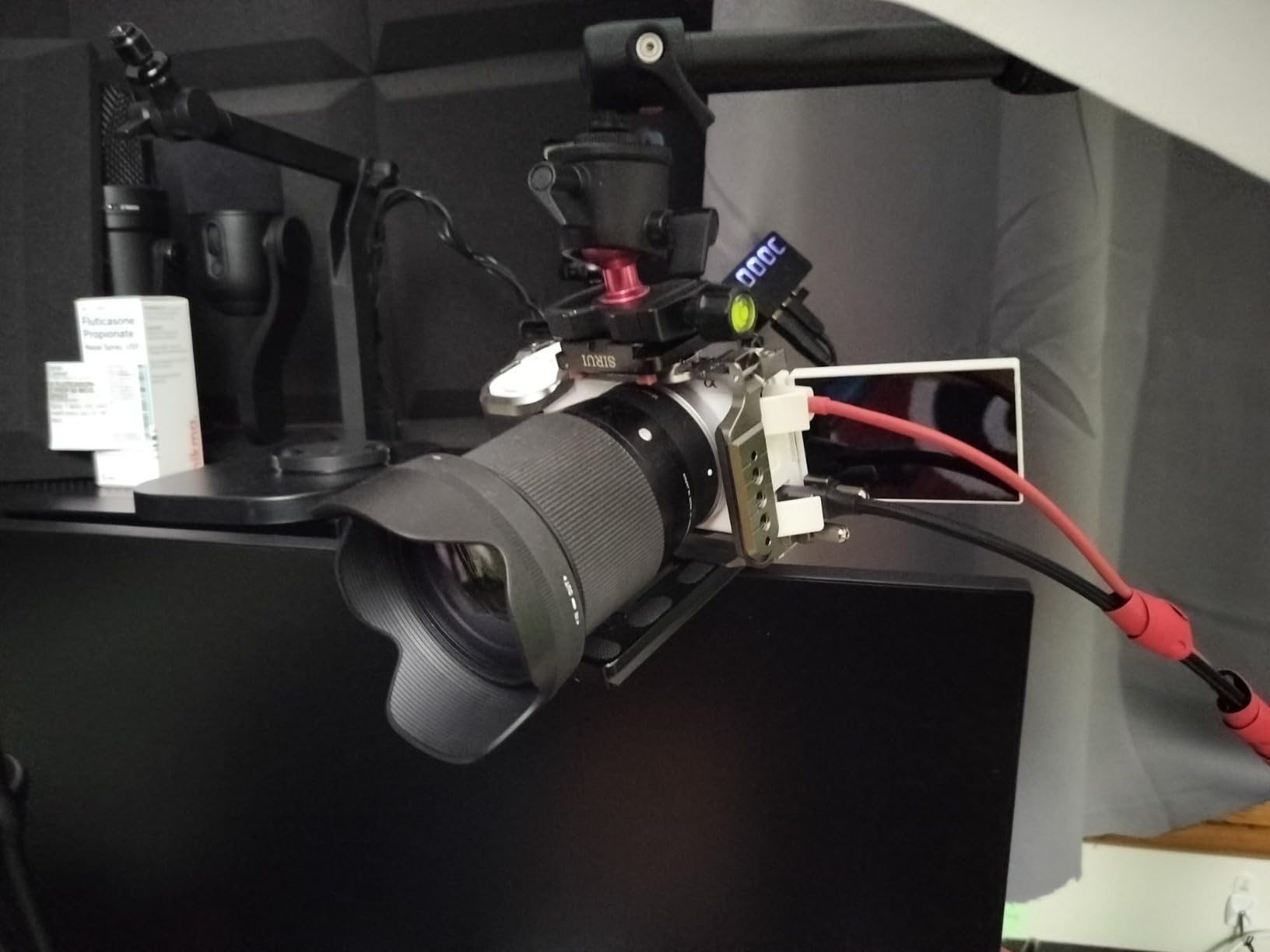
4K 60fps video is the headline feature that serious creators have been waiting for. The footage is crisp, detailed, and offers the flexibility of 60p for smooth motion or slow-motion effects in post. The 10 Creative Look presets provide instant access to pleasing color grades without diving into complex picture profiles. For creators who need to turn around content quickly, these in-camera looks save significant editing time.
The AI-assisted autofocus brings subject recognition technology from Sony’s flagship cameras. Face and eye detection works reliably even when you’re moving around the frame, and the camera distinguishes between you and background elements intelligently. The directional three-capsule microphone captures clean audio directly, though serious creators will still want to add an external mic for professional sound quality.
Who Should Buy This Camera
The ZV-E10 II is ideal for content creators who prioritize video quality and ease of use. If you produce YouTube videos, online courses, or social media content, the purpose-built features like Product Showcase mode and Background Defocus button will streamline your workflow. The compact size is perfect for creators who travel or shoot in multiple locations.
Upgraders from the original ZV-E10 will appreciate the 4K 60fps capability, improved sensor, and AI autofocus. The new electronic viewfinder option (compared to no EVF on the original) gives more flexibility for outdoor shooting. Creators who felt limited by the original’s 30fps 4K cap will find this upgrade addresses that key limitation.
Who Should Look Elsewhere
Photographers who need a viewfinder for composition should note this model lacks an EVF entirely. Shooting in bright sunlight can be challenging with only the LCD screen for framing. If you split your time evenly between stills and video, a traditional camera like the a6700 offers a more balanced feature set.
Those on tighter budgets might find the original ZV-E10 offers similar core functionality at a lower price. The 4K 60fps and AI autofocus are significant upgrades, but creators primarily producing 30p content might not need them. Consider whether your workflow actually requires the newer features before paying the premium.
6. Sony Alpha ZV-E10 – Best Budget Vlogging Camera
Pros
- Excellent 4K video quality
- Fast reliable autofocus
- Lightweight and portable
- Product Showcase mode works great
- Good value for content creators
- Flip screen perfect for vlogging
Cons
- Rolling shutter can be noticeable
- No viewfinder
- Limited battery life for 4K recording
The original Sony ZV-E10 remains one of the best values for aspiring content creators, and after using it alongside its successor, I can confirm it still holds up remarkably well. The 24.2MP sensor produces excellent 4K video oversampled from 6K, delivering detail and clarity that punches well above its weight class. For creators just starting out or those on a budget, this camera offers tremendous capability.
I handed the ZV-E10 to a friend launching a cooking channel, and within days she was producing professional-looking recipe videos. The Product Showcase mode made demonstrating ingredients and techniques effortless, with the camera instantly locking onto whatever she held in front of the lens. The Background Defocus button provides a quick way to blur distractions without adjusting aperture manually.

The flip-out articulating screen is essential for self-recording, allowing you to monitor framing while facing the camera. The directional microphone captures surprisingly good audio for a built-in option, with clear voice pickup and minimal handling noise. For basic vlogging and talking-head content, you can get started without any additional equipment beyond the camera itself.
Where limitations show is in rolling shutter during fast camera movements and the lack of a viewfinder. Quick pans introduce noticeable skew in 4K footage, so smooth camera technique is important. Shooting outdoors in bright sun can be challenging with only the LCD for composition. Battery life is adequate for short sessions but requires planning for longer shoots.

Who Should Buy This Camera
The ZV-E10 is perfect for beginning content creators who want excellent 4K quality without a major investment. If you’re starting a YouTube channel, creating online course content, or building a social media presence, this camera provides professional-looking results at an accessible price point. The lightweight body is ideal for creators who film in multiple locations.
Students and hobbyists exploring content creation will find the ZV-E10 approachable and capable. The purpose-built features like Product Showcase mode and one-touch background blur remove technical barriers, letting you focus on creativity rather than camera settings. It’s also an excellent backup camera for established creators who want redundancy without duplicating their primary body.
Who Should Look Elsewhere
Creators who need 4K 60fps for smooth motion or slow-motion effects should step up to the ZV-E10 II. The original is limited to 30fps in 4K, which works for most content but lacks the flexibility of higher frame rates. Those doing action content or dynamic camera movements will find the rolling shutter problematic.
Photographers who want a traditional camera experience with viewfinder and advanced stills features should consider the a6400 instead. While the ZV-E10 can capture excellent stills, its video-first design means some photography conveniences are absent. If you shoot as many photos as videos, a more balanced hybrid camera will serve you better.
Sony APS-C Mirrorless Camera Buying Guide
Choosing the right Sony APS-C camera depends on understanding how different features impact your photography. Here’s what matters most when making your decision.
Sensor and Image Quality
Sony’s current APS-C lineup uses two sensor types: the established 24.2MP Exmor CMOS found in the a6600, a6400, a6100, and ZV-E10, and the newer 26MP back-illuminated Exmor R CMOS in the a6700 and ZV-E10 II. The newer sensor offers better dynamic range and improved low-light performance, though both deliver excellent results for most uses. If you frequently push files in post-processing or shoot in challenging light, the 26MP sensor provides more latitude.
Autofocus System
Sony’s autofocus technology is among the best in the industry, but there are meaningful differences across the lineup. The a6700 and ZV-E10 II feature AI-powered subject recognition with 759 phase-detection points, capable of identifying and tracking people, animals, birds, and even vehicles automatically. Older models use the proven 425-point system with real-time Eye AF, which is still excellent for most photography. If you shoot fast-moving wildlife or sports, the AI autofocus offers tangible benefits.
Video Capabilities
Video features vary significantly between models. The a6700 offers the most comprehensive video toolkit with 4K 60p, 4K 120p slow motion, and 10-bit 4:2:2 recording with professional color profiles. The a6600 and a6400 are limited to 4K 30p but still deliver quality footage. The ZV-E10 II adds 4K 60p to the creator-focused formula, while the original ZV-E10 tops out at 4K 30p. Consider what frame rates and recording formats your projects actually require before paying for features you won’t use.
In-Body Image Stabilization
Only the a6700 and a6600 include 5-axis in-body image stabilization. IBIS helps with handheld stills in low light and smooths out minor camera movement in video. If you shoot indoors, at events, or use unstabilized lenses, IBIS can be genuinely valuable. For video work, IBIS reduces but doesn’t eliminate the need for a gimbal for smooth walking shots. If you primarily use stabilized lenses or shoot from tripods, you may not miss this feature.
Battery Life
The a6700 and a6600 use the larger NP-FZ100 battery, delivering approximately 810 shots per charge. Other models use the smaller NP-FW50, rated for around 360-400 shots. In practice, the larger battery means fewer interruptions and less anxiety about power during full-day shoots. If you travel frequently or shoot events, the improved battery life of the higher-end models justifies some of their cost premium.
Lens Ecosystem
All Sony APS-C cameras share the E-mount, giving access to Sony’s extensive lens lineup plus excellent options from Sigma, Tamron, and other third parties. Sony offers dedicated APS-C lenses like the compact 16-55mm f/2.8 G and 70-350mm telephoto, plus you can use full-frame E-mount lenses (often with better optical quality). The 1.5x crop factor extends telephoto reach, making a 70-200mm lens behave like a 105-300mm. This flexibility is one of the Sony system’s greatest strengths.
Frequently Asked Questions
What is the best Sony APS-C camera for enthusiasts?
The Sony a6700 is the best Sony APS-C camera for enthusiasts, offering a 26MP sensor, AI-powered autofocus with 759 phase-detection points, 4K 120p video, and 5-axis in-body image stabilization in a compact body. It combines the latest technology Sony offers in APS-C format with excellent handling and battery life.
Is Sony APS-C worth it for enthusiasts?
Yes, Sony APS-C cameras are absolutely worth it for enthusiasts. They provide professional-level autofocus, excellent image quality, and access to the extensive E-mount lens ecosystem at lower prices and smaller sizes than full-frame alternatives. The 1.5x crop factor also extends telephoto reach, making APS-C particularly attractive for wildlife and sports photography.
What is the best budget Sony APS-C mirrorless camera?
The Sony a6100 is the best budget Sony APS-C mirrorless camera, offering the same 24.2MP sensor and fast autofocus as more expensive models at an entry-level price. For content creators on a budget, the original ZV-E10 provides excellent 4K video quality and vlogging features at a similar price point.
What Sony APS-C cameras are still worth buying?
All current Sony APS-C cameras remain worth buying in 2026, depending on your needs. The a6700 offers cutting-edge features, the a6600 provides IBIS and great battery life at good value, the a6400 delivers excellent performance for the price, and both ZV-E10 models serve content creators well. Older discontinued models like the a6300 and a6500 can still be found used at attractive prices.
Is the Sony A6700 still the best APS-C camera?
Yes, the Sony a6700 remains the best APS-C camera in Sony’s lineup for 2026. Its 26MP back-illuminated sensor, AI-powered autofocus with subject recognition, 4K 120p video, and 5-axis IBIS make it the most capable APS-C camera Sony produces. While competitors like Fujifilm offer strong alternatives, the a6700’s combination of features, autofocus performance, and lens ecosystem access keeps it at the top.
Conclusion
Best sony APS-C mirrorless cameras for enthusiasts lineup offers something for every enthusiast photographer in 2026. The a6700 stands as the ultimate choice with its AI autofocus, 26MP sensor, and professional video capabilities. The a6600 provides excellent value with IBIS and outstanding battery life, while the a6400 delivers proven performance at an accessible mid-range price. For beginners, the a6100 offers an affordable entry point without sacrificing core capabilities.
Content creators should look to the ZV-E10 II for 4K 60fps and AI features, or the original ZV-E10 for excellent quality on a tighter budget. Whichever Sony APS-C mirrorless camera you choose, you’re gaining access to one of photography’s most capable and versatile camera systems, backed by an exceptional lens ecosystem that will grow with your skills for years to come.