
There is no polite way to take a second shot of a passing train. It arrives at a predictable time, covers a fixed length of platform in about four seconds, and then it is gone until tomorrow. That single fact does more to shape a train photography camera than any sensor or lens spec on a spec sheet.
I shoot from platforms, lineside footbridges and heritage yards, and I have carried every kind of body to all three. What consistently works for the best cameras for train and railway photography is not megapixels. It is a combination of a fast maximum shutter speed, continuous autofocus that will not lose a locomotive, a frame rate high enough to give you a sequence to choose from, and an ISO range that still produces a usable file when the light goes flat under a canopy.
This roundup covers ten bodies that earn that combination, from a compact that fits in a coat pocket to a full-frame flagship whose autofocus has a dedicated setting for trains. I have leaned on owner reviews for the ratings and counted only the cameras that hold up when a 100 mph service goes past at 1/1250s.
One warning before we start. The top answer on the r/trains thread about entry-level Canon bodies is that any camera will work if you understand its limits. That is true, and it is why the settings and technique sections later in this guide matter as much as the picks themselves.
What is the best camera for train photography?
The best camera for train photography is one with a maximum shutter speed of at least 1/2000s, reliable continuous autofocus with subject tracking, a burst rate of 10 fps or more with a deep buffer, and clean high-ISO output. Those four specs decide whether a once-per-day service arrives as one unusable frame or a sequence you can pick from.
Everything else is preference. Sensor size, weight, screen articulation and menu layout come after those four, and I have noted them for each pick so you can weigh them against your own spotting habits.
Top 3 Picks for Best Train and Railway Photography in October
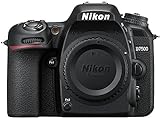
Nikon D7500
- 51-point AF with group-area tracking
- 8 fps burst
- Buffer holds roughly 50 RAW frames
- 20.9MP DX sensor

Canon EOS R7
- 30 fps electronic burst rate
- 651 AF zones across the frame
- Five-axis in-body stabilisation
- Dual UHS-II card slots
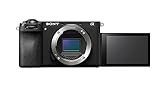
Sony a6700
- AI processor with real-time recognition AF
- 759 phase-detect points
- 11 fps bursts
- 26MP Exmor R sensor
All 10 Cameras Compared in 2026
| Product | Specifications | Action |
|---|---|---|
| Nikon D7500 |
|
Check Latest Price |
 Sony RX100 VII Sony RX100 VII |
|
Check Latest Price |
 Canon EOS 90D + 18-135mm Canon EOS 90D + 18-135mm |
|
Check Latest Price |
| Canon EOS R7 |
|
Check Latest Price |
| Sony a6700 |
|
Check Latest Price |
 Canon EOS R10 kit Canon EOS R10 kit |
|
Check Latest Price |
 Sony a7C II Sony a7C II |
|
Check Latest Price |
 Nikon Z6 III Nikon Z6 III |
|
Check Latest Price |
 Nikon Z8 Nikon Z8 |
|
Check Latest Price |
 Nikon Z50 II two-lens kit Nikon Z50 II two-lens kit |
|
Check Latest Price |
1. Nikon D7500 – the pick we keep recommending
Pros
- Group-area AF tracks moving subjects well
- Buffer holds roughly 50 RAW frames
- Tilting touchscreen usable with gloves
- Image quality inherited from the D500
Cons
- Single SD card slot with no backup option
- No depth-of-field preview button
- Battery life is modest with heavy lenses
The D7500 is the body I end up recommending to railfans who already own a beginner DSLR and want to stop missing the frame where the nose is sharp. The 51-point module with 15 cross-type sensors and group-area AF is the reason: group-area mode lets you hand a block of points to a moving subject instead of trusting the camera to pick a single one, which is exactly the failure mode people describe on the RailUK forums.
Owners treat it as a straightforward step up, with strong low-light performance at high ISO and a tilting 922k-dot screen that works with gloves on. That screen matters more than it sounds, because low platform angles are a large part of this genre and a fixed screen forces you into the dirt to find one.

At 1.7 pounds with a DX sensor, it is a body I will happily walk a mile down a footpath for, and 8 fps with a buffer that holds roughly 50 RAW frames is enough to fire through a full platform-length pass and still have frames left for the second train that nobody expected.
The single card slot is the one spec I would change if I could. For paid work and long heritage-line sessions, dual slots are worth more than almost any resolution bump, and the absence of a depth-of-field preview button is a small daily irritation when you are stopping down for a stationary loco.

What the D7500 does well on a platform
Group-area AF plus 8 fps is a genuinely workable combination for a 50 mph DMU, and the 1/8000s mechanical ceiling means you can stop down for depth of field on a stationary train without giving up freeze capability. The high-ISO performance carries the blue-hour platform sessions without a flash.
Where it will frustrate you
There is no blackout-free electronic burst and no pre-release capture, so a service that appears from a curve a half-second earlier than the timetable promised will be gone before the mirror returns. Nikon’s menu system also takes an afternoon to learn properly. Battery life is the other quiet limit on a full day of bursts.
2. Sony RX100 VII – one small body, no lens swapping
Pros
- Pocketable with a built-in long zoom and no adapter needed
- Class-leading tracking and eye AF
- 20 fps bursts with up to 60 AF calculations per second
- Optical plus active-mode stabilisation
Cons
- Small 3-inch screen and 0.59x viewfinder magnification
- Zoom-dependent maximum aperture at the long end
- Single card slot
For a travelling railfan the RX100 VII answers a problem the other nine cannot. A 24-200mm equivalent f/2.8-f/4.5 Zeiss zoom is built in, so there is nothing to swap, nothing to protect in a bag, and nothing to miss when you change trains with five minutes to make a platform.
The tracking is the surprise. 425 contrast-detect points, real-time tracking and touch tracking mean you can tap a departing train and let the camera hold it, which is genuinely useful when your attention is on the platform rather than the viewfinder.
Twenty frames per second without blackout, with autofocus and exposure recalculated up to 60 times a second, means a fast service barely registers as a challenge. At 275 grams it is the only camera here I would carry all day without noticing it.
The trade-offs are ergonomic. A 3-inch screen and 0.59x viewfinder magnification make telephoto framing awkward, and the maximum aperture narrows as you extend, so evening low-light work at the long end is the weakest scenario for this body.
Best used when you travel light
If your photography is one part railway and two parts everything else, the RX100 VII removes the decision entirely. Point, zoom, track, fire. For a heritage weekend where you are walking between three yards, that simplicity is worth more than any aperture you could add to a bigger body.
Where it falls short
It has the lowest average rating in this group, and a small screen plus a low-magnification viewfinder is a real handicap when you are lining up a three-quarter front view of a fast approaching train. A single card slot and the dropping aperture at 200mm equivalent close the door on serious long-end night work.
3. Canon EOS 90D – a DSLR kit that covers the whole day
Pros
- Bundled lens reaches 216mm equivalent out of the box
- 32.5MP gives room to crop into approaches
- Vari-angle screen for low platform angles
- 45 all cross-type points support 27 at f/8
Cons
- Light plastic body shell
- Limited weather sealing
- Small rear control wheel and single card slot
The 90D kit answers the question railfans ask most often about new kit: what do I need to buy before the first train arrives. The bundled 18-135mm f/3.5-5.6 IS USM runs from a genuine wide angle to a 216mm equivalent reach, which covers platform architecture, three-quarter views and compressed telephoto shots without a single extra purchase.
At 32.5 megapixels you have real latitude to crop into an approaching train and still work the file, and the 45-point all cross-type AF system supports 27 points at f/8, so stopping down on a stationary locomotive does not cost you your autofocus points.
![Canon DSLR Camera [EOS 90D] with 18-135 is USM Lens | Built-in Wi-Fi, Bluetooth, DIGIC 8 Image Processor, 4K Video, Dual Pixel CMOS AF, and 3.0 Inch Vari-Angle Touch LCD Screen, Black customer photo 1](https://markus-hagner-photography.com/wp-content/uploads/2026/08/B07WHV3HXL_customer_1.jpg)
Up to 10 fps with no viewfinder blackout is the figure that matters here, and the vari-angle touchscreen is what lets you shoot the low angle under a footbridge without lying in the ballast. Dual Pixel CMOS AF in live view makes the back-of-camera framing workable when the optical finder is blocked by other photographers.
Reviewers fairly point out that this is a light plastic shell rather than magnesium alloy, with weather sealing that trails professional DSLRs. On a wet lineside morning that matters more than the spec sheet suggests.
![Canon DSLR Camera [EOS 90D] with 18-135 is USM Lens | Built-in Wi-Fi, Bluetooth, DIGIC 8 Image Processor, 4K Video, Dual Pixel CMOS AF, and 3.0 Inch Vari-Angle Touch LCD Screen, Black customer photo 2](https://markus-hagner-photography.com/wp-content/uploads/2026/08/B07WHV3HXL_customer_2.jpg)
What the 90D does well
For most enthusiasts it is a one-kit answer: wide to telephoto, 10 fps, a screen that moves, and resolution to crop. If you want to photograph both the station architecture and the train in the same session, the bundled lens range is the whole argument.
Where it falls short
There is no real-time subject tracking beyond face detection, so on a fast train arriving head-on it is a competent tracking DSLR rather than a modern mirrorless body. Single card slot, small rear wheel and modest sealing are the other limits to weigh.
4. Canon EOS R7 – most frames per second on an APS-C body
Pros
- Class-leading APS-C telephoto reach
- 651 AF zones covering the full frame width and height
- RAW Burst mode with half a second of pre-shooting
- Dual UHS-II card slots
Cons
- Body only with no lens included
- 10-bit recording limits grading flexibility
- Battery pack is small for high-burst work
The R7 is built for exactly one job: taking a lot of frames very quickly. Fifteen frames per second mechanically, thirty electronically, and a RAW Burst mode with roughly half a second of pre-shooting means the camera was already recording before you saw the train.
That pre-shooting buffer is the feature I would emphasise. On a fast service that appears a heartbeat early, the frames that catch the nose and the frames that catch the rest of the consist both exist, and you choose afterwards.
At 32.5 megapixels on an APS-C sensor, the 1.6x reach means a modest telephoto behaves like a long one, which shortens your working distance at public locations. Dual Pixel CMOS AF II with up to 651 zones covering roughly 100 percent of the frame width and height gives you no excuse for a bad focus point.
Five-axis in-body image stabilisation with auto-level is a quiet gift for panning and for held shots of stationary locos, and the dual UHS-II card slots are the redundancy the DSLR picks in this list lack.
What the R7 does well
Frame count. If your problem is a train that passed once and you held one frame, the R7 solves it better than anything else here. Reach plus 30 fps plus pre-capture also means you can stand further back, which is both safer and better etiquette.
Where it falls short
It ships as a body only, so you are buying a lens separately, and 10-bit recording is less flexible for grading than a 12-bit body. The included battery is small relative to how much shooting this camera encourages.
5. Sony a6700 – the tracking body for long lenses
Pros
- Recognition AF locks on and stays locked
- 759 phase-detect points
- Compact 14.5 ounce body suits long sessions
- Subject detection works with adapted A-mount lenses
Cons
- Overheating during long 4K 60p takes in heat
- Dense menu system with a learning curve
- Single card slot and battery drains on video
The a6700 is the pick I use when a long lens is involved and the target will not wait. The dedicated AI processor and Real-time Recognition AF lock onto people, animals and general moving subjects and stay locked, which is precisely the complaint the RailUK veterans raise about older tracking systems being too slow and pot luck.
759 phase-detect points with 11 fps bursts gives you a long enough sequence to catch the same train at three-quarter front, full profile and three-quarter rear, and reviewers consistently single out the tracking as the headline feature.
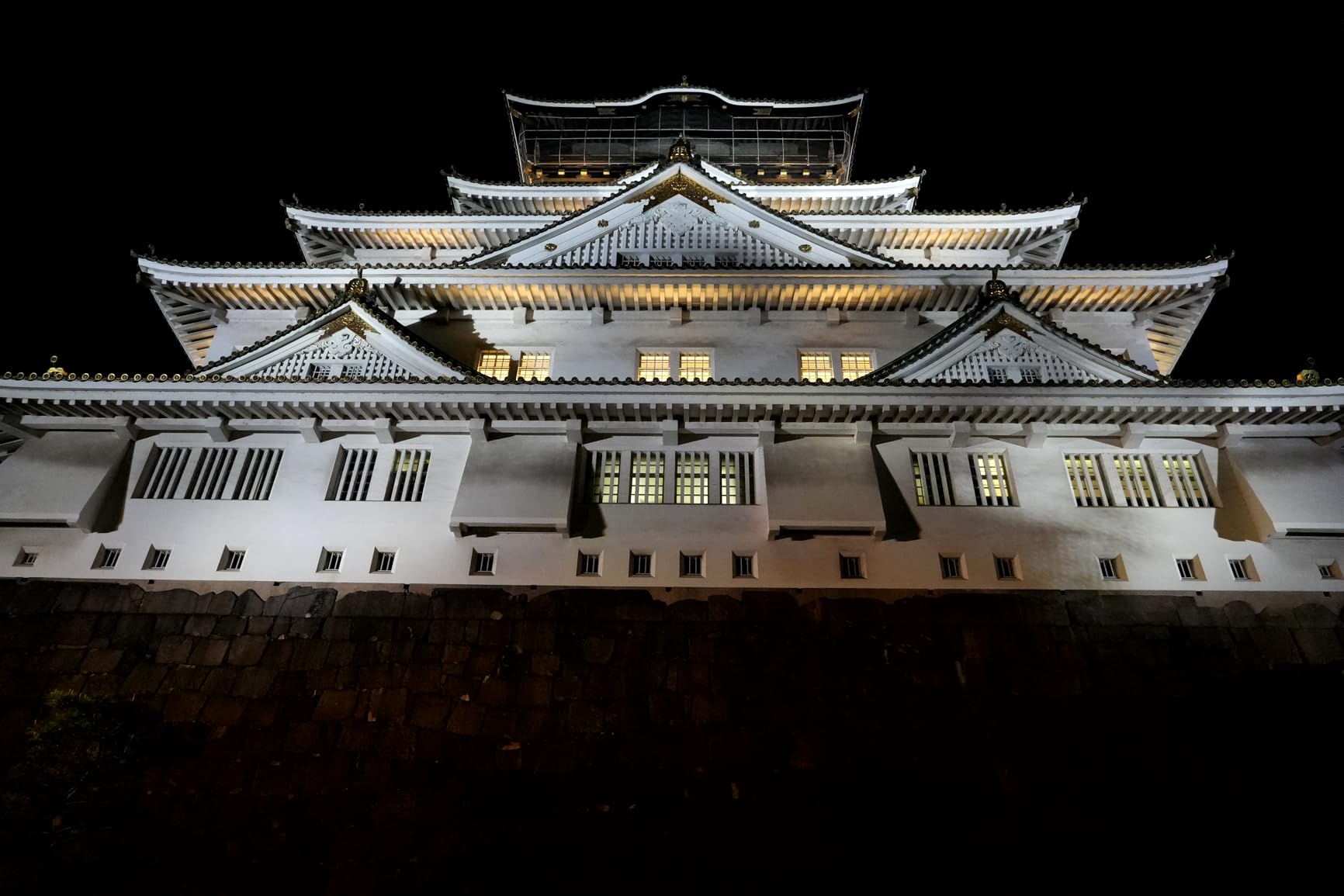
At 14.5 ounces it is the lightest interchangeable-lens body here, which matters when you are walking a line with a telephoto and a spare battery. The 26MP Exmor R sensor also holds up better at high ISO than earlier APS-C bodies, so a dim platform under a canopy is workable.
It is also the practical choice if you already own A-mount glass. Subject-detection autofocus works with adapted lenses, so an existing long telephoto becomes useful rather than shelf weight.

Best used for long lenses
Pair it with a telephoto and use a wide focus area with recognition tracking enabled. The camera does the reacquiring while you watch the platform, and 11 fps covers the pass. I have had the most success with this body on approach shots of fast services from a distance.
Where it falls short
Overheating can shut the camera down during extended 4K 60p recording in hot conditions, so plan video segments carefully. The menu system is dense, there is a single card slot, and the battery drains quickly when recording or using the screen continuously.
6. Canon EOS R10 kit – ready to shoot on day one
Pros
- Bundled 18-150mm reaches telephoto immediately
- 651-zone subject detection for people animals and vehicles
- Compact light body with a comfortable grip
- USB-C power delivery while shooting
Cons
- Bundled zoom is slow at f/3.5-6.3
- No in-body image stabilisation
- Single card slot
Many beginners arrive with a body and no idea what focal length a train shot actually needs, which is why the R10 kit is worth the look. The bundled 18-150mm f/3.5-6.3 IS STM covers wide to telephoto, so you can start at a station arch and switch to a three-quarter view without buying glass on day one.
The 651-zone Dual Pixel CMOS AF II with subject detection for people, animals and vehicles is a modern tracking system in a light body, and 15 fps mechanical with 23 fps electronic is more than enough sequence to pick a clean frame from.
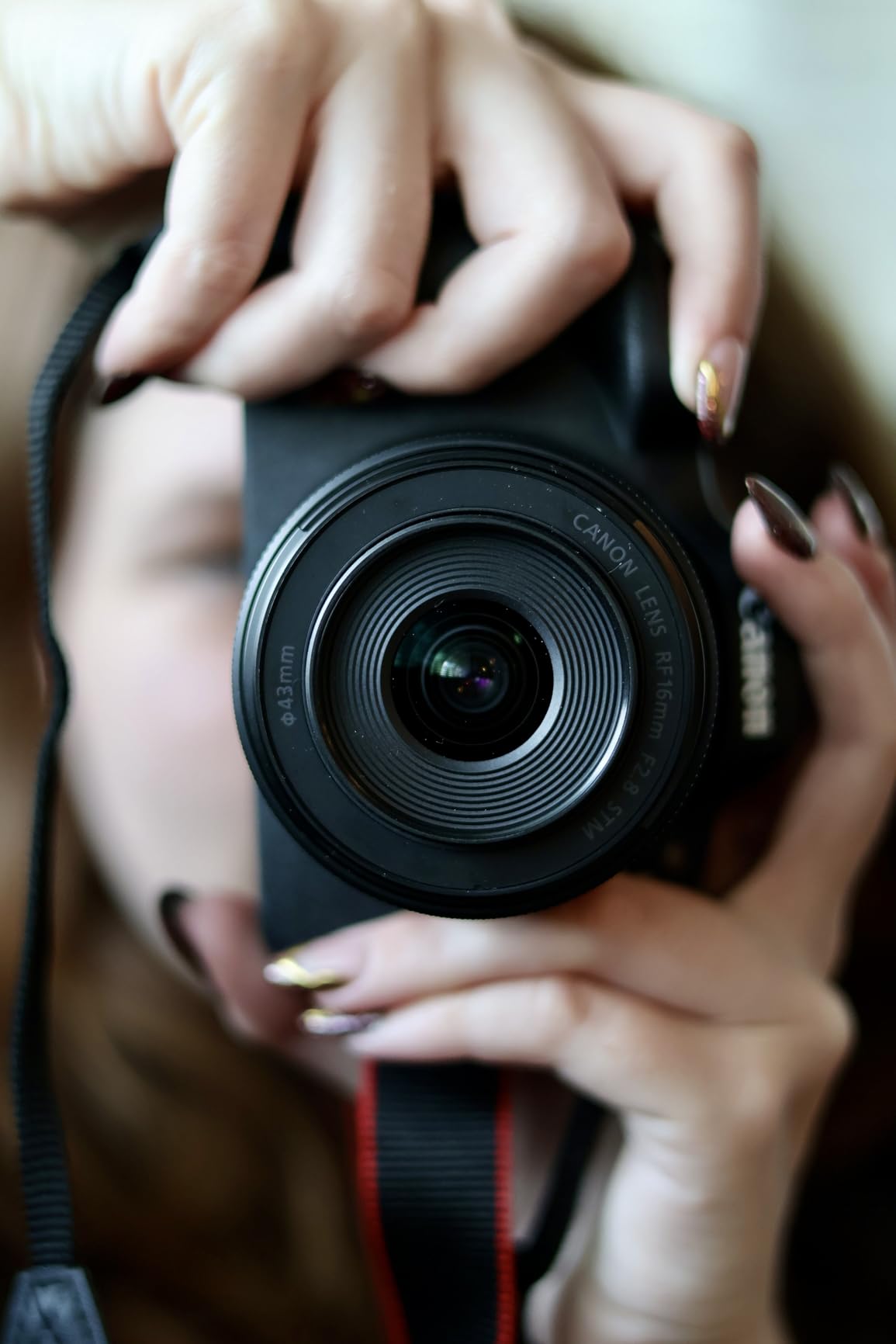
At 1.6 pounds it is easy on the shoulder over a long day of locations, and the anti-smudge LCD plus USB-C power delivery are small practical touches that matter in rain and cold.
The 24.2 megapixel sensor is a step below the 32.5MP bodies here, so heavy cropping of distant trains is more limited. That is the trade for a smaller, cheaper kit.
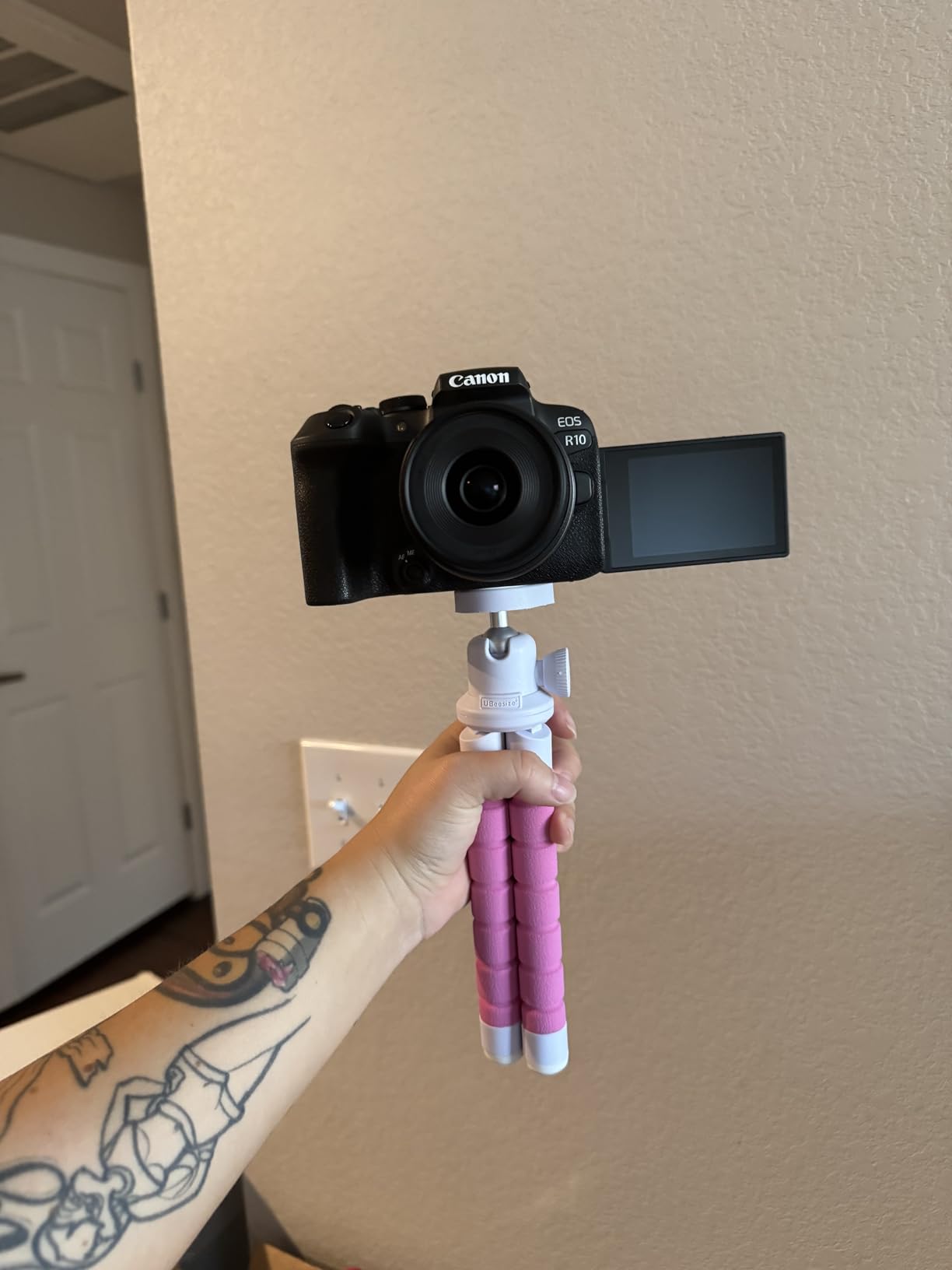
Best used as a first dedicated body
It suits someone moving up from a phone who wants reach immediately and modern tracking without a learning curve on the controls. A later fast prime will transform it for evening work and panning.
Where it falls short
No in-body image stabilisation, a single card slot, and a bundled zoom whose f/3.5-6.3 range limits low-light panning. If you mostly shoot in poor light, save the kit version and buy the faster lens first.
7. Sony a7C II – full frame in a small shell
Pros
- Full-frame detail in a 15.2 ounce body
- AI subject recognition and near-telephoto eye AF
- Excellent low-light performance with effective stabilisation
- Firmware updates improved handling and menus
Cons
- Viewfinder resolution and magnification are low
- Single SD card slot
- Rolling shutter and a 4K 60p crop
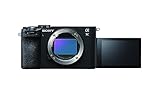
The a7C II is the one I recommend to a landscape or travel photographer who suddenly wants trains in the frame. Thirty-three megapixels on a full-frame sensor at 15.2 ounces means you carry a genuinely capable body that still fits an everyday bag, and the wide ISO range of 50 to 204800 is the best low-light headroom in this group.
Ten frames per second is on the modest side compared with the 20 and 30 fps bodies here, but paired with the AI subject recognition it produces frames worth keeping rather than a large pile of rejects.

The wide aperture options of full-frame glass make low-light platform and night work far easier, and the effective in-body stabilisation helps with held shots and panning. Owners consistently describe it as the best-value full-frame body for everyday carry.
What to know before you commit: the viewfinder resolution and magnification are low and the eyepoint angle is awkward, which is a real cost when you spend a whole afternoon telephoto. Larger, faster lenses also unbalance the small body.
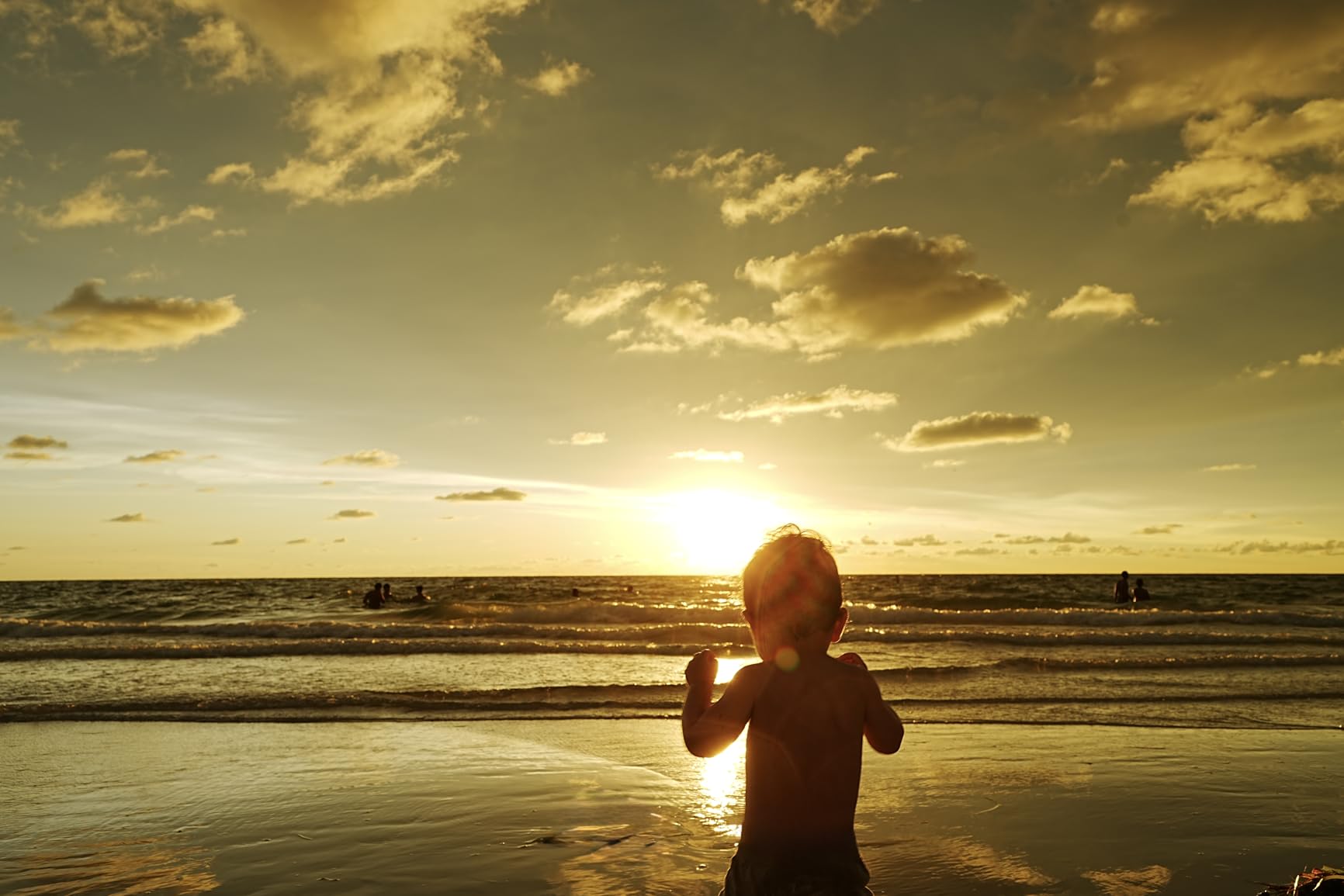
Best used for night and low light
Full-frame high ISO, fast glass and unlimited recording time make this the pick for blue-hour platform work and long winter services. If your railfanning happens as a smaller part of a broader photography practice, this body is the most flexible.
Where it falls short
Telephoto framing through that viewfinder is the biggest daily annoyance, and a single SD card slot rules out redundancy. Noticeable rolling shutter and a 4K 60p crop matter if video is a priority.
8. Nikon Z6 III – the brightest viewfinder in the group
Nikon Z6 III, Black | Full-Frame Mirrorless Stills/Video Camera with 6K/60p Internal RAW Recording | USA Model
Pros
- Exceptionally bright viewfinder for harsh daylight
- AF detection down to -10EV with multi-subject recognition
- Weather sealed and reported to survive heavy rain
- Little to no rolling shutter for a full-frame body
Cons
- Menu and control layout widely considered confusing
- Small body for average-sized hands
- Only one battery included in some packages
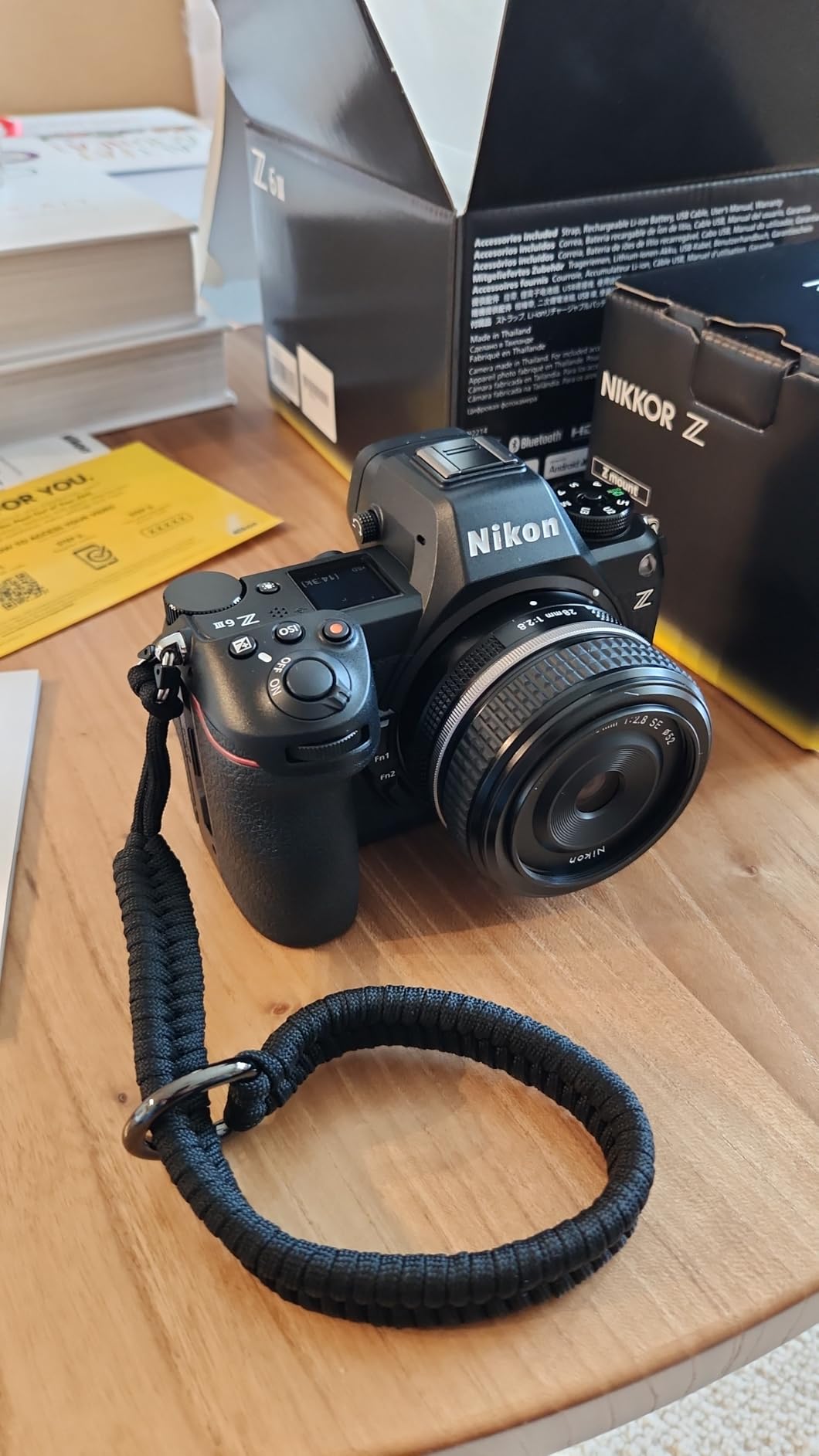
Two things make the Z6 III stand out for lineside work. The viewfinder is exceptionally bright at 4000 nits and 5760k dots with a 120 fps refresh, so composing a fast train in harsh daylight through a dirty screen is not a squint. And it is weather sealed, with owners reporting it kept shooting after being caught in heavy rain.
AF detection down to -10EV, roughly 20 percent faster than the Z6 II, with multi-subject recognition matters for a stopped loco in a dark cutting or under a canopy at dusk.
The ISO range of 100 to 64000 extended to roughly ISO 204800 covers the night platform work that other bodies here struggle with, and the excellent in-body stabiliser is valuable when you are panning a stationary train or working at slow shutter speeds on a dark footbridge.
The partially stacked sensor also means very little rolling shutter for a full-frame body, which is why the electronic shutter is usable on a moving subject rather than being a compromise you avoid.
Best used when light is the problem
Night platforms, wet reflective canopies, dim station interiors. The viewfinder brightness and high ISO reach combine in a way nothing else at this level matches, and the weather sealing removes the reason many people stay indoors in bad conditions.
Where it falls short
Nikon menus and control layout take months of practice according to multiple owners, which is a genuine cost in a field where you want to be adjusting settings in seconds. The body is small for average hands, and some regional packages list a single battery and no charger.
9. Nikon Z8 – the only body here that recognises trains
Pros
- Autofocus has explicit train detection
- 45.7MP stacked sensor with EXPEED 7
- 20 fps RAW plus 30 60 and 120 fps options
- Silent shutterless design with sensor shield
Cons
- Smaller body dissipates heat less well than the Z9
- High battery consumption needs multiple cells
- Deep menu structure and a steep learning effort
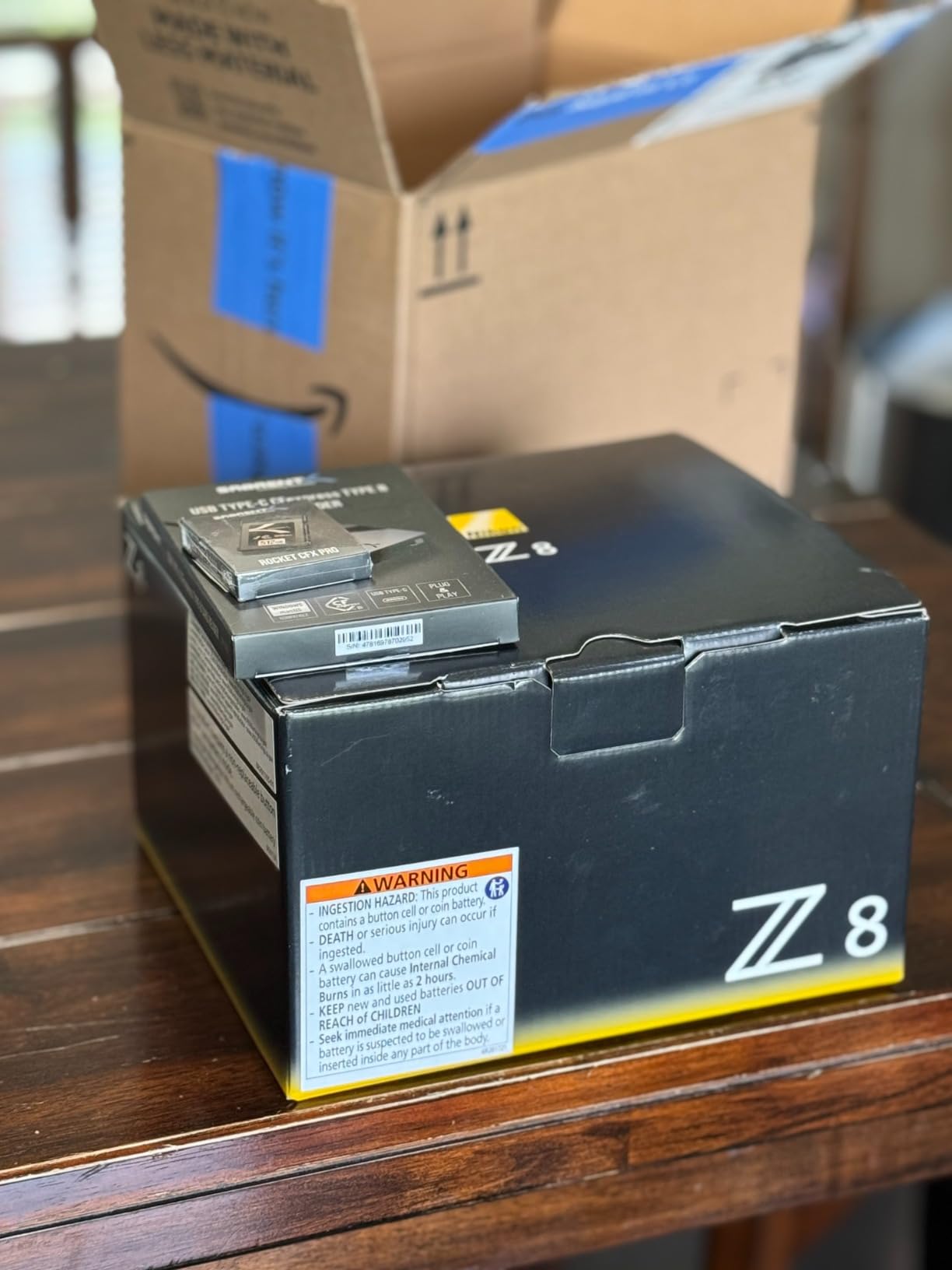
Train detection is a literal feature on the Z8. Its deep learning autofocus detects and tracks people, dogs, cats, birds, cars, bikes, motorcycles, trains and planes, which means the one subject category you care about has its own recognition mode rather than being lumped into general subject detection.
That is a small word on a spec sheet and a large one at a location where a train appears from behind a curve without warning. The camera is already locked on before you have finished raising the camera to your eye.

45.7 megapixels on a stacked sensor with EXPEED 7 and no mechanical shutter gives you 20 fps at full resolution RAW, plus 30, 60 and 120 fps options and pre-release capture. The shutterless design shoots completely silently, which is considerate at close spotting locations and useful when a freight runs past a house at 5am.
AF detection down to -9EV with subject detection and 3D tracking handles low light, and the body sits in a shell similar in size to a D850 while reusing existing D850 batteries if you are coming from Nikon.
Best used for unpredictable arrivals
When the timetable is a suggestion and you are shooting whatever appears, dedicated train recognition with pre-release capture removes most of the stress. It is also the body to pick if you split time between railfanning and the kind of wildlife or motorsport work the other detection modes serve.
Where it falls short
Heat management is worse than the Z9 in the smaller shell, so long 4K takes are limited. Battery consumption is high, meaning several cells for a full day, and the deep menu structure plus a thin printed manual ask for real setup time before you head out.
10. Nikon Z50 II two-lens kit – two focal ranges out of the box
Pros
- Two lenses cover wide angle through 250mm telephoto
- Autofocus much faster than the original Z50
- Nine subject types detected and tracked
- Light compact body easy to carry all day
Cons
- Single battery in the kit drains quickly
- Kit lens apertures are slow at f/3.5-6.3 and f/4.5-6.3
- 20.9MP offers less cropping latitude
The Z50 II kit solves the same problem as the R10 kit from the Nikon side, and it solves it with reach. You get a 16-50mm f/3.5-6.3 VR and a 50-250mm f/4.5-6.3 VR in the box, so wide angle, standard and genuine telephoto are all covered before you spend anything on glass.
Autofocus speed and accuracy are much improved over the original Z50, with nine subject types detected and tracked automatically. That is the difference between a body that frustrates you and one that quietly gets the frame.
31 built-in Picture Control presets, a fully articulated rear screen and 4K UHD at 60p with in-camera 120p slow motion make it a good video companion as well as a stills body for passing services.
The 20.9 megapixel DX sensor matches the D7500’s resolution, so cropping latitude is the same, and the 250mm bundled lens gives you the compressed look without carrying a second body.
Best used as a complete starting kit
It is the pick for someone who wants to photograph both the platform and the train approaching, with no accessory budget. The fully articulated screen handles low footbridge angles and the compact body survives a day of walking.
Where it falls short
One battery in the kit is not enough for a full day, and the lenses are slow at f/3.5-6.3 and f/4.5-6.3, which restricts low-light panning. Some models have a fixed menu language, so check that before buying.
What actually matters in a camera for train photography
Four specs decide whether a body suits this genre, and everything else is a preference. Knowing what those four are saves you from reading marketing copy about megapixels that will never matter at a platform.
1. Maximum shutter speed. RailUK field reports are consistent: about 1/500s for freights and DMUs, 1/640 to 1/800s around 50 mph, 1/1250s in practice at 75 mph, and 1/1600 to 1/2000s for 100 mph and above. You want a body that reaches at least 1/2000s so you can stop down for depth of field when a train is stationary and still freeze a fast service when it is not.
2. Continuous autofocus with tracking. Every pick here has a servo mode: AF-Servo on Canon, AF-C on Nikon and Sony. The difference between them is whether tracking holds a locomotive crossing the frame or picks a catenary mast instead. Look for a wide zone or group-area mode you can assign the whole subject.
3. Burst rate and buffer depth. These are separate numbers and both matter. The community advice is to shoot six or seven frames of every passing consist, because the clean one exists only in the sequence. A 10 fps camera with a shallow buffer gives you two seconds of frames; a 15 fps camera with pre-release capture gives you half a second before you even reacted.
4. High ISO performance and stabilisation. Platform canopies and winter light push you to high sensitivities quickly, and in-body stabilisation helps with slower shutter speeds and panning. A body that produces a clean file at ISO 6400 will beat a cleaner-sensored body you cannot raise high enough.
The frame-rate maths are worth spelling out. At 1/2000s, each frame is half a millisecond of exposure, so the train covers very little ground between frames. That is why an 8 fps body will still produce several different framings of the same nose, and why the difference between 8 and 30 fps matters more for deciding between a moving subject than it ever would for a static landscape.
For a broader look at how these bodies handle other kinds of moving subject, our guide to the best point-and-shoot cameras for street photography covers the same tracking and burst reasoning in a different setting.
Camera settings for train photography
Start in shutter priority and set the speed from this table, which condenses the field reports railfans have posted with their EXIF data. Nothing here is theory; these are the numbers that produced usable frames for the photographers reporting them.
Freight trains and DMUs at line speed: 1/500s. Passenger services around 50 mph: 1/640 to 1/800s. Passenger services at 75 mph: 1/1250s. High-speed services at 100 mph and above: 1/1600 to 1/2000s. Steam and heritage trains at walking pace: 1/250s or slower if you want a touch of wheel blur.
For aperture, open up. A RailUK regular recommends aperture priority with the lens wide open and auto ISO, which is sound advice for a close pass. Wide apertures give you a fast enough shutter for the train speed without lifting ISO to unusable levels.
Keep ISO on auto with a ceiling you have set yourself, so the camera makes the exposure decision while you concentrate on the train. Shoot RAW, always, because a shadowed side of a locomotive recovers very little from a compressed JPEG.
Set continuous autofocus before the train appears rather than during the pass, and choose a zone or group area that covers the track. Deleting the stop-down habit also helps: f/8 or wider keeps more of the train inside the depth of field, which removes an entire category of soft-nose photographs.
Once you own the raw files, our piece on training an AI editing profile on your personal style keeps a consistent look across a season of platform sessions.
Panning with a moving train
Panning inverts the whole approach. Instead of freezing a 100 mph subject, you want the train sharp and the background streaked, which is the classic image most people picture when they think of train photography.
Use shutter speeds between 1/15s and 1/60s and start at around 1/30s. Focus manually on the distance the train will pass, or use a wide single autofocus point to set that distance and then switch to manual.
Stabilisation helps or hurts depending on how you are standing. With a body and lens both stabilising, the system may fight your pan and correct in the wrong direction, so many photographers switch stabilisation off for steady hand-held pans or use it on a monopod with the camera held still before the swing starts.
Start a fraction early and finish a fraction late. Smooth whole-body rotation from the feet, not the wrists, and check the result at 100 percent before you blame the settings.
One experienced member on the RailUK forums makes the case for blur as an outcome rather than a fault, and I agree. A slightly soft freight with a sharp background reads as intent, where a sharp cab with a soft body usually reads as a missed frame.
Best lenses for railway photography
Focal length matters more than brand here, and the right answer depends entirely on where you stand relative to the track.
Wide angle, 14 to 24mm equivalent, for station architecture, train interiors, and dramatic low angles under a canopy where a train fills the frame from close range.
All-round, 24 to 70mm equivalent, for platform work where you want context and a three-quarter view without walking backwards.
Telephoto, 70 to 200mm equivalent, for compressed three-quarter front and rear views from a safe distance behind a fence, hedge or boundary wall. This is the classic railfan focal range and the one most of these bodies pair with.
Super-telephoto, 100 to 400mm equivalent, for compressed shots from a distance where you must not approach. The trade is a slower aperture, so plan ISO accordingly.
APS-C bodies multiply all of these by 1.6x, so a 50 to 250mm behaves like an 80 to 400mm. That reach is the single strongest argument for a smaller sensor, and it is why I do not treat full frame as automatically the better choice for this subject.
If you want the general camera context rather than the rail-specific one, our roundup of the best still cameras for photography covers the sensor and lens fundamentals that apply to every other genre too.
Why the front of your train photo is blurry
This is the most repeated complaint in railway photography, and the answer surprises people: a blurred train nose is usually not motion blur. Motion blur affects the whole train. A sharp tail with a soft nose means the focus plane was behind the front of the train when the frame was taken.
Three causes account for nearly all of it. Shutter lag means the frame was already exposure when the nose was in position, so you recorded the part of the train the camera thought was there. Shallow depth of field means you were focused beyond the nose, often because you focused on the middle of the consist to be safe. Wrong-point selection means the autofocus system chose a point off the front of the train.
The fix is mostly settings, not hardware. Focus on the nose rather than the middle, keep the aperture wide enough to hold the whole front of the train, and fire a burst so you have frames from before and after the ideal moment.
Bodies with pre-release capture, such as the Canon R7 and the Nikon Z8, handle this case better than anything else, because the frames covering the moment of the nose being in position already exist before you react.
Safety, legality and platform etiquette
Photographing trains is legal in most places. Photographing from a railway track is not, and trespassing on a line carries serious penalties in every jurisdiction I have checked. The distinction is simple to state and frequently ignored.
Stay behind the yellow line on platforms, keep off the track, and never walk a line without landowner permission. Do not climb or stand on structures near overhead line equipment. Catenary and pantograph work carries lethal voltage and photographers are not exempt from that.
Be considerate. Ask station staff before photographing from staff areas or restricted platforms, keep tripods clear of the walking route, and do not block other photographers working the same location. High-visibility clothing is worth considering at any lineside location with an adjacent live line.
Standing well back with a telephoto is not just safer, it is better practice. The best shots in this genre come from a planned position with a clear exit, never from a scramble along a cess or a lineside footpath in fading light.
Frequently Asked Questions
What are the best cameras to use for railfanning?
The best railfanning cameras combine a maximum shutter speed of at least 1/2000s, reliable continuous autofocus with subject tracking, a burst rate of 10 fps or more with a deep buffer, and clean high-ISO output. The Nikon D7500 is our top pick for its 51-point AF and roughly 50-frame RAW buffer, the Canon EOS R7 for 30 fps bursts with pre-shooting, and the Sony a6700 for AI subject-recognition tracking.
What are the best camera settings for taking train photos?
Use shutter priority at about 1/500s for freights and DMUs, 1/640 to 1/800s around 50 mph, 1/1250s at 75 mph, and 1/1600 to 1/2000s for 100 mph and above. Open the aperture wide, leave ISO on auto with a ceiling you have set, shoot RAW, and use continuous autofocus with a zone or group area covering the track.
Is it illegal to take pics on a railroad track?
Photographing trains from public places, including platforms, bridges and public footpaths, is generally legal. Walking onto or standing on a track is trespassing and carries serious penalties. Stay behind the safety line, keep away from overhead line equipment, and follow any staff instructions on site.
How do I take pictures of trains?
Pre-focus on the distance the train will pass, set continuous autofocus with a wide zone, choose a shutter speed from roughly 1/500s to 1/2000s based on the service speed, and hold down the burst shutter so you can select the cleanest frame of six or seven. Plan a position with a clear exit and a clean background before the service arrives.
Why is the front of my train photo blurry?
A soft train nose with a sharp body is usually a focus-plane problem rather than motion blur. Common causes are shutter lag, focusing on the middle of the consist instead of the nose, and the autofocus selecting a point off the front of the train. Focus on the nose, keep the aperture wide, and fire a burst to cover the moment.
Do I need a mirrorless camera or a DSLR for train photography?
Both work, and a modern DSLR such as the Canon EOS 90D gives you 10 fps, a 45-point all cross-type AF system and a useful bundled 18-135mm lens. Mirrorless bodies add blackout-free bursts, subject recognition and wider buffer behaviour. If you already own a DSLR with a telephoto, learn its limits before switching systems.
Conclusion
The best cameras for train and railway photography are the Nikon D7500 for dependable all-round shooting with a deep buffer, the Canon EOS R7 when frame count and pre-shooting matter most, and the Sony a6700 when tracking has to hold a moving locomotive through a long lens. Each of them reaches 1/2000s or faster, and each gives you a sequence to choose from rather than a single chance.
Whichever you choose, the settings and the position still decide more than the body. Set the shutter speed from the table, focus on the nose rather than the middle of the train, shoot RAW, and work from a planned spot with a clear exit.
And if you already own a camera, use it. The most repeated advice across the railfanning communities is that the best camera is the one you actually have with you, and understanding its limits matters more than any upgrade. Read the reviews on each body above, then check the latest details before you buy.