
The best cameras for hunting documentation are trail and game cameras, and the reason is simple: they run unattended for weeks in freezing rain, wake up in a fraction of a second, and record in the dark without a visible flash that would spook the animal you spent all season looking for. Every camera on this list does that, and every one of them has thousands of owner reviews behind it.
What separates them is not megapixel count. It is the three details that decide whether you come home with usable scouting data or a card full of branches, black frames and a missed trigger. Those are infrared type, trigger behaviour under wind, and how you get the files off the camera in the back of a pickup.
I have been shooting and reviewing outdoor cameras for years, and through 2026 season I compared every unit below against published specifications and the patterns in thousands of owner reviews. This is the list I would hand someone setting up a first scouting program, and the one I would come back to when the first camera quits in February.
How I Chose These 12 Cameras
I scored every camera on six things, and I weighted them the same way for all twelve. Low light came first, because the animals you care about move at dawn and dusk. Durability came second, because a camera that fails in month two has cost you the whole season. Third was power, since AA swaps in January are miserable and a dead camera records nothing.
The fourth criterion was stealth of operation, which on a trail camera means the infrared light itself. The fifth was how you retrieve files, which splits the entire list into SD-only, WiFi and cellular groups. The sixth was owner-reported reliability, read from the review patterns rather than the star rating alone.
Two things I deliberately did not do. I did not rank on megapixel count, because a 24MP sensor in good light beats a 64MP sensor in heavy motion blur, and every one of these cameras blurs moving animals. I did not rank on star rating alone either, because several units here carry very few reviews and a very high average, which tells you almost nothing.
One honest caveat before we start: every verdict below is drawn from published specifications and the review patterns in each product’s owner feedback, not from weeks of my own footage in the woods. Where a spec is a manufacturer claim rather than a measured result, I have said so.
Top 3 Best Cameras for Hunting Documentation in October

GardePro E6 WiFi Trail Camera
- WiFi app control with no monthly fee
- 64MP stills and 1296P HD video
- 940nm no-glow infrared to 75 feet

WOSPORTS G600 64MP 4K Trail Camera
- 64MP stills and 4K video
- 0.2s trigger
- 120-degree detection field
- 940nm no-glow infrared to 80 feet

WOSODA 2 Pack 48MP Game Cameras
- Two camouflaged cameras with mounts
- 48MP stills and 1080P video
- 0.3s trigger
- 60 foot detection
Best Cameras for Hunting Documentation in 2026
| Product | Specifications | Action |
|---|---|---|
| GardePro E6 WiFi Trail Camera |
|
Check Latest Price |
| WOSPORTS G600 64MP 4K Trail Camera |
|
Check Latest Price |
| WOSODA 2 Pack 48MP Game Cameras |
|
Check Latest Price |
 Digitgarden WiFi Trail Camera Digitgarden WiFi Trail Camera |
|
Check Latest Price |
 KJK 36MP Mini Game Camera KJK 36MP Mini Game Camera |
|
Check Latest Price |
 iZEEKER iG200 Trail Camera iZEEKER iG200 Trail Camera |
|
Check Latest Price |
 Moultrie Edge 2 Cellular Trail Camera Moultrie Edge 2 Cellular Trail Camera |
|
Check Latest Price |
 Meidase P70 64MP Trail Camera Meidase P70 64MP Trail Camera |
|
Check Latest Price |
 SPYPOINT Flex-M Cellular Starter Pack SPYPOINT Flex-M Cellular Starter Pack |
|
Check Latest Price |
 MagicEagle Cellular Trail Camera MagicEagle Cellular Trail Camera |
|
Check Latest Price |
 MAXDONE Solar Trail Camera MAXDONE Solar Trail Camera |
|
Check Latest Price |
 TACTACAM Reveal Ultra Cellular Trail Camera TACTACAM Reveal Ultra Cellular Trail Camera |
|
Check Latest Price |
1. GardePro E6 WiFi Trail Camera – The One With App Control and No Bill
Pros
- App control of settings and media with no monthly fee
- 64MP stills and 1296P video hold up well against cameras in the same bracket
- 940nm no-glow infrared stays invisible to animals
- Light and compact at 10.56 ounces
- Support has replaced faulty cameras
Cons
- App transfers hang when pulling more than a handful of clips
- Display sits inside the lid so framing needs the app
- Tight battery door and a card slot that pops out the bottom
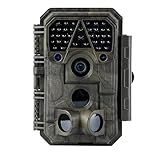
The GardePro E6 is the camera I keep coming back to, and the reason is the WiFi. It connects to your phone as its own hotspot, so you can change sensitivity, check the angle and pull clips without climbing the tree or pulling a card in the rain. There is no monthly fee attached to that, which separates it from most of the cellular cameras further down this list.
It shoots 64MP stills and 1296P HD video through a 110-degree lens, and owners consistently rate the image quality above other cameras in the same bracket. Night is where the design earns its keep: 36 no-glow 940nm infrared LEDs reach about 75 feet, and no-glow is the right choice if you care about animal behaviour at all.
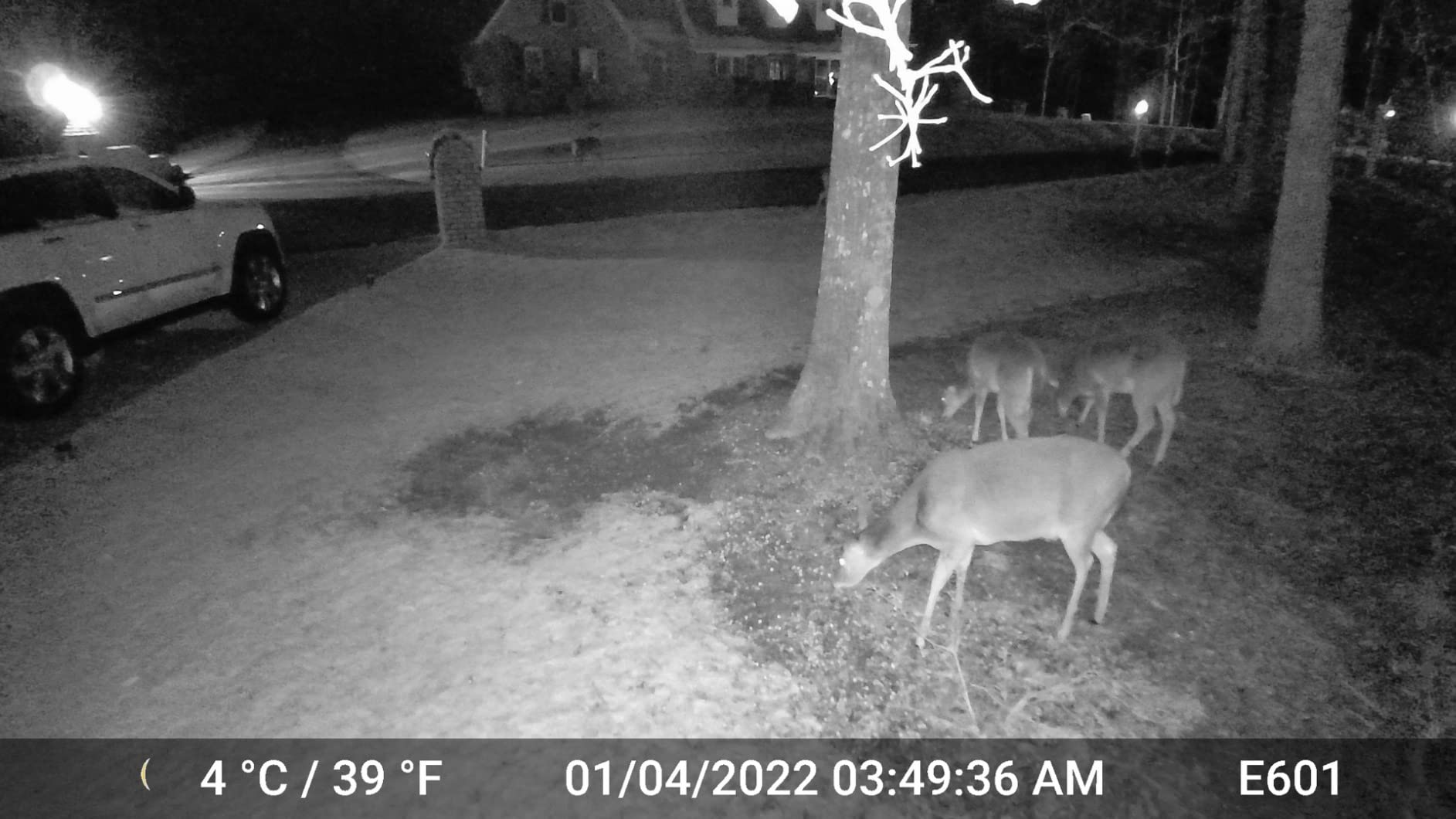
At 10.56 ounces, and just 4.2 by 2.4 by 5.6 inches, it is easy to strap to a sapling rather than only to a thick trunk. The ABS housing is rated IP66, and it runs on eight AA batteries or an optional SP350 solar panel if you want to stop thinking about power entirely.
Storage headroom is generous, with support for cards up to 512GB, and the live view reaches about 45 feet, which is enough to confirm the camera is pointed correctly on installation day. The 2.4-inch screen inside the lid handles settings changes when you are standing at the tree.
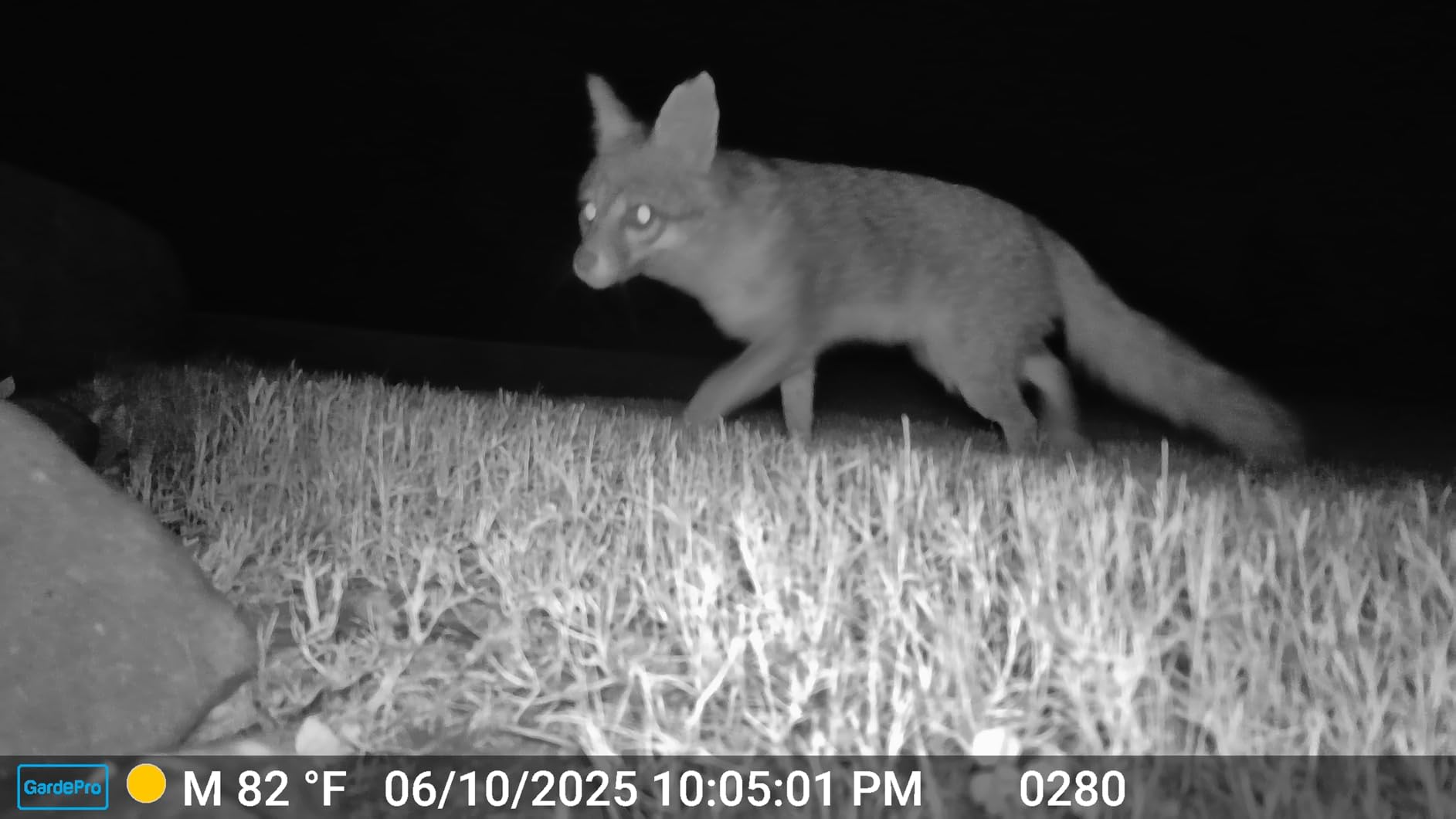
Why it works as a long-term scouting camera
The app-first workflow is the part that keeps this camera in service past the first season. You can check a lane at lunch on your phone instead of driving out, and owners repeatedly report that this alone justifies the purchase. Support responsiveness is a genuine plus: faulty cameras get replaced rather than argued about.
That largest owner base, 4979 reviews, is also why it is the best-documented camera here. When something breaks, you can usually find out whether it is a known quirk or a one-off.
Where it will disappoint you
The most common complaint is app speed. Owners report transfers hanging or crawling when pulling more than five or six clips at once, so download in small batches or plan on card retrieval for heavy weeks. The screen position inside the lid is the second complaint, which pushes you toward the app for basic aiming.
Some owners also report units shutting down in sustained extreme desert heat, and the high sensitivity default triggers constantly on moving leaves. Drop sensitivity a notch and trim the detection zone before you walk away.
2. WOSPORTS G600 64MP 4K Trail Camera – The Best Spec Sheet for the Money
Pros
- Ranks at the top of its class in Sports and Outdoors
- 4K video is unusual at this price
- 1-3 shot burst reduces missed movement
- 2-inch screen avoids pulling the card
- Strap and wall mount included
Cons
- No cellular and no WiFi so all media comes off the card
- Sensitive enough that windblown vegetation records constantly
- Some earlier versions reported file corruption
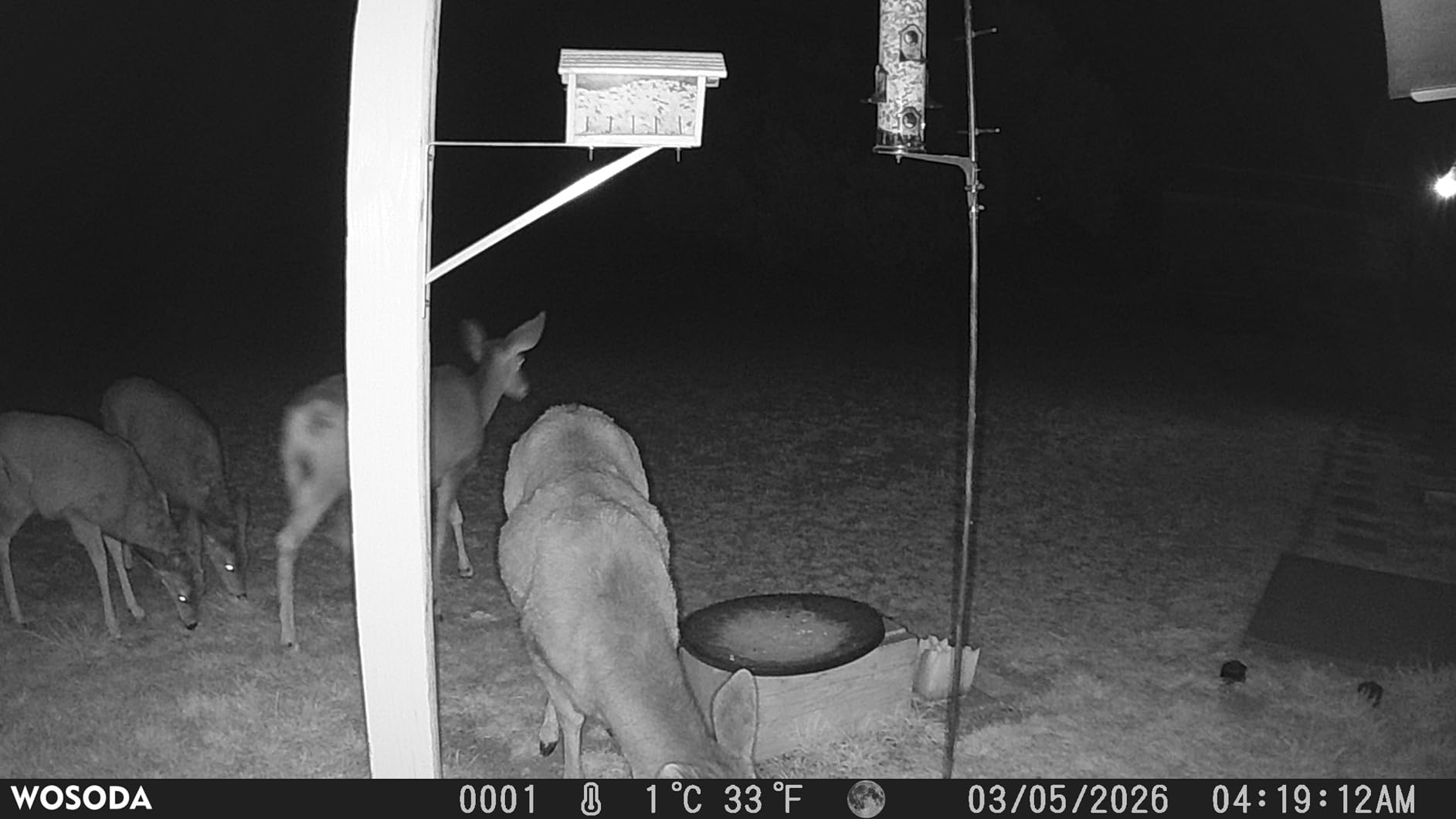
The WOSPORTS G600 is the value pick because the spec sheet is genuinely hard to argue with. You get 64MP stills, 4K and 2.5K video, a 0.2 second trigger across a 120-degree detection field, and 940nm no-glow infrared reaching about 80 feet. Very few cameras below the midpoint of this list combine 4K video with no-glow infrared.
Owners describe it as strong straight out of the box, which is the polite way of saying the sensitivity is already tuned properly. It also holds a top position in the Hunting and Trail Cameras category on Amazon, which tells you something real about how many people have bought it and kept it.
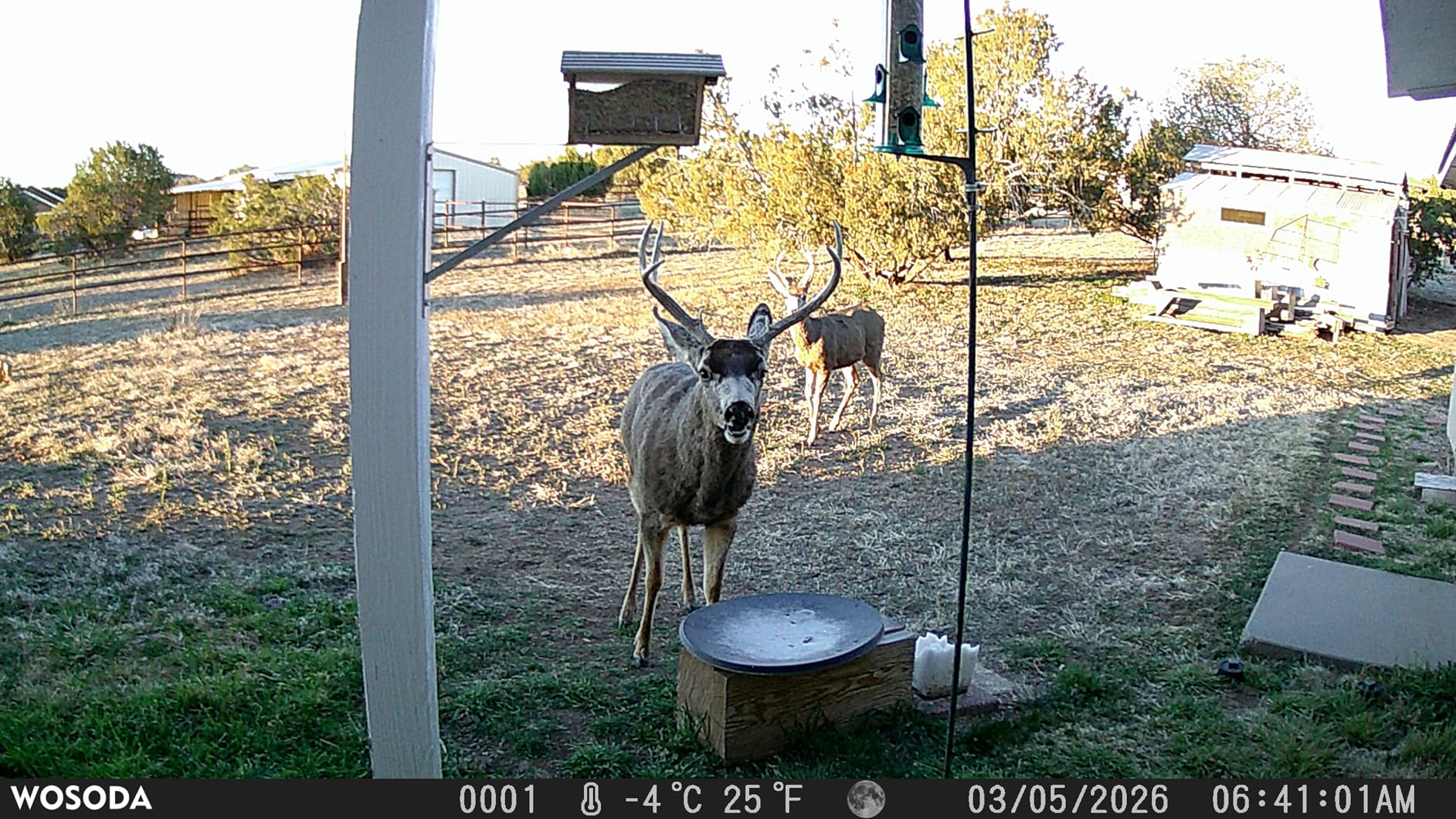
The 1-to-3 shot burst is a quiet advantage most hunters overlook. A single-frame camera can miss a buck stepping behind a sapling, while a short burst gives you at least one usable frame. The 2-inch colour screen means you can confirm framing and playback on the tree itself.
Power is 8xAA, with an optional lithium battery pack or solar panel for longer deployments. It comes in black, dark green and light green, which is a small thing that matters when you are trying not to be the brightest object on a tree.
Why it earns the value slot
Video is where this camera separates itself from its direct competitors. Owners who have compared it against more expensive units in head-to-head tests single out the 4K recording as the deciding factor, particularly for reviewing animal movement patterns later in the season.
Because there is no WiFi and no cellular radio, everything lives on an SD card up to 256GB, with 16GB included. That is a slower workflow, but it is also the most reliable one. Nothing to configure, nothing to subscribe to, nothing that fails because a carrier dropped a signal.
Where it will disappoint you
There is no remote access at all, so you are climbing the tree. If you need to check a camera from the truck, this is the wrong camera and the WiFi models are the answer.
Two further caveats. The sensitivity is high, so windblown branches will fill a card in a week. And some owners of earlier versions reported file corruption and unreliable audio, so format the card in the camera before the season and spot-check a few clips after the first week.
3. WOSODA 2 Pack 48MP Game Cameras – The Two-Lane Start
Pros
- Two cameras
- two straps and two wall mounts in the box
- Triggering stays reliable on small close-range targets
- Night footage is clear enough for species identification
- Long battery life reported across multiple seasons
- Support replaced a unit with a processor failure
Cons
- IP65 is a step down from the IP66 units here
- Windblown branches in the near field cause repeated triggers
- Needs a factory reset after clearing the SD card
- Slow shutter speed blurs fast animals into partial frames
Two cameras in one box changes the maths of scouting. Most hunters buy a single camera, hang it in one obvious place, and learn more than they wanted to about one trail crossing. The WOSODA 2 Pack lets you put one on a corridor and one on a ridge approach in a single purchase.
Each unit shoots 48MP stills and 1080P full HD video with a 0.3 second trigger and about 60 feet of detection. That is not the longest reach on this list, but owners consistently report reliable triggering on small targets, including mice at close range and squirrels at 50 feet.
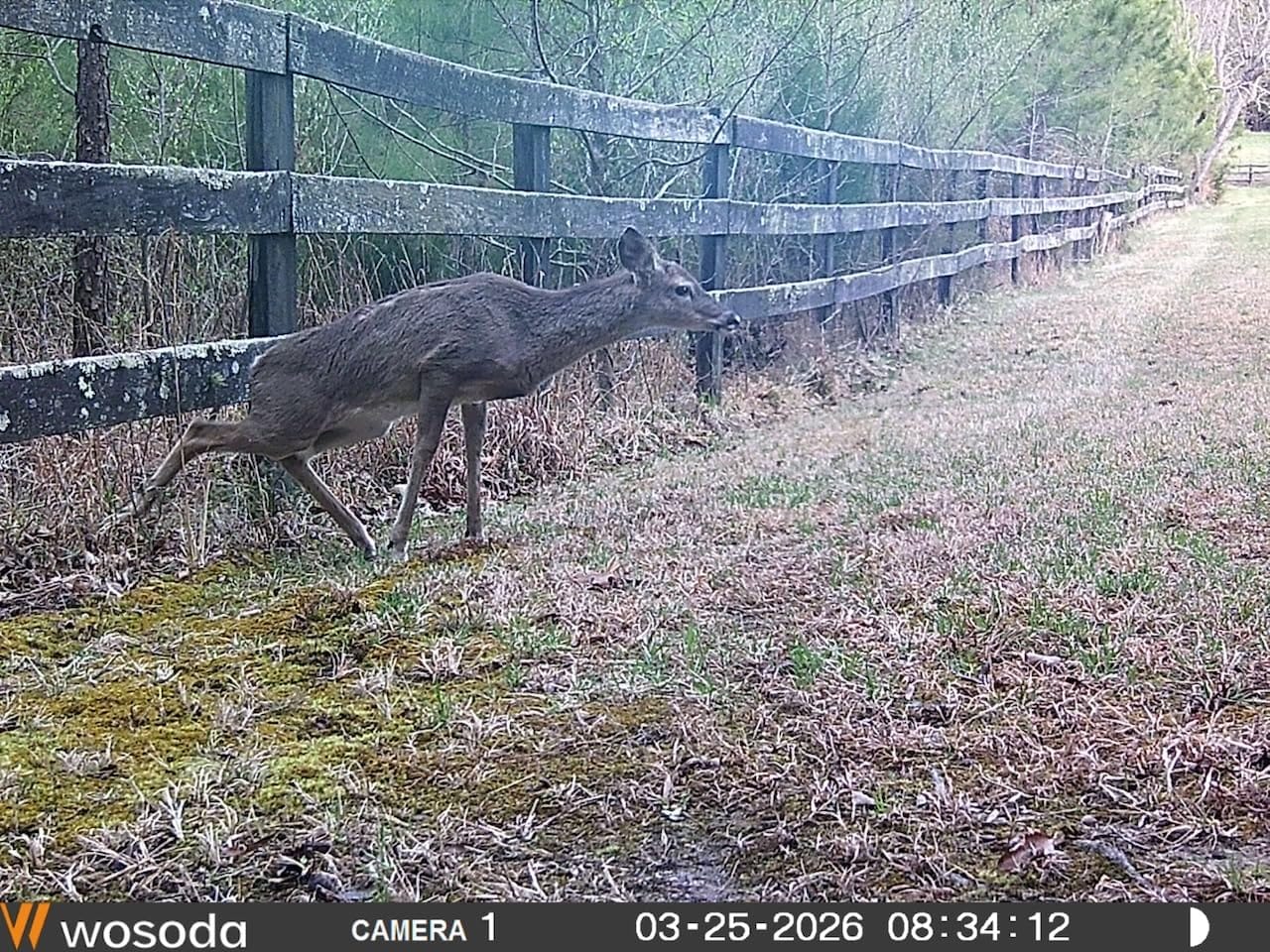
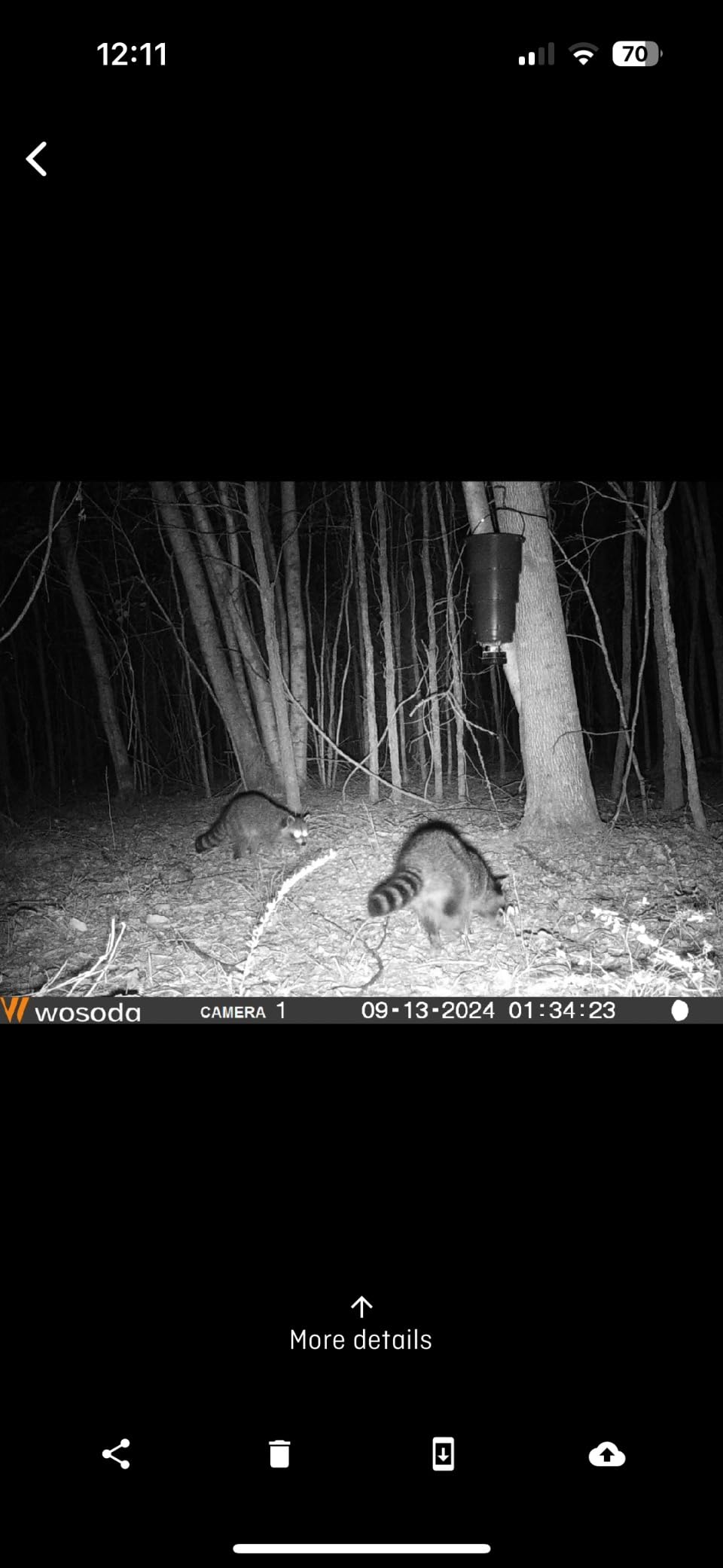
The night performance is the part that has surprised people. The 850nm low-glow array produces footage clear enough for confident species identification across multi-season use, and the mimetic camouflage housing blends well against mature bark. Straps, wall mounts and USB cables for both cameras are in the box.
Long-term owners report good battery endurance, which is the opposite of what happens with cellular models in cold weather. That makes this a sensible choice for a January setup that you do not plan to visit often.
Why two cameras beat one better camera
Scouting value comes from coverage, not resolution. A 48MP image of one crossing is worth less than two 48MP images of the crossing and the funnel, because the second one tells you where the deer are actually moving. The two-pack makes that possible without a second purchase decision.
Owners who have had these for years highlight the day-to-day reliability, and support has replaced a unit that failed with a processor fault, which is worth knowing for a device you cannot reach once it is up a tree.
Where it will disappoint you
The 850nm light is low-glow rather than fully no-glow, so a faint red cast can be visible at very close range. If you are filming animals at the lens in total darkness and their behaviour matters, a 940nm camera is the better instrument.
Two operational notes. The IP65 rating is a step below the IP66 units on this list, so treat it as rain-resistant rather than storm-proof. And clearing the SD card requires a factory reset before the camera will record again, which is an irritating habit to build into your retrieval routine.
4. Digitgarden WiFi Trail Camera – The Best 4K Night Footage Without a Plan
Digitgarden WiFi Trail Camera 4K 48MP, Night Vision Game Camera for Wildlife Hunting, 0.1s Trigger IP66 Waterproof (32GB Card Included)
Pros
- 4K video and 48MP stills that hold up in low light
- No-glow infrared reaches further than most rivals at this tier
- 0.1s trigger catches small fast-moving animals
- App connection saves climbing the tree
- 32GB card and reader included so it works out of the box
Cons
- WiFi range is only about 30 feet and drops off at that distance
- Camera stops recording while the app is open
- Some cameras needed a different SD card to be recognised
- Fixed slow shutter produces partial frames of moving deer
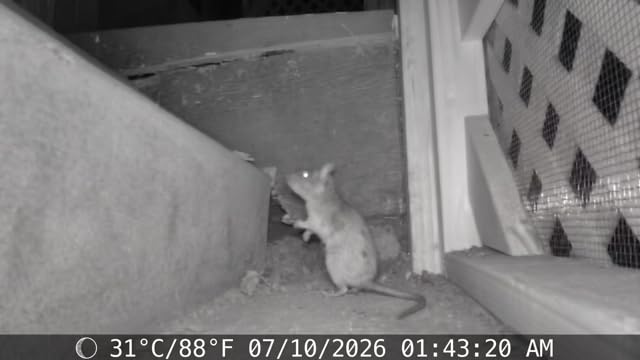
The Digitgarden is the camera to buy if your priority is night footage quality rather than remote access. It records 4K video alongside 48MP stills, and the 940nm no-glow array reaches about 100 feet in the dark. That combination of 4K and long no-glow reach is unusual below the middle of this list.
Trigger speed is listed from 0.05 to 0.3 seconds depending on mode, with PIR sensing out to 98 feet. Owners report that it reliably catches small, fast-moving animals, which is the failure mode that quietly ruins a season of scouting footage.
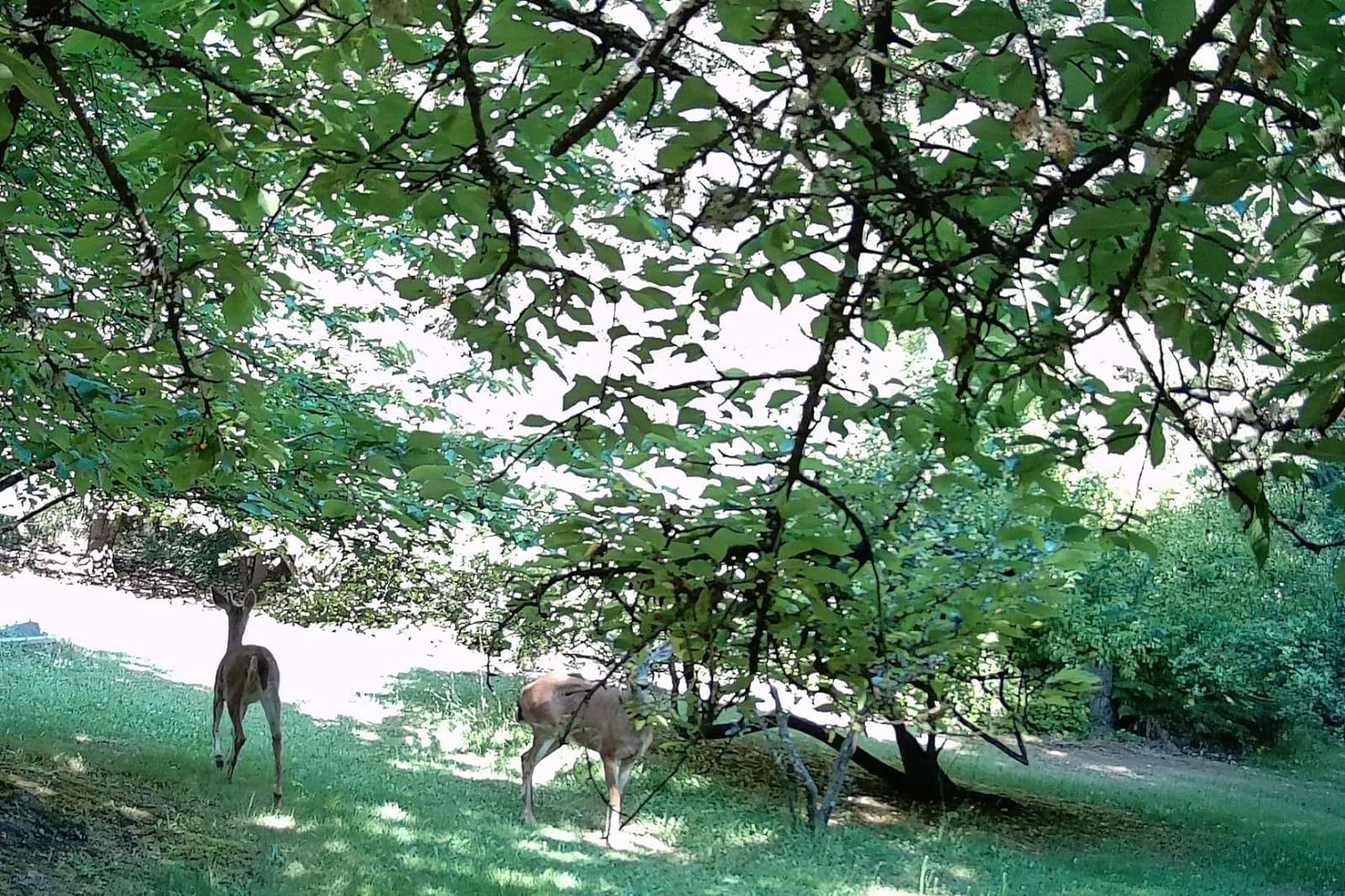
The box includes a 32GB microSD card and a reader, so you can hang the camera the same afternoon you open the box. Owners also report it holding up in heavy rain over extended outdoor use, and the IP66 housing is properly sealed for that.
The TrailCam Pro app handles live preview, settings and downloads over the camera’s own WiFi hotspot. That is enough to check a lane before you leave the woods, which is the main thing most people want from app control.
Why the 4K actually matters here
4K matters for one specific purpose: identifying behaviour and body condition from a distance without walking in. A cropped 48MP still and a full-frame 4K clip give you detail on gait, feeding posture and whether an animal is in good shape, all without disturbing the herd.
The 100-foot no-glow reach is the other half of the value. Longer reach means fewer cameras for the same corridor, which matters on ground you can only walk twice a season.
Where it will disappoint you
The WiFi is short. Owners put the usable range at roughly 30 feet, so this is a check-it-while-standing-next-to-it tool, not a drive-by-from-the-truck tool. It also stops recording while the app is open and resumes when the app closes, which is a design choice rather than a fault but catches people out.
Two more complaints worth knowing. Some cameras needed a different SD card or adapter before the slot recognised the card. And the fixed slow shutter produces partial frames of moving deer, so expect sharp stills and softer video of anything running.
5. KJK 36MP Mini Game Camera – The One You Will Not See on the Tree
KJK Trail Camera 36MP 2.7K, Mini Game Camera with Night Vision 0.1s Trigger Time Motion Activated 130°Wide-Angle, Waterproof Trail Cam with 2.0” HD TFT Screen, Hunting Camera for Wildlife Monitoring
Pros
- Compact 4.3 x 3 x 1.8 inch body
- Built-in 2-inch HD TFT screen for setup and playback
- Low-glow IR keeps night footage discreet
- Stand and strap included for flexible positioning
- Stated operating range of -22F to 158F
Cons
- No WiFi and no app so media comes off the SD card
- SD card is not included
- 850nm low-glow is not as invisible as 940nm no-glow
- Some owners report failures within a year or two
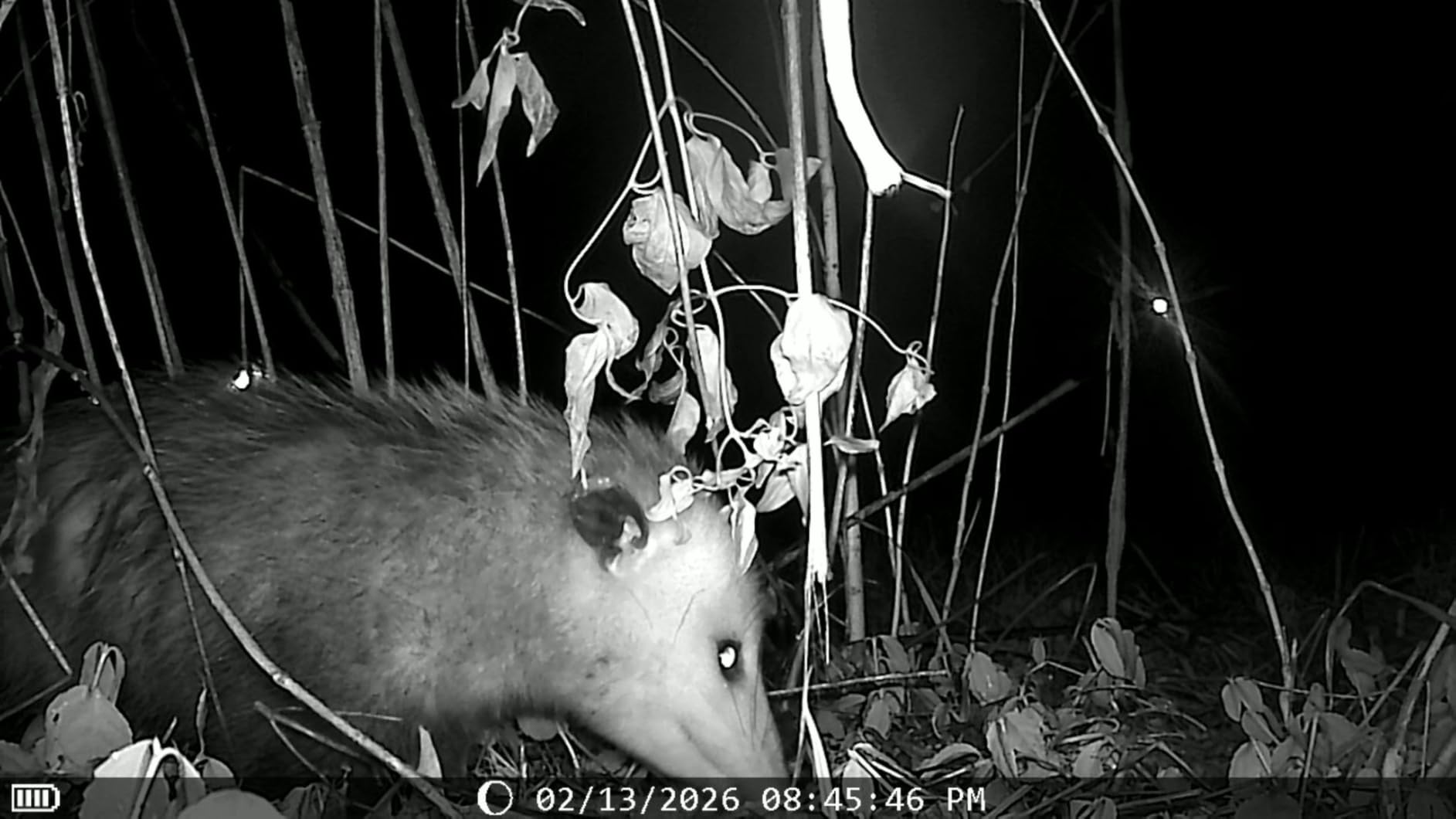
At 4.3 by 3 by 1.8 inches, the KJK is the camera to choose when visibility is the priority. On a thin sapling or a young pine, a full-size body is a signpost. This one is small enough to disappear, and owners point to exactly that when they explain the appeal.
It shoots 36MP stills and 2.7K video with sound at 30fps, triggers in under 0.1 seconds, and covers a 130-degree detection angle, which is the widest field here. Twenty-two 850nm low-glow LEDs with adaptive illumination reach about 70 to 75 feet.
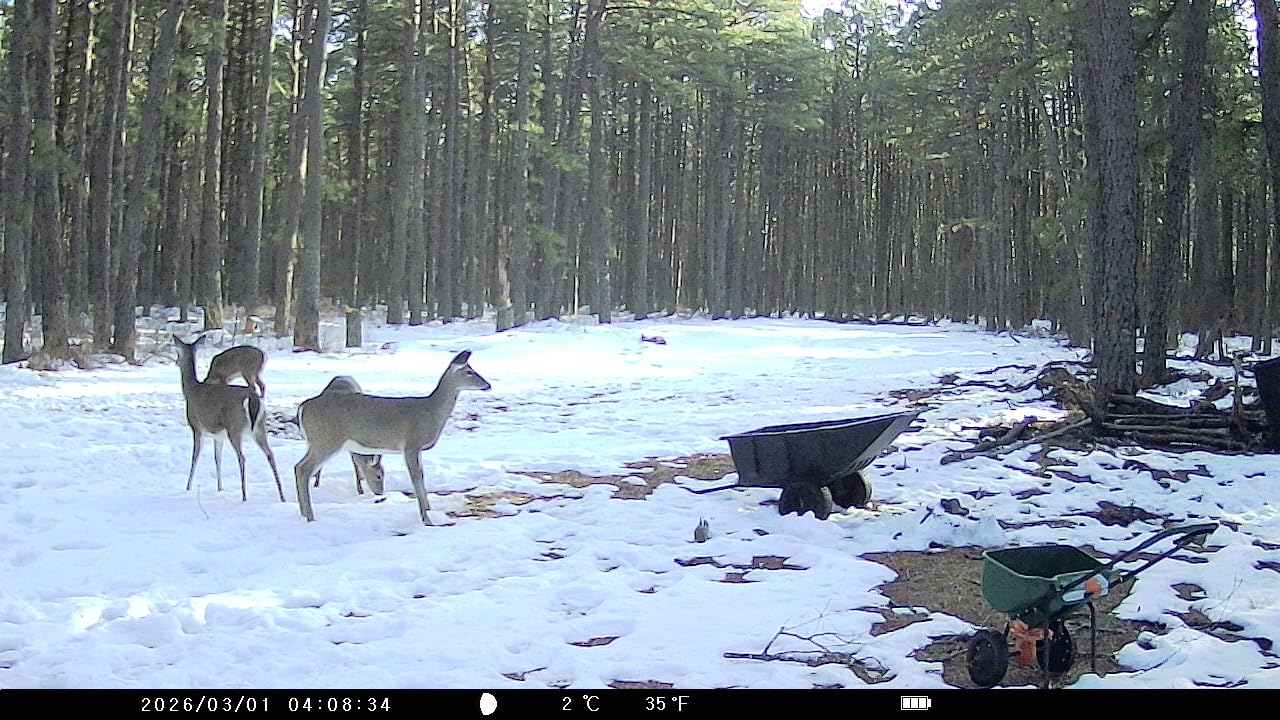
The 2.0-inch HD TFT colour screen with remote-style buttons is the feature that changes daily use. You can set sensitivity, aim the lens, and play back clips on the tree, with no card reader and no phone. The stand and strap are included, so you can set it on a ground blind floor and still get a usable angle.
Stated operating range runs from -22F to 158F with PIR noise filtering, which covers late-season deer and elk conditions in most of the country. Four alkaline batteries, a two-year warranty, and an IP66 housing round out a genuinely thoughtful little package.
Why size wins in specific setups
If you are scouting public timber, young regeneration, or a lane that other hunters can reach, a small camera is harder to notice and harder to steal. The 130-degree field means one placement covers more of a funnel, which reduces how many cameras you need.
On-camera playback is the quiet hero. Being able to confirm a buck was there at 6am without a drive back is worth a lot over a season, and this is one of the few cameras in the compact class that handles it without an app.
Where it will disappoint you
Honesty first: this has the lowest average rating in the group, and the review pattern shows why. Some owners report units failing within a year or two, and durability consistency is the reason it does not rank higher despite a good feature set.
It also has no wireless connectivity at all, and the SD card is not included. Add a decent card to your cost before you buy. The 850nm light is not as invisible as a true 940nm no-glow array, so it is a visibility compromise you accept for the size.
6. iZEEKER iG200 Trail Camera – The One Whose Microphone Owners Actually Mention
iZEEKER Trail Camera, HD Game Camera with 940nm No Glow Night Vision Motion Activated 0.2s Trigger Time, Hunting Camera No WiFi, IP66 Waterproof for Wildlife Monitoring Outdoor Security Deer Scouting
Pros
- Side microphone records audible sound for identifying subjects
- 940nm no-glow infrared keeps animals undisturbed
- 0.2s trigger with a 3-shot burst
- Clamshell body is easy to clear lens condensation in the field
- Loop recording overwrites the oldest files automatically
Cons
- No WiFi and no cellular so media comes off the card
- 90-degree field of view is the narrowest here
- SD card and batteries are not included
- Wired-only connectivity rules out remote viewing
Audio is the most overlooked spec on any trail camera, and the iZEEKER iG200 is the one that gets credit for it. It records 2K HD, 1080p or 720p video with a side-mounted microphone, and owners specifically report that the sound is clear enough to help identify what triggered the camera before you pull the card.
Guns, engines, human voices, branches. For scouting, knowing which of those woke the camera saves you from reviewing forty near-identical night clips to find the one that matters.
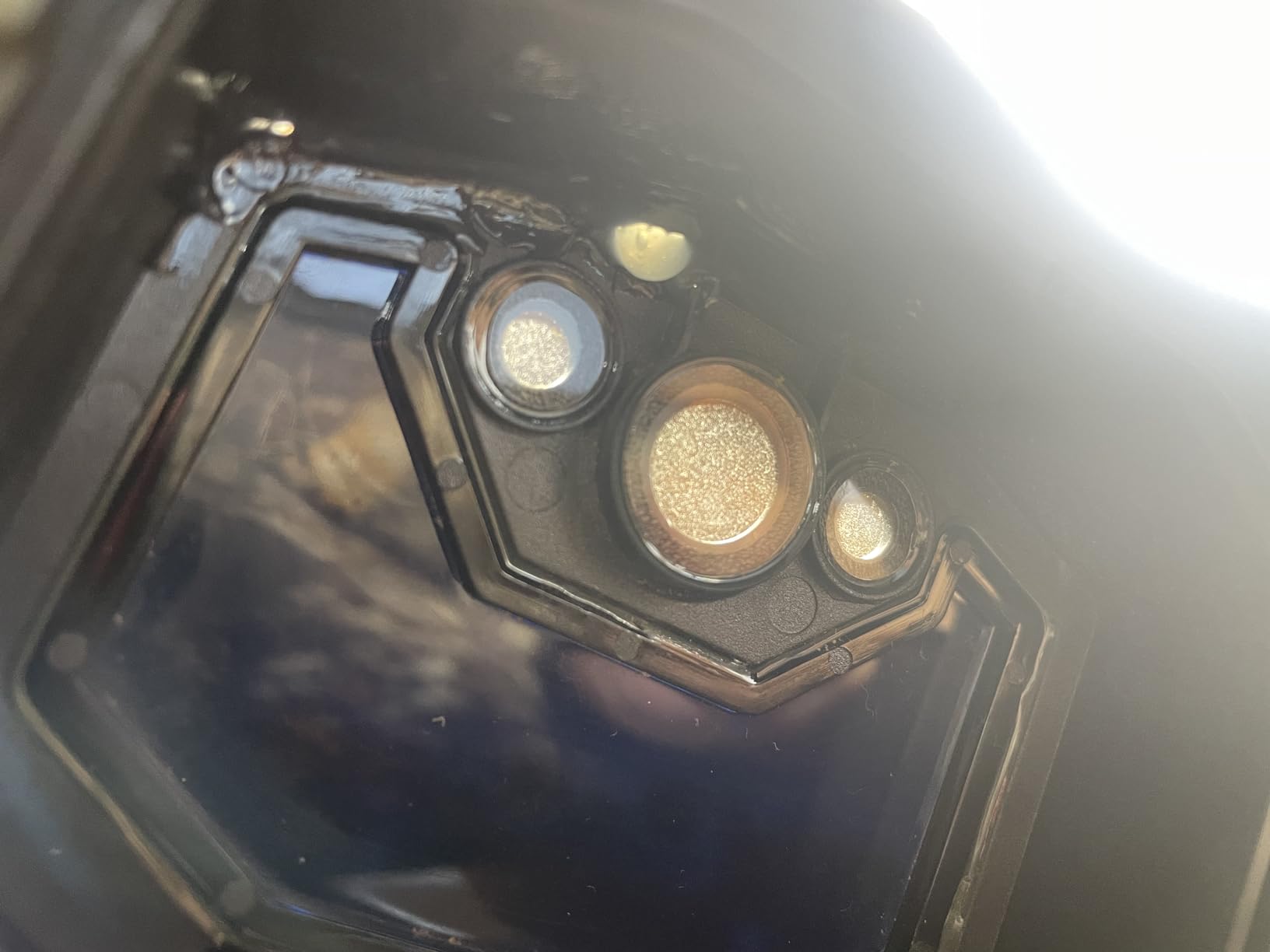
The rest of the package is solid: 36MP stills, a 0.2 second trigger with a 3-shot burst, and 36 no-glow 940nm LEDs reaching about 65 feet. The clamshell housing opens at the front, which owners praise as the easiest design here for clearing condensation off the lens in the field without a screwdriver.
Loop recording is another sensible default. When the card fills, it overwrites the oldest files instead of stopping, so a camera in a high-traffic lane keeps working through a whole season without a mid-week card swap.
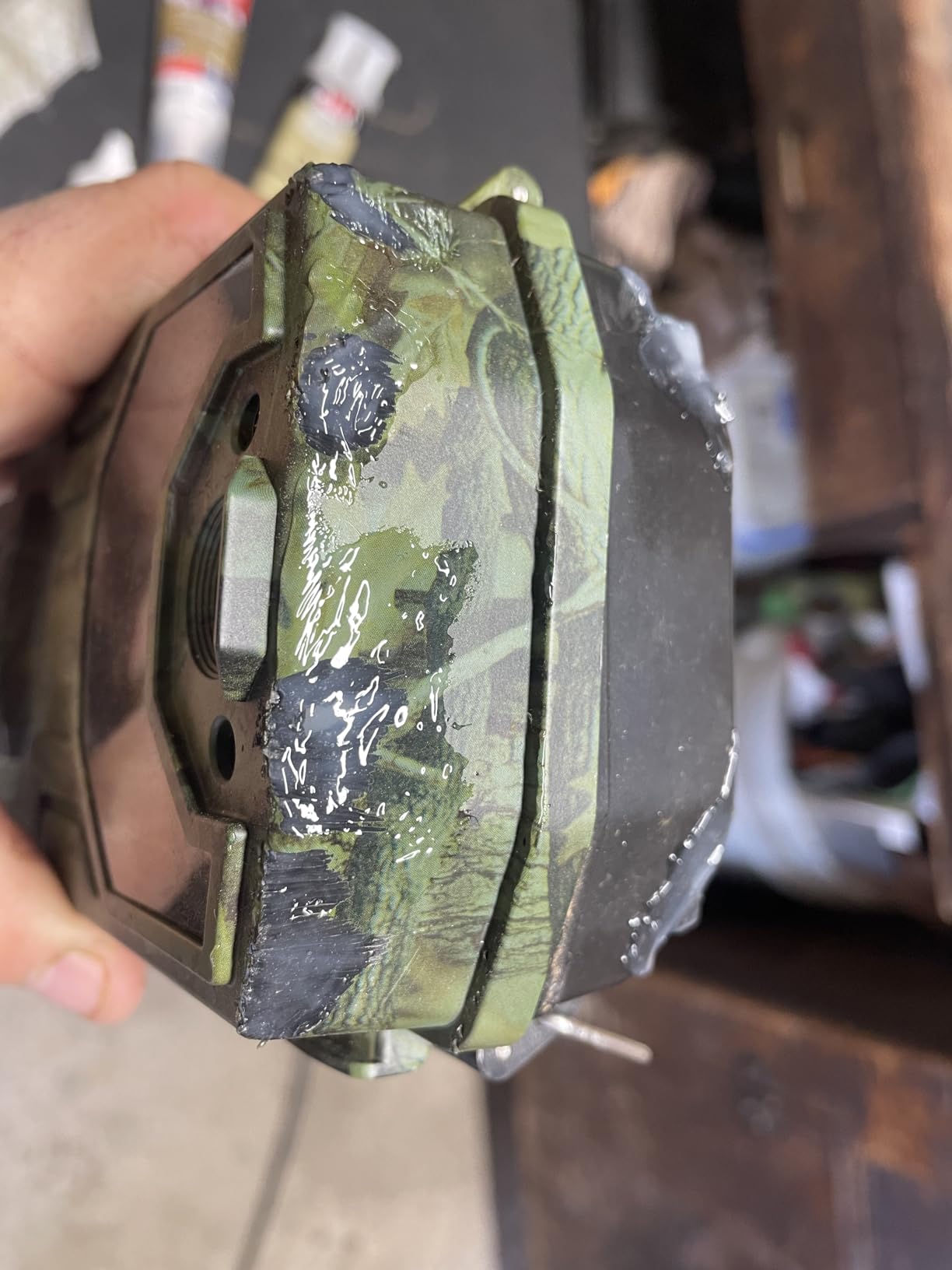
Why the audio matters more than the resolution
Consider a stand with a squirrel in the foreground and a buck at 45 feet behind it. Without sound, you are sorting clips for an hour. With a clear recording of a hoof scrape or a branch snapping under weight, you find it in minutes.
It is also the difference between documenting an animal and documenting a hunt. Sound gives your scouting footage context that a still frame simply cannot carry.
Where it will disappoint you
The 90-degree field of view is the narrowest on this list, so this camera needs better placement than most. Aim it down a corridor rather than across an open lane, or you will record a lot of empty forest.
There is no wireless connectivity of any kind, and neither the SD card nor the batteries are included. Budget for both before installation day.
7. Moultrie Edge 2 Cellular Trail Camera – The One That Holds Signal in Heavy Timber
Pros
- Holds cellular signal in woods where phones lose bars
- Sharp 36MP day and night photos and clear 1080p video
- On-demand requests instead of constant live view
- Works with OnX Hunt for mapping and property management
- Simple activation and setup
Cons
- A monthly data plan is required for the camera to work
- Batteries drain faster in cold weather and weak signal
- Some owners report water in the battery compartment and lens fogging
- A minority report PIR detection stopping on wildlife after several weeks
Cellular scouting fails for one reason: signal. The Edge 2 uses Auto Connect multi-carrier LTE, which moves between networks to find one that works. Owners report it holding a connection in timber where a phone drops bars, and that is the whole point of paying for cellular in the first place.
Imaging is a 36MP sensor with 1080p HD video that includes audio at 30fps, and detection reaches 100 feet with a low-glow infrared flash. On-demand photo and video requests are better than continuous live view because they cost less data and drain the batteries less.
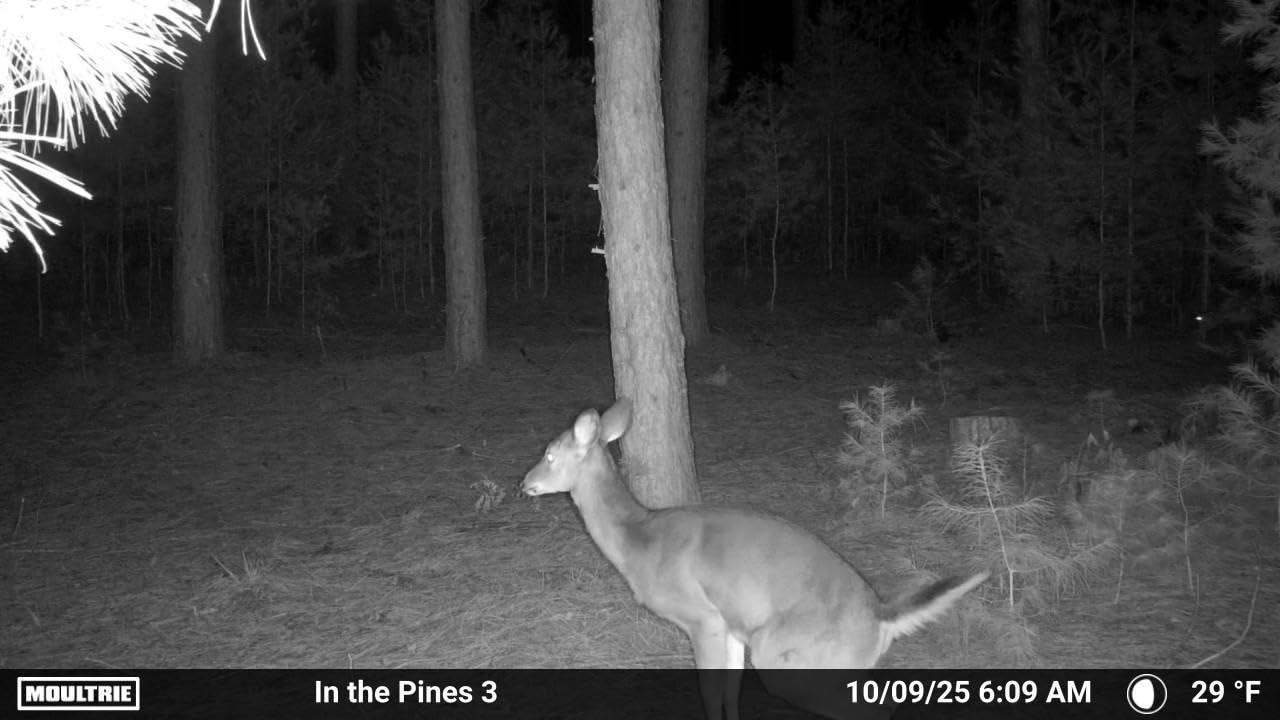
There is no SD card requirement. The camera carries 8GB of internal memory and pushes to unlimited cloud storage through the Moultrie Mobile app, which also offers Game Plan analytics and activity charting. Activity charts are the feature that turns raw sightings into scouting information.
It works with Easy Aim, Flex and Camera Stake mounts, and with Power Mag, solar packs and battery boxes. The two-year warranty starts at activation, not purchase, which is worth remembering when you are timing a season.
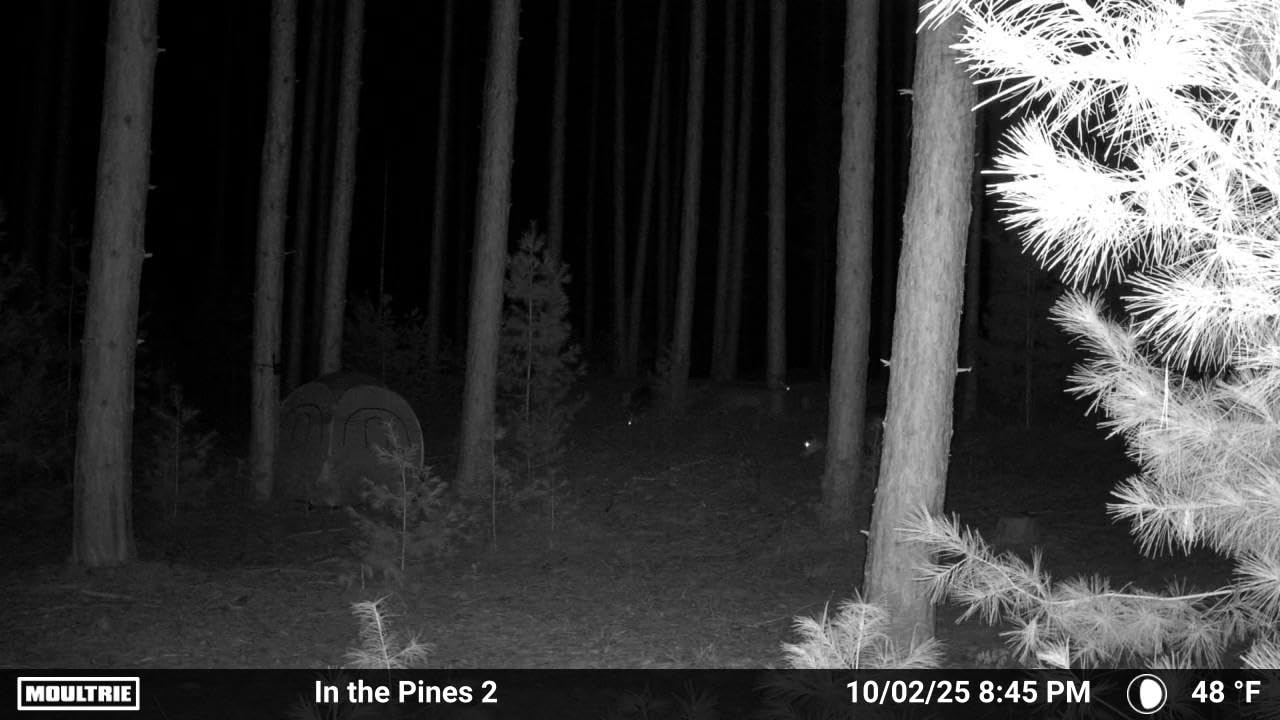
Why on-demand beats live view
Constant live view drains batteries, eats your data allowance and tells you less than you think. Requesting a photo when you want one costs a fraction of the allowance and lets the camera sleep between checks. Owners consistently describe the request workflow as the deciding factor in battery life.
The Game Plan activity charting is the sleeper feature. A month of timestamps per location tells you which stand sees deer at 6am and which one sees them at dusk, and that is data you can plan next season around.
Where it will disappoint you
The subscription is the first thing to accept rather than discover. A monthly data plan is required for the camera to function, and it runs to a meaningful per-camera per-month cost depending on the tier. That is a real recurring cost for the life of the device.
Cold weather and weak signal both accelerate battery drain, which is exactly the combination you get in a November backcountry setup. Some owners have also reported water inside the battery compartment and occasional lens fogging, and a small number report PIR detection stopping on wildlife after a few weeks.
8. Meidase P70 64MP Trail Camera – The One Owners Single Out for Build Quality
Meidase P70 (Non-Cellular,Non-WiFi) Trail Camera, 64MP 1296p, Game Cameras with No-Glow IR Night Vision, Motion Activated, Waterproof for Wildlife Deer Cams, Hunting
Pros
- Picture
- video and sound rated above rivals in the same price band
- Build quality with tight well-finished mouldings
- Side sensors trigger when animals are partly out of frame
- 100 foot no-glow night range
- Fast warranty support and replacement
Cons
- Slow night shutter speed catches action as partial frames
- Video-mode trigger range at night drops to about 15 feet
- SD card and 8 AA batteries are not included
- No WiFi and no cellular
The Meidase P70 is the camera owners here single out for build quality. Reviewers rate its picture, video and sound above Stealth Cam, Muddy and Tasco units in the same price bracket, and they credit the tight mouldings for the reason it still looks new after a season outside.
The lens is the reason for the night capability: an f/1.6 aperture feeding 64MP stills and 1296p HD video, with 36 no-glow 940nm infrared LEDs reaching 100 feet. That LED count at that range is where the clean night images come from.
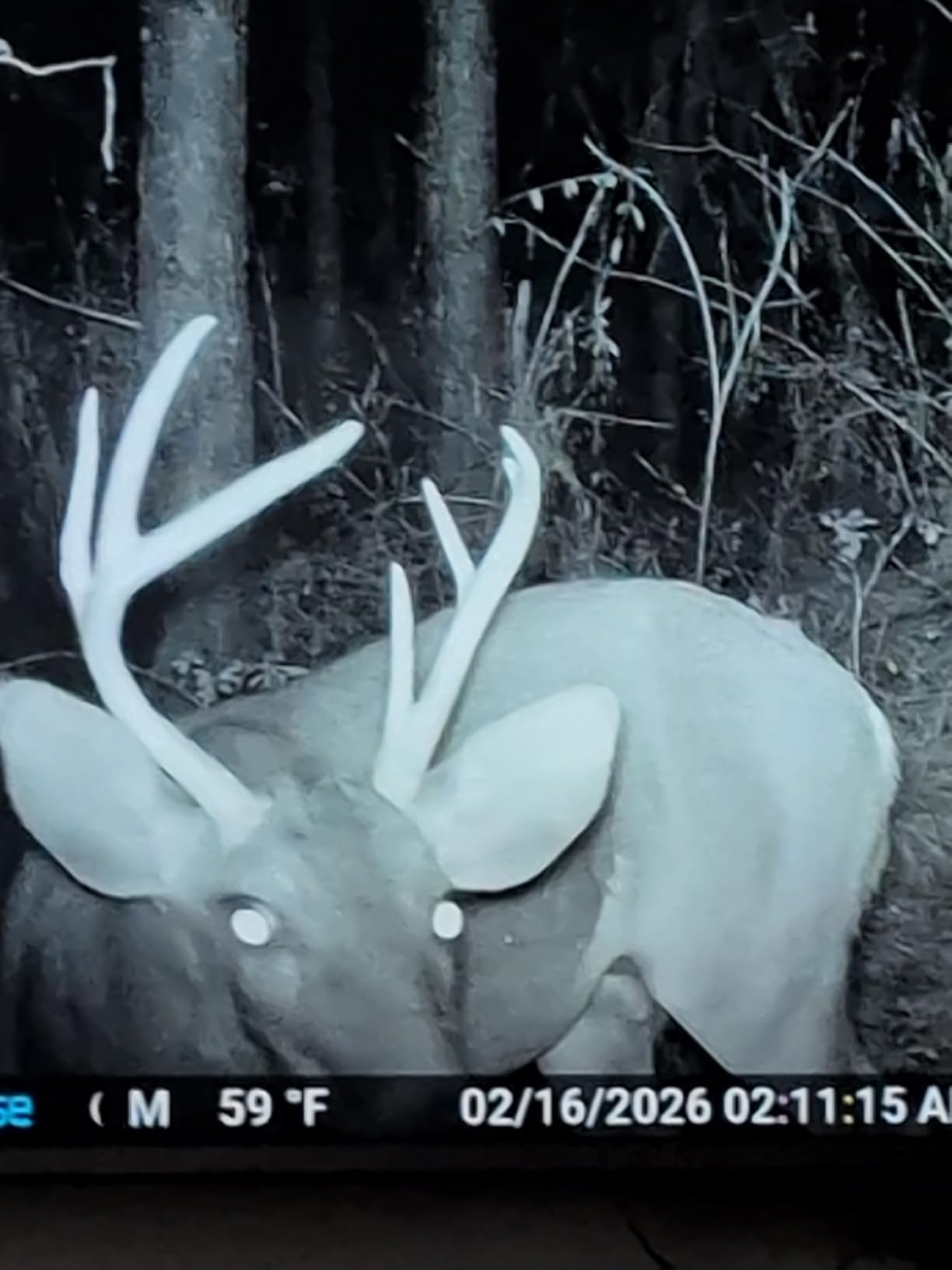
The side motion sensors are a genuinely clever addition. Instead of relying on one central detector, the camera triggers from the sides, so an animal walking partly out of frame still produces a capture. Owners who hunt open ground appreciate this more than most other features on the list.
Storage runs to 512GB on SD, SDHC or SDXC, and a 2.4-inch colour display handles on-site playback. It powers from 8xAA with optional solar panel support, and the tree mount with a six-foot strap is in the box.
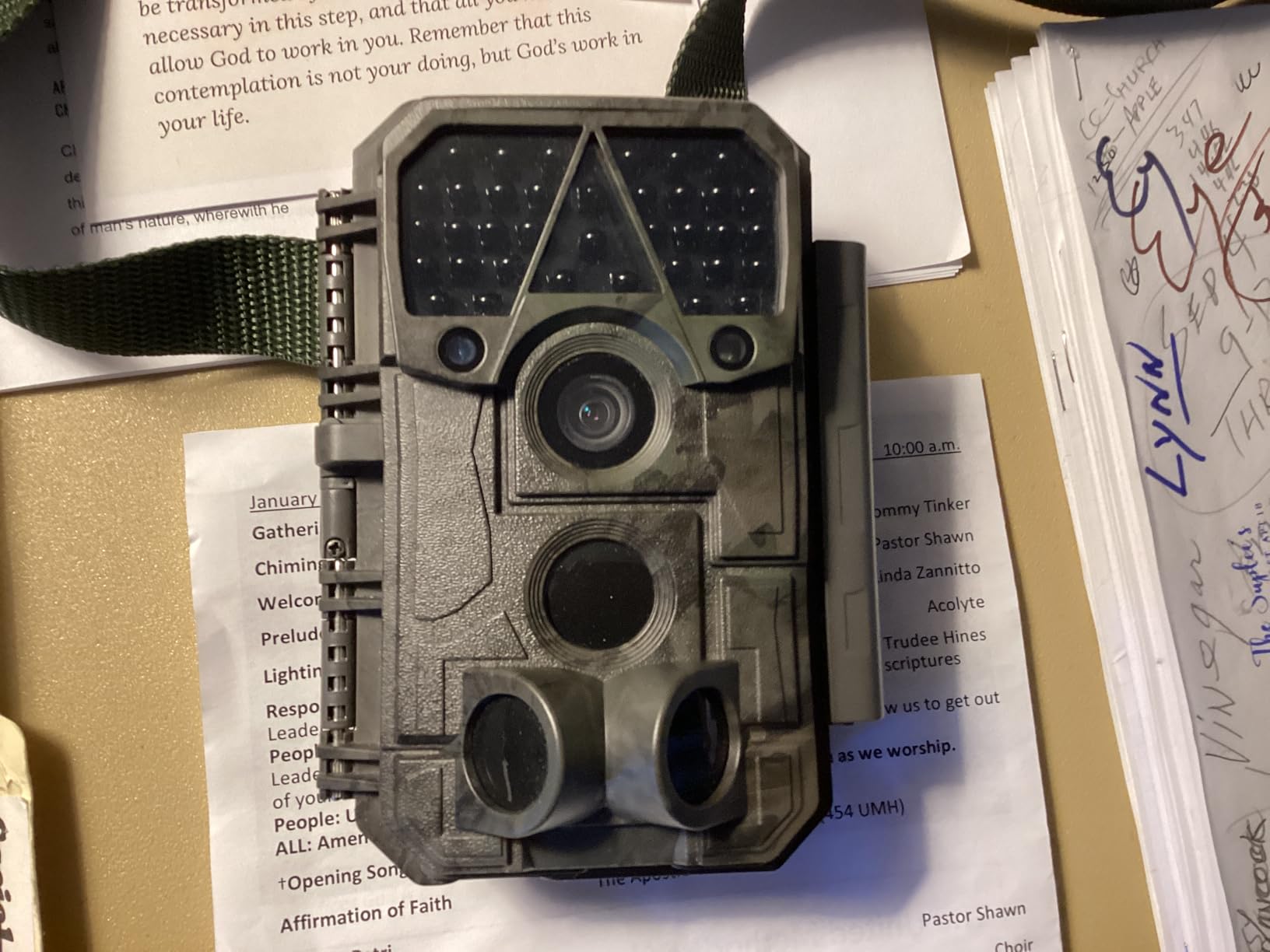
Why build quality matters more than resolution
A trail camera lives outside through rain, ice and freeze-thaw cycles from autumn into spring. The failures that end a scouting program are seal and moulding failures, not sensor failures, and owners describe this one as still going after several seasons.
The warranty experience matters too. Owners report fast answers and shipped replacements, which on a device you cannot reach without a ladder is a meaningful part of the purchase.
Where it will disappoint you
The night shutter speed is the trade-off. It is slow enough that action at night produces partial frames, which is the same limitation several SD-only cameras share. The video trigger range at night drops to roughly 15 feet, so do not plan on night video of distant animals.
Nothing is included beyond the strap and mount. Add an SD card and eight AA batteries to your cost, and remember that this is a card-only camera with no wireless options.
9. SPYPOINT Flex-M Cellular Starter Pack – The One to Try Before You Commit to a Data Plan
SPYPOINT Flex-M and SD Card Pack – Cellular Trail Cameras |Best Value in Hunting Accessories |No WiFi Needed & GPS-Enabled |Hunting Night Vision | IP65 Waterproof |28MP Photos, 720p Videos
Pros
- Dual-SIM auto selection connects to the strongest available network
- Free plan covering 100 photos per month
- Keeps sending photos in heavy canopy where phones lose signal
- App-guided activation is straightforward
- GPS-enabled with property maps
Cons
- 720p video is the lowest resolution here
- Image quality falls off beyond about 20 feet
- Default settings burn the free plan with check-in photos
- Multi-camera plans cost extra per camera
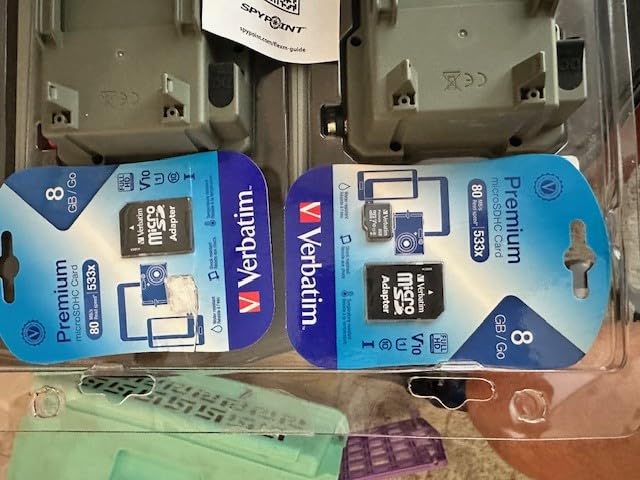
This starter pack exists to answer one question before you spend a season on it: is cellular worth it for your ground? It comes with two preactivated SIM cards and a 32GB card, and the free plan covers 100 photos a month. That is enough to run one camera for a scouting period before you commit to a paid tier.
Cross-carrier dual-SIM automatic selection is the technical point worth understanding. Rather than locking to one network, the camera connects to whichever carrier is strongest at that spot, which is why owners report it still transmitting in heavy tree cover.
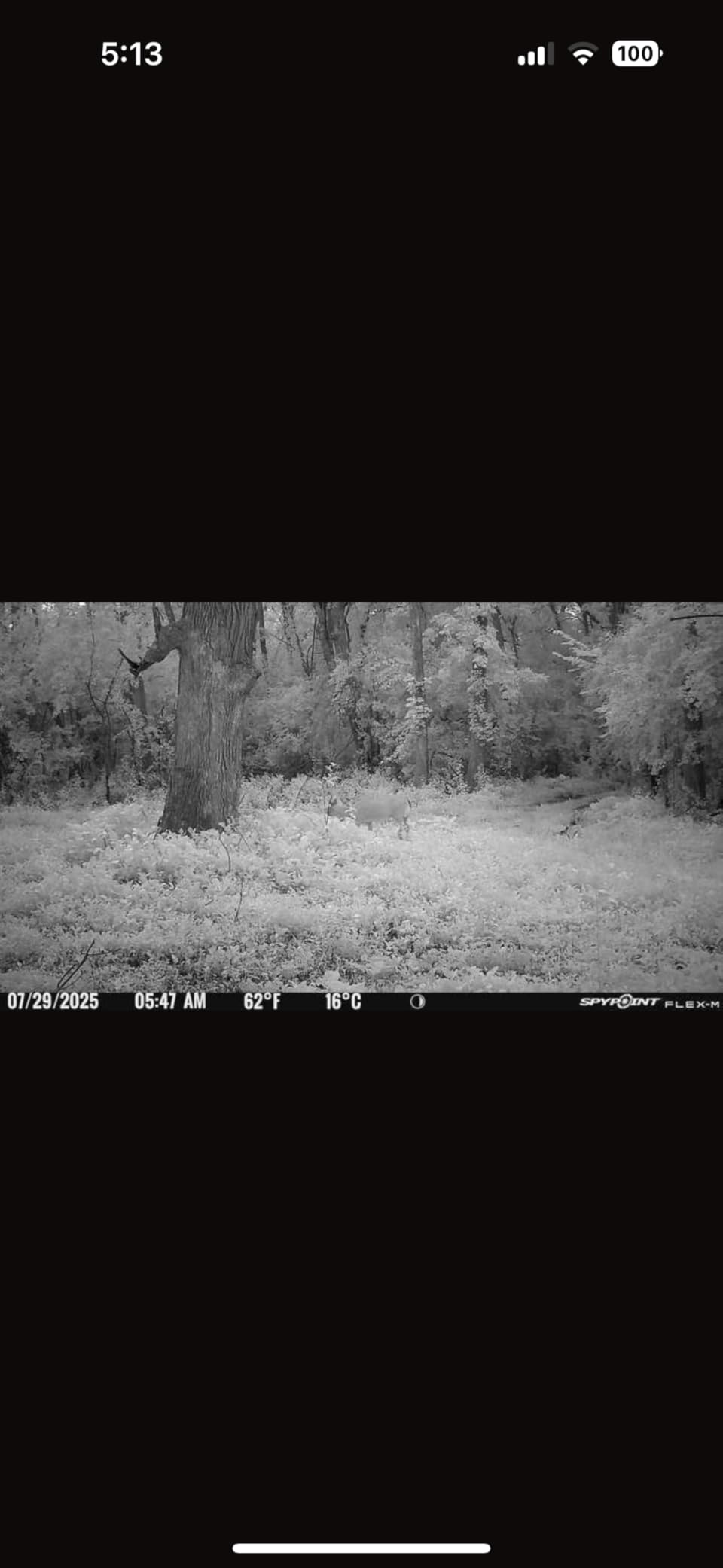
Capture modes cover photo, video, time-lapse and a time-lapse plus mode with constant capture. The SPYPOINT app adds Buck Tracker AI species filtering, so you can sort images by buck versus doe without opening four hundred files one at a time.
It is also GPS-enabled with property maps, which is useful if you are managing scattered parcels and want each camera to know where it is. IP65 sealing covers the weather you will realistically see in a tree.
Why starting on a free plan is the smart move
Cellular plans are the biggest recurring cost in this category, and the honest answer is that you do not know if you need them until you know your signal. A free allowance lets you hang one camera on your best ridge for a month and find out.
GPS plus AI species filtering also means you can run several cameras on one property and still find the images that matter. That is a genuine scouting tool rather than a novelty.
Where it will disappoint you
Video is 720p, the lowest resolution in this group, and image quality drops noticeably beyond about 20 feet. If you want to judge a buck’s rack from a photo, this is not the camera. Treat it as a movement and trigger detector that also takes stills.
Default settings send frequent check-in photos that can exhaust the free allowance in a high-traffic lane, so raise the trigger threshold and narrow the detection zone on day one. And any multi-camera setup has to be purchased per camera.
10. MagicEagle Cellular Trail Camera – Built for a Camera That Survives December
MagicEagle® Cellular Trail Camera 4G Wild Game Cameras 13,000 mAh Battery Solar Panel 2K Audible Video No-Glow IR Night Vision IP66 Waterproof for Wildlife Deer Monitoring Home Security (Army Green)
Pros
- Highest average rating in this group at 4.8 with 85 percent five-star reviews
- Solar panel and 13000mAh battery effectively remove battery changes
- SignalSync finds a network without swapping SIM cards
- Cloud AI species recognition and activity analysis
- Anti-theft GPS tracking with an electronic fence
Cons
- Higher cost than the other units in this group
- Data plan still required after the free trial expires
- 5MP photo resolution is well below the 24MP to 64MP norm
- Shortest review history of the established names
The MagicEagle is built for one problem: how to keep a cellular camera alive through a northern December. Its 13,000mAh built-in battery, combined with the included solar panel, is rated for up to three months on standby. You mount it once and stop thinking about it.
Connectivity is handled by SignalSync, a no-SIM approach using a cloud SIM that automatically selects the strongest carrier segment. There is no physical card to insert, and no SIM swapping when coverage changes between a ridge and a draw.
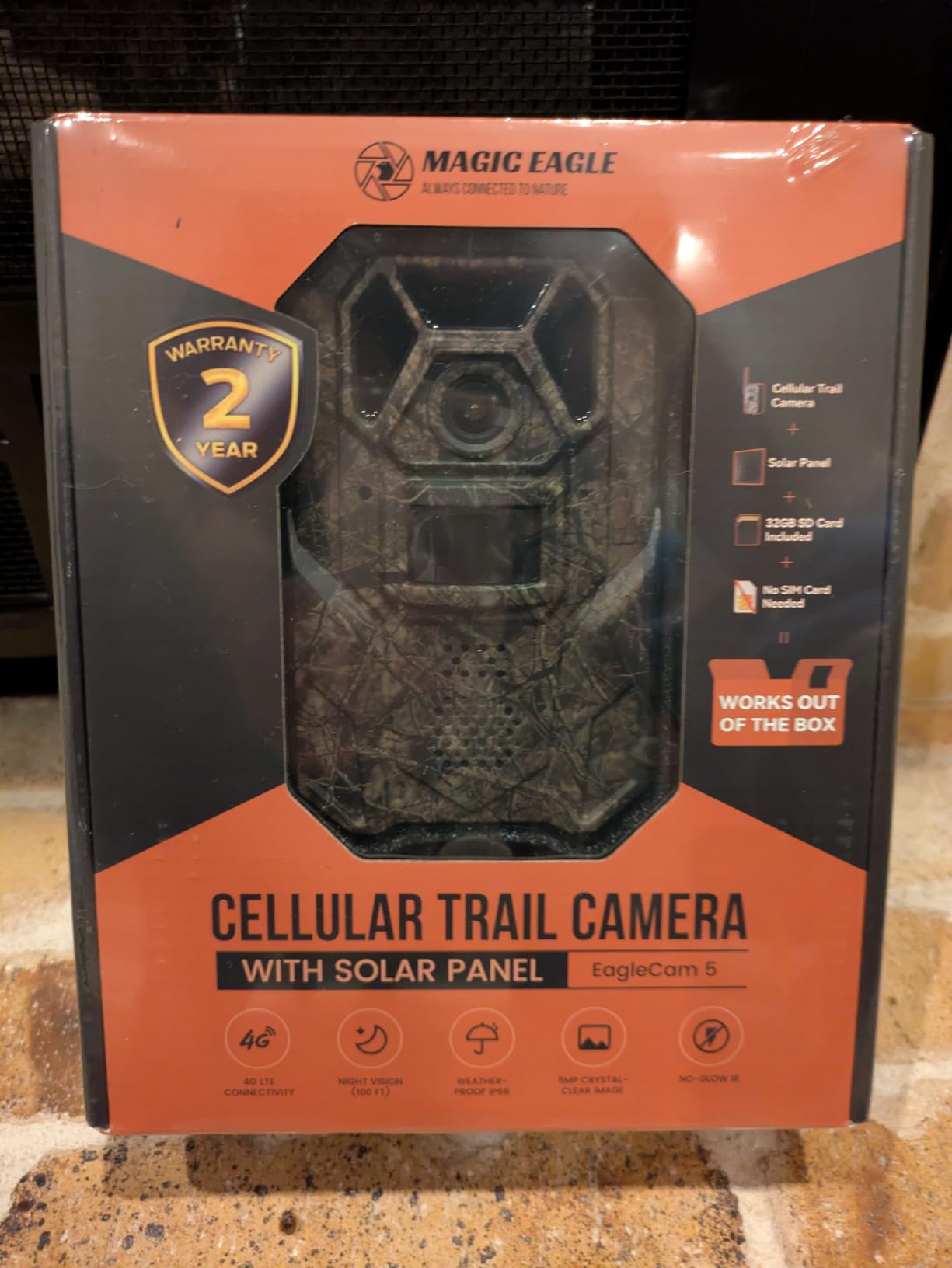
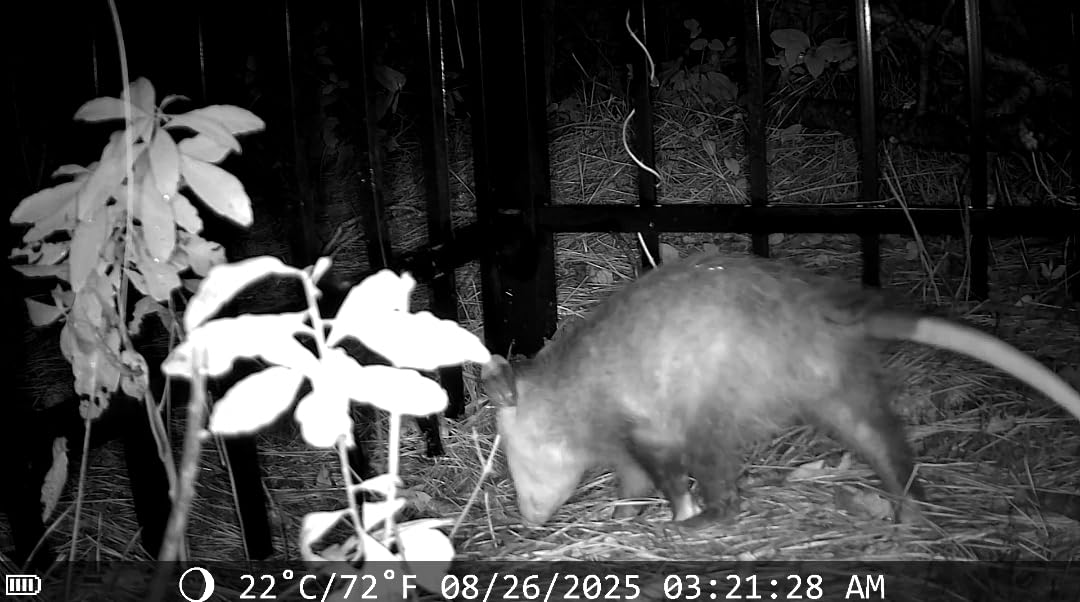
Night performance comes from 940nm no-glow infrared reaching about 90 feet, with a 0.3 second trigger and 2K video with audio. Stills are 5MP, which is the specification that will disappoint anyone planning to crop in on a face at 60 feet.
The anti-theft features are the ones that justify a cellular camera in country where cameras get stolen. A gravity sensor plus A-GPS with an electronic fence will track a camera to a new location and send an alert, and the 32GB card is included and expandable to 256GB.
Why the anti-theft layer changes the calculation
On public ground or a lease boundary, theft is a real cost. A camera that reports its own location after it has been moved is a different proposition from one that simply disappears, and owners treat the tracking as a feature they would pay for on its own.
Cloud AI species recognition adds a layer on top of that, with activity frequency, location and temperature and humidity analysis over time. That is real scouting data, not a gimmick.
Where it will disappoint you
It sits at the top of the price range in this group, and a data plan is still required once the free trial allowance runs out. The battery advantage does not make it free, it just makes the subscription less painful.
Two further honest notes. At 5MP, still images are well below the resolution standard here, so use it for detection and behaviour rather than trophy stills. And with a much shorter review history than the established names, long-term durability is not yet proven the way it is for the Meidase or GardePro.
11. MAXDONE Solar Trail Camera – 4K Scouting With No Subscription and No Battery Swaps
MAXDONE Solar Trail Camera WiFi Bluetooth, 4K 64MP Night Vision Game Camera
Pros
- Solar panel and 6000mAh battery eliminate battery swaps
- 64MP stills and 4K video with a sensitive microphone
- App download is far easier than card retrieval
- Small and light enough to mount on saplings
- No subscription or data plan required
Cons
- No compatibility with home routers or cellular networks
- Controls and card slot sit on the underside
- App takes a while to connect each session
- Default PIR sensitivity records almost continuously
The MAXDONE is the answer for anyone who wants a remote camera without a bill. It has a built-in solar panel charging a 6,000mAh lithium battery, and it records 64MP stills and 4K video at 30fps. There is no subscription, no data plan and no monthly fee, and owners list that as the reason they keep two of them in the woods.
Trigger speed is 0.1 seconds with a 100-degree detection angle and a 5-shot burst, which is a strong combination for catching animals in motion rather than after they have already left the frame.
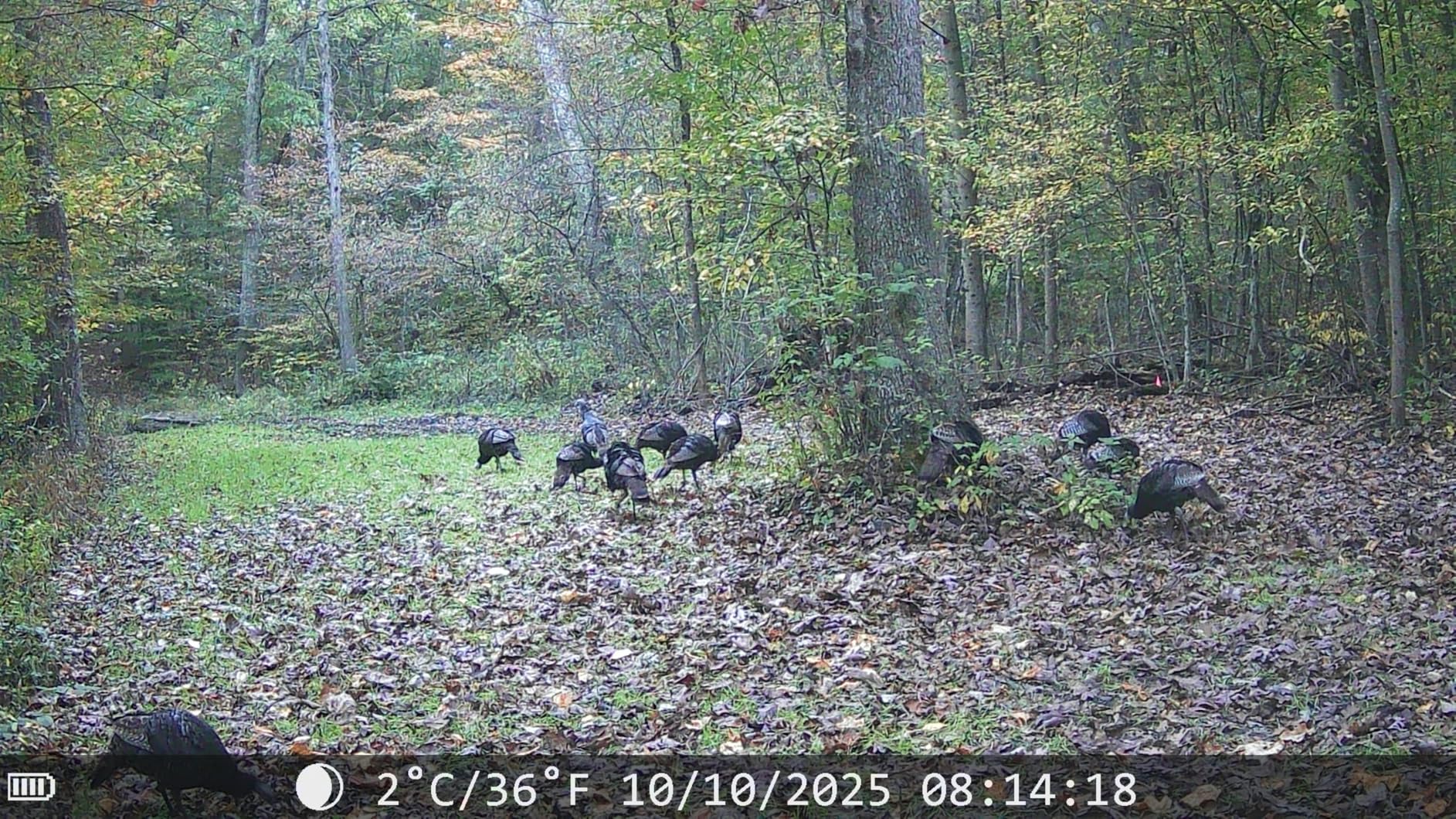
Control is over WiFi 6 and Bluetooth through an app, and the data stays local on the pre-installed 32GB TF card, expandable to 256GB. A 32GB card means you never have a first-day trip to a town to buy one, and the recorded audio is sensitive enough to pick up movement in the undergrowth.
At 2.76 by 1.97 by 5.51 inches it is small and light, which means you can mount it on saplings and move the whole program between locations as the season changes.
Why solar plus local storage is the most durable combination
Local storage removes the weakest link in the remote-camera chain. No signal to lose, no plan to lapse, no camera that goes dark because a card expired quietly in a drawer. WiFi is a convenience for downloads, not a dependency for recording.
Solar power is the other half. Owners report that the battery and panel combination means they stopped planning battery swaps entirely, which is a real quality-of-life improvement in a November hunting program.
Where it will disappoint you
Two important limits. It connects only to its own hotspot, not to your home WiFi router, and there is no cellular or 4G support at all. And it stops short of remote access, so a trip to the tree is still part of the workflow.
Also note that the on/off switch and the memory card both sit on the bottom, which is awkward on a tripod. And the default PIR sensitivity records almost continuously, so raising the threshold and narrowing the detection zone will save you hours of reviewing later.
12. TACTACAM Reveal Ultra Cellular Trail Camera – The Best Theft Tracking on a Camera You Leave Alone
TACTACAM Reveal Ultra Cellular Trail Camera: 4K Photo, 1080p Video, Live View, GPS Tracking-Enabled, Switchable No-Glow/Low-Glow Flash, LTE Connectivity, LCD Screen – Best Hunting, Game Camera
Pros
- Exceptionally clear 4K photos and sharp video in day and night
- Holds cellular signal where there is no radio or phone coverage
- GPS theft tracking and alerts are genuinely useful
- Fast trigger that rarely misses movement once warmed up
- Live View plus on-demand photo requests
Cons
- Subscription is expensive and locks you to one platform
- Many features are paywalled add-ons on top of the plan
- App is described as clunky and slow
- GPS updates only every six hours
- Twelve AA batteries and shorter life with cellular active
The Reveal Ultra carries the most capable specification set among the cellular cameras here, and the GPS feature is the part that genuinely stands out. It transmits its coordinates even when the camera is powered off or the batteries are removed, and no other unit on this list does that.
Imaging is where it separates itself: 4K still images and 1080p video, with a sub-0.5 second trigger and up to a 9-shot burst. Owners report clear 4K photos and sharp video in both daylight and darkness, and a fast trigger that rarely misses movement.
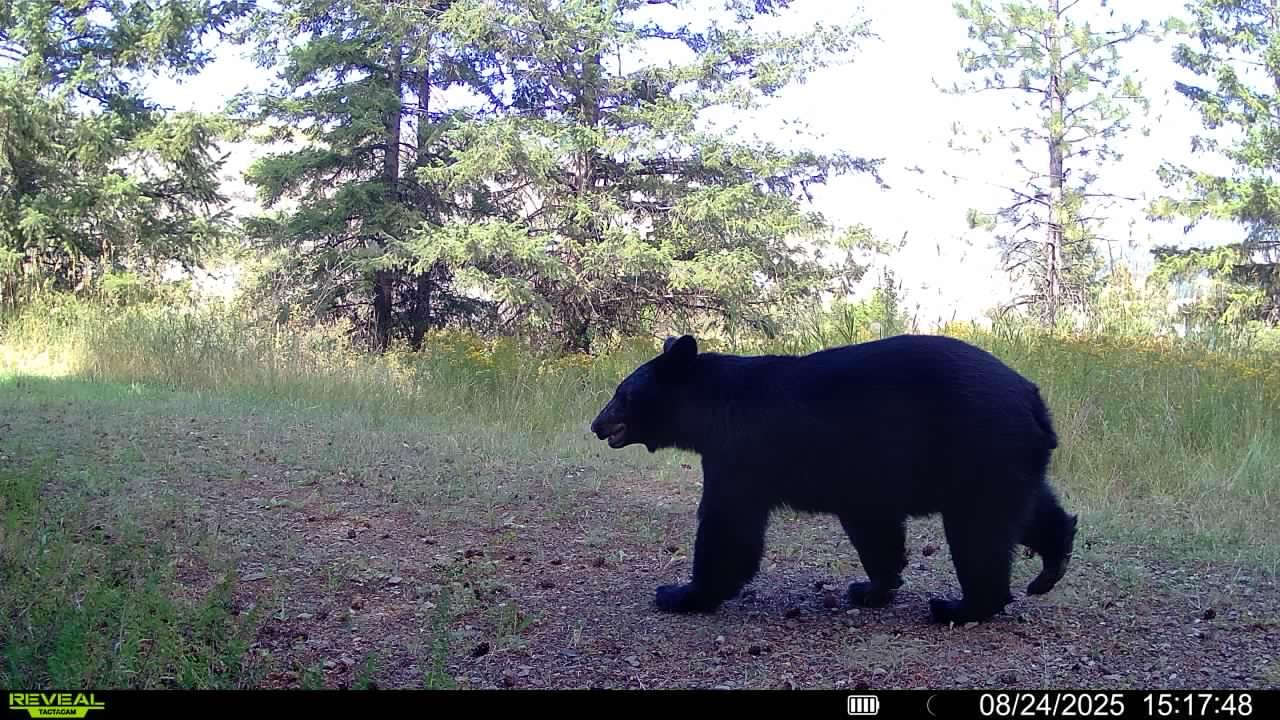
The switchable flash is a feature no other camera in this group offers. You can run 96 feet of low-glow for maximum reach or drop to 80 feet of true no-glow when animal behaviour matters more than distance. Having both settings in one body settles an argument that usually ends with a compromise.
Live View streaming and on-demand HD photo requests give you situational awareness before you commit to walking in, and an upgraded signal antenna plus a 2-inch LCD round out a camera that feels built for remote timber. Internal storage is 16GB with an SD slot for expansion.
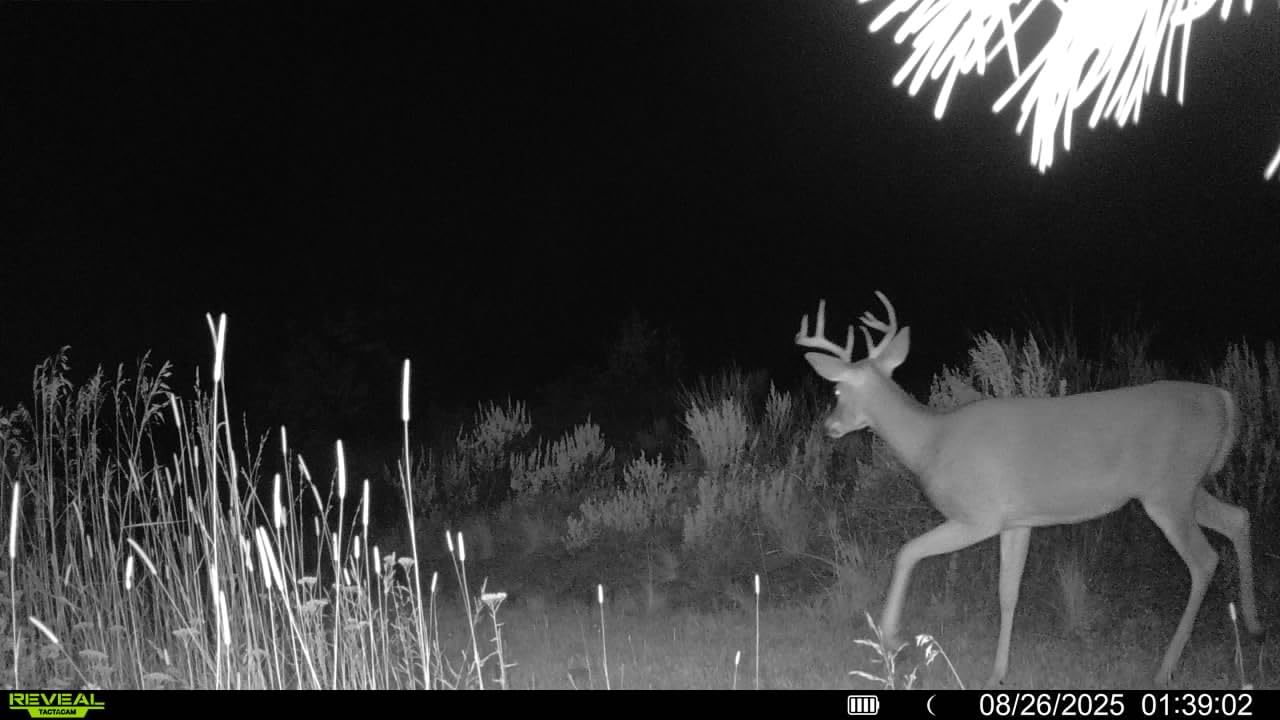
Why switchable flash is worth paying for
Almost every decision on a trail camera is a trade. This one is not. Low-glow gives you a longer useful range, no-glow gives you undisturbed animal behaviour, and having a switch means you can test a lane twice and settle the question with your own footage.
For a hunter who is filming to understand behaviour rather than to fill a trophy wall, that flexibility is more valuable than any single resolution figure.
Where it will disappoint you
The subscription system is expensive and locks you into one platform, and several features are paywalled add-ons on top of the base plan. Owners are also direct about the app, describing it as clunky, buggy and slow, which is the most common complaint on an otherwise strong camera.
Two more expectations to set. The GPS updates only every six hours, so treat it as theft evidence rather than a live recovery tool. And it takes 12 AA batteries with battery life dropping sharply while the cellular radio is active, so plan solar panel support or a lithium cartridge for a full season.
Why This List Is All Trail Cameras
There are really two halves to hunting documentation, and this list covers one of them. Filming the hunt yourself, point of view footage from a hat or chest mount, cinematic shots of game at 200 yards with a telephoto lens, is a different gear category, and a trail camera will not do that job at any price.
What a trail camera does is record the woods on your behalf, continuously, for weeks, through weather you would not want to be outside in. It is the scouting half of documentation, and it is the half that determines whether you are sitting on game at all.
If you are here for the filming side, the honest summary from forum communities is that a two-camera rig is the standard answer: one compact action camera for hands-free POV footage, plus a separate camera with a long zoom for the money shots. A phone will not replace either, particularly in low light.
What Actually Makes a Hunting Camera Work in the Field
Infrared type and range come first. A 940nm no-glow array is effectively invisible to animals, so their behaviour stays natural. An 850nm low-glow array is brighter and reaches further, but a faint red cast can be visible up close. If you are filming behaviour rather than simply logging presence, pay for 940nm.
Trigger speed and shutter speed are two different things. Trigger speed is how fast the camera wakes. Shutter speed is how fast it exposes. Nearly every complaint on this list about partial frames of moving deer is a shutter speed problem, and no amount of trigger speed fixes it. Expect clean stills and softer video of running animals.
Power strategy beats power capacity. A 13,000mAh battery with a solar panel, or a lithium pack instead of AA cells, removes a whole category of failure. Cold weather shortens battery life across the board, and the cameras that die in January are the ones that were drawing hardest.
Weather sealing is a two-letter grade. IP66 means dust-tight and protected against strong water jets, which covers wind-driven rain on a tree. IP65 means water ingress protection without the dust rating. For a full autumn and winter exposed on a trunk, IP66 is the one you want.
Storage and retrieval decide your workflow. SD-only cameras are the most reliable because there is nothing to configure. WiFi cameras are convenient within about 30 feet. Cellular cameras let you check from the truck, and they charge you monthly for the privilege. Pick the least complicated option that still does what you need.
False triggers are a sensitivity problem, not a quality problem. Owners on almost every camera here report the same complaint about windblown vegetation filling a card. Raise the trigger threshold, narrow the detection zone, and mount on a trunk rather than a thin sapling in the first place.
Our broader approach to camera-based documentation is written up in the guide to best cameras for construction documentation, which covers the same reliability and data-capture logic in a different environment.
No-Glow, Low-Glow and Night Vision Explained
No-glow infrared uses 940nm LEDs, which emit light beyond what most animals can perceive. The resulting footage is black and white with no visible glow from the camera itself, and animals behave as though nothing is there. This is the correct choice for behavioural observation and for close-range work.
Low-glow uses 850nm LEDs, which are cheaper and brighter, so they reach further, but the light sits at the edge of visible red. You may see a faint glow up close. Many hunters accept that trade for the extra 20 to 30 feet of detection.
Night vision is simply the general term for any of this. When a listing says night vision to 80 feet, check which wavelength is doing the work, because that number is not comparable between the two technologies.
What You Can and Cannot Do With Trail Cameras
Trail camera rules are state-specific and change, and some states have proposed or enacted restrictions on camera use for scouting. I am not going to name states here because getting that wrong could cost you a season or a citation.
Check the current regulation for the specific state and the specific land you are hunting, with the state wildlife agency, before you hang anything. Public land often carries separate rules from private land, including placement and removal deadlines.
On private land, the ownership question is simpler. On land you do not own, be aware that a mounted camera can also capture people and other hunters, and treat privacy and access etiquette as part of the setup rather than an afterthought.
The mechanics of documentation are covered in more detail in our guide to best cameras for evidence documentation, which deals with timestamps, continuity and record-keeping in detail.
Turning Camera Footage Into a Hunting Record
A camera is only as useful as the record you build from it. Write the location, the date, the time and the weather in a log next to the footage, and you have built a dataset instead of a folder of clips. Six weeks of timestamps from one camera will show you which stand sees movement at dawn and which one is dead weight.
Back the footage up twice before you overwrite it. Loop recording and constant capture modes will happily delete the thing you set up the camera to record, and a buck that walked past in October does not walk past again.
Use the clips to review your own scouting decisions, not just the animal. Where did the deer actually cross, when did they move, and did your stand placement match what the camera recorded three weeks earlier. That review loop is where documentation actually improves your hunting.
For the archive and storage side of building a durable record, the same workflow principles we use for sculpture documentation and scientific lab documentation apply directly.
Frequently Asked Questions
What is the best hunting camera without a subscription?
The MAXDONE Solar Trail Camera is the strongest subscription-free option here, with 64MP stills, 4K video, a built-in solar panel and a 6,000mAh battery. The GardePro E6 is the alternative if you want app control of settings and downloads over its own WiFi hotspot. Both store media locally, cost nothing monthly, and only need a climb to the tree for retrieval.
What states have banned trail cameras for hunting?
Restrictions on trail cameras vary by state and change from year to year, and some states have moved to limit or prohibit their use for scouting. I deliberately do not list specific states here because the rules change and being wrong is costly. Check the current regulation directly with your state wildlife agency, and confirm separately whether the rules differ on public land.
Can I film my own hunts with my iPhone?
A modern phone handles daylight camp and POV footage competently, but it falls short in two places that matter on a hunt: low light and hands-free mounting. Cold mornings produce noisy, soft footage, and there is no secure way to wear a phone on a bow or a hat. For point-of-view footage the standard answer in hunting communities is a small action camera, not a phone.
What is the best way to film my own hunts?
Use two cameras rather than one. A compact action camera mounted on a hat, chest, bow or tree stand handles point-of-view footage, and a separate camera with a long zoom on a tripod or beanbag captures distant game and the shot itself. Adding an external microphone on a short cable changes the audio more than any camera upgrade will.
Which camera works best at night in the woods?
Look for a 940nm no-glow infrared array and the longest stated range you can get. The Meidase P70 combines 36 no-glow LEDs with a 100 foot stated range and an f/1.6 lens, and the Digitgarden reaches about 100 feet with 4K video. Avoid judging range figures across low-glow and no-glow cameras, because the technologies are not comparable.
What is the best camera for cold weather hunting?
Power is the deciding factor, because cold shortens battery life across every category. The MagicEagle is built for it, with a 13,000mAh battery, an included solar panel and up to three months on standby. The MAXDONE pairs a 6,000mAh lithium cell with a built-in solar panel, and both eliminate the AA battery swaps that end a northern December program.
Conclusion
The best cameras for hunting documentation depend on which half of documentation you care about. For scouting, the GardePro E6 is the pick: WiFi app control with no monthly fee, 940nm no-glow infrared to 75 feet, and the largest owner base on this list at 4979 reviews.
Start on the WOSPORTS G600 if you want the strongest specification sheet, on the WOSODA 2 Pack if you want two lanes covered in one purchase, and on the MAXDONE if the idea of a monthly bill is a deal breaker. Move to the Moultrie Edge 2 or SPYPOINT Flex-M only once you have confirmed you have signal.
Whichever you choose, buy a decent card, set the sensitivity before you leave, and start a log next to the footage. That habit is worth more than any specification on this page. Updated for 2026.