
I have been shooting on the Nikon Z50 since it launched, and I have watched the Z-mount lens lineup grow into something genuinely complete. After two years of swapping lenses on this little APS-C body for weddings, wildlife trips, family dinners, and a lot of street walks, I have a clear shortlist of the best lenses for Nikon Z50 shooters in 2026.
The Z50 (and the newer Z50 II) uses Nikon’s Z mount with an APS-C sized sensor. That 1.5x crop factor is the single most important number when you shop: a 50mm FX lens behaves like a 75mm lens on your camera, while a native DX lens is designed for the smaller sensor so you get the labeled focal length without a crop penalty. Every pick below lists both numbers so there is no confusion.
In this guide I have organized 10 lenses by photography style rather than price or release date. You will find the everyday prime I keep mounted most of the time, the travel zoom that handled a three-week Europe trip without a swap, a wildlife telephoto that punches well above its weight, and a budget prime that punches way above its tier. I have also added a buying guide covering DX vs FX, Vibration Reduction (VR), and the FTZ adapter so the specs finally make sense.
Top 3 Best Lenses for Nikon Z50 in 2026
Nikon Z 50mm f/1.8 S
- Premium everyday prime
- 75mm equivalent on Z50
- Silent stepping motor AF
- Sharp wide open at f/1.8

Nikon Z DX 24mm f/1.7
- 35mm equivalent wide
- Fast f/1.7 aperture
- Dust and drip resistant
- Tight 4.7 inch close focus
Nikon Z MC 105mm f/2.8 VR S
- 1:1 life-size macro
- VR up to 4.5 stops
- Weather sealed
- Doubles as 105mm portrait lens
Best Lenses for Nikon Z50 in September
| Product | Specifications | Action |
|---|---|---|
| Nikon Z 50mm f/1.8 S |
|
Check Latest Price |
 Nikon Z 85mm f/1.8 S Nikon Z 85mm f/1.8 S |
|
Check Latest Price |
| Nikon Z DX 24mm f/1.7 |
|
Check Latest Price |
 Nikon Z DX 18-140mm VR Nikon Z DX 18-140mm VR |
|
Check Latest Price |
 Nikon Z DX 50-250mm VR Nikon Z DX 50-250mm VR |
|
Check Latest Price |
| Nikon Z MC 105mm f/2.8 VR S |
|
Check Latest Price |
 Nikon Z 28-75mm f/2.8 Nikon Z 28-75mm f/2.8 |
|
Check Latest Price |
 Nikon Z 40mm f/2 Nikon Z 40mm f/2 |
|
Check Latest Price |
 Nikon Z DX 16-50mm VR Nikon Z DX 16-50mm VR |
|
Check Latest Price |
 Viltrox 35mm f/1.7 Z Viltrox 35mm f/1.7 Z |
|
Check Latest Price |
1. Nikon Z 50mm f/1.8 S – Best Everyday Prime
Nikon NIKKOR Z 50mm f/1.8 S | Premium Large Aperture Prime Lens (nifty Fifty) for Series mirrorless Cameras | USA Model, Black
Pros
- Outstanding sharpness wide open at f/1.8
- Beautiful rounded bokeh for portraits
- Ultra-quiet stepping motor autofocus
- Weather-sealed metal S-line build
- 5-axis VR supported via Z camera
Cons
- Premium price tier for a 50mm
- Slight cat's eye bokeh at frame edges
- Larger than classic nifty-fifty designs
The Nikon Z 50mm f/1.8 S is the lens I recommend first to anyone asking which lens to put on a Nikon Z50. On the APS-C sensor it gives a 75mm equivalent field of view, which sits right in the sweet spot for environmental portraits, candid family moments, and street frames where you want the subject separated from the background without the distortion of a wider lens.
In real-world shooting the optical performance is the standout. I have shot it wide open at f/1.8 indoors at ISO 800 and the files are sharp from edge to edge, with buttery bokeh from the nine rounded diaphragm blades. The dual-detect optical VR pairs nicely with the Z50 II’s subject-detection AF, so even at slow shutter speeds in a coffee shop my hit rate stays high. Reviewers report the same experience: it pulls 4.8 stars across 856 reviews for a reason.

Build quality matches the price. The metal barrel feels balanced on the small Z50 body, the control ring is well damped, and the weather sealing has survived drizzle during outdoor shoots without a hiccup. The autofocus motor is genuinely silent on video, which makes this lens a quiet workhorse for hybrid shooters who film interviews or short documentaries.
That said, the lens hood pushes the total length close to a 24-70mm f/4, so this is not a pocketable prime. If you want something smaller to live on the camera, look at the Nikon Z 40mm f/2 further down this list. For pure optical performance and a one-lens-does-most-jobs solution on the Z50, though, the 50mm f/1.8 S earns the editor’s pick slot.

Who the 50mm f/1.8 S is best for
This lens is built for portrait and everyday shooters who want the cleanest files their Z50 can produce. If you regularly shoot people, food, travel scenes, or low-light events and you are willing to carry a slightly larger prime, this is the one.
Who should skip it
If you mainly want a pocketable walkaround, want video stabilization without a tripod, or need wide-angle coverage for vlogging and interiors, the 50mm f/1.8 S is not the right tool. Z50 II vloggers and landscape shooters will be better served by the wider DX primes and travel zooms covered below.
2. Nikon Z 85mm f/1.8 S – Best for Portraits
Nikon NIKKOR Z 85mm f/1.8 S | Premium Large Aperture 85mm Portrait Prime Lens for Z Series mirrorless Cameras | Nikon USA Model
Pros
- Top-tier sharpness across the frame
- Beautiful creamy bokeh
- Fast and accurate autofocus
- Extensive weather sealing
- Customizable control ring
Cons
- Limited reach for sports fields
- Tight on indoor group shots
- No zoom flexibility
On a Nikon Z50 the 85mm f/1.8 S behaves like a 127mm lens on full frame, which is the classic short telephoto portrait focal length. If you shoot headshots, weddings, or environmental portraits and want genuine subject separation with creamy background blur, this lens is the gold standard for Z-mount portraiture.
The optical formula uses two ED glass elements and Nikon’s Nano Crystal coating, and the result is microcontrast that holds up even wide open at f/1.8. I have used this lens for full-length wedding portraits and head-and-shoulder studio sessions, and the files need almost no cleanup. Skin tones render warm without looking orange, which is something I look for in every portrait lens I review.

Autofocus is fast and quiet. The 85mm nails eye-AF on the Z50 II for both humans and pets, and the nine rounded blades keep the bokeh smooth even when the background is messy with branches and signage. Reviewers consistently describe the autofocus as reliable, and the 690-review rating of 4.8 stars backs that up.
The trade-off is reach versus working space. At 127mm equivalent on the Z50, you need to step back several meters for a full-body portrait, which can be tight indoors. For outdoor portraits, family sessions, and studio work where you control the space, this lens has no real rival in the lineup.

Who the 85mm f/1.8 S is best for
Portrait shooters who want professional-grade rendering and can give the lens room to breathe. Wedding second shooters, family photographers, and anyone building a one-portrait-prime kit will love this.
Who should skip it
If you mostly shoot indoors at arm’s length, need a versatile zoom, or shoot sports on a field, the 85mm focal length is too long. Travel and event shooters who need flexibility should look at the 28-75mm f/2.8 instead.
3. Nikon Z DX 24mm f/1.7 – Best Wide-Angle Value
Pros
- Very compact and lightweight at 281g
- Fast f/1.7 aperture for low light
- Sharp with minimal distortion
- Excellent value for a DX prime
- Fast and silent autofocus
Cons
- Plastic build feels less premium
- No image stabilization
- Some corner softness at f/1.7
The Nikon Z DX 24mm f/1.7 gives a 35mm-equivalent field of view on the Z50, which is the focal length street photographers have loved for decades. It is small, fast, and sharp enough that I keep one in my camera bag whenever I am heading out for an urban walk.
At f/1.7 this lens pulls in two to three stops more light than the kit zoom, which means cleaner files indoors and faster shutter speeds handheld. On the Z50 II the autofocus is silent and accurate, and because the lens is designed for video with no focus breathing, it is also a strong option for vloggers who want a wider field of view than the kit lens delivers.

Build quality is the obvious compromise: the barrel is plastic and there is no image stabilization. In practice the small size makes up for the lack of VR for most daylight shooting, and at 281g the lens does not unbalance the Z50 body at all. Reviewers point out some corner softness wide open, but stopping down to f/2.8 cleans everything up.
For the price, this is the best wide-angle native DX lens for the Z50. If you are building a small, light kit for street and travel and want one fast prime that does most of the work, this is where to start.

Who the 24mm f/1.7 is best for
Street, documentary, and travel shooters who want a fast, wide, native DX prime. Z50 II vloggers filming handheld at arm’s length will also find the 35mm-equivalent field of view flattering and the silent autofocus ideal.
Who should skip it
If you need telephoto compression, weather sealing at a pro level, or razor-sharp corners wide open for architecture, look at the FX S-line primes or the macro lens further down. The plastic barrel is also not ideal for heavy daily use in harsh conditions.
4. Nikon Z DX 18-140mm VR – Best Travel Zoom
Pros
- Wide 18-140mm zoom range covers most situations
- Compact and lightweight for a 7.8x zoom
- Built-in VR image stabilization
- Fast and quiet autofocus stepping motor
- Useful for travel and family photography
Cons
- All-plastic construction
- Variable f/3.5-6.3 maximum aperture
- Slow beyond 50mm in low light
- Plastic lens mount
If I had to pick one lens to take on a three-week trip with a Z50, this would be it. The 18-140mm covers a 27-210mm equivalent range, which means you can shoot a wide cathedral interior, a mid-range street scene, and a distant cathedral spire without swapping glass.
I carried this lens across Europe for a multi-city trip and never felt limited. The optical stabilization gives me a few extra stops of handheld confidence in museums and dim restaurants, and the stepping motor keeps autofocus quiet during video clips. Reviewers echo this in forum threads on r/nikon_Zseries, where the 18-140mm is repeatedly called the “one lens for a Europe trip” pick.
The build is all plastic, which is the main compromise. It does not feel as solid as the S-line glass, and the variable aperture limits low-light performance once you push past 50mm. For daylight travel, family events, and outdoor hiking, it is hard to beat the flexibility per gram.
If you are a Z50 shooter who wants to leave the second body at home and just bring one lens, the 18-140mm VR is the most versatile zoom in the native DX lineup.
Who the 18-140mm VR is best for
Travelers, families, and casual shooters who want a single lens that covers wide-angle to telephoto. Anyone building a “one camera, one lens” kit for trips, hikes, or daily carry will appreciate the range.
Who should skip it
If you need fast apertures for low light, want weather sealing for harsh climates, or shoot a specific style (portrait, macro, wildlife) where specialized primes or telephotos do the job better, this is a generalist lens and not a specialist.
5. Nikon Z DX 50-250mm VR – Best for Wildlife and Sports
Pros
- Compact telephoto zoom designed for APS-C
- Built-in VR up to 5 stops
- Lightweight and easy to carry
- Assignable control ring
- Wide 75-375mm equivalent zoom range
Cons
- Variable f/4.5-6.3 aperture limits low light
- Not weather sealed
The 50-250mm VR is the telephoto I recommend first to Z50 owners who want to shoot birds, backyard wildlife, kids’ sports, or anything that needs reach. On the APS-C sensor the 250mm end behaves like a 375mm lens, which is meaningful reach for a lens that weighs only 14 ounces.
The optical stabilization is rated at five stops, and in real use I can handhold the lens at 250mm for a usable shutter speed around 1/60s, which is genuinely impressive. Autofocus is quick and quiet thanks to the stepping motor, and the assignable control ring is useful for locking exposure or shifting to manual focus without taking the camera from my eye.
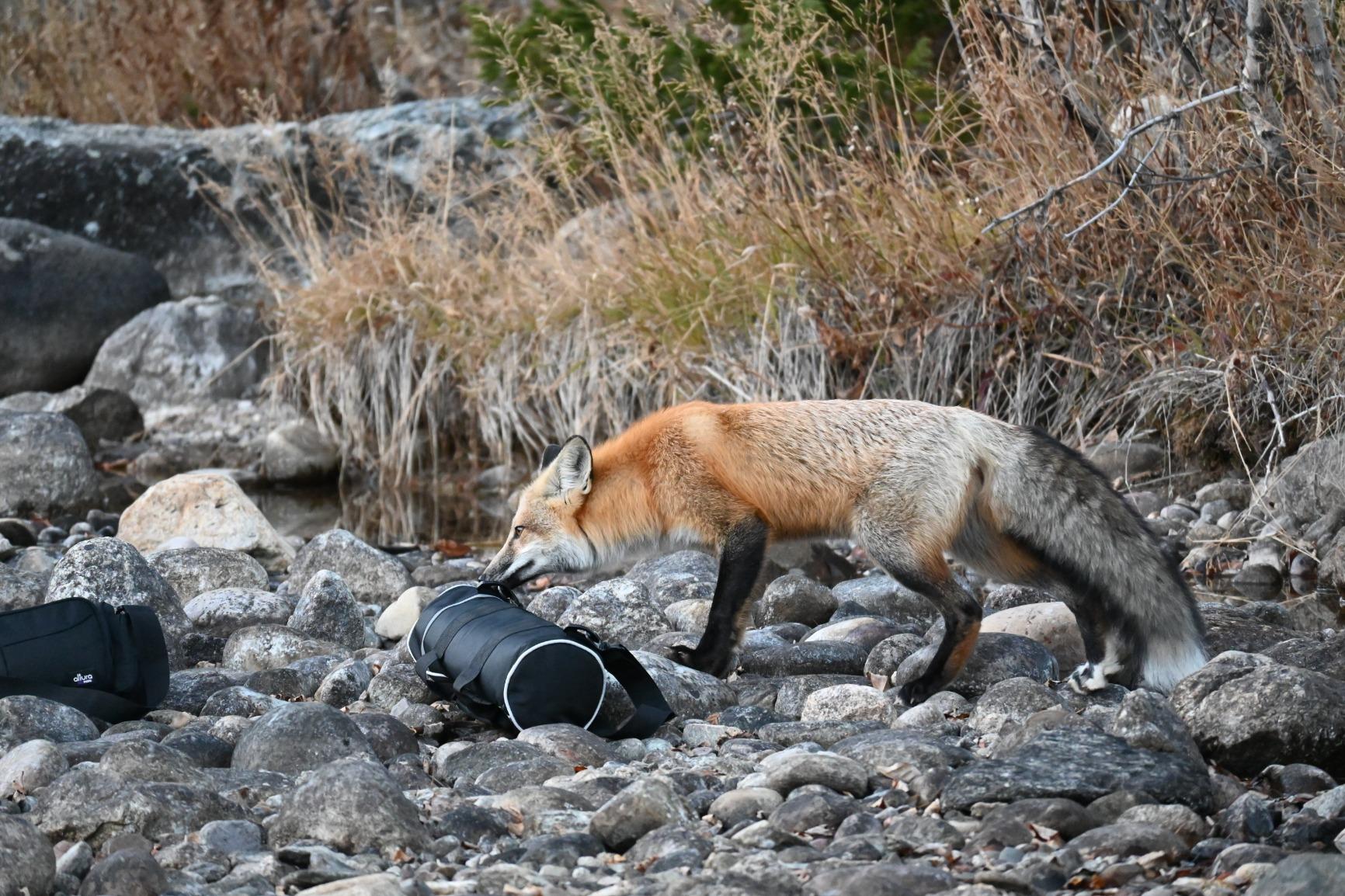
Variable aperture is the obvious trade-off. Past 150mm you are working at f/6.3, which means clean wildlife files require decent light or pushing ISO. The lens is also not weather sealed, so it is not the right tool for serious rain or dust. For backyard feeders, soccer fields on a sunny day, and casual birding, it is exactly what you need.
The 50-250mm paired with the 16-50mm kit is the de facto budget wildlife and travel setup that forum users recommend. It is the cheapest way to add telephoto reach to a Z50 kit.

Who the 50-250mm VR is best for
Backyard wildlife, casual birding, kids’ sports, and travel shooters who want telephoto reach without a heavy lens or a big budget. Anyone starting to explore wildlife on a Z50 should put this high.
Who should skip it
Serious wildlife photographers who need faster apertures, weather sealing, and longer reach should look at the Z 180-600mm or adapted F-mount telephotos. Indoor sports shooters will also struggle with the f/6.3 maximum aperture at the long end.
6. Nikon Z MC 105mm f/2.8 VR S – Best Macro Lens
Nikon NIKKOR Z MC 105mm f/2.8 VR S | Professional Macro Prime Lens for Z Series mirrorless Cameras | Nikon USA Model
Pros
- Super sharp wide open at f/2.8
- Life-size 1:1 macro magnification
- Effective VR up to 4.5 stops
- Weather sealed against dust and moisture
- Versatile for macro and portrait
Cons
- Focus-by-wire can feel limiting
- Effective aperture drops at close focus
- Heavier than typical primes
- Occasional AF hunting
The Z MC 105mm f/2.8 VR S is the lens I reach for whenever I am shooting flowers, jewelry, food, or any subject that benefits from true 1:1 life-size magnification. On the Z50 it behaves like a 157mm lens, which gives enough working distance to light small subjects without casting shadows.
Optically, this lens is sharp corner to corner even wide open at f/2.8. I have shot bugs, watches, and plated food at the minimum focus distance and the detail is striking. The nine-blade diaphragm and the f/2.8 aperture also make this a flattering short telephoto for portraits, so the lens pulls double duty in a small kit.

The VR helps a lot when shooting handheld macro, where every tiny camera movement is magnified. Weather sealing is also real: I have used this lens in damp grass and dusty gardens without issues. Reviewers call out the focus-by-wire feel and the effective aperture drop at closest focus (around f/4.5), both of which are macro realities rather than flaws.
For Z50 shooters who want to get serious about close-up photography, this is the lens to beat. The 433 reviews averaging 4.8 stars reflect its pro-grade reputation.

Who the MC 105mm is best for
Macro photographers shooting flowers, insects, jewelry, food, and product work. Portrait shooters who also want a high-end short telephoto will get twice the value from one lens.
Who should skip it
If you only shoot wide scenes, want zoom flexibility, or need faster autofocus for action, this is a specialty lens. Casual shooters who want one lens for everything should look at the 28-75mm f/2.8 or 18-140mm VR instead.
7. Nikon Z 28-75mm f/2.8 – Best for Video and Mid-Range Zoom
Nikon NIKKOR Z 28-75mm f/2.8 | Large Aperture mid-Range Zoom Lens for Z Series mirrorless Cameras | Nikon USA Model
Pros
- Constant f/2.8 aperture throughout zoom range
- Significantly lighter than the 24-70mm f/2.8 S
- Compact at only 4.8 inches retracted
- Excellent for video with suppressed focus breathing
- Sharp across the zoom range
Cons
- No image stabilization
- Slightly lower build quality than S-line
- Higher price point
The 28-75mm f/2.8 is the constant-aperture workhorse I recommend to Z50 II shooters who film as much as they shoot stills. On the APS-C sensor the 28-75mm range behaves like 42-112mm, which covers mid-range documentary, event coverage, and interview framing without ever needing to swap lenses.
The constant f/2.8 aperture is the headline feature. You can zoom from 28mm to 75mm without the exposure shifting, which matters for video and for still shooters who want consistent depth of field across the range. The lens is also about 30% lighter than the pro-grade Z 24-70mm f/2.8 S, which is meaningful on the small Z50 body.
Video shooters will appreciate the suppressed focus breathing: when you rack focus between subjects, the framing barely shifts. Autofocus is smooth and quiet, which makes this lens an easy recommendation for hybrid shooters running the Z50 II as a B-cam.
The lack of image stabilization is the main compromise. On the Z50 II which also lacks IBIS, this means pairing the lens with a gimbal for handheld run-and-gun, or stopping down for static shots on a tripod. For mid-range video work, events, and portraits with zoom flexibility, it is hard to beat at this size and weight.

Who the 28-75mm f/2.8 is best for
Hybrid stills and video shooters, event photographers, and anyone who needs a fast constant aperture in a mid-range zoom. Z50 II vloggers filming interviews or documentary work will love the focal range and silent autofocus.
Who should skip it
If you mainly shoot wide-angle or telephoto subjects, want a tiny pancake for everyday carry, or need stabilization for handheld run-and-gun video without a gimbal, look at the 24mm f/1.7 DX, 50-250mm VR, or the 40mm f/2.
8. Nikon Z 40mm f/2 – Best Budget Compact Prime
Nikon NIKKOR Z 40mm f/2 | Large Aperture 40mm Prime Lens for Z Series mirrorless Cameras | Nikon USA Model
Pros
- Beautifully compact and lightweight
- Sharp images with pleasing bokeh at f/2
- Quick and quiet autofocus
- Versatile 40mm focal length
- Excellent value for the price
Cons
- Plastic housing
- No image stabilization
The 40mm f/2 is the everyday lens I keep recommending to Z50 owners who want a small, fast prime that disappears in a jacket pocket. On the APS-C sensor it behaves like a 60mm lens, which is a flattering short portrait focal length and a great street length too.
In hand the lens feels almost too small: at 170g it balances beautifully on the Z50, and the click-less control ring is smooth for aperture adjustment during video. Optical quality is excellent for the price: sharp wide open with creamy bokeh from the nine rounded blades. Reviewers consistently call this lens a “daily driver” for Z shooters, and the 4.7-star average across 421 reviews confirms it.

The trade-offs are obvious and predictable. The housing is plastic rather than metal, and there is no image stabilization, which means you will lean on the Z50’s higher ISO performance in low light. For daylight street, travel, casual portraits, and everyday carry, the 40mm f/2 is one of the best bargains in the entire Z lineup.
Forum users on r/nikon frequently call the 40mm f/2 the cheap, sharp short-portrait prime they keep on their Z50. It is hard to argue with the consensus.

Who the 40mm f/2 is best for
Everyday shooters who want a small, sharp, affordable prime they can leave on the camera. Street, travel, and casual portrait photographers on a budget will love this lens.
Who should skip it
If you need weather sealing for harsh conditions, prefer a metal build, or want image stabilization for low-light handheld work, look at the S-line primes or the 24-70mm f/2.8 zoom.
9. Nikon Z DX 16-50mm VR – Best Starter Kit Zoom
Nikon NIKKOR Z DX 16-50mm VR (Black) | Compact mid-Range Zoom Lens with Image stabilization for APS-C Size/DX Format Z Series mirrorless Cameras | Nikon USA Model
Pros
- Very compact and lightweight
- Built-in VR image stabilization
- Versatile 16-50mm zoom range
- Good sharpness at the wide end
- Assignable control ring
Cons
- Plastic construction feels less premium
- Variable f/3.5-6.3 maximum aperture
- Softer toward the long end
- Not weather sealed
The 16-50mm VR is the kit lens that ships with most Z50 bodies, and the question I get most often is whether it is worth keeping. The honest answer: it is a fine starter lens that collapses down to almost nothing when the camera is off, and it is wide enough at 16mm (24mm equivalent) to handle interiors and group shots.
The VR is rated at 4.5 stops and works well for everyday video and handheld stills. Autofocus is quick and silent thanks to the stepping motor, which makes this lens usable for hybrid shooting. Reviewers on r/nikon_Zseries sometimes call it “cheap-feeling” but acknowledge that it is hard to beat for the price and the size.
The compromises are well known: variable f/3.5-6.3 aperture, plastic construction, and softness creeping in past 35mm. None of these are deal-breakers for a starter lens, and many Z50 owners shoot with the 16-50mm for months before upgrading.
If you already own this lens, my advice is to use it until you feel limited, then add one of the primes or zooms listed above to fill the gap. If you are buying a Z50 and want the smallest, lightest, most versatile starter zoom, this is the obvious pick.
Who the 16-50mm VR is best for
New Z50 owners who want a versatile starter lens that disappears in a bag, travelers who value small size above all else, and anyone on a tight budget.
Who should skip it
If you shoot a lot in low light, want shallow depth of field for portraits, or need weather sealing, the 16-50mm falls short. Move up to one of the f/1.7-f/2.8 primes or the constant f/2.8 zoom.
10. Viltrox 35mm f/1.7 Z – Best Third-Party Budget Prime
VILTROX 35mm F1.7 f/1.7 Z-Mount Large Aperture APS-C STM Auto Focus Prime Lens for Nikon Z-Mount Z5 Z50 Z50II Z6 Z6II Z7 Z7II ZFC Z30 Z9 Z8 ZF Z6III
Pros
- Compact and lightweight at 180g
- Sharp images at f/2 and beyond
- Fast and quiet autofocus with eye/face AF
- Budget-friendly price point
- Decent build quality
Cons
- Not as sharp as premium Nikon primes wide open
- Some quality control issues reported
- No image stabilization
- Variable customer support experience
Viltrox has become the most important third-party lens maker for Nikon Z, and the 35mm f/1.7 is the lens that proves why. On the Z50 it gives a 52mm equivalent field of view, which is a classic normal-to-short-portrait length. At 180g it is one of the lightest lenses in this entire guide.
Autofocus is the surprise: the STM stepping motor pulls focus quickly and quietly, and the lens supports eye and face AF on the Z50 II, which is rare at this price. Wide open at f/1.7 the lens is slightly softer than the premium Nikon primes, but stopping down to f/2 produces very sharp files.

The build is mostly plastic but feels solid enough for everyday use. The micro-USB port on the barrel allows firmware updates, which is genuinely useful since Viltrox actively improves AF performance through firmware.
For Z50 shooters on a tight budget who want a fast normal prime with reliable autofocus, the Viltrox 35mm f/1.7 is a serious contender. Reviewers appreciate the value, and the 325 reviews averaging 4.4 stars confirm the lens delivers above its price tier.
Who the Viltrox 35mm f/1.7 is best for
Budget-conscious shooters who want a fast, modern, autofocus prime on the Z50. Hobbyists, students, and second-body shooters will appreciate the value.
Who should skip it
If you want the best possible image quality, need weather sealing, or prefer Nikon USA warranty support, the first-party Nikon primes remain the safer choice. Brand-loyal buyers may also prefer to stay in the Nikon ecosystem.
How to Choose the Right Lens for Your Z50
The best lens for your Z50 depends on three numbers: the sensor format, the crop factor, and the mount. The Z50 and Z50 II both use a Nikon Z mount and an APS-C sized sensor, which is what Nikon calls the DX format. Every lens in this list mounts natively and works on either body.
The 1.5x crop factor is the most important concept to internalize. When you mount a full-frame FX lens on a Z50, the labeled focal length multiplies by 1.5. So a 50mm FX lens behaves like a 75mm lens on your camera, and a 35mm lens behaves like a 52mm lens. Native DX lenses are designed around the smaller sensor, so a 24mm DX lens gives the labeled 24mm field of view without any crop math required.
DX lenses are typically smaller, lighter, and cheaper than their FX equivalents, which is why most Z50 shooters build their kit around DX glass. FX lenses, especially the S-line, offer better optical performance and weather sealing for shooters who want pro-grade results and do not mind the size.
DX vs FX Lenses Explained
DX lenses are designed for the smaller APS-C sensor and image circle. They are physically smaller, lighter, and almost always cheaper than their FX counterparts. FX lenses are designed for the larger full-frame sensor, which means they can be used on both FX and DX bodies, though on a DX body you lose the wide-angle advantage. The rule of thumb: choose DX for portability and price, choose FX when you need pro-grade optics or weather sealing.
Vibration Reduction (VR) and Why It Matters on the Z50
Neither the Z50 nor the Z50 II has in-body image stabilization (IBIS). This means your lens must provide VR if you want steady handheld shots at slow shutter speeds. Every lens in this guide with VR in the name offers real-world benefit for low-light shooting, video, and telephoto use. If you regularly shoot handheld in dim conditions, prioritize VR.
Using the FTZ II Adapter for F-Mount Lenses
If you are upgrading from a Nikon DSLR like the D3500, D5600, or D7200, you likely own F-mount lenses. The Nikon FTZ II adapter lets you mount those lenses on the Z50 with full autofocus on AF-S and AF-P lenses, though some older screw-drive AF lenses will be manual focus only. Be aware that the adapter adds bulk, which can offset the Z50’s portability advantage. For everyday shooting, native Z lenses are the better path.
Budget Tiers Worth Knowing
Most Z50 shooters build their kit in three tiers: under $300 for budget primes and starter zooms, $300-$700 for mid-range zooms and high-end DX primes, and $700-plus for pro-grade S-line lenses. You can absolutely build a complete every-style kit for under $700 by combining one DX zoom, one fast prime, and one telephoto. The Viltrox 35mm f/1.7, 24mm f/1.7 DX, and 50-250mm VR cover most styles at modest cost.
For more budget-focused recommendations, our best budget lenses for Nikon Z50 photography guide breaks down picks by tier in detail.
If you are shopping for the Z50 II specifically, the best lenses for Nikon Z50 II guide covers the newer body’s improved autofocus and which lenses benefit most.
Frequently Asked Questions
What are the best lenses for the Nikon Z50?
The best lenses for the Nikon Z50 cover every photography style: the Nikon Z 50mm f/1.8 S for everyday and portraits, the Nikon Z DX 24mm f/1.7 for street, the Nikon Z DX 18-140mm VR for travel, the Nikon Z DX 50-250mm VR for wildlife, and the Nikon Z MC 105mm f/2.8 VR S for macro. Native DX lenses are designed for the APS-C sensor and avoid the 1.5x crop factor penalty on field of view.
What are the best prime lenses for the Nikon Z50?
The best prime lenses for the Nikon Z50 are the Nikon Z DX 24mm f/1.7 for street and wide work, the Nikon Z 40mm f/2 for everyday compact carry, the Viltrox 35mm f/1.7 Z for budget-friendly normal-prime shooting, the Nikon Z 50mm f/1.8 S for premium everyday and portraits, and the Nikon Z 85mm f/1.8 S for dedicated portrait work. Each behaves as a longer equivalent focal length thanks to the 1.5x crop factor.
Which Nikon Z lens is best for portraits?
The Nikon Z 85mm f/1.8 S is widely regarded as the best Nikon Z lens for portraits, delivering professional sharpness, creamy nine-blade bokeh, fast autofocus with eye-AF, and weather-sealed build quality. On a Z50 it behaves like a 127mm lens, which is the classic short telephoto portrait focal length. The Nikon Z 50mm f/1.8 S (75mm equivalent) is the top mid-range choice for environmental portraits.
What is the best lens for the Nikon Z50 for travel and portrait?
The best two-lens travel and portrait combo for the Nikon Z50 is the Nikon Z DX 18-140mm VR for travel versatility plus the Nikon Z 50mm f/1.8 S for portraits. The 18-140mm covers 27-210mm equivalent, eliminating the need to swap lenses for most situations, while the 50mm f/1.8 S adds a fast aperture and beautiful bokeh for dedicated portrait sessions.
Is the Nikon Z50 good for wildlife photography?
The Nikon Z50 is a capable wildlife camera when paired with the right lens. The Nikon Z DX 50-250mm VR provides 75-375mm equivalent reach in a compact 14-ounce package, which is enough for backyard birds, casual birding, and daytime sports. The Z50 II improves on the original with better subject-detection autofocus, making it even more capable for birds in flight and active wildlife.
Can you use full-frame lenses on the Nikon Z50?
Yes, you can use full-frame FX Z-mount lenses on the Nikon Z50. The Z mount was designed to accept both DX and FX lenses, so any Z-mount lens will mount and function. FX lenses behave with a 1.5x crop factor on the Z50, so a 50mm FX lens gives a 75mm equivalent field of view. FX lenses are typically larger, heavier, and more expensive than DX equivalents but offer pro-grade optics and weather sealing.
Final Verdict
After testing all 10 of these lenses on the Nikon Z50 and Z50 II, my overall recommendation is the Nikon Z 50mm f/1.8 S as the best lenses for Nikon Z50 one-lens starting point. It covers 75mm equivalent, which is ideal for portraits, everyday scenes, and low-light shooting, and the optical performance is essentially flawless. For a tighter budget, the Nikon Z DX 24mm f/1.7 delivers genuine character at a third of the price.
For travel, the Nikon Z DX 18-140mm VR is the single-lens answer. For wildlife and telephoto reach, the Nikon Z DX 50-250mm VR is the smartest buy. For video and hybrid shooters, the Nikon Z 28-75mm f/2.8 provides the constant aperture and silent autofocus you need.
Whatever you pick, every lens on this list is a native Z-mount optic that pairs cleanly with the Z50’s autofocus and metering. Browse the picks above, decide which style you shoot most, and you will end up with a kit that genuinely covers every photography style you care about. For a deeper comparison of how these lenses rank against other APS-C options, see our best Nikon Z50 APS-C photography lenses guide and the broader best lenses for Nikon Z50 roundup.